Fish Finders
Unlock the mysteries of the deep with a fish finder, your ultimate companion for successful fishing trips. Whether you're an avid angler or just starting out, these innovative devices transform your fishing experience by providing real-time data on what's happening beneath the surface. With advanced sonar technology, a fish finder helps you locate fish, understand water depth, and even identify underwater structures. Perfect for both freshwater and saltwater adventures, a fish finder is an essential tool to enhance your catch rate and make every fishing expedition more rewarding. Dive into the world of fish finders and discover how they can elevate your time on the water.
Sort
How sonar helps anglers read underwater terrain
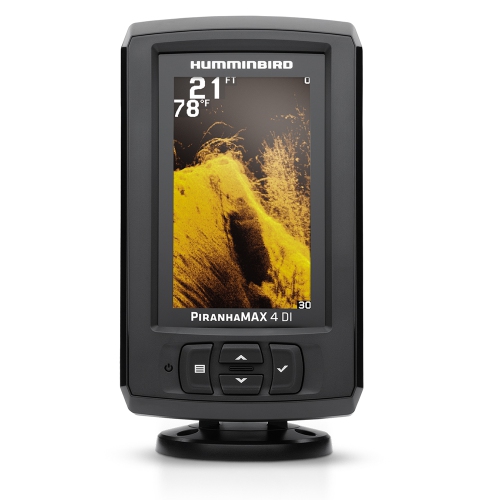
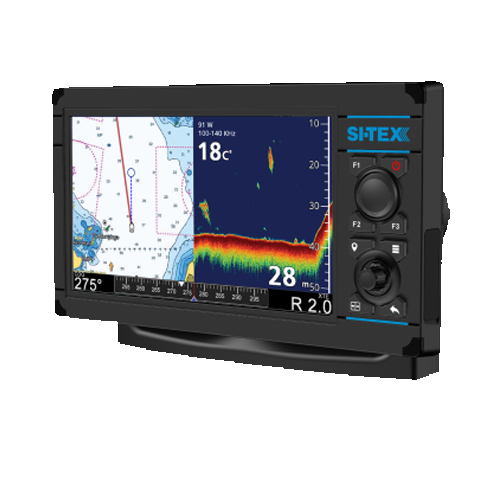
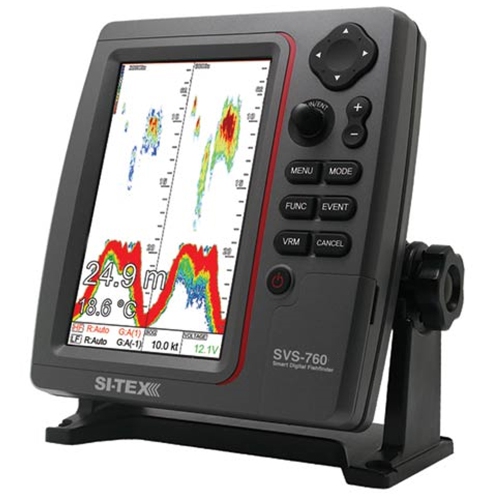
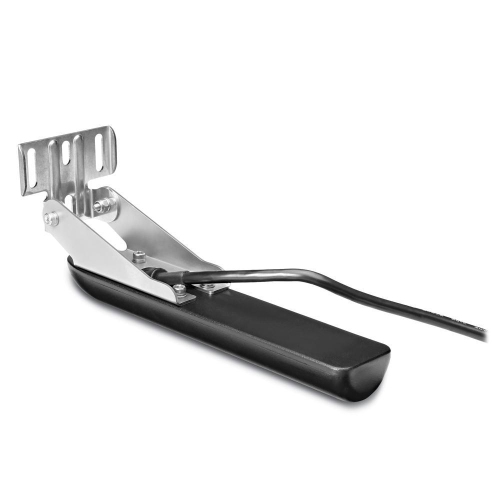
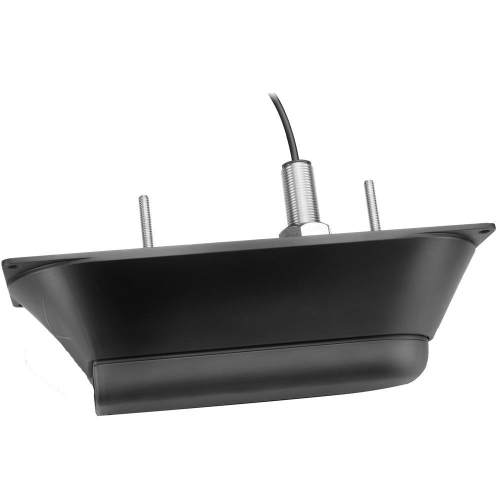
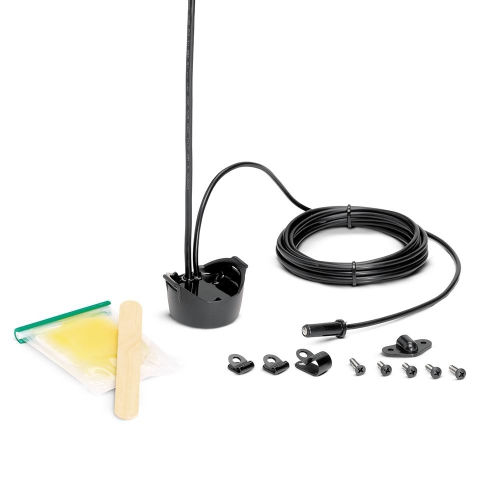
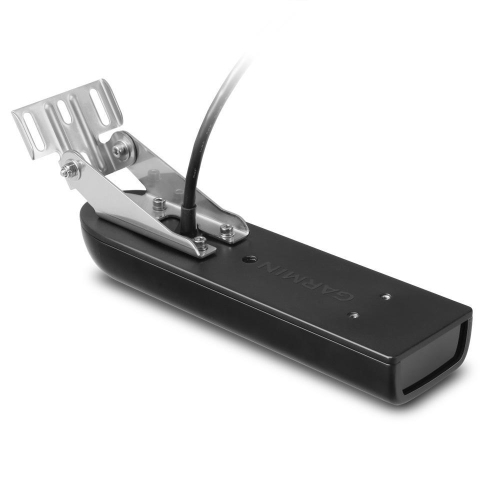
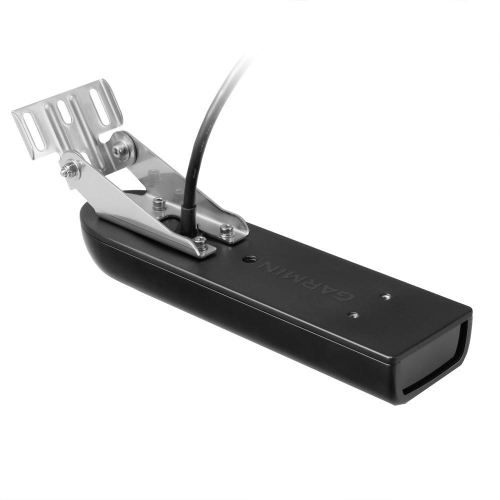
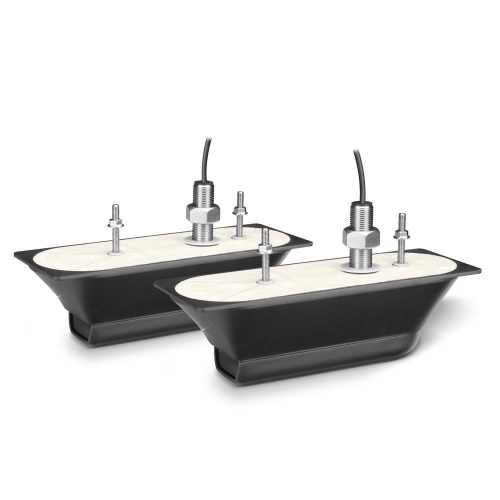
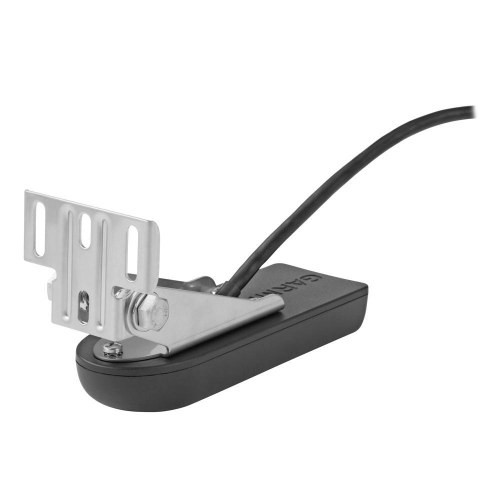
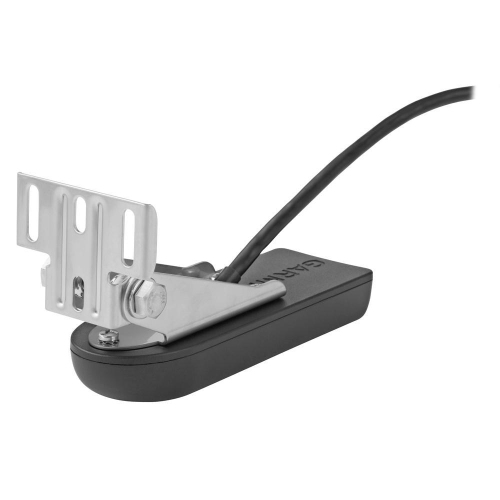
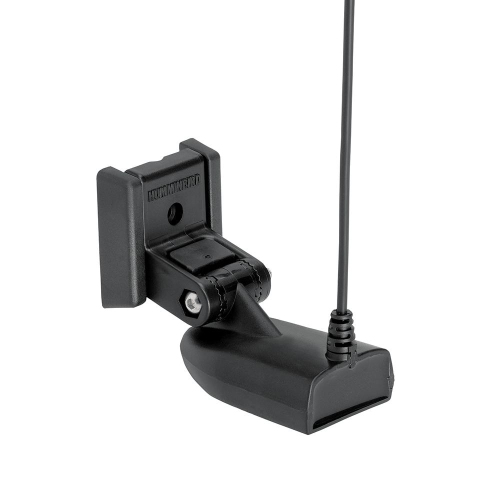
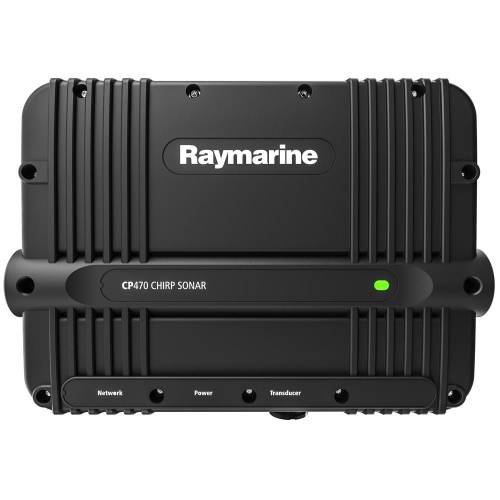
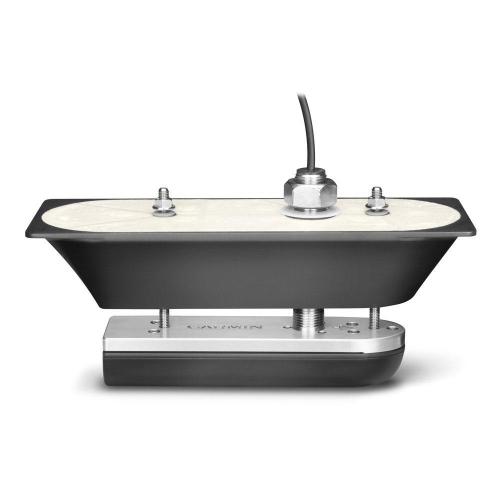
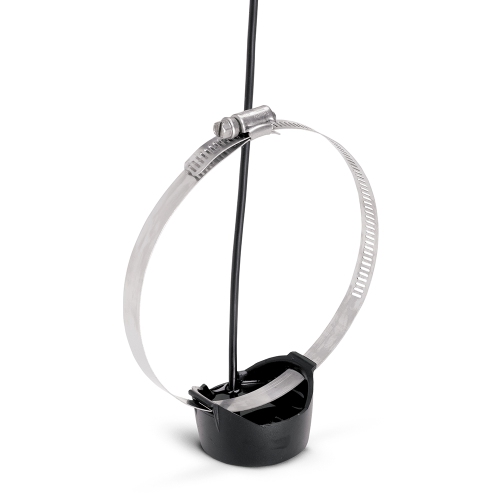
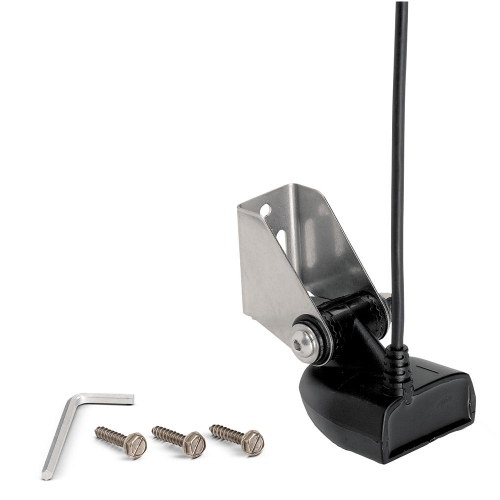
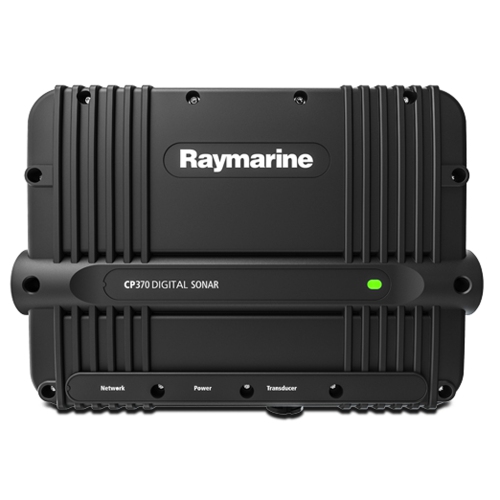
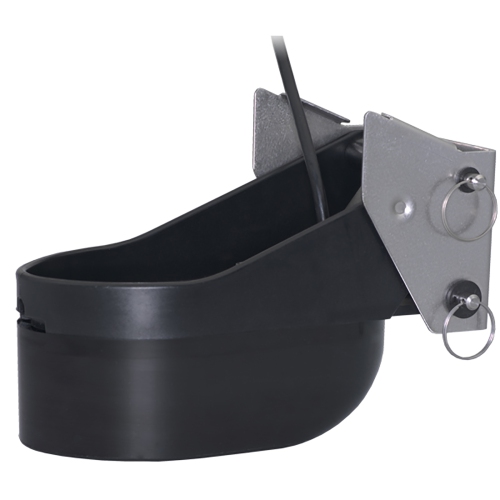
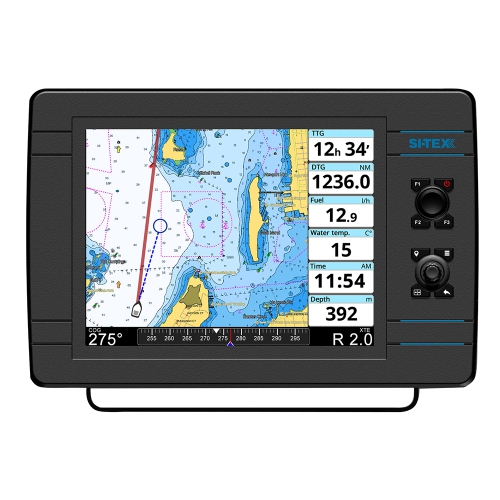
Fish finders are marine electronics designed to help anglers understand what is happening beneath and around a boat, kayak, canoe, or fishing hole. Using sonar technology, a fish finder sends sound waves through the water and interprets the returning signals to display depth, bottom contours, submerged structure, vegetation, and potential fish targets on a screen. This information can make unfamiliar water easier to read and help anglers spend less time searching blindly for productive areas. A fish finder may show a simple two-dimensional view of the water column, while more advanced units can provide detailed Down Imaging, Side Imaging, or forward-facing sonar views. Down Imaging focuses on the area directly below the transducer and can help reveal changes in the bottom, fallen trees, rock piles, and other structure. Side Imaging scans to either side of the boat, making it useful for covering a wider area while moving slowly across a lake or river. Forward-facing sonar displays activity ahead of the boat in near real time, allowing experienced anglers to watch how fish respond to a lure or bait. CHIRP sonar is another feature worth considering because it sends a range of frequencies to produce clearer separation between targets and more useful detail at different depths. When comparing fish finders, think about where and how the unit will be used, the size and readability of the display, the type of transducer included, and whether built-in GPS or chartplotting would be helpful. A compact screen can suit a small kayak or portable setup, while a larger display may be easier to read from the helm of a fishing boat. Touchscreen controls can make menus and maps quick to navigate, whereas physical buttons may be more practical when wearing gloves or operating equipment in spray, rain, or cold conditions. Brightness, screen resolution, waterproof construction, battery life, and the availability of mounting hardware are also important considerations. For a broader selection of marine and angling technology, explore Fishing Electronics.
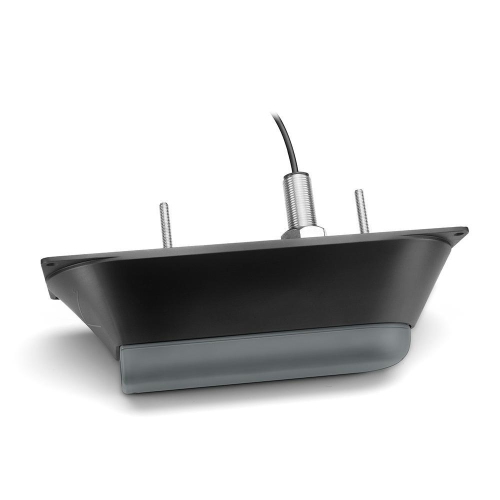
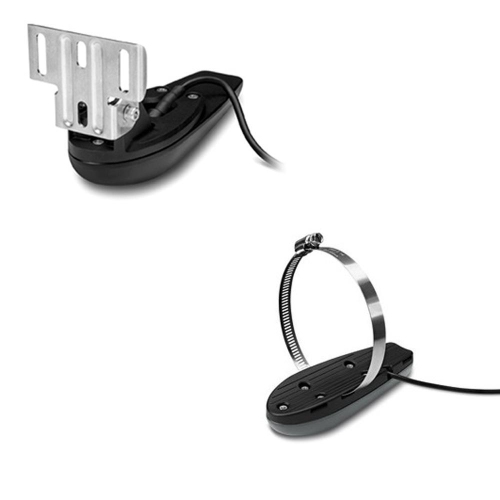
Choosing the right fish finder starts with matching its capabilities to the water and the vessel. Anglers who fish from shore may prefer a portable or castable design that can be carried in a tackle bag and used without permanently mounting equipment. These units can help estimate depth and identify changes in bottom structure from a dock, riverbank, or shoreline access point, giving bank anglers a better sense of what lies beyond the casting distance. Kayak and canoe users often look for compact models with straightforward controls, low power requirements, and mounting options that keep the transducer secure without taking up valuable space. Boat owners may benefit from a larger display, GPS waypoint storage, detailed mapping, and imaging that covers a greater area as the boat moves. GPS functionality can be especially useful for marking a promising drop-off, weed edge, channel, shoal, or other location to revisit later. Mapping features may also help anglers compare depth contours and plan routes across a lake, although chart coverage and compatibility can vary by unit. For cooler conditions and hard-water fishing, look for equipment designed for cold-weather use, including portable carrying cases, ice-specific transducers, rugged battery arrangements, and displays that remain easy to operate with gloves. During the cooler months, a fish finder can help locate depth changes and underwater features beneath the ice, but anglers should always follow local ice-safety guidance and treat the device as a scouting aid rather than a substitute for checking conditions. Installation also affects performance. A transom-mounted transducer should sit securely and remain properly aligned with the water flow, while trolling-motor, through-hull, and portable mounting options may suit different boat layouts. Poor placement, turbulence, air bubbles, or a loose connection can create clutter or interrupt readings. Before heading out, check the mounting instructions, power requirements, cable routing, and transducer compatibility. Portable users should also consider how easily the system can be packed, charged, protected, and set up at the water.
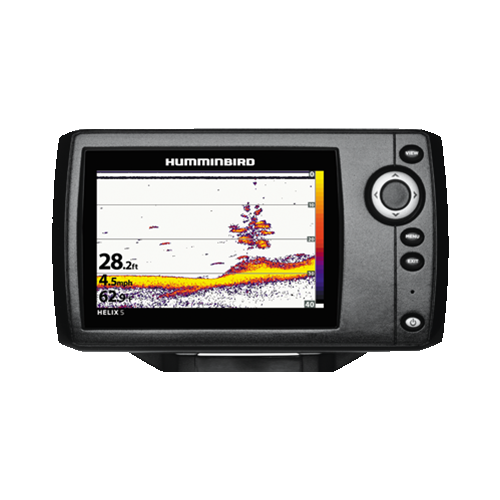
Learning to read a fish finder takes practice, but the screen becomes much more useful once its basic language is familiar. Most displays scroll from right to left, with the newest sonar information appearing at the edge of the screen and older information moving across the display as the boat travels. The depth reading normally identifies the distance from the transducer to the bottom, while the shape of the bottom line can indicate whether the lakebed is relatively flat, sloping, rocky, or irregular. A thick, clearly defined bottom return may suggest harder ground, while a softer or less distinct return can indicate mud or fine sediment. Fish may appear as arches when the boat passes over them, although their shape depends on speed, depth, sonar settings, and how the fish moves through the beam. Lines, clouds, or clusters may represent suspended fish, bait, vegetation, or interference, so it is helpful to compare the screen with known locations and adjust settings gradually. Sensitivity, depth range, colour palette, noise rejection, and scroll speed can all change how information appears. Increasing sensitivity may reveal more detail but can also make the display look crowded; reducing it may create a cleaner view while hiding weaker returns. New users often get better results by starting with automatic settings, then making small adjustments as they gain experience. A fish finder can be a thoughtful gift for a recreational angler, a family member with a new boat, someone setting up a kayak for fishing, or an experienced enthusiast looking to add mapping or imaging to an existing setup. It can support quiet early-morning outings, leisurely afternoons on familiar water, and focused trips during the cooler months when understanding depth and structure becomes particularly valuable. Whether the priority is portability, easy operation, detailed imaging, GPS navigation, or ice-fishing capability, the best choice is the one that fits the angler’s vessel, fishing style, comfort with marine electronics, and typical conditions.
Choosing the right fish finder starts with matching its capabilities to the water and the vessel. Anglers who fish from shore may prefer a portable or castable design that can be carried in a tackle bag and used without permanently mounting equipment. These units can help estimate depth and identify changes in bottom structure from a dock, riverbank, or shoreline access point, giving bank anglers a better sense of what lies beyond the casting distance. Kayak and canoe users often look for compact models with straightforward controls, low power requirements, and mounting options that keep the transducer secure without taking up valuable space. Boat owners may benefit from a larger display, GPS waypoint storage, detailed mapping, and imaging that covers a greater area as the boat moves. GPS functionality can be especially useful for marking a promising drop-off, weed edge, channel, shoal, or other location to revisit later. Mapping features may also help anglers compare depth contours and plan routes across a lake, although chart coverage and compatibility can vary by unit. For cooler conditions and hard-water fishing, look for equipment designed for cold-weather use, including portable carrying cases, ice-specific transducers, rugged battery arrangements, and displays that remain easy to operate with gloves. During the cooler months, a fish finder can help locate depth changes and underwater features beneath the ice, but anglers should always follow local ice-safety guidance and treat the device as a scouting aid rather than a substitute for checking conditions. Installation also affects performance. A transom-mounted transducer should sit securely and remain properly aligned with the water flow, while trolling-motor, through-hull, and portable mounting options may suit different boat layouts. Poor placement, turbulence, air bubbles, or a loose connection can create clutter or interrupt readings. Before heading out, check the mounting instructions, power requirements, cable routing, and transducer compatibility. Portable users should also consider how easily the system can be packed, charged, protected, and set up at the water.
Learning to read a fish finder takes practice, but the screen becomes much more useful once its basic language is familiar. Most displays scroll from right to left, with the newest sonar information appearing at the edge of the screen and older information moving across the display as the boat travels. The depth reading normally identifies the distance from the transducer to the bottom, while the shape of the bottom line can indicate whether the lakebed is relatively flat, sloping, rocky, or irregular. A thick, clearly defined bottom return may suggest harder ground, while a softer or less distinct return can indicate mud or fine sediment. Fish may appear as arches when the boat passes over them, although their shape depends on speed, depth, sonar settings, and how the fish moves through the beam. Lines, clouds, or clusters may represent suspended fish, bait, vegetation, or interference, so it is helpful to compare the screen with known locations and adjust settings gradually. Sensitivity, depth range, colour palette, noise rejection, and scroll speed can all change how information appears. Increasing sensitivity may reveal more detail but can also make the display look crowded; reducing it may create a cleaner view while hiding weaker returns. New users often get better results by starting with automatic settings, then making small adjustments as they gain experience. A fish finder can be a thoughtful gift for a recreational angler, a family member with a new boat, someone setting up a kayak for fishing, or an experienced enthusiast looking to add mapping or imaging to an existing setup. It can support quiet early-morning outings, leisurely afternoons on familiar water, and focused trips during the cooler months when understanding depth and structure becomes particularly valuable. Whether the priority is portability, easy operation, detailed imaging, GPS navigation, or ice-fishing capability, the best choice is the one that fits the angler’s vessel, fishing style, comfort with marine electronics, and typical conditions.
Top selling and popular products
-
 Your price for this item is $31.34
 -
 Your price for this item is $30.54
 -
 Your price for this item is $38.85
 -
 Your price for this item is $63.99
 -
 Your price for this item is $917.79
 -
 Your price for this item is $844.31
 -
 Your price for this item is $31.38
 -
 Your price for this item is $35.35
Discover more categories related to Fish Finders

Top Collections:
Pokemon Centers, Kindle Devices, Best Budget Office Chairs, Canon G7X Cameras, Apple iPhones 16, Samsung Galaxy Phones, Refurbished Apple Laptops, Laptops for Students, iPhone 15 Apple, Budget Smartphones
Some products may be subject to Environmental Handling Fees
(EHF) depending on your province.
Learn more about EHFs.