Fish Finder Transducers
Looking to take your fishing game to the next level? Look no further than our selection of fish finder transducers. These innovative devices are designed to help you locate and track fish underwater, giving you a distinct advantage on your fishing trips. Whether you're a seasoned angler or just starting out, a fish finder transducer is an essential tool that can greatly enhance your fishing experience. With their advanced sonar technology and reliable performance, these transducers are sure to become your go-to fishing companion. Explore our wide range of options and find the perfect fish finder transducer to suit your needs.
Sort

























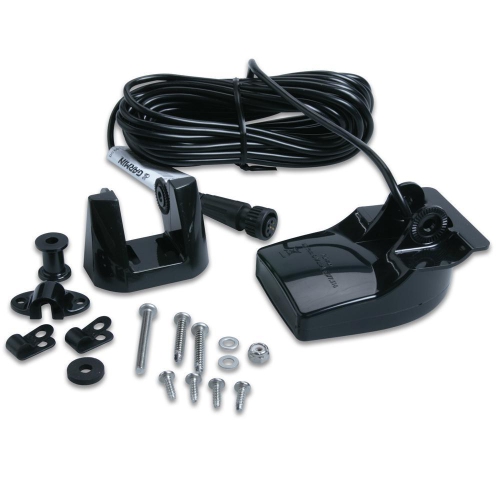
How sonar turns sound into a clearer underwater picture
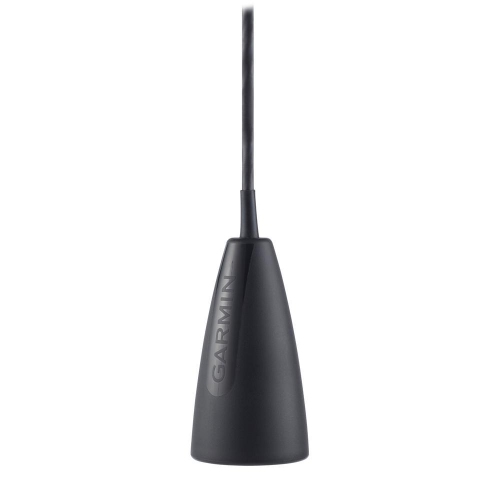
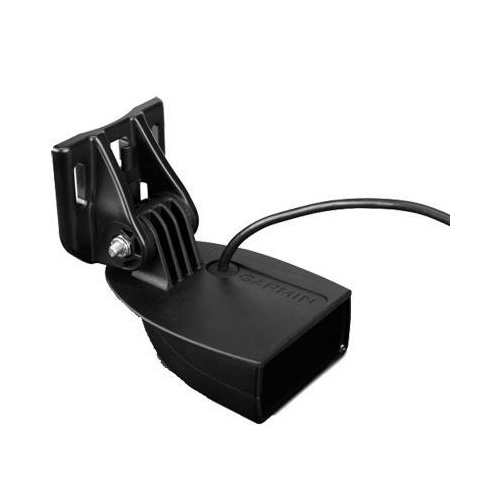
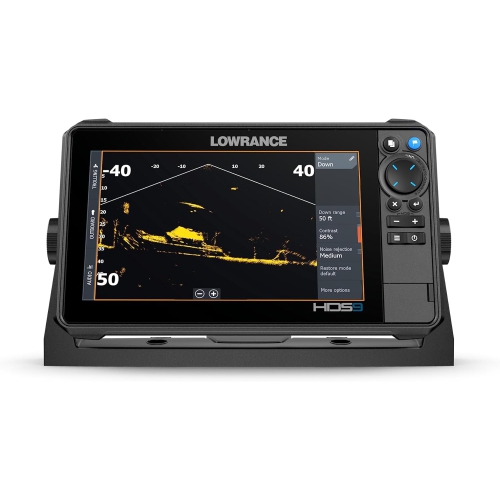
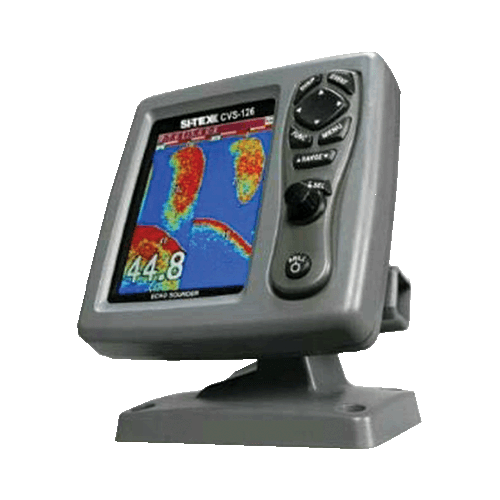
Fish finder transducers are underwater sonar sensors that transmit sound waves and receive returning signals, allowing a compatible fish finder to display depth, bottom contours, underwater structure, and potential fish targets. The transducer converts electrical energy into sound and returning sound into electrical signals, while the connected display processes that information into a readable image. Together, these components help anglers make sense of what lies beneath a boat, kayak, or fishing hole. A rocky ledge, a soft-bottomed bay, and a submerged brush pile can produce different sonar returns, adding useful context to a stretch of water that looks uniform from above. Hard surfaces generally reflect stronger signals than soft sediment, although screen settings, depth, and installation also affect the image. Transducer frequency, beam shape, and supported sonar technology influence the coverage and detail a system can provide. Lower frequencies generally suit deeper water, while higher frequencies often provide finer detail over shorter ranges. A wider sonar beam covers more water beneath the sensor, whereas a narrower beam concentrates coverage within a smaller area. CHIRP sonar transducers transmit across a range of frequencies rather than relying on a single fixed frequency, helping compatible systems distinguish closely spaced targets and reduce clutter. Downward-looking imaging can reveal the shape of submerged timber or bottom structure, while side-looking imaging extends the view to either side of the boat. Live sonar uses compatible equipment to show movement with rapid updates, which can help anglers follow a lure or observe fish responding nearby. These capabilities serve different fishing styles rather than forming a single measure of quality. An angler following a deep lake contour may value reliable depth readings and target separation, while someone casting along weed edges may place greater importance on broad coverage and clear structural detail. Sonar returns still require interpretation: a promising mark does not identify a fish species or guarantee a catch.
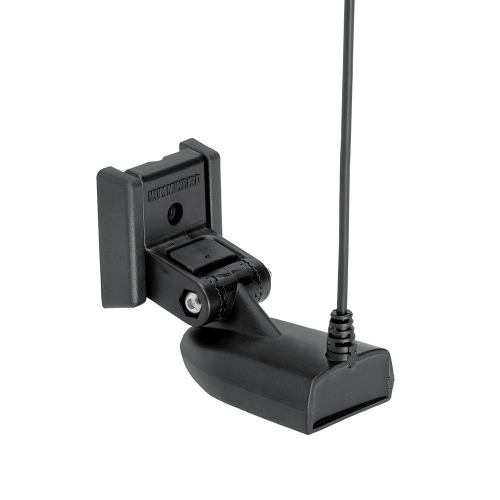
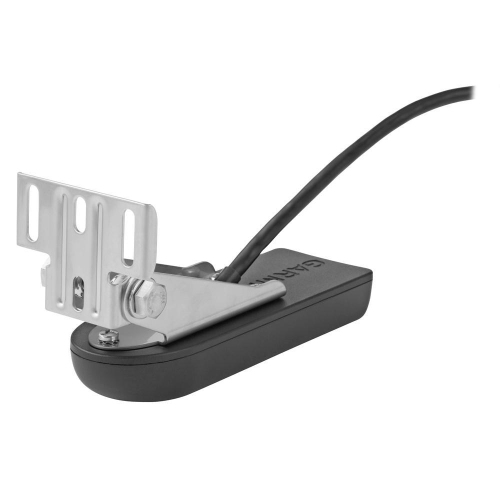
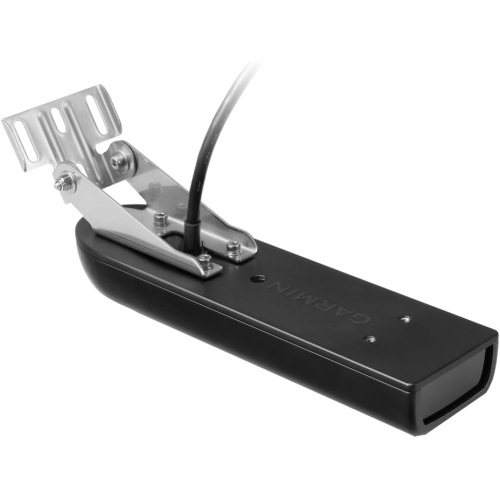
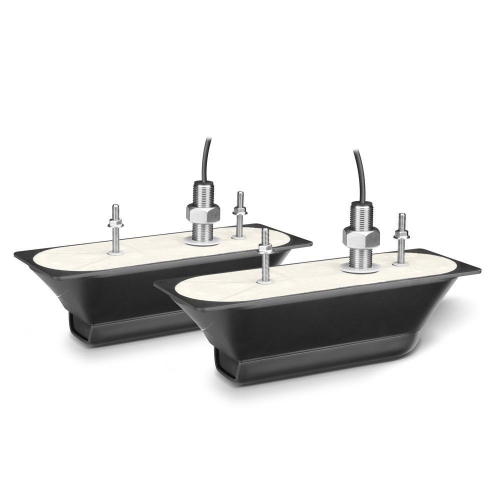
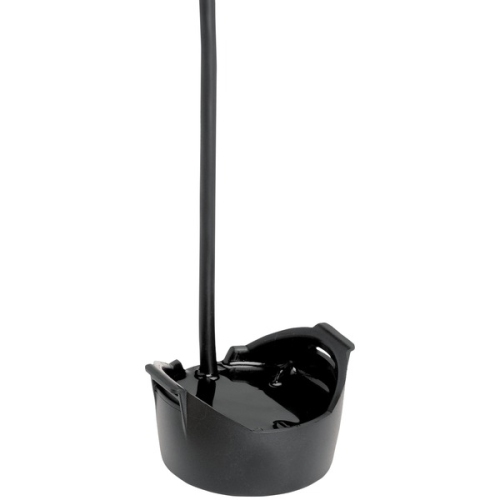
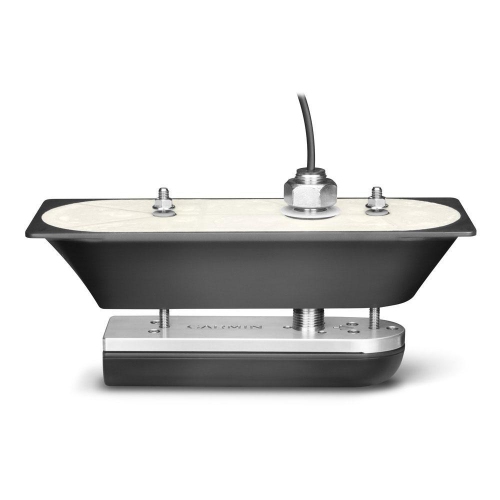
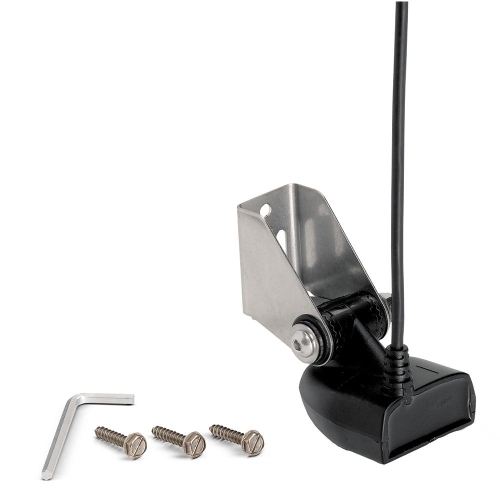
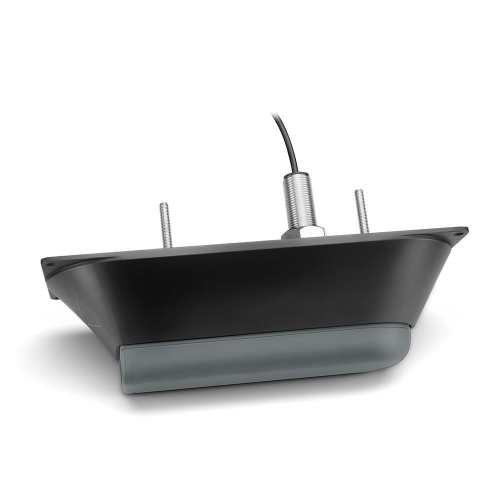
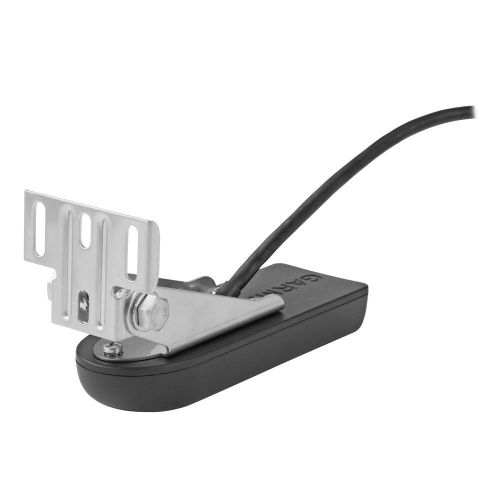
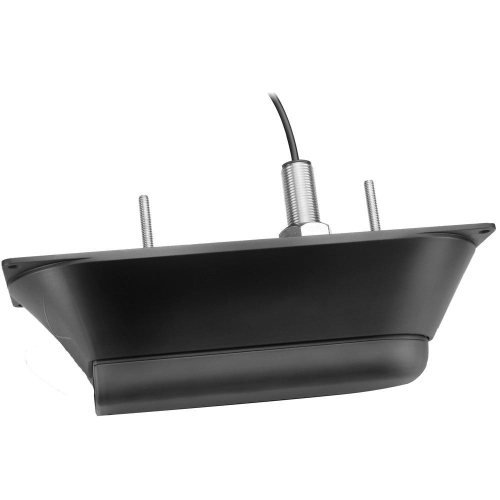
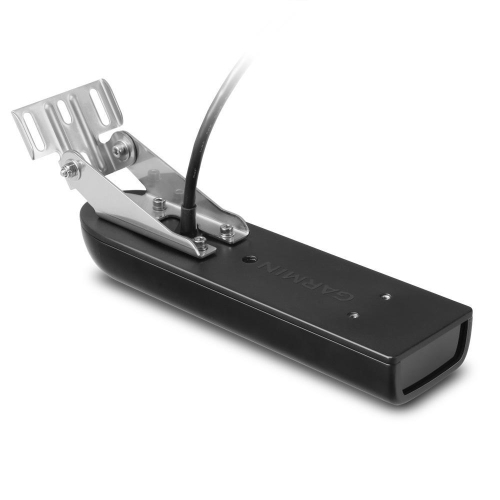
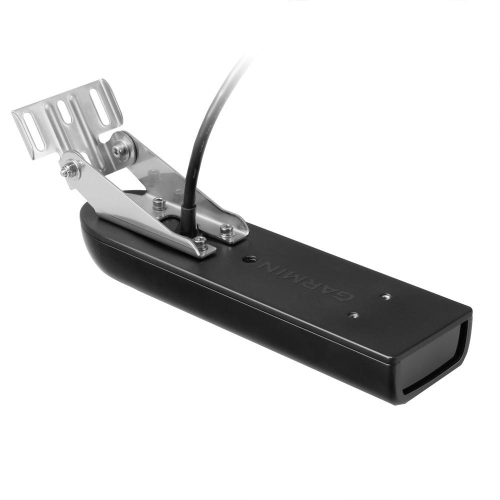
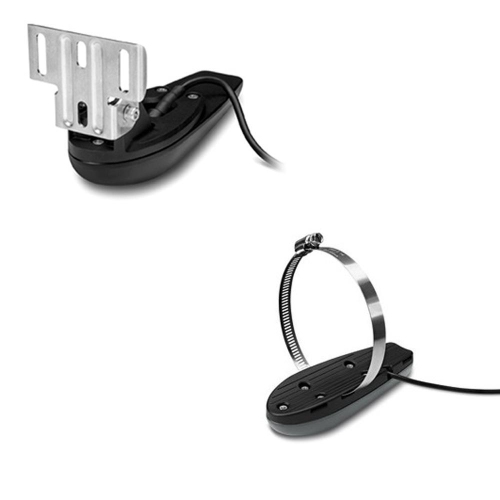
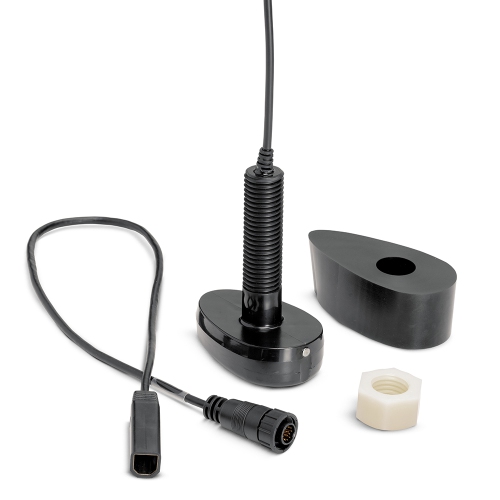
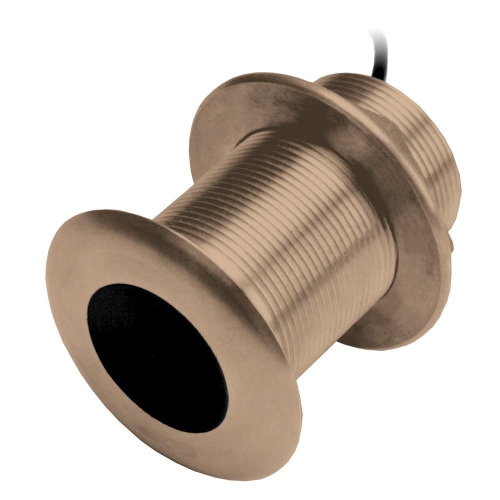
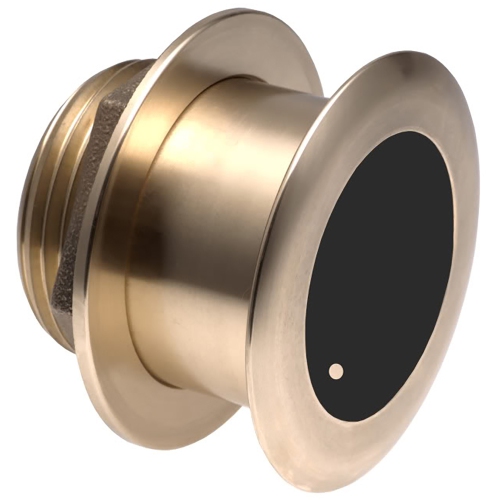
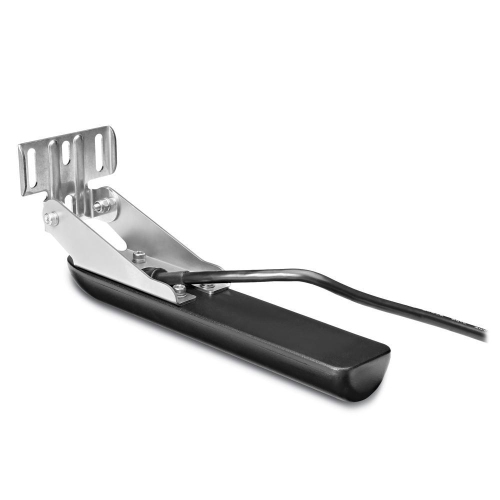
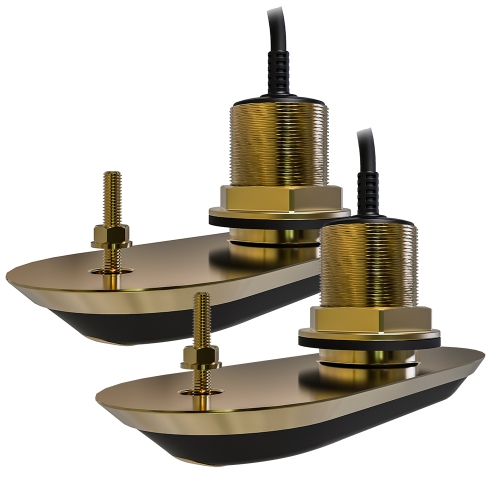
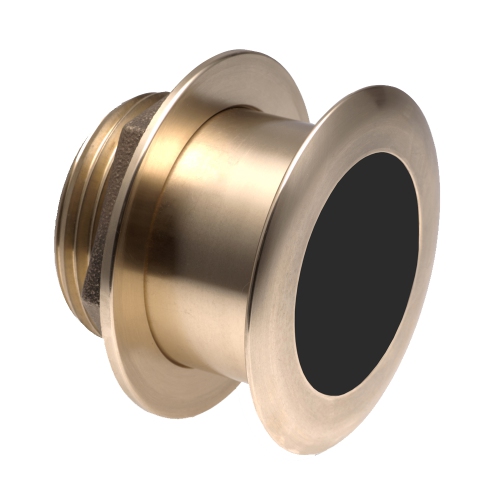
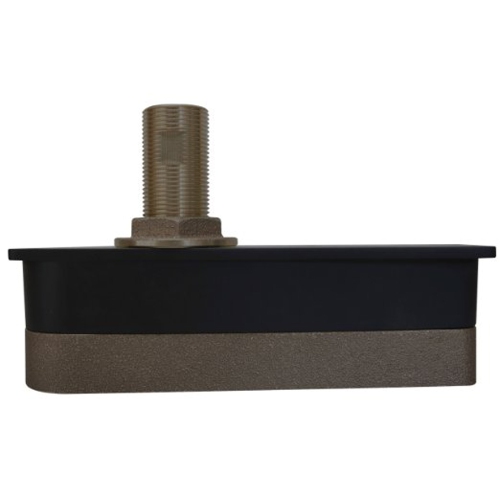
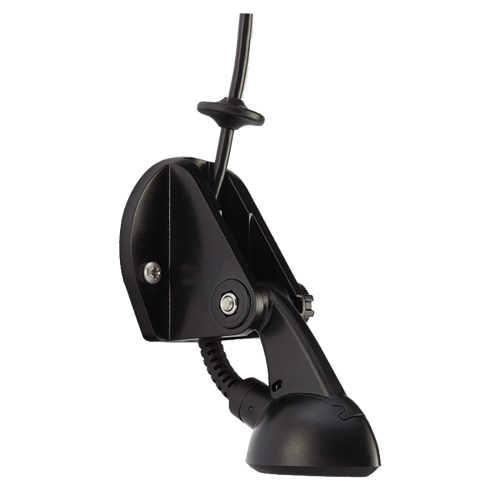
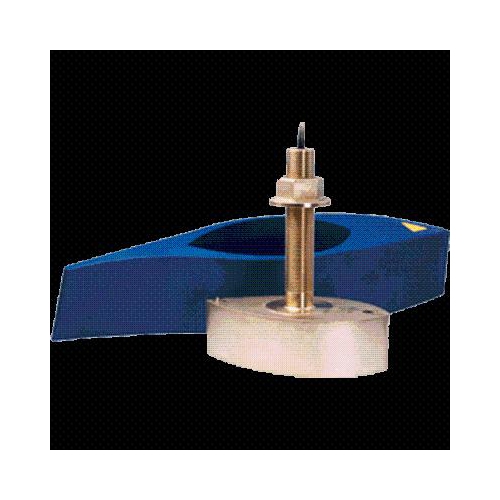
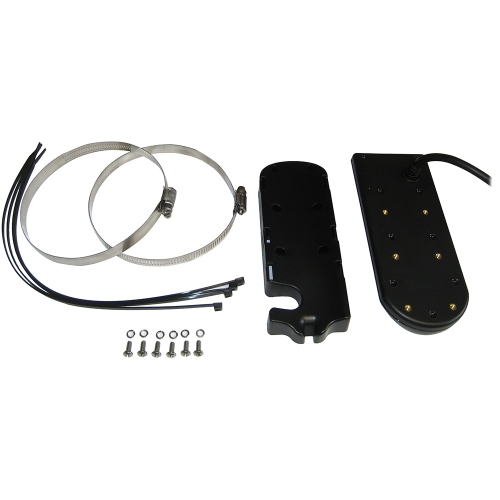
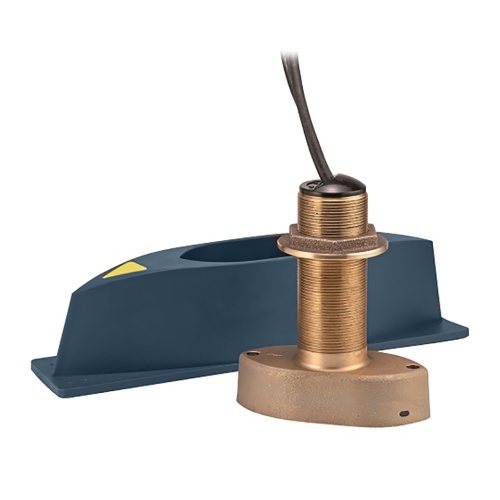
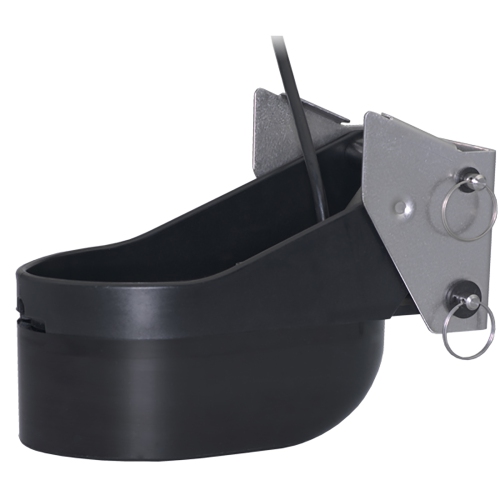
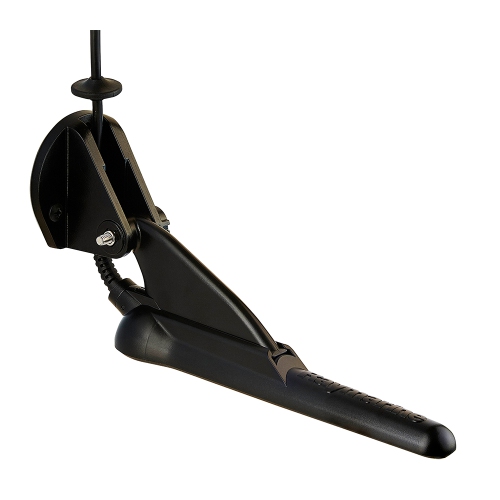
Compatibility is central to selecting fish finder transducers, whether the purpose is replacing a damaged sensor or adding a supported sonar capability. A matching connector is only part of the fit. The fish finder must also support the transducer’s frequencies, sonar functions, power requirements, and connection type; some combinations require an approved adapter or a separate sonar module. An adapter alone does not give a display features it was not designed to process. Cable length matters as well, particularly when the display sits at the bow and the sensor mounts near the stern. A suitable cable route leaves room for steering and moving hardware without stretching the connection or leaving loose loops near propellers. Mounting style shapes how the transducer fits the vessel and performs on the water. Transom-mount transducers attach to the back of the boat and are common on smaller fishing craft, with placement chosen to maintain contact with relatively smooth water. Air bubbles and turbulence from hull features or propulsion can interrupt sonar readings, especially as speed increases. Through-hull transducers sit in an opening through the hull, making hull material, hull angle, sealing, and installation quality important considerations. In-hull designs transmit through a suitable section of hull without placing the sensor directly in the water, but their suitability depends on the hull’s construction and the transducer’s specifications. Cored hulls, metal hulls, and air gaps can rule out installations that work with compatible solid fibreglass. Trolling-motor mounts move with the motor, while pole mounts can offer adjustable positioning for supported directional sonar. Kayak installations may use a compatible scupper opening, a protected mounting recess, or an external arm, depending on the craft’s design. For each arrangement, clearance and protection matter alongside the sonar view. A sensor that hangs below a shallow-draft kayak may be exposed when launching over gravel, while a poorly positioned boat transducer can interfere with a trailer bunk. The best fit balances the required coverage with secure mounting, practical cable management, and the way the vessel is launched, transported, and used.
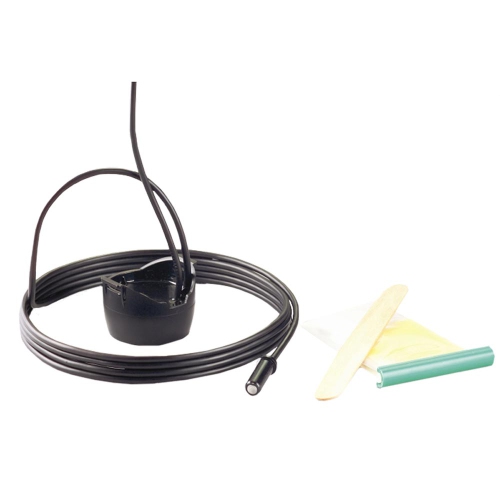
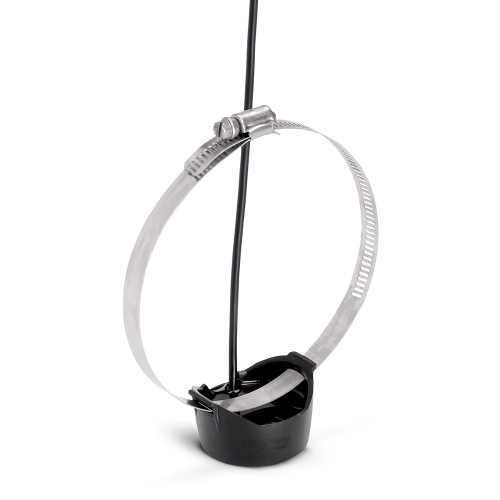
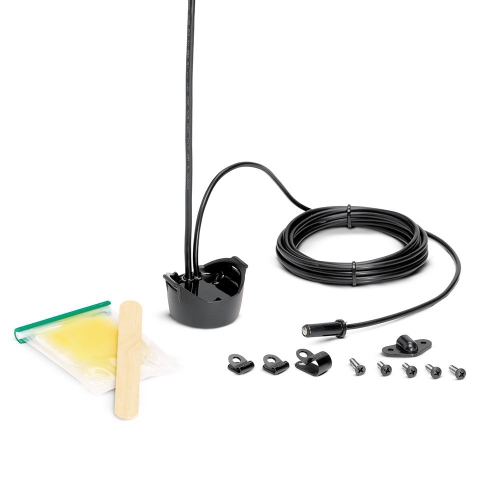
Materials and construction contribute to a transducer’s durability, but suitability depends on the complete installation rather than the housing alone. Housings may use moulded plastic, bronze, or stainless steel, with mounting brackets, seals, and cables designed for their intended marine applications. Through-hull housing material must be appropriate for the boat’s hull; unsuitable combinations can create corrosion concerns, particularly around metal hulls. Fasteners and brackets also need to suit the mounting surface and exposure to water. Sealed construction protects internal components during intended use, while connectors still require the protection specified by the manufacturer. Repeated cable pinching, sharp bends, and strain at connection points can cause problems even when the sensor housing appears undamaged. Routine care generally includes removing accumulated growth or dirt using approved methods, checking mounting hardware, and inspecting cables for wear. After saltwater use, a gentle freshwater rinse can help remove salt deposits from exposed components. Abrasive cleaning, harsh solvents, and unapproved coatings may damage the sensing face or affect performance, so care instructions matter. During transport and storage, protection from impacts is especially useful for exposed transom mounts and removable kayak assemblies. Cooler-weather fishing brings different practical needs: open-water mounting hardware is not automatically suitable for a stationary presentation through ice. Purpose-built Ice Fishing Transducers are designed for use through a fishing hole, often with arrangements that help keep the sensor suspended and correctly oriented beneath the surface. Across these uses, fish finder transducers appeal to weekend anglers, dedicated freshwater and coastal fishers, and kayak owners building a compact sonar setup. They can also make thoughtful gifts for someone with an established fishing system, provided the exact display compatibility and preferred mounting arrangement are known. For an angler returning to a familiar drop-off or exploring an unfamiliar shoreline, a properly matched transducer supports a clearer understanding of depth and structure. Its value lies in reliable information suited to the water, the vessel, and the fishing technique—not simply the number of sonar features listed.
Top selling and popular products
-
 Your price for this item is $31.34
-
 Your price for this item is $30.54
-
 Your price for this item is $38.85
-
 Your price for this item is $63.99
-
 Your price for this item is $917.79
-
 Your price for this item is $844.31
-
 Your price for this item is $31.38
-
 Your price for this item is $35.35
Discover more categories related to Fish Finder Transducers
Top Collections:
Pokemon Centers, Kindle Devices, Best Budget Office Chairs, Canon G7X Cameras, Apple iPhones 16, Samsung Galaxy Phones, Refurbished Apple Laptops, Laptops for Students, iPhone 15 Apple, Budget Smartphones
Some products may be subject to Environmental Handling Fees
(EHF) depending on your province.
Learn more about EHFs.