Ice Fishing Transducers
Looking to enhance your ice fishing experience? Look no further than our wide selection of ice fishing transducers. These essential devices are designed to provide you with accurate and real-time information about what lies beneath the frozen surface. Whether you're a seasoned angler or just starting, ice-fishing transducers are sure to meet your needs. With their advanced technology and reliable performance, these transducers will help you locate fish, determine water depth, and navigate through the icy terrain with ease.
Sort















What to know about sonar performance beneath the ice
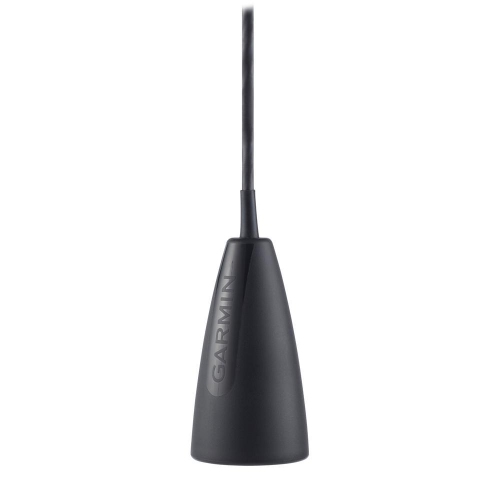
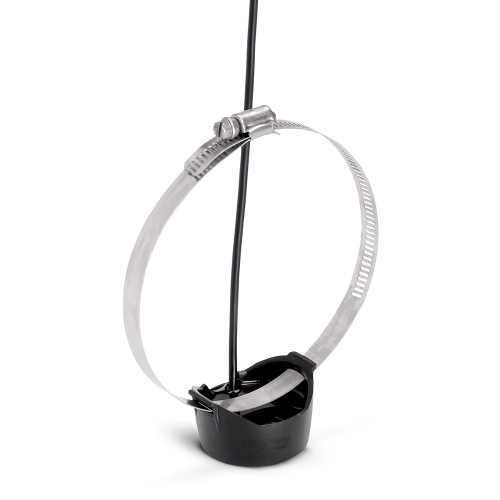
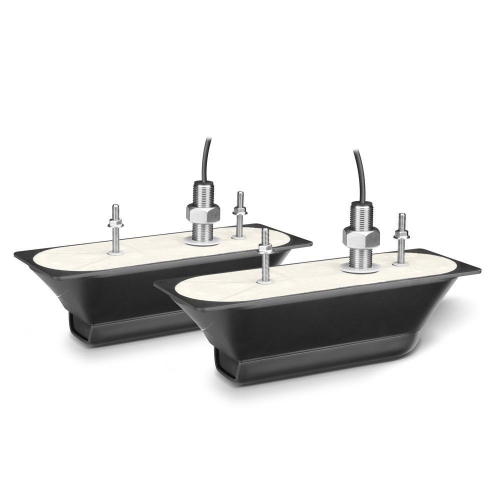
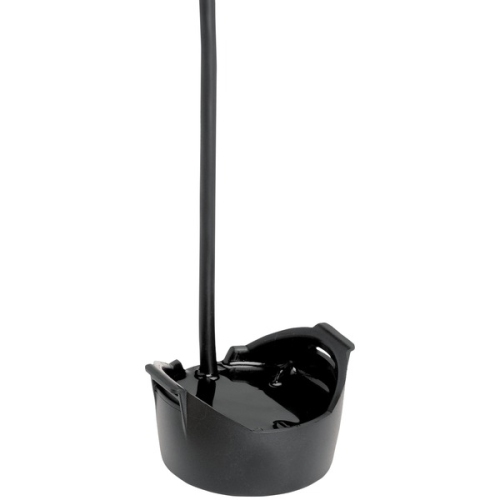
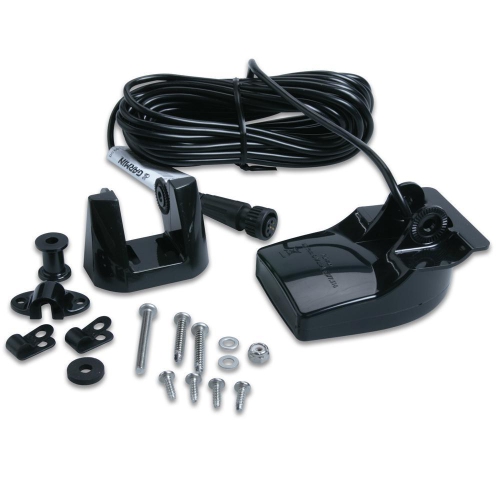
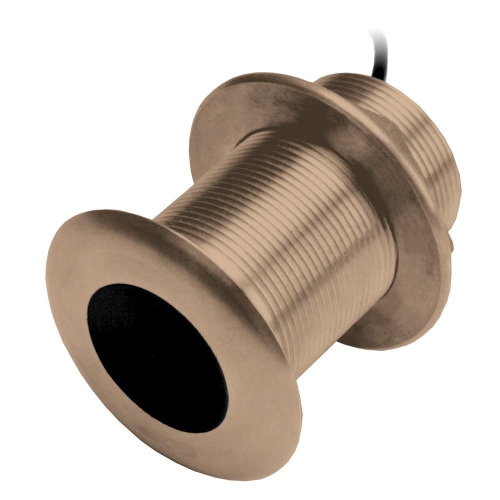
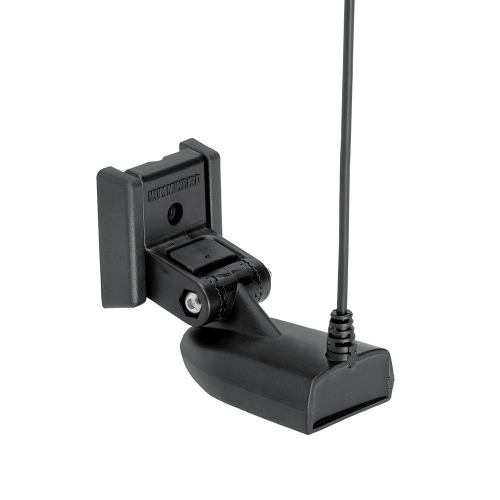
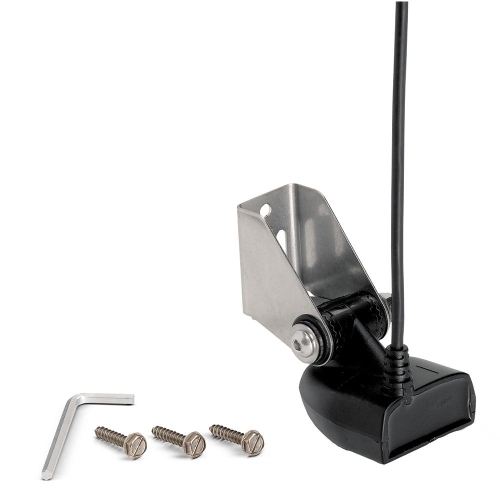
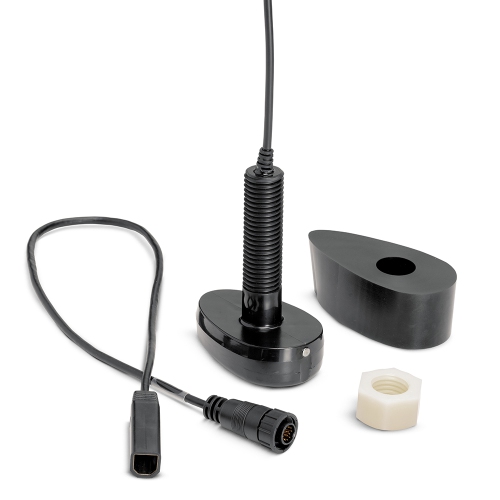
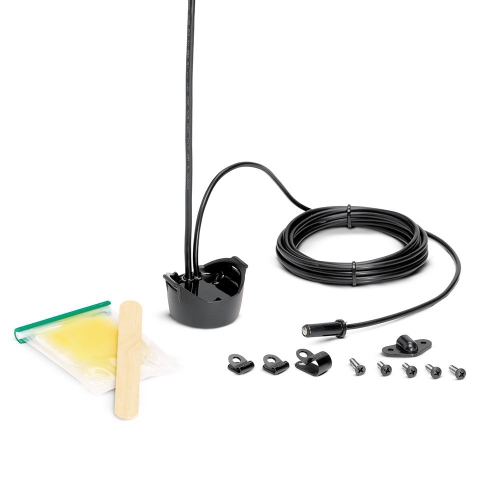
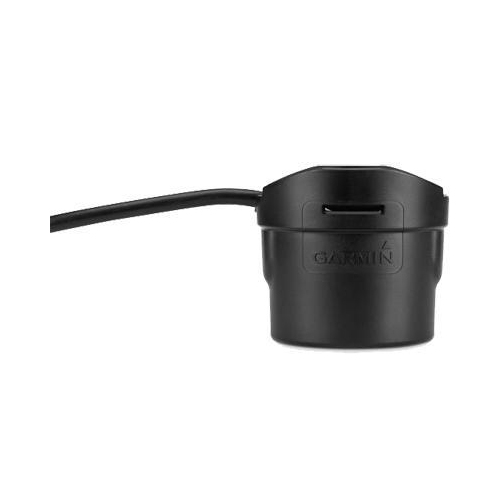
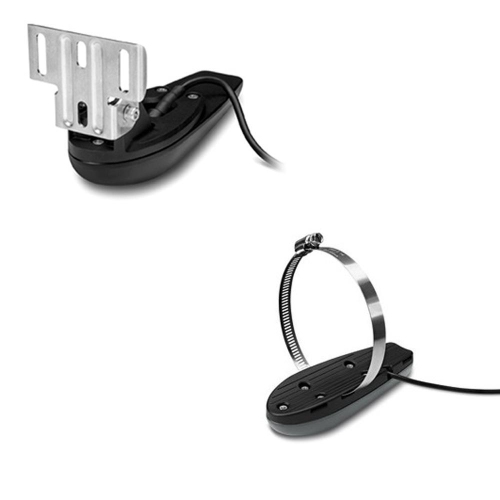
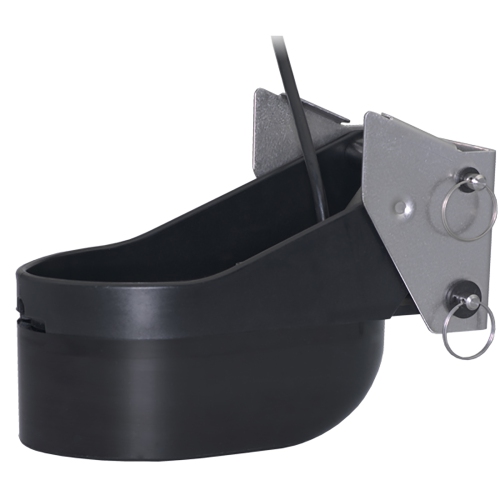
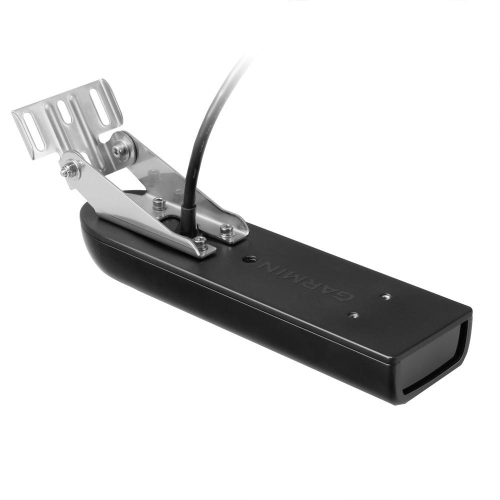
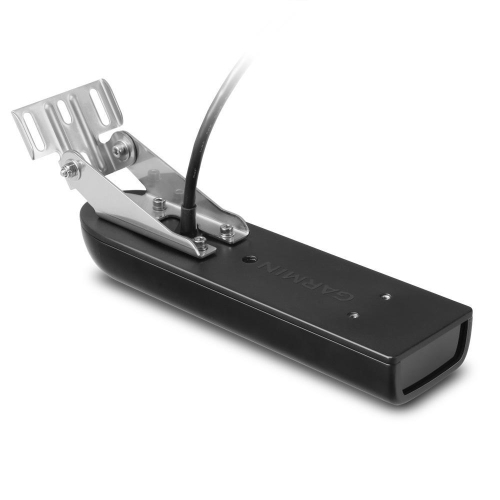
Ice fishing transducers are specialized sonar sensors designed to help anglers read the water beneath a drilled hole during the colder months. Unlike many open-water transducers, ice fishing models are built for the practical conditions found on frozen lakes, including rigid rods, icy slush, gloves, portable equipment and cables exposed to sub-zero temperatures. A typical setup lowers the transducer through an 8-inch or 10-inch ice hole, where it sends sonar signals downward and returns information about depth, bottom structure, fish and lure activity to a compatible fish finder. Many include a foam float that helps keep the sensor level below the surface, while a compact mount or positioning arm can make setup easier when moving between holes. A cold-weather cable is especially important because ordinary cables may become stiff in freezing conditions, making them difficult to coil and increasing the risk of damage. Silicone-coated cables are designed to remain more flexible when temperatures drop, helping anglers position the transducer without fighting a rigid line. When comparing ice fishing transducers, check that the connector is compatible with the fish finder or sonar display you plan to use, and confirm that the included float, mount or adapter suits your portable shelter and hole size. Anglers who already own a sonar unit for open-water fishing may need an ice-specific transducer rather than assuming their existing sensor will perform well in winter conditions. For a different style of installation on a boat, see Transom Mount Transducers.
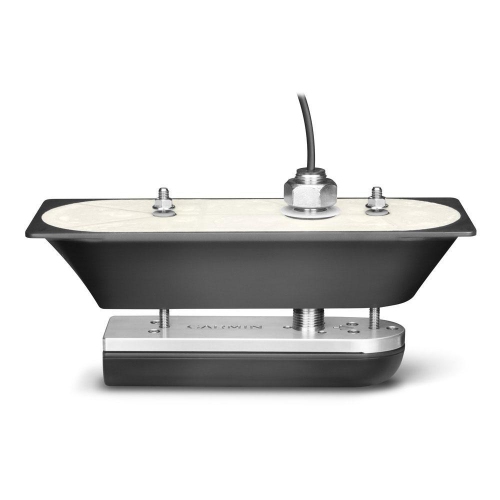
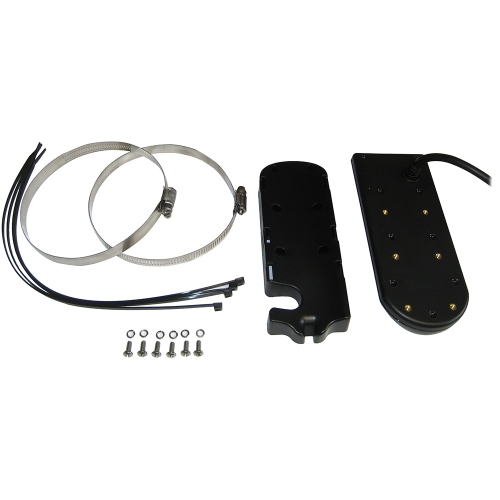
Beam angle is another important consideration when choosing among ice fishing transducers. A wider beam covers more of the water column around the hole, which can be useful when searching for active fish, checking a broad area or fishing in relatively shallow water. It may also help beginners understand how fish move around a lure because targets can appear from a larger section beneath the ice. A narrower beam concentrates the sonar signal more directly below the hole, offering greater precision when separating a fish from the bottom or tracking a small jig. This focused view can be valuable in deeper water, around distinct structure or when an angler needs to know whether a mark is directly beneath the hole rather than several feet to one side. Dual-beam designs provide a practical balance, allowing users to switch between broader coverage and a more targeted view as conditions change. CHIRP technology can improve target separation by sending a range of frequencies and helping the display distinguish nearby returns, which is useful when a fish is following a lure close to the bottom or when several marks appear within the same area. Display compatibility, sonar frequency range, cone angle, cable length and portability all deserve attention before purchase. Think about how much equipment will be carried from the vehicle to the lake, whether the transducer will be moved repeatedly throughout the day, and whether the unit will be used inside a pop-up shelter or in the open air. A straightforward float-mounted design may suit anglers who drill a few holes and fish from one location, while a sturdier positioning system may be preferable for someone who regularly explores different depths and locations. A well-matched transducer can make the sonar display easier to interpret, reduce setup frustration and provide a clearer picture of what is happening below the ice.
Ice fishing transducers can suit experienced anglers, first-time winter fishers and anyone building a portable sonar kit for frozen-lake trips. They are useful for locating depth changes, finding the transition between mud and gravel, identifying weed lines and monitoring a lure as it rises and falls. Watching the display while jigging can help an angler see how a fish reacts to movement, pause the lure at the level of a marked fish or adjust presentation when a target loses interest. Sonar is not a substitute for local knowledge, safe ice practices or patience, but it can make time on the ice more informed and engaging. For families and groups, a clear sonar view can also turn a quiet afternoon into a shared experience as everyone watches marks appear and disappear beneath the hole. These products may be a thoughtful gift for an angler who already has a compatible fish finder, a person preparing for their first full season of ice fishing or someone who enjoys upgrading portable gear before heading out during the cooler months. Before giving one as a gift, verify the recipient’s fish finder brand and connector type, since transducers are not universally interchangeable. It is also worth considering the angler’s usual water depth, preferred fishing style and tolerance for carrying extra equipment. Someone who fishes for panfish in shallow bays may value broad coverage and a lightweight design, while an angler targeting fish in deeper water may prioritize precise target separation, a narrow beam and a longer cable. Whether used in a heated shelter or beside an open hole under a crisp winter sky, the right ice fishing transducer can provide useful underwater detail while keeping the setup compact, adaptable and ready for changing conditions on the lake.
Top selling and popular products
-
 Your price for this item is $31.34
-
 Your price for this item is $30.54
-
 Your price for this item is $38.85
-
 Your price for this item is $63.99
-
 Your price for this item is $844.91
-
 Your price for this item is $909.33
-
 Your price for this item is $31.38
-
 Your price for this item is $35.35
Discover more categories related to Ice Fishing Transducers

Top Collections:
Pokemon Centers, Best Cameras for Sports Photography, Kindle Devices, Samsung Galaxy Phones, Canon G7X Cameras, Pokémon 30th Celebration Cards, Refurbished Apple Laptops, iPhone 15 Apple, Laptops for Students, Budget Smartphones
Some products may be subject to Environmental Handling Fees
(EHF) depending on your province.
Learn more about EHFs.