Fishing Rod Accessories
Enhance your fishing experience with a wide array of top-notch fishing rod accessories. Whether you're a seasoned angler or just starting, these essential tools are designed to elevate your fishing game to new heights. From sturdy rod holders and convenient tackle boxes to innovative line spoolers and protective rod sleeves, our collection of fishing rod accessories has everything you need to tackle any fishing expedition with confidence. Discover the perfect gear to enhance your casting accuracy, organize your tackle, and keep your rods in pristine condition. With an extensive selection of high-quality accessories, you can trust that Best Buy has got you covered for all your fishing needs.
Sort

























































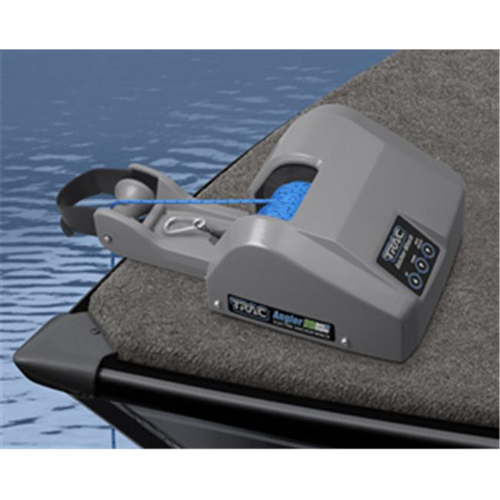
Why rod protection starts with the right fit
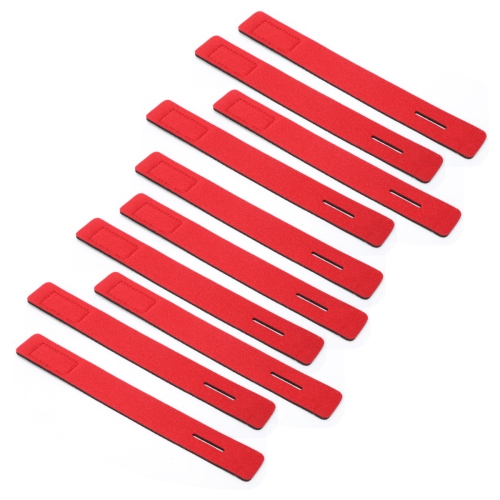
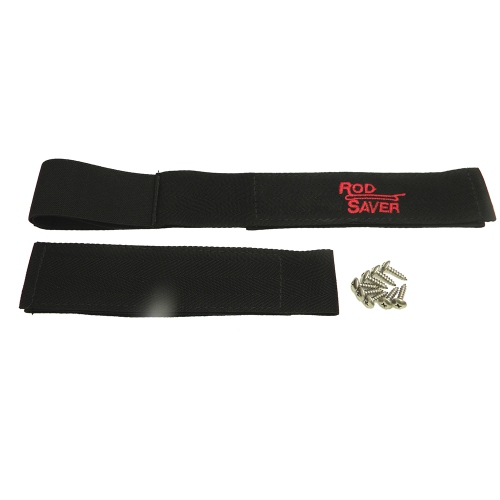
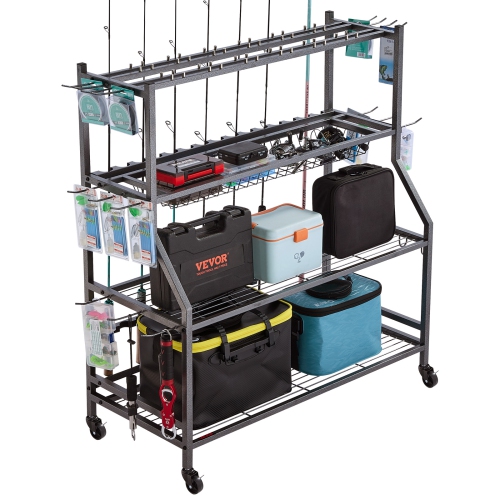
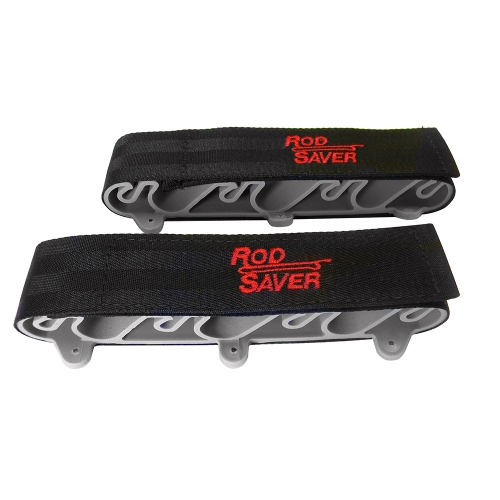
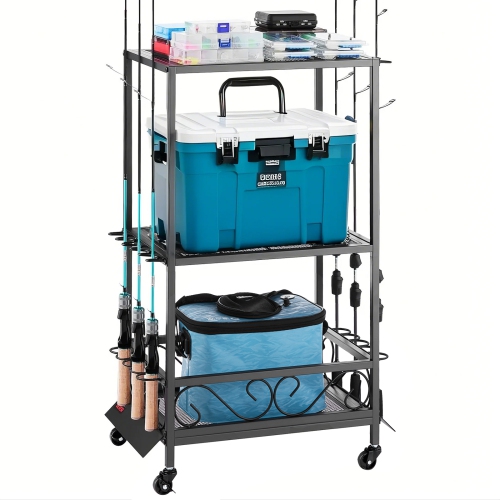
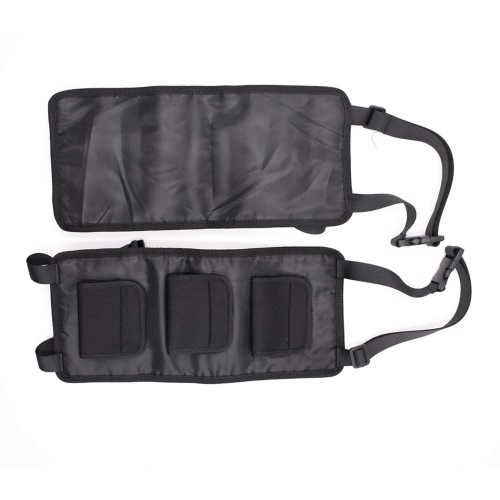
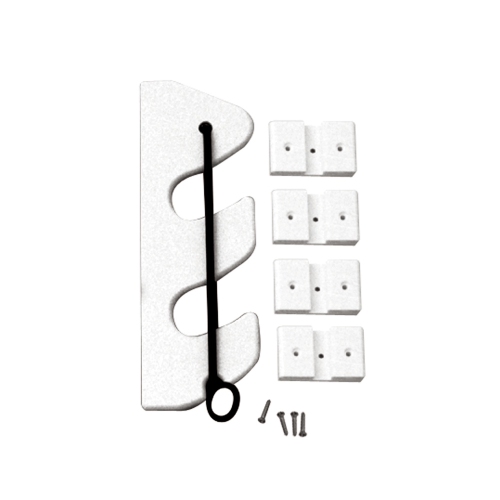
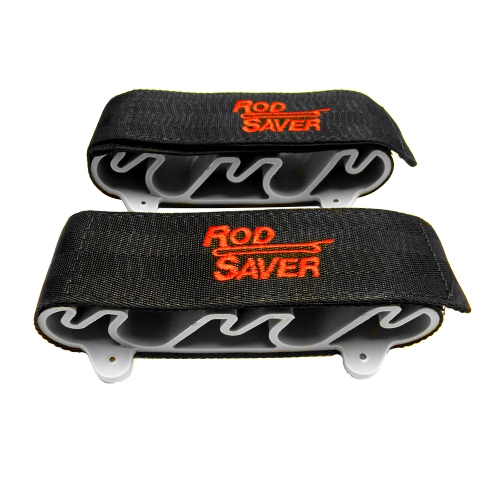
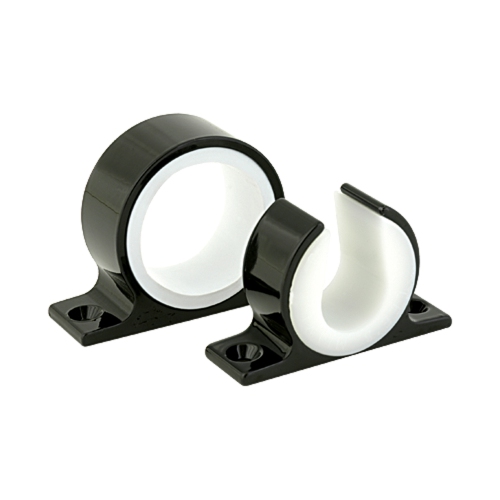
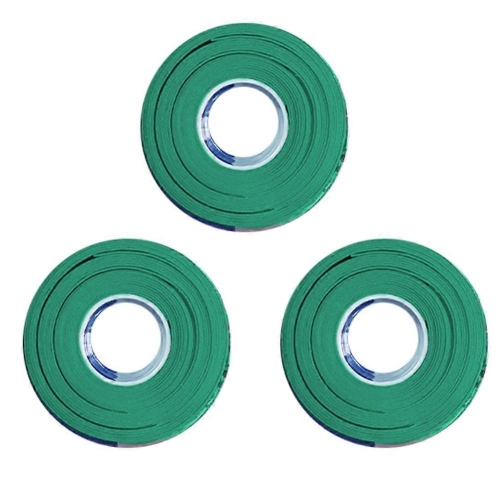
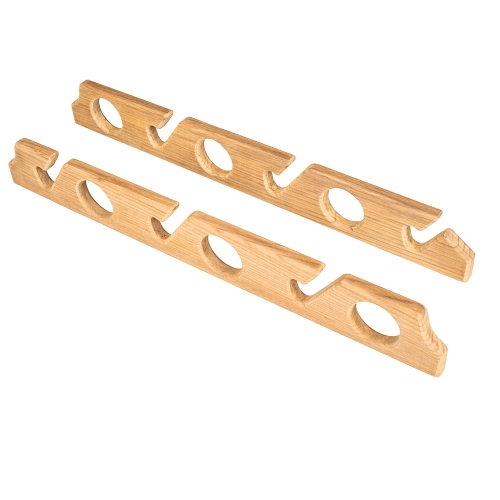
Fishing rod accessories help protect rods, keep fishing setups organized, support rods during use, and address minor wear or damage. The category includes rod sleeves, protective cases, straps, storage racks, rod holders, hook keepers, and components for compatible repairs. These accessories serve different purposes: a sleeve separates a rod from neighbouring gear, a rack gives it a dedicated place at home, and a holder supports it while fishing. For anglers carrying several setups, that distinction matters. Two rods resting together in a vehicle can leave line guides caught against each other, while loose sections of a travel rod can shift inside a bag. Mesh sleeves help keep rods separated and reduce tangles, while padded fabric or neoprene covers offer cushioning against light knocks and abrasion. A rigid case provides a firmer outer barrier for transport, though its protection depends on the construction and how securely the rod sits inside. Fit involves more than overall rod length. The width of the largest line guide, the shape of the handle, and whether the reel stays attached all affect how comfortably a cover fits. Spinning rods often need more room around their larger lower guides than casting rods, and multi-piece rods need storage that accommodates their separated sections without forcing them together. Rod straps made from flexible rubber, neoprene, or adjustable fabric can hold sections together for the walk from a parking area to the shoreline. A snug wrap limits movement without crushing guides or pressing hard against the blank. At home, wall-mounted, ceiling-mounted, and freestanding racks keep rods away from foot traffic and crowded corners. Padded contact points help protect finishes, while suitable spacing leaves room for reels and handles. A rack’s stated capacity is only part of the picture: several bulky reels may need more clearance than the same number of bare rods. Keeping rods supported without forcing them into a bend makes storage more practical, particularly when a collection includes different lengths and fishing styles.
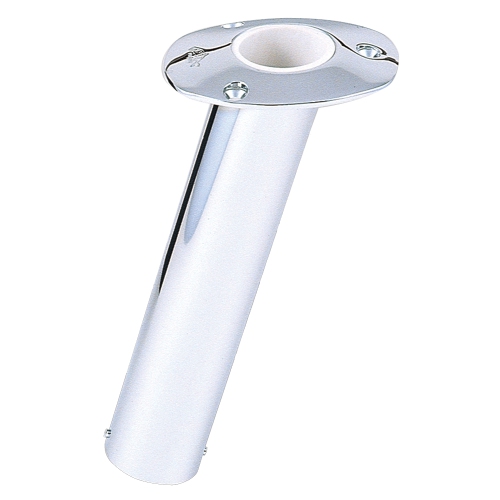
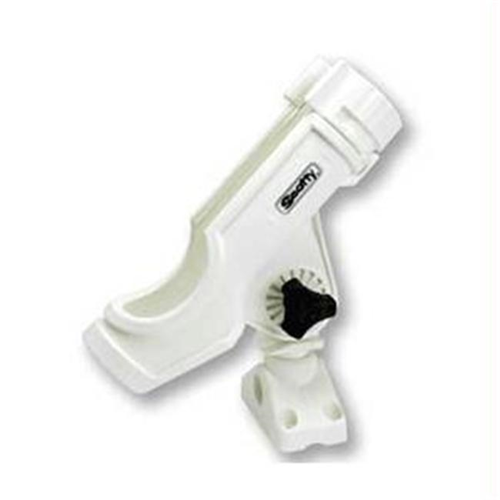
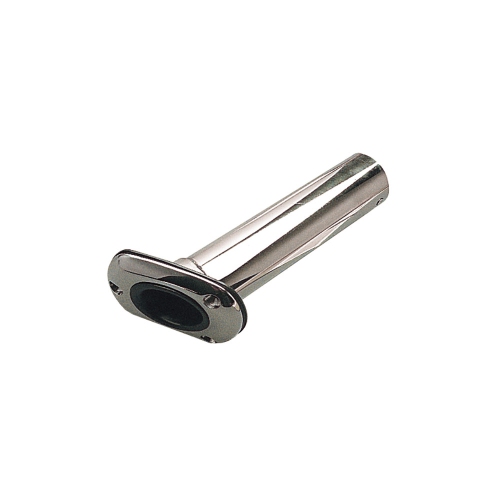
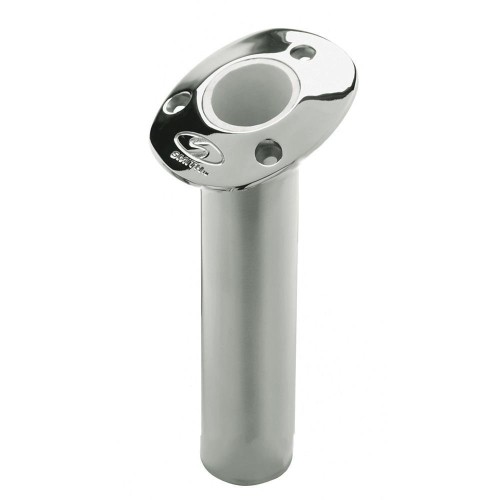
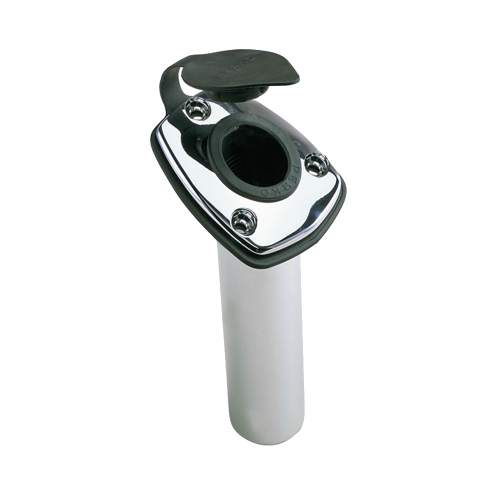
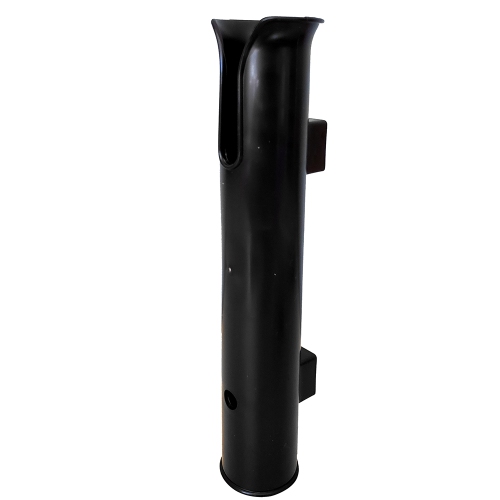
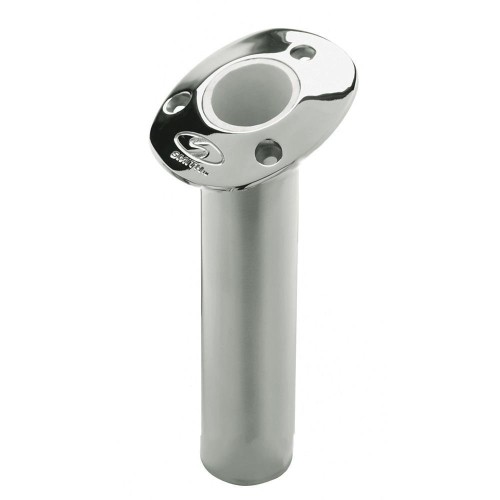
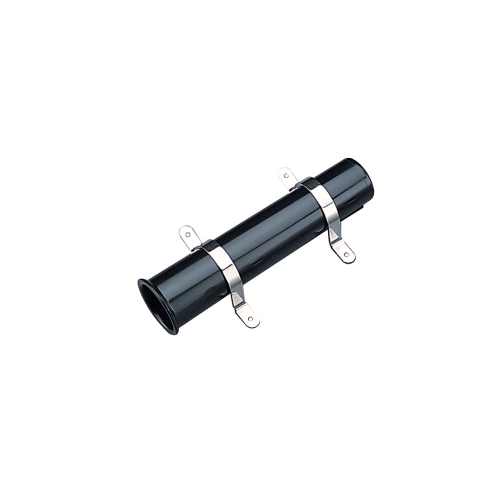
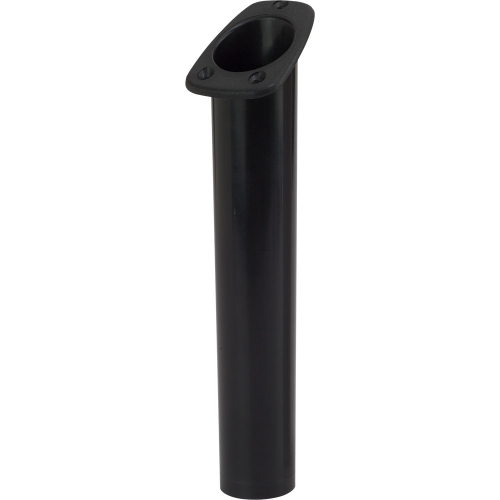
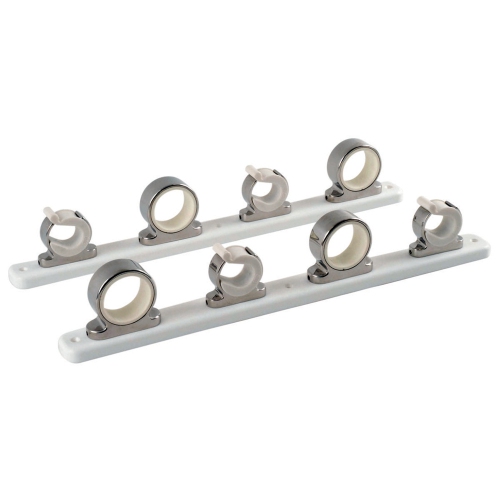
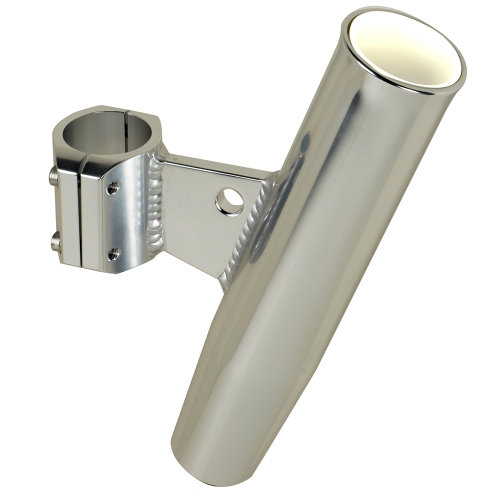
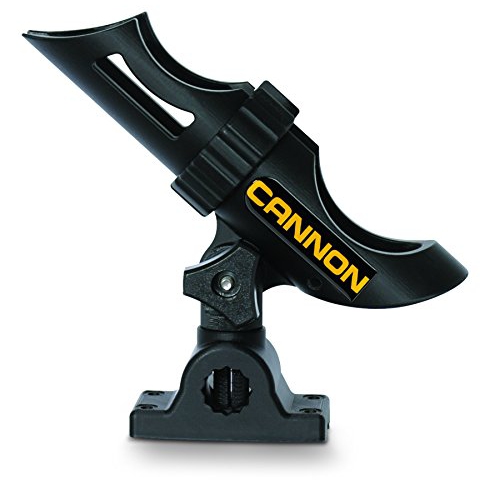
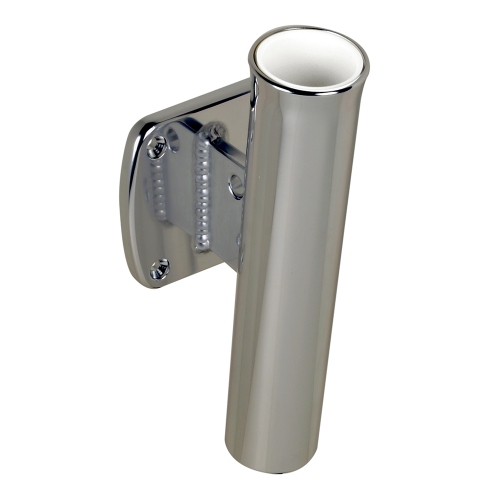
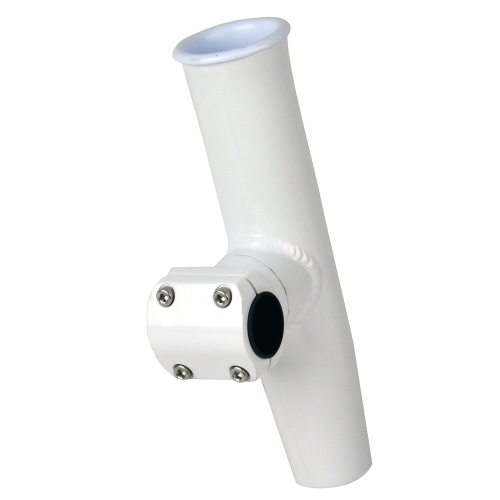
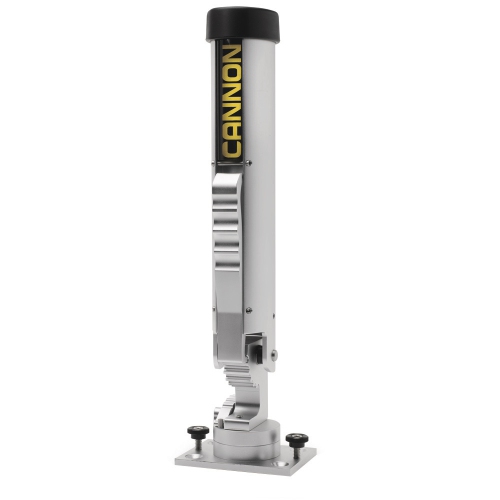
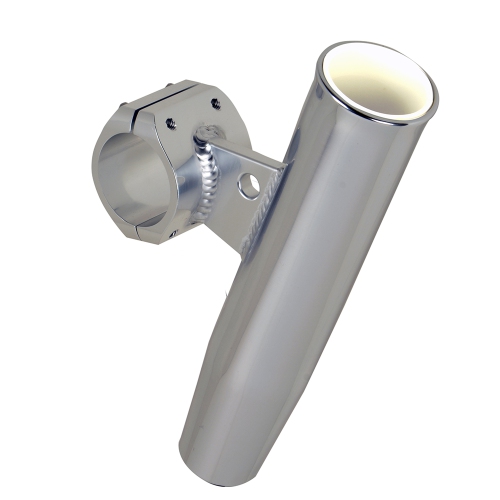
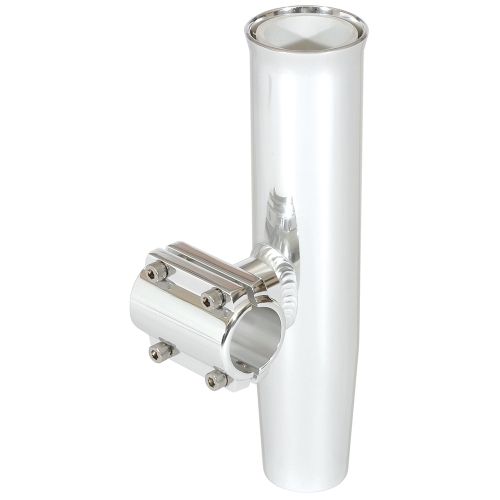
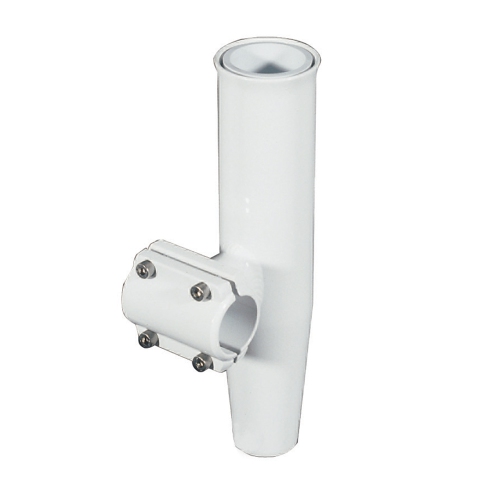
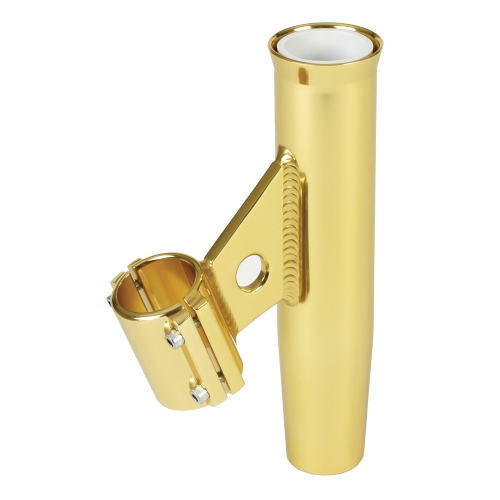
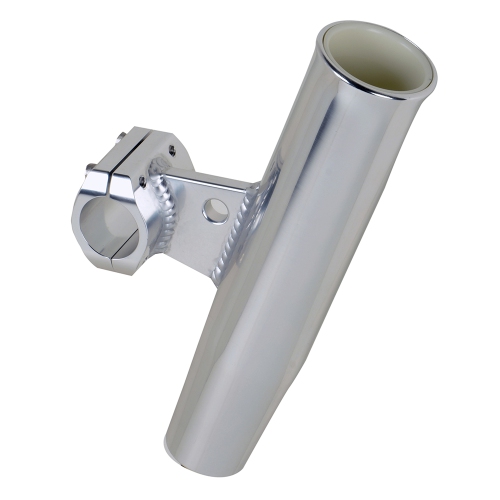
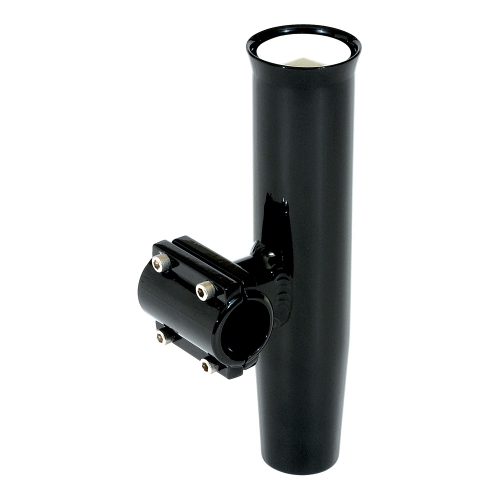
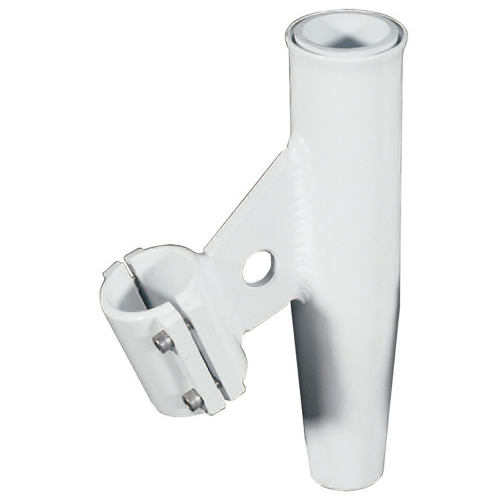
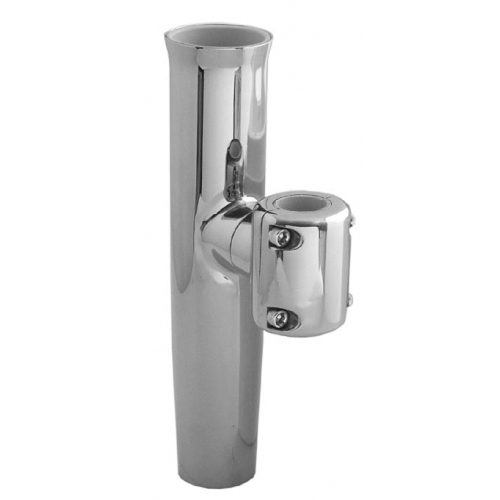
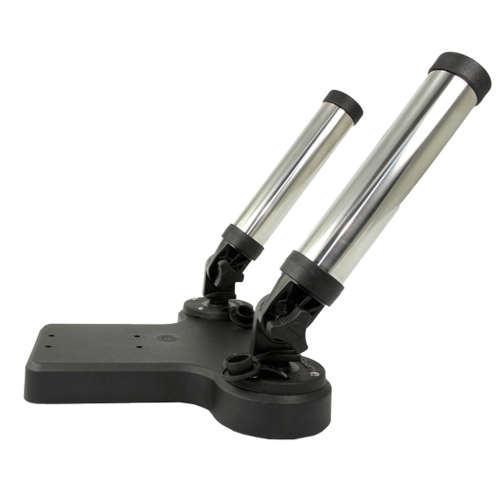
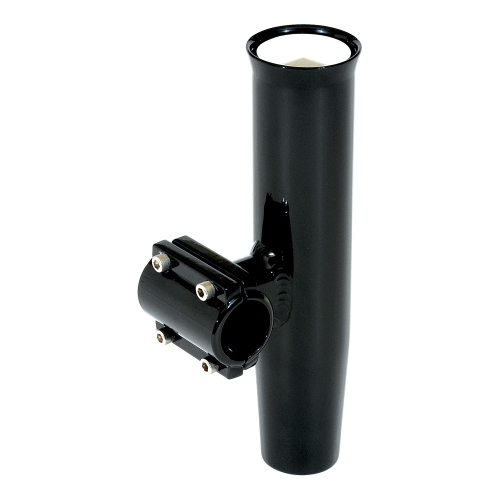
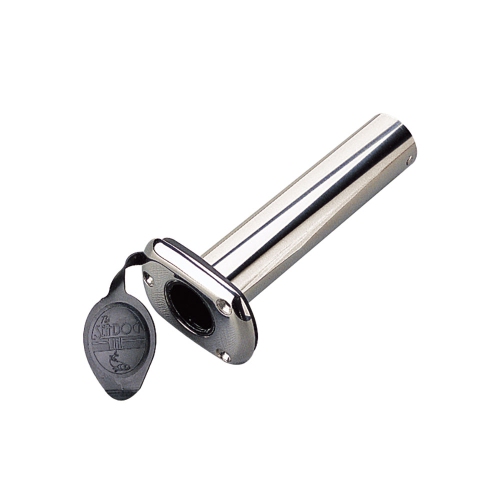
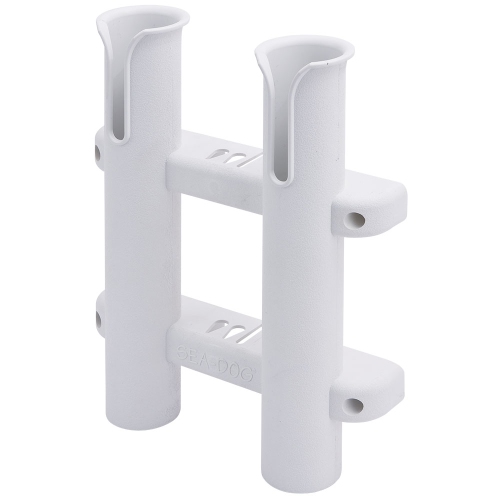
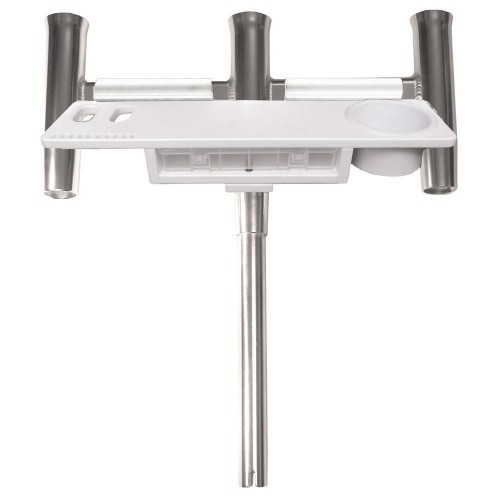
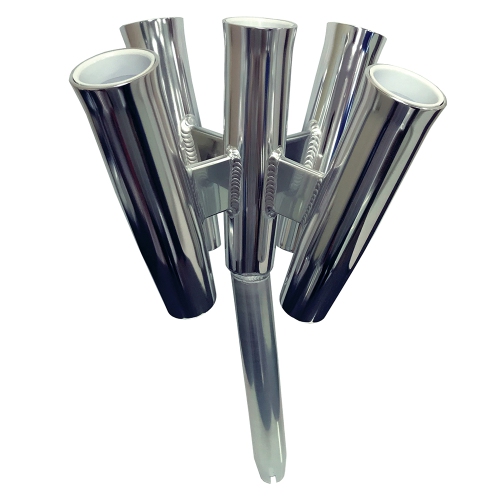
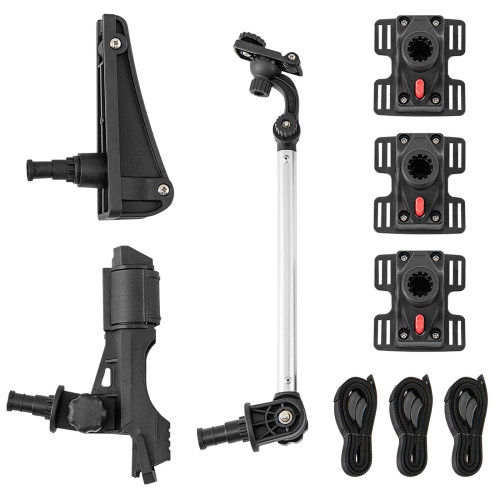
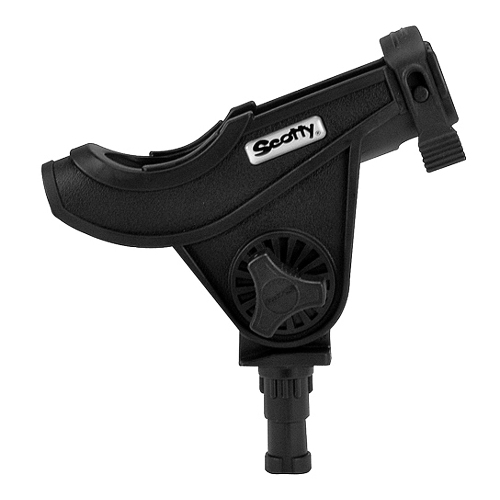
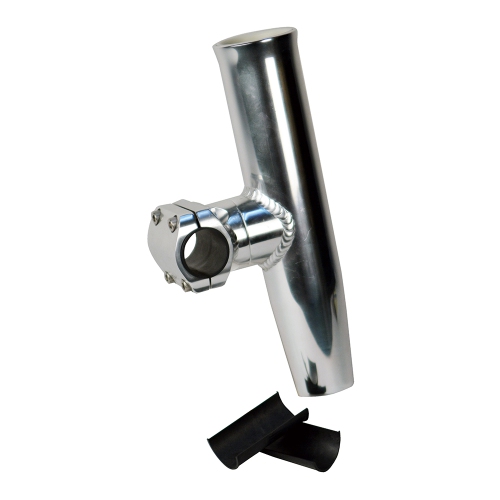
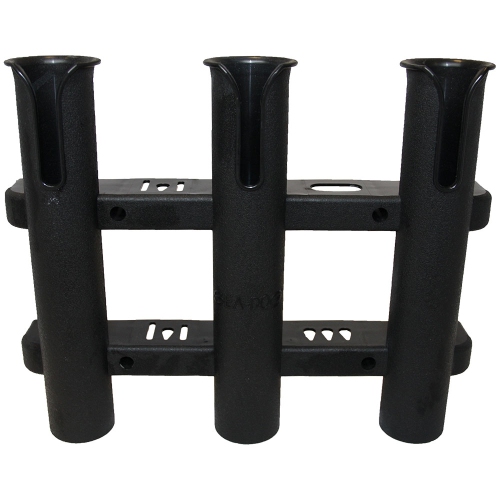
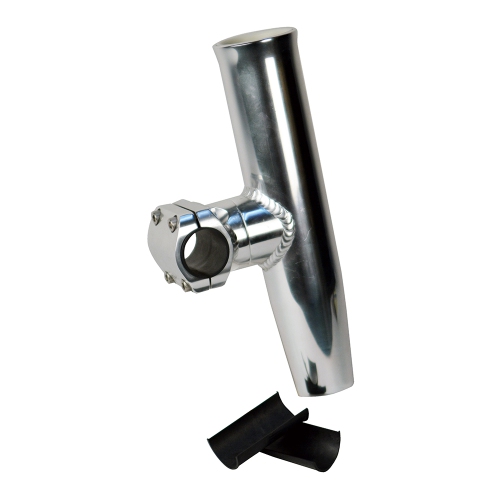
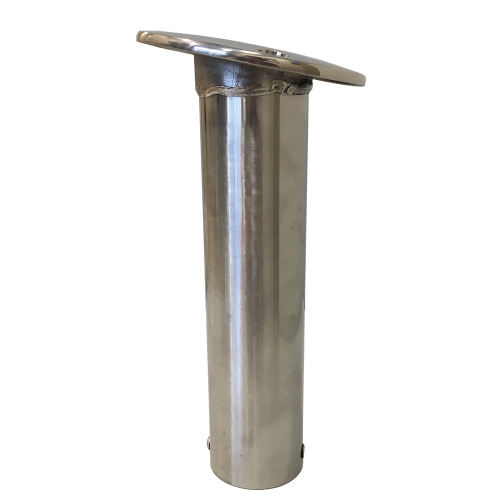
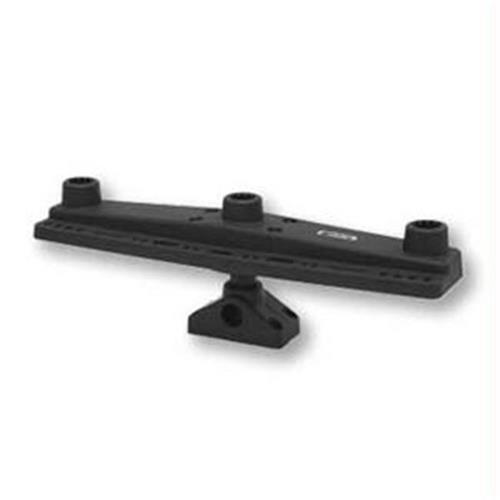
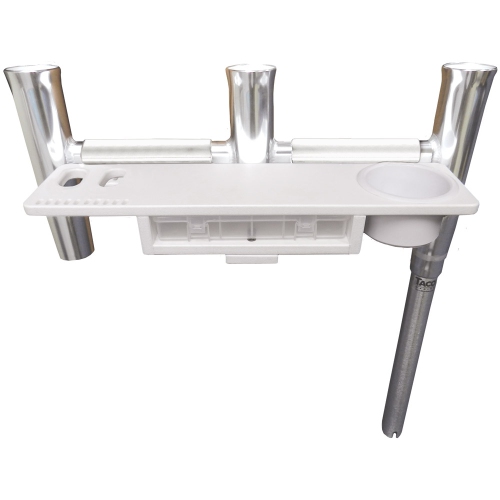
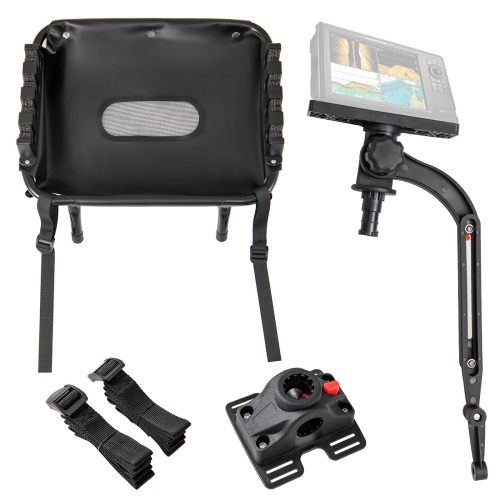
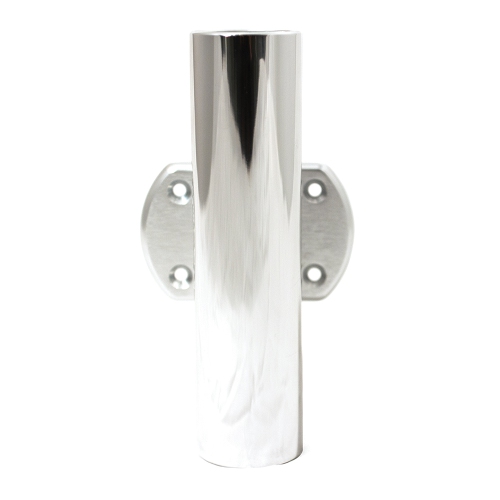
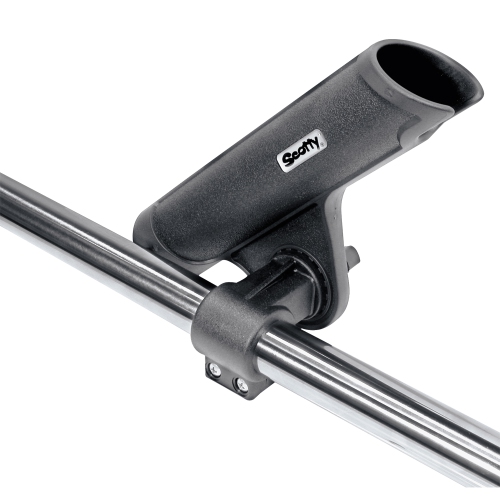
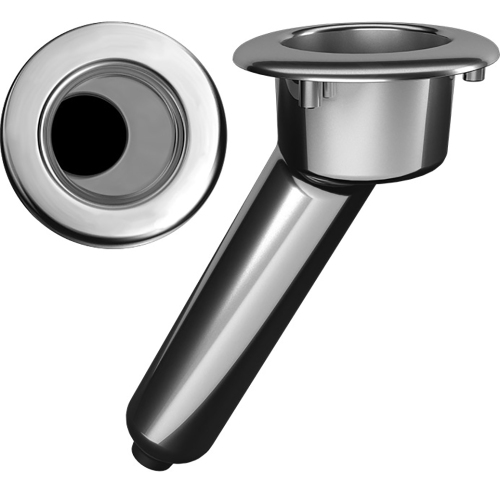
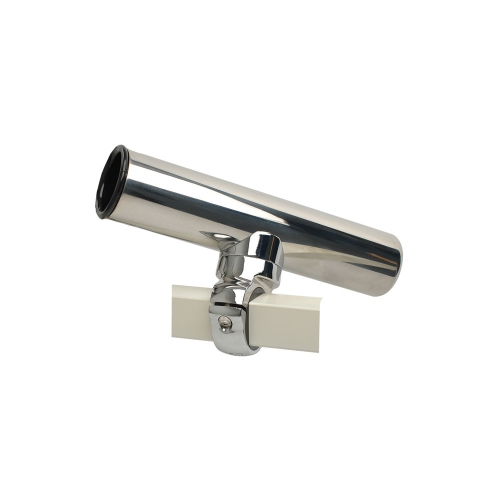
Rod holders extend that organization to the water, with designs intended for shorelines, docks, boats, and other compatible fishing platforms. Bank fishing holders may use a ground spike, spiral base, or stand to support a rod while the angler watches the line. Their suitability depends on the surface beneath them as well as the rod they hold; a spike needs ground it can enter securely, while a stand requires a stable footing. The opening should accommodate the handle without pinching it, and the support angle should suit the fishing method without putting unnecessary strain on the setup. A holder supports a rod but does not replace supervision, especially where a strong pull could move the entire assembly. Boat-mounted options introduce another set of fit considerations, including rail diameter, mounting position, fastener requirements, and clearance around seats or other equipment. Clamp-on mounts, track-compatible bases, and fixed mounts are not interchangeable, so the connection to the boat matters as much as the cradle around the rod. Adjustable angles can help position a rod clear of nearby gear, while a suitable retention mechanism helps prevent it from lifting out unintentionally. Quick-release features should still allow deliberate, unobstructed access to the handle when a fish takes the bait. Materials also influence durability and upkeep. Moulded polymers can provide a lightweight body, metal components add rigidity where needed, and padded or rubberized surfaces reduce direct contact between hard parts and the rod handle. Stainless steel and aluminium components vary in their resistance to corrosion, particularly around joints and fasteners. For someone fishing from a compact boat, a mount that keeps the rod accessible without blocking movement may be more useful than a larger, more elaborate arrangement. Shore anglers may place greater value on portability, secure footing, and a holder that fits easily alongside the rest of their tackle. In either setting, compatibility and secure attachment matter more than appearance alone.
Smaller fishing rod accessories address details that become noticeable over repeated outings: a lure swinging against a blank, a loose bundle of rod sections, or a damaged tip guide catching the line. An add-on hook keeper provides a designated attachment point for a hook or lure during movement, helping keep sharp points away from the handle and reducing loose movement around the rod. Its attachment should suit the blank’s diameter and leave the line path unobstructed. Hooks still need careful handling, and a keeper is not a substitute for covering exposed points when equipment is packed near people or soft bags. Replacement tip guides and repair supplies can help restore function when a compatible tip-top component is damaged, but they are not a general solution for a cracked or broken rod blank. Matching the tube size to the rod tip, choosing a ring opening appropriate to the setup, and using an adhesive intended for the application are important to the finished fit. A smooth guide surface matters because chips or grooves can damage fishing line under tension. More extensive damage may call for professional assessment rather than a quick repair. Care for accessories is usually straightforward: remove grit from straps and padded supports, allow covers to dry before enclosing rods, and inspect mounting hardware for looseness or wear. After saltwater exposure, a fresh-water rinse and thorough drying can help limit salt buildup on suitable components, following the manufacturer’s care directions. Anglers assembling a coastal setup can also explore Saltwater Fishing Accessories to complement their rod equipment. For gift giving, storage and transport accessories can be thoughtful choices for someone who regularly carries several rods or keeps fishing gear in a shared garage. Knowing the recipient’s rod lengths, reel types, and usual fishing location makes the choice more personal and helps avoid an awkward fit. Whether supporting a first setup or an established collection, well-matched accessories make rods easier to carry, store, and use without adding unnecessary bulk or complexity.
Top selling and popular products
-
 Your price for this item is $31.34
-
 Your price for this item is $30.54
-
 Your price for this item is $38.85
-
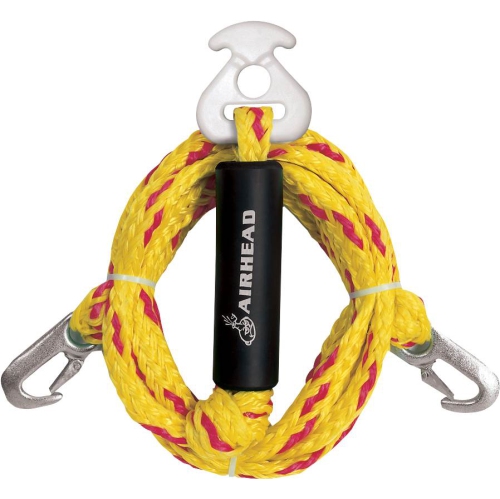 Your price for this item is $63.99
-
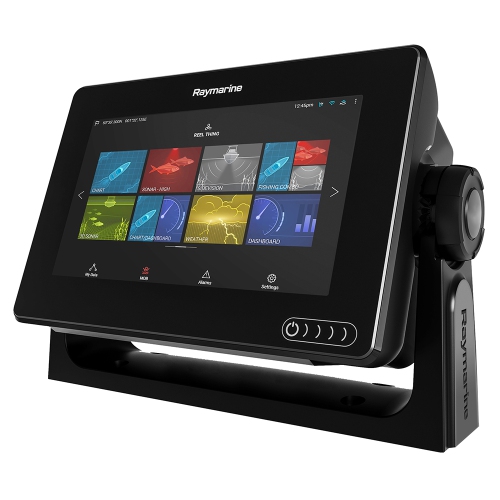 Your price for this item is $844.91
-
 Your price for this item is $909.33
-
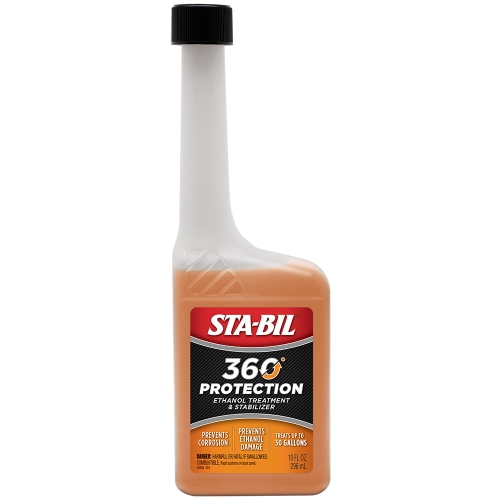 Your price for this item is $31.38
-
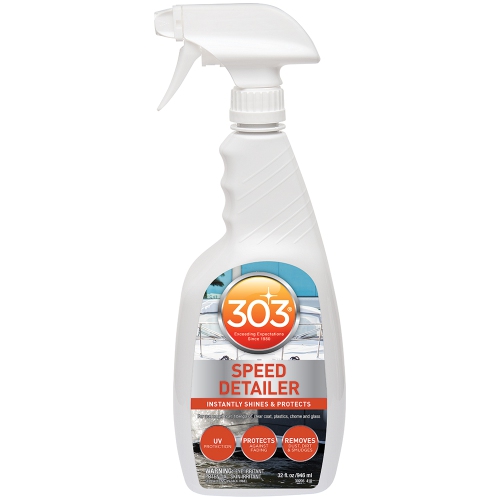 Your price for this item is $35.35
Discover more categories related to Fishing Rod Accessories

Top Collections:
Pokemon Centers, Best Cameras for Sports Photography, Kindle Devices, Samsung Galaxy Phones, Canon G7X Cameras, Pokémon 30th Celebration Cards, Refurbished Apple Laptops, iPhone 15 Apple, Laptops for Students, Budget Smartphones
Some products may be subject to Environmental Handling Fees
(EHF) depending on your province.
Learn more about EHFs.