Kayak Fishing Accessories
Enhance your kayak fishing experience with top-notch accessories designed to elevate your time on the water. From practical tools to convenient gear, our selection of kayak fishing accessories offers everything you need to optimize your angling adventures. Whether you're a seasoned pro or just starting out, these essential items are sure to enhance your comfort, convenience, and success while out on the open water. Gear up and get ready to take your fishing game to the next level with these must-have accessories for kayak anglers.
Sort



























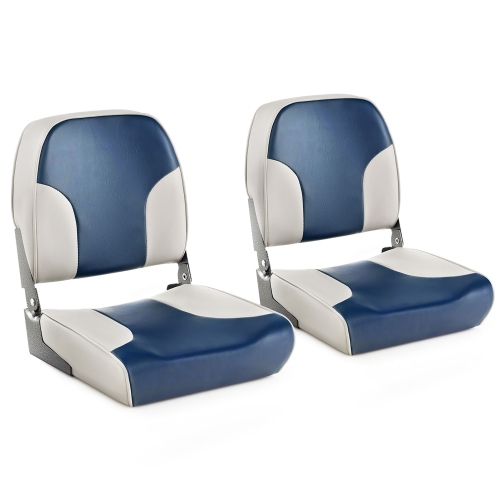


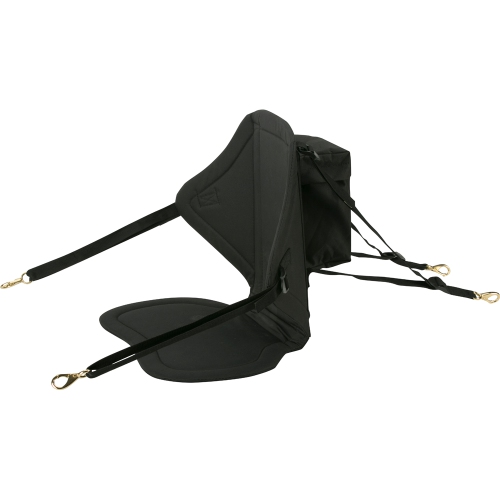
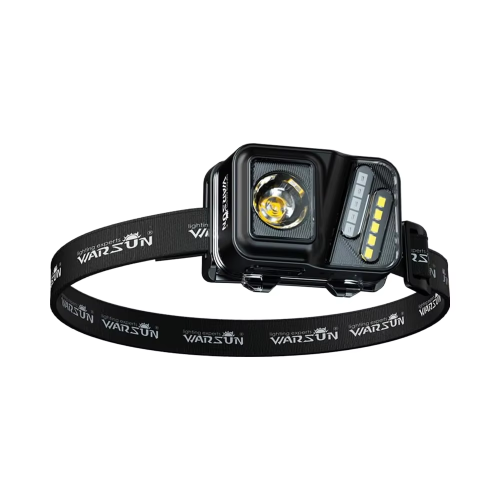


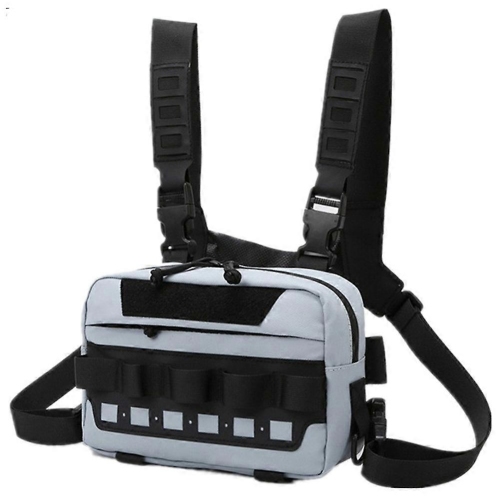



















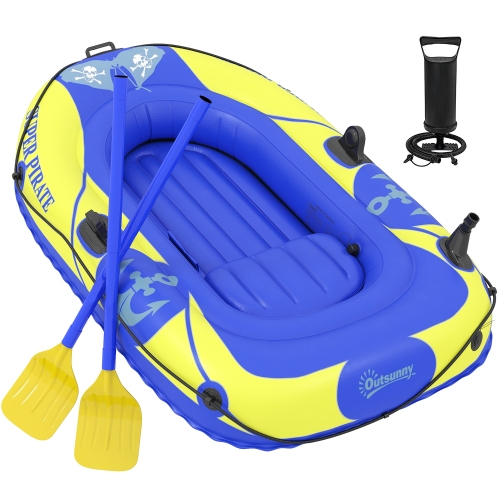
Safety, storage, and comfort for longer days on the water
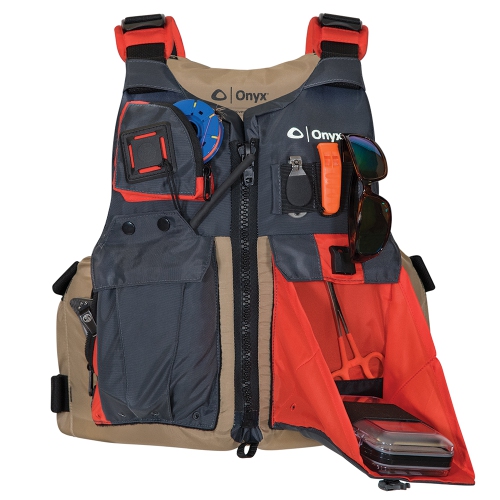
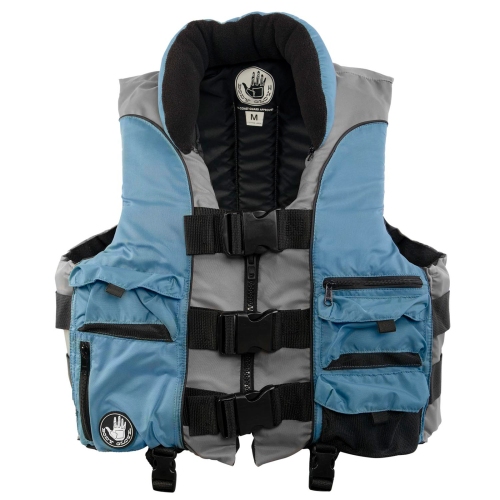
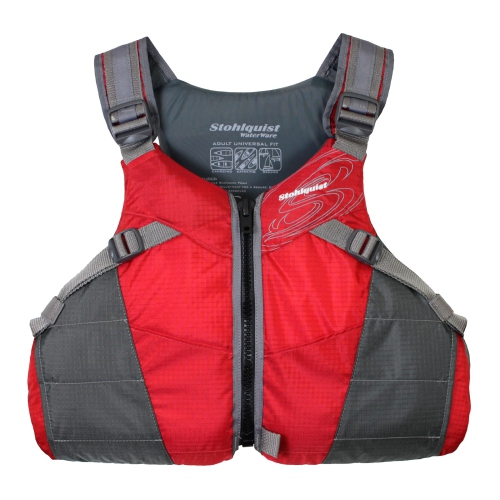
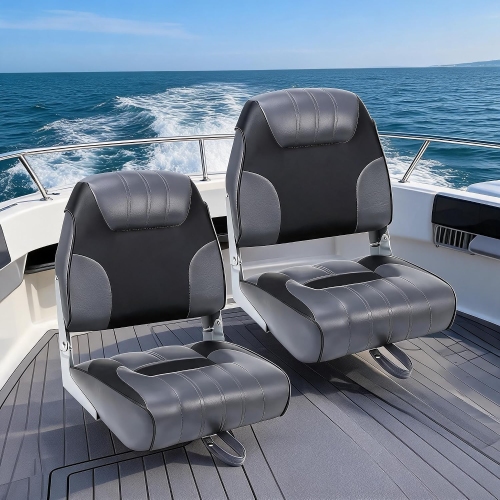
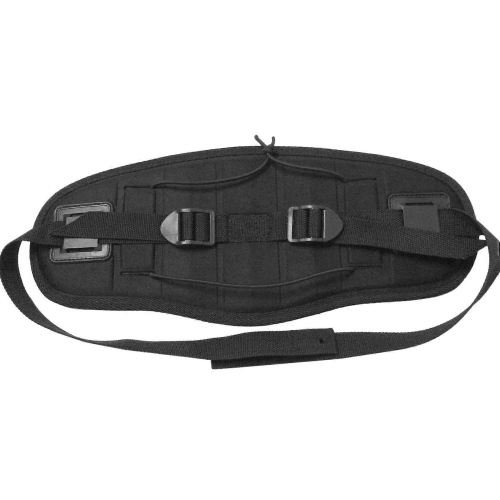
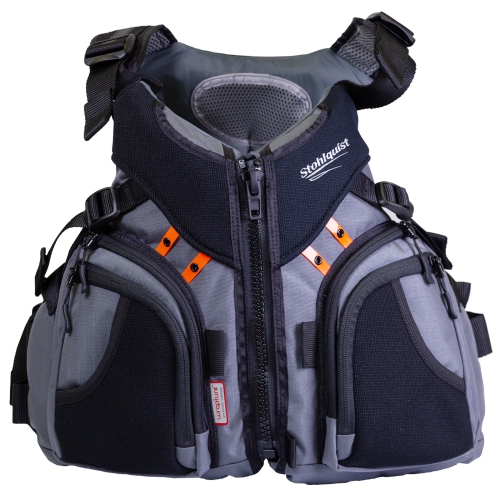
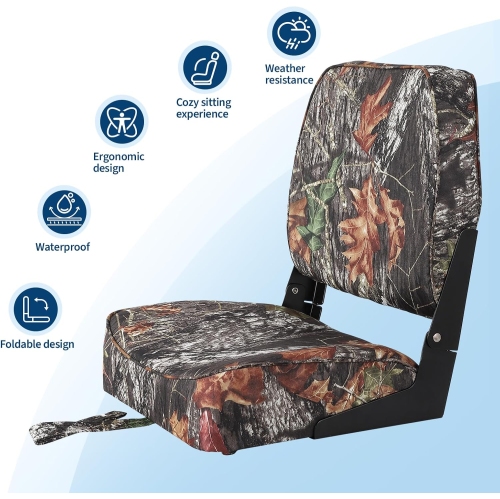
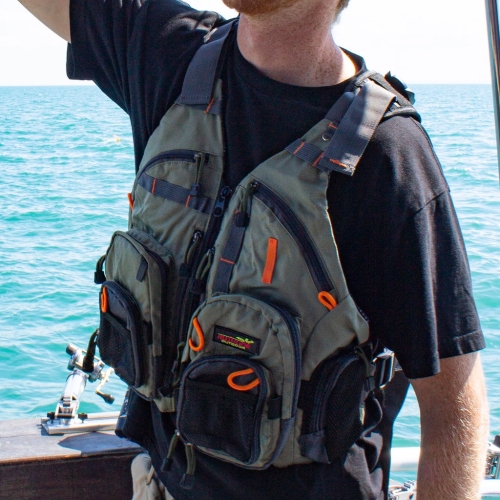
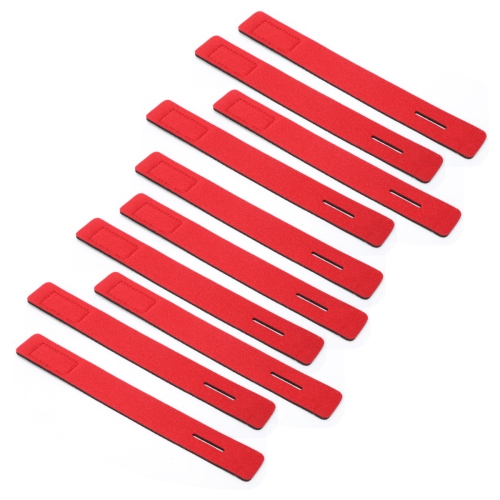
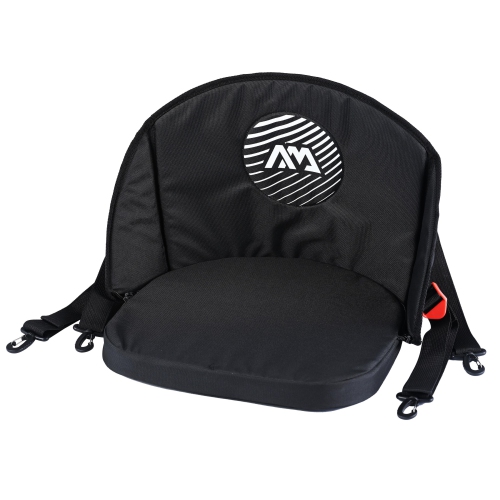
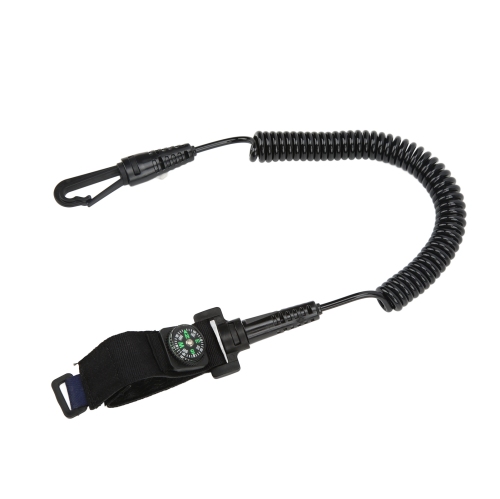
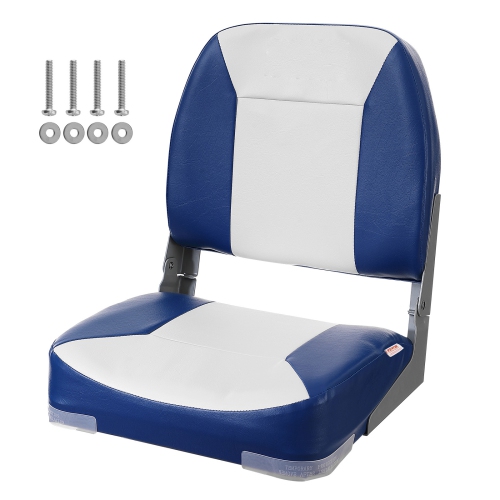
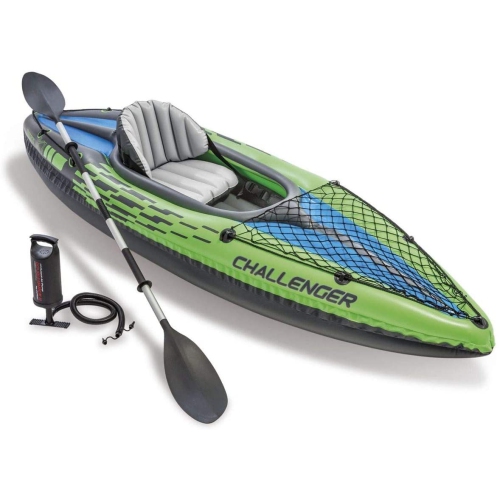
Kayak fishing accessories can make time on the water more comfortable, organized, and manageable, whether you are casting from a calm lake, drifting along a slow-moving river, or exploring sheltered coastal water. The right setup starts with safety and personal comfort. A fishing-specific personal flotation device (PFD) should fit securely while leaving enough room around the shoulders and arms for paddling, casting, and reaching for equipment. High-back designs can sit comfortably above many kayak seats, while pockets provide practical storage for small essentials. A whistle, compact light, visibility flag, and other signalling equipment can help make you easier to spot as conditions change, particularly during early starts, overcast outings, or the cooler months when daylight fades sooner. A properly secured rescue knife may also be useful for cutting tangled line or dealing with snagged gear, provided it is stored where it can be reached safely without interfering with movement. Paddle and rod leashes are simple additions that can prevent important equipment from drifting away if the kayak tips or a sudden wave catches you off guard. Comfort matters just as much over several hours: adjustable seating accessories, cushioning, sun protection, and easy-access drink holders can reduce fatigue and help you stay focused on the water. When selecting any accessory, consider the kayak’s width, seat style, weight capacity, and available mounting points. A compact recreational kayak may have limited deck space, while a fishing-focused model may include accessory tracks, mounting plates, or a stern storage area designed for additional equipment. Checking measurements and attachment methods before buying helps ensure that each item fits securely without blocking paddle strokes, foot controls, storage hatches, or emergency access.
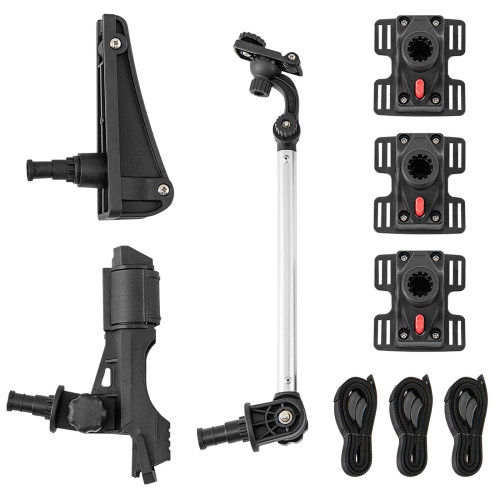
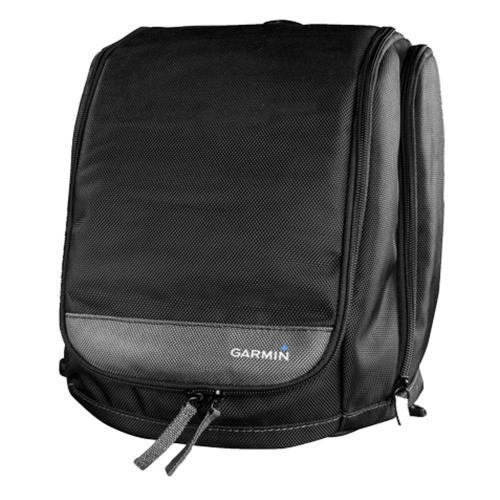
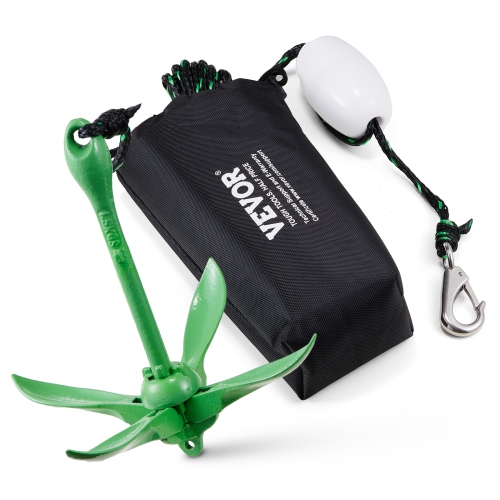
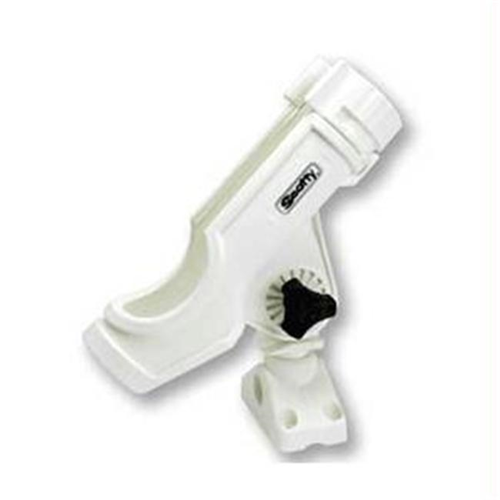
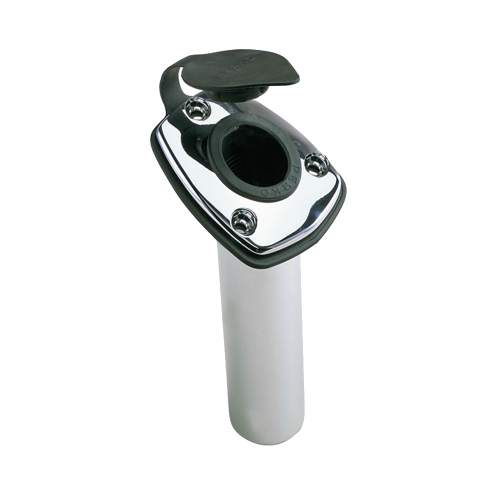
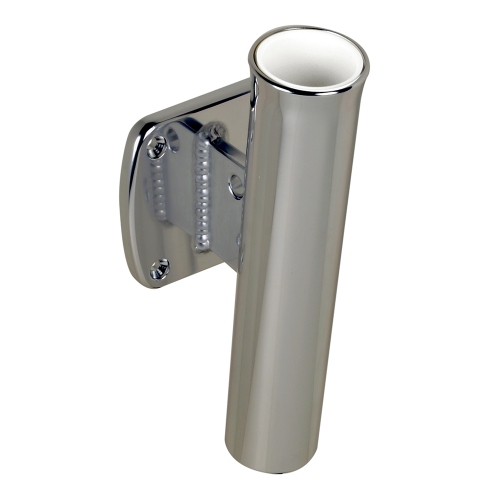
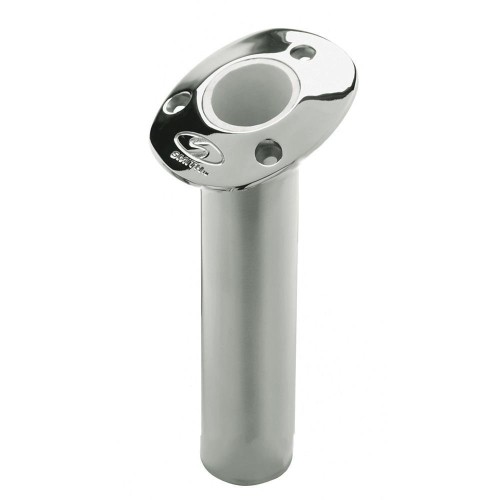
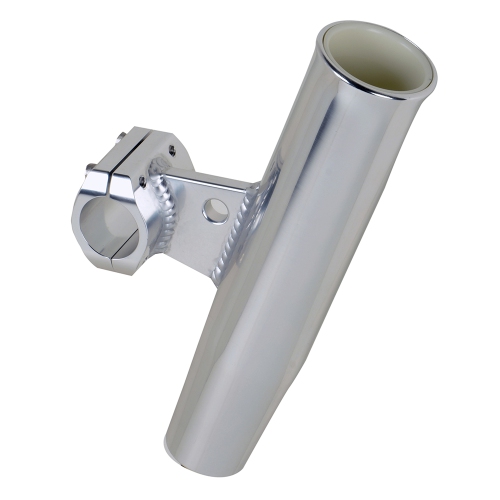
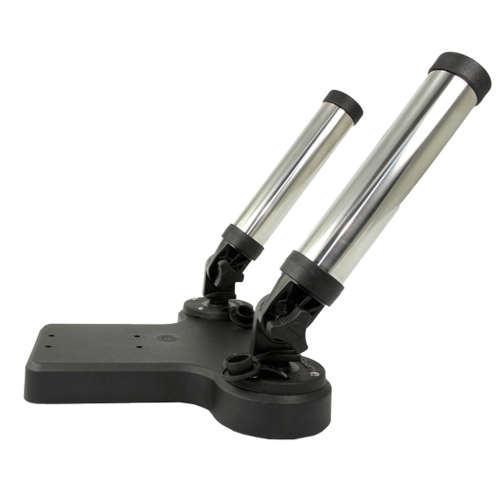
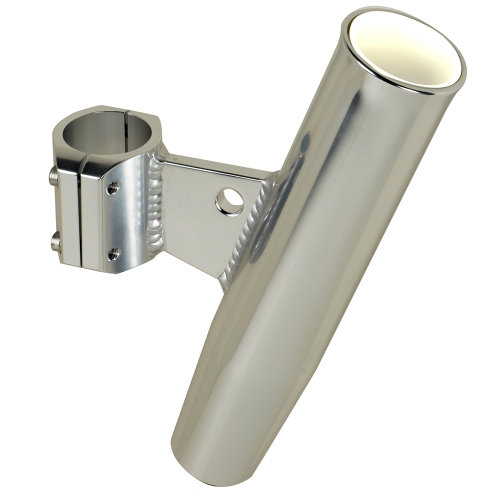
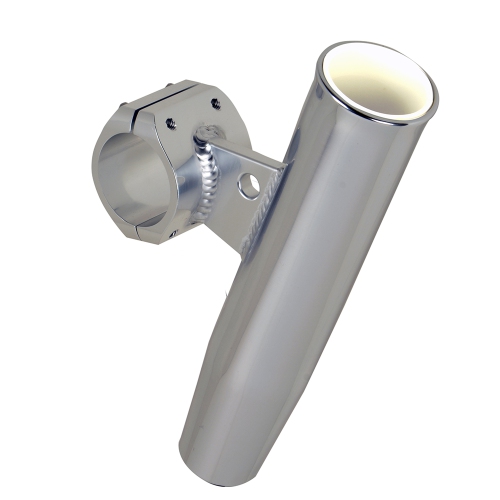
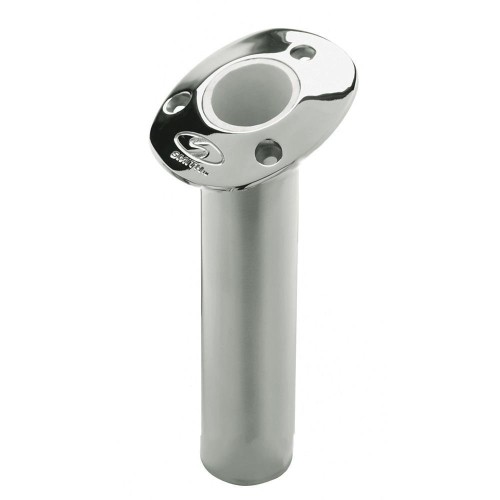
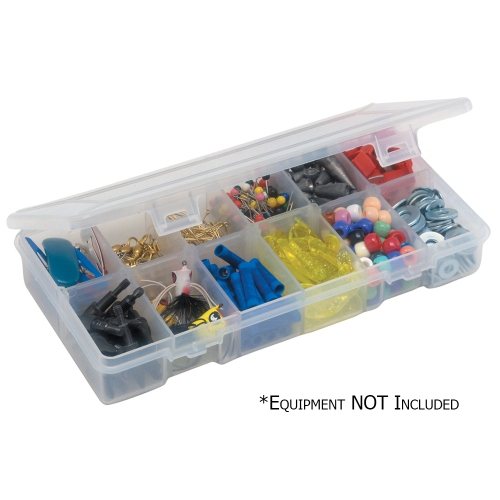
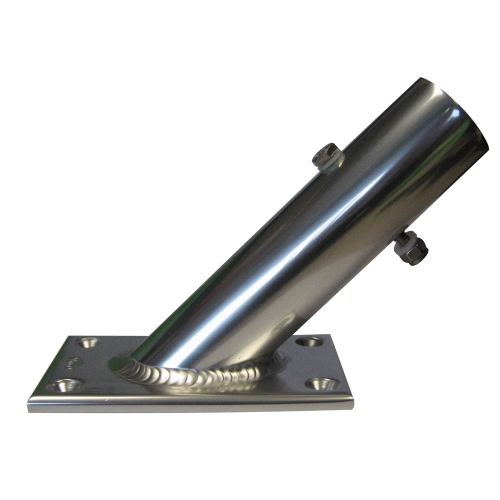
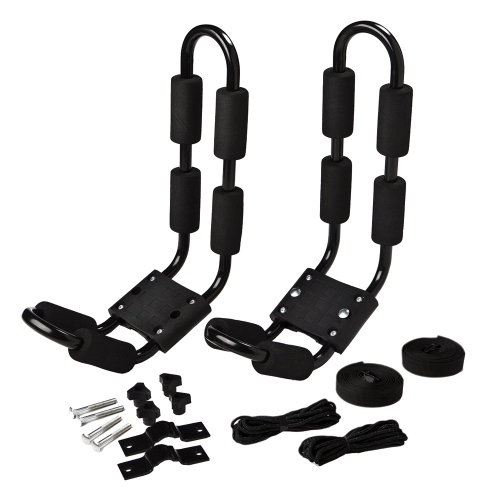
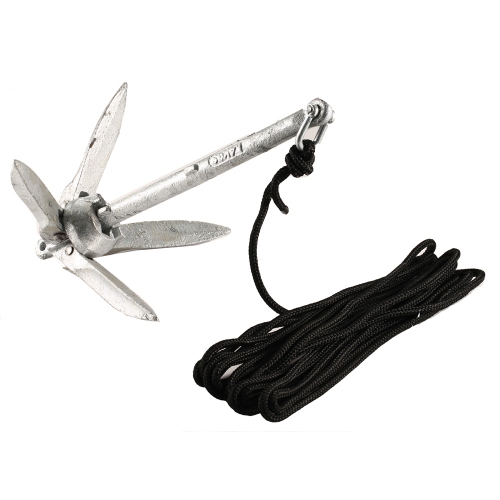
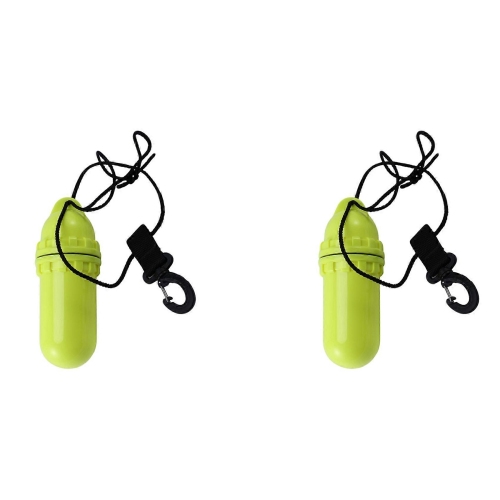
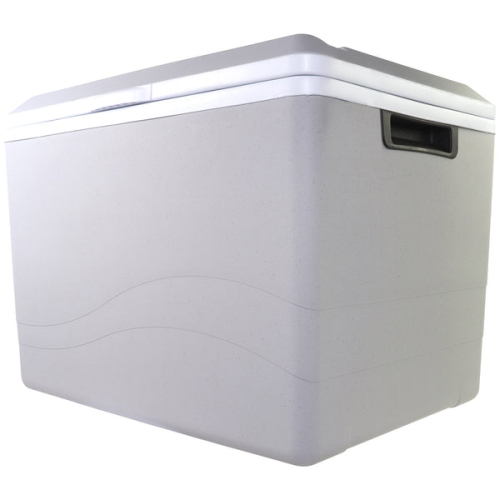
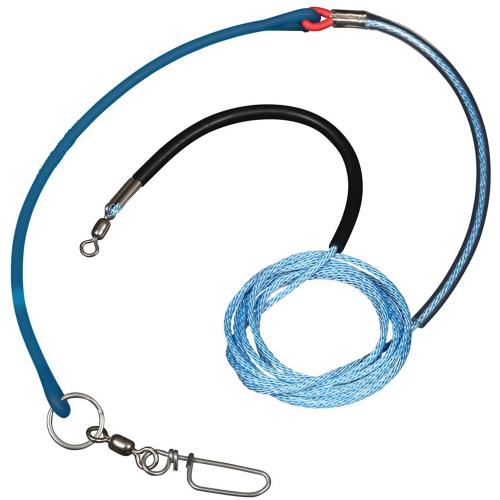
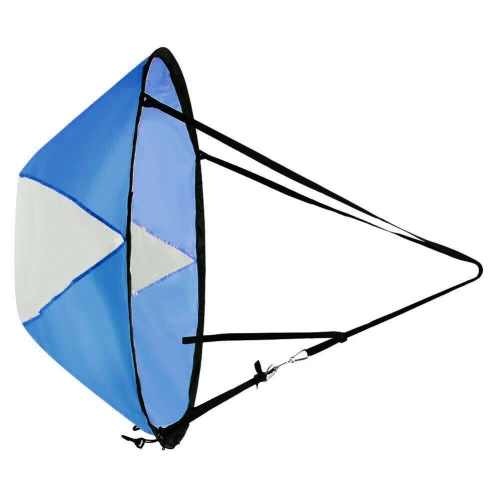
Organization is one of the biggest advantages of a thoughtfully equipped fishing kayak. A rigid crate or covered storage container can keep tackle boxes upright in the rear tank well, while smaller waterproof cases protect hooks, lures, spare line, and electronic accessories from splashes. Soft tackle bags are useful when you need flexible storage that can be lifted out quickly, and modular dividers make it easier to separate terminal tackle from tools and personal items. Rod holders keep spare rods positioned safely while you paddle, change lures, or handle a catch. Flush-mounted holders tend to offer a low-profile solution, while adjustable or track-mounted holders can be repositioned to suit different techniques and casting angles. Track-compatible adapters also allow anglers to add cup holders, tool mounts, camera supports, and other accessories without drilling into the kayak. Pliers, line cutters, measuring tools, and landing equipment are easier to use when stored in dedicated holders within arm’s reach, rather than loose in a crate or tucked under a seat. A paddle holder or paddle park can keep the paddle secured while you fish, reducing clutter across the cockpit. For anglers who regularly fish moving water or windy lakes, an anchor system, stakeout pole, or trolley can help hold the kayak in a productive area and limit unwanted drift. Lightweight options are generally easier to manage from a small craft, but the best choice depends on water depth, bottom conditions, current, wind, and the kayak’s attachment points. Anglers comparing gear for kayaks may also find useful ideas among broader Fishing Boat Accessories, while keeping the kayak’s smaller footprint and lower load capacity in mind. Always test how an anchor or trolley affects balance before relying on it in current, and avoid creating lines that could become a tripping or entanglement hazard.
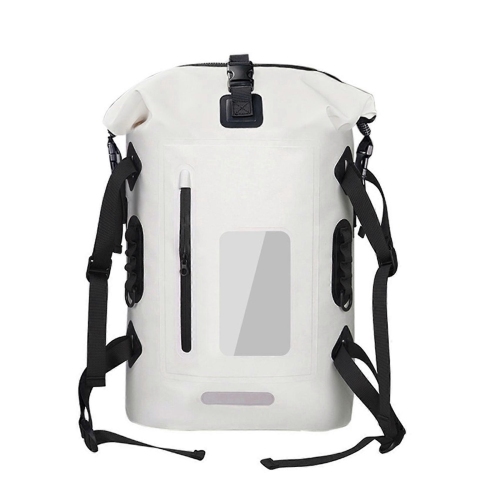
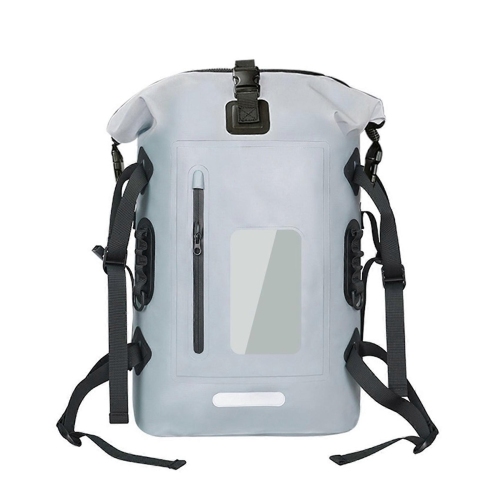
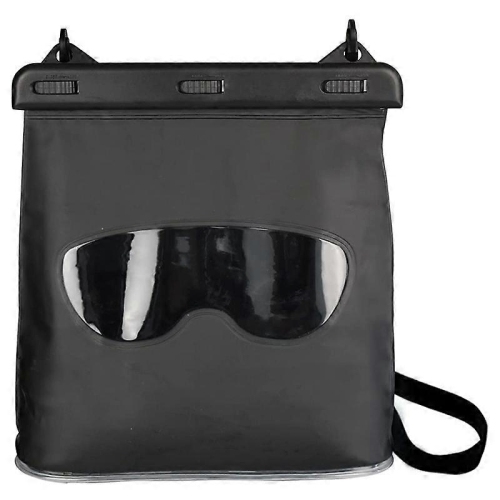
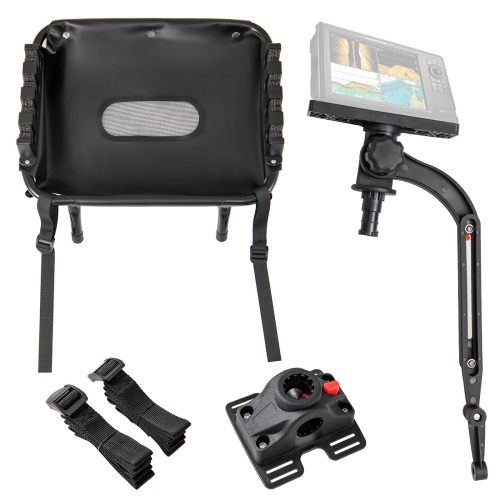
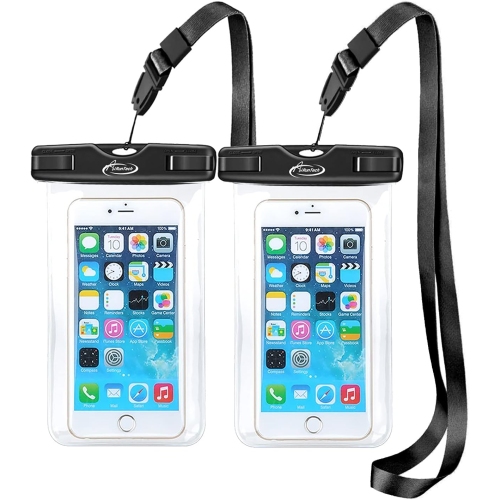
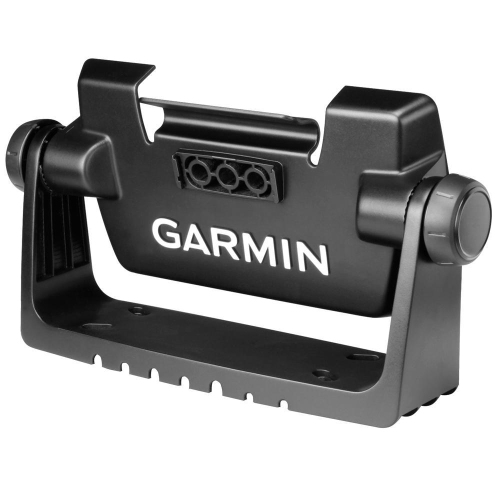
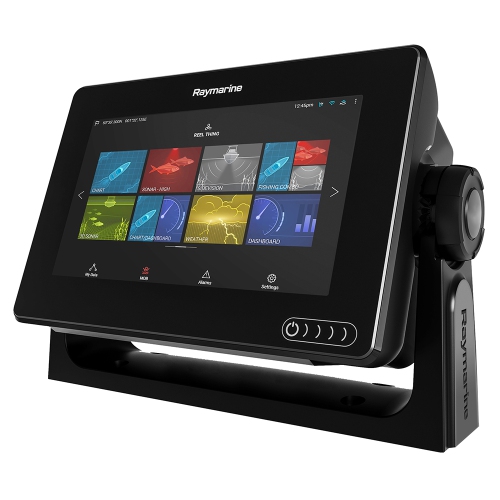
Electronics and hands-free tools can add useful information without taking away from the simplicity that makes kayak fishing appealing. A compact fish finder can help display depth, bottom contours, water temperature, and submerged structure, giving anglers a clearer picture of what lies beneath the kayak. A transducer arm or compatible mounting solution can position the sensor in the water while allowing it to be raised when launching, landing, or moving through shallow areas. Battery storage should be protected from spray, and cables should be routed neatly so they do not interfere with pedals, paddle strokes, or gear access. A waterproof phone pouch, portable power solution, or small navigation light can provide added convenience when selected for the conditions and installed securely. Accessories such as a landing net, fish grips, measuring board, camera mount, and waterproof dry bag are useful for anglers who want to handle catches carefully, record memorable outings, or keep personal items protected. Before heading out, distribute heavier equipment low and close to the centre of the kayak, secure loose items with clips or leashes, and leave enough room to move your legs and reach safety equipment. A good accessory layout should feel natural: frequently used tools remain within easy reach, spare tackle stays contained, and nothing crowds the area needed for casting or re-entry. These products can be practical gifts for a new kayak angler, an experienced fisher upgrading a basic setup, or a family member preparing for guided trips and weekend outings. As the weather warms and through the cooler fishing season, a few well-chosen additions can make each launch smoother, each change of location less cluttered, and each quiet stretch on the water more enjoyable. The most useful setup is not necessarily the one with the most equipment; it is the arrangement that suits the kayak, the fishing style, and the waters where it will be used.
Top selling and popular products
-
 Your price for this item is $31.34
-
 Your price for this item is $30.54
-
 Your price for this item is $38.85
-
 Your price for this item is $63.99
-
 Your price for this item is $844.91
-
 Your price for this item is $909.33
-
 Your price for this item is $31.38
-
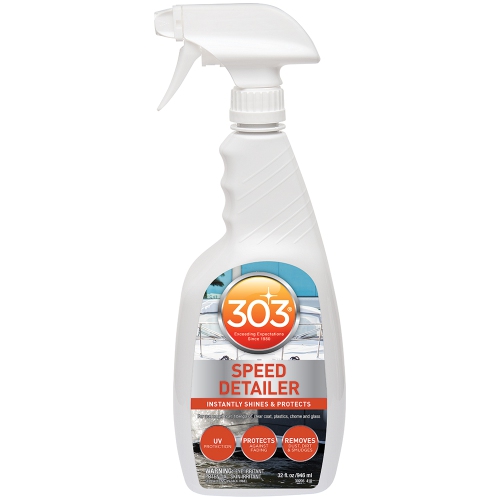 Your price for this item is $35.35
Discover more categories related to Kayak Fishing Accessories

Top Collections:
Pokemon Centers, Best Cameras for Sports Photography, Kindle Devices, Samsung Galaxy Phones, Canon G7X Cameras, Pokémon 30th Celebration Cards, Refurbished Apple Laptops, iPhone 15 Apple, Laptops for Students, Budget Smartphones
Some products may be subject to Environmental Handling Fees
(EHF) depending on your province.
Learn more about EHFs.