Functional Binoculars
Get ready to take your outdoor adventures to the next level with our selection of functional binoculars. Whether you're an avid birdwatcher, a sports enthusiast, or simply enjoy exploring nature, a good pair of binoculars can enhance your experience by providing clear and detailed views of the world around you. With a variety of magnifications and features to choose from, finding the perfect pair to suit your needs has never been easier. Explore our range of high-quality binoculars designed to bring distant objects up close with clarity and precision.
Sort
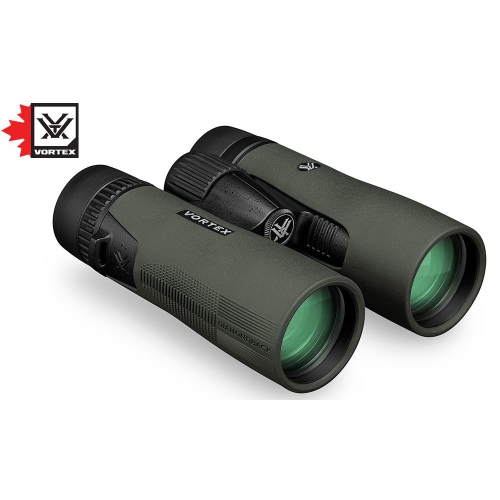
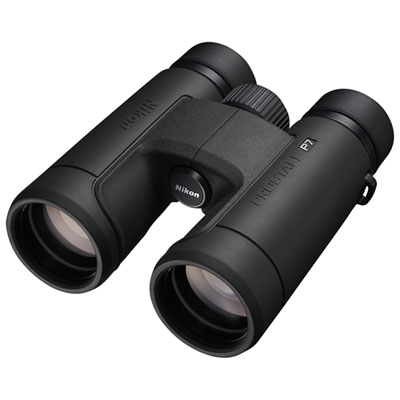
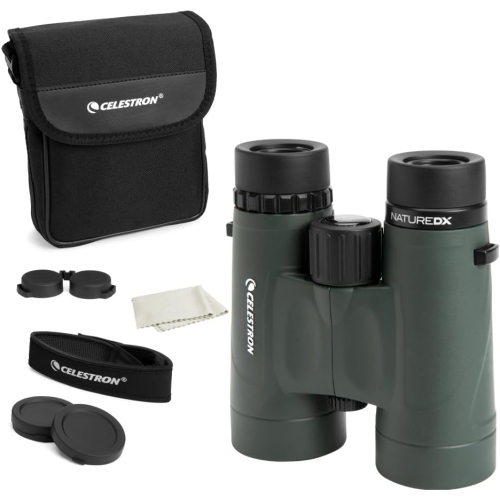

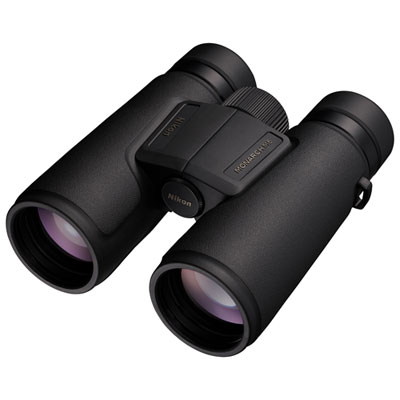
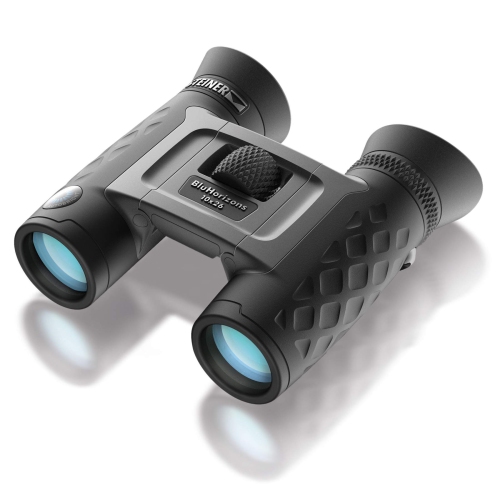
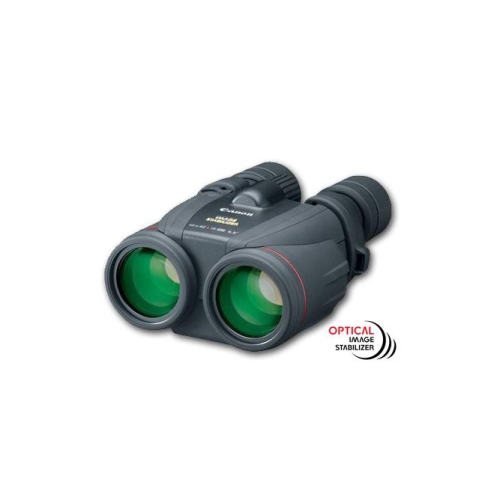
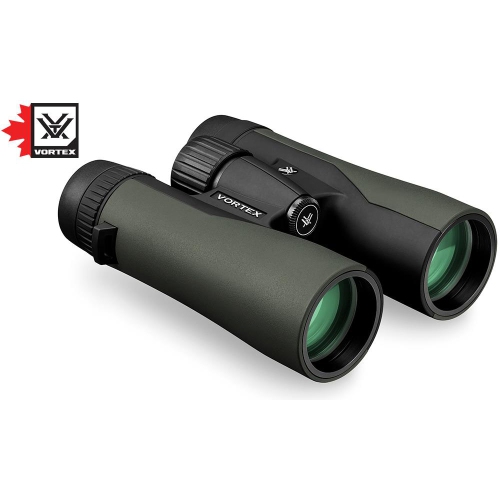

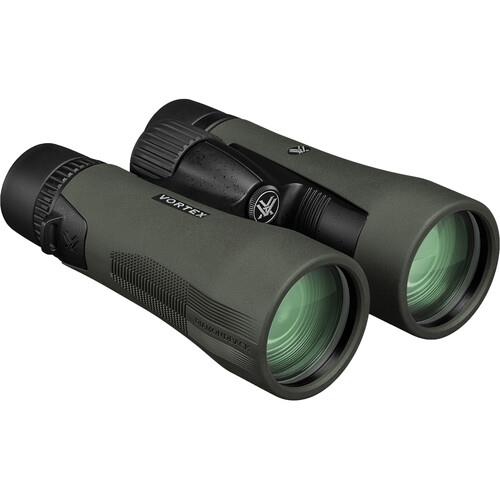
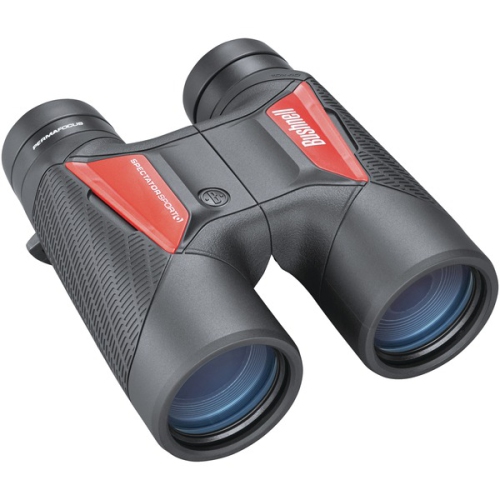

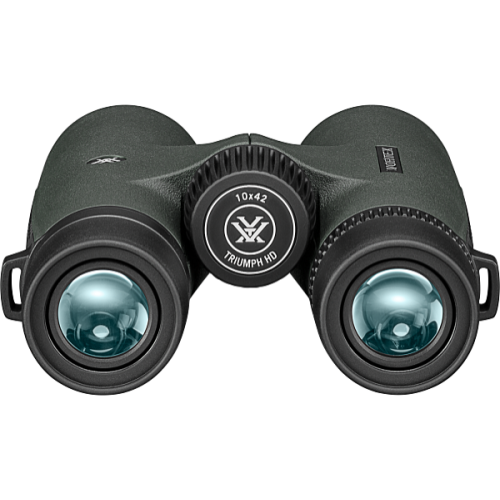
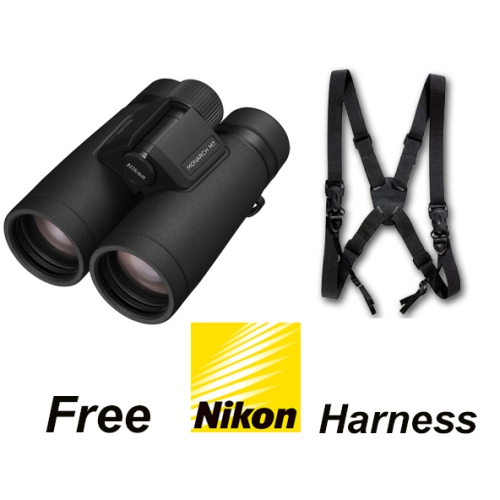
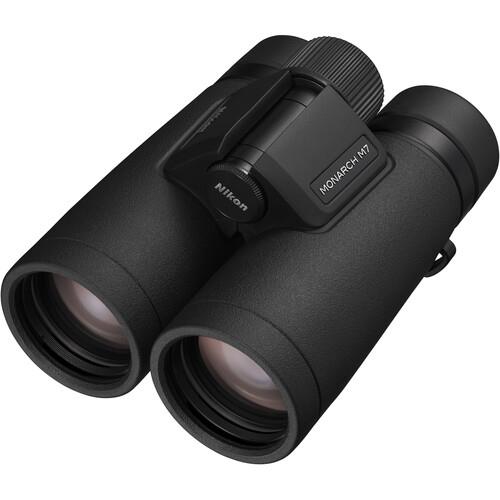
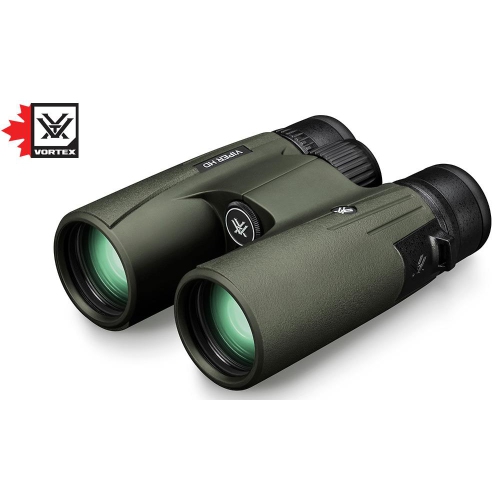
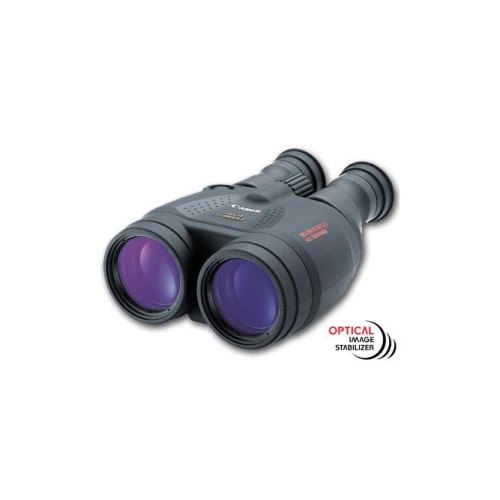

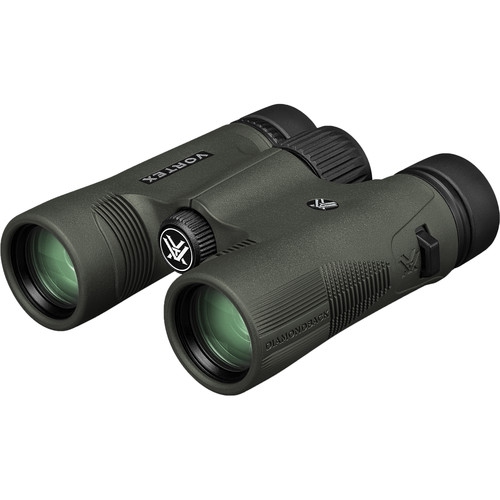
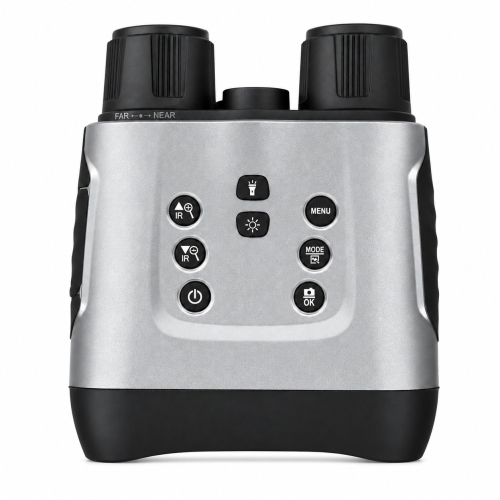
A closer look depends on more than magnification
Functional binoculars bring distant details into view for birdwatching, travel, live sports, theatre performances, and other activities where a closer look adds to the experience. Their usefulness comes from a balance of clear optics, comfortable handling, and features suited to the way they will be carried and used. A compact pair can slip into a daypack for sightseeing, while larger binoculars may suit someone who spends longer stretches watching birds from a fixed position or exploring the night sky. The numbers used to describe binoculars explain two important characteristics: in an 8x42 configuration, 8x indicates magnification and 42 indicates the diameter of each objective lens in millimetres. Higher magnification makes distant subjects appear larger, but it also makes hand movement more noticeable and often narrows the area visible through the lenses. For handheld viewing, moderate magnification can make it easier to follow a bird between branches or keep a player in view across a playing field. Larger objective lenses gather more light, although they generally add weight and bulk. Image brightness also depends on optical quality, lens coatings, and the relationship between lens diameter and magnification, so lens size alone does not tell the whole story. Standard optical binoculars need available light and do not provide true night vision in complete darkness. Field of view, usually expressed as a width at a stated distance or as an angle, describes how much of a scene is visible at once. A wider view helps with scanning a shoreline, locating wildlife, or following action without repeatedly repositioning the binoculars. Close-focus distance matters for different reasons: it determines how near a subject can be while remaining sharp, which is useful for observing a butterfly on a nearby plant. Well-made glass elements, prisms, and lens coatings help preserve contrast, colour, and detail. These qualities can make the difference between seeing a bird’s outline and distinguishing the markings on its wings, particularly when the subject sits against a busy background.
Comfort becomes especially important when binoculars are used for more than a quick glance. The hinged body adjusts the distance between the eyepieces to match the spacing of the viewer’s eyes, allowing the two views to merge into a single image. A suitable adjustment range matters when binoculars will be shared by adults and younger users. Eyecups help position the eyes correctly, and twist-up or fold-down designs can accommodate viewing with or without eyeglasses. Eye relief describes the distance from the eyepiece at which the full image remains visible; sufficient eye relief helps glasses wearers avoid losing the edges of the view. Published measurements provide useful context, but eyeglass shape and individual fit also affect comfort. A centre-focus wheel allows quick adjustments as subjects move nearer or farther away, while a dioptre adjustment compensates for differences between the viewer’s eyes. Controls that are easy to locate by touch reduce the need to lower the binoculars just as something interesting comes into view. Body shape and weight distribution matter as much as total weight: a balanced grip can feel steadier than an awkward housing with similar dimensions. Roof-prism designs typically have a streamlined shape, while Porro-prism designs often have more widely spaced objective lenses and a broader profile. Neither layout alone guarantees better image quality. Housings may use polycarbonate, aluminium, or magnesium, with rubber armour providing grip and helping protect against minor knocks. Armour does not make binoculars immune to impact, and damaged optical alignment can leave the two sides difficult to view together. Water-resistant and waterproof descriptions should be understood according to the stated specifications rather than treated as interchangeable. Sealed construction and internal gas purging can help limit internal fogging, but they do not prevent every issue on the outer lens surfaces. Shoppers comparing rugged formats may also explore Tactical Binoculars, with attention to the actual construction, controls, and carrying features of each design. Image stabilization is another functional feature that can reduce the effect of hand shake, although powered systems may require batteries and add weight.
Different activities place different demands on binoculars, which makes intended use a useful starting point for understanding their features. A birdwatcher following small, quick movements benefits from responsive focusing and a view wide enough to relocate the subject easily. At a stadium, comfortable handheld use and manageable size can matter more than extreme magnification. For theatre performances, a compact format with modest magnification can bring facial expressions and costume details closer without making it difficult to follow the stage. Travellers may appreciate binoculars that fit into an accessible bag compartment, along with a case that keeps the lenses protected between stops. For astronomy, larger objectives can help reveal more stars, while higher magnification or heavier bodies may benefit from a compatible tripod mount. A tripod connection is not universal, so compatibility matters when supported viewing is part of the intended setup. Neck straps, harnesses, and wrist straps serve different carrying preferences; a harness distributes weight across the torso, while a wrist strap may suit brief viewing sessions with a small pair. Binoculars can also make a thoughtful gift for a keen birdwatcher, a sports fan, or someone who enjoys watching ships from a lookout, especially when the recipient’s eyesight, hand comfort, and usual activities are considered. Their lasting usefulness depends partly on straightforward care. Lens caps and a fitted case help prevent scratches and keep loose grit away from optical surfaces. Dust is best removed with a suitable blower or soft lens brush before a clean lens cloth and an appropriate optical cleaner are used according to the manufacturer’s directions. Clothing and household tissues can drag particles across coatings or leave residue behind. Binoculars should be stored dry, with powered features switched off and battery care handled as directed. They should never be pointed at the sun, because magnified sunlight can cause serious eye injury. With suitable optics, a comfortable fit, and sensible protection, binoculars can become a familiar companion for noticing details that would otherwise remain out of reach.
Top selling and popular products
-
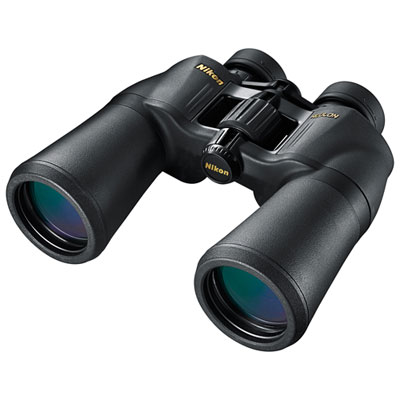 Your price for this item is $209.95
-
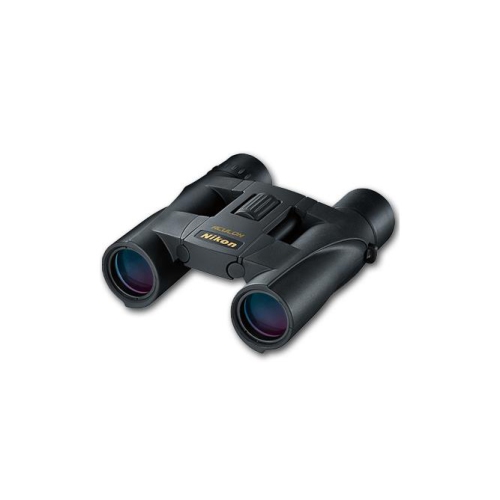 Your price for this item is $129.95
-
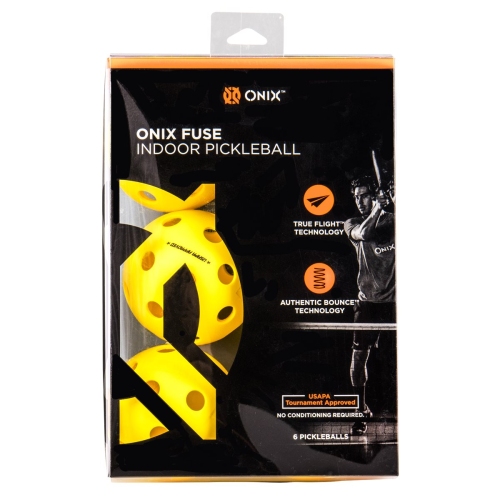 Your price for this item is $28.99
-
 Your price for this item is $349.99
-
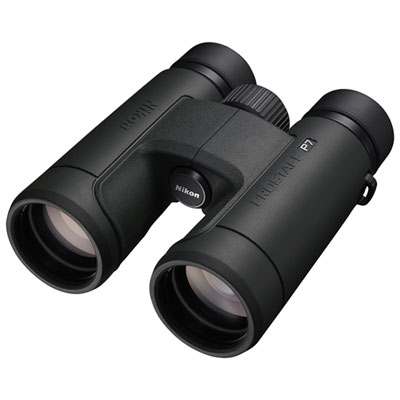 Your price for this item is $117.98
-
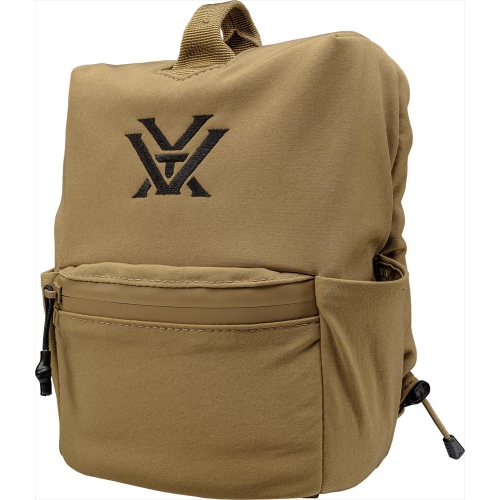 Your price for this item is $199
-
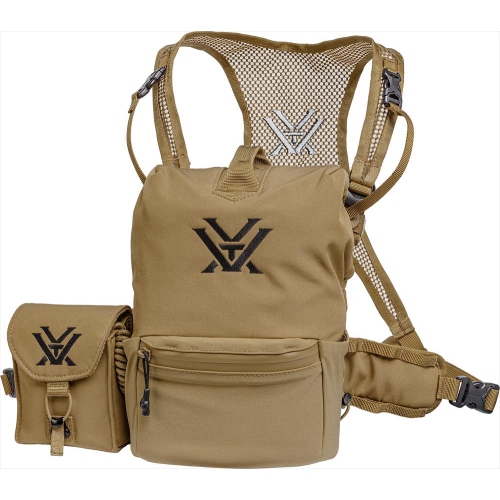 Your price for this item is $199
-
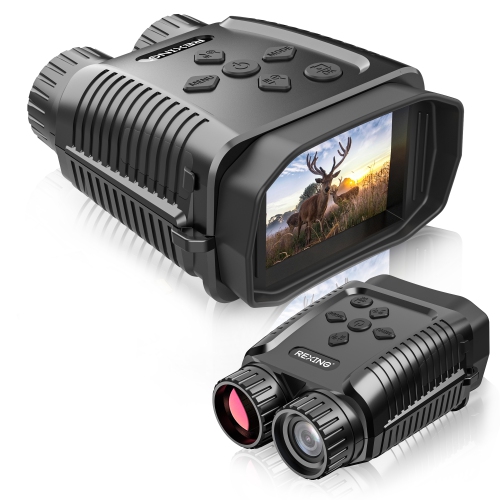 Your price for this item is $219.99
Discover more categories related to Functional Binoculars
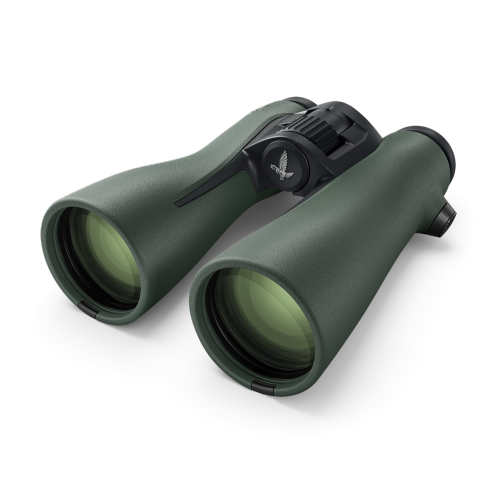
Top Collections:
Pokemon Centers, Best Cameras for Sports Photography, Kindle Devices, Samsung Galaxy Phones, Canon G7X Cameras, Pokémon 30th Celebration Cards, Refurbished Apple Laptops, iPhone 15 Apple, Laptops for Students, Budget Smartphones
Some products may be subject to Environmental Handling Fees
(EHF) depending on your province.
Learn more about EHFs.