Optics Binoculars
Looking to enhance your outdoor adventures? Look no further than our collection of optic binoculars. Whether you're an avid birdwatcher, nature enthusiast, or simply enjoy exploring the great outdoors, these quality binoculars will provide you with a clear and detailed view of your surroundings. With a range of magnifications and features to choose from, you'll be able to find the perfect pair of binoculars to suit your needs. From compact and lightweight designs for easy portability to rugged and durable options for more extreme conditions, our optic binoculars offer exceptional performance and reliability.
Sort
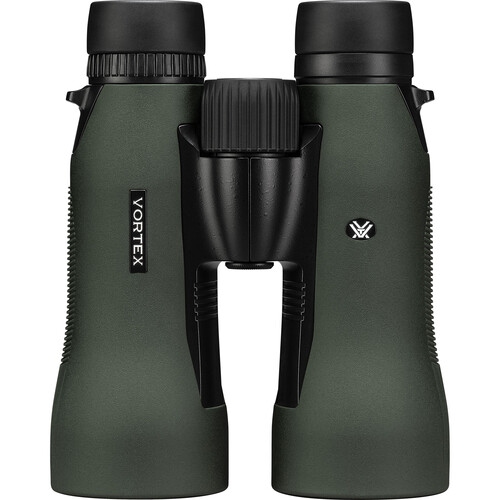
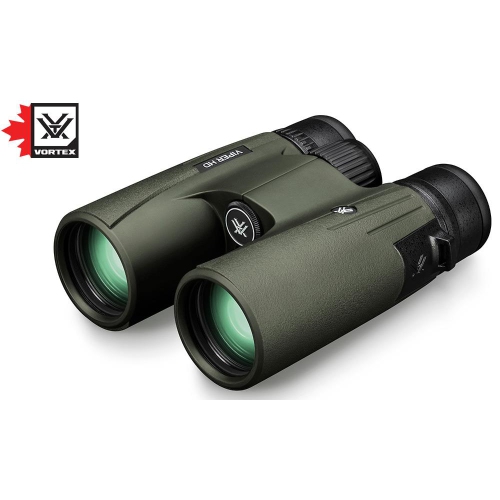
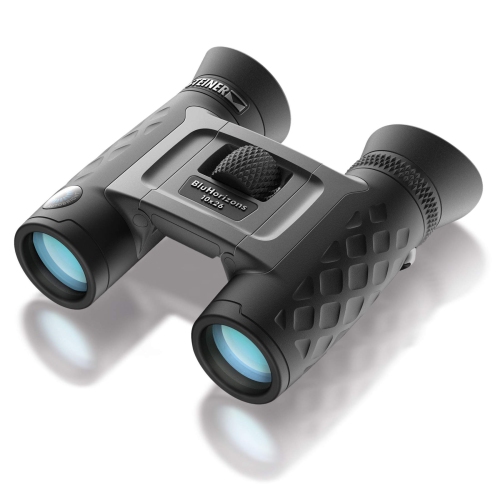
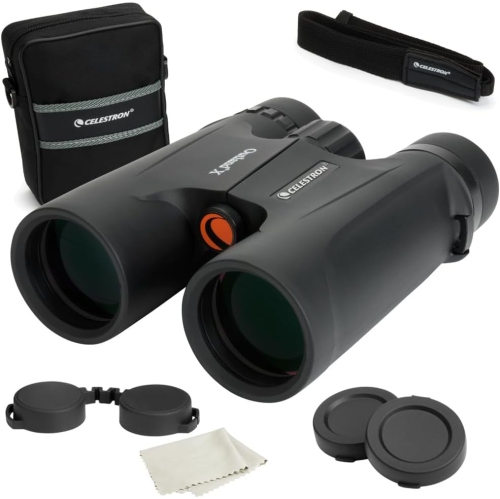
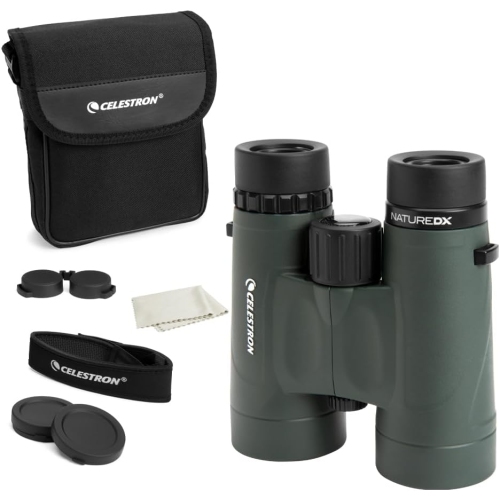
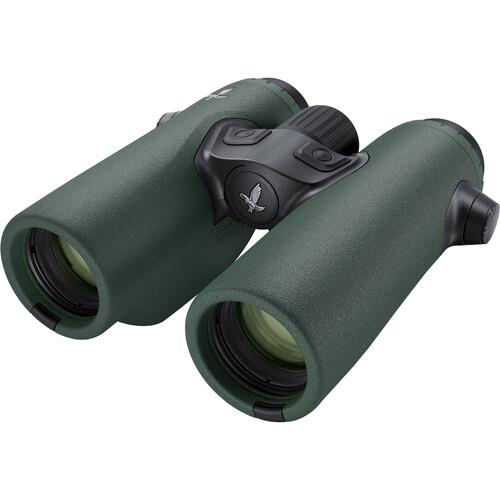
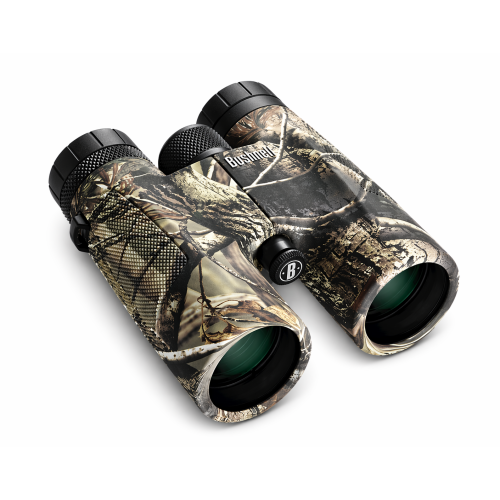
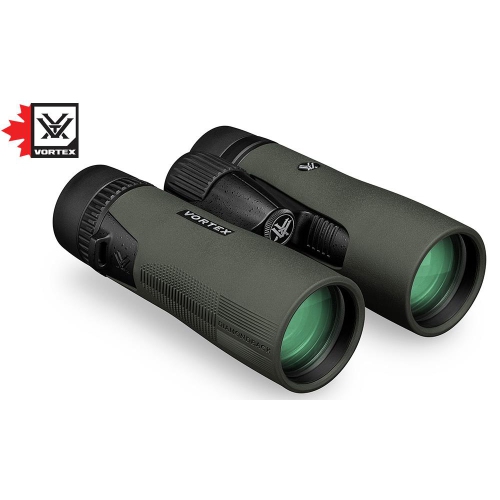
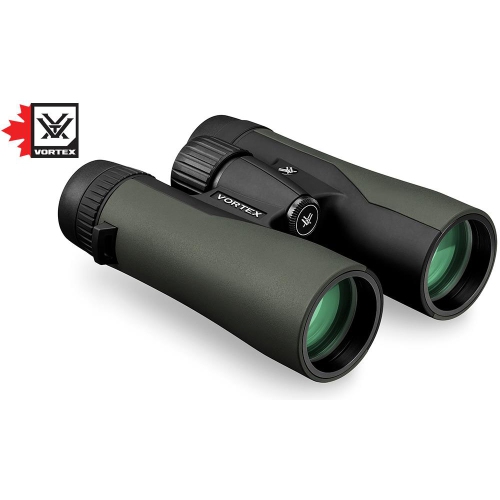
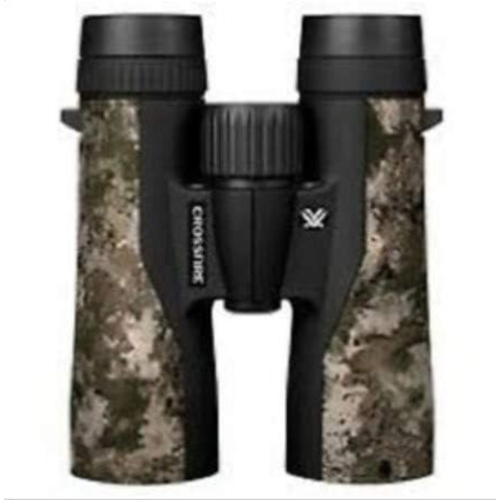
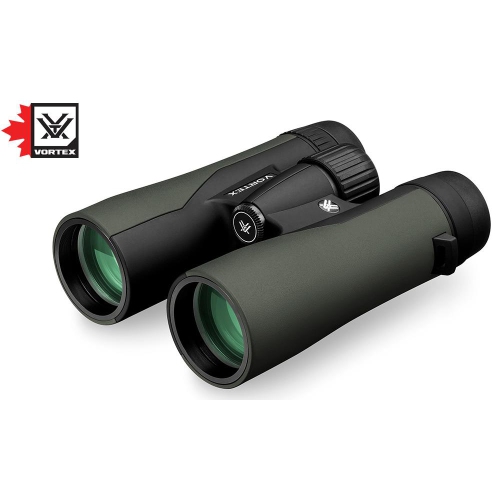
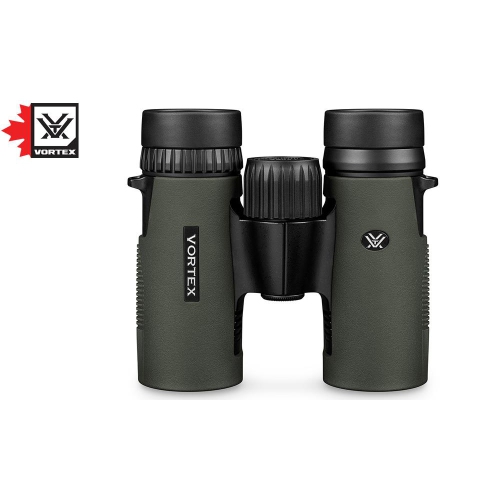
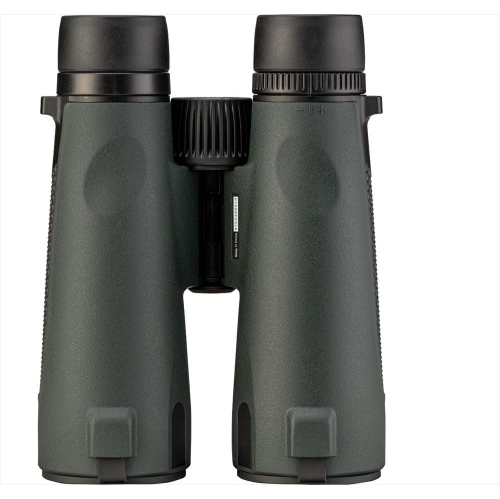
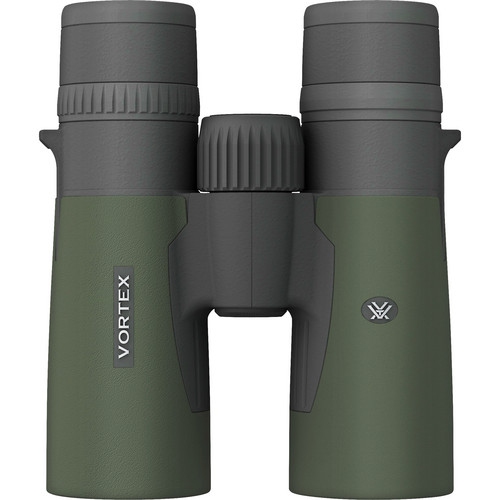
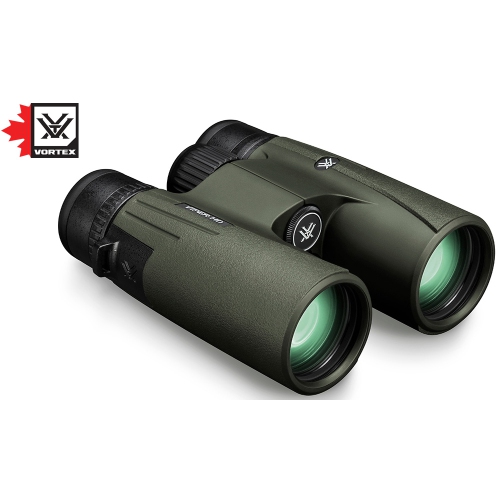
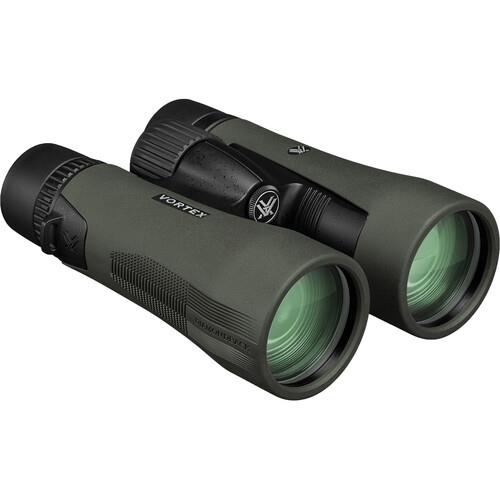
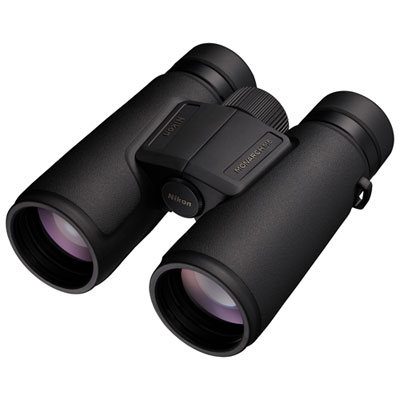
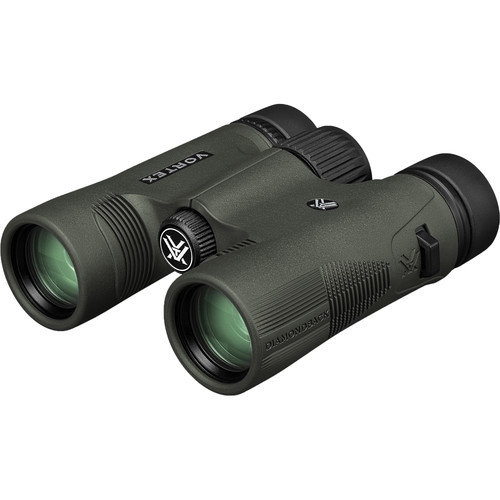
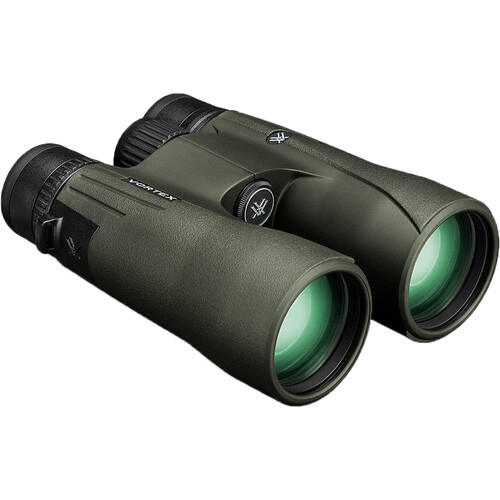
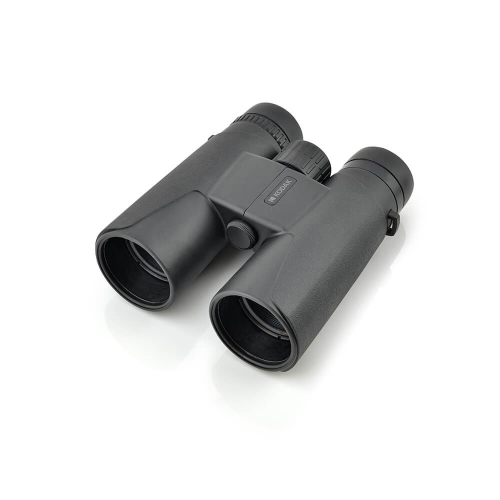

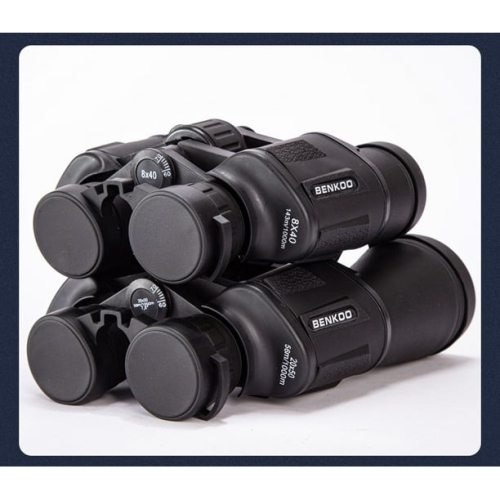
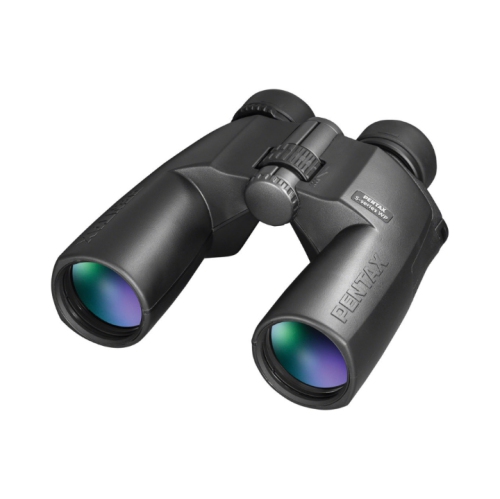
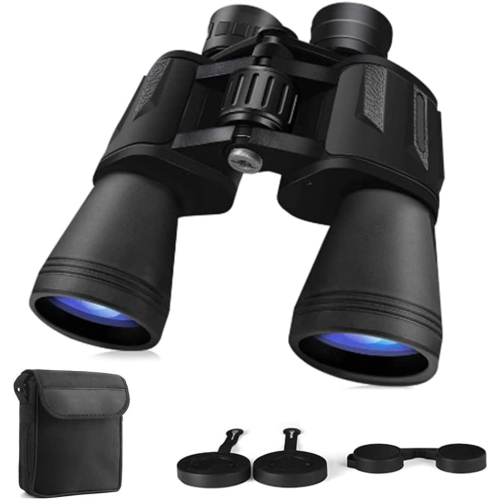
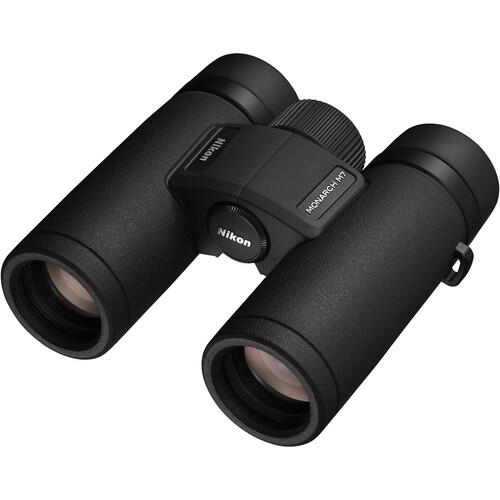
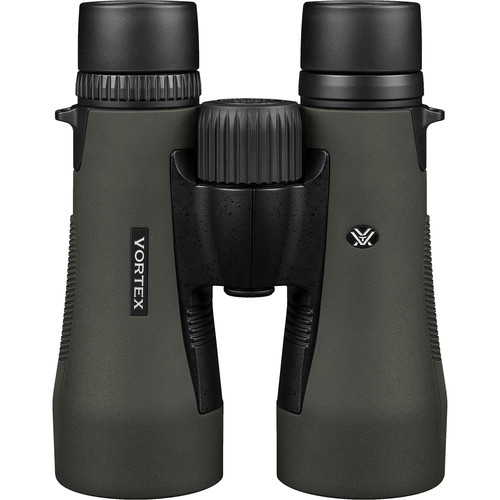
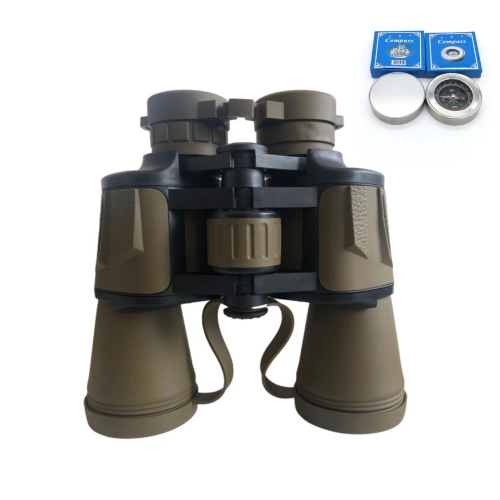
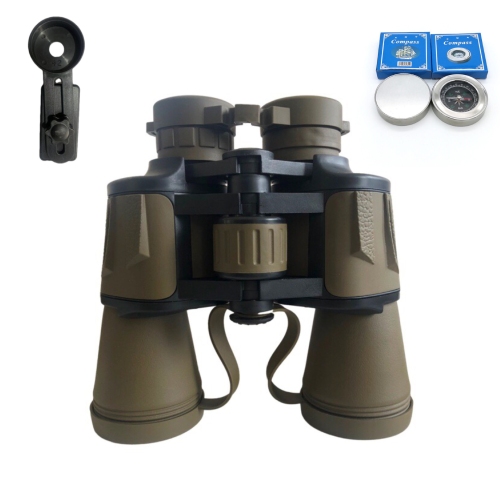
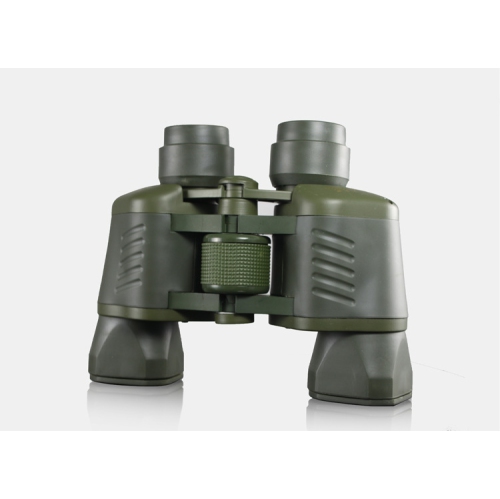
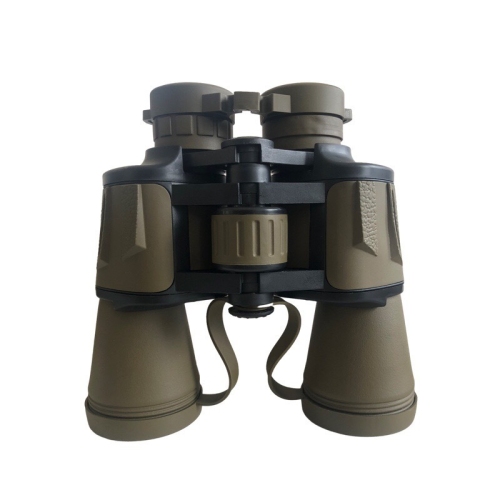
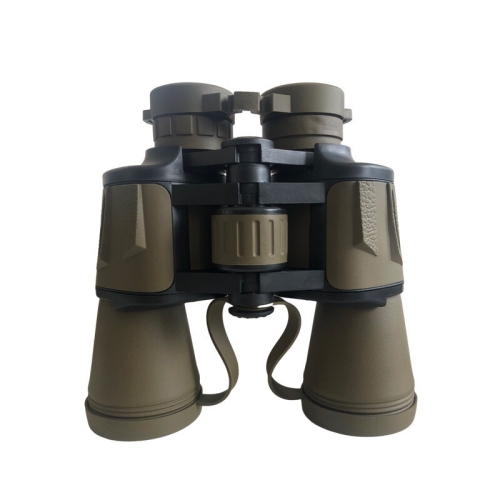
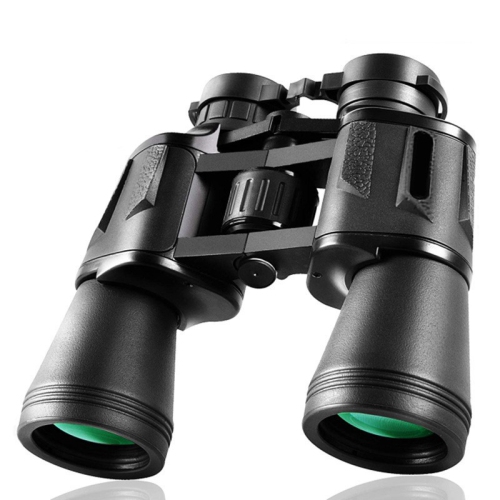
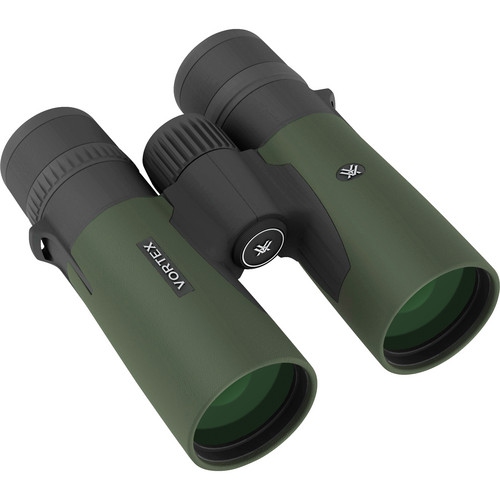
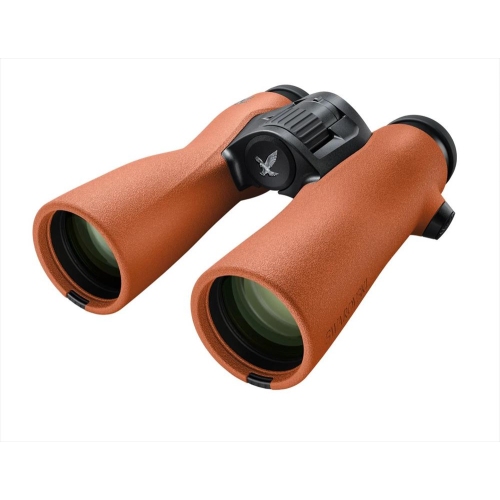
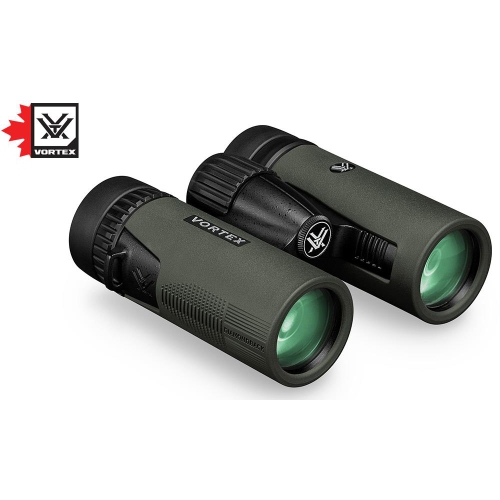
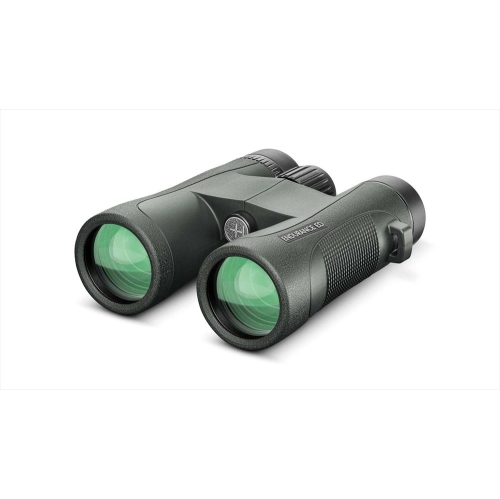
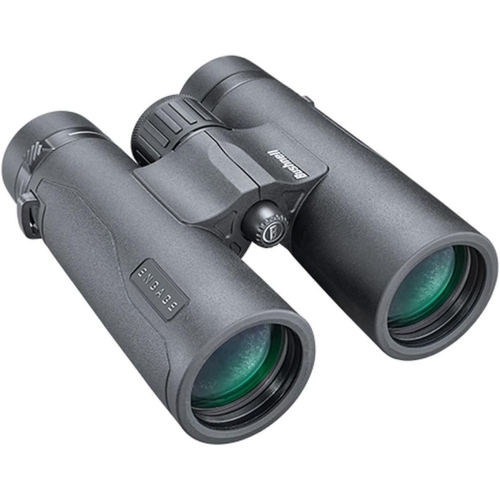
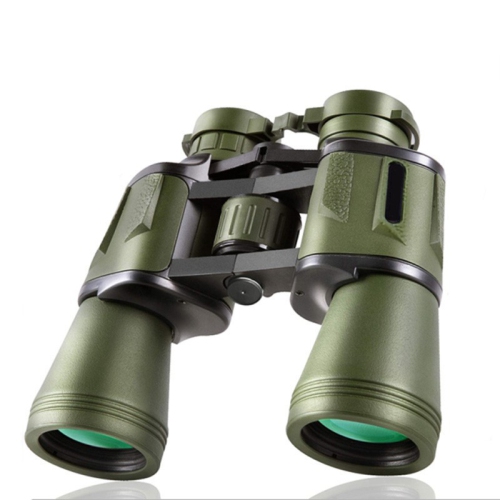
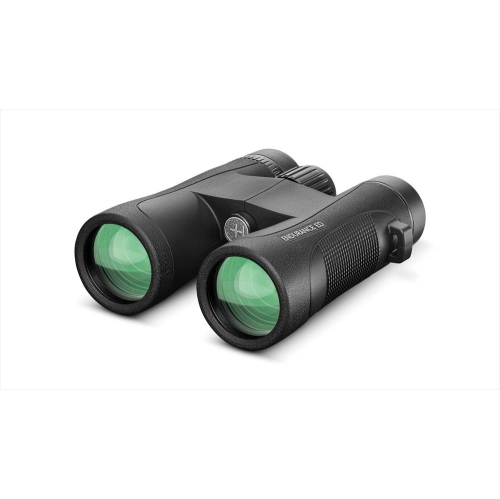
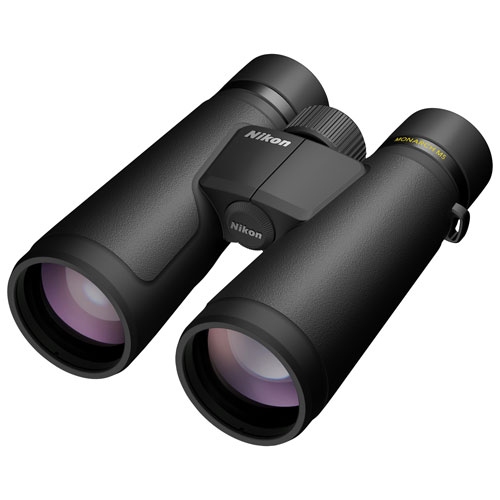
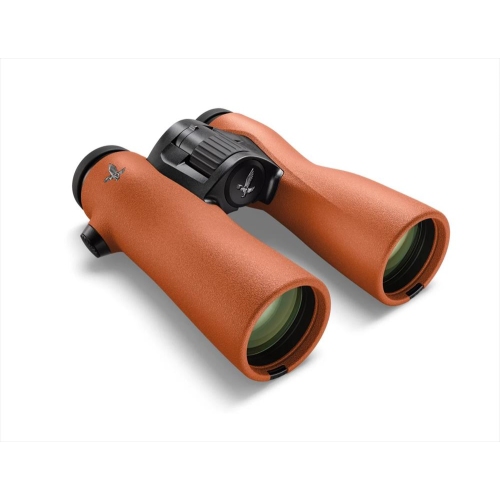
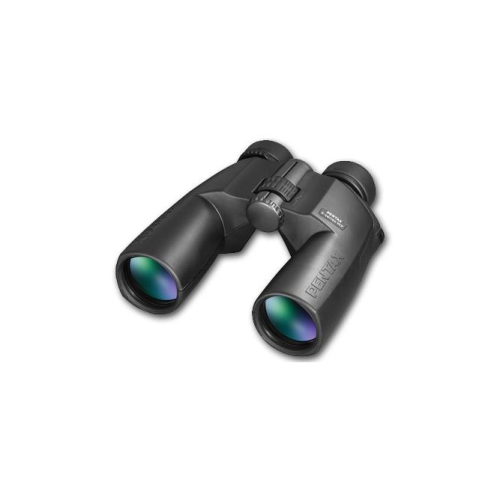
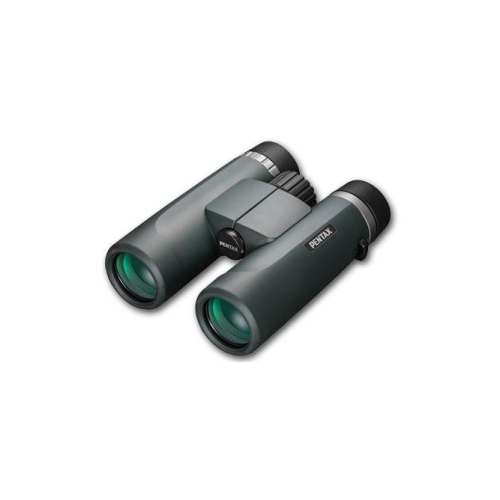
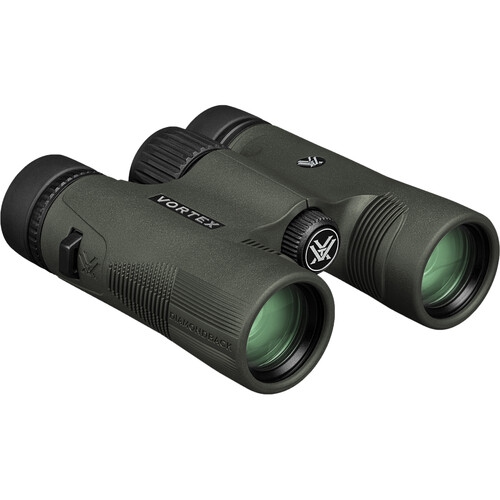
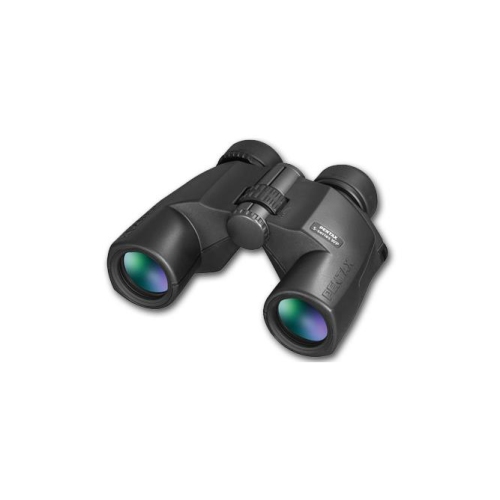

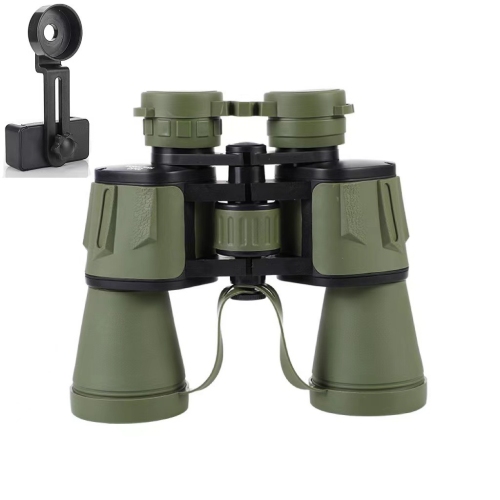
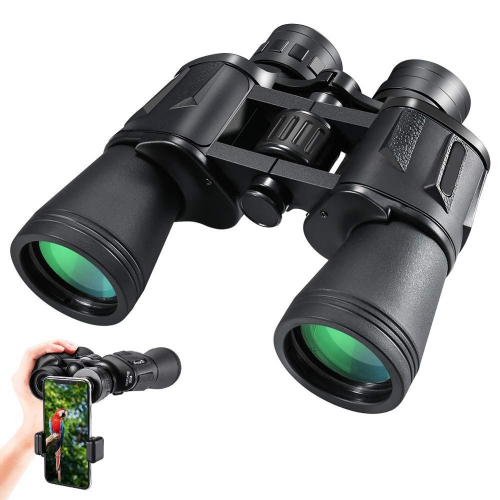
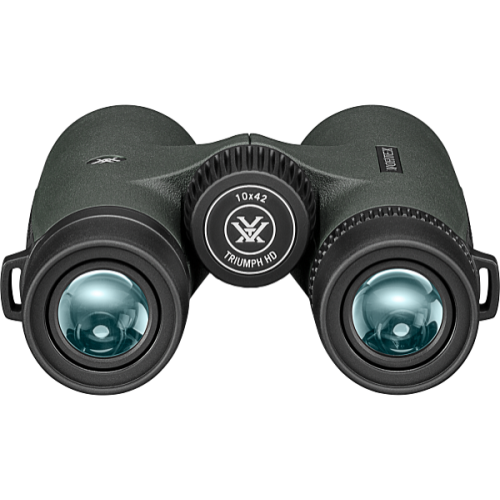
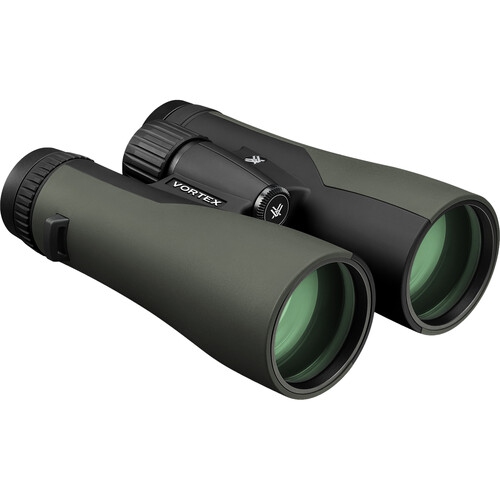
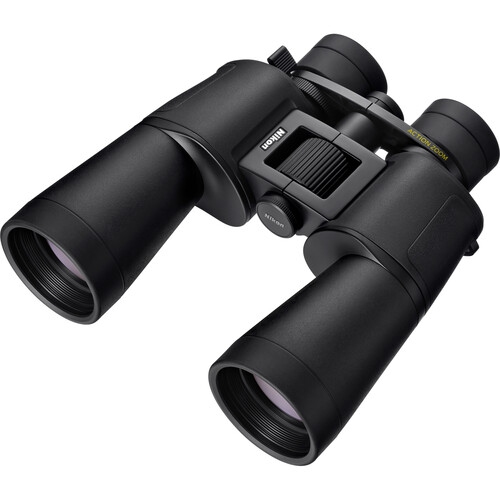
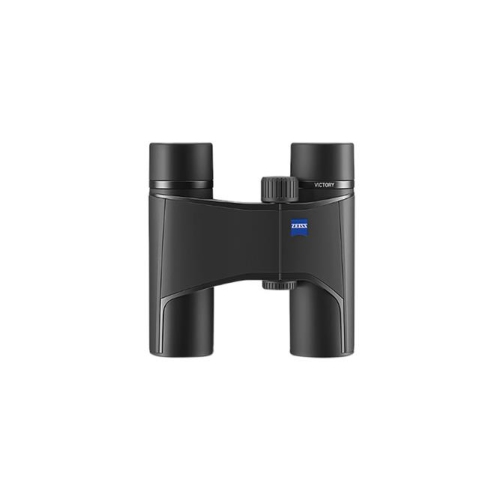
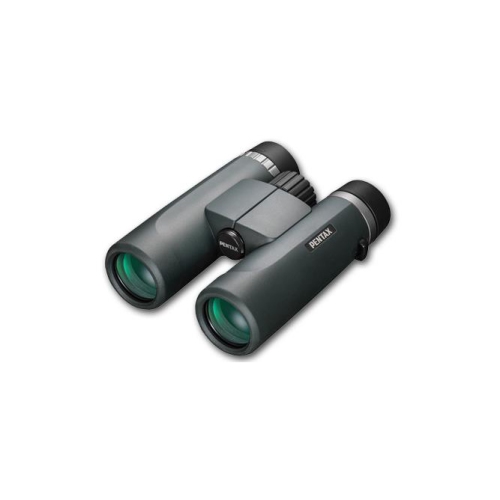
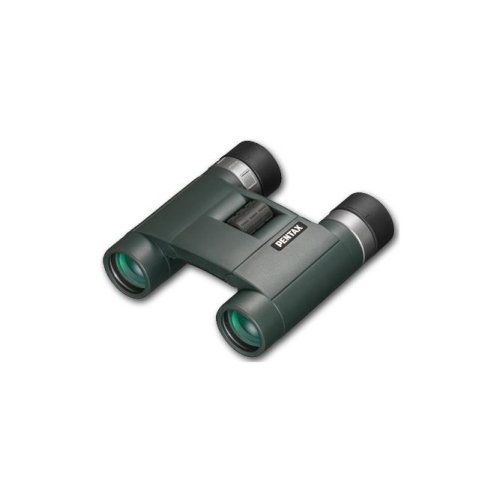
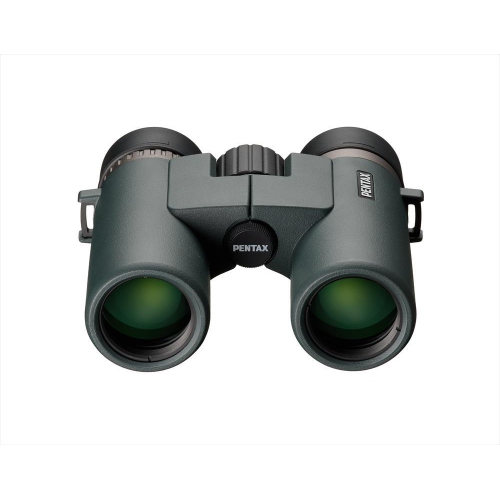
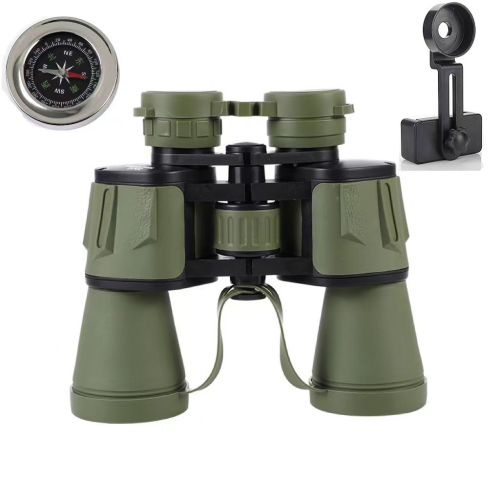
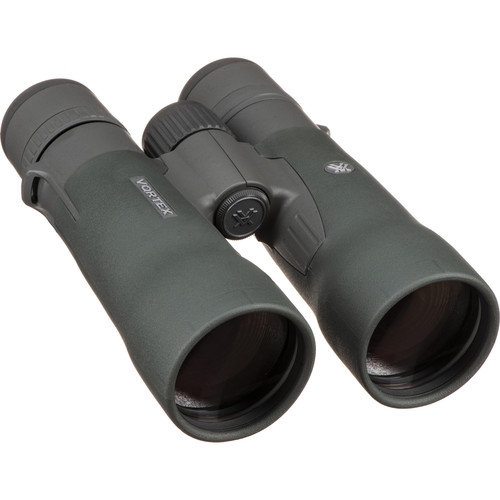
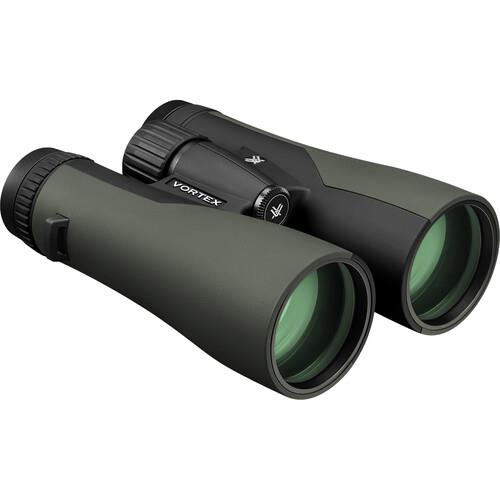
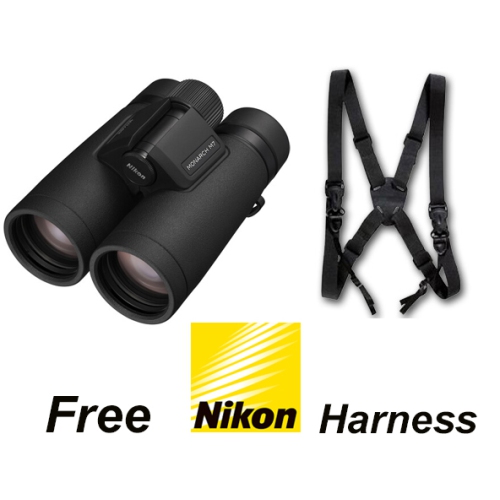
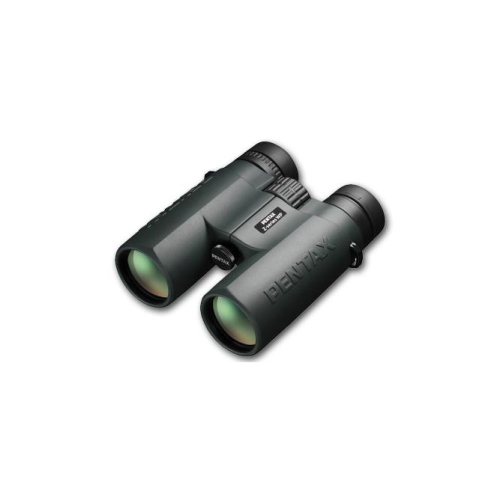
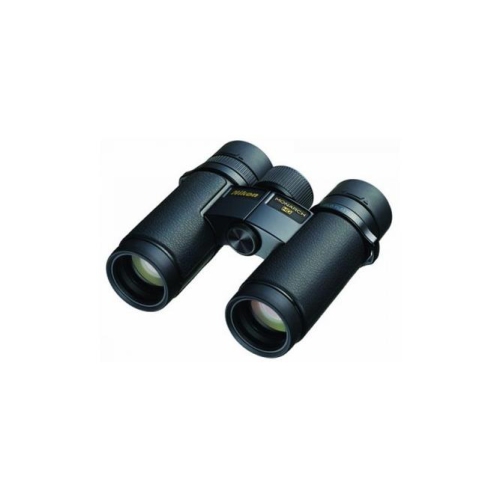
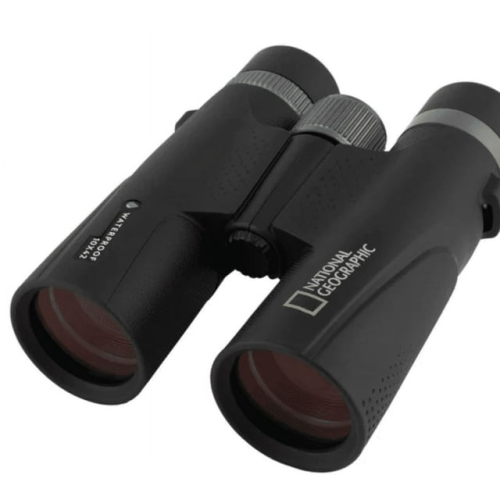
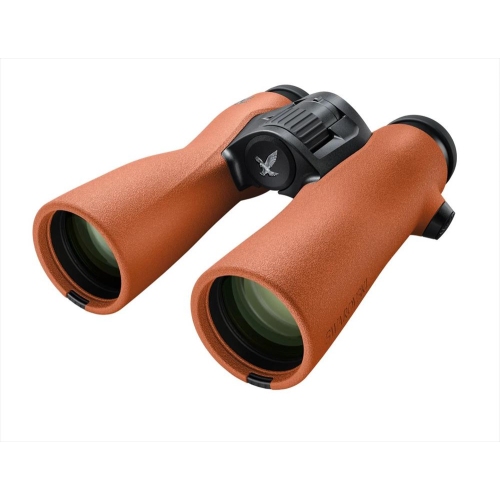
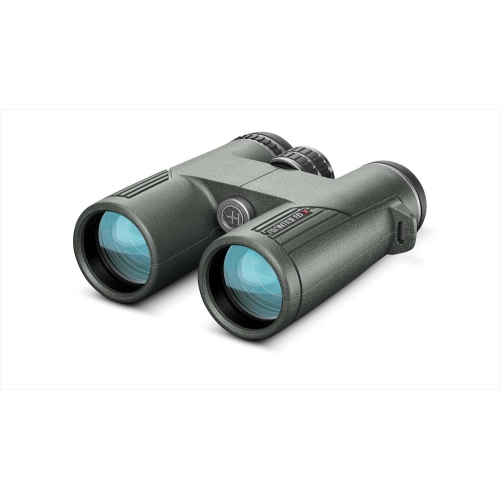
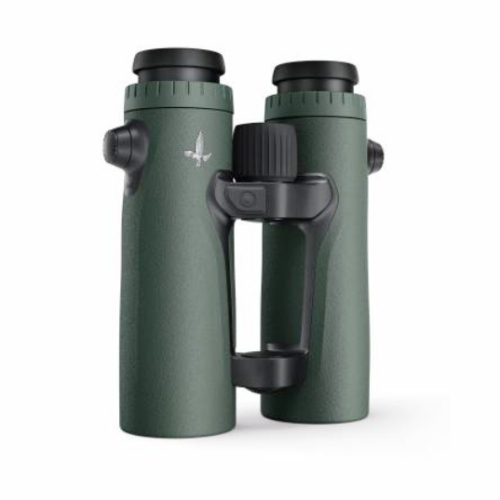
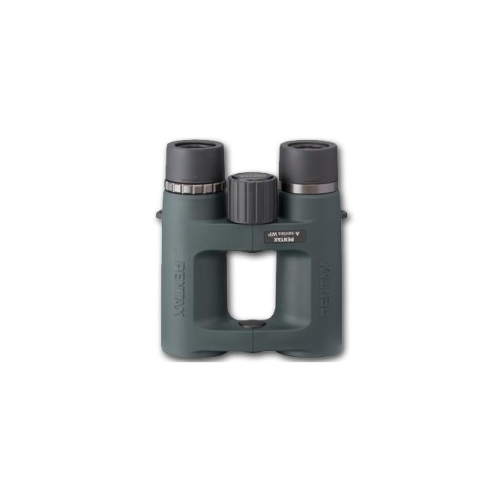



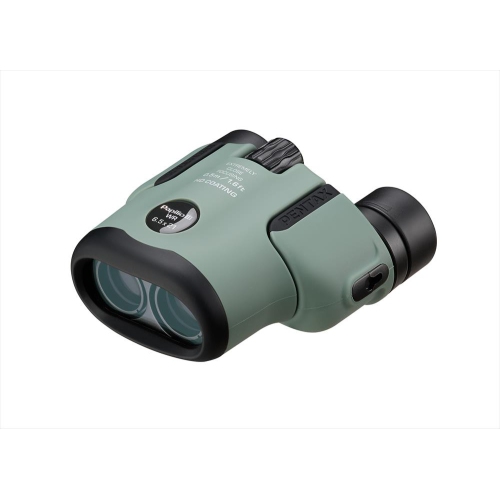
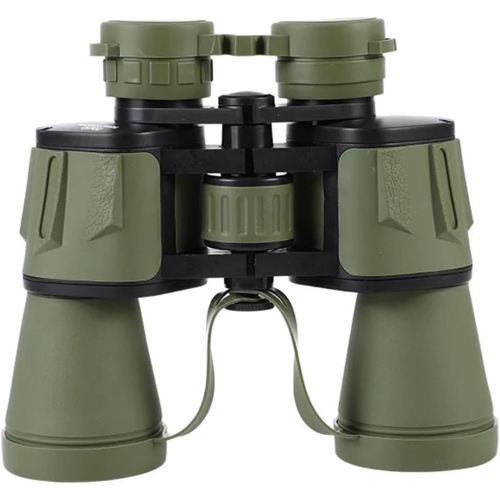
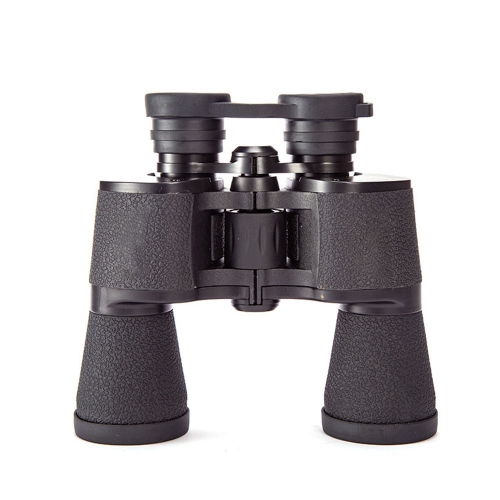
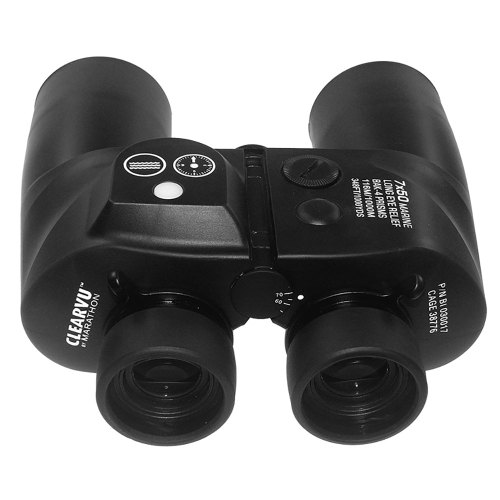
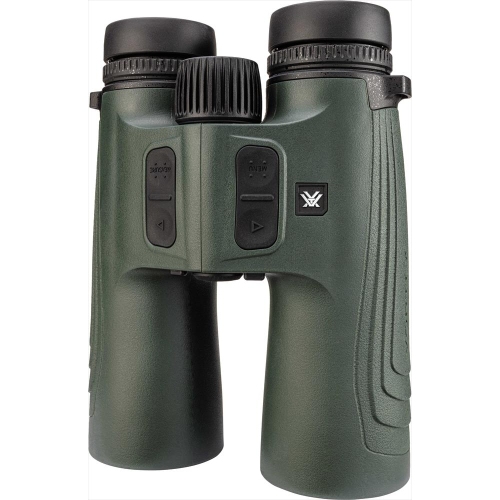
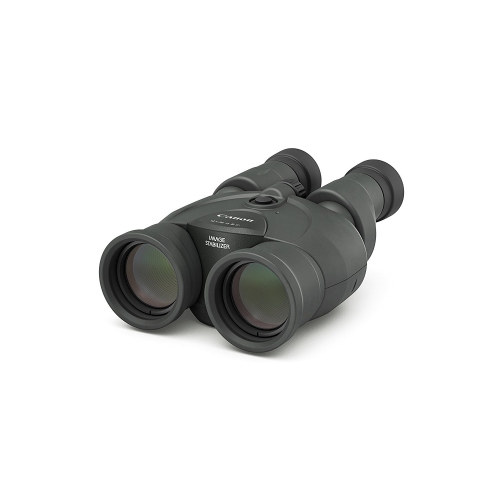
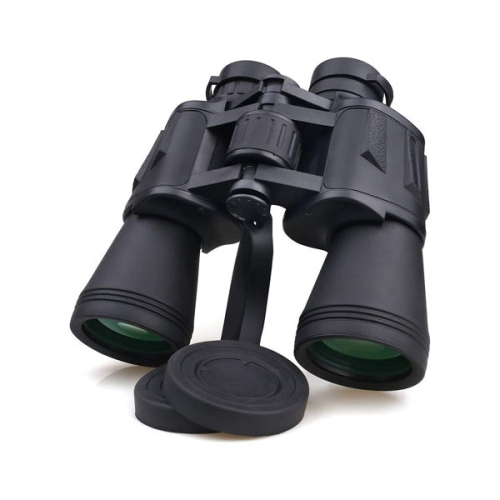
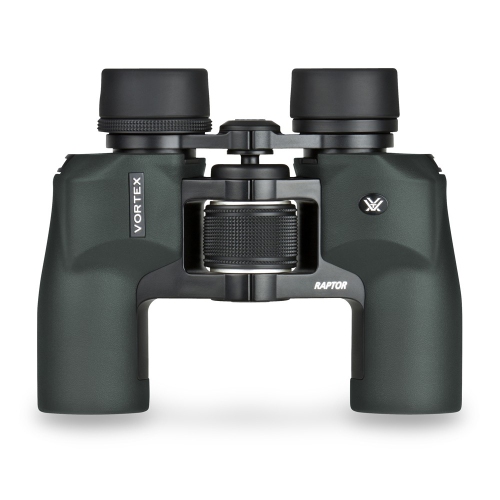

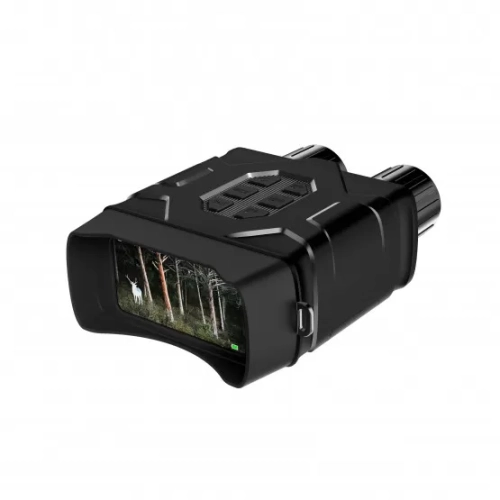
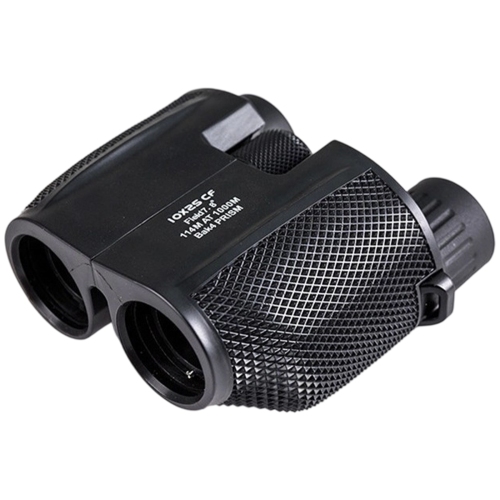
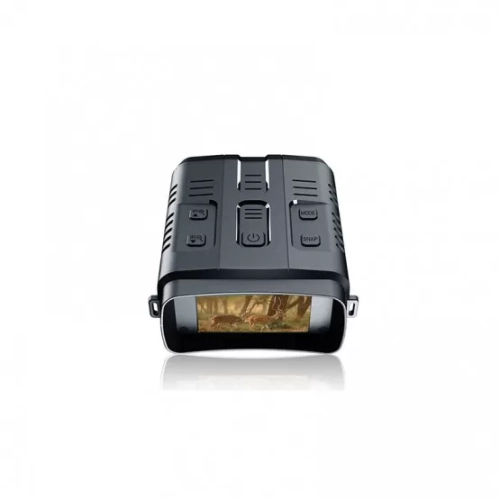

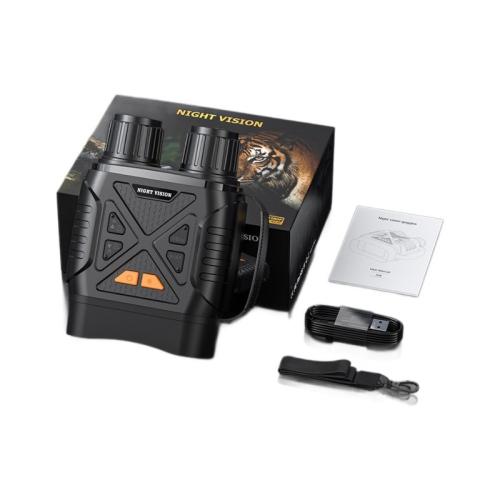
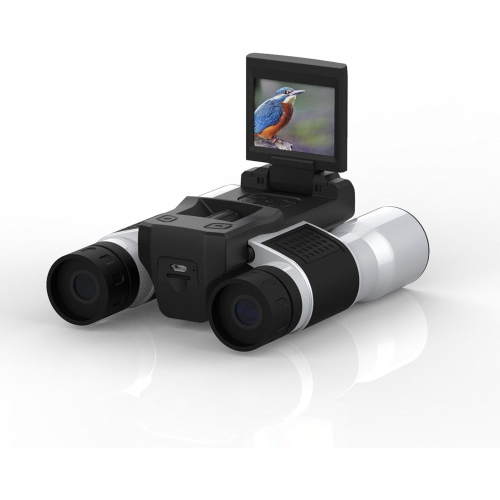
How magnification and prism designs shape every view
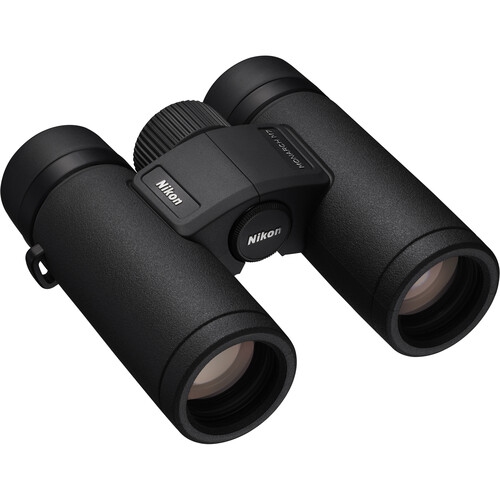
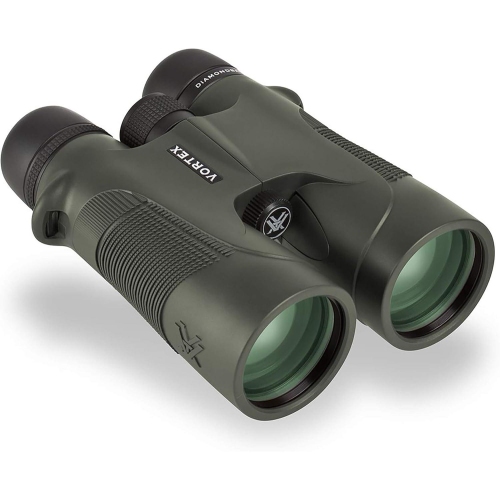
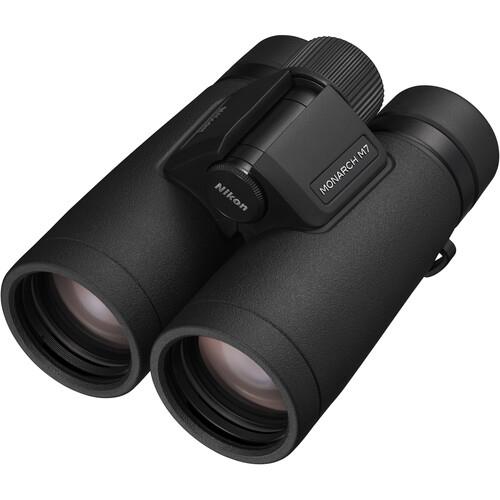
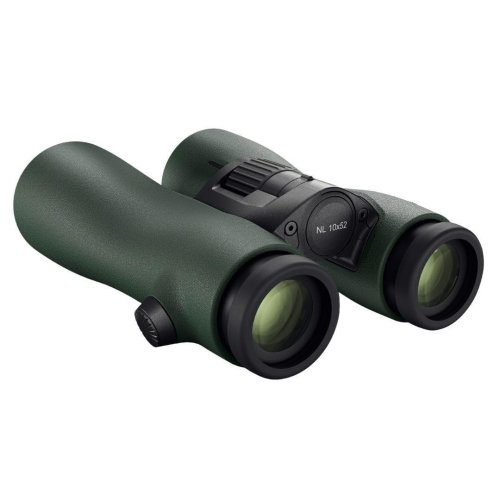
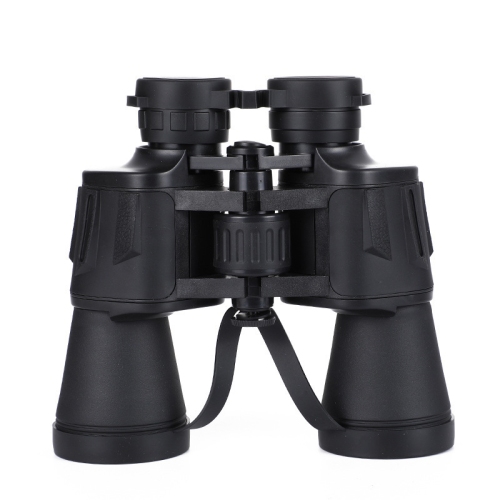
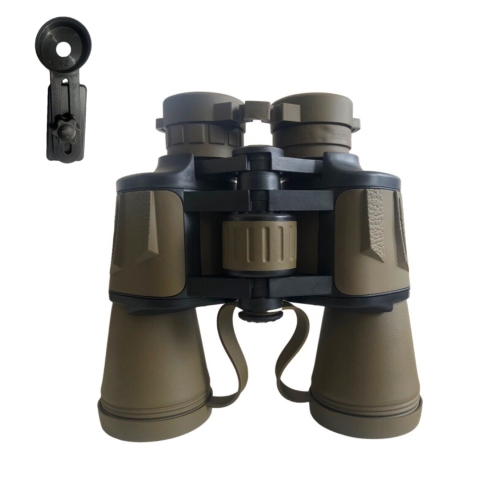
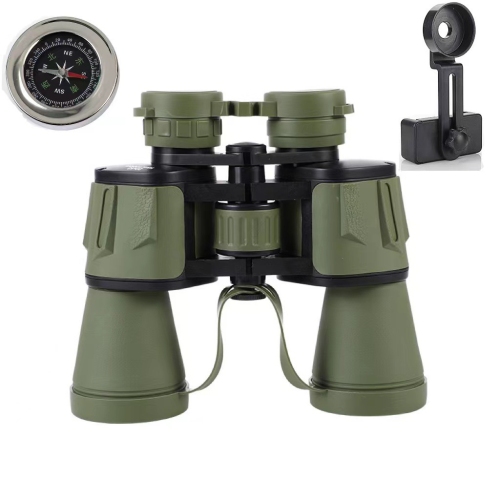
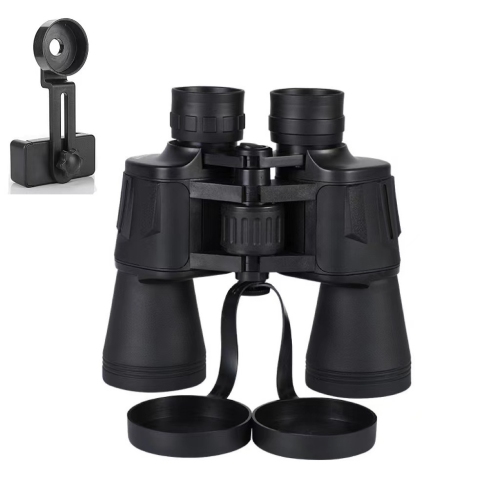
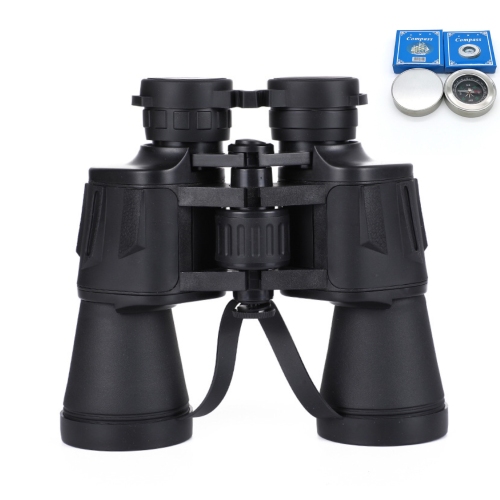
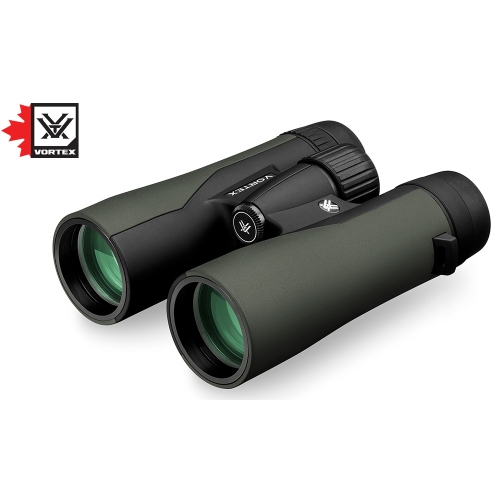
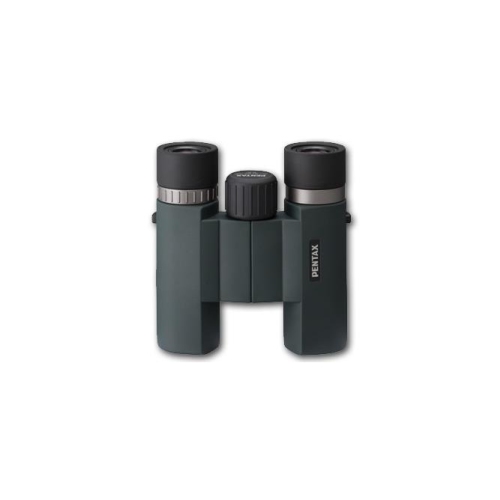
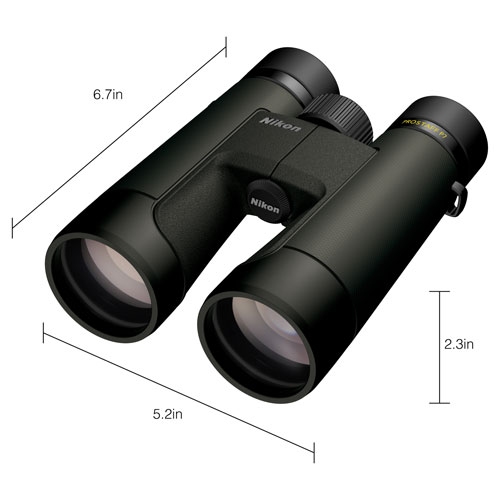
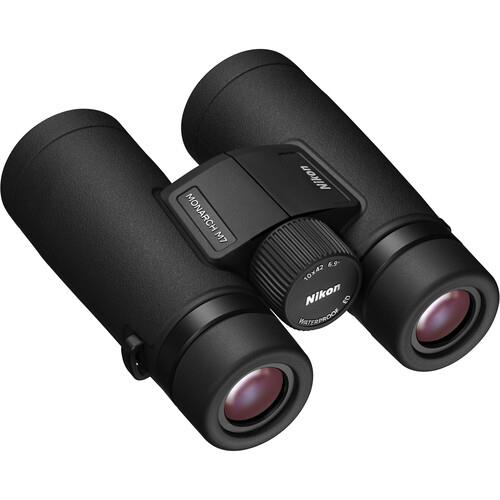
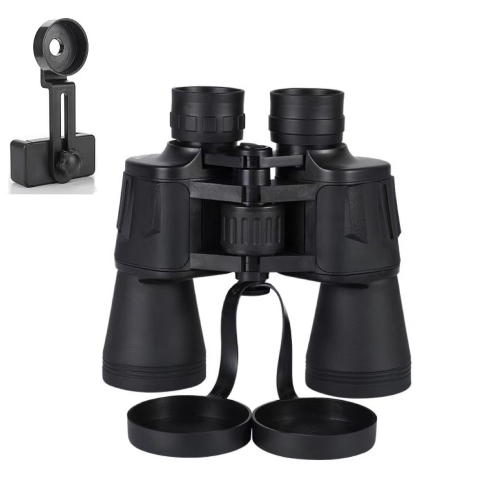
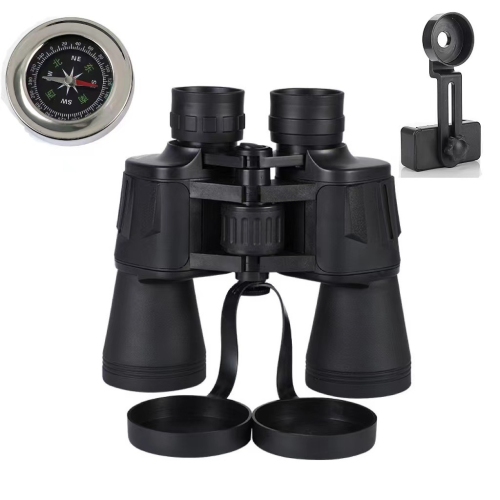
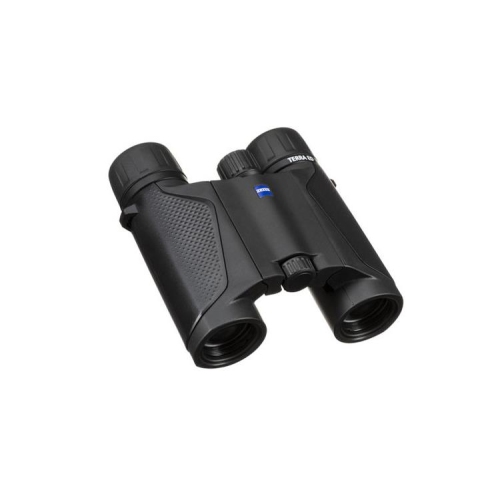
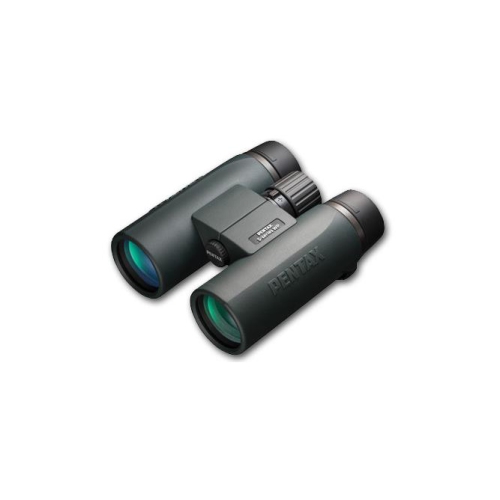
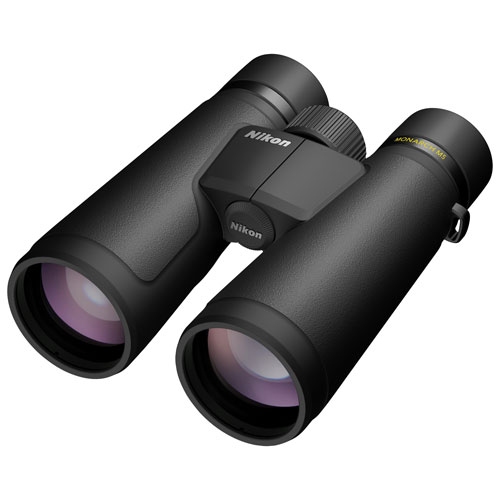
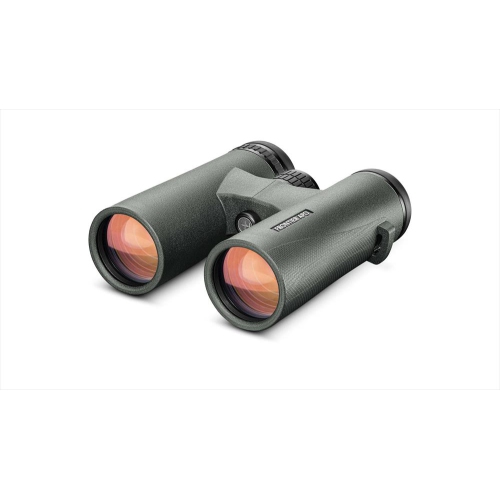
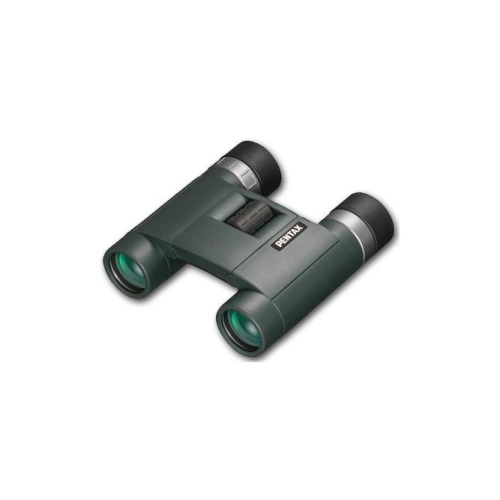
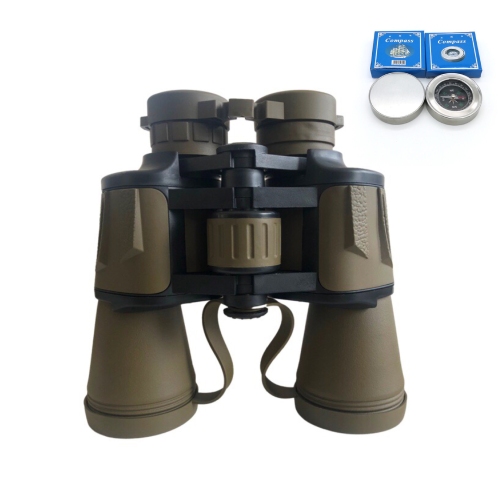
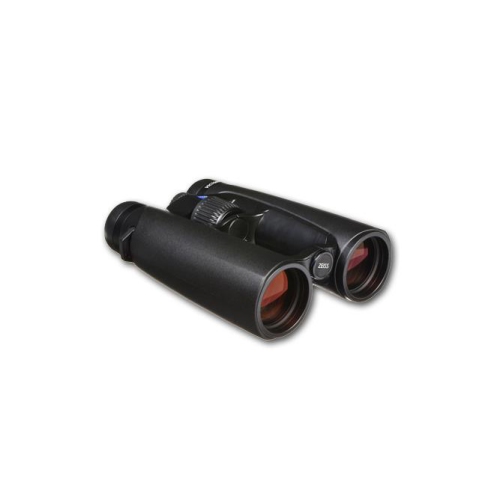
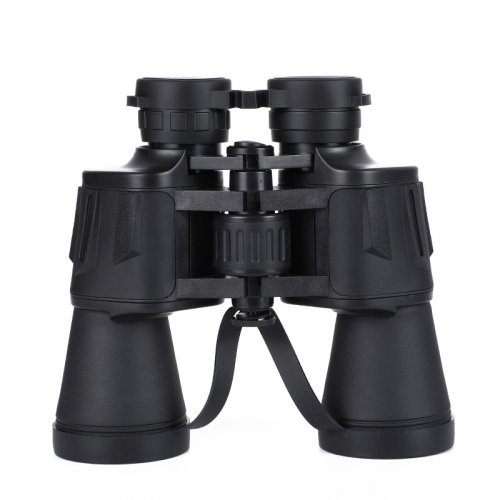
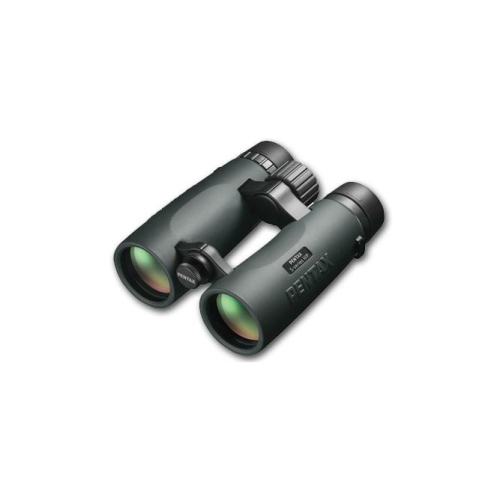
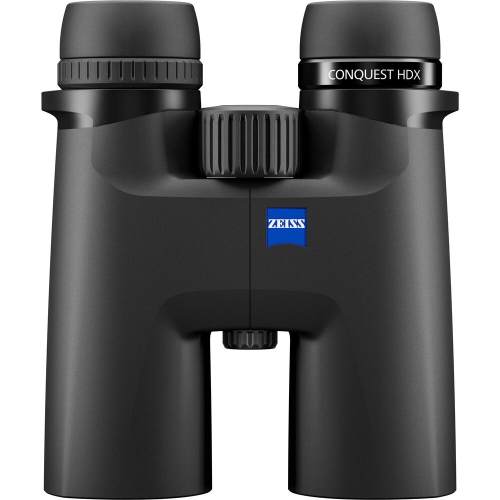
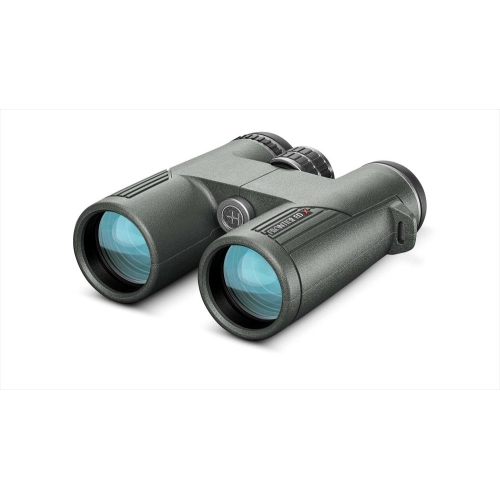
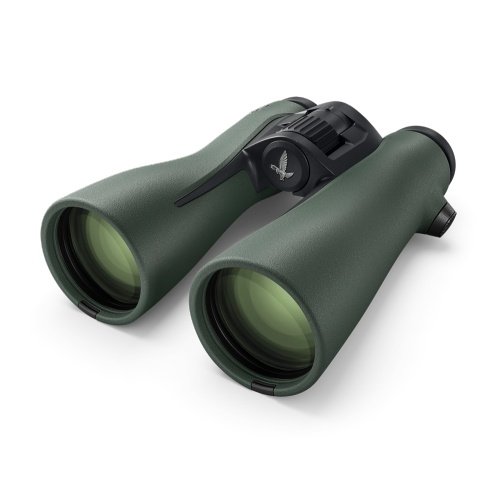
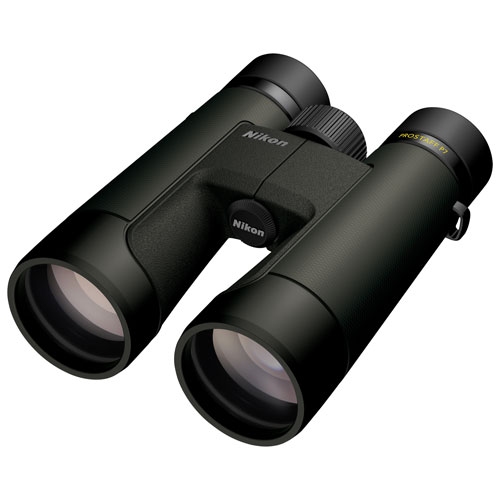
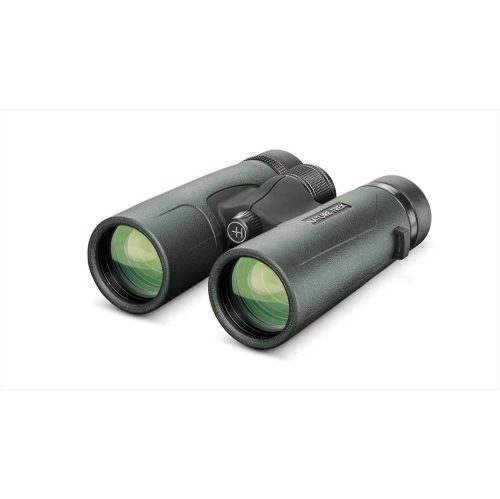
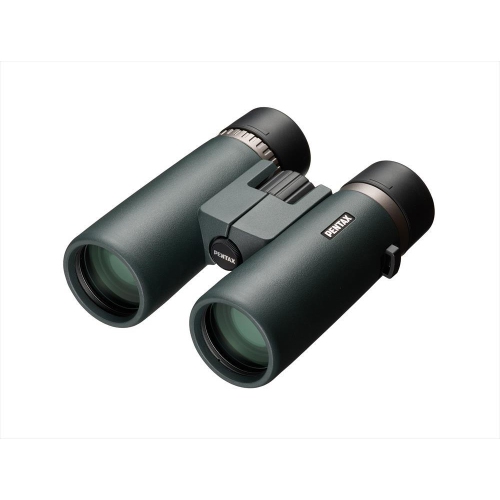
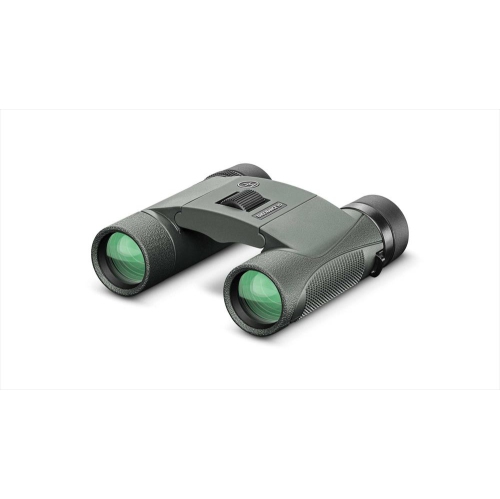
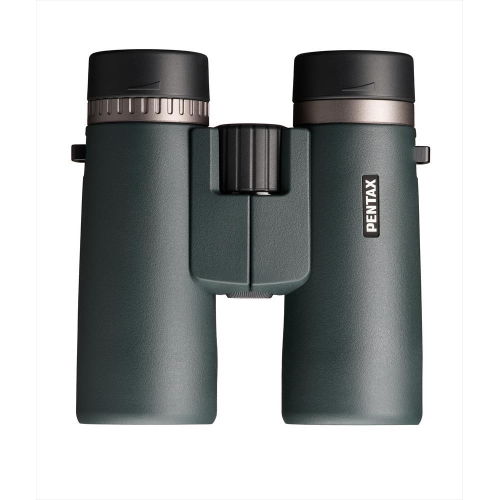
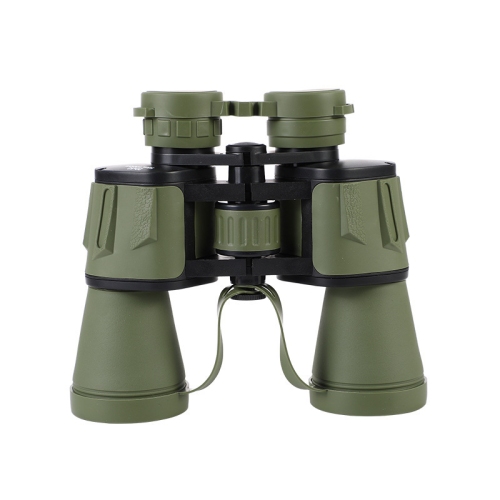
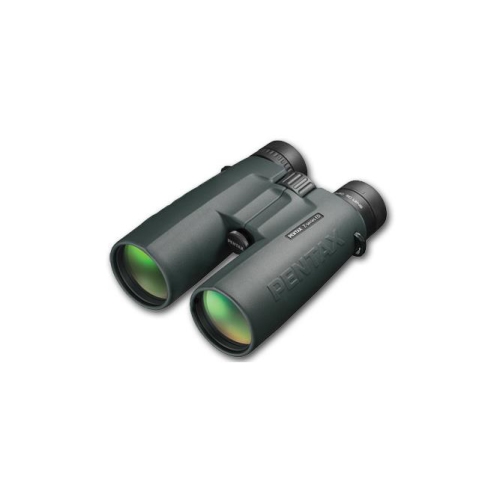
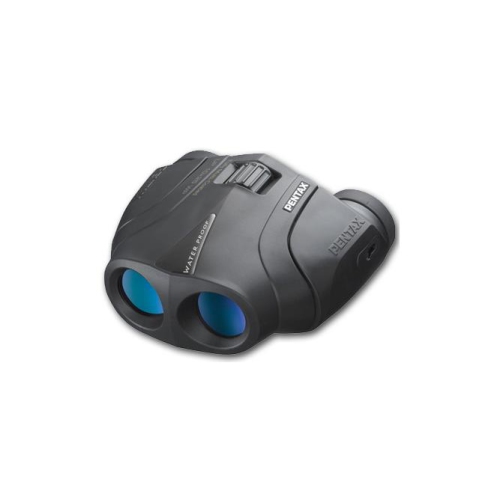
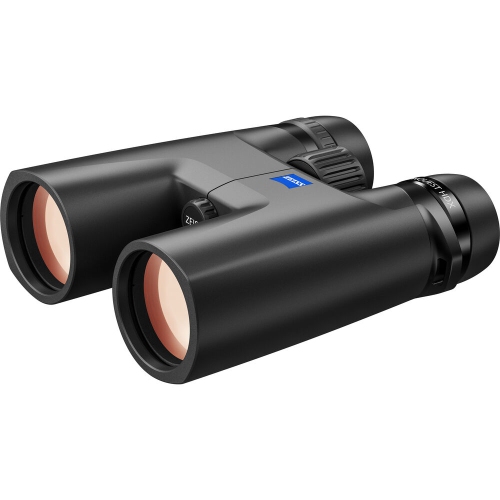
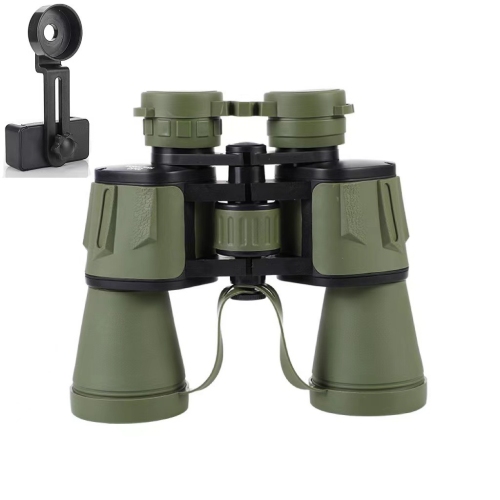
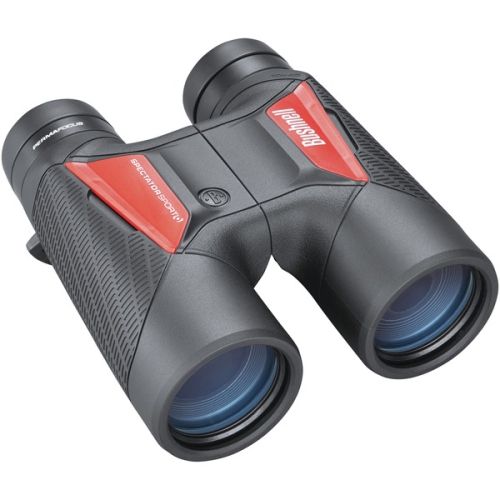
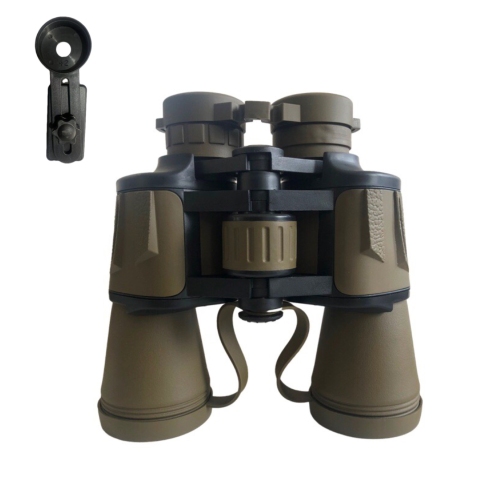
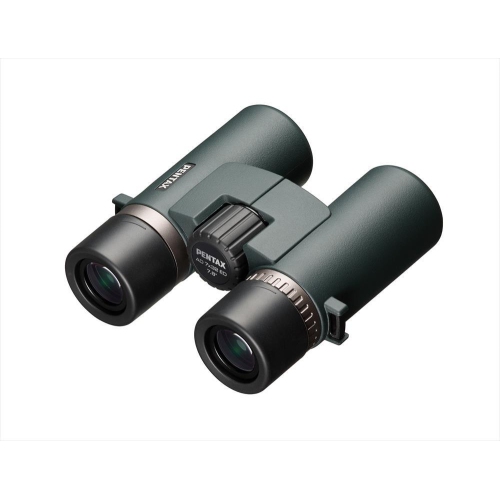
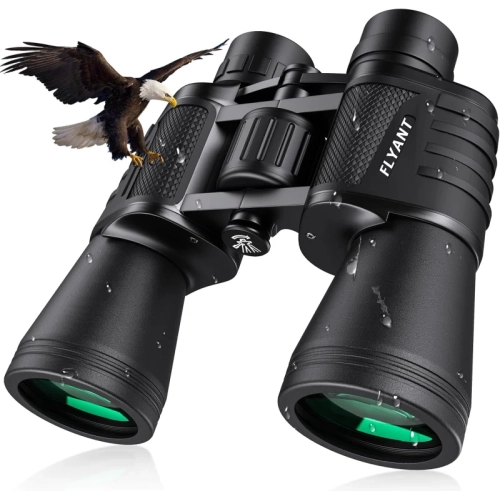
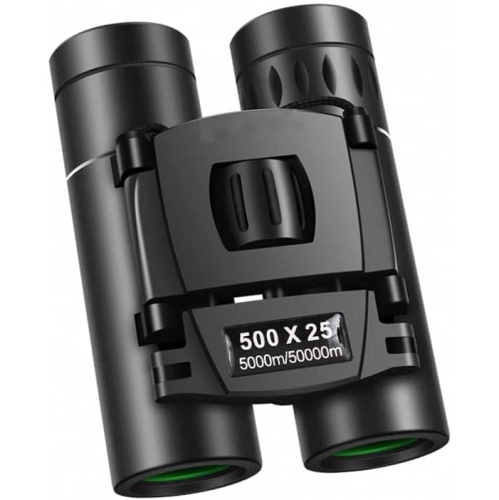
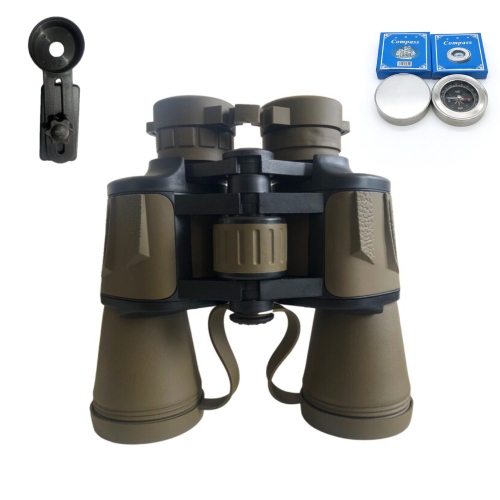
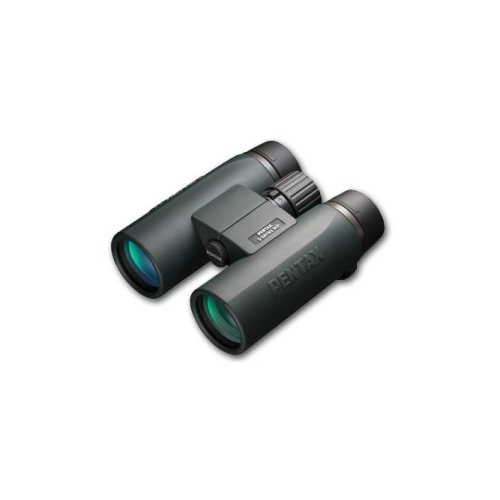
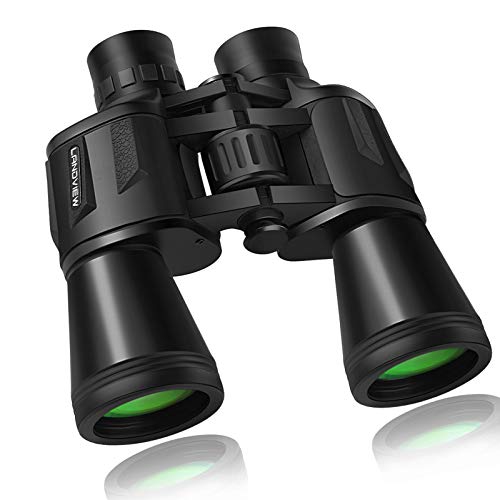
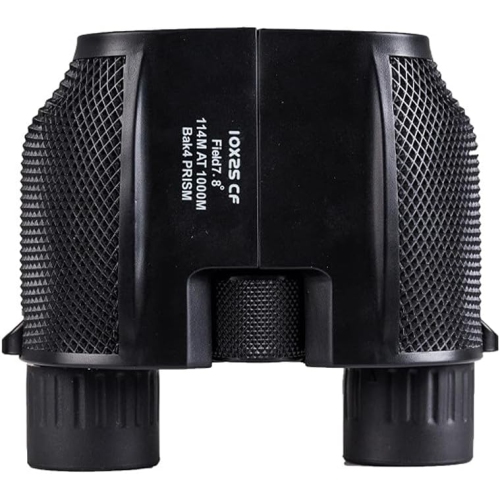
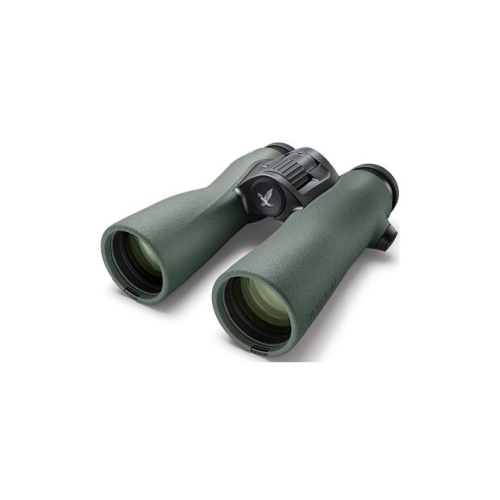
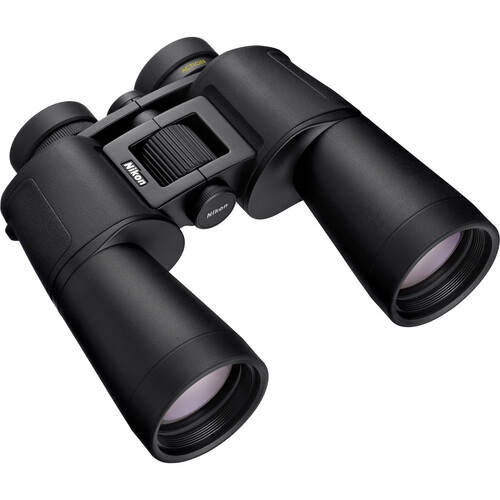
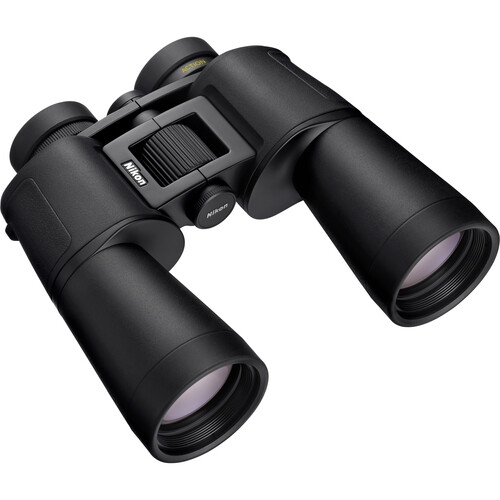
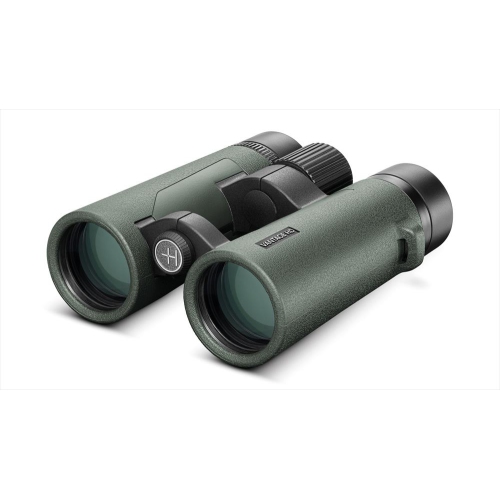
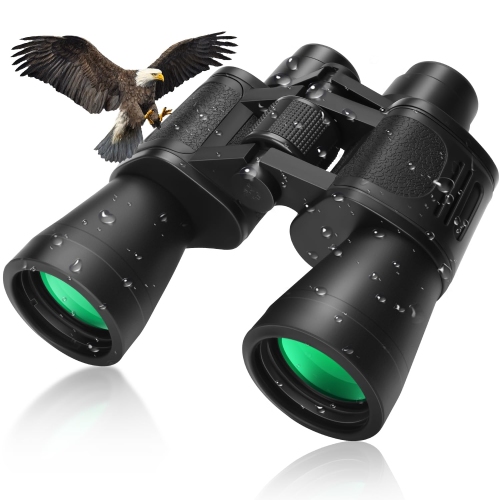
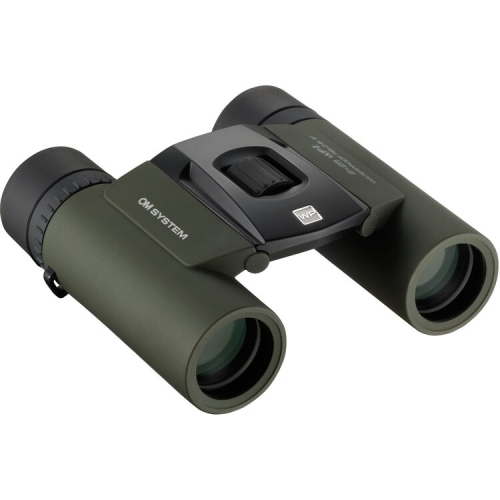
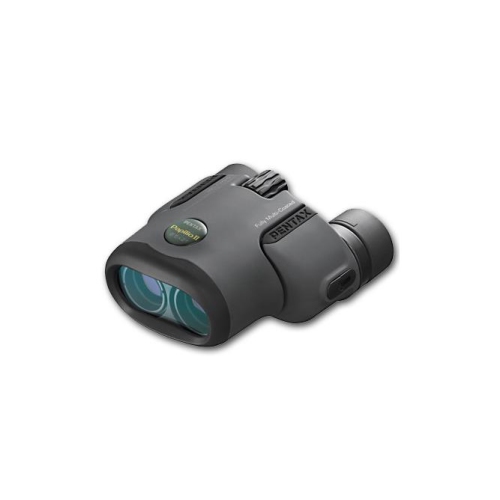
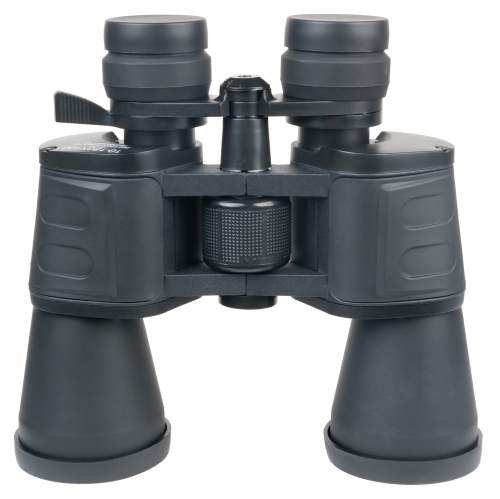
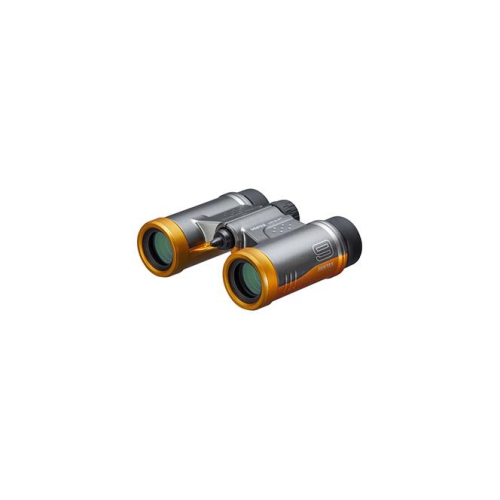
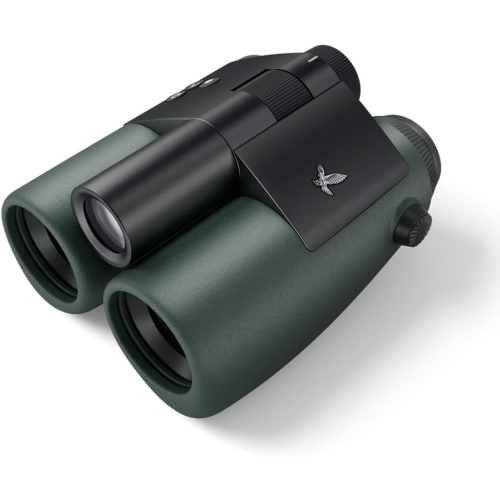
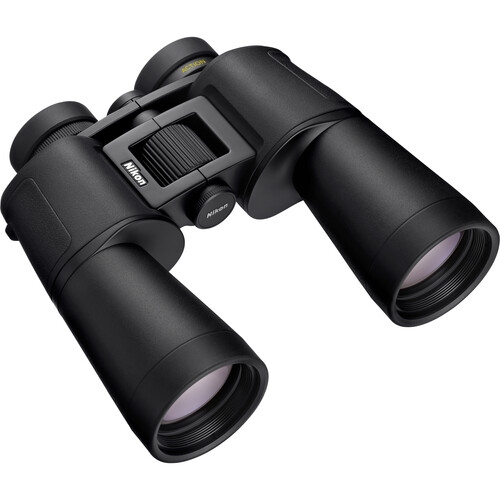
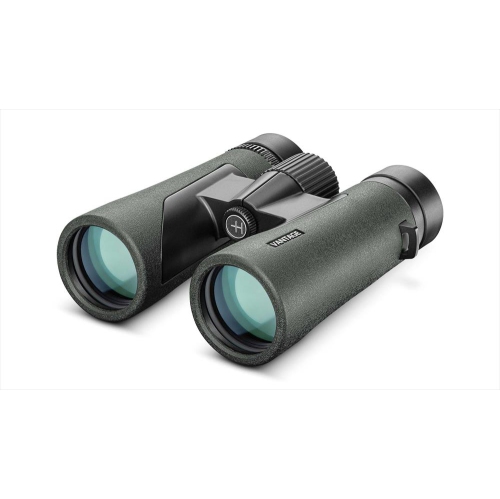
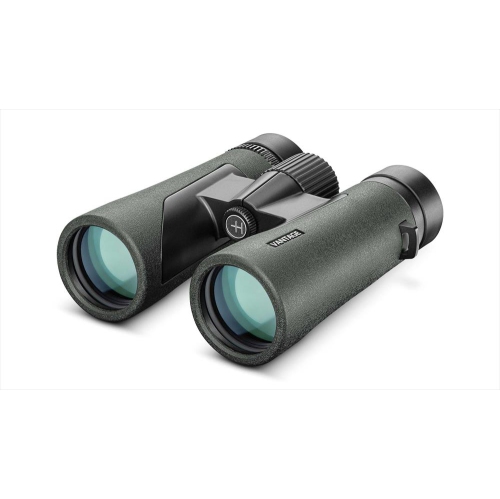
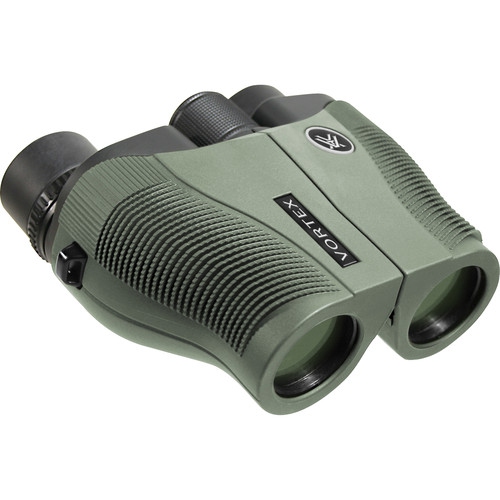
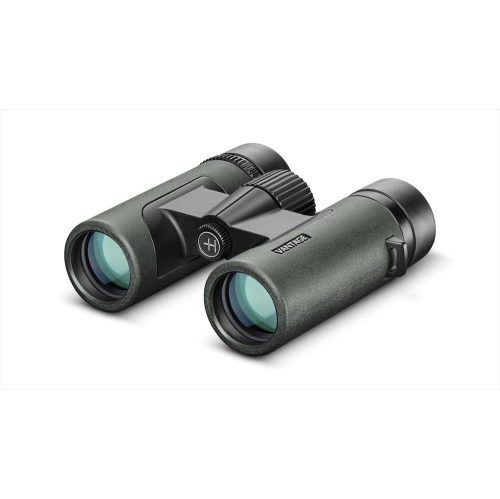
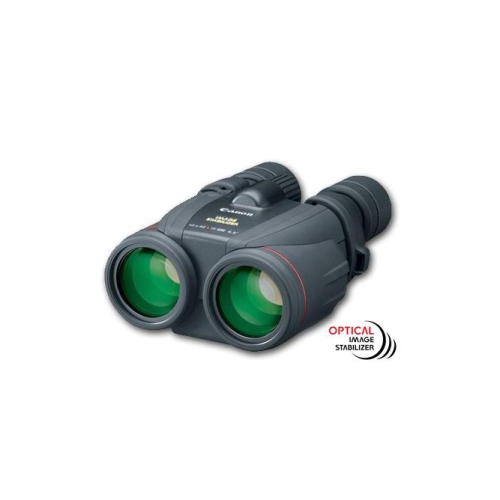
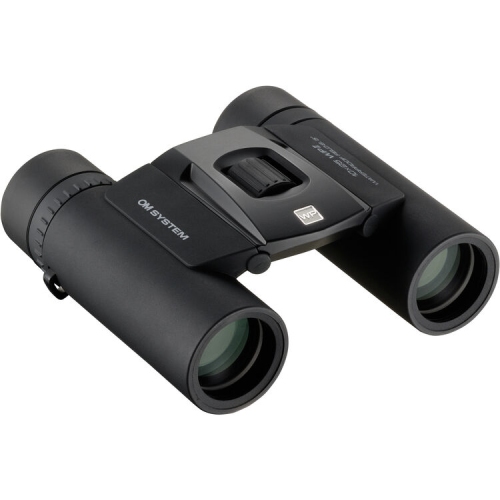
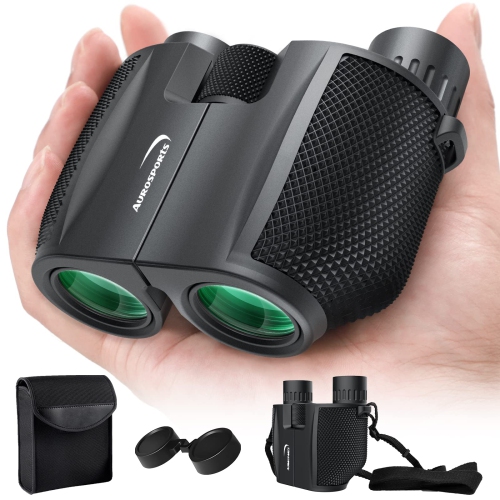
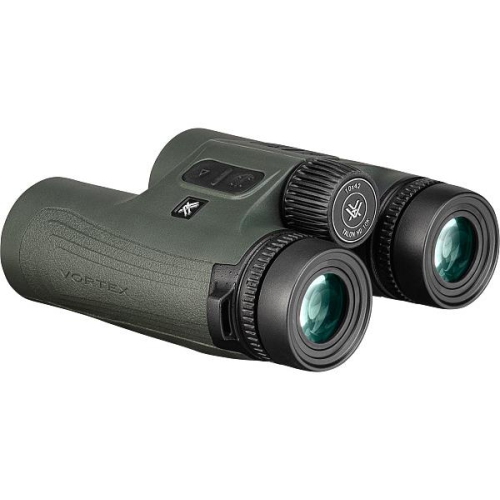
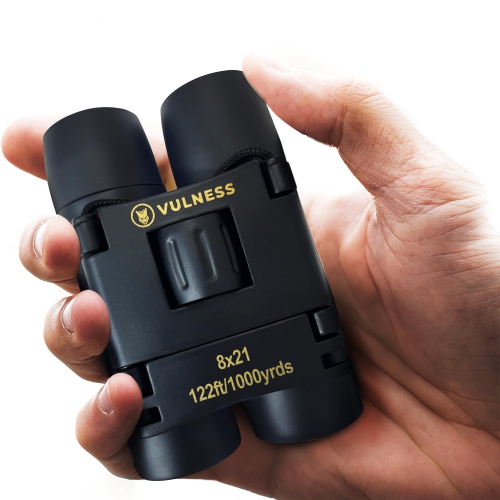
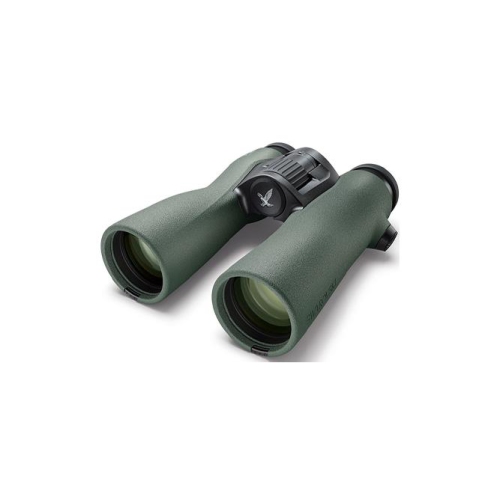
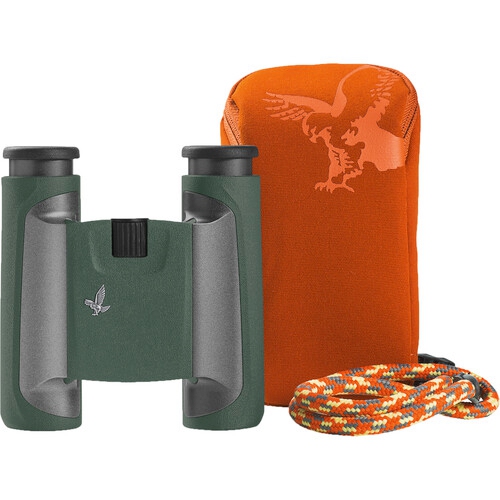
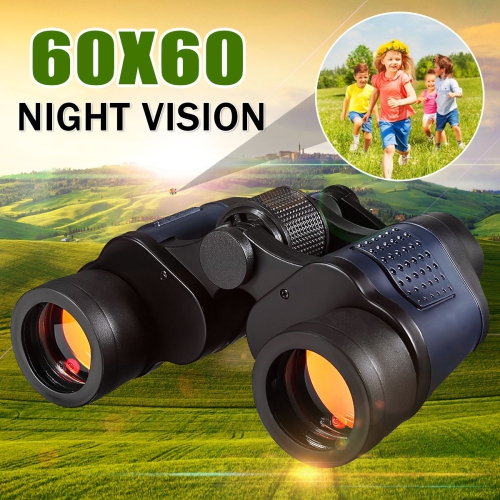
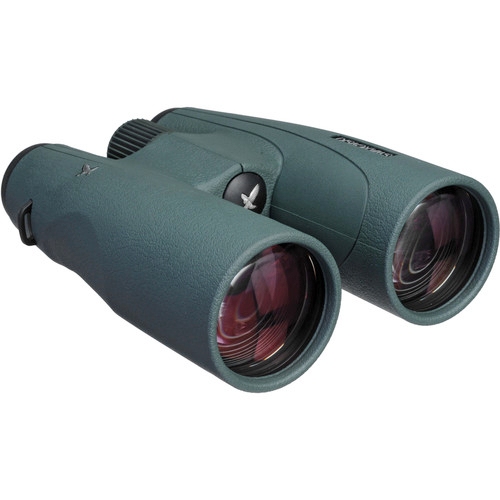
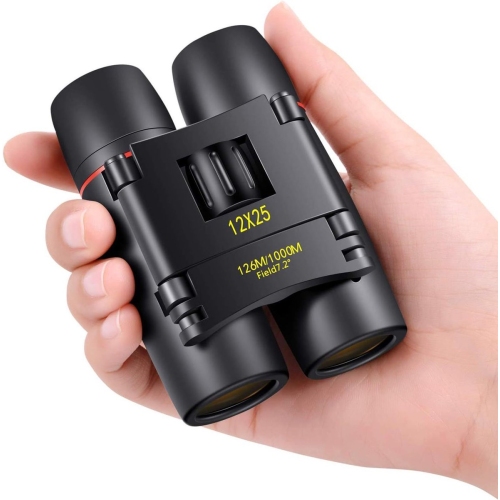
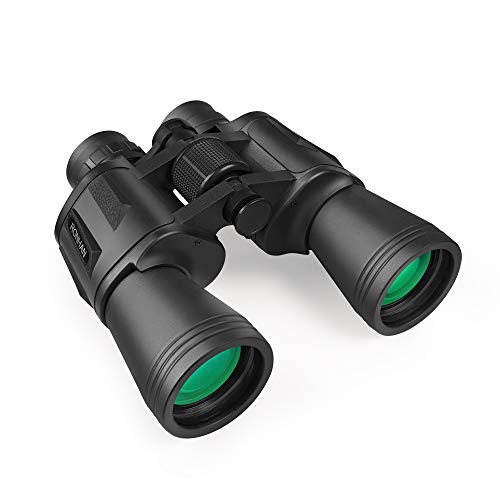
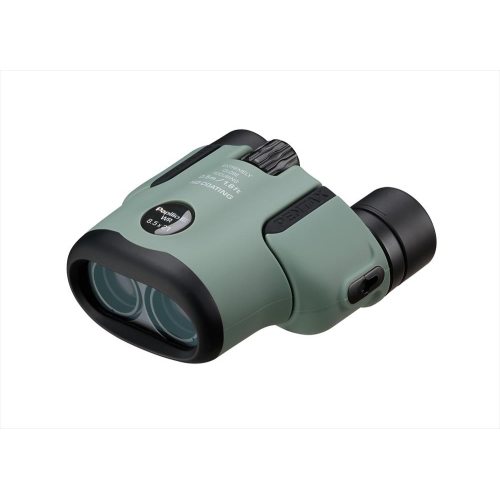
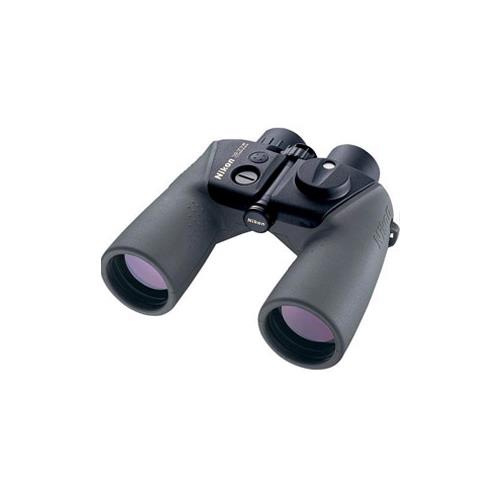
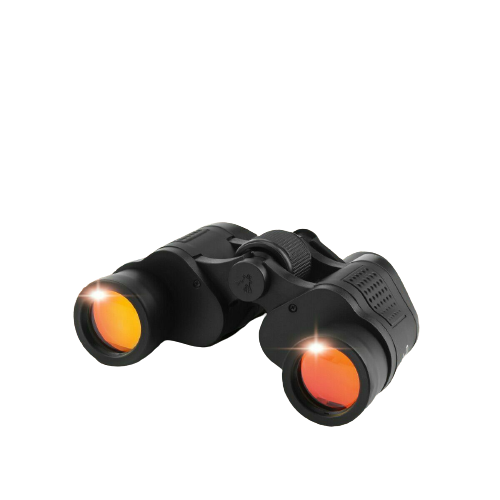
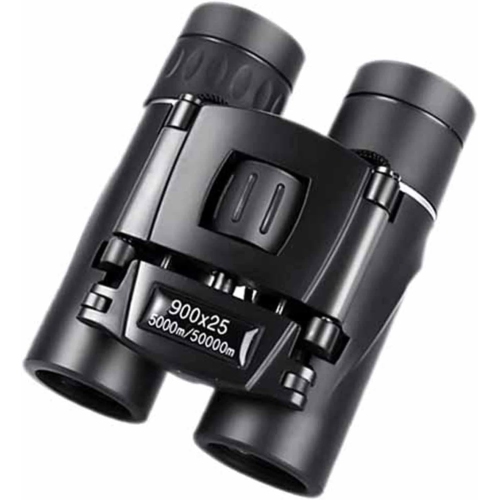
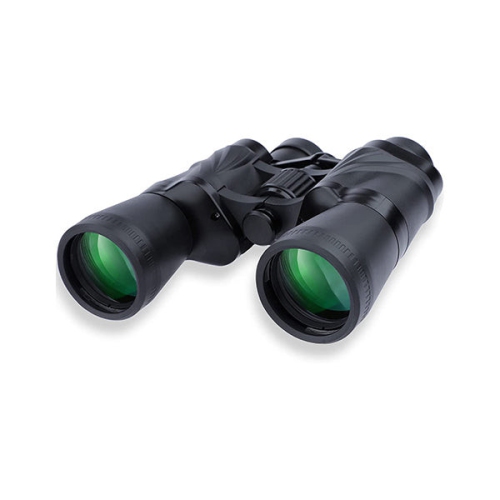
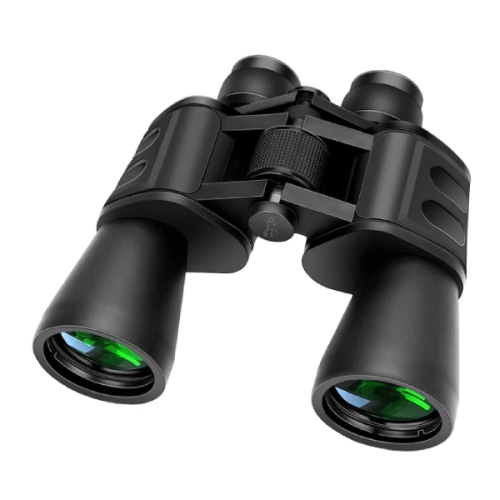
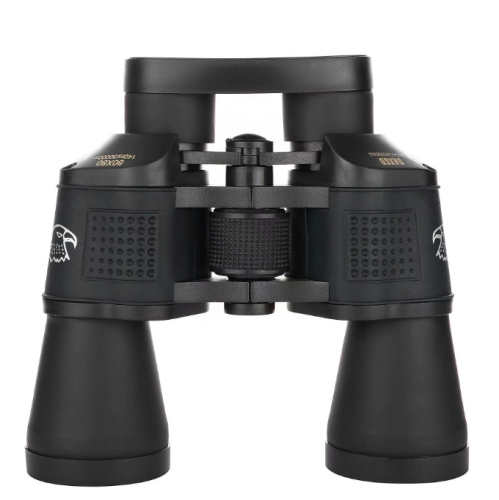
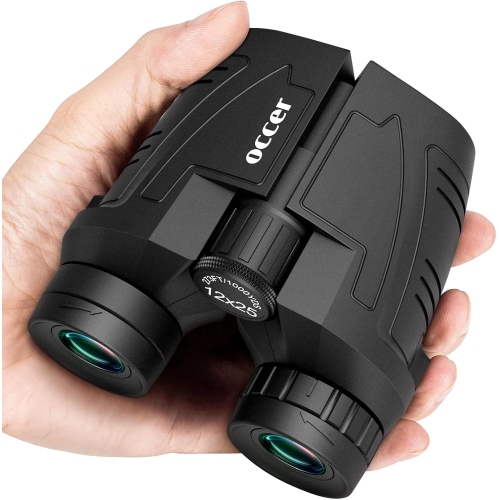
Optics binoculars bring distant details into a clearer, closer view by using paired glass lenses and internal prisms. They can reveal the fine markings on a bird perched across a pond, help identify a trail marker in the distance, or bring the action at a sporting event into better focus without the bulk of a spotting scope. Binocular specifications are usually shown as two numbers, such as 8x42. The first number is magnification, meaning an 8x binocular makes an object appear eight times closer than it would to the unaided eye. The second number is the diameter of each objective lens in millimetres. A 42 mm objective lens gathers more light than a 25 mm lens, which can make a noticeable difference in shaded woods, overcast conditions, or the softer light around dawn and dusk. For general outdoor viewing, 8x42 is a popular balance of magnification, brightness, field of view, and manageable size. An 8x magnification is typically easier to hold steady and offers a broad view for following moving wildlife, while 10x binoculars bring distant subjects closer but may show more hand movement. Higher magnification, including 12x and above, can be useful for long-distance observation, though a tripod or other stabilizing support may make the view more comfortable. Compact 8x25 or similar formats are easier to pack for travel, concerts, walks, and sightseeing, especially when portability matters more than low-light performance. Zoom binoculars provide adjustable magnification, but their usefulness depends on the quality of the optical system and how steadily they can be held at the higher setting.
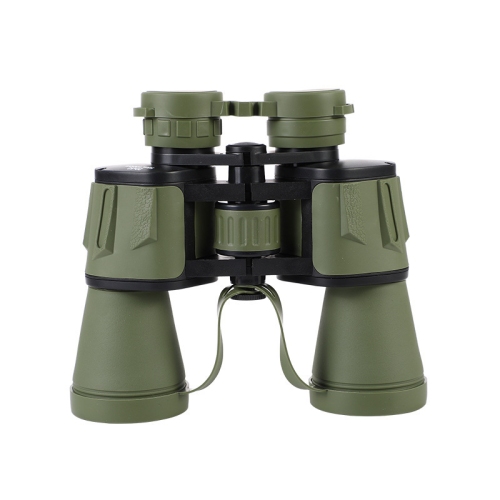
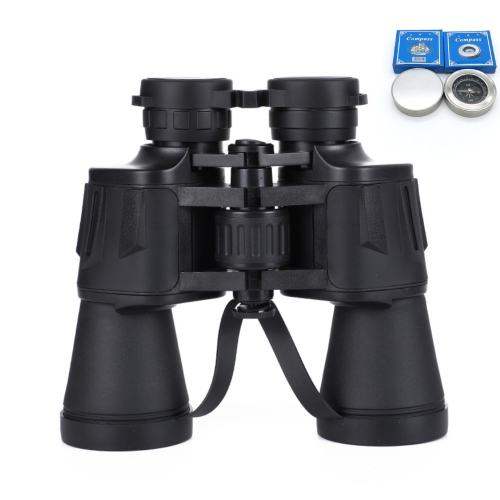
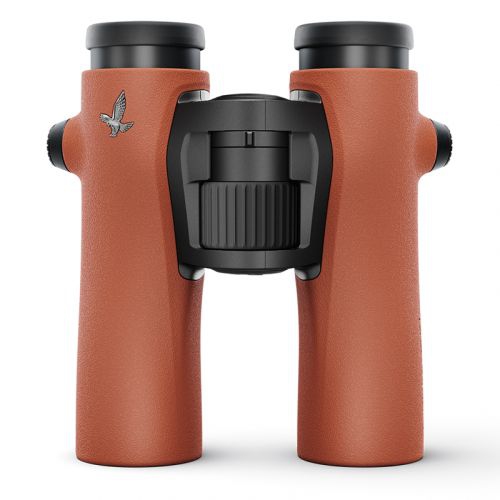
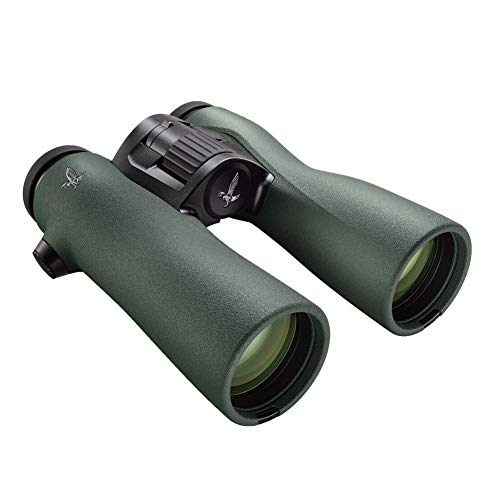
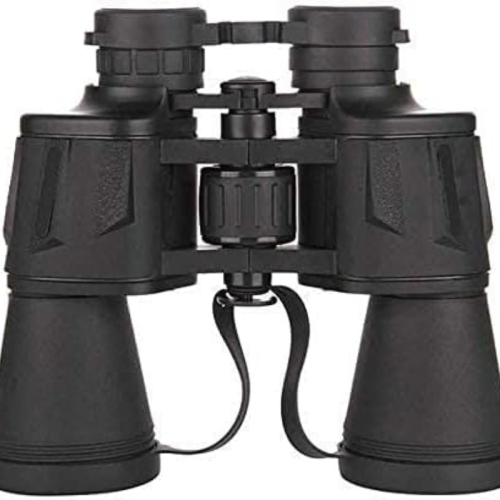
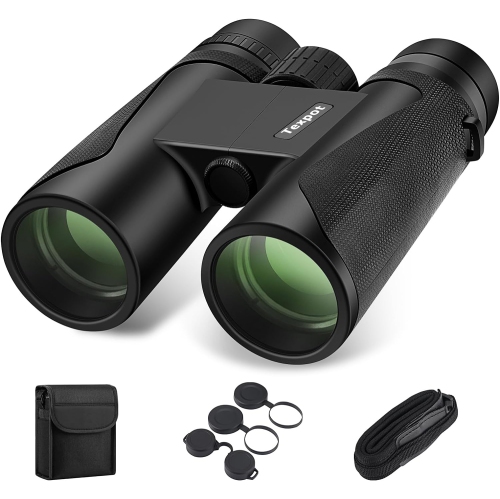
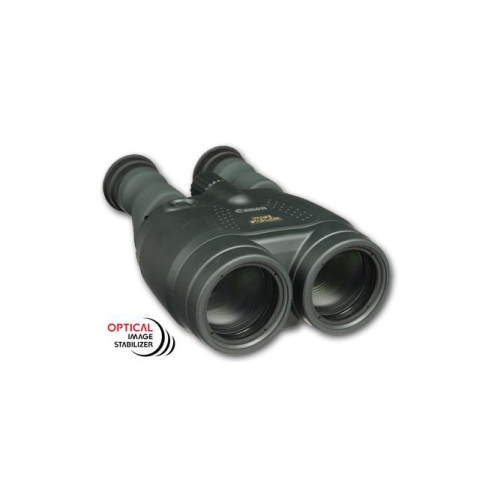
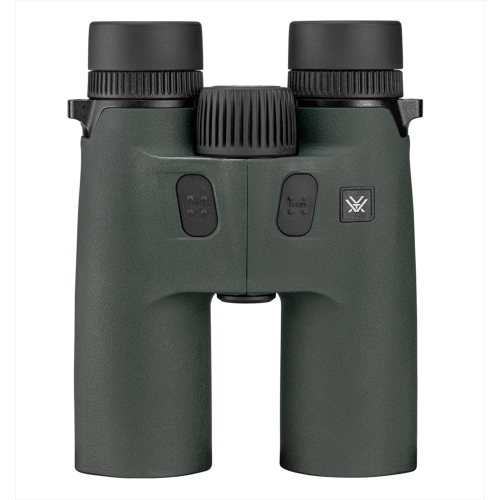
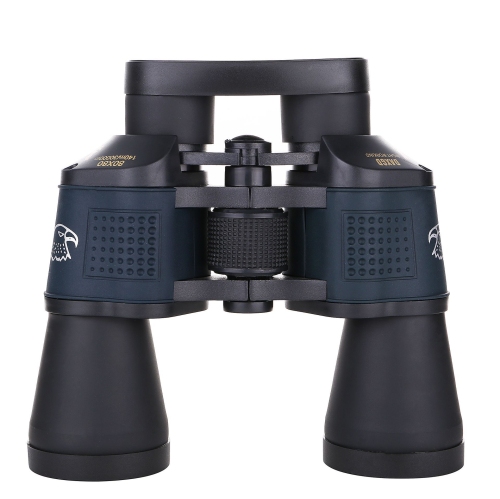
The prism design also affects the shape, handling, and optical performance of binoculars. Roof-prism binoculars have a straight-barrel profile and are often chosen for their compact form, durable construction, and suitability for weather-sealed designs. Porro-prism binoculars have an offset shape that can provide a spacious, three-dimensional view and a comfortable grip, although they may be wider to carry. Look for fully multi-coated lenses when brightness, contrast, and clarity are priorities, since quality coatings help reduce reflections and improve the amount of usable light passing through the binoculars. A wide field of view is valuable for scanning a shoreline or tracking a fast-moving bird, while close-focus performance matters for butterflies, flowers, exhibits, and nearby details. Eye relief is especially important for people who wear glasses; longer eye relief allows the full image to remain visible without pressing the binoculars tightly against the face. Twist-up eyecups can help adjust the viewing position, and a dioptre adjustment lets each side be fine-tuned for differences between the viewer’s eyes. A central focus wheel should turn smoothly and be easy to reach while wearing gloves. Waterproof and fog-resistant construction can be useful during changing conditions, from cool morning walks to damp trails and cooler months when moving between warm indoor spaces and chilly outdoor air. These features do not replace careful handling, but they can make binoculars more dependable for regular use near water, in light rain, or during extended time outside. For a more specialised search, Long Range Binoculars can provide options designed around viewing distant subjects.
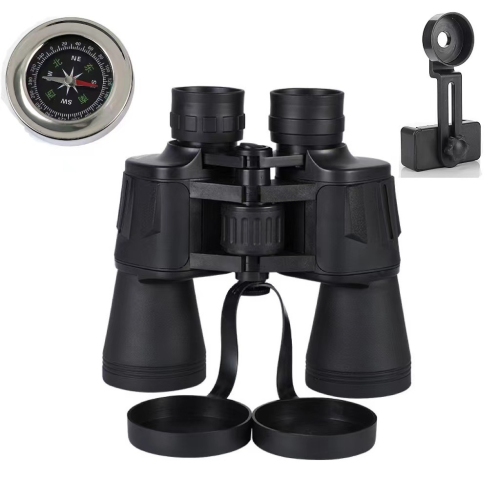
Choosing the right binoculars starts with the way they will be used and carried. Bird watchers often favour 8x42 or 10x42 models because they provide enough reach for trees and open fields while maintaining a useful field of view. Wildlife observers may appreciate waterproof housing, comfortable focus controls, and a brighter objective lens for watching animals in shaded habitats. Travellers and hikers may prefer compact binoculars that fit into a jacket pocket or day bag, making it easy to pause at a lookout, scan a distant coastline, or examine architecture without adding much weight. For sports, theatre, and outdoor performances, moderate magnification and a wide field of view can make it easier to follow movement across a large area. Marine observers and people who spend time near lakes or rivers may place greater value on water resistance, a secure grip, and a neck strap that remains comfortable over longer periods. Binoculars can also make a thoughtful gift for a new bird watcher, a grandparent who enjoys nature walks, a traveller building an observation kit, or a young explorer learning to notice details outdoors. Before choosing, consider the viewer’s hand strength, eyesight, preferred carrying style, and typical viewing distance. A lightweight pair may be used more often than a larger, brighter pair left at home, while a full-size design may be the better choice for stationary observation. Accessories such as a padded case, lens covers, a cleaning cloth, and a compatible tripod adapter can add convenience and help protect the optics. To keep the view sharp, use air or a soft brush to remove grit before wiping the lenses, avoid touching glass with fingers, and store the binoculars in their case when they are not in use. During late summer outings and cooler-season walks alike, the best pair is one that feels natural to lift, easy to focus, and suited to the scenes the viewer most enjoys discovering.
The prism design also affects the shape, handling, and optical performance of binoculars. Roof-prism binoculars have a straight-barrel profile and are often chosen for their compact form, durable construction, and suitability for weather-sealed designs. Porro-prism binoculars have an offset shape that can provide a spacious, three-dimensional view and a comfortable grip, although they may be wider to carry. Look for fully multi-coated lenses when brightness, contrast, and clarity are priorities, since quality coatings help reduce reflections and improve the amount of usable light passing through the binoculars. A wide field of view is valuable for scanning a shoreline or tracking a fast-moving bird, while close-focus performance matters for butterflies, flowers, exhibits, and nearby details. Eye relief is especially important for people who wear glasses; longer eye relief allows the full image to remain visible without pressing the binoculars tightly against the face. Twist-up eyecups can help adjust the viewing position, and a dioptre adjustment lets each side be fine-tuned for differences between the viewer’s eyes. A central focus wheel should turn smoothly and be easy to reach while wearing gloves. Waterproof and fog-resistant construction can be useful during changing conditions, from cool morning walks to damp trails and cooler months when moving between warm indoor spaces and chilly outdoor air. These features do not replace careful handling, but they can make binoculars more dependable for regular use near water, in light rain, or during extended time outside. For a more specialised search, Long Range Binoculars can provide options designed around viewing distant subjects.
Choosing the right binoculars starts with the way they will be used and carried. Bird watchers often favour 8x42 or 10x42 models because they provide enough reach for trees and open fields while maintaining a useful field of view. Wildlife observers may appreciate waterproof housing, comfortable focus controls, and a brighter objective lens for watching animals in shaded habitats. Travellers and hikers may prefer compact binoculars that fit into a jacket pocket or day bag, making it easy to pause at a lookout, scan a distant coastline, or examine architecture without adding much weight. For sports, theatre, and outdoor performances, moderate magnification and a wide field of view can make it easier to follow movement across a large area. Marine observers and people who spend time near lakes or rivers may place greater value on water resistance, a secure grip, and a neck strap that remains comfortable over longer periods. Binoculars can also make a thoughtful gift for a new bird watcher, a grandparent who enjoys nature walks, a traveller building an observation kit, or a young explorer learning to notice details outdoors. Before choosing, consider the viewer’s hand strength, eyesight, preferred carrying style, and typical viewing distance. A lightweight pair may be used more often than a larger, brighter pair left at home, while a full-size design may be the better choice for stationary observation. Accessories such as a padded case, lens covers, a cleaning cloth, and a compatible tripod adapter can add convenience and help protect the optics. To keep the view sharp, use air or a soft brush to remove grit before wiping the lenses, avoid touching glass with fingers, and store the binoculars in their case when they are not in use. During late summer outings and cooler-season walks alike, the best pair is one that feels natural to lift, easy to focus, and suited to the scenes the viewer most enjoys discovering.
Top selling and popular products
-
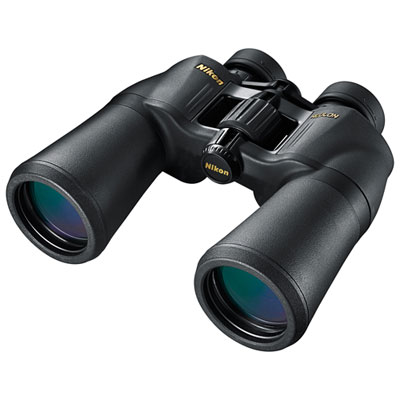 Your price for this item is $209.95
 -
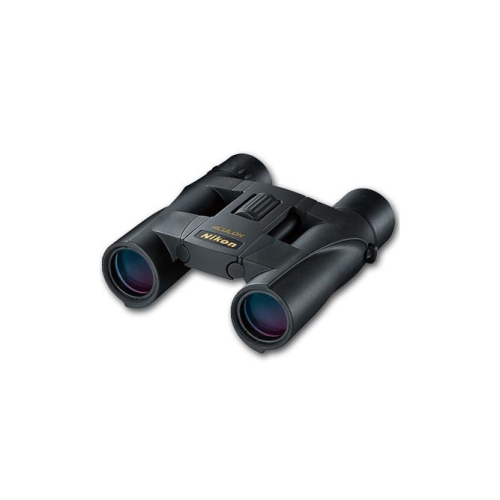 Your price for this item is $129.95
 -
 Your price for this item is $28.99
 -
 Your price for this item is $349.99
 -
 Your price for this item is $117.98
 -
 Your price for this item is $199
 -
 Your price for this item is $199
 -
 Your price for this item is $219.99
Discover more categories related to Optics Binoculars
Top Collections:
Pokemon Centers, Best Cameras for Sports Photography, Kindle Devices, Samsung Galaxy Phones, Canon G7X Cameras, Pokémon 30th Celebration Cards, Refurbished Apple Laptops, iPhone 15 Apple, Laptops for Students, Budget Smartphones
Some products may be subject to Environmental Handling Fees
(EHF) depending on your province.
Learn more about EHFs.