Golf Rangefinders With Slope
Enhance your golf game with the precision and accuracy of golf rangefinders equipped with slope technology. Whether you're a seasoned pro or just starting out, these innovative devices offer a competitive edge by providing accurate distance measurements along with slope-adjusted readings to factor in changes in elevation. With a wide range of options to choose from, finding the perfect golf rangefinder with slope for your needs has never been easier. Explore our collection and take your golfing experience to new heights today.
Sort

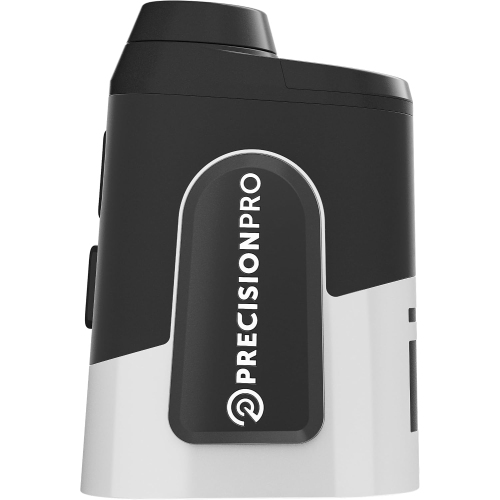
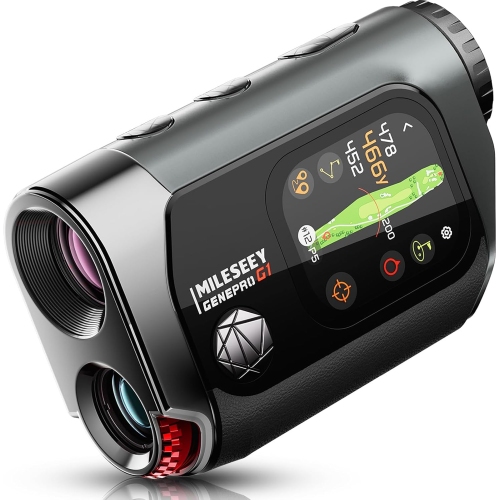

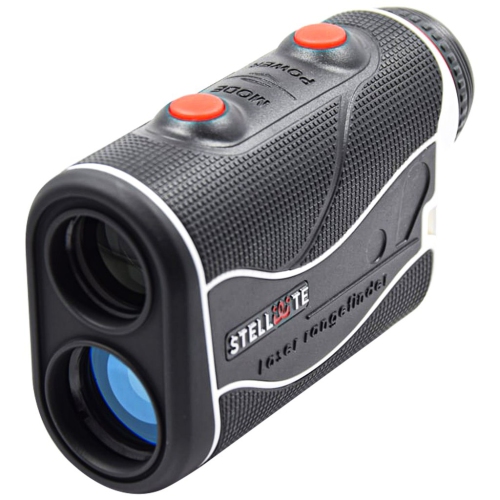


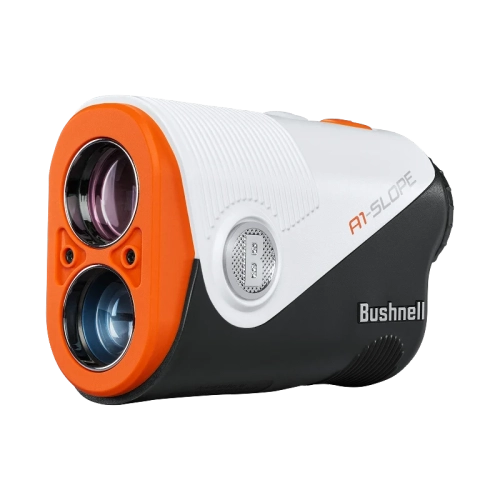










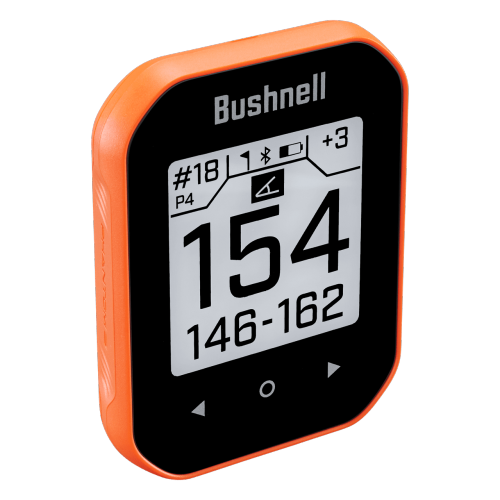
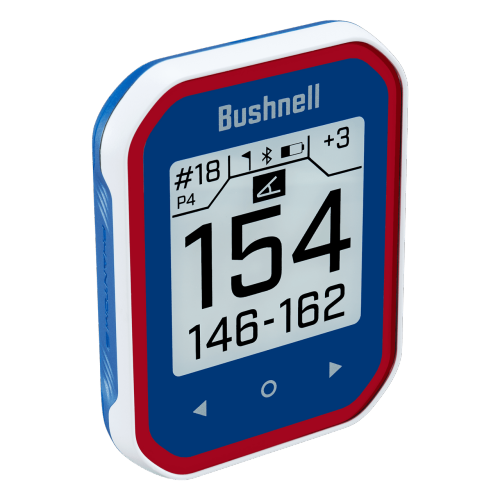
Why equal yardages can call for different clubs
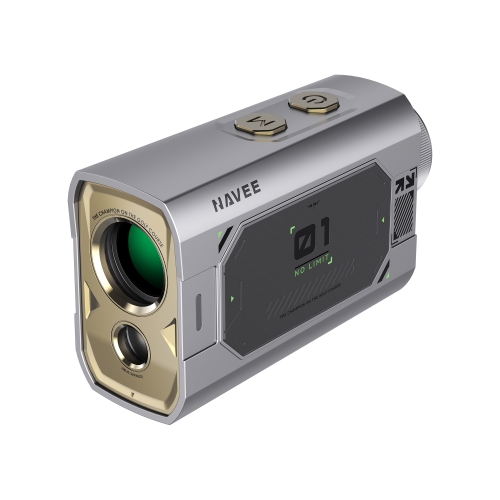
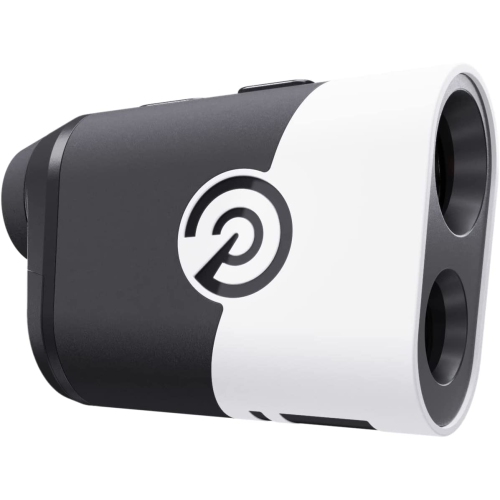
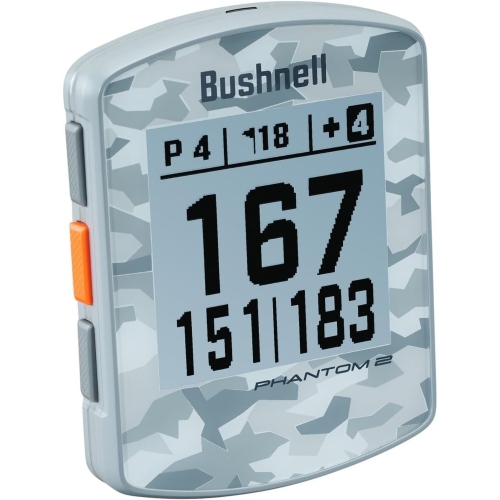
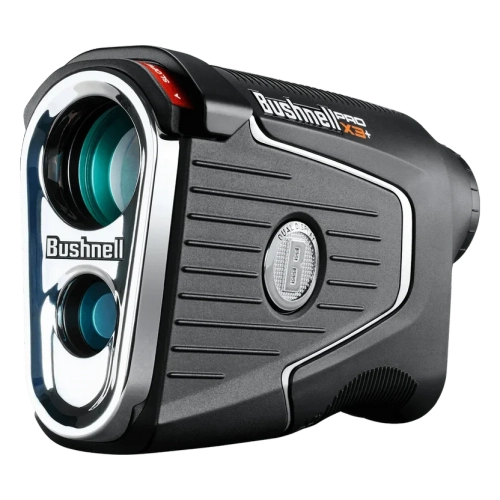
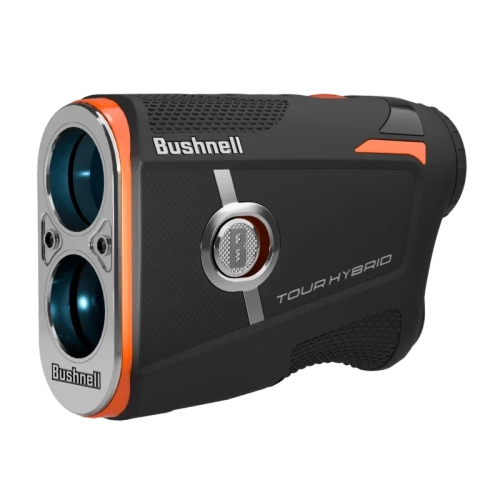
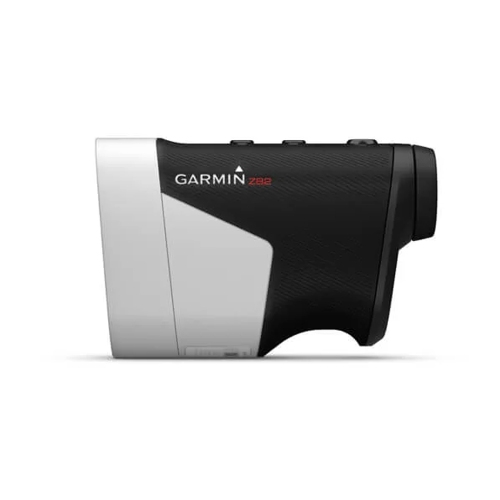
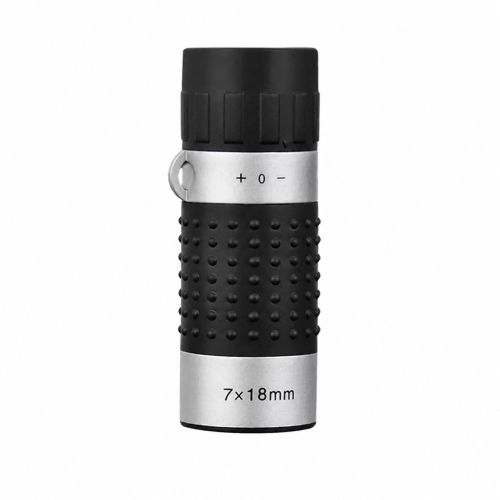
Golf rangefinders with slope combine laser distance measurement with an assessment of elevation change to provide an adjusted, or “plays-like,” distance. Alongside the measured distance to a flag or another visible target, the slope reading helps golfers judge how an uphill or downhill shot may affect club selection. An elevated green generally calls for a longer playing distance than the measured yardage suggests, while a downhill approach generally plays shorter. That distinction matters on a course where the fairway drops into a valley before climbing towards the putting surface: two shots with the same measured distance can require different clubs. Slope compensation provides useful context, but it is not a prediction of exactly where a ball will land. Ball flight, the lie, strike quality, and each golfer’s carry distances still influence the result. For practice rounds and recreational play, seeing measured and adjusted distances together can help make club choices more deliberate and develop a better feel for changes in elevation. These handheld devices can also measure visible bunkers, trees, and other targets, provided the laser can acquire a suitable surface. They cannot see through a hill or supply a clear measurement to an obscured flag. Maximum advertised range is therefore less useful on its own than the stated range to a flag and the ease of acquiring it. Golfers who enter competitions should pay particular attention to how slope mode is disabled. Under the Rules of Golf, distance measurement is generally permitted unless a Local Rule prohibits it, but using a device to measure elevation changes or interpret distance information is not permitted during a round played under those rules. A model with a clearly marked slope switch makes it easier to confirm that the adjustment feature is off, although a switch alone does not guarantee compliance with every event’s requirements. Checking the applicable rules remains important before bringing a rangefinder into competitive play.
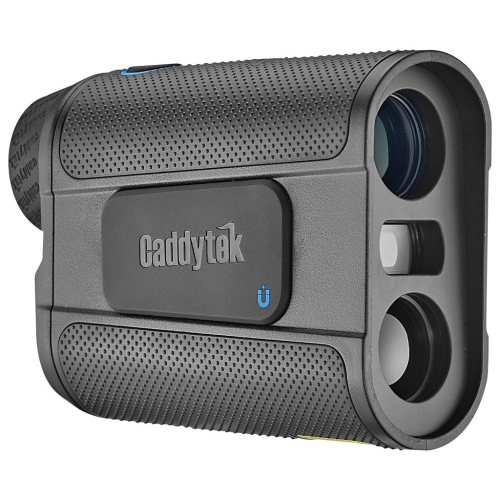
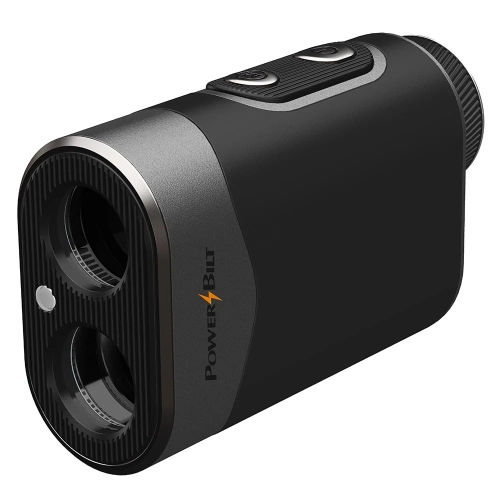
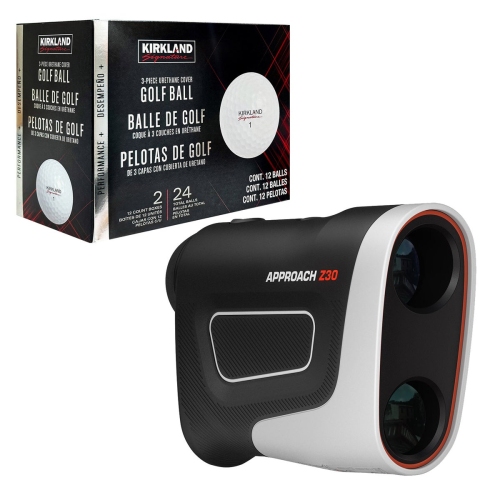
Clear optics and dependable target acquisition make a golf rangefinder with slope easier to use between shots. Magnification around 6x is common, bringing a distant flag into closer view without requiring a large device. Magnification alone does not determine clarity, however; lens quality, focus adjustment, display contrast, and the layout of the distance readings all contribute to how easily a golfer can interpret the view. A simple display that clearly distinguishes measured distance from slope-adjusted distance helps prevent confusion when choosing a club. Golfers who wear glasses may find eye relief and eyecup design especially important, since these affect whether the full viewing area is visible without awkward positioning. An adjustable dioptre allows the display to be brought into focus for the user’s eyesight. Flag-targeting modes are designed to help distinguish a nearer flagstick from objects behind it, while vibration or another confirmation signal indicates that the device has registered a target. That signal is useful feedback rather than an absolute guarantee that the correct object was measured. With a stand of trees behind the green, taking another reading and checking that the distance is plausible can prevent a misleading yardage from dictating the shot. Scan mode, where included, can make it easier to assess several visible targets across an approach area. Hand fit matters just as much as the feature list: a compact body slips neatly into a pocket, while a slightly larger shape may feel steadier to someone who prefers a fuller grip. Textured surfaces, rubberized sections, and accessible buttons help with handling, particularly when operating the device with one hand. Durable polymer housings and protective outer coverings can help withstand routine use, but no rangefinder should be treated as impact-proof. A fitted case protects the lenses and body from contact with clubs, loose tees, and other contents of a golf bag. Published protection ratings, warranty terms, and the construction around the battery compartment offer more meaningful clues to durability than rugged styling alone.
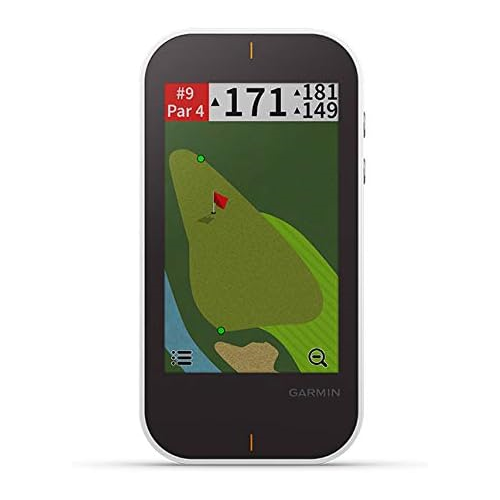
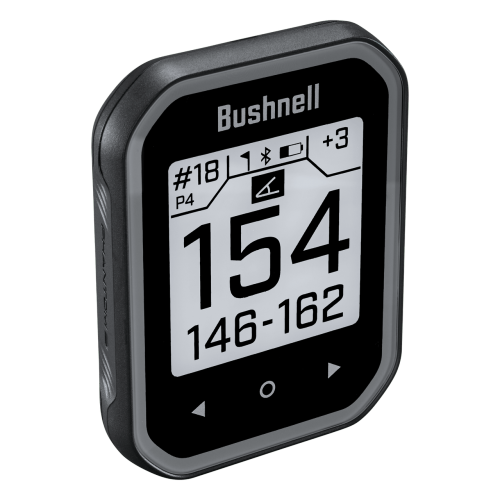
Everyday convenience often comes down to where the rangefinder sits during a round and how it is maintained between outings. An integrated magnet can keep a compatible device within reach on a suitable metal cart frame, while a case with a belt loop or bag attachment may suit a golfer who walks the course. Magnetic mounting depends on secure contact with an appropriate surface, and the device should be collected before leaving the cart. Golfers with implanted medical devices should follow the relevant guidance on magnets and separation distances. A wrist strap offers another handling option when taking a reading near a path or over firm ground. Power choices also shape the ownership experience. Rechargeable rangefinders, including designs with USB-C charging, can fit neatly into an established charging routine, whereas replaceable-battery models allow a compatible spare to be carried in the bag. Battery life varies with usage and features, so a visible charge indicator and straightforward access to the charging port or battery compartment are practical details. Care is usually simple: remove loose grit before cleaning, use a suitable lens cloth, and follow the manufacturer’s directions rather than wiping the optics with a golf towel that may contain abrasive debris. Keep charging connections clean and dry, avoid household glass cleaners unless expressly permitted, and store the device in its protective case when not in use. For a gift, useful considerations include whether the recipient walks or rides, wears glasses, prefers metres or yards, and takes part in competitions. Beginners may appreciate straightforward controls and clearly separated distance readings, while experienced players may place more emphasis on fast flag acquisition and a secure, comfortable grip. Golfers comparing handheld targeting with wrist-worn course information can also explore Rangefinder Watches for Golf. Many golf watches use GPS mapping to show distances to mapped green locations and hazards, whereas a laser rangefinder measures a visible target selected by the golfer. The two approaches can complement each other: mapped information provides course context, and a handheld laser helps check the distance to the day’s flag position.
Top selling and popular products
-
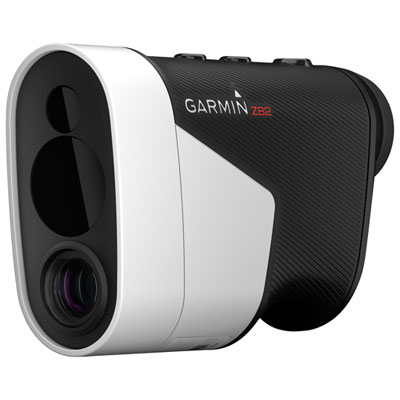 Your price for this item is $869.99
-
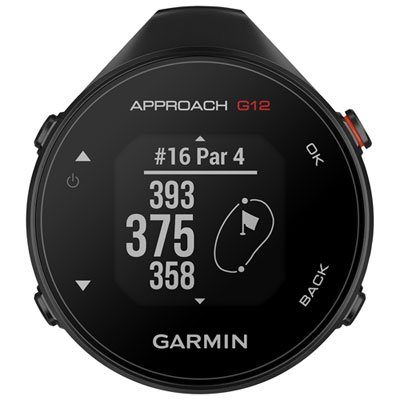 Your price for this item is $178.98
-
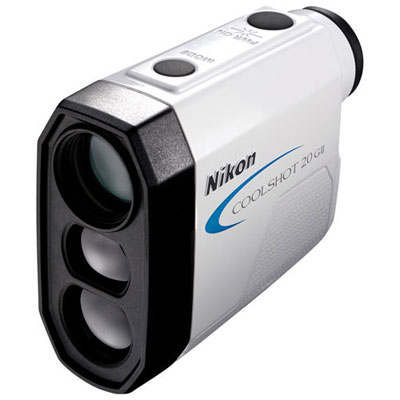 Your price for this item is $319.99
-
 Your price for this item is $429
-
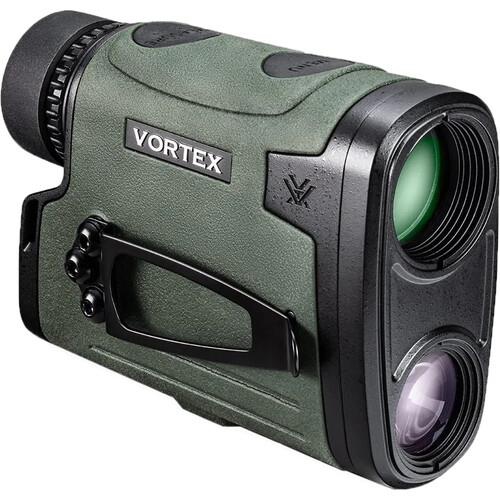 Your price for this item is $599
-
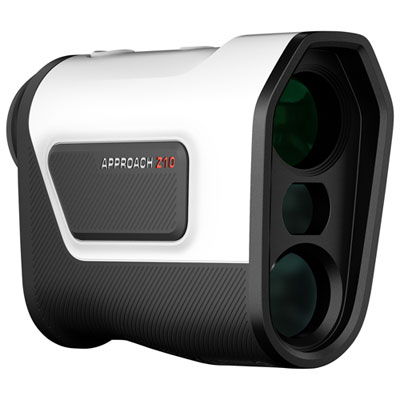 Your price for this item is $419.99
-
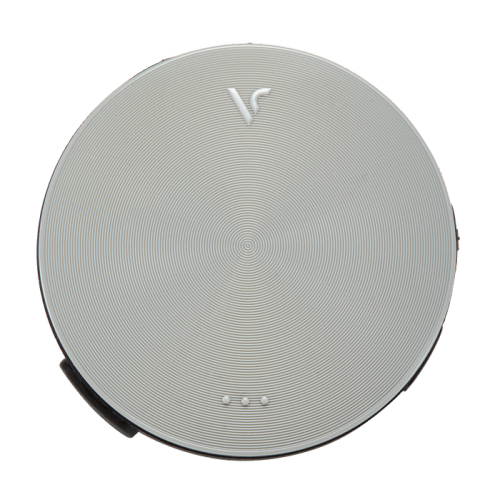 Your price for this item is $189.99
-
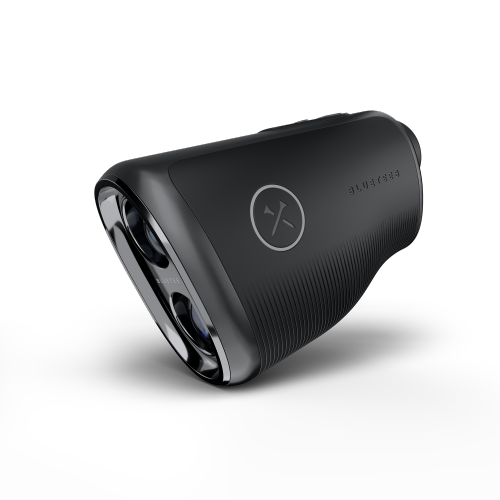 Your price for this item is $439.99
Discover more categories related to Golf Rangefinders With Slope
Top Collections:
Pokemon Centers, Best Cameras for Sports Photography, Kindle Devices, Samsung Galaxy Phones, Canon G7X Cameras, Pokémon 30th Celebration Cards, Refurbished Apple Laptops, iPhone 15 Apple, Laptops for Students, Budget Smartphones
Some products may be subject to Environmental Handling Fees
(EHF) depending on your province.
Learn more about EHFs.