Heated Ski Mittens
Stay warm and cozy on the slopes with these heated ski mittens. Designed to keep your hands toasty in even the coldest temperatures, these mittens are a must-have accessory for almost any avid skier or snowboarder. Whether you're hitting the slopes for a day of downhill thrills or simply enjoying a leisurely winter walk, our heated ski mittens will ensure that your hands stay comfortably warm throughout your outdoor adventures. With their advanced heating technology and durable construction, these mittens are built to withstand the toughest winter conditions while providing maximum comfort and functionality.
Sort
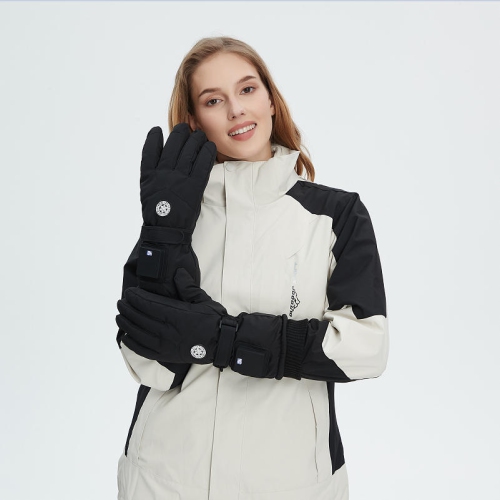
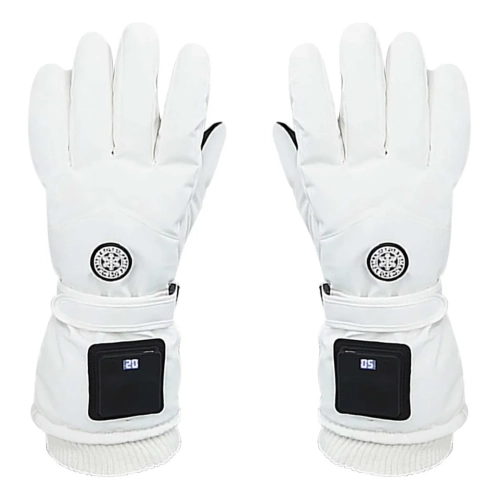
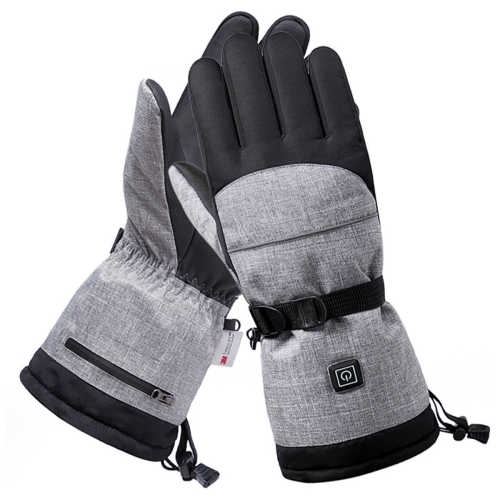
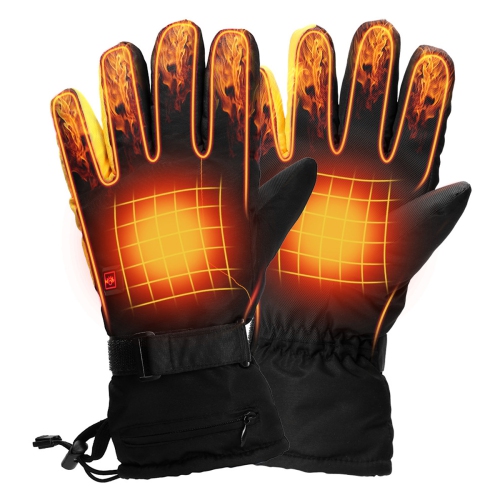
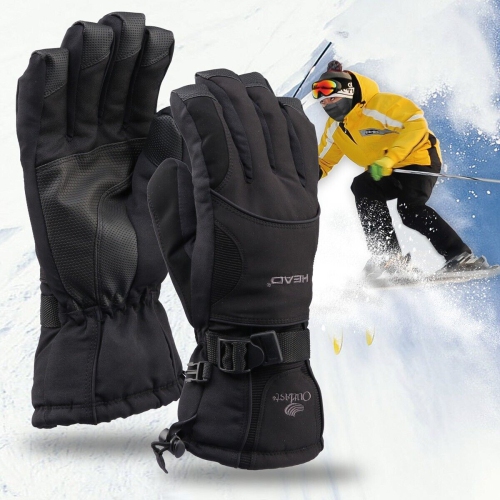
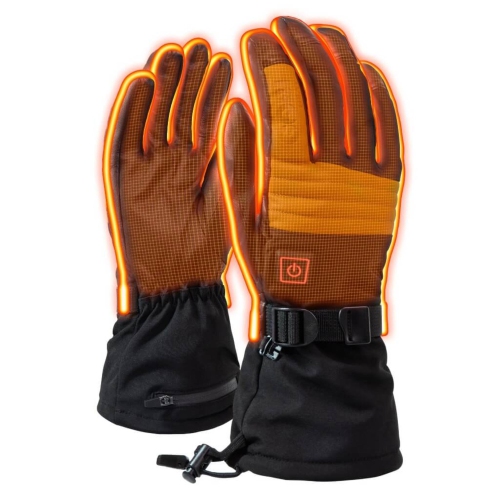

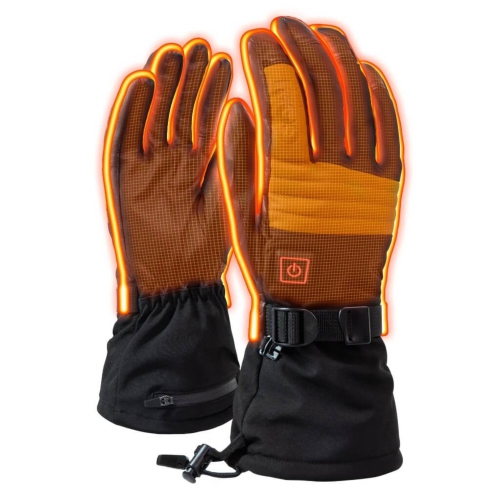
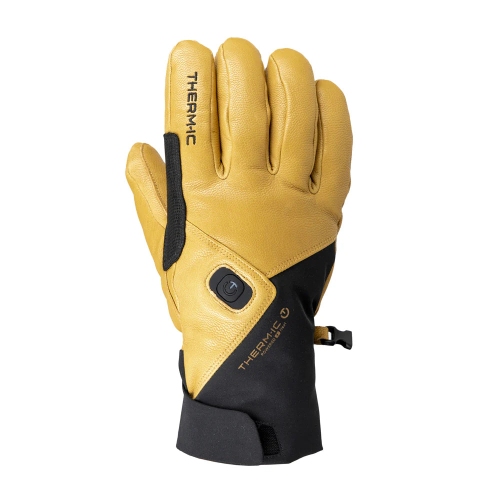
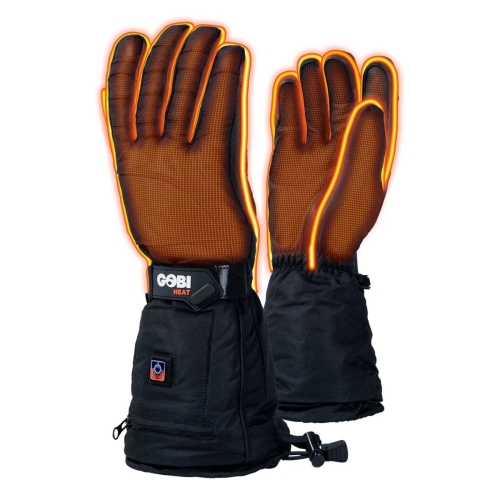
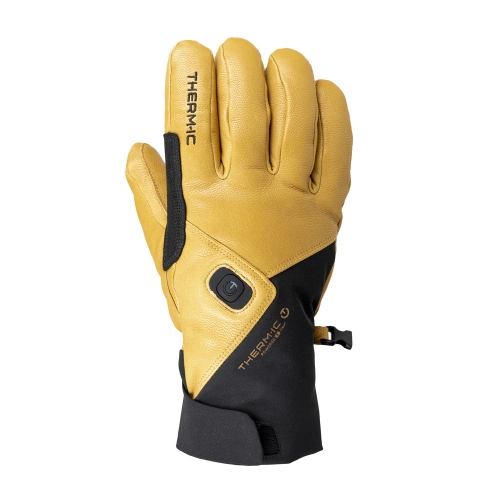
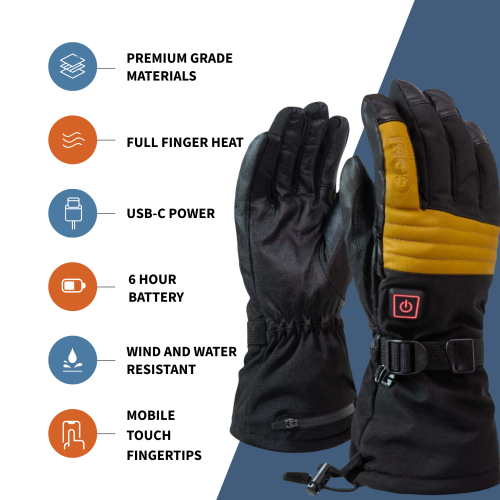

Adjustable warmth for cold runs and windy chairlift rides
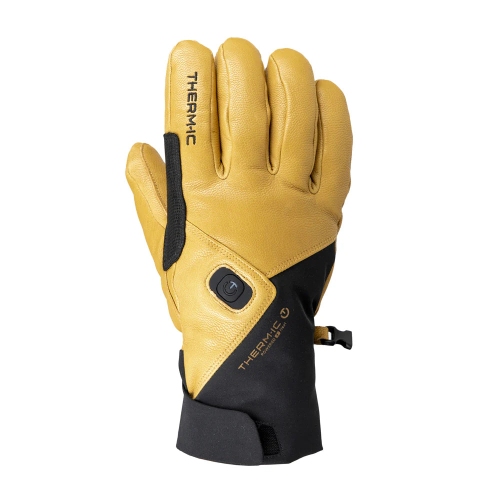
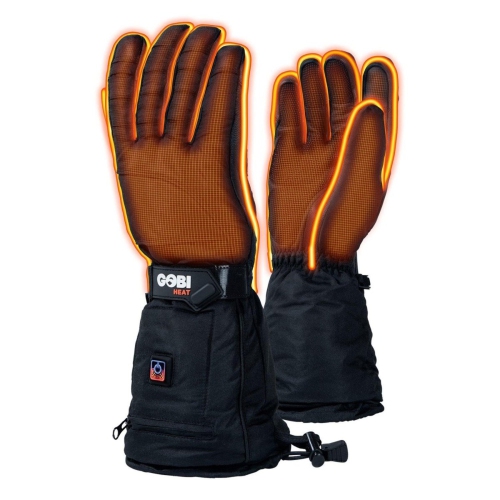
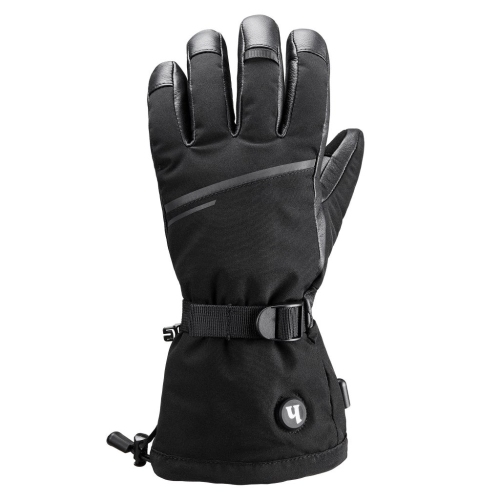
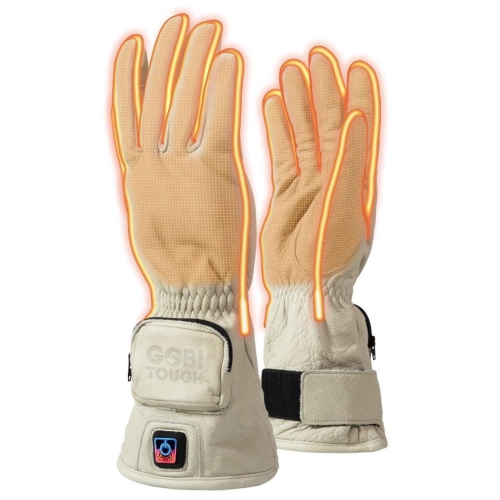
Heated ski mittens combine insulated mitten construction with battery-powered heating elements to help keep hands warm during cold days on the slopes. Unlike ordinary insulated mittens, which rely on retaining body heat, heated designs add adjustable warmth using rechargeable batteries, usually carried in pockets near the cuffs. Their shared finger compartment helps retain warmth, while the separate thumb allows a secure hold on ski poles. Heating coverage varies: some designs concentrate warmth across the backs of the hands, while others extend it towards the fingers and fingertips. That distinction matters on an exposed chairlift, where fingers can feel cold even when the rest of the body is comfortably layered. Adjustable heat settings let wearers respond to changing conditions, from a sheltered run through the trees to a windy ridge or a long wait at the lift. Battery life depends on the heat setting, battery capacity, outdoor temperature, and condition of the battery, so stated runtimes are best understood alongside the conditions used to measure them. Higher settings generally use power faster than lower ones, and a full day outside may require more planning than a short afternoon session. Insulation remains important even with the heat switched on: the heating system supplements the mitten’s ability to hold warmth rather than replacing it. Heated ski mittens can suit recreational skiers, snowboarders, instructors, and people whose hands tend to become uncomfortable during long periods outdoors. They can also be useful for less active moments, such as watching a race beside the course or waiting while children finish a lesson. Warmth should feel comfortable rather than intense, and reduced sensation in the hands calls for particular caution and attention to the manufacturer’s safety guidance. Battery-powered warmth is not a substitute for taking breaks indoors when conditions become too cold. For someone who regularly heads to the hills during the cooler months, heated mittens can also make a thoughtful gift, provided the sizing, charging requirements, and intended activity are taken into account.
The outer materials, insulation, and lining all contribute to how heated ski mittens feel after several hours in snow. Nylon or polyester shells can provide a flexible outer layer, while leather palms or reinforced synthetic grip areas help withstand repeated contact with pole handles, bindings, and rough equipment edges. Leather may need periodic treatment with a manufacturer-approved care product to maintain its suppleness and water resistance. A waterproof membrane can help block moisture from wet snow, but overall protection also depends on seam construction, cuff design, and the condition of the outer fabric. Water-resistant and waterproof are not interchangeable descriptions, particularly for skiers who spend time in heavy, wet snow or often put their hands down while getting up from a fall. Breathability matters as well, since moisture from perspiration can leave the lining damp and make hands feel colder when activity slows. Soft linings and evenly distributed insulation help create a comfortable interior without excessive bulk around the palm. Fit should leave enough room for the fingers to rest naturally and move slightly, without allowing the hand to slide around inside. A mitten that is too tight can compress insulation and restrict movement, while one that is too loose can make pole control awkward. Any liner gloves intended to be worn underneath should be included when assessing size. Measuring hand circumference and length against the manufacturer’s size chart is more dependable than assuming the same size works across every design. Pre-curved shaping can make gripping poles feel more natural, and an articulated thumb can help with fastening a helmet buckle or holding a lift pass. Long gauntlet cuffs typically fit over jacket sleeves to limit snow entry, while shorter cuffs may sit more neatly beneath them. Wrist adjustments, cuff drawcords, and removable leashes can add security when a mitten needs to come off briefly. Skiers who prefer separate finger movement for handling small fasteners or adjusting equipment may also consider Heated Gloves for Skiing, although the balance between warmth and dexterity depends on fit, insulation, and construction rather than shape alone.
Everyday usability becomes especially noticeable when adjusting heat with a jacket zipped to the chin and snow collecting on the cuffs. An accessible control button, clear setting indicators, and a battery pocket that closes securely can make heated ski mittens easier to manage without repeatedly exposing bare hands. Battery weight and placement also affect comfort; a bulky cuff may interfere with a close-fitting sleeve or press against the wrist while holding a pole. Charging arrangements deserve attention before a trip, including whether both batteries can charge together and which charger or cable the heating system requires. Only manufacturer-approved batteries and charging equipment should be used, and batteries should be charged and stored within the temperature limits specified in the instructions. Spare batteries are useful only when they are compatible with the mitten’s electrical system and can be carried safely with their contacts protected. After a day on the mountain, careful drying helps preserve both comfort and durability. Batteries should be disconnected and removed before cleaning, with the precise cleaning method determined by the care label. Some mittens permit limited washing, while others require surface cleaning because of their materials or integrated wiring. They should not be assumed to be machine washable simply because the batteries are removable. Air-drying away from radiators, fireplaces, and other direct heat sources helps avoid damage to leather, insulation, adhesives, and electrical components. Opening the cuffs and removing separate liners, where permitted, can help trapped moisture escape between outings. Regular checks of seams, palm wear, battery-pocket closures, cables, and connectors can reveal damage before it disrupts a day outside. A damaged battery or exposed wire is a reason to stop using the heating function and follow the manufacturer’s service guidance. For storage between trips, clean, fully dry mittens and batteries kept according to their care instructions are better prepared for the next outing. These practical details distinguish heated ski mittens suited to occasional resort visits from designs intended for frequent, demanding use, helping match dependable warmth with the way each skier spends time on the snow.
Top selling and popular products
-
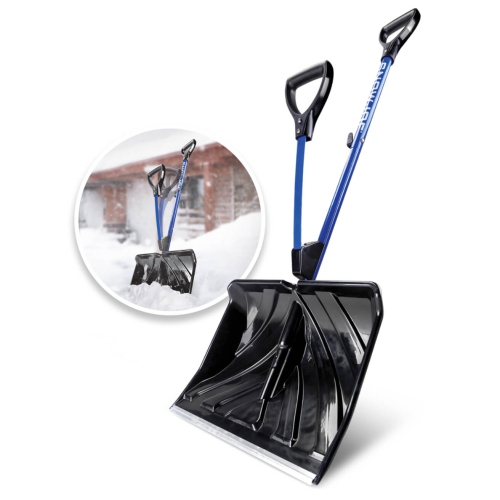 Your price for this item is $49.99
-
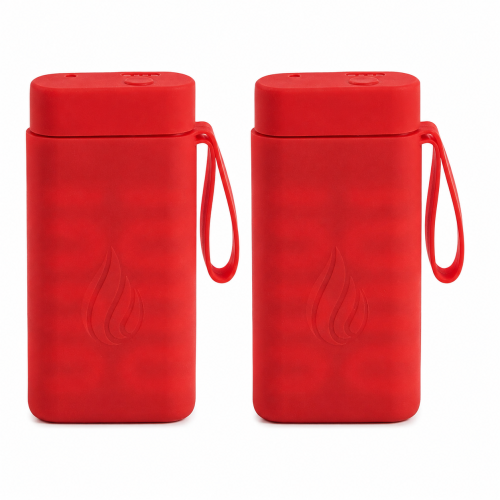 Your price for this item is $49.99
-
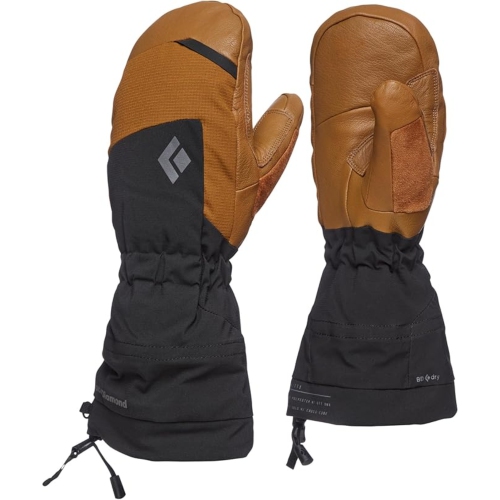 Your price for this item is $189.05
-
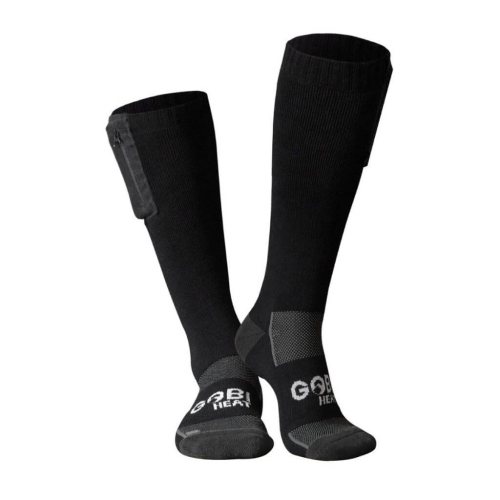 Your price for this item is $165
-
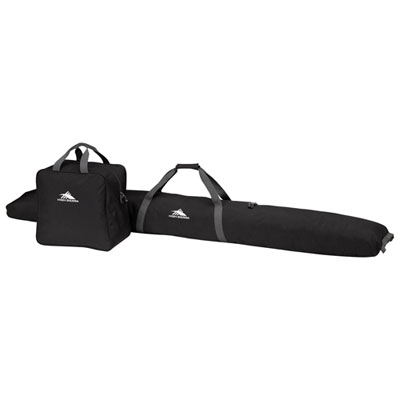 Your price for this item is $59.99
-
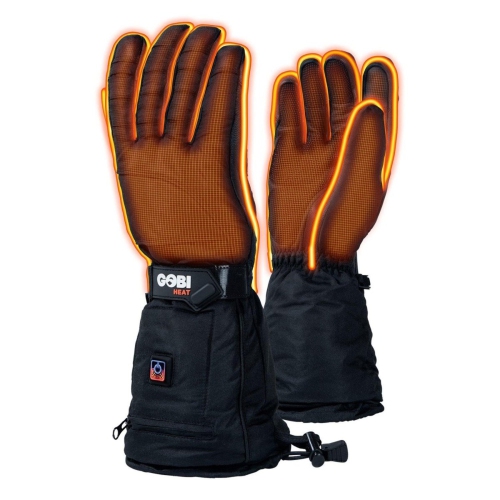 Your price for this item is $280
-
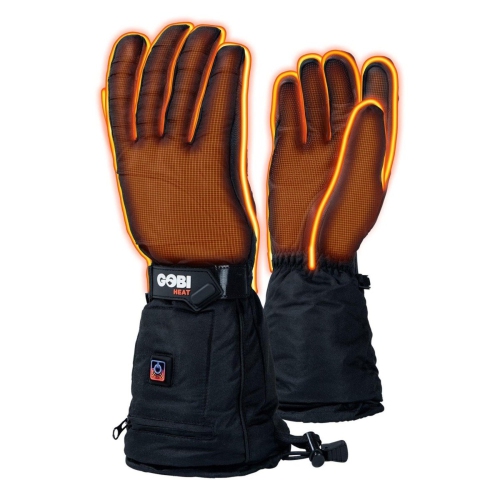 Your price for this item is $280
-
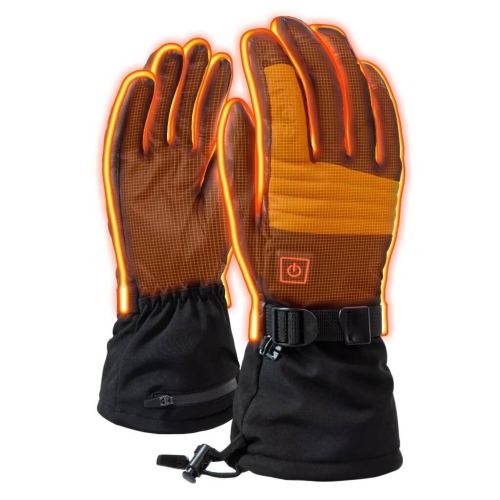 Your price for this item is $310
Discover more categories related to Heated Ski Mittens
Top Collections:
Pokemon Centers, Best Cameras for Sports Photography, Kindle Devices, Samsung Galaxy Phones, Canon G7X Cameras, Pokémon 30th Celebration Cards, Refurbished Apple Laptops, iPhone 15 Apple, Laptops for Students, Budget Smartphones
Some products may be subject to Environmental Handling Fees
(EHF) depending on your province.
Learn more about EHFs.