Battery Heated Gloves
Battery-heated gloves are the perfect solution for keeping your hands warm and comfortable during cold weather. Designed to provide consistent warmth, these innovative gloves are ideal for outdoor activities such as skiing, hiking, or simply commuting in chilly temperatures. With a range of styles and sizes available, battery-heated gloves offer both functionality and convenience, ensuring you stay cozy no matter where your adventures take you. Explore our selection to find the perfect pair that matches your needs and preferences.
Sort

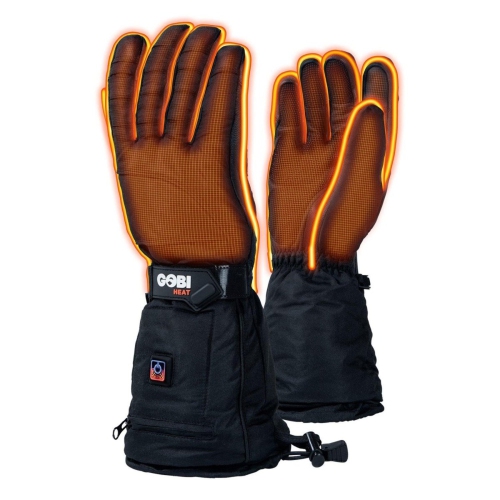
Cold-weather comfort depends on more than heat alone
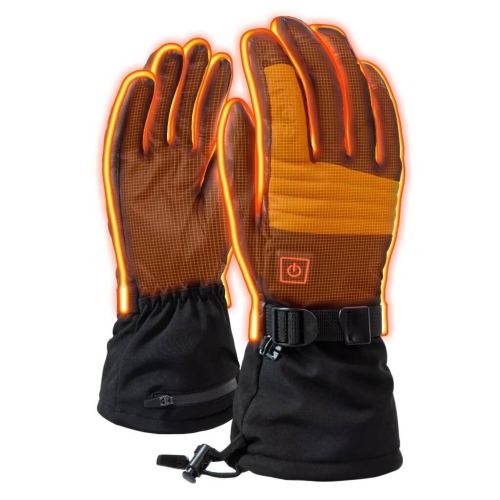
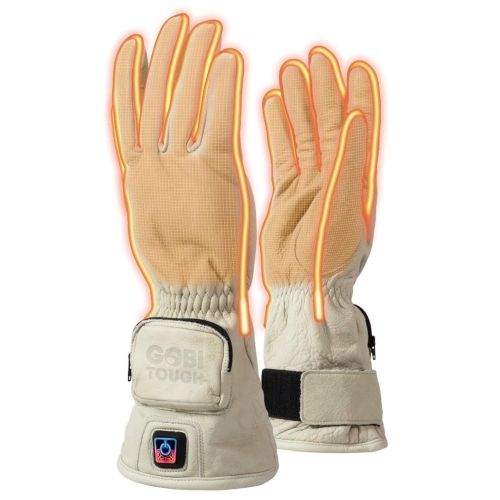
Battery-heated gloves combine insulation with battery-powered heating elements to add warmth around the hands and fingers during cold-weather activities. Unlike ordinary winter gloves, which mainly slow the loss of body heat, heated gloves generate warmth while their batteries are connected and switched on. Rechargeable lithium-ion batteries usually sit in pockets near the cuffs, with wiring running through the gloves to the heating zones. Coverage varies: some designs heat the backs of the hands and fingers, while others extend warmth towards the fingertips or thumbs. Adjustable heat settings make it possible to use a lower level during a brisk walk and increase warmth while standing at a bus stop or watching an outdoor hockey practice. Advertised battery life often falls between two and eight hours, depending on the design and heat setting, but cold temperatures, battery condition, and usage patterns can affect actual runtime. Higher settings generally use power faster, while lower settings extend the time between charges. Insulation remains important because it helps retain both body heat and the warmth produced by the heating elements. For a short dog walk, easy controls and flexible fingers may matter most; for a long afternoon on a ski hill, weather protection, secure cuffs, and sufficient battery capacity take on greater importance. Heated gloves can also suit commuters, photographers, spectators, and people who spend time clearing snow or tending outdoor spaces. Their usefulness depends on how well their warmth, protection, and dexterity match the activity, rather than heat output alone. A bulky glove that feels comfortable on a chairlift may be awkward when handling a camera dial or fastening a small buckle. Battery placement also affects comfort: a cuff-mounted pack should remain secure without pressing against the wrist when the hand bends. Convenient power buttons, clear setting indicators, and controls that can be operated with the opposite glove on make everyday adjustments less disruptive.
Materials and construction determine much of how battery-heated gloves feel before the heating system is even switched on. Woven synthetic shells can offer flexibility and resistance to everyday abrasion, while leather palms or reinforced grip panels can help with holding ski poles, shovel handles, or a dog's lead. A soft lining reduces friction against the skin, and insulation adds warmth without necessarily requiring a thick, rigid shape. Waterproof construction is useful around wet snow, but a water-resistant outer fabric alone does not provide the same protection as a glove with a waterproof membrane and appropriately sealed construction. Breathable materials can help moisture escape when activity levels rise, although no glove can prevent perspiration under every condition. Long gauntlet cuffs help cover the gap at a jacket sleeve, while shorter cuffs may fit more easily beneath close-fitting outerwear. Wrist adjustments and cuff closures help keep the gloves in place and limit drafts. Fit should leave enough room for the fingers to move naturally without compressing the insulation or creating pressure around the battery pocket. Excess length at the fingertips can make small objects harder to grasp, while an overly tight palm can restrict movement. Hand circumference and finger length are more useful than a familiar size label when comparing different fits. Shoppers considering Men's Heated Gloves can use the relevant sizing chart to check those measurements, especially when deciding whether a thin liner will be worn underneath. Touchscreen-compatible fingertips can make brief phone interactions easier, though precision depends on the glove's fit, the screen, and the size of the controls. Pre-curved fingers and flexible knuckle areas can reduce resistance when gripping a handle. Lightweight heated liners offer another approach, fitting beneath suitable outer gloves or mittens, but they need enough space to avoid squeezing the hand. For activities with particular protection requirements, including motorcycling or certain types of outdoor work, warmth does not replace the necessary impact, abrasion, or task-specific protection.
Battery care and everyday handling have a direct effect on the long-term usefulness of heated gloves. Battery voltage, connector shape, and charging requirements are not interchangeable, so replacement packs and chargers need to match the manufacturer's specifications. A larger battery may offer longer operation, but its weight and dimensions also influence how the cuff sits against the wrist. Spare batteries can be useful for extended outings when the glove design supports them; they should be carried with their terminals protected and kept away from loose metal objects. Charging is best done with the specified charger, in a dry location and within the temperature range stated in the instructions. Batteries that have become very cold may need to return to an appropriate charging temperature first. Cleaning methods vary because heating wires, connectors, leather panels, and waterproof layers require different treatment. Remove detachable batteries before cleaning, follow the care label, and avoid machine washing or immersion unless expressly permitted. After contact with snow or perspiration, open the cuffs and allow the gloves to dry thoroughly as directed, away from concentrated heat sources that could damage materials or electronics. Pulling on the fabric rather than the wires when disconnecting batteries helps protect the connections. Periodic checks for worn seams, damaged cables, loose connectors, or swollen battery packs can catch problems before the next outing; damaged electrical components should not be used. For storage between outings or seasons, follow the specified battery charge level and keep everything dry. Comfortable warmth is the goal, not the highest possible setting, and heat should be reduced or switched off if it feels excessive. As a gift, battery-heated gloves are especially thoughtful when matched to a familiar routine, such as early dog walks, weekend skiing, or hours beside an outdoor rink. Accurate sizing, suitable cuff length, straightforward charging, and controls the recipient can operate easily often matter more than an extra feature. The most practical pairing brings together reliable insulation, appropriate weather protection, and manageable battery use for the time actually spent outside.
Top selling and popular products
-
 Your price for this item is $49.99
-
 Your price for this item is $49.99
-
 Your price for this item is $189.05
-
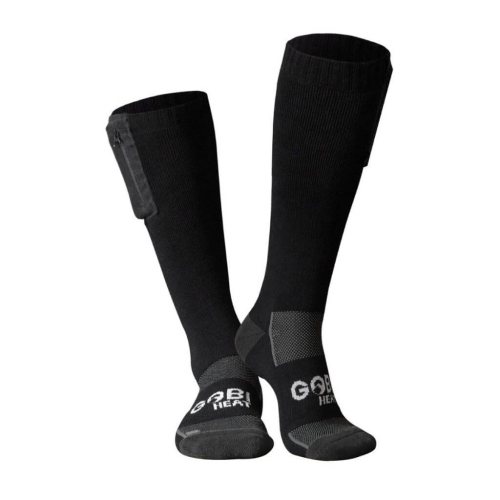 Your price for this item is $165
-
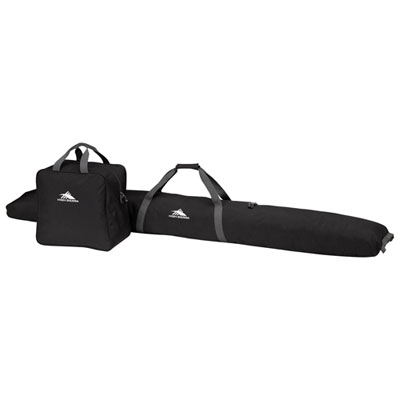 Your price for this item is $59.99
-
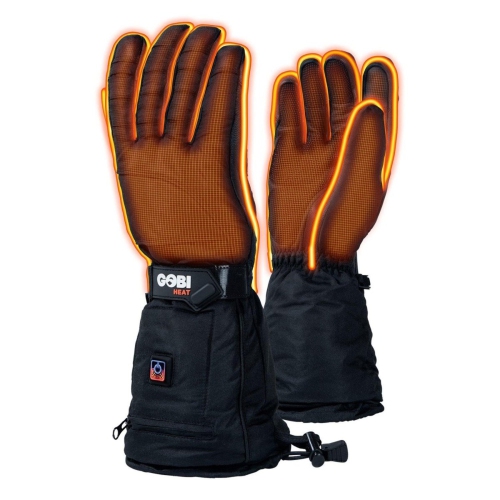 Your price for this item is $280
-
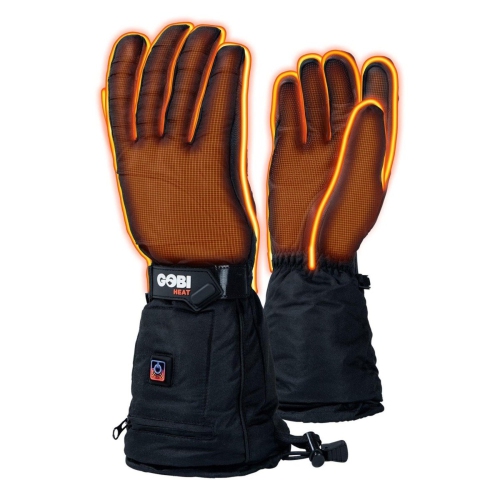 Your price for this item is $280
-
 Your price for this item is $310
Discover more categories related to Battery Heated Gloves
Top Collections:
Pokemon Centers, Best Cameras for Sports Photography, Kindle Devices, Samsung Galaxy Phones, Canon G7X Cameras, Pokémon 30th Celebration Cards, Refurbished Apple Laptops, iPhone 15 Apple, Laptops for Students, Budget Smartphones
Some products may be subject to Environmental Handling Fees
(EHF) depending on your province.
Learn more about EHFs.