Hiking Compasses
Heading out on a hiking adventure? Don't forget to equip yourself with a reliable hiking compass. These essential tools are designed to keep you on track and ensure you never lose your way in the great outdoors. Whether you're a seasoned hiker or just starting out, our selection of hiking compasses offers a range of features to suit your needs. From compact and lightweight options ideal for backpacking to rugged and durable models built for rough terrains, we have the perfect compass to help you navigate with confidence. Explore our collection today and start exploring the wilderness with peace of mind.
Sort

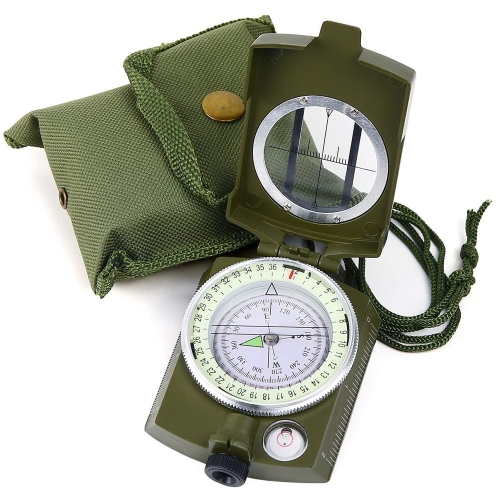

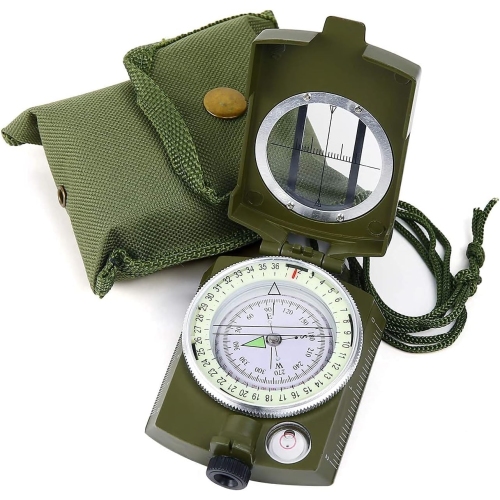





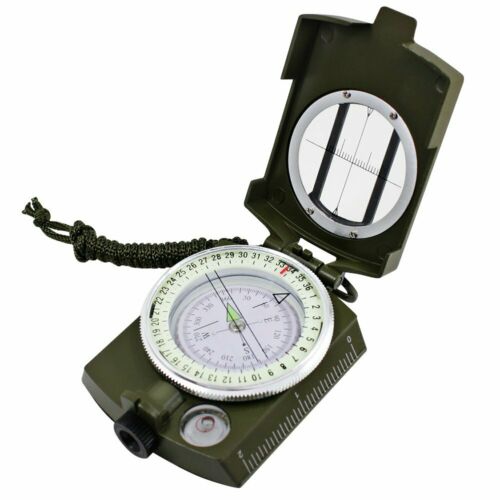

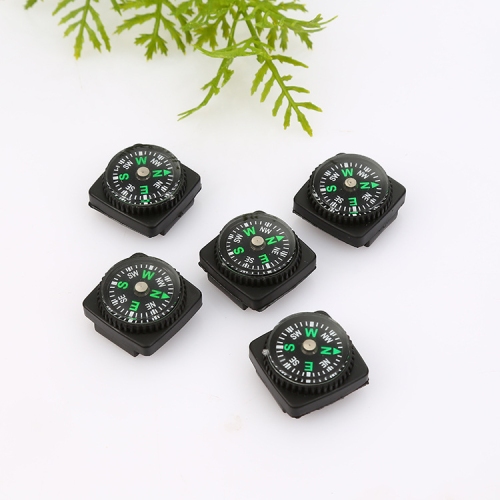
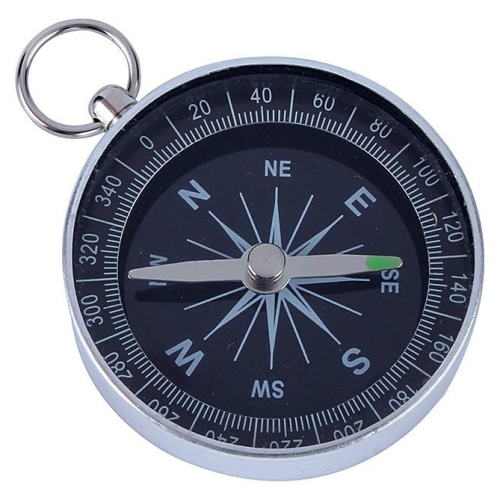
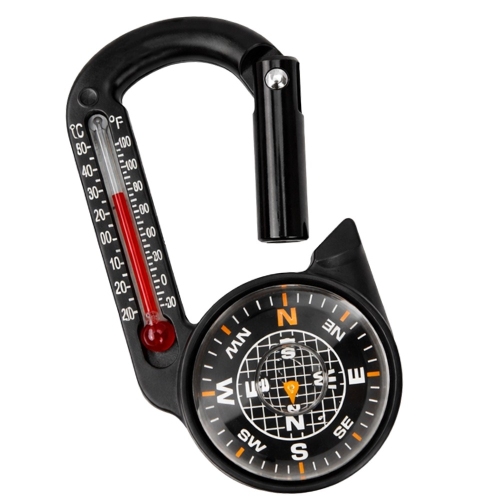















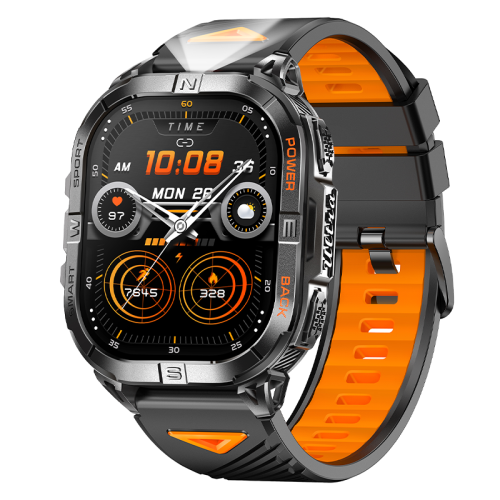

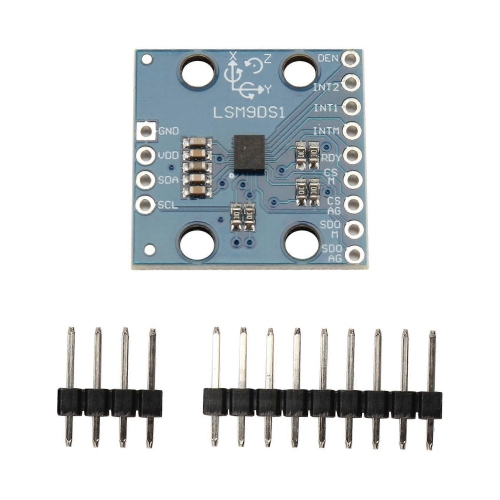


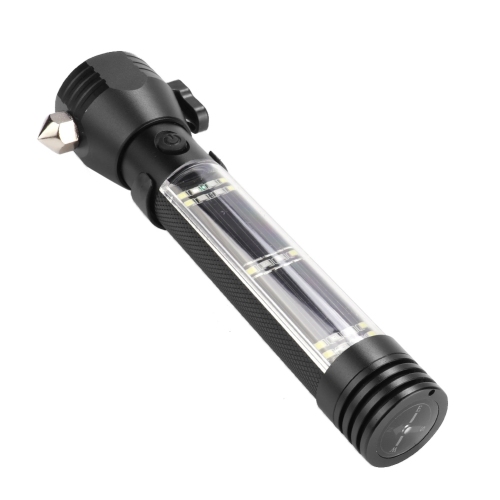


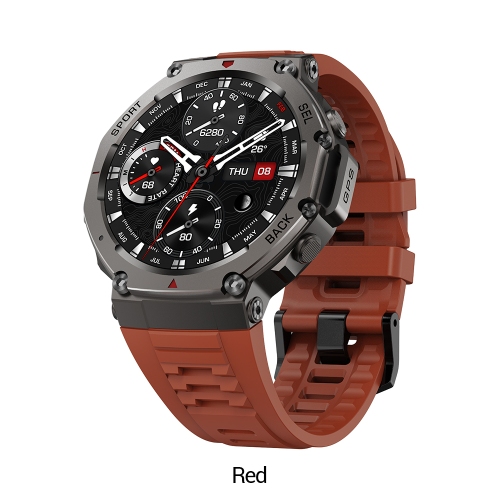




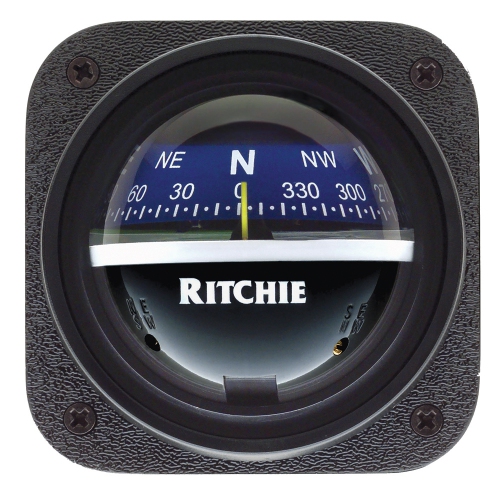


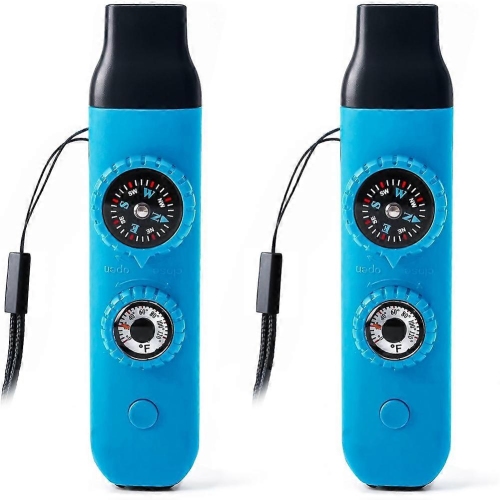
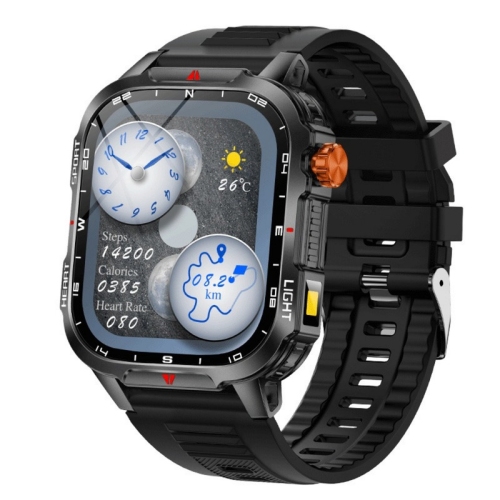
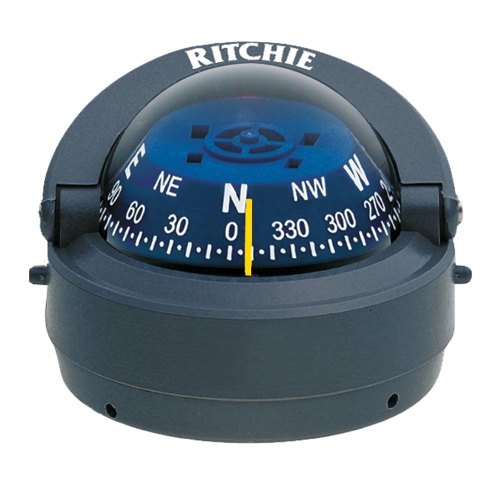


Reliable direction when trails, weather and visibility change
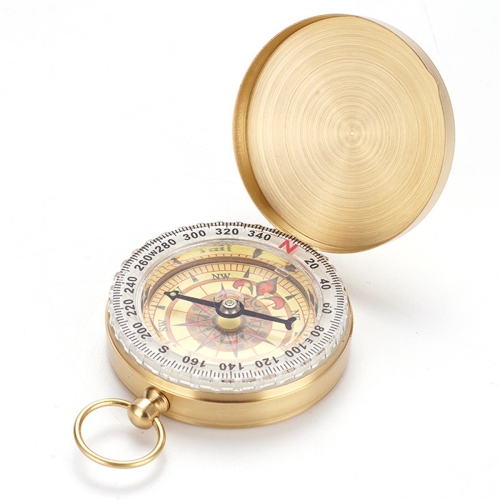
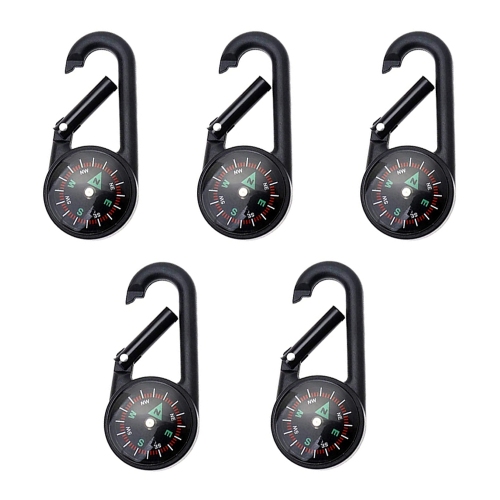
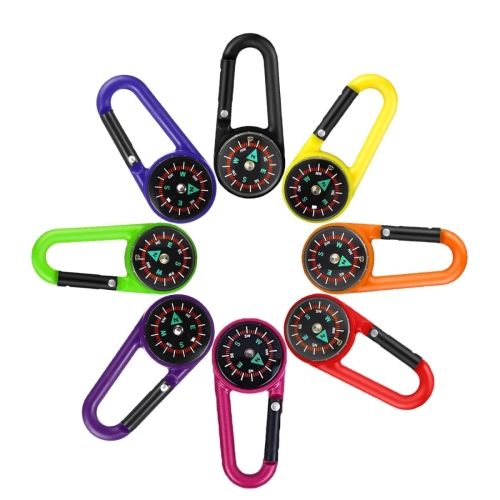
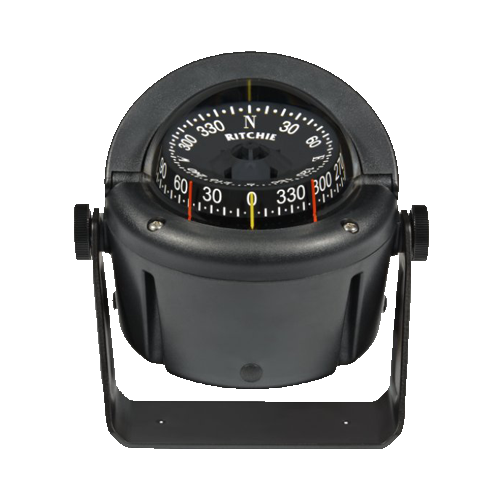
Hiking compasses are dependable navigation tools for walkers, day hikers, trail runners, campers and backcountry travellers who want a clear way to understand their surroundings. Unlike a phone, a compass does not rely on a battery signal, mobile coverage or a downloaded map, making it a practical companion when a marked trail becomes faint, a route divides unexpectedly or changing weather reduces visibility. A basic hiking compass can help you orient a topographical map, identify the direction of travel and follow a bearing between two points, while more advanced designs may offer features for precise route planning and off-trail navigation. Many hikers appreciate the simple confidence that comes from carrying one: the needle settles, the landscape begins to make sense and a distant ridge, stream crossing or trail junction becomes part of a larger route. Compasses can be useful on familiar local paths as well as longer backcountry outings, and they are small enough to keep in a daypack, jacket pocket or navigation pouch. They can also make thoughtful gifts for someone preparing for camping trips, learning outdoor skills or building a reliable hiking kit. During the cooler months, when shorter daylight and shifting conditions can make route-finding more demanding, a compass is especially useful as part of a broader navigation setup that includes a map, charged phone, spare power source and suitable outdoor clothing.
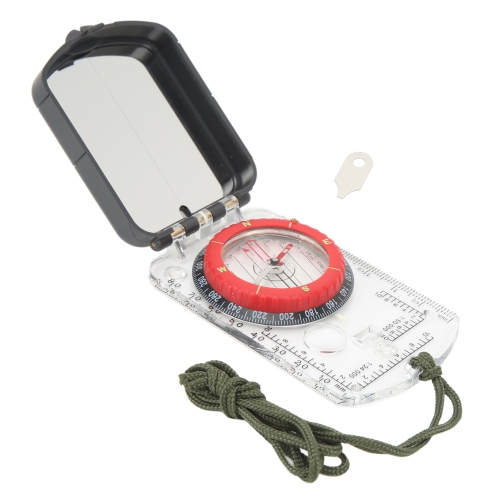
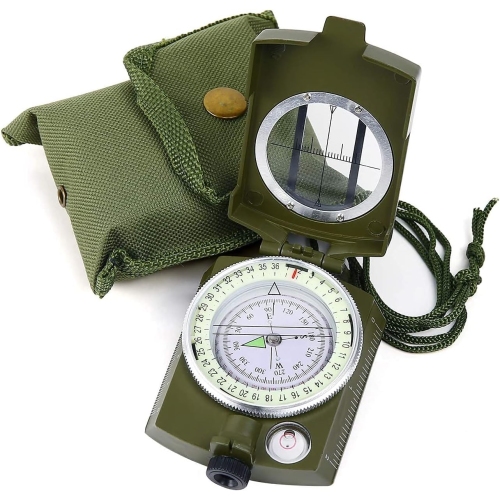
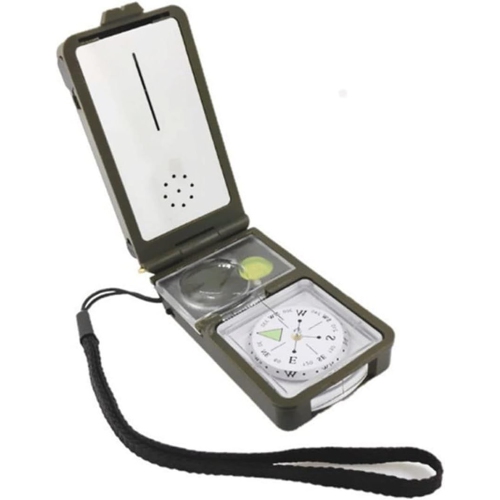
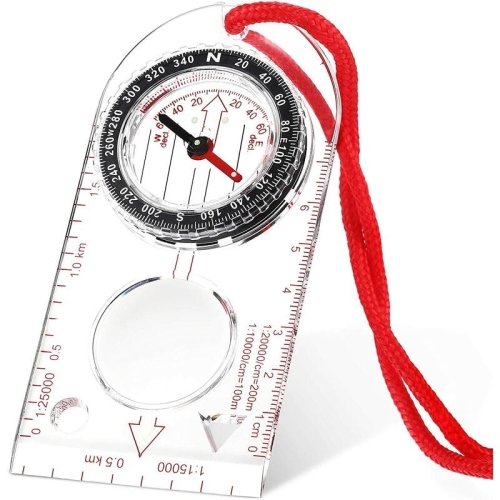
When choosing among hiking compasses, start by considering how the compass will be used and how much experience the hiker has with map-and-compass navigation. A straightforward model may be well suited to casual trail users, beginners and families who want an easy-to-read direction finder without unnecessary complexity. Look for a clear, stable magnetic needle, legible direction markings and a durable housing that can handle regular use in a backpack. A transparent baseplate is particularly helpful because it lets you see map details beneath the compass while measuring distance, lining up a route or plotting a bearing. Straight edges and map scales can make it easier to work with common topographical map formats, while a lanyard hole or wrist cord helps keep the compass accessible without placing it loosely in a pocket. Some designs include adjustable magnetic declination, which lets the user account for the difference between magnetic north and true north in the area being explored. This can simplify map work and improve bearing accuracy, especially when travelling across longer distances. If the compass does not provide an adjustable setting, the user may need to apply the local declination manually when preparing a route. Experienced hikers planning off-trail travel may prefer features such as a global needle, which is designed for use across different parts of the world, or a clinometer for assessing slope angles. A sighting mirror can support more precise bearings by allowing the user to align the compass with a distant landmark while keeping the dial visible. These features may be valuable for route planning, expedition travel, mountain terrain and navigation practice, although a simpler baseplate compass can remain a capable choice for many established trails.
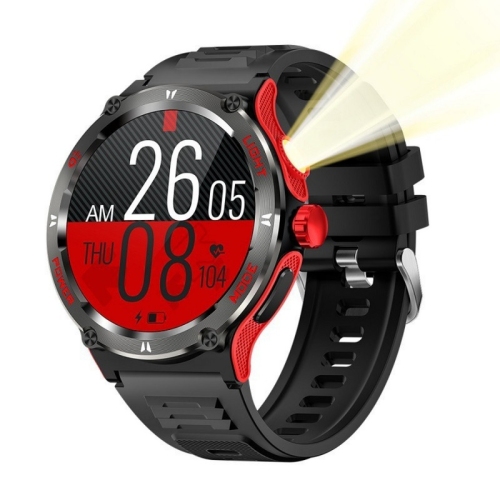
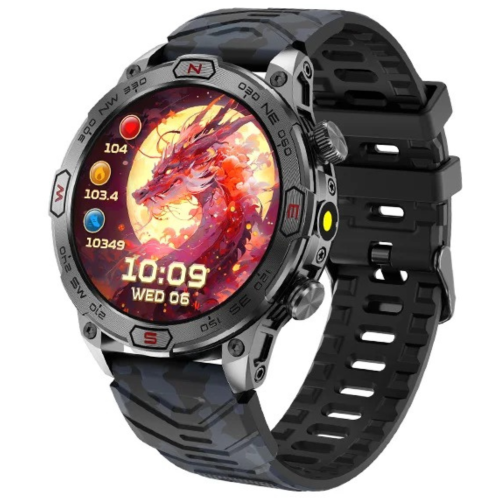
A hiking compass works best when used alongside basic navigation habits rather than as a replacement for preparation. Before setting out, hikers can study the route, note prominent landmarks, identify junctions and check the map scale, contour lines and expected terrain. It is useful to practise taking a bearing in an open area before relying on the compass in dense forest, rolling terrain or low visibility. Metal objects, electronic devices and other magnetic sources can affect readings, so the compass should be held level and kept away from items that may interfere with the needle. When following a bearing, hikers can choose a visible landmark in the correct direction, walk towards it and repeat the process, helping maintain a route without staring continuously at the dial. A compass can also help confirm direction when a trail appears to fork or when a familiar landscape looks different under cloud, fog, snow or changing light. It should not be treated as a substitute for local knowledge, weather checks, appropriate footwear or emergency planning, but it adds an important independent reference to a navigation kit. Some hikers pair a compass with a digital navigation device or GPS Watches for Hiking for route recording and convenience, while keeping the compass available as a non-electronic backup. For gift-givers, choosing a model with clear markings and an intuitive layout can make it more approachable for a new hiker, while sighting features, declination adjustment or a global needle may appeal to someone with more ambitious travel plans. As conditions shift from milder trail days to colder, darker outings, a well-chosen compass remains a compact and practical piece of outdoor equipment for building confidence, checking direction and making every route easier to understand.
Top selling and popular products
-
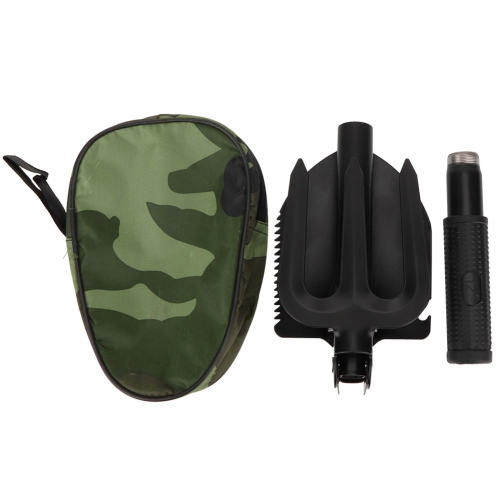 Your price for this item is $26.07
-
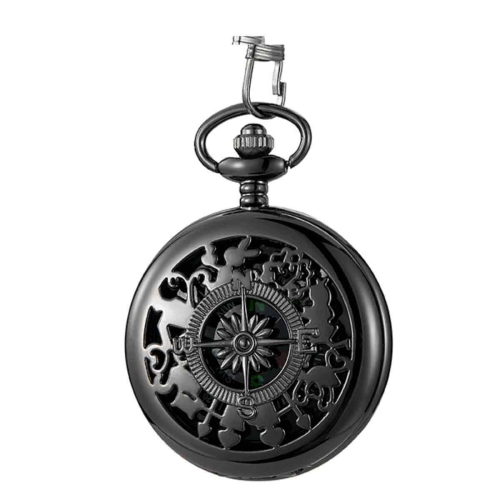 Your price for this item is $19.26
-
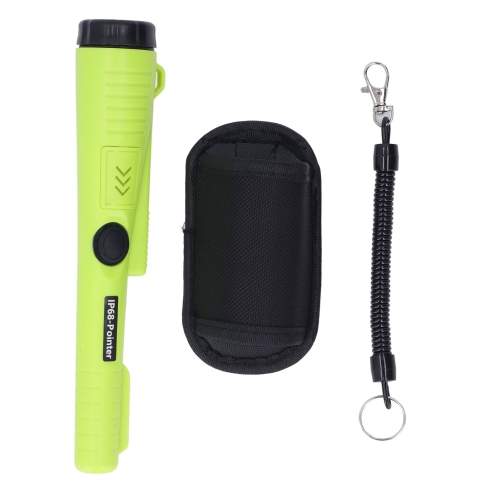 Your price for this item is $29.49
-
 Your price for this item is $100.93
-
 Your price for this item is $49.99
-
 Your price for this item is $168.9
-
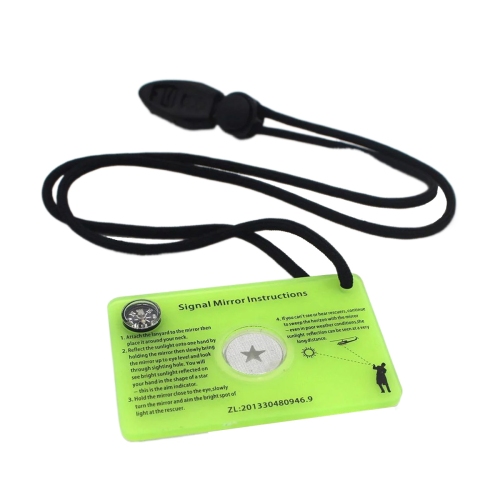 Your price for this item is $19.15
-
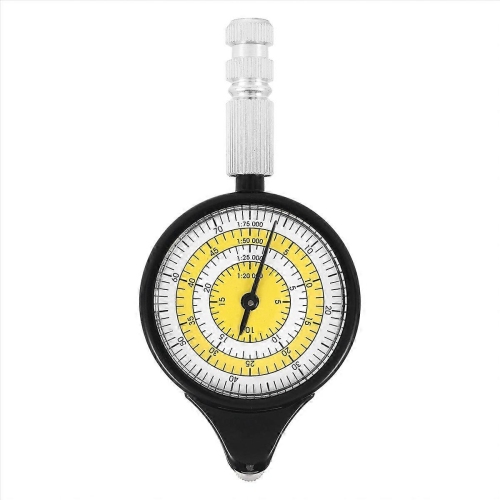 Your price for this item is $24.99
Discover more categories related to Hiking Compasses

Top Collections:
Pokemon Centers, Kindle Devices, Best Cameras for Sports Photography, Pokémon 30th Celebration Cards, Canon G7X Cameras, Samsung Galaxy Phones, iPhone 15 Apple, Best Black Friday Deals On Electronics, Jackery Power Stations, Solar Generators for Home
Some products may be subject to Environmental Handling Fees
(EHF) depending on your province.
Learn more about EHFs.