Hose Connectors
When it comes to keeping your garden in top shape, having the right hose connectors can make all the difference. These small but essential pieces play a crucial role in ensuring a seamless flow of water from your hose to various attachments, such as sprinklers or nozzles. Whether you're looking to replace a worn-out connector or upgrade to a more durable option, our selection of hose connectors offers a range of options to suit your needs. From brass to plastic connectors, find the perfect fit to make watering your plants and lawn a breeze.
Sort
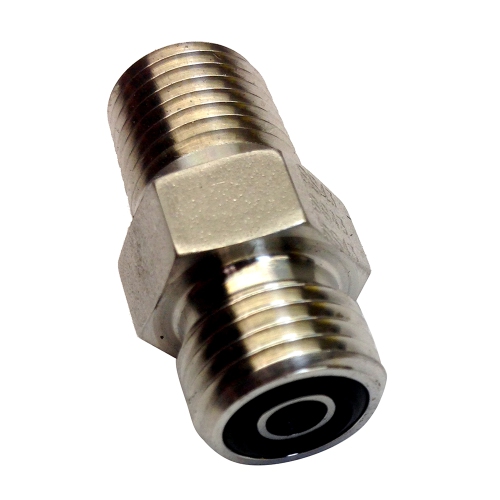
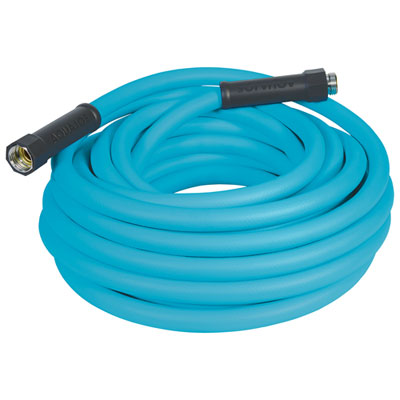
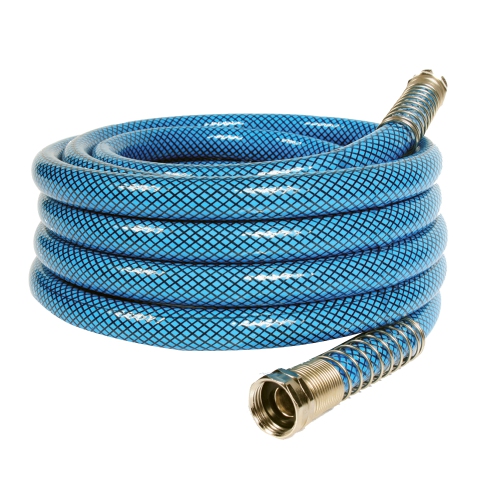
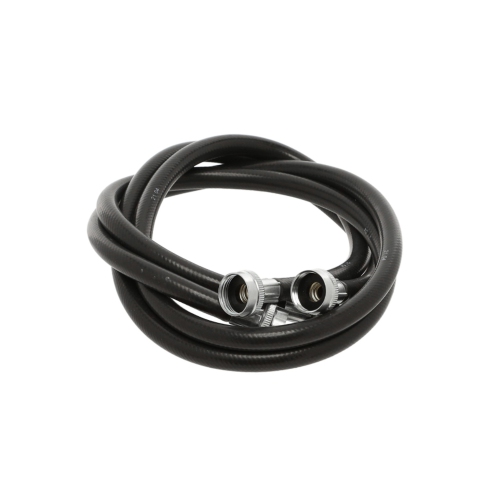
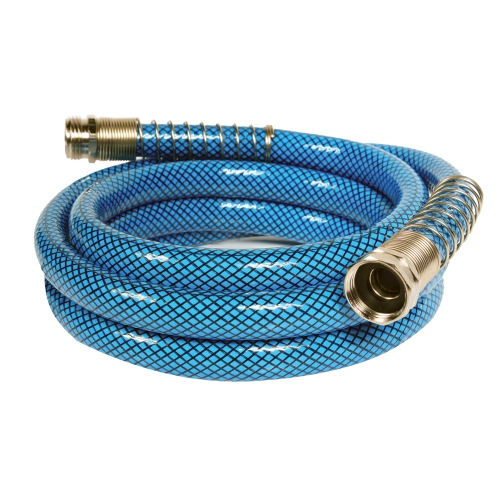
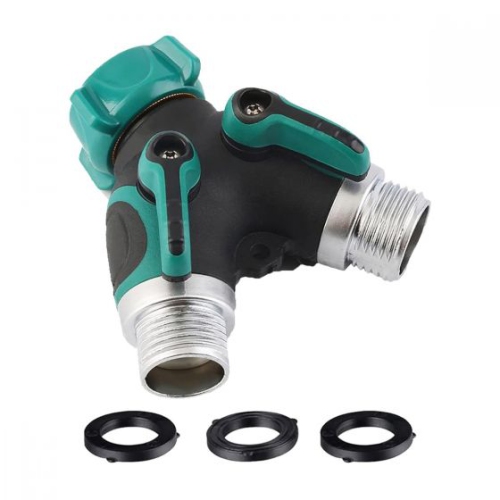
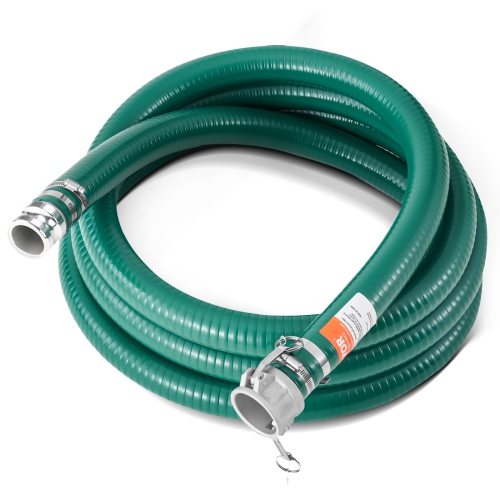
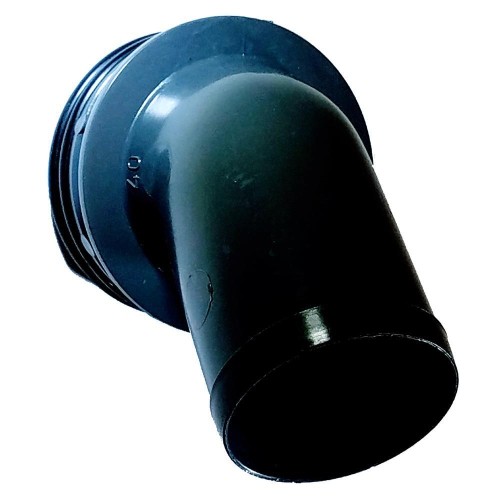
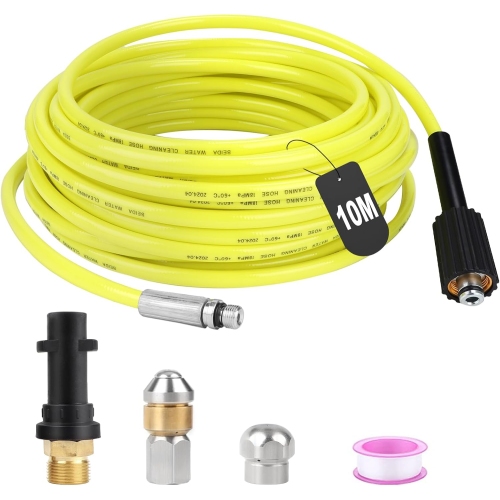
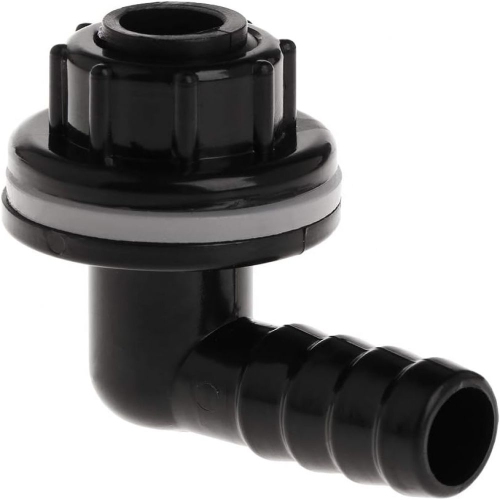
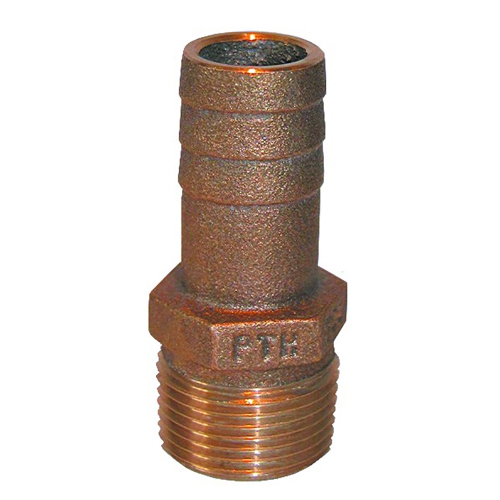
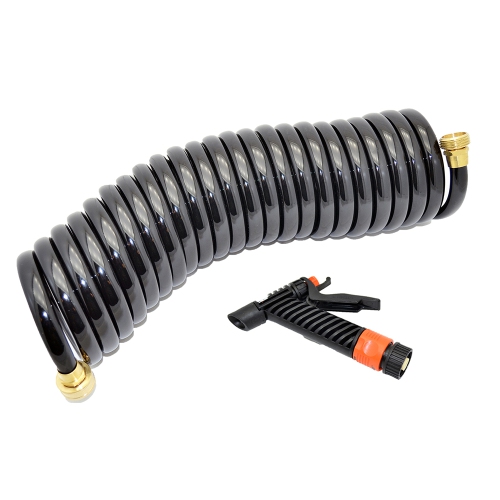
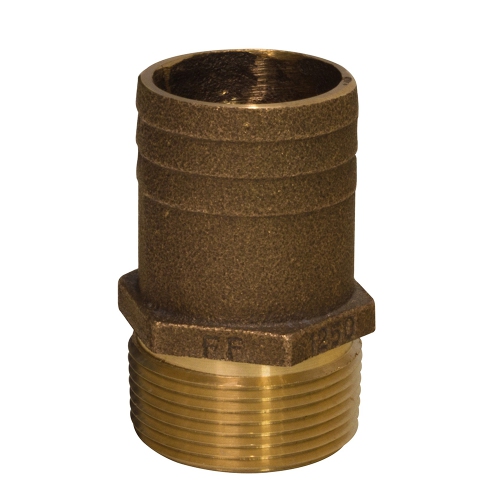
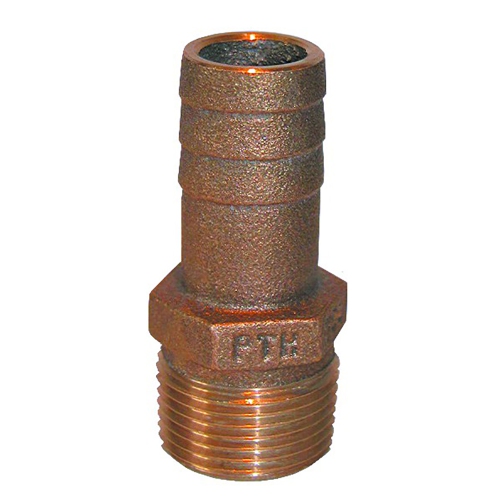
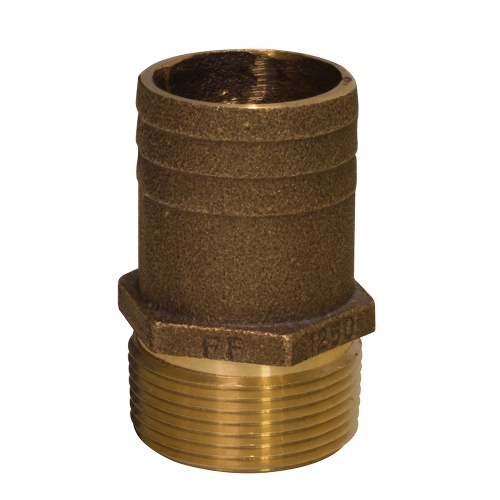
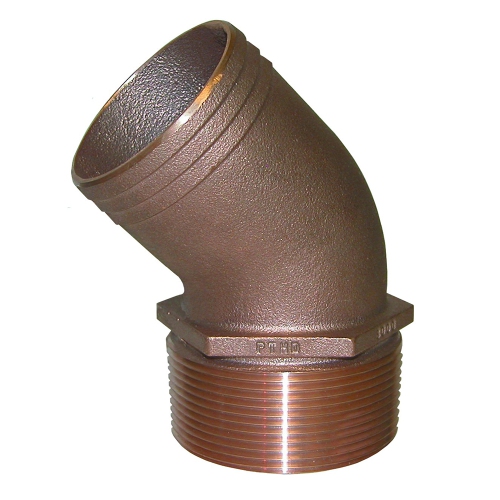
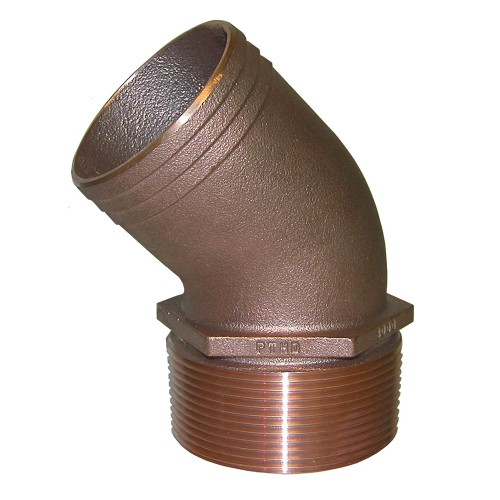
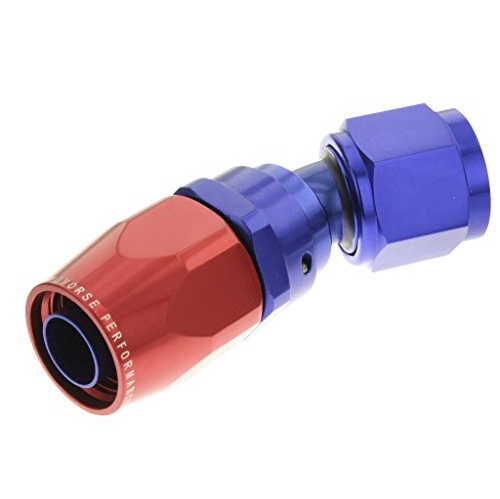
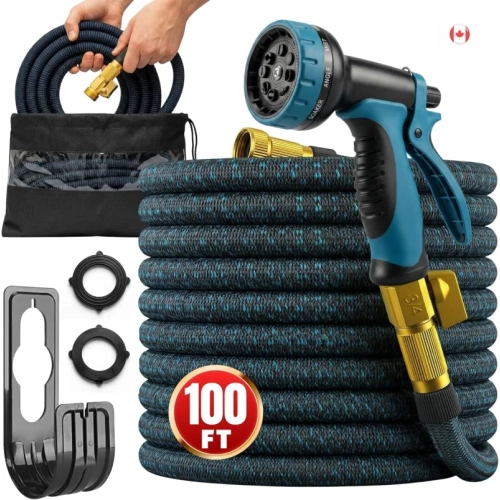
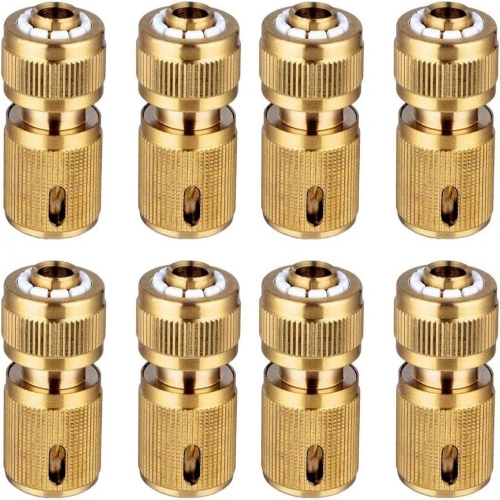
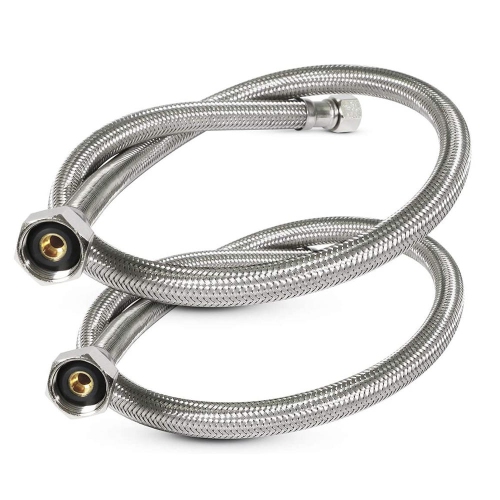
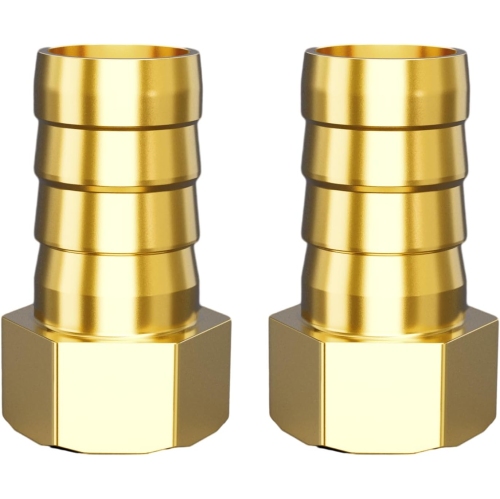
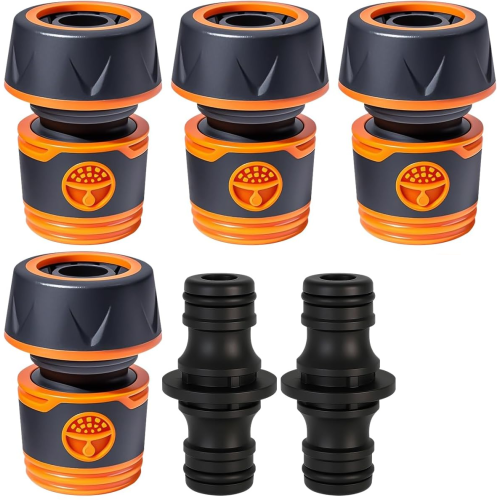
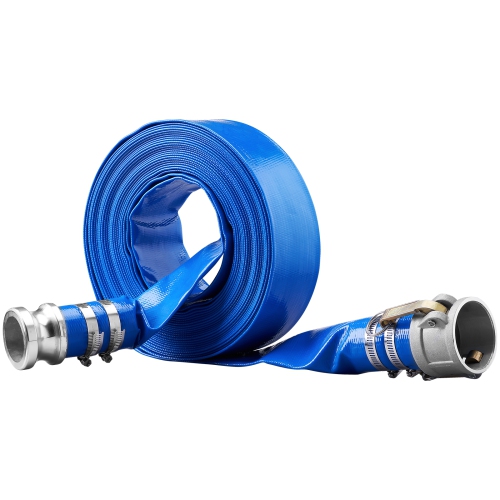
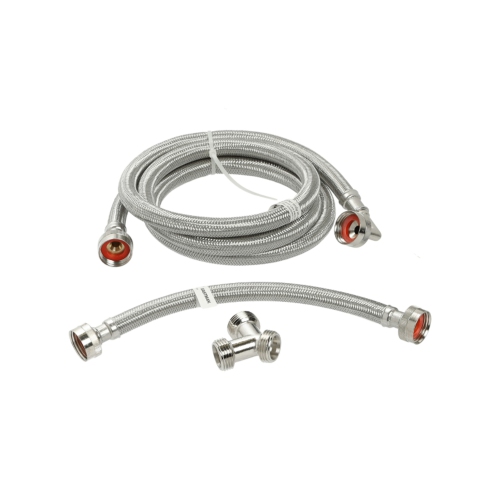
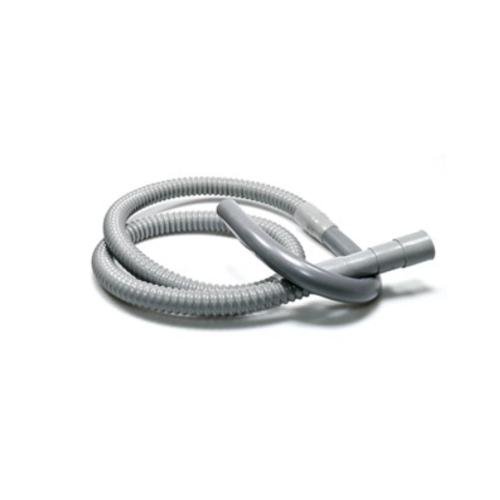
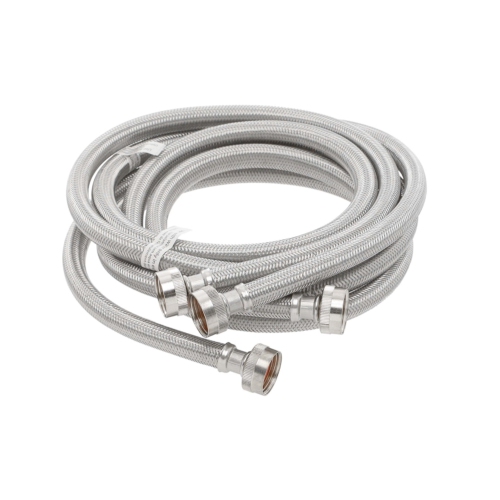
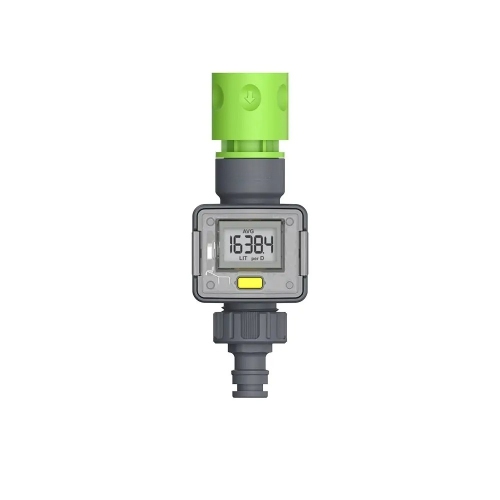
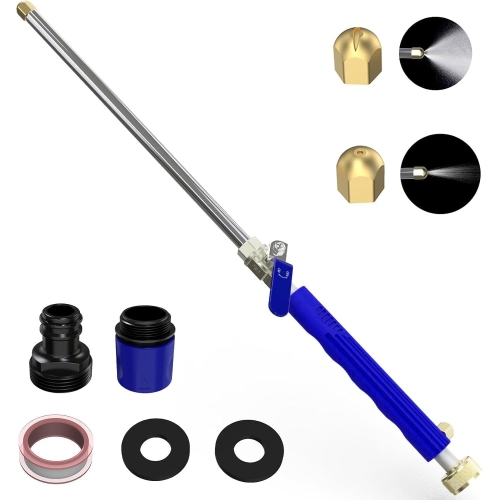
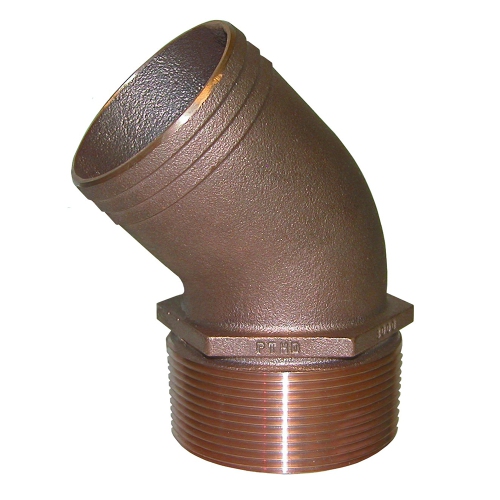
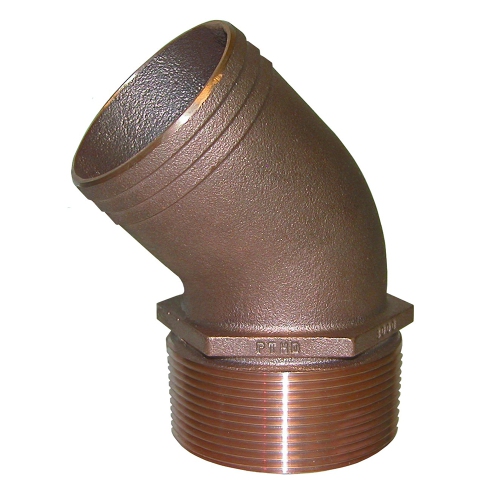
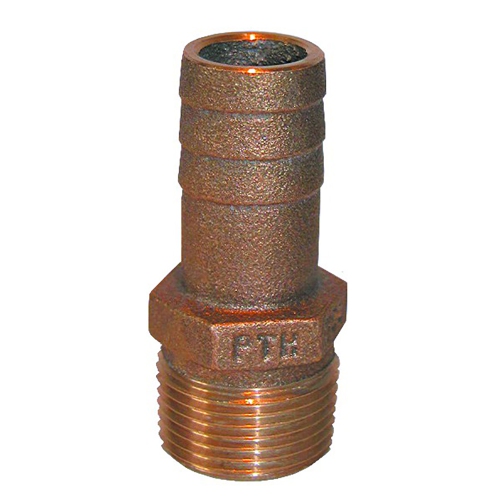
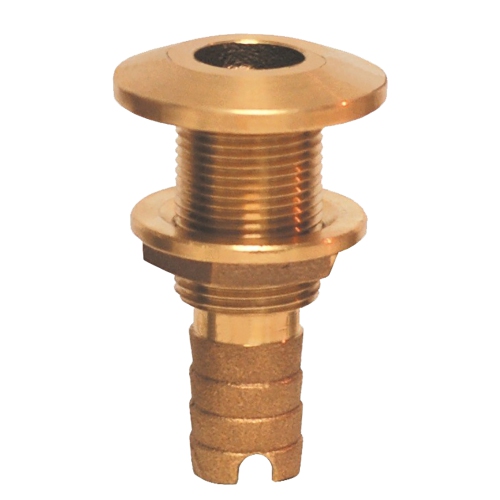
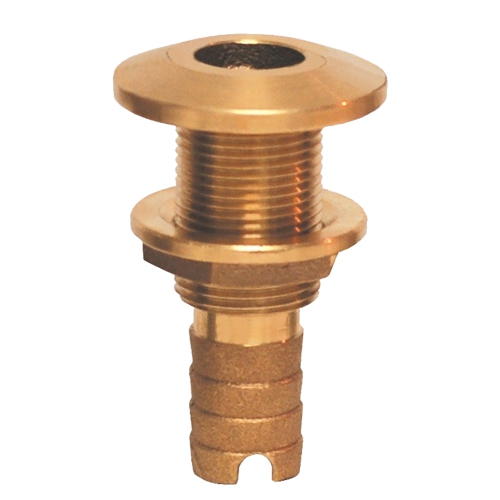
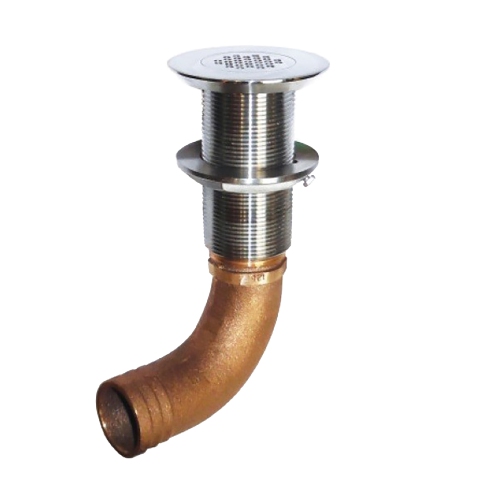
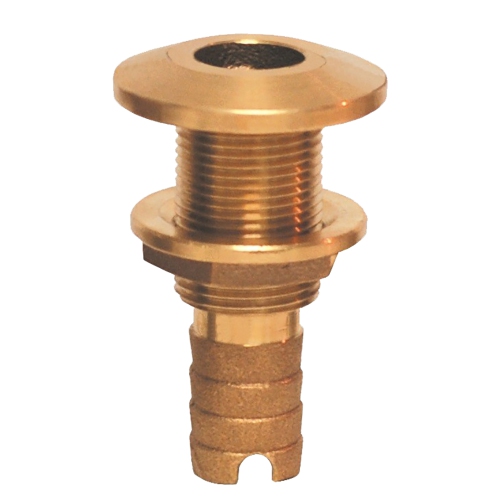
Small fittings that simplify repairs and everyday watering
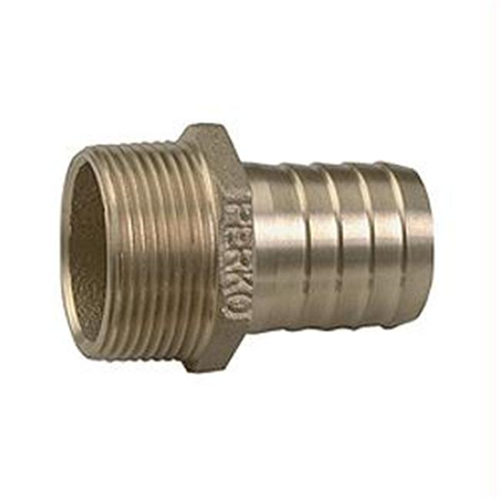
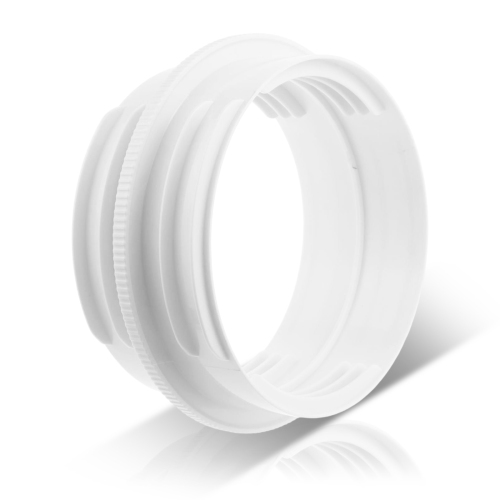
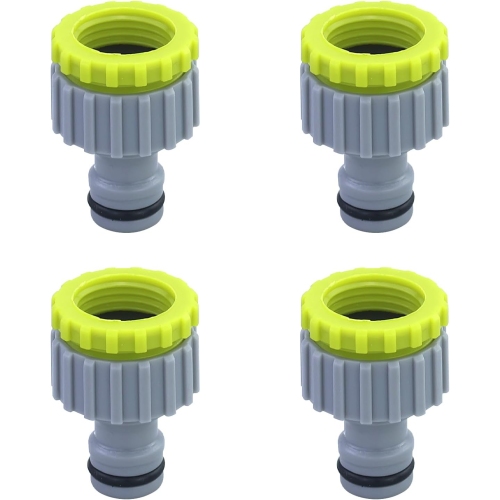
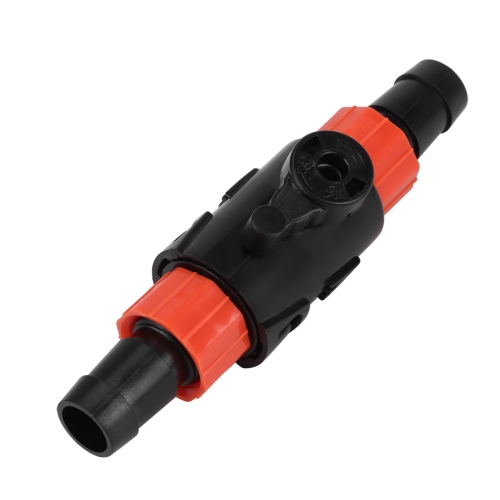
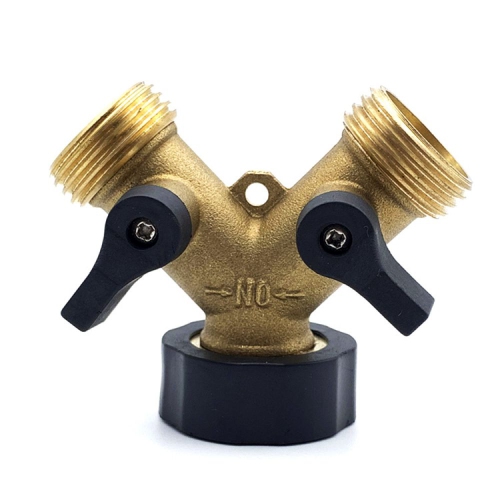
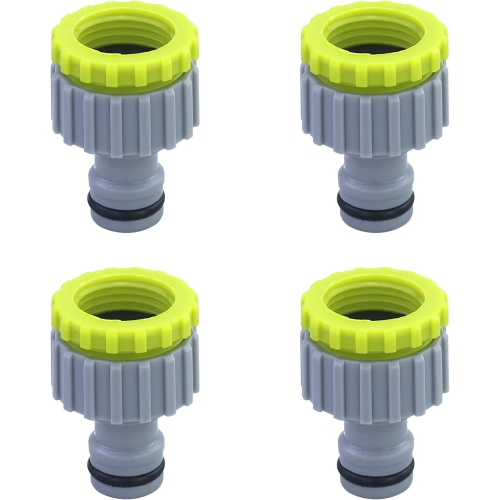
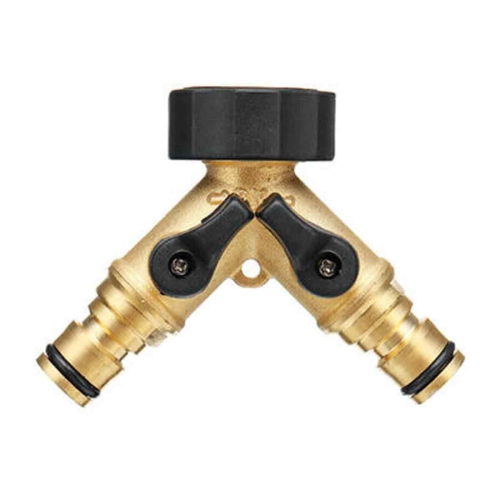
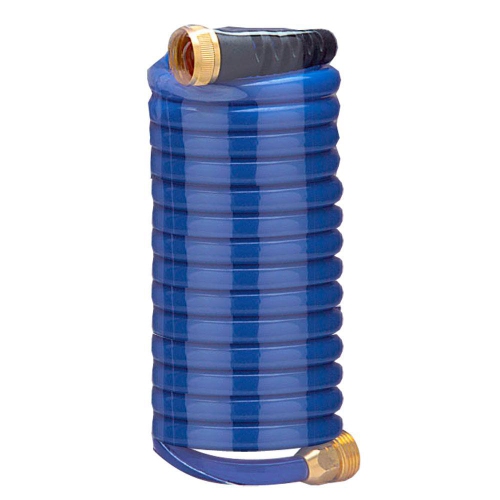
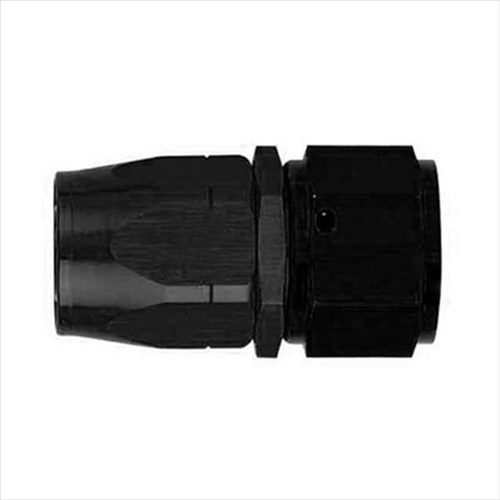
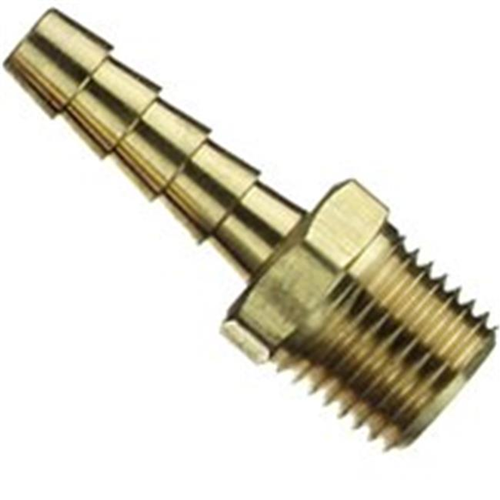
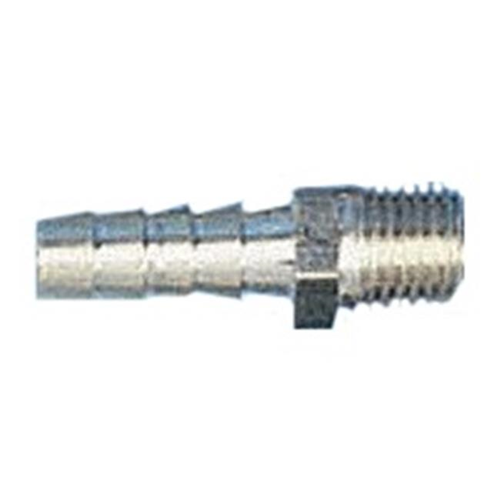
Hose connectors join a garden hose to a tap, another hose, or a watering attachment such as a spray nozzle or sprinkler. They also provide a way to replace damaged hose ends, extend a watering line, or supply more than one hose from a single outlet. The main types include threaded couplings, quick-connect fittings, hose menders, and splitters, each serving a different purpose. Threaded connectors screw into place and suit connections that stay assembled between uses. Quick-connect fittings use matching plug-and-socket parts so attachments can be changed without repeatedly turning the hose or nozzle. A locking collar or similar mechanism holds the connection together, while an internal seal helps prevent dripping. Hose menders join two cut ends or replace a worn end fitting, giving an otherwise sound hose a usable connection again. Splitters divide one tap into two or more outlets, often with separate valves that let each line be controlled independently. This can be useful when a sprinkler needs to stay connected while a second hose handles hand watering or rinsing garden tools. For a patio with several planters, a quick-connect setup makes it easier to switch between a gentle watering wand and a spray nozzle. Across a larger yard, a hose-to-hose coupling adds reach without requiring every section to remain connected for smaller jobs. These fittings are practical for gardeners, homeowners, caretakers, and anyone who regularly moves water between a tap and an attachment. The best match depends on the connection being made rather than the overall size or appearance of the fitting. A connector designed to attach to a threaded tap has a different role from a barbed repair fitting that fits inside a cut hose. Keeping those roles distinct helps narrow the choice to fittings that work with the equipment already in use, whether the task is stopping a drip at the nozzle or keeping two watering lines neatly arranged.
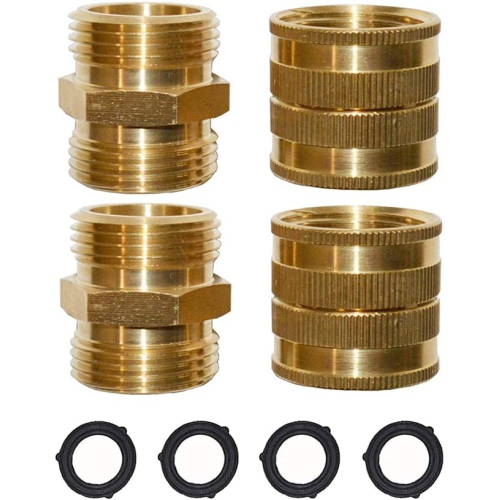
Fit is the most important consideration because hose diameter, thread size, and connection style describe different parts of the setup. Common garden hose diameters include 1/2-inch, 5/8-inch, and 3/4-inch, but these measurements usually refer to the inside diameter of the hose, not the size of its threaded end. In Canada, many garden hoses and outdoor taps use a 3/4-inch garden hose thread connection, even when the hose itself has a smaller inside diameter. A repair fitting inserted into a hose must match the hose diameter and work with its wall thickness, while a threaded adapter must match the thread specification at each end. Garden hose threads and pipe threads are not interchangeable, even when their nominal sizes sound alike. Male fittings have threads on the outside; female fittings have threads on the inside and commonly hold a flat sealing washer. When both parts being joined have male garden hose threads, matching female-to-female hose adapters provide an internally threaded connection at both ends. Matching thread type remains essential, since an adapter cannot correct incompatible threads simply by fitting over them. Quick-connect parts also need to belong to a compatible system; a similar shape does not guarantee that plugs, sockets, and locking mechanisms will work together. For hose menders, the attachment method matters as much as diameter. Clamp-style fittings secure the hose around an inserted stem, while compression-style designs use a collar to grip it. Both need a clean, sound section of hose rather than cracked or stretched material. Splitters introduce another consideration: the space around the tap. Wide valve handles, closely spaced outlets, and nearby walls can affect whether hoses attach comfortably. Swivel connections can make installation easier by allowing the fitting to turn without twisting the entire hose. Where water flow matters, such as supplying a sprinkler through a long hose run, the connector’s internal opening is also worth checking. Narrow passages and several fittings in succession can restrict flow, and a splitter shares the supply rather than increasing it.
Materials, handling, and routine care all influence how well hose connectors hold up to repeated use. Brass fittings offer a substantial feel and can withstand frequent attachment changes, although their weight may be noticeable at the end of a lightweight hose. Stainless steel can provide strength and corrosion resistance, while aluminium offers a lighter metal option. Plastic connectors are lightweight and often have broad grip surfaces that are comfortable to turn by hand. Their durability varies with the material and construction, so collar thickness, thread quality, and the strength of locking tabs matter more than appearance alone. A textured grip is especially useful when hands are wet, and easy-to-turn valve levers can make a splitter more manageable for someone with limited hand strength. Seals deserve equal attention. Many threaded garden hose connections rely on a washer seated inside the female end, while quick-connect fittings commonly use O-rings. Dirt, a flattened washer, or a damaged O-ring can cause a leak even when the main body is still in good condition. For washer-sealed garden hose joints, thread tape is generally unnecessary because the washer, rather than the threads, forms the seal. Starting threads carefully by hand helps avoid cross-threading, and tightening beyond the manufacturer’s directions can damage plastic parts or distort seals. Turning off the tap and releasing pressure before disconnecting makes attachment changes easier to control. A shut-off connector may limit water discharge when an accessory is removed, but it does not replace shutting off the water supply after use. Keeping grit out of open ends, rinsing away debris, and checking washers periodically helps connections remain smooth and reliable. Supporting the hose near the tap also reduces sideways strain on adapters and splitters. For drinking-water use, connectors and every other component in the line need to be specifically rated for that purpose; ordinary garden fittings should not be assumed suitable. Pressure washers, hot-water lines, and pumped systems likewise need fittings with the correct connection type and pressure or temperature rating. With the right fit and sensible care, hose connectors make everyday watering and rinsing tasks easier to manage without unnecessary leaks, awkward attachment changes, or strain on the hose.
Fit is the most important consideration because hose diameter, thread size, and connection style describe different parts of the setup. Common garden hose diameters include 1/2-inch, 5/8-inch, and 3/4-inch, but these measurements usually refer to the inside diameter of the hose, not the size of its threaded end. In Canada, many garden hoses and outdoor taps use a 3/4-inch garden hose thread connection, even when the hose itself has a smaller inside diameter. A repair fitting inserted into a hose must match the hose diameter and work with its wall thickness, while a threaded adapter must match the thread specification at each end. Garden hose threads and pipe threads are not interchangeable, even when their nominal sizes sound alike. Male fittings have threads on the outside; female fittings have threads on the inside and commonly hold a flat sealing washer. When both parts being joined have male garden hose threads, matching female-to-female hose adapters provide an internally threaded connection at both ends. Matching thread type remains essential, since an adapter cannot correct incompatible threads simply by fitting over them. Quick-connect parts also need to belong to a compatible system; a similar shape does not guarantee that plugs, sockets, and locking mechanisms will work together. For hose menders, the attachment method matters as much as diameter. Clamp-style fittings secure the hose around an inserted stem, while compression-style designs use a collar to grip it. Both need a clean, sound section of hose rather than cracked or stretched material. Splitters introduce another consideration: the space around the tap. Wide valve handles, closely spaced outlets, and nearby walls can affect whether hoses attach comfortably. Swivel connections can make installation easier by allowing the fitting to turn without twisting the entire hose. Where water flow matters, such as supplying a sprinkler through a long hose run, the connector’s internal opening is also worth checking. Narrow passages and several fittings in succession can restrict flow, and a splitter shares the supply rather than increasing it.
Materials, handling, and routine care all influence how well hose connectors hold up to repeated use. Brass fittings offer a substantial feel and can withstand frequent attachment changes, although their weight may be noticeable at the end of a lightweight hose. Stainless steel can provide strength and corrosion resistance, while aluminium offers a lighter metal option. Plastic connectors are lightweight and often have broad grip surfaces that are comfortable to turn by hand. Their durability varies with the material and construction, so collar thickness, thread quality, and the strength of locking tabs matter more than appearance alone. A textured grip is especially useful when hands are wet, and easy-to-turn valve levers can make a splitter more manageable for someone with limited hand strength. Seals deserve equal attention. Many threaded garden hose connections rely on a washer seated inside the female end, while quick-connect fittings commonly use O-rings. Dirt, a flattened washer, or a damaged O-ring can cause a leak even when the main body is still in good condition. For washer-sealed garden hose joints, thread tape is generally unnecessary because the washer, rather than the threads, forms the seal. Starting threads carefully by hand helps avoid cross-threading, and tightening beyond the manufacturer’s directions can damage plastic parts or distort seals. Turning off the tap and releasing pressure before disconnecting makes attachment changes easier to control. A shut-off connector may limit water discharge when an accessory is removed, but it does not replace shutting off the water supply after use. Keeping grit out of open ends, rinsing away debris, and checking washers periodically helps connections remain smooth and reliable. Supporting the hose near the tap also reduces sideways strain on adapters and splitters. For drinking-water use, connectors and every other component in the line need to be specifically rated for that purpose; ordinary garden fittings should not be assumed suitable. Pressure washers, hot-water lines, and pumped systems likewise need fittings with the correct connection type and pressure or temperature rating. With the right fit and sensible care, hose connectors make everyday watering and rinsing tasks easier to manage without unnecessary leaks, awkward attachment changes, or strain on the hose.
Top selling and popular products
-
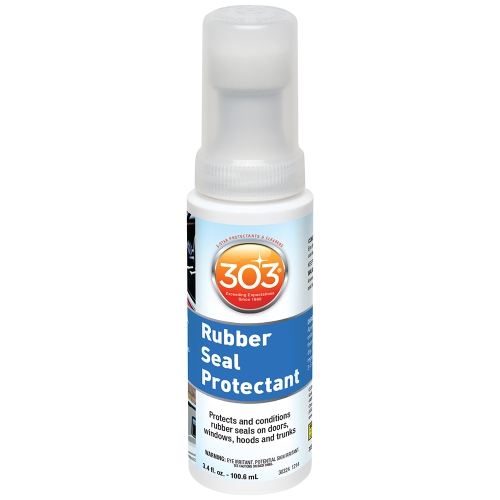 Your price for this item is $30.59
 -
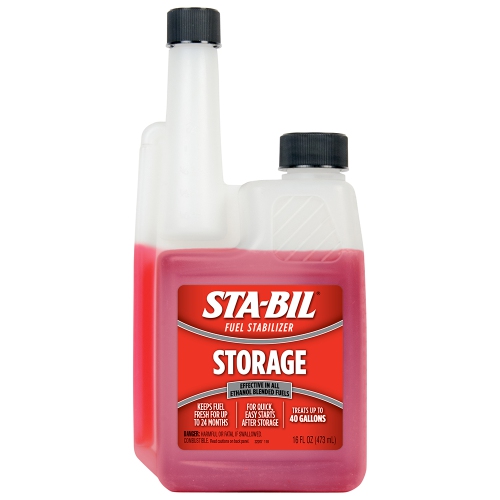 Your price for this item is $30.54
 -
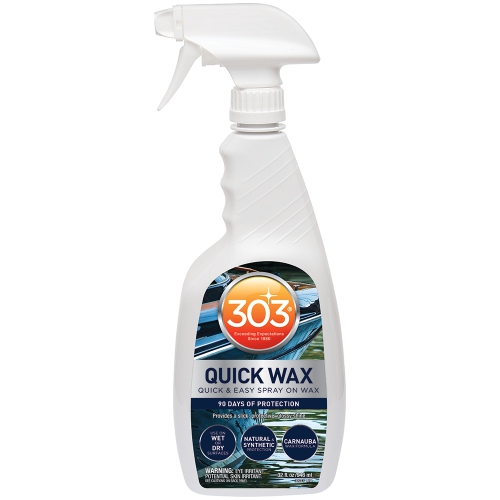 Your price for this item is $38.85
 -
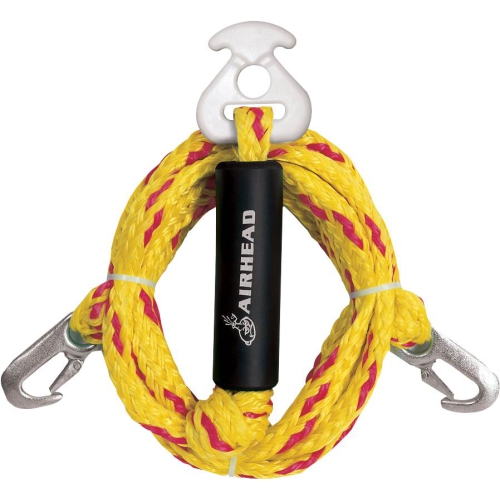 Your price for this item is $92.99
 -
 Your price for this item is $844.91
 -
 Your price for this item is $909.33
 -
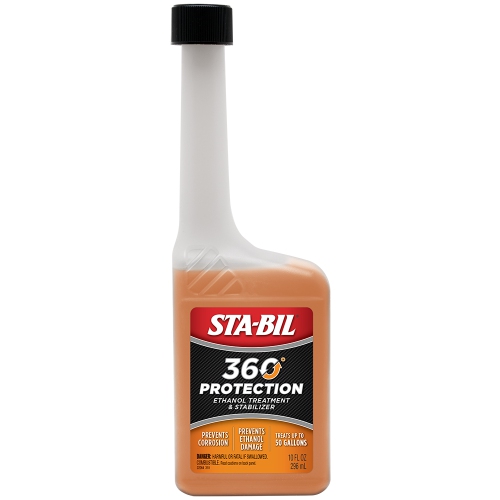 Your price for this item is $30.62
 -
 Your price for this item is $34.93
Discover more categories related to Hose Connectors
Top Collections:
Pokemon Centers, Kindle Devices, Best Budget Office Chairs, Apple iPhones 16, Best Laptops for Writers, iPhone 15 Apple, Canon G7X Cameras, Refurbished Apple Laptops, Alarm Clock, Motorola Razr Phones
Some products may be subject to Environmental Handling Fees
(EHF) depending on your province.
Learn more about EHFs.