Pipe Connectors
Pipe connectors are essential components for almost any plumbing or DIY project, allowing you to join pipes together securely and efficiently. Whether you are repairing a leaky pipe or creating a custom structure, having the right connectors is key to ensuring a successful outcome. With a variety of types and sizes available, you can easily find the perfect connector to suit your needs.
Sort
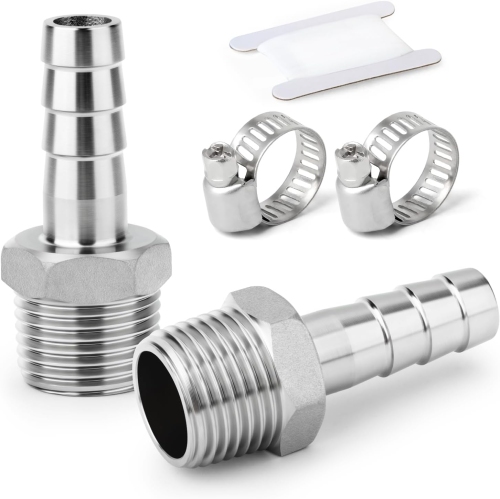
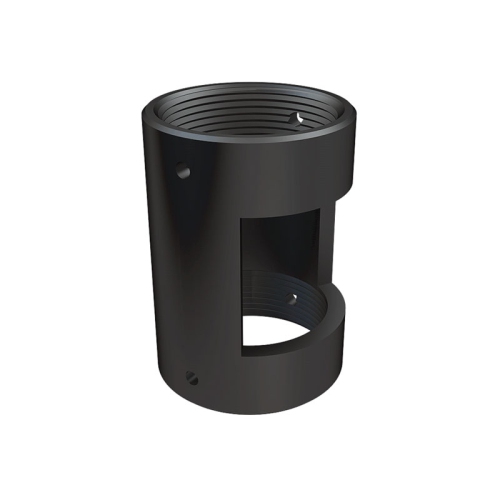
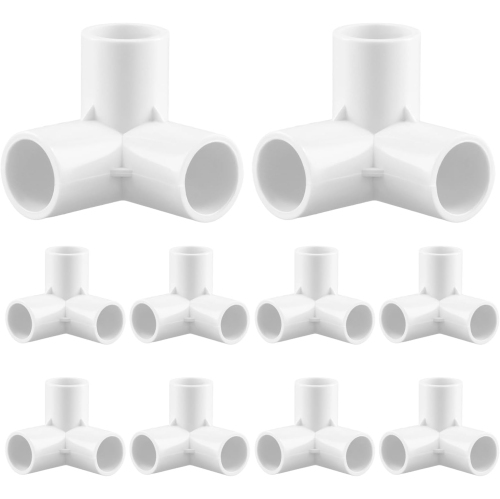
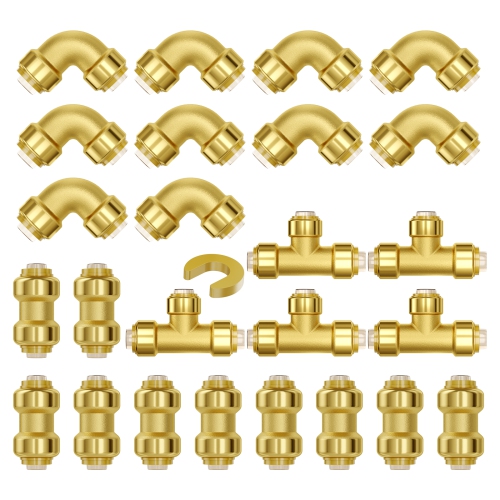
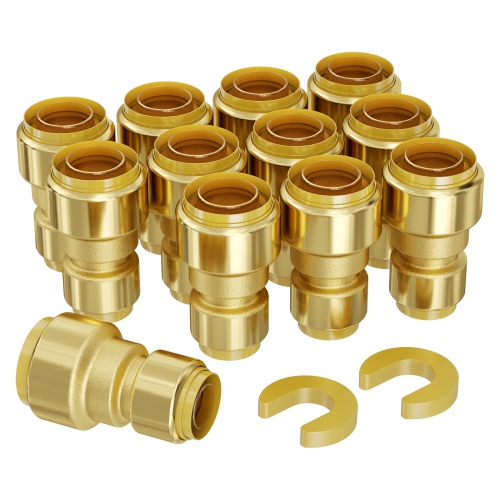
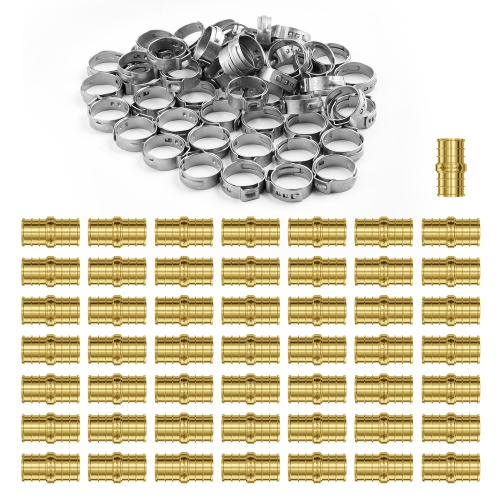
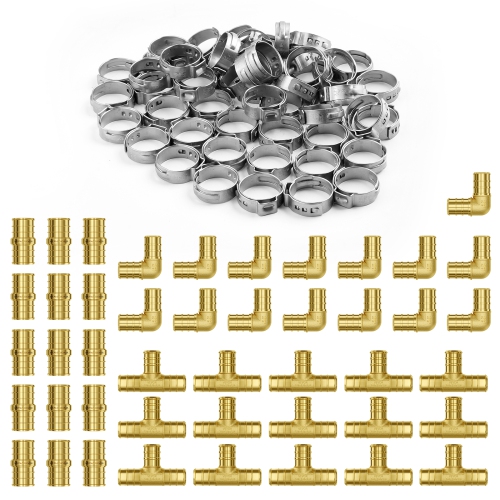
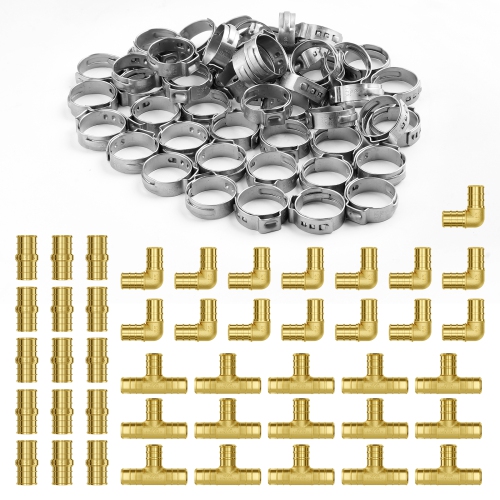
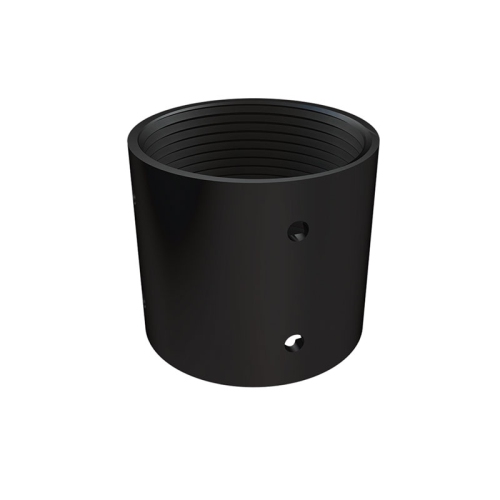
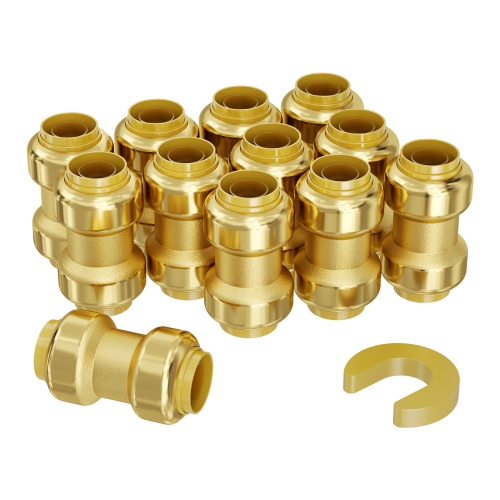
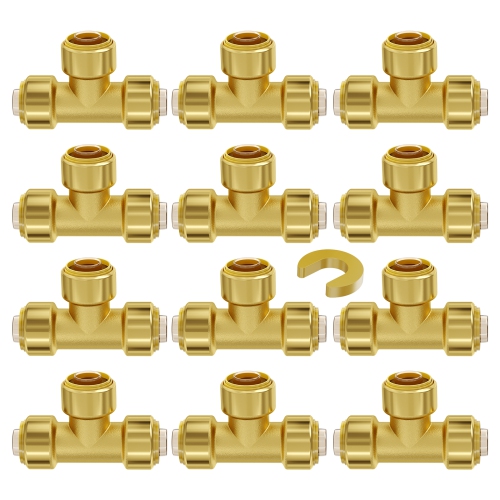
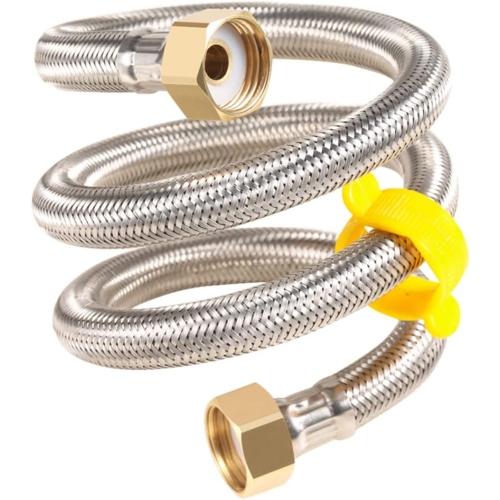
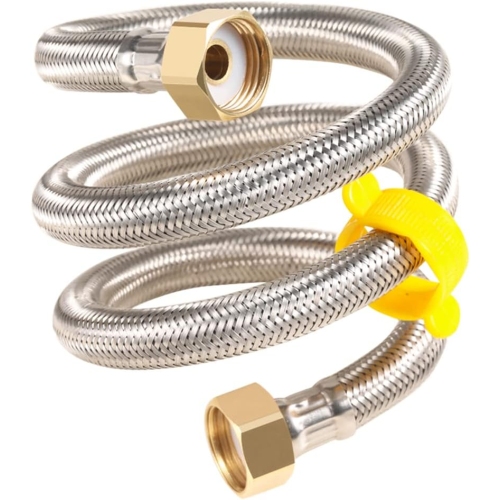
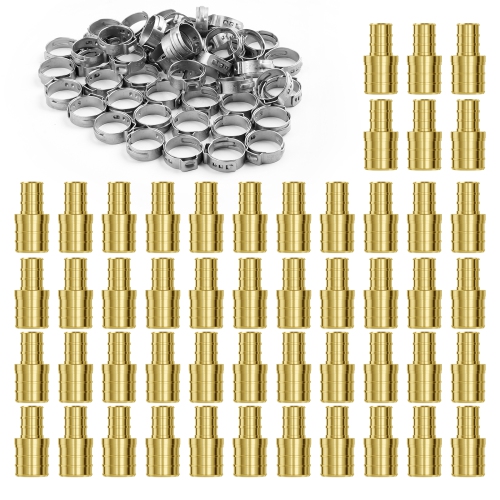
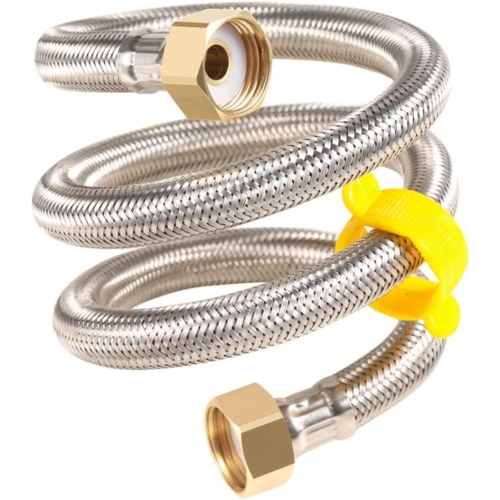
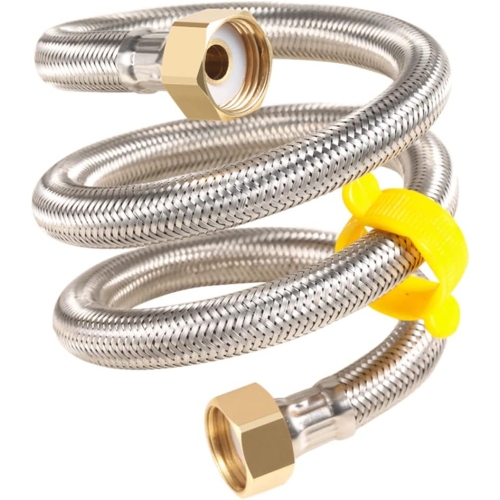
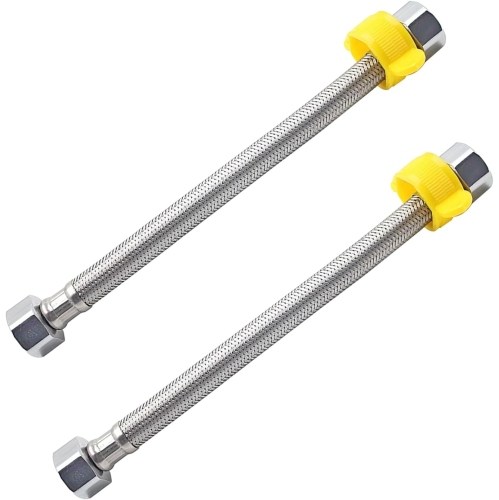
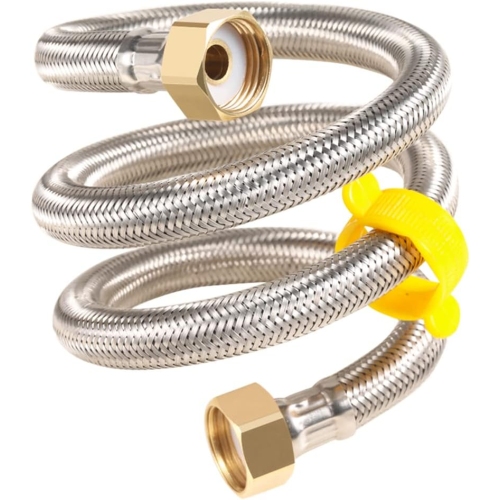
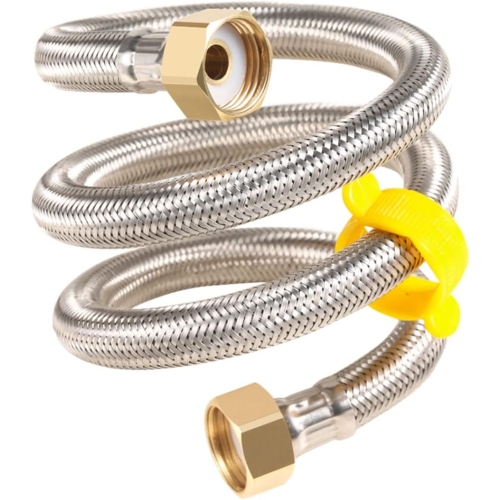
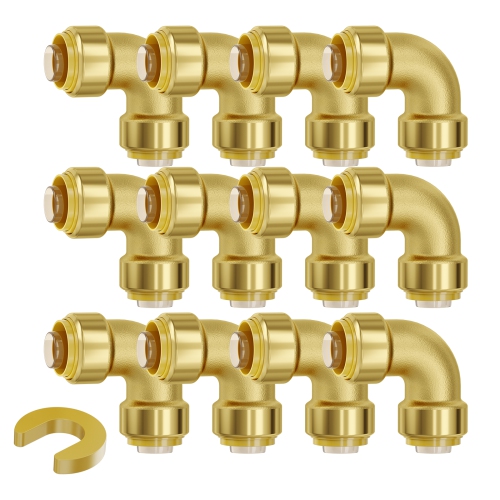
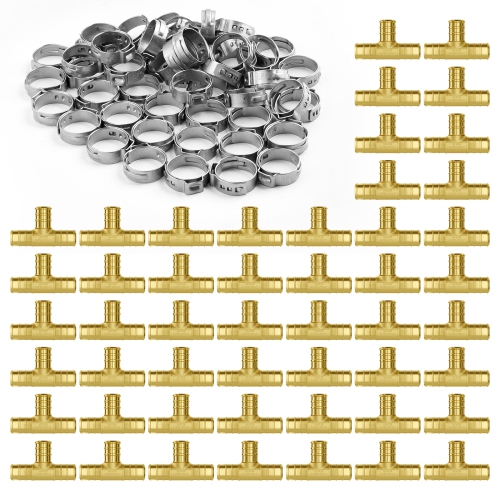
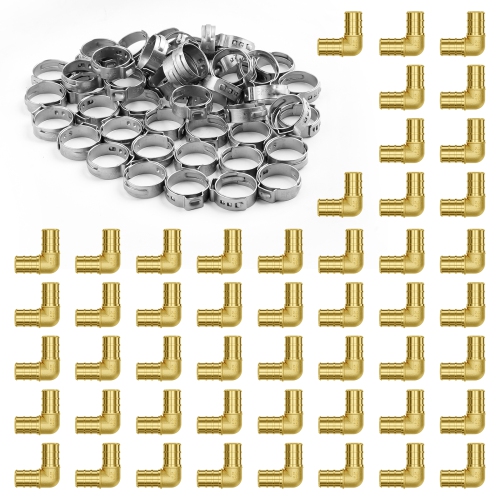
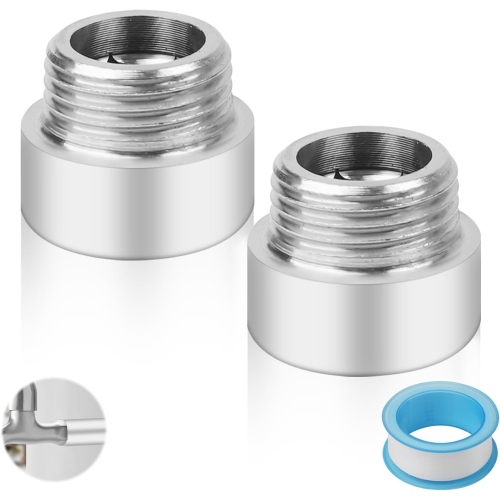
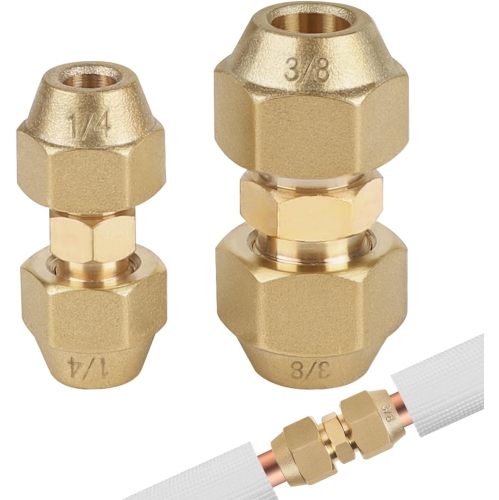
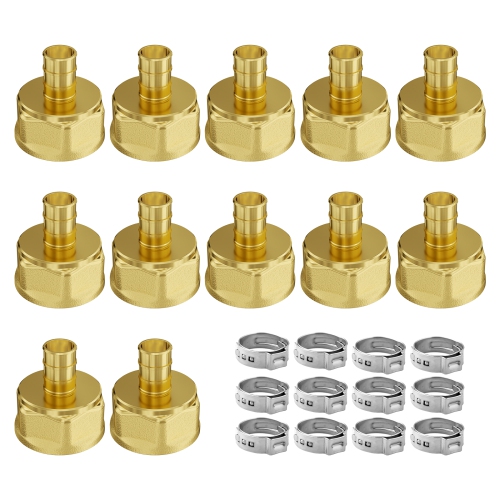

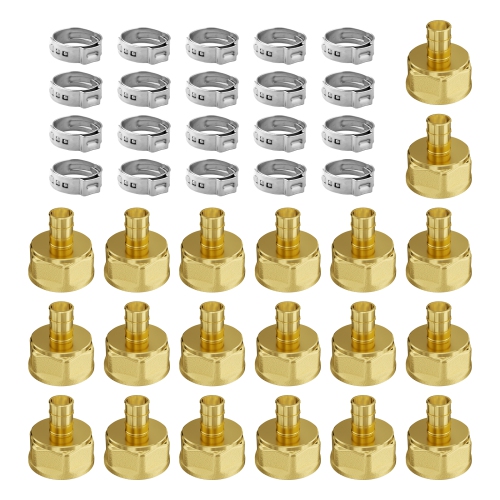
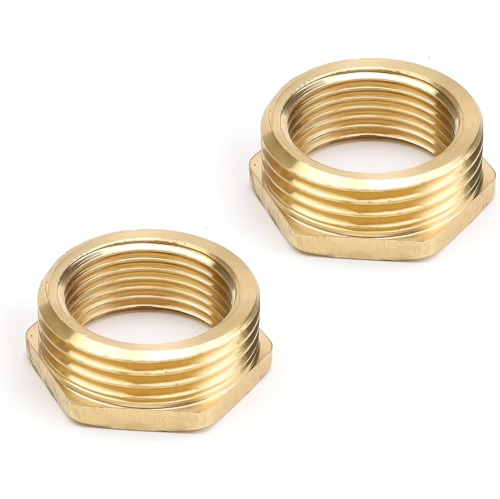
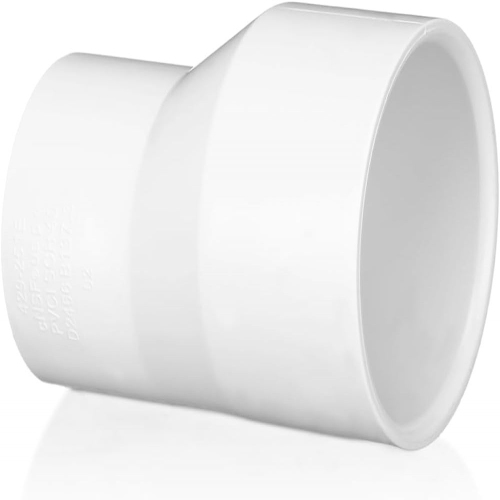

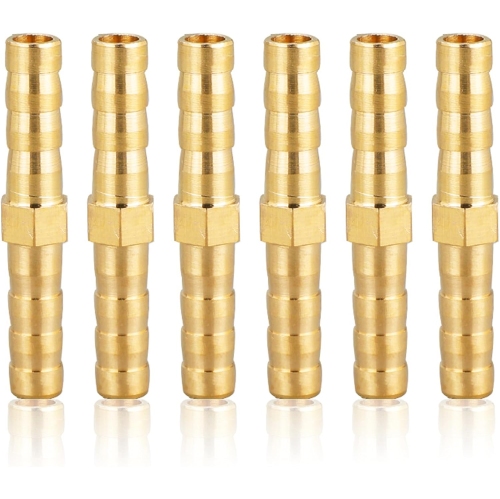
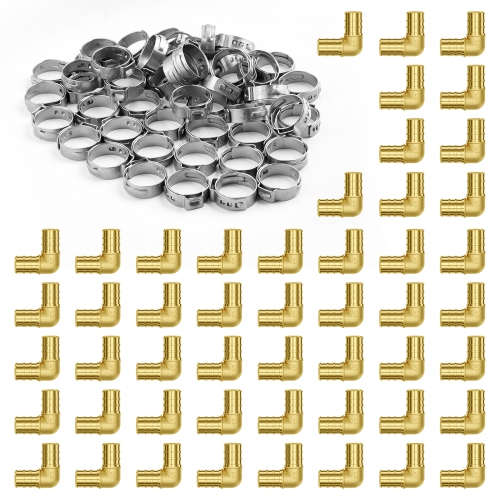
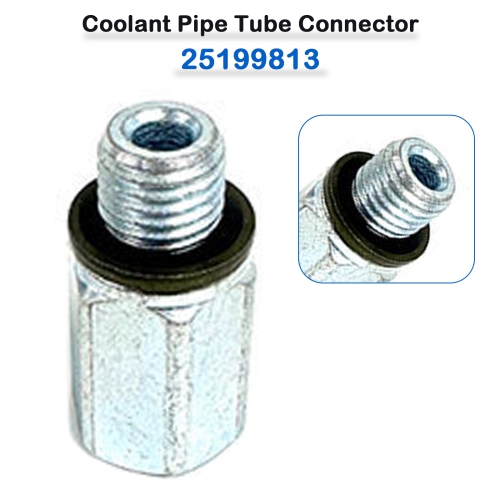
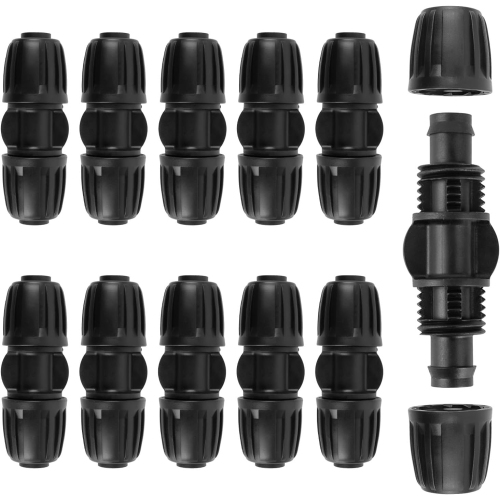
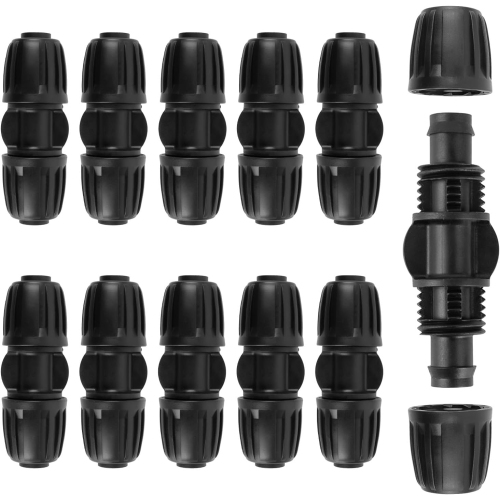
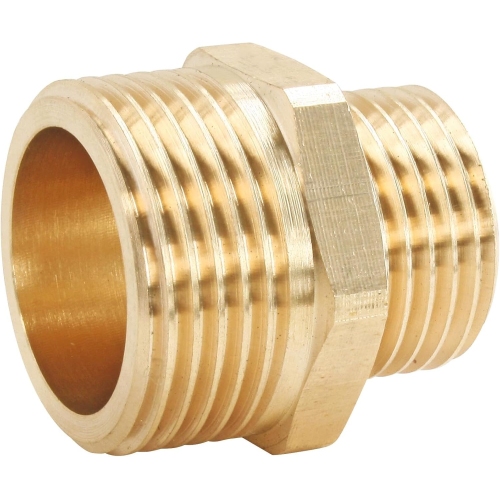
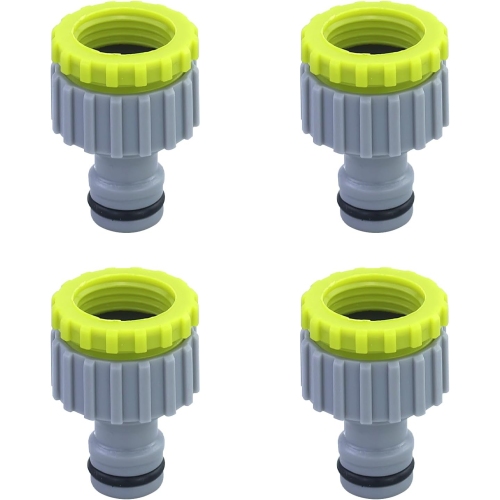
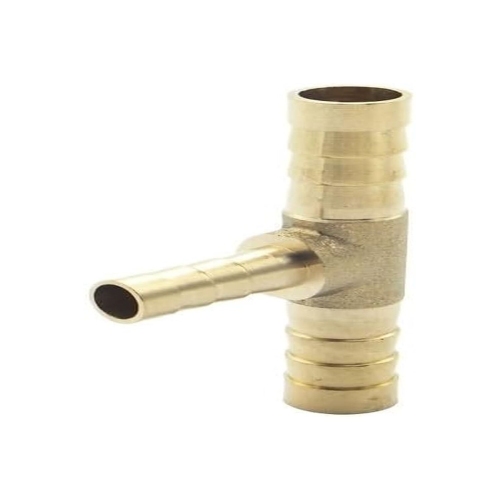
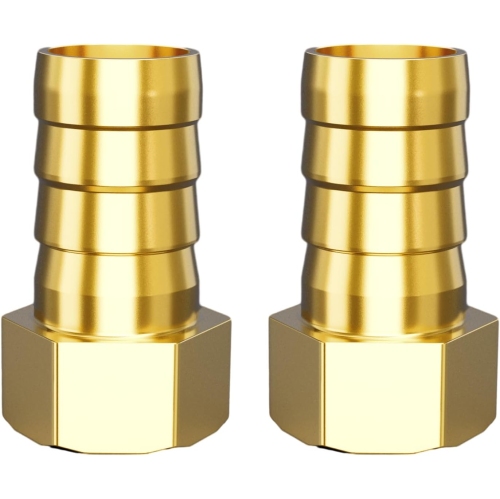
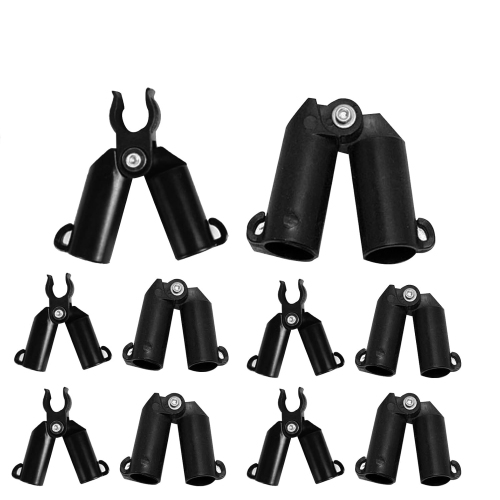
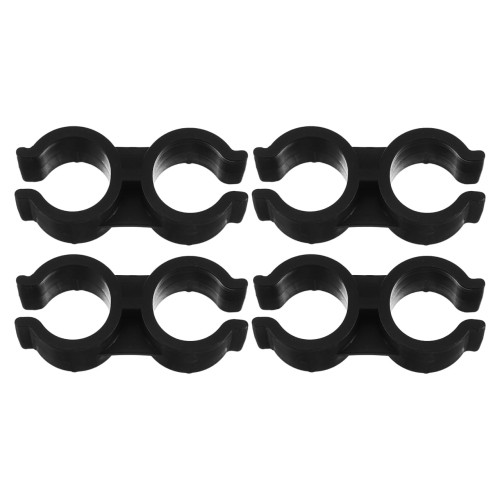
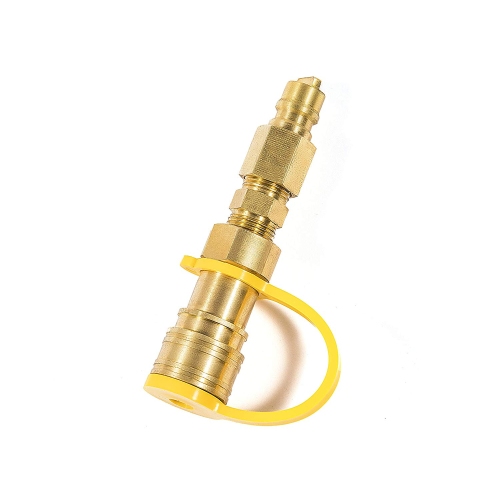
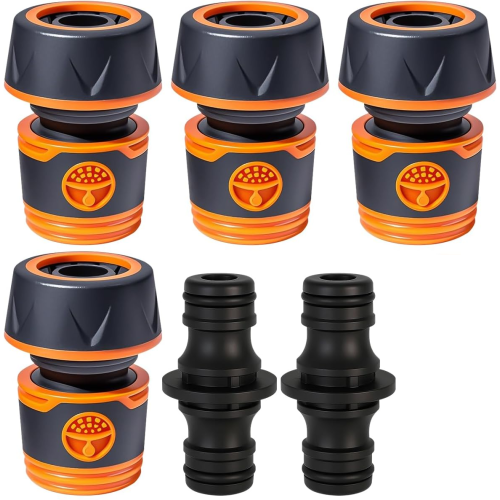
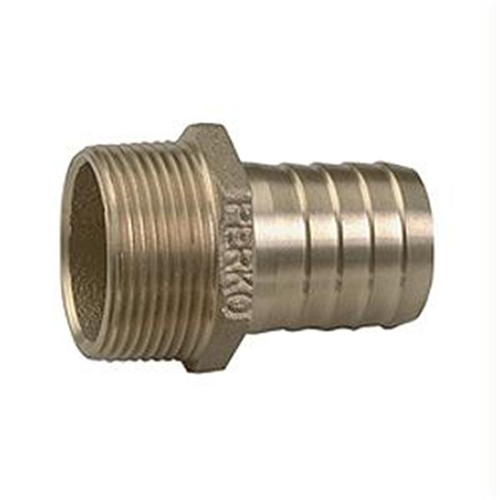
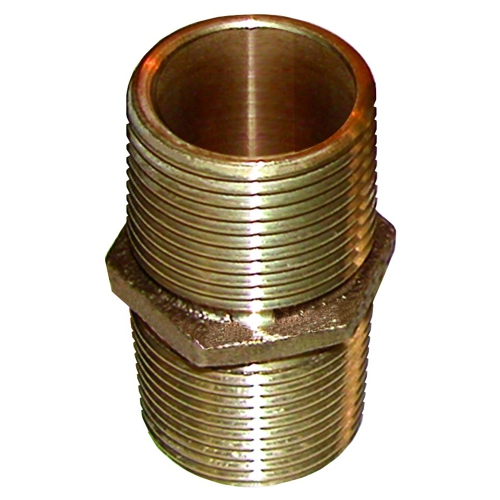

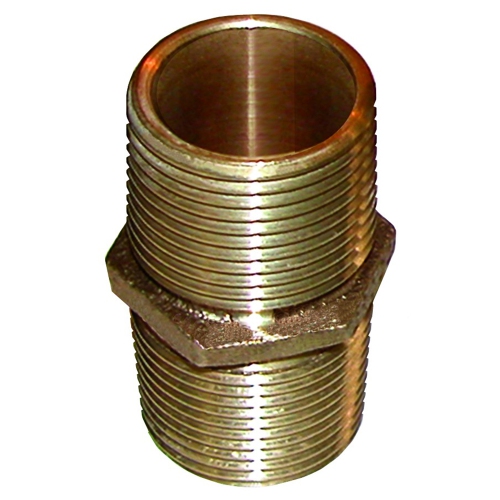
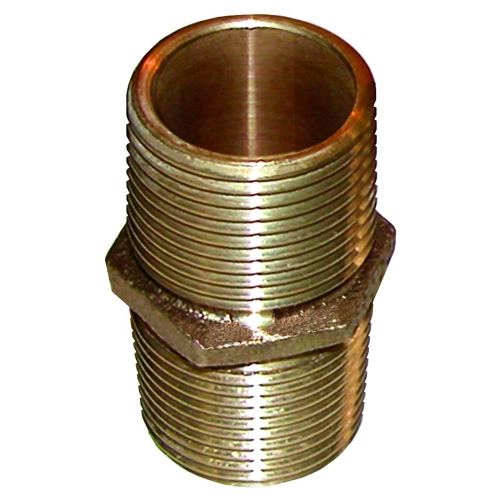
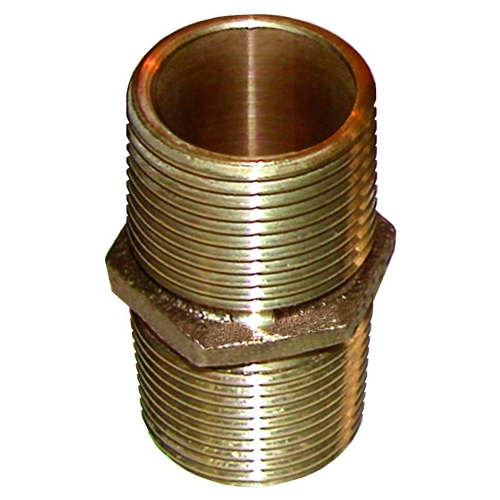
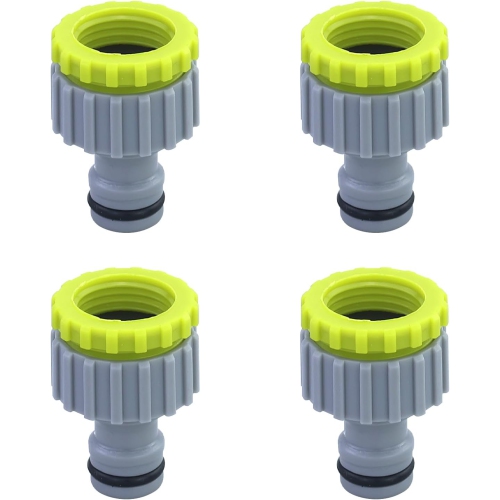
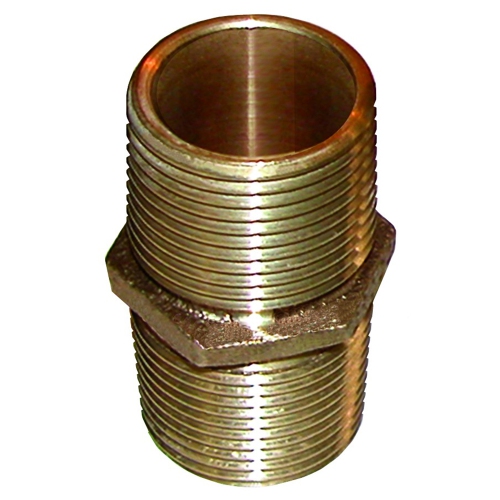
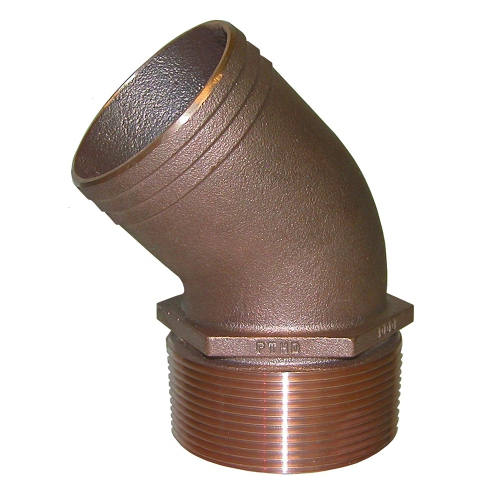
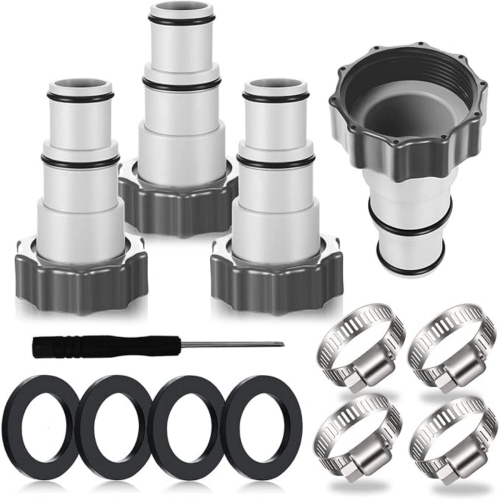
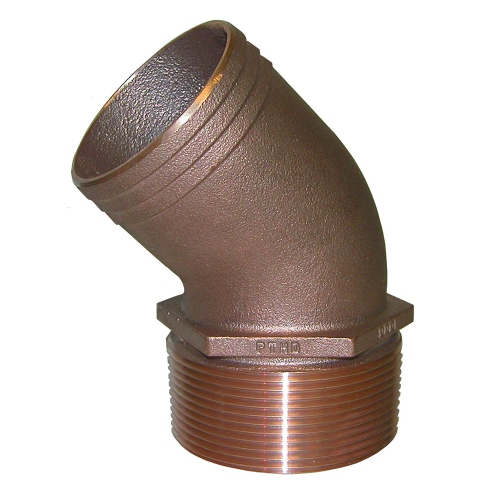
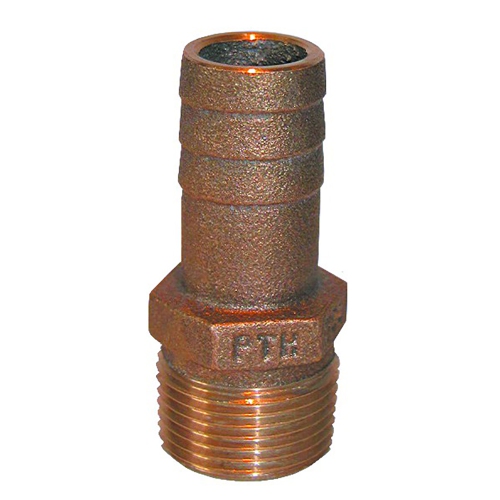
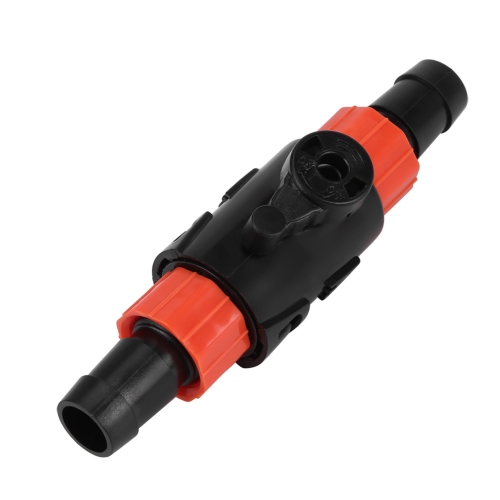
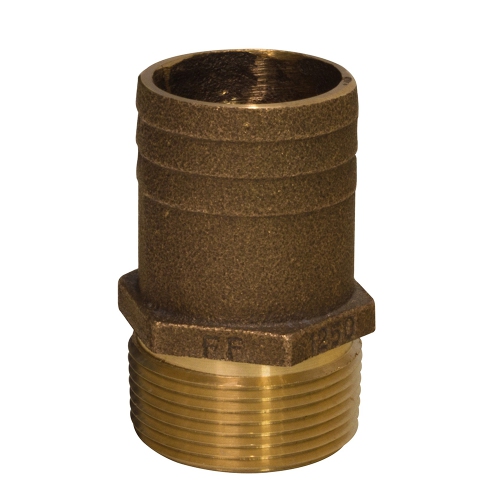
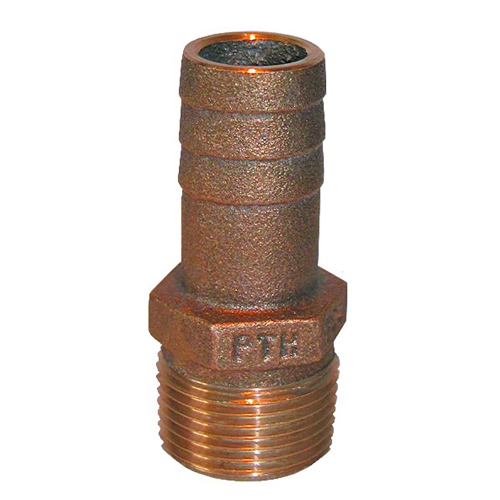
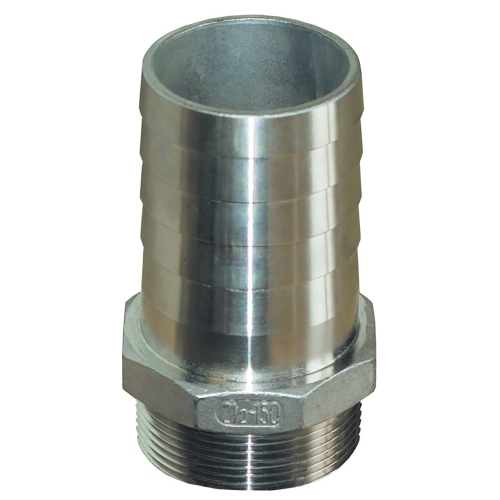
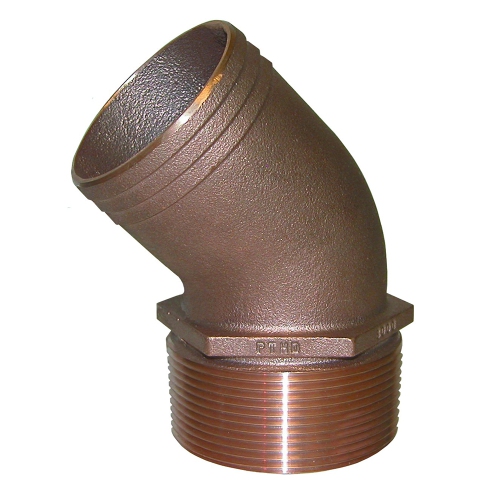

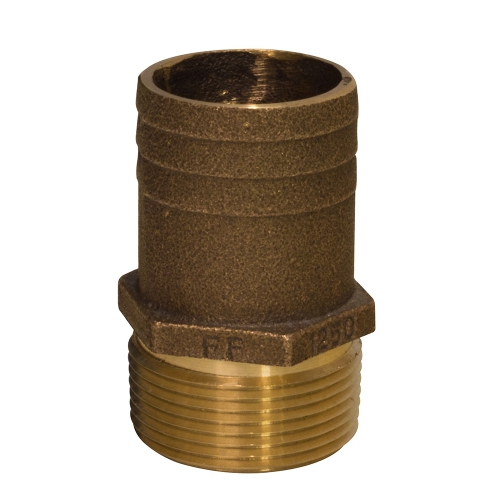
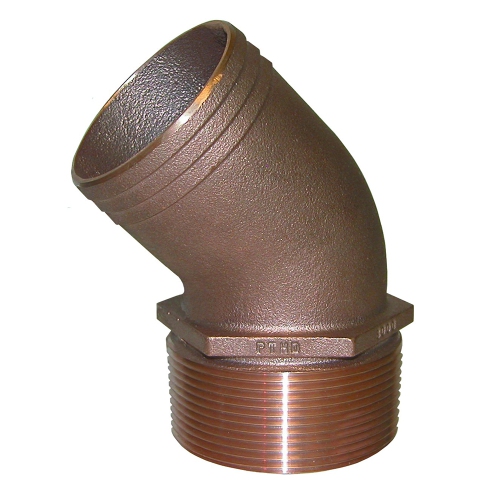
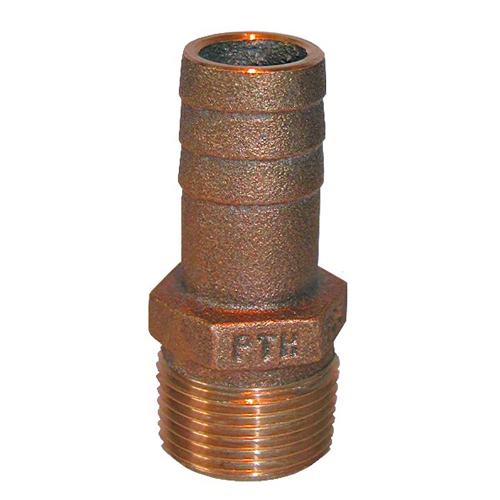
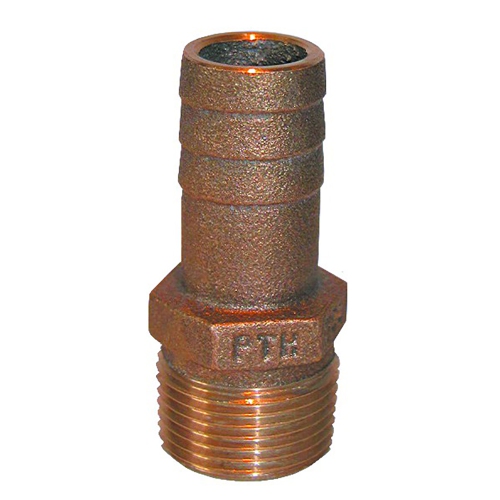
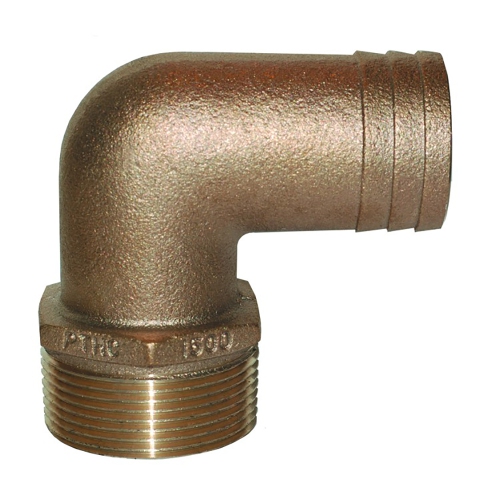
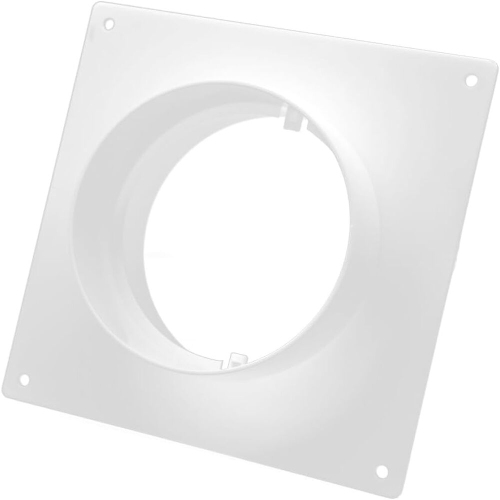
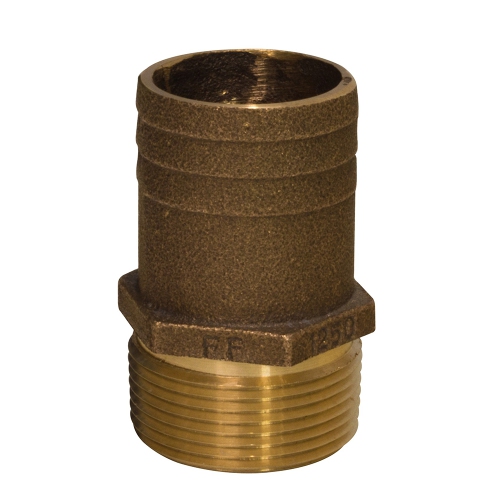
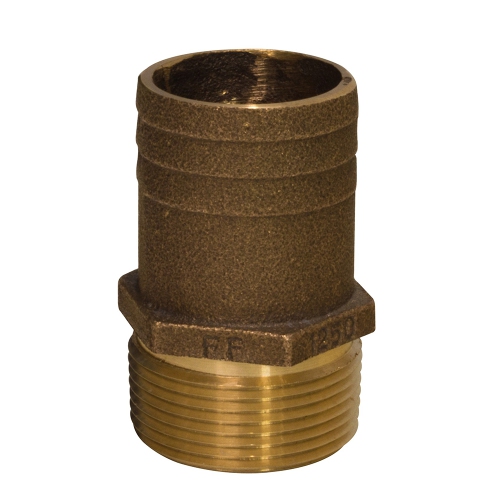
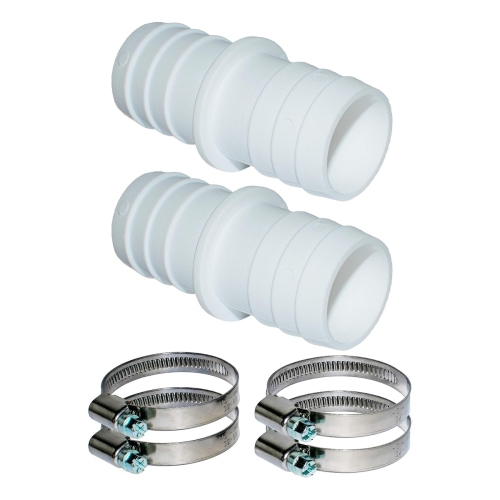
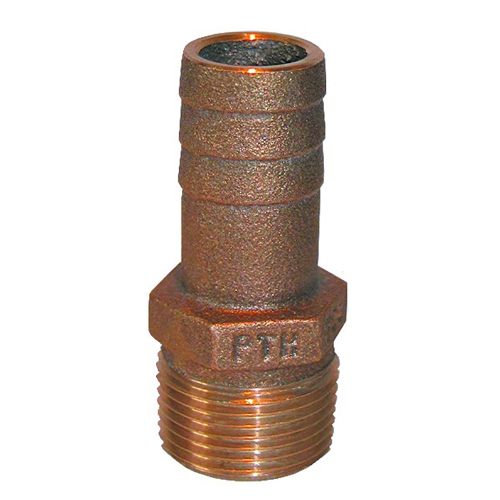
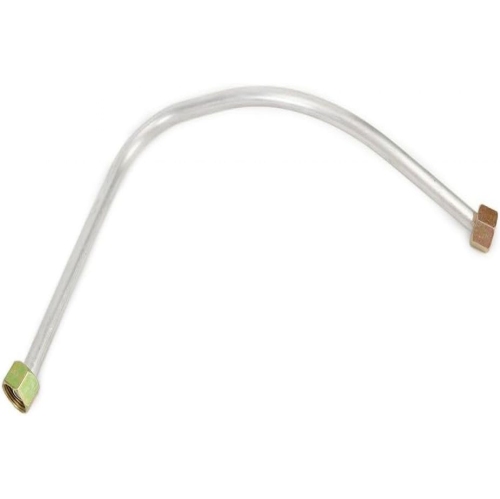
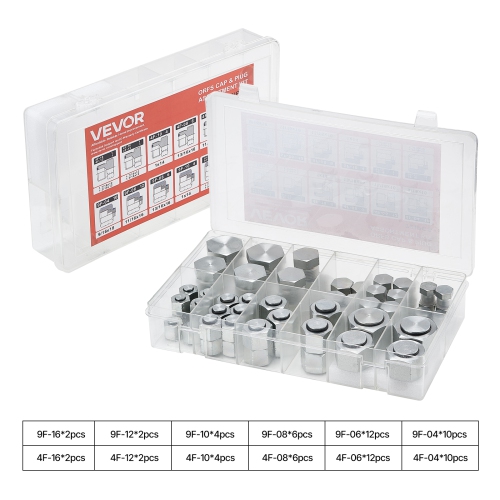
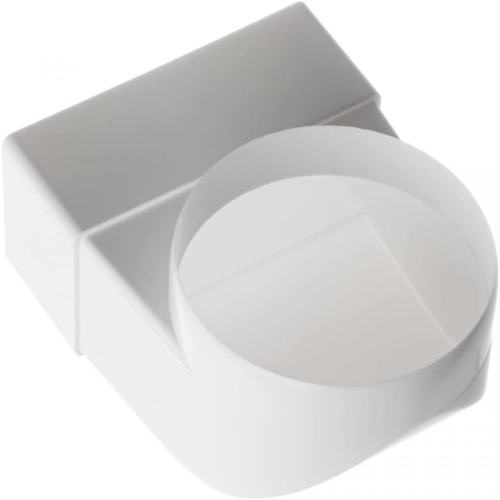
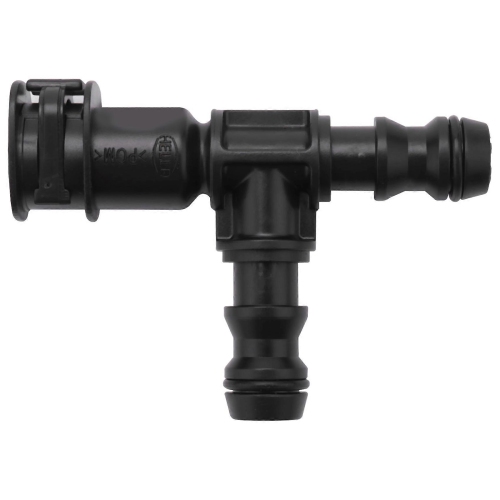
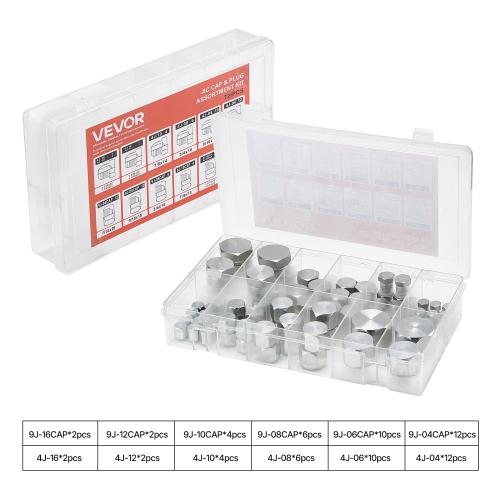
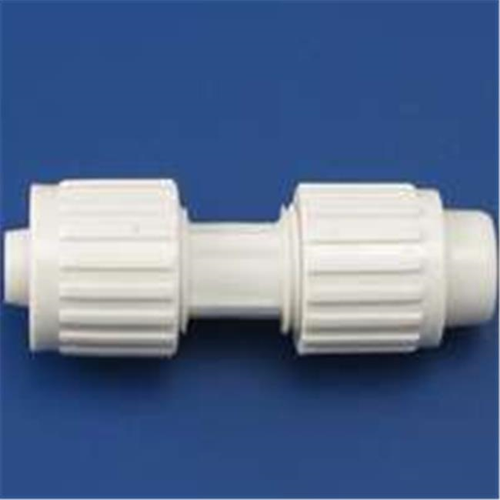
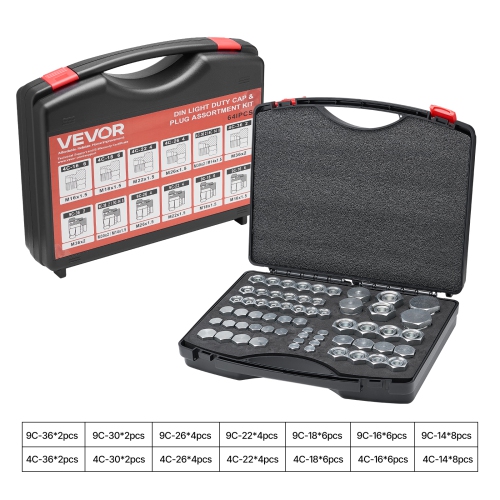
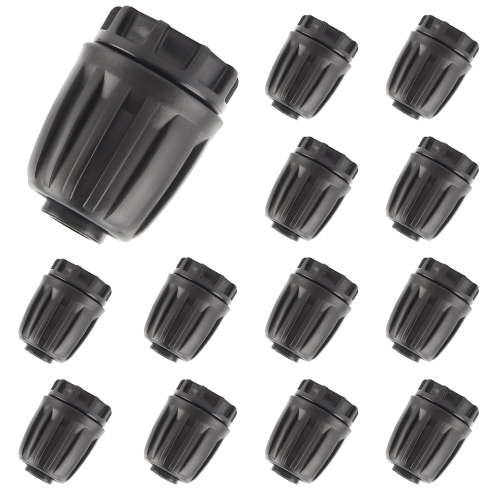
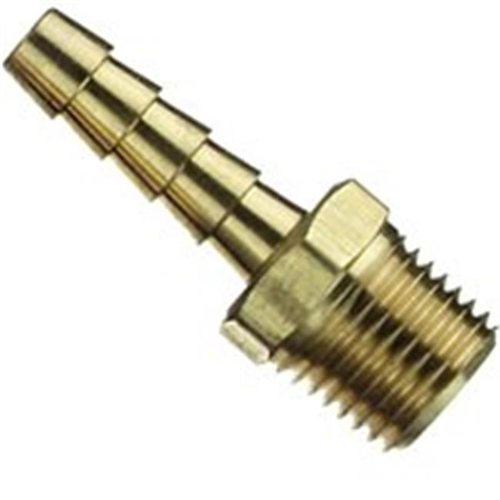
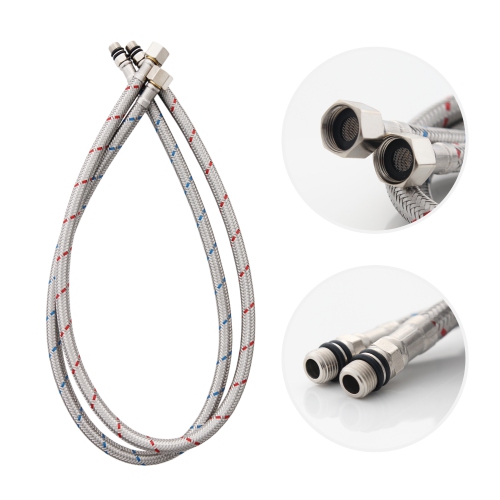
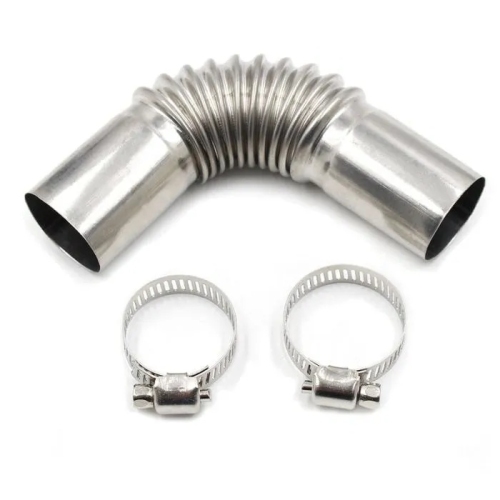
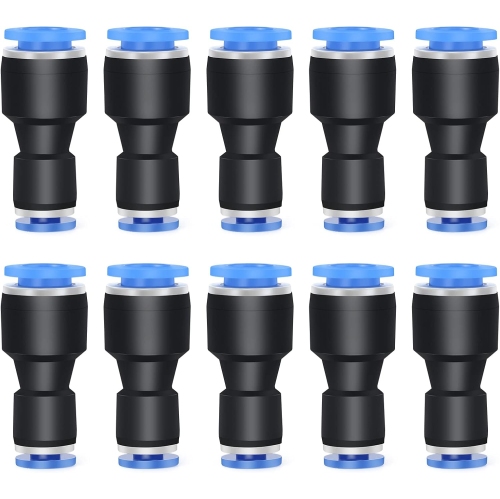
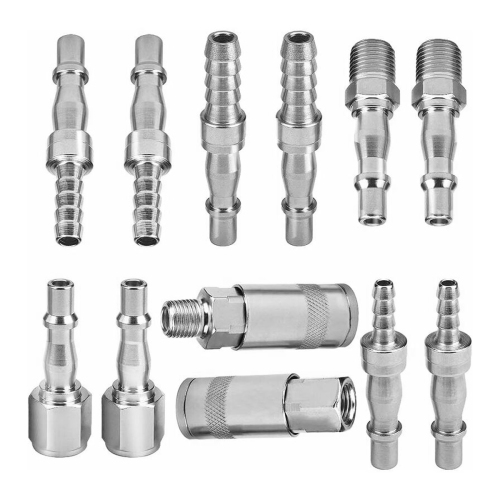
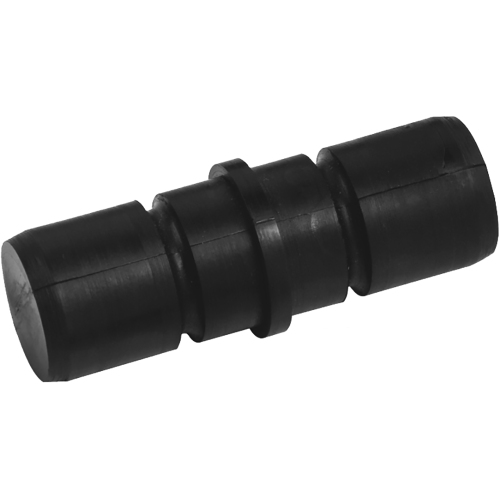
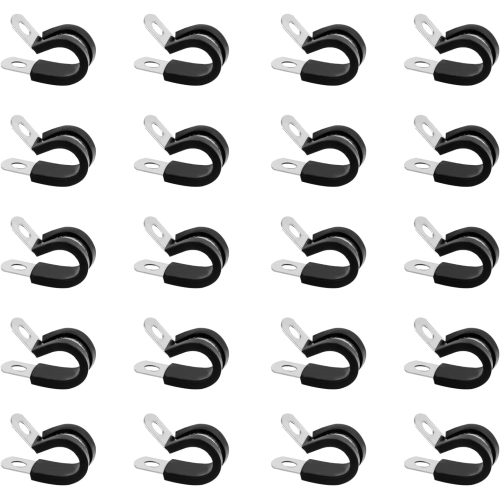
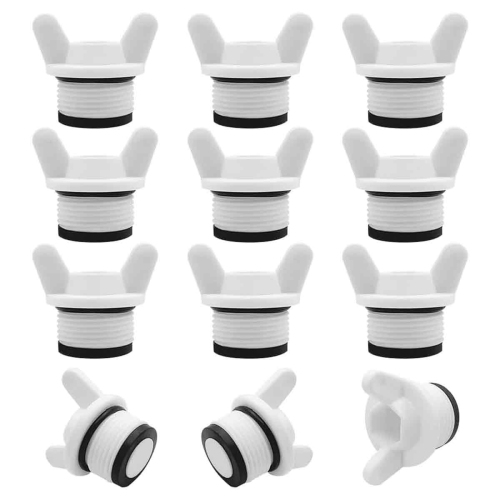
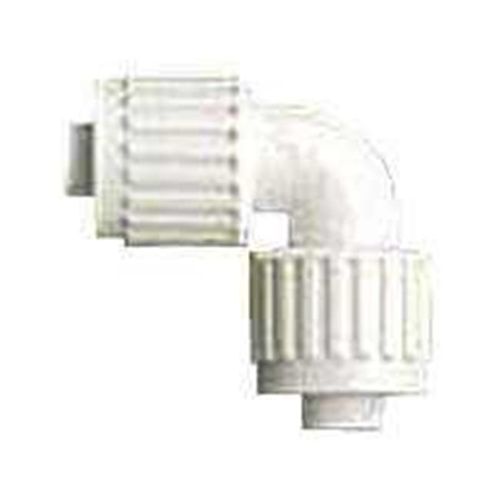
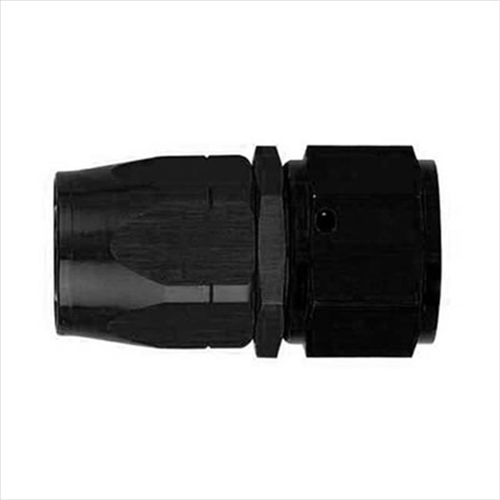
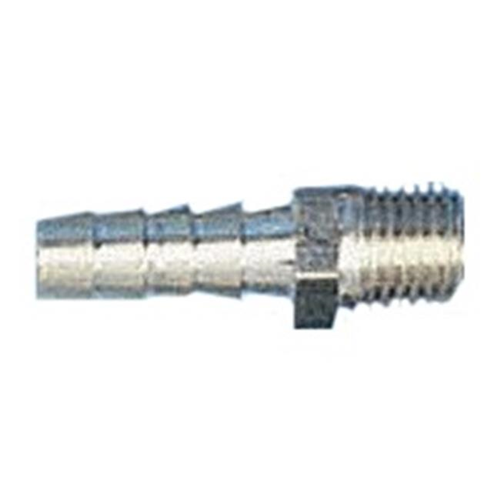
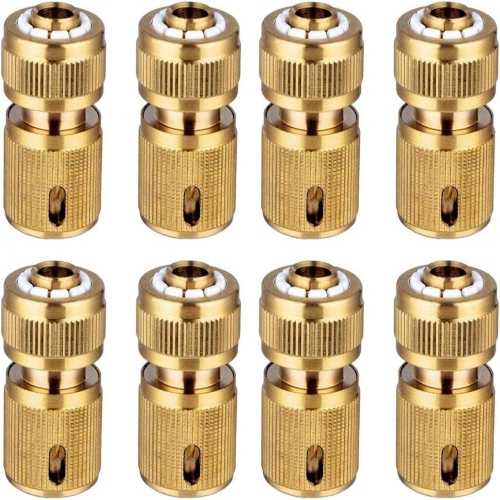
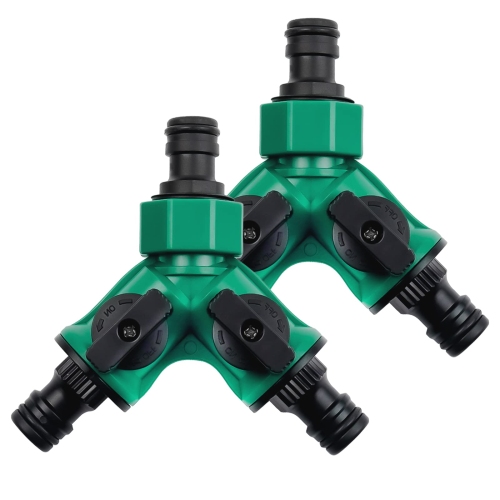
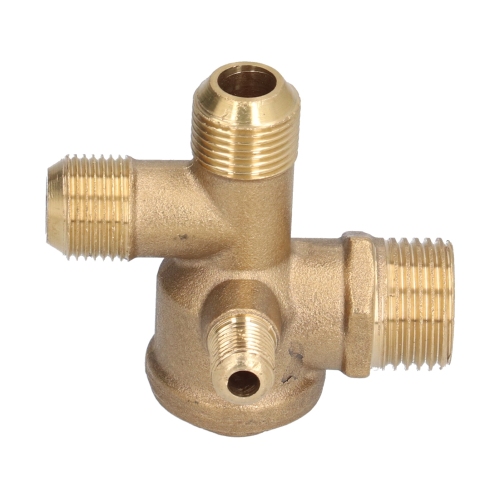
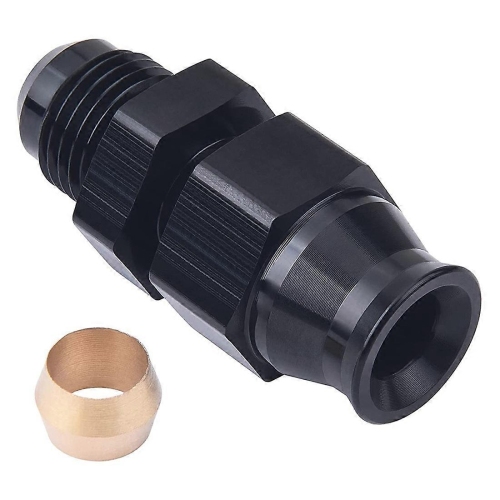
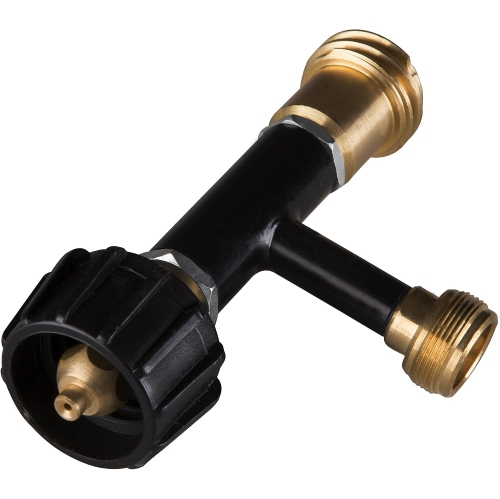
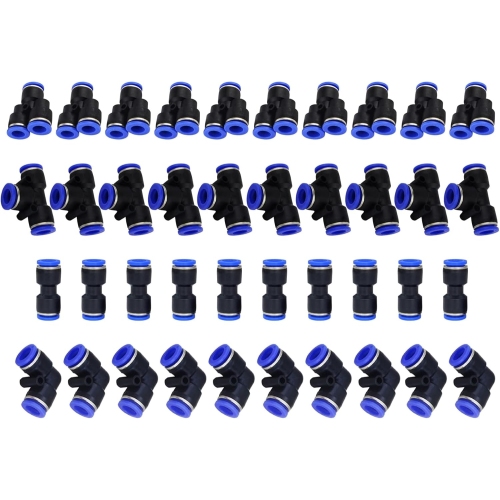
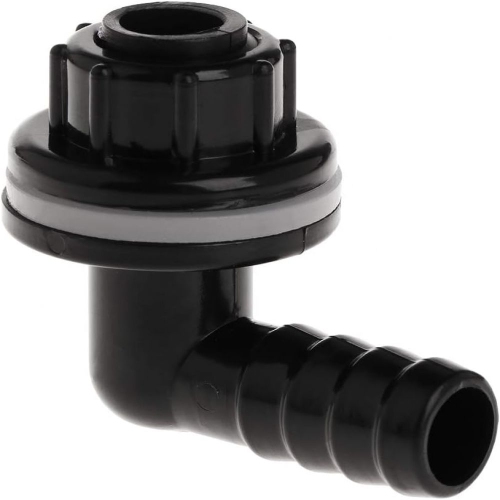
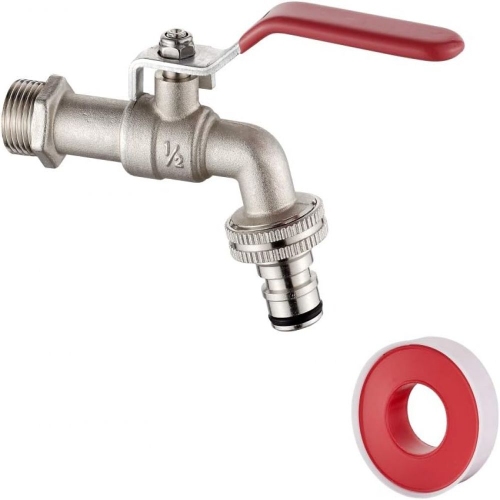
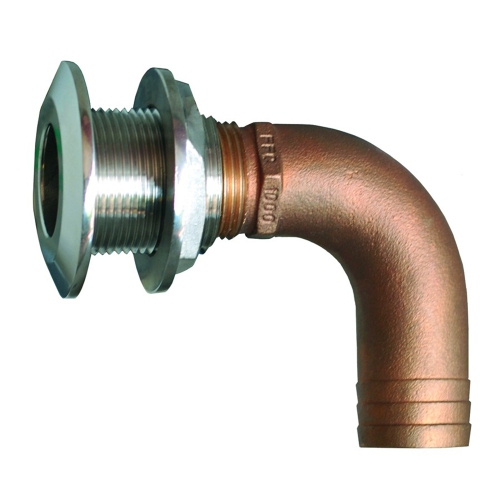
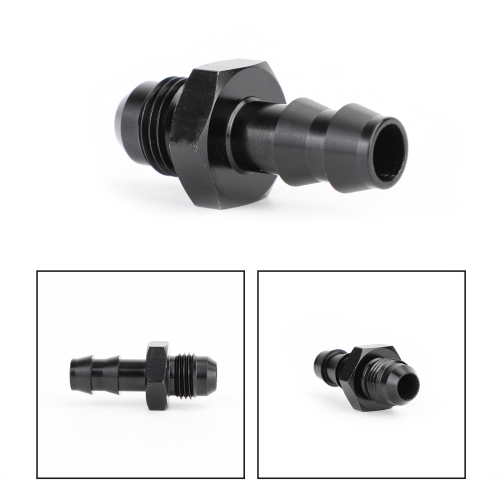
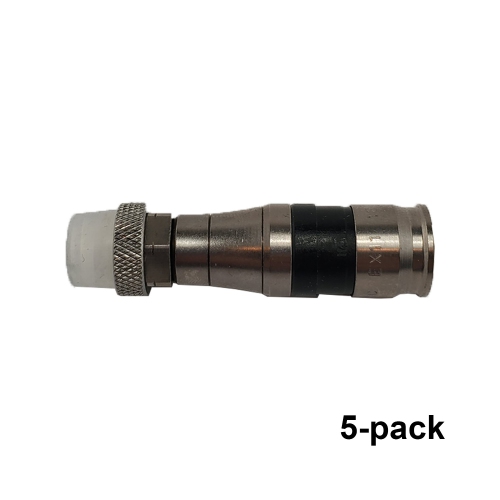
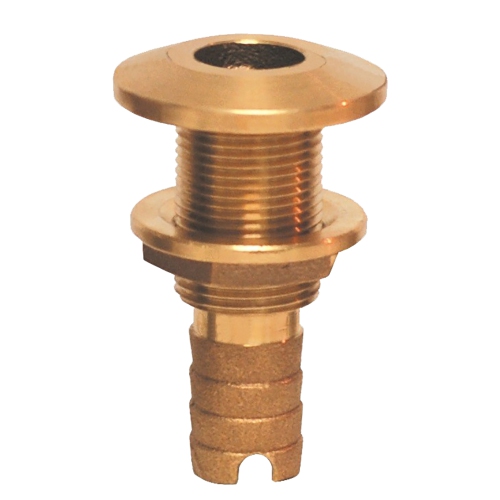
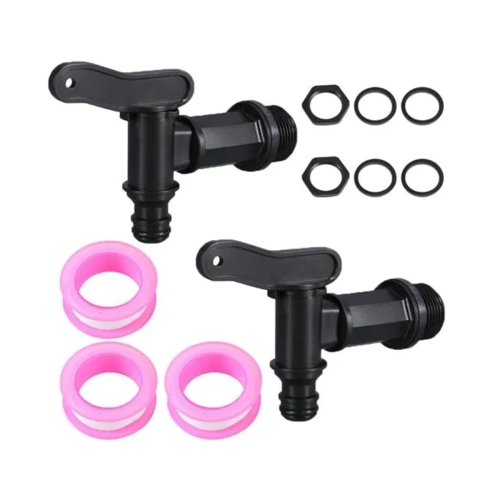
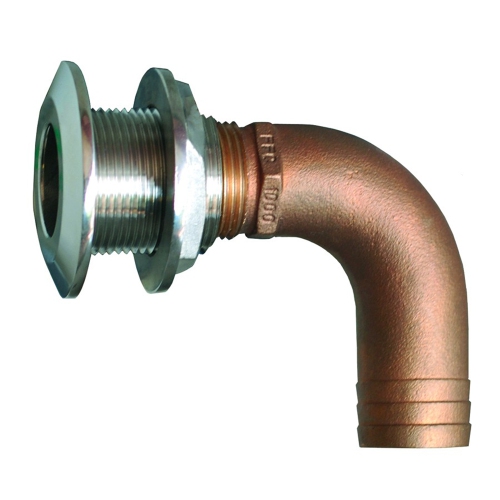
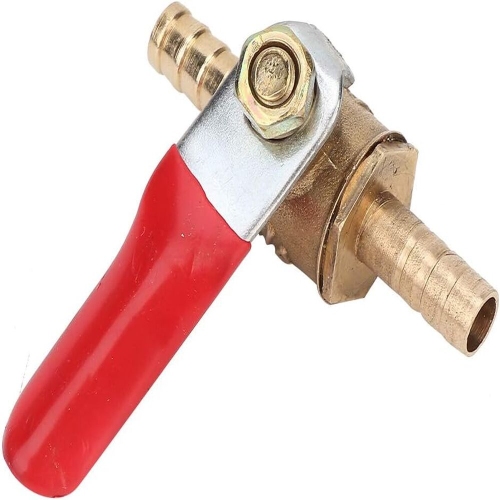

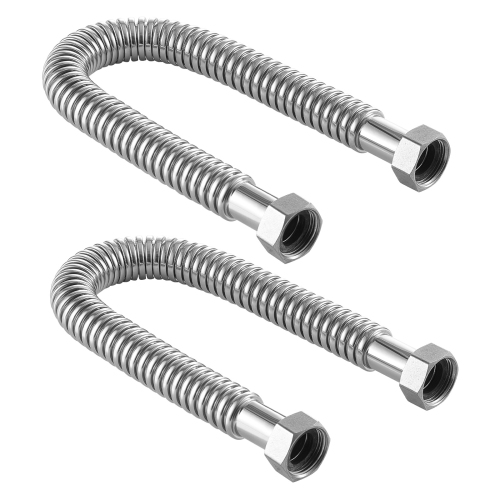
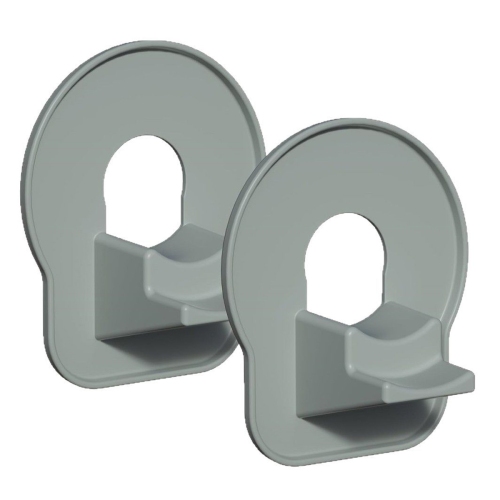

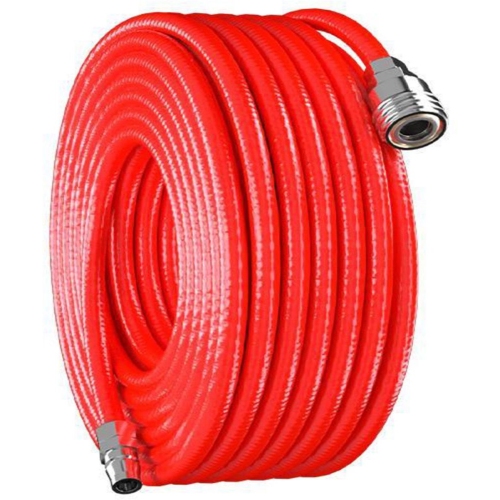
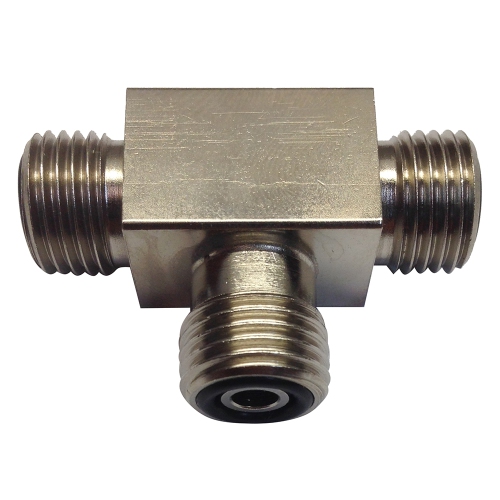
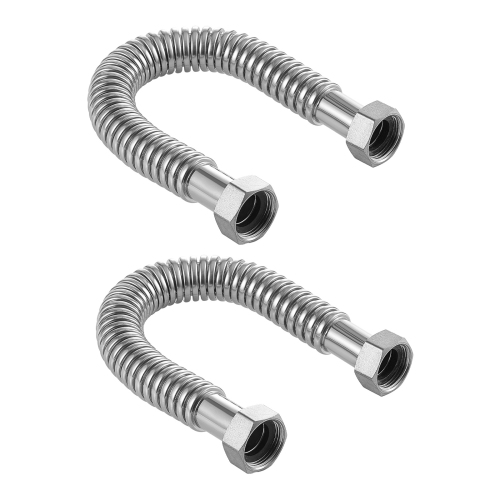
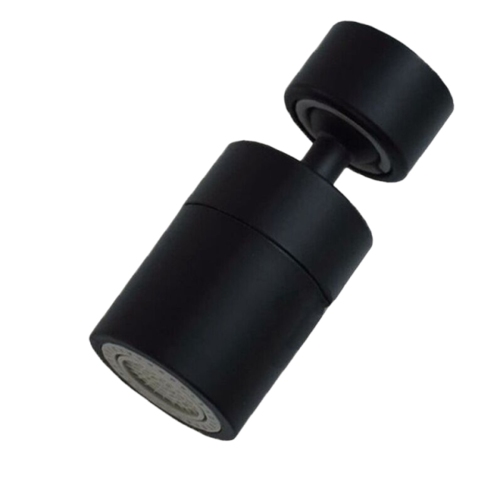

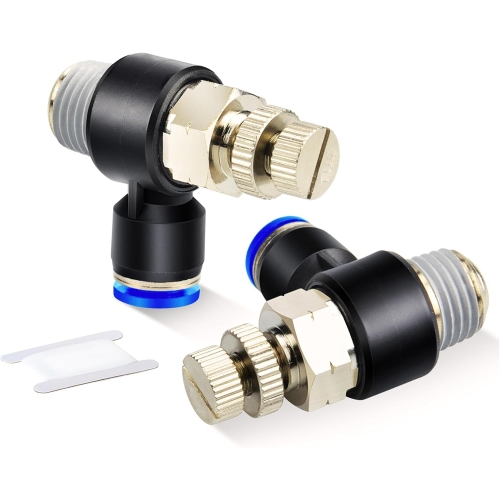
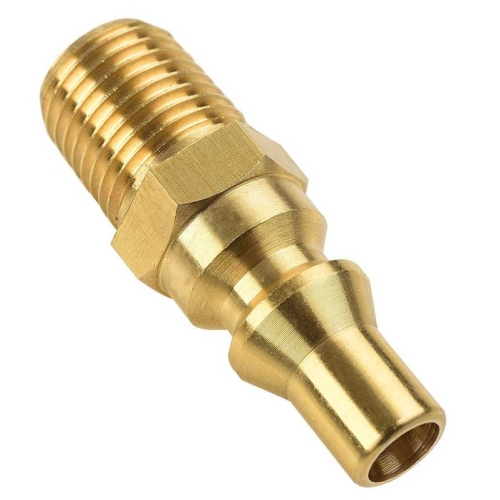
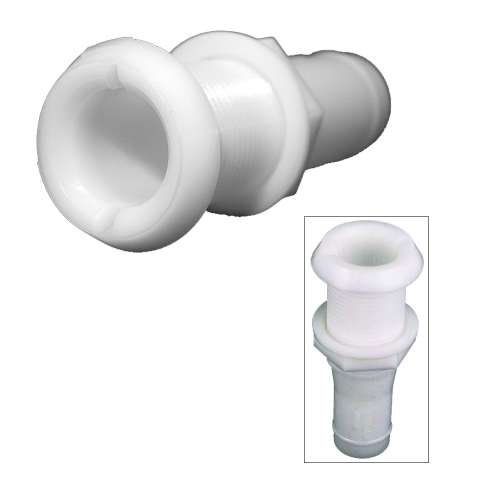
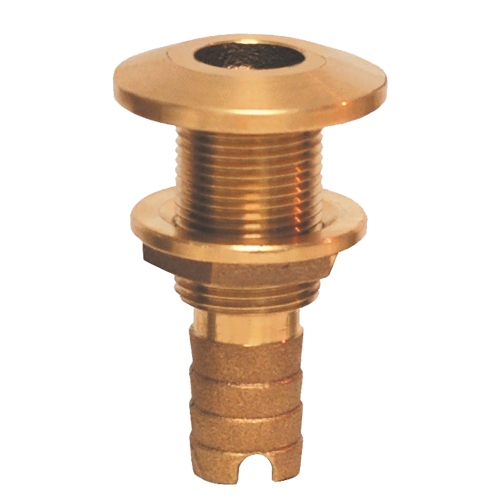
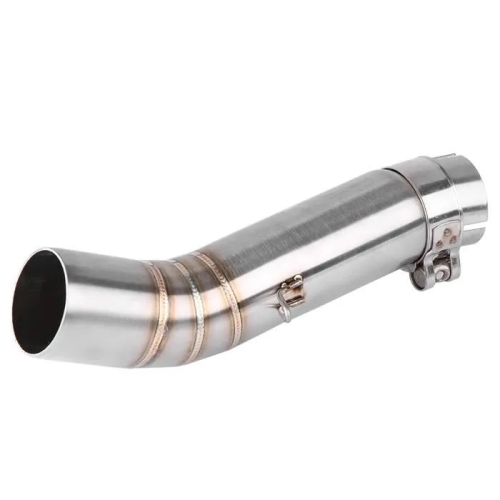
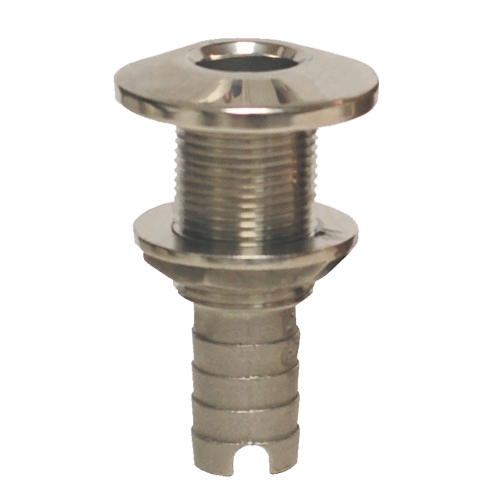
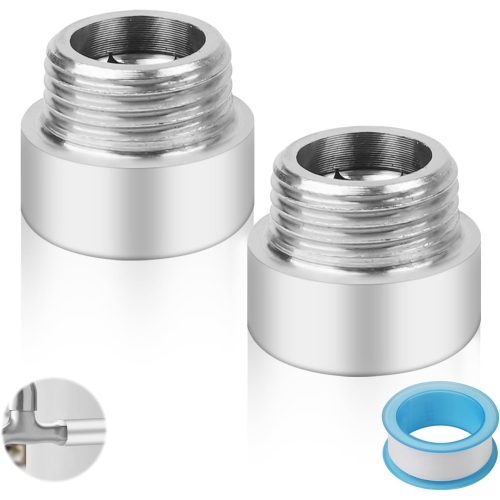
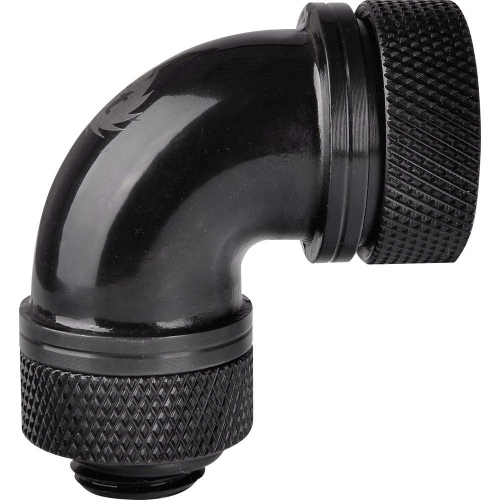
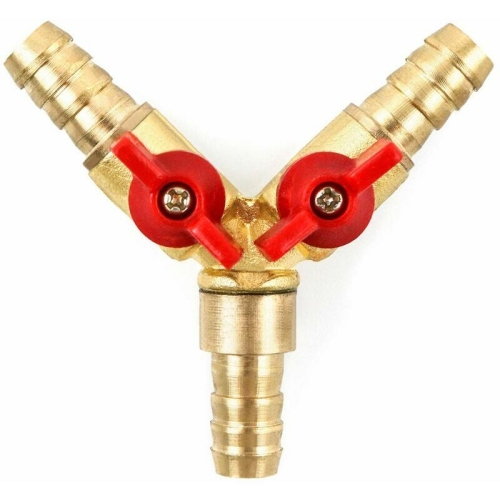
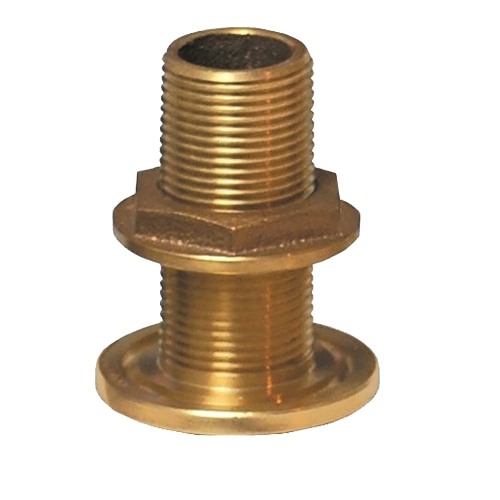
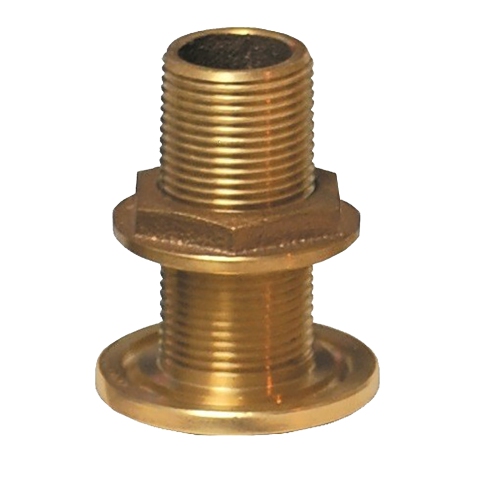
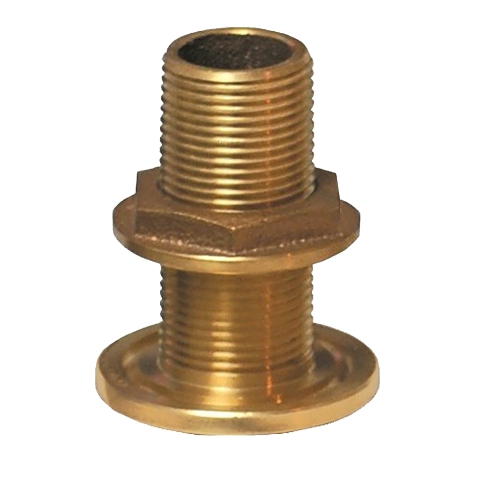
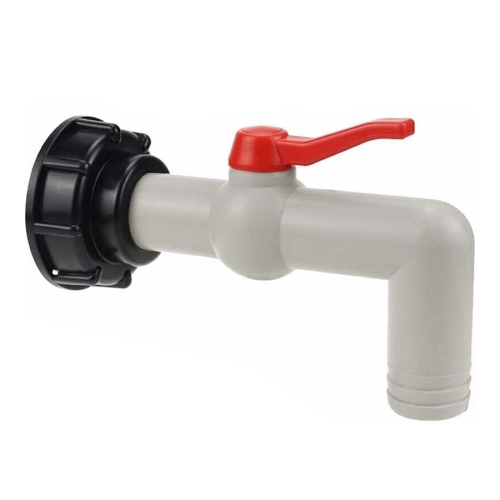
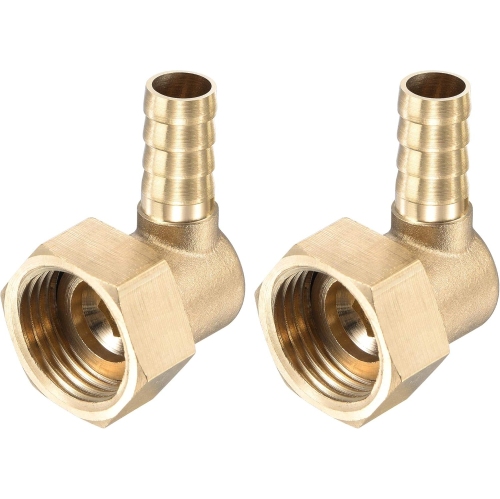
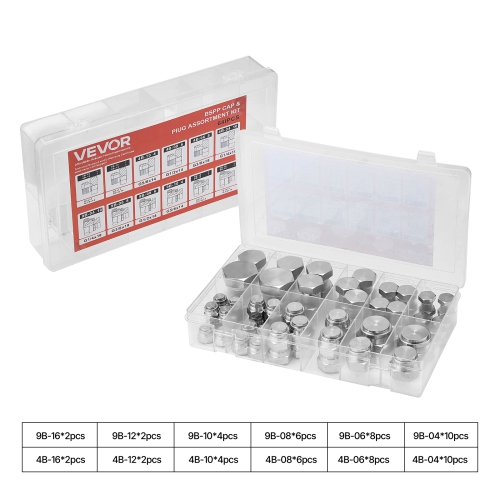
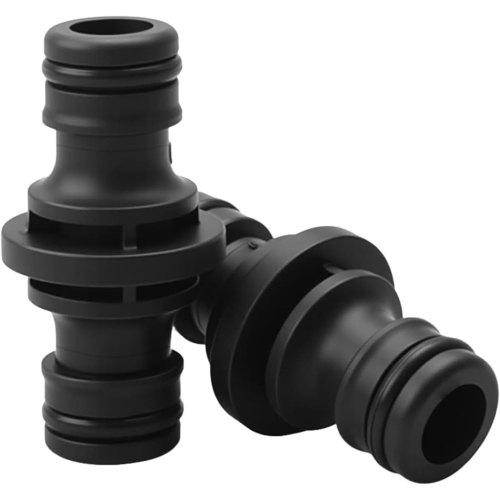
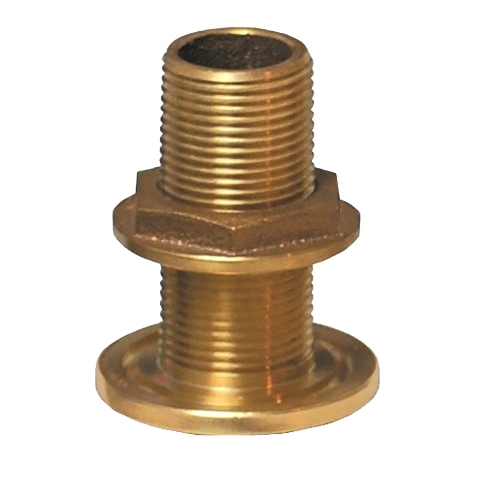
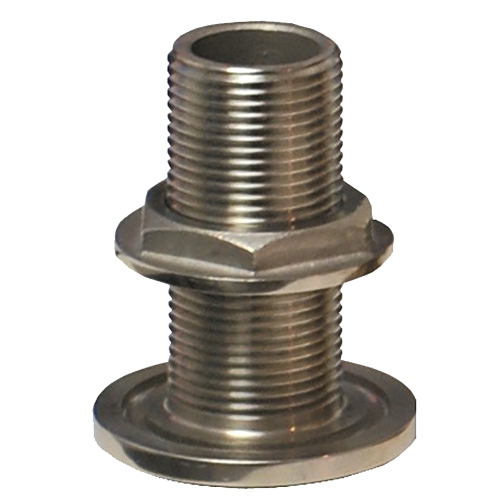
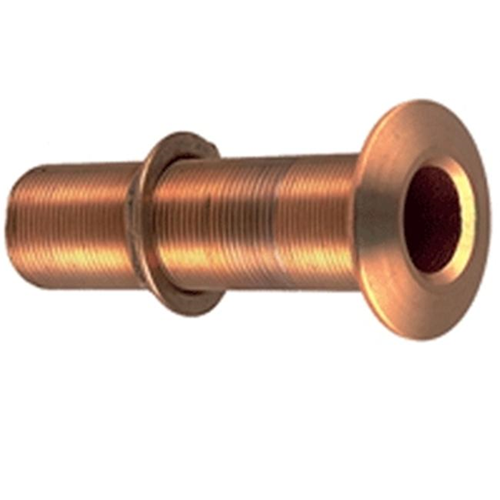
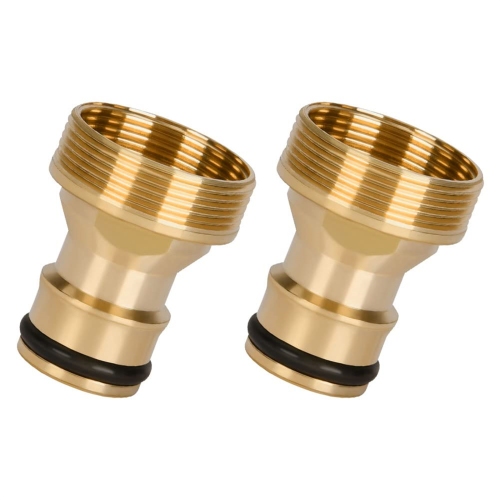
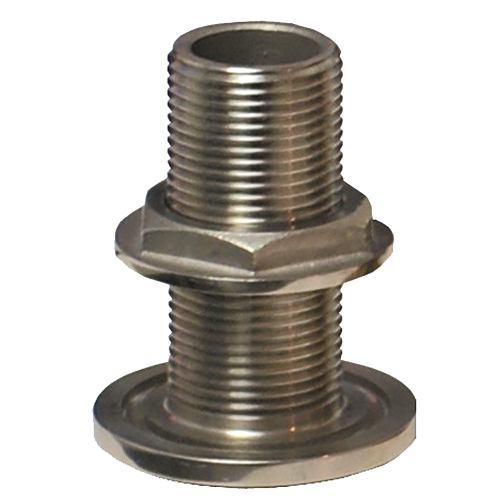
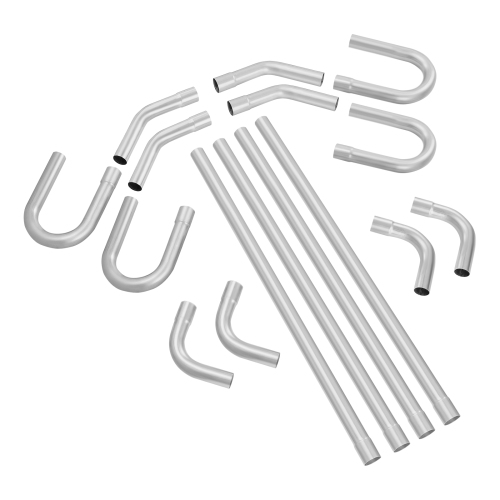
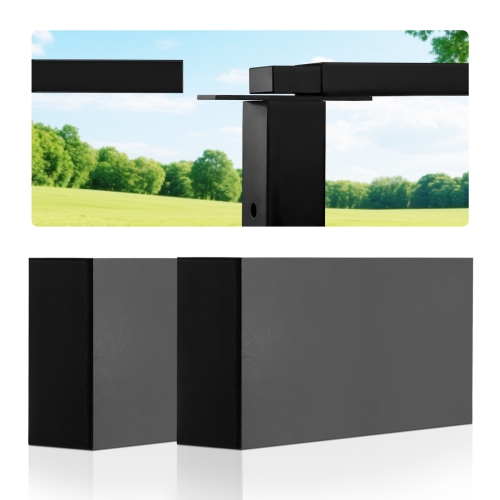
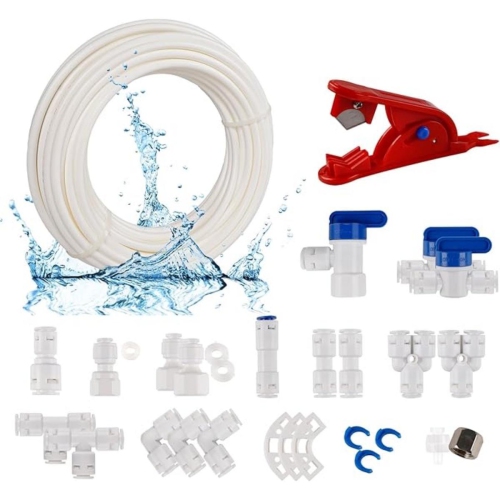
The right pipe connection goes beyond matching sizes
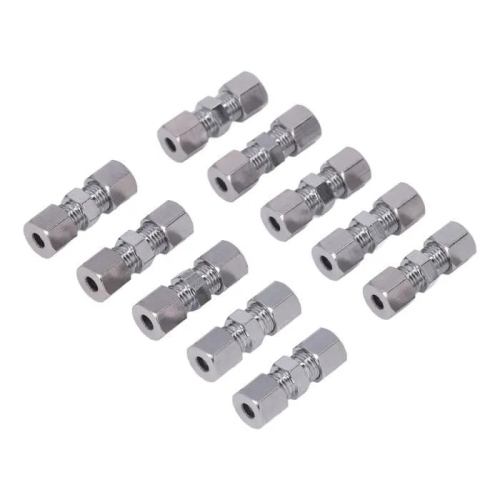
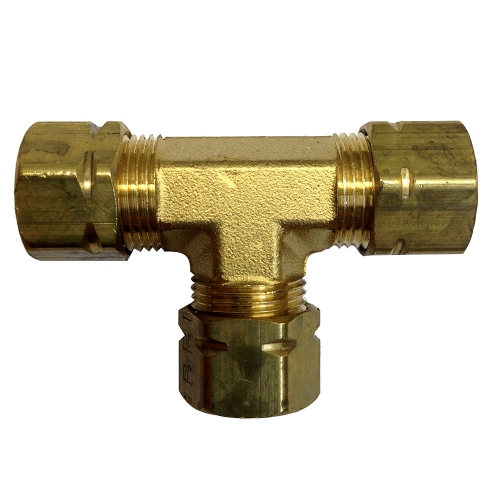
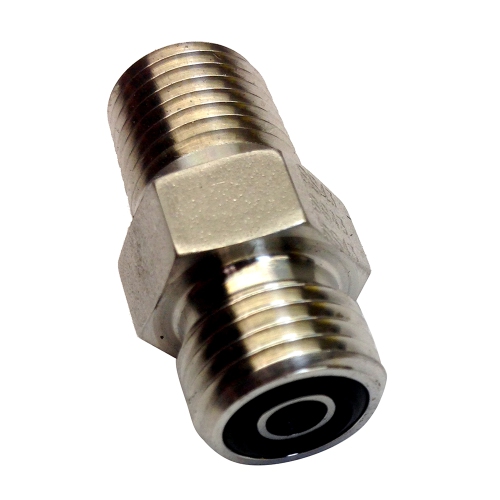
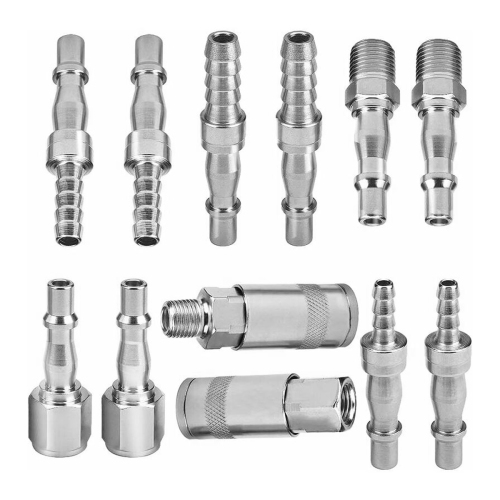
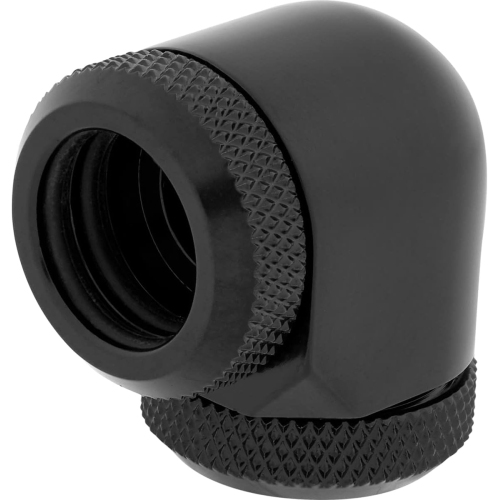
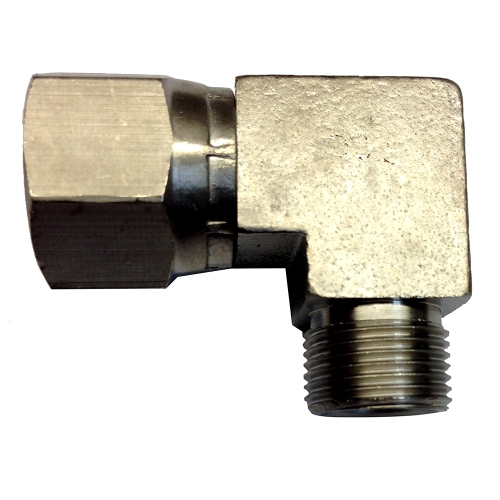
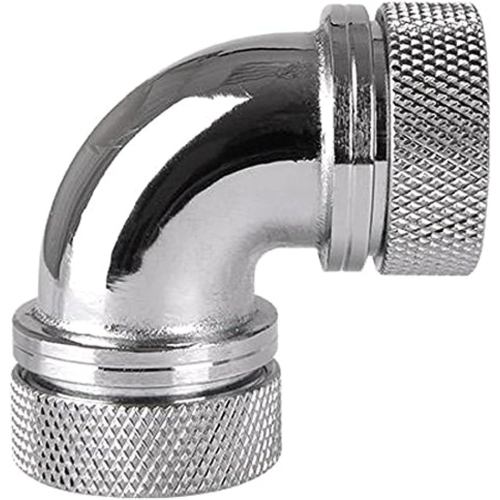
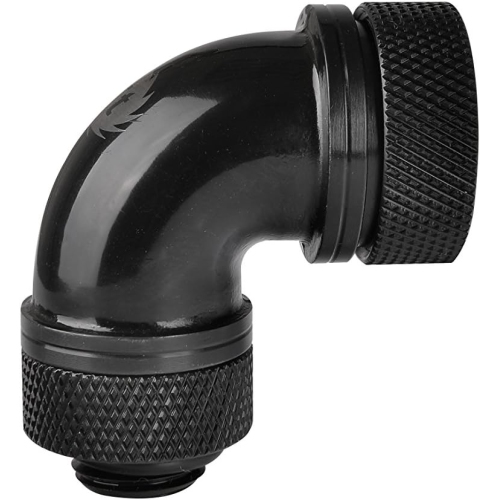
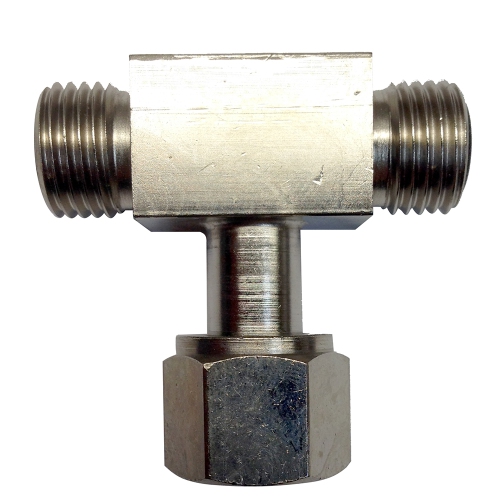
Pipe connectors join sections of pipe, link different pipe sizes, or create a connection between a pipe and a fixture, valve, or piece of equipment. Their purpose is straightforward, but the right fit depends on more than matching two openings. A connector needs to suit the pipe material, dimensions, joining method, and intended service, whether that means a household water supply, a drainage line, or a workshop air system. Straight couplings connect pipe runs, elbows change direction, tees create branches, and reducers connect different sizes. Unions provide a joint that can be separated for servicing, while adapters connect compatible systems with different end types. These distinctions matter in everyday spaces: a connection behind a bathroom vanity may need to fit within a shallow cabinet, while one beside a utility sink may need to leave room for a shut-off valve and future repairs. Pipe size also deserves attention because a nominal size is a trade designation, not necessarily the measured inside or outside diameter. Two components carrying the same nominal size are not automatically compatible if they belong to different piping systems. Threaded connections have additional differences, including thread pitch, profile, and whether the thread is tapered or parallel. North American NPT threads and BSP threads should not be treated as interchangeable; a purpose-made adapter may be needed to join systems using different standards. Connection styles include threaded, compression, push-to-connect, soldered, crimped, pressed, and solvent-welded designs, each intended for particular materials and installation requirements. A push-to-connect fitting, for example, is only suitable for the pipe types expressly identified by its manufacturer. Some configurations also require an internal support sleeve or other specified component. A joint that appears to fit can still be unsuitable if its sealing method or service rating does not match the application. Accurate pipe identification, clear markings, and enough space around the joint make the difference between a connection that merely looks close and one properly suited to the job.
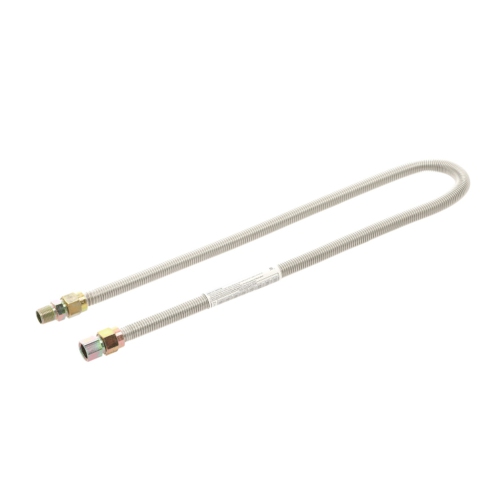
Materials influence a pipe connector’s strength, resistance to corrosion, and compatibility with the rest of the line. Brass is used in many threaded and compression fittings, copper fittings are common in copper piping systems, and stainless steel can be appropriate where its particular grade and service rating meet the application. Plastic connectors include designs made for PVC, CPVC, ABS, and other piping systems, but these materials are not substitutes for one another. Their joining methods, approved uses, and pressure or service-temperature limits can differ substantially. A drain connector, for instance, should not be assumed suitable for a pressurized drinking-water line simply because its diameter matches. For potable-water applications, certification for drinking-water contact and compliance with applicable lead-content requirements are important selection details. Recognized certification markings, manufacturer specifications, and local plumbing requirements provide more useful information than appearance alone. In solvent-welded systems, the fitting material and specified cement must be compatible, with primer used where required. Threaded joints may use a suitable sealant, while compression connections typically seal at a ferrule rather than at the threads. Connections that seal with a washer or O-ring depend on the correct seal material and condition; adding thread tape does not replace a missing or damaged seal. Durability also depends on what passes through the pipe. Water, compressed air, cleaning solutions, and other fluids place different demands on the connector body and sealing components. Contact between dissimilar metals can introduce corrosion concerns, so transitions may require a fitting or separation method approved for that combination. Manufacturer pressure ratings and operating limits apply to the complete connection, not just its strongest component. Gas piping requires connectors specifically approved for that service and installation by a qualified professional as required locally. A water fitting or general-purpose adapter is not a substitute. These material and service distinctions help explain why connectors that look nearly identical can belong in very different applications.
Practical details become especially noticeable during repairs and renovations, when an existing pipe rarely sits in an empty, easily reached space. Homeowners replacing a fixture, property managers arranging maintenance, and tradespeople extending a line may all need connectors, but the demands of each project differ. Inside a vanity, a compact fitting may preserve usable storage space, although there still needs to be enough room for proper assembly and later servicing. Near a pump, filter, or other serviceable equipment, a suitable union can allow separation without cutting out a section of pipe. A transition between an older line and a replacement section may call for a connector specifically designed for the two materials involved, rather than a series of loosely matched adapters. Engagement depth, alignment, and access for the required tools can matter as much as the connector’s overall dimensions. Excessive strain from misaligned pipes can compromise a joint, and a connector should not be expected to support an otherwise unsupported run. Flexible connections serve a different purpose from rigid pipe fittings; when the connection involves compatible flexible tubing or a hose, Hose Connectors may be the more relevant category, depending on the hose type and service requirements. Care is generally centred on keeping joints accessible where required, avoiding damage, and watching for signs such as moisture, staining, corrosion, or movement. Harsh cleaners can affect some plastics and seals, so cleaning methods need to suit the materials. Reusability also varies: some connectors are designed for disconnection, while others form permanent joints or contain parts that require replacement after removal. A fitting described as removable is not automatically suitable for unlimited reuse. For concealed installations, drinking-water work, and any connection with service-specific requirements, approved applications and local code requirements remain essential. The most useful pipe connector is one that matches the pipe and its purpose while allowing the finished assembly to function reliably and remain serviceable.
Top selling and popular products
-
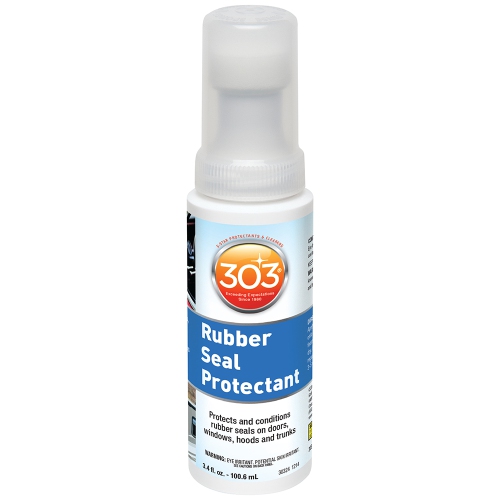 Your price for this item is $28.18
-
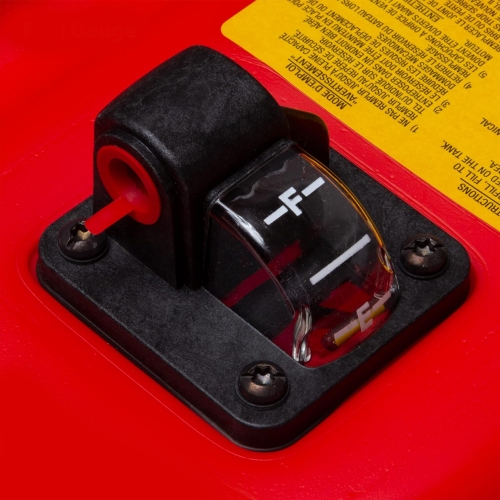 Your price for this item is $226.99
-
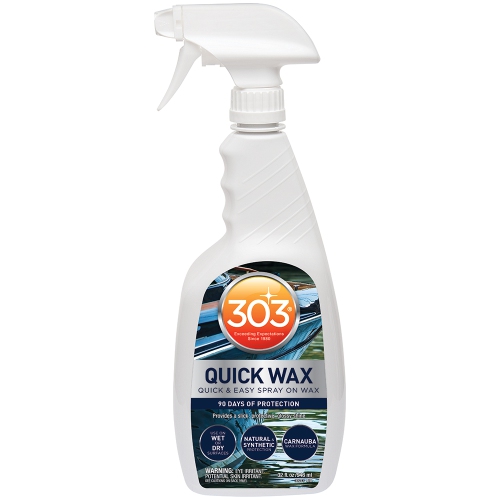 Your price for this item is $38.85
-
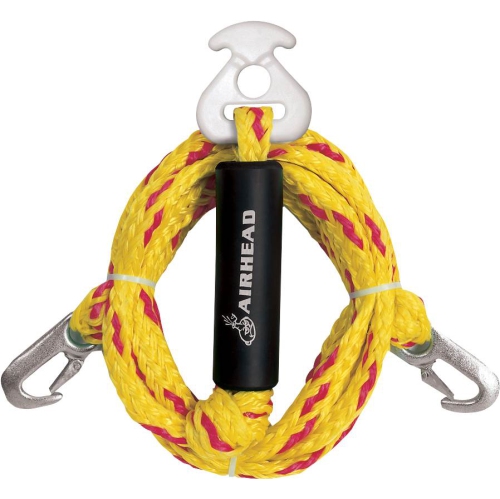 Your price for this item is $91.99
-
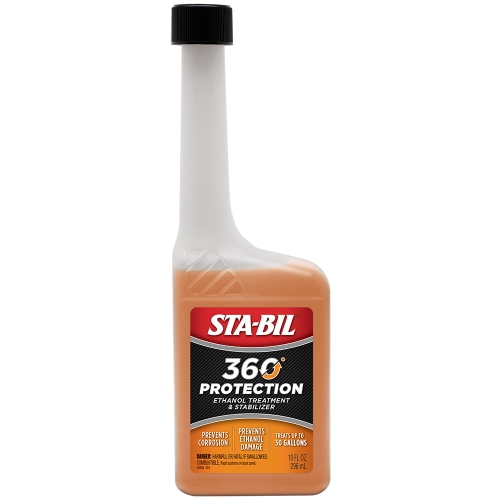 Your price for this item is $32.05
-
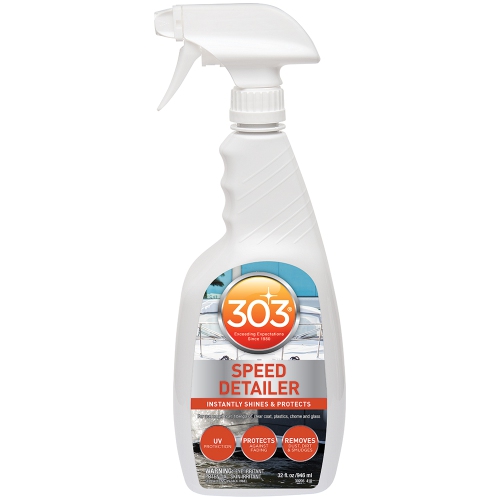 Your price for this item is $35.35
-
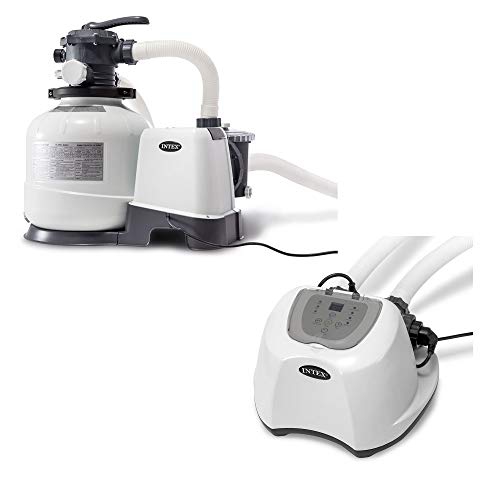 Your price for this item is $837.99
-
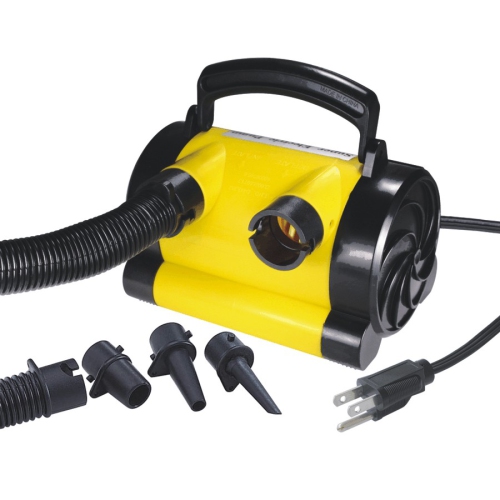 Your price for this item is $63.24
Discover more categories related to Pipe Connectors


Top Collections:
Best Black Friday Deals This Year, Best Black Friday Deals On Electronics, Kindle Devices, Pokemon Centers, Best Black Friday Deals On Apple Products, Best Cameras for Sports Photography, Dyson Airwrap, Pokémon 30th Celebration Cards, Apple iPhone 17 Pro, Canon G7X Cameras
Some products may be subject to Environmental Handling Fees
(EHF) depending on your province.
Learn more about EHFs.