Female To Female Hose Adapters
Female To Female Hose Adapter solutions make it easy to connect hoses and extend reach for a variety of tasks around the home, garden, or workplace. Whether you’re looking to join two hoses together or need a secure fit for your watering system, these adapters provide the flexibility and convenience needed for seamless connections. Explore options that help streamline your setup and keep everything running smoothly with the right Female To Female Hose Adapter for your needs.
Sort
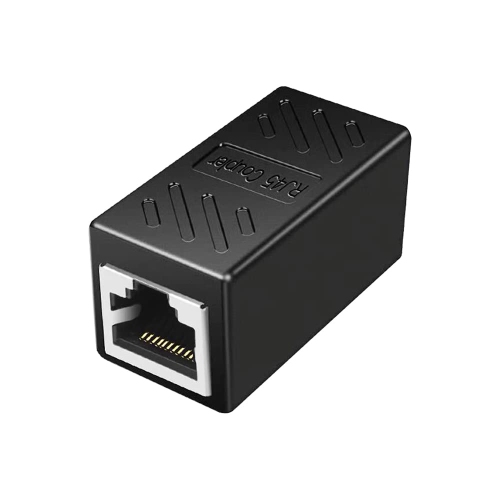
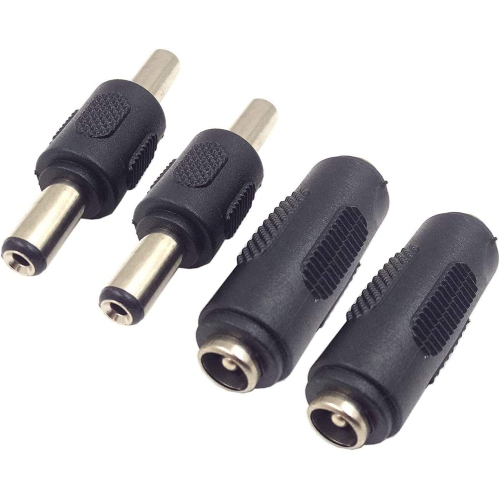
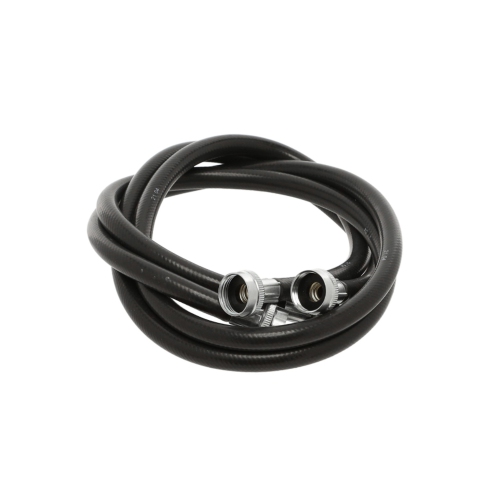
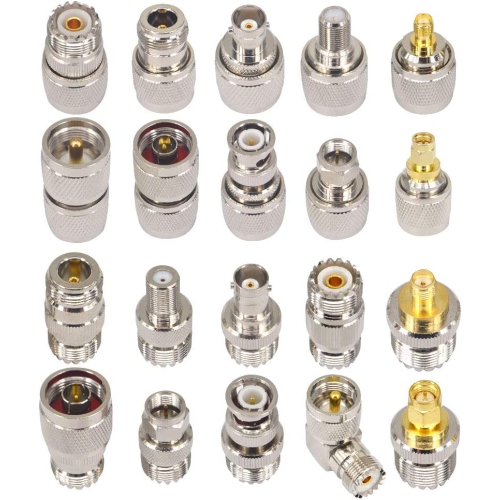
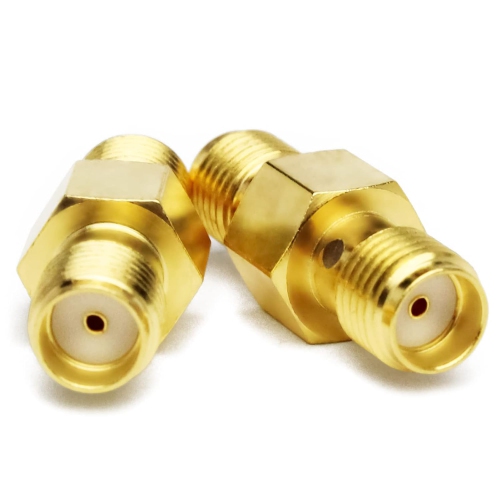
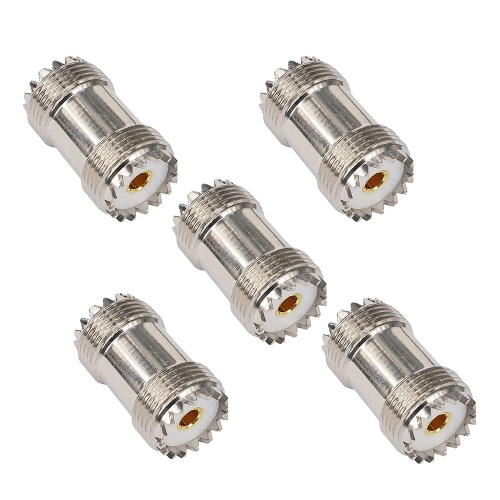
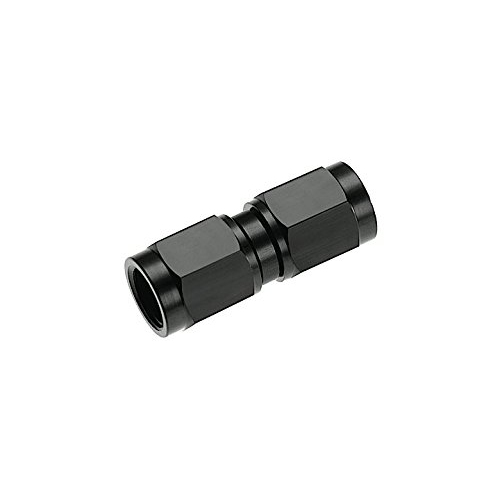
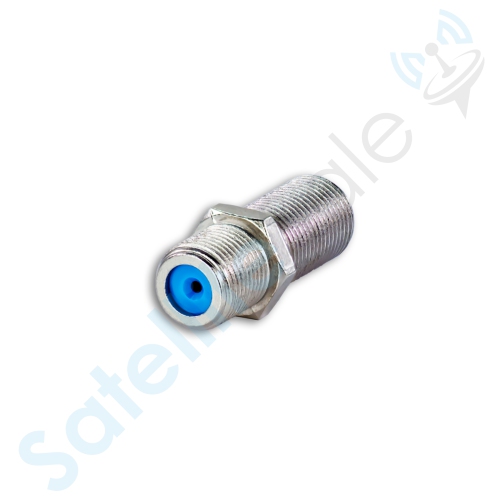
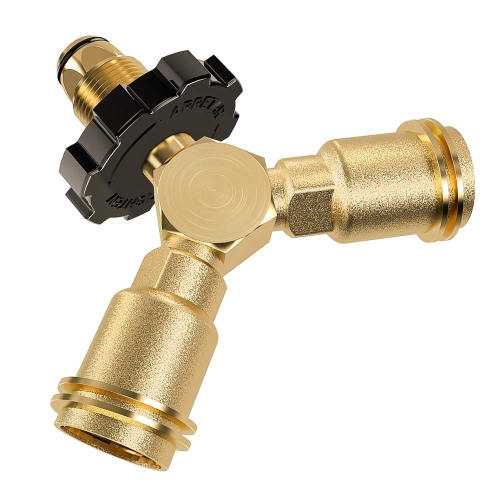
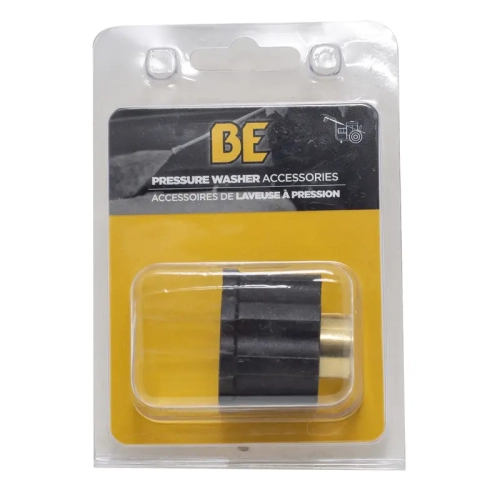
The missing link between two male-threaded hose ends
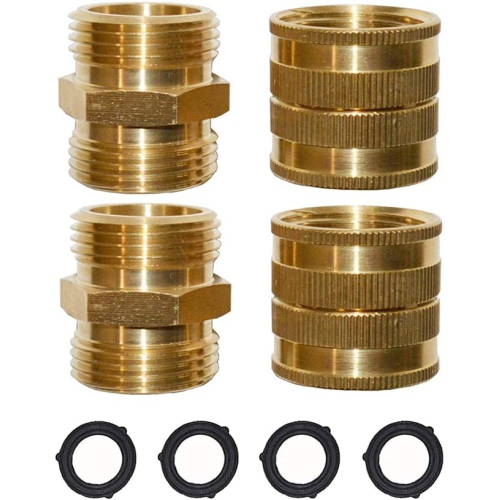
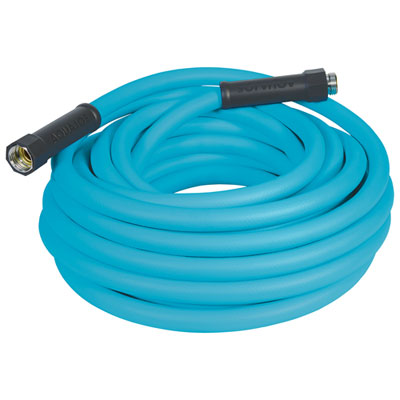
Female-to-female hose adapters are compact couplings with internal threads at both ends, designed to join two compatible male-threaded hose fittings. Often called double-female hose connectors, they solve a straightforward connection problem: two externally threaded ends cannot fasten directly to each other, even when their sizes match. A female-to-female adapter provides the missing connection without requiring either fitting to be replaced. Common garden hose versions have nominal 3/4-inch female garden hose threads on both sides, although the size and thread standard should always be checked against the equipment being connected. These adapters can join two male-ended hose sections, connect a compatible leader hose to a hose reel inlet, or link male-threaded watering accessories where the layout calls for a short coupling. Their usefulness depends on the actual ends in the setup, rather than the accessory name alone. A hose reel, timer, splitter, or other attachment may have different connections at its inlet and outlet. Looking at each connection helps distinguish a double-female adapter from a male-to-female adapter, a hose repair fitting, or a quick-connect coupling. For someone arranging a watering station beside a garage, extending a hose assembly across a patio, or tidying up connections around a reel, the right adapter keeps the arrangement compact and avoids a chain of unnecessary fittings. Homeowners, gardeners, property caretakers, and people maintaining shared outdoor spaces may all find these connectors useful for matching existing equipment. They are small components, but their dimensions matter: a coupling that fits neatly between two accessible hose ends may be awkward behind a wall-mounted reel or beside a closely spaced tap. The most suitable choice matches the threads, leaves enough room for tightening, and allows the connected hose to follow a natural path without pulling sideways on the joint.
Material and construction influence how a female-to-female garden hose adapter feels in use and how well it stands up to repeated handling. Brass is a common choice for its sturdy construction, resistance to corrosion, and ability to withstand frequent attachment and removal. It does not rust like ordinary steel, but it can develop surface discolouration over time, and its performance still depends on the quality of the fitting and its suitability for the water supply. Plastic couplings are lighter and may suit less demanding watering connections, particularly where keeping weight off a hose end is helpful. Their durability varies with the material, wall thickness, thread quality, and handling, so a metal-versus-plastic comparison is only part of the decision. A well-formed thread should engage smoothly, and the body should provide a comfortable gripping surface without requiring excessive force. Swivel designs add convenience by allowing one or both threaded collars to turn independently of the central body. This makes it easier to tighten a connection without twisting a long hose, rotating an attached accessory, or moving an entire reel. The difference is especially noticeable when both pieces of equipment are already positioned and neither can turn freely. Inside a typical garden hose connection, a flat washer seals against the end face of the male fitting; the threads draw the parts together rather than forming the water seal themselves. A washer that is missing, hardened, split, or sitting crooked can therefore cause a leak even when the thread sizes are correct. Accessible washers make routine care simpler, while enough depth around the threaded opening helps the mating fitting seat properly. Overall length also matters. A short, rigid coupling keeps two fittings close together, but it offers little flexibility if their alignment is awkward. Where a reel inlet sits at an angle or a hose needs room to bend, a compatible flexible leader hose with female ends may be more suitable than a rigid adapter. The connection should support the intended layout rather than force the hose into a tight curve.
Fit involves more than finding two openings labelled with the same nominal size. Garden hose threads and pipe threads are different standards and are not interchangeable simply because both fittings carry a 3/4-inch size description. Nominal size also does not necessarily equal the diameter measured across the opening. Matching the stated connection standard at both ends is more reliable than judging by appearance, particularly when an adapter is being used with pumps, workshop equipment, or plumbing-related accessories. Many double-female couplings have matching ends, while reducing versions connect different specified sizes; neither should be assumed to fit without checking. If one side of the setup requires an external thread instead, Male To Female Adapters serve a different connection arrangement. Intended use is equally important. A fitting described for garden watering is not automatically suitable for drinking-water service, compressed air, fuel, or the high-pressure outlet of a pressure washer. Those applications require the appropriate materials, ratings, and connection types, and an adapter does not replace any required backflow protection. For ordinary watering connections, dependable operation starts with clean threads and an undamaged washer. Grit carried on a hose end can interfere with seating, while starting a collar at an angle can damage the threads. Smooth hand engagement is a useful sign that the parts are aligned; resistance from the first turn is a reason to stop and check, not tighten harder. Many garden hose swivel fittings are intended to be hand-tightened, with any additional tightening governed by the manufacturer's instructions. Thread-sealing tape is generally unnecessary on washer-sealed garden hose joints and will not repair a damaged sealing face. Routine care is modest: release pressure before disconnecting, rinse away dirt, inspect the washers, and store disconnected adapters where their threads will not be crushed or packed with debris. Keeping a compatible replacement washer with hose accessories can make a small drip easier to address. With the correct thread match, suitable construction, and a hose route that avoids unnecessary strain, a double-female adapter provides a simple, serviceable link between otherwise incompatible male ends.
Material and construction influence how a female-to-female garden hose adapter feels in use and how well it stands up to repeated handling. Brass is a common choice for its sturdy construction, resistance to corrosion, and ability to withstand frequent attachment and removal. It does not rust like ordinary steel, but it can develop surface discolouration over time, and its performance still depends on the quality of the fitting and its suitability for the water supply. Plastic couplings are lighter and may suit less demanding watering connections, particularly where keeping weight off a hose end is helpful. Their durability varies with the material, wall thickness, thread quality, and handling, so a metal-versus-plastic comparison is only part of the decision. A well-formed thread should engage smoothly, and the body should provide a comfortable gripping surface without requiring excessive force. Swivel designs add convenience by allowing one or both threaded collars to turn independently of the central body. This makes it easier to tighten a connection without twisting a long hose, rotating an attached accessory, or moving an entire reel. The difference is especially noticeable when both pieces of equipment are already positioned and neither can turn freely. Inside a typical garden hose connection, a flat washer seals against the end face of the male fitting; the threads draw the parts together rather than forming the water seal themselves. A washer that is missing, hardened, split, or sitting crooked can therefore cause a leak even when the thread sizes are correct. Accessible washers make routine care simpler, while enough depth around the threaded opening helps the mating fitting seat properly. Overall length also matters. A short, rigid coupling keeps two fittings close together, but it offers little flexibility if their alignment is awkward. Where a reel inlet sits at an angle or a hose needs room to bend, a compatible flexible leader hose with female ends may be more suitable than a rigid adapter. The connection should support the intended layout rather than force the hose into a tight curve.
Fit involves more than finding two openings labelled with the same nominal size. Garden hose threads and pipe threads are different standards and are not interchangeable simply because both fittings carry a 3/4-inch size description. Nominal size also does not necessarily equal the diameter measured across the opening. Matching the stated connection standard at both ends is more reliable than judging by appearance, particularly when an adapter is being used with pumps, workshop equipment, or plumbing-related accessories. Many double-female couplings have matching ends, while reducing versions connect different specified sizes; neither should be assumed to fit without checking. If one side of the setup requires an external thread instead, Male To Female Adapters serve a different connection arrangement. Intended use is equally important. A fitting described for garden watering is not automatically suitable for drinking-water service, compressed air, fuel, or the high-pressure outlet of a pressure washer. Those applications require the appropriate materials, ratings, and connection types, and an adapter does not replace any required backflow protection. For ordinary watering connections, dependable operation starts with clean threads and an undamaged washer. Grit carried on a hose end can interfere with seating, while starting a collar at an angle can damage the threads. Smooth hand engagement is a useful sign that the parts are aligned; resistance from the first turn is a reason to stop and check, not tighten harder. Many garden hose swivel fittings are intended to be hand-tightened, with any additional tightening governed by the manufacturer's instructions. Thread-sealing tape is generally unnecessary on washer-sealed garden hose joints and will not repair a damaged sealing face. Routine care is modest: release pressure before disconnecting, rinse away dirt, inspect the washers, and store disconnected adapters where their threads will not be crushed or packed with debris. Keeping a compatible replacement washer with hose accessories can make a small drip easier to address. With the correct thread match, suitable construction, and a hose route that avoids unnecessary strain, a double-female adapter provides a simple, serviceable link between otherwise incompatible male ends.
Top selling and popular products
-
 Your price for this item is $19.99
 -
 Your price for this item is $94.99
 -
 Your price for this item is $13.99
 -
 Your price for this item is $48.68
 -
 Your price for this item is $49.68
 -
 Your price for this item is $29.68
 -
 Your price for this item is $29.95
 -
 Your price for this item is $49.99
Discover more categories related to Female To Female Hose Adapters
Top Collections:
Pokemon Centers, Kindle Devices, Best Budget Office Chairs, Apple iPhones 16, Best Laptops for Writers, iPhone 15 Apple, Canon G7X Cameras, Refurbished Apple Laptops, Alarm Clock, Motorola Razr Phones
Some products may be subject to Environmental Handling Fees
(EHF) depending on your province.
Learn more about EHFs.