Indoor Trampoline
Elevate your home fitness routine and add excitement to playtime with an indoor trampoline. Perfect for all ages, these versatile additions to your space offer a fun way to stay active year-round. Whether you’re looking to enhance your workout or create a lively entertainment option for the family, an indoor trampoline brings energy and movement indoors. Explore a range of sizes and designs to find the ideal fit for any room, making it easy to jump into action whenever you like.
Sort
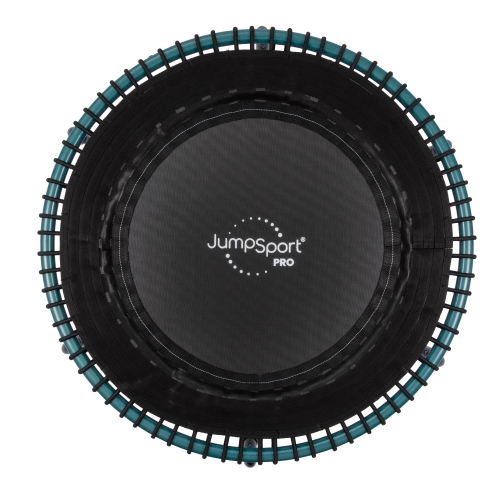

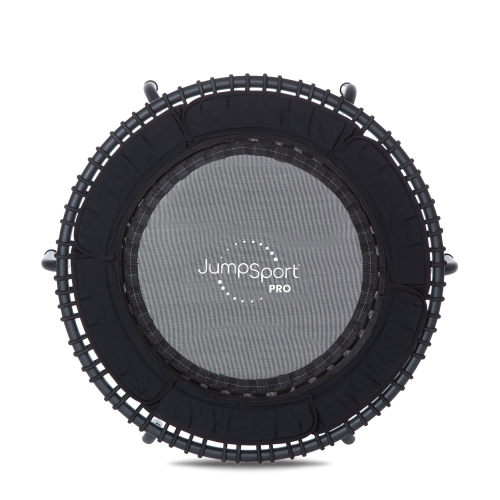
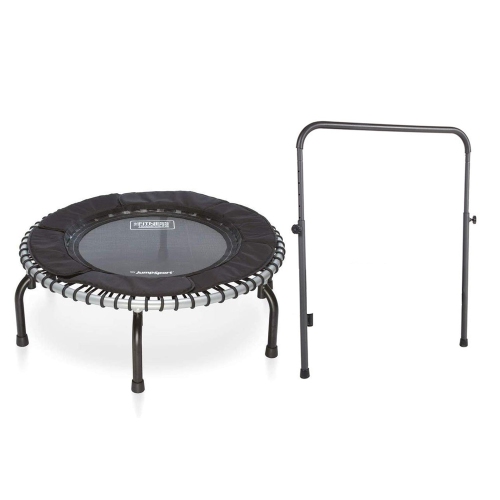


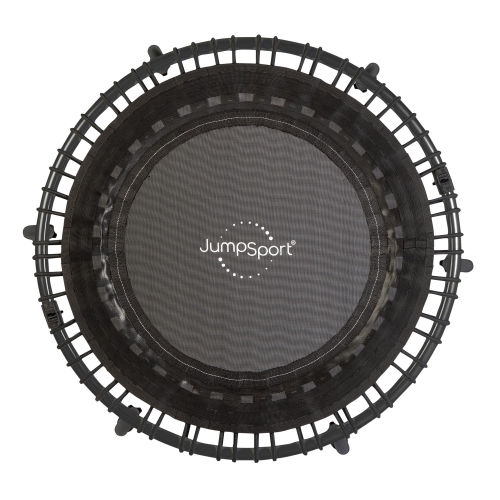
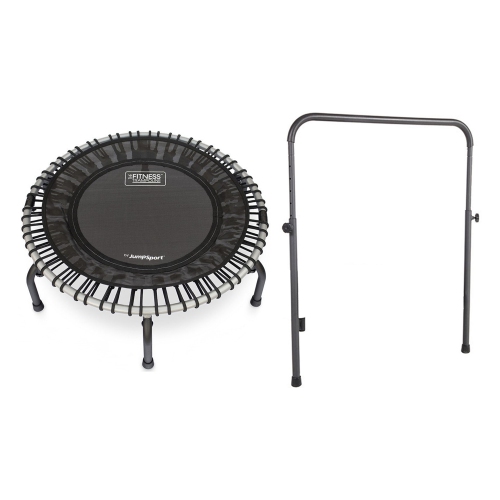
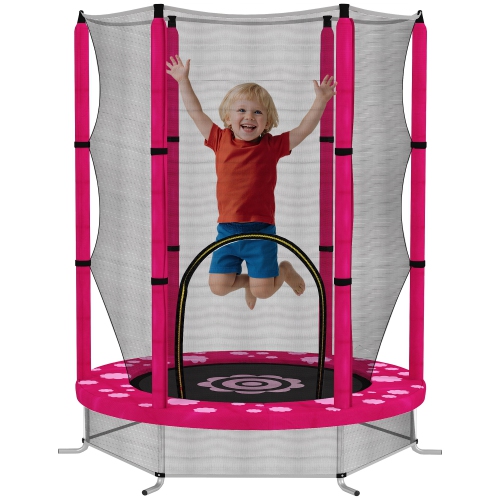
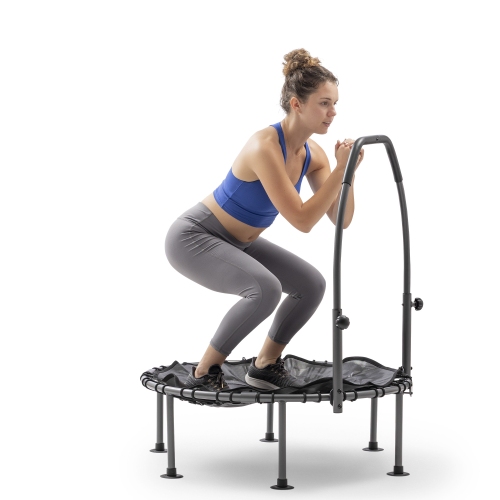
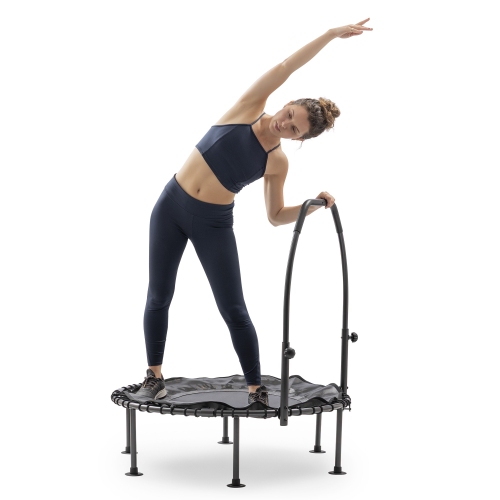


The right bounce depends on more than floor space
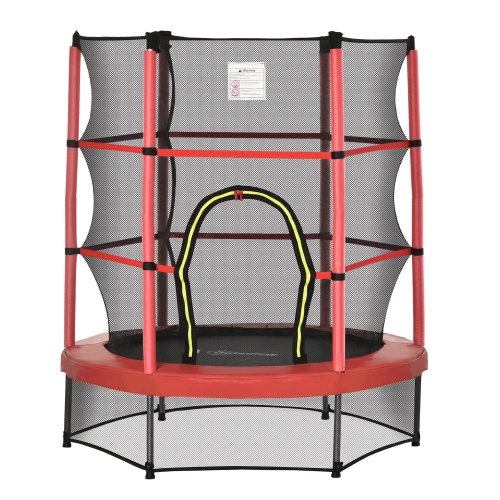
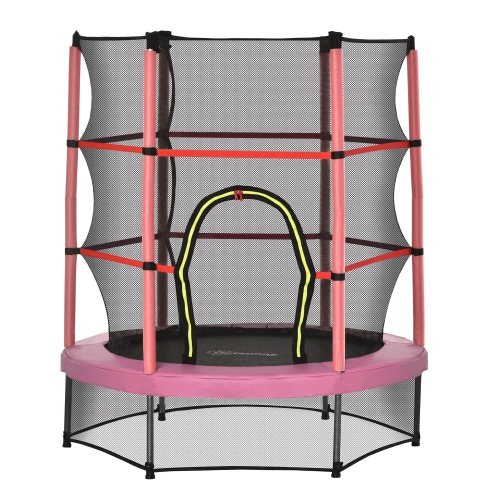
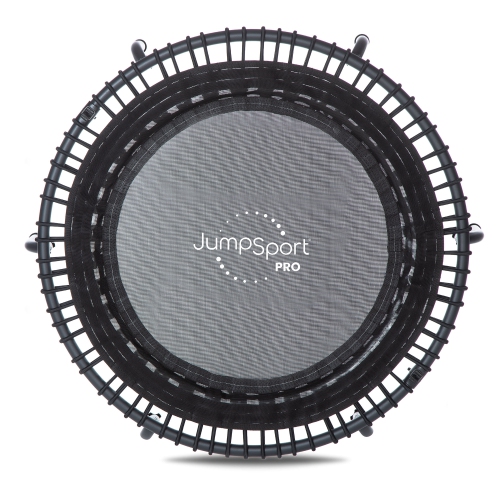
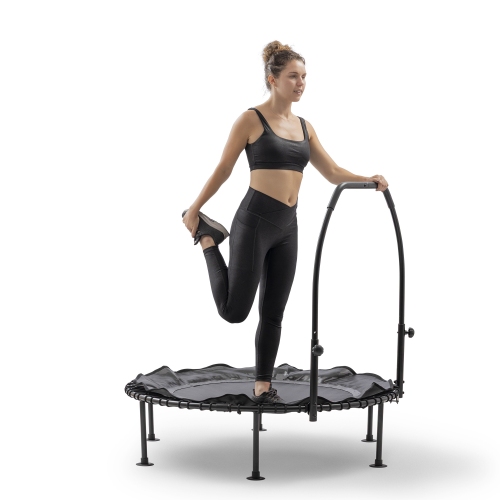
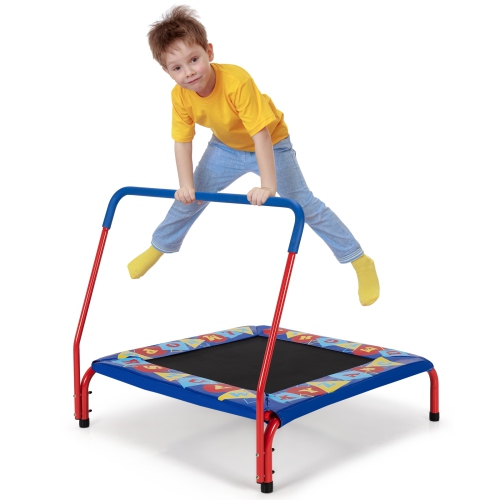
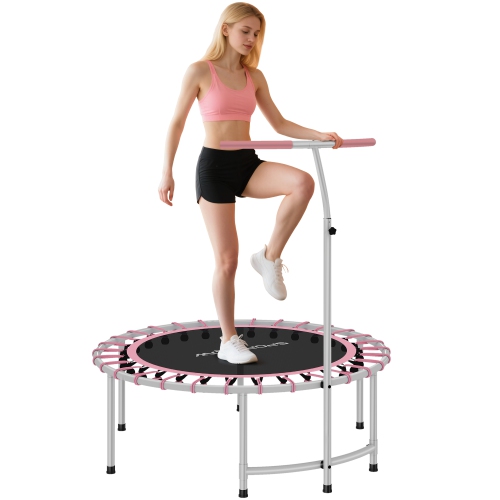
An indoor trampoline is a piece of home recreation or fitness equipment with a flexible jumping mat supported by a frame, springs, or elastic cords. Unlike a trampoline park, it is designed for use in a suitable room at home, with dimensions and weight limits that depend on its intended purpose. The two main types are recreational trampolines for age-appropriate play and compact fitness trampolines, often called rebounders, for adult exercise. These serve different needs: a recreational design may include a safety enclosure, while a fitness rebounder typically provides a smaller jumping surface for controlled bouncing, marching, and balance-focused movements. Some fitness designs include a support handle, but a handle is not a substitute for an enclosure or supervision. Frame diameter is only part of the space calculation. The usable mat is smaller than the outside dimensions, and the room needs additional clearance around the frame and above the person using it. A basement exercise area with a low ceiling, exposed beams, or a hanging light can be unsuitable even when the trampoline fits on the floor. Measure the intended location with the full movement of the user in mind, and follow the manufacturer's clearance requirements. Keep the equipment away from windows, stairs, furniture edges, and ceiling fans. A firm, level surface is important, along with flooring protection approved for the equipment and the floor beneath it. Rubber-tipped feet can help reduce movement, but they do not make every surface suitable. In an apartment or an upstairs room, consider vibration transmitted through the floor as well as the sound of the jumping mechanism. Folding designs can make a shared room easier to use between sessions, although the folded dimensions, equipment weight, and effort needed for setup matter just as much as the open footprint. A trampoline that must be carried through a narrow doorway every day presents a different practical choice from one that can remain assembled in a dedicated exercise space.
The right indoor trampoline should match the person using it, rather than simply fitting the room. Check the stated age range, individual user weight limit, intended activities, and assembly requirements before deciding whether a design suits a household. A higher weight rating does not mean that several people can jump together; home trampolines should be used by one person at a time. For adults, rebounder exercise can involve gentle weight shifts, marching, or controlled bouncing, depending on the equipment instructions and the user's ability. The spring or cord tension affects how the mat responds underfoot, so a softer-feeling bounce is not automatically the best fit for every person or movement. A support bar should be securely attached and adjusted as directed, without encouraging the user to lean heavily or pull against it. Someone returning to exercise, managing a health condition, or concerned about balance should ask a qualified healthcare professional whether trampoline activity is appropriate. For children's recreational use, age suitability and active adult supervision are essential, and recreational trampolines are not appropriate for children younger than six. An enclosure can help contain the jumping area, but it does not remove the risk of falls or injuries. Its entrance needs to be secured as instructed, and children should not climb, hang from, or deliberately bounce against the net. Somersaults, flips, rough play, and jumping on or off the frame add unnecessary risk. Keep toys, loose objects, and pets away from the jumping area, including the space underneath the mat. Clothing should allow comfortable movement without loose cords or accessories that could catch, and footwear or barefoot use should follow the manufacturer's directions. Short, controlled sessions allow a user to become familiar with the mat's response before increasing activity. For a family setting, a clear routine helps: an adult checks the equipment, one child takes a turn, and everyone else stays outside the clearance area. When the trampoline is not being used, access should be restricted so that it does not become unsupervised play equipment.
Materials and construction influence how an indoor trampoline feels, how easily it can be maintained, and how well it stands up to repeated use. Steel frames are common, while jumping mats are often made from woven synthetic fabric designed to flex under load. Depending on the construction, metal springs or elastic cords connect the mat to the frame. Neither system should be judged by appearance alone: secure attachment points, intact protective padding, stable legs, and correctly fitted hardware are all important. Padding should cover the areas specified by the manufacturer, and an enclosure needs its poles, sleeves, fastenings, and net to work together as intended. Before each session, look for loose bolts, shifting legs, damaged padding, frayed cords, stretched or detached springs, and tears around the mat's stitching or attachment points. Stop using equipment with damage or instability until it has been addressed according to the manufacturer's instructions. Cleaning is generally straightforward, but the care label or manual takes priority: remove dust and debris, wipe suitable surfaces with a mild cleaning solution if permitted, and allow them to dry before use or storage. Avoid soaking components or applying harsh cleaners that could affect fabric, coatings, or padded surfaces. Folding mechanisms deserve particular attention because hinges and locking points must be fully secured during use, and fingers need to stay clear while the frame is being folded. Store disassembled parts together and keep the instructions for future checks or reassembly. For households considering a different style of bounce equipment, Inflatable Trampolines have different setup and care requirements, so their intended location, anchoring instructions, and age limits need separate consideration. As a gift, an indoor trampoline is most practical when the recipient has suitable space, an interest in the intended activity, and a convenient place to keep it. Those everyday details help determine whether it becomes useful home equipment rather than an awkward object that needs moving whenever the room is used.
Top selling and popular products
-
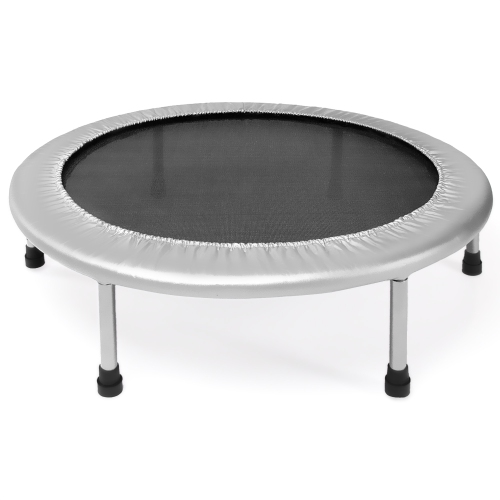 Your price for this item is $104.99
-
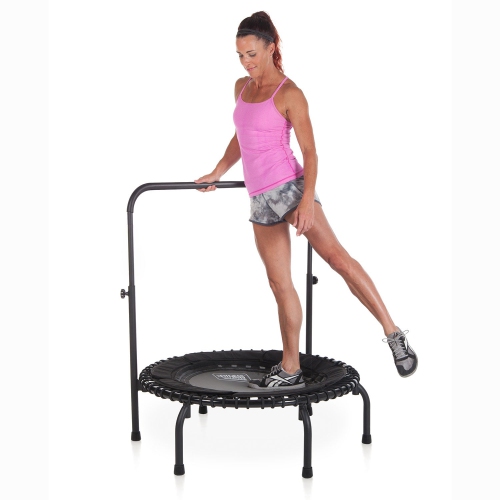 Your price for this item is $784.99
-
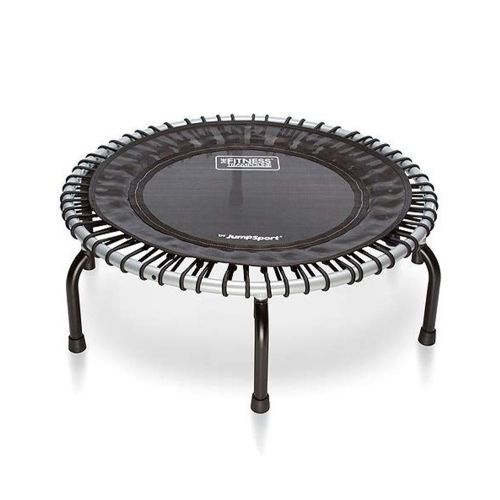 Your price for this item is $1017.99
-
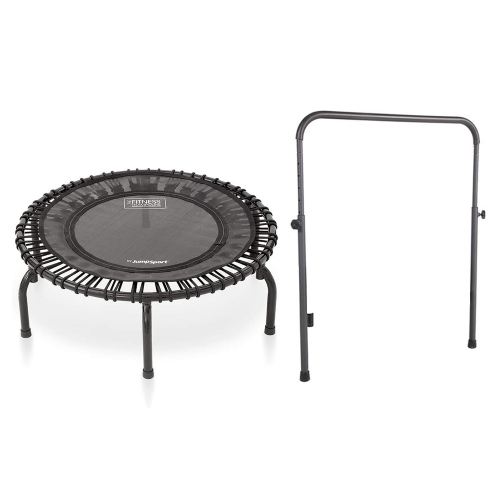 Your price for this item is $769.99
-
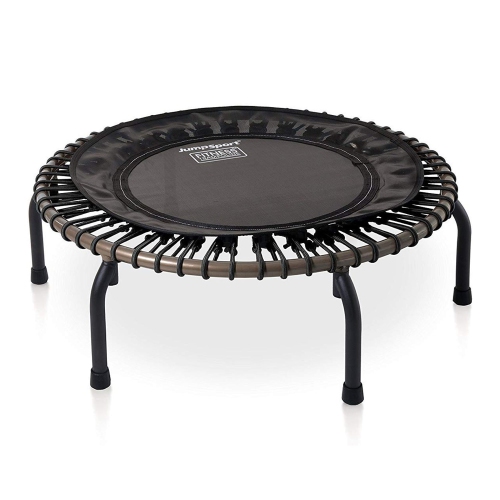 Your price for this item is $1094.99
-
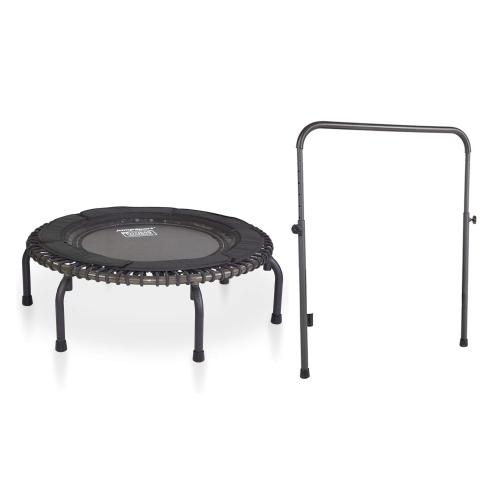 Your price for this item is $1027.99
-
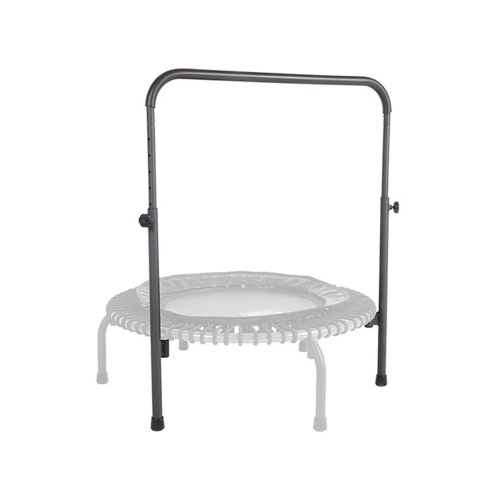 Your price for this item is $219.99
-
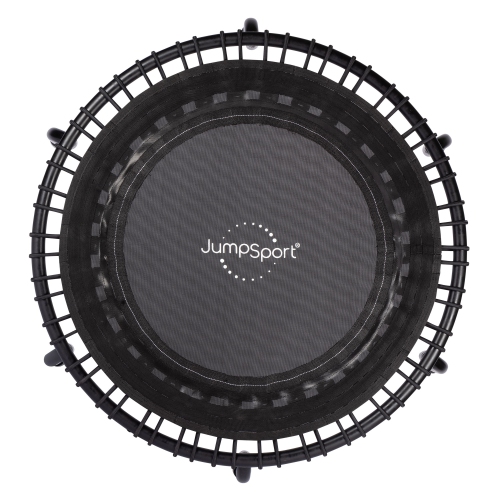 Your price for this item is $761.99
Discover more categories related to Indoor Trampoline

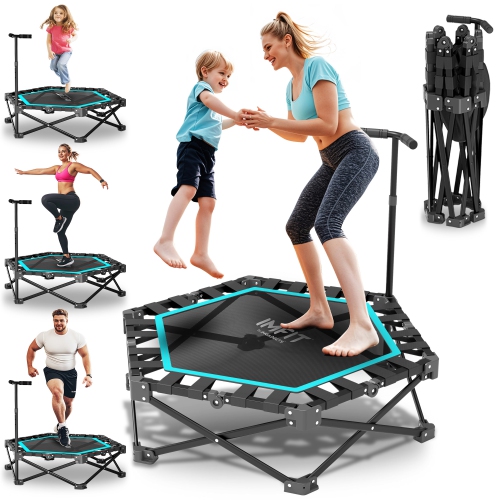
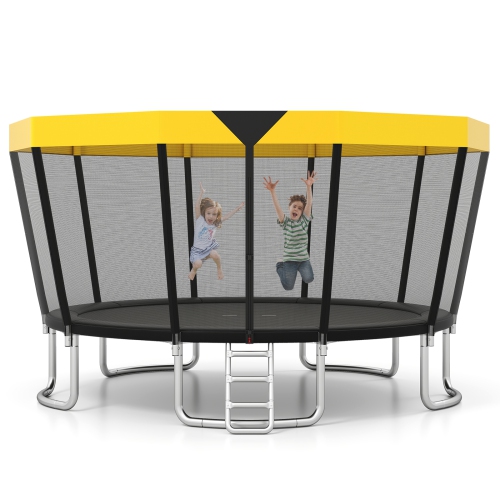
Top Collections:
Best Black Friday Deals This Year, Best Black Friday Deals On Electronics, Kindle Devices, Pokemon Centers, Best Black Friday Deals On Apple Products, Best Cameras for Sports Photography, Dyson Airwrap, Pokémon 30th Celebration Cards, Apple iPhone 17 Pro, Canon G7X Cameras
Some products may be subject to Environmental Handling Fees
(EHF) depending on your province.
Learn more about EHFs.