Trampoline for Adults
Elevate your backyard fun and fitness routine with a trampoline for adults. Designed to deliver excitement and activity, these trampolines offer a great way to stay active and enjoy outdoor leisure time. Whether you're looking to add a new dimension to your workouts or create an entertaining space for gatherings, there's a trampoline for adults that fits your needs. Explore a wide selection of options to find the perfect addition to your home or outdoor area.
Sort
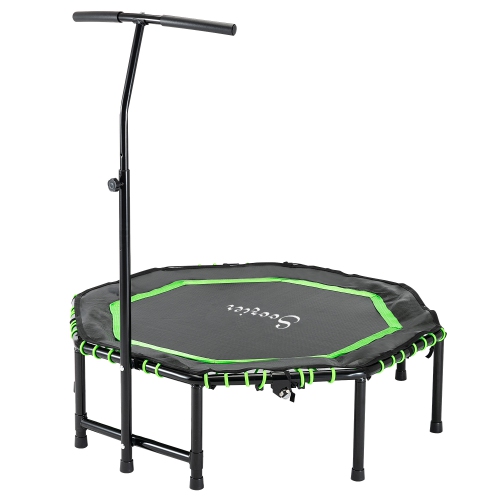
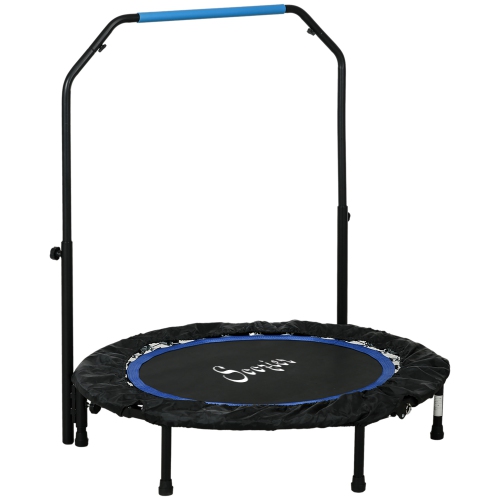
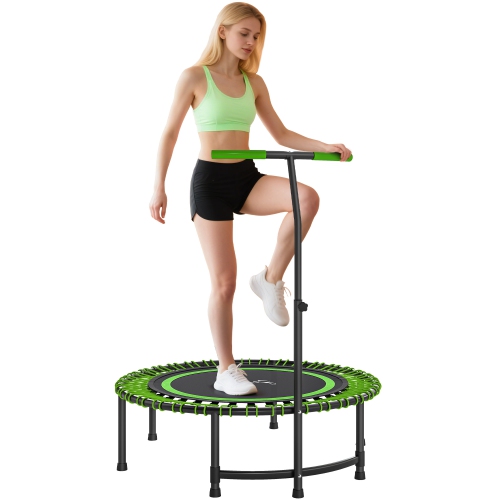
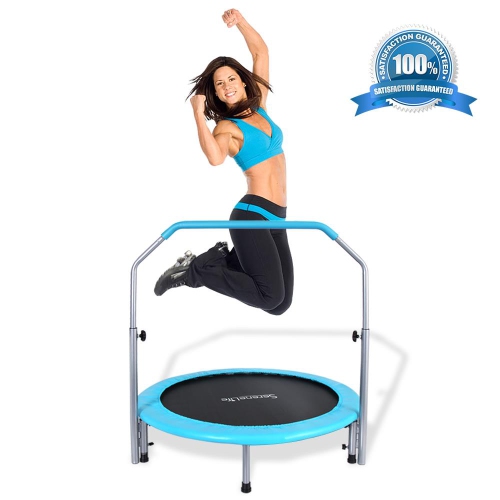
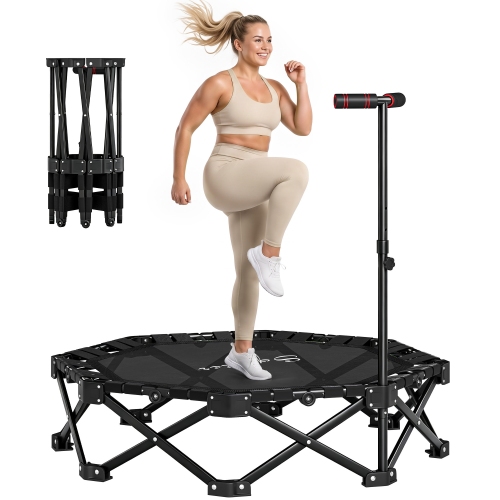
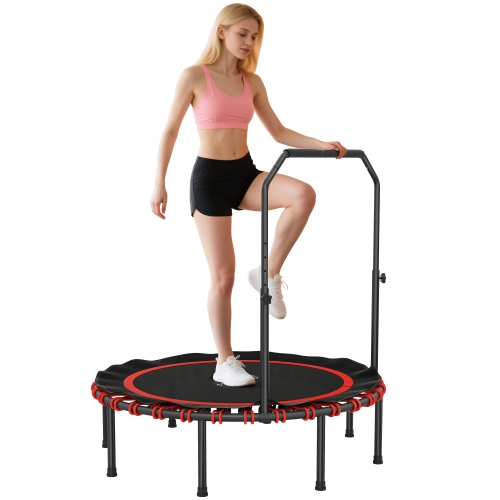
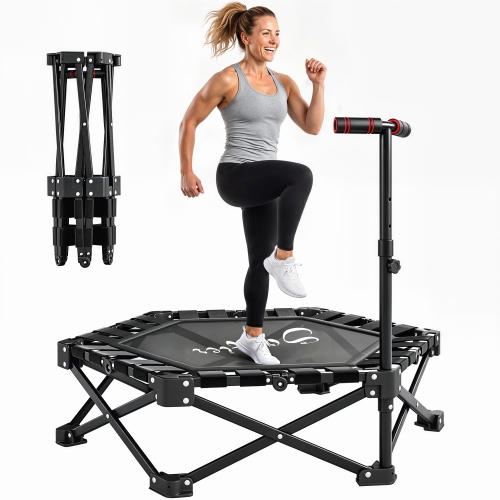

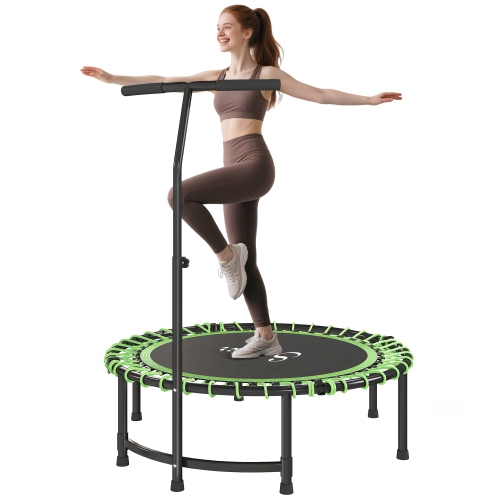
How fitness rebounders differ from backyard trampolines
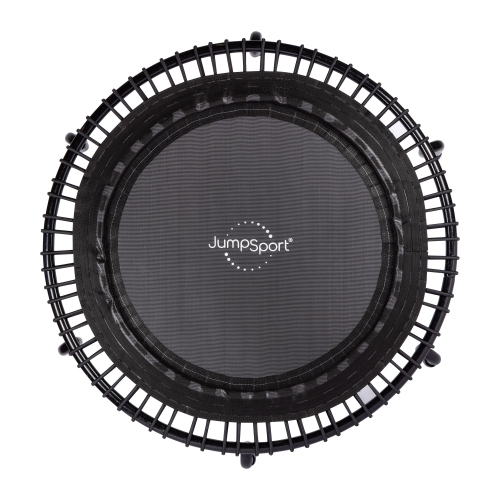
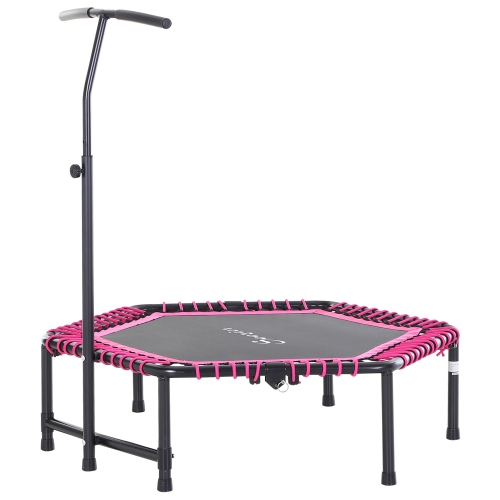
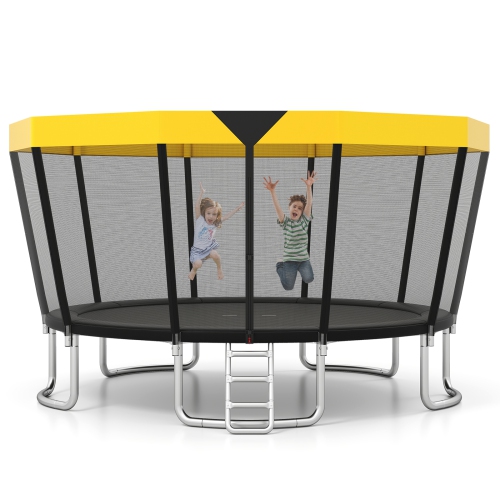
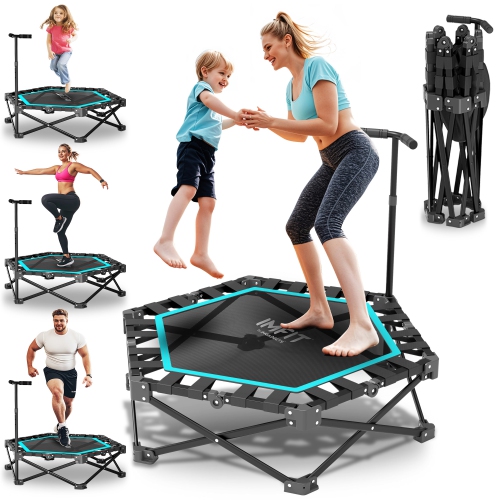
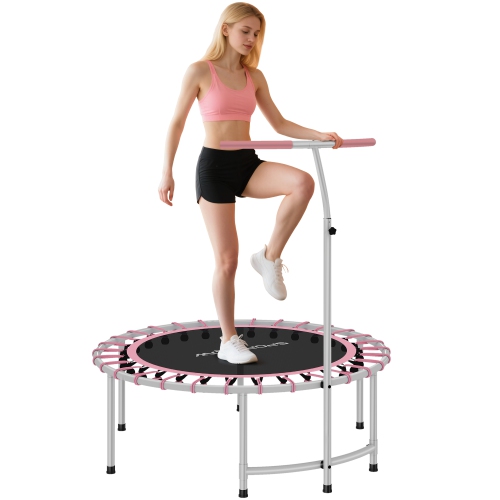
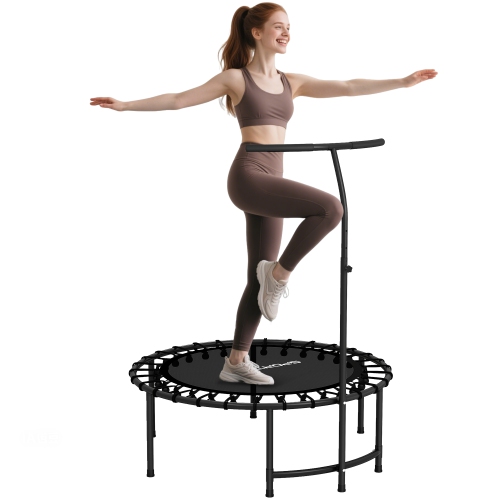
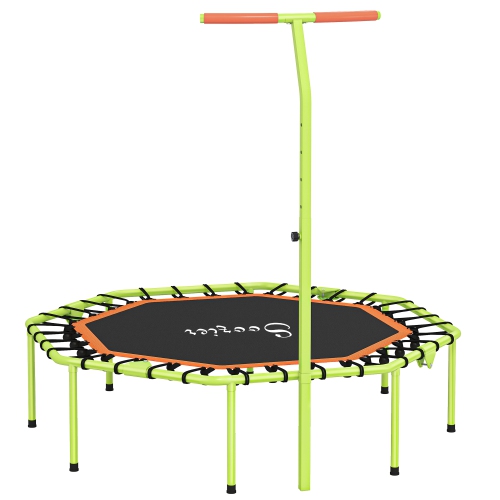
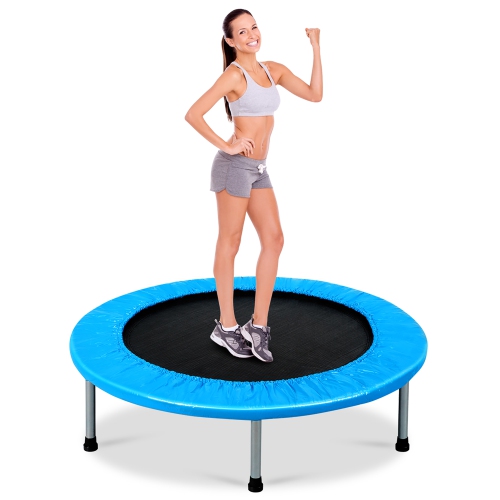
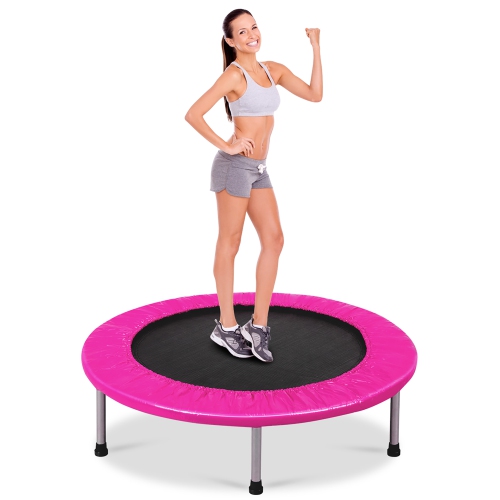
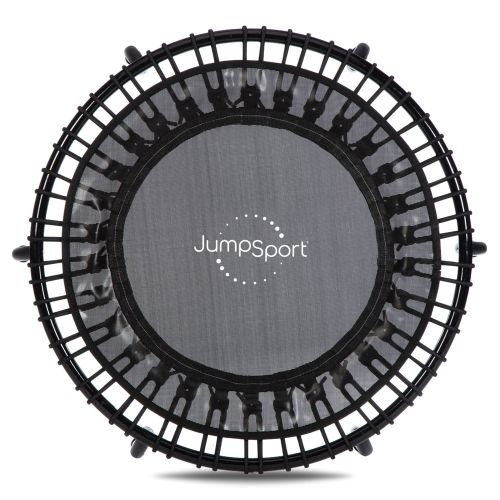
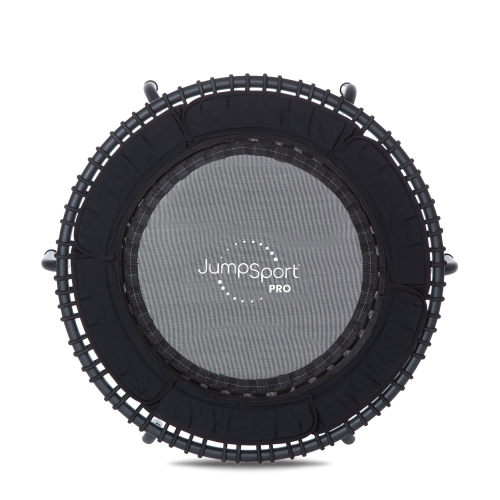
Trampolines for adults generally fall into two categories: compact fitness rebounders for controlled exercise and larger outdoor trampolines for recreational jumping. A fitness rebounder is a small trampoline designed for movements such as marching, gentle bouncing, side steps, and short cardio intervals. Many are roughly 36 to 55 inches across, although the usable jumping surface is smaller than the overall frame. A larger backyard trampoline offers more room for recreational movement, but its size alone does not mean it is suitable for an adult; the manufacturer’s intended use and maximum user weight are essential details. Both types use a flexible jumping mat supported by springs or elastic cords, creating a responsive surface that feels different from exercising on a hard floor. Rebounding can support cardiovascular exercise, balance practice, and muscle engagement, with intensity influenced by pace, movement, and session length. It is often described as low-impact exercise, but that does not make it suitable for every person or eliminate stress on joints. Anyone with an injury, balance concerns, or a medical condition affecting exercise should seek advice from a qualified healthcare professional before beginning. For a home workout routine, a compact rebounder can suit someone who enjoys short movement breaks, follows exercise videos, or wants an alternative to a treadmill or stationary bike. A supportive handlebar may provide a useful point of contact during controlled movements, provided it is fitted correctly and used within its stated limits. For recreation, a full-size trampoline can appeal to adults who enjoy active leisure and have an appropriate outdoor space. The best fit depends less on how high a trampoline allows someone to jump and more on whether its dimensions, bounce characteristics, and intended purpose match the way it will be used. A person planning gentle, feet-close-to-the-mat exercise has different needs from someone seeking room for recreational bouncing, and neither should assume that a children’s trampoline is appropriate simply because it looks sturdy.
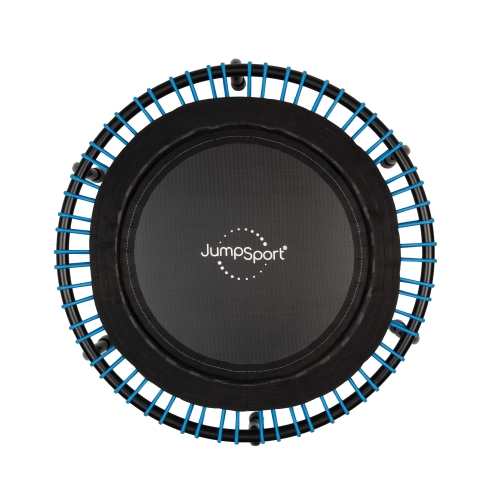
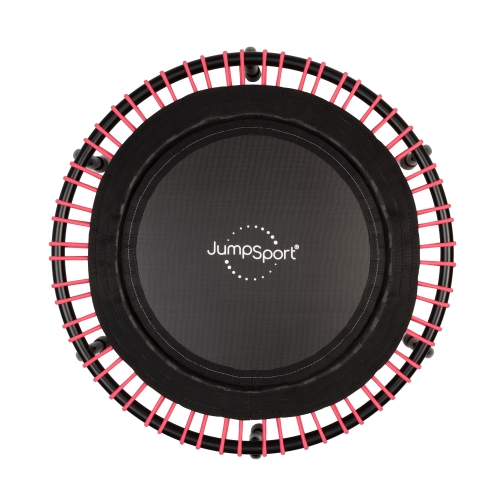
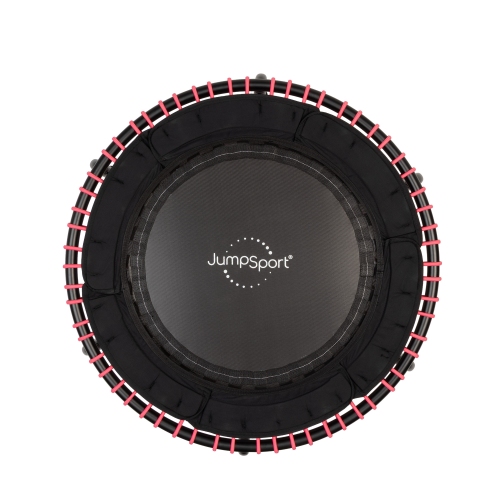
Construction affects the feel, stability, and upkeep of an adult trampoline. Steel frames provide structural support, while finishes such as galvanizing or powder coating help resist corrosion; regular inspection remains important regardless of the finish. A well-supported frame should sit level without rocking, and the legs or base must be assembled exactly as directed. On fitness rebounders, metal springs and elastic bungee cords produce different sensations underfoot. Springs can deliver a firmer, more immediate response, while bungee systems often feel softer and may operate more quietly, though performance varies by design and cord tension. The jumping mat should have secure stitching and an appropriate attachment system, with no tears, loose connections, or exposed gaps that could catch a foot. Padding over springs and frame edges helps cover hard components, but it does not replace careful use. For larger outdoor trampolines, a compatible enclosure adds a barrier around the jumping area; inspect how the net attaches, how the entrance closes, and whether the poles and their padding are secure. An enclosure reduces some risks but cannot prevent every fall or injury. Shape also affects the footprint and layout: round, rectangular, and other frame styles need different amounts of space, so measure the full assembled dimensions rather than relying only on the advertised mat size. Leave the clearances specified by the manufacturer around and above the trampoline, away from walls, fences, furniture, branches, and other obstructions. Indoors, ceiling height matters even during a modest bounce, particularly for a taller adult. A firm, level surface and suitable floor protection can help support a stable setup without substituting for the correct placement requirements. Check whether a stated weight figure refers to the maximum weight of one user or another type of load, and follow the single-user rating for jumping. A large capacity is not permission for several adults to bounce together. Folding frames, removable legs, and adjustable handles can simplify storage, but hinges, locking mechanisms, and attachment points should be fully secured before every session.
Living with a trampoline involves practical details beyond the first bounce. A rebounder used beside a desk needs enough clear floor space for safe entry and exit, not just enough room to slide the frame between furniture. In a shared home, consider the sound of springs, foot contact, and movement transmitted through the floor; a quieter suspension system does not guarantee silent use. A foldable design may suit someone who puts exercise equipment away after each workout, while a dedicated exercise area can accommodate a model that stays assembled. Larger trampolines need a suitable site and a clear plan for assembly, inspection, and access. Follow the manufacturer’s requirements for securing the structure, and never use an improvised attachment that could damage the frame or interfere with the enclosure. Before each use, check for loose fasteners, damaged padding, worn cords or springs, tears in the mat, and an entrance that does not close properly. Stop using the trampoline if any load-bearing component is damaged. Cleaning usually involves removing debris and wiping suitable surfaces with a soft cloth and a manufacturer-approved cleaning solution, then allowing components to dry before use or storage. Harsh chemicals, abrasive tools, and unapproved lubricants can harm materials or affect grip. When replacing parts, compatibility matters: mat dimensions, spring length, attachment counts, enclosure height, and frame design must match the original specifications. Compatible Trampoline Accessories can help maintain padding, access, and other supporting features without changing the trampoline’s intended use. For everyday jumping, allow only one person on the mat at a time, follow footwear instructions, and avoid flips or other manoeuvres outside the equipment’s stated purpose. As a gift, an adult trampoline is most appropriate when the recipient’s available space, exercise preferences, and required user rating are known. Thoughtful sizing and a manageable care routine help make it a practical addition to an active household rather than an awkward piece of equipment with nowhere suitable to go.
Top selling and popular products
-
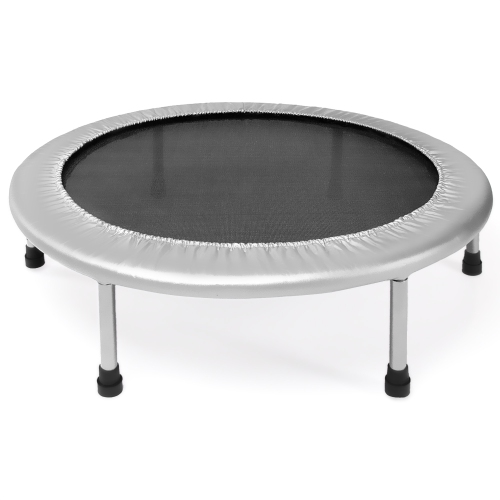 Your price for this item is $104.99
-
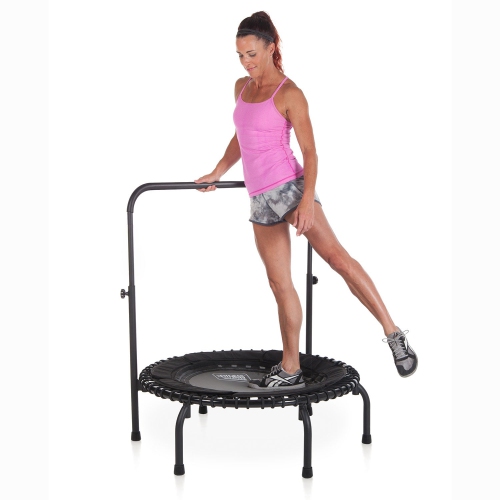 Your price for this item is $784.99
-
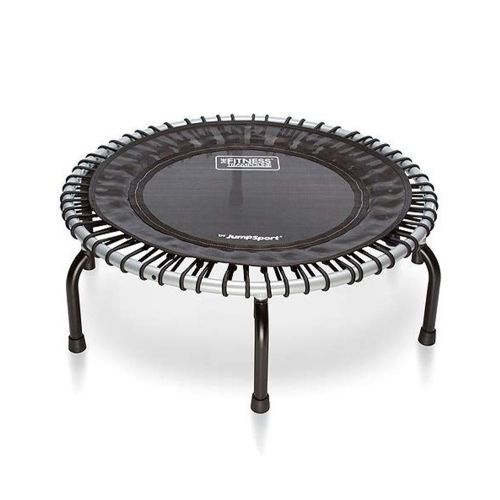 Your price for this item is $1017.99
-
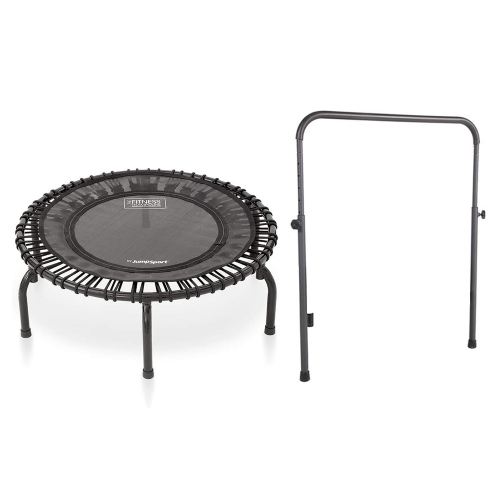 Your price for this item is $769.99
-
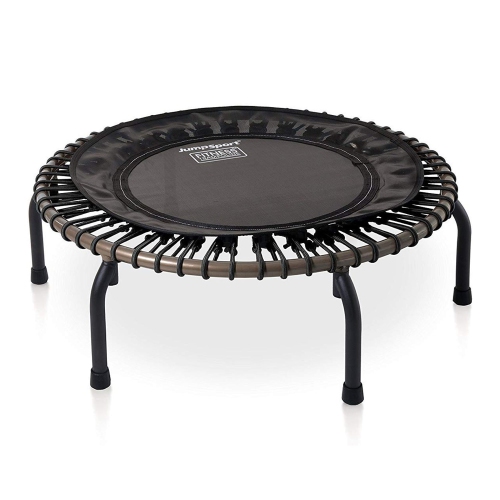 Your price for this item is $1094.99
-
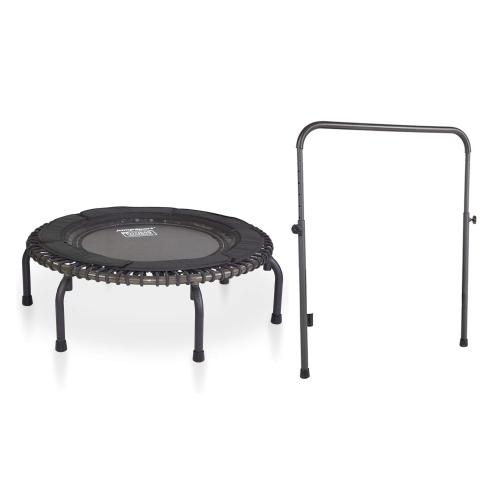 Your price for this item is $1027.99
-
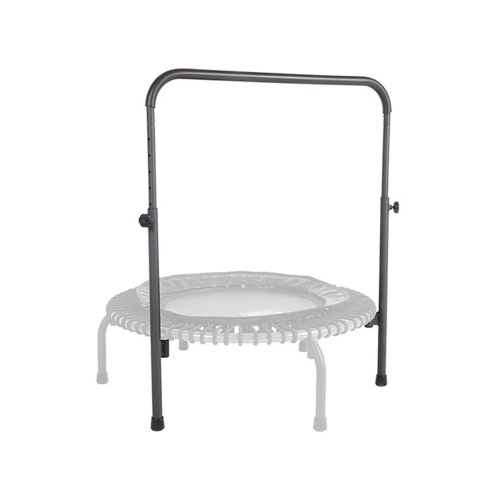 Your price for this item is $219.99
-
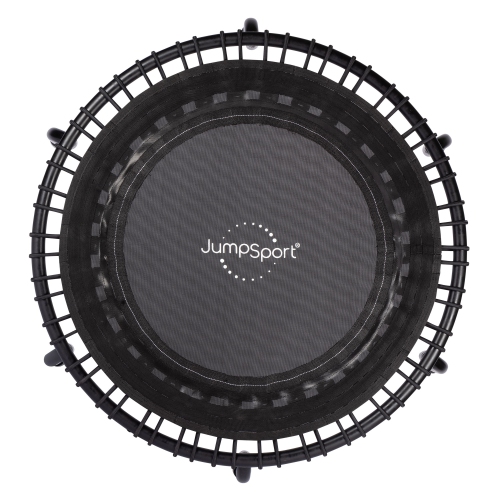 Your price for this item is $761.99
Discover more categories related to Trampoline for Adults
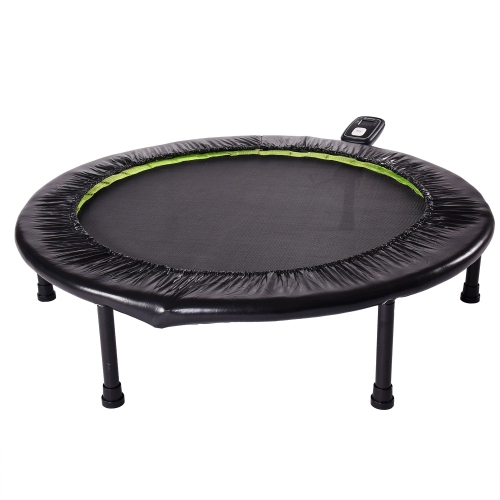


Top Collections:
Best Black Friday Deals This Year, Best Black Friday Deals On Electronics, Kindle Devices, Pokemon Centers, Best Black Friday Deals On Apple Products, Best Cameras for Sports Photography, Dyson Airwrap, Pokémon 30th Celebration Cards, Apple iPhone 17 Pro, Canon G7X Cameras
Some products may be subject to Environmental Handling Fees
(EHF) depending on your province.
Learn more about EHFs.