Inflatable Ball Pits
Get ready to bring endless fun and excitement to your little one's playtime with this collection of inflatable ball pits. Perfect for indoor and outdoor use, these colorful and interactive ball pits provide a safe and entertaining environment for children to jump, play, and explore. Encouraging active play and imaginative adventures, these inflatable ball pits are sure to be a hit at birthday parties, playdates, or simply as a fun addition to your child's play area.
Sort
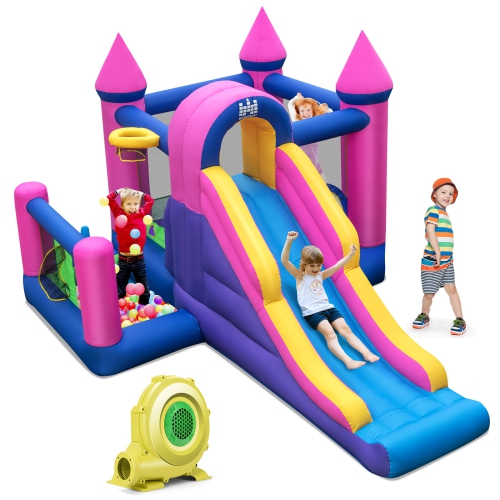
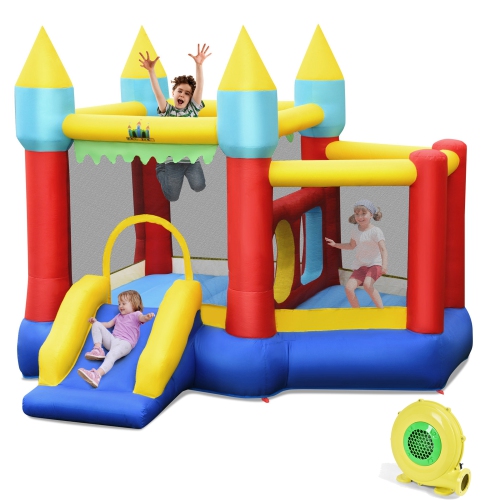
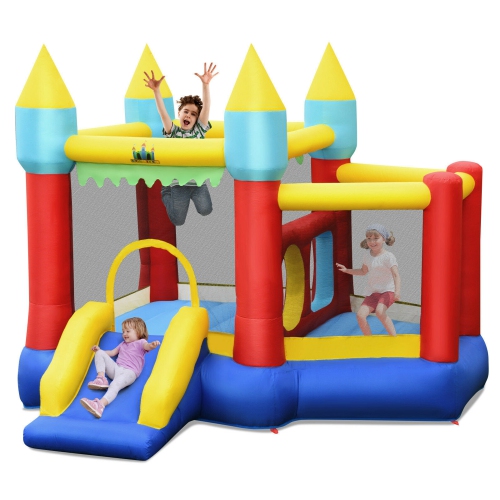
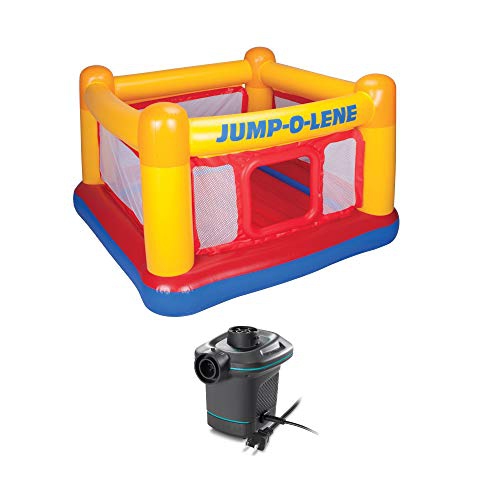
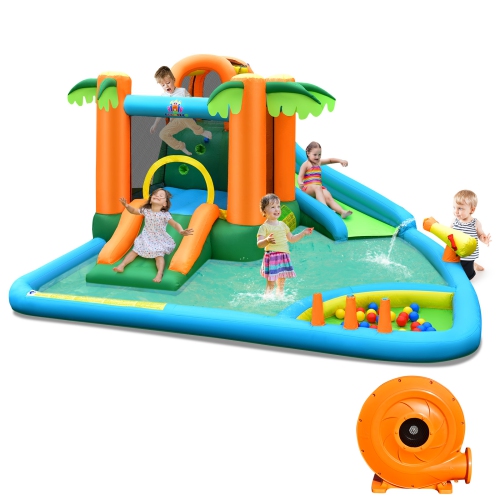

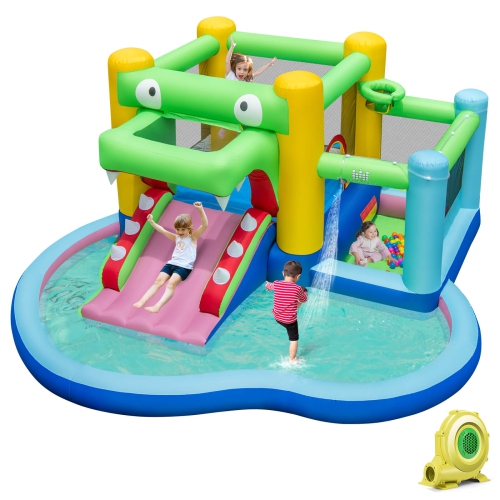
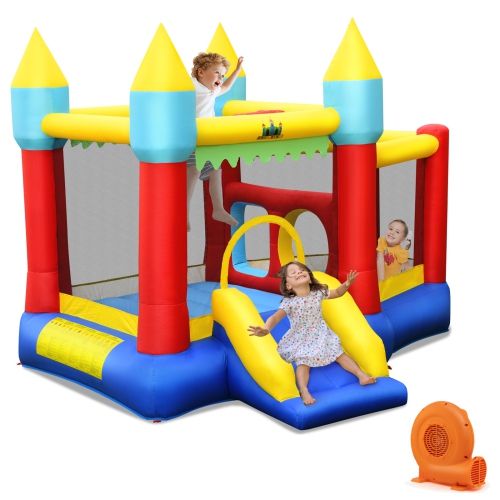
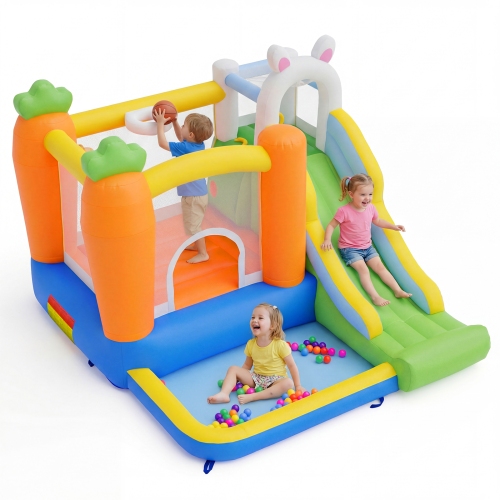
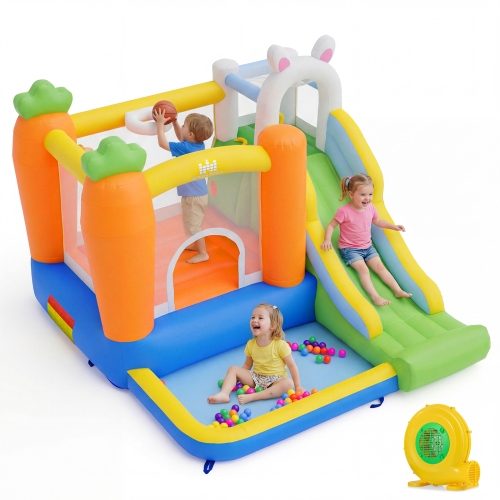
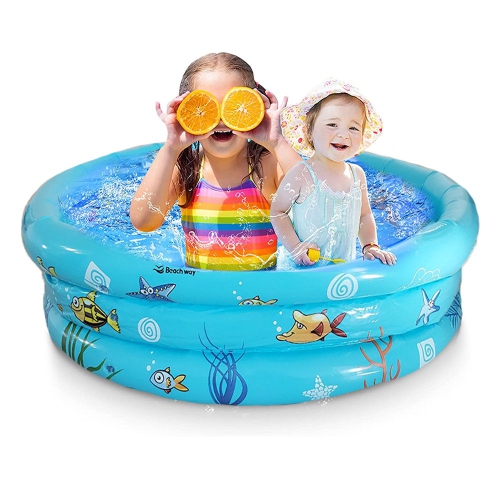
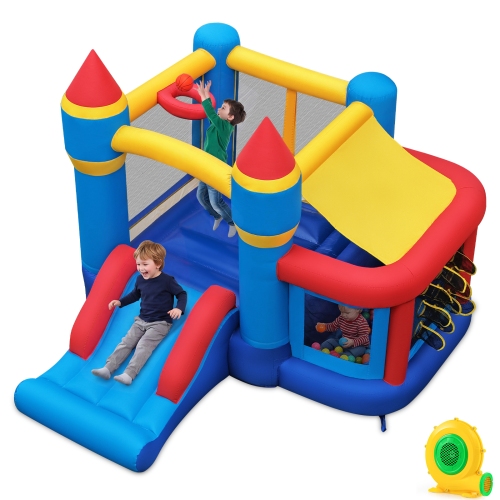
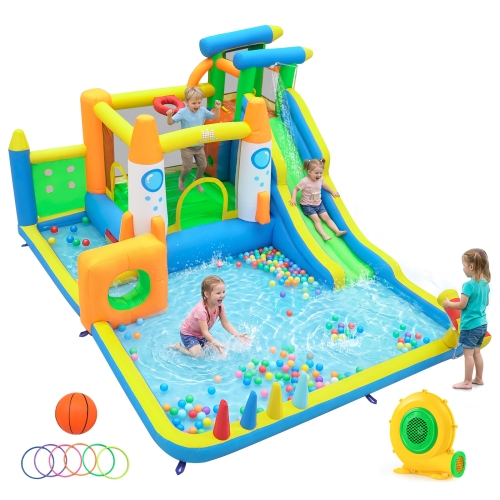
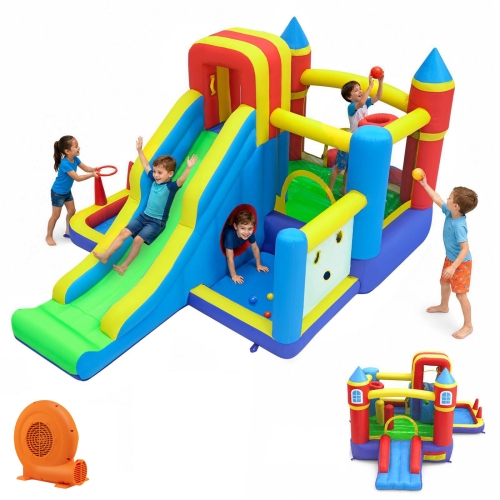
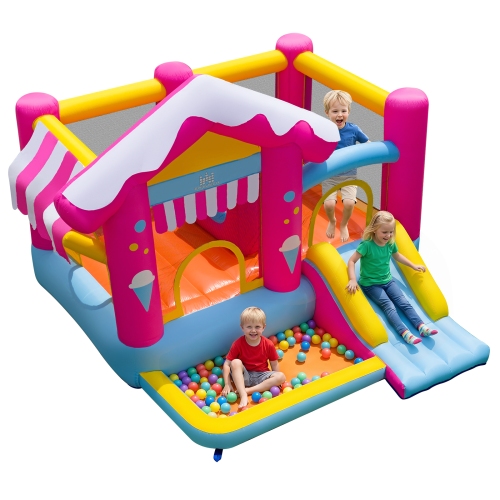
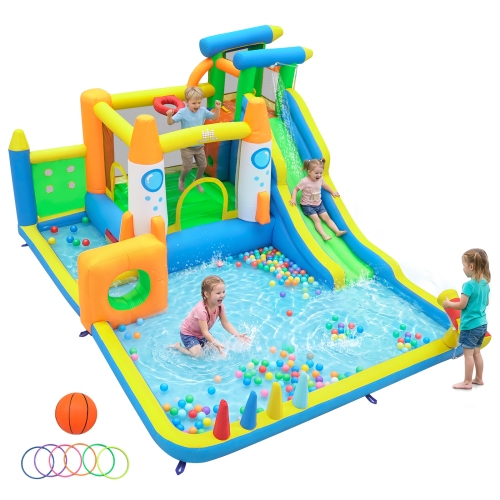


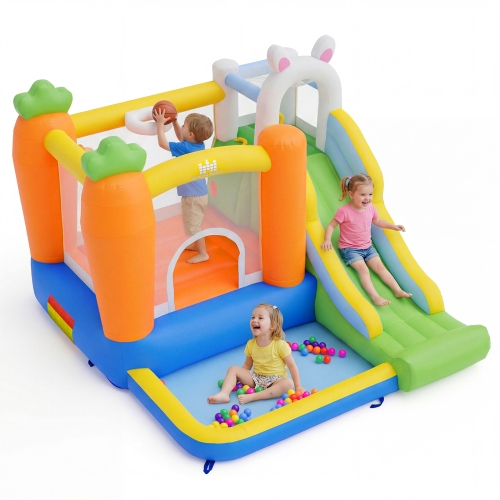
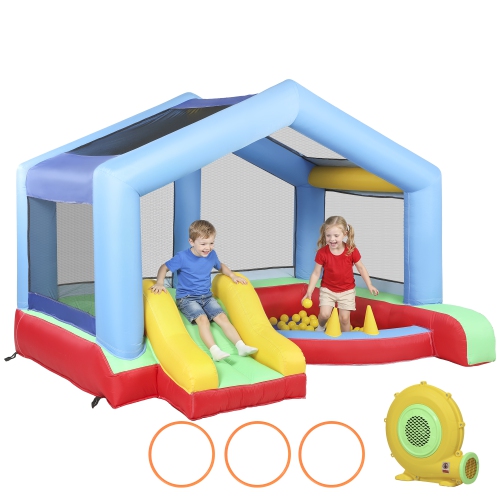
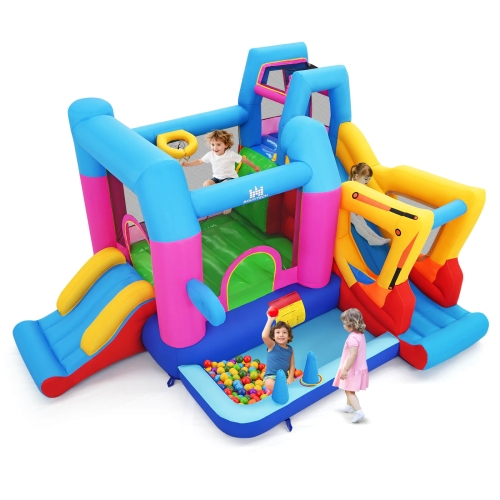
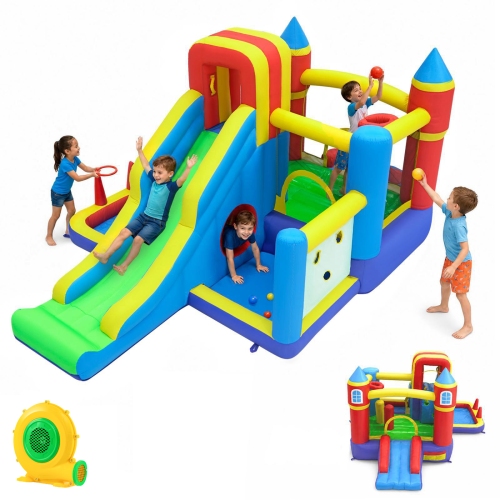
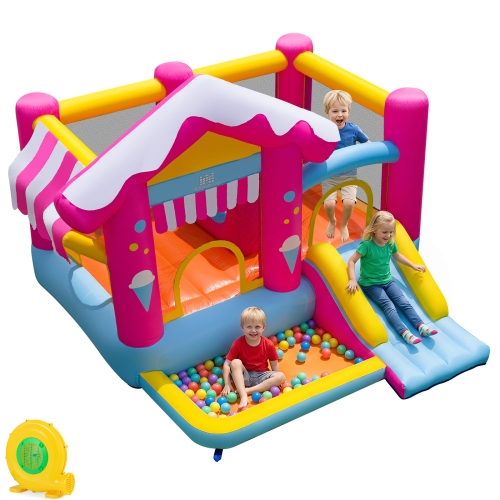
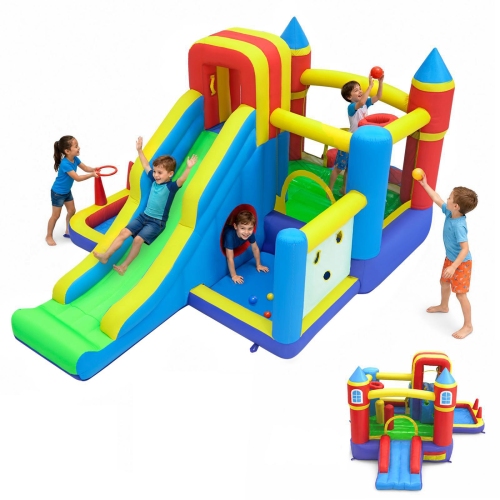
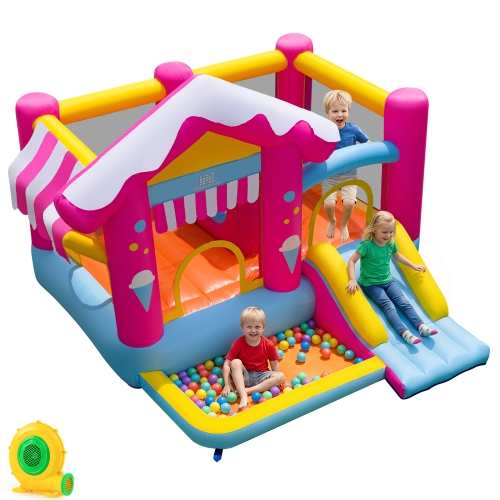
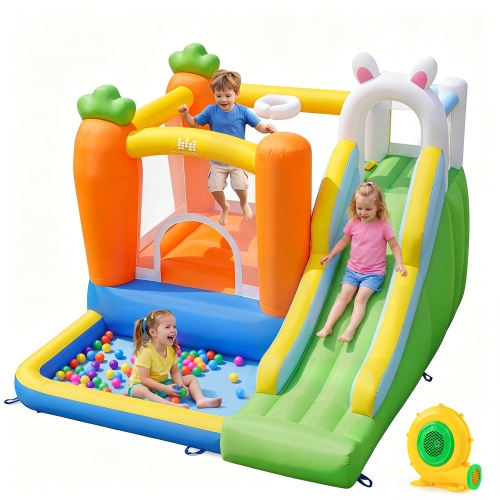
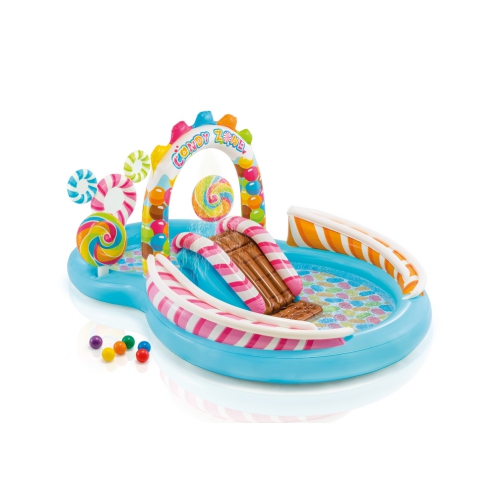
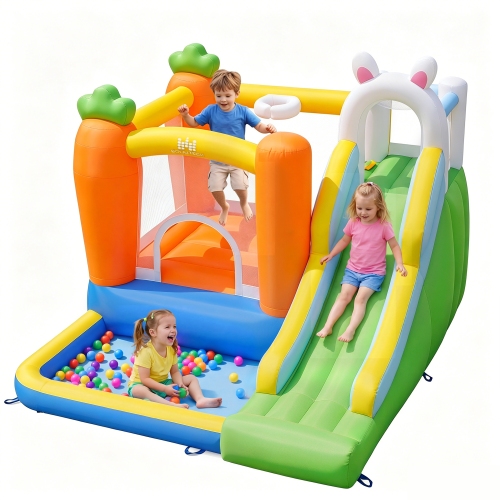
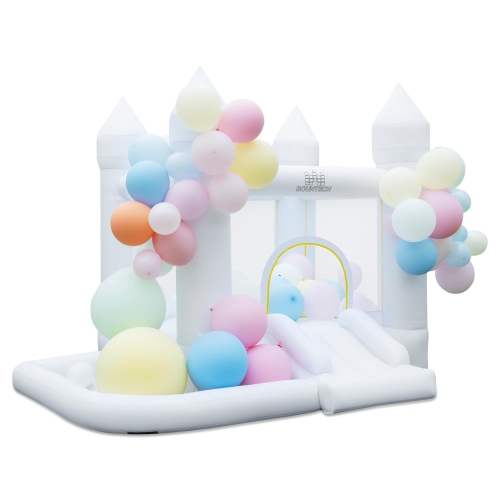
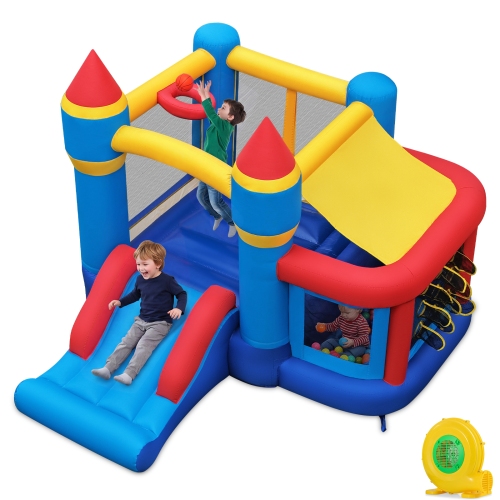
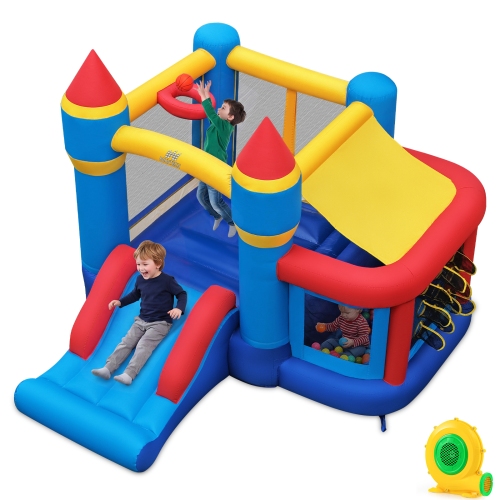
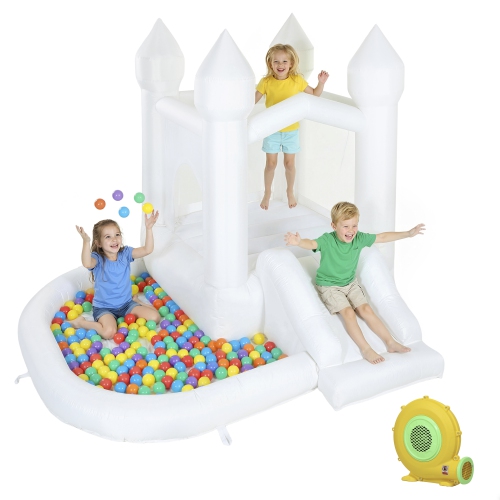
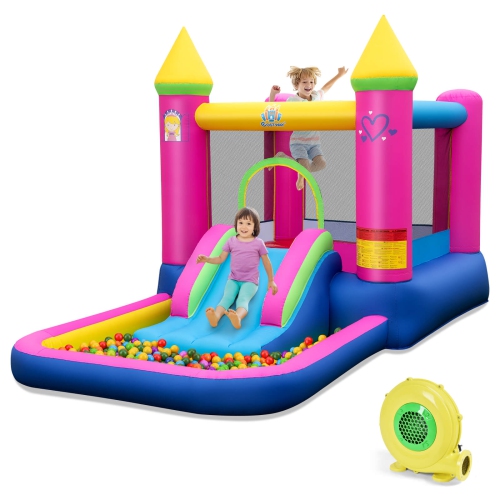
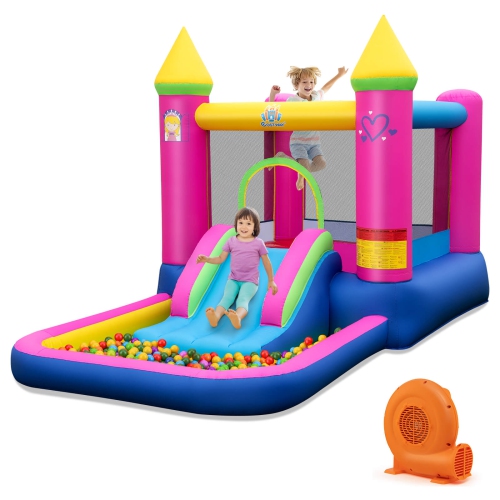
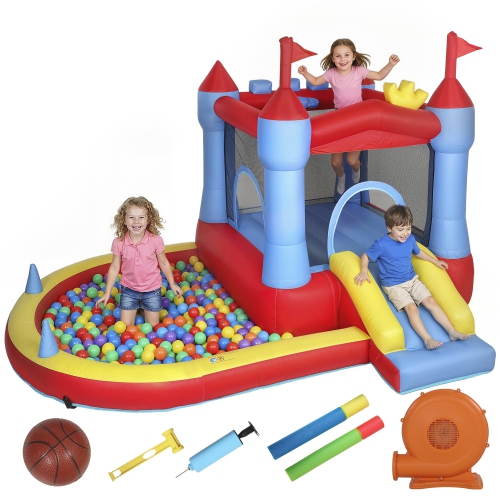
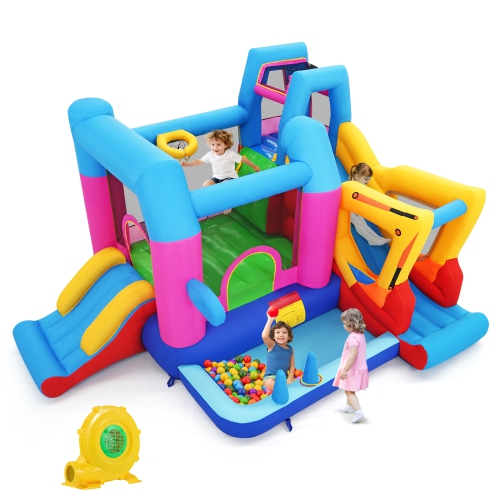
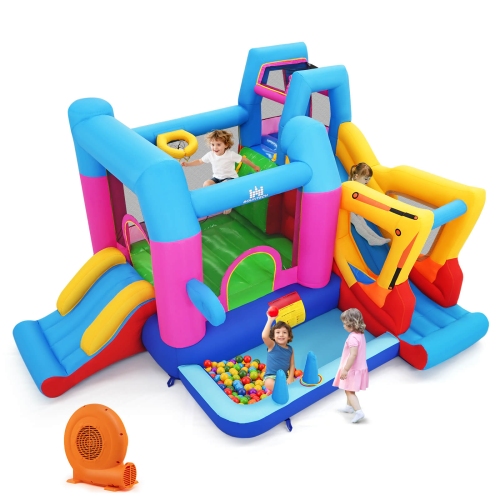
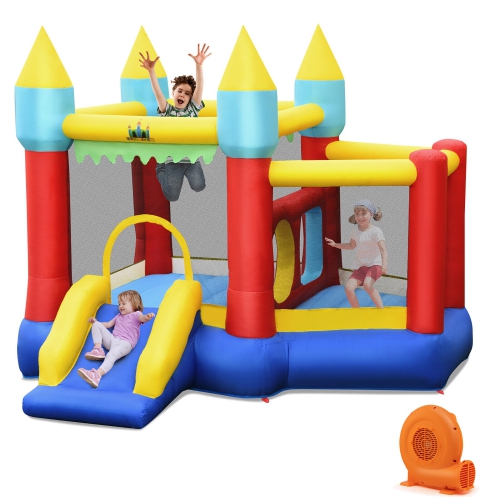
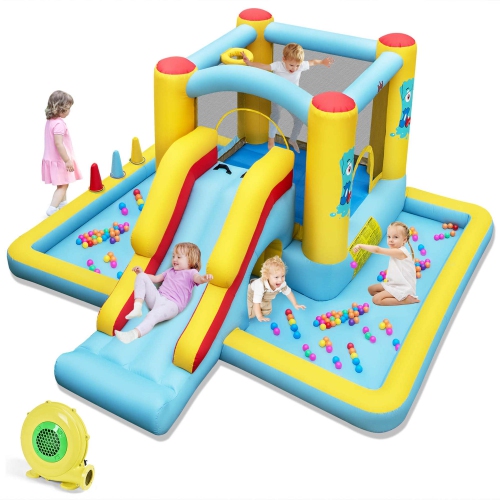
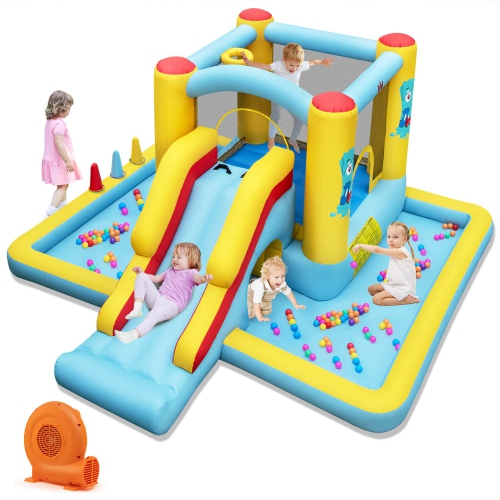
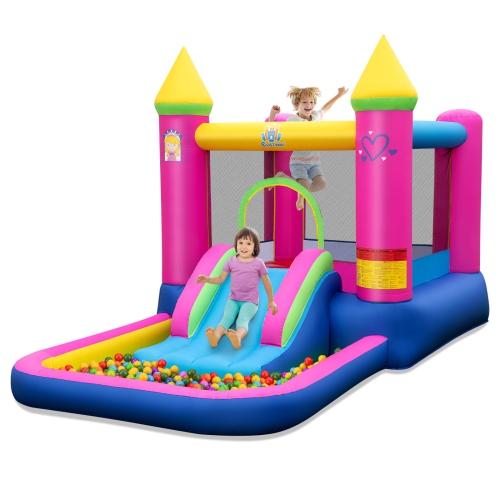
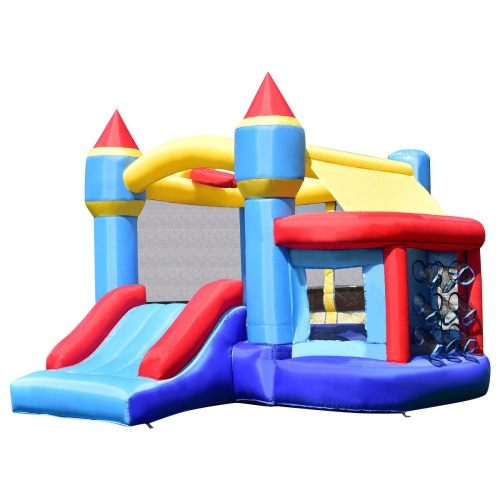
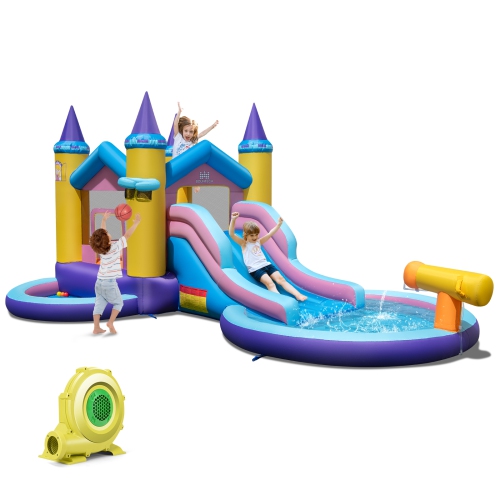
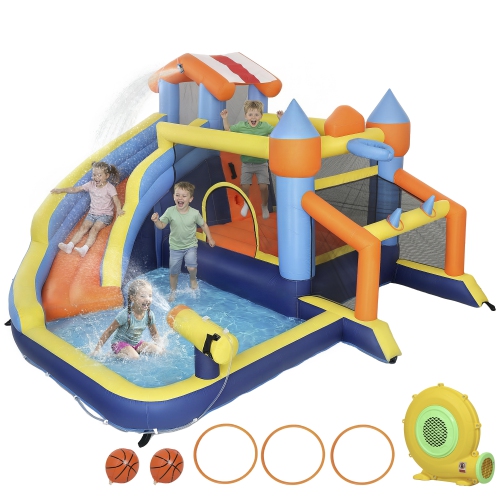
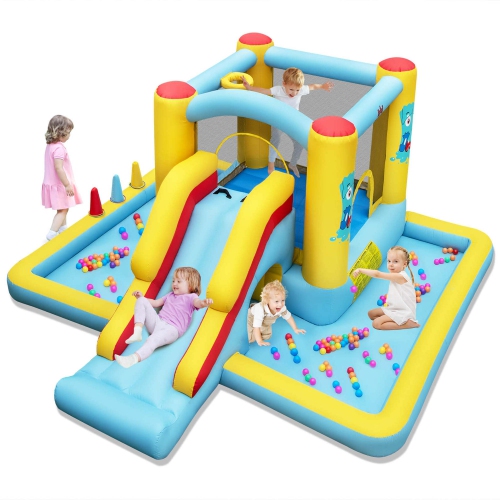
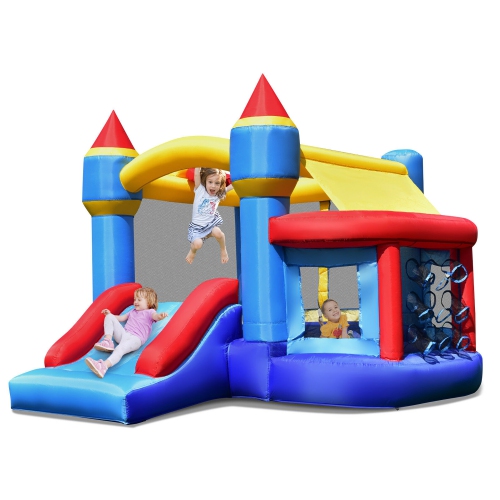
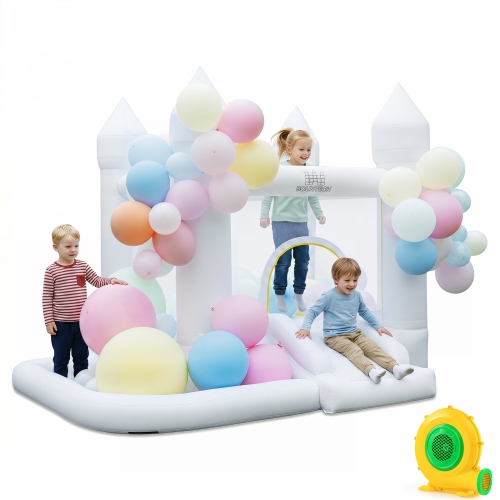
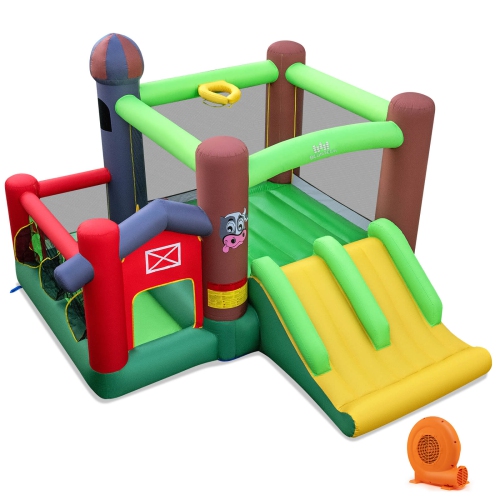
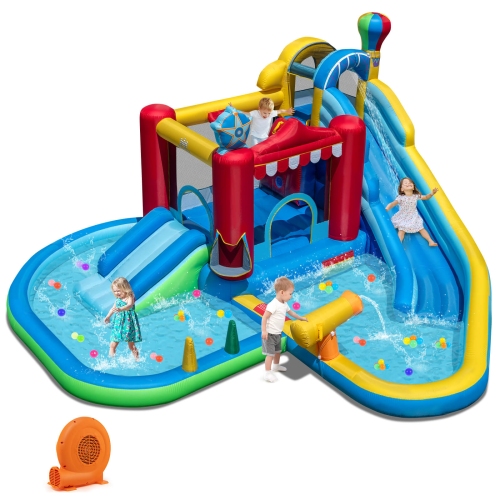
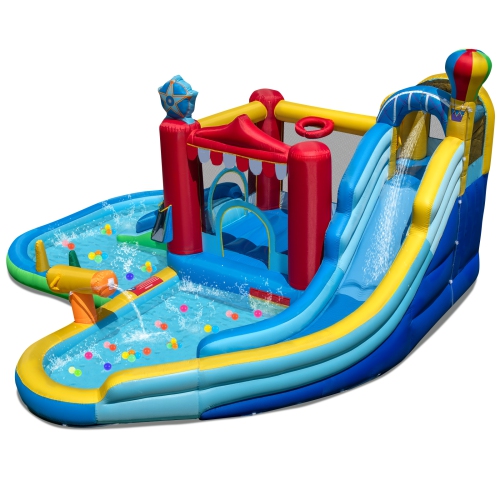

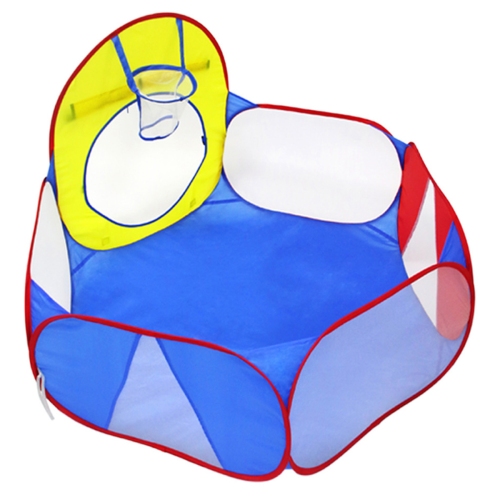
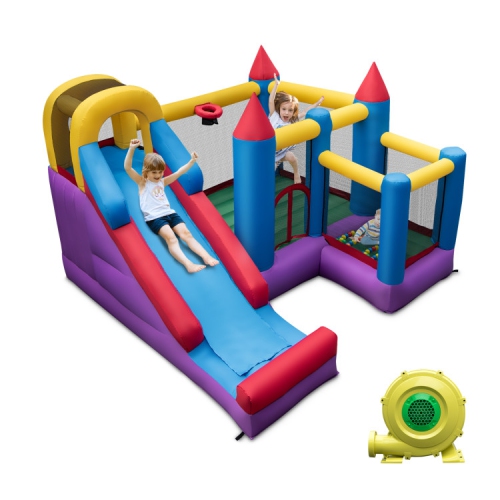
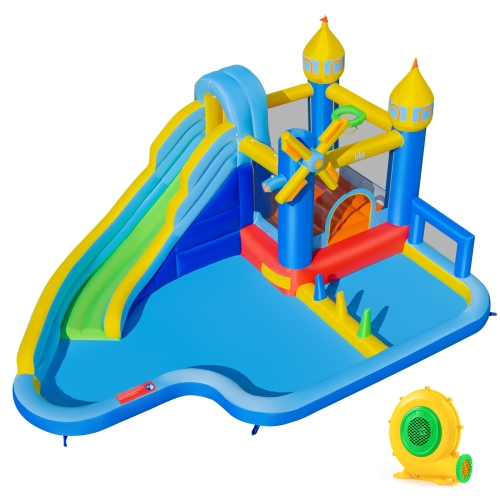
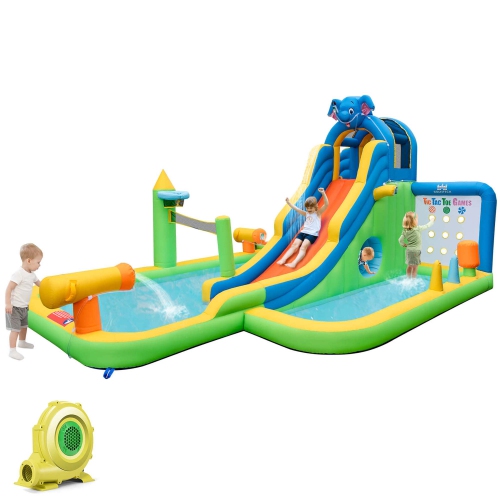
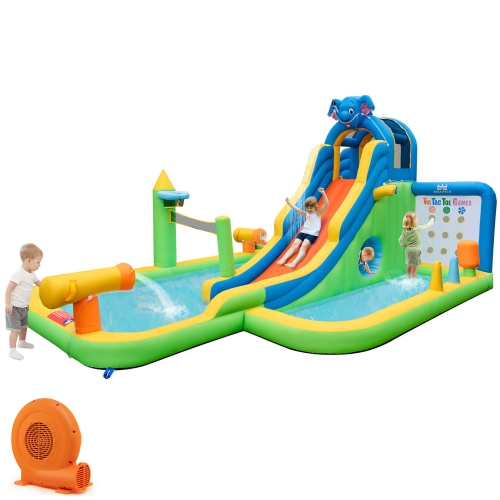
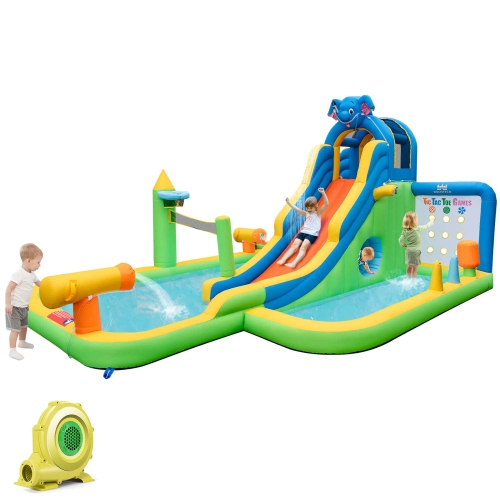
Colourful ball play that fits your family’s space
Inflatable ball pits are air-filled play enclosures designed to hold lightweight play balls, creating a defined space for children to sit, reach, sort, and enjoy gentle movement. Their inflatable sides give them a rounded shape, while the ability to deflate the structure makes them practical for homes where a play area needs to share space with everyday activities. A compact pit can become a colourful corner of a playroom, while a wider design gives children more room to stretch their legs and move balls from one side to the other. Suitability depends on the manufacturer’s age rating, capacity, and instructions rather than appearance alone; a low-sided design is not automatically appropriate for every baby or toddler. For families focusing on younger children, the Baby Ball Pit collection offers a more age-focused category to explore, with each design still requiring a check of its stated age range. Close adult supervision is essential, and a ball pit should never serve as a sleep space, playpen, or protective barrier. Within an appropriate setup, play can be simple and varied: a child might gather matching colours, pass a ball to a caregiver, or practise placing balls into a separate container. These small activities encourage exploration without requiring a complicated play structure. The right fit also involves more than the pit’s diameter. Its fully inflated footprint, wall height, entrance shape, and usable interior space all affect how comfortably it works in a room. Space around the outside allows an adult to sit nearby and makes it easier to collect balls that escape during play. In a shared family room, a smaller footprint may be more useful than extra capacity, especially when the pit needs to be packed away regularly. For siblings or playdates, the stated user limit matters as much as the available floor area, and children with very different sizes or activity levels may be better suited to separate turns.
Materials and construction influence how an inflatable ball pit feels, how it is set up, and how it stands up to repeated use. Home designs commonly use flexible plastic materials such as PVC or vinyl, with welded seams and valves that hold air inside the walls. A smooth surface can be convenient for wiping away everyday marks, but durability also depends on seam quality, material thickness, and appropriate handling. Reinforced fabric construction appears in some larger inflatable play structures, which may require a continuously running blower rather than a one-time inflation. These formats have different space, power, and setup requirements, so a compact air-filled pit and a larger blower-powered structure are not interchangeable choices. The base deserves particular attention: an inflated wall does not necessarily mean the floor is padded or inflated. A level surface and any protective mat specified by the manufacturer help establish the intended setup, without making the pit suitable for jumping or rough play. Indoor and outdoor suitability should also be confirmed in the product information. Permission to use a pit outdoors does not mean its base can tolerate concrete, gravel, or other abrasive surfaces. The balls themselves are equally important to the experience. Whether they are included or purchased separately, they should be intended for ball-pit play and suitable for the youngest child using the space. Size, weight, firmness, and an intact surface matter more than colour alone. Small balls can present a choking hazard, while cracked or damaged balls should be removed. The quantity needed varies with the pit’s dimensions and the desired fill depth; a broad pit needs more balls than a compact one to achieve similar coverage. A manageable layer leaves space for seated play and makes cleanup easier. Filling to the manufacturer’s recommended level helps preserve the intended use, rather than turning capacity into a target to exceed. A dry ball pit should not be filled with water unless the manufacturer explicitly approves that separate use.
Everyday convenience often comes down to details that are easy to overlook before the first setup. Valve access, compatible pump requirements, and the steps needed to release the air can make a noticeable difference when a pit is used frequently. Some designs need a separate pump, while blower-powered structures need an appropriate power connection and careful placement of cords and equipment away from children. Inflation should follow the stated instructions; adding extra air to make the walls feel firmer can place unnecessary stress on the material and seams. A quick check before play can identify air loss, loose valve closures, damaged surfaces, or objects that have found their way beneath the base. Keeping food, sharp-edged toys, and pets away from the play space helps reduce mess and accidental punctures. For cleaning, the manufacturer’s care directions take priority, including which cleaning products are suitable and whether any parts can be immersed. Wiping the pit with a compatible mild cleaner and cleaning the balls separately can make routine care more manageable. Everything should be fully dry before the structure is folded or the balls are put into storage. A washable storage bag or designated container can keep loose balls together, while a separate space for the deflated pit helps prevent it from being compressed against sharp objects. Any patching should use a repair method approved for the material, and damage affecting seams or structural integrity may make continued use unsuitable. These practical considerations are particularly useful when choosing an inflatable ball pit as a birthday gift or a shared playroom addition. The recipient’s age, available floor space, storage options, and the caregiver’s willingness to manage loose balls all shape how well the gift will fit daily life. A modest setup with suitable balls and straightforward care can offer plenty of variety through colour sorting, gentle passing games, and imaginative play. A well-matched pit fits both the child and the household, with manageable dimensions, clear use instructions, and room for an attentive adult nearby.
Top selling and popular products
-
 Your price for this item is $132.99
-
 Your price for this item is $44.99
-
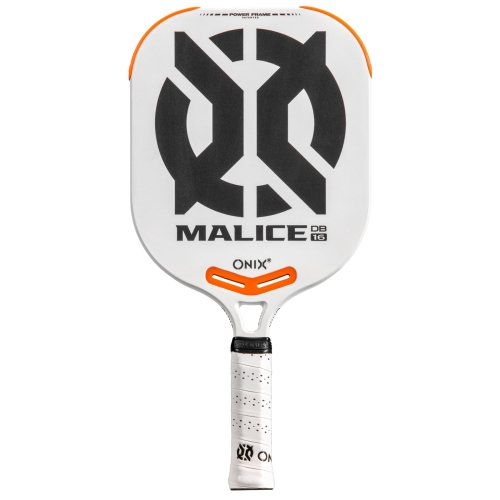 Your price for this item is $359.99
-
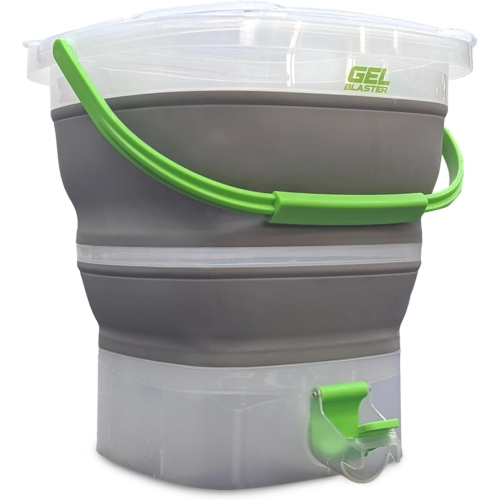 Your price for this item is $34.99
-
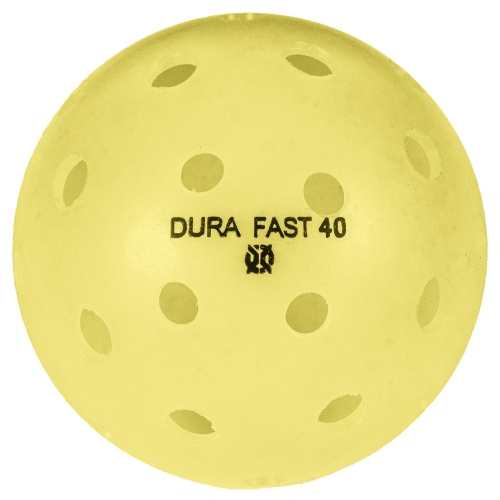 Your price for this item is $429.99
-
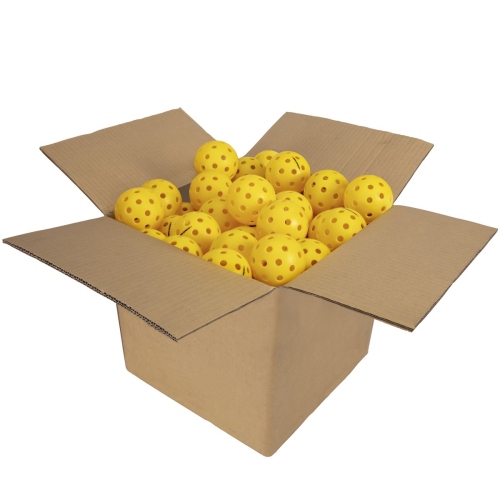 Your price for this item is $349.99
-
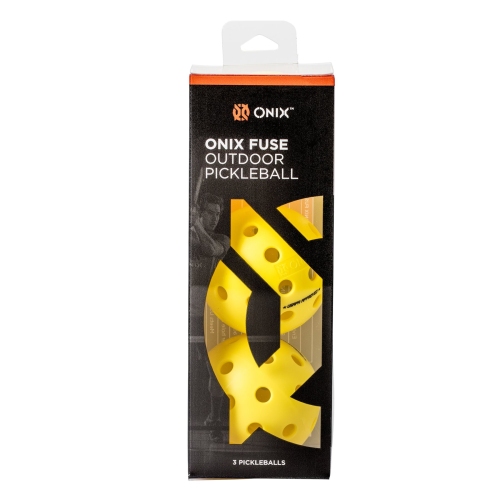 Your price for this item is $14.99
-
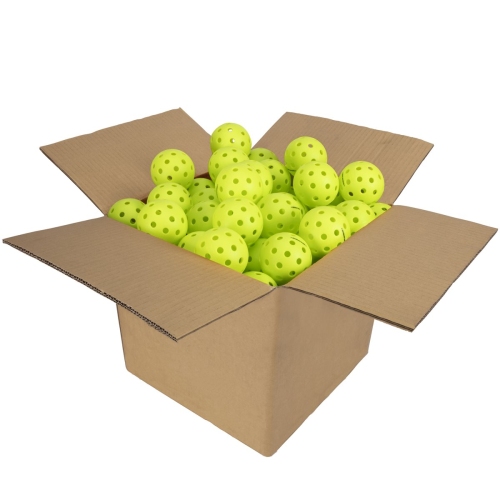 Your price for this item is $349.99
Discover more categories related to Inflatable Ball Pits
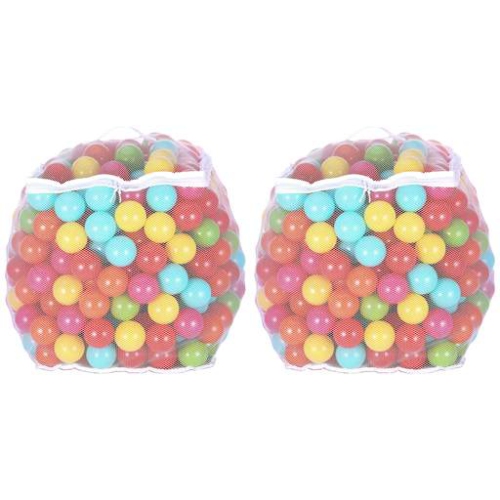
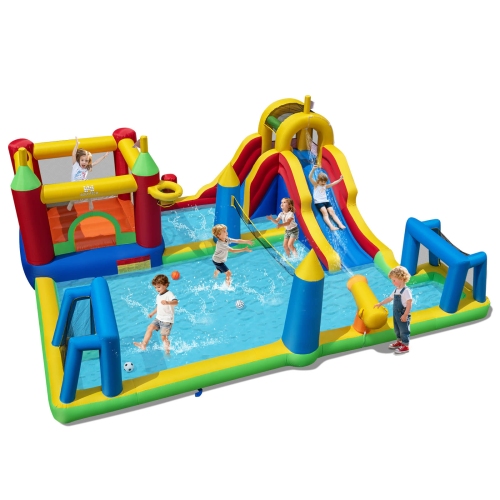
Top Collections:
Best Black Friday Deals This Year, Best Black Friday Deals On Electronics, Kindle Devices, Dyson Airwrap, Best Cameras for Sports Photography, Best Budget Office Chairs, Canon G7X Cameras, PS5 Pro Consoles, Best Black Friday Deals On Apple Products, XBOX One S Consoles
Some products may be subject to Environmental Handling Fees
(EHF) depending on your province.
Learn more about EHFs.