Pit Balls
Dive into a world of fun and creativity with our selection of pit balls! Perfect for little ones and adults alike, these colorful balls are sure to bring hours of entertainment to any playtime. Whether you're looking to add some excitement to a ball pit, create a DIY sensory experience, or simply enjoy some stress-relief through play, our collection of pit balls offers endless possibilities. Explore our range of vibrant colors and durable materials to find the perfect fit for your next indoor or outdoor adventure.
Sort
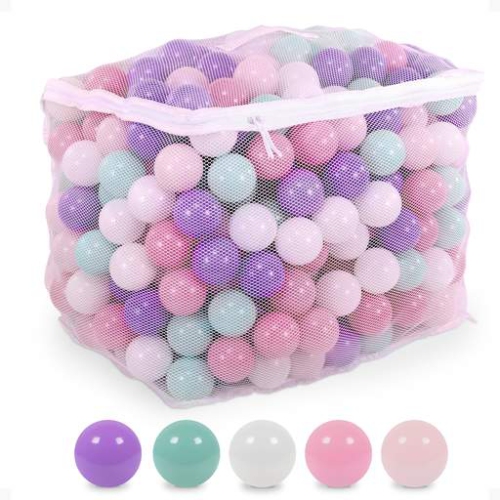
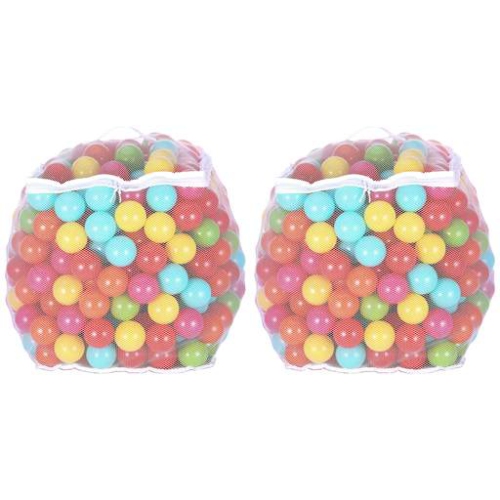
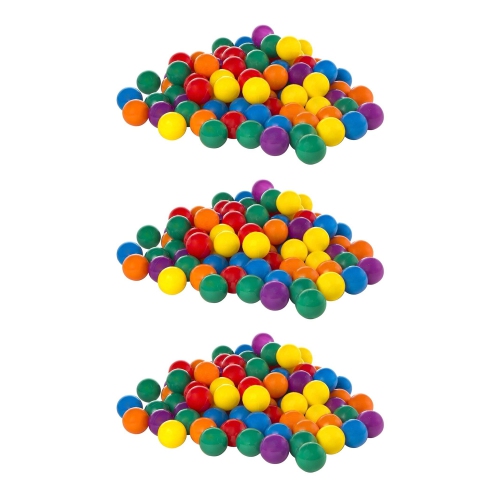
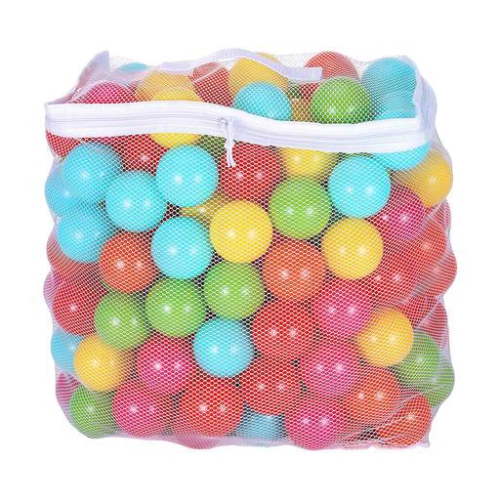
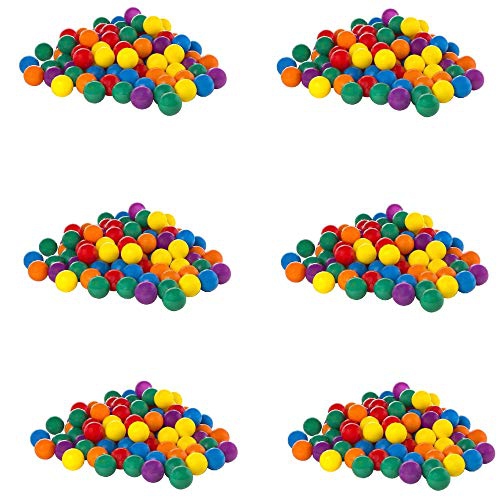
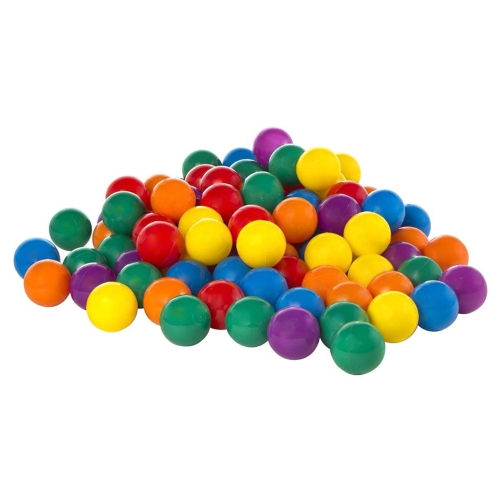
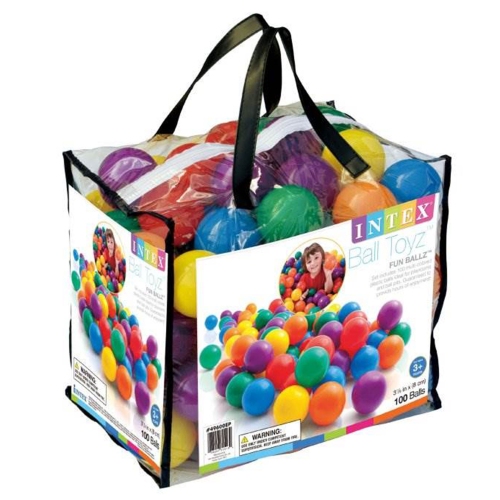
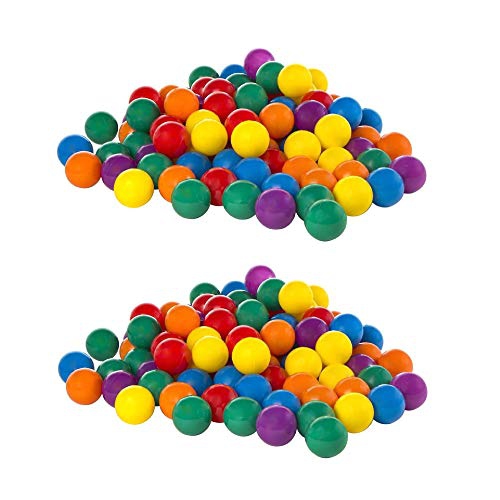
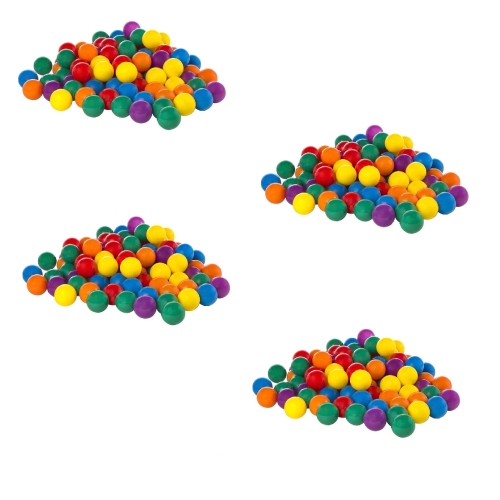
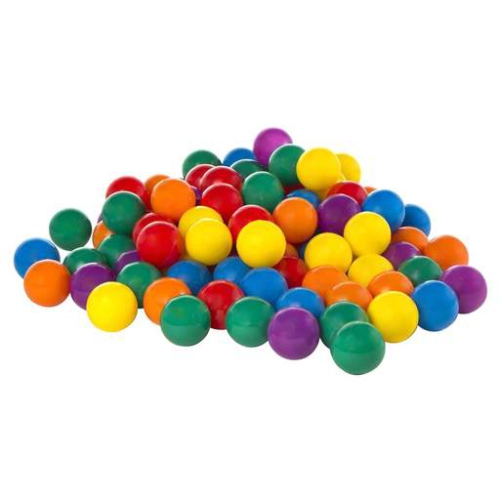
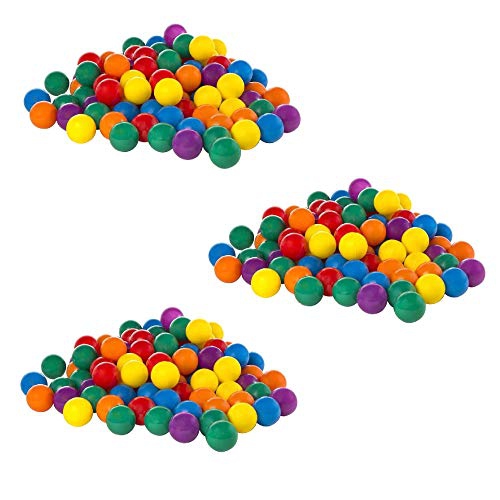
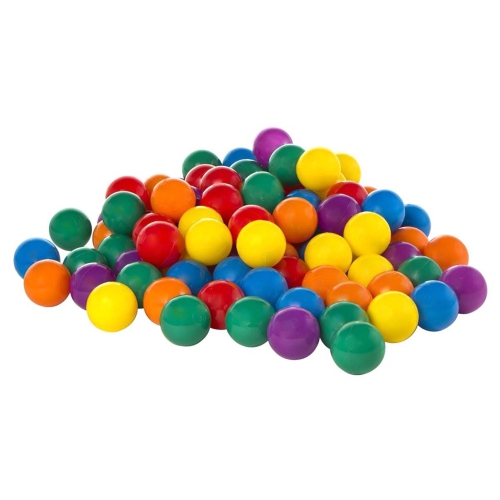
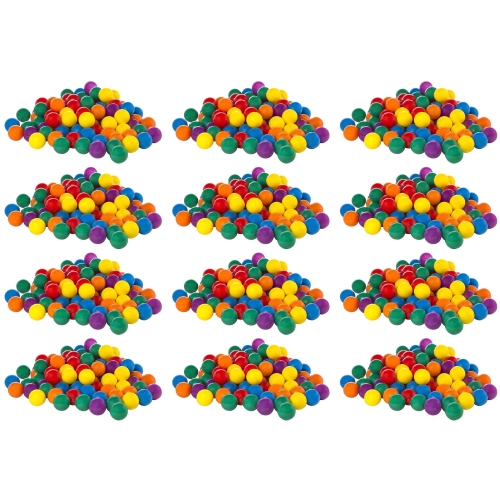
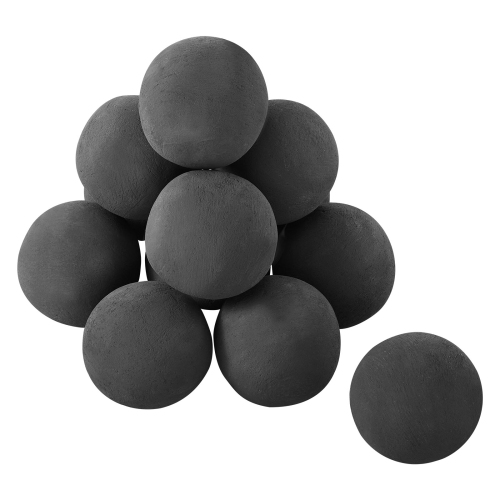
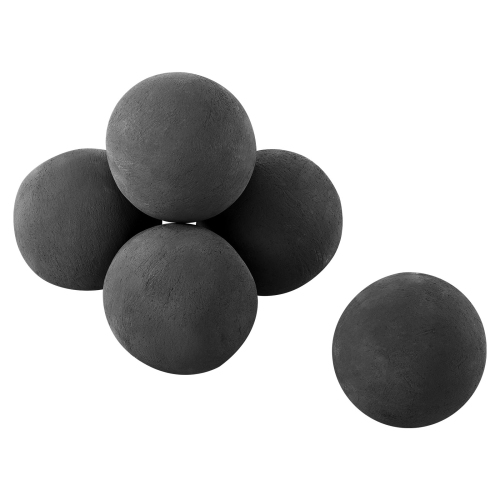

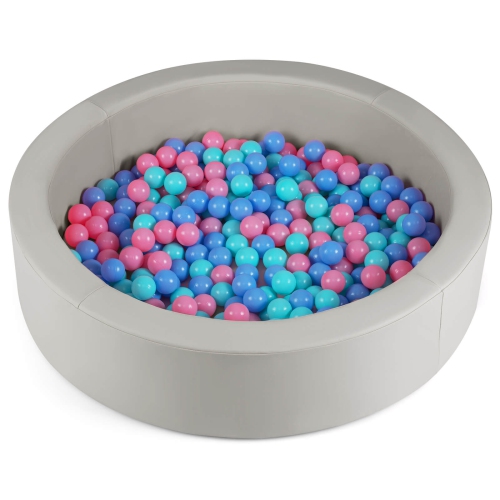
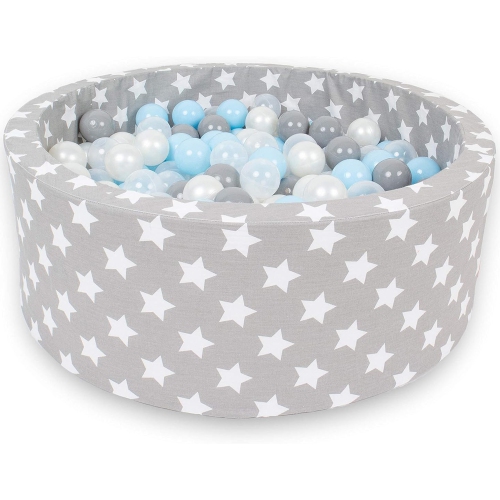

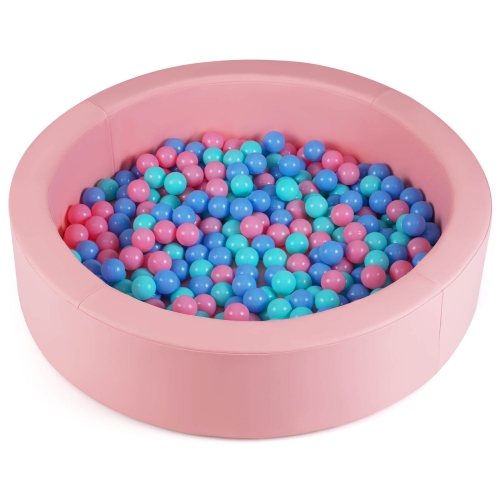
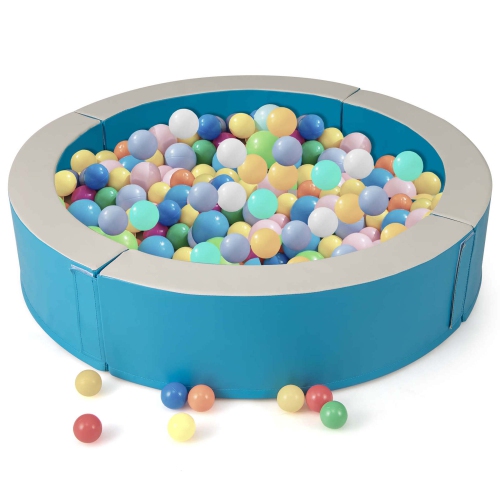


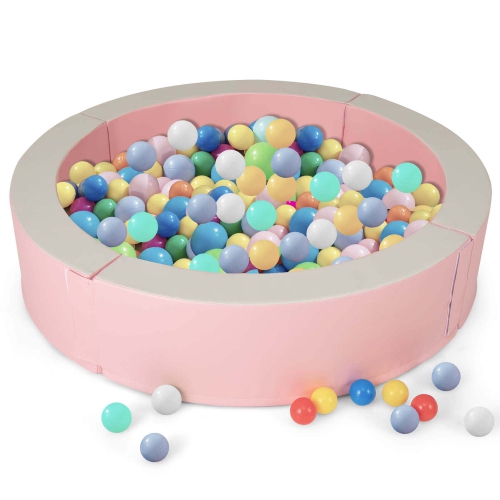


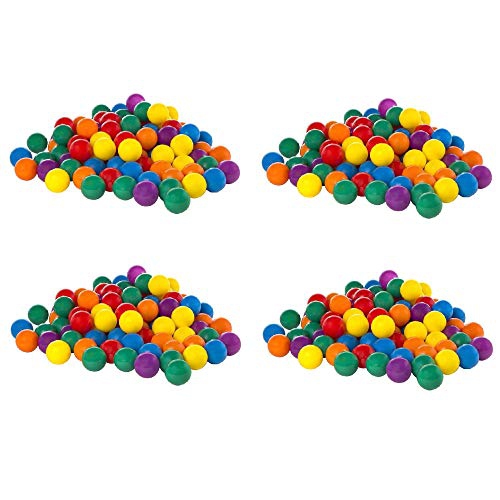

Lightweight balls turn everyday play into colourful learning
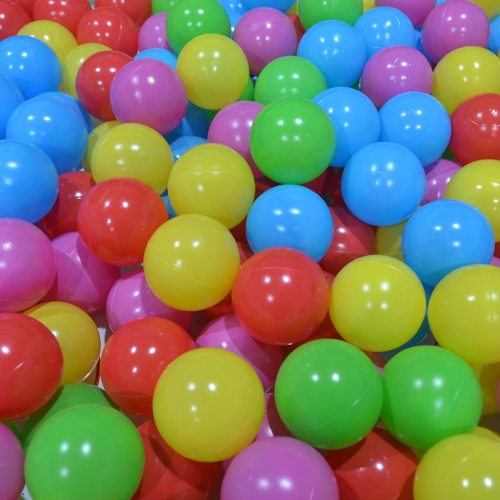
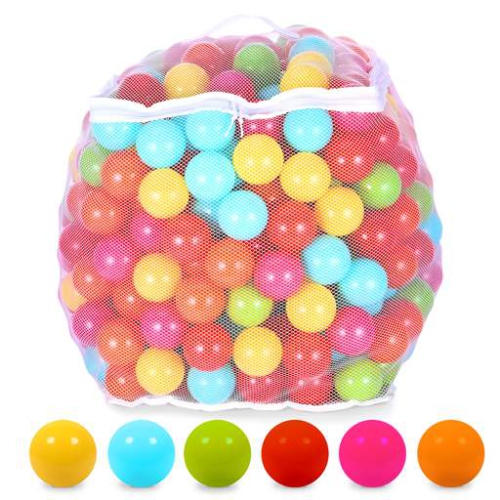
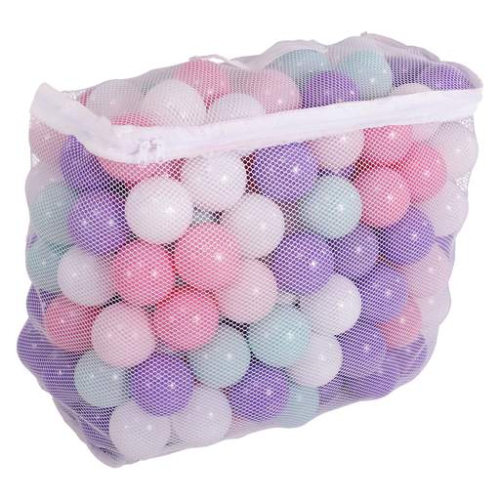
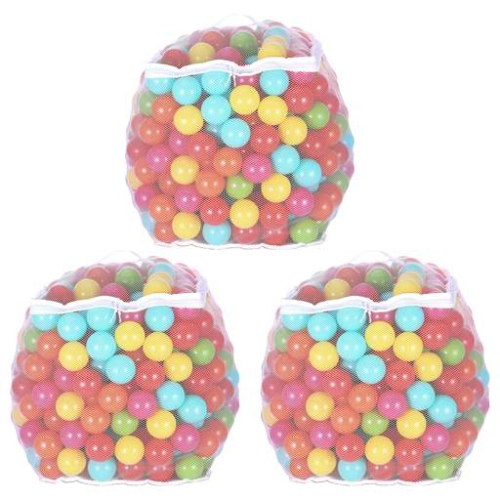
Pit balls, also called ball pit balls, are lightweight plastic spheres used to fill children’s ball pits, play tents, and other play spaces designed for loose balls. Their rounded shape and hollow construction let children scoop, roll, gather, and scatter them without the weight of a traditional sports ball. They turn an open play area into a setting for simple games: a toddler might drop one ball at a time into a bucket, while an older child might sort colours, count small groups, or roll balls towards a target. These activities create opportunities to practise grasping, reaching, coordination, and turn-taking through everyday play. Pit balls are commonly associated with toddlers and preschoolers, but the appropriate age depends on the size of the balls and the manufacturer’s age rating. For younger children, the combination of balls and a suitable enclosure matters as much as the balls themselves. A Baby Ball Pit provides a dedicated space for this type of play, with suitability depending on its design, age guidance, and the child’s abilities. Balls may also be used in an empty kiddie pool set up for dry play, or in a play tent or inflatable structure when its instructions expressly permit them. They are not interchangeable with balls made for throwing sports, pet play, or water activities. A shallow layer can leave room for sitting and rolling, while a fuller pit creates a different play experience and requires an enclosure designed to accommodate it. Bright mixed colours make sorting games easy to introduce, while softer shades can blend into a nursery or shared family room. Whatever the colour palette, the purpose remains the same: providing a collection of light, easy-to-handle balls for supervised, age-appropriate play.
Materials, ball diameter, and construction affect how pit balls feel in small hands and how well they hold up to repeated use. Many are made from hollow plastic, including polyethylene, with a flexible surface that yields under light pressure. The balance between flexibility and shape retention matters: a ball should suit its intended use without developing sharp creases, split seams, or broken edges. Smooth surfaces and neatly finished seams are useful details, especially when children repeatedly scoop balls against their arms or hold several close to their faces. Material claims vary, so statements such as BPA-free should be confirmed in the manufacturer’s information rather than assumed from appearance or colour. Diameter deserves equal attention. Smaller balls may be easier to gather in handfuls, but they are not suitable for every age group, and a larger diameter alone does not establish that a ball is safe for a particular child. The stated age range, warnings, and instructions remain essential, especially for children who still mouth toys. Adult supervision is necessary, and damaged balls should be removed from use. Pack quantity is another practical consideration, although the number of balls does not tell the whole story. Coverage depends on the enclosure’s interior length, width, shape, desired fill depth, and the diameter of each ball. The same quantity can create a generous layer in a compact pit and only a scattering across a wide play tent. Larger balls also take up more space individually, so equal counts of different sizes will not produce the same result. Product photos may show a play space filled more deeply than a single pack can achieve. Checking ball dimensions alongside the enclosure’s measurements gives a clearer sense of the likely coverage. The enclosure’s instructions should determine the acceptable fill level, leaving children room to move and allowing adults to see and reach them easily.
Daily care and storage have a noticeable effect on how convenient pit balls are to keep in a home, childcare setting, or supervised playroom. Balls that spend time on the floor pick up dust, crumbs, and sticky fingerprints, so accessible cleaning instructions are a useful feature. Many plastic balls can be wiped or washed with mild soap and water, but the manufacturer’s directions should confirm the appropriate method. Heat, strong cleaners, and cleaning appliances can damage some plastics, and balls with openings or damaged seams may trap moisture. Balls should be fully dry before returning to an enclosure or storage bag, and any with cracks, rough edges, or permanent damage should be discarded. A washable pit cover or wipeable enclosure can simplify the surrounding cleanup, though it does not replace cleaning the balls themselves. Storage is worth planning because a lightweight collection can still occupy considerable space. A roomy container or suitable toy-storage bag helps keep balls together between play sessions; packaging and drawstrings should remain out of children’s reach. In a shared living area, a contained play zone also helps prevent loose balls from rolling into walkways or under furniture. Pit balls can make a thoughtful birthday gift or an addition to an existing play space, particularly when the recipient already has a compatible enclosure. Matching the balls to the child’s age and the available space is more useful than choosing by colour alone. For families with more than one young child, simple activities such as passing balls into separate baskets or collecting a chosen colour can give each child a role without requiring elaborate rules. Some children enjoy a fuller pit, while others prefer handling a few balls at the edge of the play area. Keeping the experience comfortable, visible, and easy to tidy helps these simple toys fit naturally into everyday play.
Top selling and popular products
-
 Your price for this item is $219.97
-
 Your price for this item is $57.99
-
 Your price for this item is $57.99
-
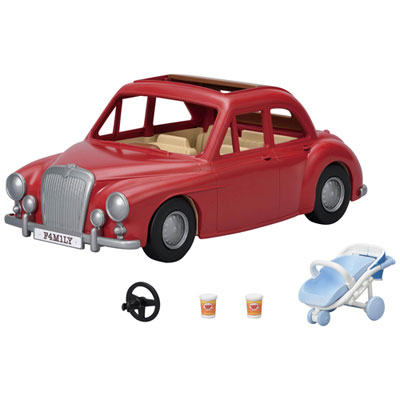 Your price for this item is $28.98
-
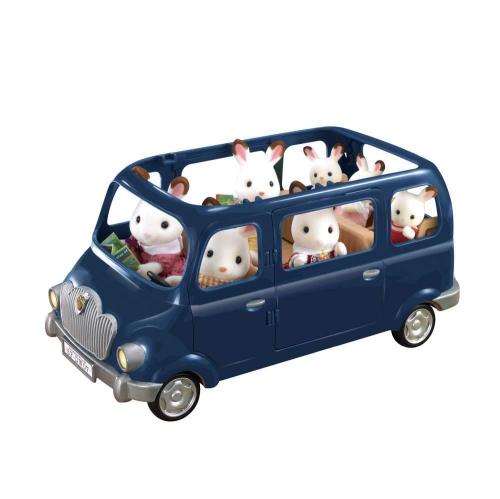 Your price for this item is $95.19
-
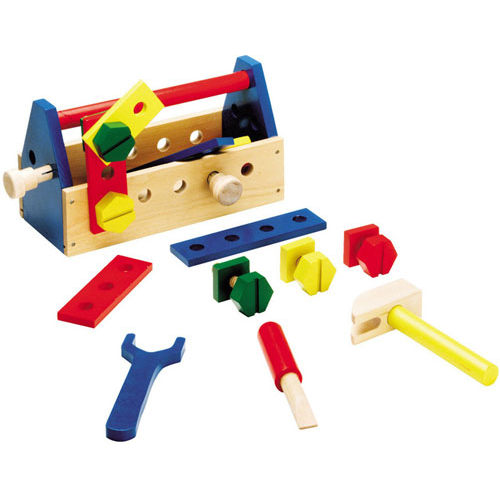 Your price for this item is $32.99
-
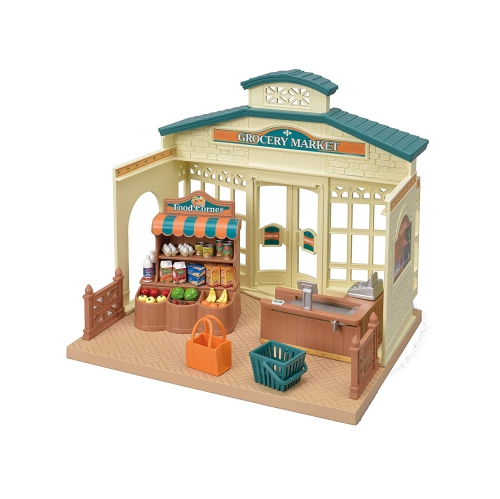 Your price for this item is $85.99
-
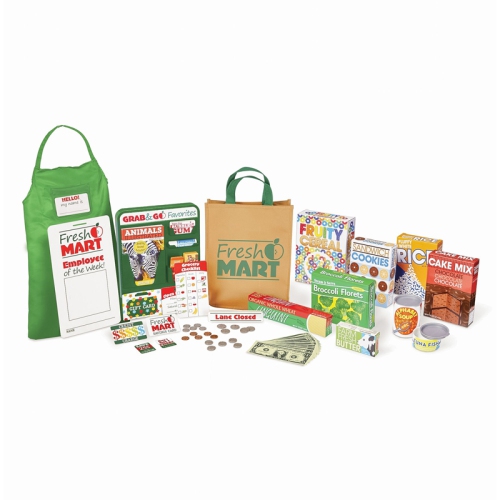 Your price for this item is $65.99
Discover more categories related to Pit Balls

Top Collections:
Best Black Friday Deals This Year, Best Black Friday Deals On Electronics, Kindle Devices, Dyson Airwrap, Best Cameras for Sports Photography, Best Budget Office Chairs, Canon G7X Cameras, PS5 Pro Consoles, Best Black Friday Deals On Apple Products, XBOX One S Consoles
Some products may be subject to Environmental Handling Fees
(EHF) depending on your province.
Learn more about EHFs.