Inflatable Pool Chairs
Transform your poolside experience with the ultimate comfort and relaxation of inflatable pool chairs. Whether you're lounging under the sun or enjoying a refreshing dip in the water, these versatile and stylish chairs provide the perfect spot to unwind. Designed with convenience in mind, inflatable pool chairs offer easy portability and adjustable features, allowing you to customize your seating position for maximum comfort. Here are some great options available.
Sort








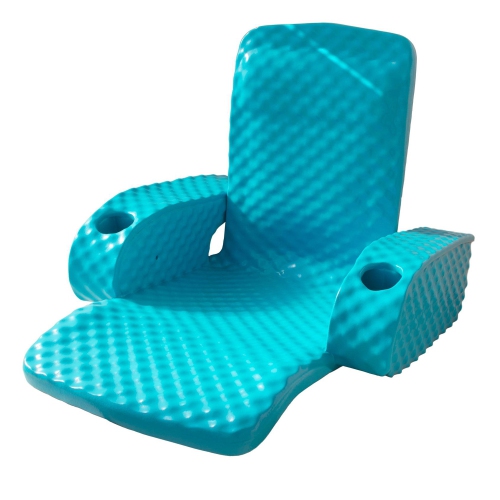

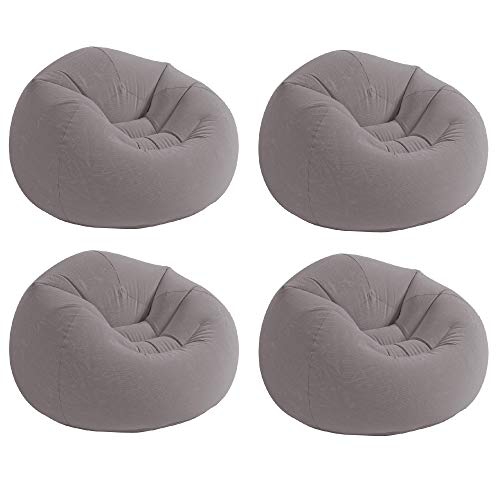


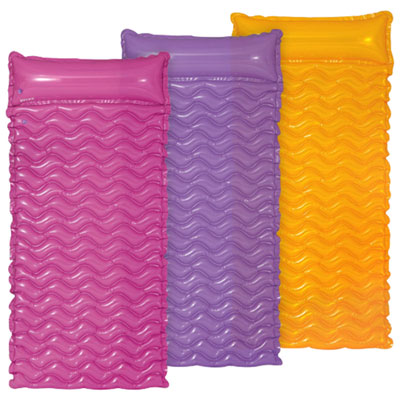
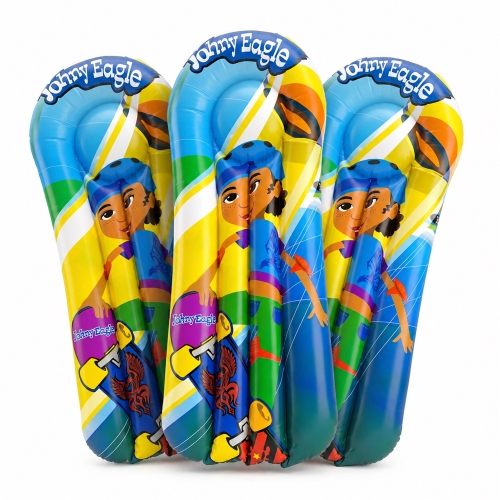


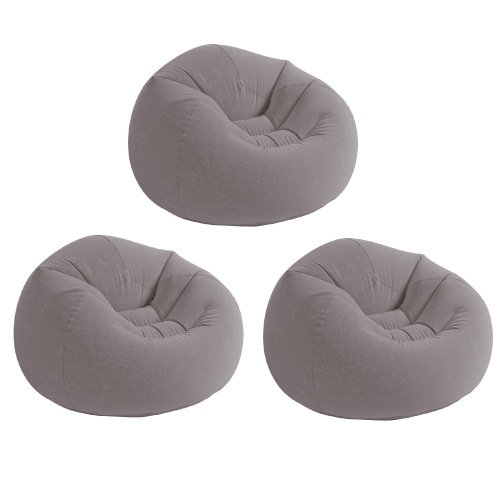


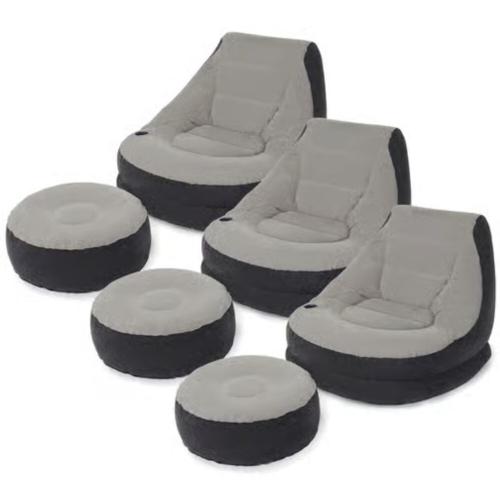
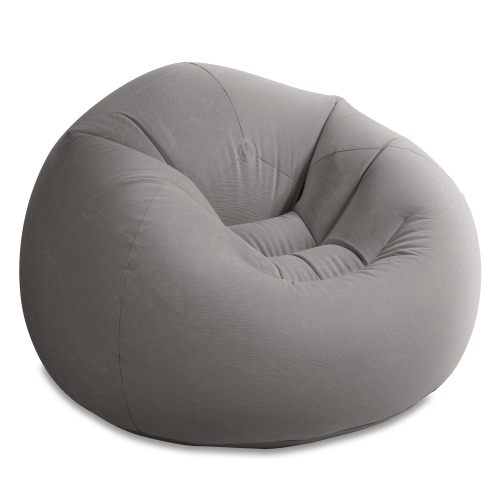


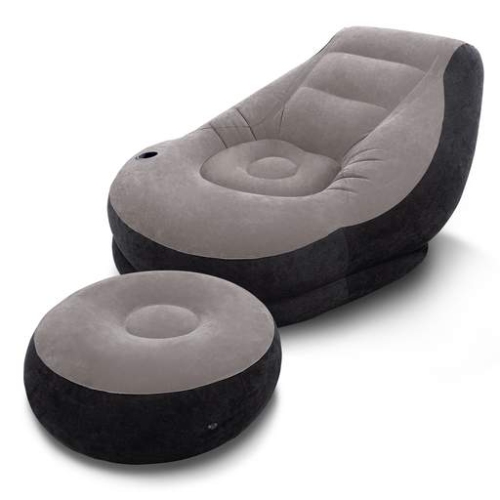


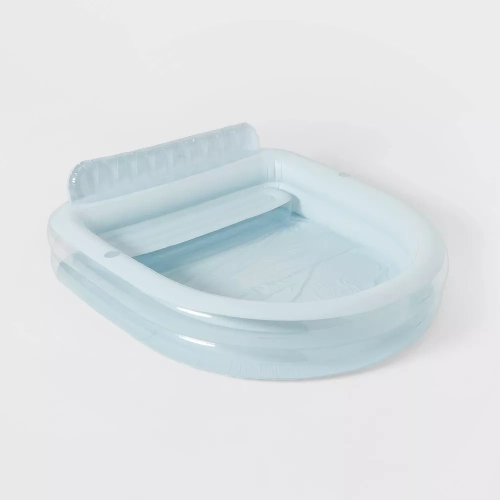


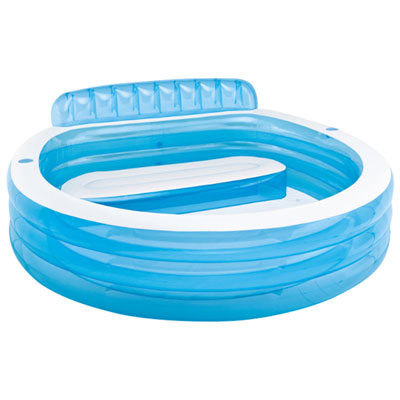

Why seat shape matters for relaxed pool lounging
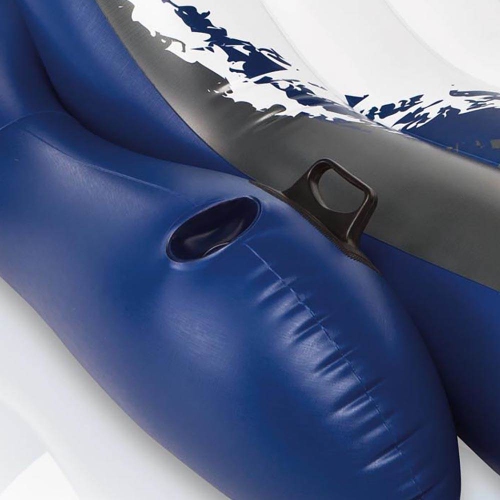
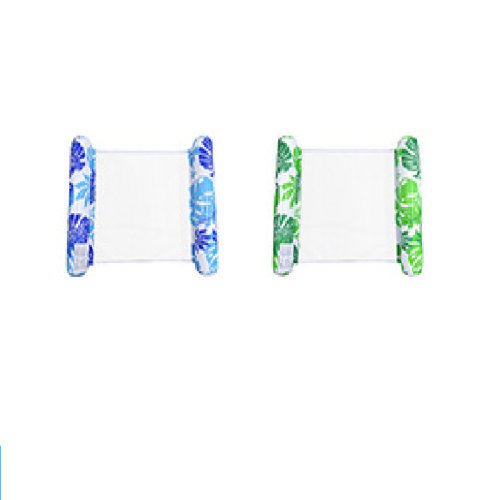
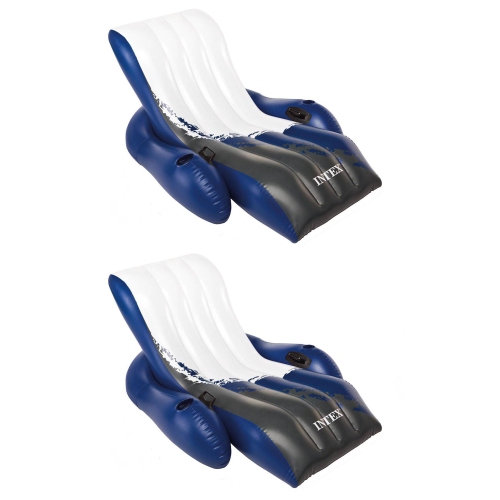
Inflatable pool chairs are floating seats designed for supported, seated relaxation in the water, often combining a raised backrest with armrests, a recessed seat, or a mesh seating panel. Unlike a flat pool mattress, a chair-style float keeps the body in a more upright or gently reclined position, making it comfortable to chat across the pool or stretch out with feet resting in the water. Designs vary from compact rings with supportive backrests to longer loungers with leg support, so the seating shape matters as much as the overall size. A low mesh seat allows more contact with the water, while a raised inflatable seat generally keeps more of the body above the surface. Neither arrangement guarantees a dry seat, particularly when someone climbs aboard or water splashes over the sides. For relaxed conversation, a more upright backrest can feel natural; for reclining, a longer profile and a headrest may be more comfortable. Seat width, backrest height, and the position of the armrests all affect how well a chair suits its user. Taller adults may appreciate extra legroom, while someone who prefers a compact float may find a shorter design easier to position in a smaller pool. The stated weight capacity and intended age range remain important, even when a chair looks generously sized. Overall dimensions do not necessarily describe the usable seating area, and a wide outer ring can surround a relatively narrow seat. Product photographs can help show posture, but measurements and manufacturer specifications provide a clearer picture of fit. A chair that works well for one adult is not automatically suitable for sharing, and a multi-person design should expressly allow the intended number of users. Space around the float also matters: an oversized lounger needs room to turn without pressing against pool walls, ladders, or other swimmers. The most suitable shape leaves enough space for both comfortable lounging and ordinary movement through the pool, rather than filling the entire swimming area.
Materials and construction influence how an inflatable pool chair feels, packs away, and stands up to repeated use. Many designs use PVC or vinyl air chambers, sometimes paired with a mesh seat or a fabric-covered surface. Smooth inflatable surfaces are straightforward to rinse and wipe, while mesh lets water pass through the seating area. Fabric coverings can change the feel against bare skin, although they may need more drying time before storage. Attention to seams, valve placement, and the points where mesh joins the inflatable frame can reveal practical differences between designs. A seam running beneath the thighs or an exposed valve near an elbow may affect comfort during a longer lounge. Reinforced construction can help with everyday wear, but no inflatable material is puncture-proof; rough concrete, jewellery, pet claws, and sharp poolside edges can cause damage. Features are most useful when they match the way the chair will be used. A cup holder keeps a compatible drink container within reach, although it does not prevent spills or make glass suitable around a pool. Handles may help with repositioning when used as directed, while a headrest can make reclining more comfortable without requiring the neck to rest against a narrow rim. Some designs offer more than one seating position, but the manufacturer’s instructions should confirm how those configurations work. Separate air chambers may allow different sections to be inflated individually, and valve compatibility helps determine whether an existing pump will work. Pump inclusion varies, so it is worth checking what is supplied rather than assuming one is included. Within the wider selection of inflatable pool floats, chairs suit people who prefer seated support over lying flat. They can also be thoughtful gifts for adults with access to a suitable pool, especially when the recipient’s preferred posture, storage space, and ability to get on and off the seat are considered alongside colour and style.
Everyday care starts with inflating the chair to the firmness specified by its manufacturer rather than making every chamber as hard as possible. Overinflation can place unnecessary strain on seams, and changes in air temperature can alter chamber pressure. A chair that feels softer later does not always have a puncture, but persistent air loss deserves a check of the valves, seams, and surface before further use. Inspection is particularly useful after travel or a long period in storage. Inflation and deflation are best done on a clean, smooth surface, away from gravel or splintered decking. Dragging an inflated chair across a pool surround can wear the underside, even when the upper surface still looks new. After use, rinsing away pool chemicals and other residue with fresh water helps keep the surface clean; any soap or cleaning treatment should be suitable for the material and permitted by the manufacturer. Mesh panels, folds, and the area around valves need time to dry thoroughly before the chair is deflated and packed away. Trapped moisture can lead to unpleasant odours or mildew, while tightly compressed folds can put repeated stress on the same sections. A dry storage space away from direct sunlight and sharp objects helps protect the material between uses. If a small puncture occurs, repairs should follow the manufacturer’s directions and use a compatible patch, with the chair checked before returning to the water. Comfort features do not change the basic safety limits of this category: inflatable pool chairs are recreational floats, not lifejackets, rescue equipment, or substitutes for swimming ability. They can tip, drift, or lose air, and users should remain awake and aware of their position. Children require close, active adult supervision around water, including when floats are present. Getting onto a low floating seat also takes balance, so a pool chair should not be treated as an accessibility aid. Following the pool’s rules, respecting the chair’s stated limits, and keeping access points clear helps preserve space for both lounging and swimming.
Top selling and popular products
-
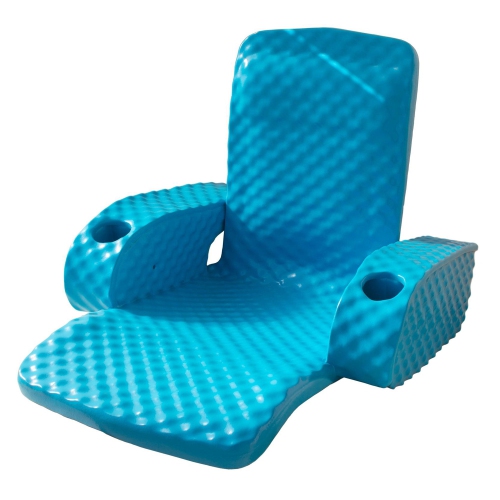 Your price for this item is $605.99
-
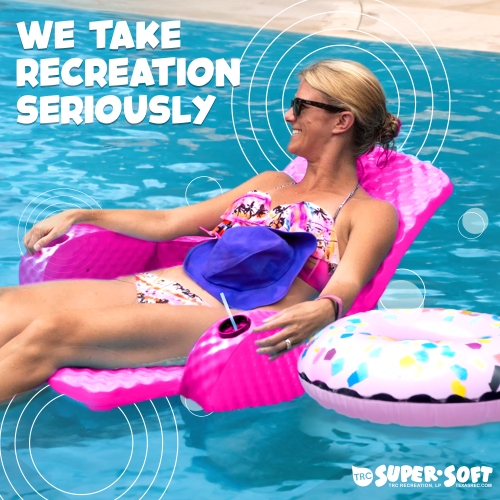 Your price for this item is $599.99
-
 Your price for this item is $477.99
-
 Your price for this item is $597.99
-
 Your price for this item is $90.99
-
 Your price for this item is $87.99
-
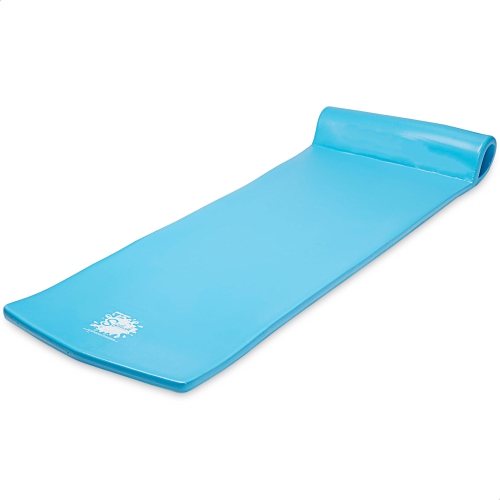 Your price for this item is $280.99
-
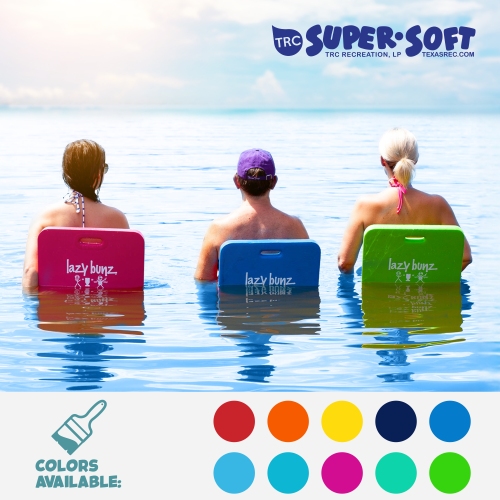 Your price for this item is $102.99
Discover more categories related to Inflatable Pool Chairs
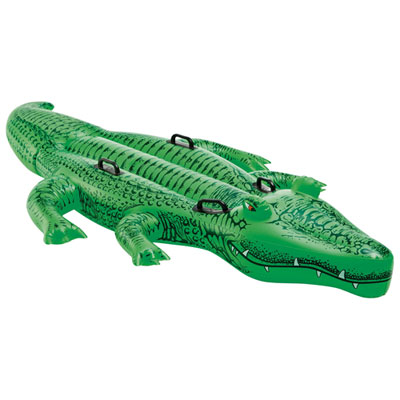
Top Collections:
Pokemon Centers, Best Cameras for Sports Photography, Kindle Devices, Samsung Galaxy Phones, Canon G7X Cameras, Pokémon 30th Celebration Cards, Refurbished Apple Laptops, iPhone 15 Apple, Laptops for Students, Budget Smartphones
Some products may be subject to Environmental Handling Fees
(EHF) depending on your province.
Learn more about EHFs.