Kayak With Paddle
Explore the great outdoors and glide through serene waters with our collection of high-quality kayaks with paddles. Whether you're a seasoned kayaker or a beginner looking to embark on new adventures, we have the perfect kayak to suit your needs. From sleek and streamlined designs for speed enthusiasts to stable and comfortable options for leisurely paddling, our selection ensures there's a kayak for every preference and skill level. Dive into our range of kayaks today and get ready to embrace nature's beauty from a whole new perspective.
Sort





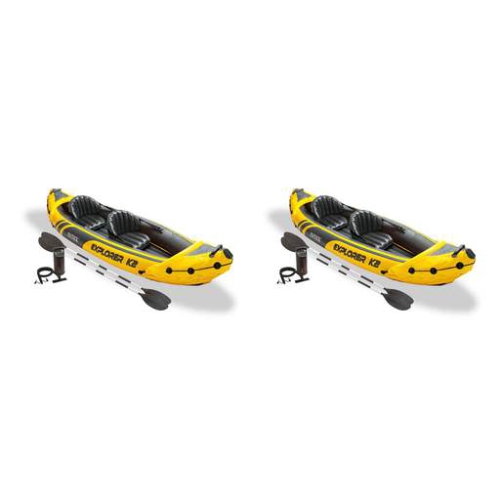


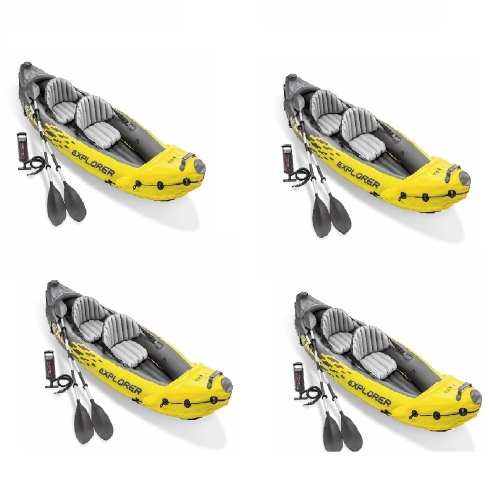
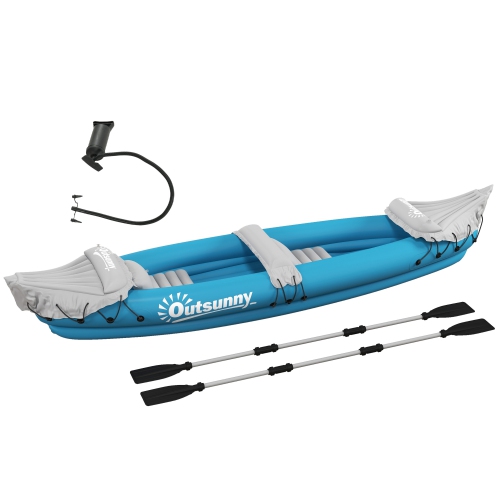
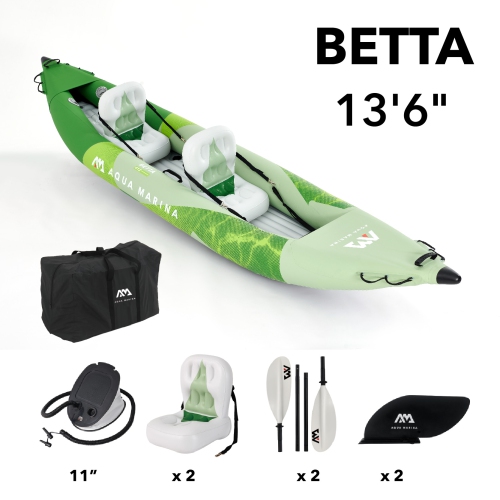



What to know about storage, paddles, and water safety
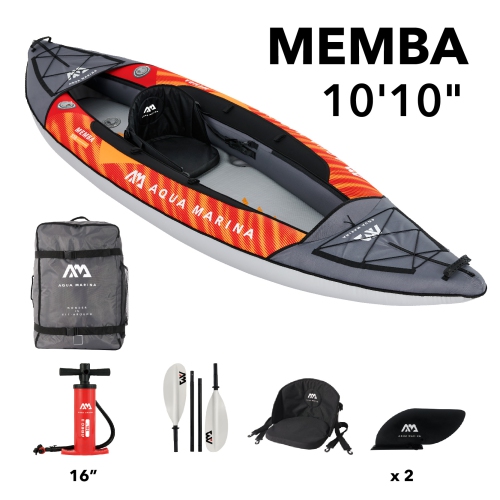
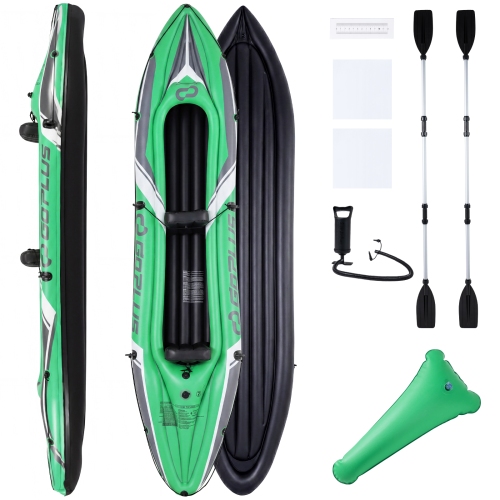
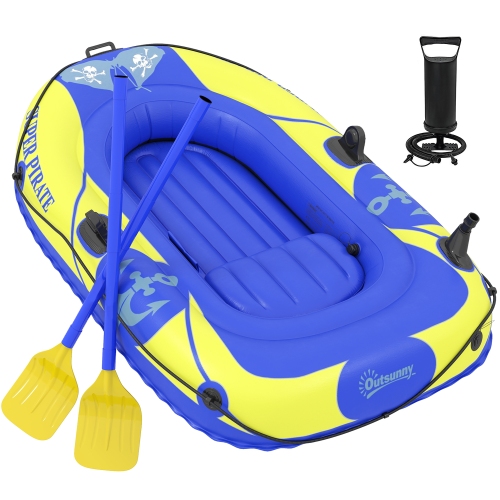
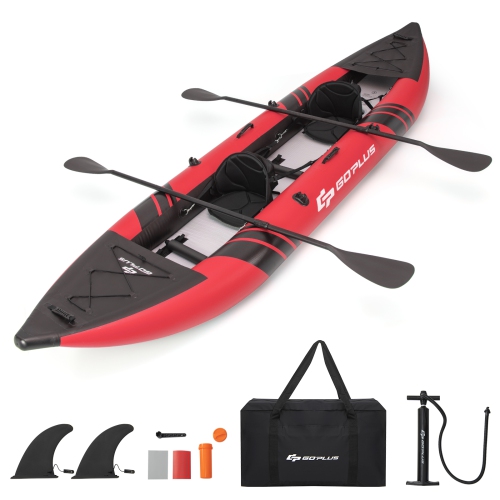
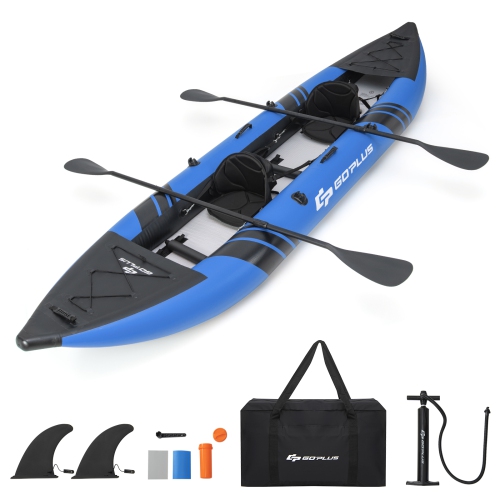
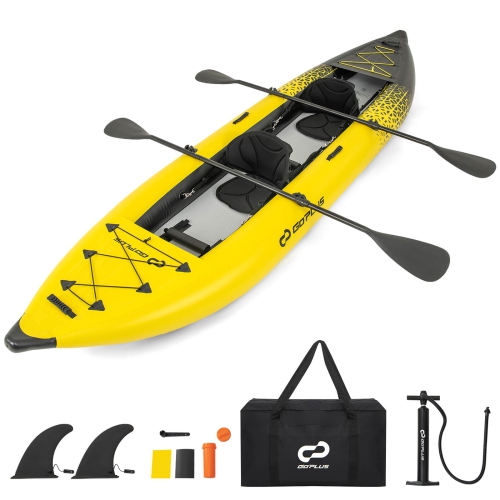
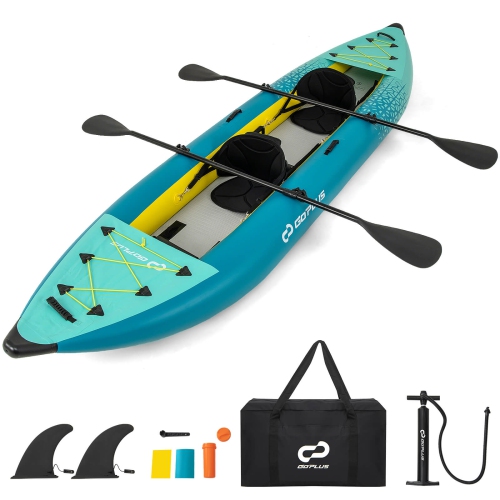
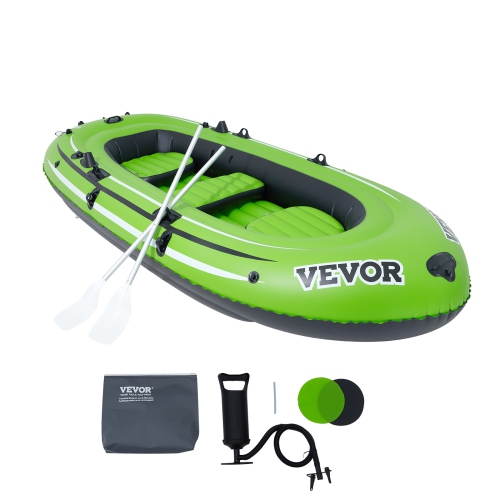
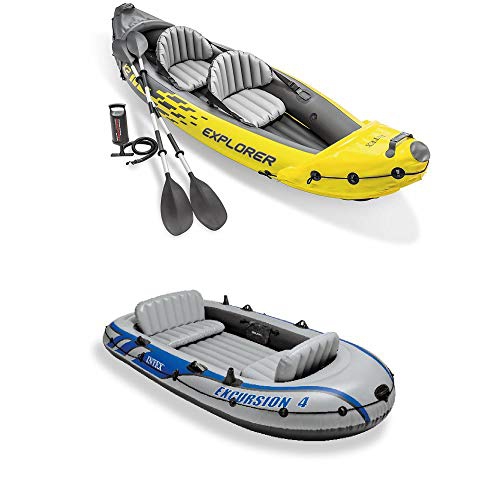
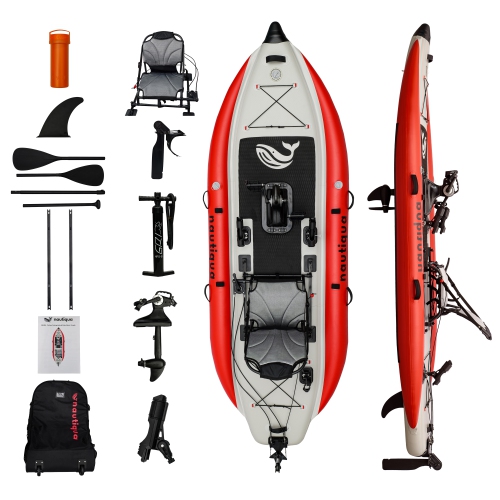
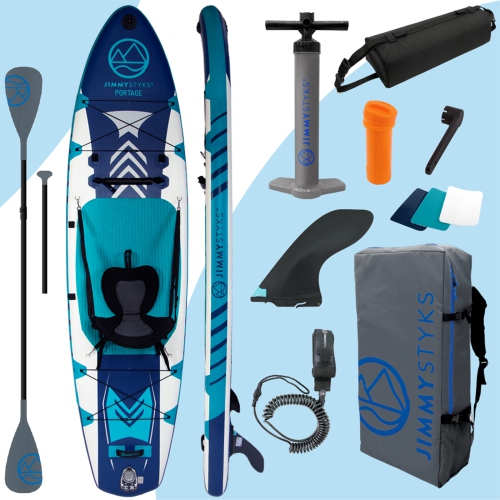
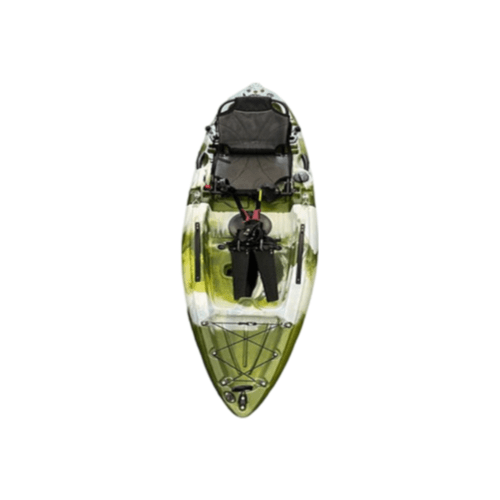
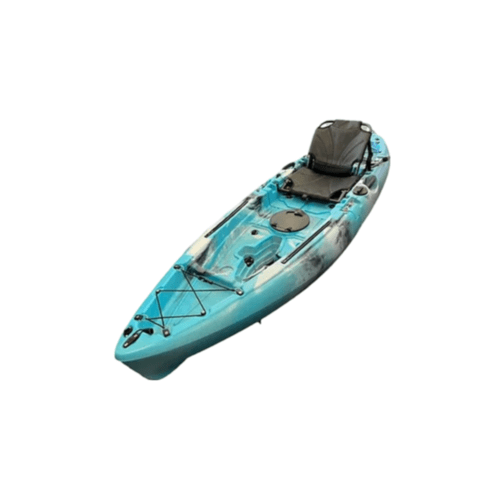
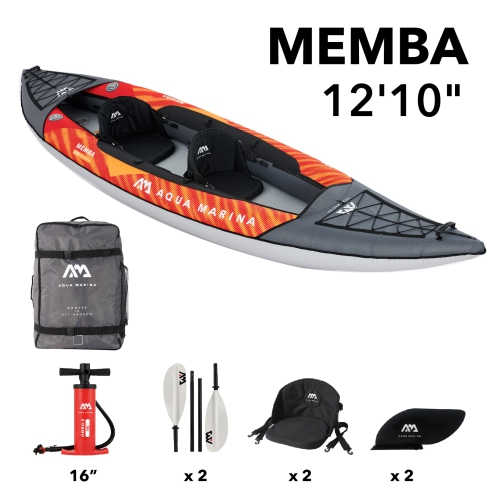
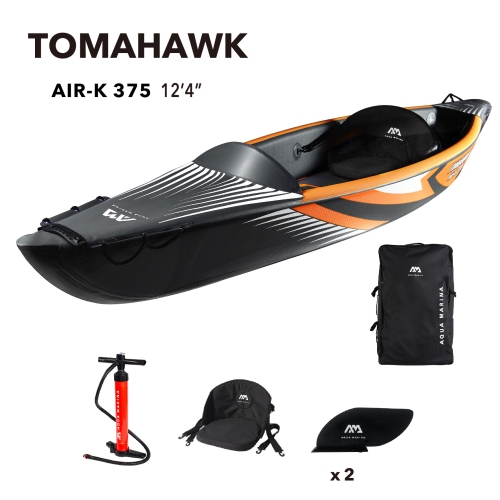
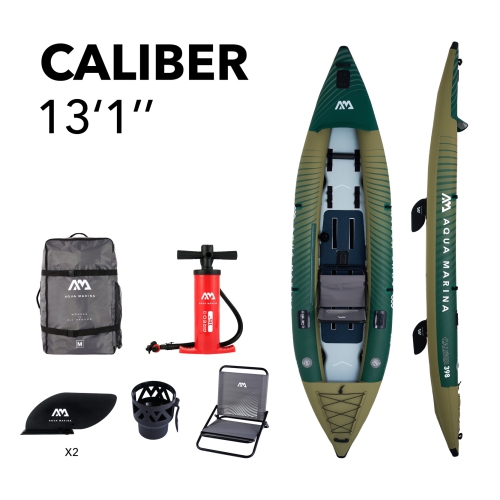
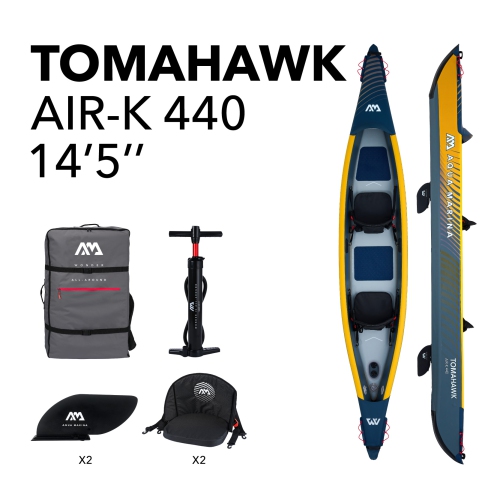
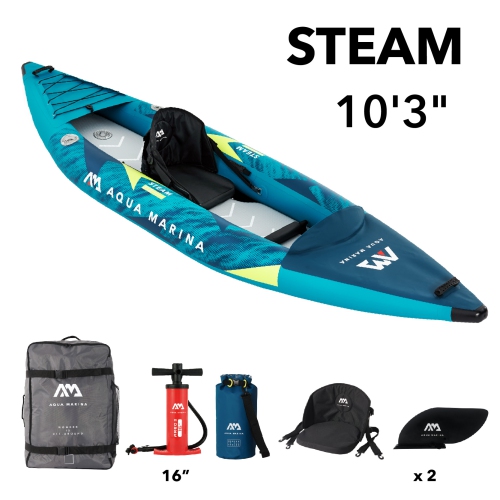
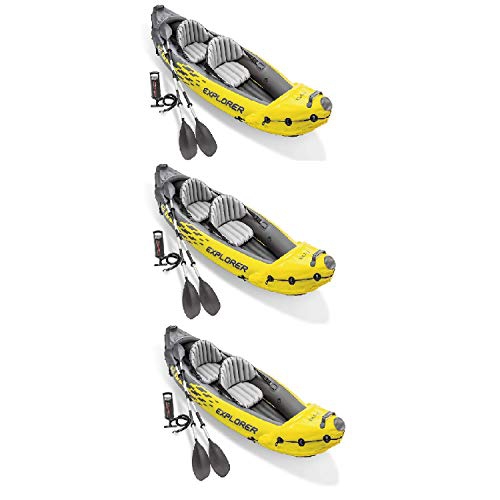
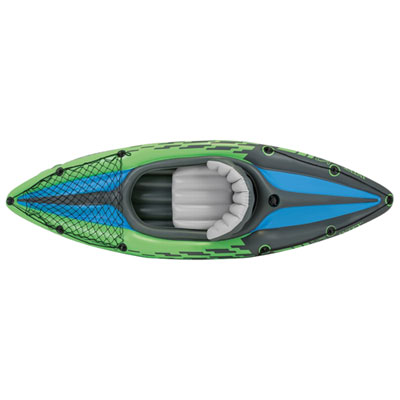
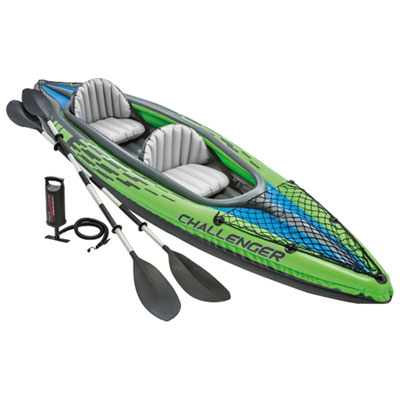
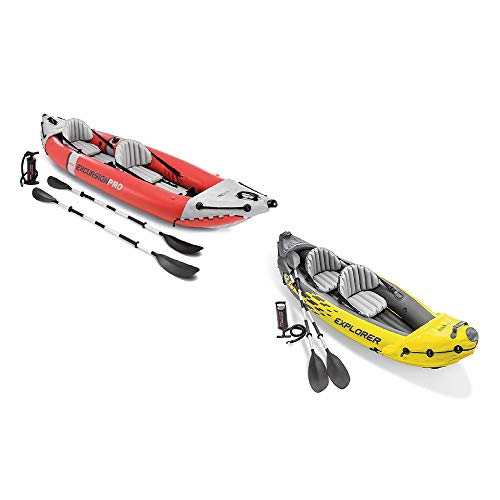
A kayak with paddle offers a convenient way to get out on the water with the essential equipment in one purchase. These sets can suit casual paddlers, families, cottage owners, anglers and anyone who enjoys exploring quiet shorelines from a new perspective. Inflatable kayaks are often a practical choice for apartments, smaller vehicles or homes without a dedicated storage area, since they can be deflated, packed away and transported with relative ease. Many include a pump, carry bag and one or more paddles, helping simplify setup for a first outing. Hard-shell recreational kayaks can provide a more immediate launch experience and a firm, streamlined feel on the water, while compact designs are easier to carry and store than larger touring models. A two-person inflatable kayak with two aluminium paddles and a high-output pump commonly falls in the $165 to $199.99 CAD range, while entry-level inflatable models may begin around $130 CAD. Compact rigid recreational kayaks that include a paddle may cost approximately $469 CAD, and premium fishing paddle kayaks with enhanced stability and storage can range from about $1,329 CAD to $1,499.99 CAD. Prices and included accessories vary, so checking the complete package is important when comparing value. For more options across recreational watercraft, explore Kayak And Paddleboard.
Start by matching the kayak to the people who will use it, the water they expect to explore and the way they plan to transport it. A single-person kayak can be easier to control and carry, making it a good fit for solo outings, fishing or relaxed shoreline trips. A tandem kayak gives two paddlers room to share the experience, whether that means taking turns on a calm lake, bringing a child along or spending a leisurely afternoon with a partner or friend. Check the listed weight capacity carefully, allowing room for the paddler or paddlers, clothing, a small cooler, safety equipment and any other gear. Stability is especially helpful for beginners, photographers and anglers who may want to pause, cast or adjust their position without feeling unsteady. Length and width also influence handling: shorter, wider kayaks are generally approachable for calm recreational use, while longer profiles may track more smoothly over distance. Inflatable construction can be appealing for its portability, but it should still be stored fully dry and protected from sharp surfaces. For a rigid kayak, consider the available storage space at home, the vehicle needed for transport and whether a roof rack or cart will be required. Paddles deserve equal attention. Look for a shaft length that suits the kayak’s width and the paddler’s height, along with a comfortable grip, adjustable or multi-piece construction and a blade shape suited to relaxed cruising or more purposeful strokes. Aluminium paddles are common in included sets and can offer straightforward durability, while lighter materials may be preferable for longer outings. If the set includes a pump, seat, footrest, repair kit, carry bag or storage compartments, those extras can make preparation easier and reduce the need to purchase accessories separately.
A kayak with paddle can make a thoughtful gift for a new homeowner with access to a lake, an active family planning outings at a cottage or a friend who has been looking for a fresh way to enjoy the water. It can also be a practical choice for experienced paddlers who want a second setup for guests, spontaneous trips or travel. Before giving one as a gift, consider whether the recipient has room to store it, a suitable vehicle or another reliable way to reach the launch point. Safety and local requirements should remain part of every outing. A properly fitted personal flotation device, a whistle, basic communication equipment, sun protection and water are useful essentials, even on a short paddle close to shore. Beginners may feel most comfortable starting on calm, sheltered water during good visibility, learning how the kayak responds to gentle strokes, turning and stopping before travelling farther from land. As the weather cools, paddlers should pay close attention to water temperature, wind, changing conditions and the need for warm, dry layers; air temperatures can feel pleasant while the water remains dangerously cold. During the cooler months, many owners clean and dry their kayak thoroughly, inspect valves, seams, straps and paddle joints, then store everything according to the manufacturer’s instructions. An inflatable kayak should be completely dry before packing to help prevent odours or damage, while a rigid kayak benefits from support that avoids placing prolonged pressure on one area. With the right size, construction, paddle design and included accessories, a kayak set can turn a quiet shoreline, a peaceful cottage lake or a gentle river into a comfortable place to spend time outdoors.
Top selling and popular products
-
 Your price for this item is $259.99
-
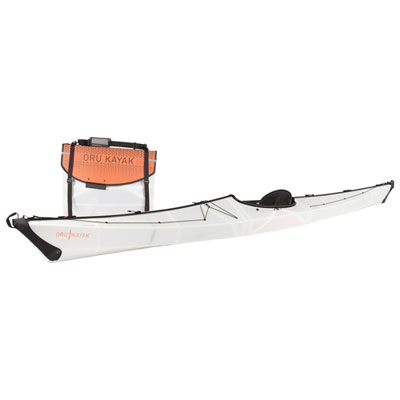 Your price for this item is $2647.99
-
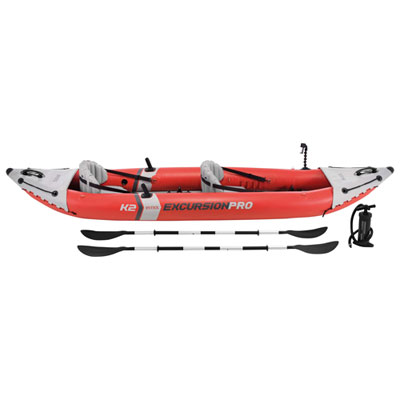 Your price for this item is $331.98
-
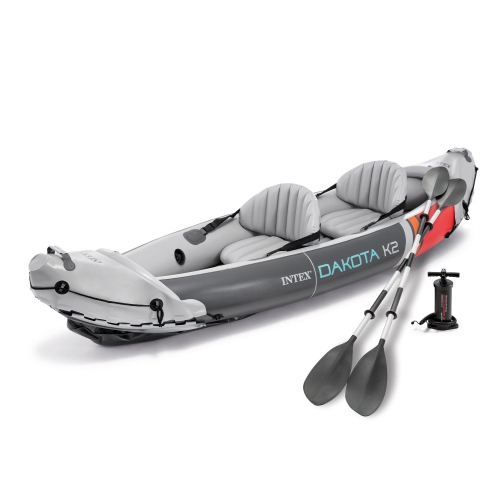 Your price for this item is $381.99
-
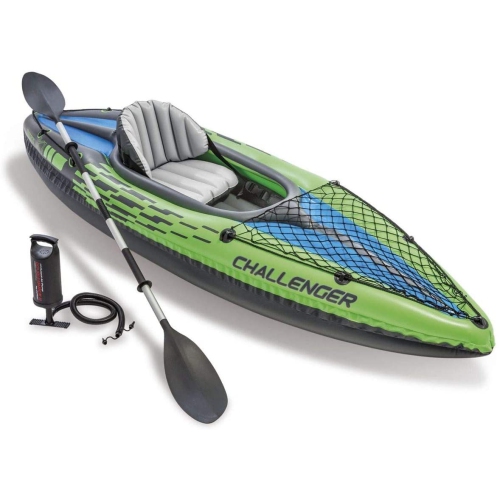 Your price for this item is $219.99
-
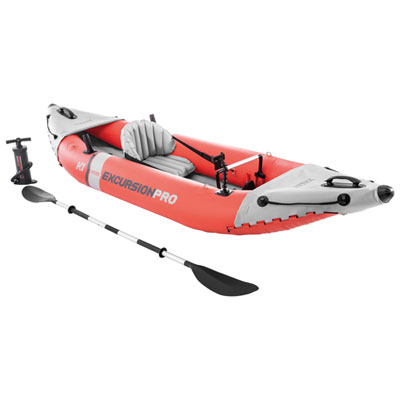 Your price for this item is $235.98
-
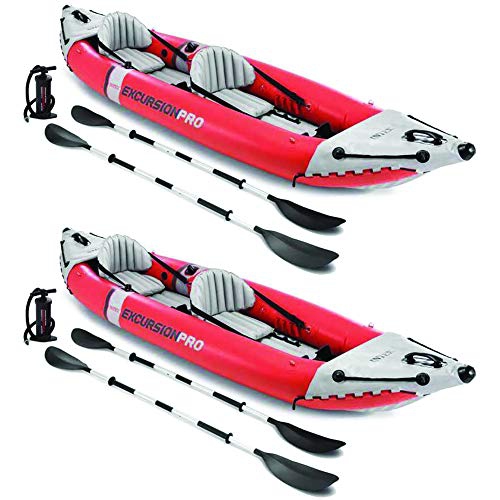 Your price for this item is $1199.99
-
 Your price for this item is $933.99
Discover more categories related to Kayak With Paddle
Top Collections:
Pokemon Centers, Best Cameras for Sports Photography, Kindle Devices, Samsung Galaxy Phones, Canon G7X Cameras, Pokémon 30th Celebration Cards, Refurbished Apple Laptops, iPhone 15 Apple, Laptops for Students, Budget Smartphones
Some products may be subject to Environmental Handling Fees
(EHF) depending on your province.
Learn more about EHFs.