Kayak Boat
Explore the great outdoors and glide through the water with our selection of kayak boats. Whether you're a seasoned kayaker or looking to embark on your first paddling adventure, we have a variety of options to suit your needs. From sit-on-top kayaks for easy entry and exit to touring kayaks for longer excursions, our collection offers durability, stability, and performance to enhance your time on the water. Find the perfect kayak boat to take your aquatic adventures to the next level.
Sort
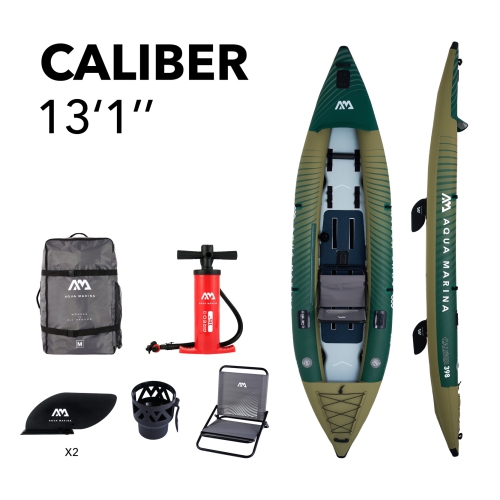
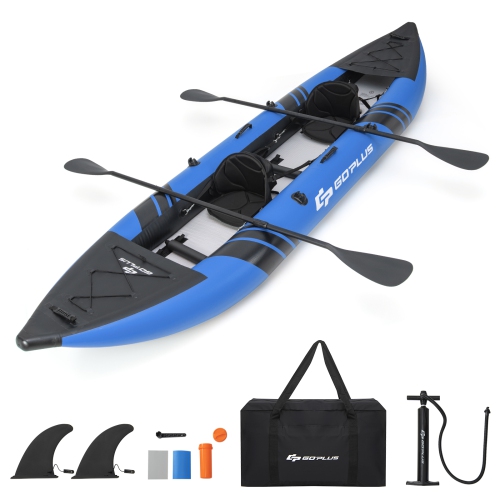

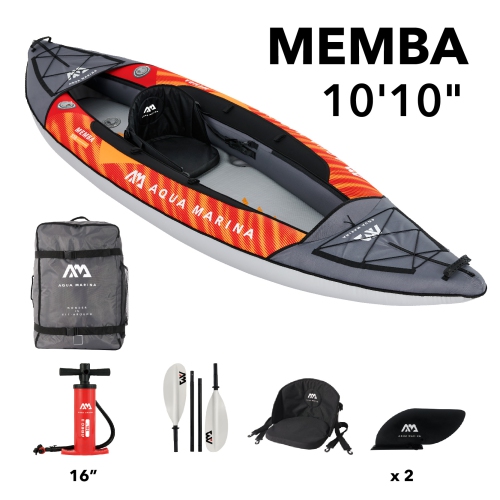
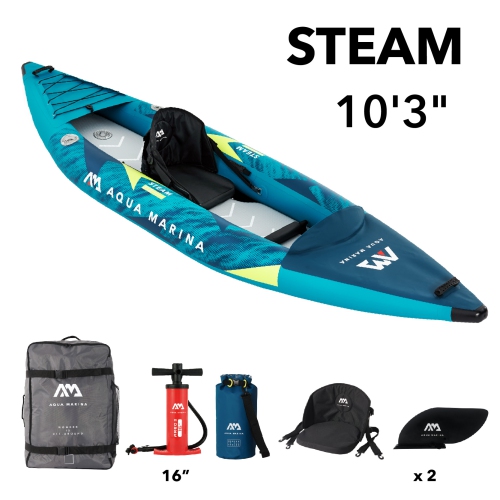


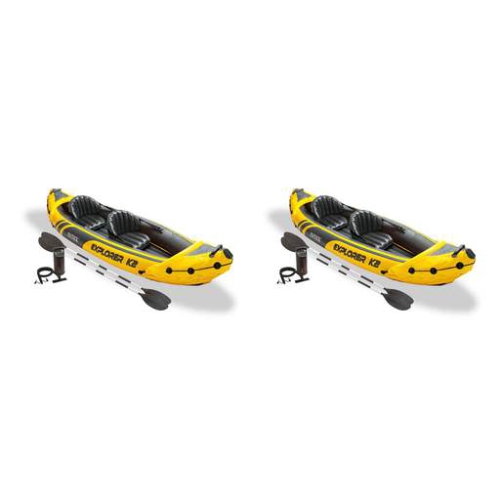
How kayak design shapes your time on the water
A kayak is a small, narrow boat propelled with a double-bladed paddle, typically from a seated position with the paddler facing forwards. Kayaks suit a range of activities, from relaxed outings on sheltered lakes to fishing, overnight trips and longer journeys along the coast. The right style depends on the water, the distance and the amount of gear coming aboard. Wider leisure kayaks generally offer reassuring initial stability for casual paddling on calm lakes and slow-moving rivers, while longer, narrower touring kayaks are designed to travel efficiently and hold a straighter course over greater distances. Whitewater kayaks have specialised shapes and outfitting for moving water and are not interchangeable with boats intended for quiet shoreline outings. Hull shape matters alongside length and width: a boat that feels steady beside a dock may handle waves differently from one designed for rougher water. Sit-on-top kayaks have an open seating area that makes getting on and off straightforward, and many have scupper holes that allow water to drain from the deck. Their exposed layout suits paddlers who value freedom of movement and easy access to gear, though it offers little shelter from wind or splashes. Sit-in kayaks position the paddler inside a cockpit, providing more coverage around the lower body. Some accept a compatible spray skirt, which requires proper fitting and practice with safe exits. Neither layout removes the need for clothing suited to the water temperature. Solo kayaks give one paddler control over pace and direction, while tandem kayaks let two people share the effort and the experience. A tandem can be appealing for partners or families, but its size, combined load capacity and handling still need to suit both paddlers. For shoppers considering seated paddling alongside stand-up options, the Kayak And Paddleboard page brings those related activities together. Each format offers a different experience on the water, with distinct requirements for balance, storage and transport.
Construction influences how a kayak feels to carry, how it responds on the water and how it stands up to regular use. Moulded polyethylene is common in rigid kayaks because it tolerates everyday knocks and abrasion, although dragging any hull across gravel or pavement can cause wear. Thermoformed plastic kayaks can offer a balance of manageable weight and a smooth, rigid finish, while composite constructions, including fibreglass, can provide stiffness and lower weight but need careful handling around rocks and hard landings. Inflatable kayaks use air chambers and reinforced fabrics to create a boat that packs down between outings. Some include drop-stitch sections that become firm when inflated to the specified pressure. Their packed size can be useful for apartment living or travel, but setup, drying time and pressure checks are part of ownership. Folding kayaks offer another compact-storage approach, with assembly steps and care requirements that vary by design. Across all constructions, carrying weight and maximum load capacity are different measurements. The load must account for the paddler or paddlers, clothing, drinking water and every piece of gear aboard; adequate room below the stated limit helps avoid an overloaded boat. Physical fit deserves just as much attention. A supportive seat, adjustable footrests and sufficient legroom can make a noticeable difference during an afternoon paddle, especially when a short outing stretches into several hours. In a sit-in kayak, the cockpit opening needs to allow comfortable entry and exit without leaving the paddler cramped. On a sit-on-top, seat height and position affect both paddling posture and the feel of the boat. Storage features should match the outing rather than simply add compartments. Deck cords can keep suitable gear within reach, while hatches provide enclosed space for spare layers or trip supplies. Hatch compartments are not necessarily waterproof, so dry bags remain useful for belongings that need protection. Fishing-oriented layouts may include rod holders and mounting points, but a tidy deck and secure equipment help keep paddling and landing manageable.
Everyday practicality often determines how much use a kayak gets. A boat that suits the lake but is awkward to move from a garage to a vehicle can turn a simple outing into a demanding task. Overall length, hull weight, carrying handles and the route to the launch all matter, whether that route crosses a cottage lawn or follows a longer path from a parking area. A kayak cart can reduce carrying effort where the ground allows, while vehicle transport calls for compatible supports and properly secured tie-downs in line with the vehicle, rack and kayak manufacturers’ directions. Storage at home also deserves space in the decision. Rigid hulls need suitable support to prevent distortion, particularly during extended storage, and protection from prolonged sunlight helps limit material wear. After paddling, rinsing away sand, mud or salt and letting the boat dry helps protect fittings and keeps storage areas cleaner. Inflatable boats need thorough drying before packing to reduce trapped moisture and mildew, along with checks of seams, valves and pressure limits. Seats, footrests, handles and deck lines benefit from regular inspection regardless of hull type. During the cooler months, water can be dangerously cold even when the air feels mild, making suitable immersion protection, sound judgement and an approved, properly fitted lifejacket or personal flotation device essential. Required safety equipment varies with the craft and circumstances, so applicable Transport Canada requirements belong alongside checks of local rules, forecasts and launch access. Sheltered water, a trip plan shared with someone ashore and practised rescue skills support more confident outings; a longer hull alone does not make exposed water appropriate for an inexperienced paddler. Kayaks can be thoughtful gifts for cottage visitors, anglers or people who already enjoy paddling, provided the recipient’s fit, abilities, transport and storage arrangements are understood. For families, suitable supervision and correctly fitted safety equipment matter as much as seating capacity. A well-matched kayak brings together comfort, handling and practical ownership, whether its usual trip is a quiet shoreline loop or a carefully planned day carrying lunch, spare clothing and room to explore.
Top selling and popular products
-
 Your price for this item is $259.99
-
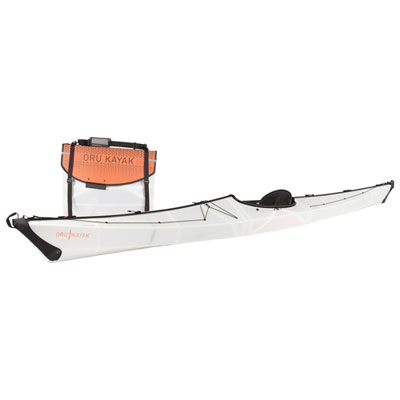 Your price for this item is $2647.99
-
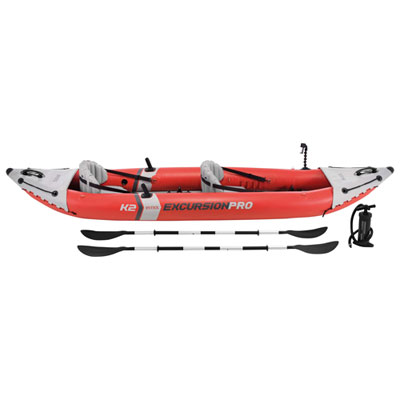 Your price for this item is $331.98
-
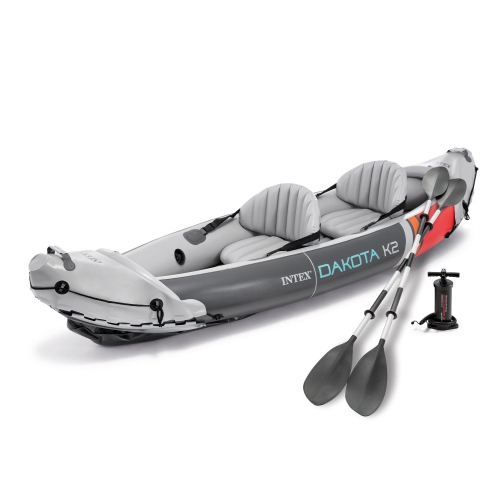 Your price for this item is $381.99
-
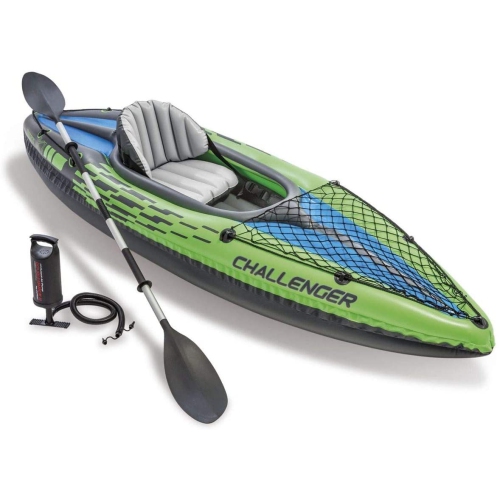 Your price for this item is $219.99
-
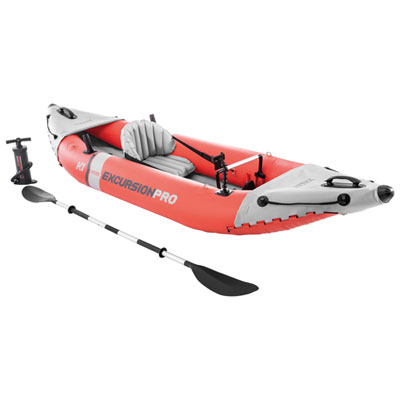 Your price for this item is $235.98
-
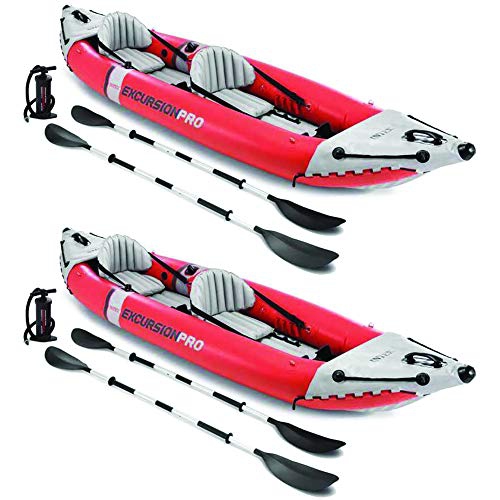 Your price for this item is $1199.99
-
 Your price for this item is $933.99
Discover more categories related to Kayak Boat

Top Collections:
Pokemon Centers, Best Cameras for Sports Photography, Kindle Devices, Samsung Galaxy Phones, Canon G7X Cameras, Pokémon 30th Celebration Cards, Refurbished Apple Laptops, iPhone 15 Apple, Laptops for Students, Budget Smartphones
Some products may be subject to Environmental Handling Fees
(EHF) depending on your province.
Learn more about EHFs.