Kayaks for Beginners
If you're ready to embark on your kayaking adventures, our collection of beginner-friendly kayaks is the perfect place to start. Whether you're new to the sport or looking for a reliable and easy-to-use vessel, these kayaks are designed to provide stability, comfort, and control on the water. From recreational sit-on-top models to versatile inflatable options, you'll find a range of features to suit your skill level and preferences. Dive into our selection of beginner kayaks and get ready to paddle your way to unforgettable experiences on the water.
Sort









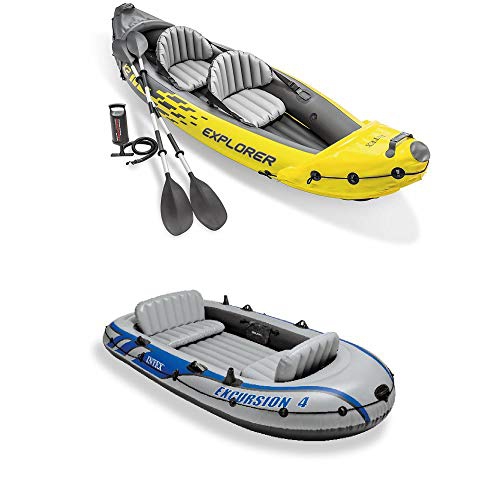
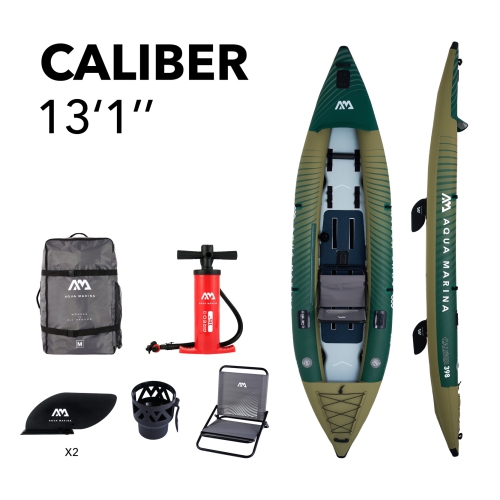

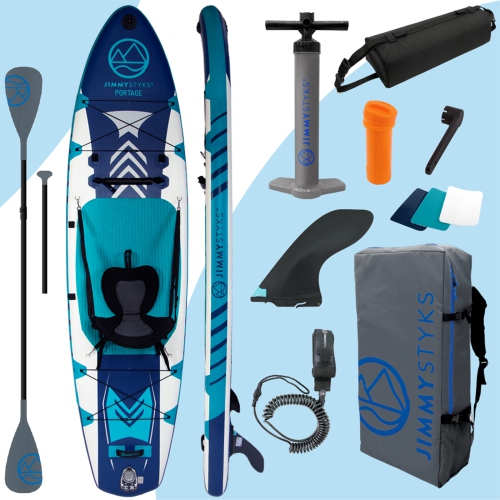
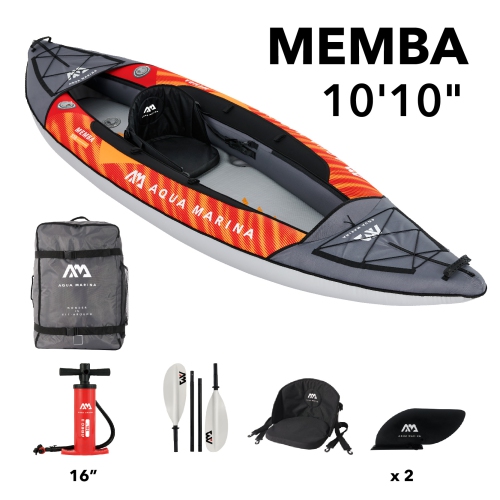



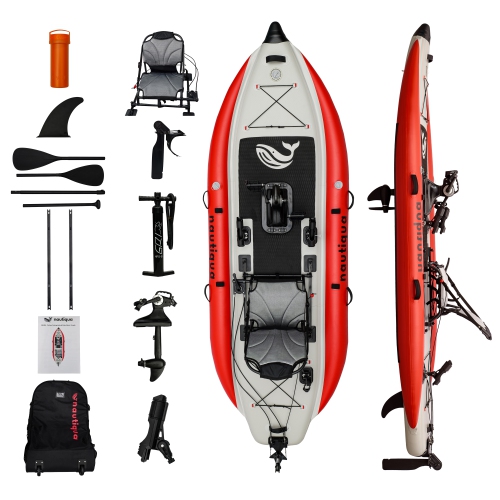
How stability and safety shape a first outing
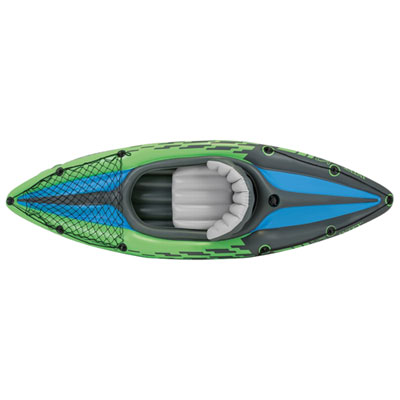
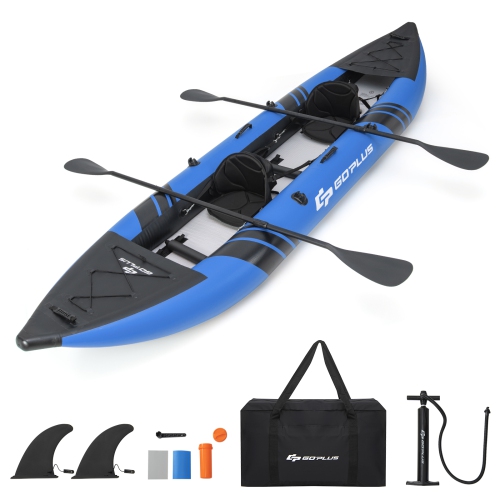
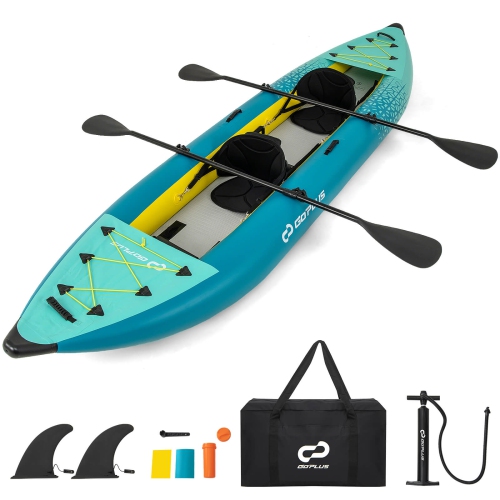
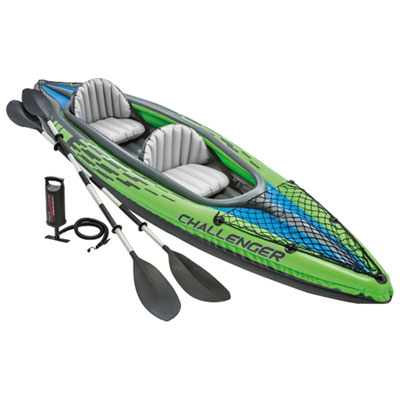
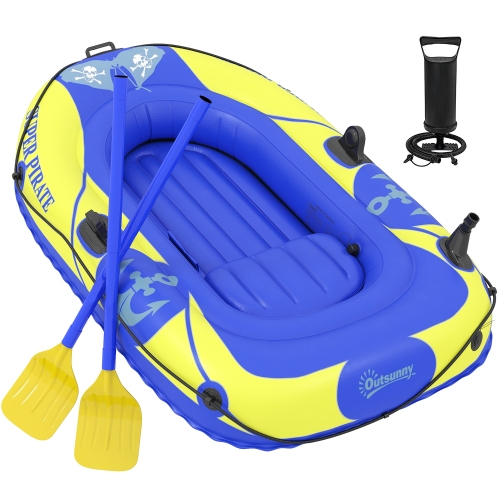
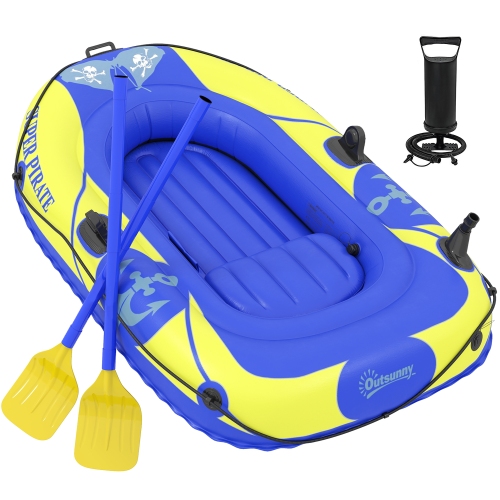
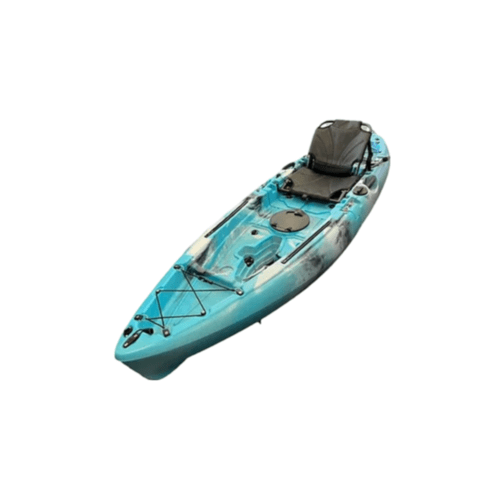
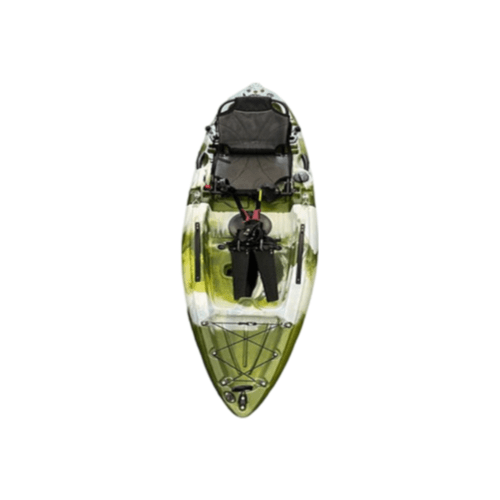
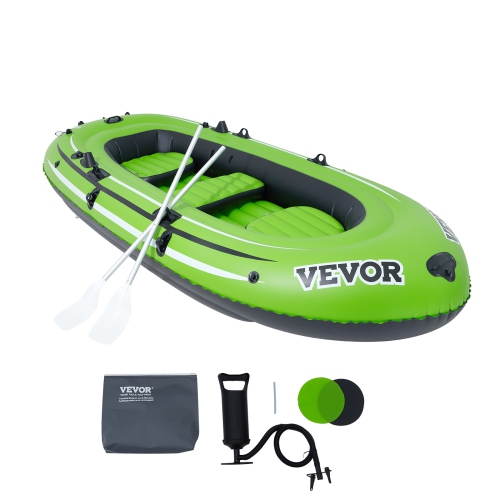
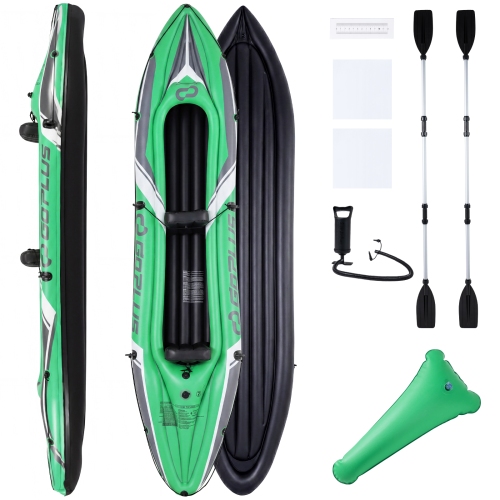
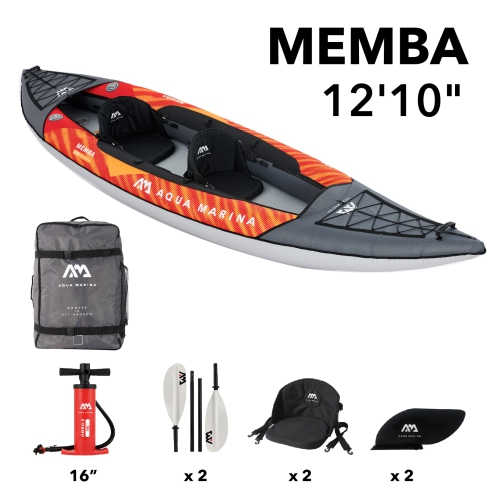
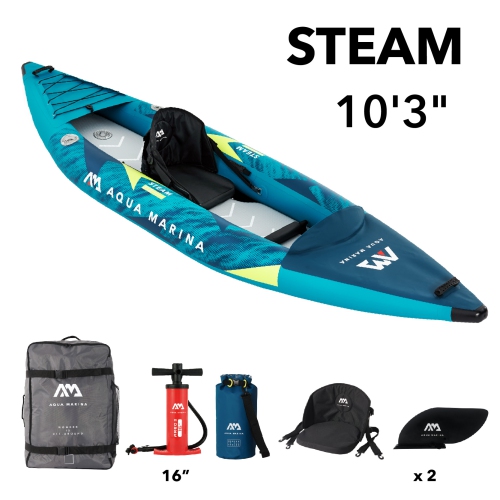
Kayaks for beginners are designed to make the first days on the water feel comfortable, steady, and manageable. For many new paddlers, a recreational kayak with a wide hull is the best place to start, particularly on calm lakes, quiet bays, and slow-moving rivers. A width of approximately 28 to 34 inches can provide a reassuring balance between stability and ease of paddling, helping beginners feel more secure while they learn how to steer, turn, stop, and maintain a comfortable rhythm. Wider kayaks are often less sensitive to small shifts in body weight, which can be helpful when getting settled, reaching for a water bottle, or looking over a shoulder. An open cockpit or sit-on-top design can also make entry and exit feel less confined, especially for people who are new to kayaking or prefer a more spacious seating area. When comparing options, consider the kayak’s length, width, weight capacity, seat design, and intended water conditions rather than focusing on appearance alone. A shorter recreational kayak can be easier to control and transport, while a longer design may track more smoothly across open water. The right choice should accommodate the paddler comfortably, with enough capacity for clothing layers, a small dry bag, and other essentials without making the boat feel overloaded.
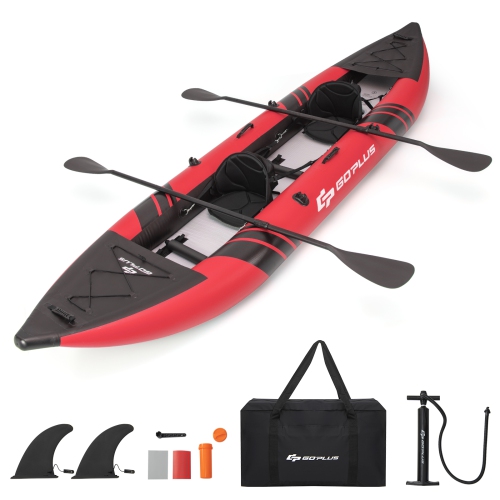
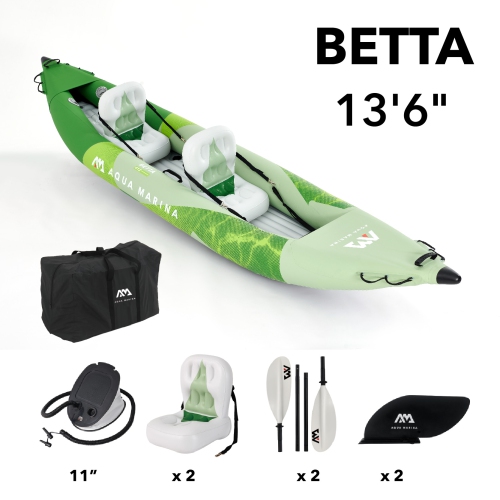
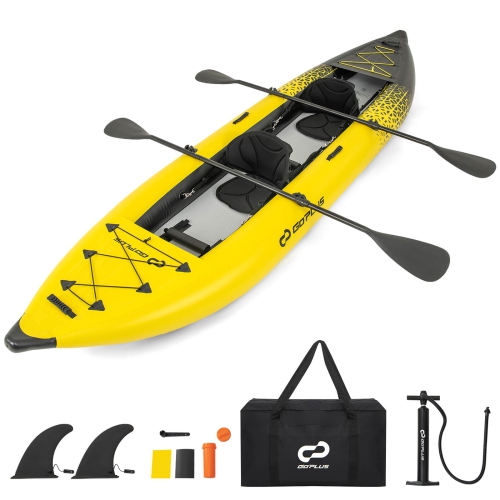
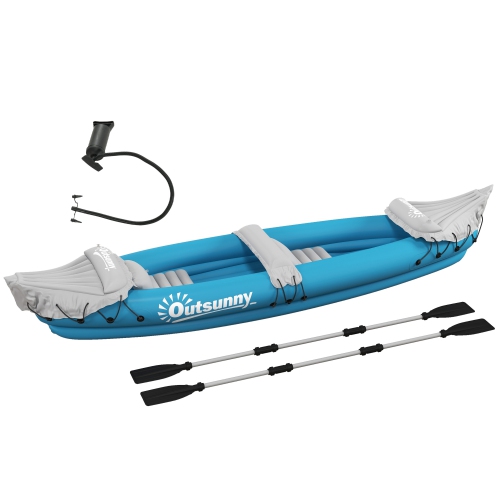
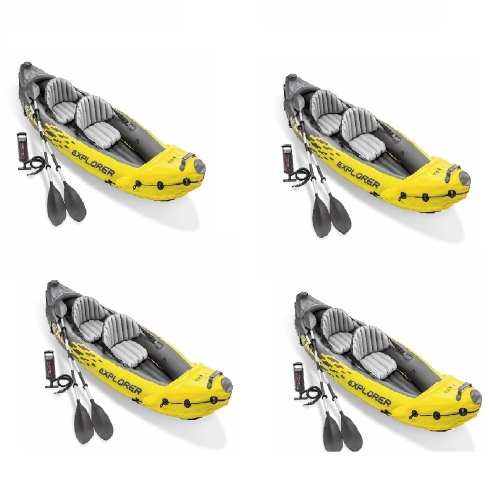
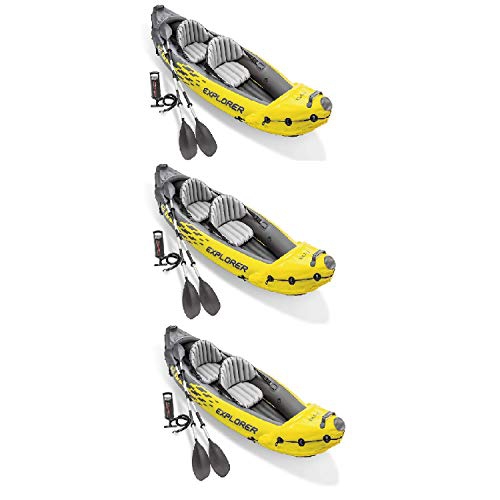
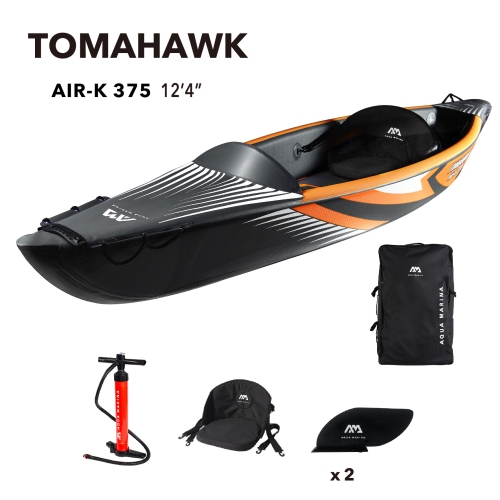
Portability is another important consideration for beginners. A lighter kayak is generally easier to carry from a vehicle to the shoreline, lift onto a roof rack, or move into storage between outings. Hard-shell kayaks can offer a solid, responsive feel on the water and are well suited to paddlers who have room to store them in a garage, shed, or other protected area. Inflatable kayaks can be convenient for people with limited storage space or those who want to transport their kayak in a vehicle without a roof rack. They should be inflated, inspected, and cared for according to the manufacturer’s instructions, and they are best used in the calm conditions for which they are designed. Tandem kayaks can be a practical option for two paddlers who want to share an outing, although their larger size and combined weight capacity should be considered before purchase. A beginner kayak can also make a thoughtful gift for someone who enjoys nearby lakes, cottage weekends, fishing in calm water, or exploring quiet shorelines at an unhurried pace. It may suit a first-time paddler, a family looking for a new outdoor activity, or an experienced camper who wants a different way to enjoy the water during the warmer part of the year. During cooler months, storage and transport become especially important, so look for a design that can be cleaned, dried, and put away easily before the next season. People shopping for outdoor recreation gear may also be interested in related options such as Surfboards for Beginners when their preferred activities centre on beaches and coastal water.
Safety equipment should be treated as part of every kayaking setup, not as an optional extra. Each paddler should wear a properly fitted Canadian-approved personal flotation device designed for paddling, with the fit checked so it remains secure without restricting movement. A signalling whistle attached to the PFD can help attract attention if assistance is needed, while a waterproof dry bag can keep a phone, keys, identification, snacks, and an extra layer protected from splashes. Dress for the water temperature rather than the air temperature, since even a mild day can feel very different after an unexpected swim. Cold water calls for appropriate thermal protection, and beginners should avoid paddling alone until they are comfortable with their equipment and local conditions. Before leaving shore, check the forecast, wind, water conditions, launch points, and return route, then tell someone where the outing is planned. Flat water and slow-moving rivers are the most suitable environments for learning, while strong currents, waves, heavy boat traffic, and remote routes are better left until skills and confidence have developed. On a quiet outing, a beginner can focus on simple strokes, practise turning near shore, and become familiar with how the kayak responds. The scene is often uncomplicated: a steady shoreline, a paddle dipping gently into the water, and enough space to pause when needed. Rinse the kayak after use where appropriate, allow it to dry thoroughly, and follow the care instructions for storage. With a stable design, comfortable fit, manageable weight, and the right safety gear, a beginner kayak can provide an approachable way to enjoy peaceful water, scenic viewpoints, and relaxed outdoor time through changing seasons.
Top selling and popular products
-
 Your price for this item is $259.99
-
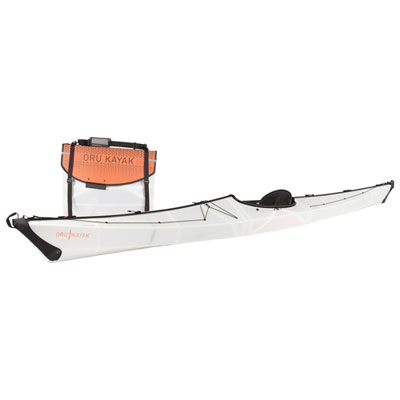 Your price for this item is $2647.99
-
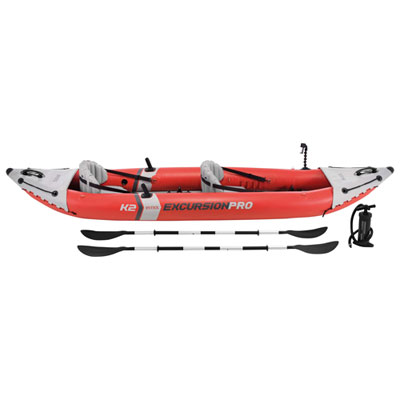 Your price for this item is $331.98
-
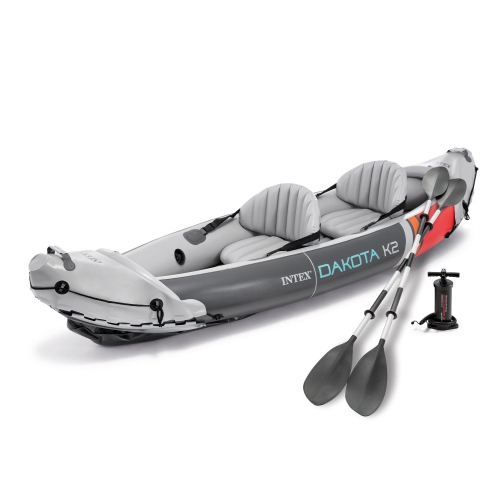 Your price for this item is $381.99
-
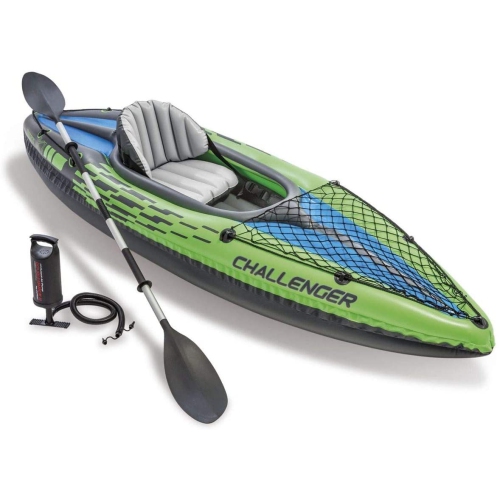 Your price for this item is $219.99
-
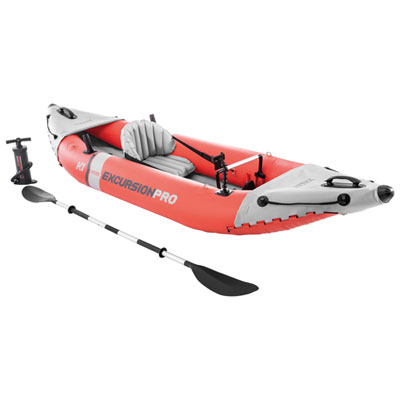 Your price for this item is $235.98
-
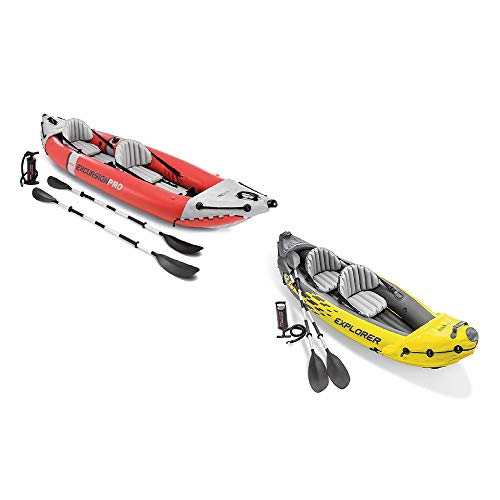 Your price for this item is $933.99
-
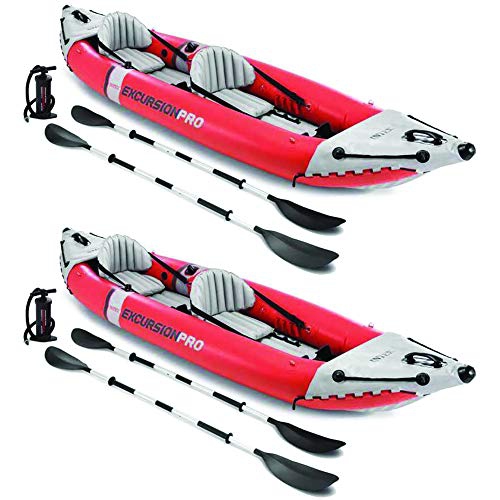 Your price for this item is $1199.99
Discover more categories related to Kayaks for Beginners

Top Collections:
Pokemon Centers, Best Cameras for Sports Photography, Kindle Devices, Samsung Galaxy Phones, Canon G7X Cameras, Pokémon 30th Celebration Cards, Refurbished Apple Laptops, iPhone 15 Apple, Laptops for Students, Budget Smartphones
Some products may be subject to Environmental Handling Fees
(EHF) depending on your province.
Learn more about EHFs.