Latex Free Gloves
When it comes to maintaining a clean and safe environment, latex-free gloves are an essential item for various tasks. Whether you're working in the healthcare industry, handling food, or engaging in household cleaning, these gloves provide a protective barrier without the risk of latex allergies. With a range of sizes and materials to choose from, finding the right pair of latex-free gloves for your needs has never been easier. Browse our selection below to discover high-quality options that offer comfort, durability, and peace of mind for your everyday activities.
Sort
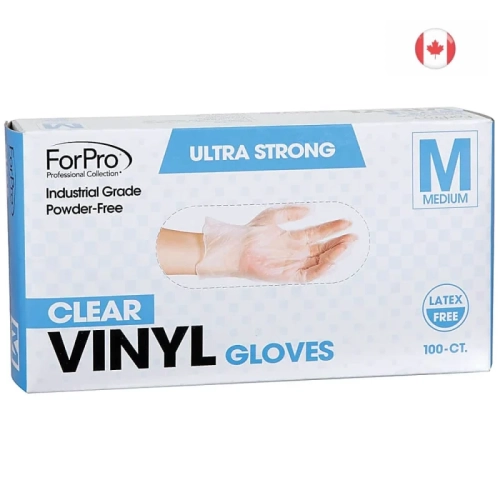
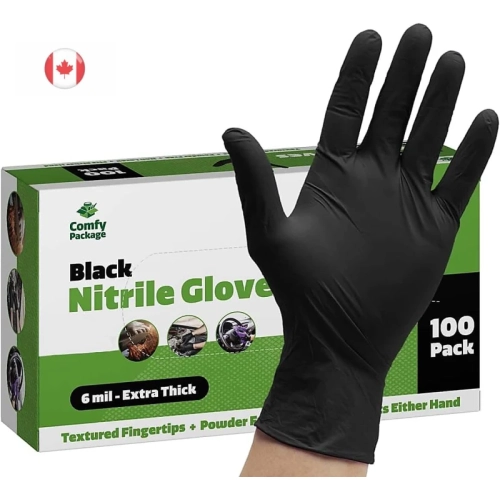
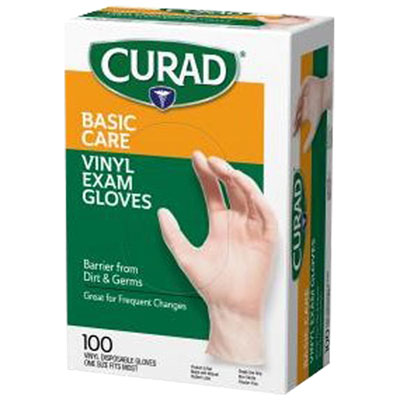
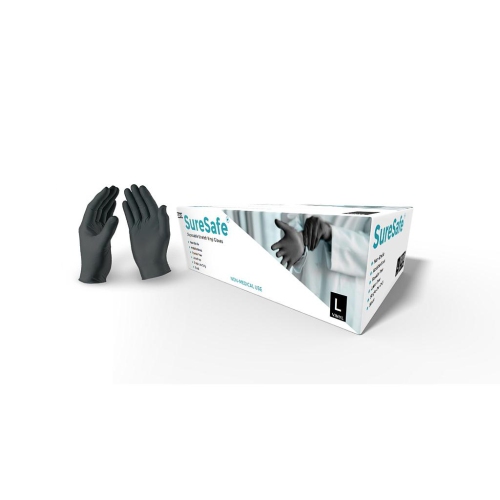





Why glove material matters for the task at hand
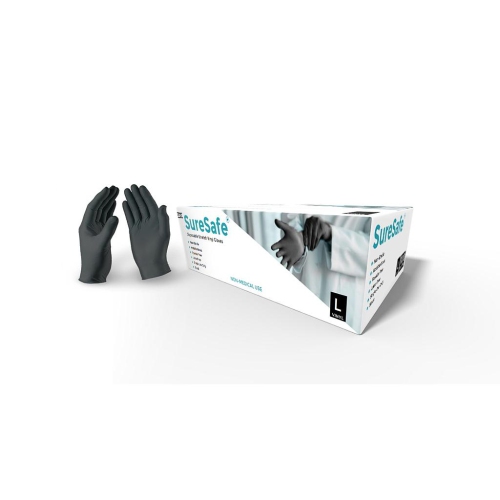
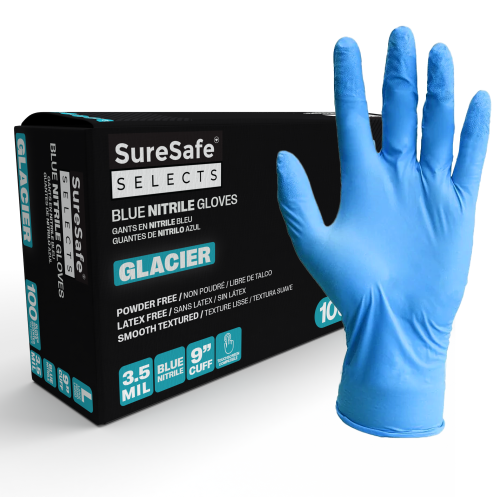
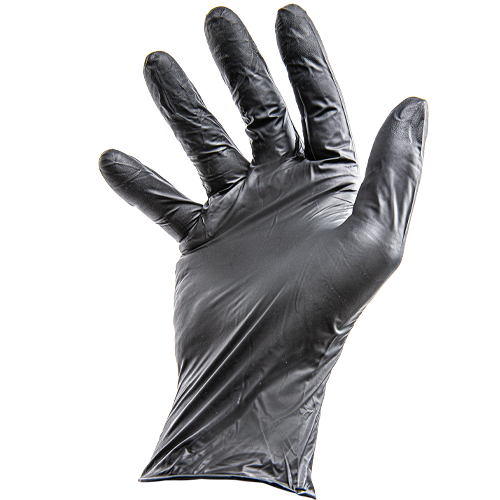
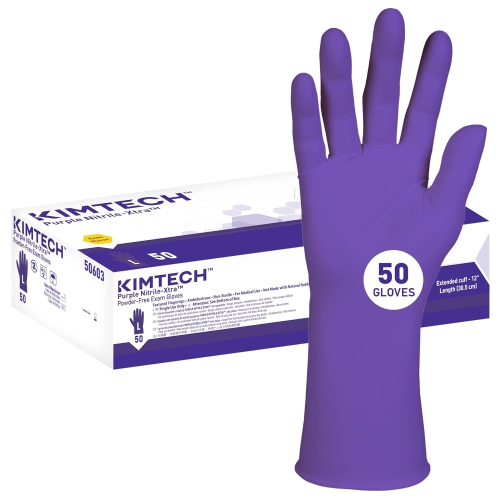
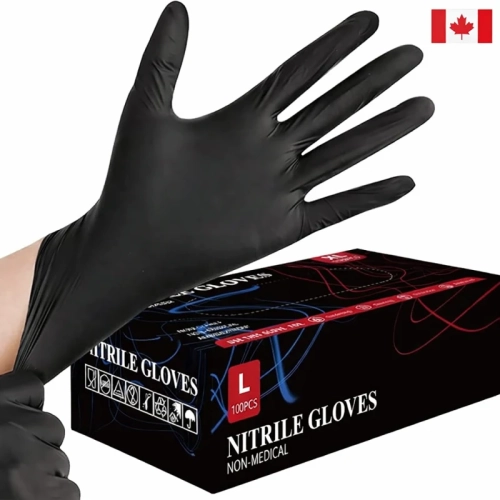
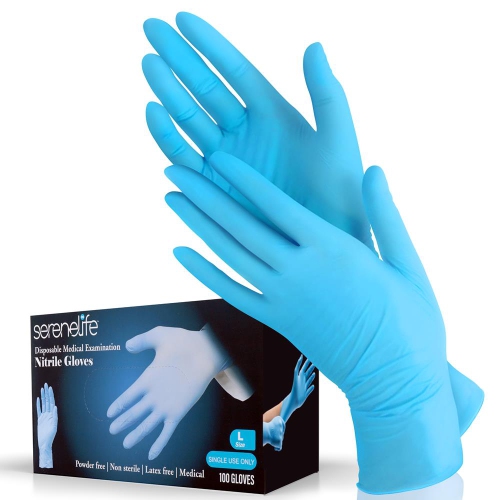
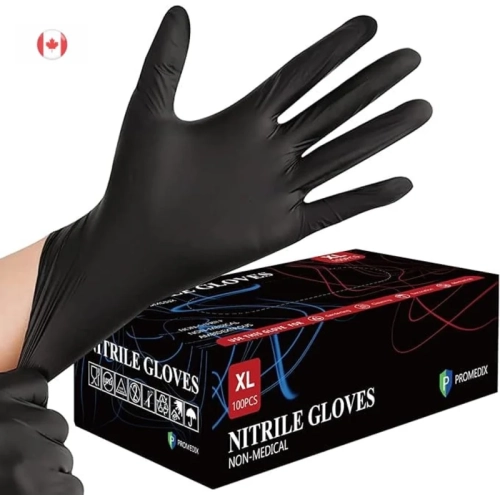
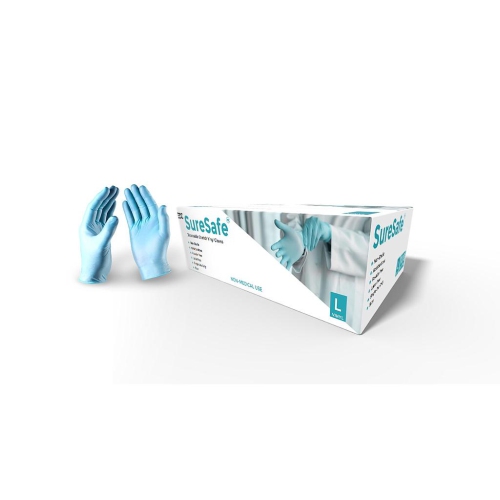
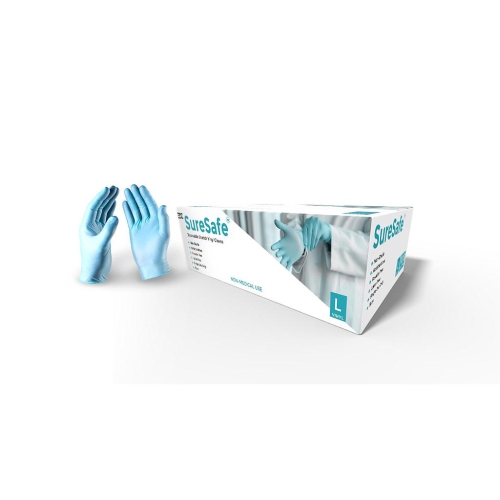
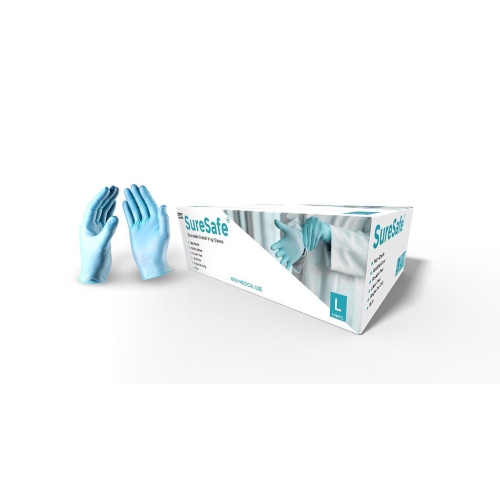
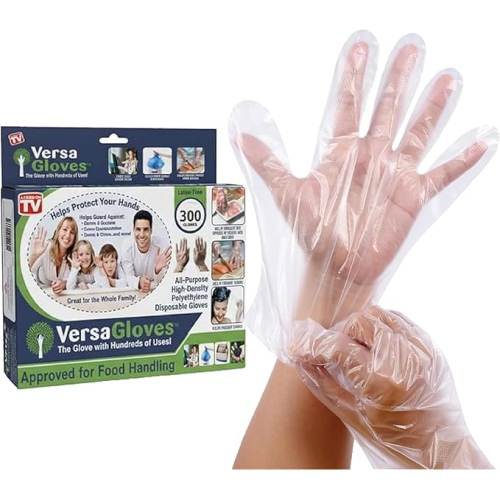
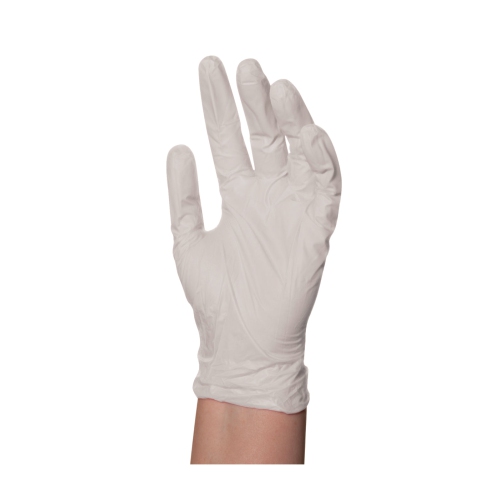
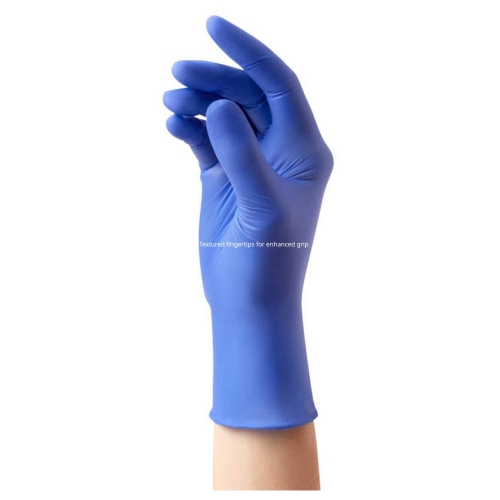
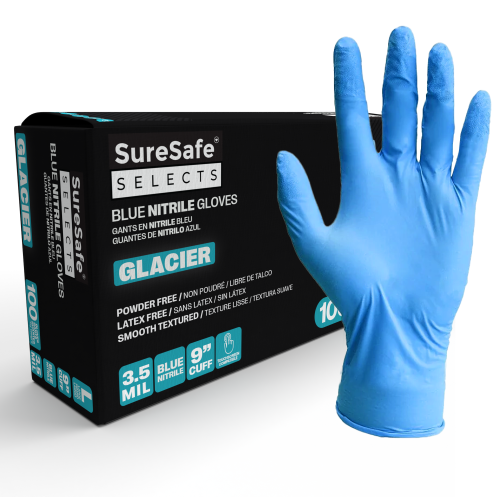
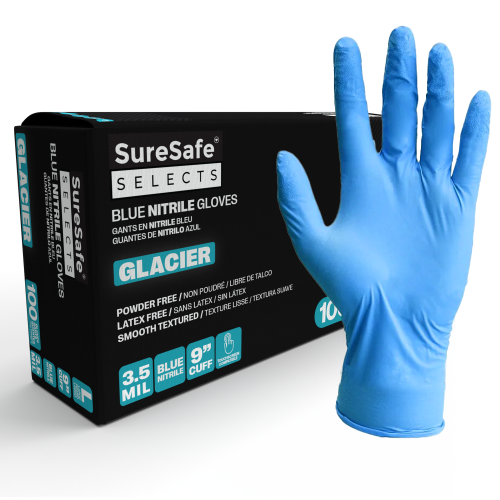
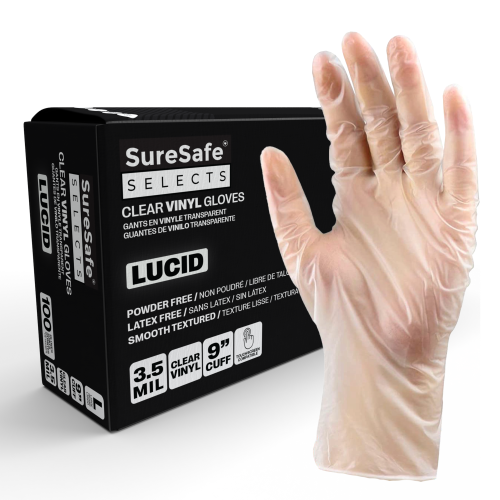
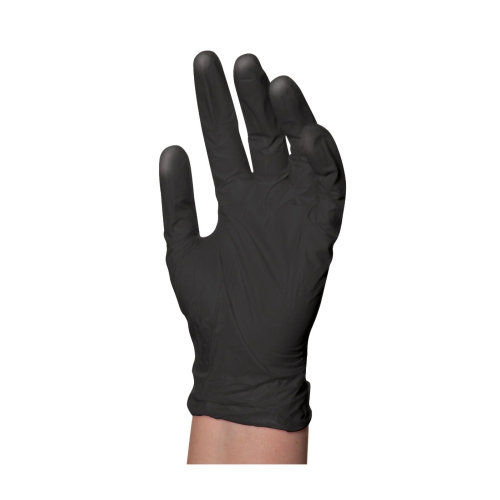
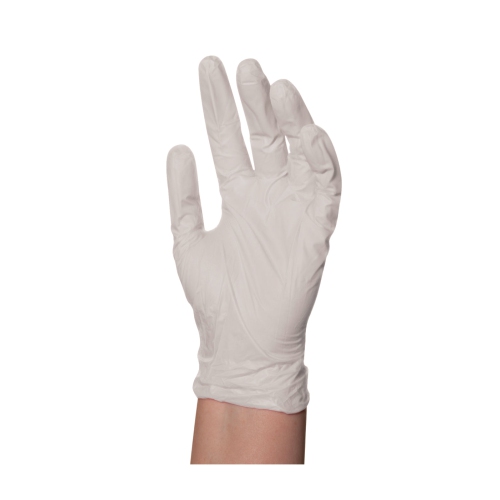
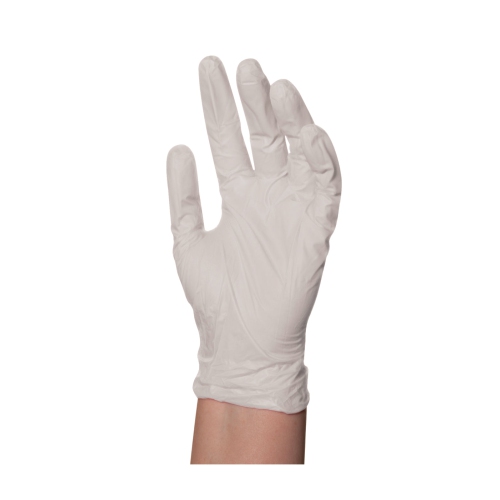
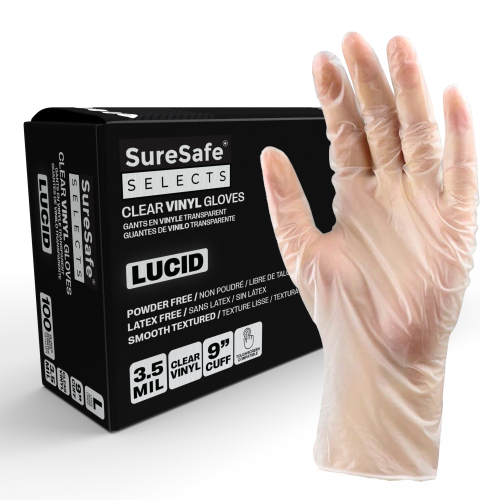
Latex-free gloves provide a barrier between hands and the substances or surfaces involved in a task, without using natural rubber latex. Common materials include nitrile, vinyl, polyethylene, and certain synthetic rubber blends, each with a different balance of flexibility, strength, and feel. For people with a known natural rubber latex allergy, avoiding that material is an important consideration, although a latex-free label does not mean a glove is free of every potential allergen. Some manufacturing additives can also cause skin reactions, so material details and any relevant allergy information deserve attention. Nitrile gloves are made from synthetic rubber and generally offer a close fit, good dexterity, and greater puncture resistance than comparable vinyl gloves. They can suit tasks where fingertips need to move precisely, such as handling small components or working with messy craft materials, provided the gloves are rated for the substances involved. Vinyl gloves, made from polyvinyl chloride, tend to have a looser fit and are often suited to brief, light-duty tasks that require frequent glove changes. Polyethylene gloves typically have a roomy shape that makes them easy to put on and remove during simple food-handling tasks, when labelled for food contact. Reusable latex-free gloves often use thicker materials and longer cuffs for repeated household jobs. These differences matter more than colour alone: a blue, black, or clear glove does not establish its strength, chemical resistance, or suitability for medical use. Powder-free options avoid the added powder used in some gloves, which can be useful when keeping residue away from hands and work surfaces. For households managing food preparation, cleaning, and occasional care tasks, separate gloves for separate activities help keep those jobs distinct. A glove used to wipe a bathroom fixture should never move straight to preparing a sandwich, even if it still looks clean.
Intended use is the starting point for matching latex-free gloves to a task. Food-contact suitability, medical examination use, and chemical protection are separate claims, and none should be assumed from the material name alone. Gloves for preparing food should be labelled for that purpose, while medical examination gloves should carry the appropriate labelling for their intended use. Examination gloves are not necessarily sterile, and an ordinary household glove is not a substitute where sterile protection is required. For cleaning, painting, or handling workshop liquids, the exact substance matters: a glove that resists one cleaner may offer little protection against another. The chemical’s safety data sheet and the glove manufacturer’s compatibility information can help establish an appropriate match, including limits on contact time. Nitrile is useful for many applications, but it is not universally resistant to solvents, oils, or cleaning agents. Thickness can contribute to durability, yet a thicker glove is not automatically suitable for a harsher chemical. Single-use styles are practical when a fresh barrier is needed between activities, such as moving from handling raw ingredients to touching ready-to-eat food. The Disposable Gloves collection offers another way to explore single-use formats, with the material and intended-use details remaining important for anyone avoiding latex. Reusable gloves are better suited to repeated tasks only when their construction and care directions support that use. A longer cuff can help limit splashes onto the wrist during sink cleaning, while textured fingers or palms may improve grip on a slippery dish or bottle. Neither feature makes a glove cut-resistant or suitable for every hazard. Caregivers, food handlers, cleaners, and hobbyists may all use latex-free gloves, but the appropriate choice changes with the work. For someone sorting supplies or wiping a counter, easy movement may be the priority; for someone scrubbing a deep sink, cuff coverage and resistance to the cleaning solution may matter more. Gloves also do not replace any other protective equipment required for a task.
Fit affects both comfort and how well latex-free gloves hold up during use. A well-fitting glove follows the hand without pulling tightly across the palm or leaving excessive material at the fingertips. Gloves that are too small can strain at the finger webs and restrict movement; those that are too large can bunch, slip, or make small objects harder to grasp. Sizing varies between manufacturers, so hand measurements and the stated size chart are more useful than assuming every medium fits alike. Finger length, palm width, cuff length, and whether the glove is ambidextrous or shaped for a particular hand can all influence the feel. Thin gloves often allow better touch sensitivity for detailed work, while heavier reusable styles may offer more substance for repeated scrubbing at the expense of fine control. Before use, check for tears, holes, brittle patches, or other damage, and replace gloves immediately if their barrier is compromised. Disposable gloves are intended for a single use and should not be washed for reuse; washing can damage the material without making it suitable for another task. Remove used gloves carefully to avoid transferring residue from the outside surface to bare skin, then clean hands as appropriate. Gloves do not replace handwashing, and they should be changed whenever they become contaminated or when moving between incompatible activities. Reusable gloves need cleaning, drying, and storage according to their care instructions, with particular attention to moisture inside the fingers and cuffs. Keeping separate pairs for kitchen and bathroom chores helps avoid carrying residue between those spaces. Store unused gloves in their original packaging, away from direct sunlight and substances that could damage the material, and observe any stated expiry date. For frequent users, an accessible dispenser and a clearly marked size can make routine changes easier. The most useful latex-free gloves are those that combine a suitable material, a comfortable fit, and documented protection for the job, making everyday handling more manageable without overstating what a glove can do.
Intended use is the starting point for matching latex-free gloves to a task. Food-contact suitability, medical examination use, and chemical protection are separate claims, and none should be assumed from the material name alone. Gloves for preparing food should be labelled for that purpose, while medical examination gloves should carry the appropriate labelling for their intended use. Examination gloves are not necessarily sterile, and an ordinary household glove is not a substitute where sterile protection is required. For cleaning, painting, or handling workshop liquids, the exact substance matters: a glove that resists one cleaner may offer little protection against another. The chemical’s safety data sheet and the glove manufacturer’s compatibility information can help establish an appropriate match, including limits on contact time. Nitrile is useful for many applications, but it is not universally resistant to solvents, oils, or cleaning agents. Thickness can contribute to durability, yet a thicker glove is not automatically suitable for a harsher chemical. Single-use styles are practical when a fresh barrier is needed between activities, such as moving from handling raw ingredients to touching ready-to-eat food. The Disposable Gloves collection offers another way to explore single-use formats, with the material and intended-use details remaining important for anyone avoiding latex. Reusable gloves are better suited to repeated tasks only when their construction and care directions support that use. A longer cuff can help limit splashes onto the wrist during sink cleaning, while textured fingers or palms may improve grip on a slippery dish or bottle. Neither feature makes a glove cut-resistant or suitable for every hazard. Caregivers, food handlers, cleaners, and hobbyists may all use latex-free gloves, but the appropriate choice changes with the work. For someone sorting supplies or wiping a counter, easy movement may be the priority; for someone scrubbing a deep sink, cuff coverage and resistance to the cleaning solution may matter more. Gloves also do not replace any other protective equipment required for a task.
Fit affects both comfort and how well latex-free gloves hold up during use. A well-fitting glove follows the hand without pulling tightly across the palm or leaving excessive material at the fingertips. Gloves that are too small can strain at the finger webs and restrict movement; those that are too large can bunch, slip, or make small objects harder to grasp. Sizing varies between manufacturers, so hand measurements and the stated size chart are more useful than assuming every medium fits alike. Finger length, palm width, cuff length, and whether the glove is ambidextrous or shaped for a particular hand can all influence the feel. Thin gloves often allow better touch sensitivity for detailed work, while heavier reusable styles may offer more substance for repeated scrubbing at the expense of fine control. Before use, check for tears, holes, brittle patches, or other damage, and replace gloves immediately if their barrier is compromised. Disposable gloves are intended for a single use and should not be washed for reuse; washing can damage the material without making it suitable for another task. Remove used gloves carefully to avoid transferring residue from the outside surface to bare skin, then clean hands as appropriate. Gloves do not replace handwashing, and they should be changed whenever they become contaminated or when moving between incompatible activities. Reusable gloves need cleaning, drying, and storage according to their care instructions, with particular attention to moisture inside the fingers and cuffs. Keeping separate pairs for kitchen and bathroom chores helps avoid carrying residue between those spaces. Store unused gloves in their original packaging, away from direct sunlight and substances that could damage the material, and observe any stated expiry date. For frequent users, an accessible dispenser and a clearly marked size can make routine changes easier. The most useful latex-free gloves are those that combine a suitable material, a comfortable fit, and documented protection for the job, making everyday handling more manageable without overstating what a glove can do.
Top selling and popular products
-
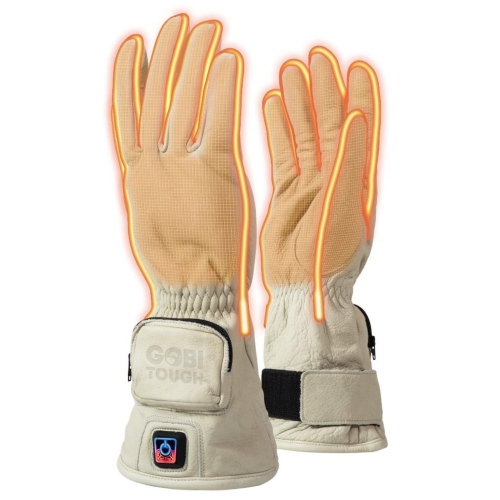 Your price for this item is $280
 -
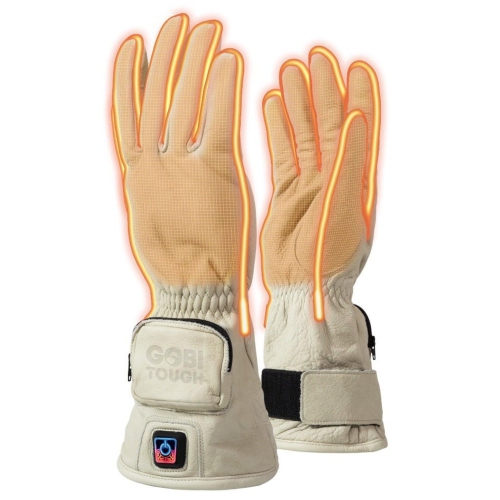 Your price for this item is $280
 -
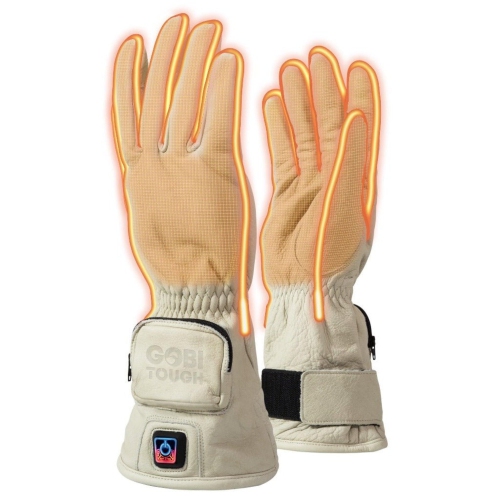 Your price for this item is $280
 -
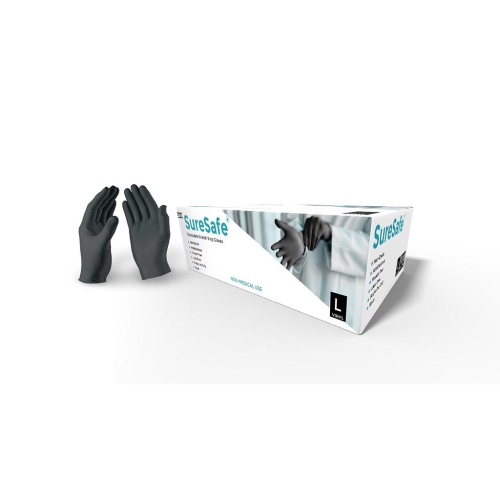 Your price for this item is $9.99
 -
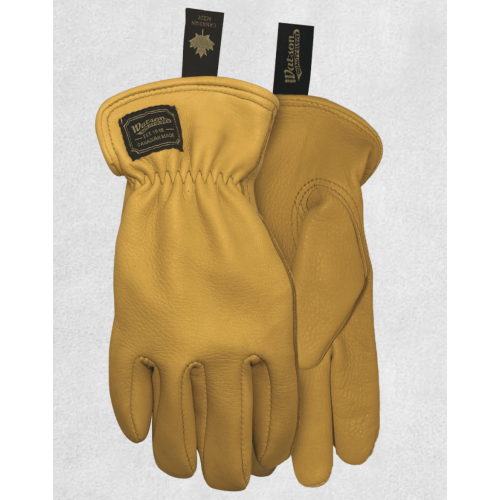 Your price for this item is $69.99
 -
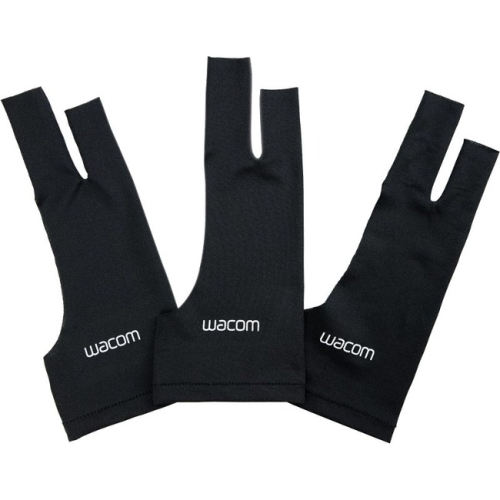 Your price for this item is $36.68
 -
 Your price for this item is $29.09
 -
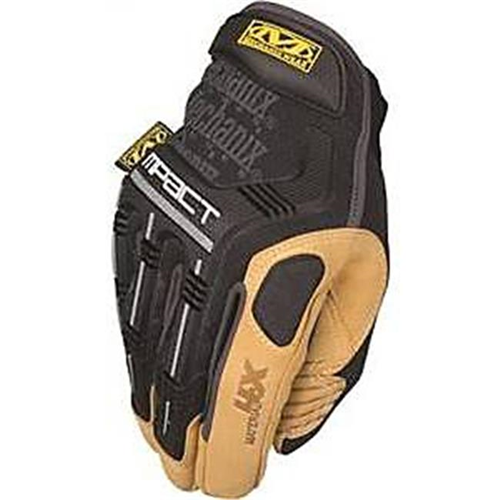 Your price for this item is $105.96
Discover more categories related to Latex Free Gloves
Top Collections:
Pokemon Centers, Kindle Devices, Best Budget Office Chairs, Apple iPhones 16, Best Laptops for Writers, iPhone 15 Apple, Canon G7X Cameras, Refurbished Apple Laptops, Alarm Clock, Motorola Razr Phones
Some products may be subject to Environmental Handling Fees
(EHF) depending on your province.
Learn more about EHFs.