Lightweight Tent
Planning your next outdoor adventure and in need of a reliable shelter that won't weigh you down? Look no further than our selection of lightweight tents. Designed with the modern explorer in mind, these tents offer a perfect blend of portability and durability, making them ideal for backpacking, camping, or any other on-the-go activities. Whether you're a seasoned hiker or a casual camper, our range of lightweight tents provides the perfect solution for staying comfortable and protected while enjoying the great outdoors.
Sort
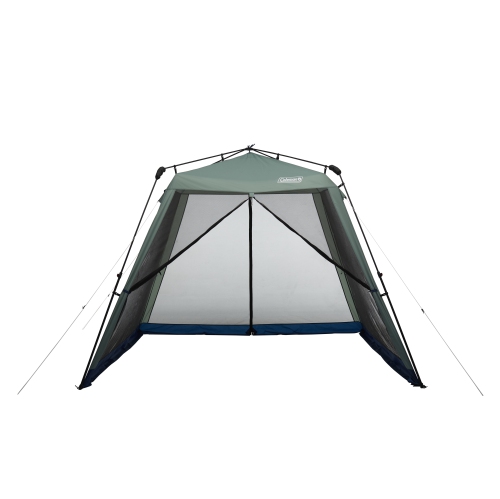
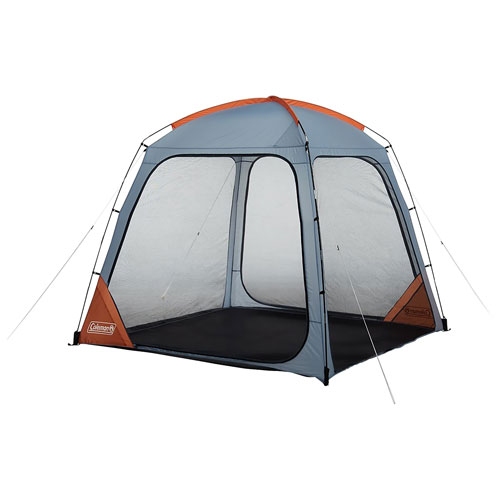
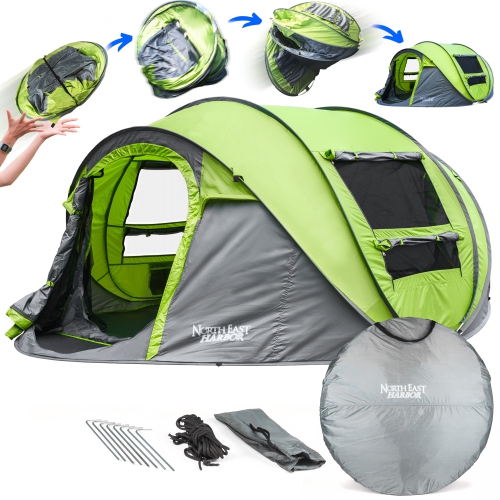


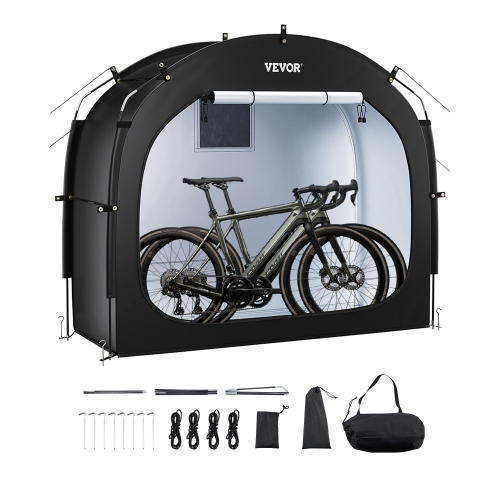

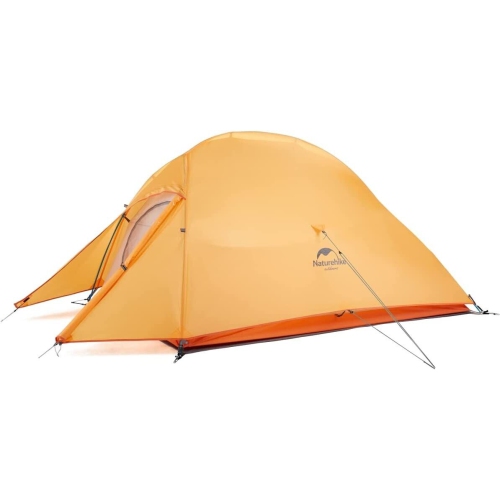
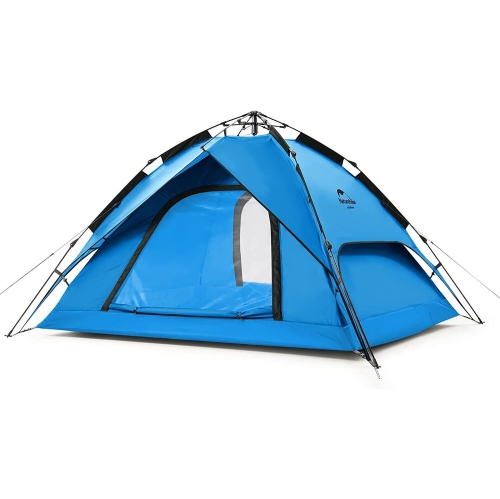
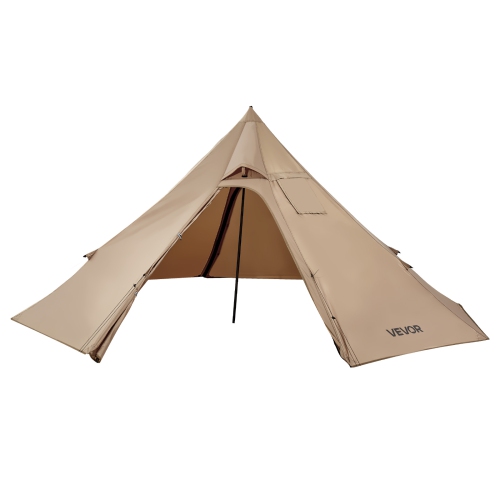

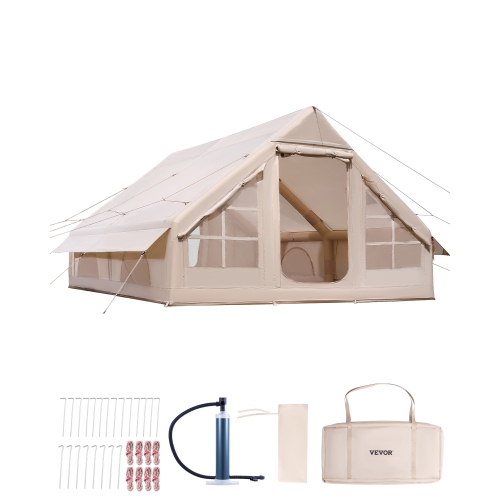
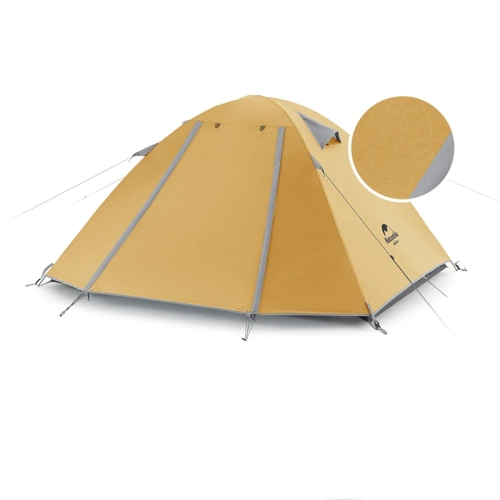
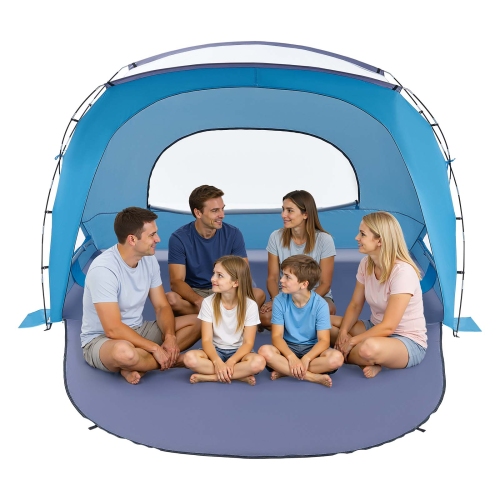
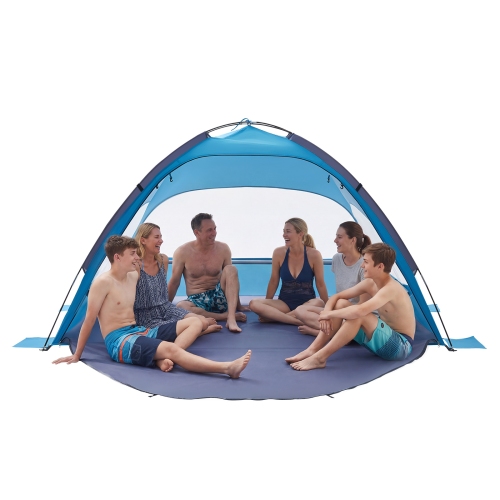


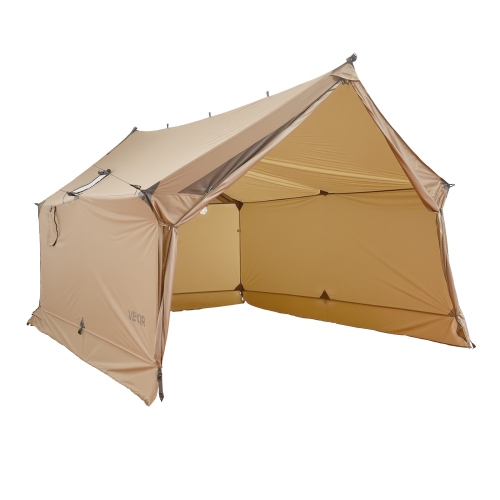
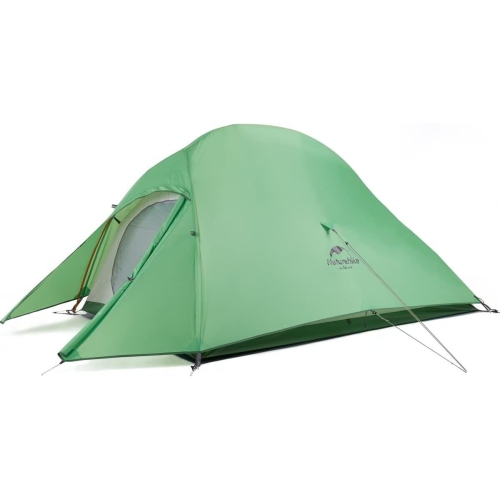
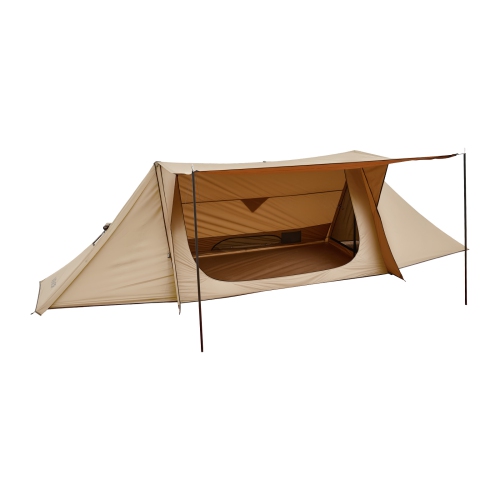

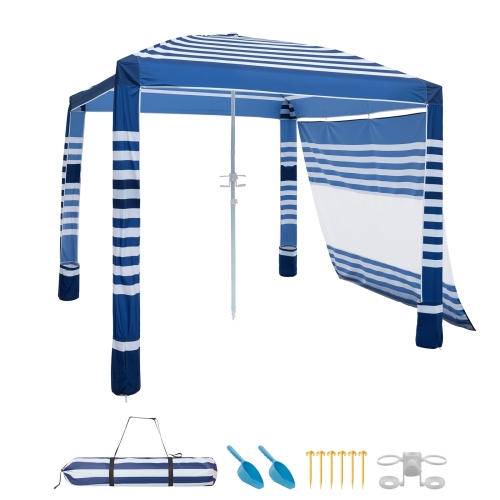
Balancing pack weight, comfort and shelter on the trail
A lightweight tent is designed to make sleeping outdoors more comfortable to carry, pack and set up, especially when every gram matters on a backpacking trip. Many lightweight backpacking tents weigh under 3 pounds (1.4 kg), although the total packed weight can vary once poles, pegs, guy lines, storage bags and a footprint are included. Solo shelters may be especially compact, while two-person models often provide a useful balance between shared carrying weight and personal space. Some designs are fully freestanding, with poles that allow the tent to stand on its own before the rainfly is attached. Others use trekking poles or similar supports to reduce weight and packed size, making them well suited to hikers who already carry poles on the trail. A lightweight tent can be a practical choice for backcountry travellers, weekend hikers, cyclists, canoeists and campers who need to keep their load manageable over long distances. It can also suit a car-camping setup when a smaller packed size is helpful for fitting gear into a crowded vehicle. Before choosing, consider how many people will sleep inside, how much room is needed for clothing and equipment, and whether the listed capacity allows enough space for a comfortable night. A tent labelled for two people may fit two sleeping pads closely, while campers who prefer extra elbow room or need to keep a pack inside may be happier sizing up. Floor dimensions, peak height, door shape and vestibule space all affect how the shelter feels once it is pitched, so these details are worth comparing alongside weight.
The materials and structure of a lightweight tent influence both its performance and the care it requires. A rainfly and bathtub-style floor can help keep moisture out during damp ground conditions, while mesh panels promote airflow and provide a view of the surrounding landscape on clear nights. Ventilation is especially important when several people are sharing a small shelter, since condensation can collect on the inside of the rainfly as temperatures fall. Look for a design with practical vents, storm flaps and secure attachment points if the tent may be used in exposed areas. Pole construction affects packability and setup, while clip or sleeve systems can make pitching easier when the weather turns unpleasant. Aluminium poles are common in portable shelters, and strong stakes and adjustable guy lines can help improve stability on uneven or windy ground. A lightweight tent intended for three-season use can be appropriate for spring, summer and fall outings, but it may not provide the reinforced structure, snow-shedding shape or insulation required for serious winter camping. During the cooler months, check the expected conditions carefully and pair the shelter with a suitable sleeping bag, insulated sleeping pad and warm clothing. Waterproof ratings are useful for comparison, but proper site selection still matters: avoid low spots where water can collect, clear sharp stones before laying down the tent, and position the entrance away from prevailing wind when possible. A compact tent is easiest to enjoy when it is packed methodically, dried thoroughly after use and stored according to the manufacturer’s care instructions.
Choosing among lightweight tents often comes down to the kind of trips you take and the compromises you are comfortable making. A solo hiker may prioritize the smallest packed size and fastest setup, while a pair sharing equipment may value two doors, dual vestibules and enough interior length to avoid brushing against damp walls. Taller campers should compare the floor length and peak height rather than relying only on the advertised capacity. Campers who spend most of their time near a vehicle may prefer a little more room and a sturdier frame, while someone covering long distances on foot may accept a lower profile and a closer-fitting interior to reduce pack weight. It is also helpful to think about the shape of your sleeping pad, the size of your backpack and the amount of gear that must be protected overnight. A sheltered vestibule can hold muddy footwear and a pack without taking up sleeping space, and interior pockets can keep a headlamp, glasses or phone within reach. Lightweight tents can make thoughtful gifts for hikers, students heading on an outdoor trip, new campers building their first kit or experienced travellers replacing a bulky shelter. A recipient’s usual sleeping capacity, camping season and preferred setup style are useful details to know before selecting one. For broader shelter options and additional sizes, browse the Camping Tent selection. Whether it is carried through a quiet forest, pitched beside a lake or kept ready for a spontaneous weekend escape, the right lightweight tent can provide a dependable personal base while leaving more energy for the trail ahead.
Top selling and popular products
-
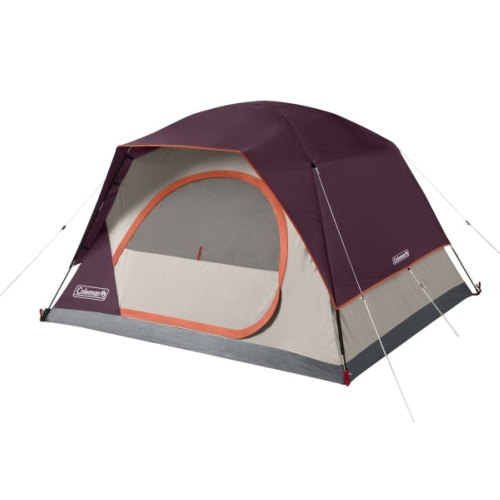 Your price for this item is $240.99
-
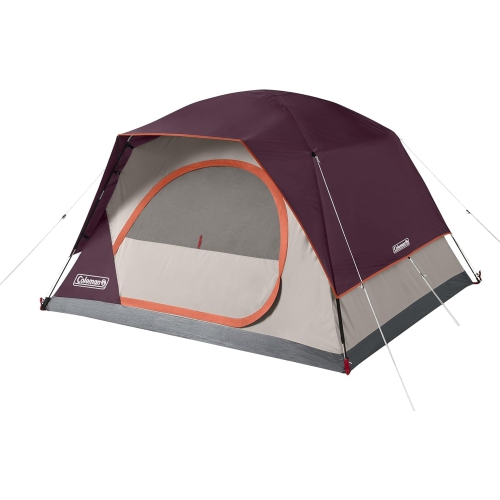 Your price for this item is $239.97
-
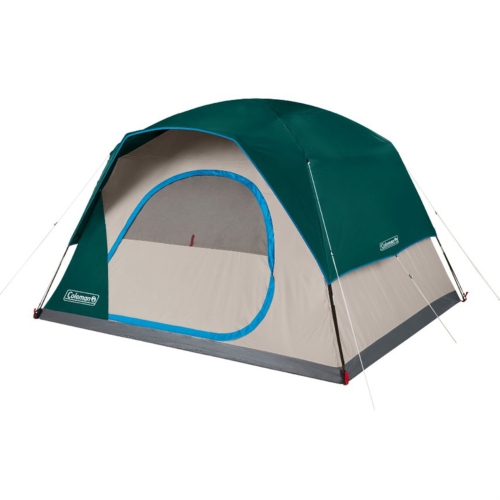 Your price for this item is $241.12
-
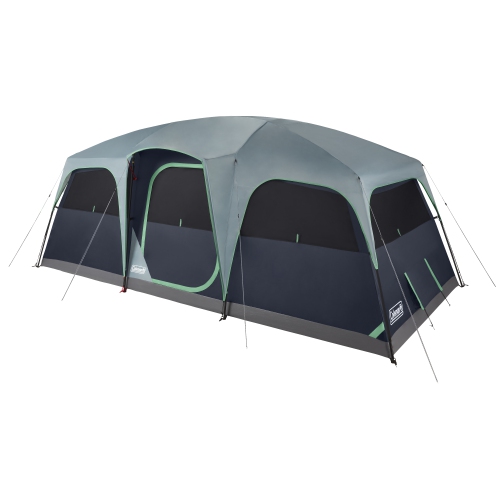 Your price for this item is $509.99
-
 Your price for this item is $199.99
-
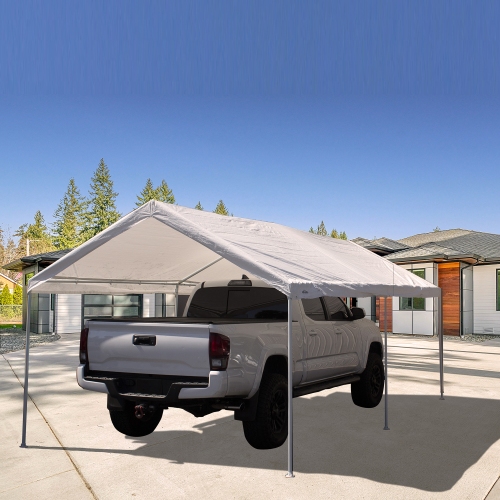 Your price for this item is $455.99
-
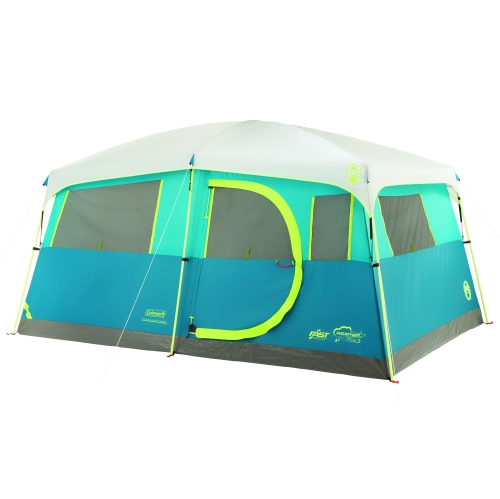 Your price for this item is $427.99
-
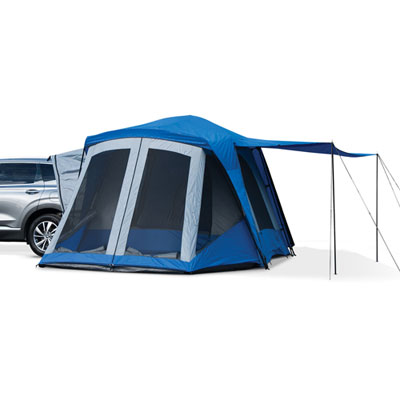 Your price for this item is $499.99
Discover more categories related to Lightweight Tent
Top Collections:
Pokemon Centers, Best Cameras for Sports Photography, Kindle Devices, Samsung Galaxy Phones, Canon G7X Cameras, Pokémon 30th Celebration Cards, Refurbished Apple Laptops, iPhone 15 Apple, Laptops for Students, Budget Smartphones
Some products may be subject to Environmental Handling Fees
(EHF) depending on your province.
Learn more about EHFs.