Manual Bilge Pumps
If you're looking to keep your boat safe and dry on the water, look no further than these manual bilge pumps. These essential tools are designed to quickly and efficiently remove unwanted water from your boat, ensuring a smooth and worry-free sailing experience. Whether you're out on a fishing trip or enjoying a leisurely cruise, this range of manual bilge pumps offers reliable performance and peace of mind. With their durable construction and easy-to-use design, these pumps are a must-have for almost any boat owner.
Sort

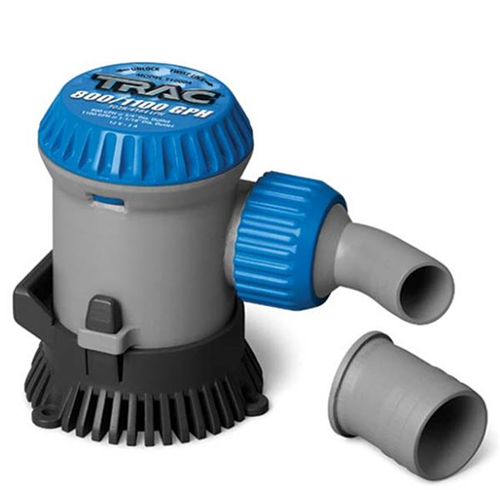
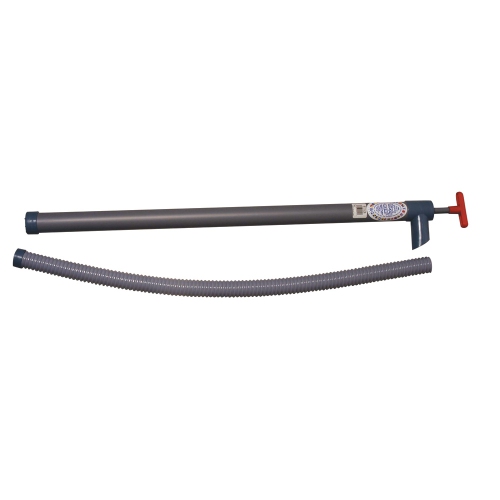
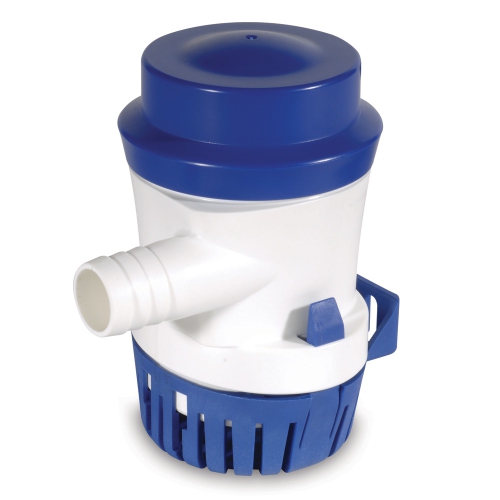
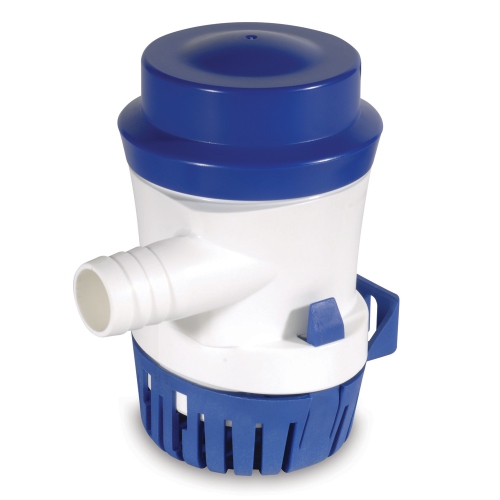
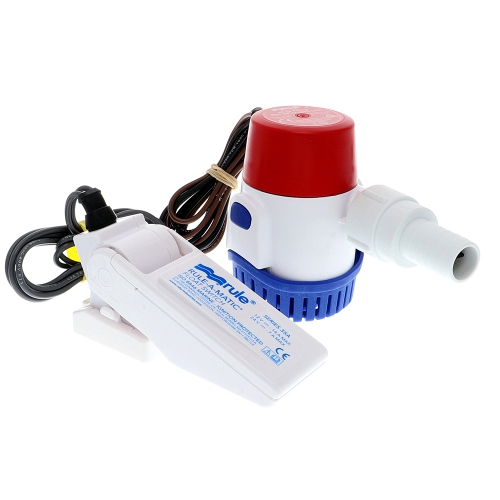
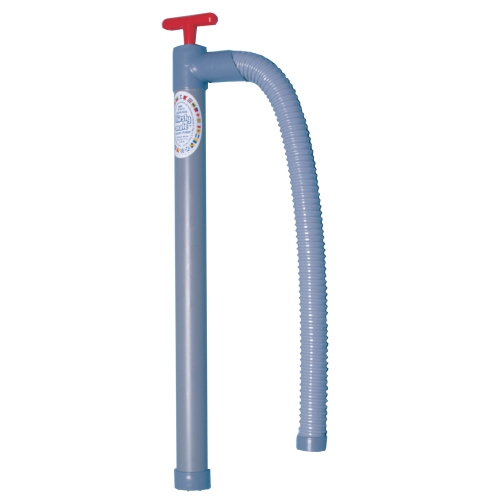
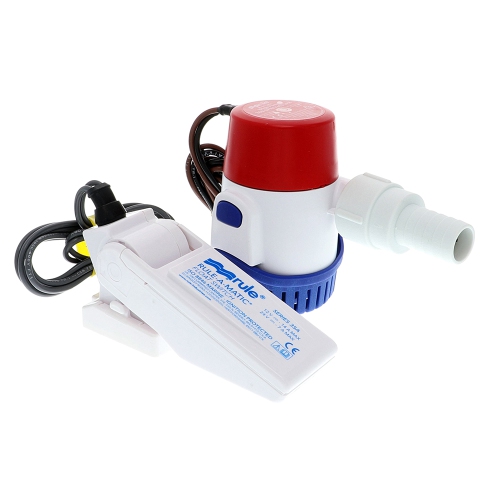
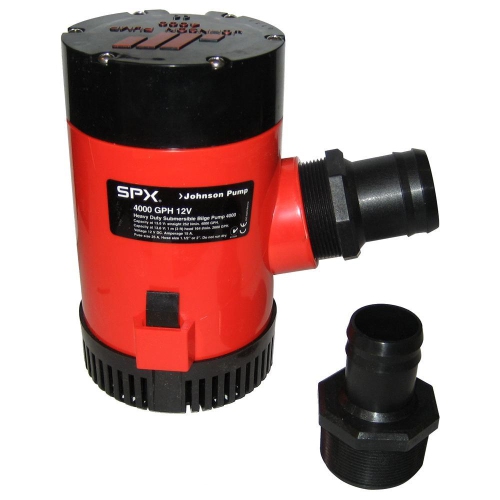
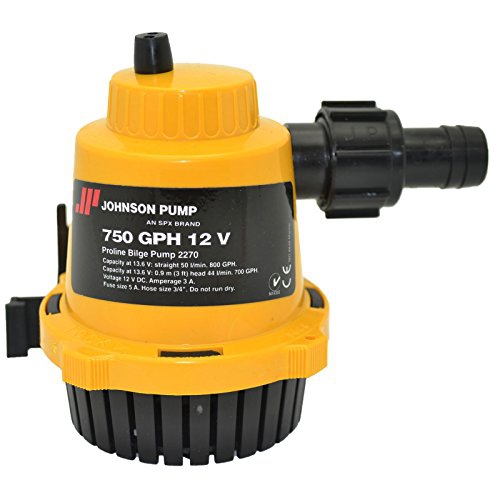
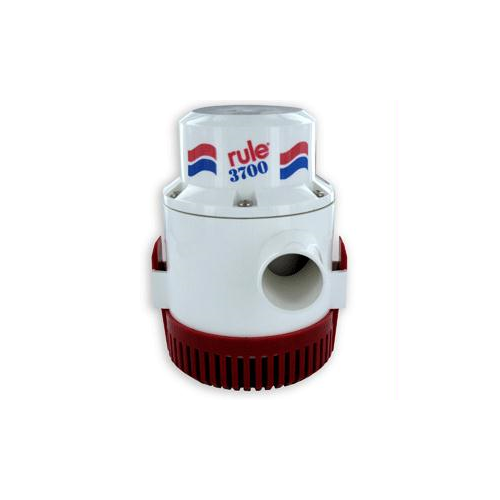
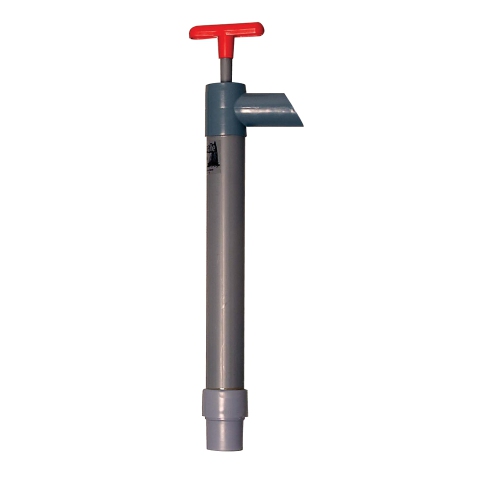
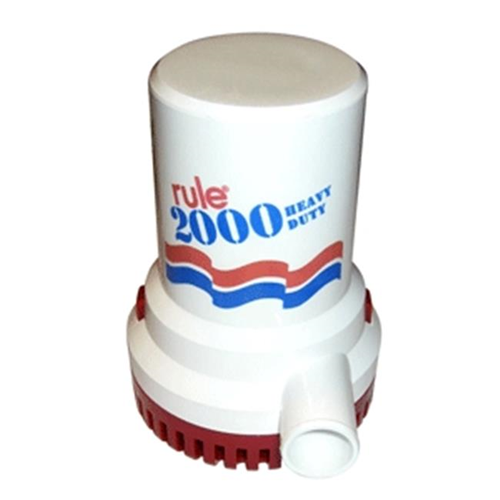
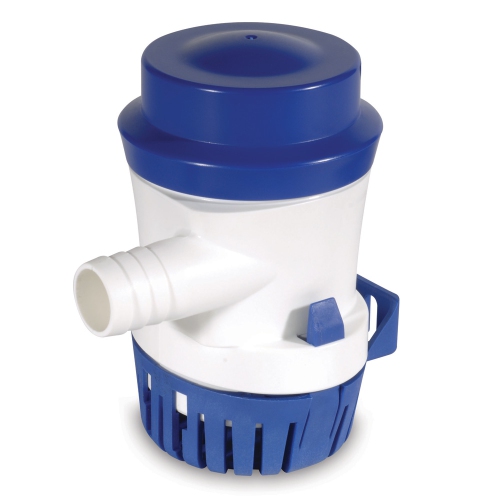
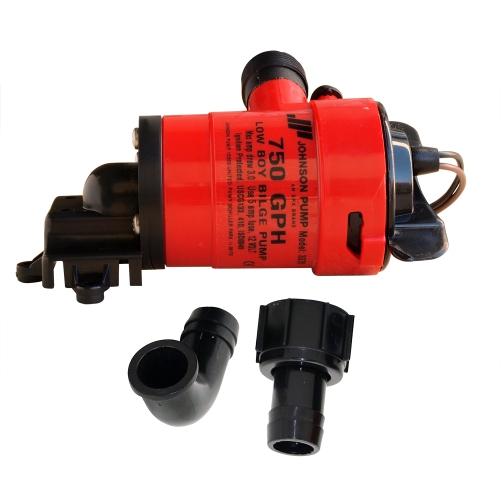

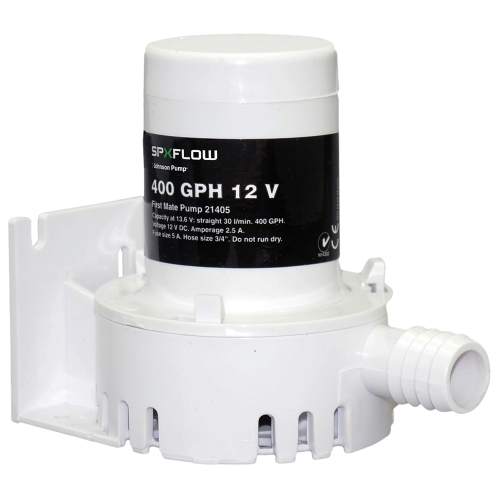
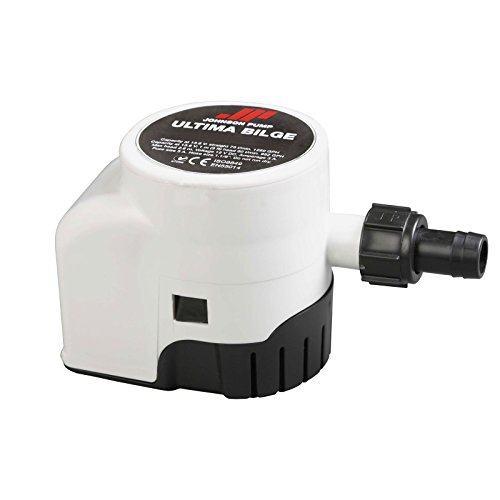
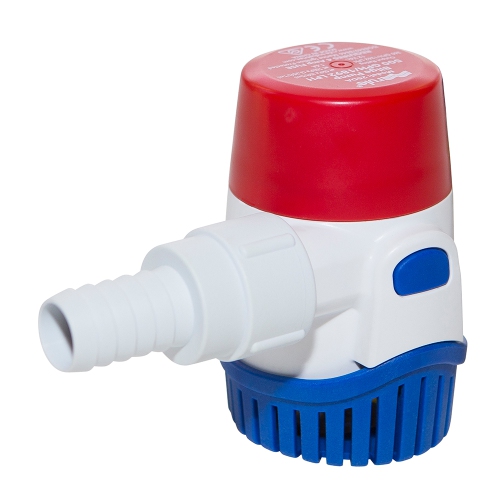
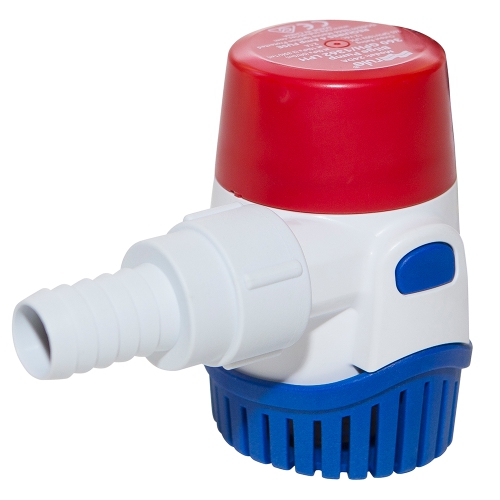
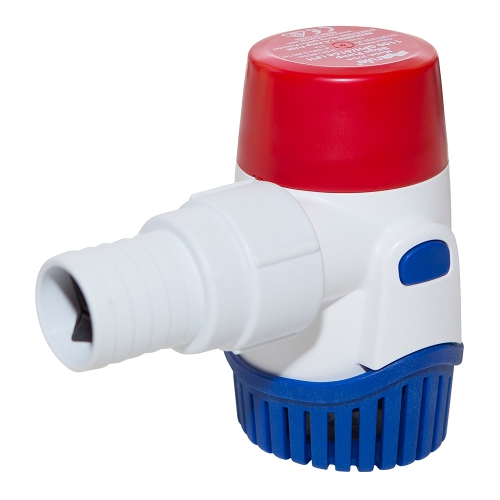
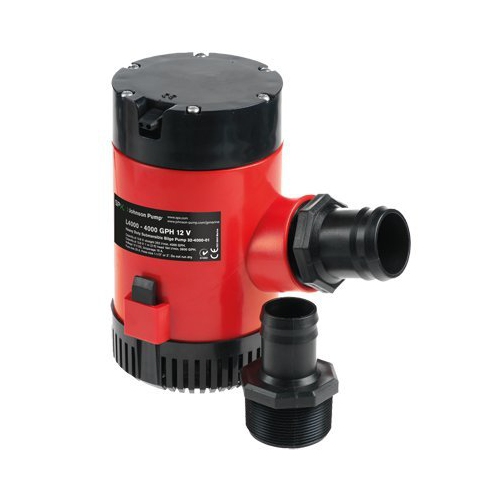
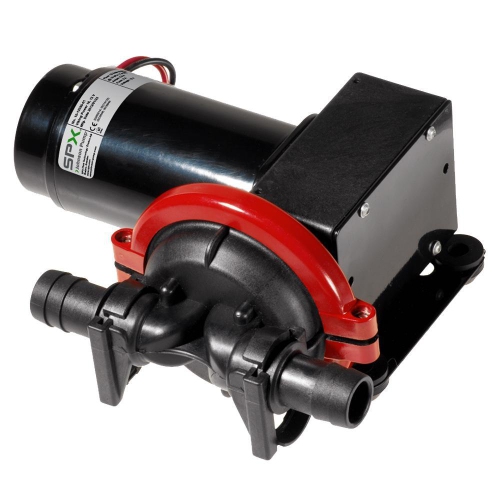
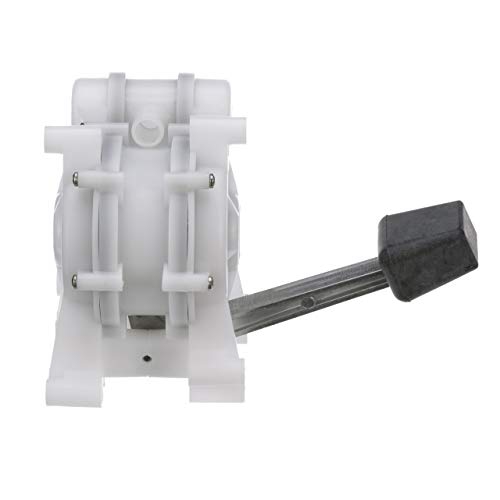
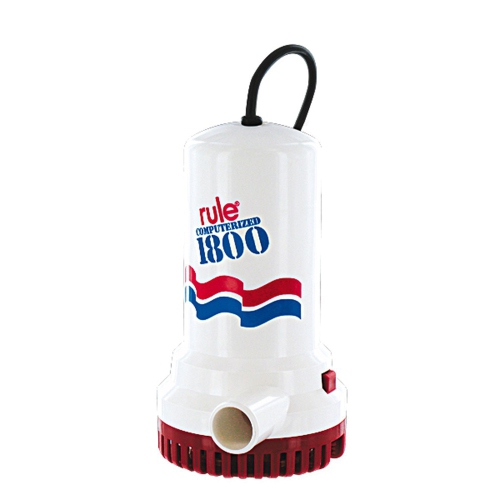
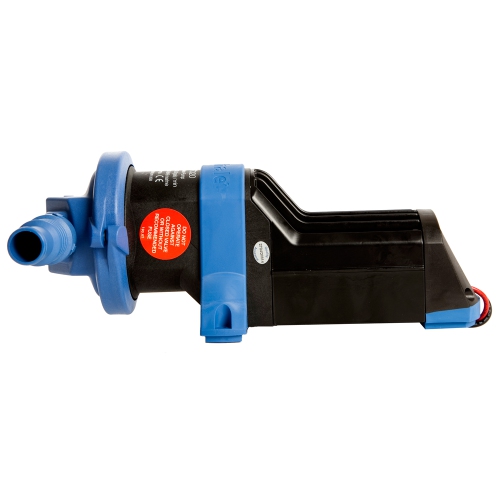
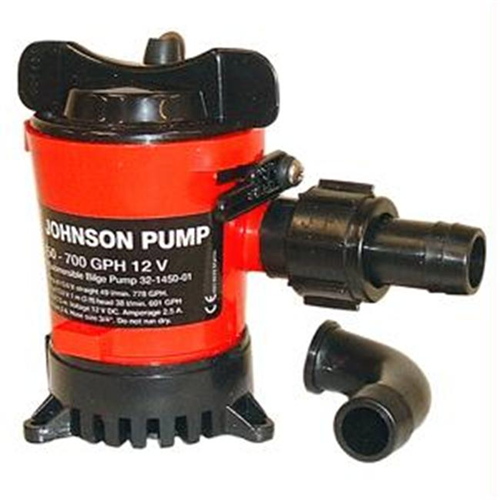
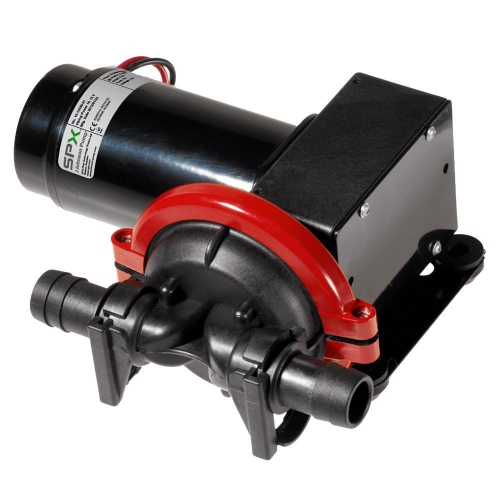
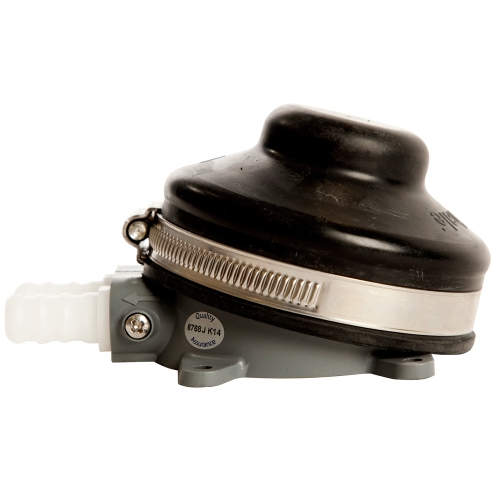
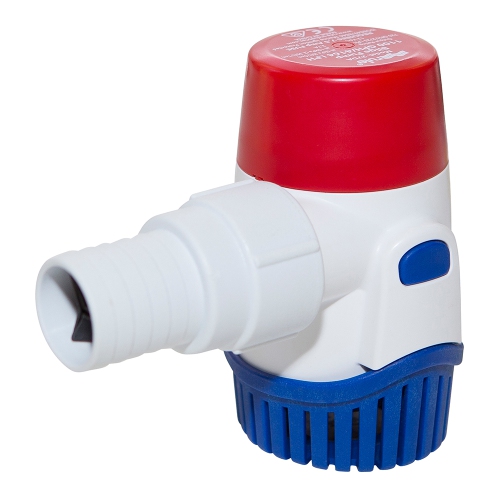
Dependable backup water removal when power is unavailable
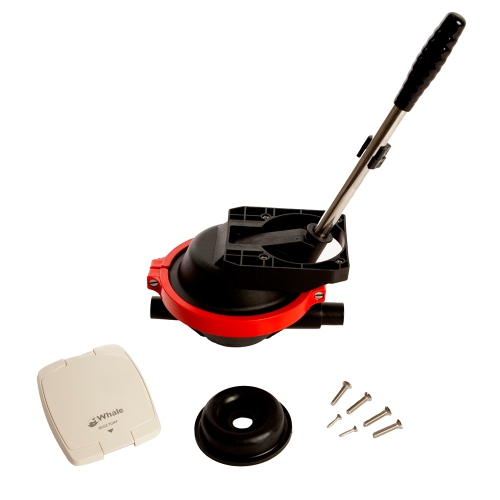
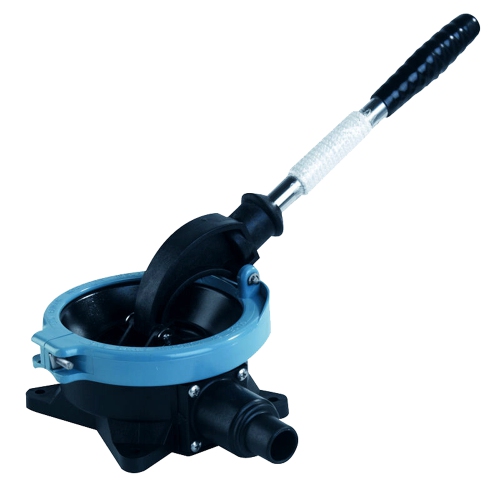
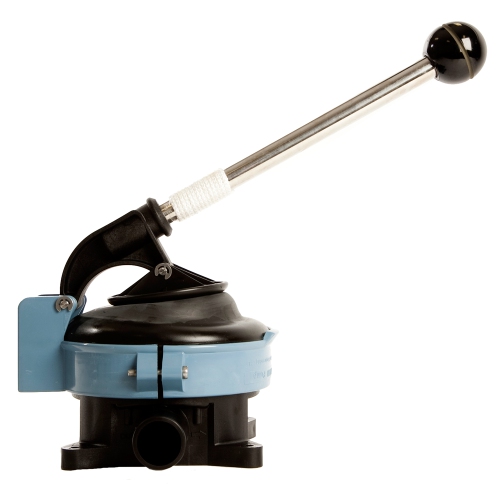
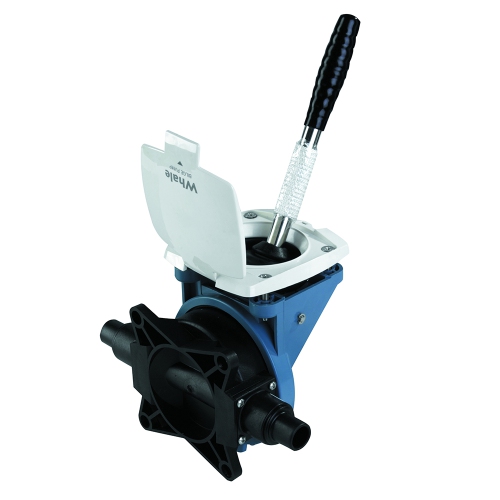
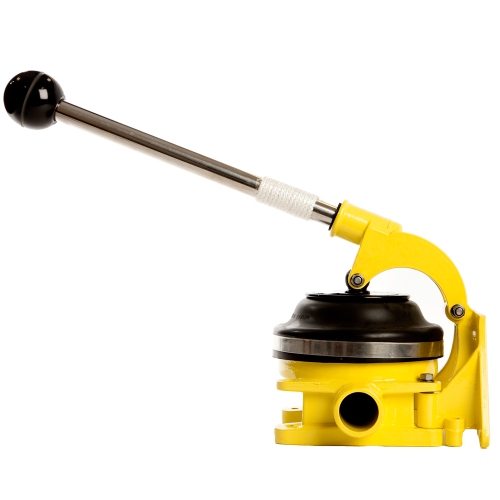
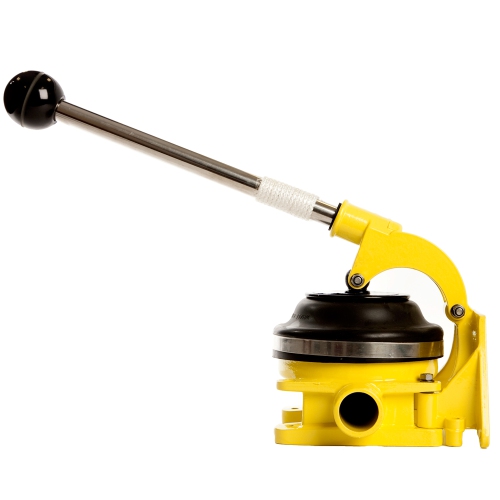
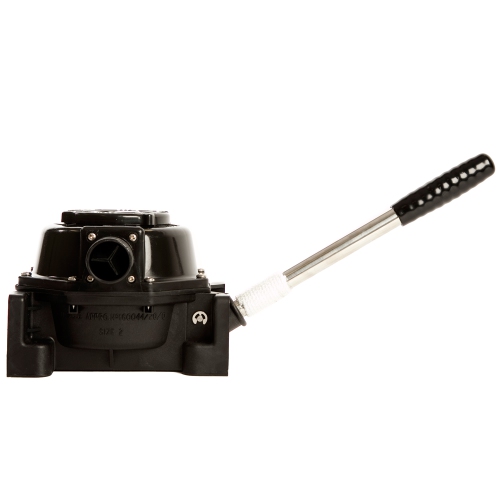
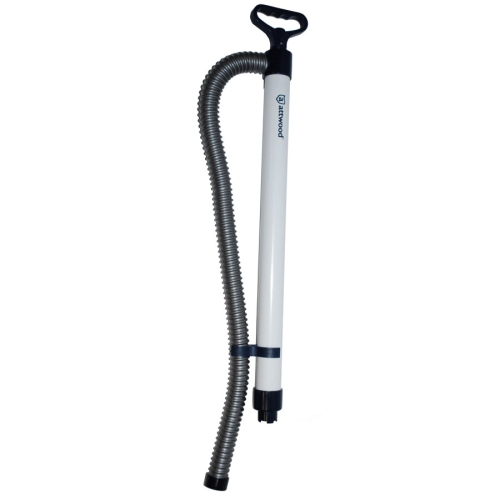
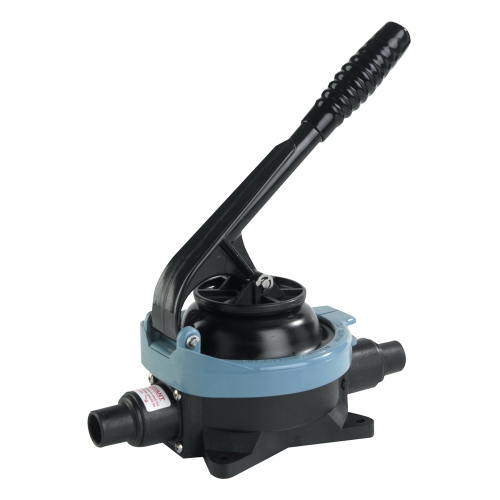
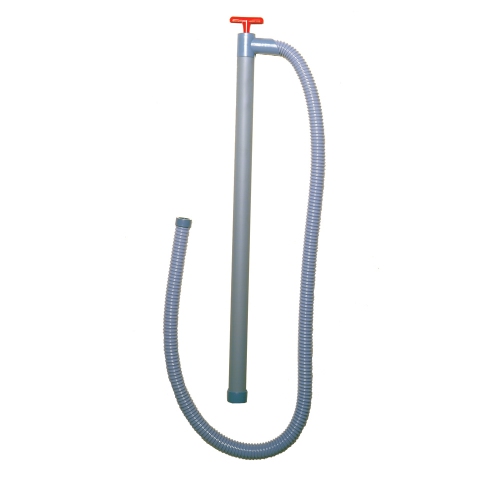
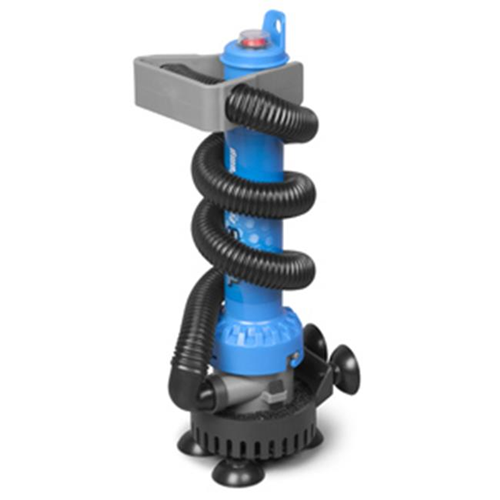
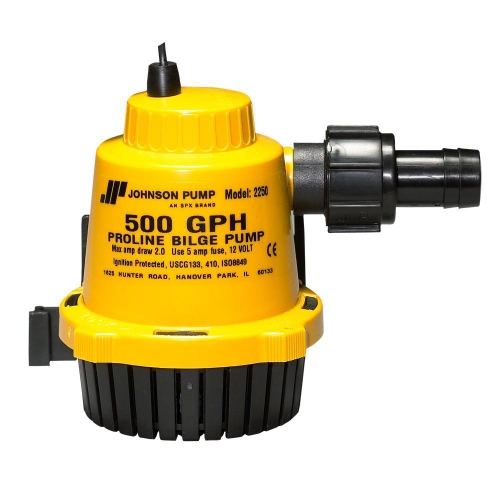
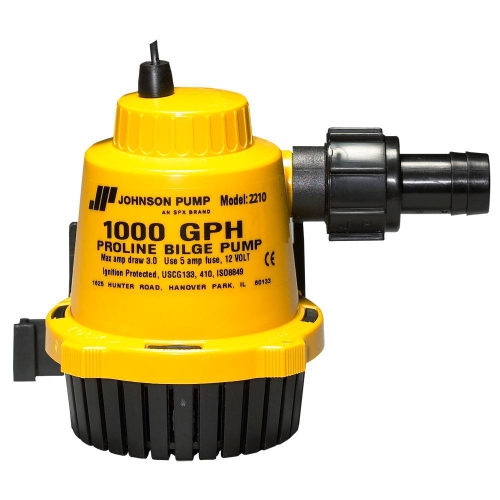
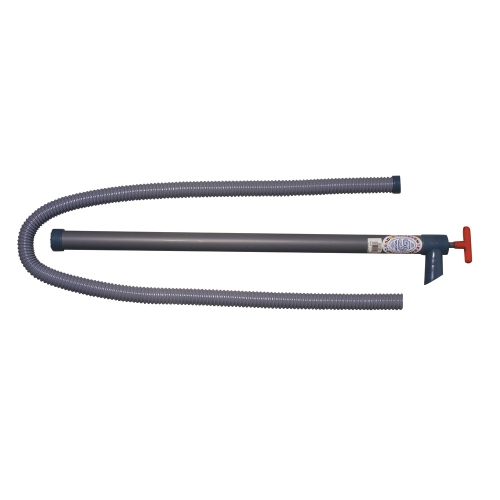
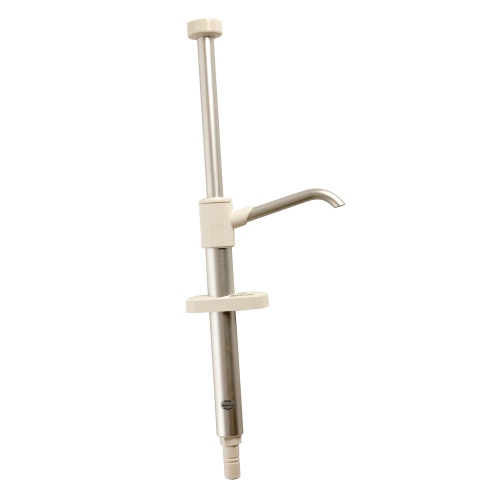
Manual bilge pumps are essential boating safety equipment for removing unwanted water when an electric pump is unavailable, overwhelmed, clogged, or affected by a drained battery. Unlike powered systems, a manual bilge pump works without electricity, wiring, switches, or charged batteries, making it a dependable backup for a wide range of recreational boats. Water can enter a hull through rain, spray, waves, a loose fitting, an open hatch, or a minor leak, and even a small amount can collect in the lowest part of the boat where it is difficult to reach with a bucket. A hand-operated pump gives you a practical way to move that water overboard and keep the cockpit, bilge, or hull interior manageable. Portable handheld pumps are often shaped like a long cylinder with a piston-style handle and are well suited to kayaks, canoes, tenders, inflatables, small fishing boats, and dinghies. Fixed-mount diaphragm or bulkhead pumps are typically installed where the handle can be reached from the cockpit or deck, allowing repeated pumping without moving around the boat. Simple bailers and rigid scoops may also be suitable for some very small craft, depending on the boat and applicable safety requirements. For a broader selection of marine water-removal equipment, explore Boat Bilge Pumps.
When choosing a manual bilge pump, start with the size and layout of the boat, along with the amount of water you may realistically need to remove. A compact handheld pump can be convenient on a kayak or canoe, where storage space is limited and the intake can be placed directly in the hull. A longer model may be easier to use in a deep bilge, particularly when the water sits beneath a motor, floor panel, or narrow compartment. Look at the pump’s rated capacity, but remember that real-world performance depends on hose length, bends, lift height, the depth of the water, and how steadily the handle can be operated. A wide, flexible discharge hose can help move water efficiently, while a secure connection reduces splashing and prevents the hose from popping loose as you pump. The intake end should be able to reach the lowest practical point in the bilge, and the outlet should extend safely over the gunwale or through a suitable discharge fitting so water does not flow back into the boat. For a fixed installation, consider the position of the handle, the available mounting surface, and whether everyone who may operate the vessel can reach it quickly. Corrosion-resistant materials, sealed fittings, a comfortable grip, and a smooth pumping action are especially useful around salt water, spray, and wet hands. Before heading out, test the pump with clean water, inspect the hose for cracks or kinks, and confirm that every connection fits tightly. Store a portable pump where it can be reached without unpacking other equipment; a safety device buried beneath cushions or camping gear is much less useful during a sudden squall.
A manual bilge pump can serve as primary water-removal equipment on a small craft or as a valuable emergency backup beside an electric bilge pump on a larger boat. If an automatic float switch fails, an electrical connection becomes loose, debris blocks the intake, or a battery loses charge, a hand pump may be the only practical way to keep water moving until the boat reaches shore or assistance arrives. Use it by placing the intake in the lowest part of the bilge, directing the discharge hose overboard, and operating the handle with steady, controlled strokes. Pumping smoothly is usually less tiring than rushing, and taking turns can help when a large amount of water must be removed. Keep watching the water level, listen for changes in the pump’s action, and investigate the source of incoming water rather than relying on the pump alone. A pump may be useful after heavy rain, while launching or hauling out, following a rough crossing, or when checking a boat that has been stored outdoors during the cooler months. It is also a thoughtful gift for a new boat owner, paddler, angler, cottage user, or family member who enjoys day trips on the water, especially when paired with a properly fitted bailer, throw line, personal flotation device, and other required safety gear. Transport Canada equipment requirements vary according to the vessel, its length, and how it is used, so review the rules that apply to your craft and carry the required water-removal device. After each outing, rinse salt or muddy water from the pump, allow it to dry, check the piston or diaphragm for wear, and store it in a protected but accessible location. With the right size, hose arrangement, mounting style, and storage plan, a manual bilge pump provides simple, reliable control when water starts collecting where it should not.
When choosing a manual bilge pump, start with the size and layout of the boat, along with the amount of water you may realistically need to remove. A compact handheld pump can be convenient on a kayak or canoe, where storage space is limited and the intake can be placed directly in the hull. A longer model may be easier to use in a deep bilge, particularly when the water sits beneath a motor, floor panel, or narrow compartment. Look at the pump’s rated capacity, but remember that real-world performance depends on hose length, bends, lift height, the depth of the water, and how steadily the handle can be operated. A wide, flexible discharge hose can help move water efficiently, while a secure connection reduces splashing and prevents the hose from popping loose as you pump. The intake end should be able to reach the lowest practical point in the bilge, and the outlet should extend safely over the gunwale or through a suitable discharge fitting so water does not flow back into the boat. For a fixed installation, consider the position of the handle, the available mounting surface, and whether everyone who may operate the vessel can reach it quickly. Corrosion-resistant materials, sealed fittings, a comfortable grip, and a smooth pumping action are especially useful around salt water, spray, and wet hands. Before heading out, test the pump with clean water, inspect the hose for cracks or kinks, and confirm that every connection fits tightly. Store a portable pump where it can be reached without unpacking other equipment; a safety device buried beneath cushions or camping gear is much less useful during a sudden squall.
A manual bilge pump can serve as primary water-removal equipment on a small craft or as a valuable emergency backup beside an electric bilge pump on a larger boat. If an automatic float switch fails, an electrical connection becomes loose, debris blocks the intake, or a battery loses charge, a hand pump may be the only practical way to keep water moving until the boat reaches shore or assistance arrives. Use it by placing the intake in the lowest part of the bilge, directing the discharge hose overboard, and operating the handle with steady, controlled strokes. Pumping smoothly is usually less tiring than rushing, and taking turns can help when a large amount of water must be removed. Keep watching the water level, listen for changes in the pump’s action, and investigate the source of incoming water rather than relying on the pump alone. A pump may be useful after heavy rain, while launching or hauling out, following a rough crossing, or when checking a boat that has been stored outdoors during the cooler months. It is also a thoughtful gift for a new boat owner, paddler, angler, cottage user, or family member who enjoys day trips on the water, especially when paired with a properly fitted bailer, throw line, personal flotation device, and other required safety gear. Transport Canada equipment requirements vary according to the vessel, its length, and how it is used, so review the rules that apply to your craft and carry the required water-removal device. After each outing, rinse salt or muddy water from the pump, allow it to dry, check the piston or diaphragm for wear, and store it in a protected but accessible location. With the right size, hose arrangement, mounting style, and storage plan, a manual bilge pump provides simple, reliable control when water starts collecting where it should not.
Top selling and popular products
-
 Your price for this item is $31.34
 -
 Your price for this item is $30.54
 -
 Your price for this item is $38.85
 -
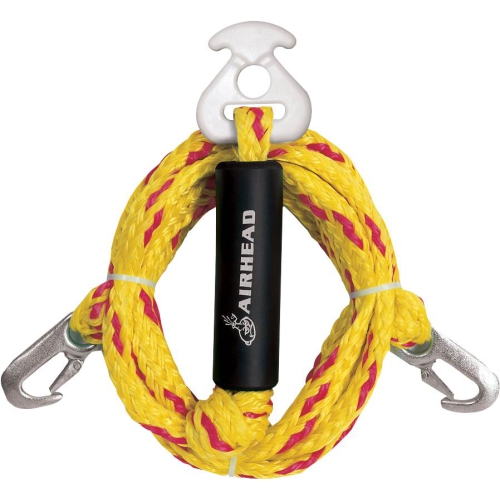 Your price for this item is $63.99
 -
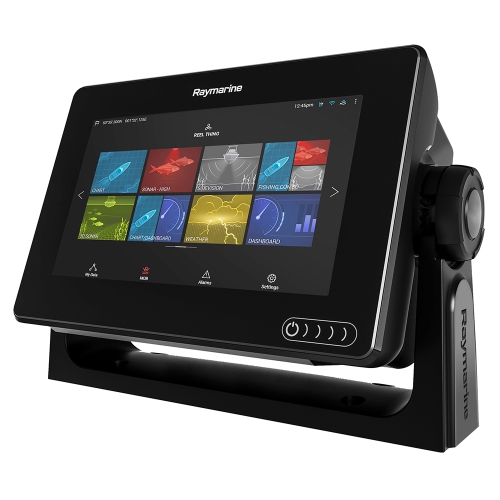 Your price for this item is $917.79
 -
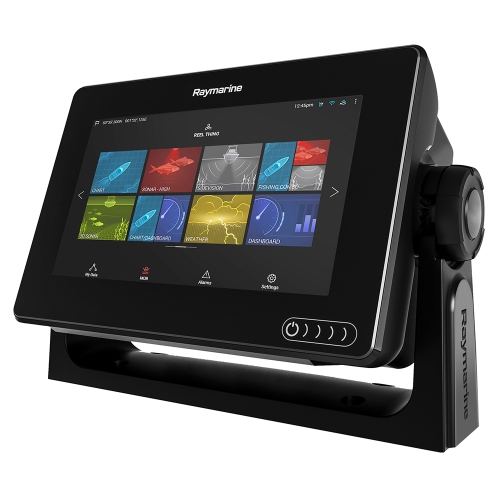 Your price for this item is $844.31
 -
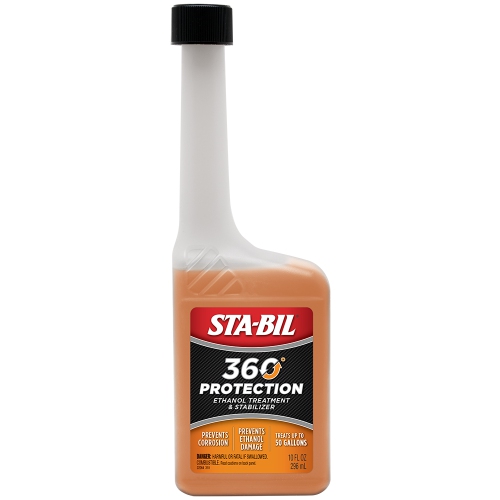 Your price for this item is $31.38
 -
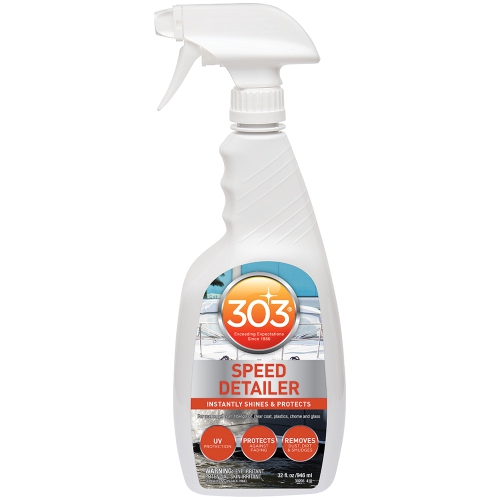 Your price for this item is $35.35
Discover more categories related to Manual Bilge Pumps

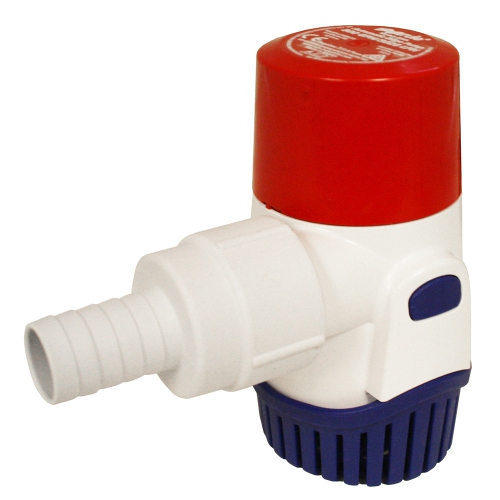
Top Collections:
Pokemon Centers, Kindle Devices, Best Budget Office Chairs, Canon G7X Cameras, Apple iPhones 16, Samsung Galaxy Phones, Refurbished Apple Laptops, Laptops for Students, iPhone 15 Apple, Budget Smartphones
Some products may be subject to Environmental Handling Fees
(EHF) depending on your province.
Learn more about EHFs.