VHF Antennas
Whether you're a sports enthusiast, a movie buff, or simply enjoy catching up on your favorite TV shows, our range of VHF antennas will ensure that you never miss a moment. With their ability to capture high-quality signals and deliver crystal-clear reception, these antennas are the perfect addition to any home entertainment setup. Explore our collection today and discover the perfect VHF antenna to take your TV viewing to new heights.
Sort
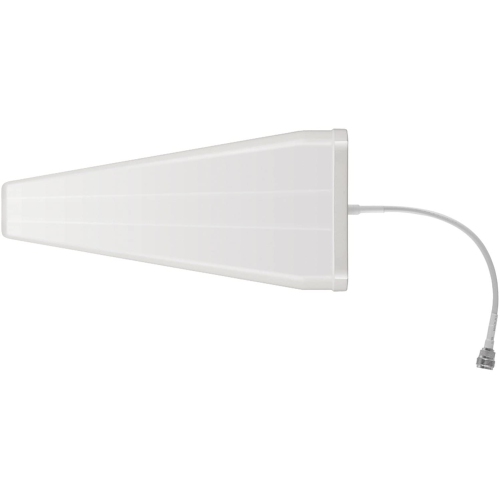
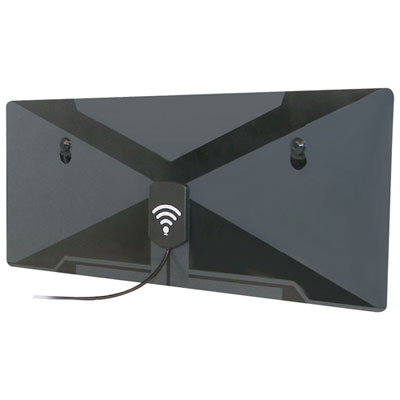
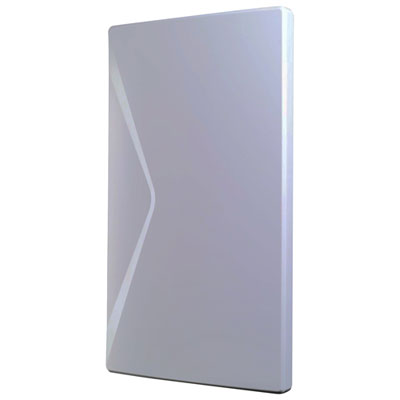
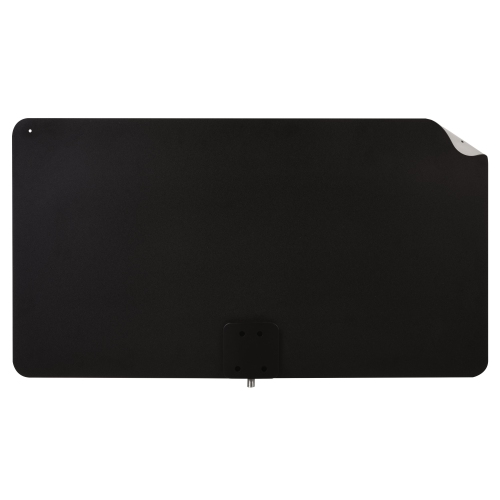



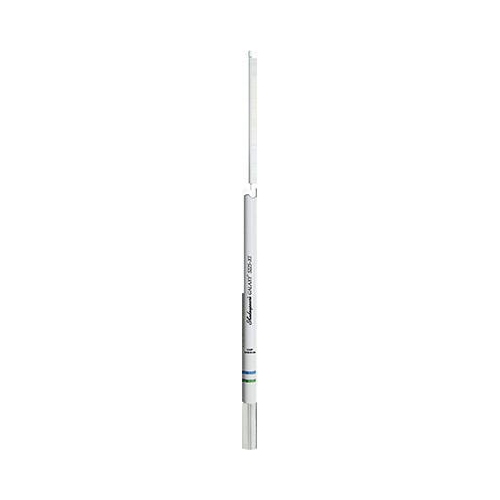
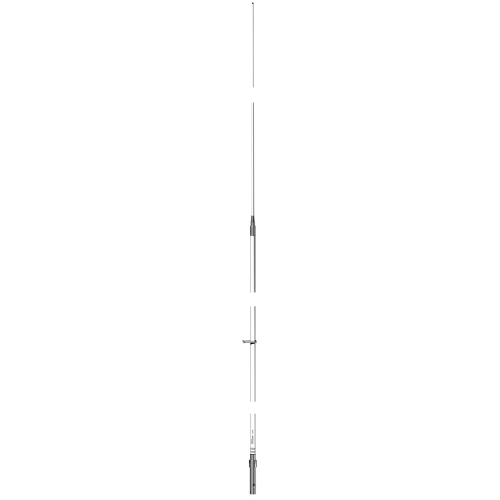
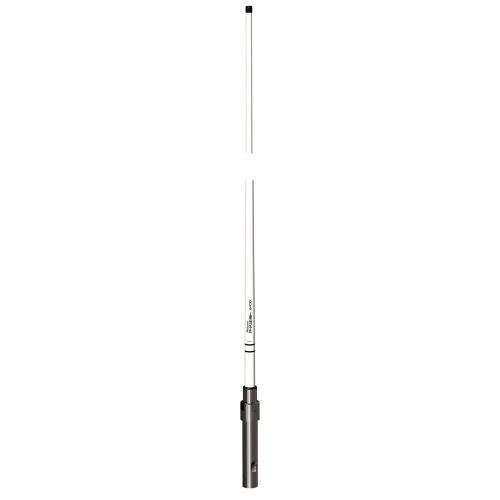
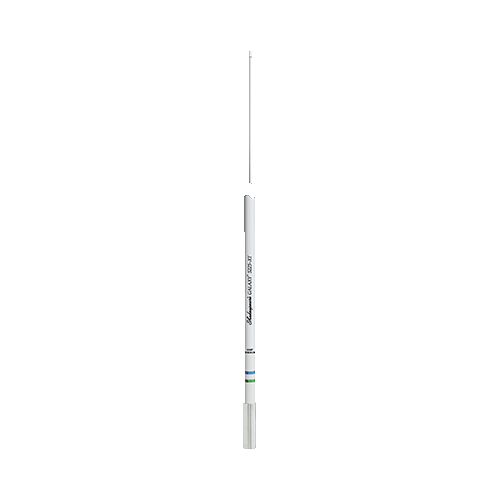
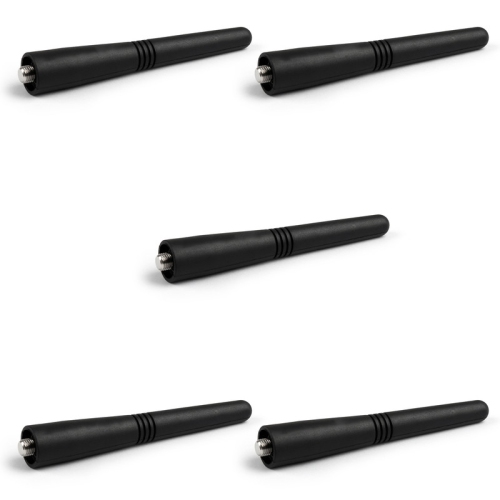
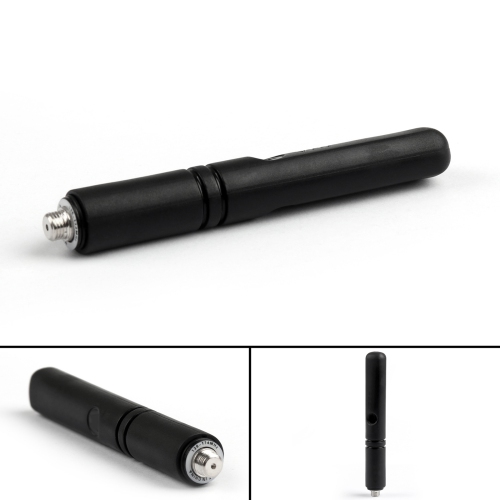
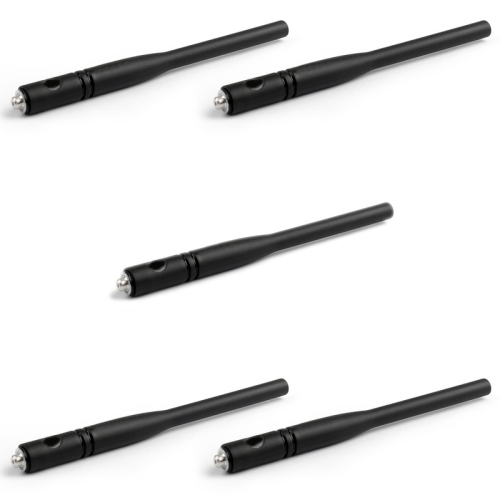
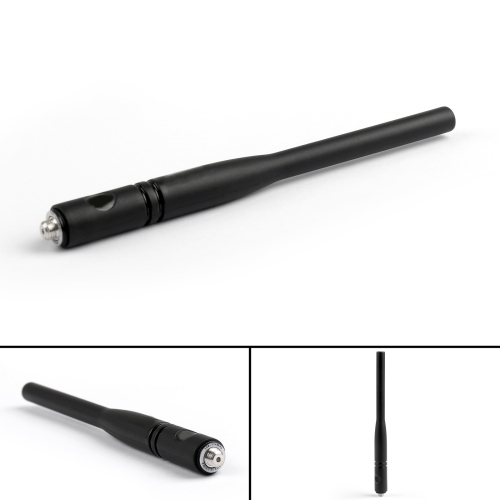

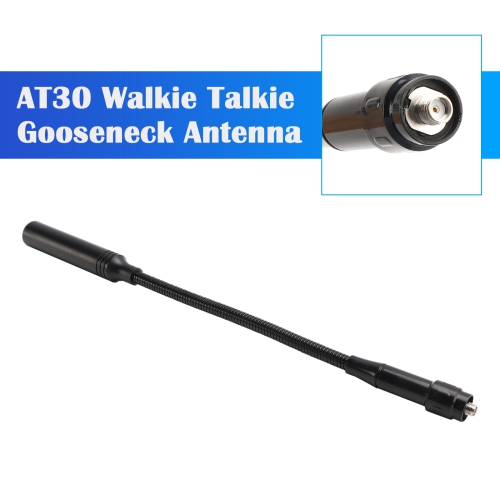
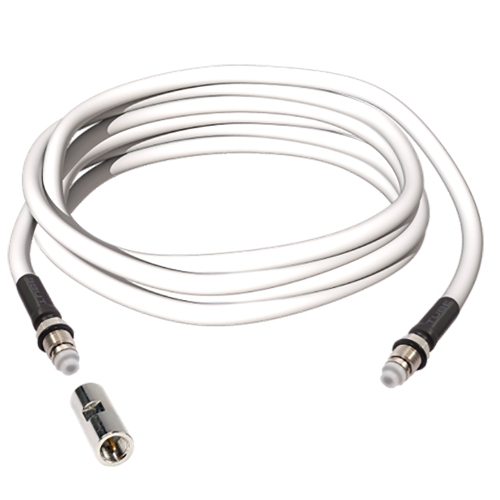
What affects VHF antenna range, mounting, and signal quality
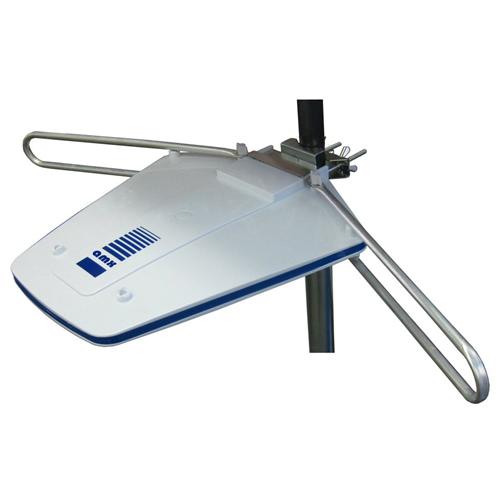
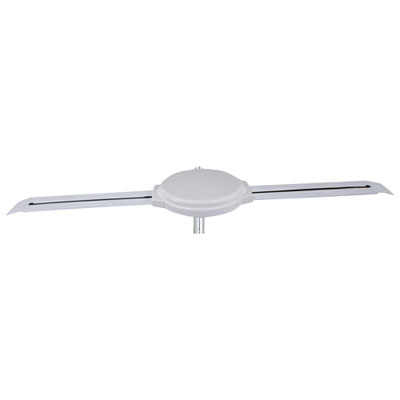
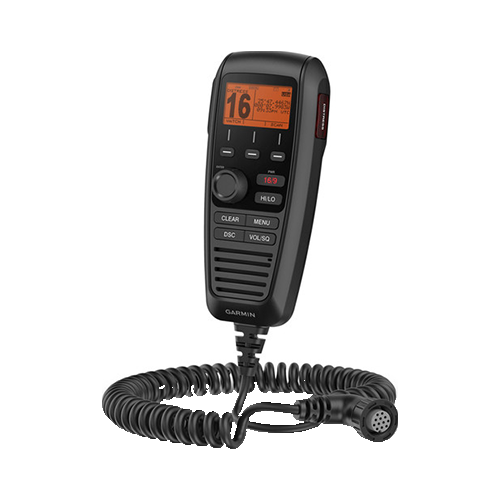
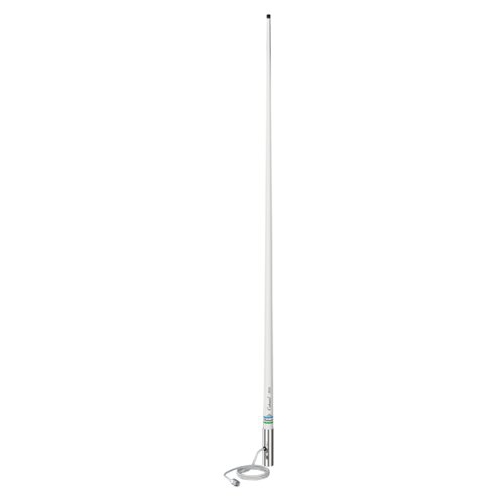
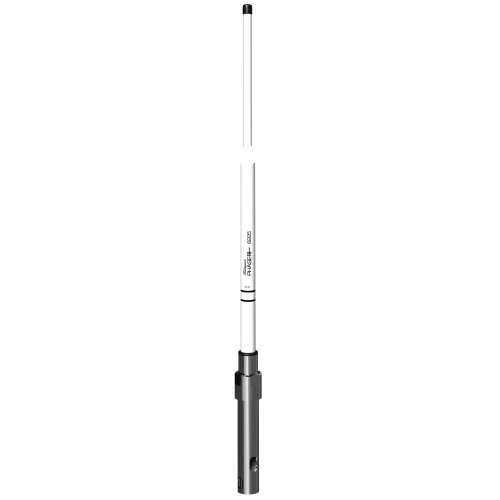
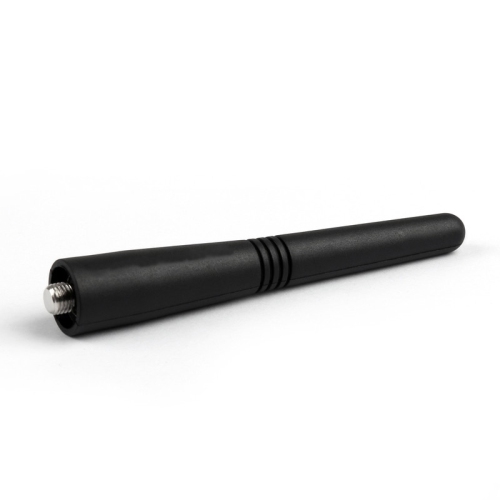
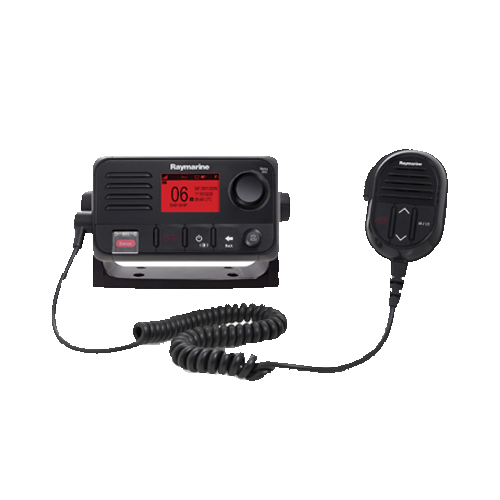
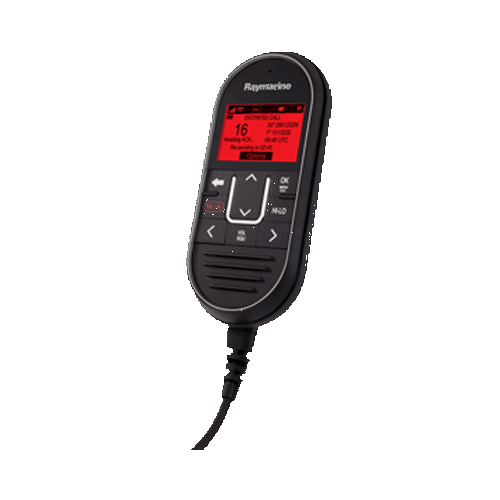
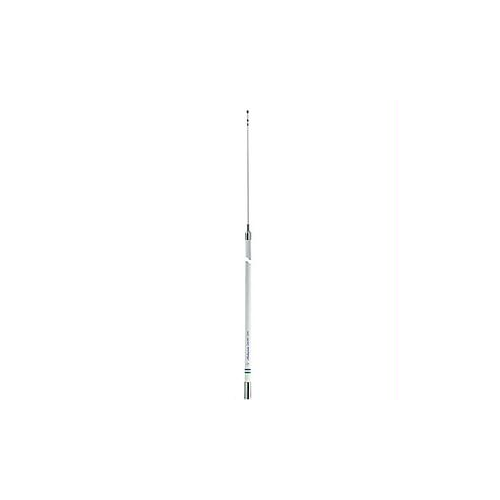
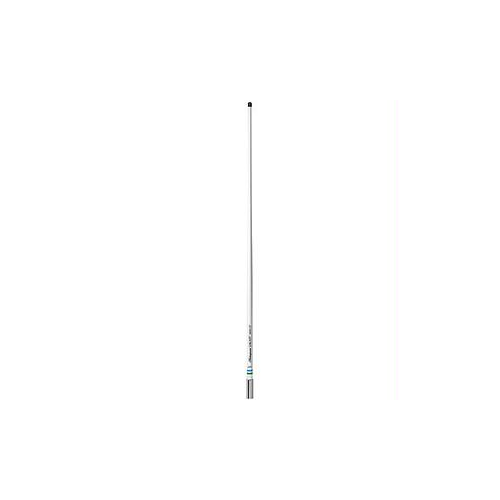
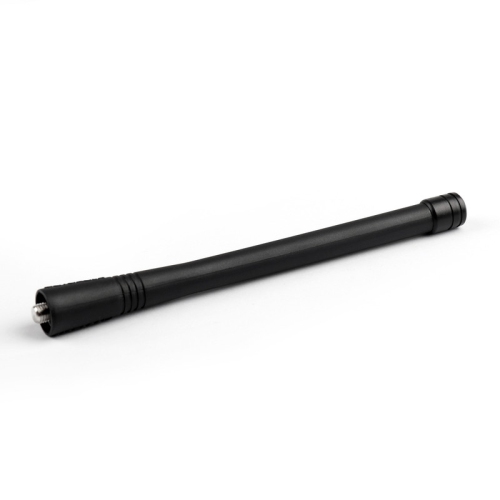
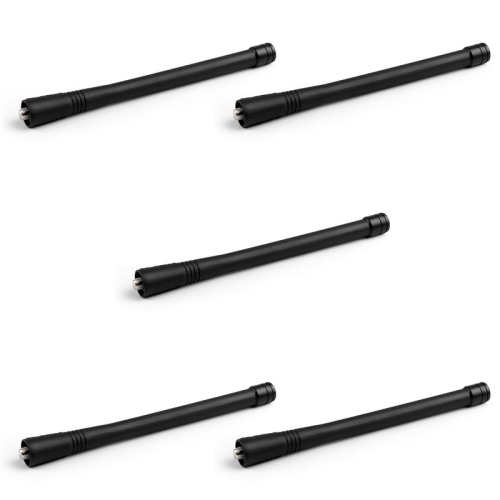
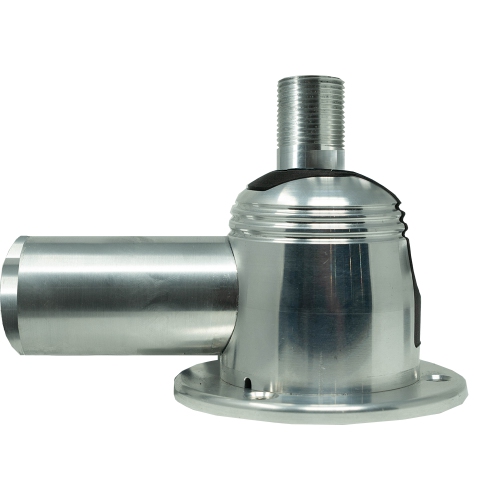
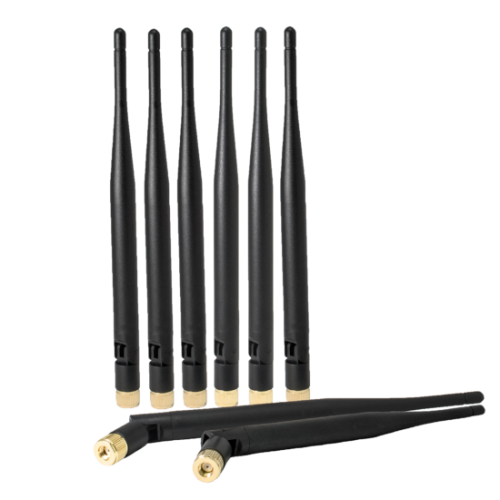
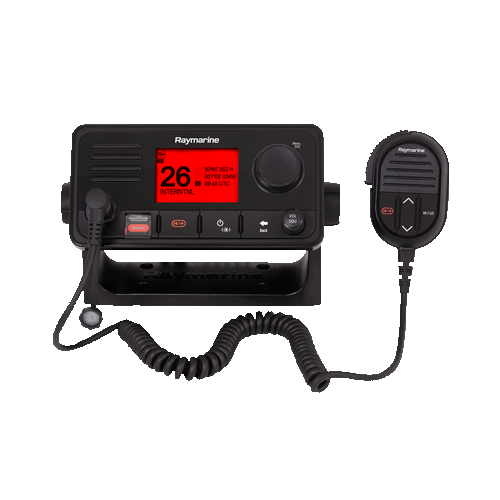
VHF antennas are designed to transmit and receive Very High Frequency radio signals, generally within the 30 MHz to 300 MHz range. They are commonly used for marine communication, aviation listening and communication systems, amateur radio, emergency communication, and other two-way radio applications where dependable line-of-sight contact matters. Unlike lower-frequency signals that can travel farther around obstacles, VHF signals usually move in relatively straight paths, so antenna height, placement, surrounding structures, and terrain all influence usable range. A boat antenna mounted high on a cabin or mast may communicate more effectively than a similar antenna installed close to the waterline, while a home or workshop setup benefits from a clear position above nearby roofs, trees, and other obstructions. This is why choosing an antenna involves more than looking at its length or exterior design. Consider the radio equipment it will connect to, the frequencies it supports, the type of mounting available, and whether the antenna will be used primarily for receiving, transmitting, or both. Marine users may rely on VHF communication to monitor local traffic, contact marinas, receive weather information, or communicate with other vessels, making a secure and weather-resistant installation especially important. Amateur radio users may select an antenna for a base station, rooftop installation, vehicle, portable field kit, or a compact setup used during outdoor activities. Aviation enthusiasts and radio listeners may also use VHF antennas for receiving transmissions, but compatibility with the intended frequency range remains essential. For car and home audio reception needs, a different category may be more appropriate; shoppers comparing radio reception accessories can also explore AM FM Antennas.
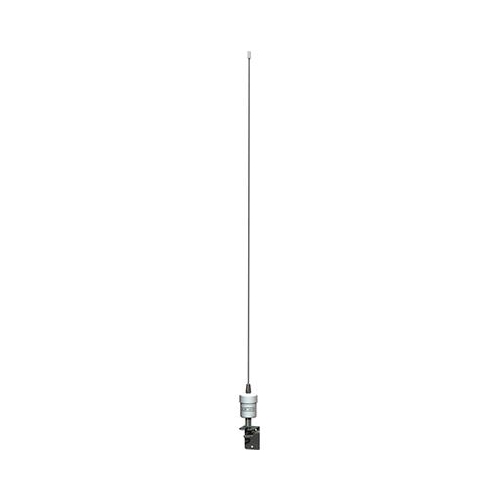
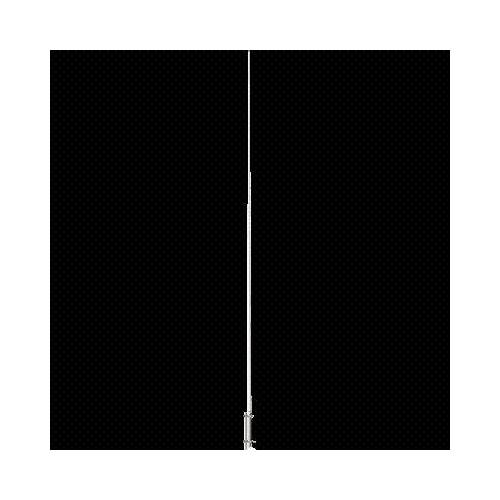
Antenna gain is another important consideration. Measured in decibels, or dB, gain describes how an antenna focuses its radiation pattern rather than simply indicating overall power. A higher-gain VHF antenna generally creates a flatter pattern that directs more signal horizontally, which can help extend communication distance when the antenna is installed securely and kept relatively upright. On a boat, however, an antenna with a very narrow radiation pattern may be less forgiving as the vessel rolls or pitches in rough water. A moderate-gain option can provide a useful balance for recreational boating, while a taller, higher-gain antenna may suit a larger vessel or a fixed installation where height and stability are available. Antenna length also affects performance, but the longest option is not automatically the right choice. Available storage, mounting height, wind exposure, clearance from rigging, and local installation requirements should all be considered. The mounting hardware must be compatible with the antenna and sturdy enough for the environment, particularly when installed on a moving vehicle, boat, mast, railing, roof, or exterior wall. A swivel or adjustable mount can make it easier to position the antenna upright, while a fixed mount may be preferable where a permanent, rigid installation is needed. Keep the antenna separated from metal obstructions and other transmitting equipment where possible, and follow the radio manufacturer’s guidance for grounding, placement, and safe installation. In a compact boat setup, for example, the antenna may need to fit beneath a bridge or be folded when stored, whereas a shore-based amateur radio station may prioritize height and a clear signal path. These practical details often matter just as much as the antenna’s technical specifications.
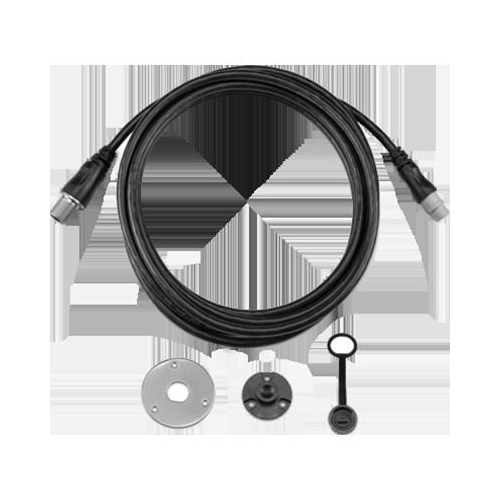
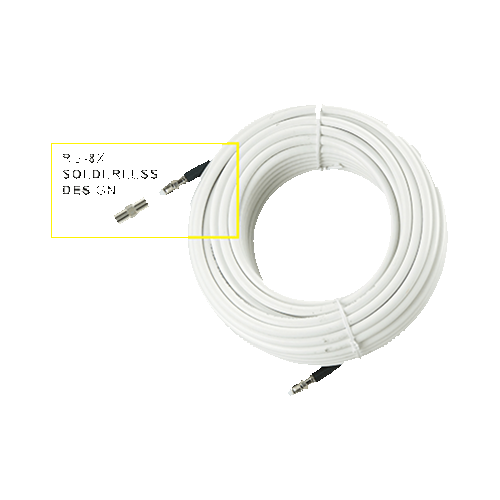
The coaxial cable and connectors are equally important because signal loss can reduce performance before the signal ever reaches the radio. Short cable runs are commonly paired with RG-58 coaxial cable, while longer runs may benefit from a lower-loss cable such as RG-8X or another cable recommended for the system. The correct choice depends on cable length, operating frequency, transmitter power, connector type, and the radio manufacturer’s specifications. Avoid unnecessary bends, poorly fitted connectors, and excess cable coiled tightly near the radio, as these can affect signal quality and reliability. Outdoor installations should use sealed connections and weather protection appropriate for the location, with particular care taken around areas exposed to spray, rain, snow, condensation, or changing temperatures. During the cooler months, ice and moisture can add weight or affect exposed hardware, while temperature changes can reveal weak fittings or poorly protected connections. Anyone selecting a VHF antenna should also check the antenna’s rated frequency range, impedance, power handling, connector compatibility, physical dimensions, and installation requirements before ordering. These products can be useful gifts for boat owners, amateur radio newcomers, outdoor communicators, and hobbyists building a first station, especially when the recipient already has a compatible radio but needs a better-suited antenna for a new location. A thoughtful selection takes the recipient’s equipment and environment into account: a portable user may value light weight and quick setup, a sailor may need a corrosion-resistant antenna and secure mounting solution, and a home operator may prefer a design intended for permanent outdoor installation. With the right match between antenna, radio, cable, mount, and surroundings, VHF equipment can provide clear, practical communication when the horizon is open, the weather changes quickly, or a dependable connection matters most.
Antenna gain is another important consideration. Measured in decibels, or dB, gain describes how an antenna focuses its radiation pattern rather than simply indicating overall power. A higher-gain VHF antenna generally creates a flatter pattern that directs more signal horizontally, which can help extend communication distance when the antenna is installed securely and kept relatively upright. On a boat, however, an antenna with a very narrow radiation pattern may be less forgiving as the vessel rolls or pitches in rough water. A moderate-gain option can provide a useful balance for recreational boating, while a taller, higher-gain antenna may suit a larger vessel or a fixed installation where height and stability are available. Antenna length also affects performance, but the longest option is not automatically the right choice. Available storage, mounting height, wind exposure, clearance from rigging, and local installation requirements should all be considered. The mounting hardware must be compatible with the antenna and sturdy enough for the environment, particularly when installed on a moving vehicle, boat, mast, railing, roof, or exterior wall. A swivel or adjustable mount can make it easier to position the antenna upright, while a fixed mount may be preferable where a permanent, rigid installation is needed. Keep the antenna separated from metal obstructions and other transmitting equipment where possible, and follow the radio manufacturer’s guidance for grounding, placement, and safe installation. In a compact boat setup, for example, the antenna may need to fit beneath a bridge or be folded when stored, whereas a shore-based amateur radio station may prioritize height and a clear signal path. These practical details often matter just as much as the antenna’s technical specifications.
The coaxial cable and connectors are equally important because signal loss can reduce performance before the signal ever reaches the radio. Short cable runs are commonly paired with RG-58 coaxial cable, while longer runs may benefit from a lower-loss cable such as RG-8X or another cable recommended for the system. The correct choice depends on cable length, operating frequency, transmitter power, connector type, and the radio manufacturer’s specifications. Avoid unnecessary bends, poorly fitted connectors, and excess cable coiled tightly near the radio, as these can affect signal quality and reliability. Outdoor installations should use sealed connections and weather protection appropriate for the location, with particular care taken around areas exposed to spray, rain, snow, condensation, or changing temperatures. During the cooler months, ice and moisture can add weight or affect exposed hardware, while temperature changes can reveal weak fittings or poorly protected connections. Anyone selecting a VHF antenna should also check the antenna’s rated frequency range, impedance, power handling, connector compatibility, physical dimensions, and installation requirements before ordering. These products can be useful gifts for boat owners, amateur radio newcomers, outdoor communicators, and hobbyists building a first station, especially when the recipient already has a compatible radio but needs a better-suited antenna for a new location. A thoughtful selection takes the recipient’s equipment and environment into account: a portable user may value light weight and quick setup, a sailor may need a corrosion-resistant antenna and secure mounting solution, and a home operator may prefer a design intended for permanent outdoor installation. With the right match between antenna, radio, cable, mount, and surroundings, VHF equipment can provide clear, practical communication when the horizon is open, the weather changes quickly, or a dependable connection matters most.
Top selling and popular products
-
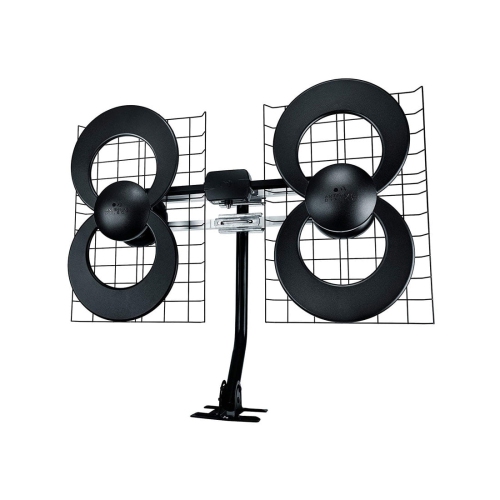 Your price for this item is $316.54
 -
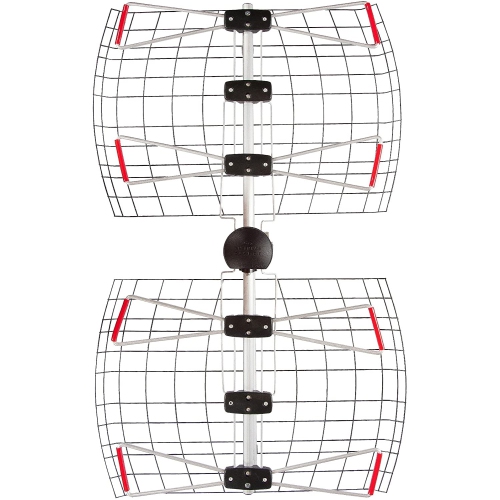 Your price for this item is $99.99
 -
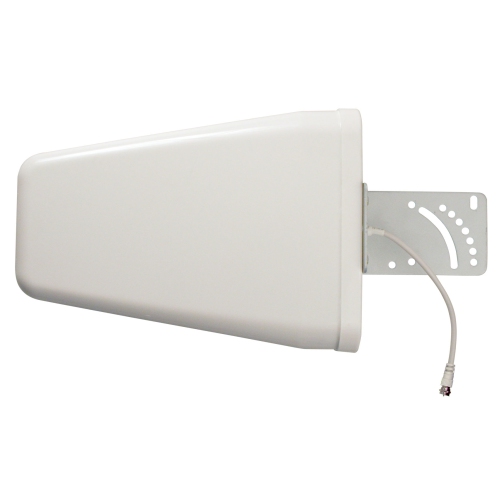 Your price for this item is $139.99
 -
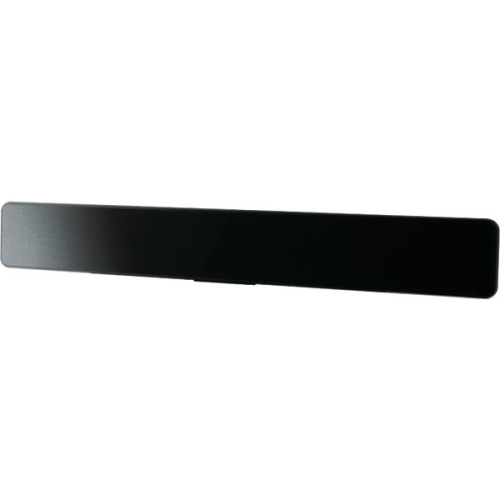 Your price for this item is $29
 -
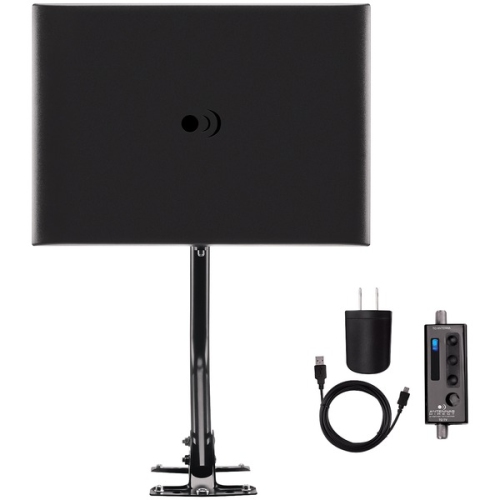 Your price for this item is $59
 -
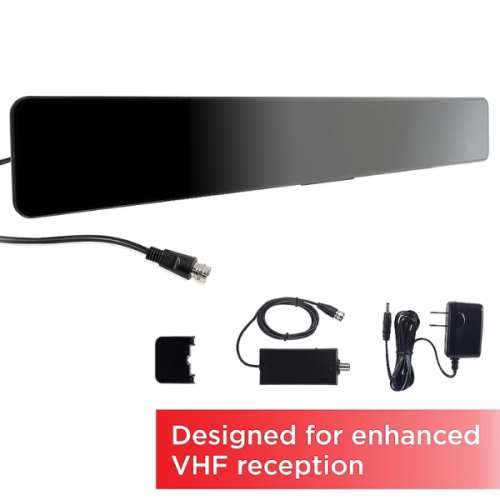 Your price for this item is $34.99
 -
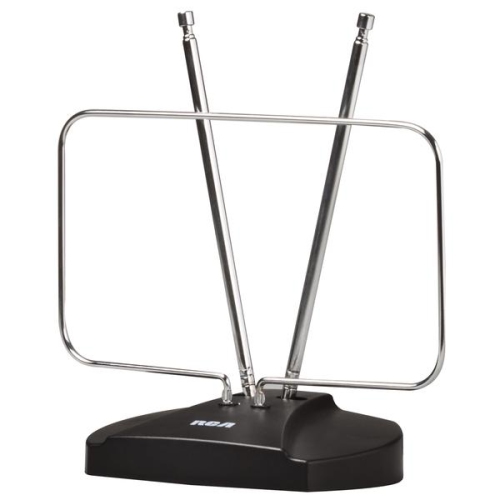 Your price for this item is $38.68
 -
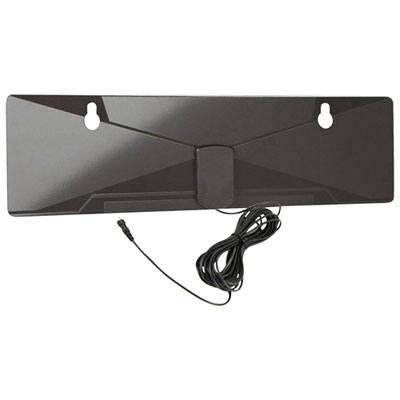 Your price for this item is $26.99
Discover more categories related to VHF Antennas
Top Collections:
Pokemon Centers, Kindle Devices, Best Budget Office Chairs, Apple iPhones 16, Best Laptops for Writers, iPhone 15 Apple, Canon G7X Cameras, Refurbished Apple Laptops, Alarm Clock, Motorola Razr Phones
Some products may be subject to Environmental Handling Fees
(EHF) depending on your province.
Learn more about EHFs.