Motorcycle Full Face Helmets
Whether you're a seasoned rider or just starting out, investing in a quality motorcycle full face helmet is essential for your safety on the road. These helmets provide complete protection for your head, face, and chin, ensuring maximum security while you enjoy your thrilling rides. At Best Buy, we offer a wide range of motorcycle full face helmets that combine style, comfort, and advanced features to meet the needs of every rider. From sleek designs to cutting-edge technology, our collection has something for everyone. Explore our selection now and find the perfect helmet to enhance your riding experience and keep you protected in style.
Sort
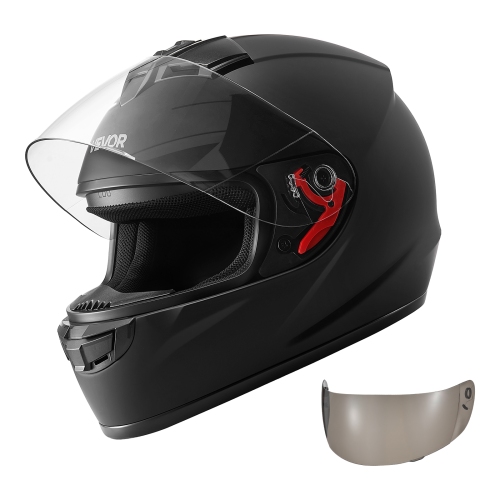
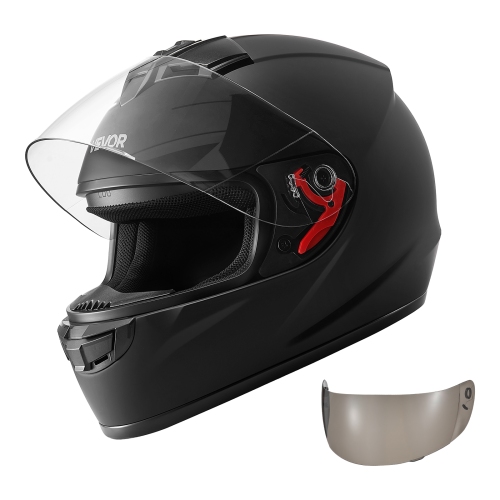
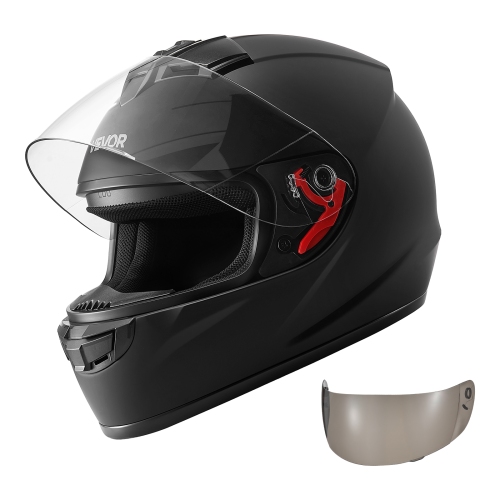
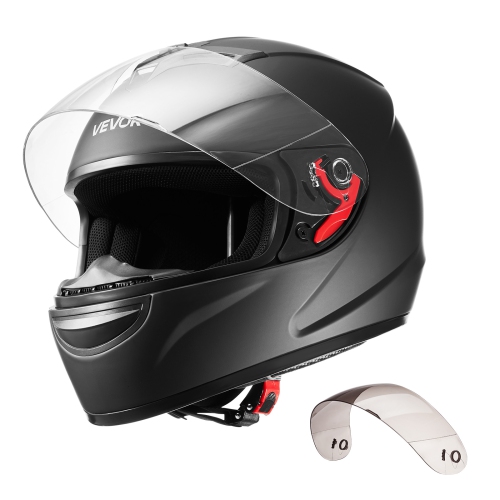
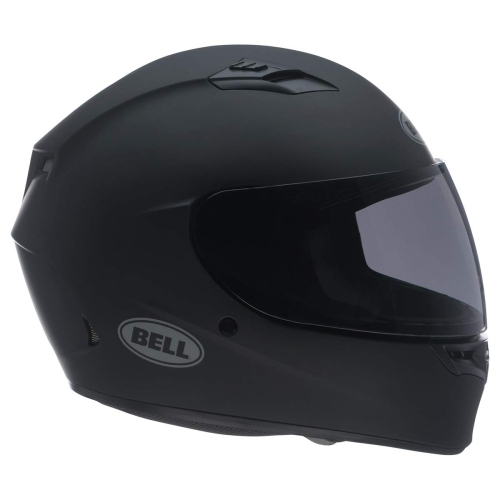
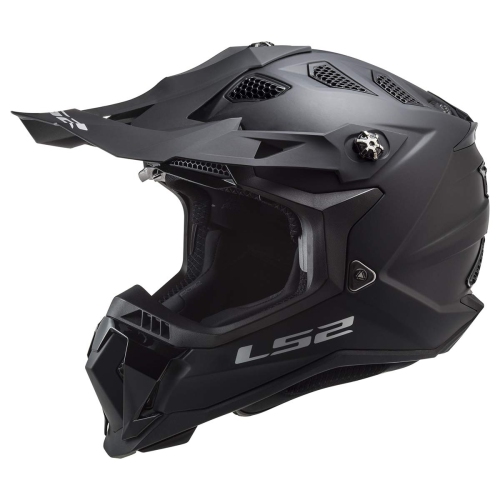
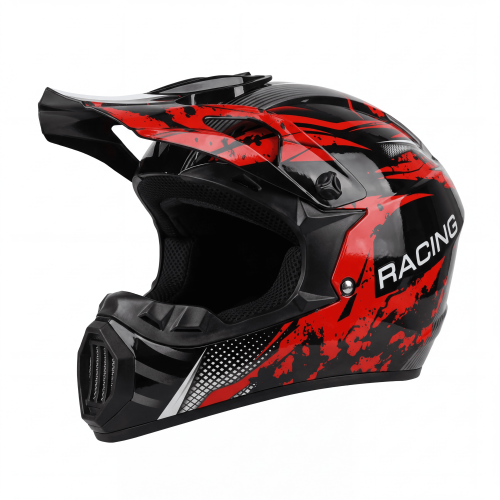
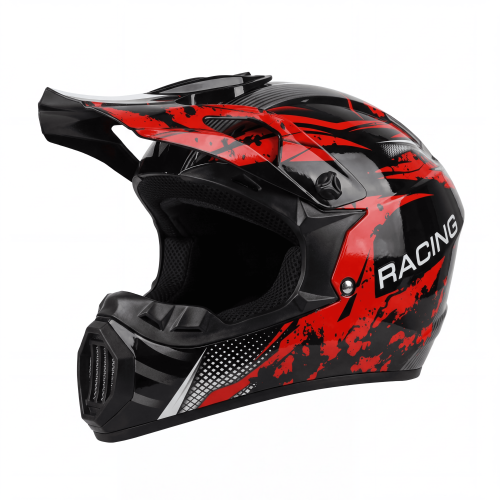
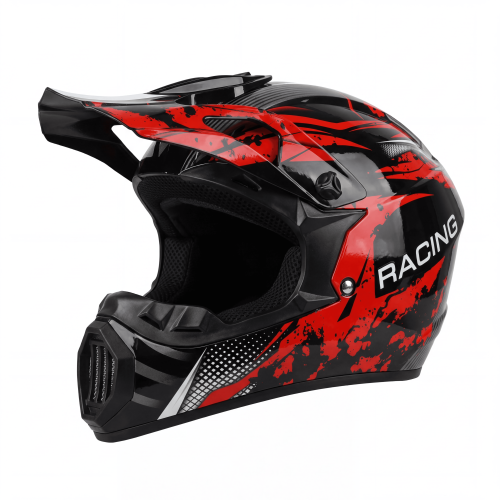
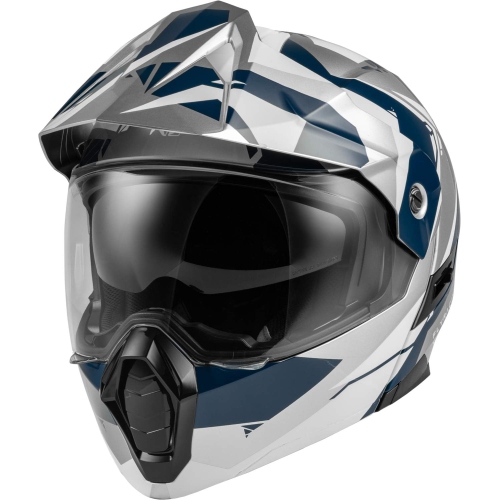
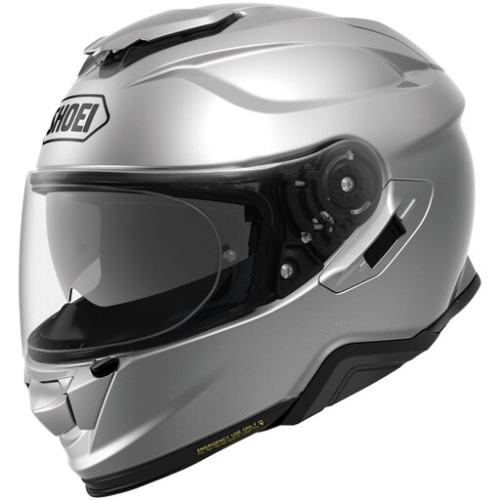
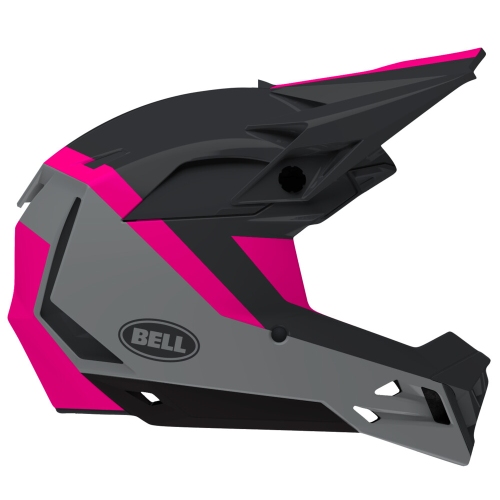
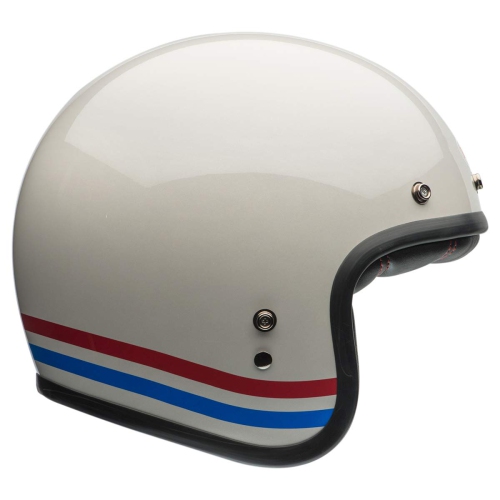
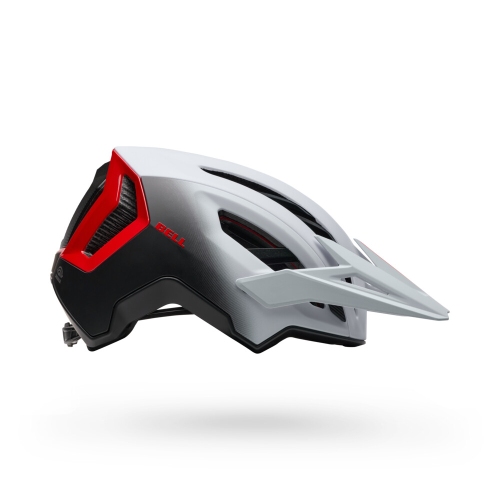
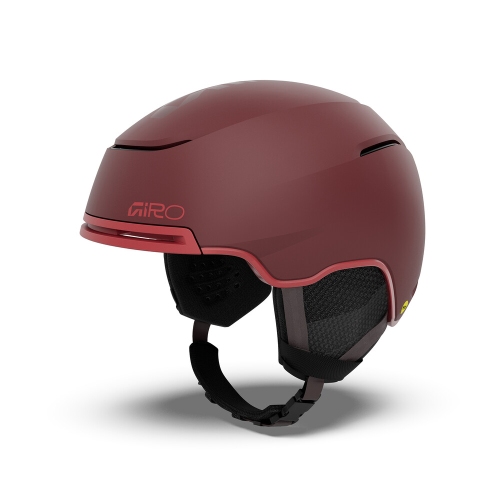
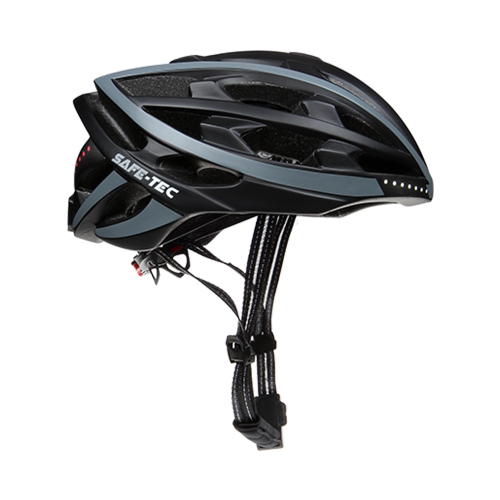
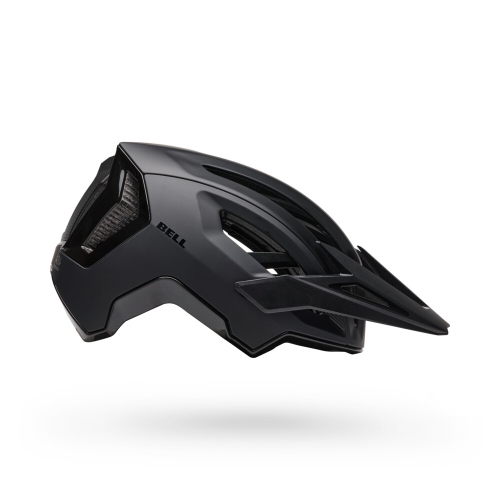
What to know about fit, safety, and riding comfort
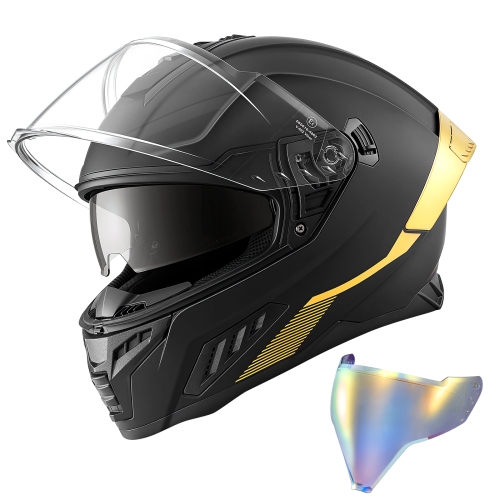
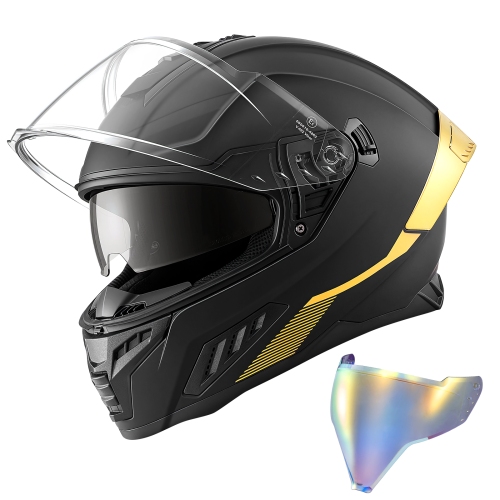
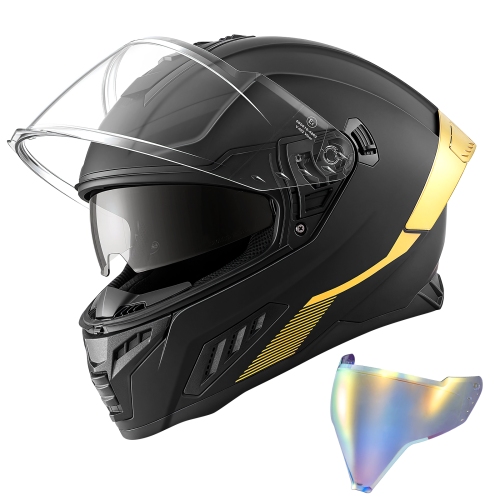
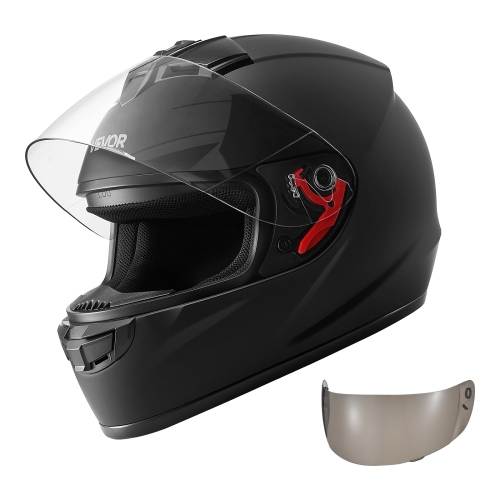
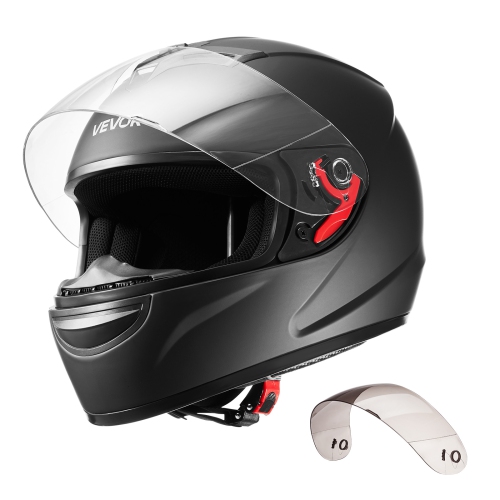
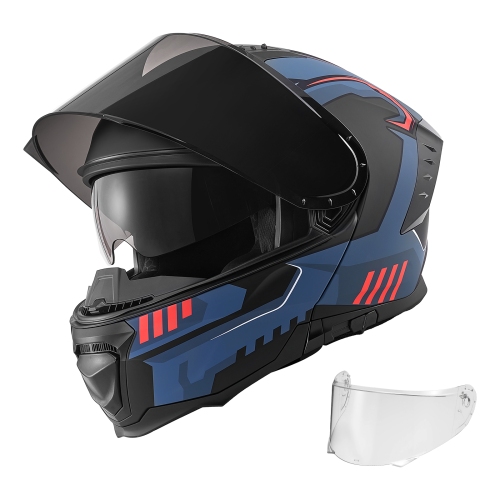
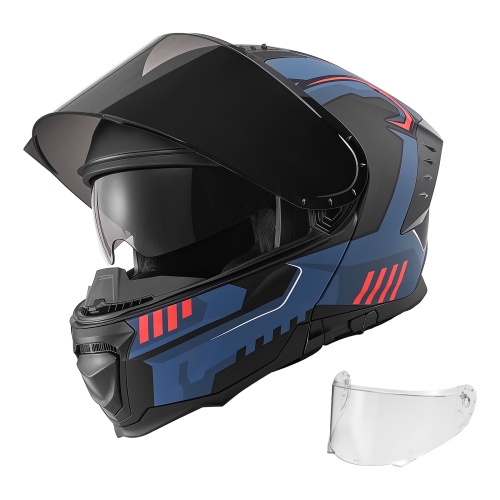
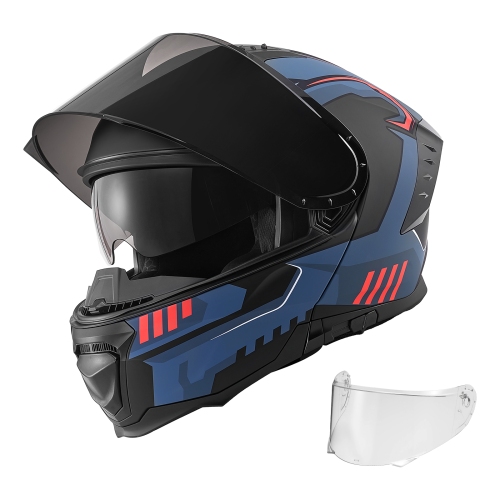
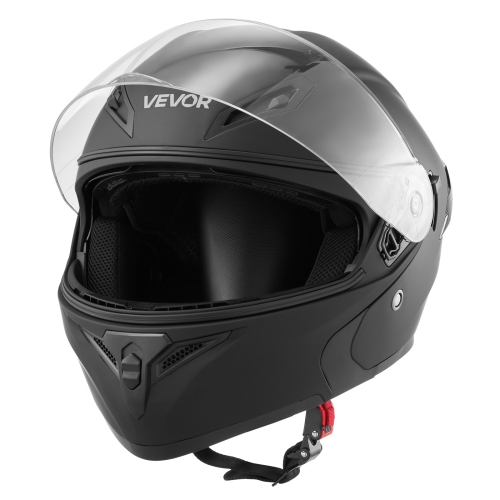
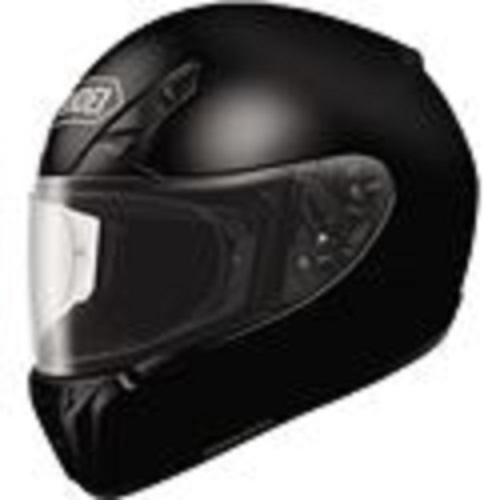
Motorcycle full face helmets are designed for riders who want continuous coverage across the top, sides, back, chin, and jaw of the head. Unlike open-face styles, a full face helmet uses a single outer shell with an integrated chin bar, creating a more enclosed structure that helps shield the face from wind, road debris, rain, and impact forces. That added coverage can make a noticeable difference on everything from a short commute through city traffic to a long ride along winding rural roads. Riders often appreciate the quieter, more protected feeling as well: the shell and visor help reduce direct wind pressure, while the chin curtain and neck roll can limit drafts and buffeting. Full face helmets are commonly chosen by daily commuters, sport riders, touring enthusiasts, new motorcyclists, and anyone who prefers broad protection while riding on paved roads. They can also be a thoughtful gift for an experienced rider, although helmet fit is highly personal and should never be guessed based only on a person’s usual clothing size. For a wider selection across riding needs and styles, explore Motorcycle Helmets. Whether the helmet is intended for a first bike, a replacement for an older helmet, or a second option for different riding conditions, the right choice should feel secure without creating pressure points. A helmet that is too loose may shift when a rider checks a blind spot, while one that is too tight can become uncomfortable during a longer journey. The ideal fit is snug and evenly supportive, with the cheek pads resting firmly against the face and the interior holding the head in place when the strap is fastened. New padding may feel quite firm at first and often settles slightly with use, but pronounced pain, numbness, or movement from side to side are signs to try another size or shape.
Safety certification is one of the first details to check when comparing motorcycle full face helmets. Look for the current certification markings required or recognized for your intended use, such as DOT or ECE 22.06, and confirm the label and product information before riding. Certification standards assess important elements such as impact performance, retention systems, and the helmet’s ability to remain in place, but a certification mark does not replace careful fitting or responsible riding. Head shape matters as much as circumference. Many helmet interiors are suited to an intermediate-oval profile, while others accommodate longer or rounder shapes, and two helmets with the same listed size can feel very different on the head. Measure around the widest part of the head according to the manufacturer’s instructions, then compare that measurement with the brand’s sizing chart. Try the helmet with any eyewear or communication equipment you expect to use, and check that the chin strap lies comfortably beneath the jaw without hanging loose. A quick fit check at home can include opening and closing the mouth, turning the head, and gently trying to move the helmet upward, downward, and from side to side. It should stay in position without obstructing vision or pressing against the nose, brow, or temples. The visor is another important consideration. A clear, wide field of view helps a rider scan intersections and monitor traffic, while a secure visor seal can reduce wind noise and water entering around the eye line. Some full face helmets include a built-in sun shield for changing light conditions; others support interchangeable tinted visors or anti-fog inserts. Anti-fog features can be particularly useful during cooler rides, early departures, or damp weather, when warm breath meets a cold visor and creates a hazy film at the worst possible moment. Ventilation systems with front intake and rear exhaust ports are intended to move air across the brow and through the interior, helping manage heat during warmer rides without requiring the visor to remain open. Look for vents that are easy to operate with gloved hands, especially if you regularly travel through changing temperatures.
The best helmet for a rider’s routine also depends on how and where it will be used. A commuter may prioritize manageable weight, effective ventilation, a clear visor, and an interior that is easy to remove or clean after frequent use. Someone who spends a full day on the highway may place greater emphasis on noise reduction, stable aerodynamics, a comfortable neck roll, and space for a Bluetooth communication system. Sport-oriented riders may prefer a close-fitting shape, a secure visor mechanism, and airflow that remains effective when riding in a more forward position. Touring riders can benefit from practical features such as a wide eye port, replaceable shields, comfortable padding, and compatibility with layers of riding gear. During the warmer part of the riding season, ventilation and moisture management can help keep a helmet feeling fresh in stop-and-go traffic, while cooler months put greater importance on drafts, fog control, and room for a thin, comfortable base layer without disturbing the fit. Even the most advanced features cannot make a poorly fitted helmet comfortable or dependable, so fit should remain the starting point. Inspect the shell, visor, vents, liner, and retention strap regularly, and follow the manufacturer’s care instructions rather than using harsh household cleaners that may damage materials. Keep the helmet away from prolonged heat and store it where it will not be crushed or knocked from a shelf. Replace it after a significant impact, even if there are no obvious cracks, and consider replacing an older helmet when the interior has compressed, the strap is worn, or components no longer operate securely. With the right size, certification, coverage, ventilation, and visor setup, a motorcycle full face helmet can become a comfortable part of a rider’s routine, helping them feel prepared as roads, light, and temperatures change through the riding season.
Safety certification is one of the first details to check when comparing motorcycle full face helmets. Look for the current certification markings required or recognized for your intended use, such as DOT or ECE 22.06, and confirm the label and product information before riding. Certification standards assess important elements such as impact performance, retention systems, and the helmet’s ability to remain in place, but a certification mark does not replace careful fitting or responsible riding. Head shape matters as much as circumference. Many helmet interiors are suited to an intermediate-oval profile, while others accommodate longer or rounder shapes, and two helmets with the same listed size can feel very different on the head. Measure around the widest part of the head according to the manufacturer’s instructions, then compare that measurement with the brand’s sizing chart. Try the helmet with any eyewear or communication equipment you expect to use, and check that the chin strap lies comfortably beneath the jaw without hanging loose. A quick fit check at home can include opening and closing the mouth, turning the head, and gently trying to move the helmet upward, downward, and from side to side. It should stay in position without obstructing vision or pressing against the nose, brow, or temples. The visor is another important consideration. A clear, wide field of view helps a rider scan intersections and monitor traffic, while a secure visor seal can reduce wind noise and water entering around the eye line. Some full face helmets include a built-in sun shield for changing light conditions; others support interchangeable tinted visors or anti-fog inserts. Anti-fog features can be particularly useful during cooler rides, early departures, or damp weather, when warm breath meets a cold visor and creates a hazy film at the worst possible moment. Ventilation systems with front intake and rear exhaust ports are intended to move air across the brow and through the interior, helping manage heat during warmer rides without requiring the visor to remain open. Look for vents that are easy to operate with gloved hands, especially if you regularly travel through changing temperatures.
The best helmet for a rider’s routine also depends on how and where it will be used. A commuter may prioritize manageable weight, effective ventilation, a clear visor, and an interior that is easy to remove or clean after frequent use. Someone who spends a full day on the highway may place greater emphasis on noise reduction, stable aerodynamics, a comfortable neck roll, and space for a Bluetooth communication system. Sport-oriented riders may prefer a close-fitting shape, a secure visor mechanism, and airflow that remains effective when riding in a more forward position. Touring riders can benefit from practical features such as a wide eye port, replaceable shields, comfortable padding, and compatibility with layers of riding gear. During the warmer part of the riding season, ventilation and moisture management can help keep a helmet feeling fresh in stop-and-go traffic, while cooler months put greater importance on drafts, fog control, and room for a thin, comfortable base layer without disturbing the fit. Even the most advanced features cannot make a poorly fitted helmet comfortable or dependable, so fit should remain the starting point. Inspect the shell, visor, vents, liner, and retention strap regularly, and follow the manufacturer’s care instructions rather than using harsh household cleaners that may damage materials. Keep the helmet away from prolonged heat and store it where it will not be crushed or knocked from a shelf. Replace it after a significant impact, even if there are no obvious cracks, and consider replacing an older helmet when the interior has compressed, the strap is worn, or components no longer operate securely. With the right size, certification, coverage, ventilation, and visor setup, a motorcycle full face helmet can become a comfortable part of a rider’s routine, helping them feel prepared as roads, light, and temperatures change through the riding season.
Top selling and popular products
-
 Your price for this item is $69.99
 -
![UNIVERSAL STUDIOS Pokémon Journeys: Season 23 - Destination: Coronation [DVD] In Multicolor](https://multimedia.bbycastatic.ca/multimedia/products/500x500/181/18197/18197813.jpeg) Your price for this item is $19.99
Your price for this item is $19.99 -
 Your price for this item is $169
 -
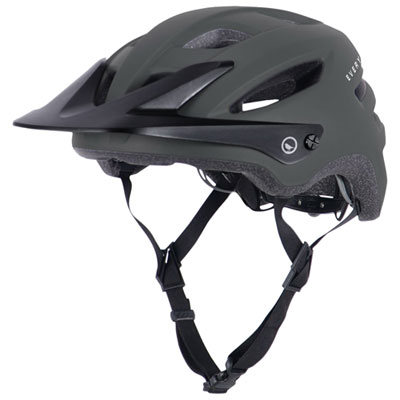 Your price for this item is $39.99
 -
 Your price for this item is $199.99
 -
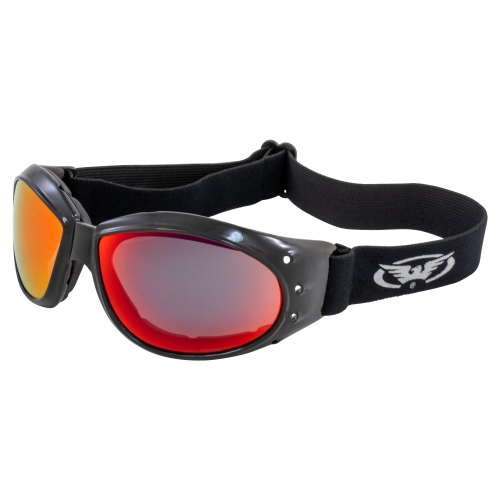 Your price for this item is $35.13
 -
 Your price for this item is $169
 -
 Your price for this item is $49.99
Discover more categories related to Motorcycle Full Face Helmets
Top Collections:
Pokemon Centers, Best Cameras for Sports Photography, Kindle Devices, Samsung Galaxy Phones, Canon G7X Cameras, Pokémon 30th Celebration Cards, Refurbished Apple Laptops, iPhone 15 Apple, Laptops for Students, Budget Smartphones
Some products may be subject to Environmental Handling Fees
(EHF) depending on your province.
Learn more about EHFs.