Optical Rangefinders
Looking to enhance your accuracy on the golf course or while hunting? Look no further than optical rangefinders. These handy devices utilize advanced technology to measure distances with pinpoint precision, allowing you to make more accurate shots and improve your overall performance. Whether you're a seasoned pro or just starting out, optical rangefinders are a must-have tool for any outdoor enthusiast. With their compact and portable design, these devices are easy to carry around and can be used in various settings. Elevate your game and take your skills to new heights with the help of optical rangefinders.
Sort
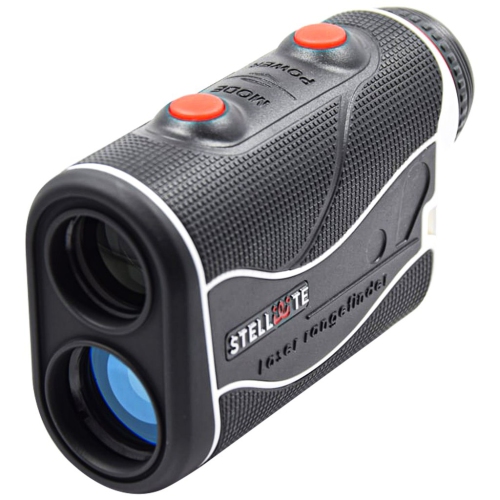
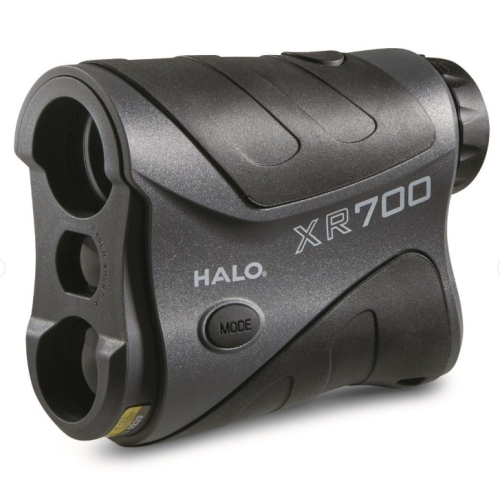

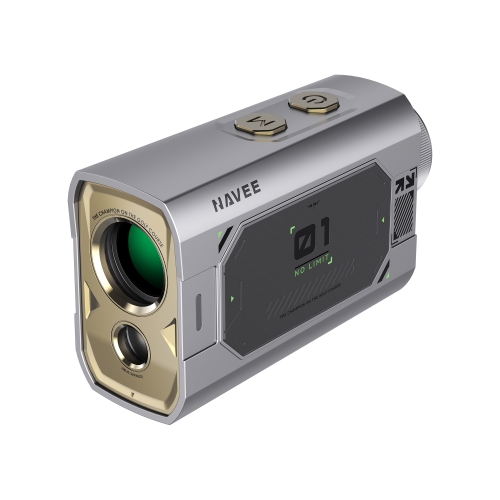
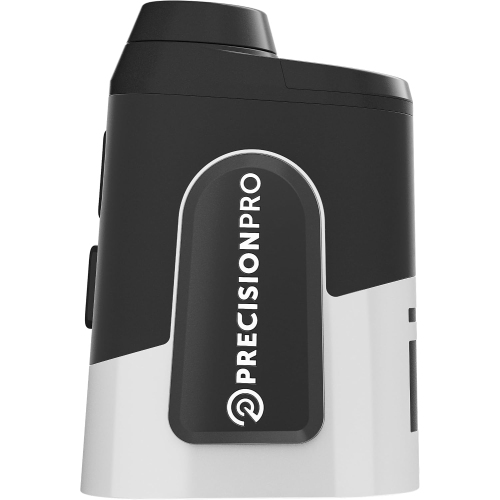

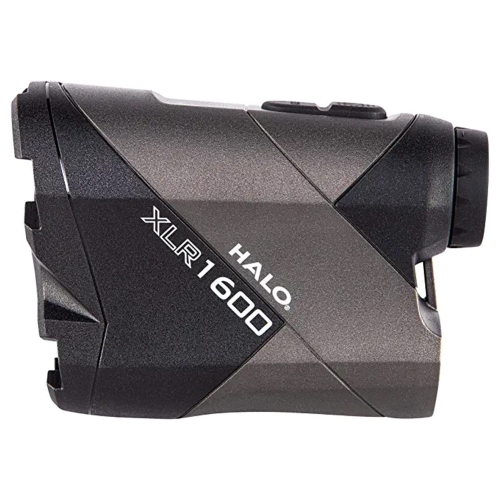
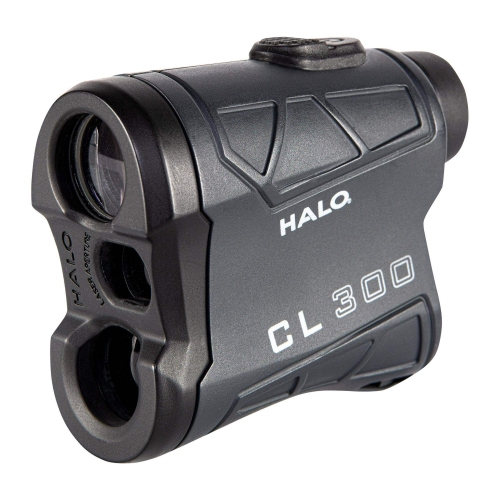


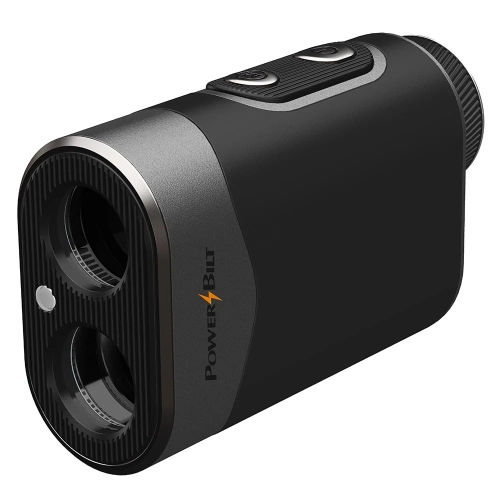
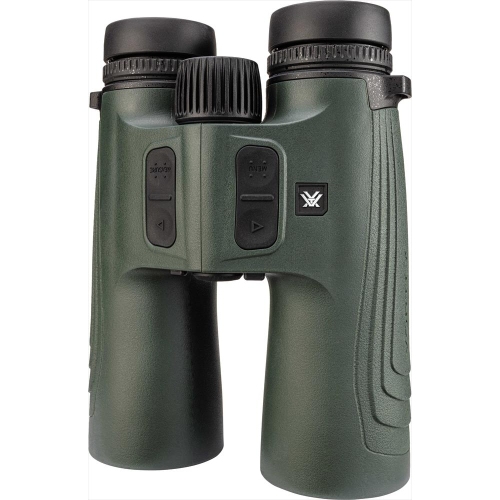
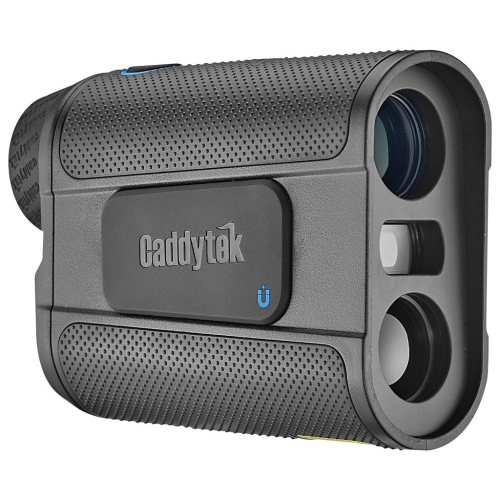
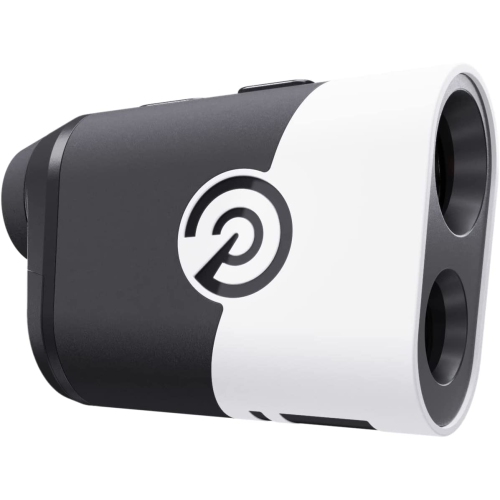


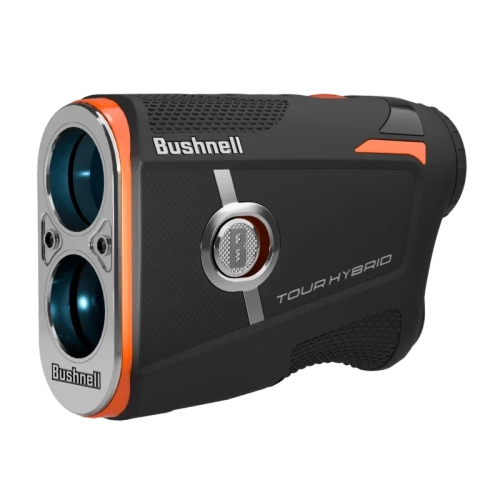


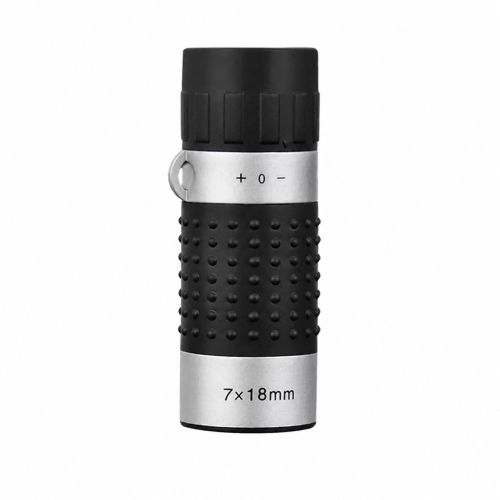
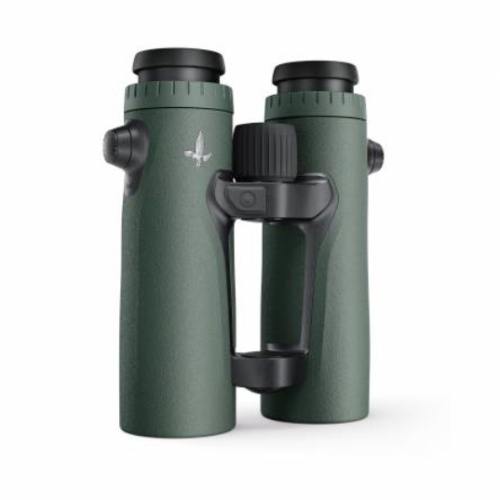
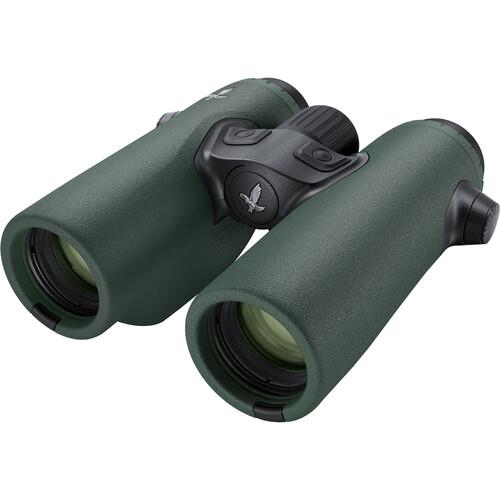
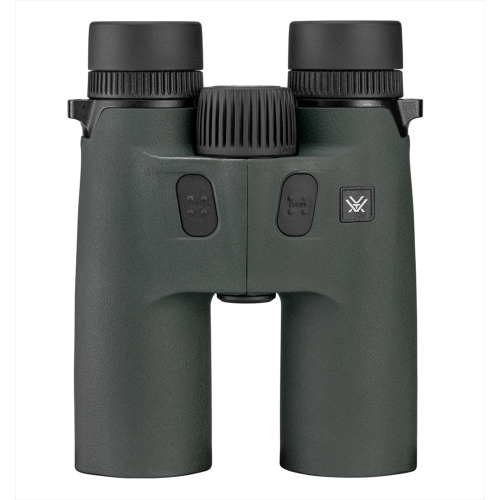
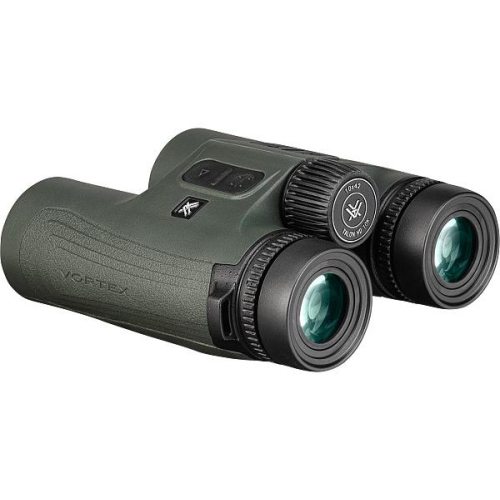


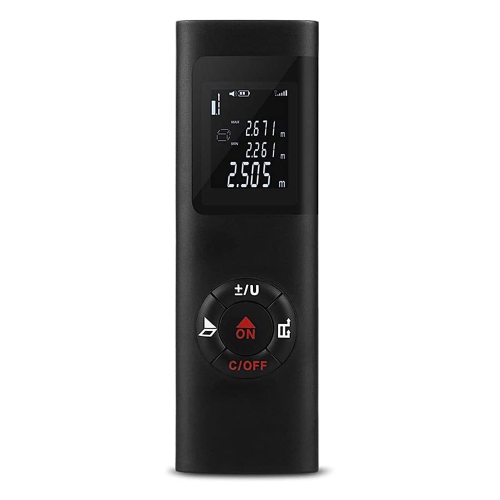
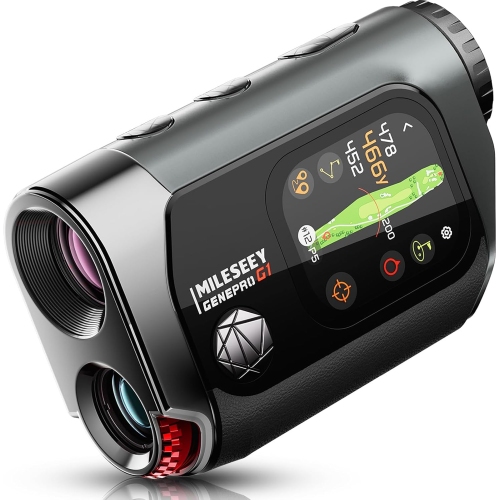

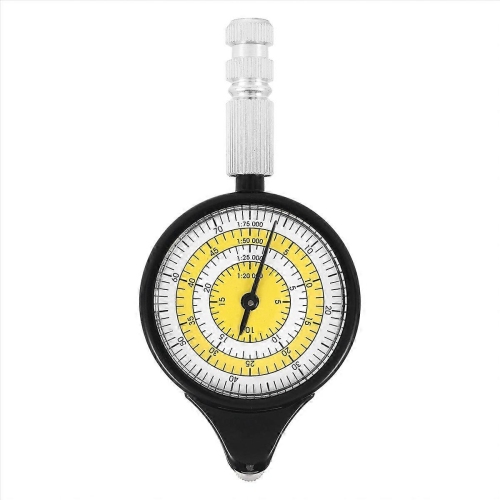

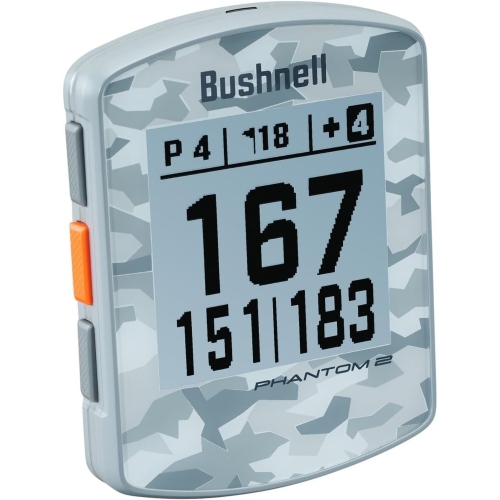
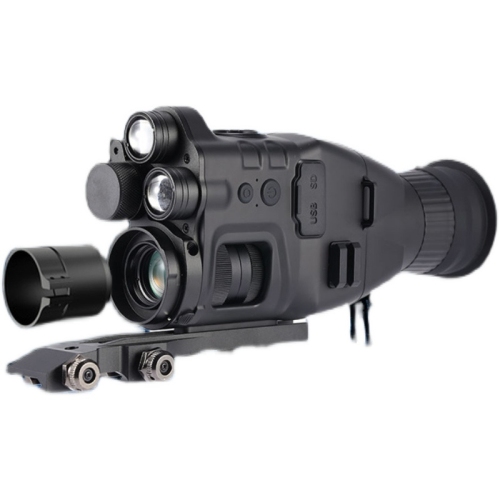


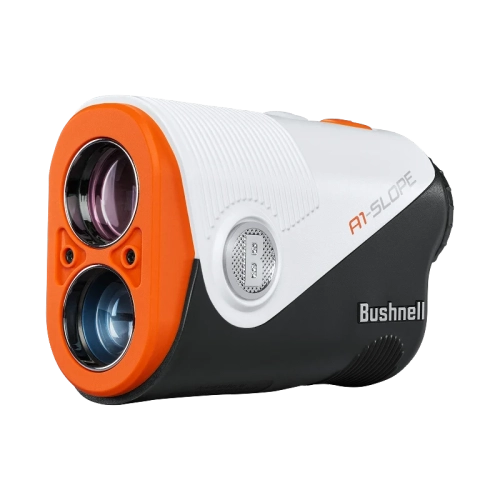
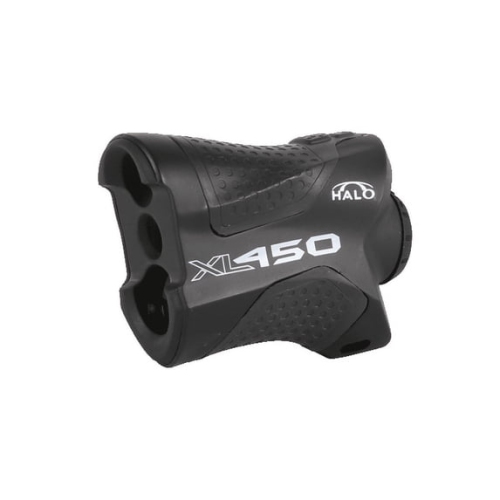
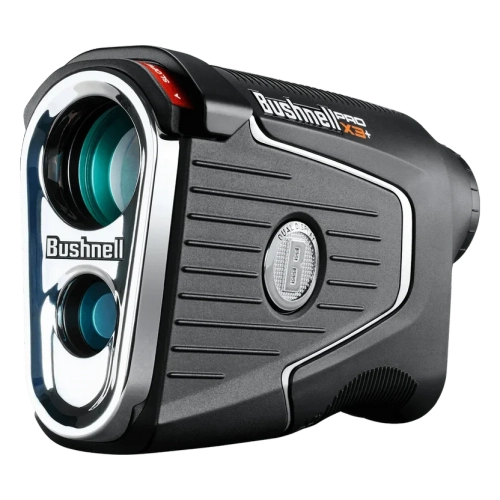
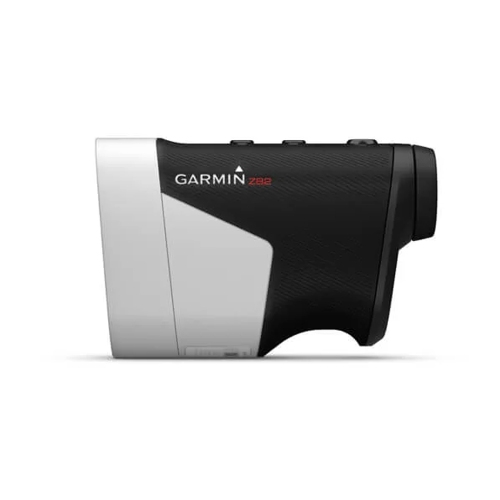


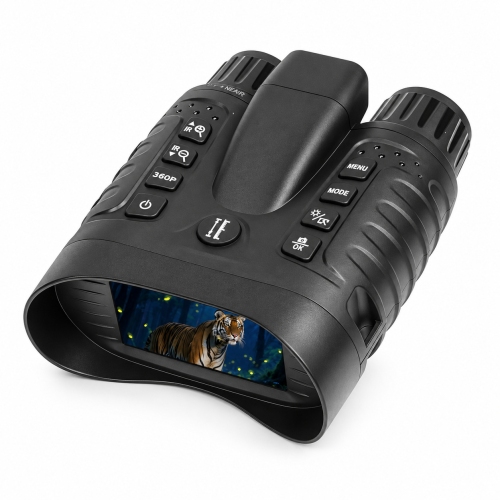


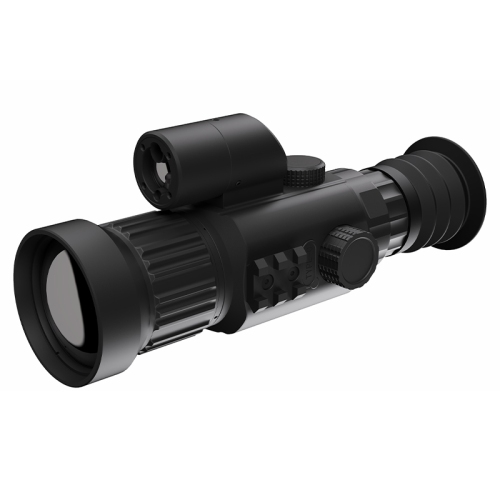
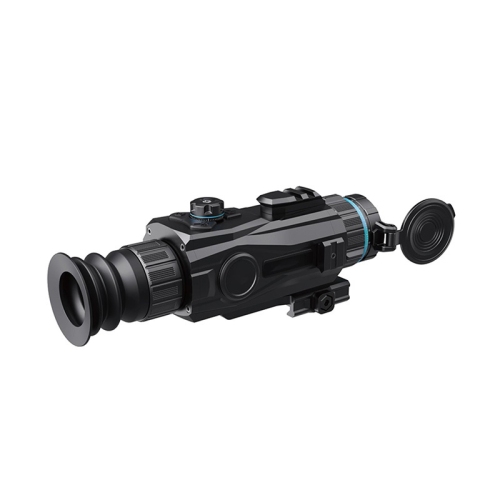
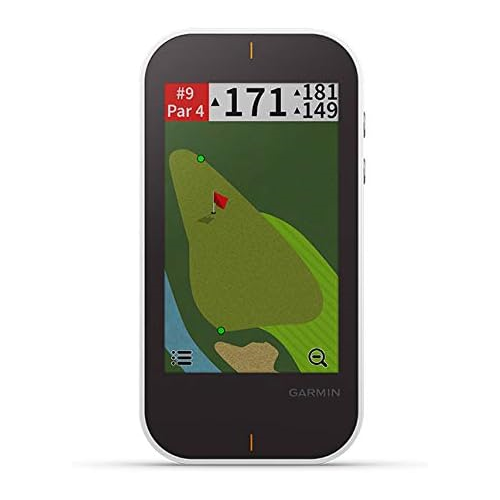
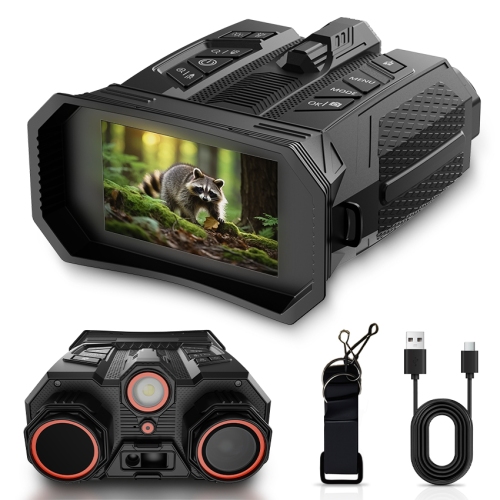
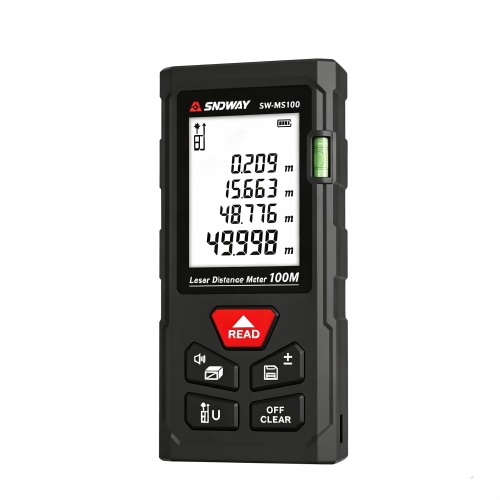

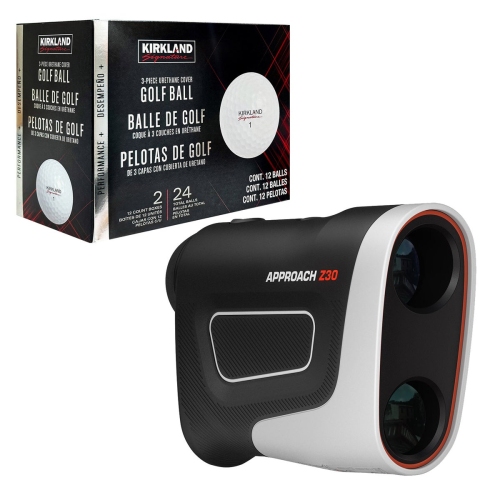
How two aligned views reveal a target’s distance
An optical rangefinder measures the distance to a target using optics and geometry rather than sending out a laser pulse. In a traditional coincidence rangefinder, two viewing paths are separated by a fixed distance called the baseline. The instrument presents two views of the same subject, and an adjustment brings those views into alignment. The angle needed to align them, together with the known baseline, determines the distance through triangulation. That distance can then be read from a scale. This makes optical ranging different from simply magnifying a distant object: a telescope or binocular can make a subject easier to see without measuring how far away it is. Coincidence designs generally use a single eyepiece with overlapping or split images, while stereoscopic designs use separate views for both eyes and let the observer compare the apparent depth of a measuring mark with the target. Both approaches depend on a clear view and careful observation. A fence post, the edge of a building, or another sharply defined feature is usually easier to align than an indistinct patch of grass. As distance increases, the difference between the two views becomes smaller, making the quality of the optics, the baseline length, and the precision of the adjustment increasingly important. Traditional optical rangefinders have a long connection with surveying, photography, and other tasks that require distance measurement. In classic rangefinder cameras, an image-alignment mechanism helps set lens focus, although a camera’s focusing system is not necessarily a separate distance-measuring instrument. Some viewing devices instead estimate distance with a marked reticle and the assumed size of the subject; that method is distinct from fixed-baseline coincidence ranging. These differences matter when matching a rangefinder to its intended use. Someone interested in photographic focusing, for example, has different requirements from someone estimating the distance to a course marker or studying traditional measuring instruments. The word “optical” describes the viewing system, but the actual ranging method is what determines how the instrument works.
The viewing experience is central to how useful an optical rangefinder feels in the hand. Magnification can help reveal the edge of a distant target, but higher magnification also makes hand movement more noticeable and can narrow the field of view. A wider field makes it easier to find the subject before concentrating on a precise reference point. Lens quality and optical coatings influence brightness, contrast, and distracting reflections, while the eyepiece design affects how comfortably the image can be seen. For someone who wears glasses, eye relief—the distance between the eye and the eyepiece at which the full view remains visible—can be particularly important. An adjustable eyecup or a dioptre adjustment may improve viewing comfort, where those features are included, but neither should be assumed from the product category alone. The distance scale also needs to suit the task: metres and yards serve different preferences, and the marked measurement range should not be confused with a promise of equal precision at every distance. A reading taken from a broad, clearly defined surface can be easier to establish than one taken from a slender feature surrounded by other objects. Comfortable handling helps maintain that distinction. A body that sits securely in the palm, controls that move smoothly without feeling loose, and a readable scale all contribute to repeatable use. Compact construction is convenient for carrying, whereas a longer baseline can support finer distance discrimination without necessarily being as pocket-friendly. Depending on the design, housings may use metal or durable moulded materials, sometimes with a textured or rubberized exterior for grip. Protective covers and a fitted case help limit contact with the lenses and adjustment mechanism. Claims such as water resistance, impact resistance, or sealing should be assessed individually rather than inferred from a rugged appearance. For camera-related use, physical fit and compatibility are equally important: an accessory that measures distance separately does not automatically couple to a camera’s lens or focus control.
Optical rangefinders can appeal to photographers who enjoy deliberate manual focusing, collectors interested in mechanical instruments, and people who appreciate seeing how a measurement is made rather than relying solely on an electronic display. They can also be useful for appropriate recreational distance-estimation tasks, provided their measurement range, accuracy, and operating method match the activity. A golfer trying to distinguish a flag from the trees behind it needs a different experience from a photographer setting focus on a stationary subject. Traditional image alignment can reward a steady stance and a distinct target, while a modern laser-based instrument may offer features designed around quicker readings or target identification. For shoppers comparing those approaches, Digital Rangefinders provide a related category to explore, with the understanding that a digital display alone does not identify the measurement technology. Purely mechanical optical ranging does not require battery power for the measurement itself, although added illumination or electronic features may have separate power requirements. A rangefinder can make a thoughtful gift for someone with an established interest in photography or precision instruments, especially when its controls, viewing comfort, and intended application suit that person’s habits. Care is straightforward but important because clear optics and accurate alignment work together. Loose dust is best removed with an appropriate lens blower or soft optical brush before a clean lens cloth is used; wiping grit across glass can scratch a coating. Lens-cleaning products should be suitable for the optical surfaces, and household cleaners are not a substitute. Protective caps, where supplied, and a padded case reduce unnecessary handling and help keep the viewing surfaces clean. Adjustment controls should move within their intended range without being forced. A significant knock can affect alignment even when the housing looks intact, so inconsistent readings deserve attention rather than repeated adjustment by guesswork. Keeping the instrument clean, securely stored, and checked against a known distance helps preserve confidence in its readings. The most satisfying choice balances clear viewing, manageable size, suitable precision, and a measurement method that fits the way it will actually be used.
Top selling and popular products
-
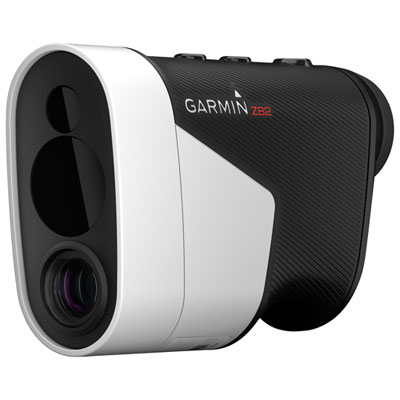 Your price for this item is $869.99
-
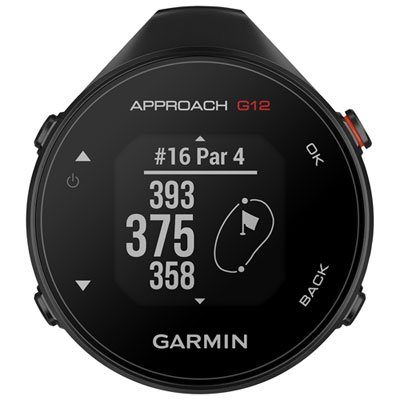 Your price for this item is $178.98
-
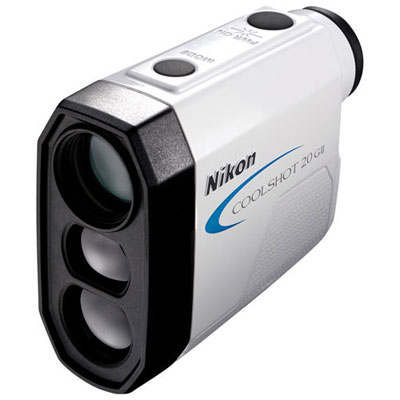 Your price for this item is $319.99
-
 Your price for this item is $429
-
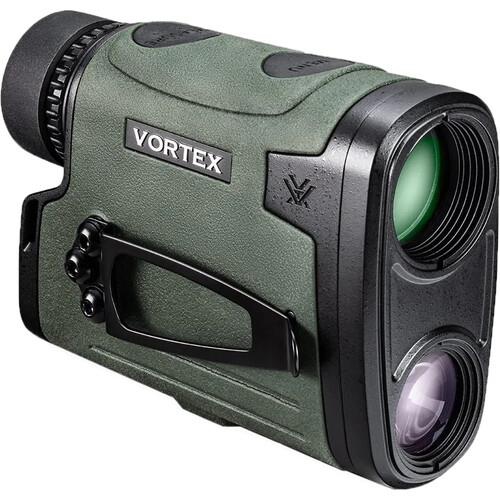 Your price for this item is $599
-
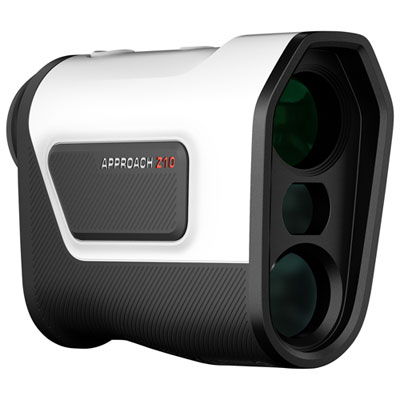 Your price for this item is $419.99
-
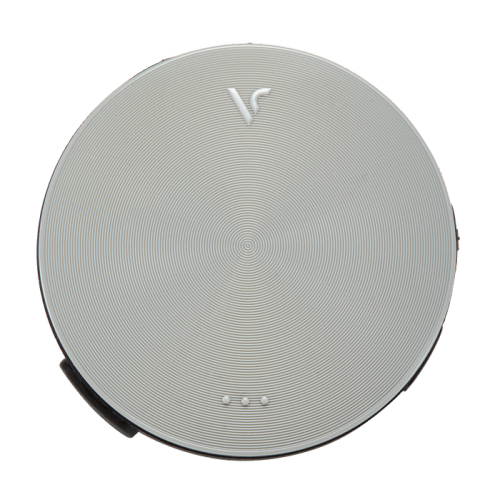 Your price for this item is $189.99
-
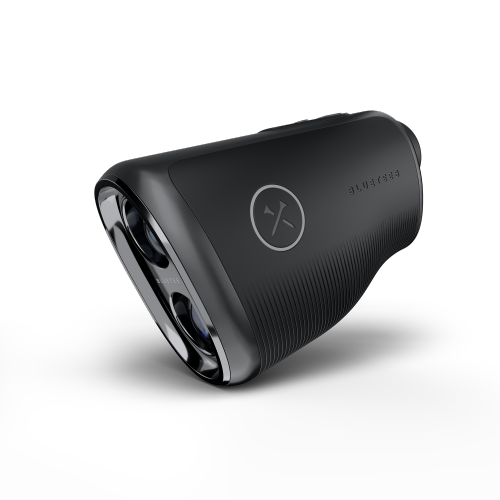 Your price for this item is $439.99
Discover more categories related to Optical Rangefinders
Top Collections:
Pokemon Centers, Best Cameras for Sports Photography, Kindle Devices, Samsung Galaxy Phones, Canon G7X Cameras, Pokémon 30th Celebration Cards, Refurbished Apple Laptops, iPhone 15 Apple, Laptops for Students, Budget Smartphones
Some products may be subject to Environmental Handling Fees
(EHF) depending on your province.
Learn more about EHFs.