Outdoor Generators
Whether you're preparing for a camping trip, bracing for a power outage, or simply looking to enhance your outdoor living experience, having a reliable generator can provide peace of mind and convenience. Outdoor generators come in various sizes and power capacities to suit different needs, from portable options for on-the-go power to larger models that can keep your entire home running smoothly during emergencies. Explore our selection of outdoor generators to find the perfect solution for your power needs, so you can stay prepared for any situation that comes your way.
Sort
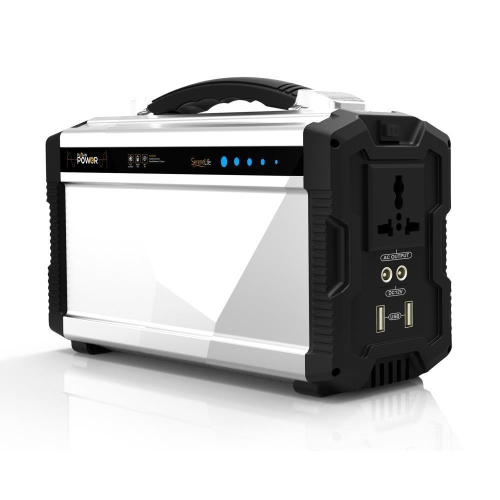
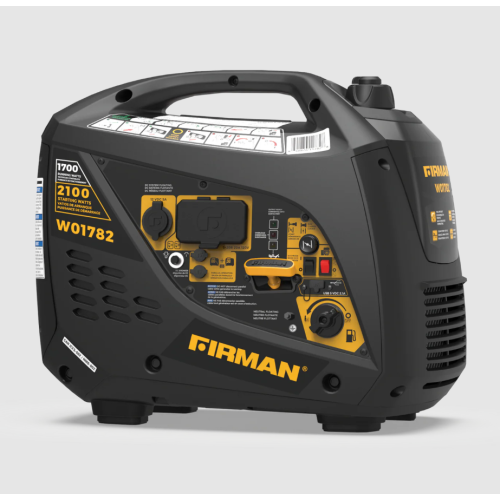
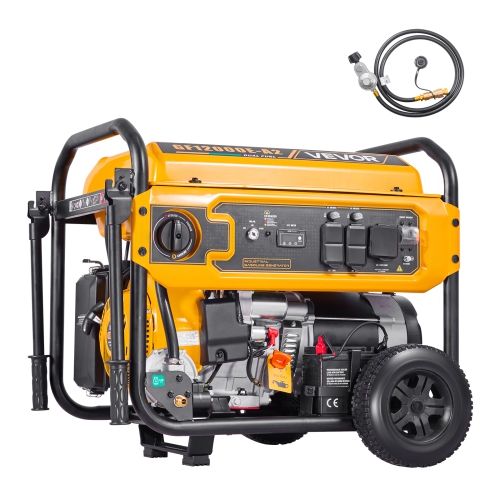
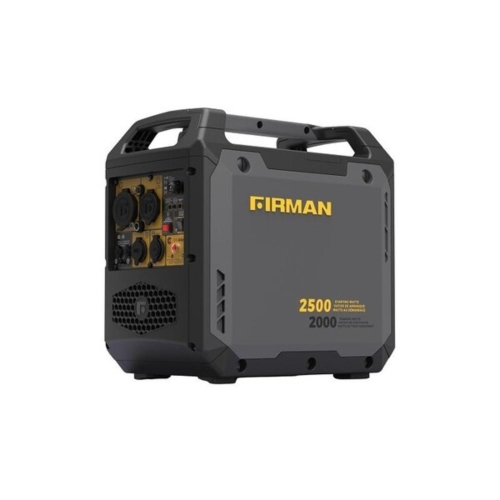
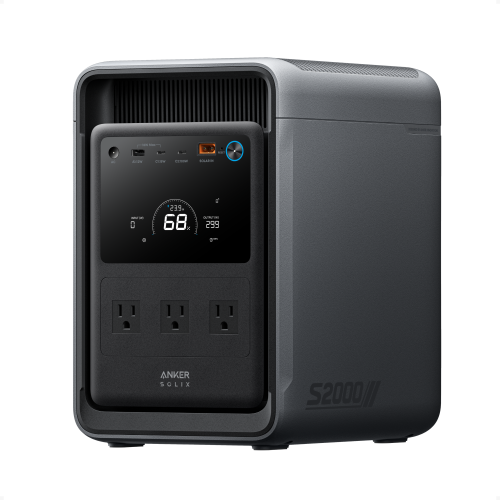
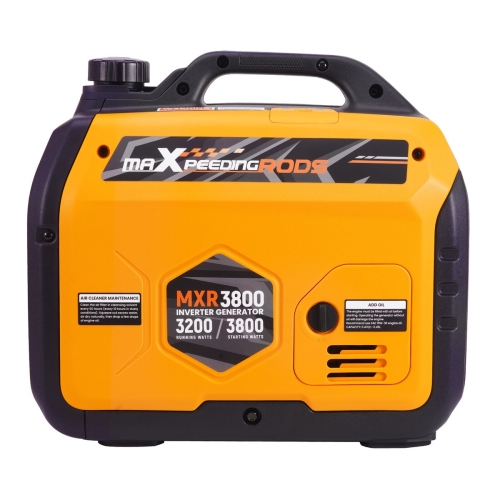

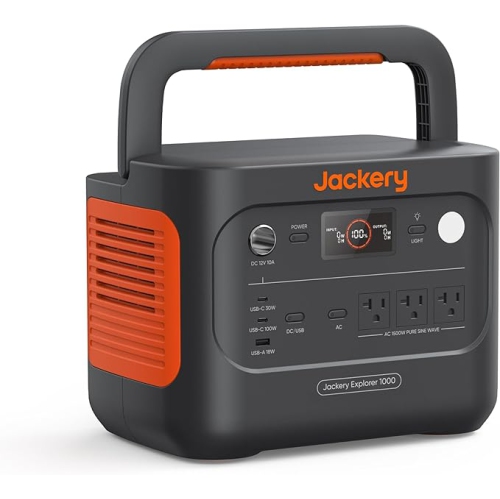
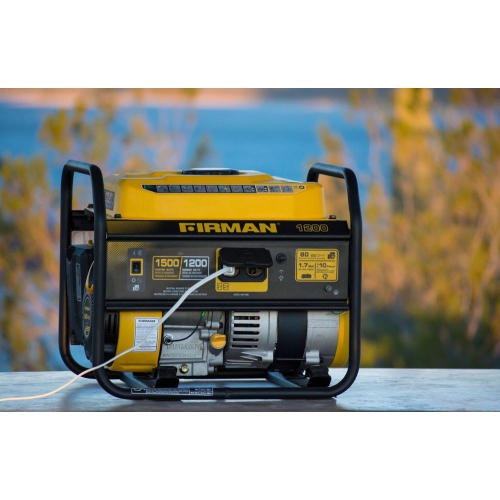
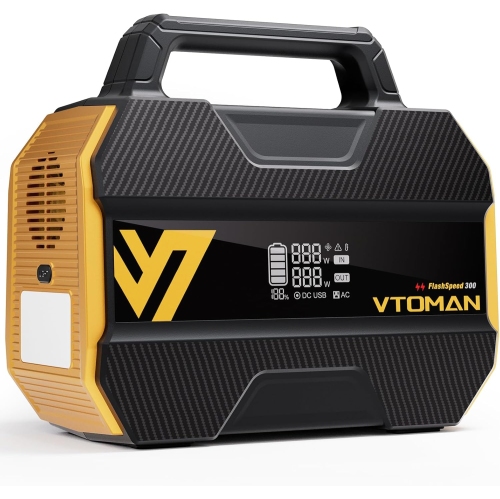
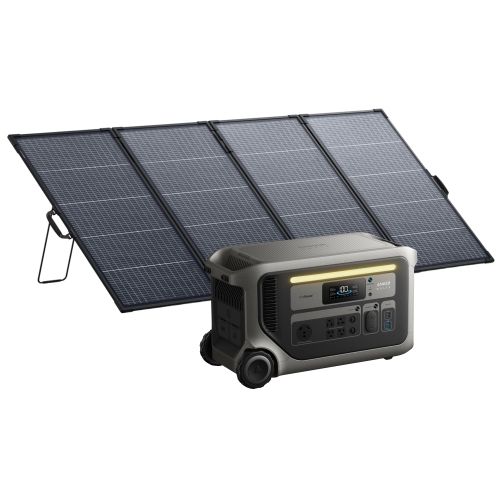
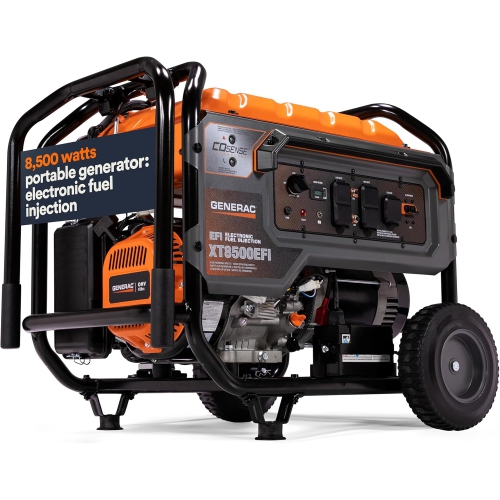
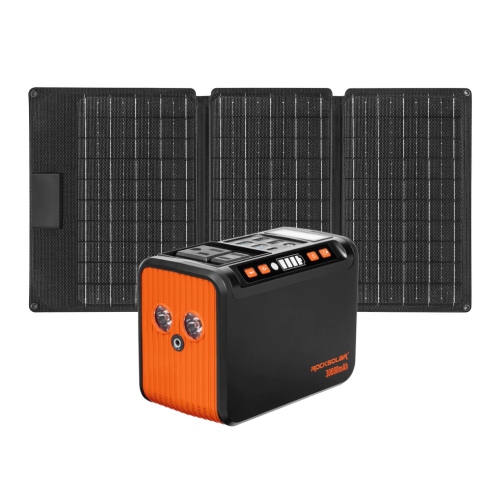
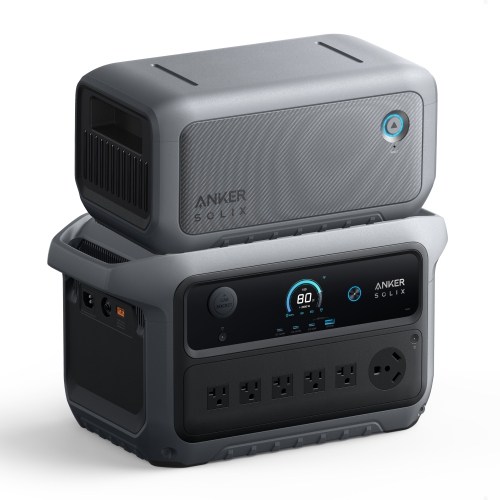
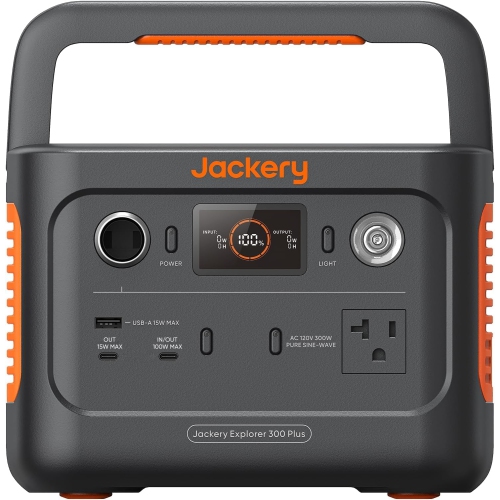
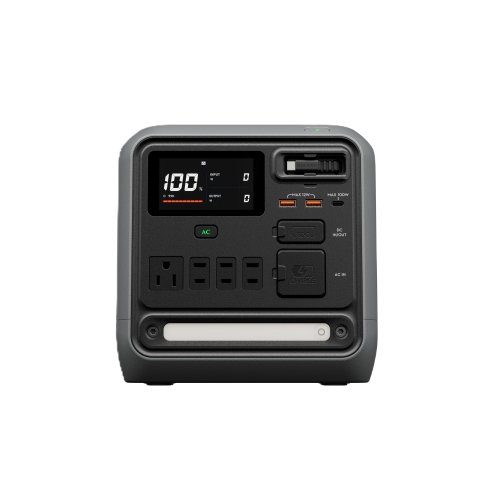
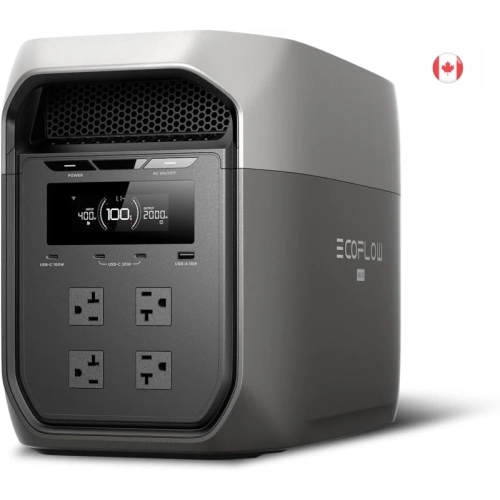

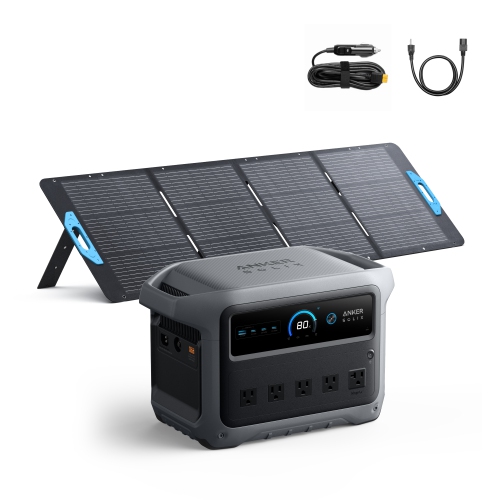
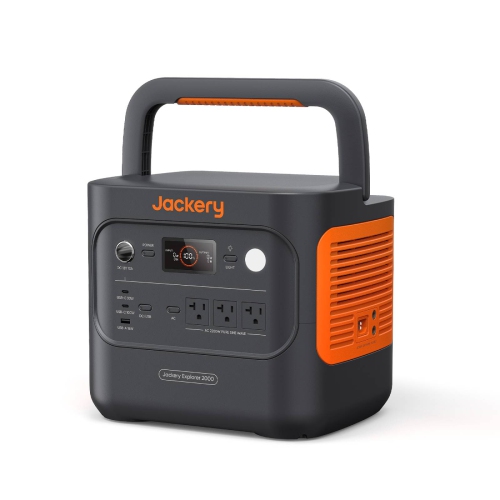
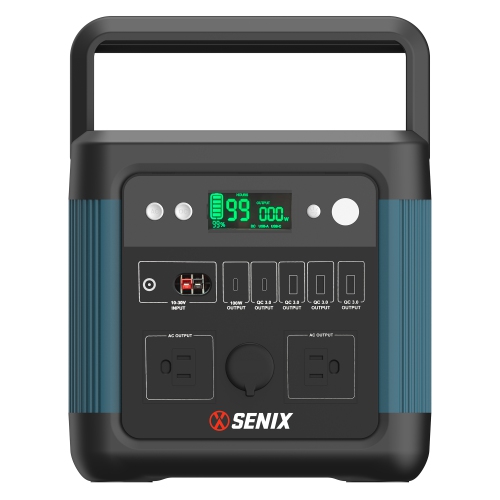
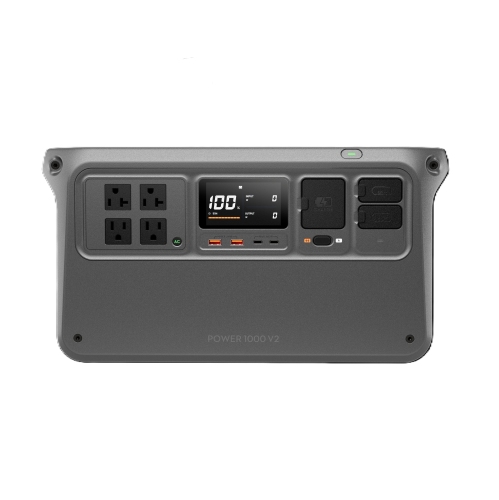


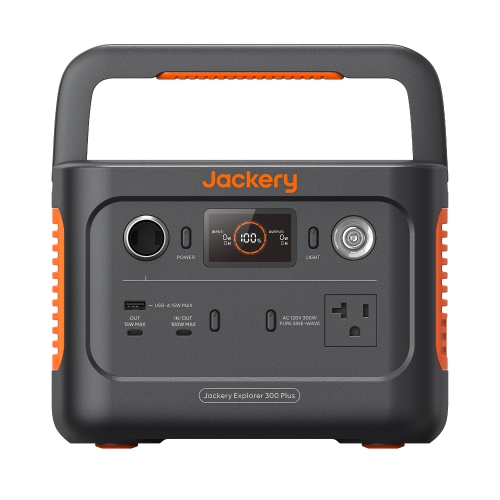


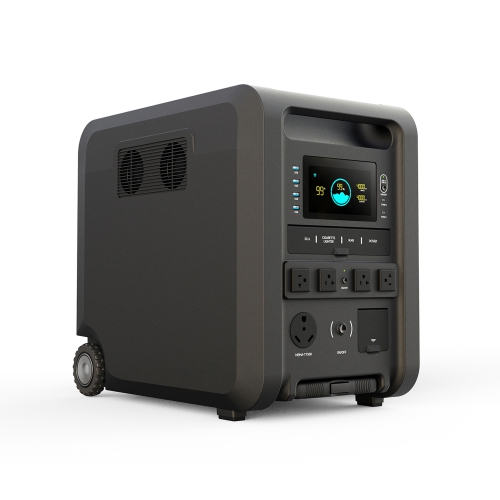
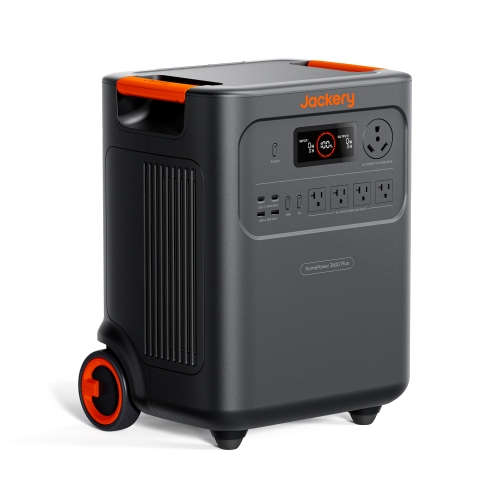
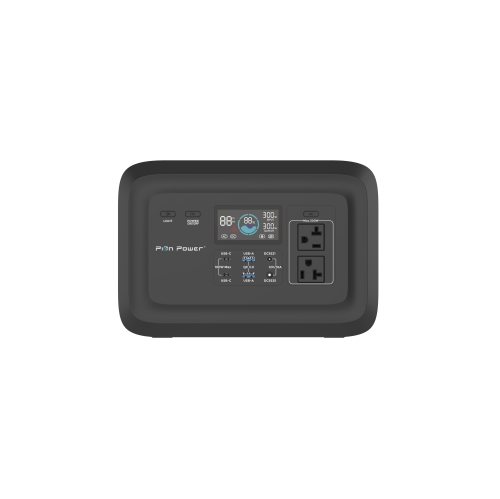
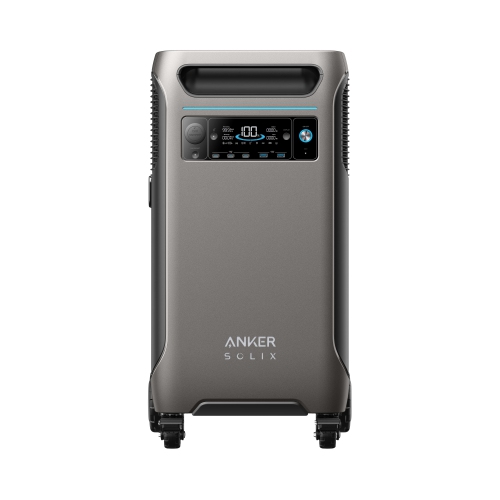
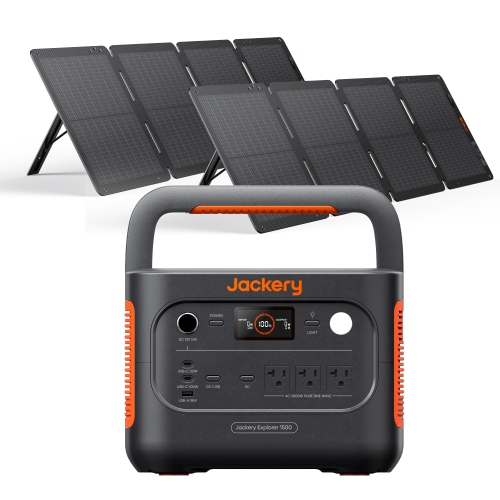
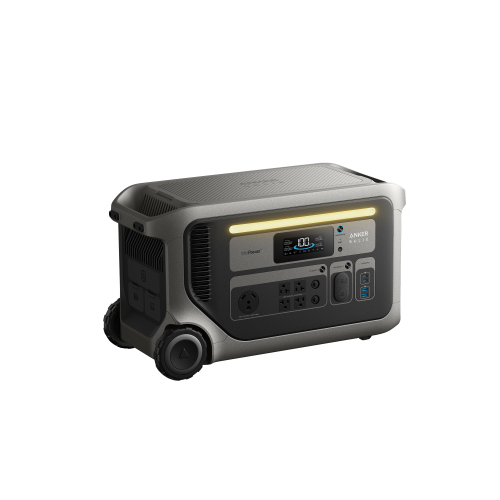
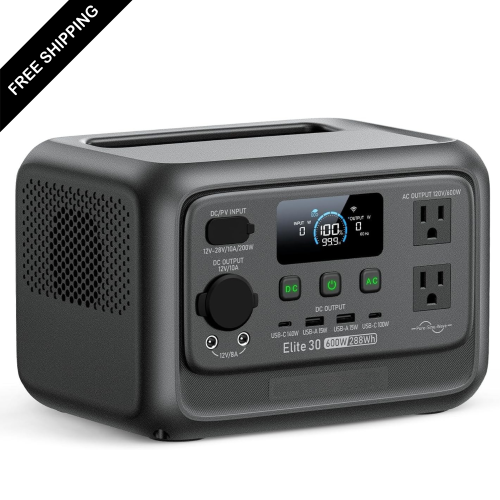
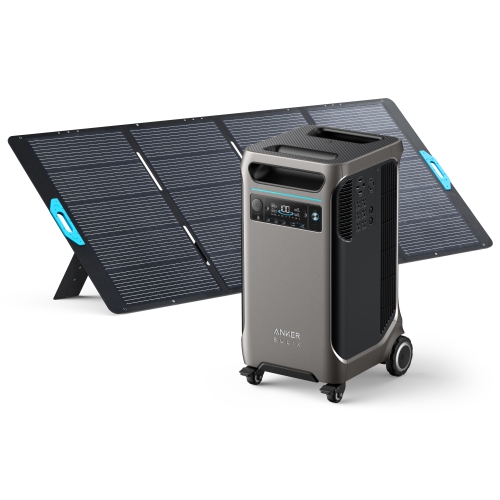
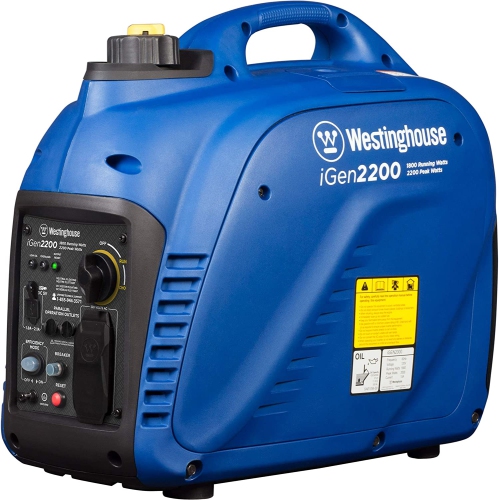
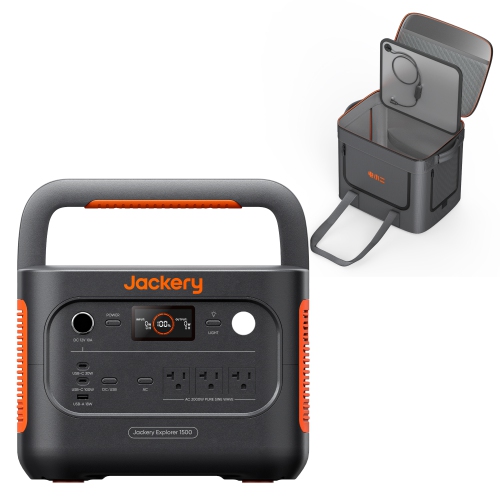
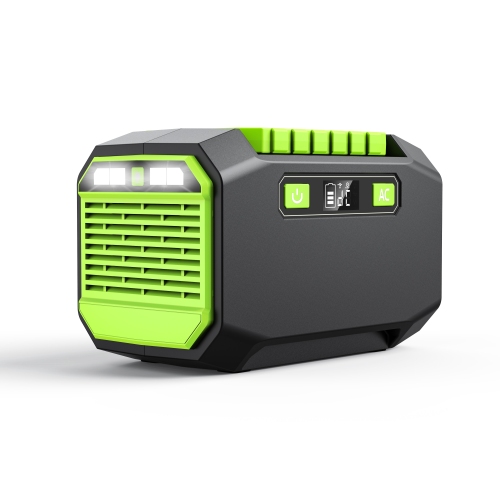
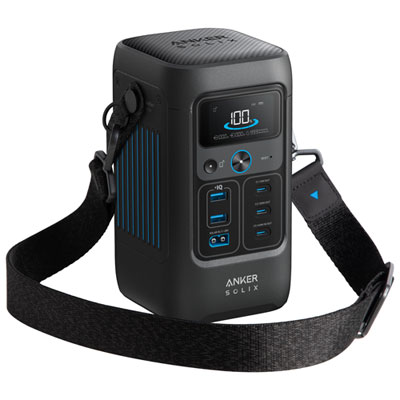
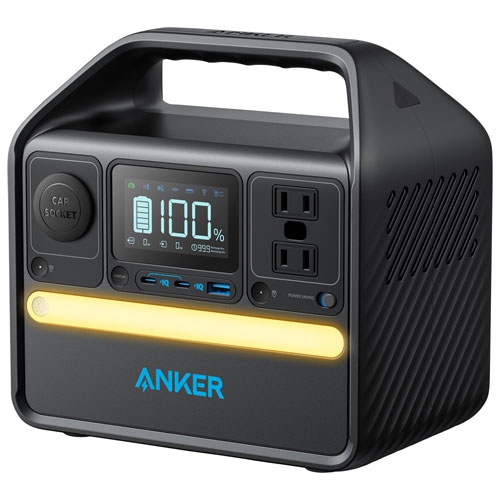
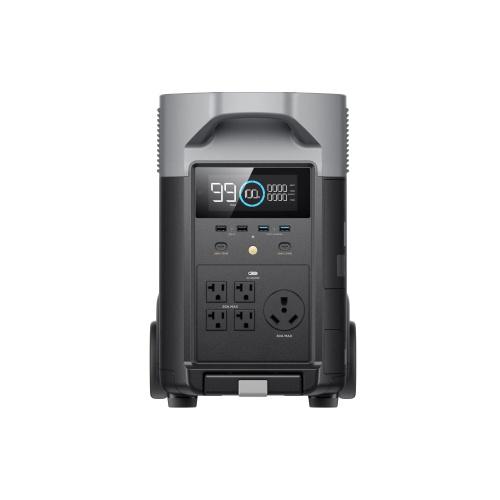
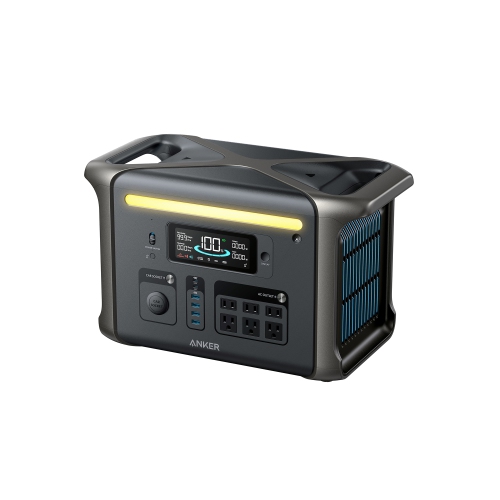


Portable power is about more than peak watts
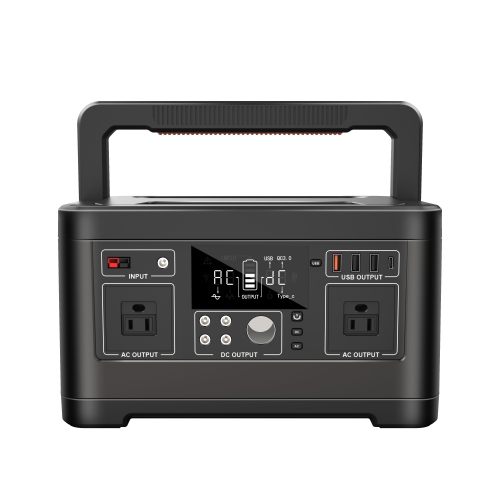
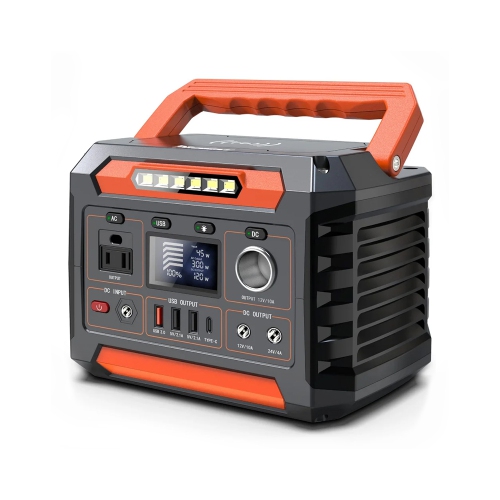
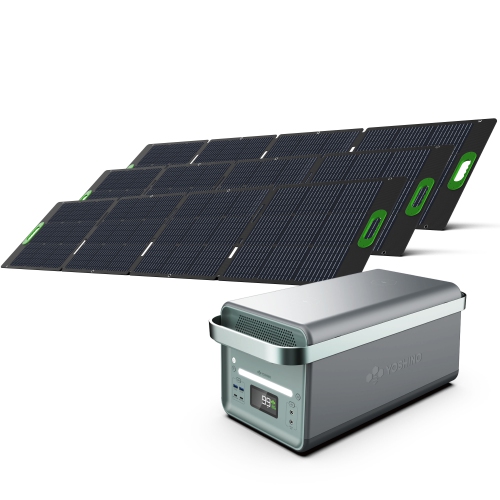
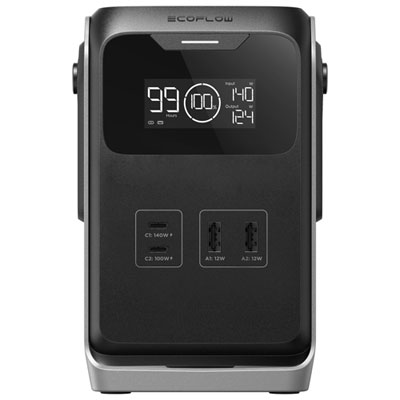
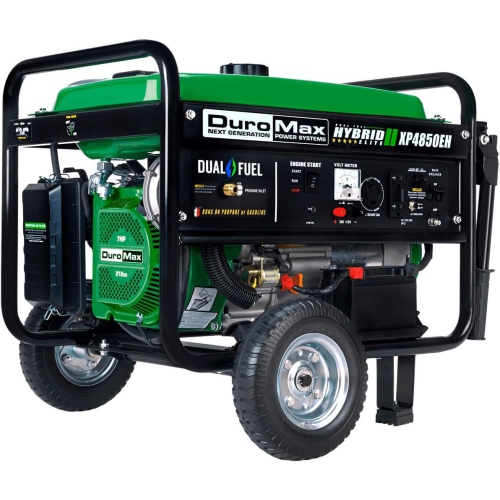
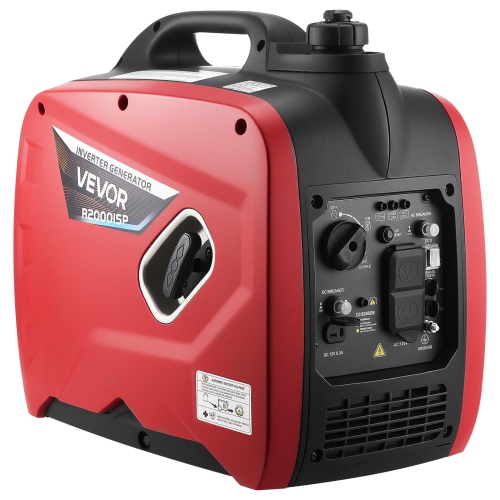
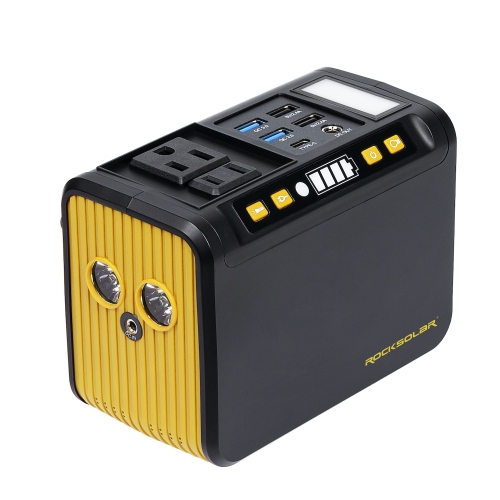
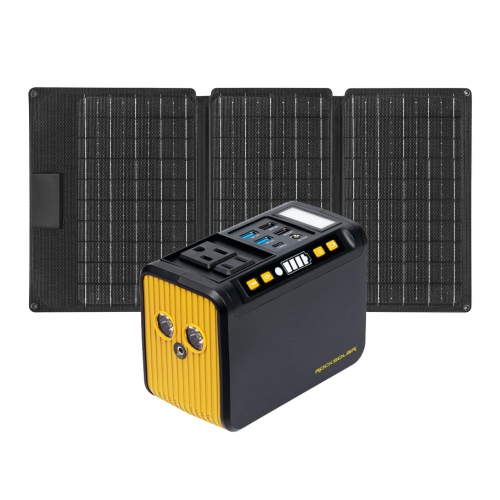
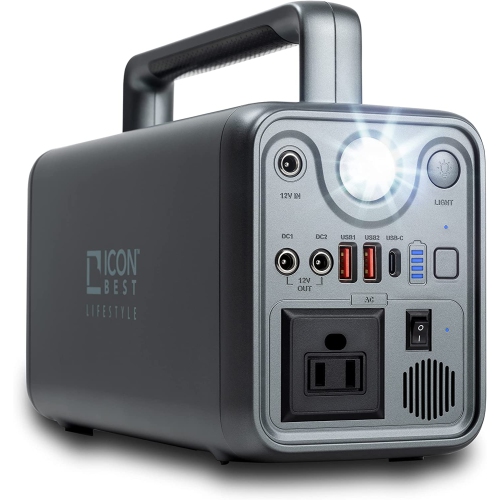
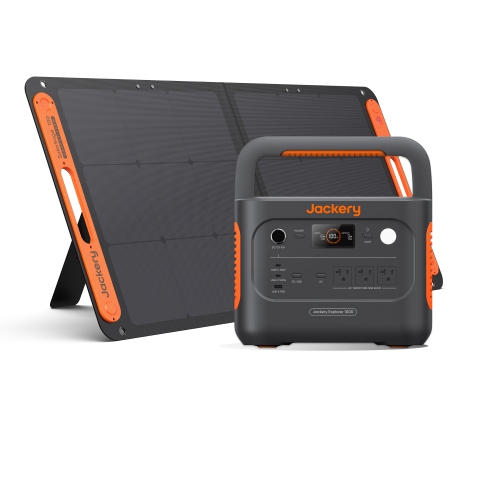
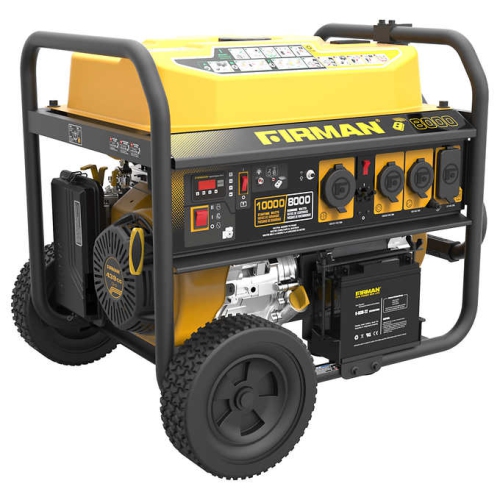
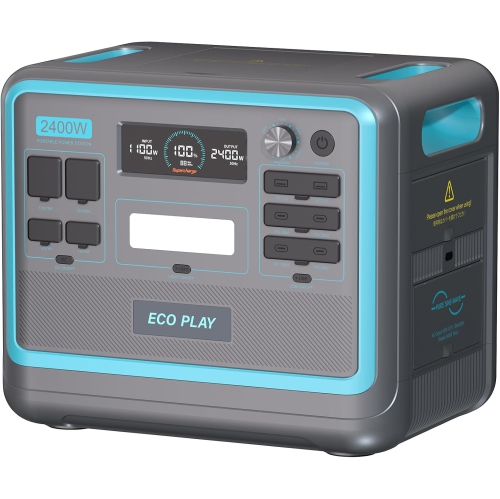
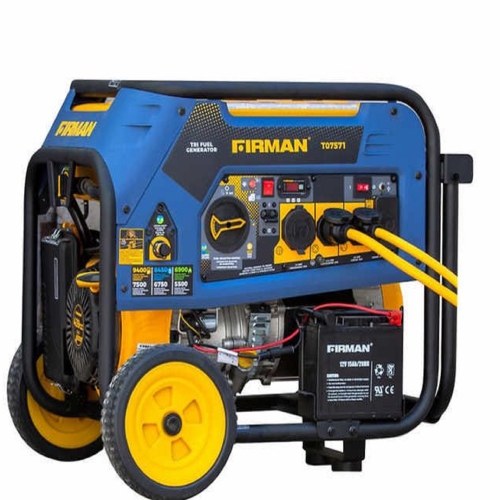
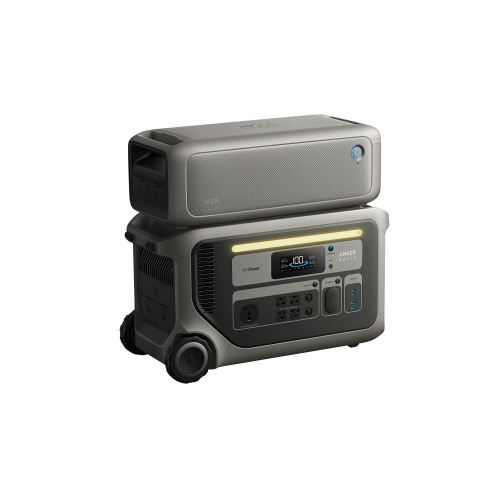
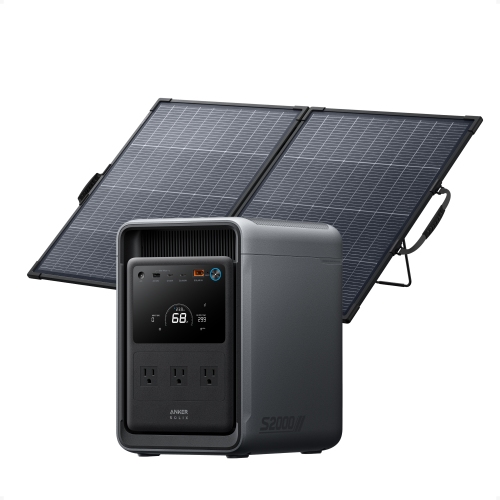
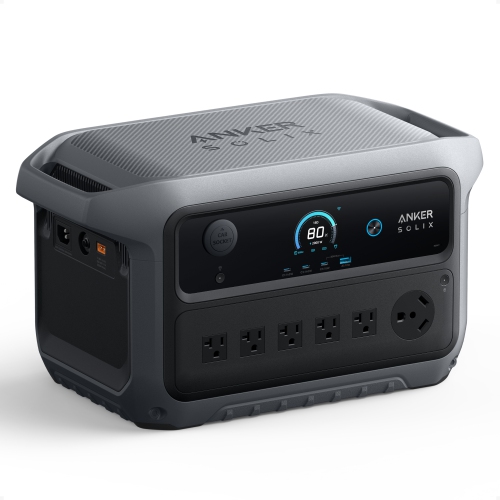
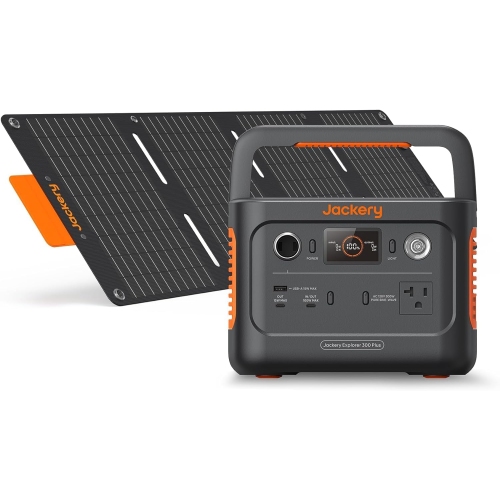
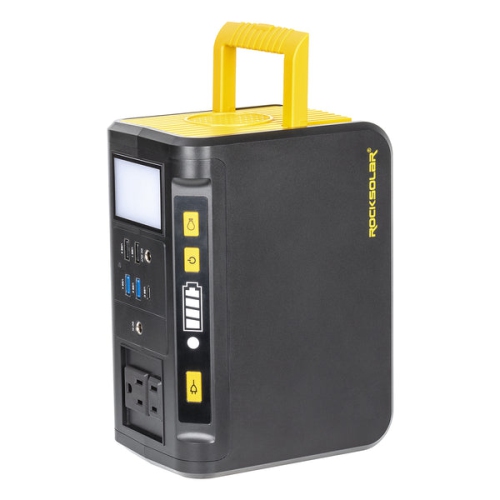
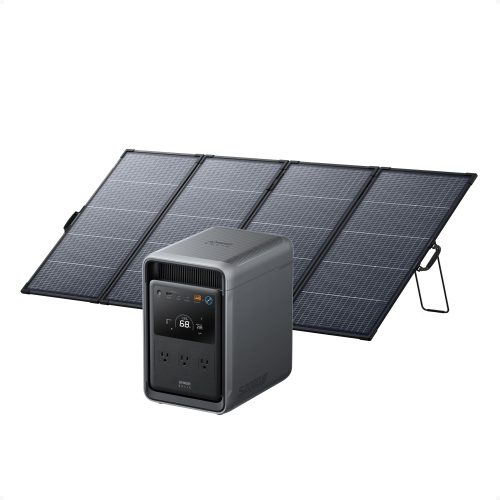
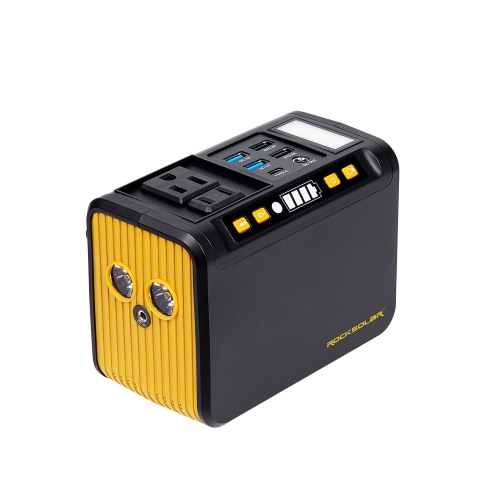
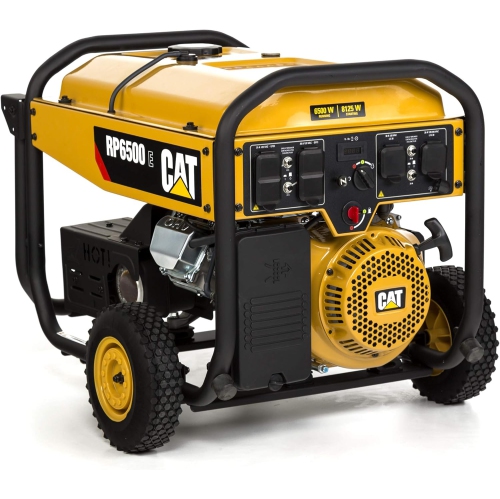
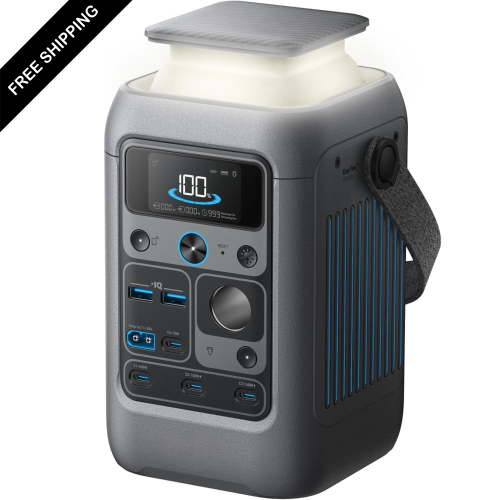
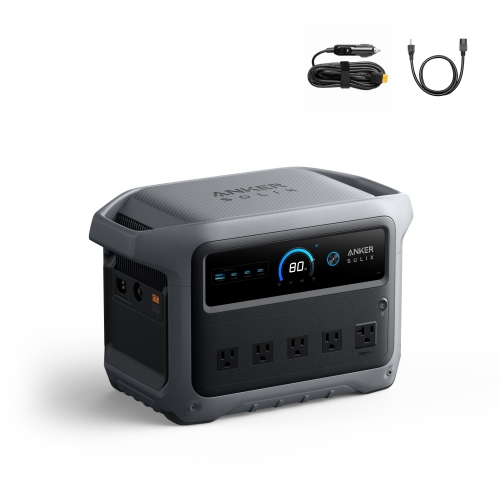
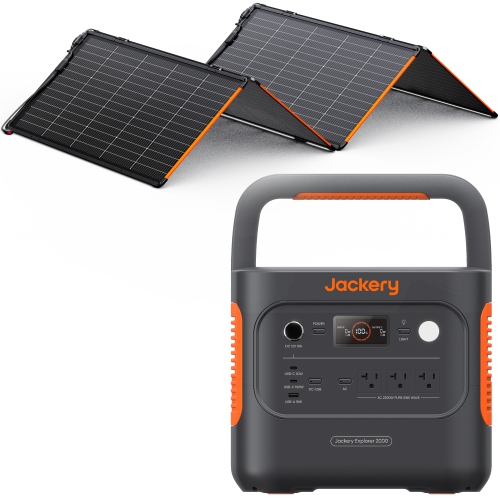
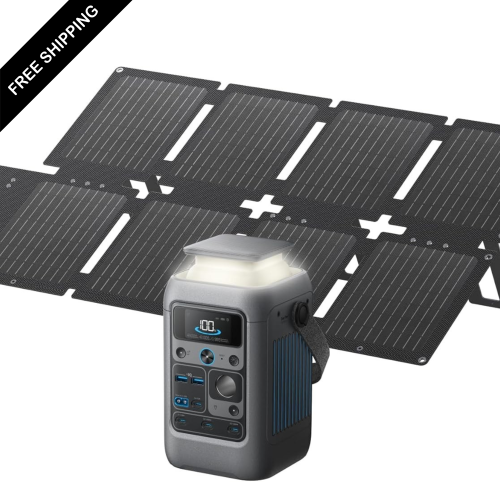
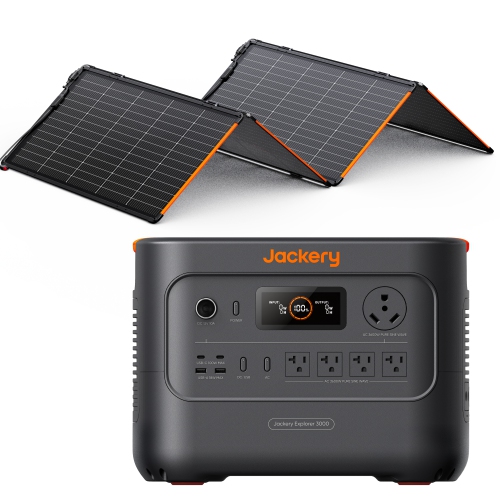
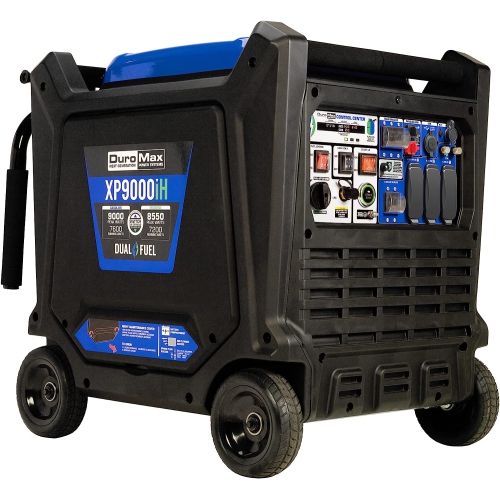
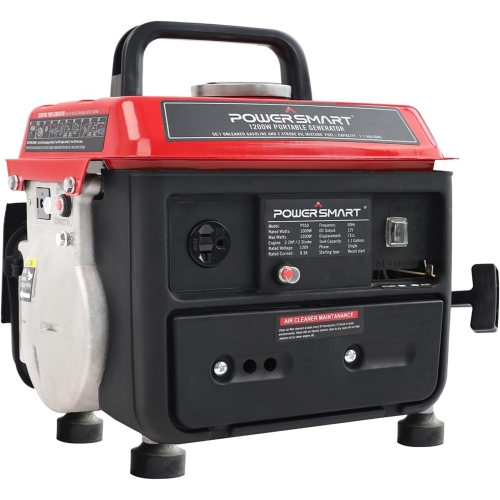
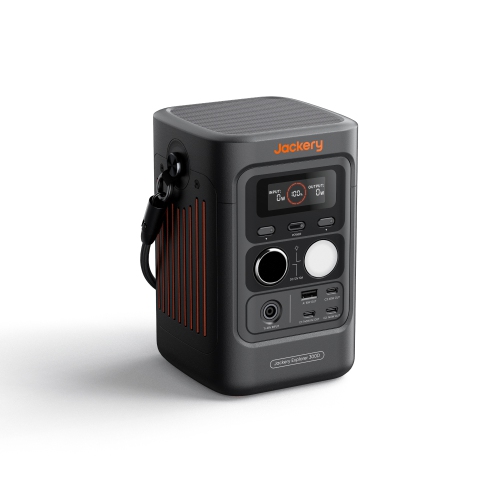
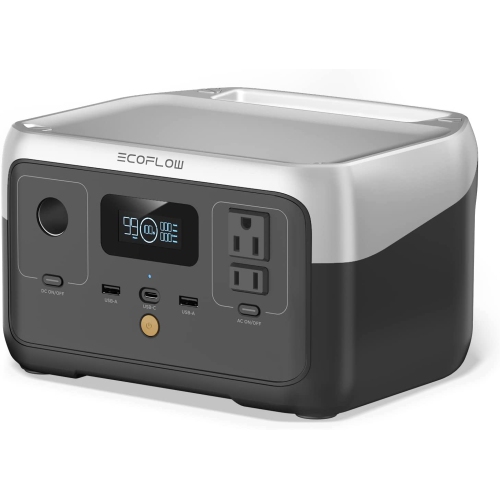
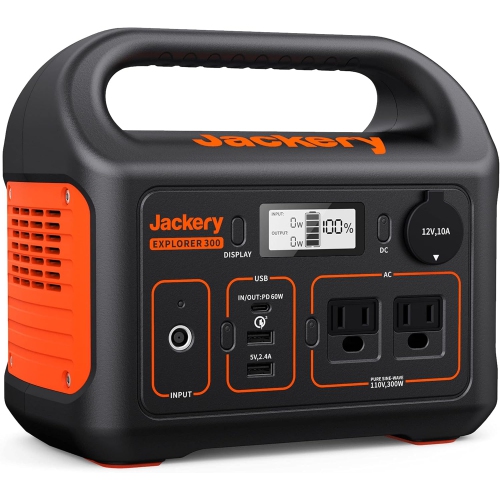
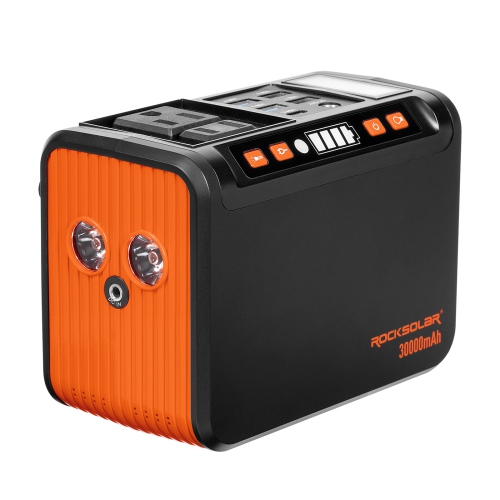
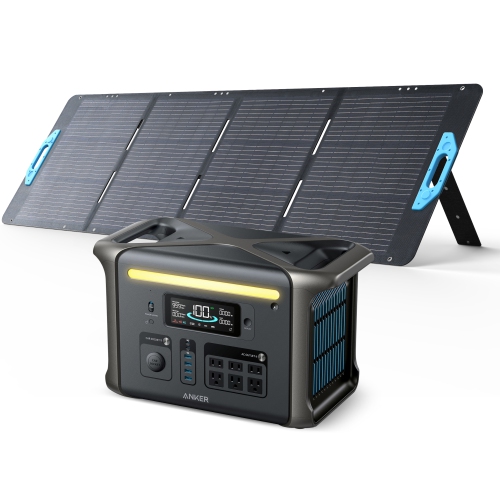
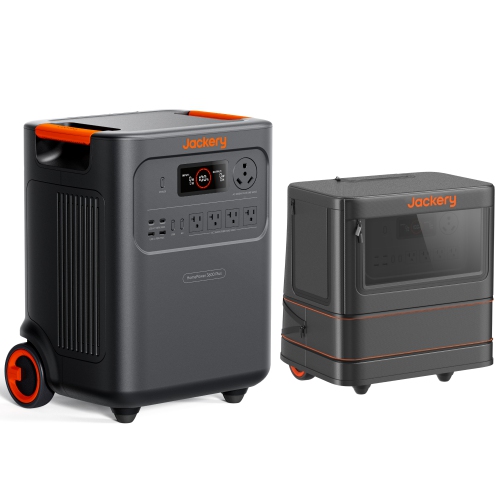
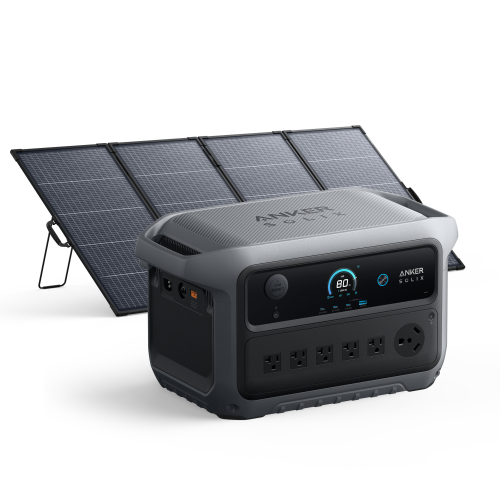
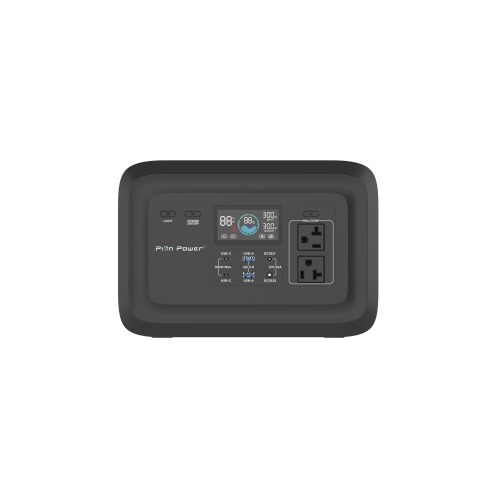
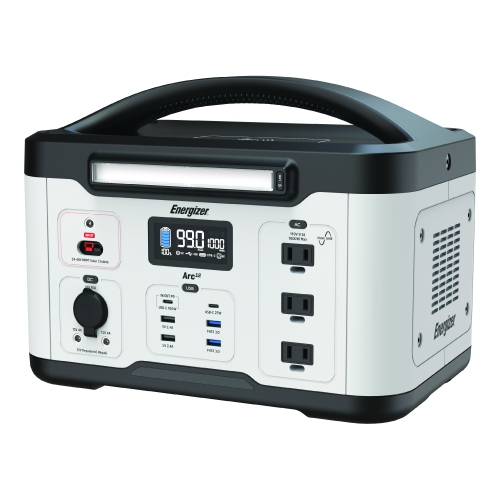
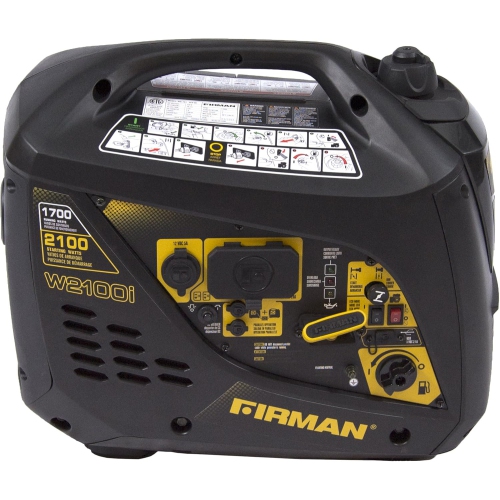
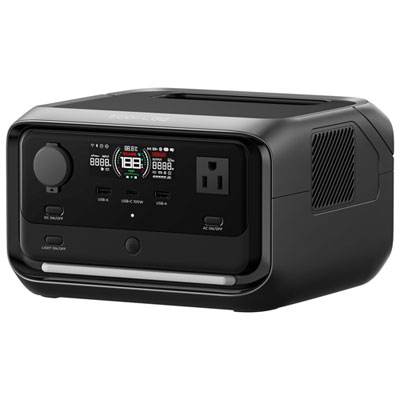
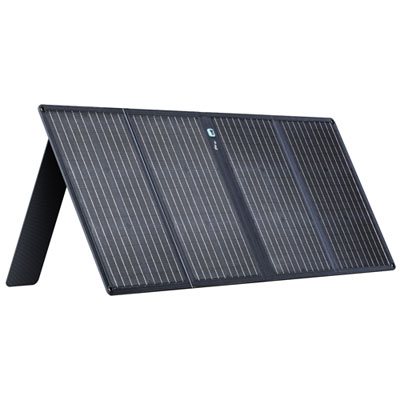
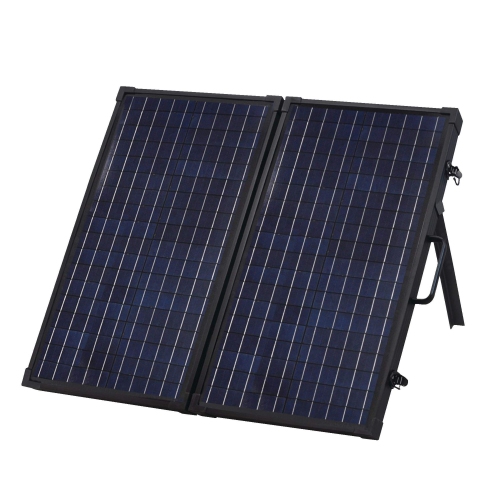
Outdoor generators supply electricity where a wall outlet is out of reach or utility power has been interrupted. They can support campsite lighting, RV appliances, tools at a remote work area, or selected household essentials during an outage. The right type depends on the equipment being powered, how long it needs to run, and how the generator will be transported and operated. Conventional fuel-powered generators use an engine to produce electricity and are often suited to jobs with substantial power demands. Inverter generators regulate their electrical output through additional electronics, typically providing stable power that can suit sensitive devices when the output specifications meet those devices’ requirements. Many also adjust engine speed with demand, which can reduce noise and fuel consumption at lighter loads. Dual-fuel generators commonly accept gasoline or propane, while tri-fuel designs may also support natural gas; fuel compatibility, connection requirements, and output vary by model. Battery-powered portable power stations store electricity rather than generate it through an engine. They can be useful for charging phones, running lights, or supplying compatible small appliances without engine noise, although cooling fans may still be audible. Models that accept compatible solar panels can recharge from sunlight, with charging performance dependent on panel capacity, placement, and the station’s input limits. A solar generator generally means a battery power station paired with solar panels, rather than a separate kind of engine-driven machine. For shoppers comparing transportable power options, Portable Electric Generators offers a related category to explore. Campers may favour manageable weight and quieter operation, RV owners often focus on outlet compatibility and appliance starting demands, and homeowners may prioritize enough capacity for a refrigerator and a few essential circuits. A contractor taking tools beyond an established electrical connection has different needs again, particularly when motors start repeatedly throughout a job. Matching the power source to those everyday tasks is more useful than choosing by maximum output alone.
Electrical capacity involves both the power needed to keep equipment running and the brief surge some equipment needs to start. Running watts describe continuous demand, while starting or surge watts account for short bursts from devices such as refrigerators, pumps, and some power tools. A generator that can run a refrigerator after its compressor starts may still struggle with the initial surge, especially if other appliances are connected. Add the running requirements of equipment expected to operate together, then allow for the relevant starting demand and follow the generator manufacturer’s sizing information. Starting appliances at different times can help manage a load, but it does not make an undersized generator suitable for equipment beyond its limits. Check voltage, frequency, receptacle type, and continuous output as well as the advertised peak figure. An RV-style outlet is useful only when its electrical specifications match the RV connection, and an adapter does not increase the generator’s capacity. For battery power stations, watts indicate output capability, while watt-hours describe stored energy. A steady 100-watt load would use 500 watt-hours over five hours before conversion losses and other operating factors are considered; actual runtime will be shorter than that simple calculation suggests. Fuel-generator runtime figures also need context, because they are usually measured at a stated load rather than full output. Physical fit matters alongside electrical fit. A compact unit with a comfortable handle may suit frequent loading into a vehicle, while a heavier steel-framed generator may be easier to move around a property with sturdy wheels and folding handles. Check dimensions against storage space, vehicle access, and the room needed for safe operation, not simply the footprint of the machine. Durable housings, protected controls, secure handles, and accessible service points all contribute to practical ownership. Noise ratings deserve a close look at the stated measurement distance and load, particularly for campsites with generator-hour restrictions or shared outdoor spaces where conversation and rest matter.
Safe placement and routine care are central to using outdoor generators reliably. Fuel-burning generators produce carbon monoxide, an invisible, odourless gas that can be fatal. Operate them outdoors only, at least 6 metres from buildings, with exhaust directed away from doors, windows, vents, and occupied areas; follow any greater clearances required by the manufacturer or local authorities. Never run a fuel-burning generator inside a home, garage, basement, shed, tent, or RV, even with doors or windows open. A carbon monoxide shutoff feature provides an added safeguard but does not replace correct placement or working carbon monoxide alarms in the home and other applicable occupied spaces. Keep the generator on a stable, level surface, protect it from moisture only as the manufacturer permits, and leave the necessary clearance for airflow and hot components. An improvised enclosure can trap exhaust and heat. Extension cords should be approved for outdoor use, grounded where required, and correctly rated for the connected load and cord length. Inspect plugs and insulation before use, and position cords to avoid trip hazards and damage from vehicle traffic. Connecting a generator to household wiring requires approved transfer equipment installed by a qualified electrical professional; never feed power into a wall outlet. Portable generators intended for selected appliances are not automatically suitable for whole-home backup. For engine-driven units, check oil as directed, observe service intervals, and shut down and allow the engine to cool before refuelling. Store fuel in approved containers in accordance with local requirements, away from ignition sources and living areas. Storage procedures differ by engine and fuel type, so follow the manual’s directions for fuel management rather than assuming one method suits every generator. Battery stations need their own care: keep ventilation openings clear, use approved charging equipment, and follow the specified storage charge level and operating limits. After transport, inspect the housing, cables, outlets, and connections before powering equipment. An occasional test with the intended loads, performed in a safe location, can confirm that the setup works as expected before a camping trip, a remote job, or a household power interruption.
Top selling and popular products
-
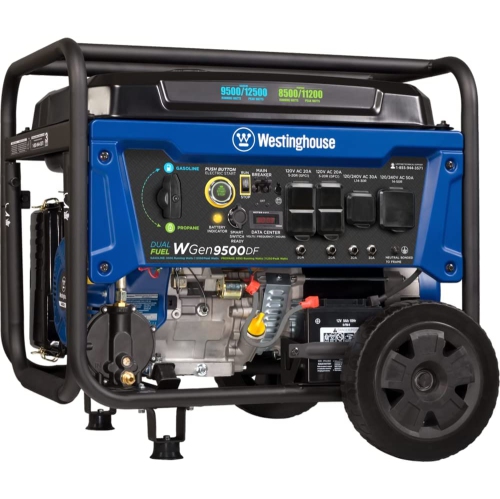 Your price for this item is $2799
-
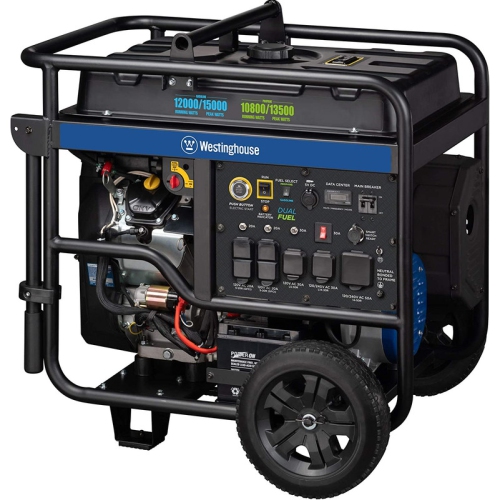 Your price for this item is $6199
-
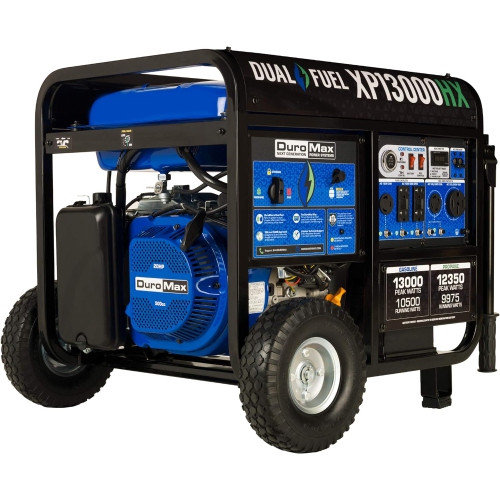 Your price for this item is $3499
-
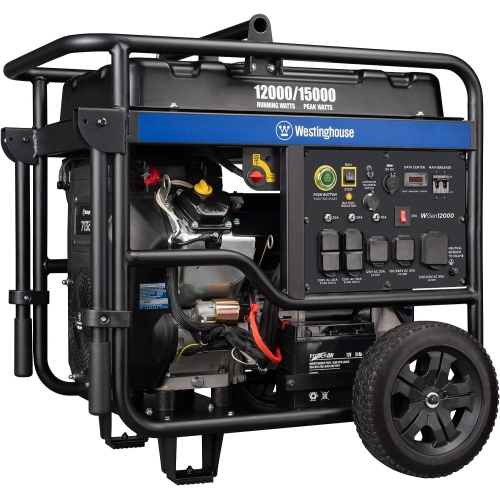 Your price for this item is $5499
-
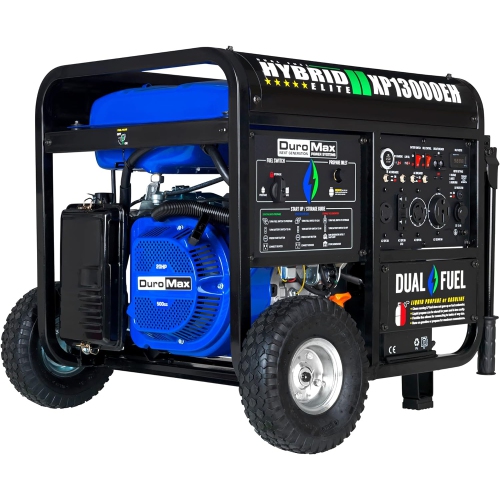 Your price for this item is $2899
-
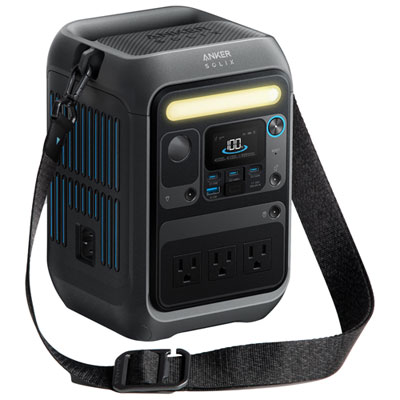 Your price for this item is $369.99
-
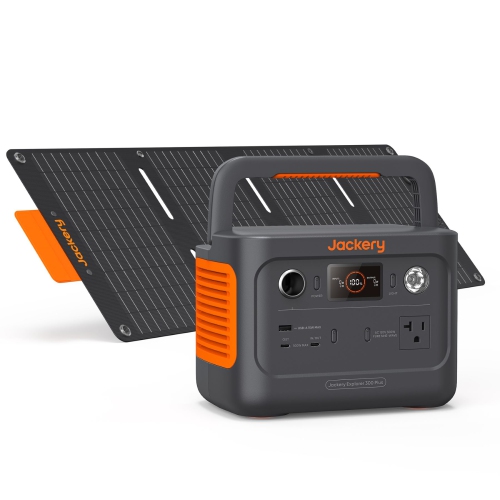 Your price for this item is $399
-
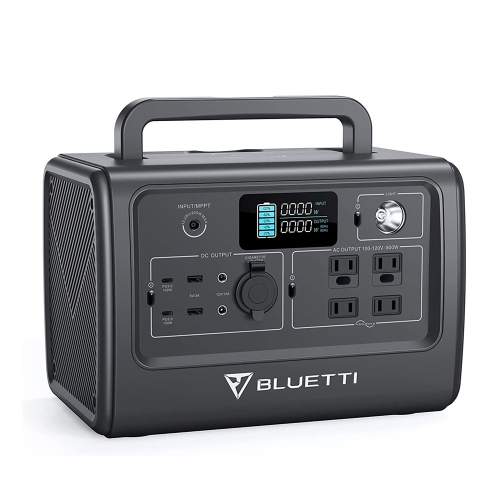 Your price for this item is $549
Discover more categories related to Outdoor Generators
Top Collections:
Pokemon Centers, Best Cameras for Sports Photography, Kindle Devices, Samsung Galaxy Phones, Canon G7X Cameras, Pokémon 30th Celebration Cards, Refurbished Apple Laptops, iPhone 15 Apple, Laptops for Students, Budget Smartphones
Some products may be subject to Environmental Handling Fees
(EHF) depending on your province.
Learn more about EHFs.