Paddle Boards for Yoga
Whether you're a seasoned yogi looking to take your practice to the water or a beginner eager to try something new, this collection of paddle boards for yoga offers the perfect balance of stability and versatility for your next aquatic adventure. Designed with yogis in mind, these paddle boards provide a sturdy platform for practicing your poses while floating serenely on the water. Embrace the tranquility of nature as you engage your core, improve your balance, and find inner peace on one of these specially curated paddle boards for yoga.
Sort
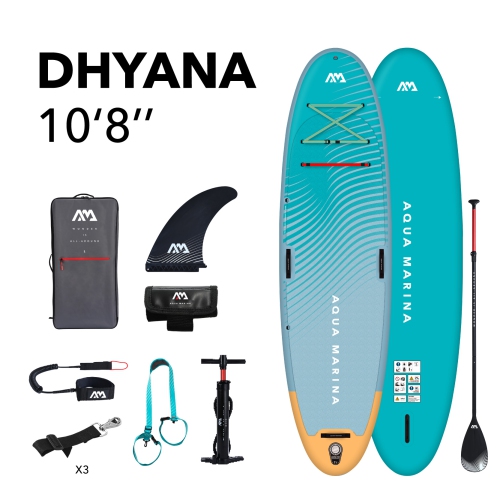
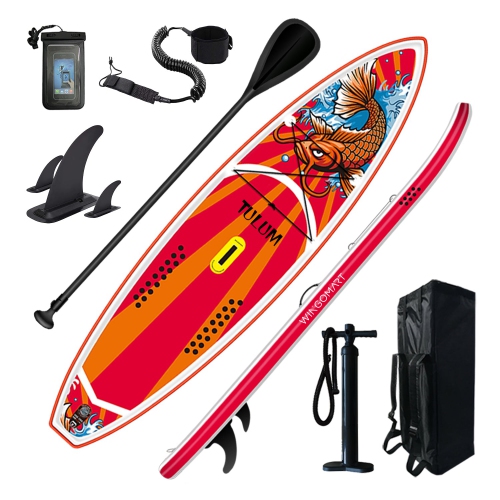
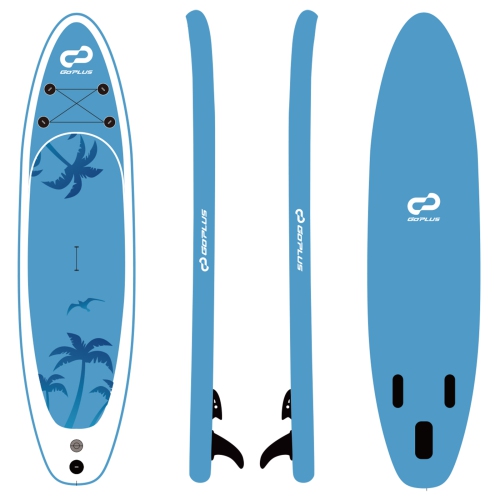
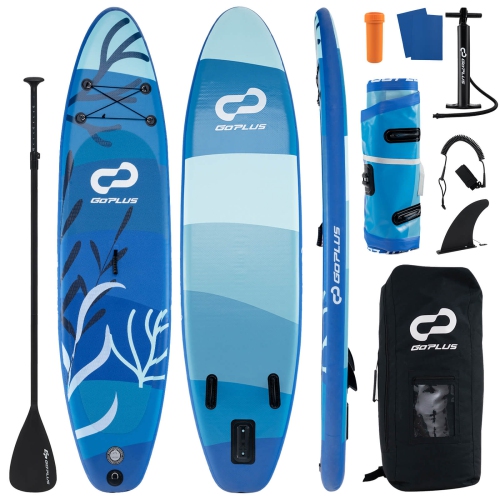
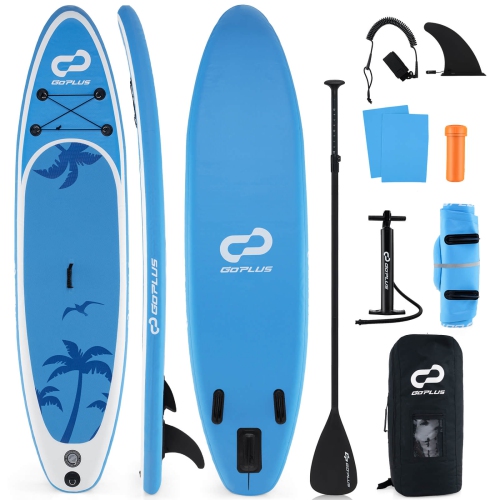

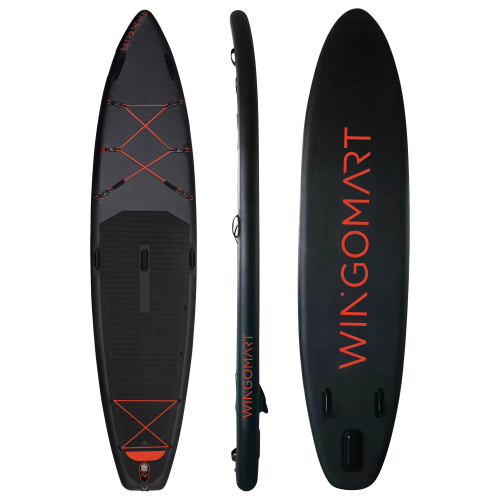
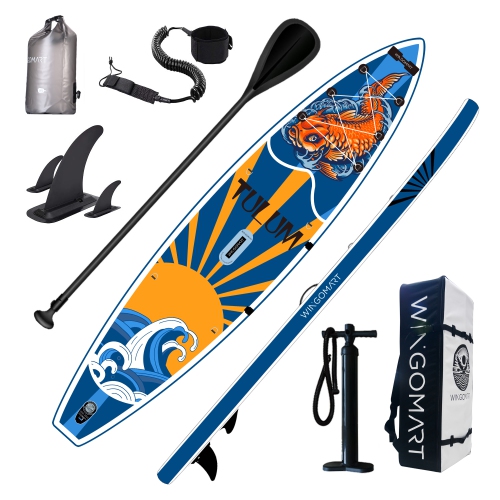
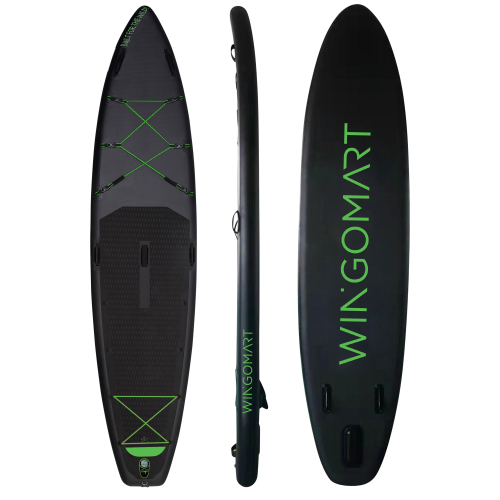
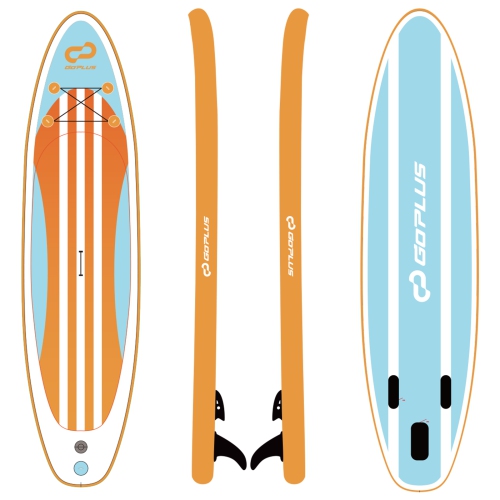
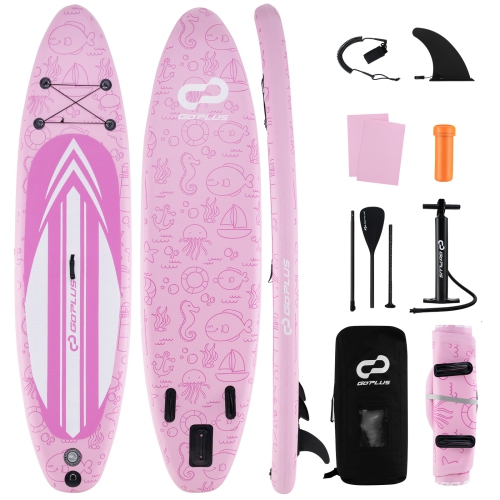
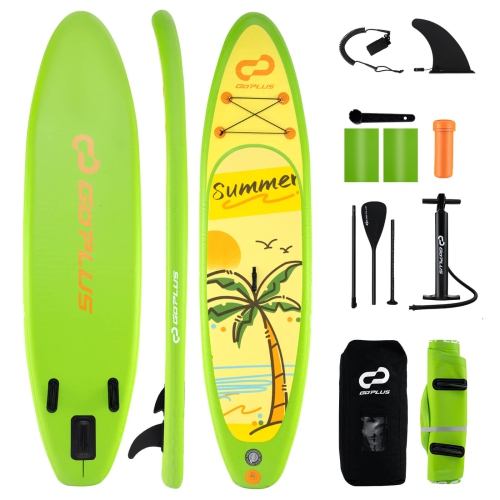
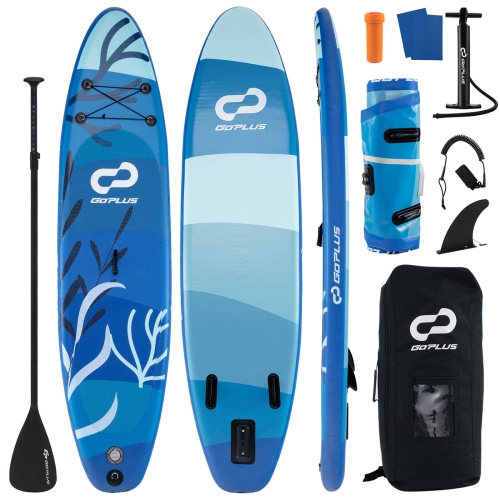
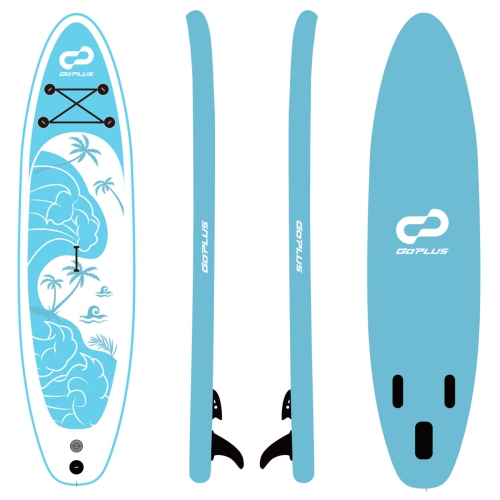
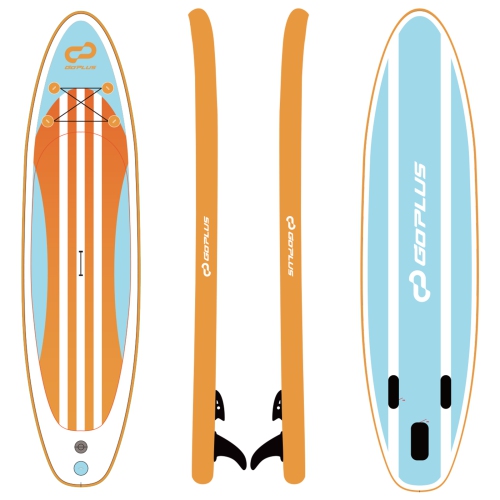
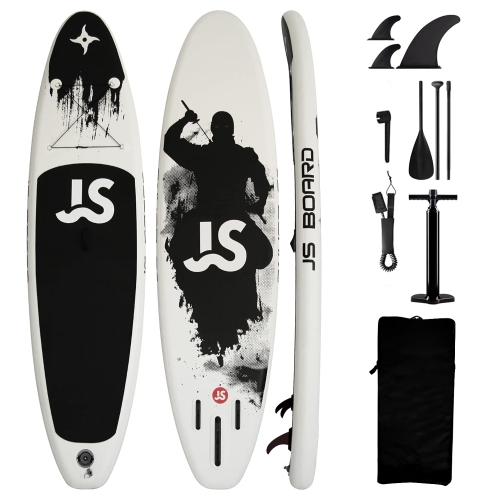
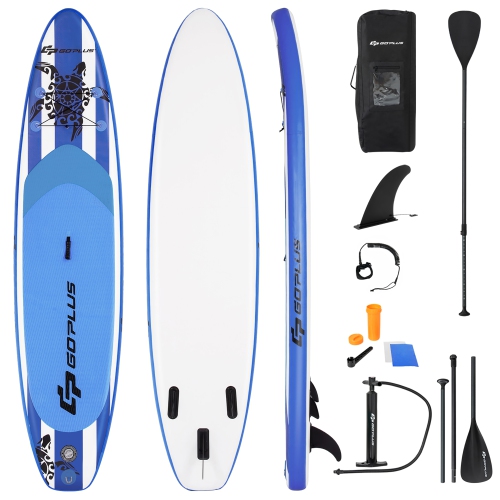
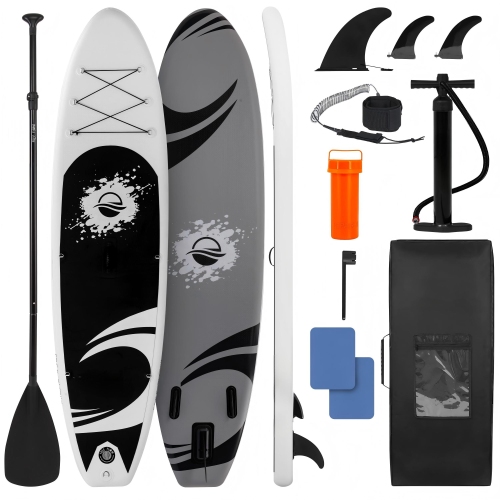
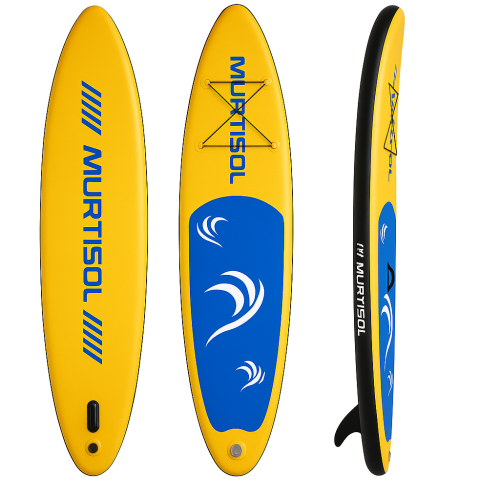
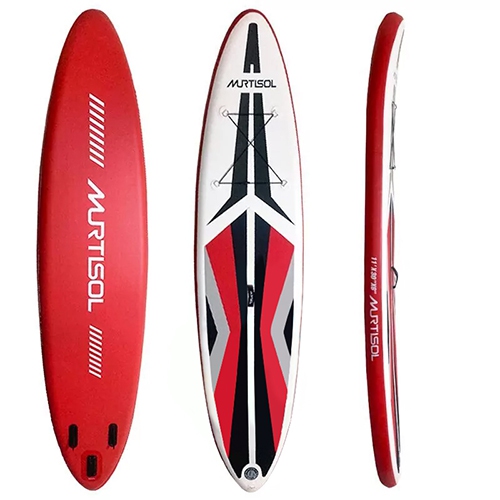
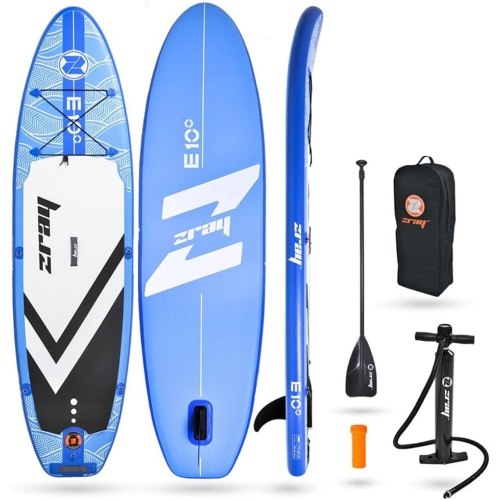
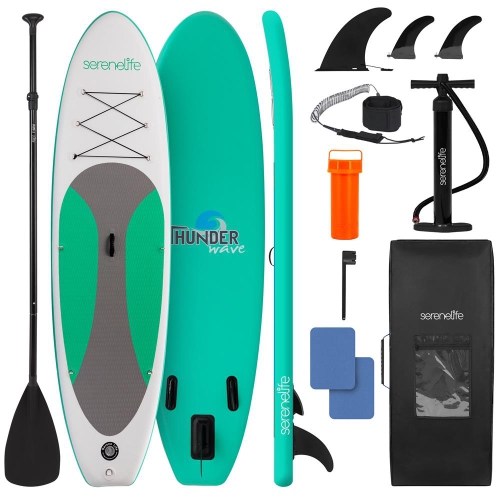
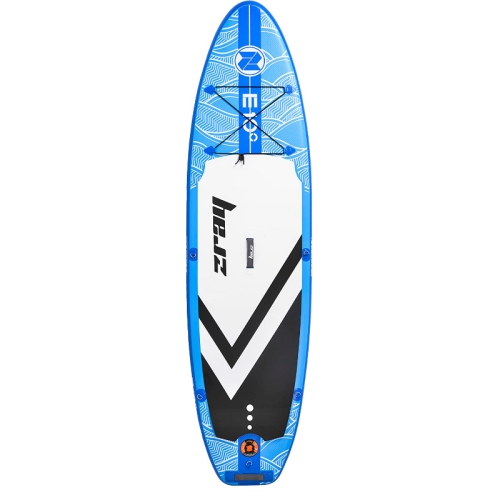
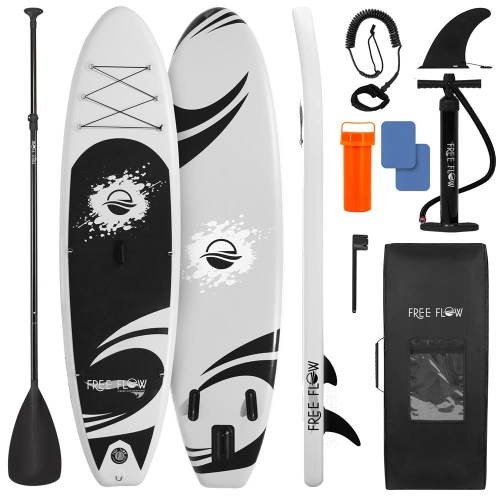
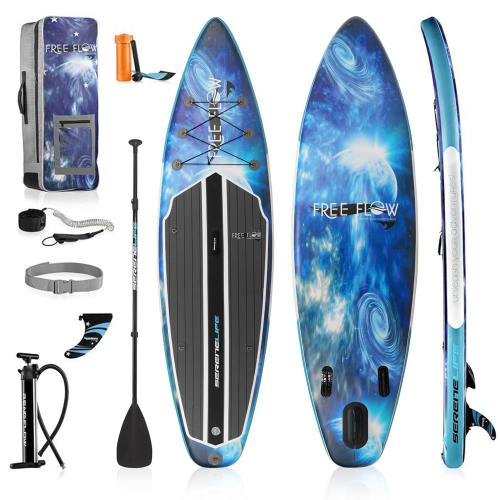
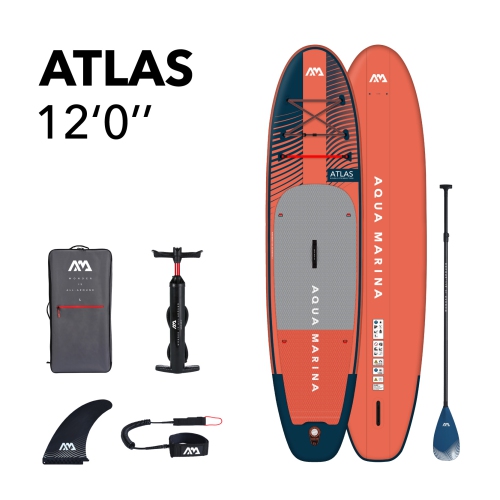
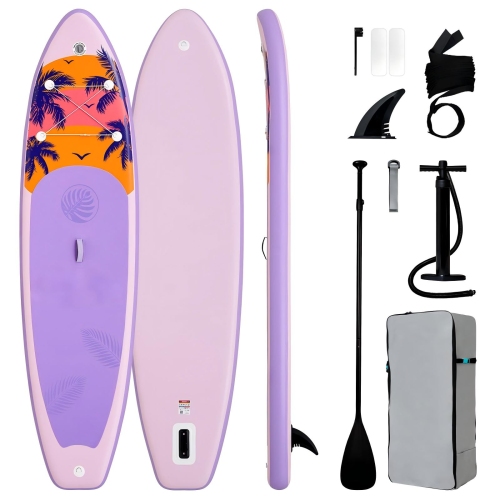
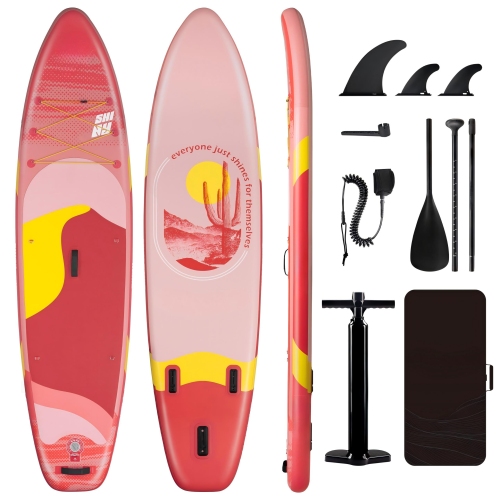
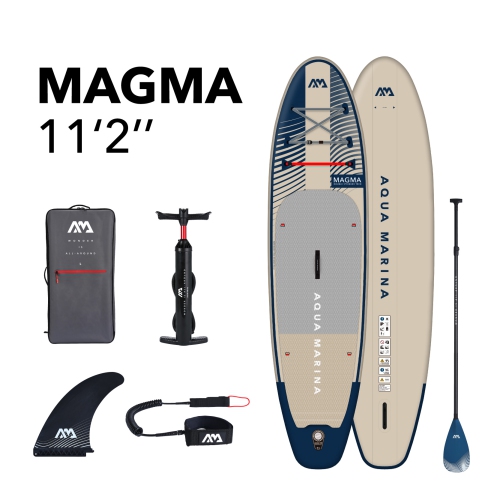
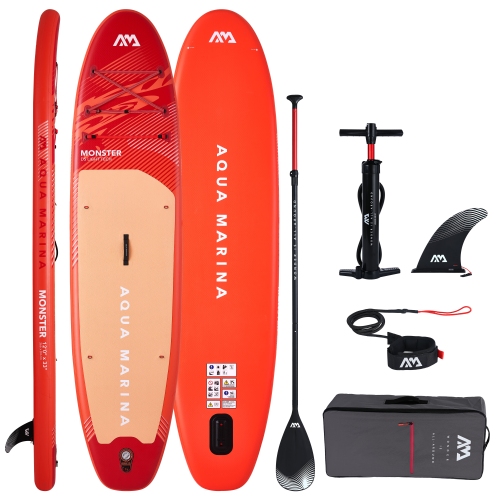
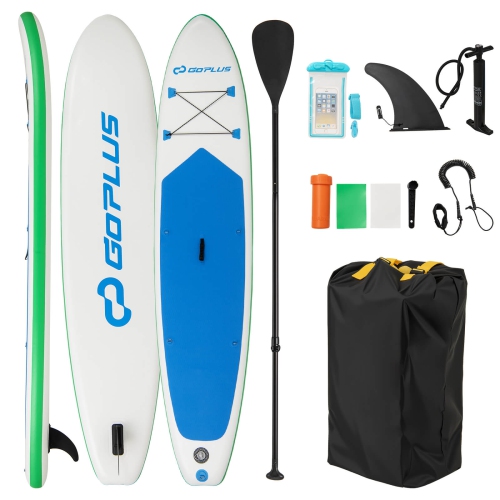
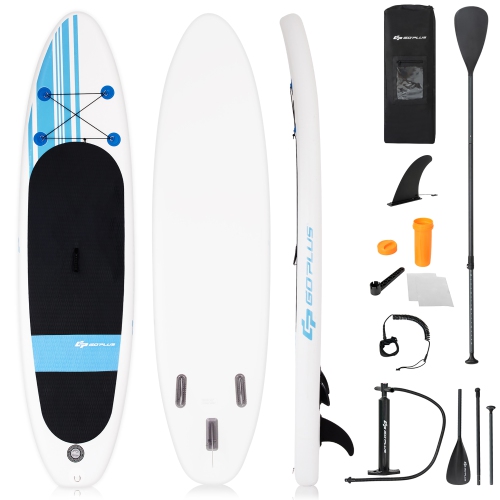
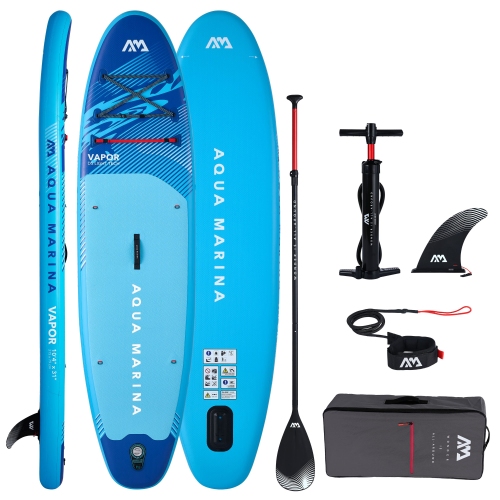
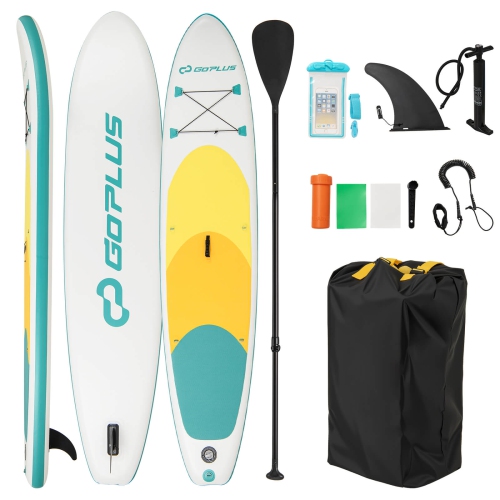
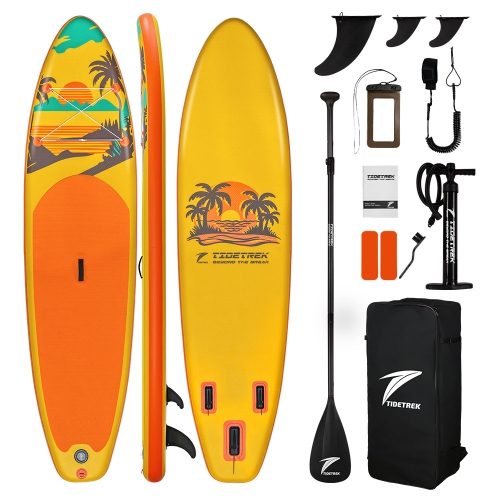
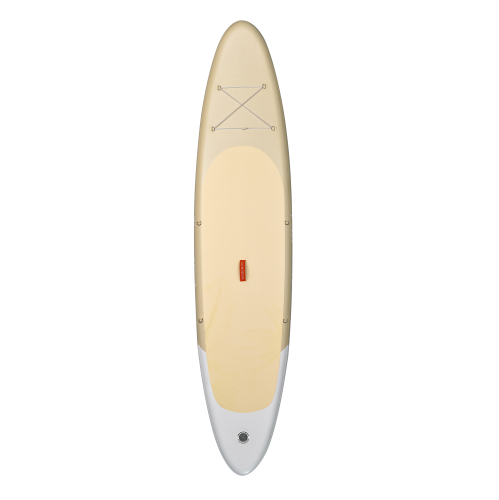
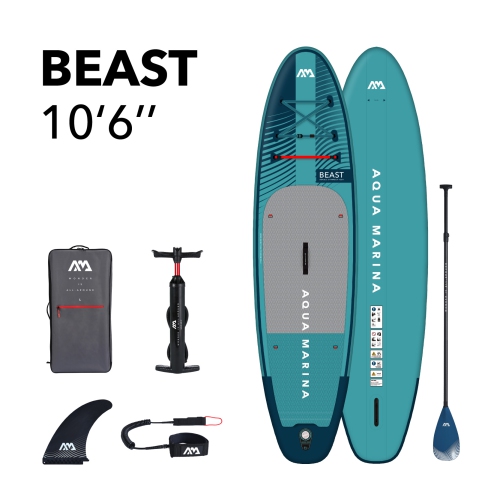
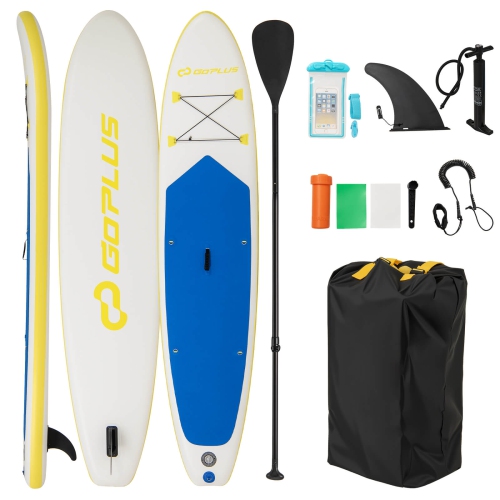
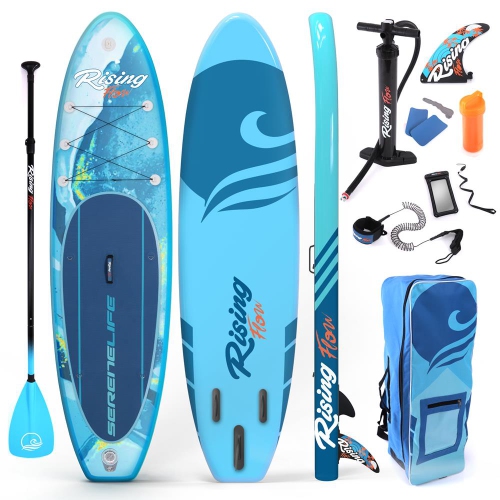
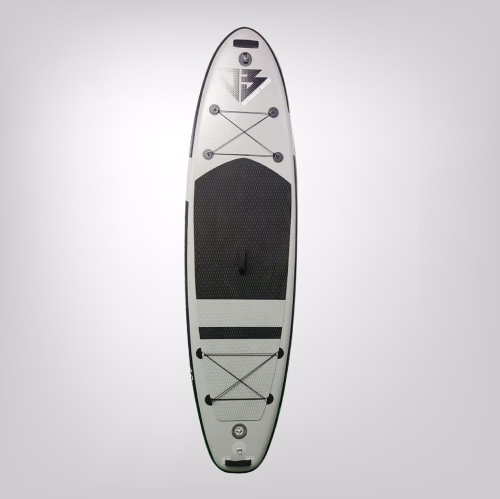
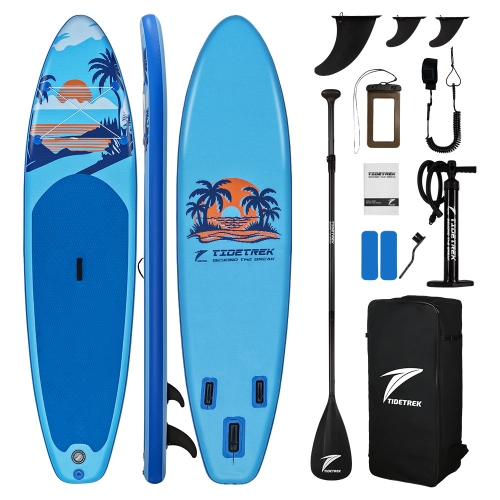
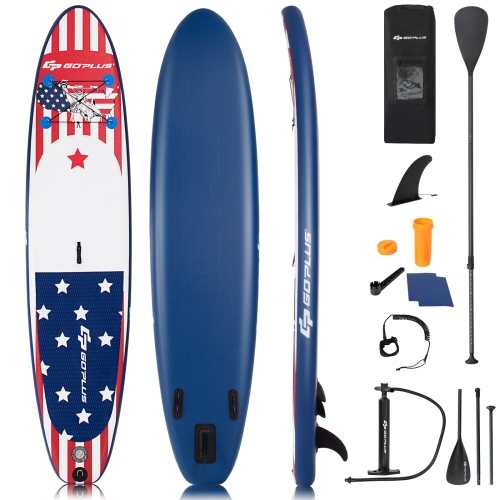
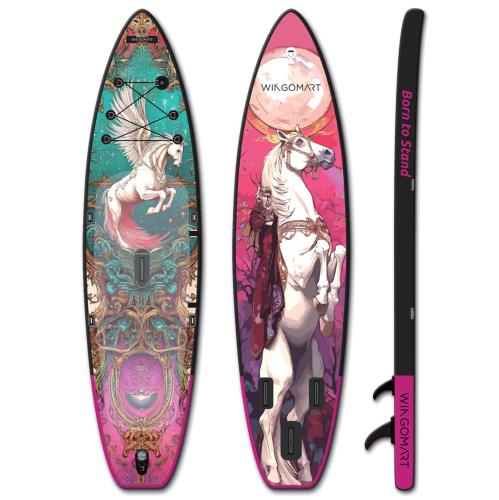
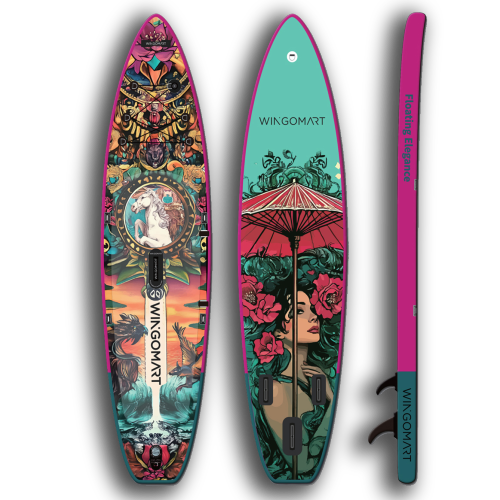
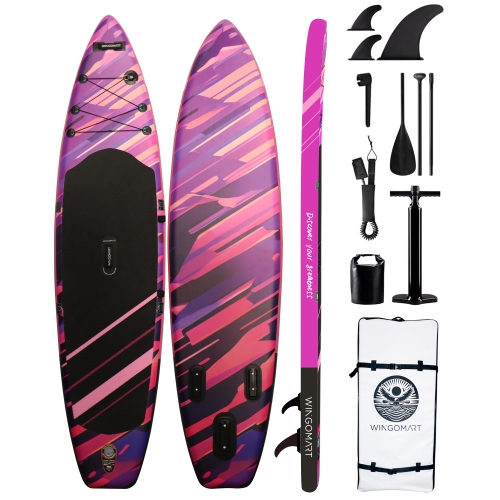
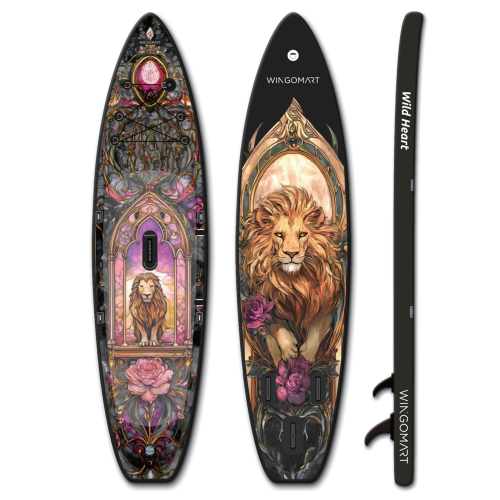
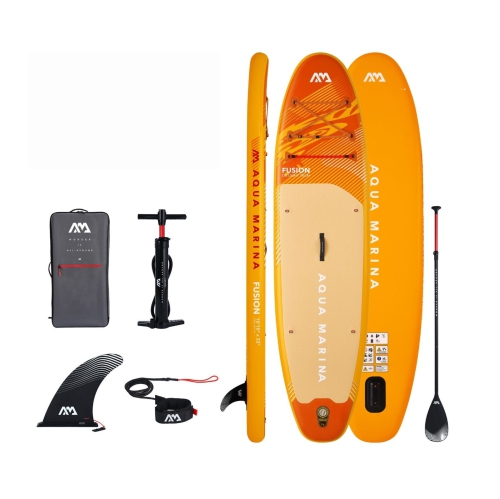
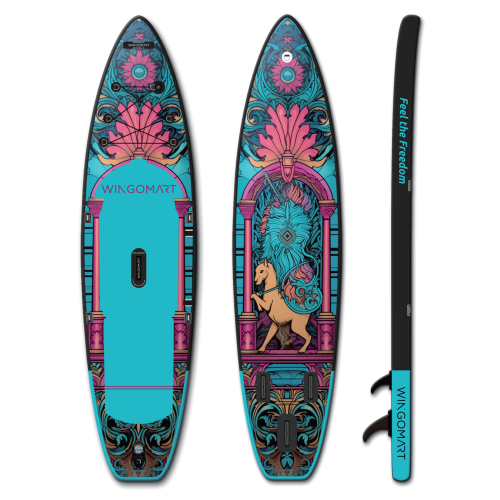
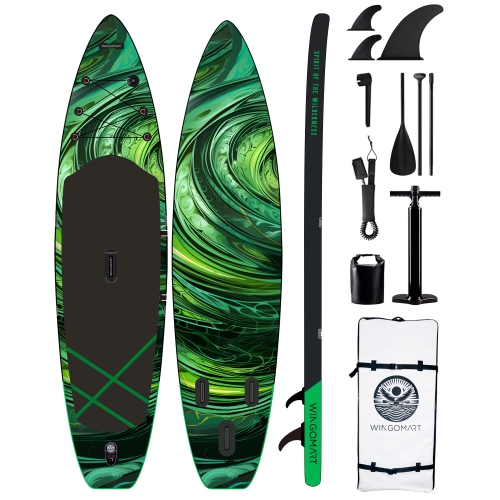
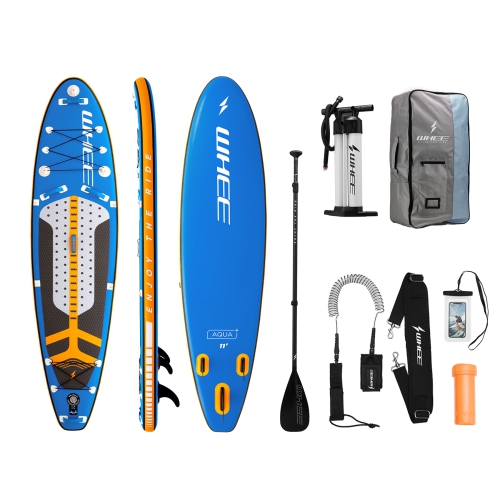
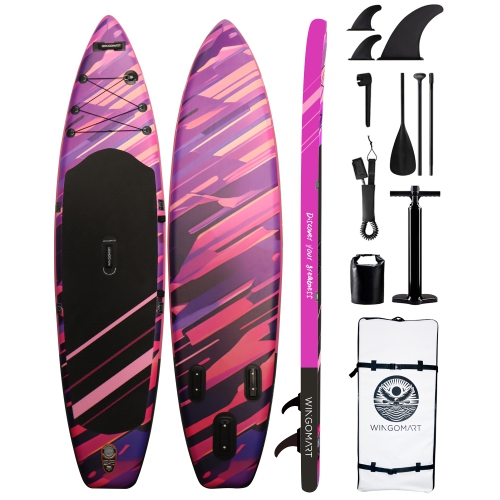
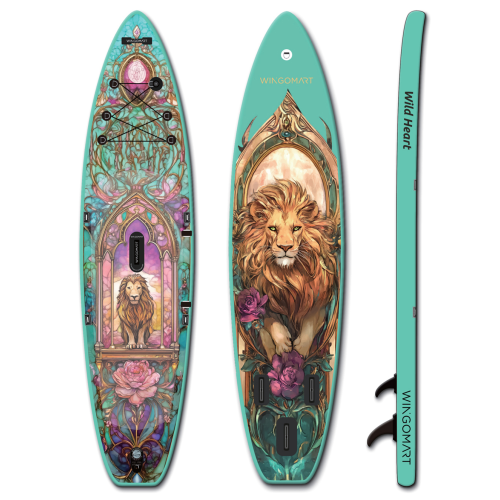
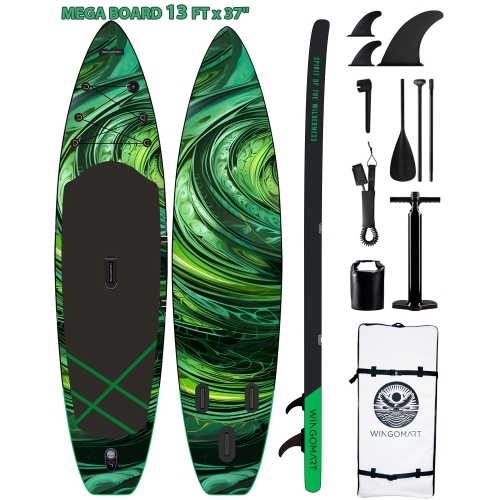
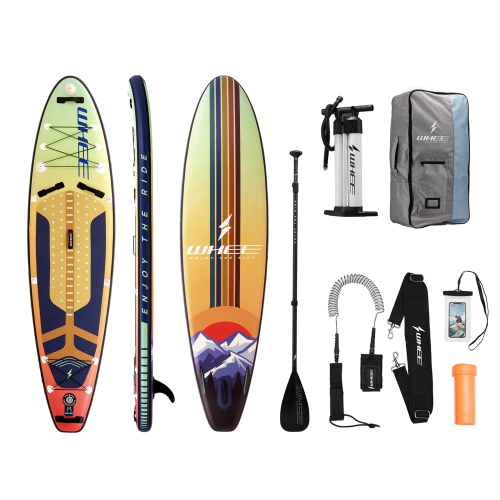
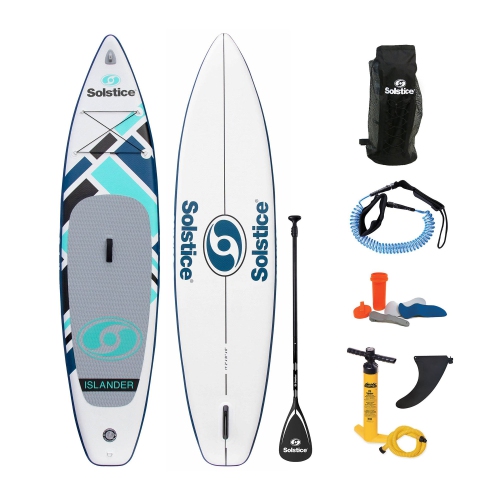
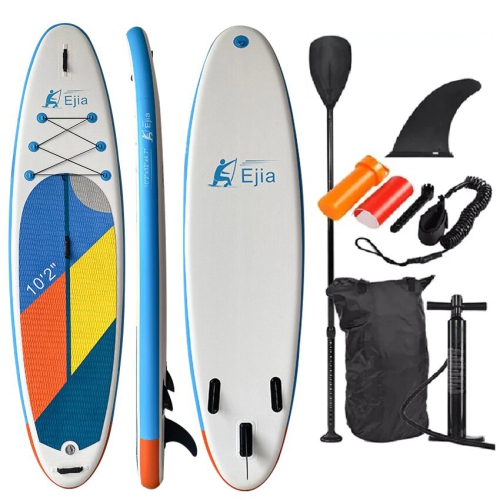

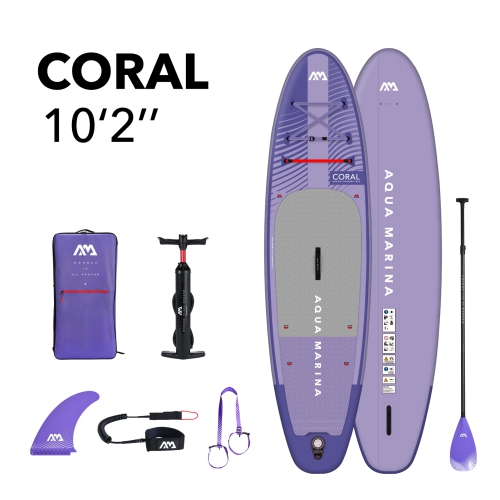
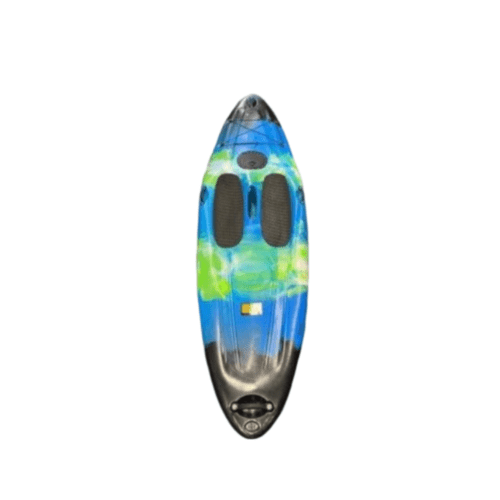
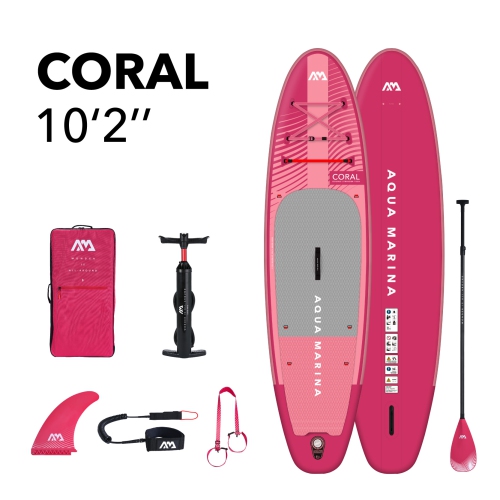
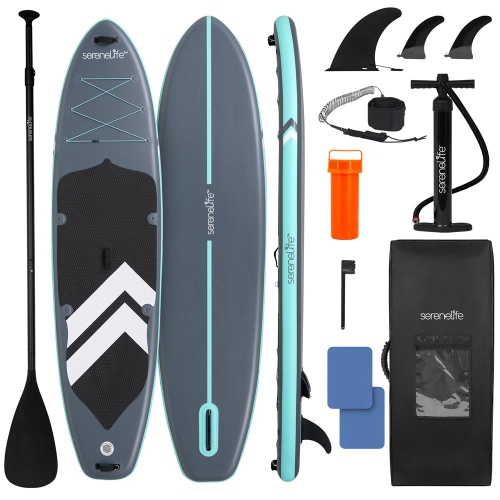
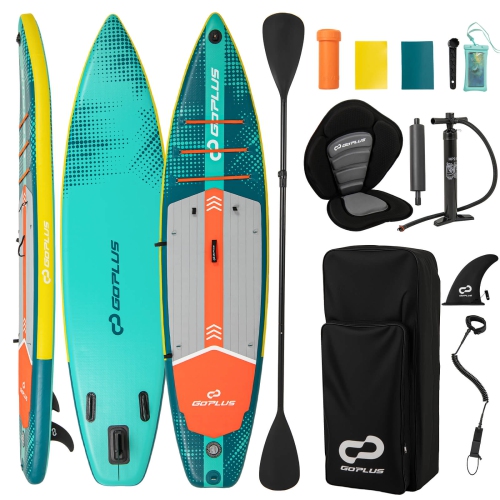
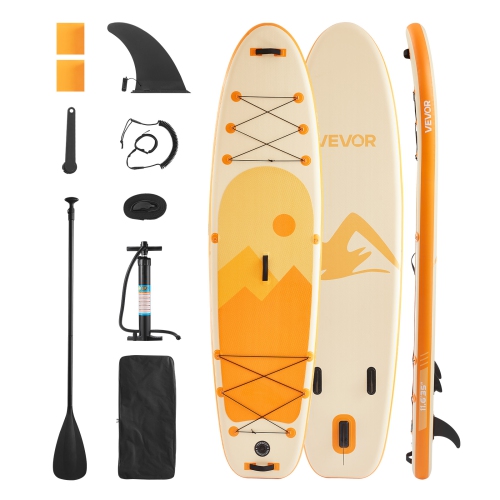
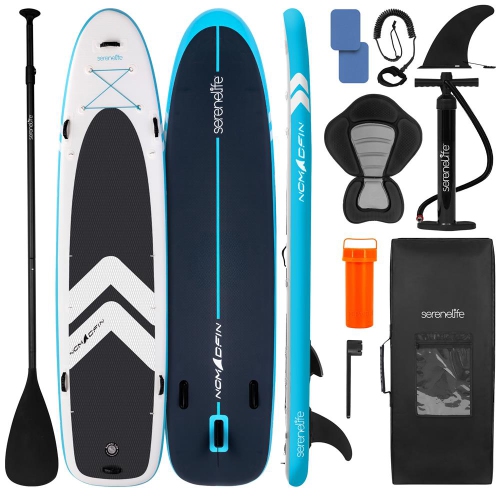
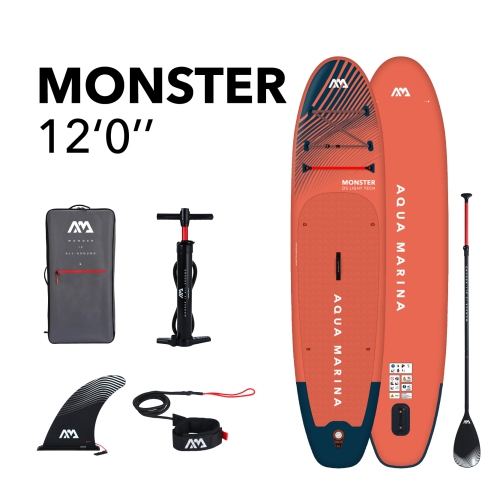
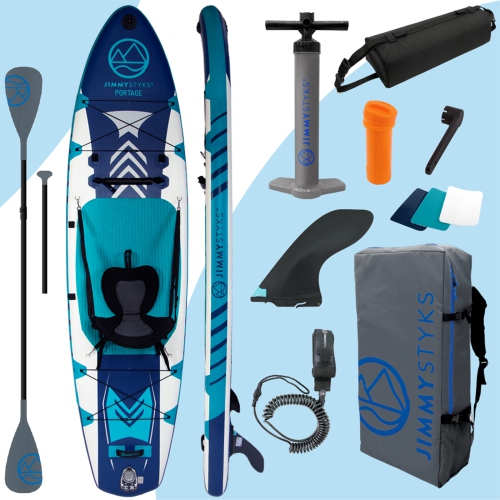
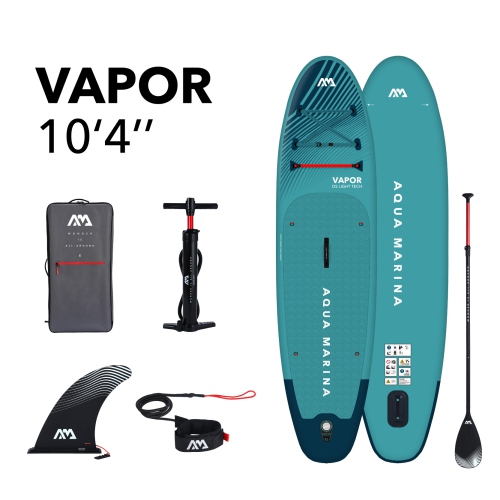
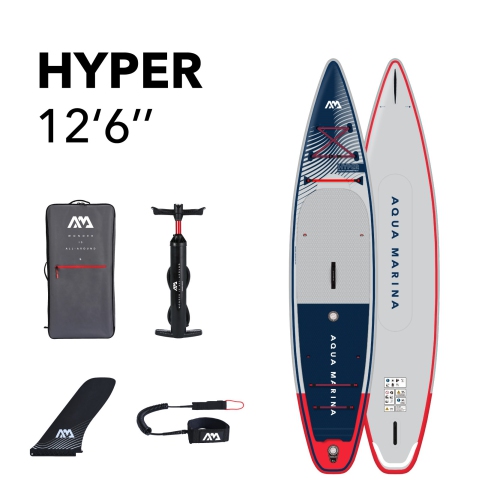
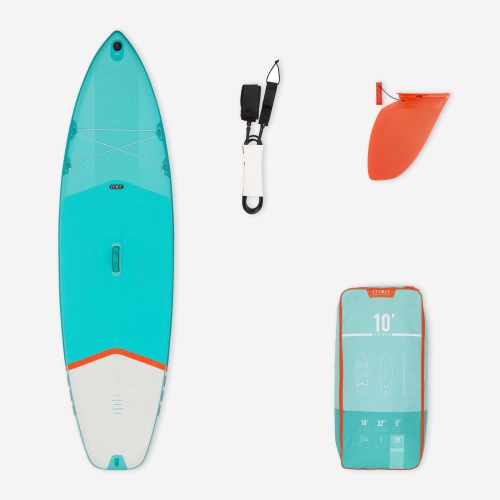
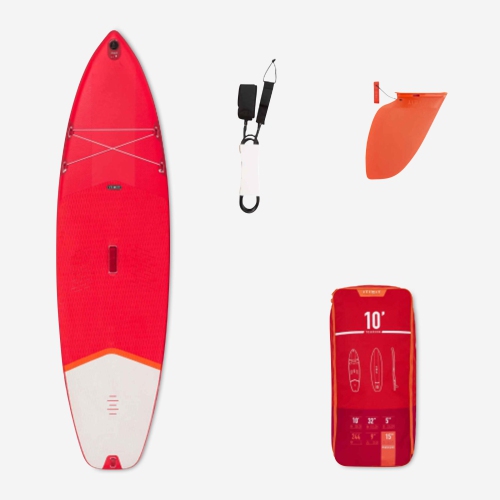
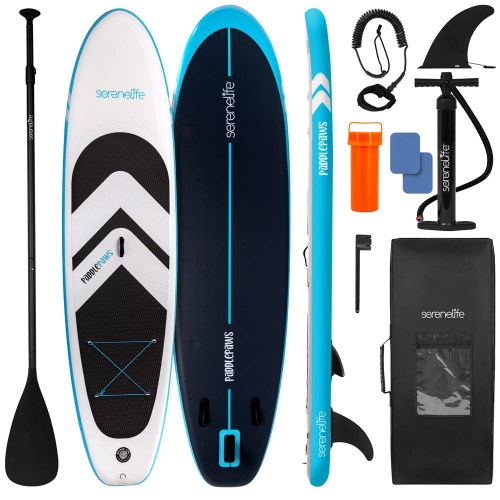
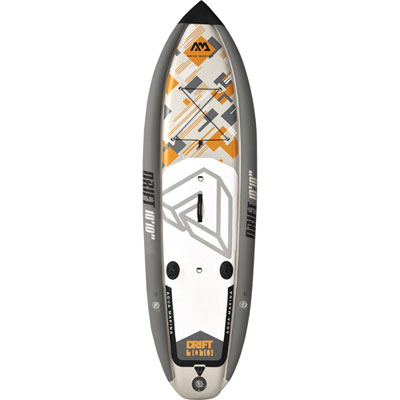
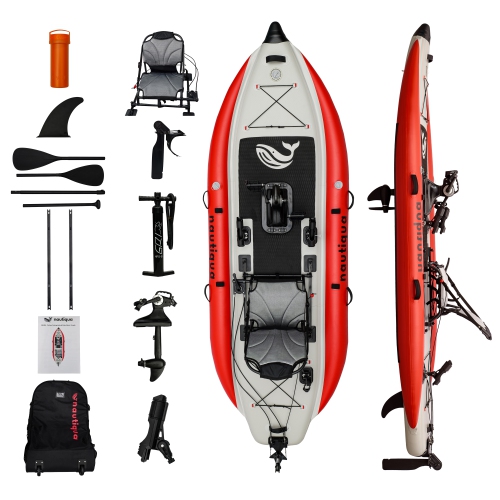
Why board shape and padding matter for yoga
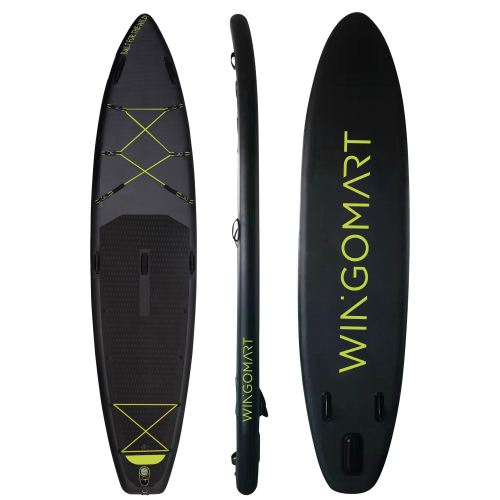
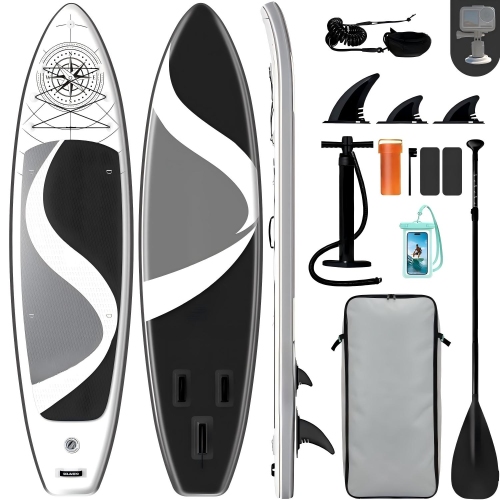
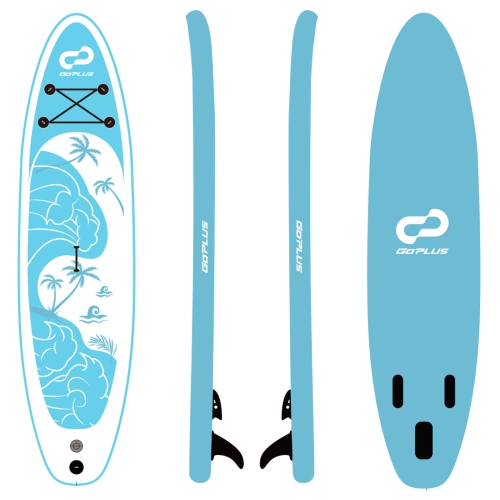
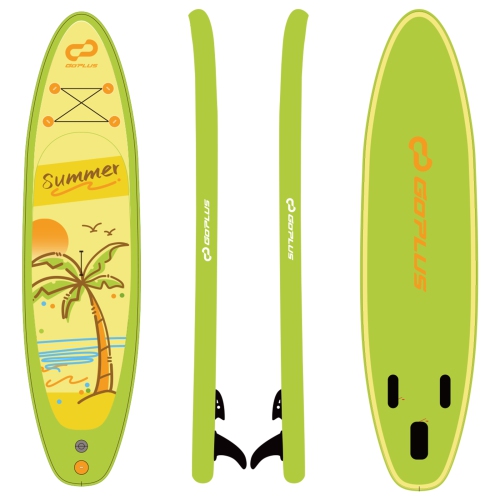
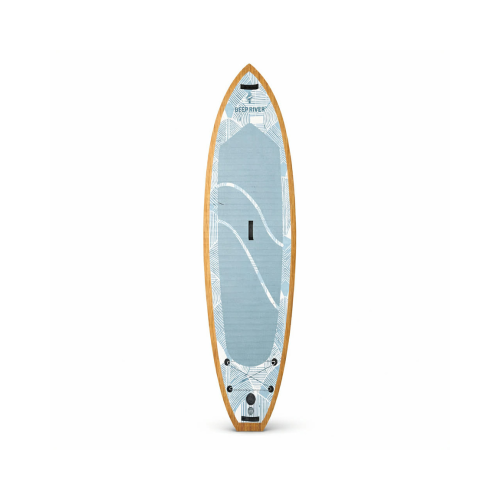
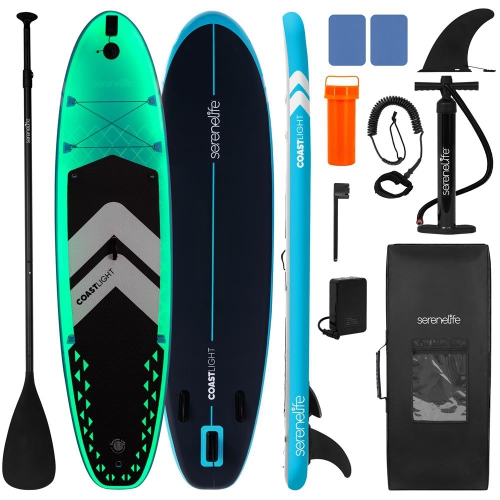
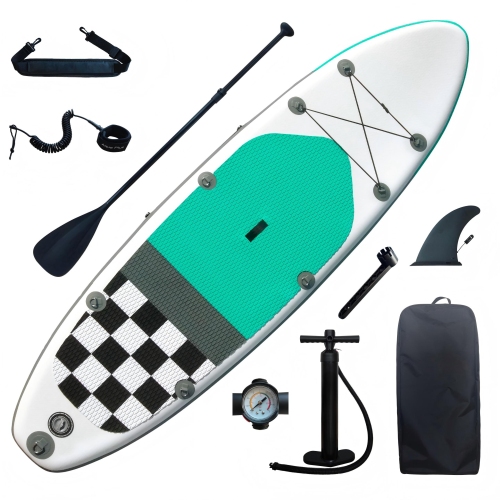
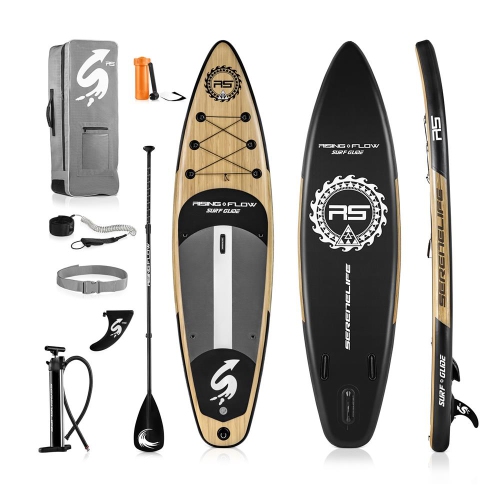
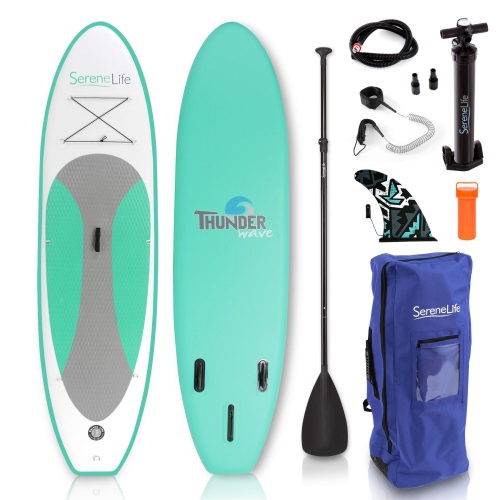
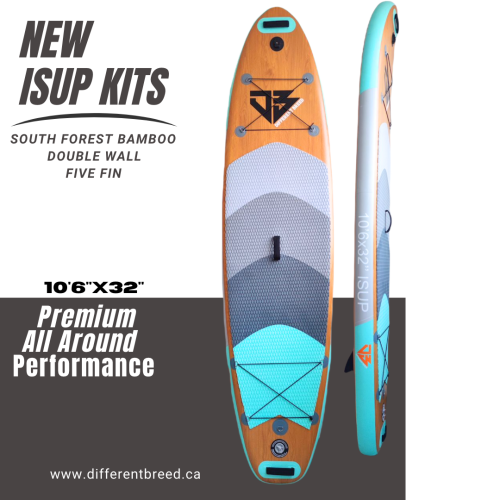
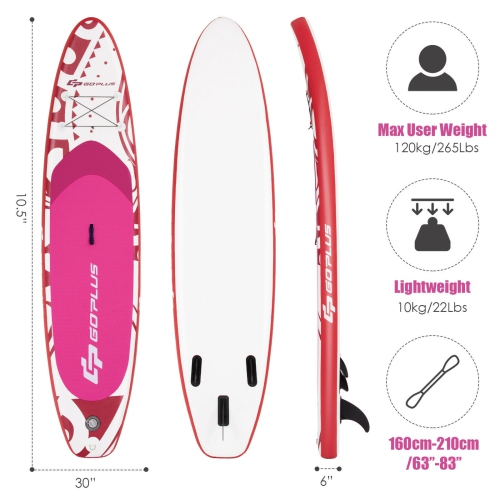
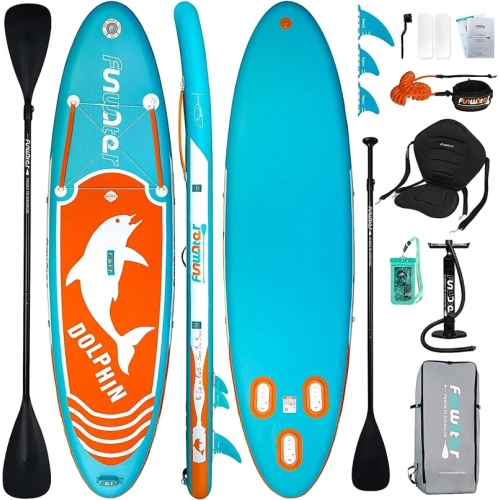
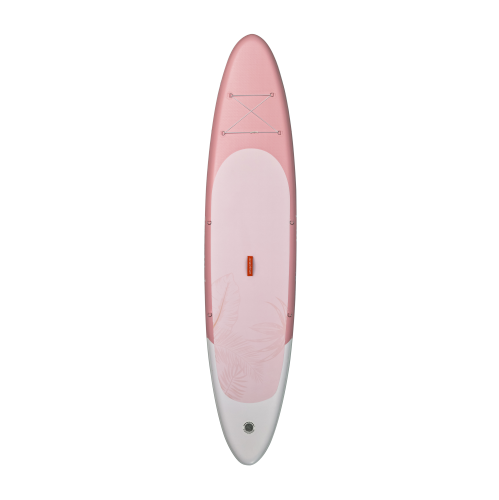
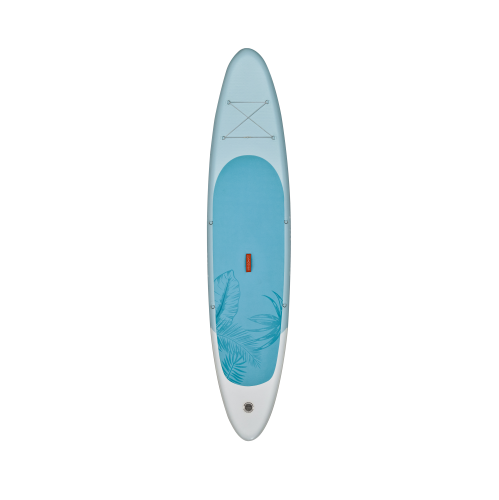
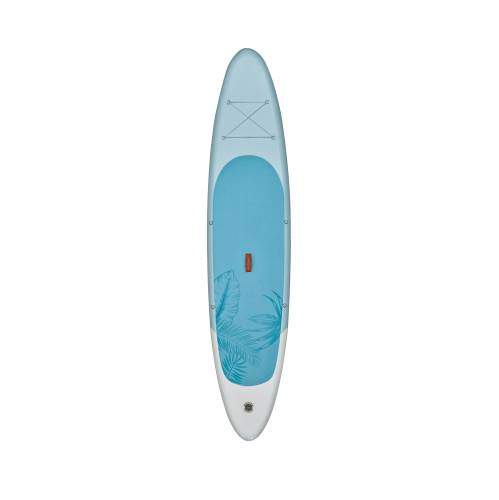
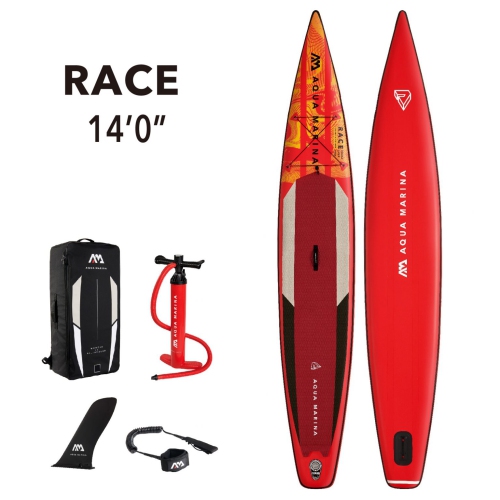
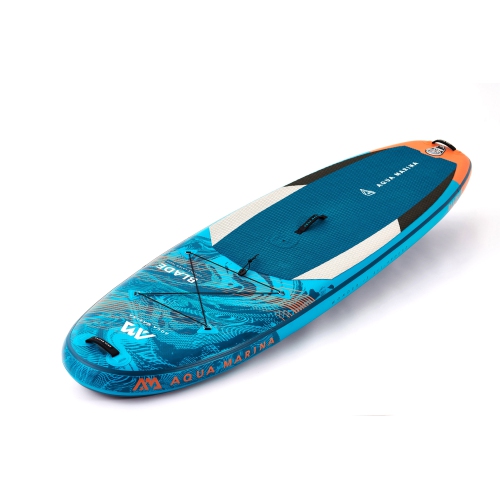
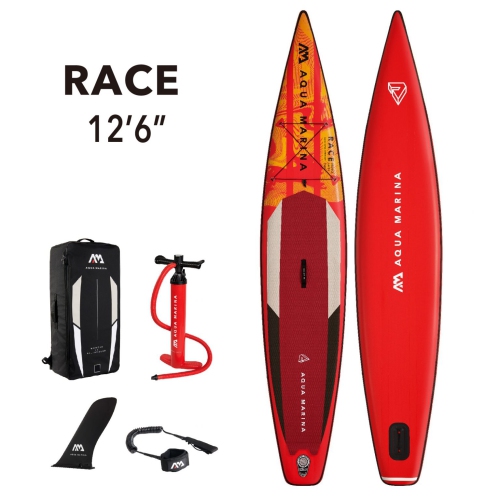
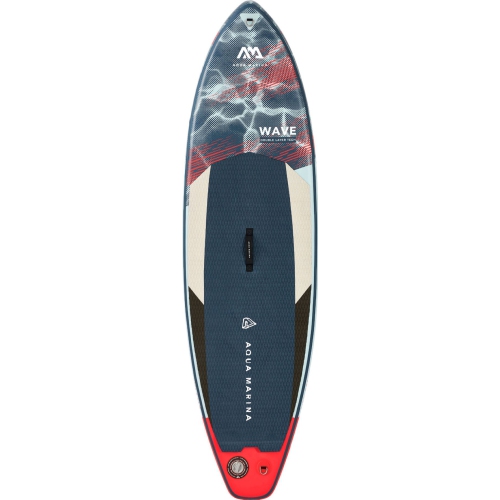
Paddle boards for yoga are stand-up paddleboards designed to provide a stable, comfortable platform for stretching, balance work, and gentle movement on the water. Compared with narrow touring or racing boards, yoga-focused shapes generally have more width through the middle, a fuller outline, and a generous padded deck. Those features create room to place hands and feet without constantly searching for a secure foothold. A width of about 32 to 34 inches is a useful starting point for many adults, while wider designs can offer additional space for floor-based poses and transitions. Width alone does not determine stability, though: the board’s shape, rigidity, volume, and the rider’s weight all affect how it feels underfoot. A broad nose and tail help maintain usable space beyond the centre, which matters when moving from a seated stretch into a tabletop position. The deck pad is equally important. Soft, textured EVA foam provides cushioning for knees and elbows while helping hands and feet maintain grip on a wet surface. A full-length or extended pad gives more freedom to change position than a small standing pad, particularly for taller users or anyone who prefers a longer stretch. Texture should feel comfortable against bare skin rather than overly abrasive, and the layout should leave the main practice area as unobstructed as possible. Side-mounted carry handles can keep the centre clear; a low-profile central handle may also work well if it sits flat and does not press into the back during reclining poses. Bungee cords, raised fittings, and attachment points are useful for paddling, but their placement matters when a board doubles as a floating yoga mat. For someone who wants both a relaxed paddle and a short movement session, an all-around board with a wide outline and ample deck padding can be a practical fit. A dedicated yoga shape puts greater emphasis on usable deck space and steadiness than on speed or efficient long-distance travel.
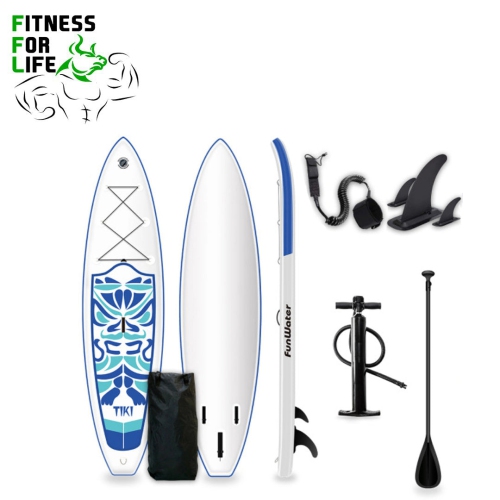
Materials and construction influence how a yoga paddle board performs, how it travels, and how much care it needs. Inflatable paddle boards commonly use a drop-stitch core, with internal threads linking the upper and lower surfaces so the board holds its shape when inflated. Many have PVC outer layers and reinforced rails to help withstand routine handling. Construction quality, seam design, and inflation pressure all contribute to firmness; a board that flexes noticeably beneath the rider can make balance transitions less predictable. Many adult inflatable boards are around 6 inches thick, but thickness does not establish weight capacity on its own. The manufacturer’s stated capacity and intended rider range are better reference points, with allowance for the combined weight of the paddler and any carried equipment. Staying comfortably within the stated limit generally leaves more room for the board to perform as intended than loading it to the maximum. Inflation should always follow the board’s specified pressure range rather than a universal target. Rigid boards often use a foam core with composite outer layers, creating a firm platform without an inflation step, although their fixed size requires suitable transport and storage space. An inflatable design may suit an apartment dweller who needs to pack the board away, while a rigid design may appeal to someone with easy access to the water and a secure place to keep it. In either case, the board’s weight and handle placement affect the trip from vehicle to launch point. A wide board can feel awkward to carry even when its weight seems manageable, especially with a paddle and personal flotation device in hand. Accessories deserve attention for the same reason. An adjustable paddle accommodates different users, a compatible pump and readable pressure gauge support inflatable setup, and a well-fitting carry bag makes packed storage easier. Fin systems also influence practicality: removable fins can simplify packing, while a securely fitted fin helps the board track during the paddle to and from a practice spot.
The best fit depends on the person using the board and the kind of outing they enjoy. A yoga practitioner trying paddleboarding for the first time may value a broad, forgiving platform, while an experienced paddler adding a few stretches to an outing may prefer a more versatile all-around shape. Taller users may need additional padded length, and anyone who spends time kneeling may pay particular attention to cushioning and handle placement. Families sharing equipment should consider each rider’s size and ability rather than assuming one adult board will suit everyone. For younger paddlers, Youth Paddle Boards offer a separate size category to consider, with dimensions that may be easier for smaller users to carry and control; suitability for yoga still depends on stability, deck space, and the individual board’s intended use. A yoga paddle board can also be a thoughtful gift for someone who already enjoys both activities, provided their rider requirements, transport arrangements, and storage space are known. On the water, even a stable board remains a moving surface. A quiet, sheltered area away from boat traffic gives users more space to focus, and a properly fitted personal flotation device should remain part of the outing. Leash choice needs to suit the location, since moving water and obstructions introduce entanglement hazards that require specialist guidance. Paddle storage matters during practice too: a secure holder can keep it accessible without leaving it across the area used for hands and knees. After use, rinsing away sand, dirt, and salt helps protect the deck, fittings, and fin box. Letting the board dry fully before packing reduces trapped moisture and helps keep the padded surface fresh. Inflatables benefit from regular checks around valves, seams, and rails, while rigid boards should be checked for cracks or dents that could allow water inside. Carrying rather than dragging either type protects the underside and fin. With suitable sizing, a comfortable deck, and consistent care, a paddle board can support both unhurried paddling and a spacious, steady place to practise yoga.
Top selling and popular products
-
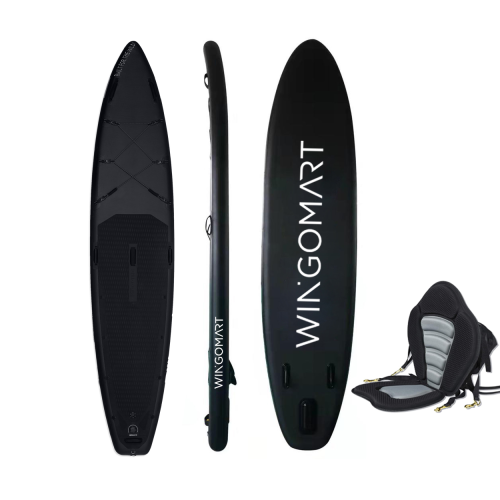 Your price for this item is $299.9
-
 Your price for this item is $599
-
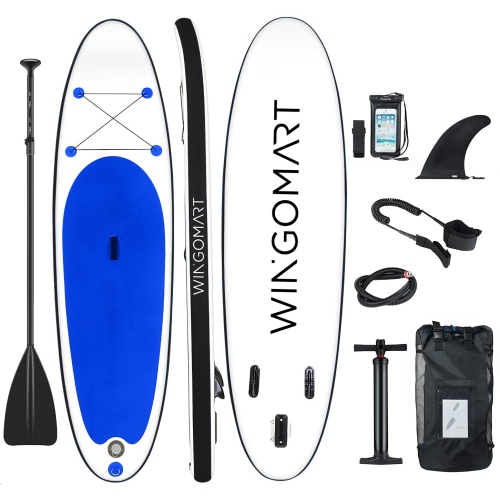 Your price for this item is $179.99
-
 Your price for this item is $249.99
-
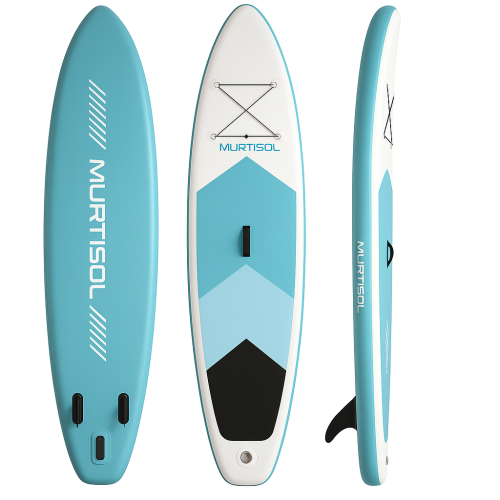 Your price for this item is $179.7
-
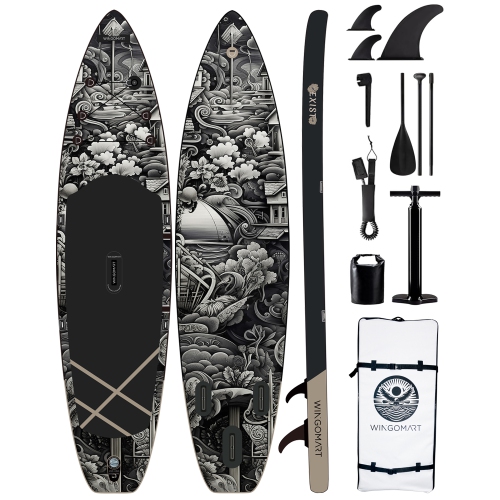 Your price for this item is $259.99
-
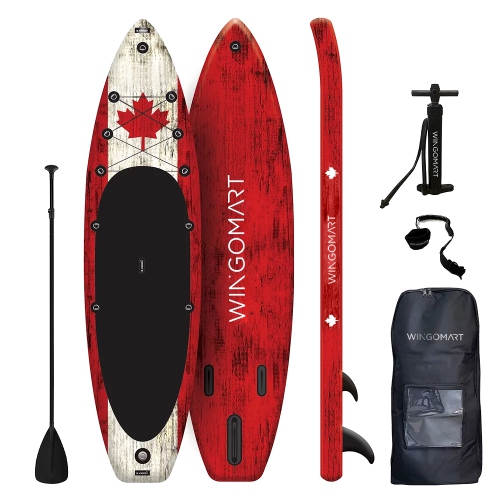 Your price for this item is $329.99
-
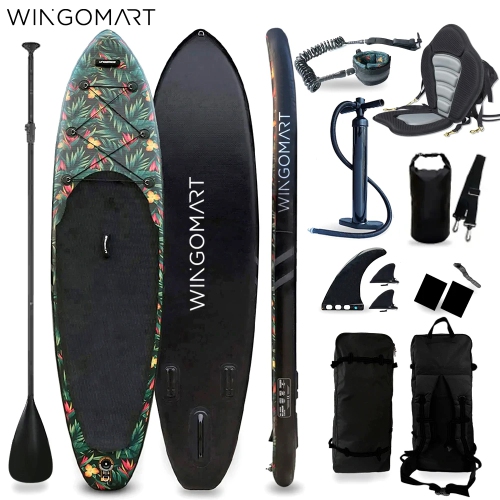 Your price for this item is $279.7
Discover more categories related to Paddle Boards for Yoga
Top Collections:
Pokemon Centers, Best Cameras for Sports Photography, Kindle Devices, Samsung Galaxy Phones, Canon G7X Cameras, Pokémon 30th Celebration Cards, Refurbished Apple Laptops, iPhone 15 Apple, Laptops for Students, Budget Smartphones
Some products may be subject to Environmental Handling Fees
(EHF) depending on your province.
Learn more about EHFs.