Surfing Paddle Boards
If you're looking to ride the waves like a pro, look no further than these surfing paddle boards. Whether you're a seasoned surfer or just starting out, these boards are designed to enhance your surfing experience and help you conquer the ocean with style. From sleek and lightweight designs to sturdy and stable options, we have a wide range of paddle boards that cater to every skill level and preference.
Sort
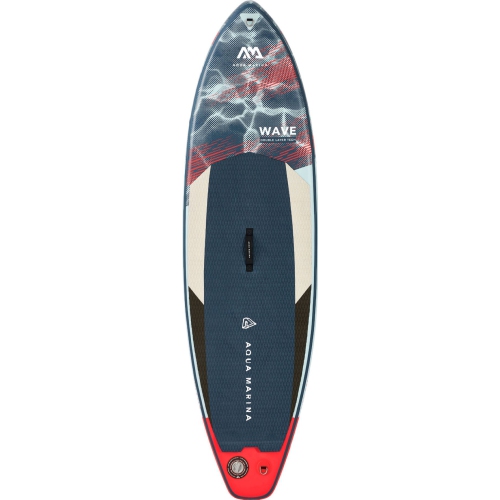
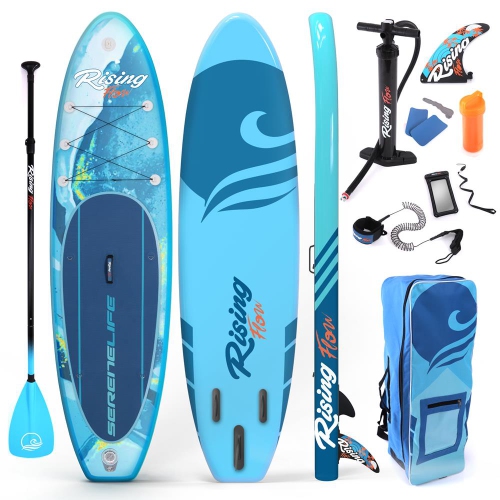
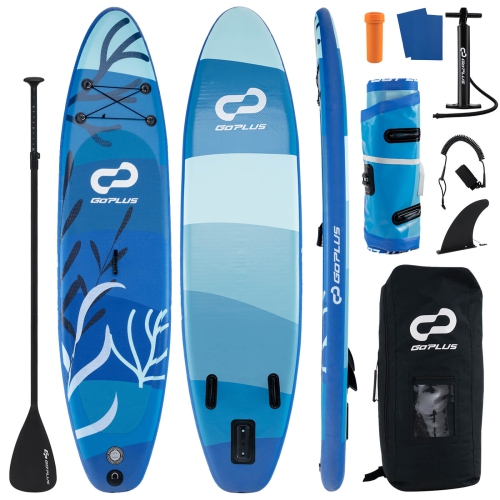
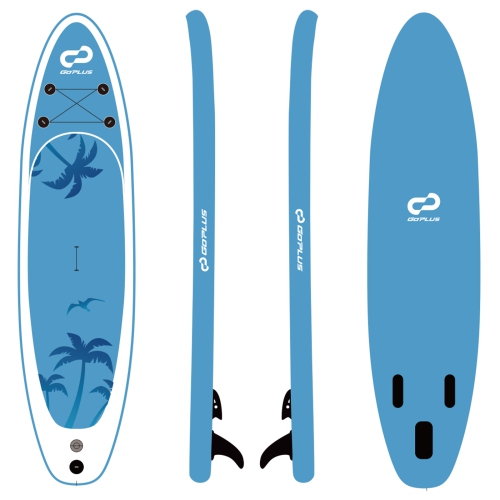
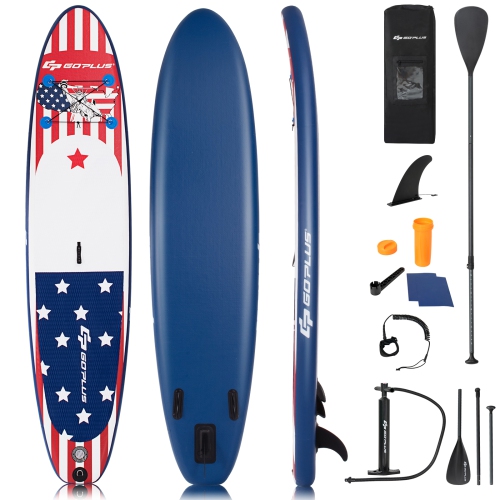
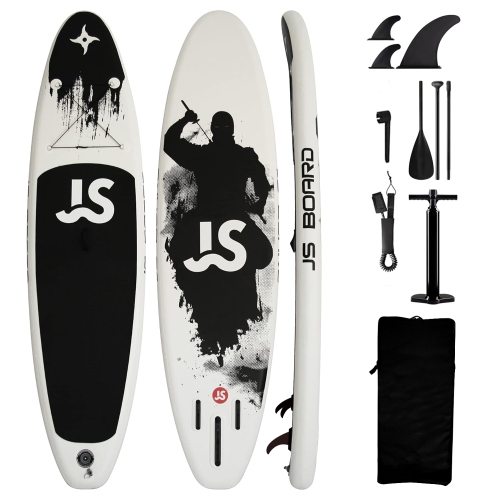
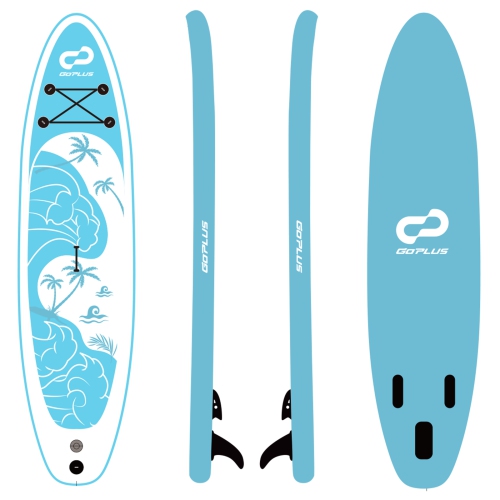
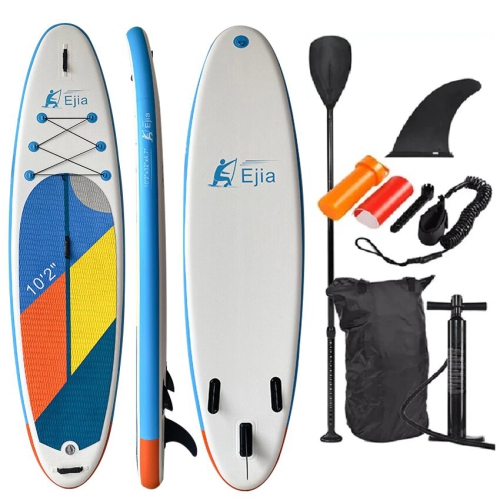
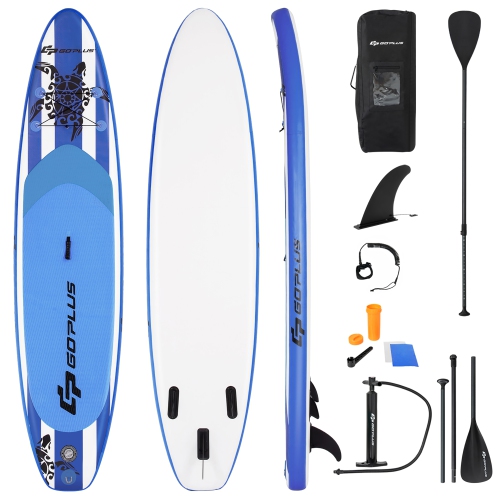
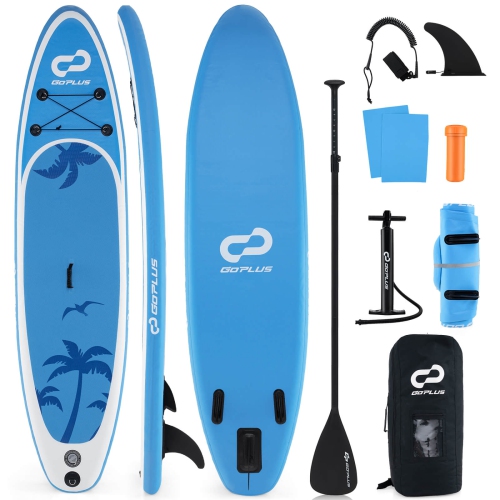
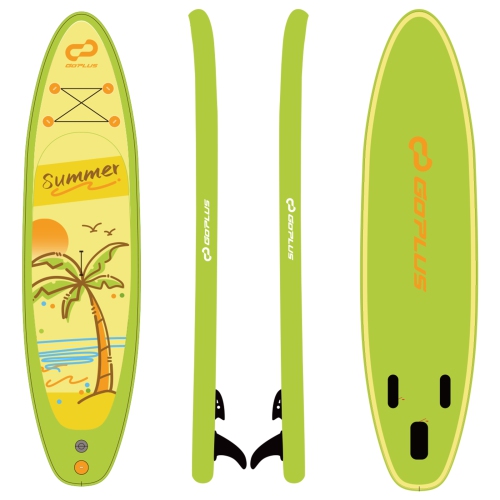
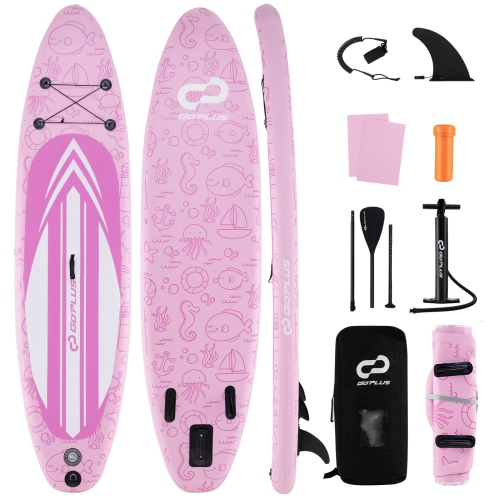
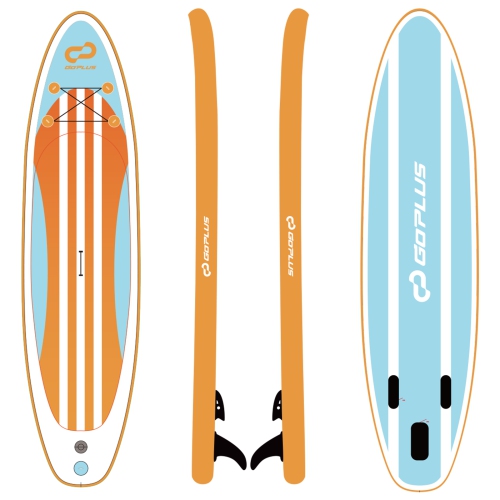
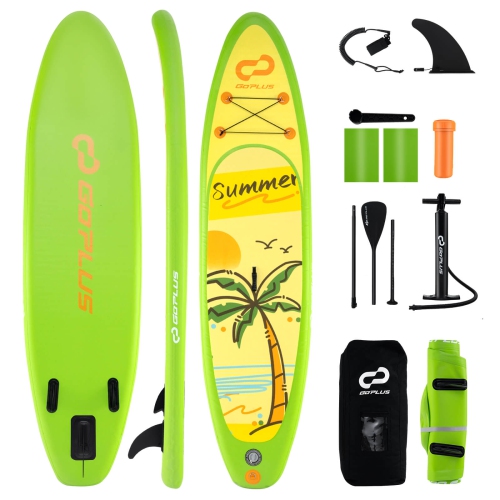
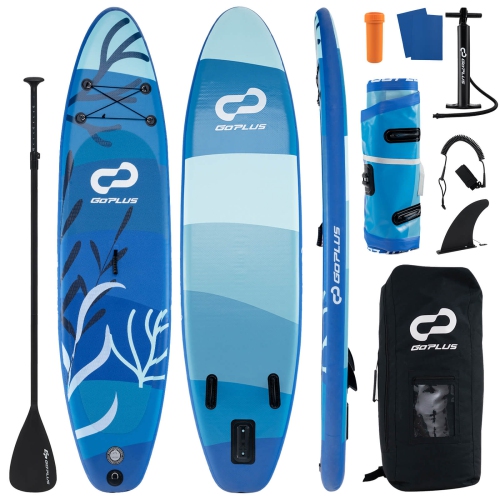
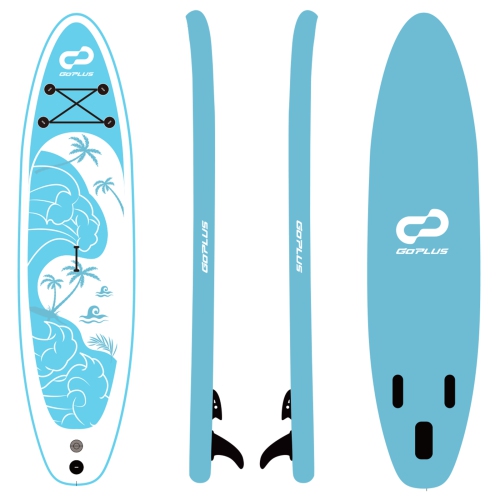
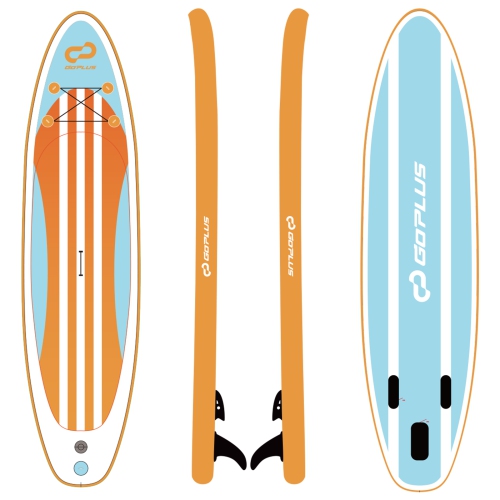
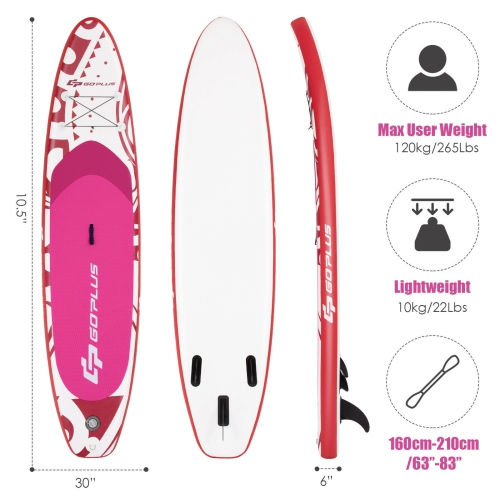
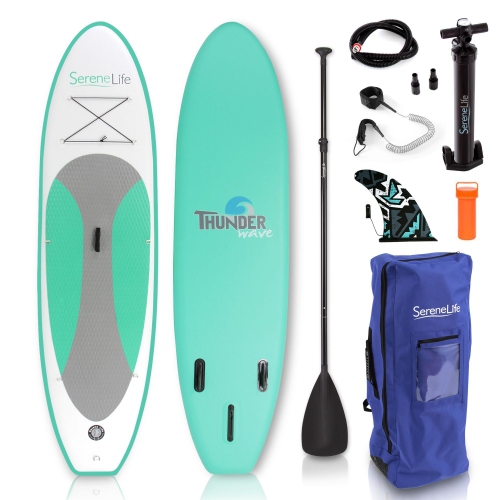
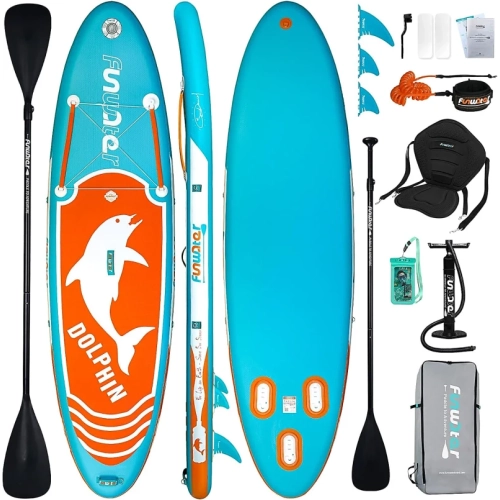
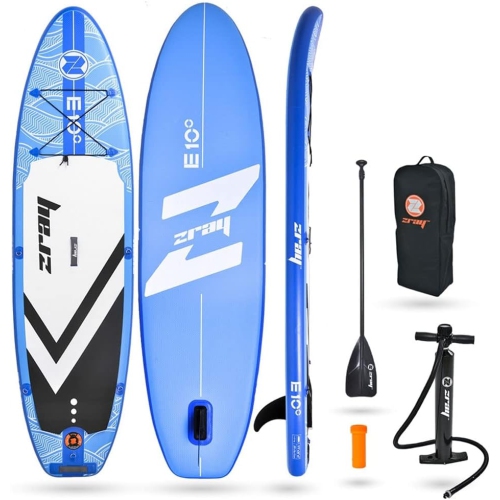
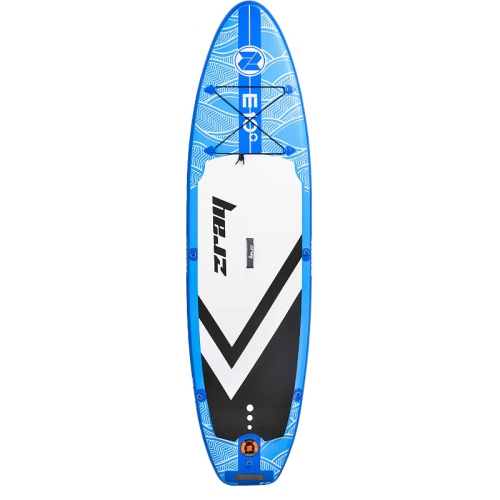
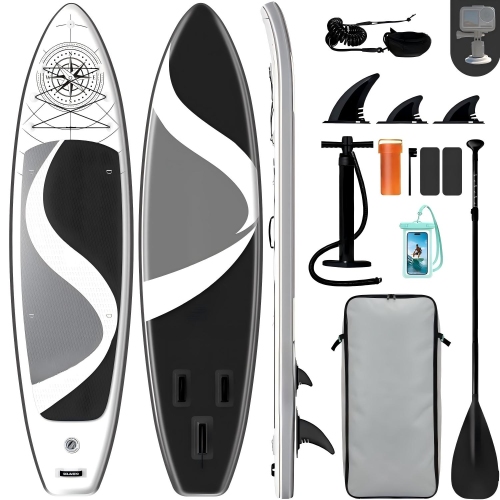
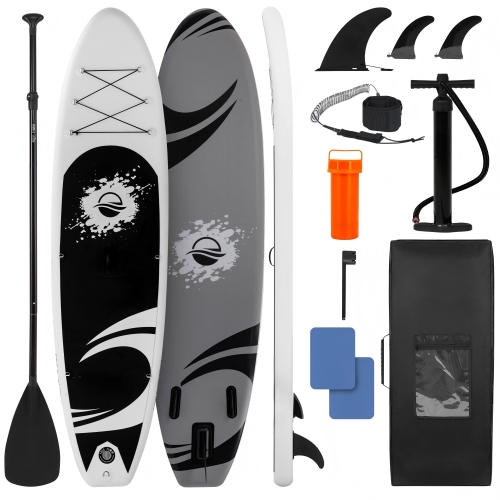
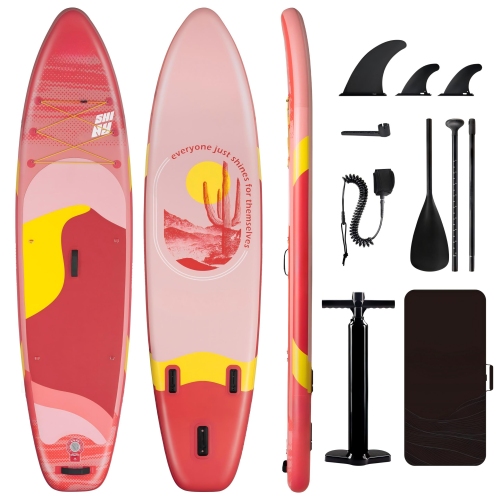
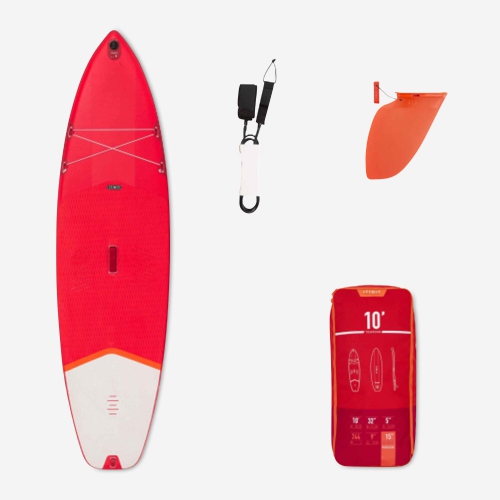
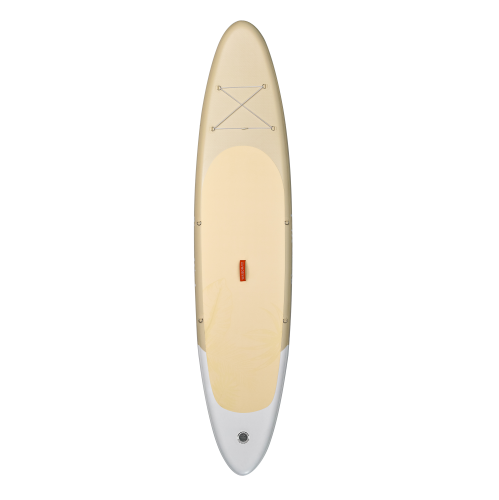
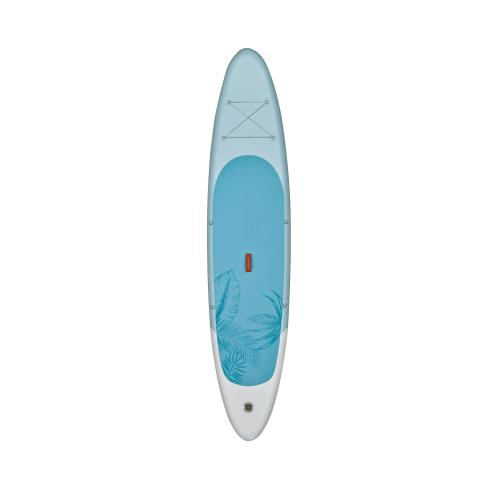
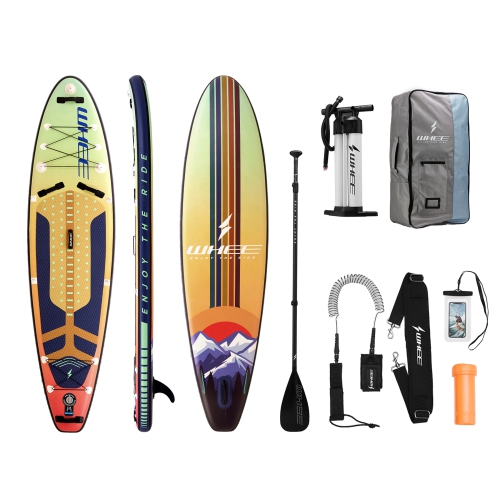
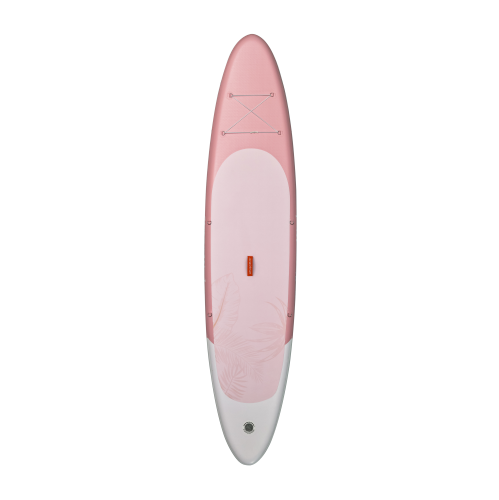
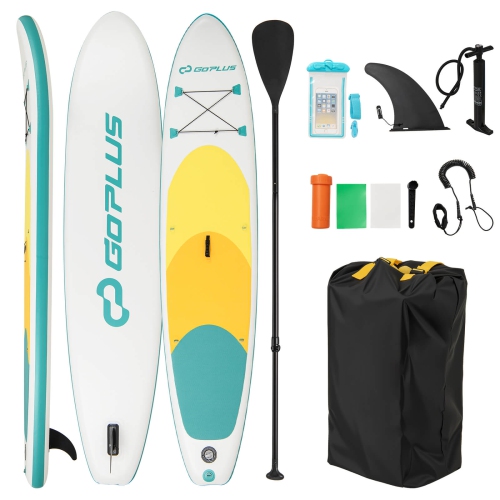
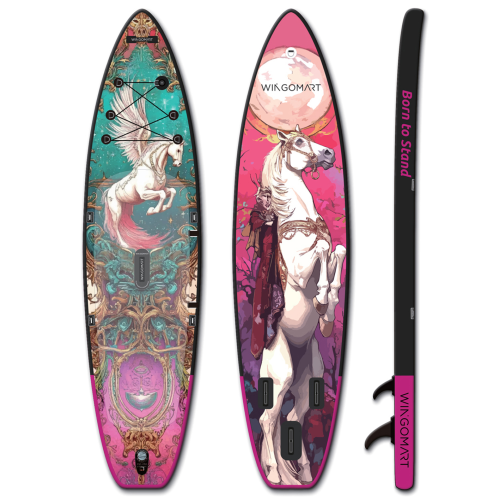
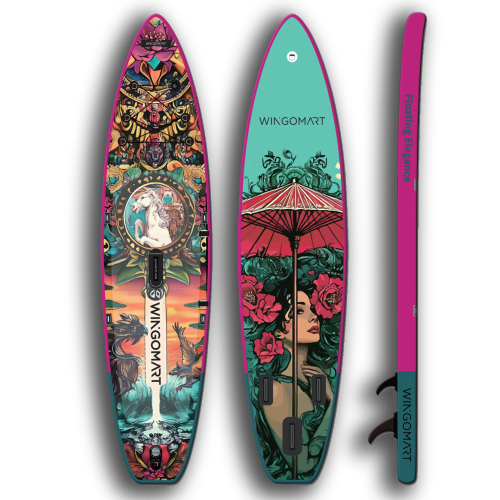
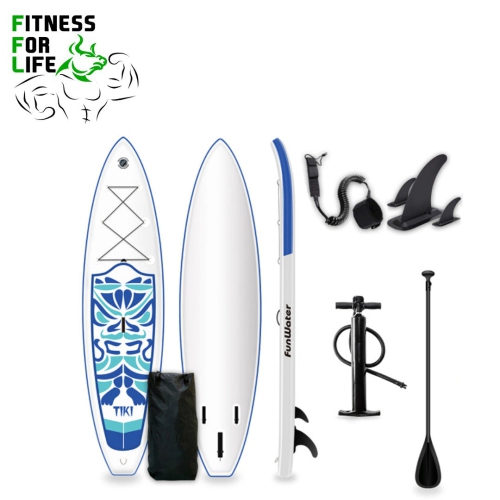
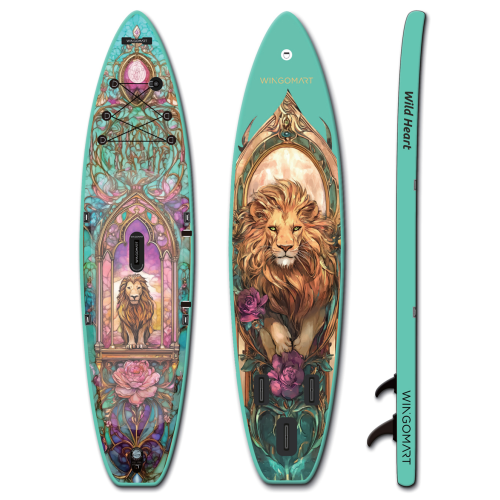
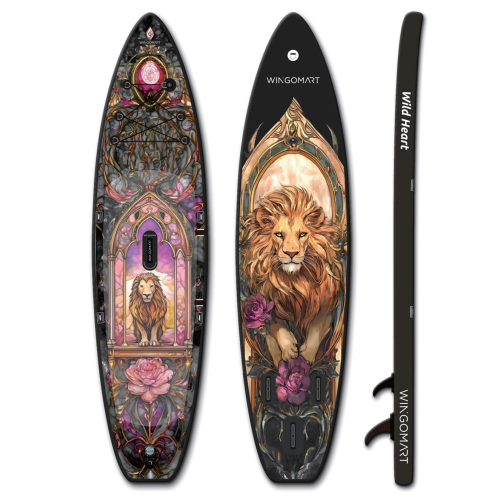
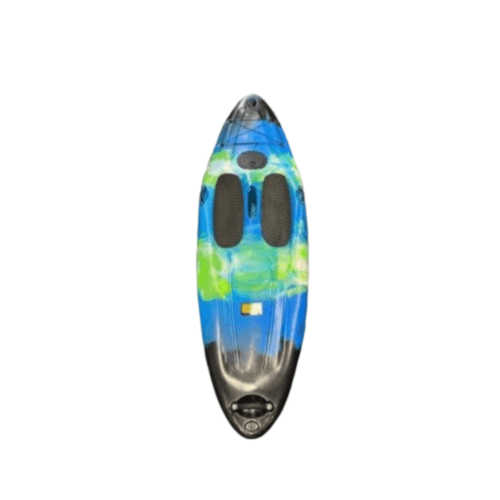
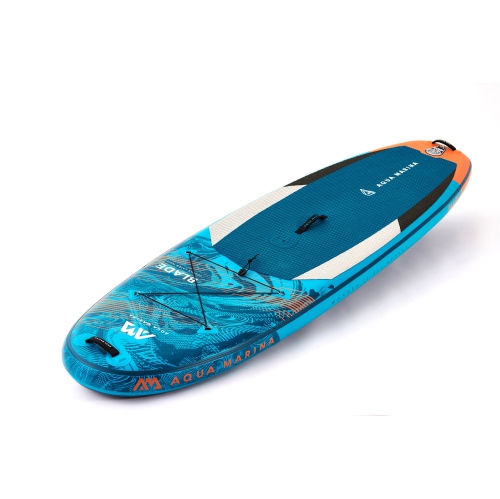
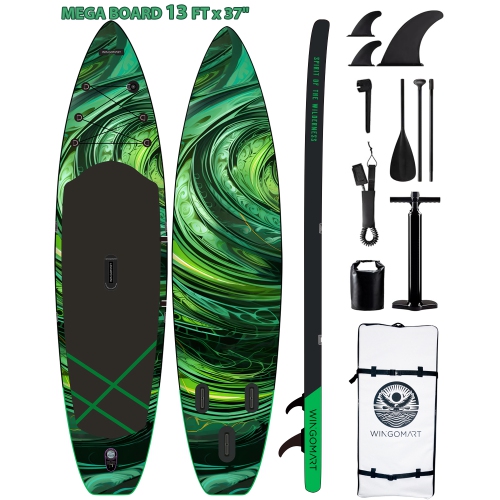
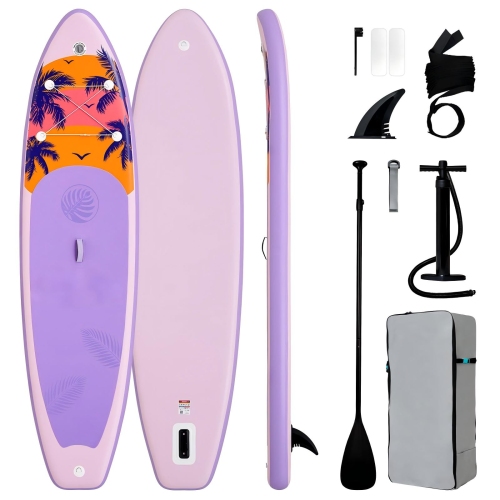
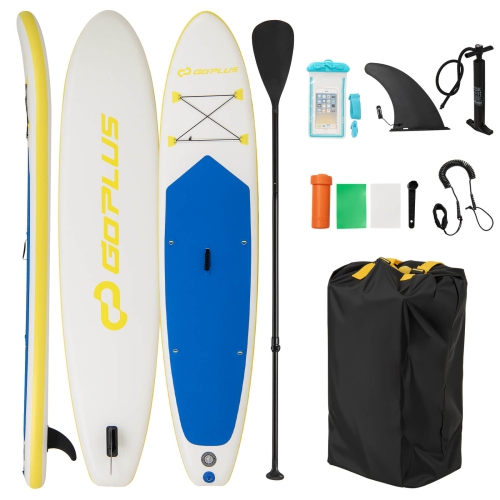
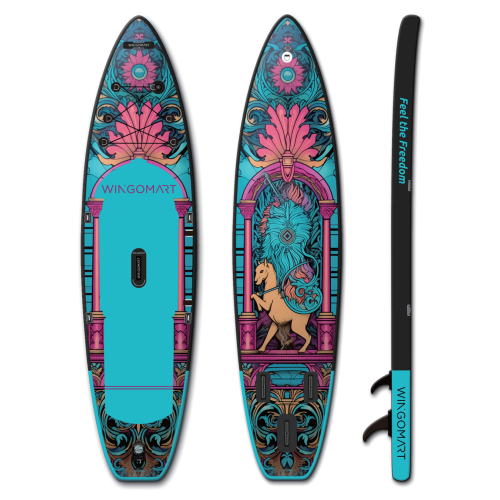
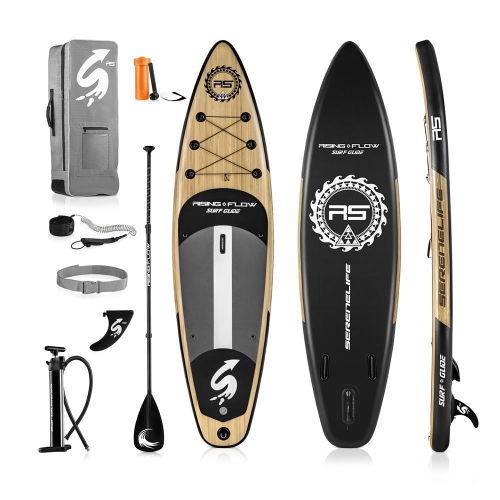
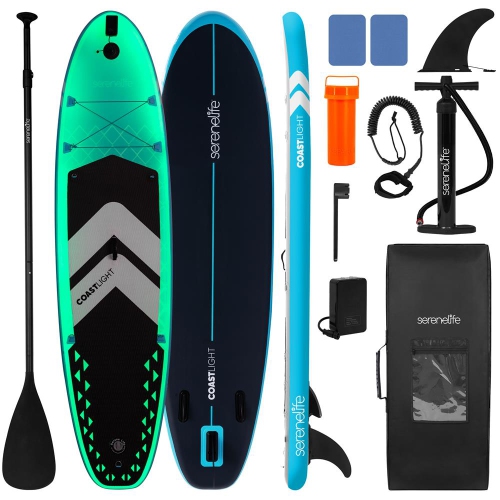
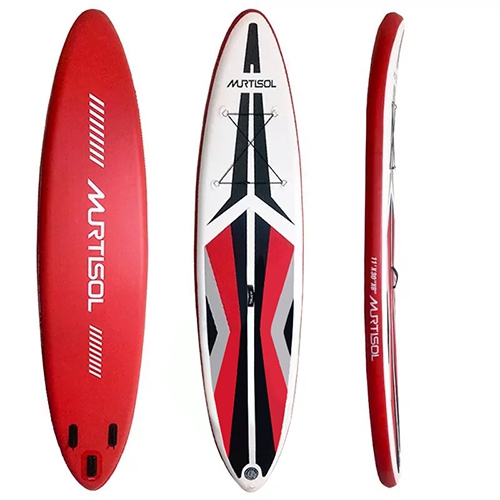
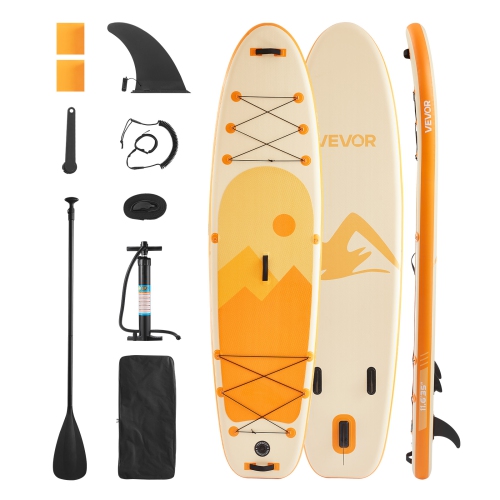
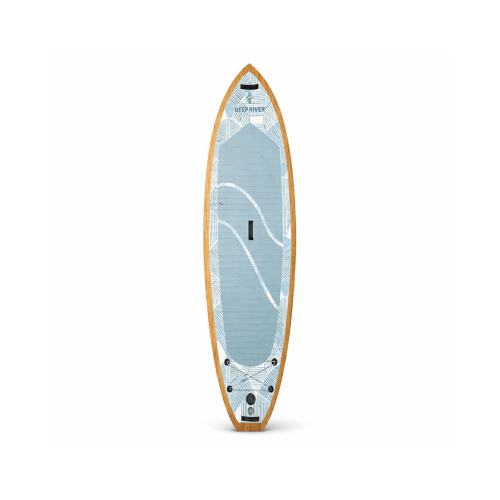
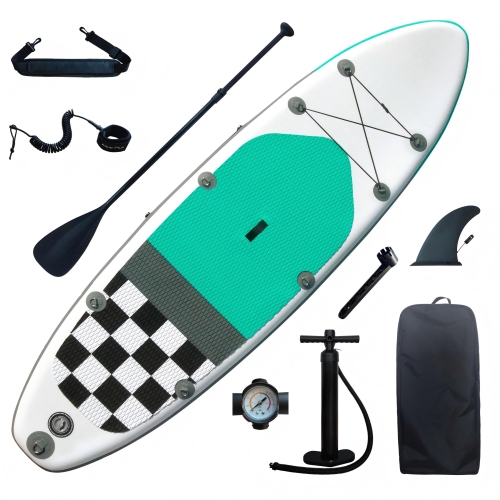
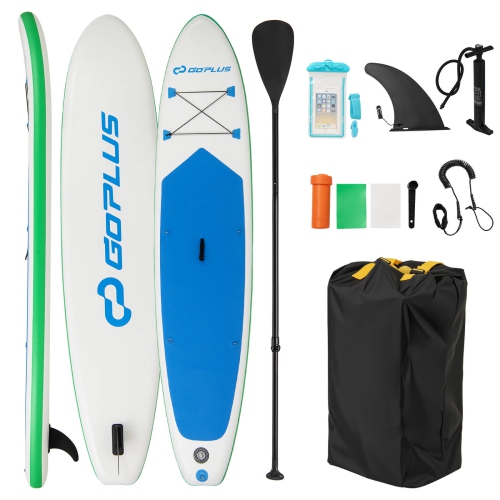
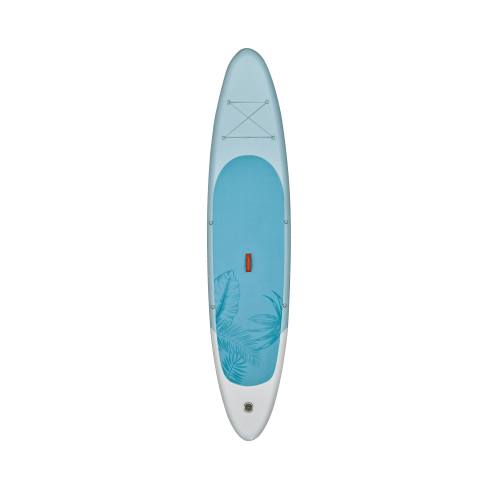
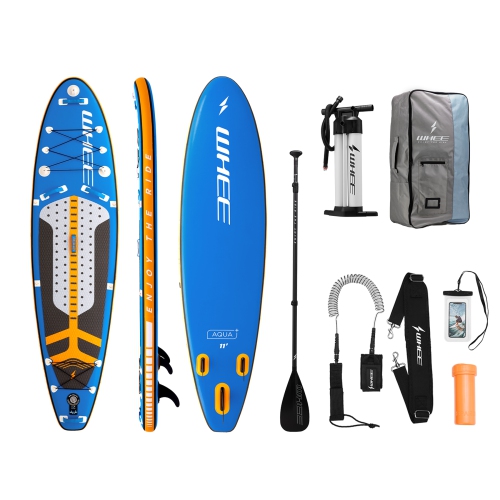
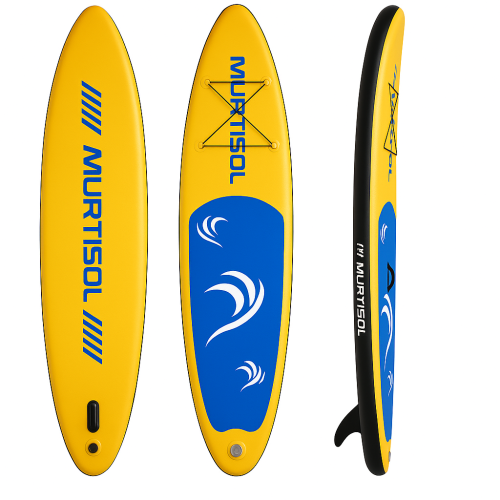
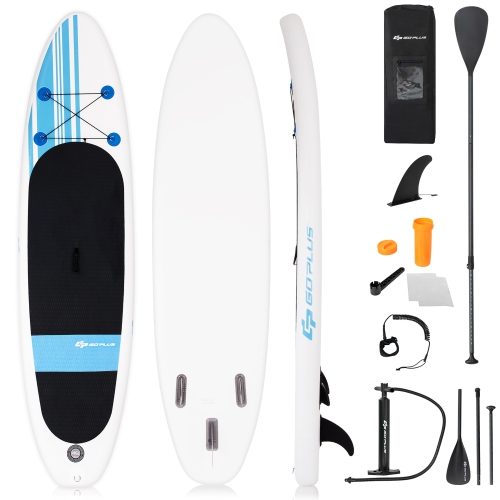
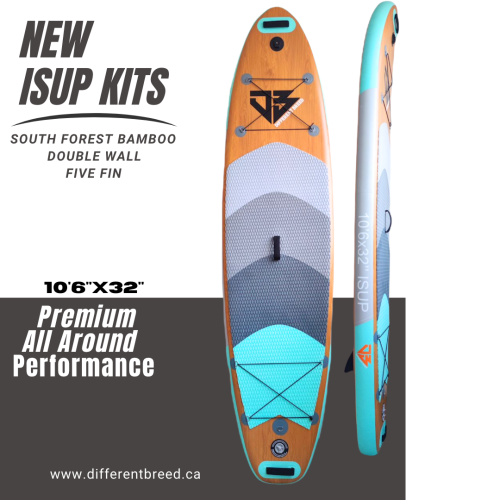
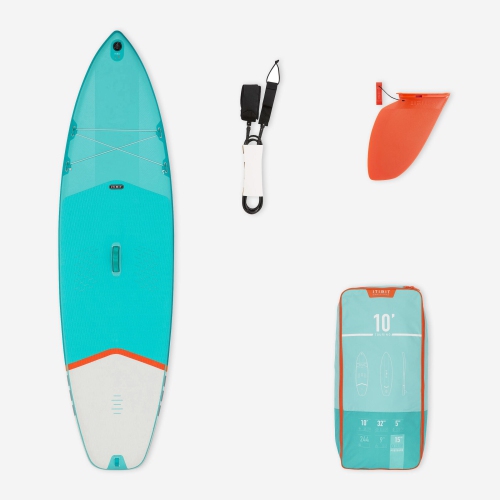
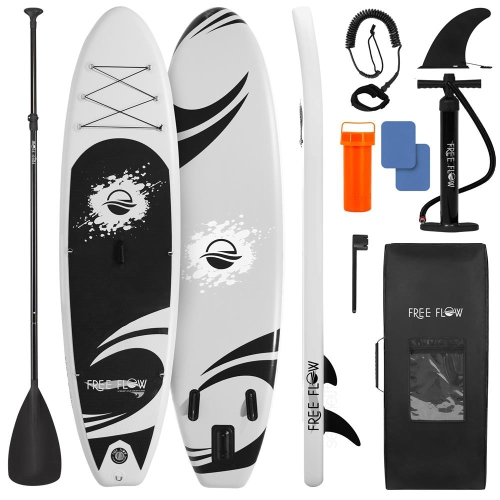
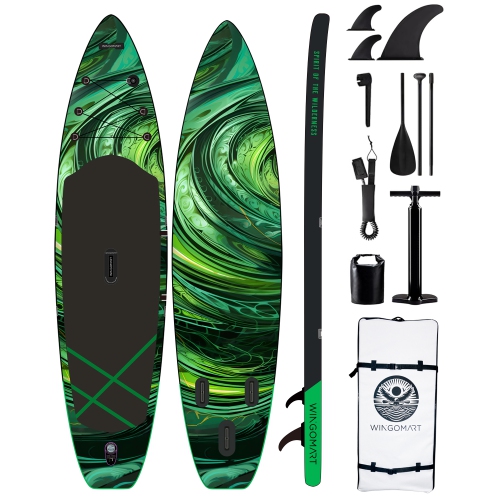
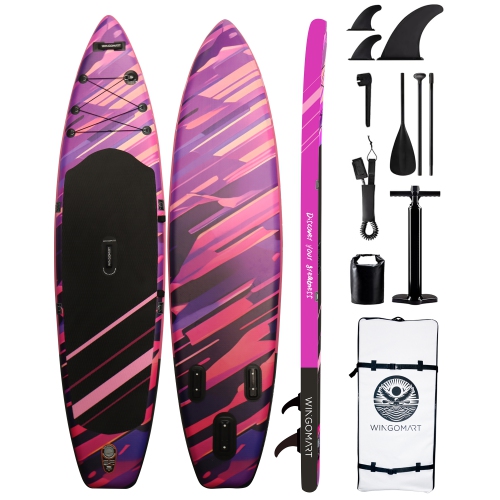
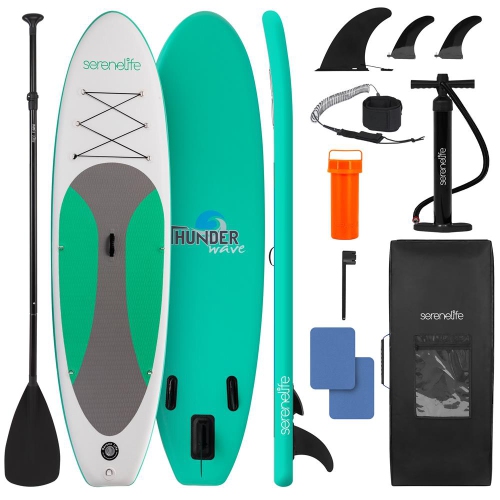
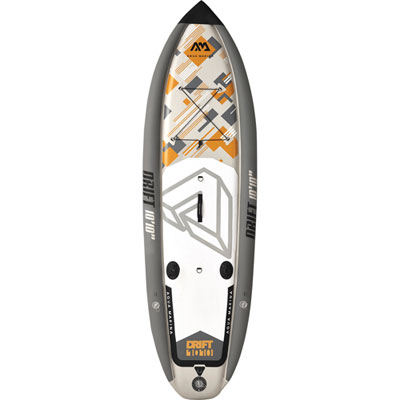
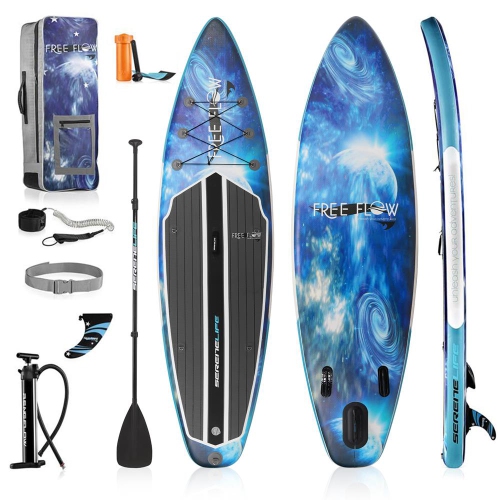
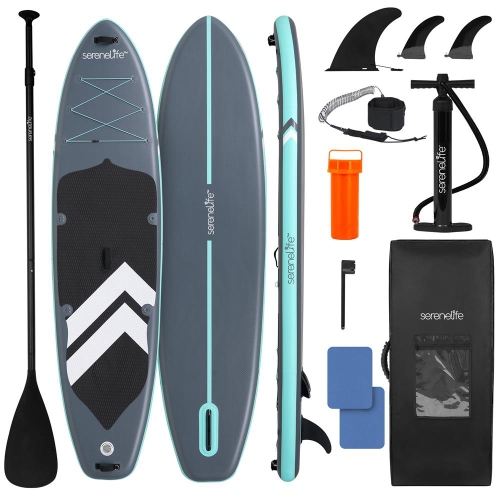
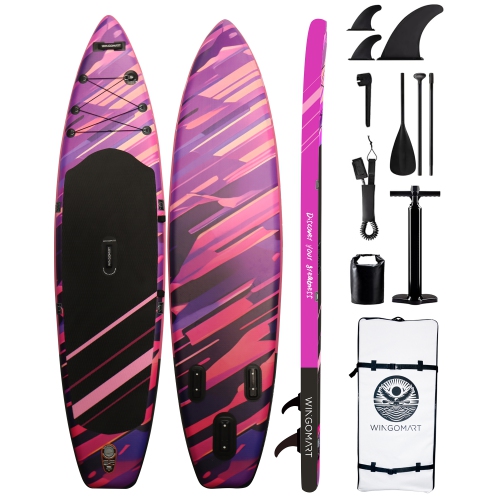
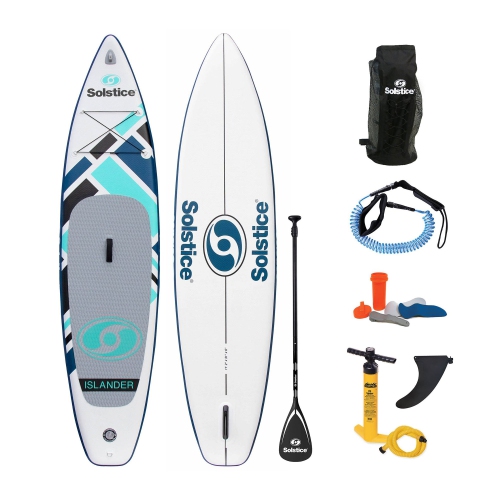
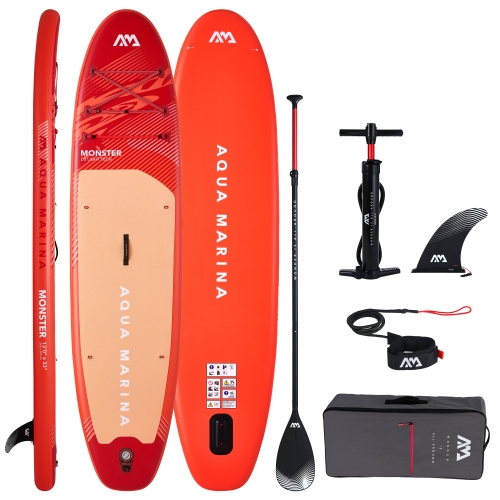
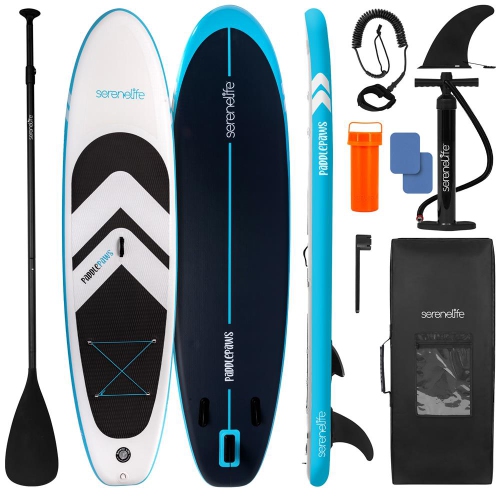
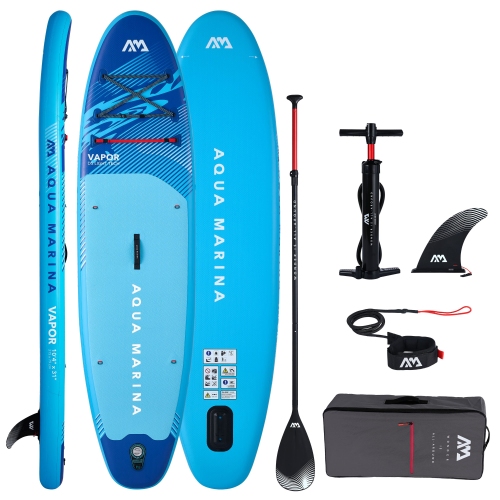
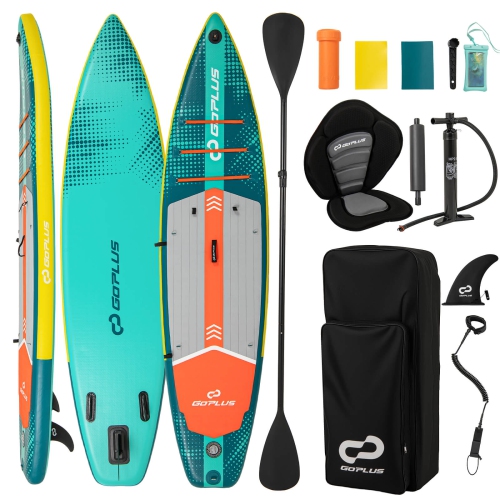
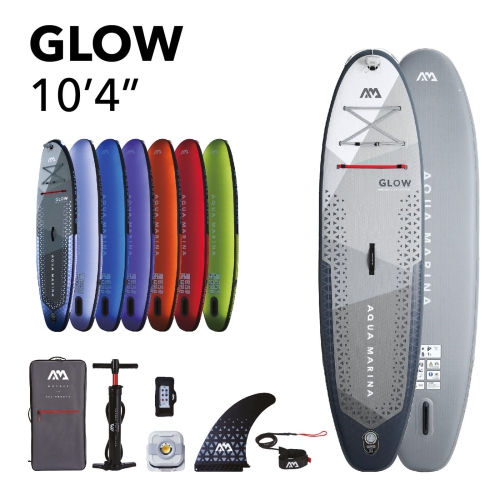
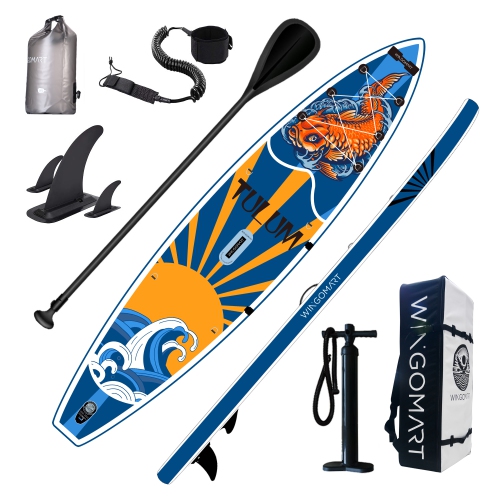
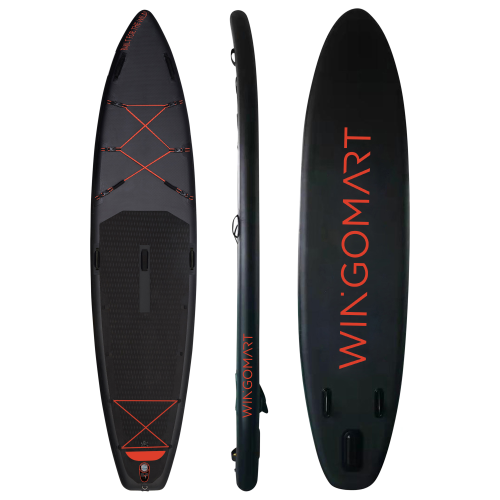

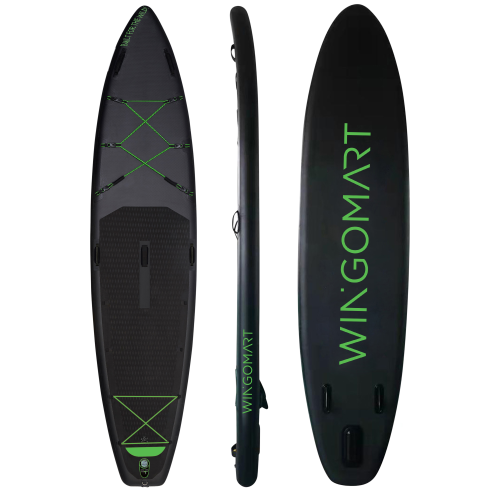
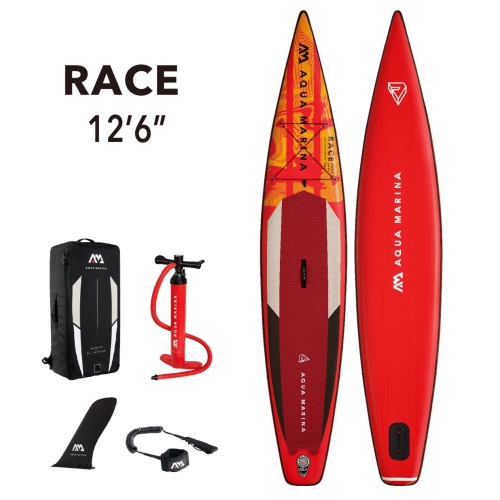
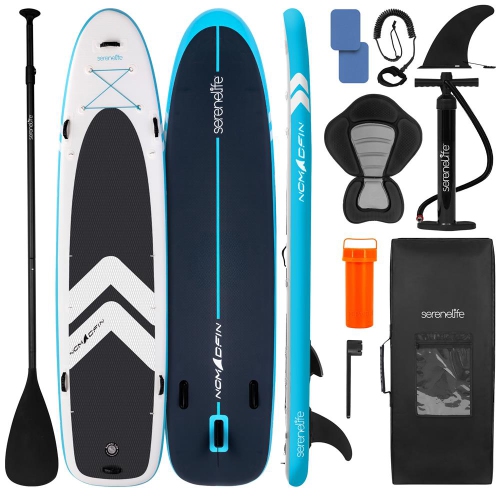

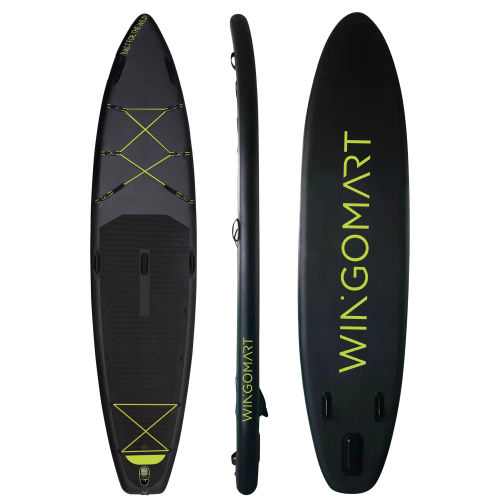
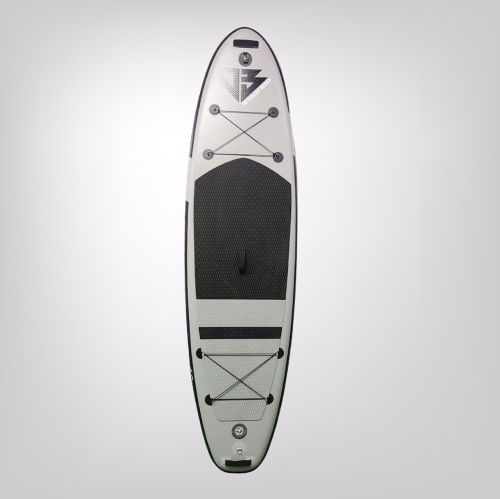
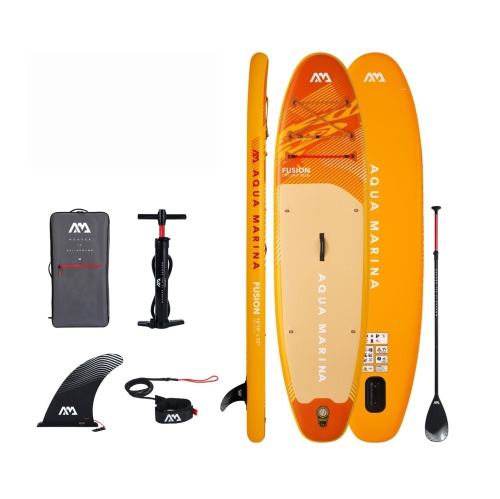
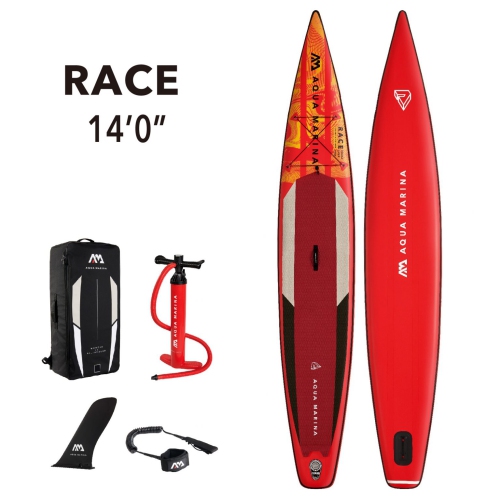
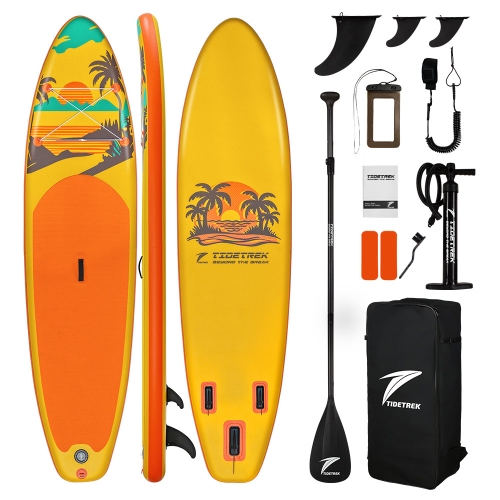
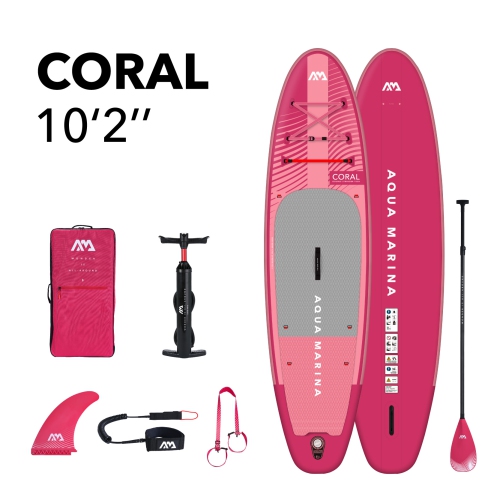
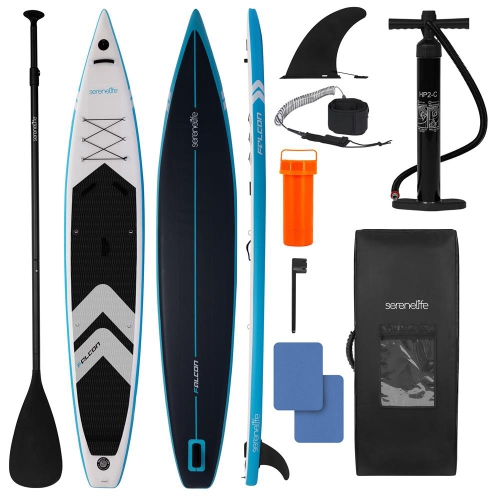
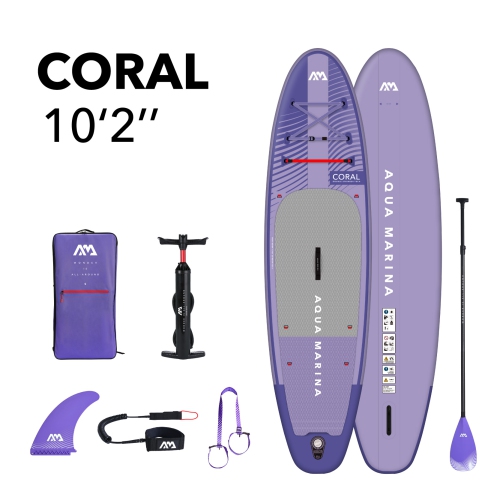
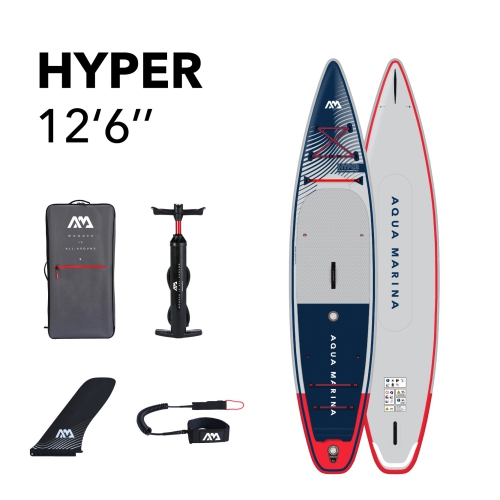
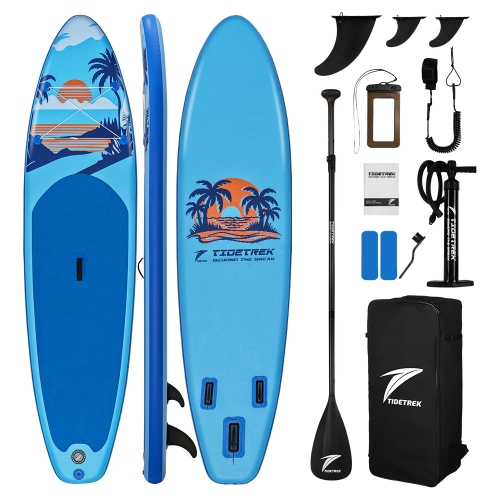
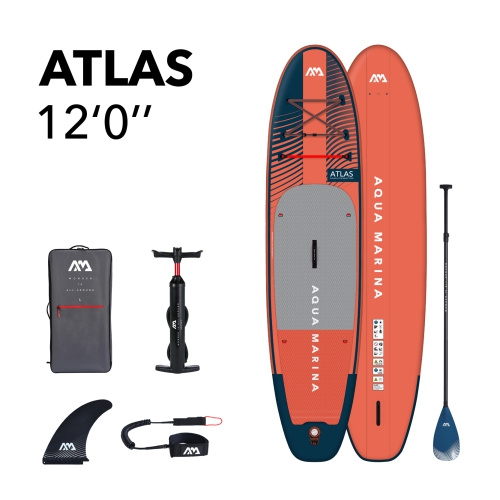
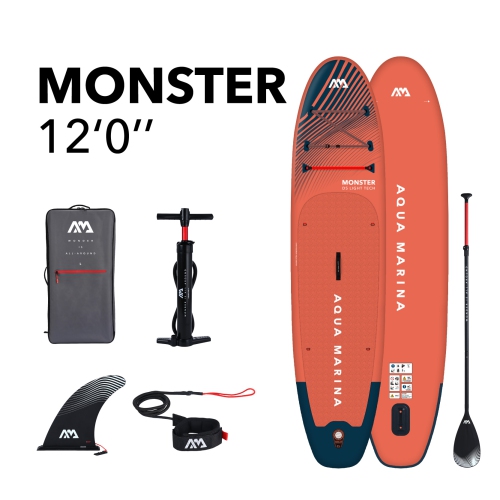
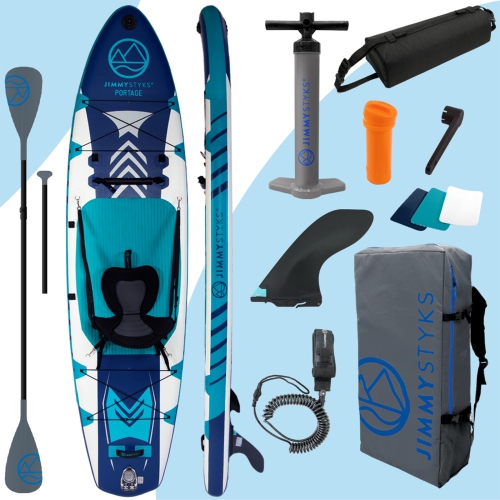
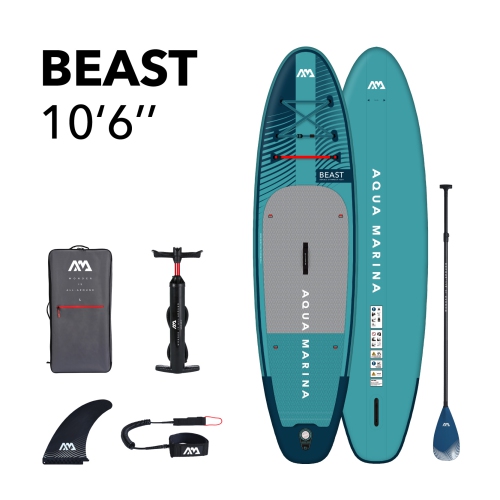
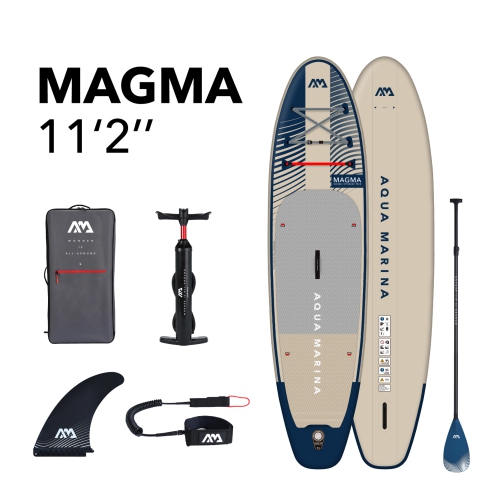
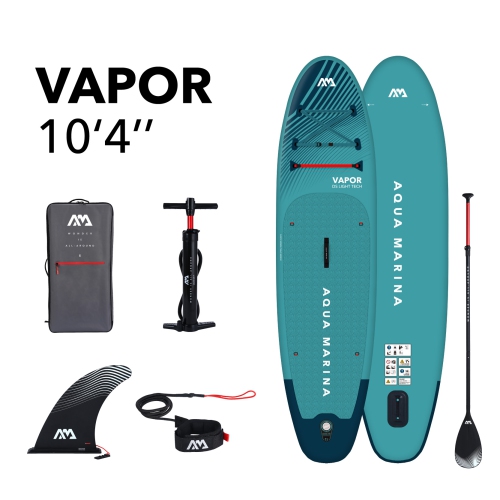
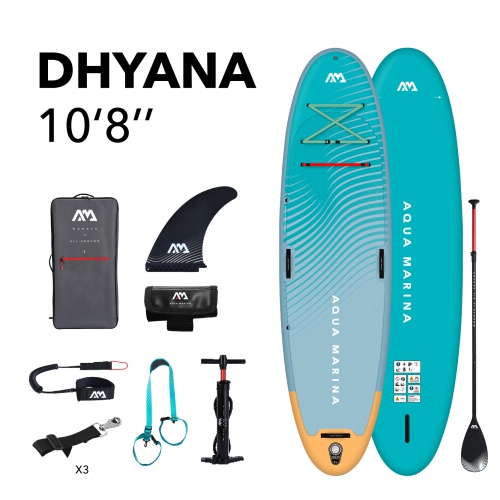

Board shapes, fins and gear for more confident wave riding
Surfing paddle boards, also called surf stand-up paddle boards or SUPs, are designed for riders who want to catch waves while standing and using a paddle to help build speed, maintain balance and steer. Compared with boards made mainly for calm-water cruising, surf-focused paddle boards are generally shorter, narrower and shaped with more rocker, which is the curve from the nose to the tail. This shape helps the board follow the slope of a wave and makes it easier to turn as the wave changes. A raised nose, often paired with a planing hull, can help prevent the front of the board from diving into the water when dropping down a wave face. These details matter even more in ocean conditions, where moving water, wind and uneven surfaces can make a wide, stable board feel very different from a narrow, responsive one. Beginners often benefit from a board with enough width and volume to feel steady while kneeling, standing and paddling through small waves. A board that is too narrow may be lively and quick under an experienced rider, but can make learning more frustrating in choppy water. Consider the rider’s weight, height, balance, experience and intended conditions before choosing a size. Someone who plans to spend most of their time in gentle surf may prefer a little more stability, while an experienced rider seeking quick turns may prioritize a compact shape with responsive rails. Surfing paddle boards can also be an enjoyable gift for an active friend or family member who spends weekends near the water, enjoys trying new outdoor activities or wants to build confidence on a board without committing to a traditional prone-surfing setup.
The choice between a rigid board and an inflatable paddle board often comes down to performance, transport and storage. Hard boards usually provide a more direct connection with the water, along with thinner rails and a firm surface that can respond quickly during turns. They are well suited to riders who live close to a beach, have room to store full-size equipment and want precise handling on a wave. Inflatable boards are easier to carry in a vehicle, take on trips and store in a smaller home, making them practical for paddlers who have limited space or regularly travel to different launch points. Their thicker, rounder rails can feel forgiving for casual use, although they may not carve as sharply as a rigid surf shape. When using an inflatable board in waves, proper inflation is essential. Follow the manufacturer’s pressure rating and inflate the board fully so it remains firm and does not flex excessively under the rider. Fin configuration is another important part of how a board feels. A single fin can offer a smooth, steady line and longer, drawn-out turns, while a twin-fin setup can feel loose, quick and playful in smaller surf. A thruster, or three-fin arrangement, generally provides additional grip and control when turning on a steeper wave. The best setup depends on the rider’s ability, the wave conditions and the balance between stability and manoeuvrability they prefer. Colour can also be part of the selection process, especially when choosing equipment as a gift or coordinating gear for a family outing; options such as Blue Paddle Boards can bring a distinctive look to a beach setup while making personal equipment easier to recognize among other boards.
A paddle board made for surfing works best with accessories chosen for the same purpose. A surf paddle is typically sized a little shorter than a touring paddle to suit a lower, more compressed stance, and a smaller blade can support quick, high-cadence strokes when accelerating into a wave. Adjustable paddles can be useful for households where more than one person may use the board, while a fixed paddle can provide a consistent fit for a dedicated rider. A straight surf leash that matches the board’s length is an important part of a wave setup, helping keep the board nearby after a fall; choose the recommended type and attachment point for the board, and inspect the leash regularly for wear. A properly fitted personal flotation device may also be appropriate depending on the location, local requirements and the rider’s experience. Other useful considerations include a deck pad with dependable traction, a repair kit for inflatable equipment, a pump with a pressure gauge, a fin key and a durable carry bag. Before heading out, check local water conditions, wind, currents, launch rules and any requirements for safety equipment. Cooler conditions can make a comfortable wetsuit or other protective clothing valuable, while bright, warm days call for water, sun protection and secure storage for personal items. After use, rinse equipment with fresh water, allow it to dry fully and store it according to the manufacturer’s instructions. With the right board shape, size and accessories, surfing paddle boards can turn a calm shoreline, sheltered bay or gently breaking beach into a rewarding place to practise balance, paddle technique and wave riding throughout the changing seasons.
The choice between a rigid board and an inflatable paddle board often comes down to performance, transport and storage. Hard boards usually provide a more direct connection with the water, along with thinner rails and a firm surface that can respond quickly during turns. They are well suited to riders who live close to a beach, have room to store full-size equipment and want precise handling on a wave. Inflatable boards are easier to carry in a vehicle, take on trips and store in a smaller home, making them practical for paddlers who have limited space or regularly travel to different launch points. Their thicker, rounder rails can feel forgiving for casual use, although they may not carve as sharply as a rigid surf shape. When using an inflatable board in waves, proper inflation is essential. Follow the manufacturer’s pressure rating and inflate the board fully so it remains firm and does not flex excessively under the rider. Fin configuration is another important part of how a board feels. A single fin can offer a smooth, steady line and longer, drawn-out turns, while a twin-fin setup can feel loose, quick and playful in smaller surf. A thruster, or three-fin arrangement, generally provides additional grip and control when turning on a steeper wave. The best setup depends on the rider’s ability, the wave conditions and the balance between stability and manoeuvrability they prefer. Colour can also be part of the selection process, especially when choosing equipment as a gift or coordinating gear for a family outing; options such as Blue Paddle Boards can bring a distinctive look to a beach setup while making personal equipment easier to recognize among other boards.
A paddle board made for surfing works best with accessories chosen for the same purpose. A surf paddle is typically sized a little shorter than a touring paddle to suit a lower, more compressed stance, and a smaller blade can support quick, high-cadence strokes when accelerating into a wave. Adjustable paddles can be useful for households where more than one person may use the board, while a fixed paddle can provide a consistent fit for a dedicated rider. A straight surf leash that matches the board’s length is an important part of a wave setup, helping keep the board nearby after a fall; choose the recommended type and attachment point for the board, and inspect the leash regularly for wear. A properly fitted personal flotation device may also be appropriate depending on the location, local requirements and the rider’s experience. Other useful considerations include a deck pad with dependable traction, a repair kit for inflatable equipment, a pump with a pressure gauge, a fin key and a durable carry bag. Before heading out, check local water conditions, wind, currents, launch rules and any requirements for safety equipment. Cooler conditions can make a comfortable wetsuit or other protective clothing valuable, while bright, warm days call for water, sun protection and secure storage for personal items. After use, rinse equipment with fresh water, allow it to dry fully and store it according to the manufacturer’s instructions. With the right board shape, size and accessories, surfing paddle boards can turn a calm shoreline, sheltered bay or gently breaking beach into a rewarding place to practise balance, paddle technique and wave riding throughout the changing seasons.
Top selling and popular products
-
 Your price for this item is $299.9
 -
 Your price for this item is $599
 -
 Your price for this item is $249.99
 -
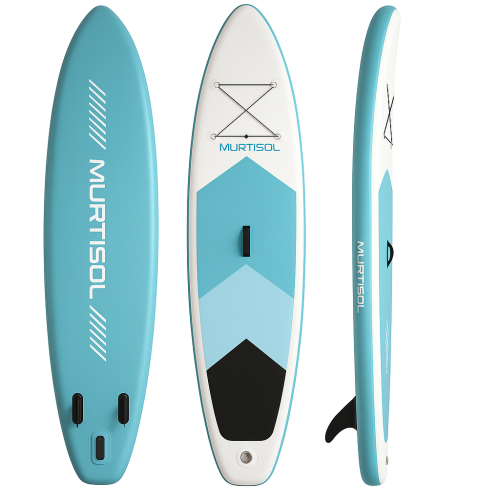 Your price for this item is $179.7
 -
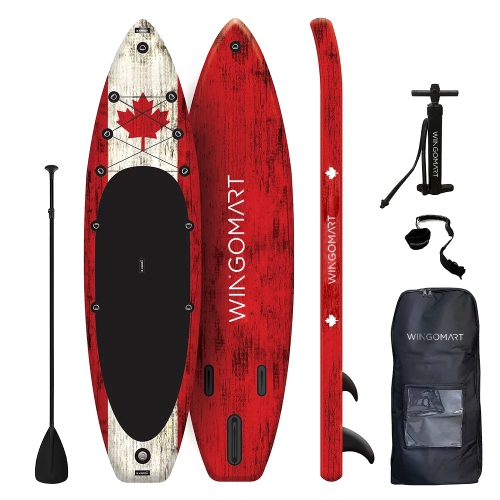 Your price for this item is $329.99
 -
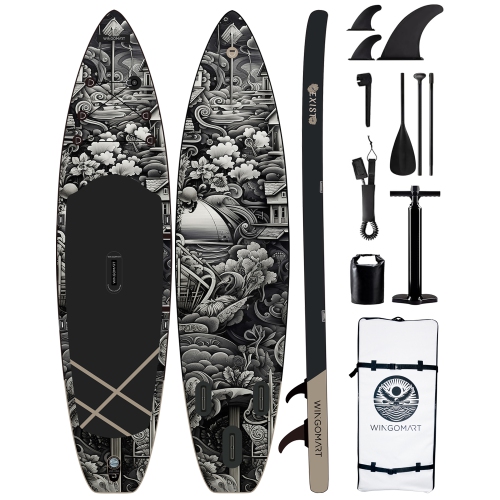 Your price for this item is $259.99
 -
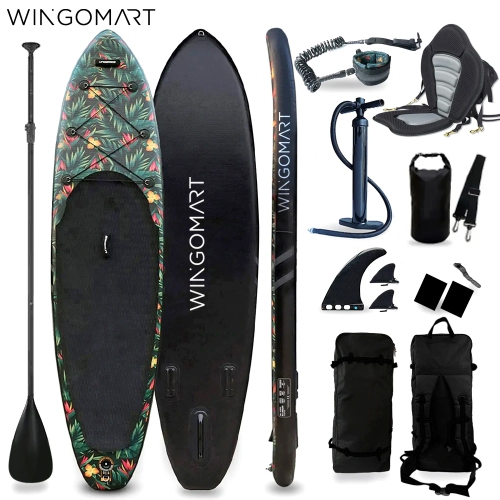 Your price for this item is $279.7
 -
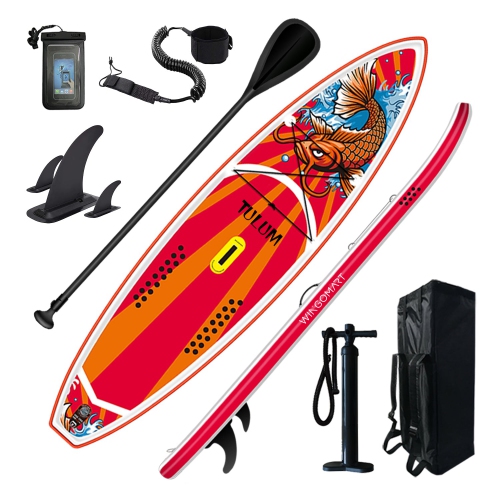 Your price for this item is $269.99
Discover more categories related to Surfing Paddle Boards
Top Collections:
Pokemon Centers, Kindle Devices, Best Budget Office Chairs, Canon G7X Cameras, Apple iPhones 16, Samsung Galaxy Phones, Refurbished Apple Laptops, Laptops for Students, iPhone 15 Apple, Budget Smartphones
Some products may be subject to Environmental Handling Fees
(EHF) depending on your province.
Learn more about EHFs.