Playground Games
Step into a world of fun and excitement with our selection of playground games. Whether you're looking to entertain the little ones, host a backyard gathering, or simply enjoy some outdoor playtime, we have a variety of games that are sure to keep everyone entertained for hours on end. From classic favorites to modern twists, our playground games cater to all ages and preferences. Get ready to elevate your outdoor experience with these engaging and interactive options that promise endless enjoyment for the whole family.
Sort

































































Open-world racing and fantasy adventures at your pace
Playground Games is a British video game developer known for open-world racing games and its work on fantasy action role-playing games. The name refers to a game studio, rather than traditional outdoor games for children, making video games the focus for shoppers searching for its releases. The appeal of open-world gaming is the freedom to do more than follow a fixed sequence of levels. A racing game might let a player leave the main route, explore a winding road, practise a challenging corner, or join an event when they feel ready. Fantasy role-playing games offer a different kind of freedom, with exploration, character development, and story choices shaping the experience where those features are supported. Although these genres differ, both can appeal to players who enjoy discovering places and setting their own pace. Someone with a short window to play may prefer the satisfaction of completing a single race or objective, while another player may spend a longer session exploring, improving their technique, or working towards a larger goal. Open-world does not automatically mean every activity is accessible from the beginning: progression, tutorials, and story milestones may determine which areas or modes become available. The balance between guided objectives and independent exploration is therefore a useful consideration when choosing a game. So is the overall tone. Competitive driving, relaxed discovery, humorous storytelling, and action-focused encounters offer very different experiences, even when they share a large world to explore. Screenshots can convey visual style, but descriptions of gameplay, age ratings, and supported modes provide a clearer sense of what playing will actually involve. For a gift recipient, their favourite way to play is often more informative than a preference for impressive graphics alone. A player who enjoys mastering precise controls may value a different experience from someone who mainly wants an engaging story or a place to explore at their leisure.
Platform compatibility is one of the most important details when choosing video games. A game needs to support the recipient’s console or computer, and compatibility can vary between releases and editions. A familiar studio name does not guarantee that every game works on the same hardware. For computer gaming, the stated minimum and recommended specifications help clarify the processor, graphics hardware, memory, and storage needed. Minimum requirements generally describe a baseline for running the game, not a promise of the highest visual settings or consistently smooth performance in every situation. Console players should check the supported system generation and whether a physical release requires a disc drive. Digital formats can be convenient for someone who prefers a library tied to an account, while physical formats may suit players who like keeping their games on a shelf. Neither format removes the need to check installation requirements: disc-based games can still require storage space, downloads, and updates. An internet connection may also be needed for activation, online features, or parts of the game experience, depending on the release. Account requirements, regional compatibility, and any membership needed for online multiplayer deserve particular attention when choosing a gift, especially for a younger player. Different editions may include different content, so it helps to distinguish the main game from an expansion or add-on that requires a separate base game. Additional content is not necessarily a standalone experience. Controls also affect how comfortably someone can play. Controller support, keyboard and mouse support, and compatibility with specialist racing controls vary by game and platform. Features such as remappable inputs, adjustable difficulty, subtitles, steering assistance, and display settings can make a meaningful difference, but should be confirmed rather than assumed. For a household sharing one screen, it is especially important to distinguish online multiplayer from local multiplayer. A game that supports several players over the internet may not allow them to play together on a single console or computer.
Intended use matters just as much as technical fit. A game chosen for independent play after school has different considerations from one intended for a shared living-room session or regular online evenings with friends. Age ratings and content descriptors offer a starting point for understanding themes, language, violence, and other potentially sensitive material; colourful artwork alone does not establish that a game is appropriate for children. Online interactions and in-game purchases may also warrant a closer look at parental controls and account settings. For friends hoping to play together, matching the game title is only part of the picture. They may also need compatible versions, access to the same content, and confirmed support for play across different platforms. Progress sharing between devices is another separate feature, not something that follows automatically from multiplayer support. Long-term enjoyment often comes from the fit between the game’s structure and the player’s habits. Racing can reward repeated practice, with small improvements in braking and cornering turning a difficult event into a satisfying achievement. Story-led adventures may be a better match for someone who enjoys returning to characters and following a longer narrative. Adjustable challenges and optional activities can broaden that appeal when included, giving players more room to choose how they spend a session. For physical copies, simple care helps preserve usability: handle discs by the edges, return them to their cases, and follow the manufacturer’s cleaning guidance if marks appear. Digital libraries rely instead on continued account access and compatible hardware, making secure sign-in details and appropriate account management important. Saved progress may use local storage or supported cloud features, so backup options are worth understanding before changing devices. For families also interested in hands-on activities away from a screen, Playground Toys covers a separate type of play. Within video gaming, a well-matched choice brings together the right genre, compatible hardware, suitable content, and a play style that feels rewarding beyond the opening session.
Top selling and popular products
-
 Your price for this item is $219.97
-
 Your price for this item is $64
-
 Your price for this item is $57.99
-
 Your price for this item is $57.99
-
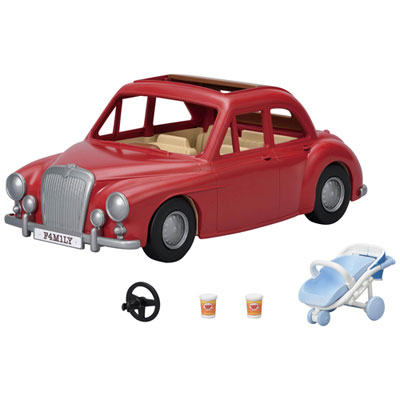 Your price for this item is $28.98
-
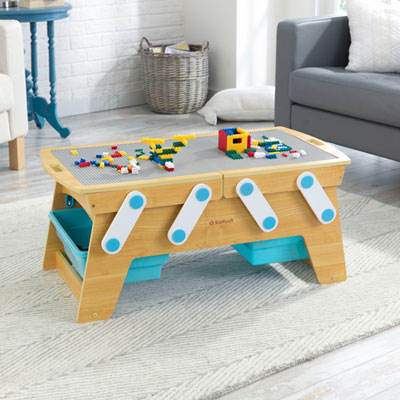 Your price for this item is $152.98
-
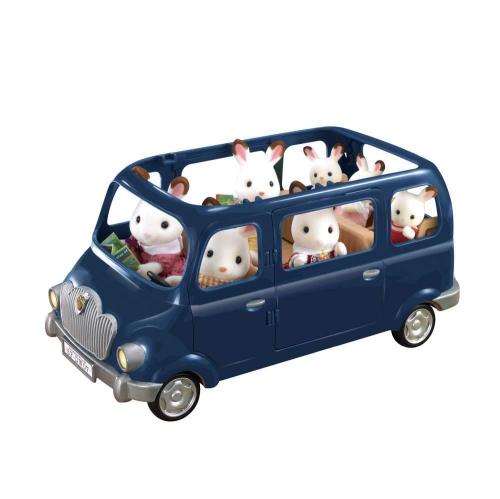 Your price for this item is $95.19
-
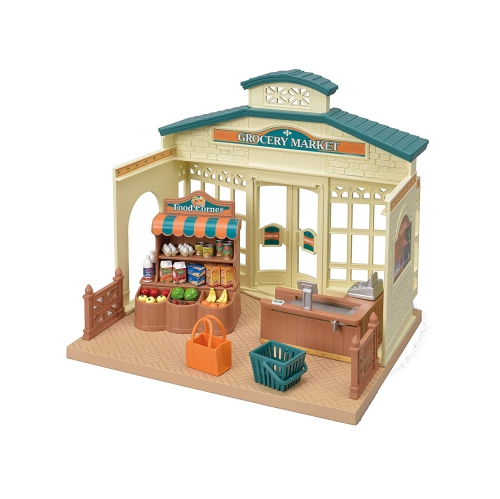 Your price for this item is $85.99
Discover more categories related to Playground Games


Top Collections:
Pokemon Centers, Kindle Devices, Best Cameras for Sports Photography, Samsung Galaxy Phones, Laptops for Business Work, Canon G7X Cameras, Pokémon 30th Celebration Cards, Refurbished Apple Laptops, iPhone 15 Apple, Cordless Dyson Vacuums
Some products may be subject to Environmental Handling Fees
(EHF) depending on your province.
Learn more about EHFs.