Creative Games
Unlock a world of imagination and fun with our diverse selection of creative games, designed to inspire minds young and old. Whether you're seeking to foster artistic expression, enhance problem-solving skills, or simply enjoy an engaging pastime, these games offer endless opportunities for creativity and exploration. From colorful puzzles to interactive kits, each option promises to transform ordinary moments into extraordinary adventures. Dive into a realm where creativity knows no bounds and discover the perfect game to ignite your passion for play.
Sort

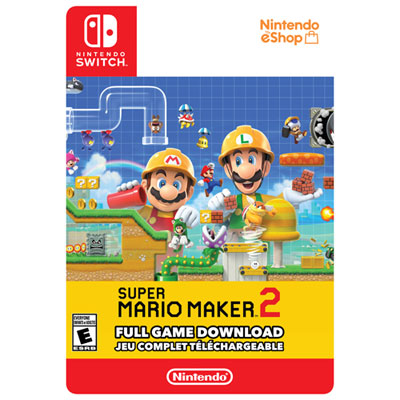


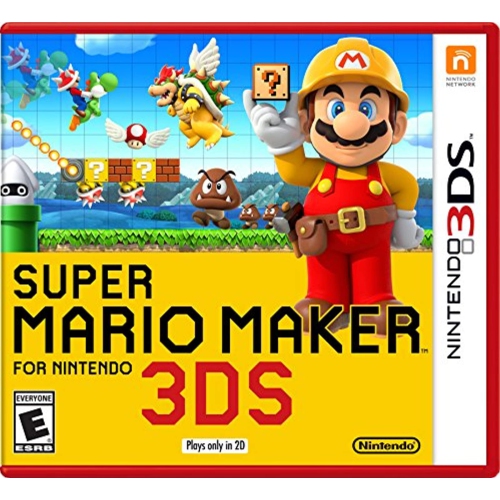
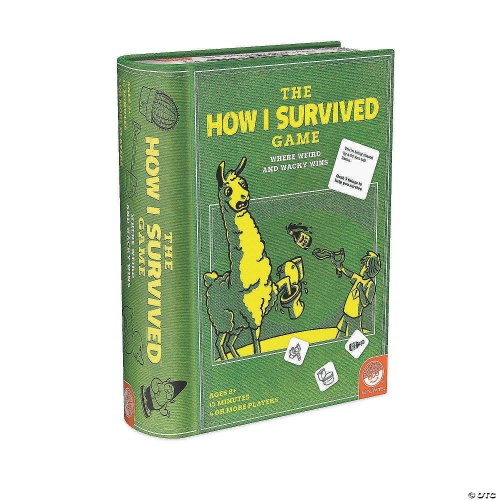


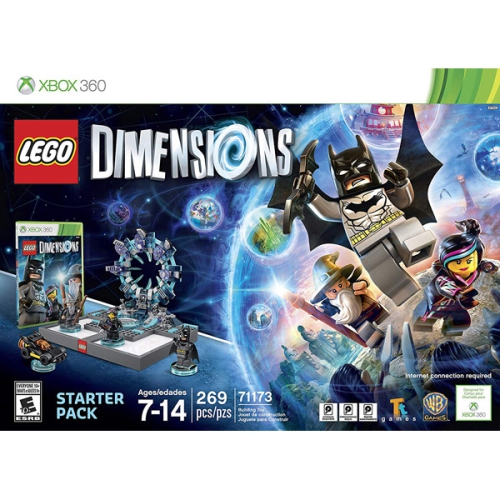

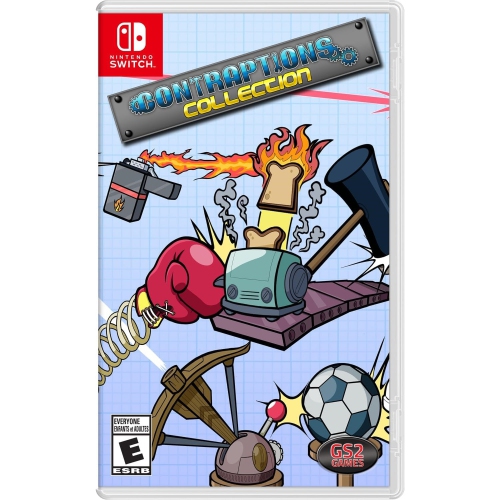
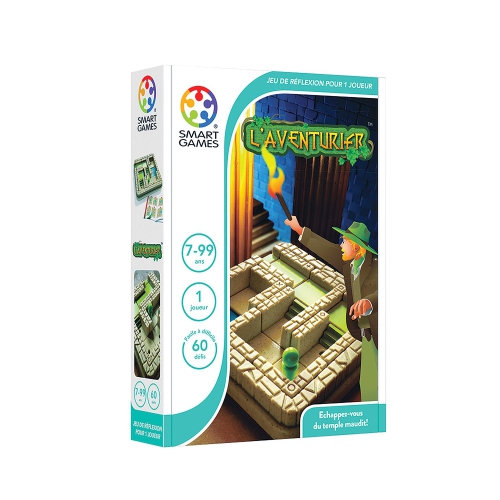
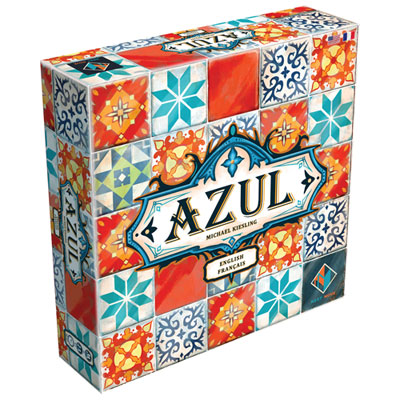

















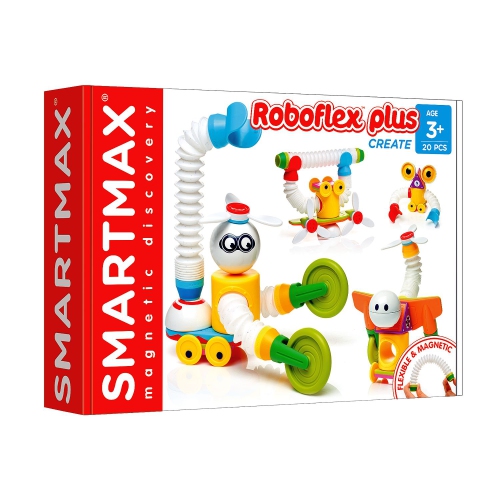


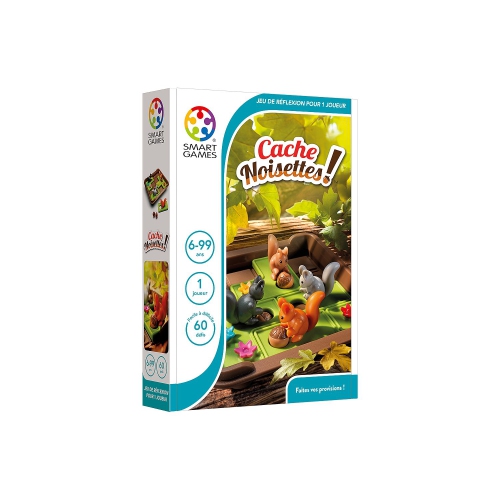
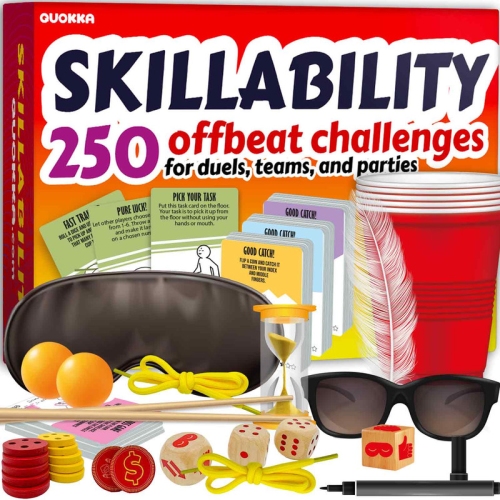


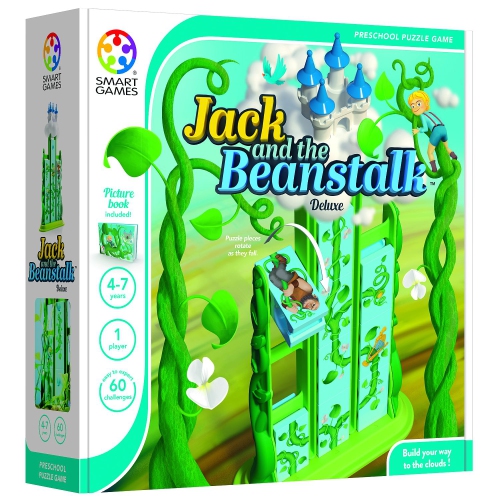




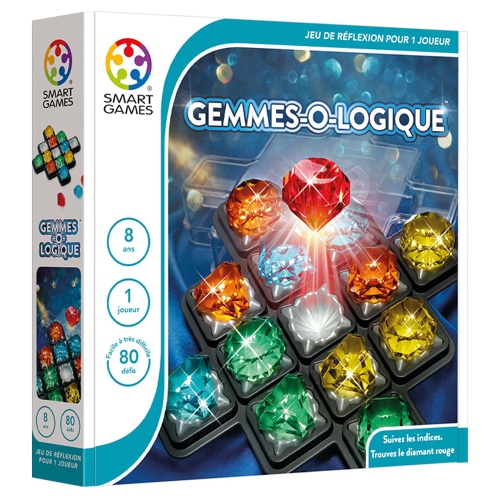
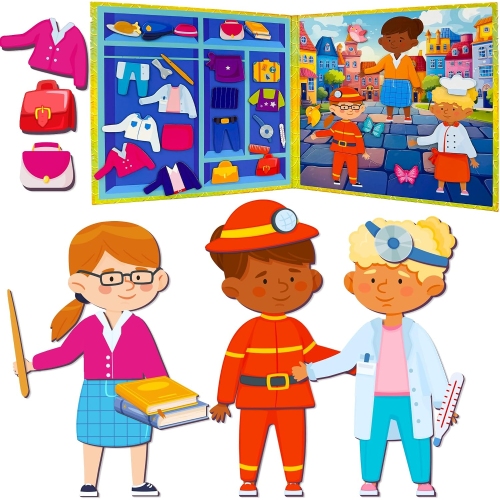

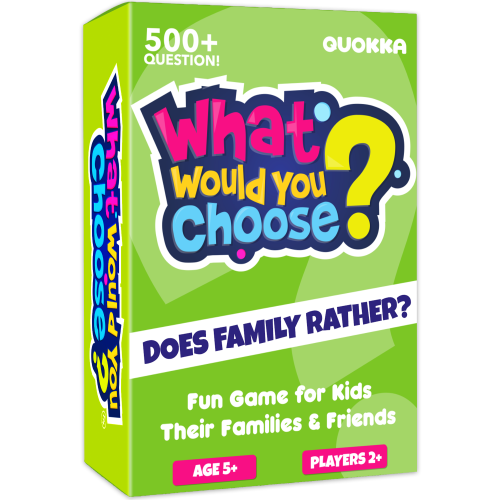
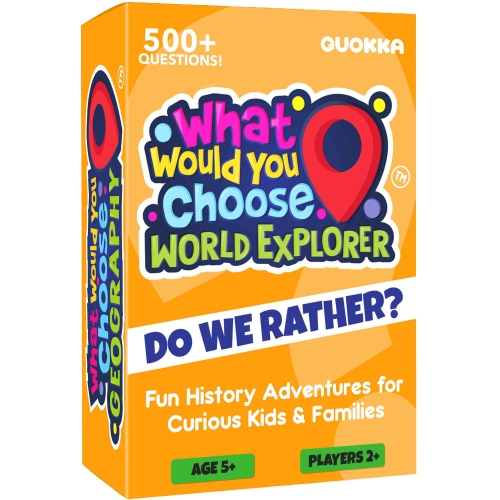

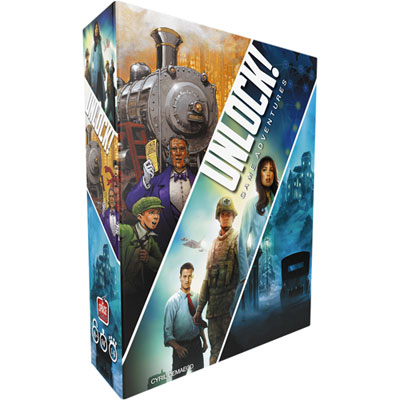
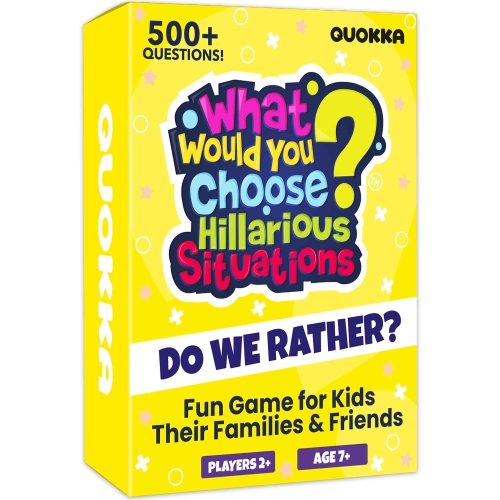


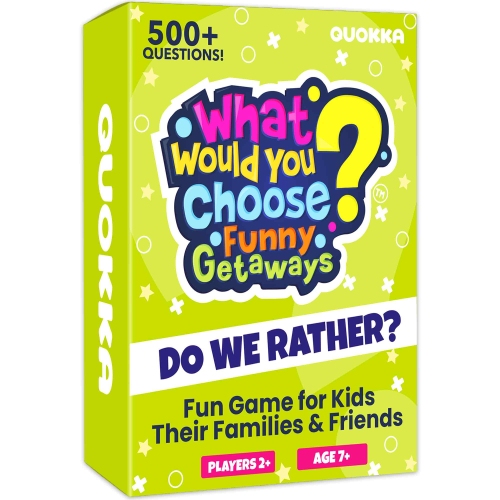
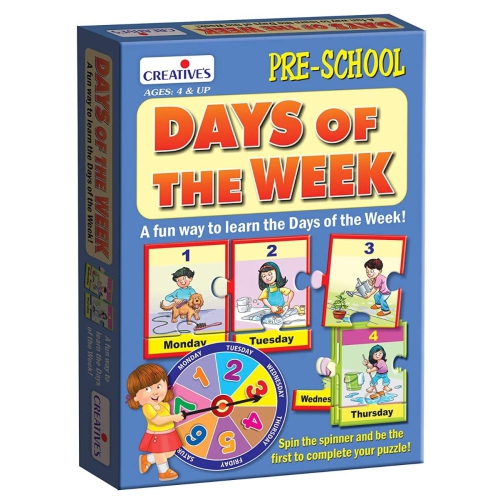













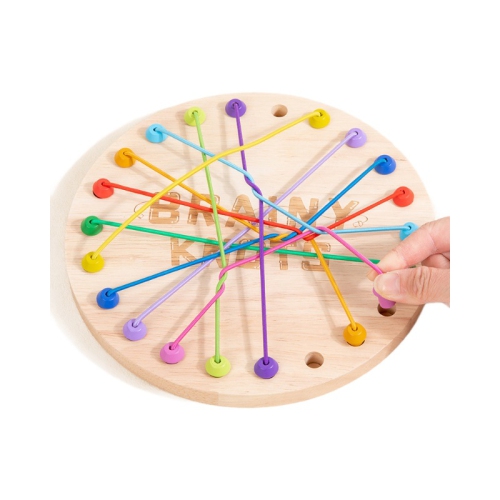
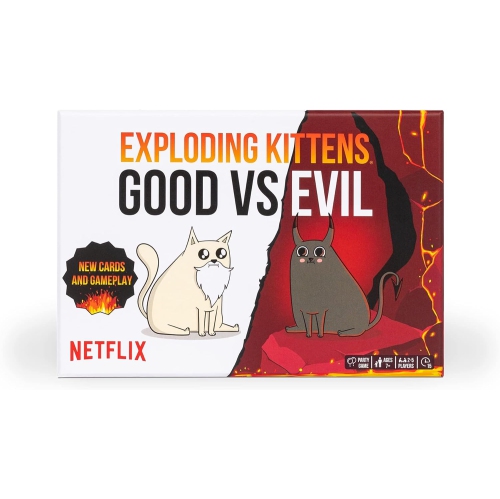

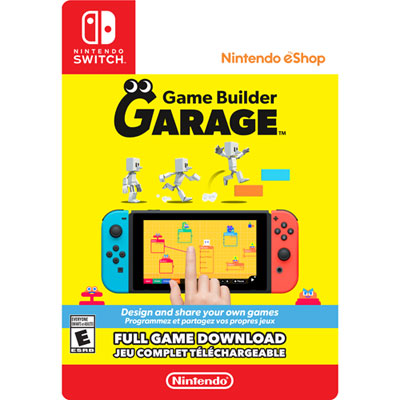
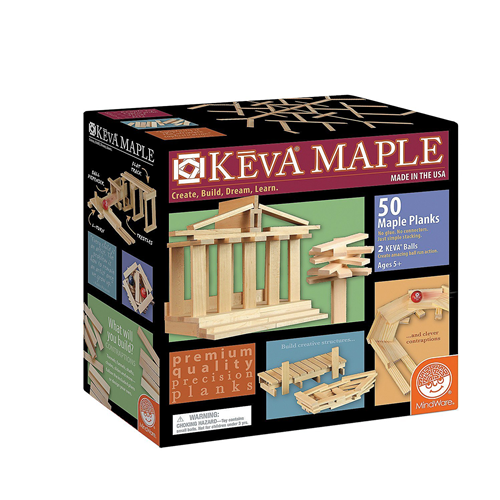




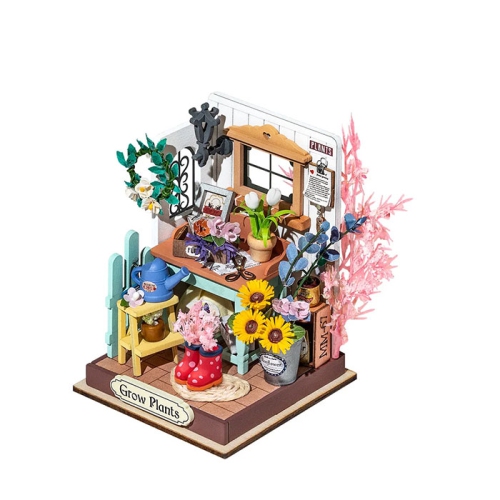
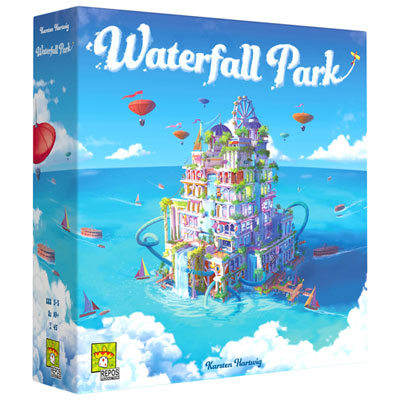

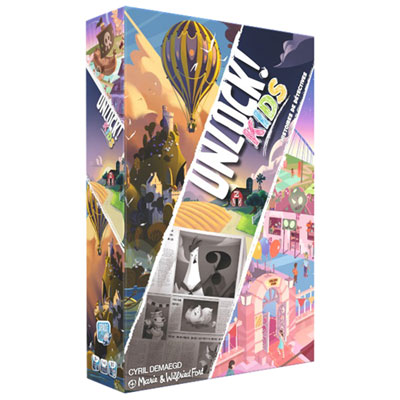
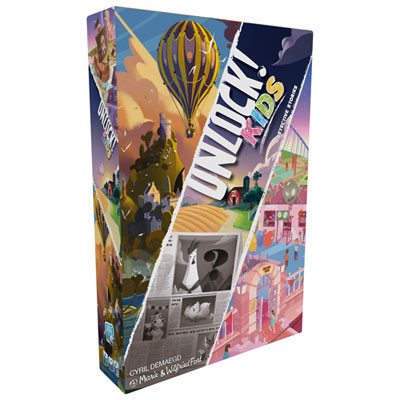
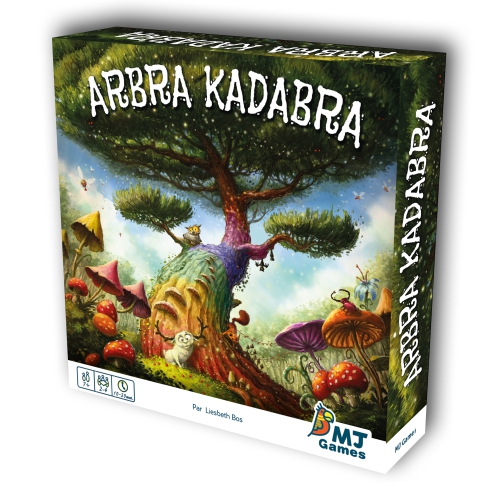

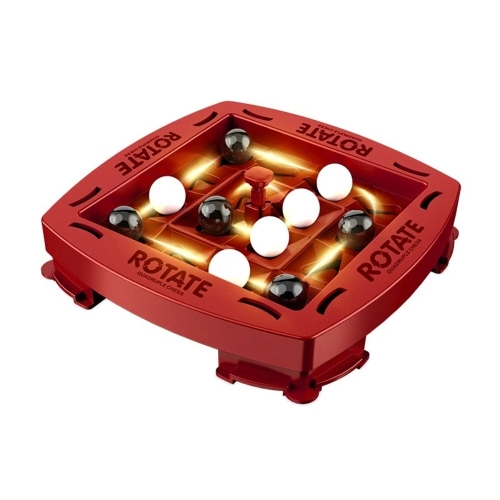

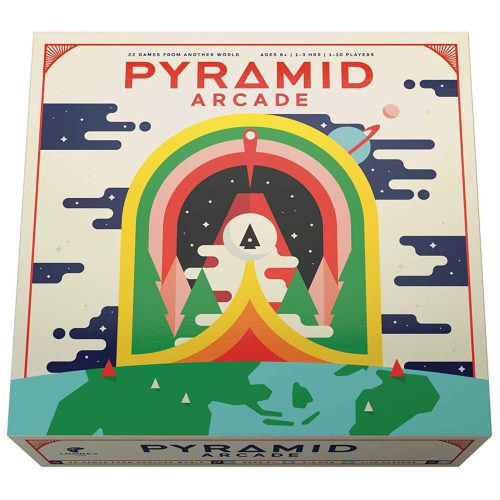

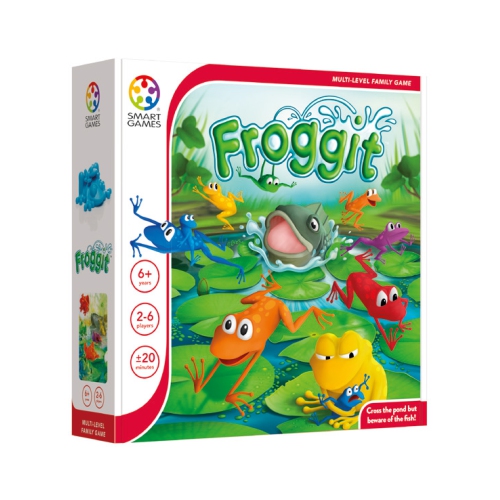
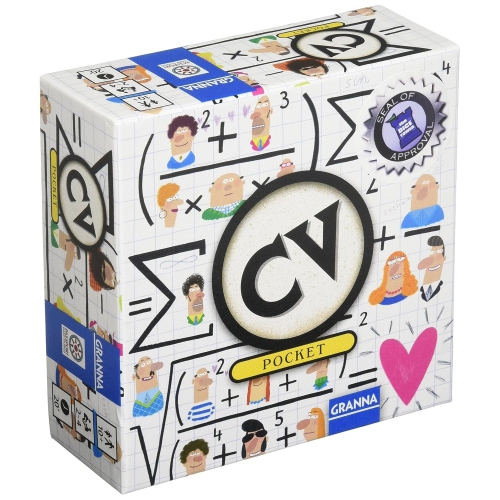

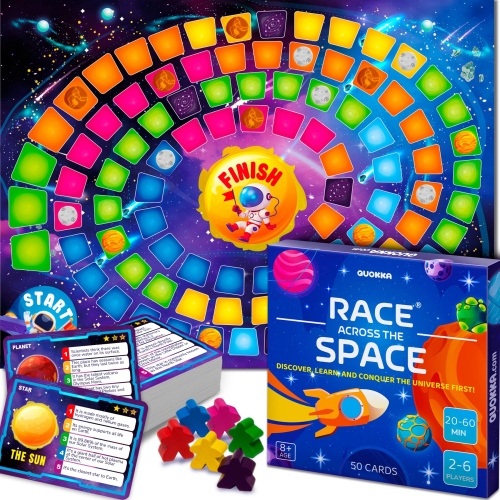

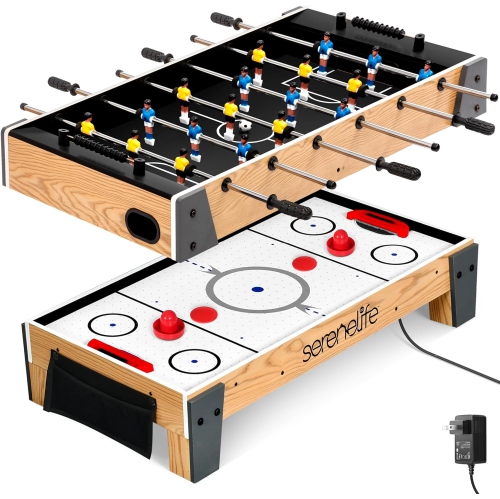
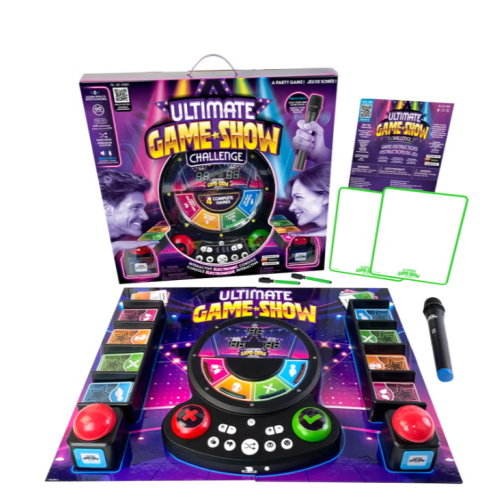







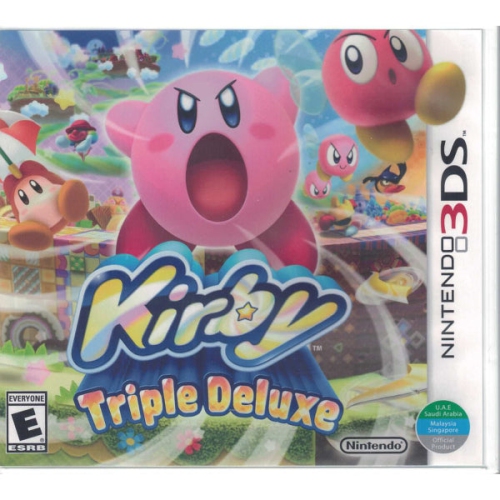

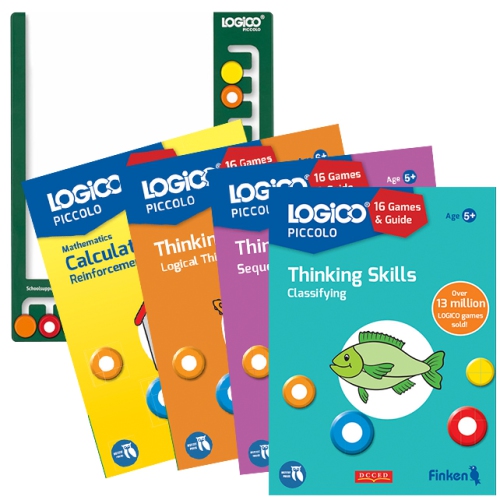
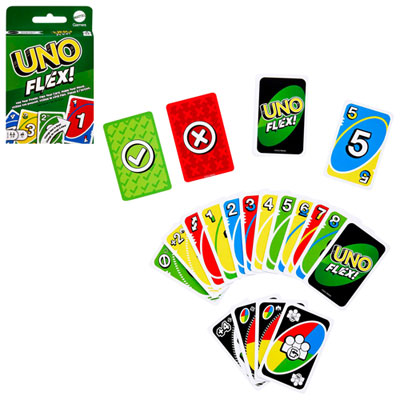
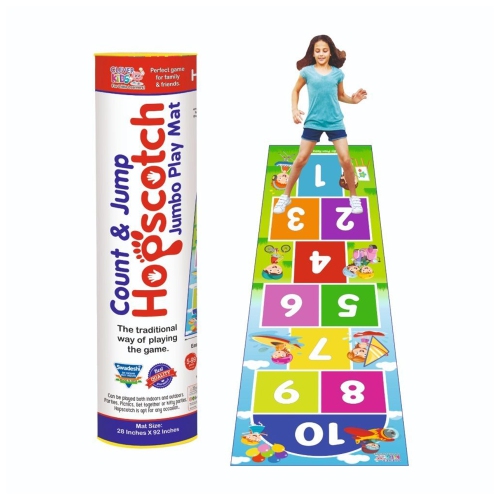










Imagination takes shape on screens and tabletops
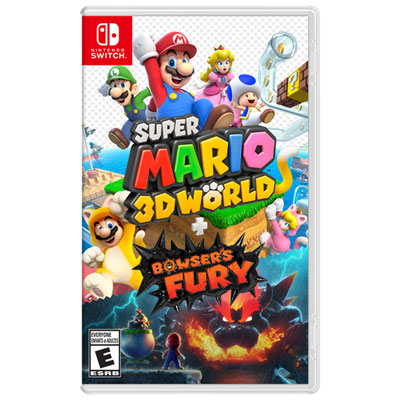
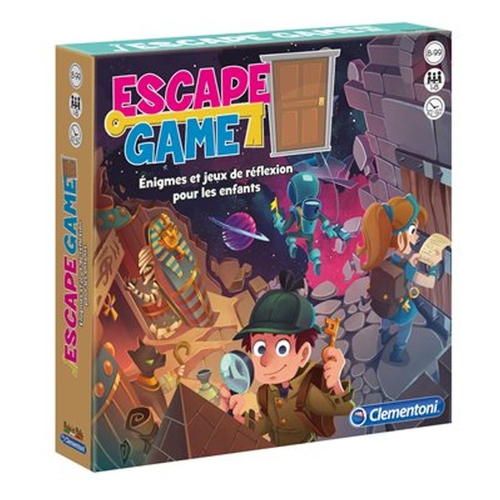
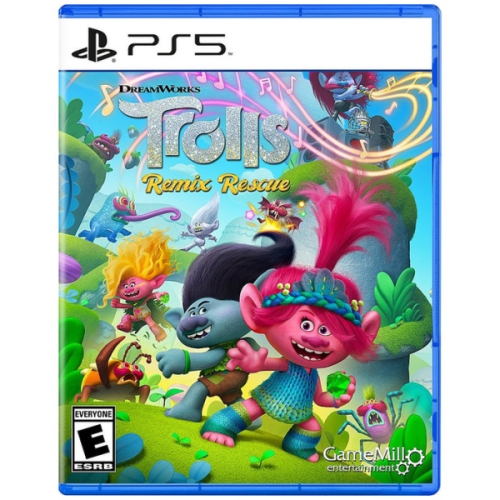
Creative games put imagination at the centre of play, giving players opportunities to build, draw, invent stories, solve problems, or shape a world through their own decisions. Unlike games built around a single correct answer or a fixed route to victory, many creative games allow several approaches to the same challenge. They include open-ended building video games, design-focused simulations, storytelling games, drawing games, and tabletop activities that turn simple materials into something unexpected. The appeal is often in the process: a crooked tower becomes a castle, a handful of picture prompts becomes a mystery, or a blank digital landscape becomes a town with winding streets and carefully furnished homes. Some experiences offer complete freedom, while others introduce a useful constraint, such as a limited set of shapes, a shared story opening, or a structure that must hold its balance. That balance between freedom and direction matters. A player who enjoys experimenting independently may prefer an open space with tools to discover, while someone who likes a clear purpose may find more enjoyment in design challenges with achievable goals. In digital creative games, building tools, character customization, level editors, and adjustable rules can give the same game several different uses. One session might focus on decorating a room; another might involve planning a complex route or testing a moving invention. Creative problem-solving games take a slightly different approach, asking players to combine objects, understand cause and effect, or try an unconventional solution. Before choosing a digital game, platform compatibility, supported controllers, accessibility settings, and age ratings deserve attention, along with whether the experience works offline or requires an internet connection. Local multiplayer and online multiplayer also offer different ways to share the experience. For families, it is useful to distinguish between a game that lets two people create together on one screen and one that requires separate devices or accounts. Options for saving projects are especially valuable when a carefully constructed creation becomes an ongoing project rather than a single sitting.
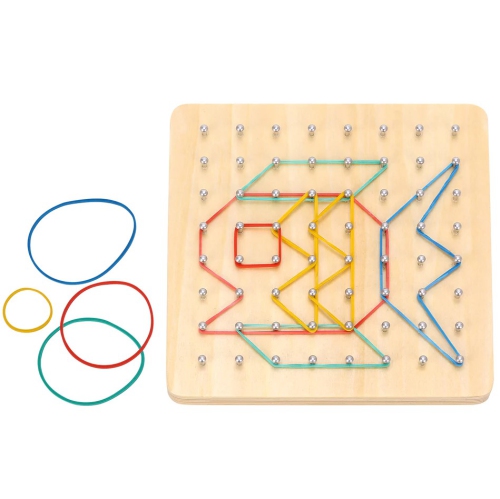
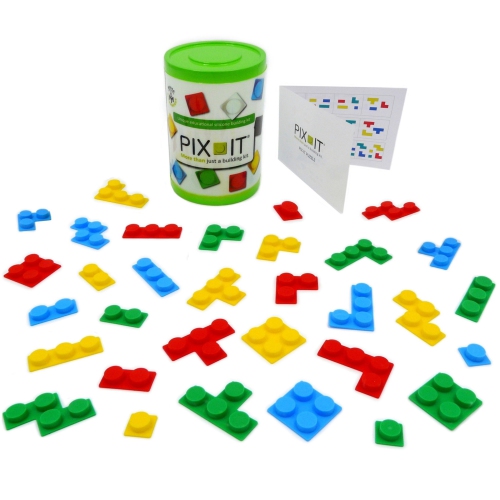
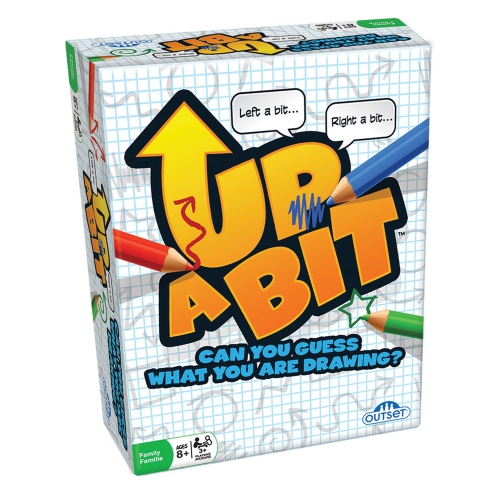
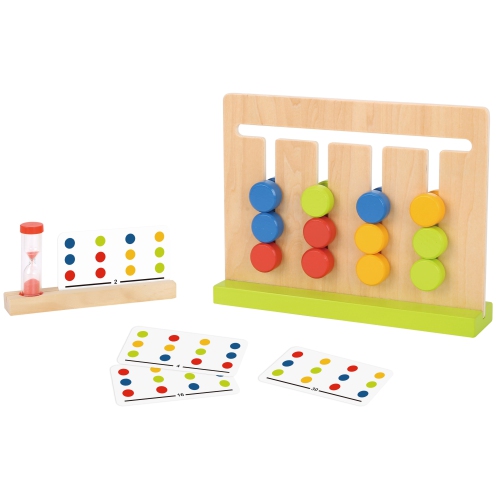
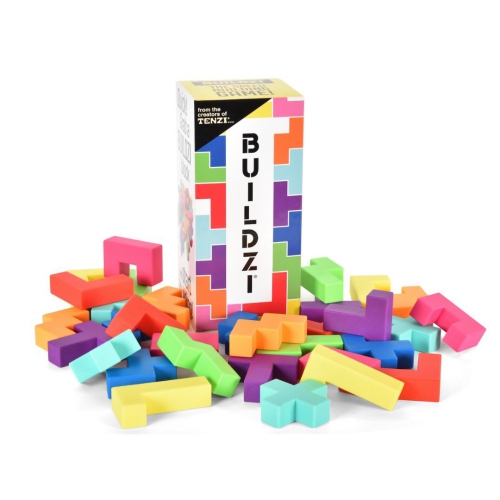
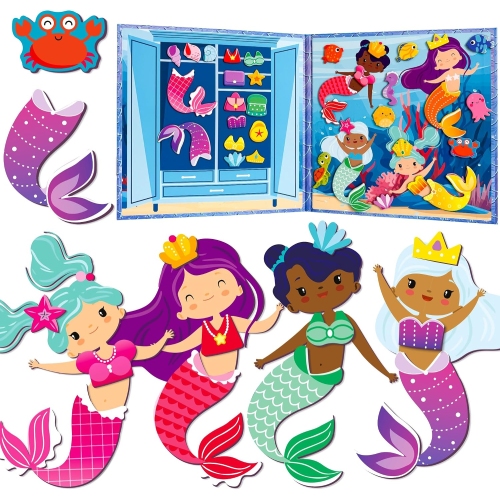
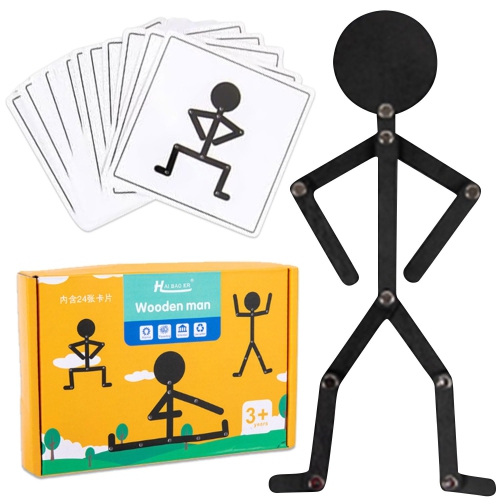
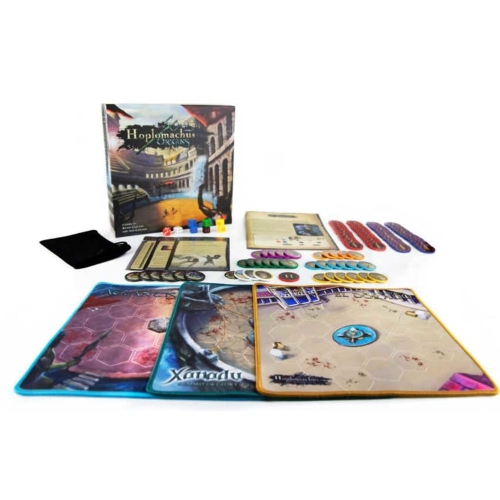
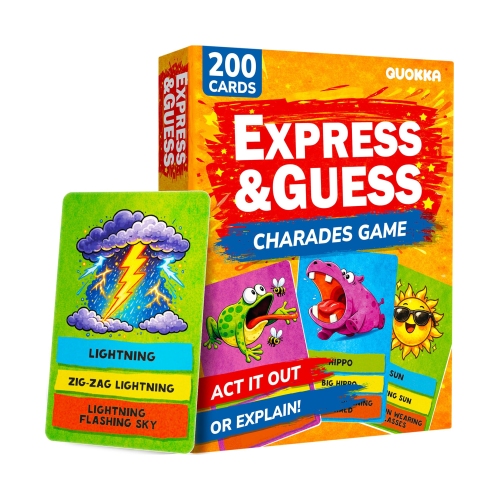
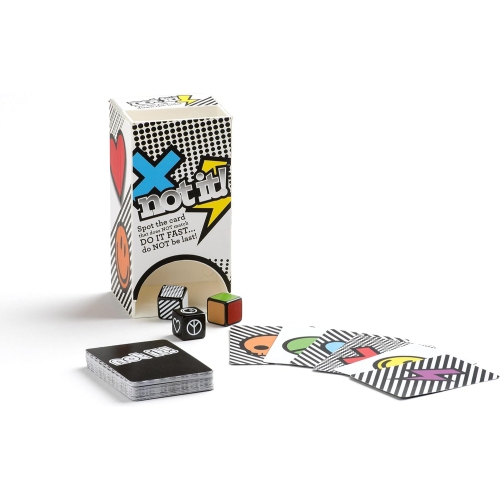
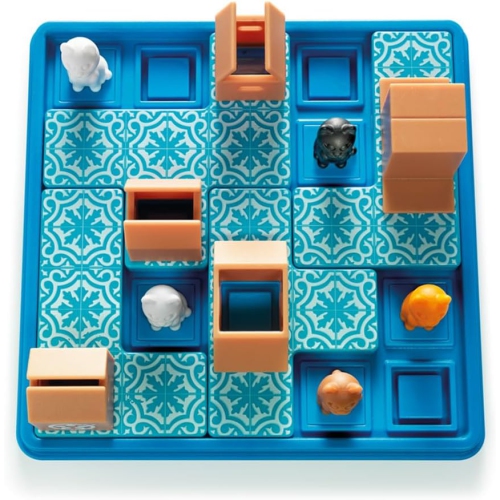
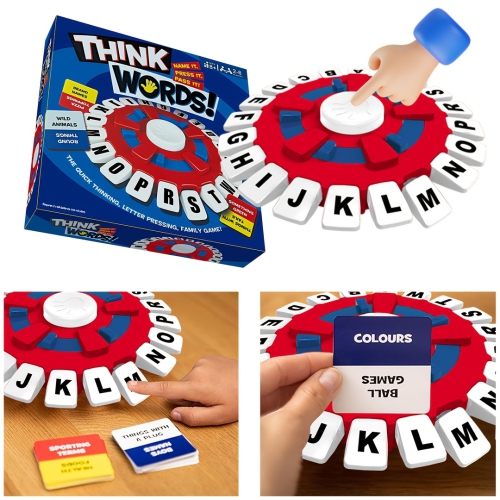
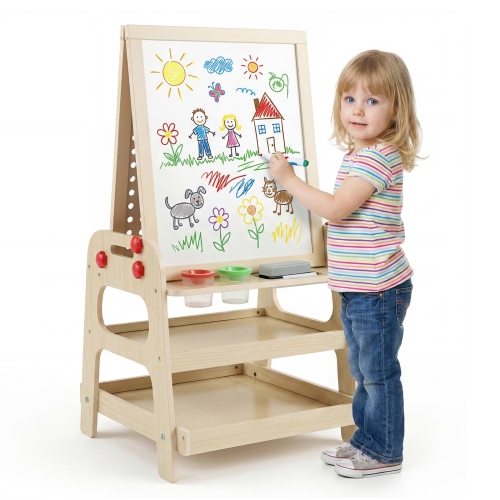
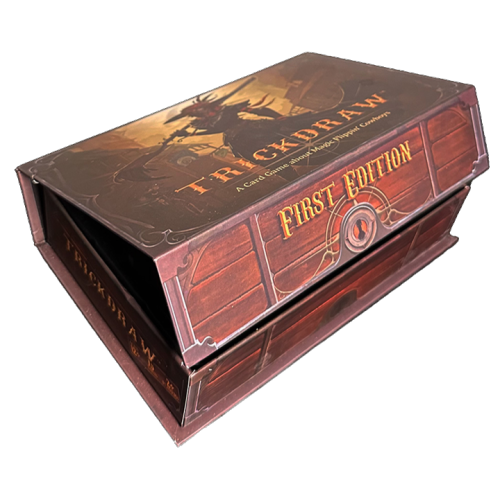
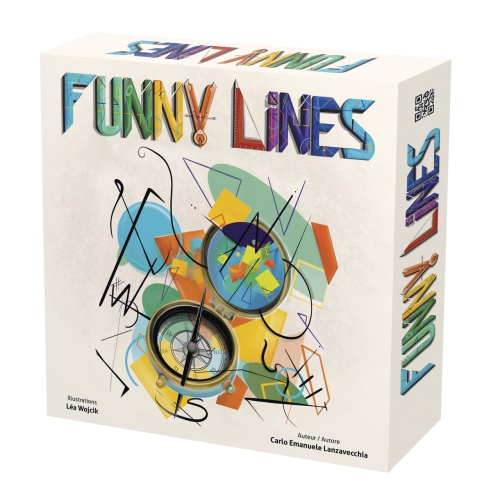
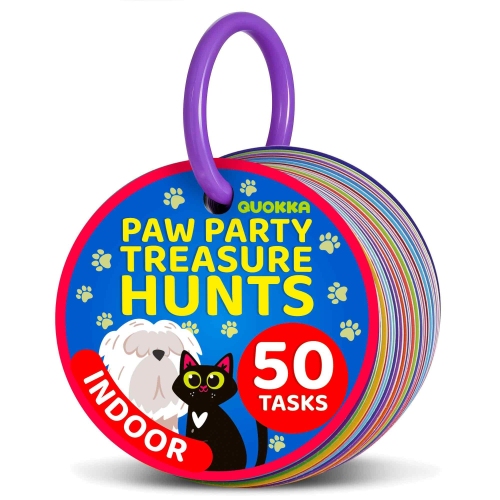
Physical creative games bring imagination to the table through pieces that players can handle, rearrange, and share. Drawing and guessing games turn quick sketches into lively conversations, while storytelling games encourage players to connect characters, settings, and surprising events. Construction-based play adds a practical dimension: the shape, weight, and connection points of each piece influence what can be built. A child might discover that a broad base keeps a tall structure upright, while an older player might enjoy making a bridge with as few pieces as possible. Cooperative formats give a group a shared goal, such as completing a scene or building something together, without making every turn a contest. Competitive formats can be equally imaginative when players interpret the same prompt in different ways. The best fit depends partly on how comfortable the group feels performing, drawing, reading, or explaining ideas aloud. A game that rewards elaborate verbal descriptions may suit confident readers, while image-led prompts and hands-on challenges can make participation easier for players with different reading levels. Materials affect both the feel of play and how well a game handles repeated use. Thick cards are easier to manage than flimsy sheets, sturdy boards help keep shared play areas organized, and well-finished wooden or moulded pieces should feel comfortable in the hand. Large pieces may be easier for some players to grasp, but size alone does not establish age suitability; the recommended age range and small-parts warnings still matter. Table space is another consideration. A drawing game may need room for several players to sketch at once, whereas a building game may spread beyond its starting area as ideas grow. Games with contained play surfaces or clearly divided storage can be more practical in shared rooms. For more play built around participation and player responses, Interactive Games offers a related category to explore alongside creative formats. The distinction is in the activity itself: creative play emphasizes making or imagining, while interactive play emphasizes responding, and many games combine both.
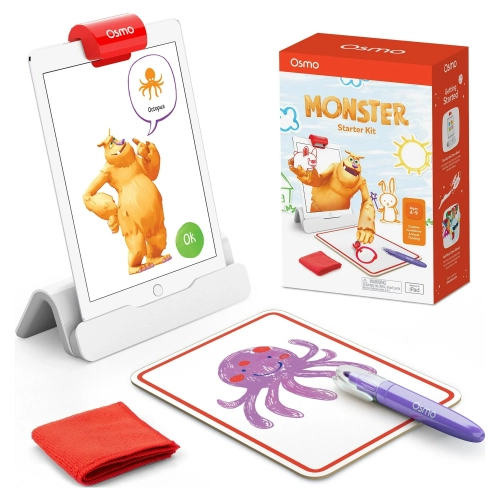
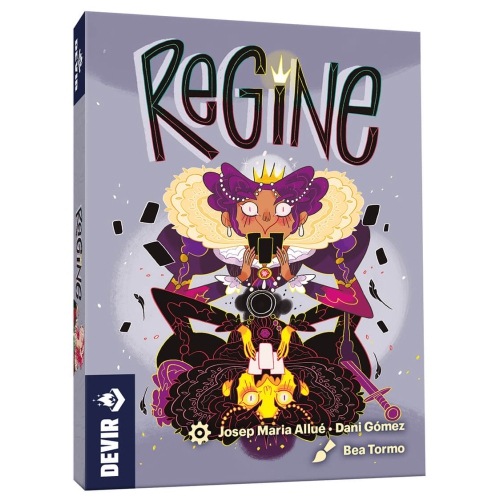
Creative games can suit children, teenagers, adults, and mixed-age groups, but the most successful match usually reflects a person's interests rather than age alone. Someone who spends time sketching may enjoy visual prompts, while a keen storyteller may prefer inventing characters and deciding what happens next. Players fascinated by how things work often appreciate building challenges that allow repeated testing and adjustment. For family play, a manageable setup and a flexible session length help a game fit into everyday routines. Clear turn structures can make a group activity easier to follow, while simultaneous play reduces time spent waiting. Quiet solo creation offers a different appeal, allowing a player to work at their own pace without having to explain each choice. As a gift, a creative game feels especially thoughtful when its format connects with something the recipient already enjoys, whether that is making up adventures, arranging miniature spaces, or solving visual puzzles. It is also worth considering what participation requires. Some drawing games need replacement paper or suitable pens, some building formats need a flat surface, and some digital experiences include optional purchases or sharing features that families may wish to review. Durability and care become important when a game is used regularly or passed between siblings. Cards and boards generally benefit from clean, dry hands and storage away from spills; wooden, plastic, and fabric components should be cleaned according to their care instructions rather than treated alike. Keeping small pieces in divided compartments makes setup less frustrating and helps preserve a complete set. Reusable drawing surfaces need compatible writing tools and the recommended cleaning method to prevent staining or damage. Digital creations benefit from checking how progress is saved and whether saved work is tied to a particular device or account. Across these different formats, creative games offer room for personal expression without requiring a polished result. A funny sketch, an improbable invention, or a story that takes an unexpected turn can be the memorable part of the session, giving players something they made rather than simply a score they achieved.
Top selling and popular products
-
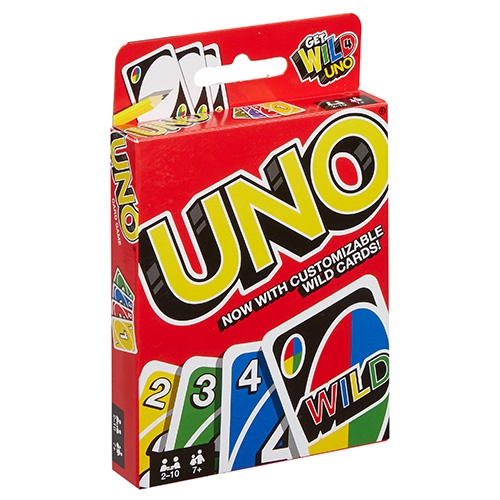 Your price for this item is $14.99
-
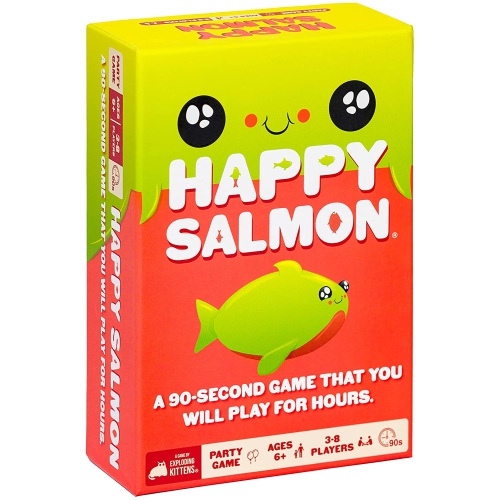 Your price for this item is $21.99
-
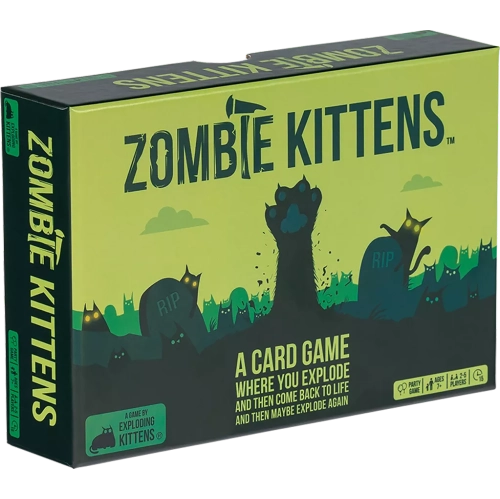 Your price for this item is $34.99
-
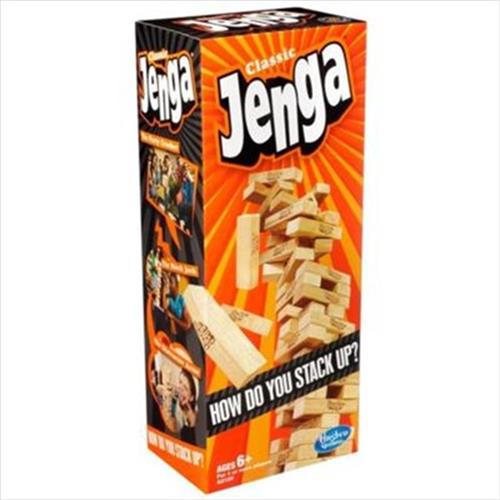 Your price for this item is $24.99
-
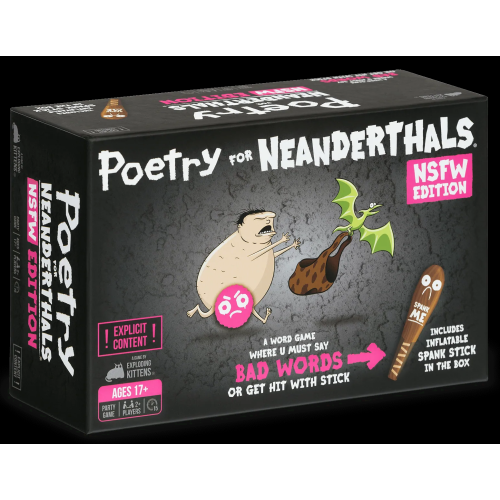 Your price for this item is $31.99
-
 Your price for this item is $29.99
-
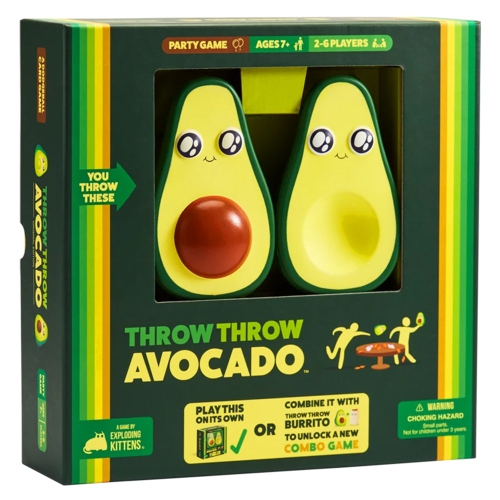 Your price for this item is $44.99
-
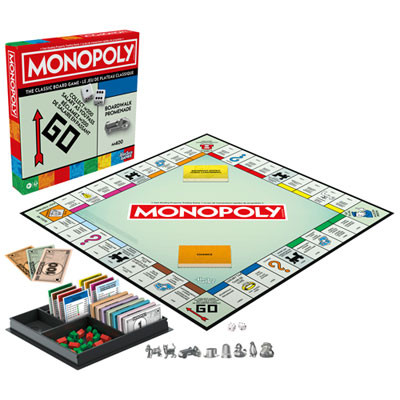 Your price for this item is $27.99
Discover more categories related to Creative Games


Top Collections:
Best Black Friday Deals This Year, Best Black Friday Deals On Electronics, Kindle Devices, Pokemon Centers, Best Black Friday Deals On Apple Products, Best Cameras for Sports Photography, Dyson Airwrap, Pokémon 30th Celebration Cards, Apple iPhone 17 Pro, Canon G7X Cameras
Some products may be subject to Environmental Handling Fees
(EHF) depending on your province.
Learn more about EHFs.