Portable First Aid Kits
Be prepared for any emergency with our selection of portable first aid kits, perfect for home, travel, or outdoor adventures. Designed to be compact and lightweight, these kits ensure you have essential medical supplies at your fingertips, whether you're on a hiking trip, camping, or simply want peace of mind at home. Packed with a variety of bandages, antiseptics, and other crucial items, our portable first aid kits offer reliable solutions for treating minor injuries and ailments wherever you go. Prioritize safety and readiness by choosing a kit that fits your lifestyle and needs.
Sort
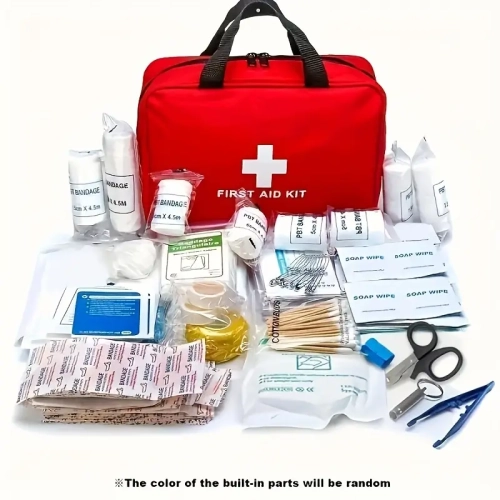
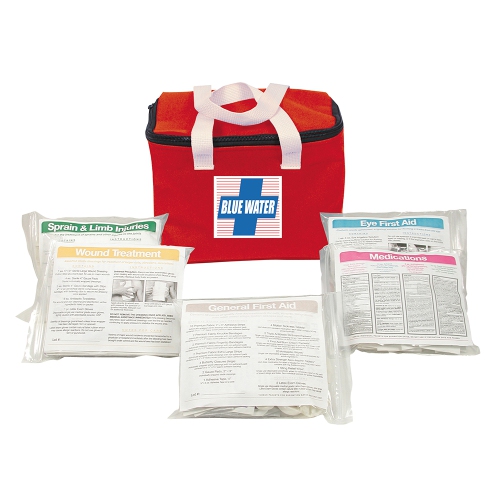
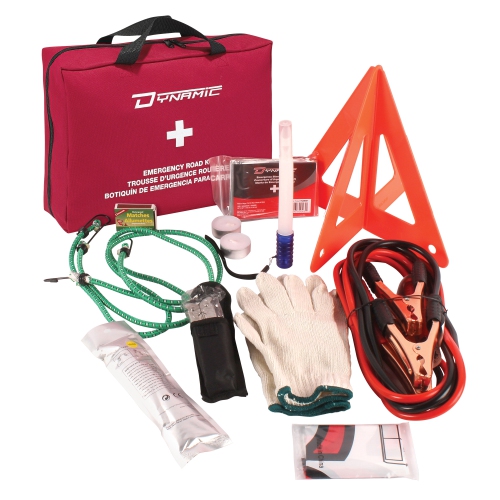
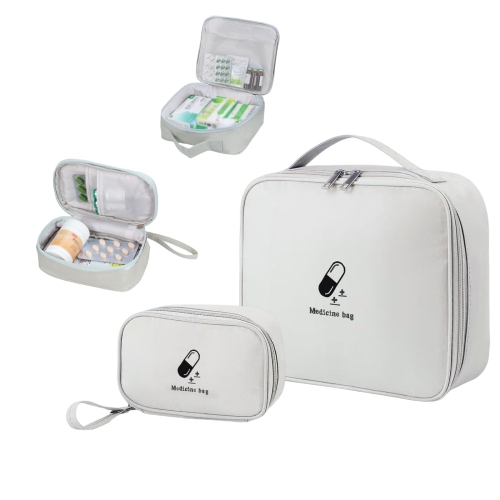
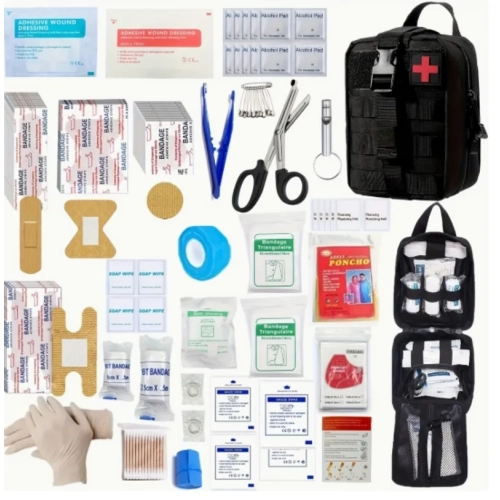
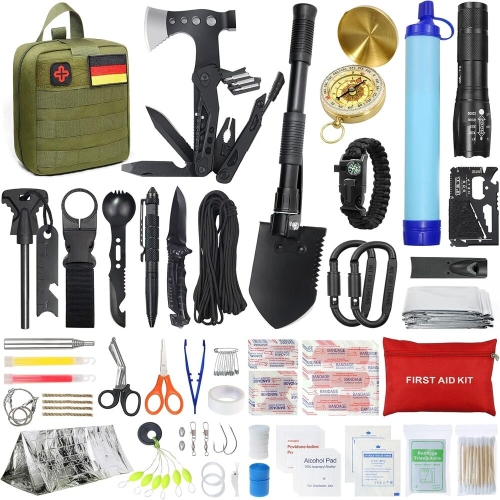

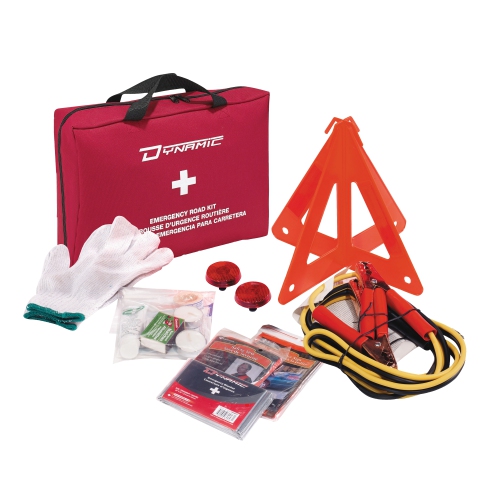

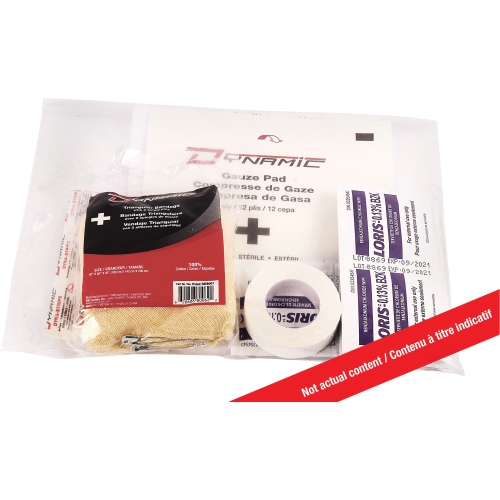
Wound-care essentials organized for life on the move
Portable first aid kits bring basic wound-care supplies together in a compact case that can travel in a backpack, handbag, vehicle, or sports bag. Their purpose is to keep essentials organized and close at hand when a small cut, scrape, or other minor injury interrupts an ordinary day. A useful kit balances easy carrying with enough variety to suit its intended setting, whether that is a family outing, a commute, a recreational activity, or a trip away from home. Common contents include adhesive bandages in several sizes, sterile gauze pads, medical adhesive tape, roller bandages, triangular bandages, disposable non-latex gloves, scissors, and tweezers. Some kits also contain cleansing wipes, instant cold packs, or a first aid reference booklet, although the contents differ from one kit to another. The piece count alone does not show how well a kit will meet a particular need: a large number of small adhesive bandages serves a different purpose from an assortment that includes larger dressings and securing materials. Clear contents lists make those differences easier to understand. For someone carrying a kit every day, a slim pouch with a straightforward layout may be more practical than a bulky case that gets left behind. For a household travelling together or a group heading to a recreation centre, additional dressings and a little space for suitable personal supplies may be more useful. Portable first aid kits sit within the broader range of Medical Kits, with an emphasis on manageable size, convenient access, and keeping supplies together while on the move. They provide a starting point for responding to minor injuries, rather than replacing first aid training or professional medical attention. Serious injuries, heavy bleeding, or symptoms that suggest an emergency require prompt help, regardless of how extensive a kit’s contents may be.
The case has an important role in how comfortably a portable first aid kit carries and how well its contents stay protected. Soft-sided pouches made from nylon or polyester can fit around other belongings in a daypack, while more structured cases help prevent dressings and small accessories from being crushed beneath heavier gear. Fabric thickness, reinforced seams, sturdy handles, and smoothly operating zippers all contribute to everyday durability. A wipe-clean surface is useful for a kit that moves between a gym bag, a vehicle storage compartment, and a cupboard at home. Water-resistant fabric can help protect against incidental splashes, but it is not the same as a waterproof enclosure; the closure, seams, and stated protection level matter as much as the outer material. Separately sealed inner compartments can add protection for sensitive contents, provided the packaging stays intact. Inside the case, clear pockets, elastic loops, dividers, and labelled sections make small supplies easier to locate. A pouch that opens wide and lies flat offers a better view than a deep compartment where everything settles at the bottom. That difference becomes noticeable when a caregiver is looking for a dressing while also comforting a child with a scraped knee. Fit is about both the storage space and the person carrying the kit: external dimensions, filled weight, and the position of attachment loops affect whether it sits neatly in a backpack pocket or takes up too much room beside everyday essentials. An external clip or belt loop may be convenient for some activities, while a smooth, compact profile is often better inside a handbag or carry-on. High-contrast colours and an easily identifiable first aid symbol can help another person spot the case quickly. The most practical layout leaves supplies visible and accessible without packing the case so tightly that it is difficult to close after use.
Intended use helps determine the right balance of portability, capacity, and organization. An individual walking to work may want basic coverage for small everyday mishaps, while parents, caregivers, recreational athletes, and people travelling in groups may need a broader assortment and more duplicate supplies. For a day at a sports facility, a kit that fits beside shoes and a water bottle can keep dressings within reach without becoming another large bag to carry. For travel, clearly labelled contents make checking and replenishing the kit simpler, and any scissors, liquids, or other restricted contents need to comply with the relevant carrier and security rules. Longer outings or locations farther from help call for more careful planning, including suitable training and a reliable way to contact assistance; a larger kit alone does not address every risk. Workplace use also has its own requirements, and a general-purpose portable kit should not be assumed to meet provincial, territorial, or industry-specific first aid standards. Personal needs matter too, including sensitivities to adhesives or latex, the sizes of dressings likely to be useful, and whether a caregiver can open individual packets easily. Medication is not a standard feature of every kit and needs separate attention to suitability, labelling, expiry dates, and secure storage away from children. Ongoing care is mostly about keeping the case clean, the layout orderly, and the contents ready for their intended use. Manufacturer instructions establish how to clean the outer pouch or shell without damaging coatings, labels, or fasteners. Sterile dressings need intact packaging, and supplies with damaged seals, signs of moisture, or passed expiry dates need replacement. Used contents should be replenished rather than leaving empty sections unnoticed until the next outing. Storage instructions for the individual supplies remain important wherever the kit is kept, including in a vehicle. A portable first aid kit can also be a practical gift for someone moving into a first apartment, starting regular travel, or taking up a recreational activity, especially when its size and contents match the recipient’s routine. Easy access, sensible contents, and regular checks are what make a compact kit useful beyond the day it is packed.
The case has an important role in how comfortably a portable first aid kit carries and how well its contents stay protected. Soft-sided pouches made from nylon or polyester can fit around other belongings in a daypack, while more structured cases help prevent dressings and small accessories from being crushed beneath heavier gear. Fabric thickness, reinforced seams, sturdy handles, and smoothly operating zippers all contribute to everyday durability. A wipe-clean surface is useful for a kit that moves between a gym bag, a vehicle storage compartment, and a cupboard at home. Water-resistant fabric can help protect against incidental splashes, but it is not the same as a waterproof enclosure; the closure, seams, and stated protection level matter as much as the outer material. Separately sealed inner compartments can add protection for sensitive contents, provided the packaging stays intact. Inside the case, clear pockets, elastic loops, dividers, and labelled sections make small supplies easier to locate. A pouch that opens wide and lies flat offers a better view than a deep compartment where everything settles at the bottom. That difference becomes noticeable when a caregiver is looking for a dressing while also comforting a child with a scraped knee. Fit is about both the storage space and the person carrying the kit: external dimensions, filled weight, and the position of attachment loops affect whether it sits neatly in a backpack pocket or takes up too much room beside everyday essentials. An external clip or belt loop may be convenient for some activities, while a smooth, compact profile is often better inside a handbag or carry-on. High-contrast colours and an easily identifiable first aid symbol can help another person spot the case quickly. The most practical layout leaves supplies visible and accessible without packing the case so tightly that it is difficult to close after use.
Intended use helps determine the right balance of portability, capacity, and organization. An individual walking to work may want basic coverage for small everyday mishaps, while parents, caregivers, recreational athletes, and people travelling in groups may need a broader assortment and more duplicate supplies. For a day at a sports facility, a kit that fits beside shoes and a water bottle can keep dressings within reach without becoming another large bag to carry. For travel, clearly labelled contents make checking and replenishing the kit simpler, and any scissors, liquids, or other restricted contents need to comply with the relevant carrier and security rules. Longer outings or locations farther from help call for more careful planning, including suitable training and a reliable way to contact assistance; a larger kit alone does not address every risk. Workplace use also has its own requirements, and a general-purpose portable kit should not be assumed to meet provincial, territorial, or industry-specific first aid standards. Personal needs matter too, including sensitivities to adhesives or latex, the sizes of dressings likely to be useful, and whether a caregiver can open individual packets easily. Medication is not a standard feature of every kit and needs separate attention to suitability, labelling, expiry dates, and secure storage away from children. Ongoing care is mostly about keeping the case clean, the layout orderly, and the contents ready for their intended use. Manufacturer instructions establish how to clean the outer pouch or shell without damaging coatings, labels, or fasteners. Sterile dressings need intact packaging, and supplies with damaged seals, signs of moisture, or passed expiry dates need replacement. Used contents should be replenished rather than leaving empty sections unnoticed until the next outing. Storage instructions for the individual supplies remain important wherever the kit is kept, including in a vehicle. A portable first aid kit can also be a practical gift for someone moving into a first apartment, starting regular travel, or taking up a recreational activity, especially when its size and contents match the recipient’s routine. Easy access, sensible contents, and regular checks are what make a compact kit useful beyond the day it is packed.
Top selling and popular products
-
 Your price for this item is $84.95
 -
 Your price for this item is $41.79
 -
 Your price for this item is $32.97
 -
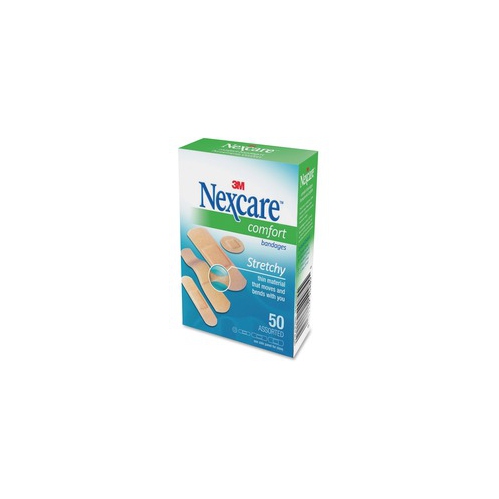 Your price for this item is $4.99
 -
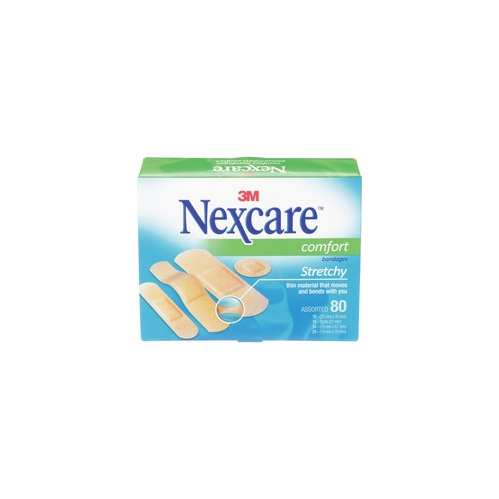 Your price for this item is $7.99
 -
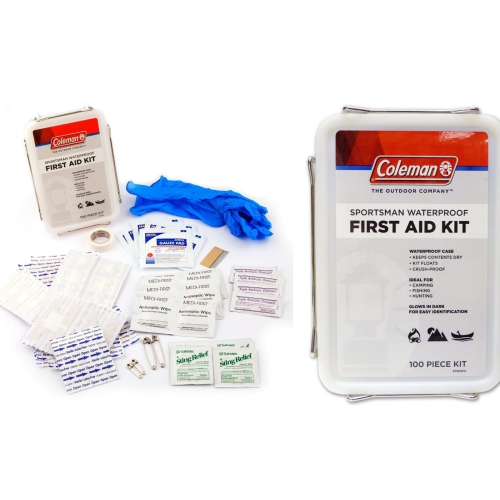 Your price for this item is $32.98
 -
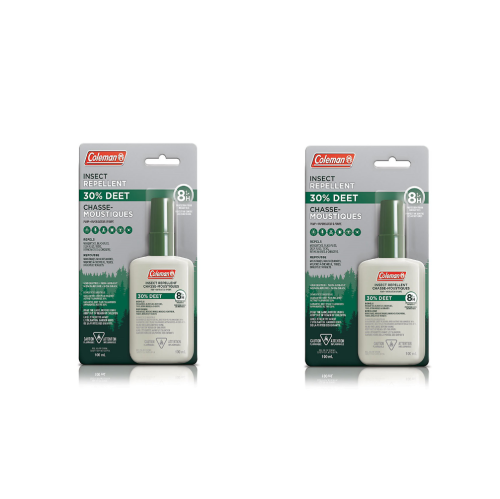 Your price for this item is $28.97
 -
 Your price for this item is $34.99
Discover more categories related to Portable First Aid Kits
Top Collections:
Pokemon Centers, Kindle Devices, Best Budget Office Chairs, Apple iPhones 16, Best Laptops for Writers, iPhone 15 Apple, Canon G7X Cameras, Refurbished Apple Laptops, Alarm Clock, Motorola Razr Phones
Some products may be subject to Environmental Handling Fees
(EHF) depending on your province.
Learn more about EHFs.