Portable Fishfinders
Looking to enhance your fishing experience and reel in more catches? Look no further than our collection of portable fishfinders. Designed for anglers on the go, these compact devices are equipped with advanced sonar technology to help you locate fish and navigate the waters with ease. Whether you're fishing from a kayak, canoe, or small boat, these portable fishfinders offer convenience and accuracy, allowing you to find the perfect fishing spot and increase your chances of a successful day on the water. Explore our range of portable fishfinders and take your fishing adventures to new depths.
Sort


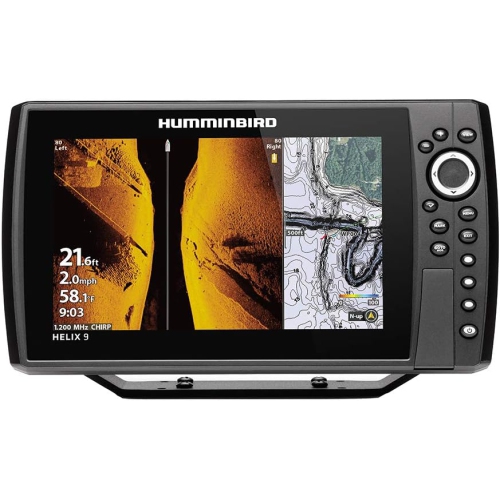
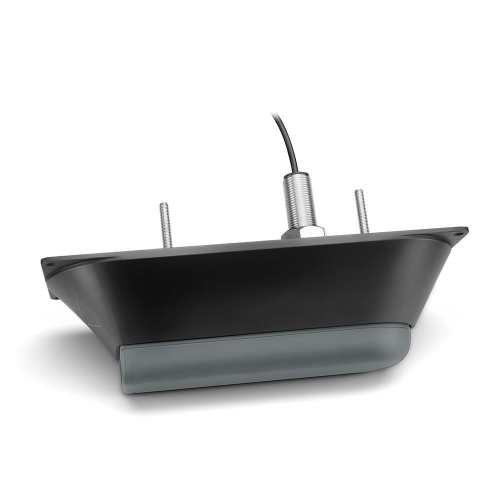
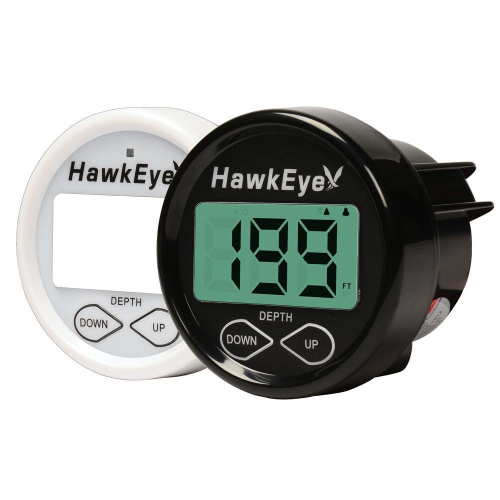

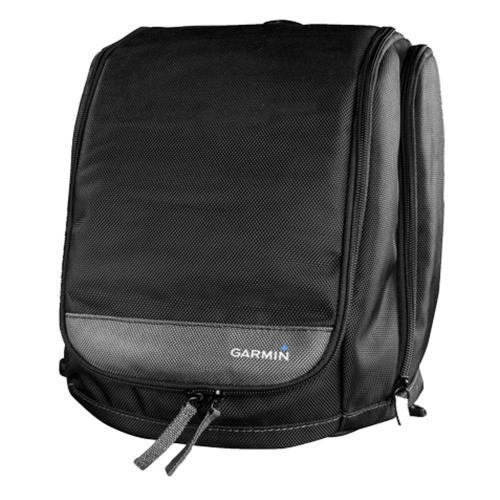

What sonar reveals without a permanent boat installation
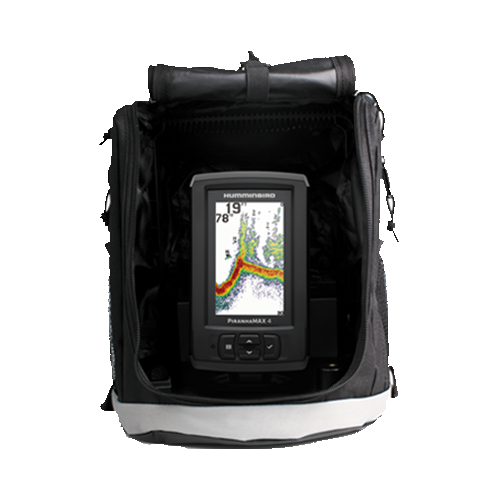
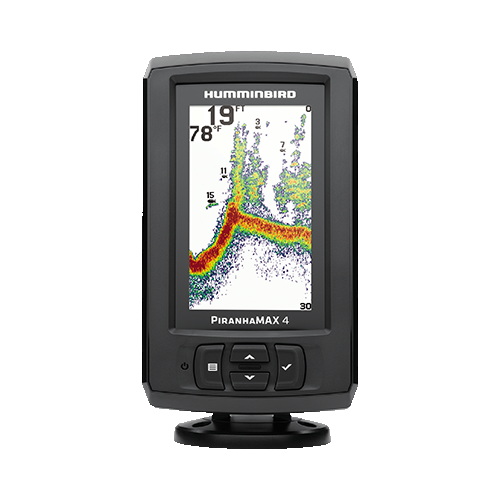
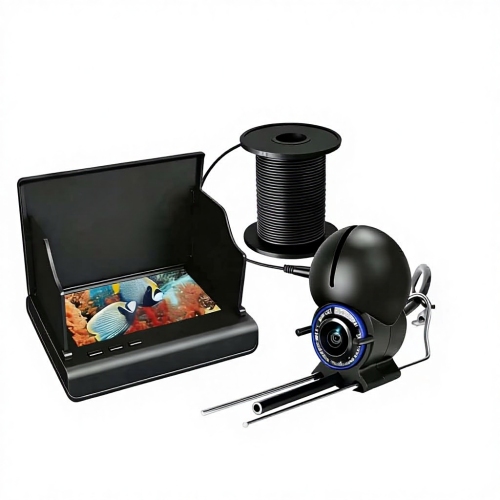
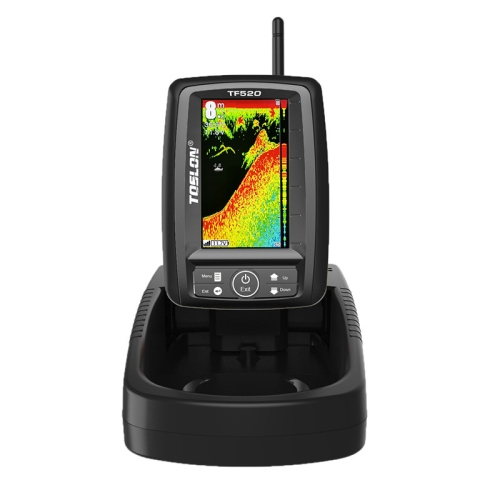
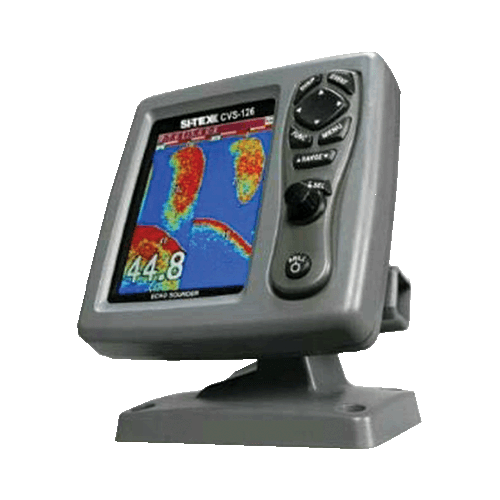
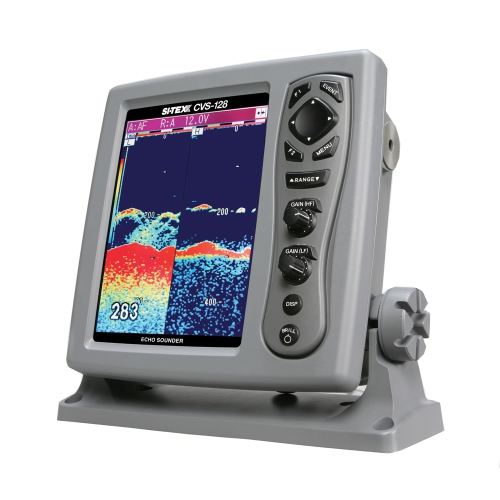
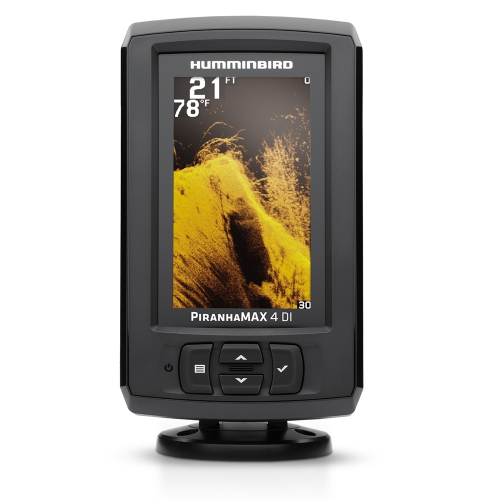
Portable fishfinders are compact sonar systems that help anglers understand what is beneath the water without requiring a permanent installation on a boat. They send sound pulses into the water through a transducer, then interpret the returning signals to display depth, bottom contours, structure, and possible fish targets. That information can make a familiar fishing spot easier to read: a seemingly uniform stretch of shoreline may have a sharp drop-off, a submerged hump, or a band of vegetation that gives fish somewhere to hold. Portable designs suit anglers who move between small boats, kayaks, canoes, docks, and shore access points, as well as those who want to take their electronics home after each trip. The main formats include self-contained units with a dedicated display, carry-case systems with a separate battery and transducer, and castable sonar devices that send readings to a compatible smartphone. A dedicated display keeps fishing information separate from calls and messages, while a castable design can help explore water beyond the bank without launching a watercraft. For someone fishing from a rented boat, a removable transducer mount and a compact carrying case can be more practical than equipment that needs fixed wiring or drilled mounting holes. Kayak anglers often place greater emphasis on a small footprint, accessible controls, and cables that stay clear of paddles, pedals, and tackle. Shore anglers may favour a lightweight device that fits into a tackle bag and works with a rod and line rated to cast its weight. Portability is about the complete setup, not just the size of the screen: the battery, charger, mount, transducer, protective case, and any phone accessories all contribute to what needs carrying. The most suitable portable fishfinder is one that matches the way an angler reaches the water, the space available for equipment, and the level of detail needed during a typical outing.
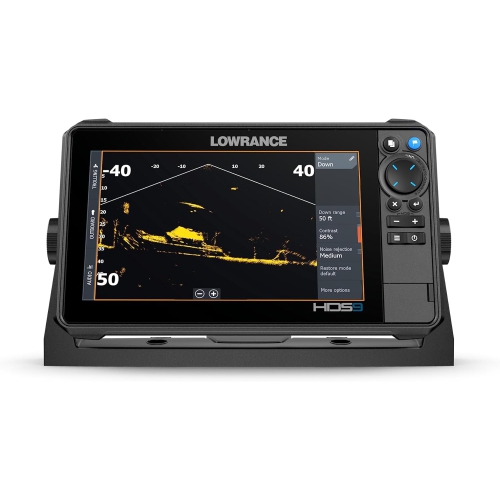
Sonar performance and display clarity shape how useful a portable fishfinder feels once it is on the water. Traditional sonar presents a scrolling view of the water column, with returns that may appear as arches, marks, or simplified fish symbols depending on the settings and movement of the transducer and targets. CHIRP sonar sends a sweep of frequencies rather than a single frequency and can improve target separation, helping distinguish closely spaced returns when the hardware and conditions support it. A wider sonar beam samples a larger area beneath the transducer, while a narrower beam covers less area and can make it easier to relate a return to a smaller section of the bottom. Neither view identifies a fish species with certainty, and fish symbols are interpretations rather than proof of what is below. Depth capability also varies with frequency, water conditions, bottom composition, and how the transducer is positioned, so a stated maximum depth is not a promise of equally detailed readings everywhere. A stable transducer with its sensing face properly submerged and clear of turbulence generally provides more useful information than one that tilts or repeatedly lifts out of the water. Screen size, resolution, brightness, and contrast matter when reading a faint return or checking depth at a glance from a seated position. Colour displays can make differences in return strength easier to distinguish, while straightforward menus and responsive controls reduce time spent adjusting settings. GPS is another useful distinction between systems: it can support waypoint marking and navigation back to a saved location, but built-in GPS does not automatically mean detailed lake charts are included. Mapping, route tracking, and chart compatibility depend on the device and software. Smartphone-based fishfinders may connect through Wi-Fi or Bluetooth, with range and connection stability varying by design and obstructions. Some can show live sonar without cellular service, although account setup, map downloads, or other app functions may need internet access. Checking phone compatibility, offline functions, and permissions helps clarify what the complete setup can do away from a reliable mobile signal.
Materials, mounting fit, power requirements, and care are just as important as sonar features for equipment that is regularly packed, carried, and moved between fishing spots. Impact-resistant plastic housings keep weight manageable, while a padded case helps protect screens, connectors, and transducers from knocks in a crowded gear bag. Water-resistance ratings deserve close attention because resistance to splashes is different from protection during immersion. A device should not be assumed to float unless that capability is specified, and a suitable tether can help prevent a small piece of equipment from disappearing over the side. For removable boat installations, clamp openings, mounting surfaces, transom shape, and cable length all affect fit. A suction mount needs an appropriate clean, smooth surface, while a clamp must hold securely without interfering with steering or other equipment. Castable sonar has its own practical requirements, including a secure attachment point and a rod, line, and leader suitable for the device’s casting weight. Battery capacity should be considered alongside expected trip length, screen brightness, sonar settings, and any additional power drawn by a connected phone. Dedicated displays may use an external rechargeable battery, while compact castable designs often have an internal battery; the correct charger and power specifications matter in either case. After use, follow the manufacturer’s cleaning directions, remove grit from mounts, and let components dry before closing them inside a case. Where saltwater use is permitted, careful freshwater cleaning helps limit salt buildup on exposed surfaces and fittings. Avoid abrasive cleaning materials on displays, inspect cables for wear, and keep connector caps secure during transport. Portable fishfinders can make thoughtful gifts for anglers who enjoy exploring unfamiliar water, share a boat, or prefer equipment that moves easily between locations. Matching the system to the recipient’s fishing style and phone or mounting setup is more useful than choosing by feature count alone. Alongside Portable Fishing Gear, a well-matched sonar setup can keep essential equipment organized without taking over the available space. Its value lies in making depth and underwater structure easier to interpret while leaving room for the tackle, movement, and attention that fishing still requires.
Top selling and popular products
-
 Your price for this item is $234.55
-
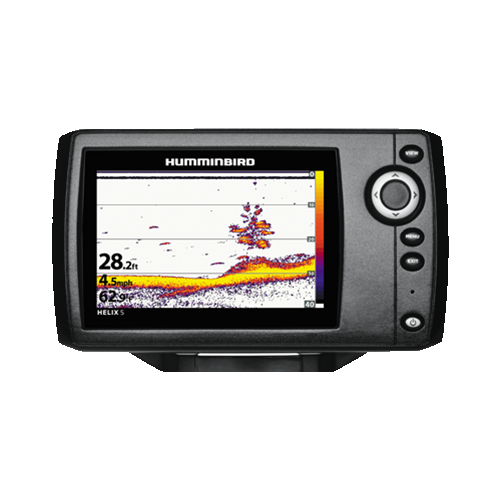 Your price for this item is $422.69
-
 Your price for this item is $93.99
-
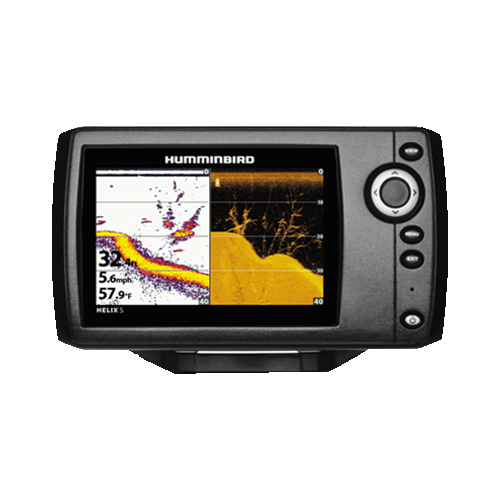 Your price for this item is $504.54
-
 Your price for this item is $107.99
-
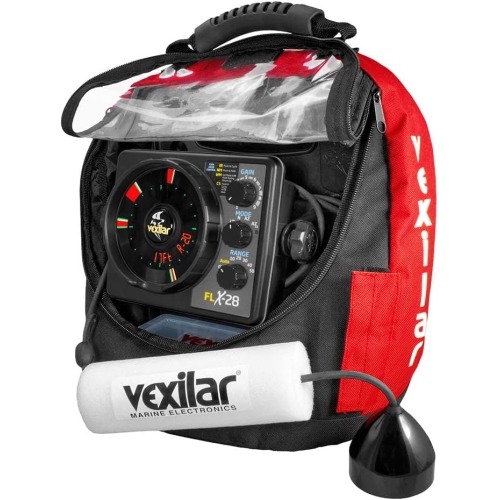 Your price for this item is $1099
-
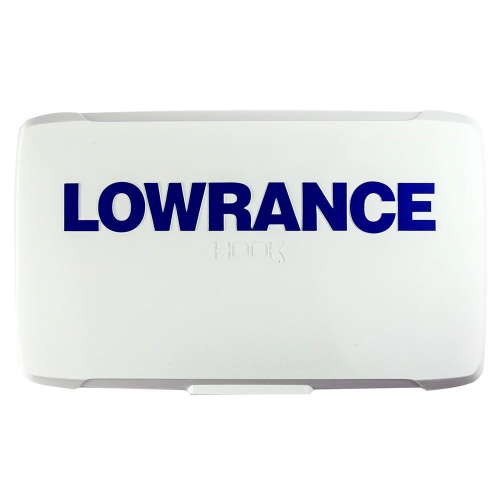 Your price for this item is $124.56
-
 Your price for this item is $92.98
Discover more categories related to Portable Fishfinders

Top Collections:
Pokemon Centers, Kindle Devices, Best Cameras for Sports Photography, Pokémon 30th Celebration Cards, Apple iPhones 16, Canon G7X Cameras, iPhone 15 Apple, Flip Phones, Samsung Galaxy Phones, Alarm Clock
Some products may be subject to Environmental Handling Fees
(EHF) depending on your province.
Learn more about EHFs.