Power Generators
Discover the perfect solution for reliable power on-the-go with our diverse selection of power generators. Whether you're preparing for an outdoor adventure, ensuring your home is ready for unexpected outages, or providing energy to a remote worksite, our range of generators offers dependable performance tailored to your needs. Explore options that blend portability with robust power output, designed to keep your essentials running smoothly wherever you are. With various models available to suit different requirements and preferences, finding the right power generator has never been easier.
Sort
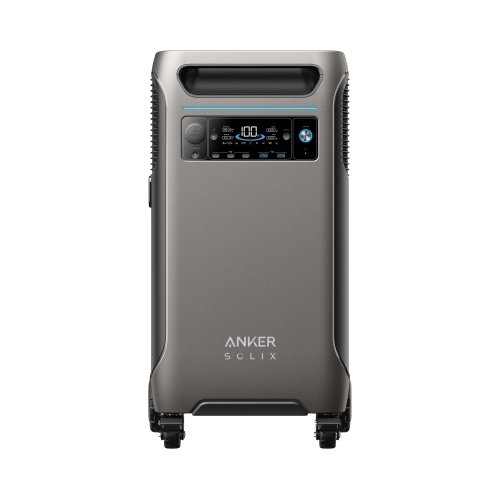
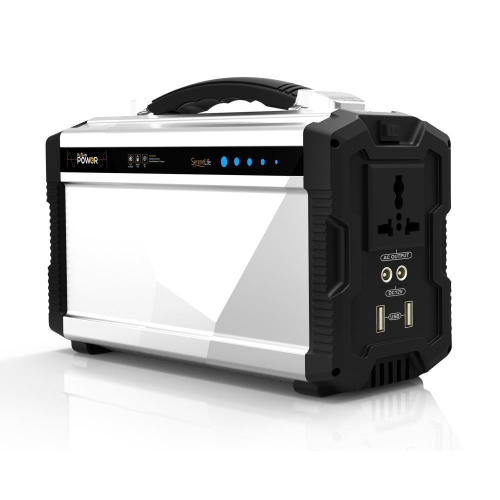
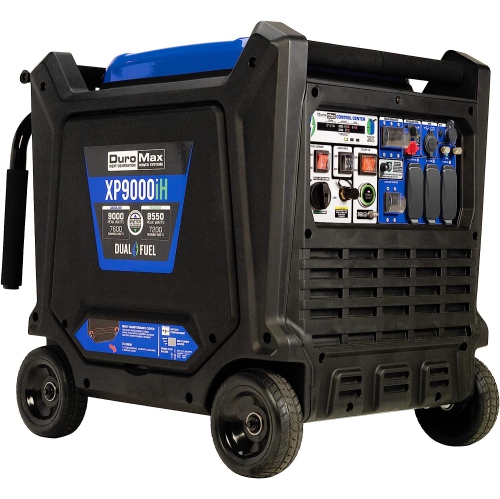
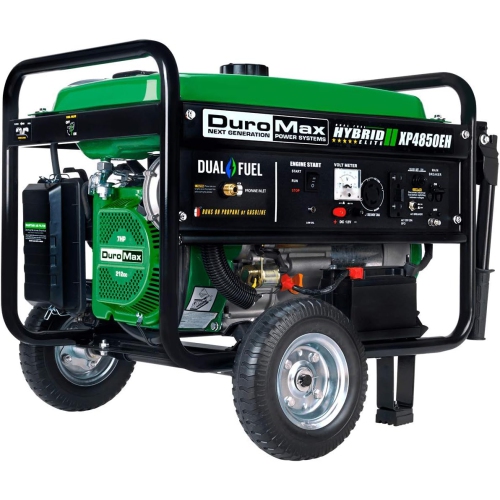

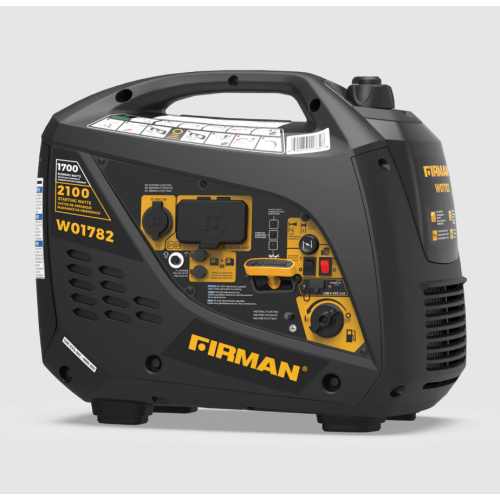
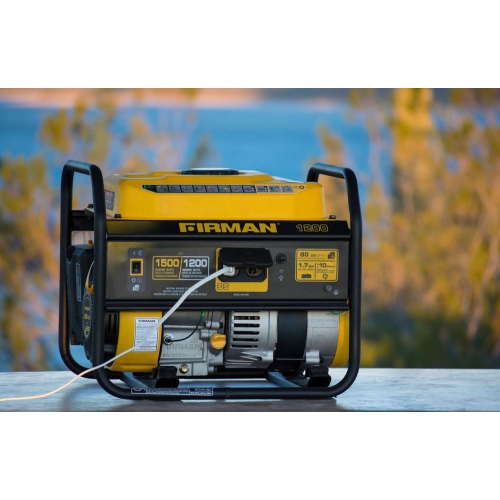
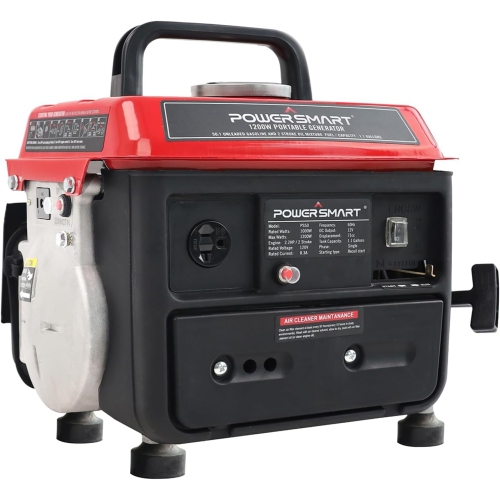
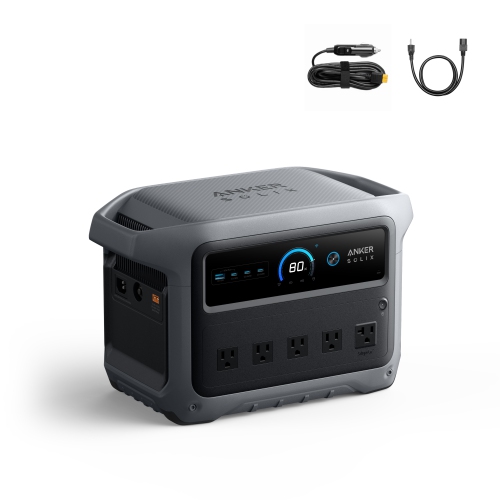

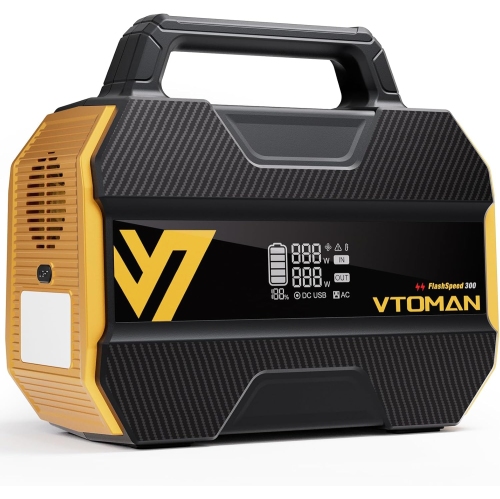
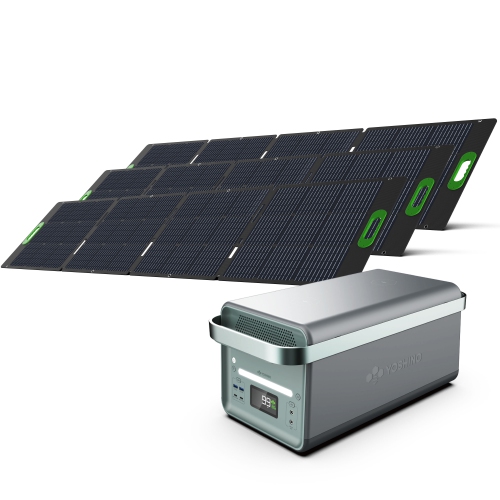
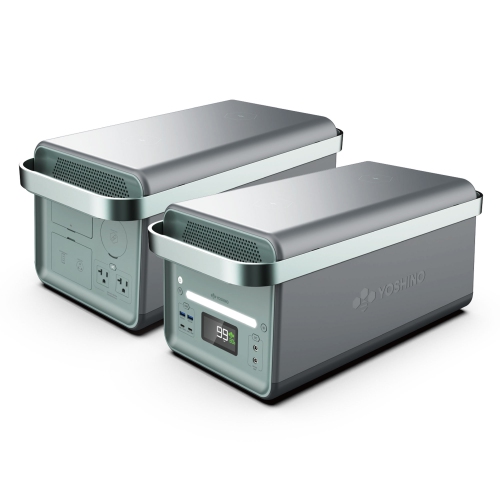
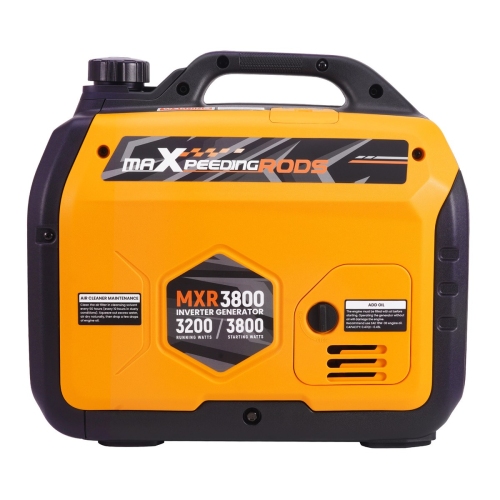
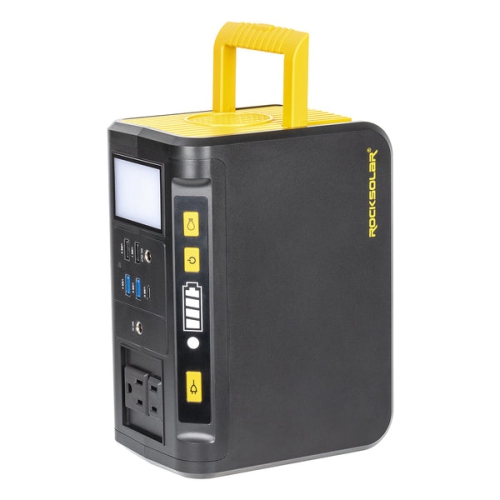
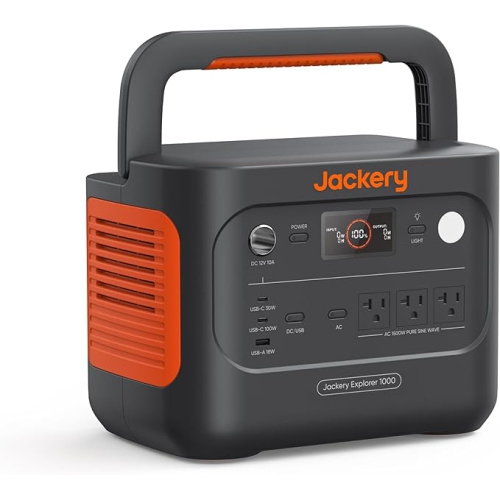
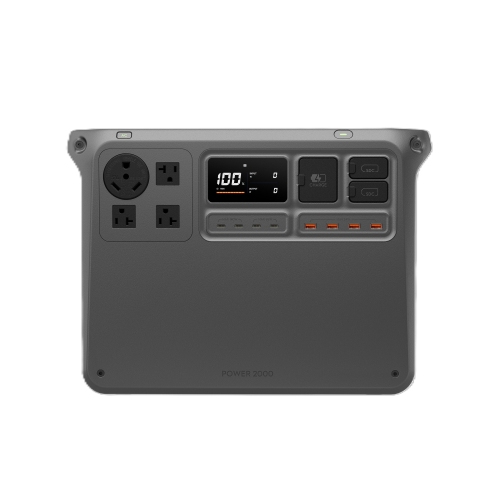
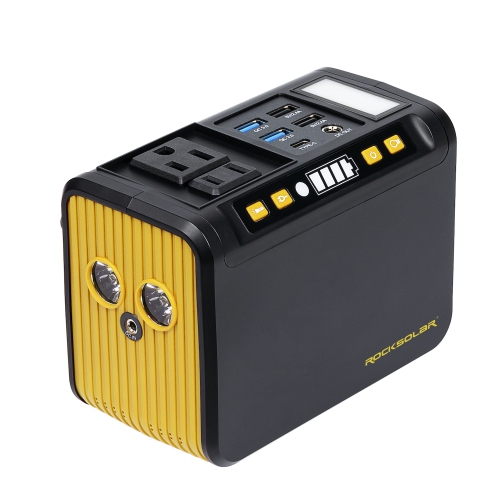
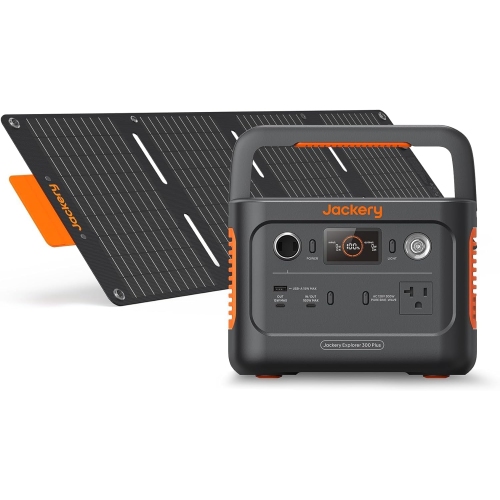
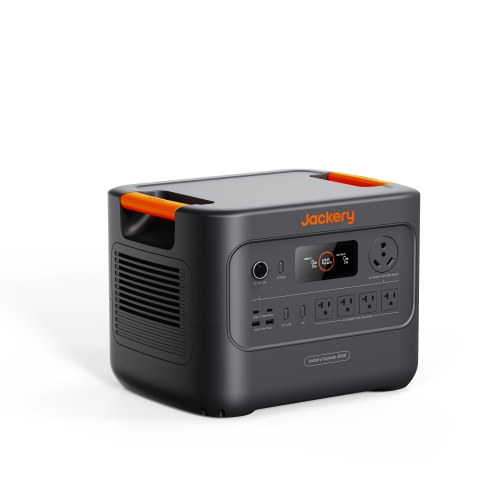
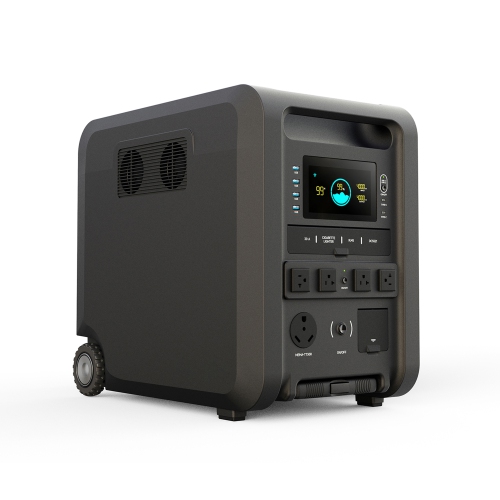
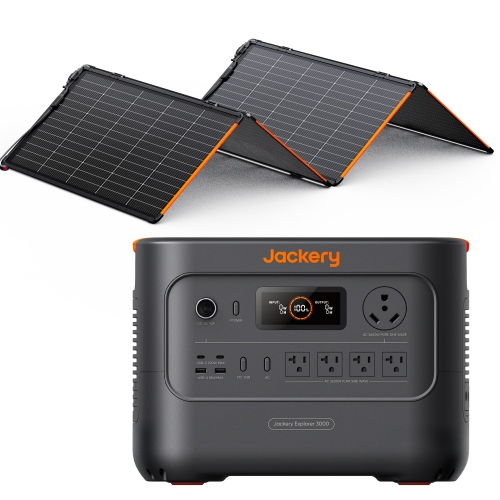
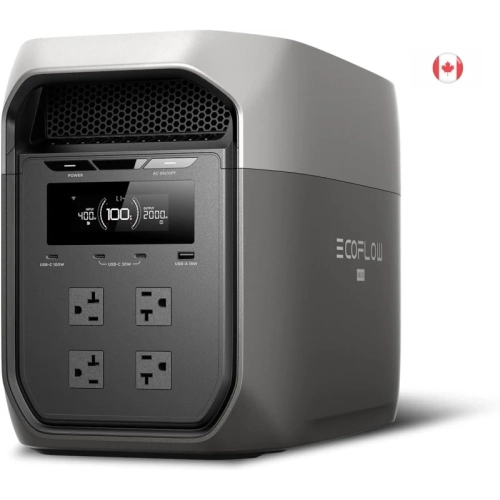
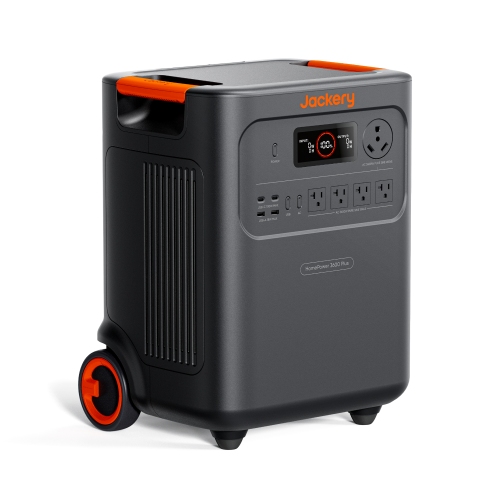
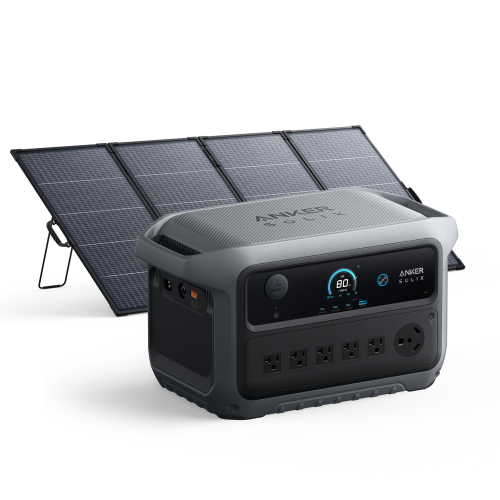
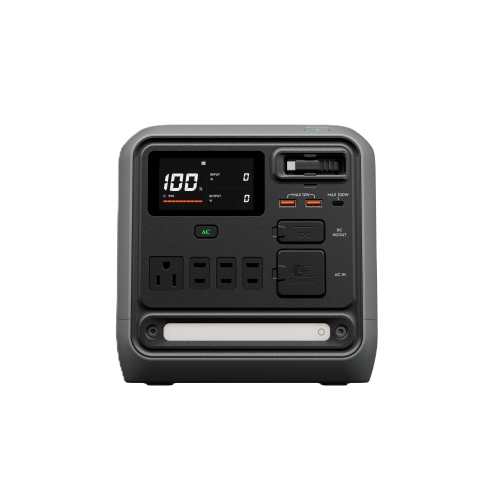
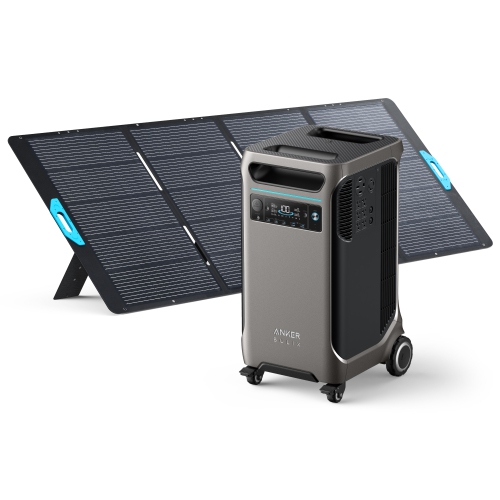
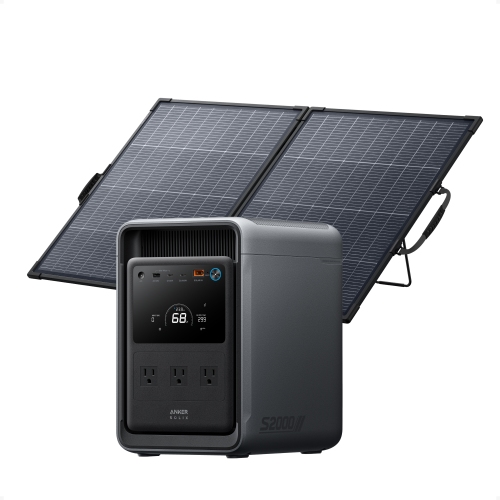
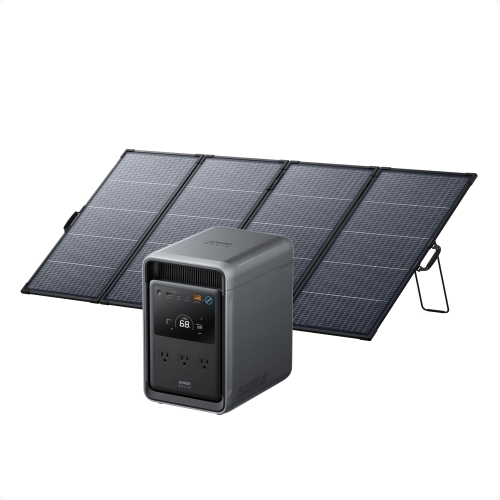
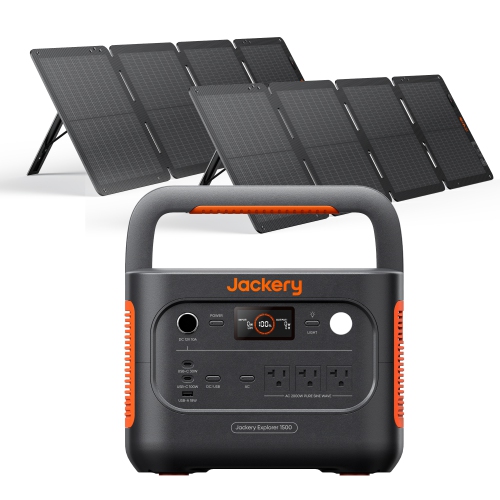
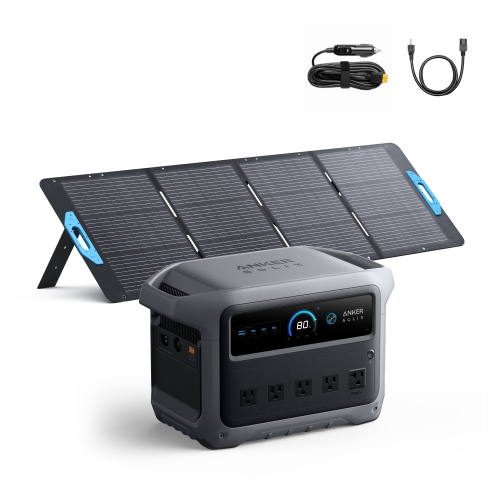
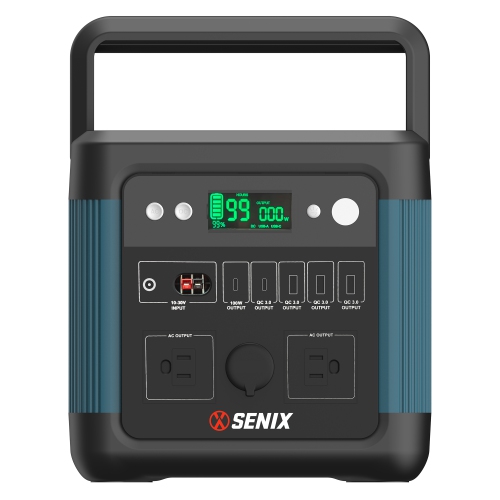
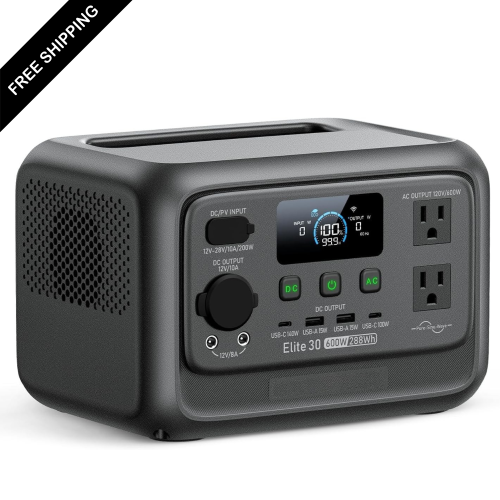
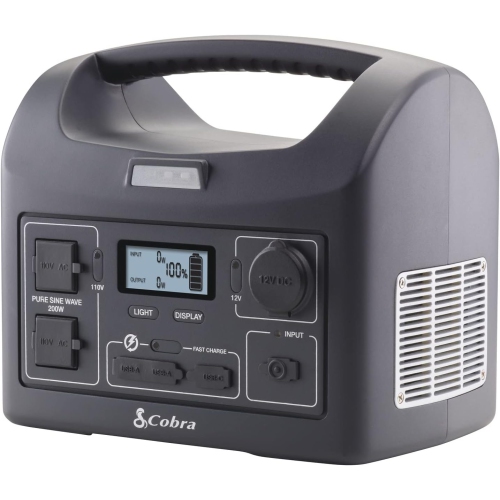
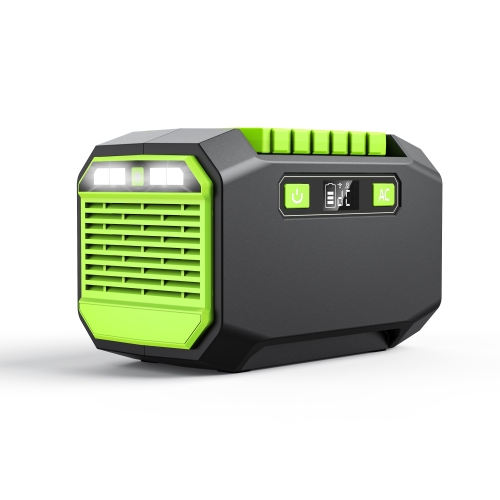
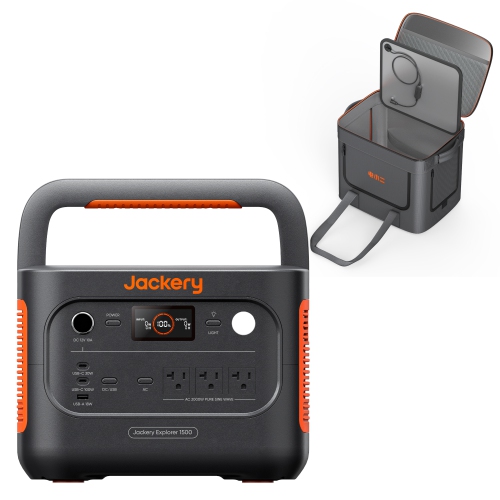
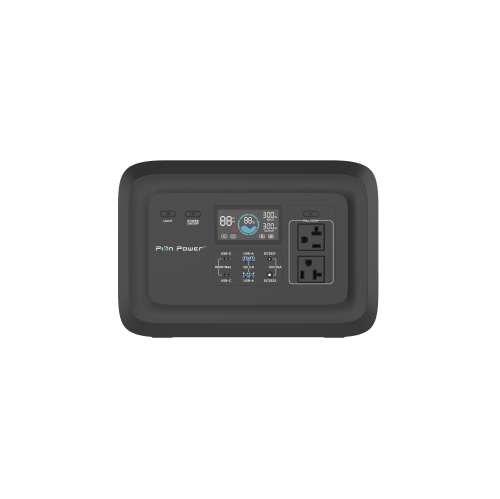
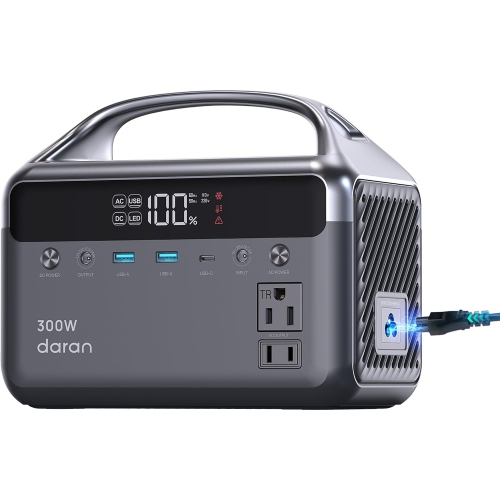
Powering essentials safely at home and away
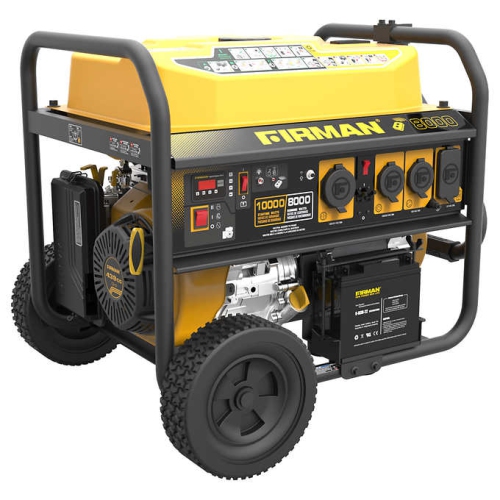
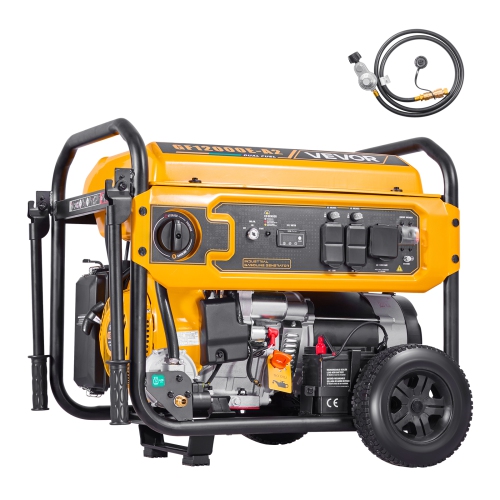
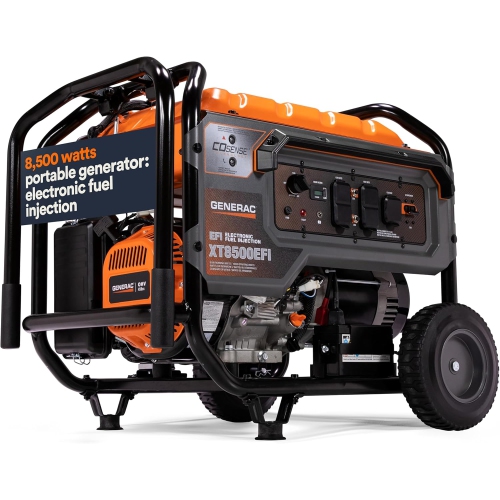
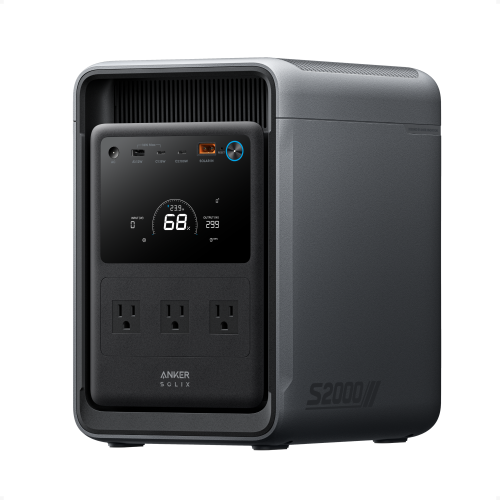
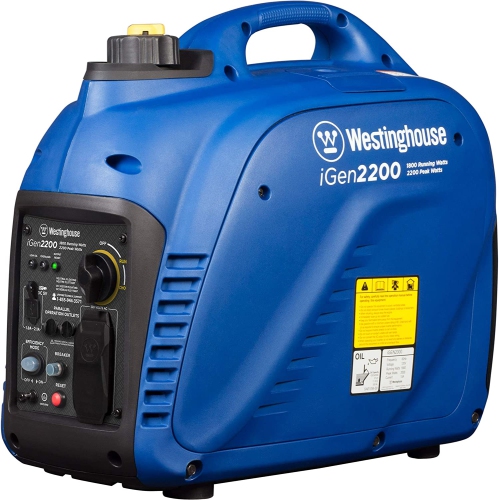
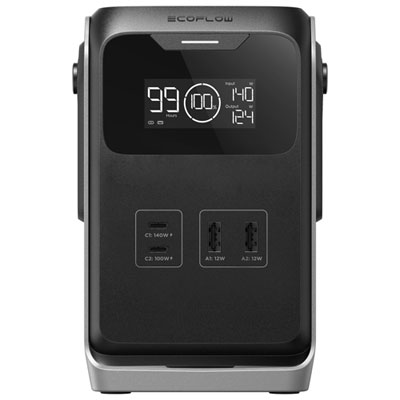
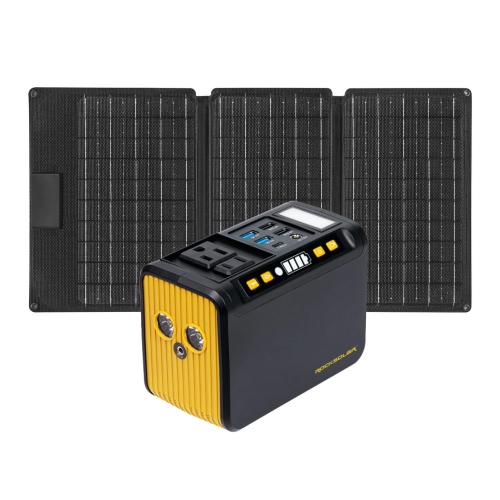
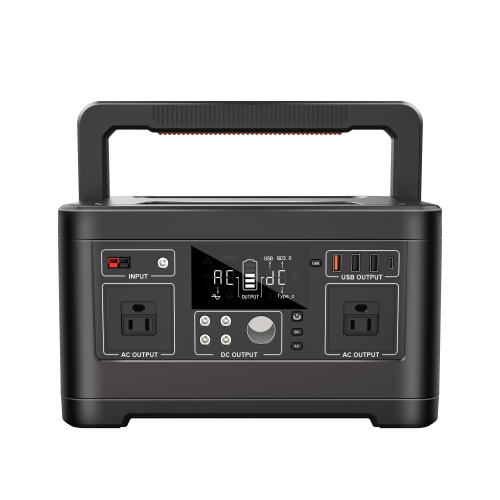
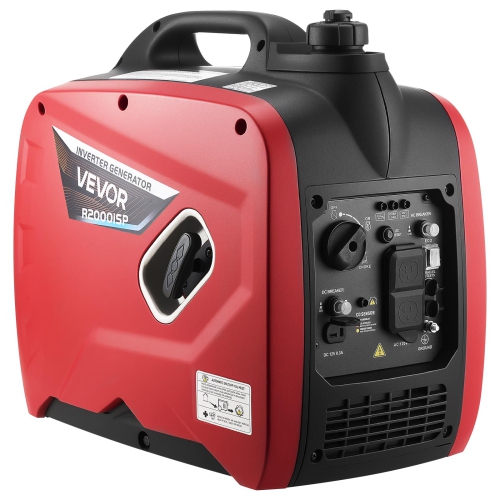
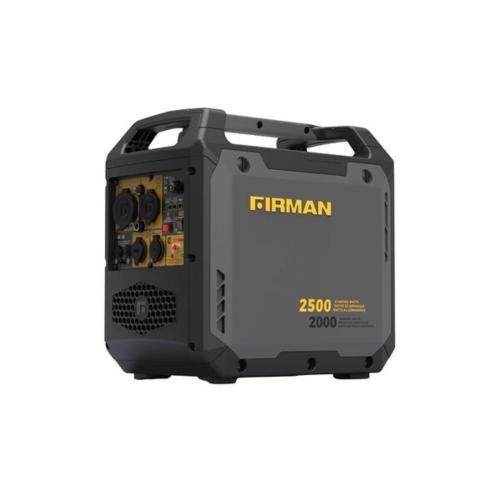
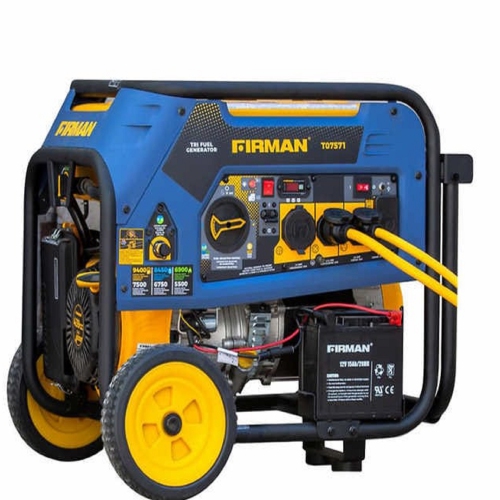
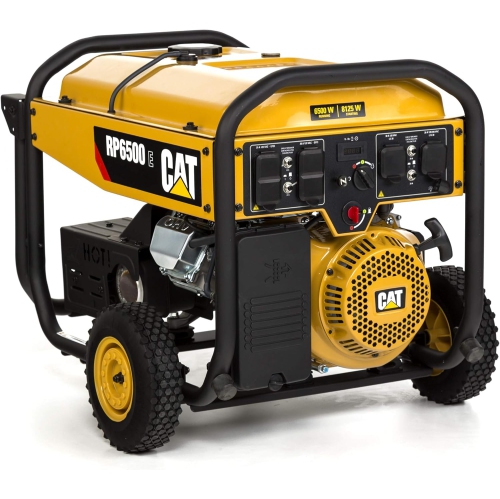
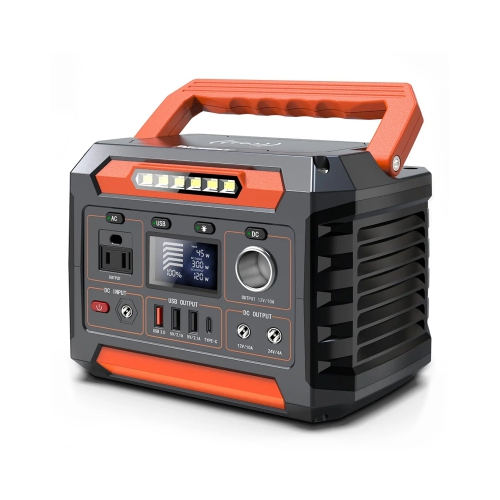
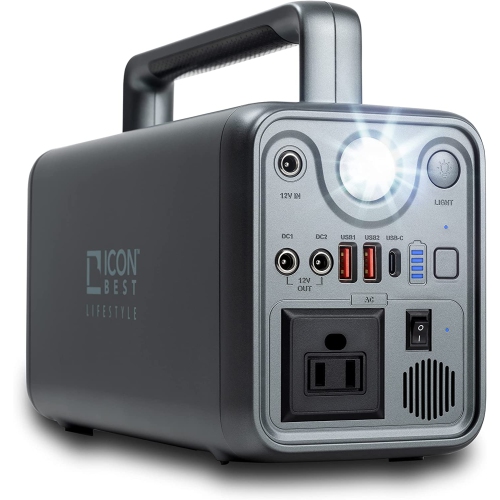
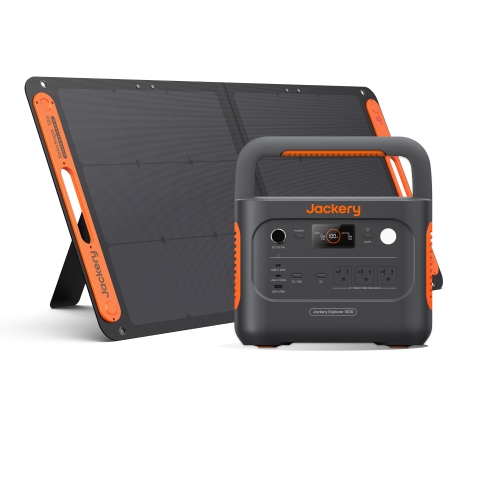
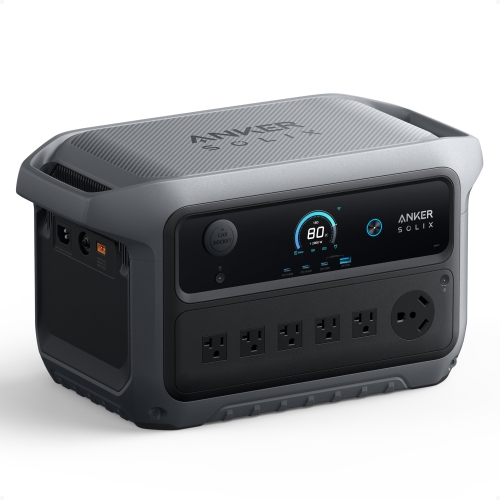
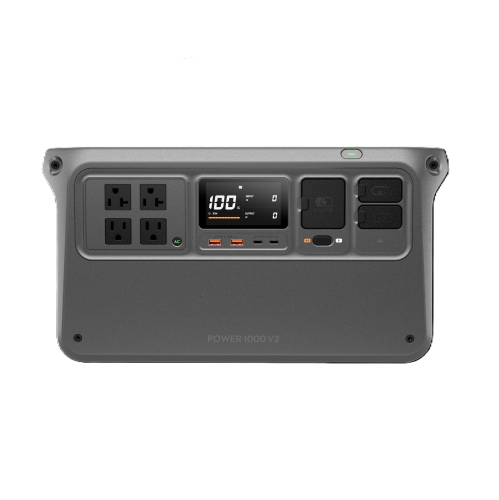
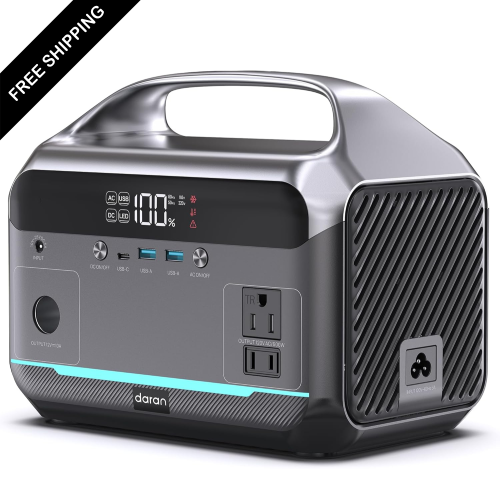
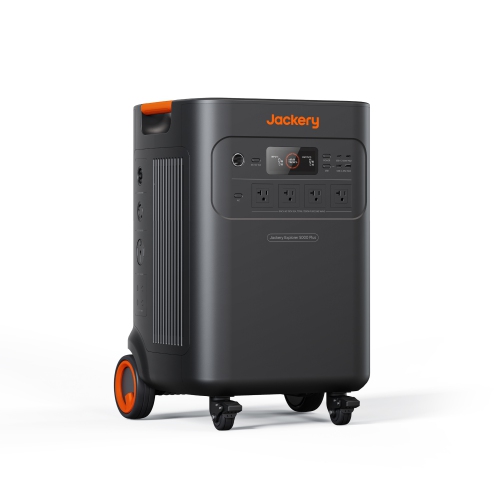
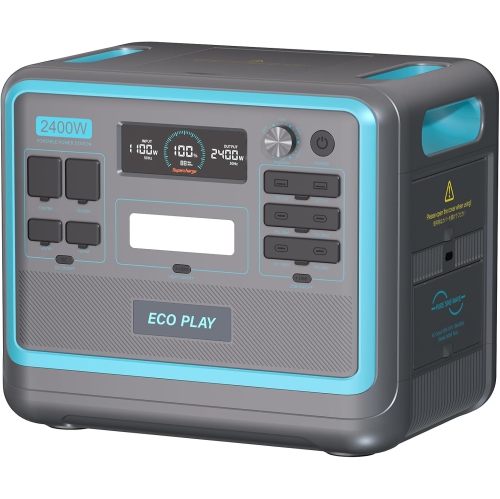
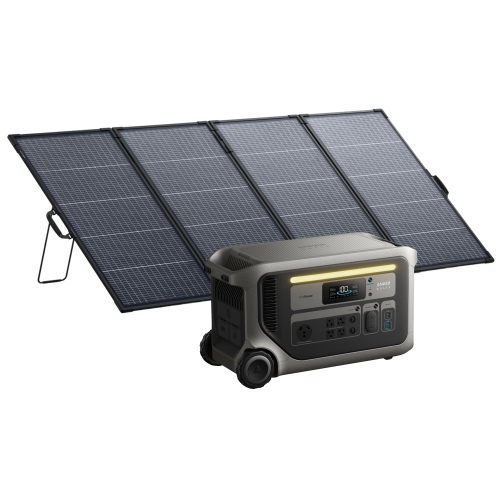
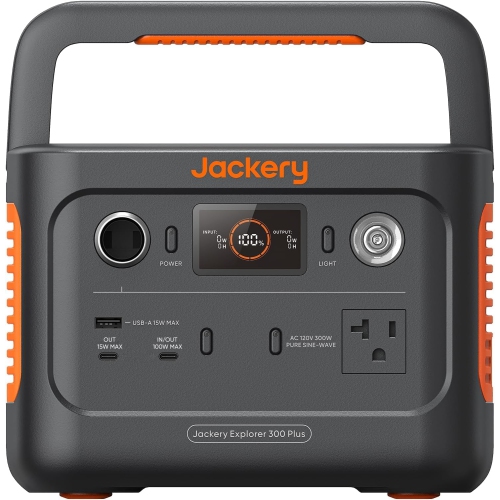
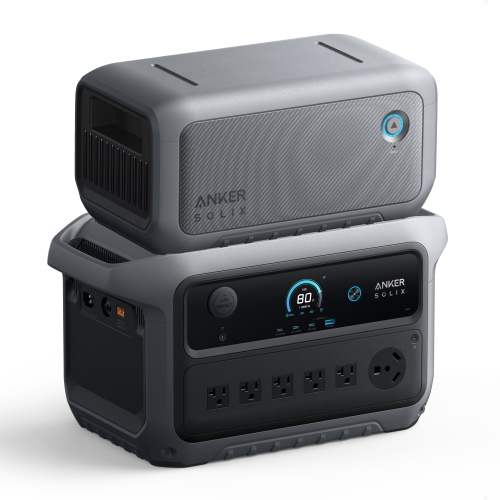
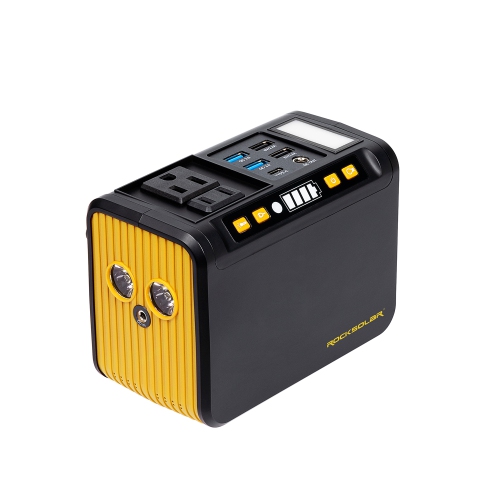
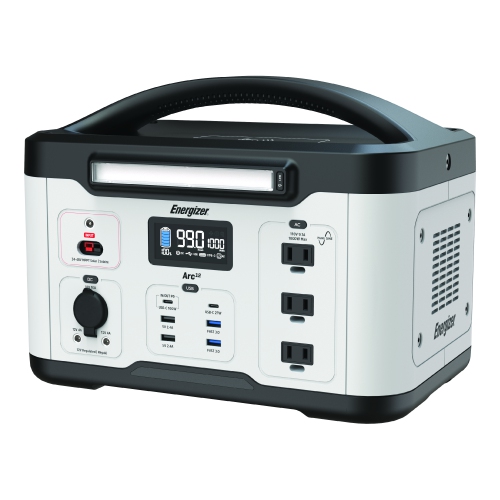
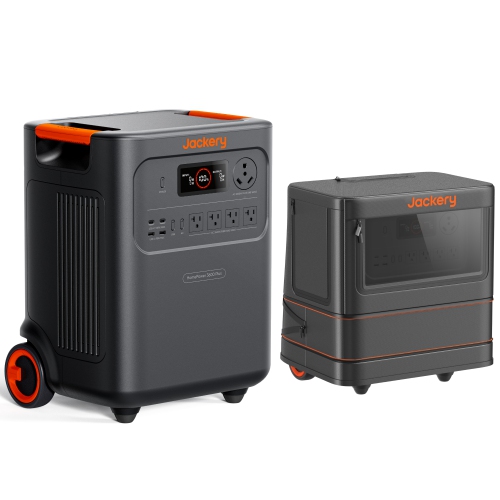
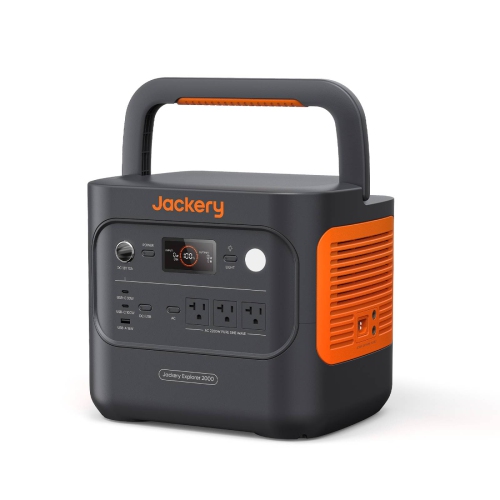
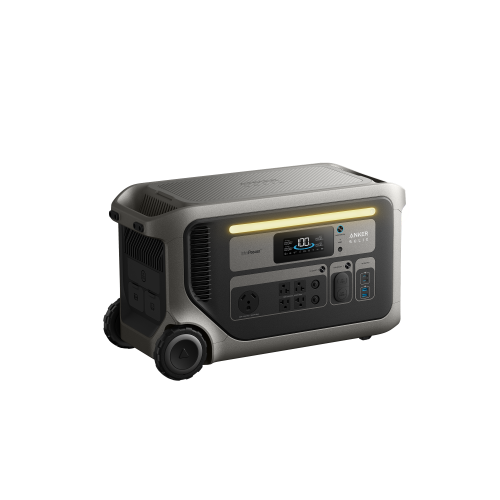
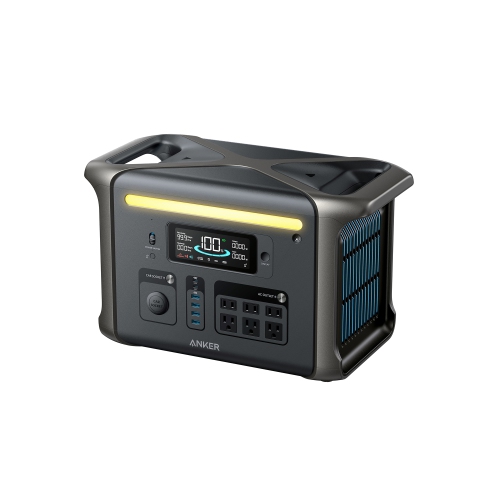
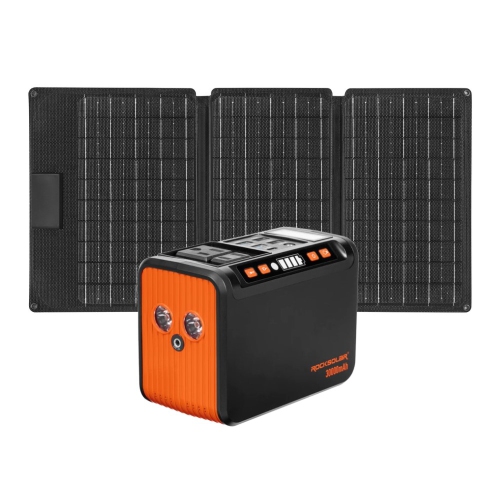
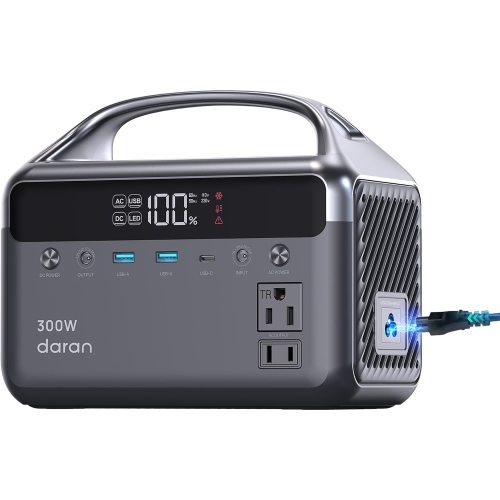
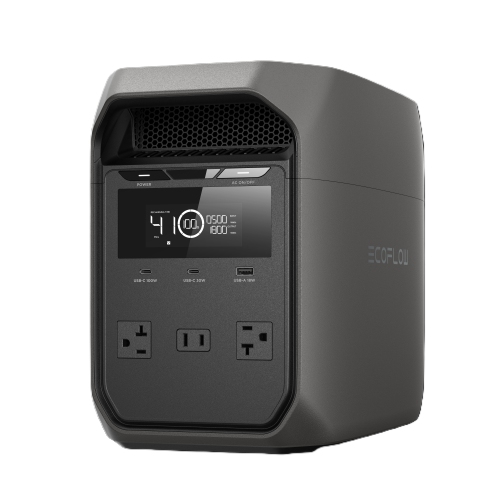
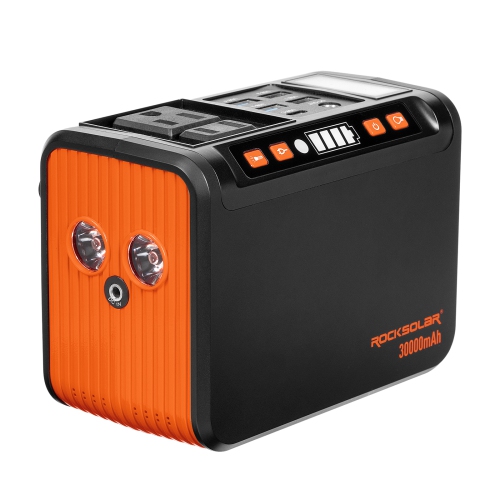
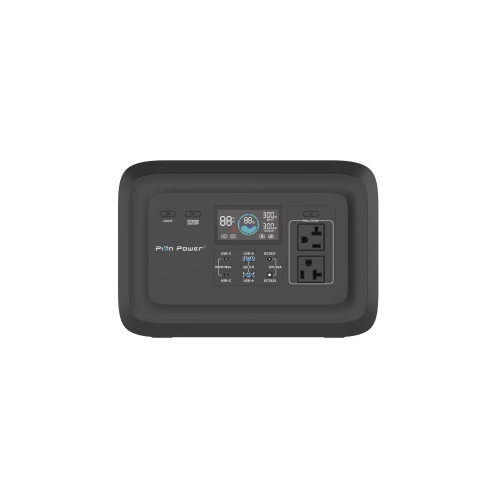
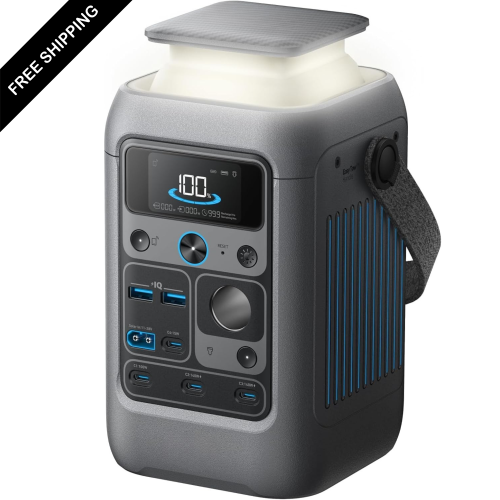
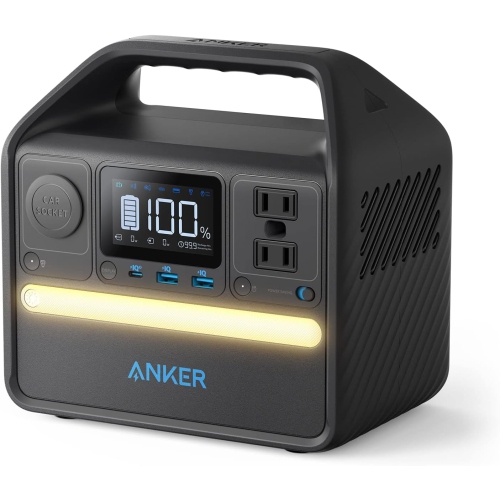
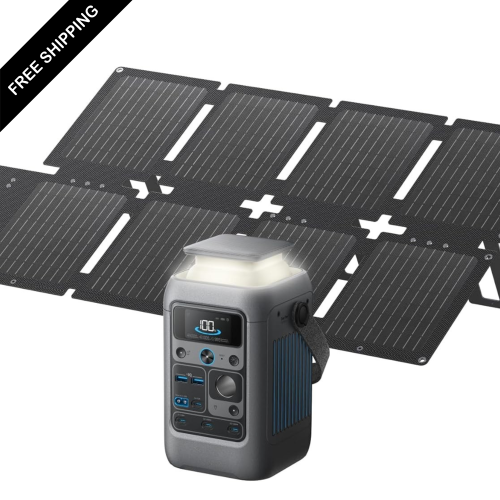
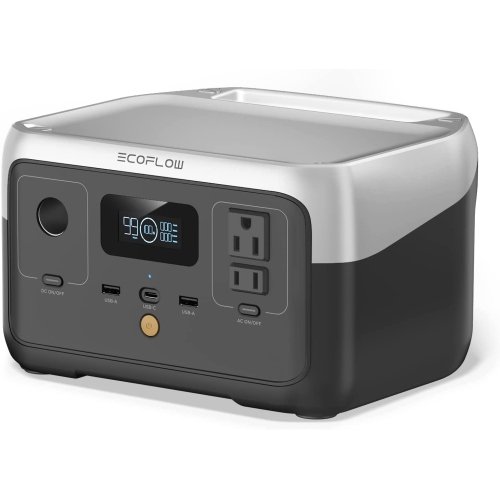
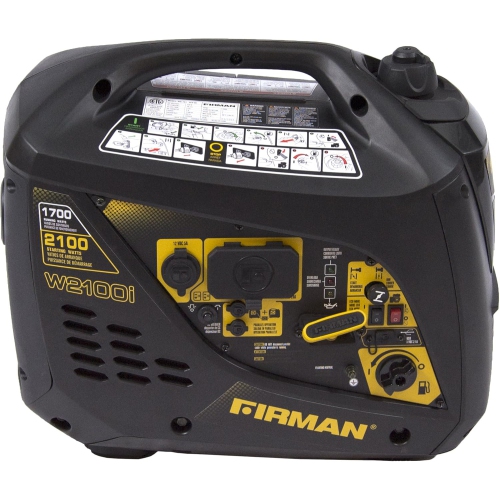
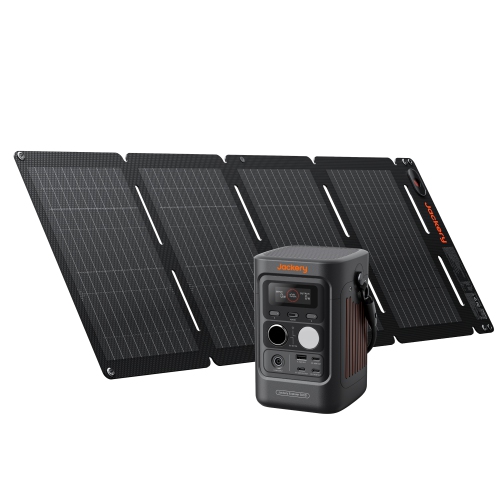
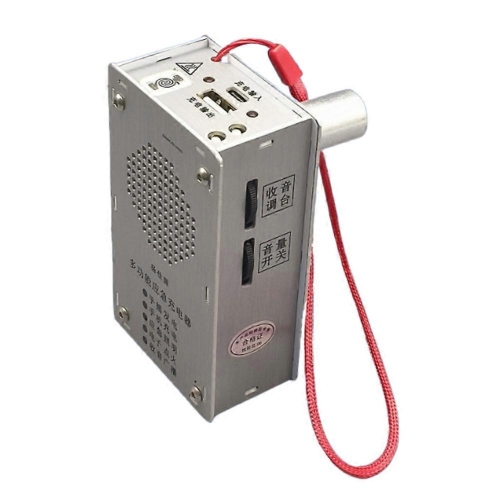
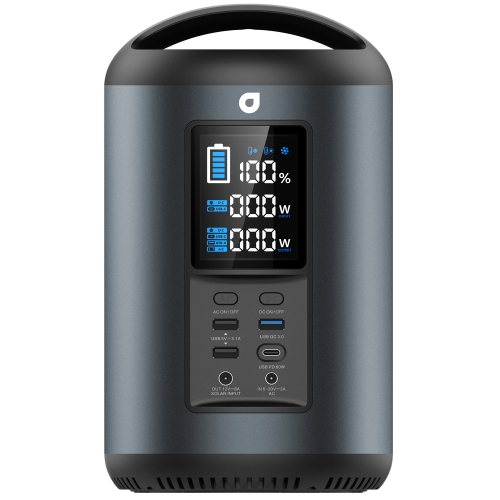
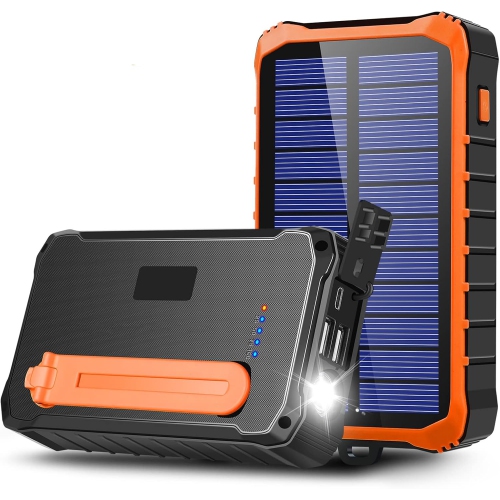
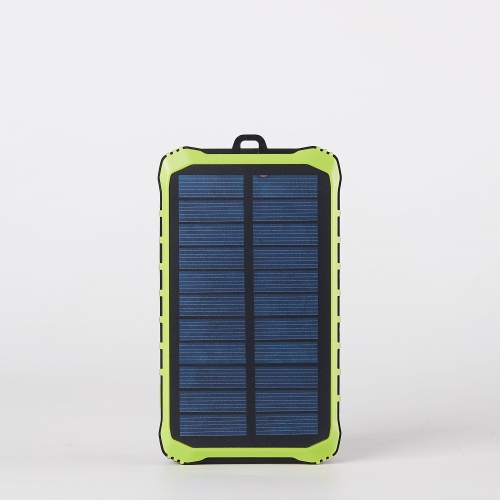
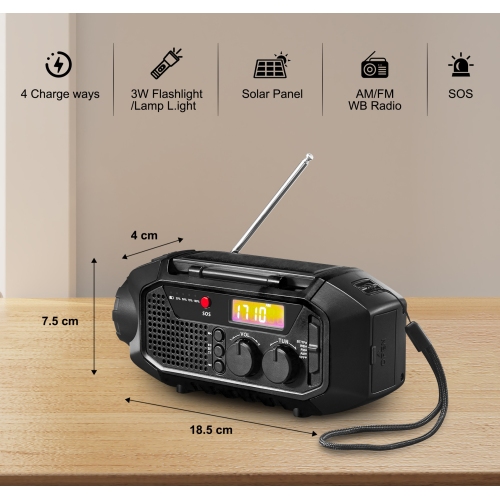
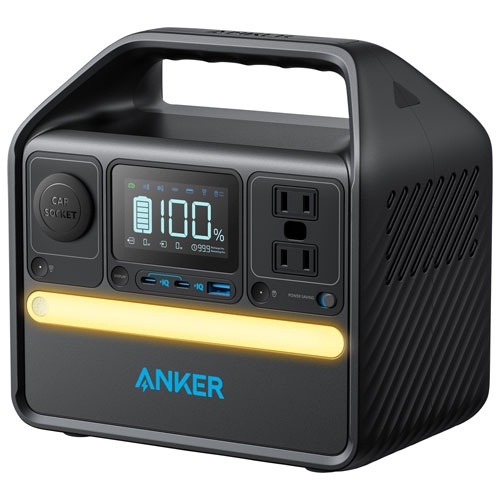
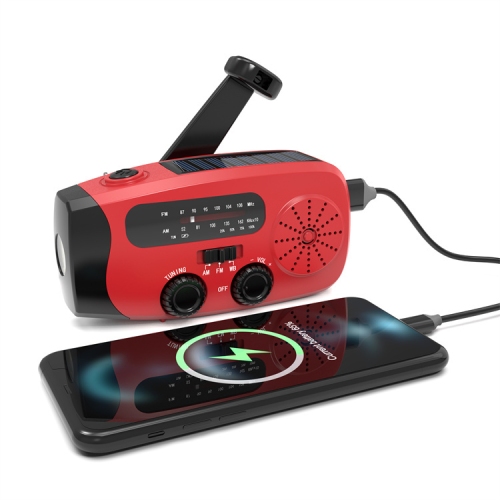
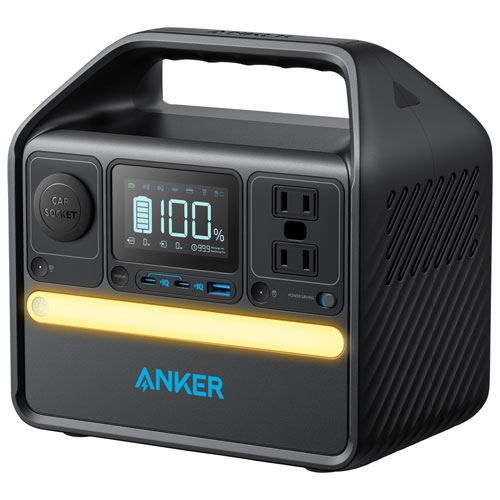
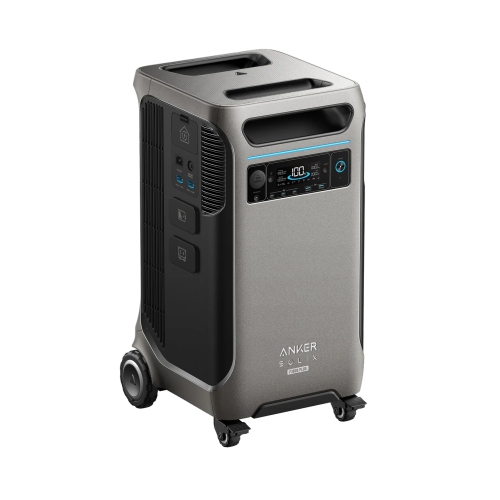
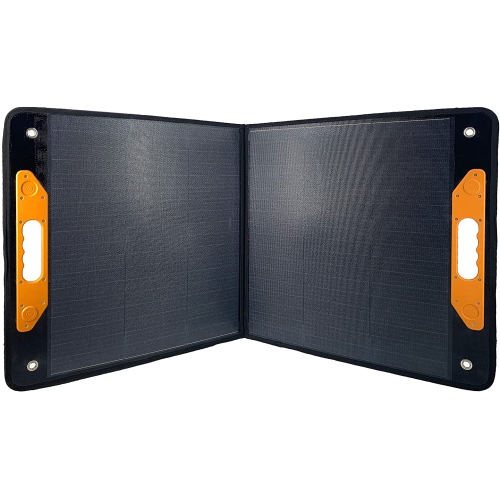
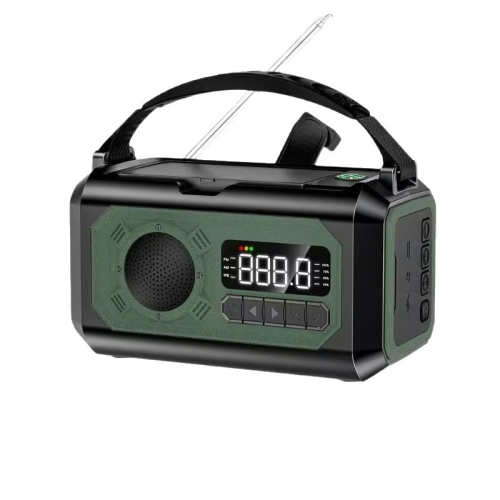
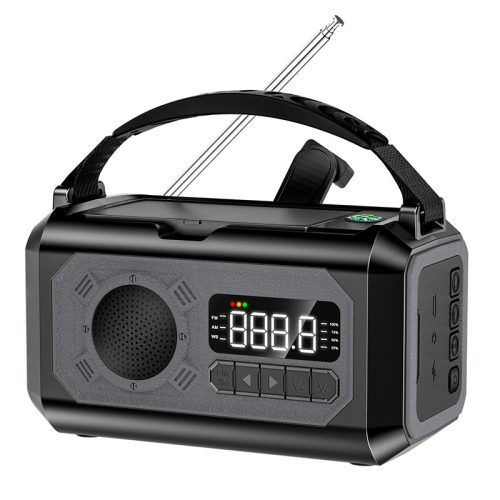
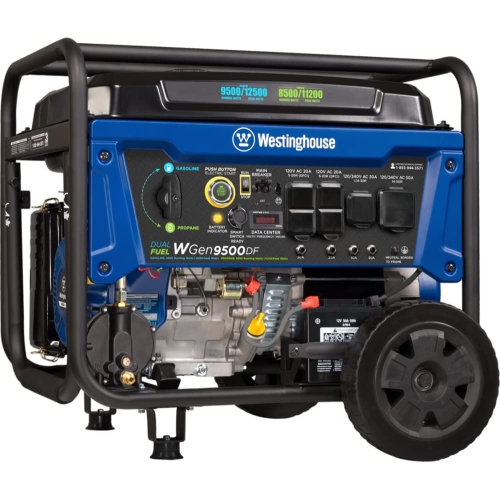
Power generators provide a practical source of electricity when regular power is unavailable or when you need energy away from a wall outlet. They can help keep essential household equipment operating during an outage, supply power to tools at a remote worksite, or add convenience to camping, tailgating, RV trips, and other outdoor activities. The right choice depends on how and where you plan to use it. Portable gas generators are popular for their strong output and familiar operation, making them useful for running larger appliances, lights, sump pumps, refrigerators, freezers, and power tools. Dual-fuel generators offer added flexibility by accepting gasoline or propane, which can be useful when one fuel is unavailable or when you want different operating options for home backup and recreation. Some models are designed with a more compact, open-frame format for moving between locations, while others place greater emphasis on reduced noise, easier carrying, or convenient controls. Inverter generators are often a good fit for campsites, patios, RVs, and homes where quieter operation matters. They adjust engine speed according to the electrical demand and produce stable power that is suitable for sensitive devices such as laptops, televisions, mobile devices, cameras, and audio equipment. For smaller electronic needs, a battery-based Power Stations category may also be worth exploring, particularly when silent operation and indoor-friendly charging are priorities. Unlike fuel-powered generators, battery stations do not require engine maintenance or fuel storage, although their available runtime depends on battery capacity and the wattage of the connected devices.
Before choosing among power generators, make a list of the equipment you expect to run and check each item’s running watts and starting watts. A refrigerator, freezer, furnace fan, pump, or power tool may draw considerably more electricity when its motor starts than it uses once running, so selecting a generator based only on the lower running figure can lead to overloads or interruptions. Add the starting wattage of equipment that may operate at the same time, then leave some extra capacity for an occasional light, charger, or small appliance. Generators with lower output can be suitable for keeping phones charged, powering lamps, operating a television, or running a few small devices, while higher-output models may be needed for kitchen appliances, heating equipment, medical devices, or several motor-driven appliances together. Pay attention to outlets, cord requirements, fuel type, tank size, estimated runtime, control layout, wheel and handle design, and the weight of the unit. A generator that stays in a garage for occasional outages may have different priorities than one that travels in a vehicle every weekend. Fuel storage is another practical consideration: gasoline should be kept in approved containers and handled according to local requirements, while propane cylinders also need secure storage and careful connection. Read the operating instructions before an emergency, check oil levels when required, inspect cords for damage, and run the unit periodically according to the manufacturer’s recommendations. These simple habits can make setup less stressful when a storm, equipment failure, or unexpected outage affects the household during the cooler months.
Safe placement and connection are essential whenever you use power generators. Fuel-powered units must operate outdoors in a well-ventilated area, well away from doors, windows, vents, garages, and other enclosed or partially enclosed spaces because engine exhaust can contain carbon monoxide. Never use a portable generator inside a home, garage, shed, tent, vehicle, or covered porch, even if doors or windows are open. Keep the generator dry, place it on a stable surface, and allow adequate clearance around the engine and exhaust so heat does not build up near walls, furniture, vehicles, or flammable materials. Use heavy-duty outdoor-rated extension cords with the correct capacity, and avoid connecting too many devices through power bars or undersized cables. If you want to connect a generator to household circuits, have a qualified electrician install the appropriate transfer equipment; plugging a generator into a wall outlet can create dangerous backfeed that may injure people working on power lines and damage the electrical system. Portable power generators can be especially valuable for homeowners who rely on a sump pump, freezer, mobility equipment, or other essential devices, while smaller inverter models may suit campers, travellers, students, and apartment dwellers with limited storage. They can also be thoughtful gifts for someone setting up an RV, preparing a workshop, or building an emergency kit, provided the recipient has a safe place to operate and store the unit. As the weather shifts between warmer days and colder nights, dependable backup power can add reassurance during interruptions, but the best experience comes from matching generator capacity to real household needs and using the equipment with care.
Before choosing among power generators, make a list of the equipment you expect to run and check each item’s running watts and starting watts. A refrigerator, freezer, furnace fan, pump, or power tool may draw considerably more electricity when its motor starts than it uses once running, so selecting a generator based only on the lower running figure can lead to overloads or interruptions. Add the starting wattage of equipment that may operate at the same time, then leave some extra capacity for an occasional light, charger, or small appliance. Generators with lower output can be suitable for keeping phones charged, powering lamps, operating a television, or running a few small devices, while higher-output models may be needed for kitchen appliances, heating equipment, medical devices, or several motor-driven appliances together. Pay attention to outlets, cord requirements, fuel type, tank size, estimated runtime, control layout, wheel and handle design, and the weight of the unit. A generator that stays in a garage for occasional outages may have different priorities than one that travels in a vehicle every weekend. Fuel storage is another practical consideration: gasoline should be kept in approved containers and handled according to local requirements, while propane cylinders also need secure storage and careful connection. Read the operating instructions before an emergency, check oil levels when required, inspect cords for damage, and run the unit periodically according to the manufacturer’s recommendations. These simple habits can make setup less stressful when a storm, equipment failure, or unexpected outage affects the household during the cooler months.
Safe placement and connection are essential whenever you use power generators. Fuel-powered units must operate outdoors in a well-ventilated area, well away from doors, windows, vents, garages, and other enclosed or partially enclosed spaces because engine exhaust can contain carbon monoxide. Never use a portable generator inside a home, garage, shed, tent, vehicle, or covered porch, even if doors or windows are open. Keep the generator dry, place it on a stable surface, and allow adequate clearance around the engine and exhaust so heat does not build up near walls, furniture, vehicles, or flammable materials. Use heavy-duty outdoor-rated extension cords with the correct capacity, and avoid connecting too many devices through power bars or undersized cables. If you want to connect a generator to household circuits, have a qualified electrician install the appropriate transfer equipment; plugging a generator into a wall outlet can create dangerous backfeed that may injure people working on power lines and damage the electrical system. Portable power generators can be especially valuable for homeowners who rely on a sump pump, freezer, mobility equipment, or other essential devices, while smaller inverter models may suit campers, travellers, students, and apartment dwellers with limited storage. They can also be thoughtful gifts for someone setting up an RV, preparing a workshop, or building an emergency kit, provided the recipient has a safe place to operate and store the unit. As the weather shifts between warmer days and colder nights, dependable backup power can add reassurance during interruptions, but the best experience comes from matching generator capacity to real household needs and using the equipment with care.
Top selling and popular products
-
 Your price for this item is $2799
 -
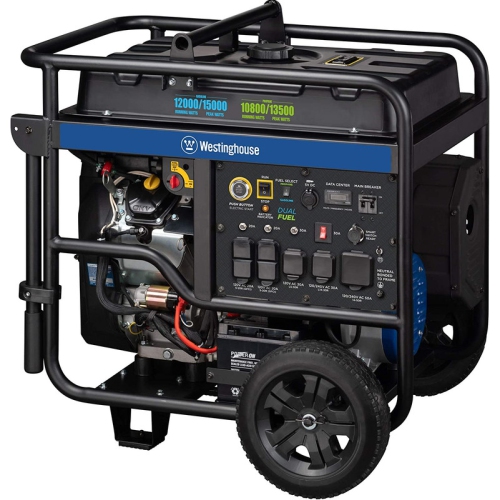 Your price for this item is $6199
 -
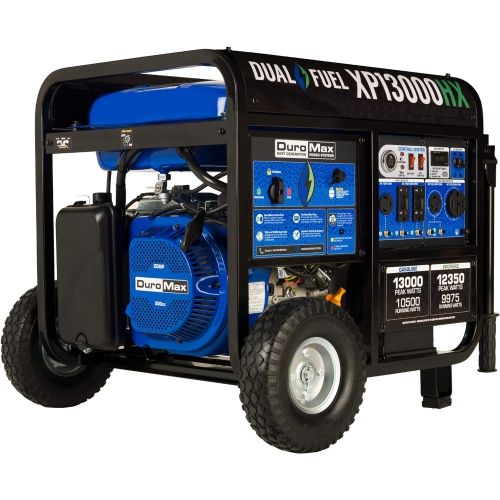 Your price for this item is $3499
 -
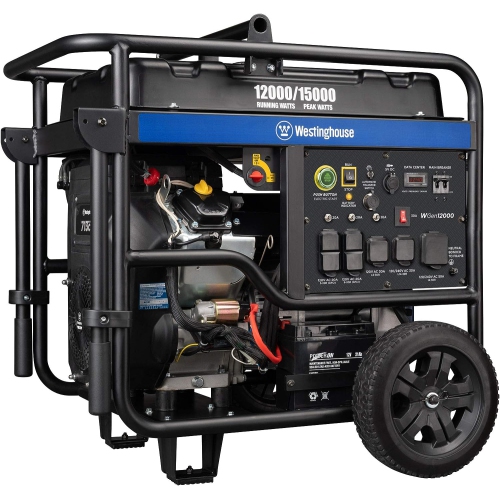 Your price for this item is $5499
 -
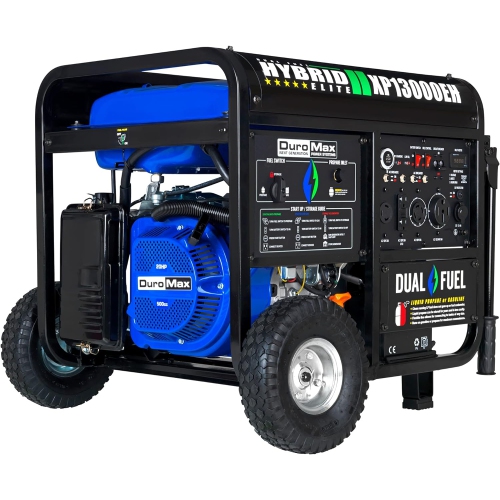 Your price for this item is $2899
 -
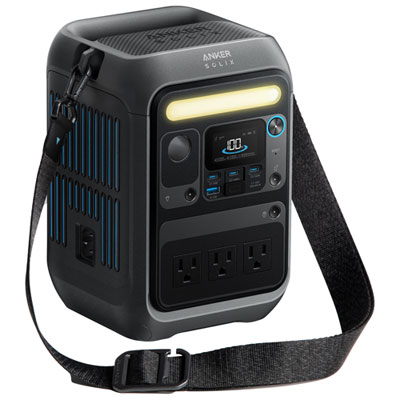 Your price for this item is $369.99
 -
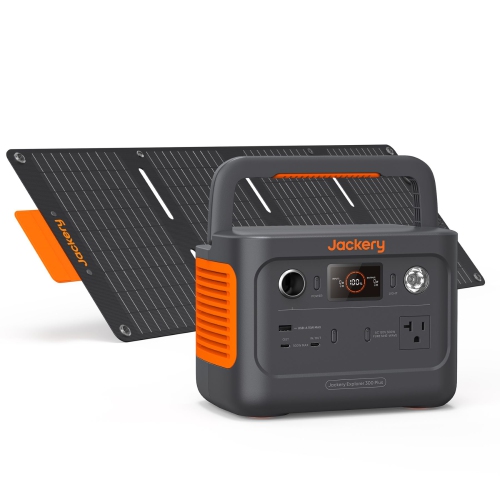 Your price for this item is $399
 -
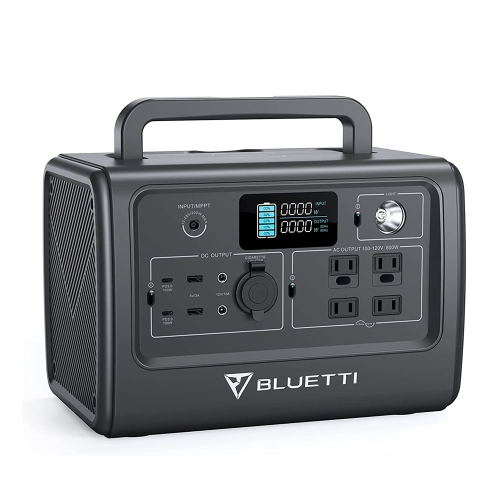 Your price for this item is $549
Discover more categories related to Power Generators
Top Collections:
Pokemon Centers, Kindle Devices, Best Budget Office Chairs, Canon G7X Cameras, Apple iPhones 16, Samsung Galaxy Phones, Refurbished Apple Laptops, Laptops for Students, iPhone 15 Apple, Budget Smartphones
Some products may be subject to Environmental Handling Fees
(EHF) depending on your province.
Learn more about EHFs.