Precision Shooting Equipment
For those who take their precision shooting seriously, having the right equipment can make all the difference. Whether you're a seasoned marksman or a beginner honing your skills, having access to top-of-the-line gear is essential for achieving accuracy and consistency on the range or in the field. From high-quality rifles and scopes to specialized accessories and protective gear, our selection of precision shooting equipment is curated to meet the needs of enthusiasts and professionals alike. Explore our range of products designed to enhance your shooting experience and help you achieve your targets with confidence and precision.
Sort












Better consistency starts with the right fit and tuning
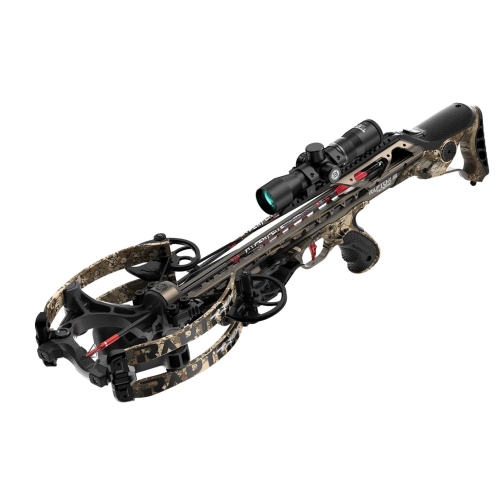
Precision shooting equipment brings together the bows, arrows, aiming accessories, and tuning tools that help archers shoot with greater consistency. In an archery setting, precision begins with choosing equipment that matches the way it will be used. Compound bows are designed with cams and cables that can make it easier to hold at full draw, while recurve bows offer a more direct shooting experience with a simpler profile and a smooth, responsive feel. Traditional bows appeal to archers who enjoy a classic approach and a closer connection between technique and equipment. Target archers often prioritize repeatable draw weight, balance, adjustability, and a comfortable fit for longer practice sessions. Bowhunters may look for a compact setup that is manageable in a blind, treestand, or wooded area, along with dependable accessories that support quiet and controlled movement. Beginners benefit from equipment that is forgiving and easy to adjust as their form develops, while experienced archers may focus on fine details such as axle-to-axle length, brace height, draw length, let-off, cam design, and overall weight. A bow should feel stable in the hand without becoming tiring, and the draw cycle should suit the archer’s strength and experience rather than simply matching a higher specification. Since fit has a direct effect on comfort and accuracy, checking manufacturer sizing information and working with a qualified archery professional can be valuable before making a final choice.
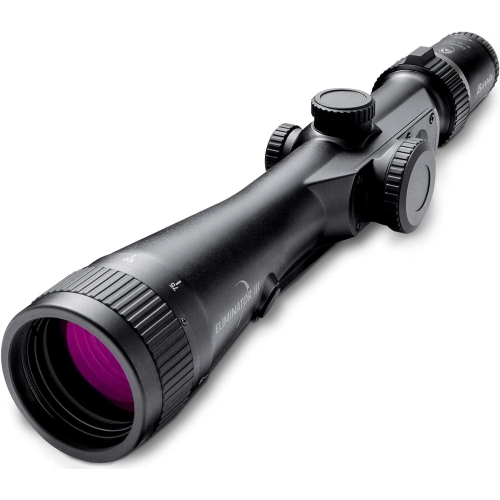
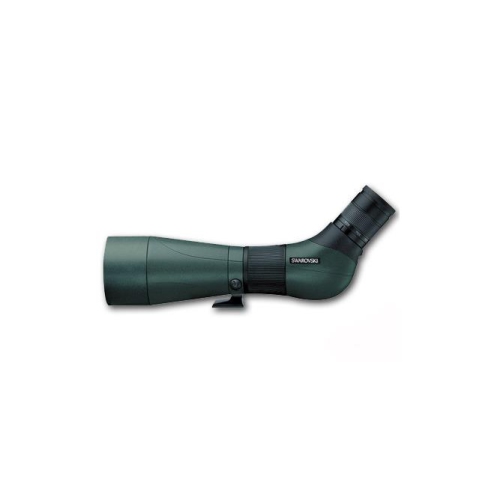
Arrows are just as important as the bow itself. Their length, spine, weight, point style, and construction should be compatible with the bow’s draw weight and the archer’s draw length. Carbon arrows are widely used for their consistent straightness and durable construction, while aluminium arrows remain popular in many target settings for their predictable flight and easy-to-see finish. Properly matched arrows help reduce erratic flight and make practice more productive, particularly when an archer is refining release technique or moving between different distances. Arrow rests support the shaft as it leaves the bow, and the right style can complement the bow design and shooting discipline. A quiver keeps arrows within easy reach and helps keep the setup organized, whether it attaches to the bow, belt, or another piece of equipment. Sights, releases, stabilizers, peep sights, and dampening accessories can also contribute to a more controlled setup, but adding equipment gradually is often the best approach. I have seen new archers improve more quickly by first concentrating on a comfortable stance, a repeatable anchor point, and a clean release rather than changing several accessories at once. Small adjustments can have a noticeable effect: an arrow rest that is slightly misaligned, a release that does not fit the hand, or a stabilizer that makes the bow feel front-heavy may all show up as inconsistent groups. For archers who enjoy observing target impact or checking the placement of shots from a longer distance, Spotting Scopes can provide a clear view without requiring frequent trips downrange.
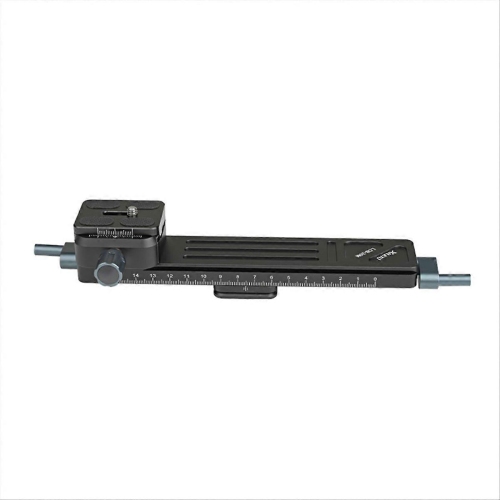
Precision also depends on care, tuning, and safe habits. A bow tuning fixture or similar maintenance tool can help with tasks such as checking alignment, inspecting the nocking point, setting an arrow rest, and making controlled adjustments to cables or strings. Regularly examining strings, serving, cams, limbs, arrow shafts, fletching, and nocks can help identify wear before it affects performance. Any damaged arrow should be removed from use, since cracks and bends may not always be obvious at a glance. Archers should use a properly rated target with a suitable backstop, confirm that the shooting lane is clear, and follow the rules of the range or property where they practise. Hunting equipment should be selected and used in accordance with provincial regulations, permitted seasons, landowner requirements, and local safety guidance. During cooler months, gloves, extra layers, and changing conditions can affect finger movement, anchor points, and equipment handling, so a little additional practice time helps maintain a steady routine. Precision shooting equipment can be a thoughtful gift for someone who is beginning target archery, returning to the sport, or building a more complete setup, especially when paired with practical accessories that suit their existing bow. For a gift, it is wise to confirm handedness, draw length, draw weight, and compatibility before choosing core equipment; accessories such as arrow storage, maintenance tools, or range essentials may be easier to select without changing the feel of the archer’s primary setup. With the right fit, careful tuning, and regular practice, archery equipment can support quiet concentration, measured progress, and the satisfying experience of watching a group of arrows settle closer together over time.
Top selling and popular products
-
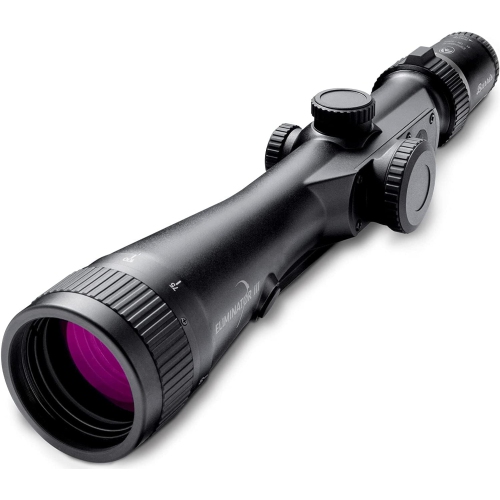 Your price for this item is $2564.05
-
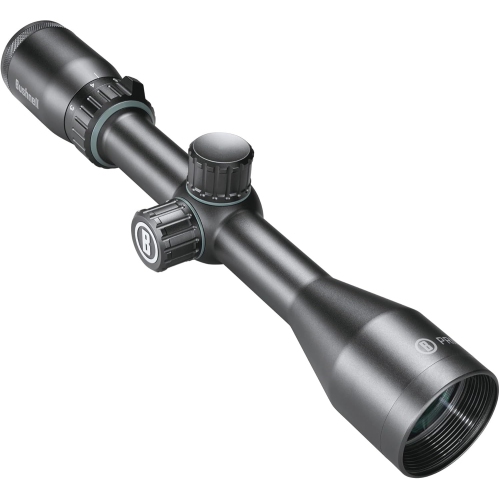 Your price for this item is $149.99
-
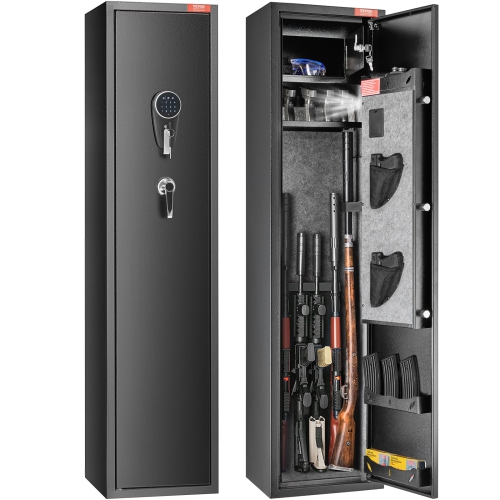 Your price for this item is $427.99
-
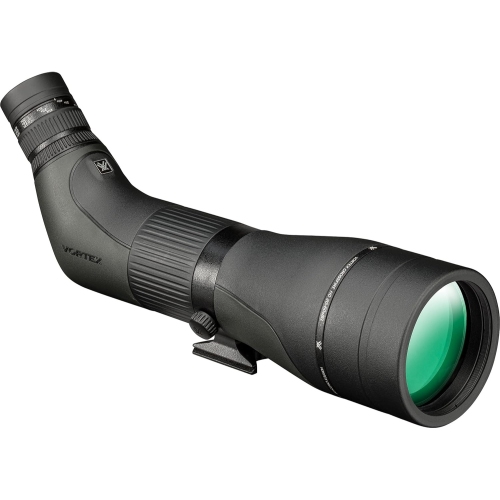 Your price for this item is $469
-
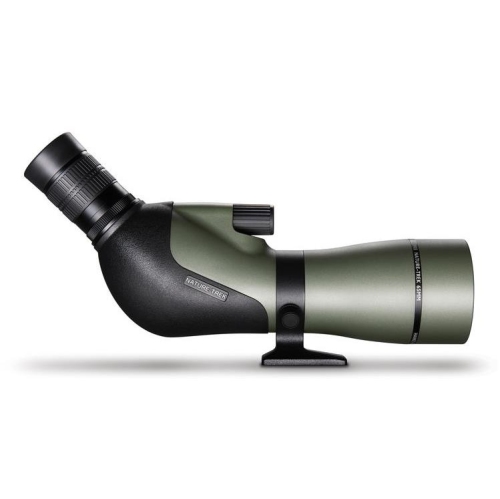 Your price for this item is $399
-
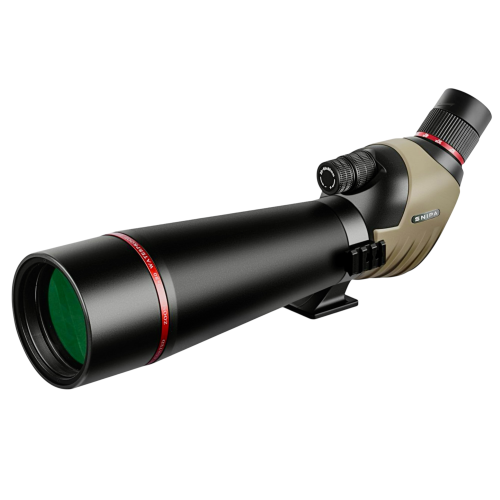 Your price for this item is $384
-
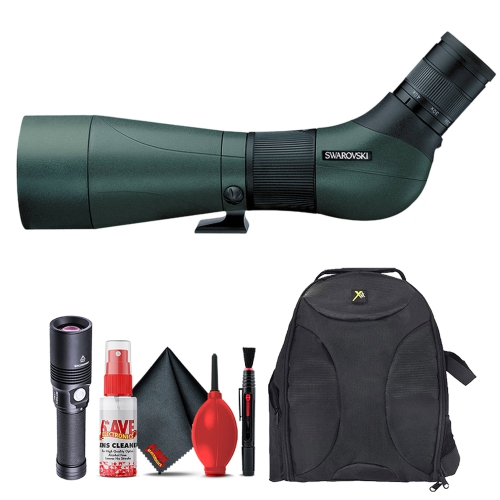 Your price for this item is $3364.95
-
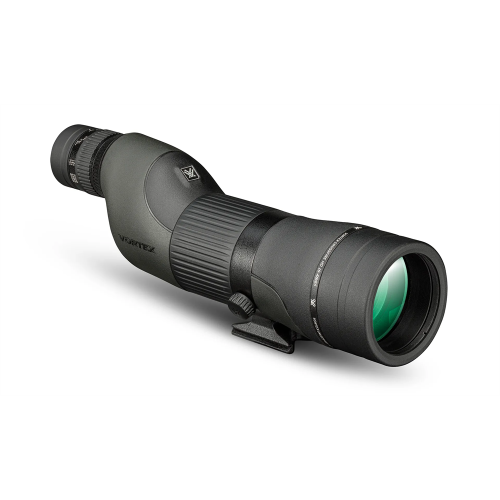 Your price for this item is $399
Discover more categories related to Precision Shooting Equipment

Top Collections:
Pokemon Centers, Best Budget Office Chairs, Kindle Devices, Best Cameras for Sports Photography, Pokémon 30th Celebration Cards, Best Laptops for Writers, Canon G7X Cameras, iPhone 15 Apple, Best Cell Phones Under $300, Apple iPhones 16
Some products may be subject to Environmental Handling Fees
(EHF) depending on your province.
Learn more about EHFs.