Spotting Scopes
Enhance your outdoor adventures with our selection of spotting scopes, designed to bring the wonders of nature up close and in crystal-clear detail. Whether you're a birdwatching enthusiast, a wildlife photographer, or an avid hunter, a spotting scope is an essential tool for observing distant objects with precision and clarity. With various magnification levels, lens coatings for optimal light transmission, and durable construction for rugged use in the field, these spotting scopes are sure to elevate your viewing experience and help you capture every moment with breathtaking clarity.
Sort
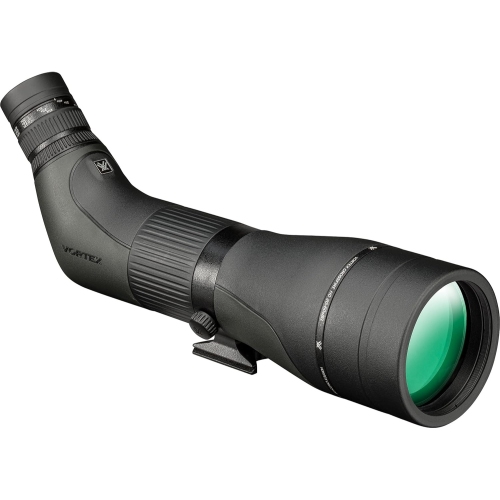
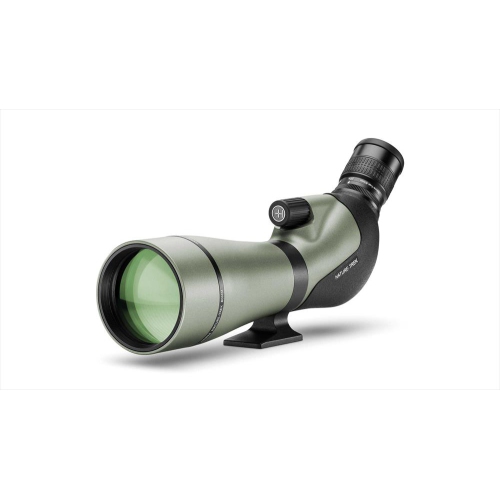
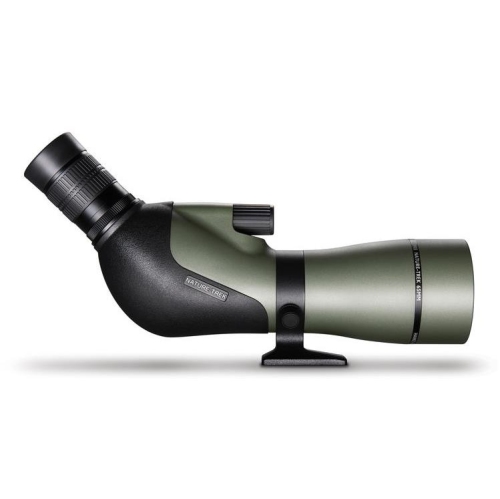
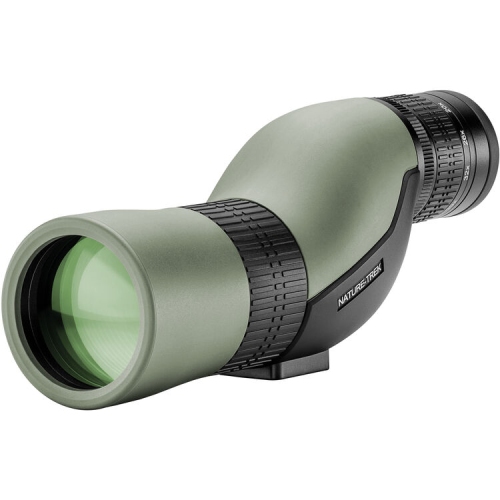
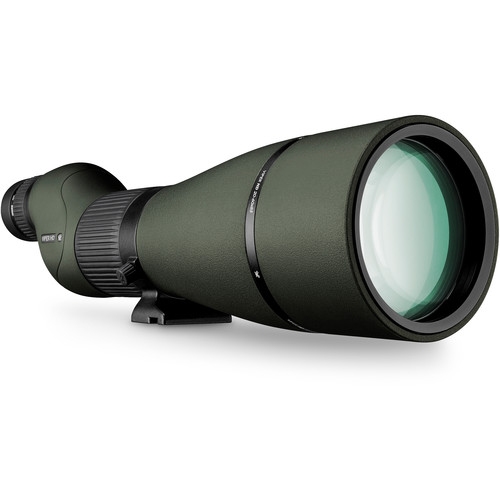
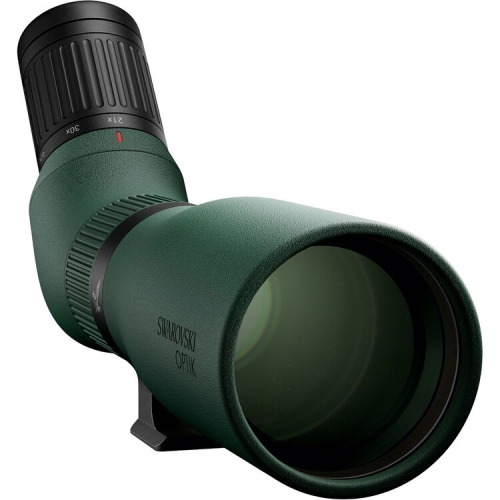
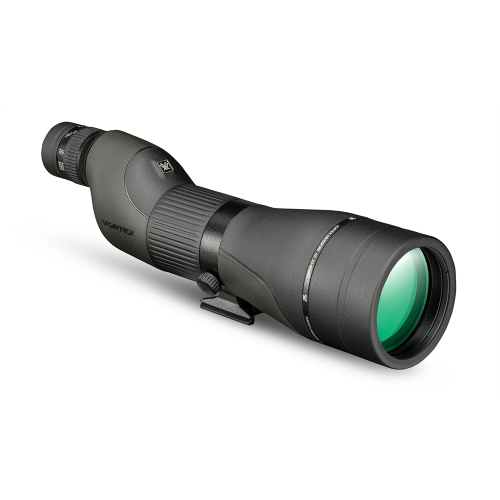
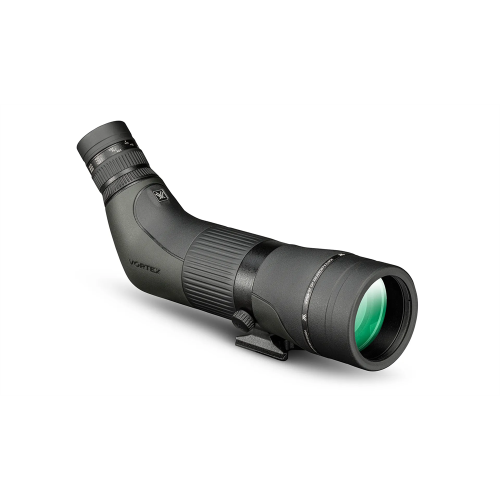
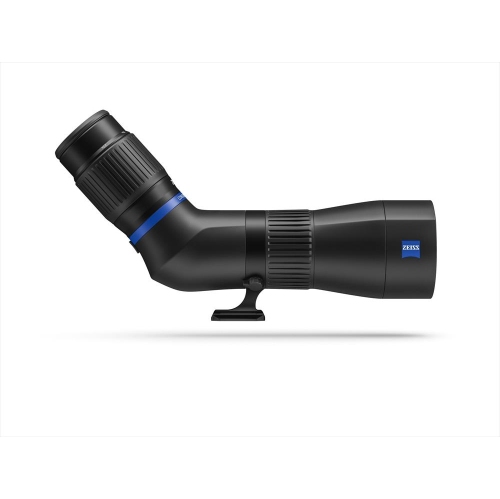
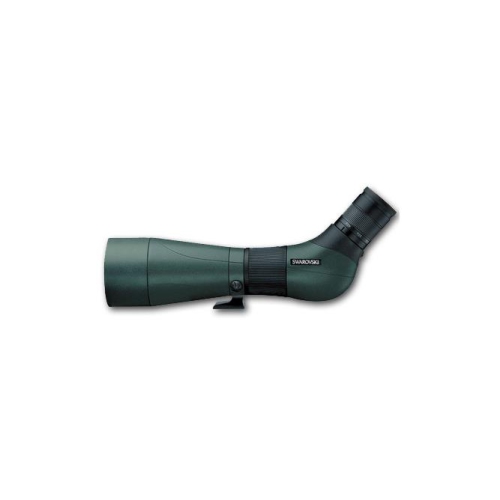
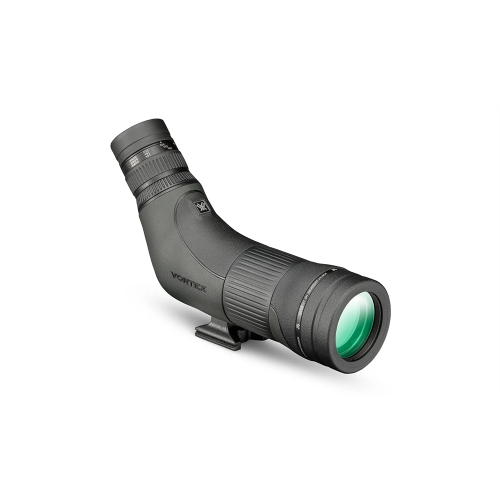
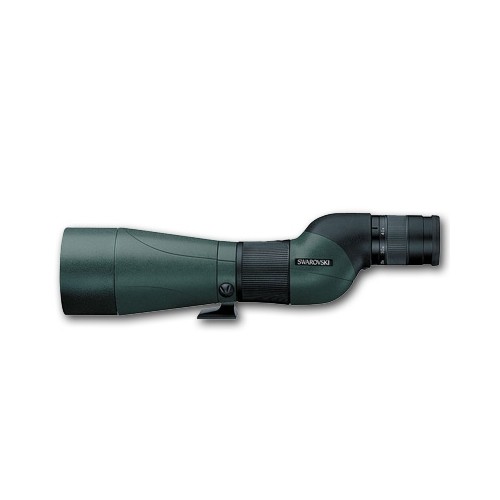
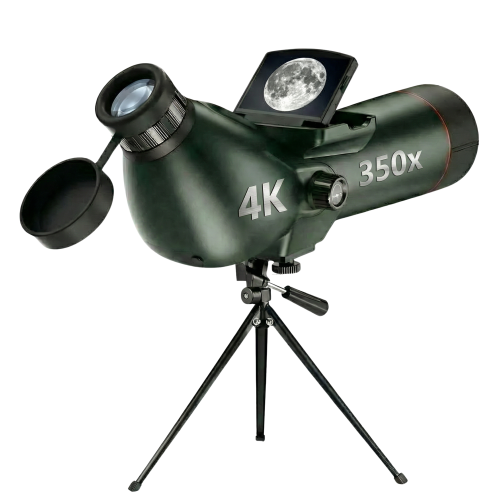

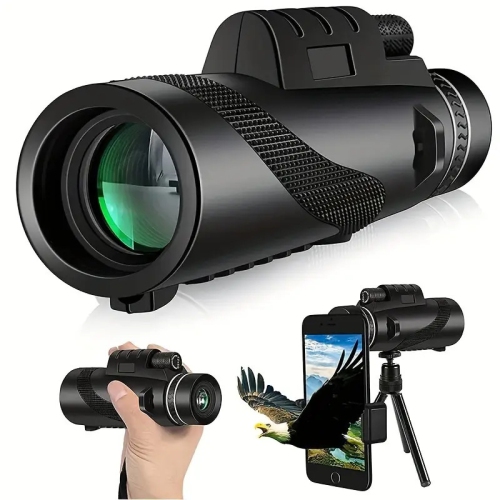
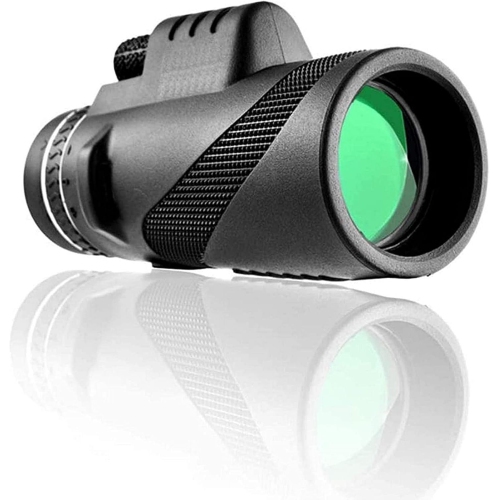
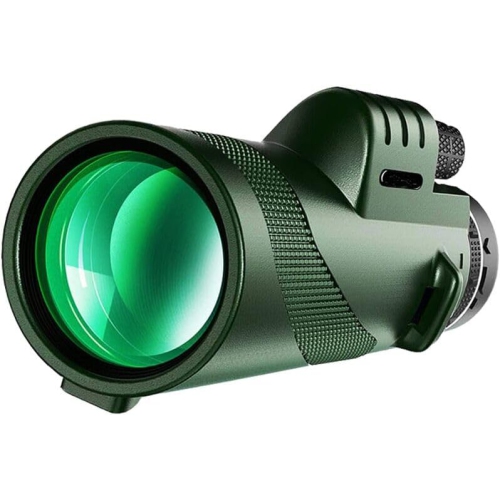
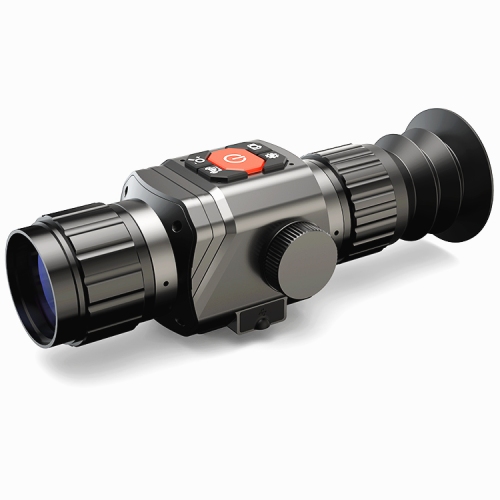
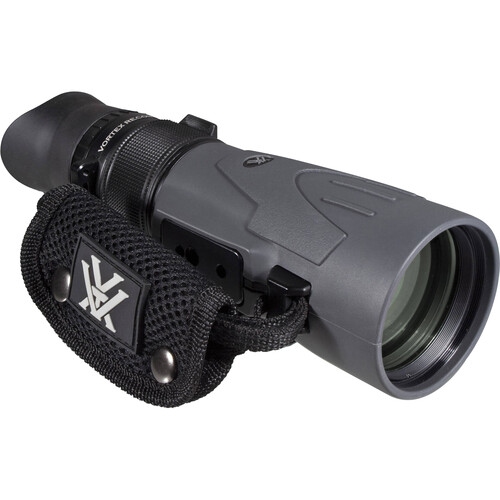
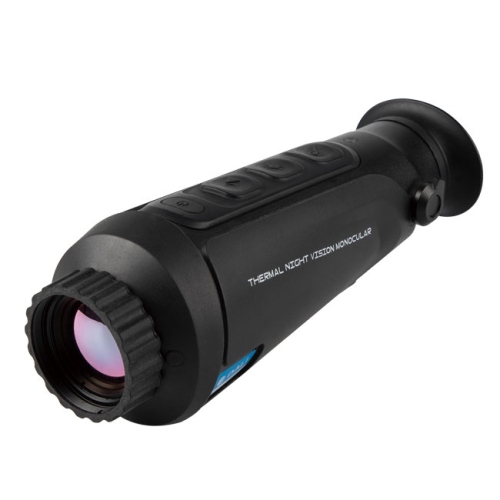
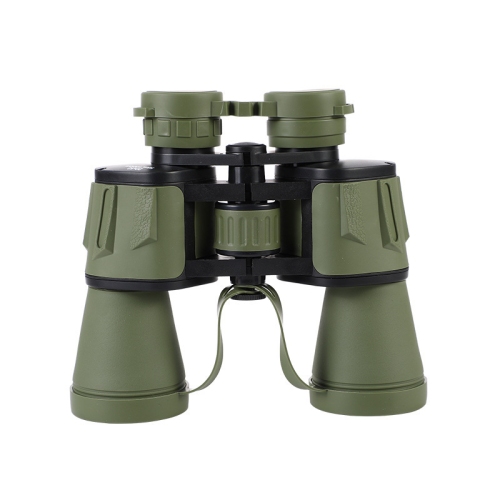
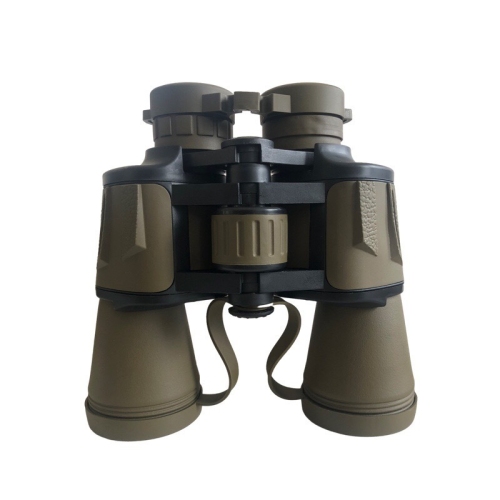
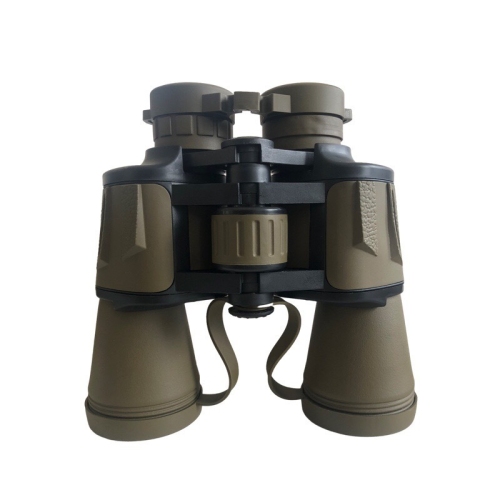
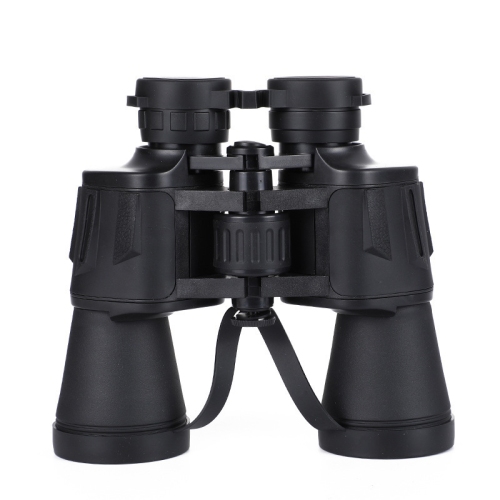
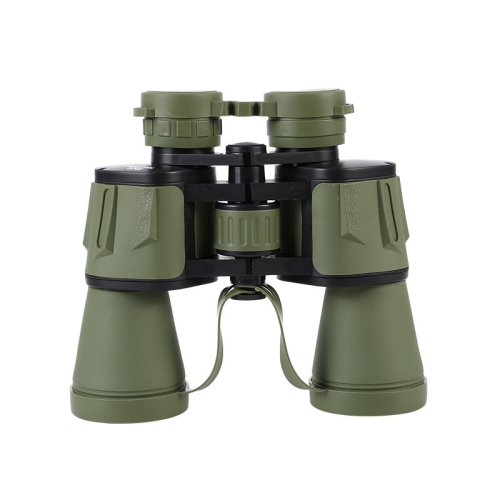
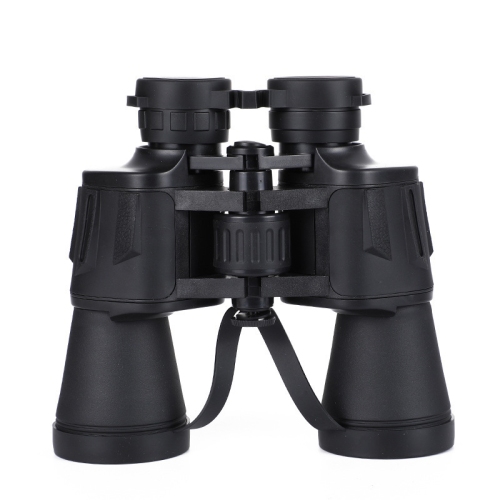
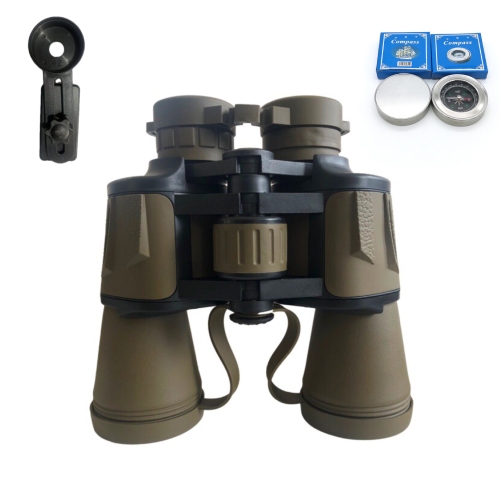
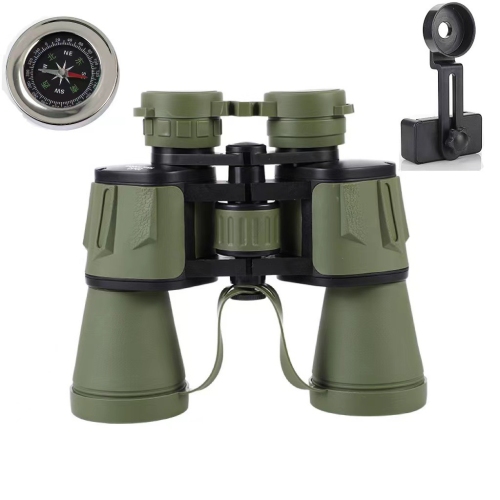
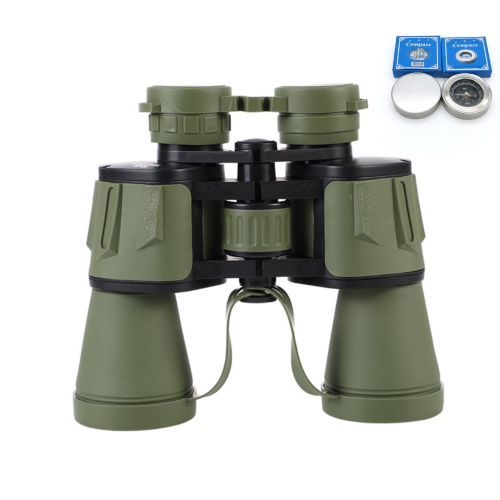
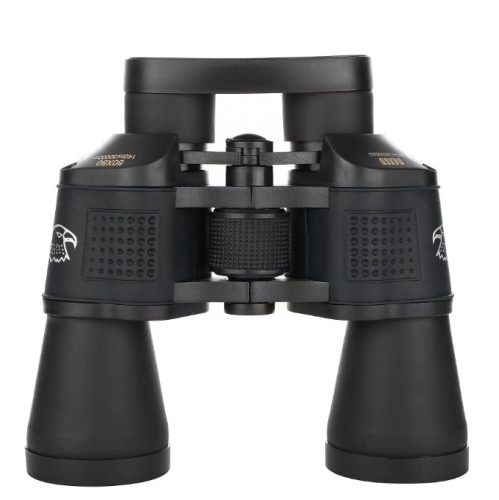
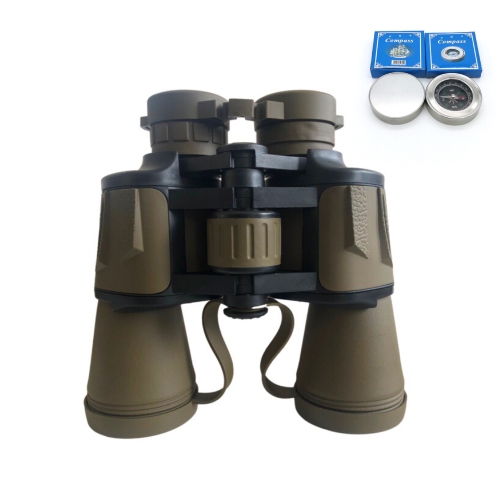
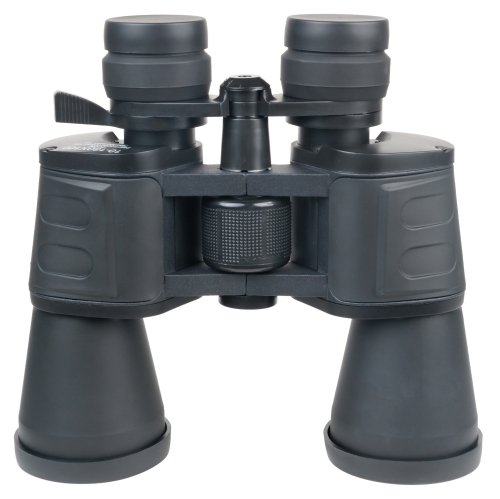
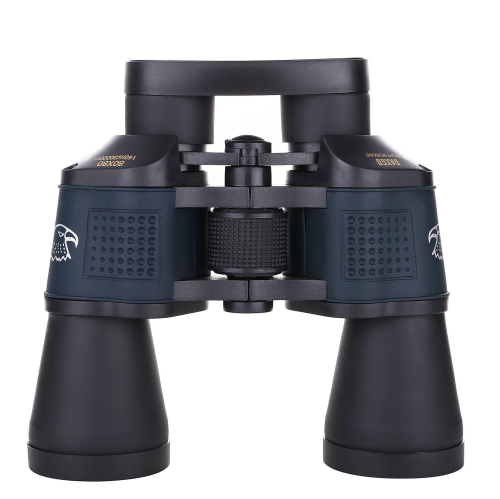

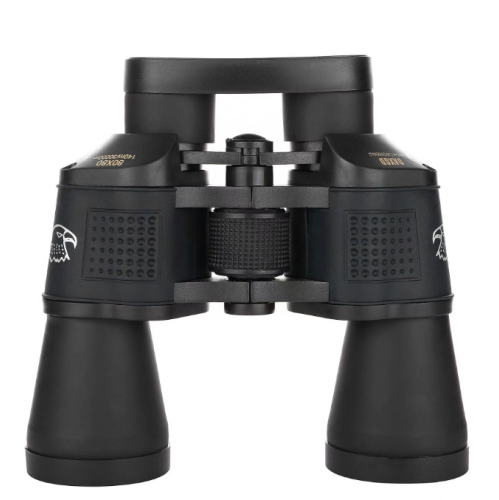
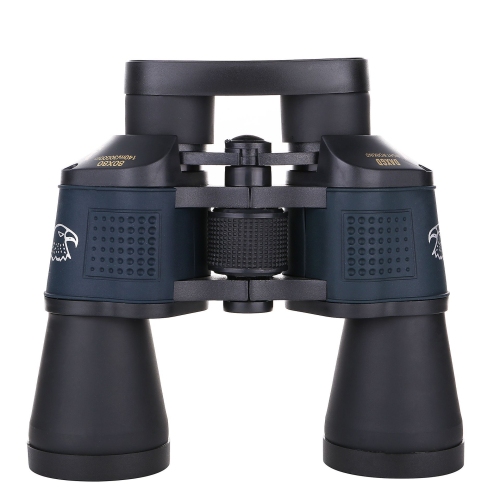
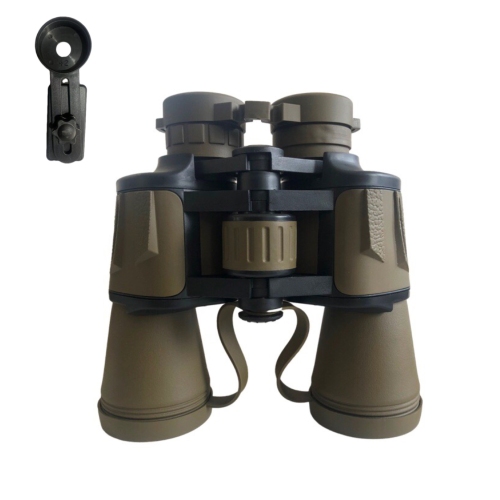
Long-distance viewing with sharper detail and steadier support
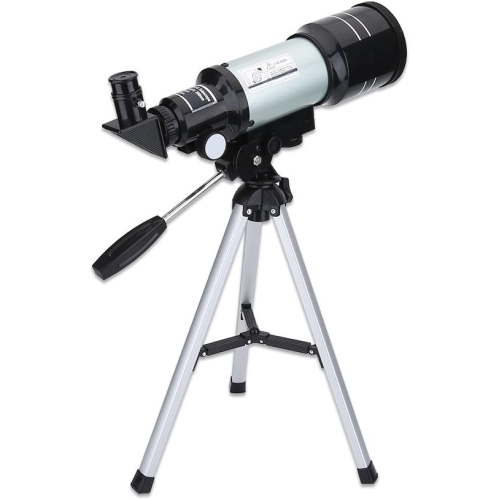
Spotting scopes are portable, high-powered telescopes designed for detailed viewing over long distances. They are a practical choice for birdwatching, wildlife observation, hunting, target shooting, landscape viewing and other outdoor activities where binoculars may not provide enough magnification. A spotting scope can help reveal the markings on a distant bird, the movement of wildlife across an open field or the fine detail of a target at a shooting range. Many models offer variable magnification, commonly covering a range such as 20x to 60x. The lower setting provides a wider field of view that makes it easier to locate a subject, while higher magnification brings that subject closer for careful observation. A stable tripod is an important part of the setup, particularly at stronger magnifications, because even small hand movements can make the image appear shaky. Some scopes include a tripod or compatible mounting accessories, while others are designed to pair with a separately chosen support. A phone adapter can also be useful for sharing views or taking quick reference photos through the eyepiece, although a steady mount and good lighting will have the greatest effect on image quality. For a broader look at optical equipment suited to outdoor viewing, explore Good Scopes.
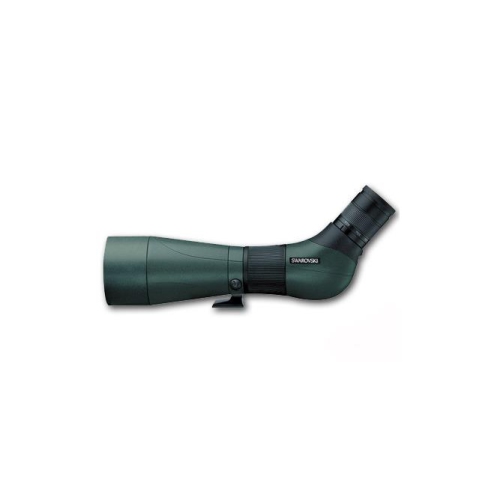
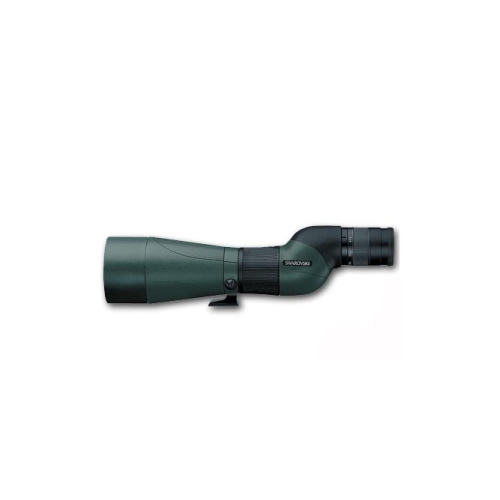
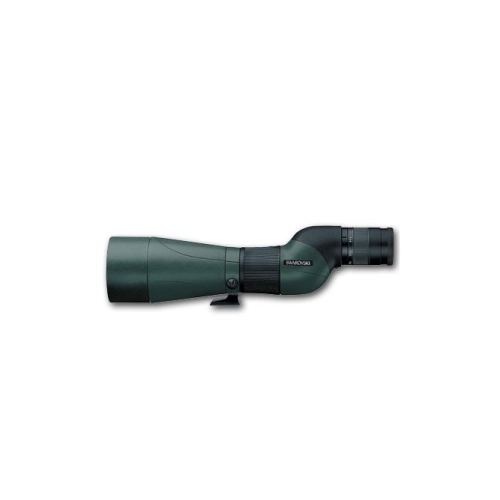
When comparing spotting scopes, consider the balance between magnification, portability and image brightness. The objective lens is the large front lens, and its diameter affects how much light enters the scope. Compact models with objective lenses around 50 mm to 56 mm are easier to carry on a long trail, pack into a vehicle or set up beside a viewing window. Larger objective lenses, often around 65 mm to 85 mm or more, can produce a brighter image in shaded forests, overcast conditions and the lower light of early morning or late afternoon, but they may add weight and require a more substantial tripod. Optical glass and lens coatings also make a noticeable difference. Fully multi-coated lenses are designed to reduce reflections and improve light transmission, while high-density or extra-low dispersion glass can help produce sharper images with less colour fringing around high-contrast edges. These details are especially valuable when viewing a dark bird against a bright sky, distant ridgelines or small features on a target. An angled eyepiece, often set at approximately 45 degrees, can be comfortable for extended viewing and makes it easier for people of different heights to share the scope. It is also well suited to looking uphill or downhill. A straight eyepiece can feel more intuitive when quickly following a moving subject, viewing from a standing position or using the scope from a vehicle or window. Weather-resistant construction, protective lens covers and a smooth focus control are other useful features for outdoor use, particularly when equipment is carried between locations during cooler months.
Spotting scopes can suit both experienced observers and people discovering long-distance viewing for the first time. Birdwatchers may use one at a shoreline, wetland or woodland clearing to study plumage without approaching sensitive wildlife. Nature enthusiasts can keep a scope ready at a cottage, campsite or backyard to watch seasonal migration, distant waterfowl and changing activity across a wide landscape. Hunters and wildlife observers may value the ability to scan open terrain before deciding where to move, while target shooters can use higher magnification to inspect groupings without walking downrange. A scope can also be a thoughtful gift for someone who enjoys hiking, camping, photography or quiet mornings outdoors. For a new user, a compact setup with straightforward controls may be easier to carry and learn, while a more experienced observer may prefer a larger objective lens, refined optics or a wider magnification range. Think about where the scope will be used most often, how far it will be carried and whether it will be shared with other viewers. A padded case can make transport more convenient, and a sturdy tripod with adjustable height can improve comfort during longer sessions. In the field, begin at the lowest magnification to locate the subject, adjust the focus gradually and increase the power only after the view is steady. During the cooler months, allow a scope to adjust to outdoor temperatures before opening its covers, and keep lenses protected from moisture, dust and fingerprints. With the right combination of optical performance, handling comfort and support, a spotting scope can turn a distant landscape into a detailed, rewarding view.
Top selling and popular products
-
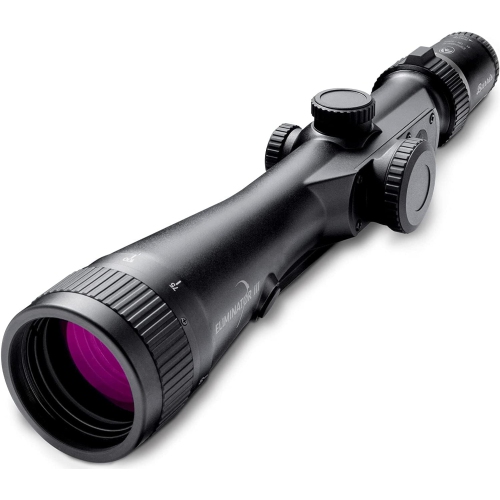 Your price for this item is $2564.05
-
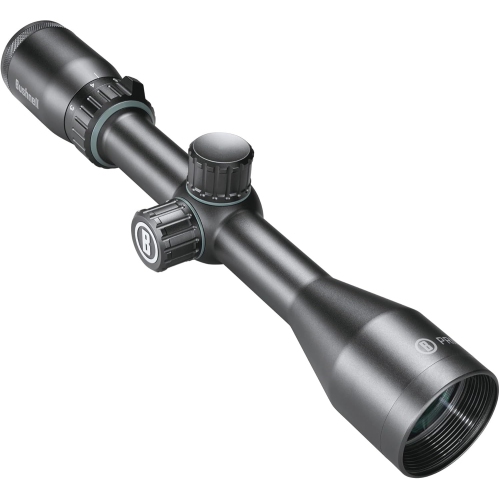 Your price for this item is $149.99
-
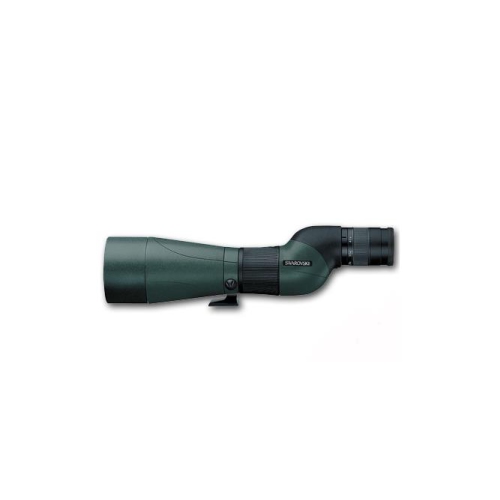 Your price for this item is $5718
-
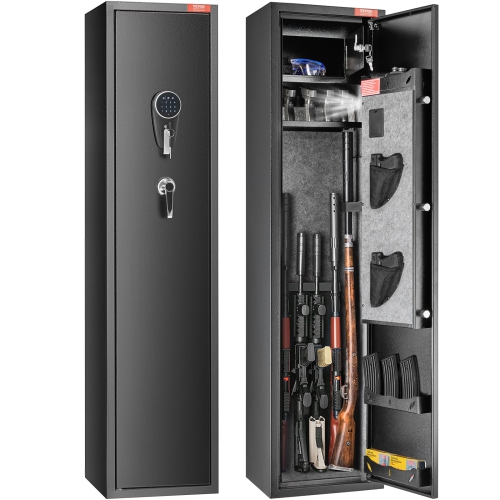 Your price for this item is $427.99
-
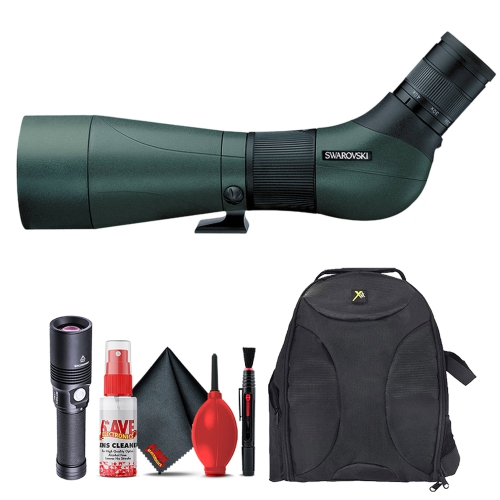 Your price for this item is $3364.95
-
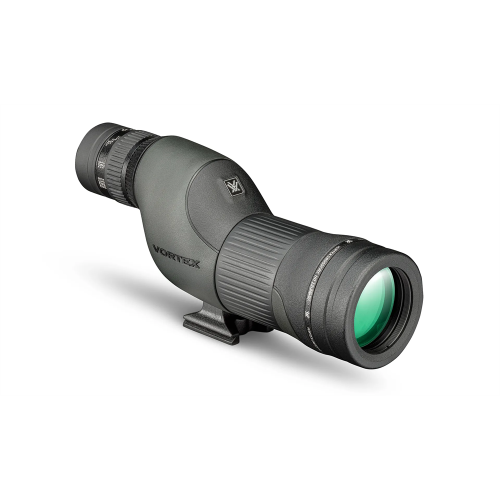 Your price for this item is $319
-
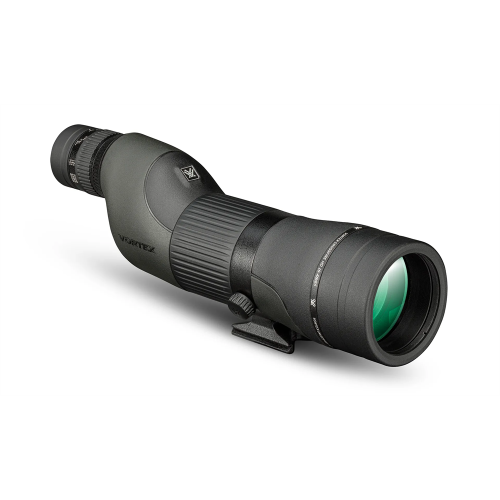 Your price for this item is $399
-
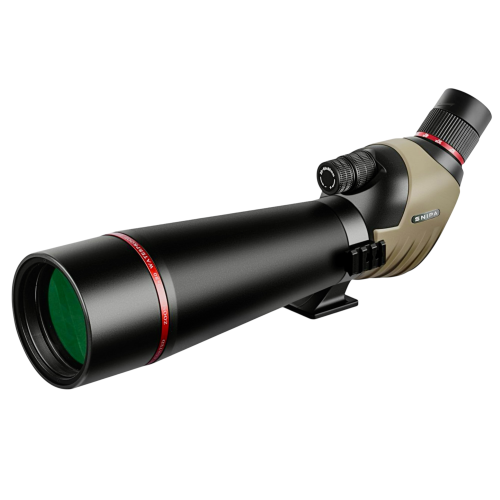 Your price for this item is $384
Discover more categories related to Spotting Scopes
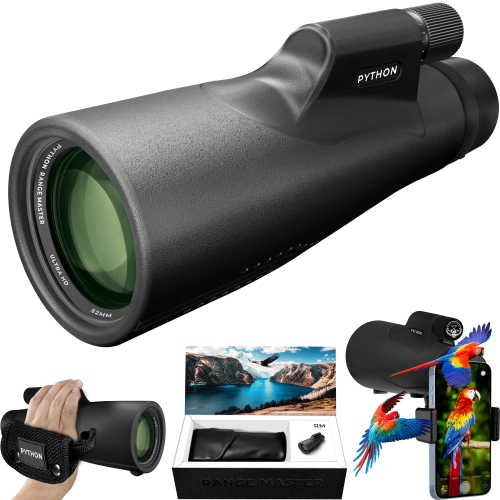
Top Collections:
Pokemon Centers, Kindle Devices, Best Budget Office Chairs, Canon G7X Cameras, Apple iPhones 16, Samsung Galaxy Phones, Refurbished Apple Laptops, Laptops for Students, iPhone 15 Apple, Budget Smartphones
Some products may be subject to Environmental Handling Fees
(EHF) depending on your province.
Learn more about EHFs.