Skating Protective Gear
Skating protective gear is essential for anyone hitting the pavement, rink, or park, ensuring safety and confidence with every glide. Whether you're an avid skateboarder, inline skater, or ice skater, having the right protective equipment can make all the difference in your performance and peace of mind. From helmets to knee pads and wrist guards, each piece plays a crucial role in safeguarding against potential falls and impacts. Explore a wide range of options that cater to various styles and levels of skating expertise, combining comfort with durability to help you focus on mastering your skills while staying protected.
Sort

![CCM : Youth Neck Guard Shirt X Small - Tng4Ba-Yt [Sporting Goods] In Black](https://multimedia.bbycastatic.ca/multimedia/products/500x500/194/19478/19478093.jpeg)
Why skating protection needs more than thick padding
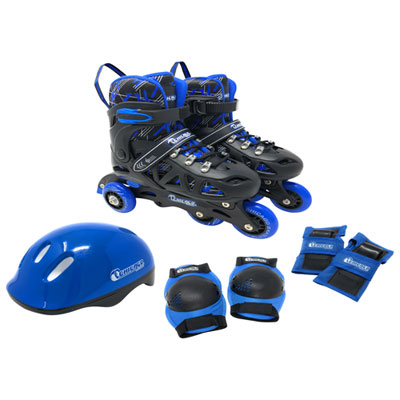
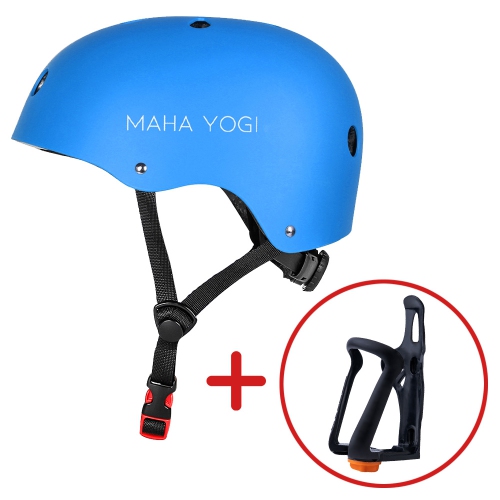
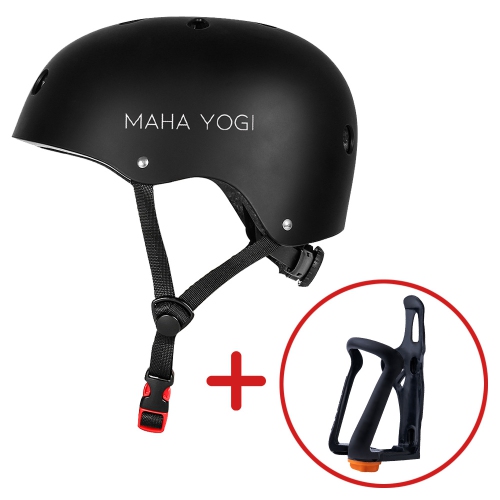
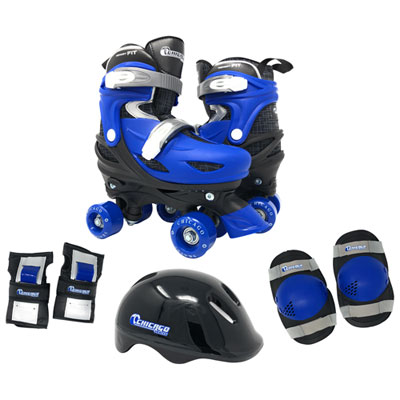
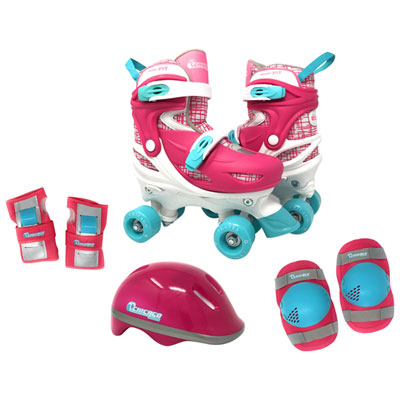
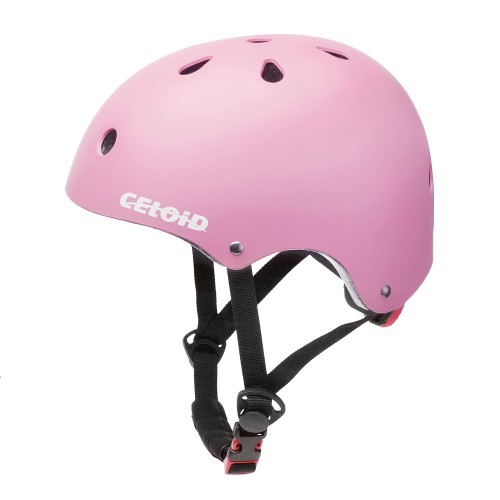
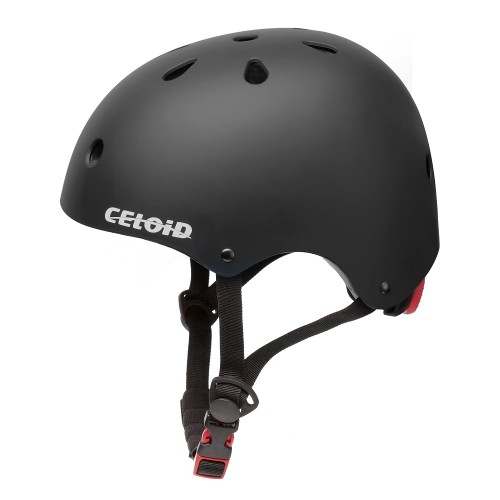
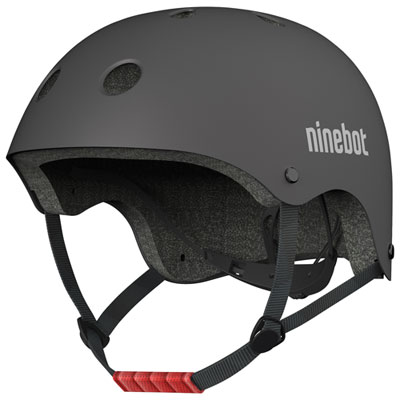
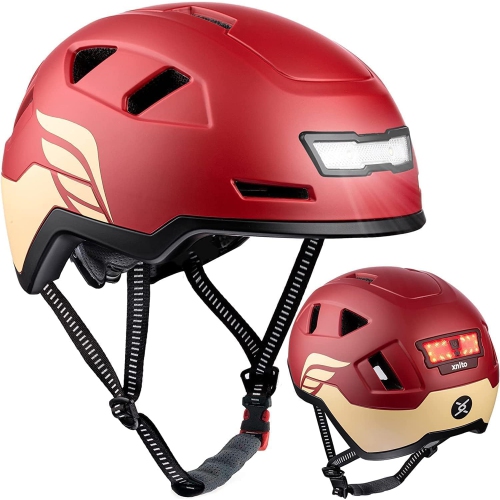
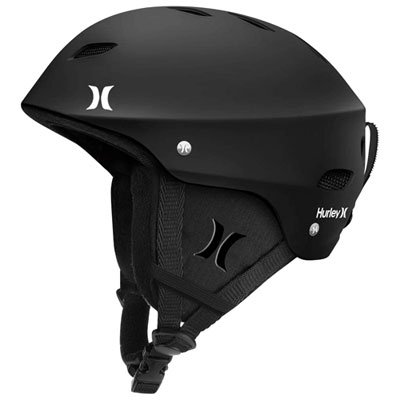
Skating protective gear helps reduce the risk of injury from falls and collisions while supporting comfortable movement on inline skates, roller skates, and other equipment used for recreational skating. The main categories are helmets, wrist guards, knee pads, and elbow pads, each addressing a different area of protection. A helmet helps protect the head, wrist guards provide structured support around the palm and wrist, and knee and elbow pads cushion contact while helping shield skin from scrapes. Together, these pieces are relevant to beginners finding their balance, regular skaters practising turns and stops, and experienced riders working on more demanding skills. A stumble on a smooth rink floor is different from a slide across rough pavement, so intended activity and surface matter as much as appearance. Protective equipment should be designed for the type of skating involved rather than chosen solely because it looks sturdy or feels heavily padded. For helmets, the certification label and manufacturer’s stated use are important details: a bicycle helmet certification does not automatically mean a helmet is suitable for every skating discipline. ASTM F1492, for example, addresses helmets used for skateboarding and trick roller skating. The right helmet sits level and securely on the head, with its straps adjusted according to the manufacturer’s directions, rather than tipping back to expose the forehead. Its fit should remain stable when the wearer moves their head, without uncomfortable pressure points. Vent openings, interior padding, and adjustment systems can influence comfort, but they do not replace an appropriate safety certification or correct sizing. No helmet or pad can prevent every injury, and protective gear works alongside controlled speeds, suitable skating spaces, and skills such as stopping and falling safely. For children taking their first tentative strides or adults returning to a favourite activity, comfortable, well-fitted protection is easier to wear consistently through a full skating session.
Materials and construction give skating pads their distinct feel and performance. Hard-shell knee and elbow pads typically combine a rigid outer cap with cushioning underneath. The cap helps shield the joint from abrasive contact, while the padding helps absorb impact; the amount of coverage and the manufacturer’s intended use remain important when comparing designs. Reinforced stitching and durable outer fabrics can help withstand repeated rubbing around the edges, particularly where a pad meets the ground during a fall. Softer, low-profile pads use flexible cushioning and fabric coverings to offer a less bulky feel, sometimes fitting beneath clothing more comfortably. Their suitability depends on the activity and their stated protection level, not simply on whether a skater is a beginner or experienced. Some flexible impact materials change their response under force, but performance claims should be supported by the manufacturer’s specifications. Wrist guards commonly feature rigid plastic or composite splints positioned along the palm side, and sometimes the back of the wrist, to provide support during a fall. They should allow the fingers to move naturally while remaining secure around the hand and wrist. Across all pad types, fit is a balance between stability and freedom of movement: protection should stay centred over the intended area without pinching, causing numbness, or restricting normal skating posture. A knee pad that shifts sideways when the wearer bends into a turn may leave the joint exposed at the moment it is needed. Sizing charts often rely on body measurements rather than age alone, and separate measurements may be needed for knees, elbows, wrists, and head circumference. Sleeve-style pads pull over a limb and may use elastic fabric to hold their position, while wraparound designs use adjustable straps and closures. Some combine both approaches. Sleeve openings, strap length, and clothing thickness all affect the final fit, especially when pads are worn over trousers. Breathable panels and moisture-managing liners can make longer sessions more comfortable, while neatly secured strap ends help keep the equipment from catching or distracting the wearer.
The most useful skating protection suits both the wearer’s routine and the way the equipment will be handled between sessions. Someone practising basic footwork at a roller rink may value flexible coverage and a close fit, while a skater spending time on ramps may need more substantial coverage specifically designed for that activity. Lower-profile protection is not automatically sufficient for recreational use, just as a larger pad is not automatically safer if it slips or interferes with movement. Equipment intended for roller sports should not be assumed to meet the needs of ice hockey or other disciplines with different impact patterns and equipment requirements. For households that enjoy more than one wheeled sport, Skateboarding Gear is a related category, although any shared protective equipment still needs to be approved by its manufacturer for each intended activity. Coordinated pad sets can simplify keeping knee, elbow, and wrist protection together, while separate pieces can accommodate different sizing needs across the body. Protective gear can also be a thoughtful gift for a child beginning skating lessons, a teenager developing park skills, or an adult picking up roller skating again, provided accurate measurements and the intended activity are known. Children’s gear should fit at the time of use rather than being oversized to leave room for growth. Care contributes to reliable fit and useful life: cleaning methods vary by material, and removable fabric liners may have different washing requirements from rigid shells or impact foam. Manufacturer-approved cleaning and thorough air-drying help prevent damp padding from remaining packed inside a bag. Excessive heat, harsh solvents, and unapproved alterations can damage materials or affect performance. Regular checks can reveal cracked caps, compressed padding, frayed straps, loose stitching, or closures that no longer hold firmly. Helmets deserve particular attention after an impact because damage may not be visible; replacement should follow the manufacturer’s instructions, even when the outer shell looks intact. Storing gear clean, dry, and away from crushing pressure helps preserve its shape and makes the next session easier to prepare for.
Materials and construction give skating pads their distinct feel and performance. Hard-shell knee and elbow pads typically combine a rigid outer cap with cushioning underneath. The cap helps shield the joint from abrasive contact, while the padding helps absorb impact; the amount of coverage and the manufacturer’s intended use remain important when comparing designs. Reinforced stitching and durable outer fabrics can help withstand repeated rubbing around the edges, particularly where a pad meets the ground during a fall. Softer, low-profile pads use flexible cushioning and fabric coverings to offer a less bulky feel, sometimes fitting beneath clothing more comfortably. Their suitability depends on the activity and their stated protection level, not simply on whether a skater is a beginner or experienced. Some flexible impact materials change their response under force, but performance claims should be supported by the manufacturer’s specifications. Wrist guards commonly feature rigid plastic or composite splints positioned along the palm side, and sometimes the back of the wrist, to provide support during a fall. They should allow the fingers to move naturally while remaining secure around the hand and wrist. Across all pad types, fit is a balance between stability and freedom of movement: protection should stay centred over the intended area without pinching, causing numbness, or restricting normal skating posture. A knee pad that shifts sideways when the wearer bends into a turn may leave the joint exposed at the moment it is needed. Sizing charts often rely on body measurements rather than age alone, and separate measurements may be needed for knees, elbows, wrists, and head circumference. Sleeve-style pads pull over a limb and may use elastic fabric to hold their position, while wraparound designs use adjustable straps and closures. Some combine both approaches. Sleeve openings, strap length, and clothing thickness all affect the final fit, especially when pads are worn over trousers. Breathable panels and moisture-managing liners can make longer sessions more comfortable, while neatly secured strap ends help keep the equipment from catching or distracting the wearer.
The most useful skating protection suits both the wearer’s routine and the way the equipment will be handled between sessions. Someone practising basic footwork at a roller rink may value flexible coverage and a close fit, while a skater spending time on ramps may need more substantial coverage specifically designed for that activity. Lower-profile protection is not automatically sufficient for recreational use, just as a larger pad is not automatically safer if it slips or interferes with movement. Equipment intended for roller sports should not be assumed to meet the needs of ice hockey or other disciplines with different impact patterns and equipment requirements. For households that enjoy more than one wheeled sport, Skateboarding Gear is a related category, although any shared protective equipment still needs to be approved by its manufacturer for each intended activity. Coordinated pad sets can simplify keeping knee, elbow, and wrist protection together, while separate pieces can accommodate different sizing needs across the body. Protective gear can also be a thoughtful gift for a child beginning skating lessons, a teenager developing park skills, or an adult picking up roller skating again, provided accurate measurements and the intended activity are known. Children’s gear should fit at the time of use rather than being oversized to leave room for growth. Care contributes to reliable fit and useful life: cleaning methods vary by material, and removable fabric liners may have different washing requirements from rigid shells or impact foam. Manufacturer-approved cleaning and thorough air-drying help prevent damp padding from remaining packed inside a bag. Excessive heat, harsh solvents, and unapproved alterations can damage materials or affect performance. Regular checks can reveal cracked caps, compressed padding, frayed straps, loose stitching, or closures that no longer hold firmly. Helmets deserve particular attention after an impact because damage may not be visible; replacement should follow the manufacturer’s instructions, even when the outer shell looks intact. Storing gear clean, dry, and away from crushing pressure helps preserve its shape and makes the next session easier to prepare for.
Top selling and popular products
-
 Your price for this item is $69.99
 -
 Your price for this item is $157.99
 -
![UNIVERSAL STUDIOS Pokémon Journeys: Season 23 - Destination: Coronation [DVD] In Multicolor](https://multimedia.bbycastatic.ca/multimedia/products/500x500/181/18197/18197813.jpeg) Your price for this item is $19.99
Your price for this item is $19.99 -
 Your price for this item is $169
 -
 Your price for this item is $39.99
 -
 Your price for this item is $101.99
 -
 Your price for this item is $169
 -
 Your price for this item is $169
Discover more categories related to Skating Protective Gear
Top Collections:
Pokemon Centers, Kindle Devices, Best Budget Office Chairs, Apple iPhones 16, Canon G7X Cameras, iPhone 15 Apple, Alarm Clock, Refurbished Apple Laptops, Flip Phones, Best Laptops for Writers
Some products may be subject to Environmental Handling Fees
(EHF) depending on your province.
Learn more about EHFs.