Rangefinders for Archery
Whether you're a seasoned archer or just starting out, having a reliable rangefinder can greatly enhance your accuracy and overall performance on the field. These advanced devices are designed to measure the distance between you and your target with utmost precision, allowing you to make more informed shots and increase your chances of hitting the bullseye. At Best Buy, we understand the importance of having the right equipment for archery enthusiasts, which is why we offer a wide selection of rangefinders specifically tailored for this sport. Explore our range of high-quality rangefinders and take your archery skills to new heights.
Sort
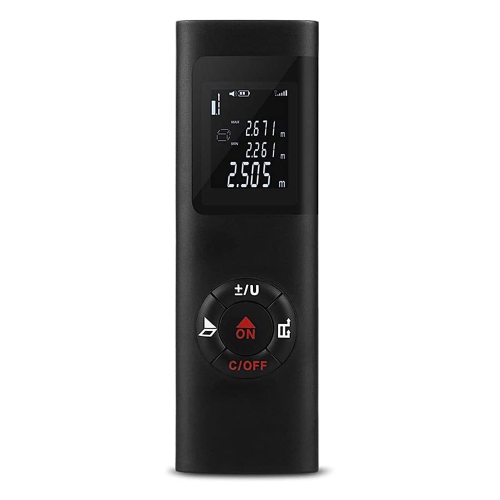

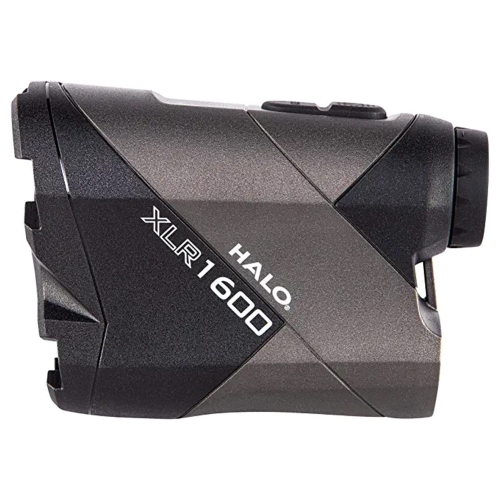
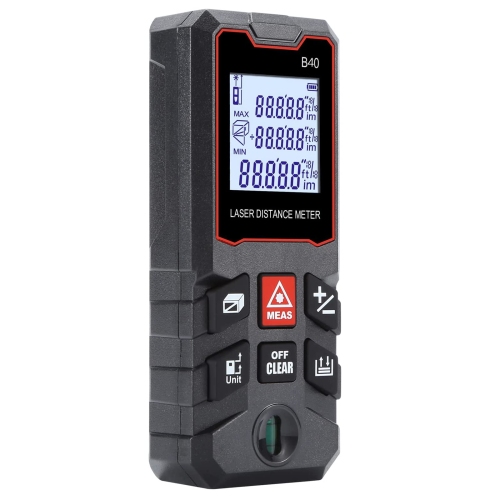


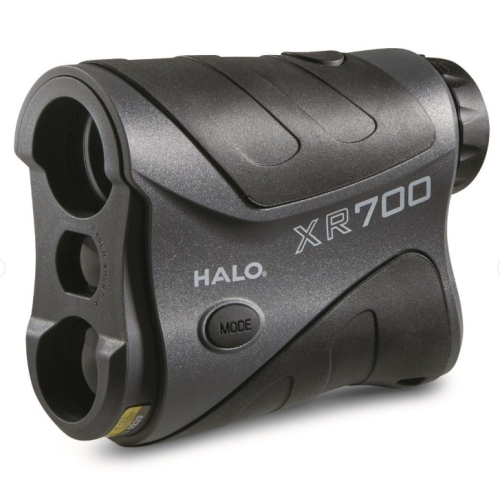
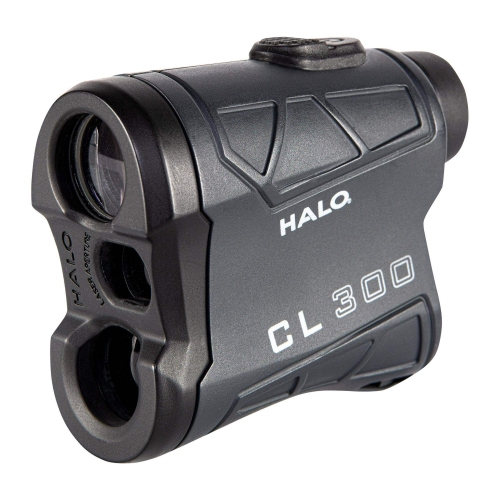
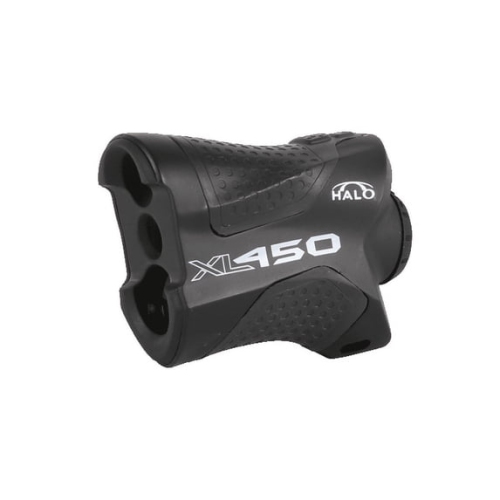


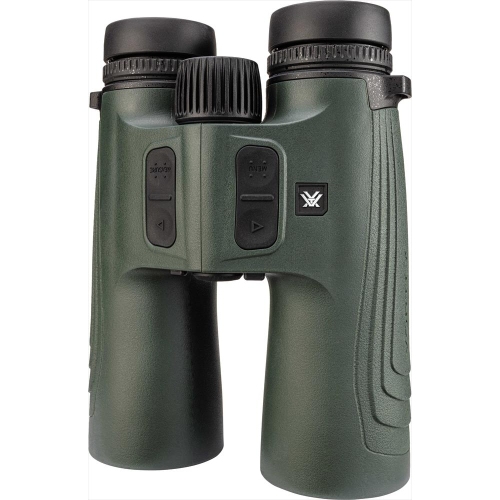
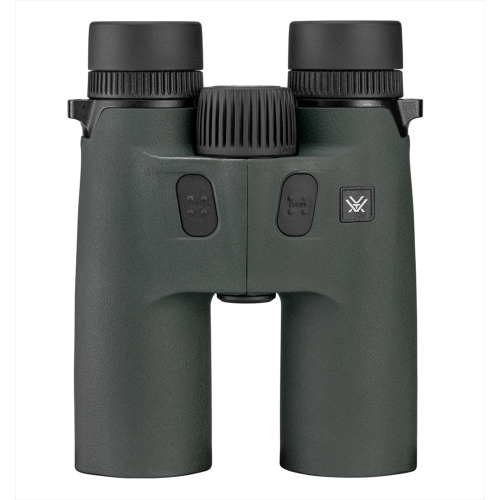
Why close-range accuracy matters more than maximum distance
Rangefinders for archery are compact optical devices that use a laser to measure the distance between the user and a target. An archery-focused rangefinder pairs useful close-range measurement with a clear display and, on suitably equipped models, angle compensation for uphill or downhill shots. That combination matters because the straight-line distance to a target can differ from the distance used to select an aiming reference when shooting on an incline. Angle-compensated readings help account for this difference, while more advanced archery modes may calculate an adjusted distance using information about the bow and arrow setup. Not every laser rangefinder includes these functions, and a long maximum ranging distance alone does not make a device well suited to archery. For target practice, 3D courses, and permitted bowhunting, the minimum measurable distance, stated accuracy, and ability to distinguish the intended target are often more relevant. A device that can reliably measure a nearby foam target offers a practical advantage over one whose main strength is detecting a large reflective object far away. Maximum distance claims also depend on what the laser strikes: reflective surfaces can return a stronger signal than dark, textured targets. Archers comparing rangefinders benefit from looking at the measurement specifications for different target types rather than treating the longest advertised figure as a guarantee in every setting. Selectable metres and yards are useful for matching readings to course markings, sight references, and personal preference. Readout precision deserves attention, too. A display showing decimal places is not automatically more accurate than one showing whole numbers; the stated measurement tolerance is the better reference. Beginners may appreciate straightforward controls and an uncluttered distance display, while experienced archers may want additional measurement modes or equipment-specific calculations. Across these uses, the purpose remains the same: a dependable distance reading that supports practice and informed equipment use without replacing sound judgement, established range rules, or a clear view of the target and what lies beyond it.
Optical clarity and display design make a substantial difference to how comfortable an archery rangefinder is to use. Moderate magnification can make a target easier to identify while retaining enough field of view to locate it quickly. Higher magnification is not always an advantage, particularly when hand movement makes the image harder to hold steady. On a wooded 3D course, a small aiming mark can help distinguish a foam animal from nearby branches, but it must remain visible against both pale and dark surfaces. Illuminated displays with adjustable brightness can improve readability in subdued light, whereas a dark display may offer strong contrast against a bright background. Neither approach is ideal for every user, so legibility matters more than the display type alone. Adjustable eyepiece focus helps sharpen the readout, and adequate eye relief can make viewing easier for people who wear glasses. Scan mode, where included, updates measurements as the device moves across a scene; target-priority modes can help interpret multiple returns, although their behaviour varies by model. These features are most useful when their controls and display symbols are easy to understand. Angle compensation should likewise be evaluated by function rather than by name. Some devices report horizontal distance, while others offer an archery-specific adjusted distance based on their calculation method. Advanced ballistic features may accept inputs such as arrow speed, arrow weight, and sight geometry, but supported inputs differ, and calculated results still need verification during controlled practice. Certain designs also estimate arrow-path clearance. These estimates are not a guarantee that a path is unobstructed, particularly when thin branches or other small obstacles are difficult to detect. For many recreational archers, a reliable close-range reading, a clearly identified angle-adjusted mode, and simple operation will be more useful than a crowded screen of unfamiliar data. Those exploring related options can also browse Affordable Rangefinders, with attention to the same archery-relevant specifications. Keeping the intended activity in focus helps separate genuinely useful functions from features designed mainly for other sports.
The physical design of a rangefinder affects how naturally it fits into an archery session. Compact dimensions are convenient, but a device should still provide enough surface area for a secure grip and deliberate button presses. Rubberized armour can improve handling and offer some protection against minor knocks, while textured panels make a smooth housing less likely to slip during use. Housing materials may include moulded polymers or metal components; overall durability also depends on construction, lens protection, and the design of moving parts such as the eyecup and battery door. A protective case helps prevent scratches when the rangefinder shares a bag with other equipment. A lanyard attachment or compatible pouch can keep it accessible, provided straps and loose accessories remain clear of the bowstring and other moving equipment. Weight and shape become especially noticeable during a full course, when the device is repeatedly lifted, viewed through, and put away. An archer with smaller hands may prefer a narrow body and a top button that is easy to reach without shifting grip. Someone who wears glasses may place more value on a comfortable eyecup than on shaving a little weight from the housing. Battery type, expected battery life, automatic shut-off, and a visible charge indicator are practical considerations, particularly for longer outings. Replaceable batteries and built-in rechargeable batteries each have their own handling requirements, so following the supplied charging and storage directions helps maintain reliable operation. Lens care is equally straightforward: remove loose grit before wiping, use an optical cleaning cloth and a suitable cleaner, and avoid rubbing dirty glass with clothing. Store the device in its case rather than loose beside tools or hard-edged accessories, and check that lenses and controls are clean before use. As a gift, an archery rangefinder can suit a recreational target shooter, a regular 3D-course participant, or a bowhunter, but compatibility with their existing equipment and preferred activities matters. Competition users should also check event rules, since some formats restrict or prohibit distance-measuring devices. A comfortable fit, understandable controls, and appropriate ranging capabilities make a stronger everyday match than specifications chosen without reference to how the recipient actually shoots.
Top selling and popular products
-
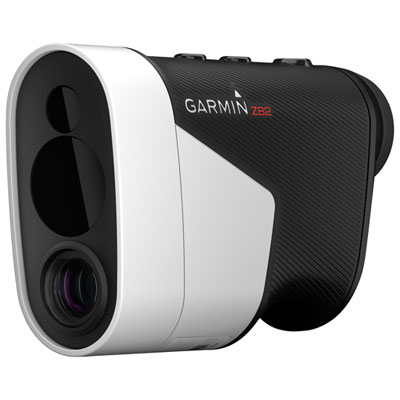 Your price for this item is $869.99
-
 Your price for this item is $178.98
-
 Your price for this item is $319.99
-
 Your price for this item is $429
-
 Your price for this item is $599
-
 Your price for this item is $419.99
-
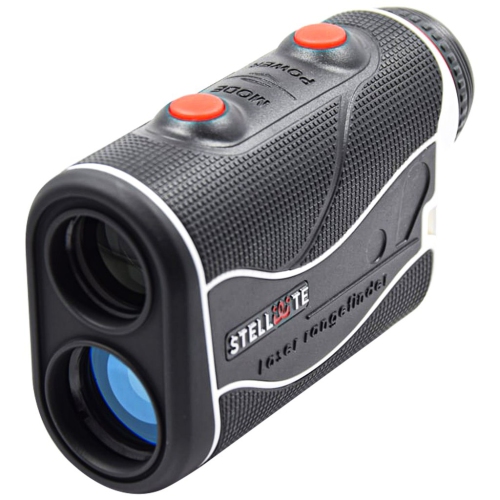 Your price for this item is $129.99
-
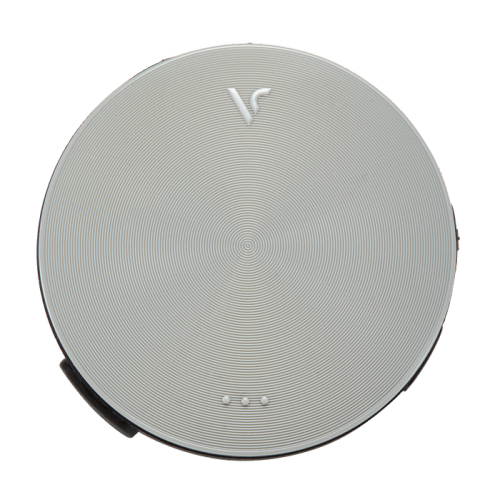 Your price for this item is $189.99
Discover more categories related to Rangefinders for Archery
Top Collections:
Pokemon Centers, Best Cameras for Sports Photography, Kindle Devices, Samsung Galaxy Phones, Canon G7X Cameras, Pokémon 30th Celebration Cards, Refurbished Apple Laptops, iPhone 15 Apple, Laptops for Students, Budget Smartphones
Some products may be subject to Environmental Handling Fees
(EHF) depending on your province.
Learn more about EHFs.