Riding Helmets
Looking for the perfect riding helmet to keep you safe and stylish on your equestrian adventures? Look no further! Our wide selection of riding helmets offers top-notch protection without compromising on comfort or style. Whether you're a seasoned rider or just starting out, we have the perfect helmet to suit your needs. From sleek and streamlined designs to vibrant and eye-catching colors, our collection has something for almost everyone.
Sort
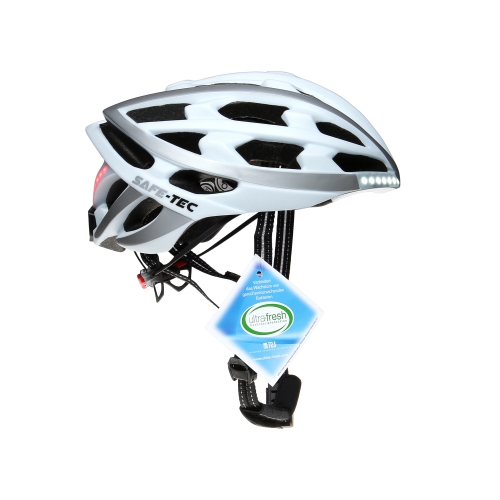
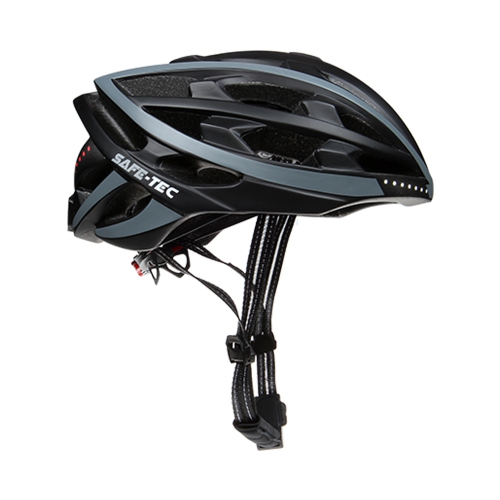

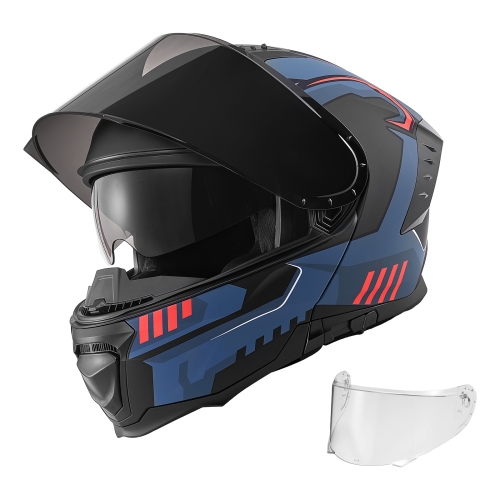
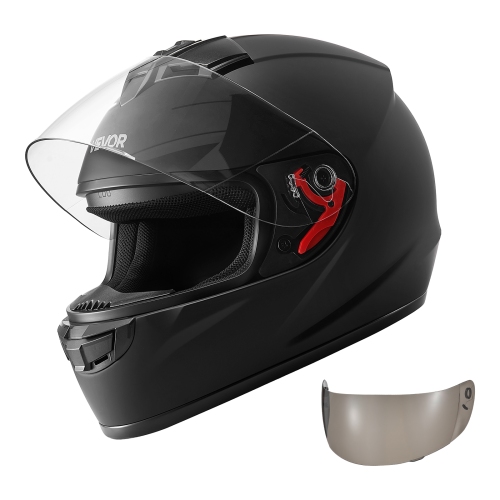
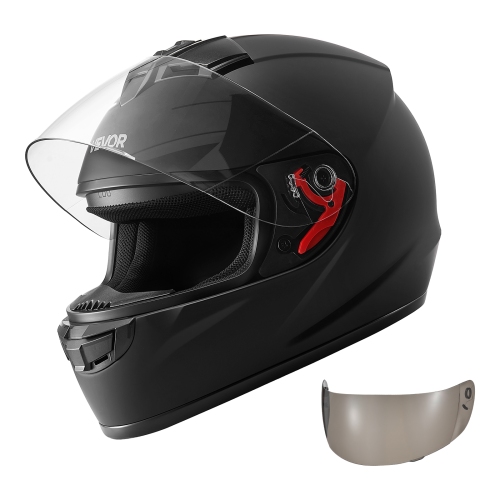
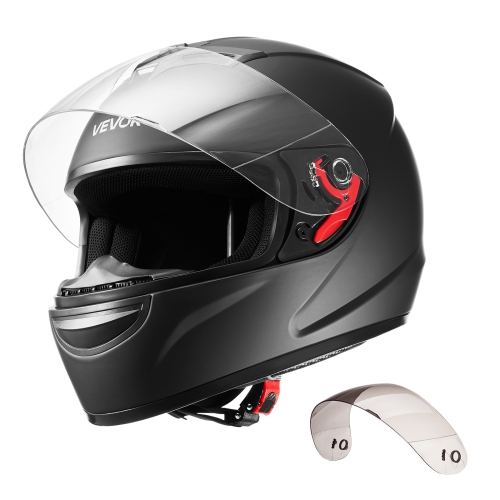
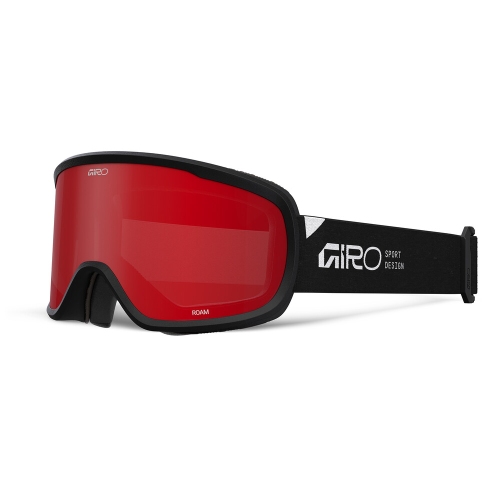
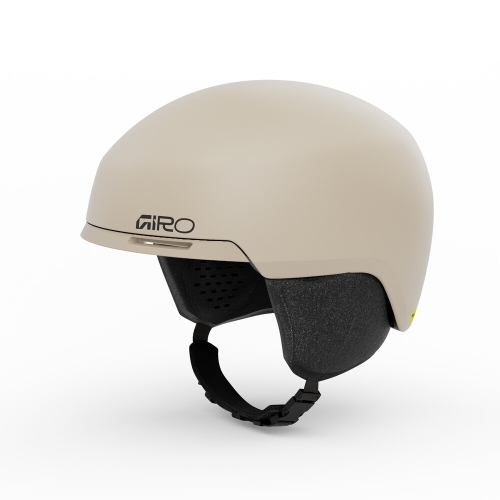
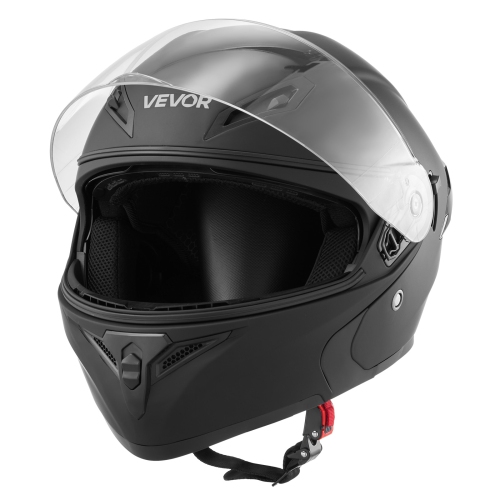
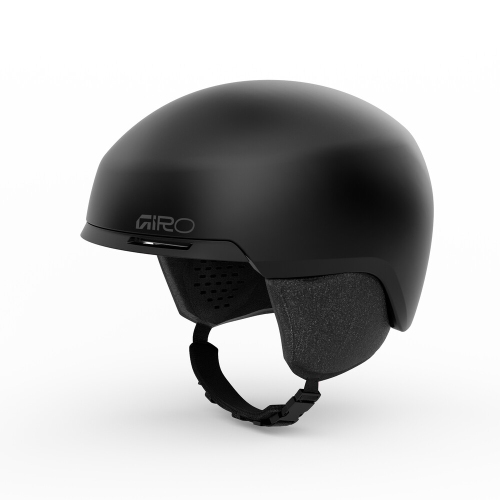
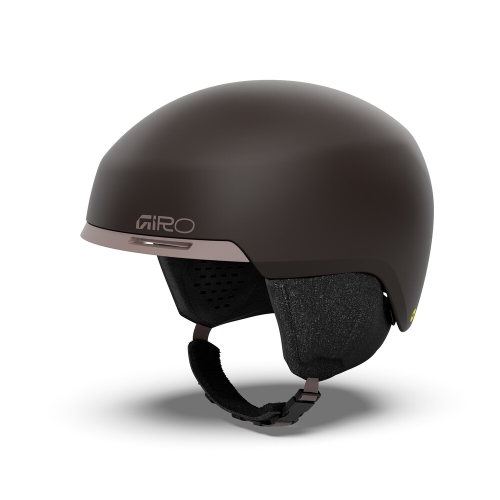

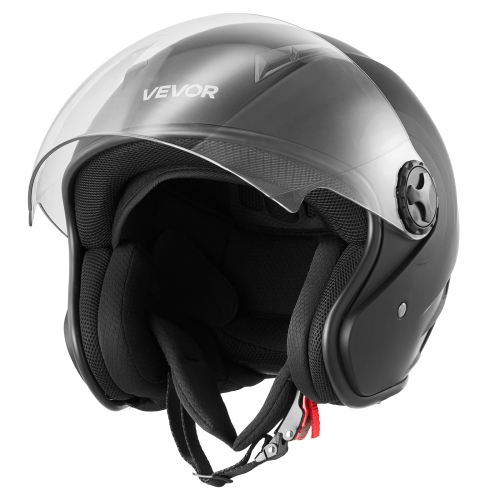
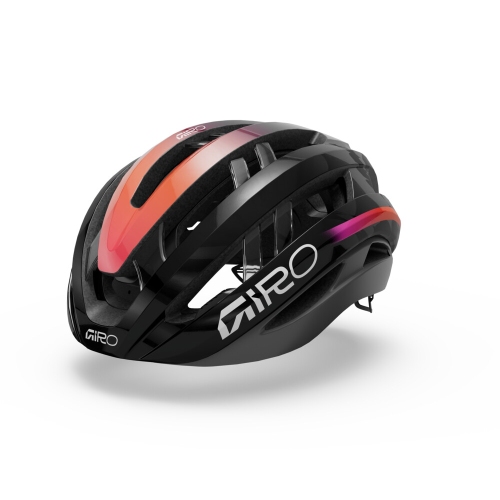
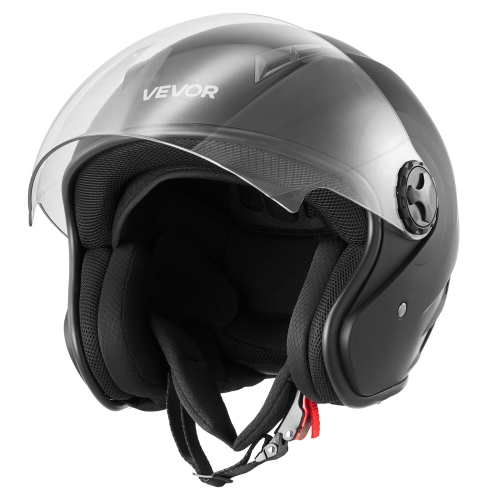
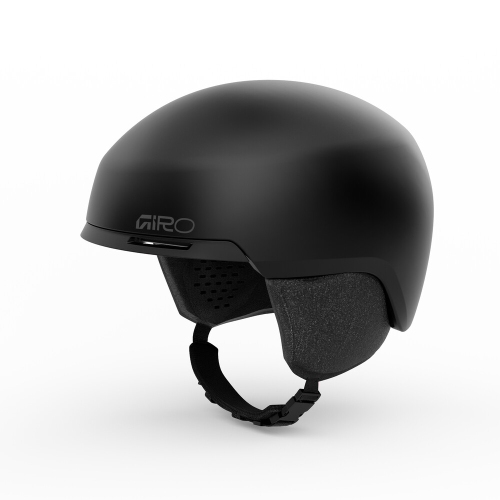

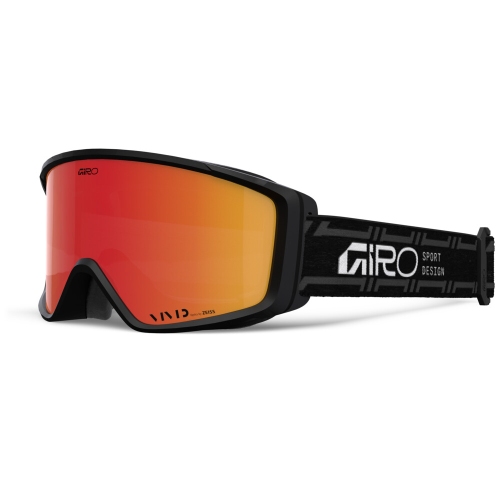
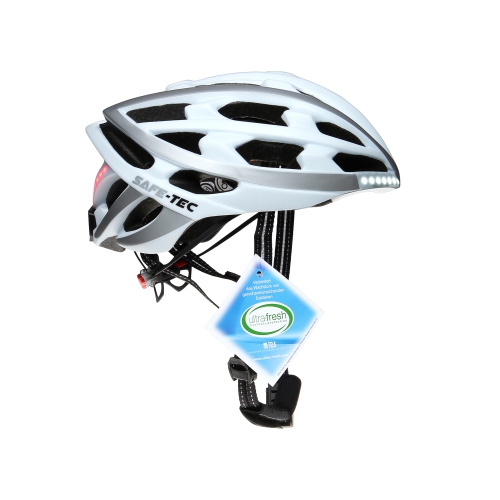
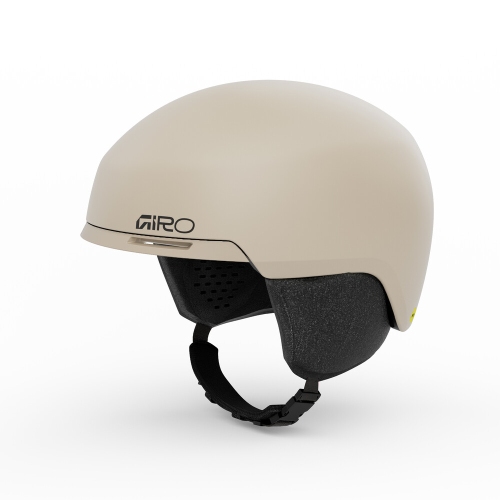
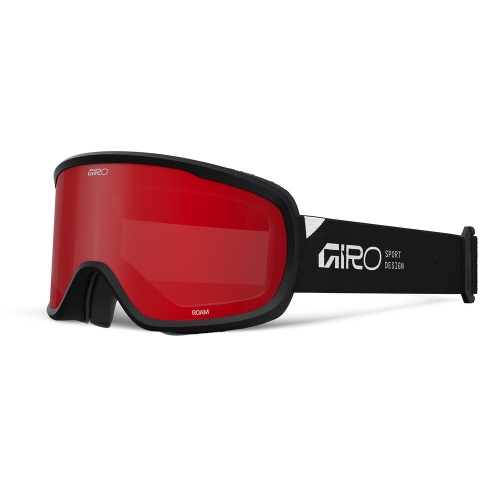
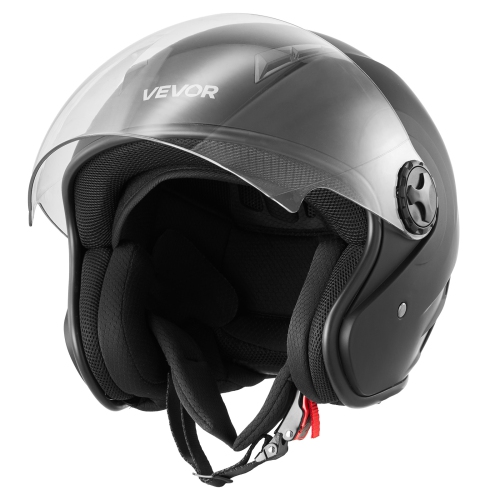
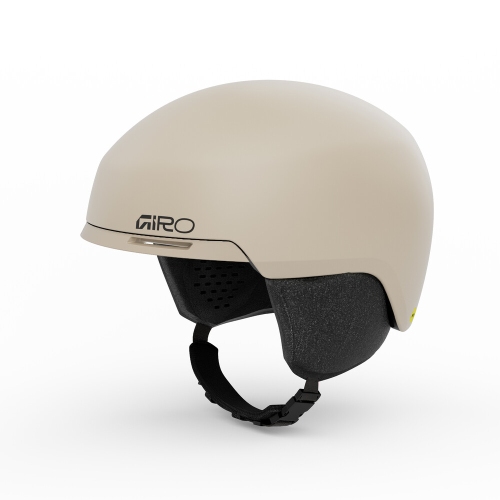
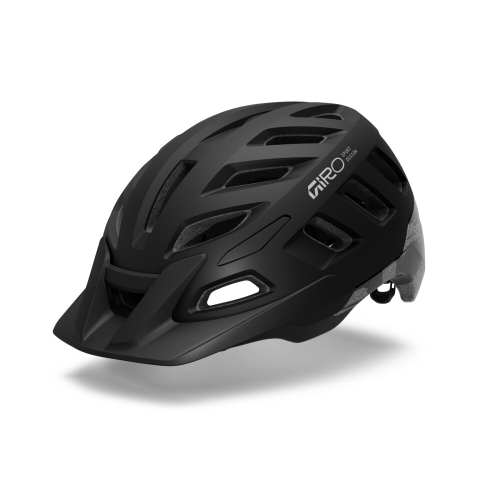
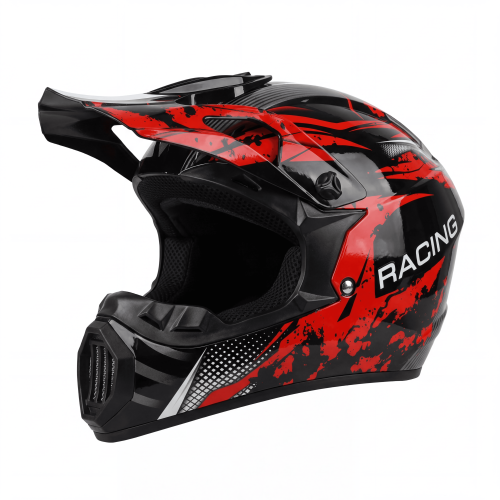
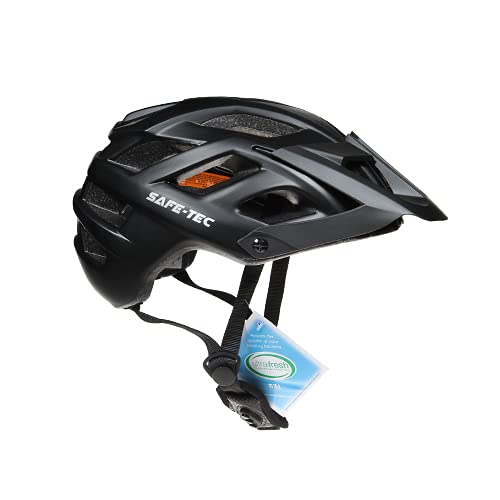

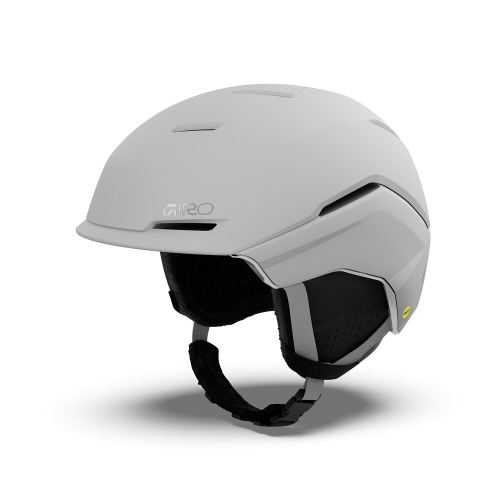
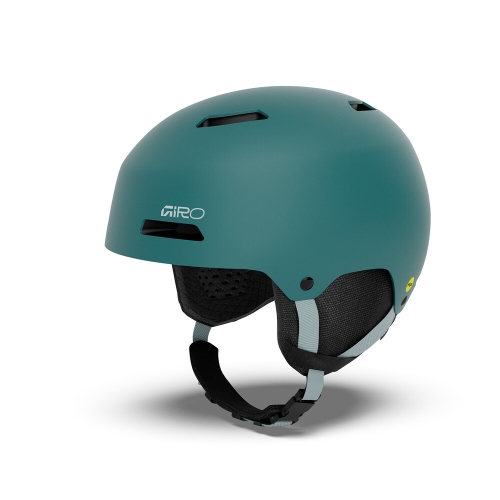
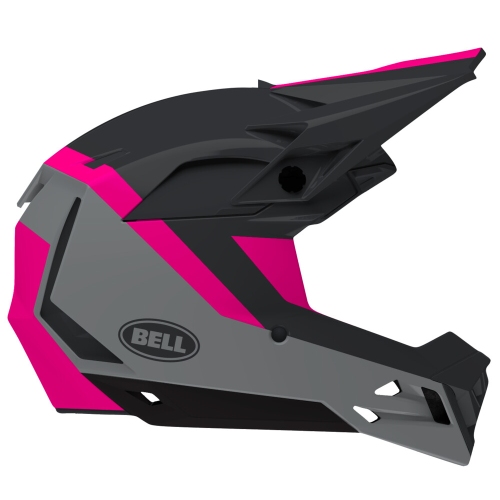
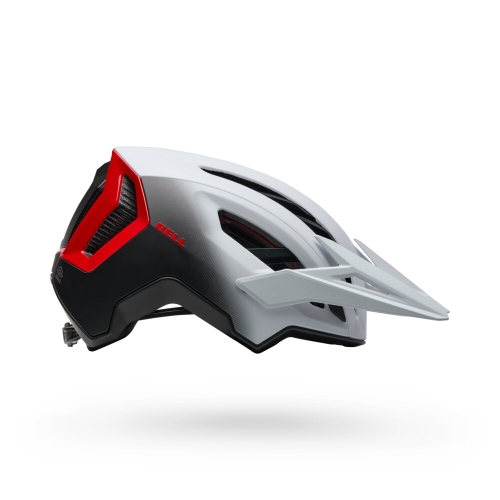
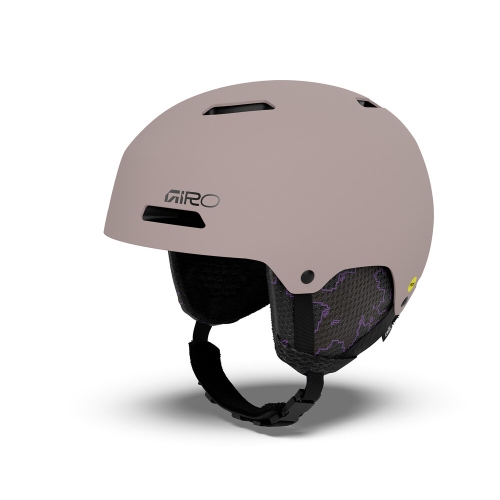
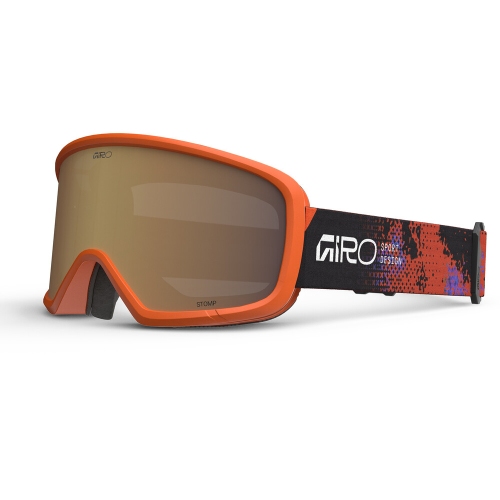
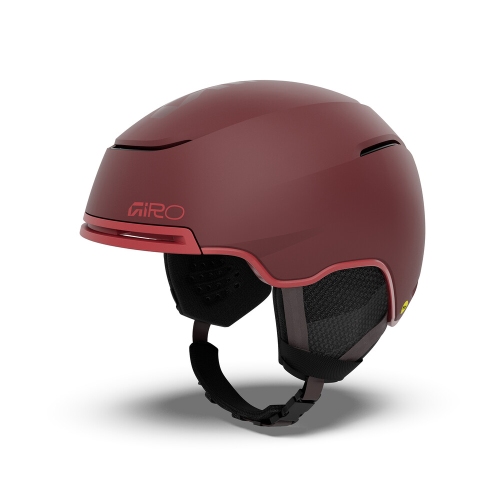
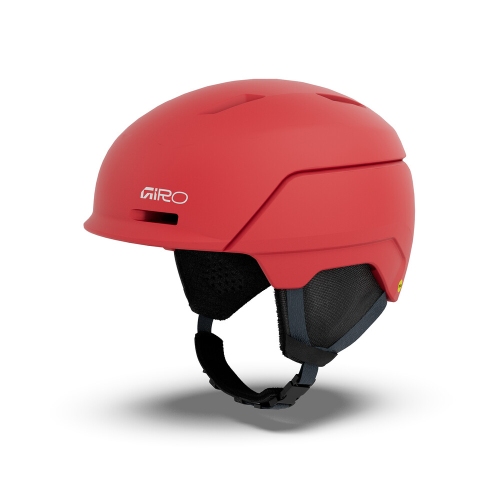
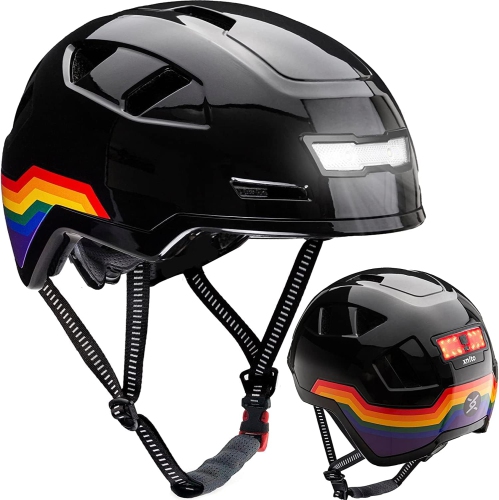
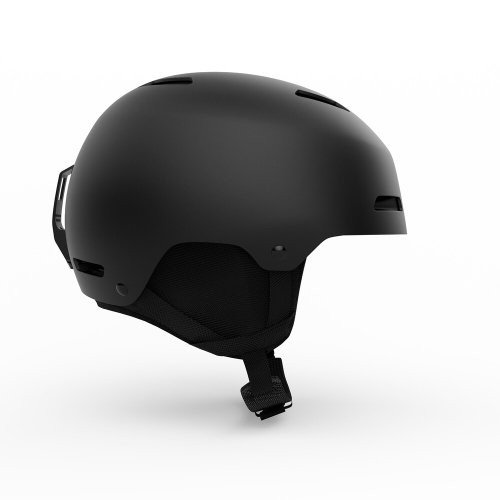
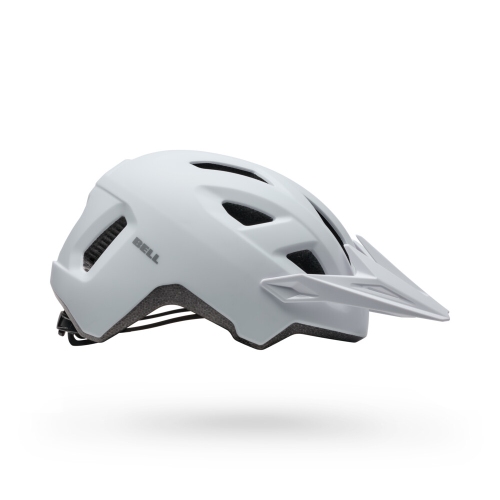
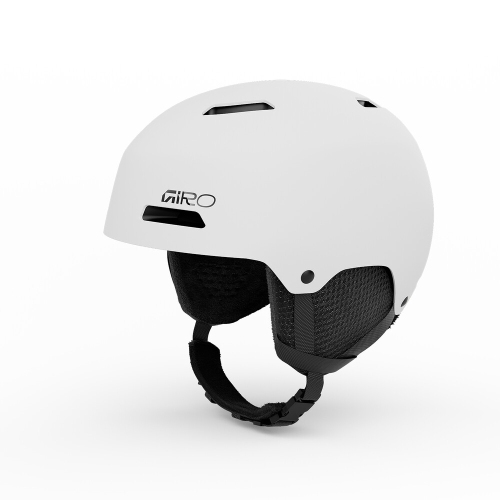
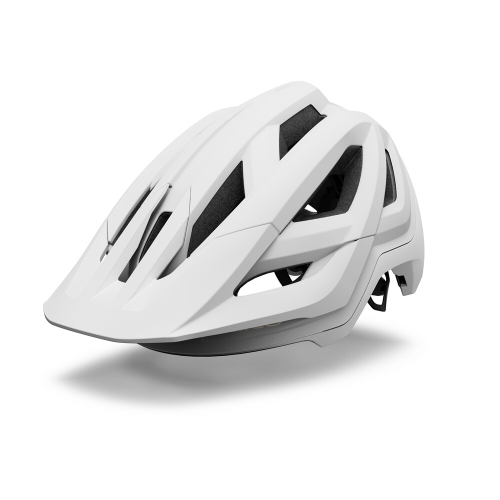
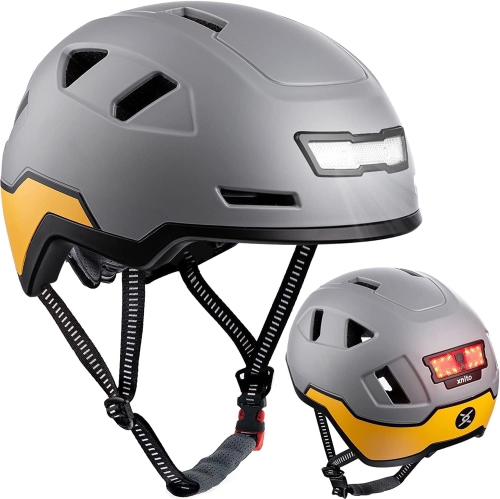
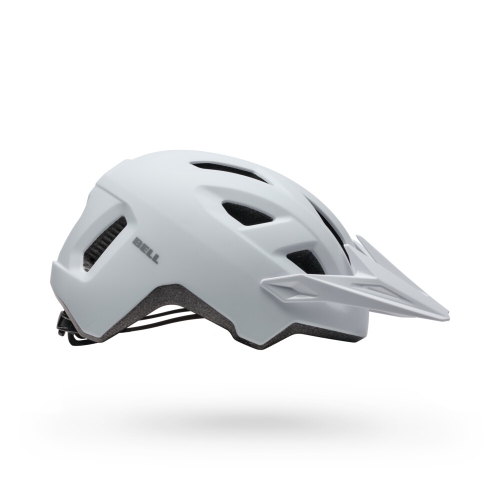
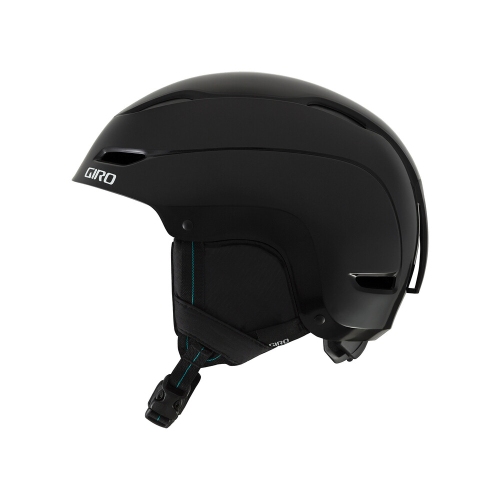
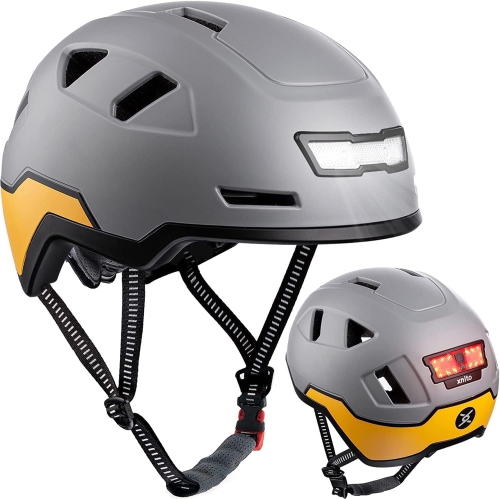

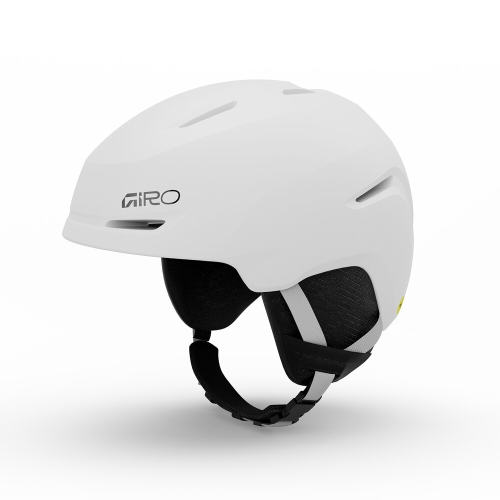
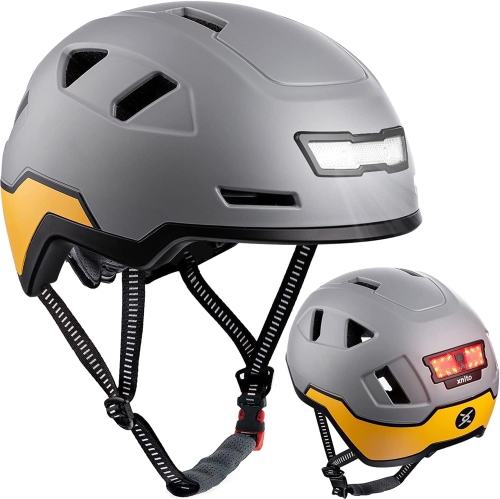

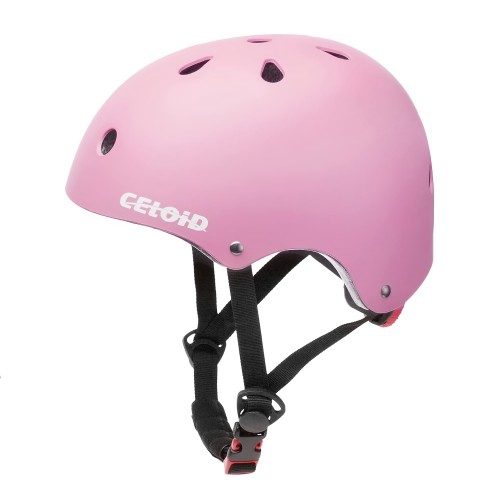
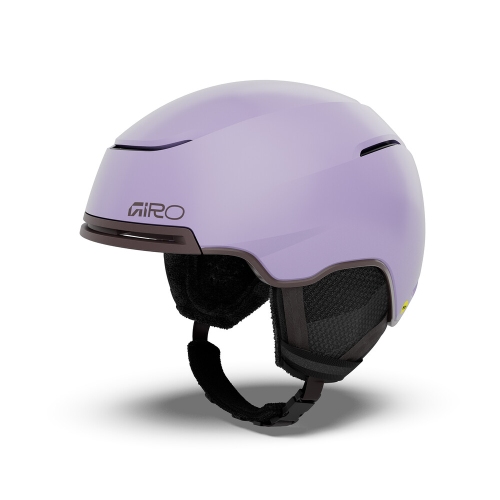

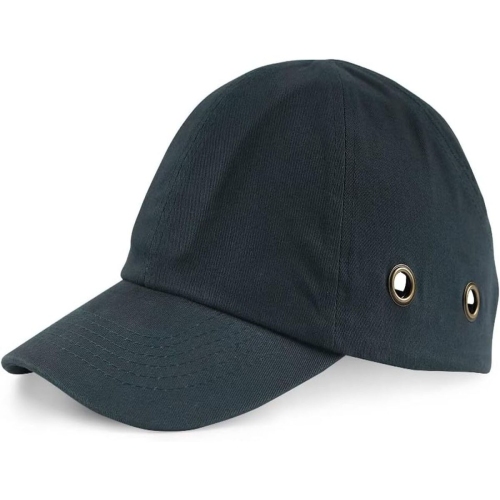
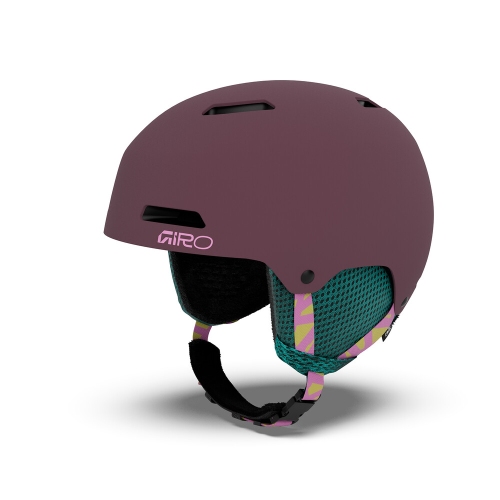
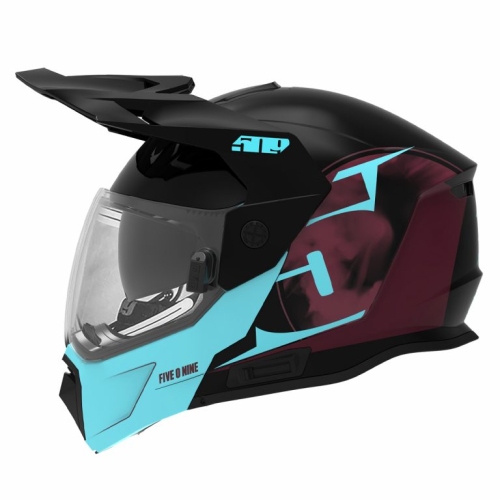
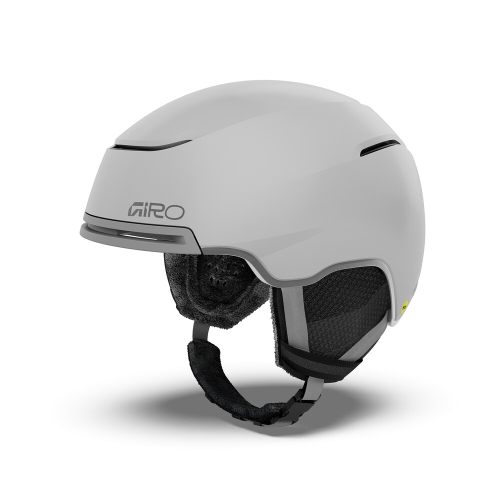



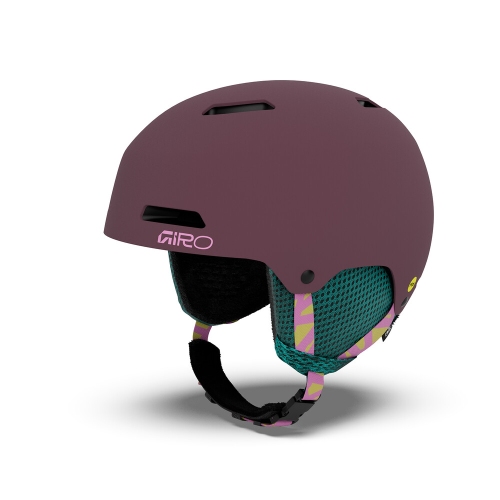
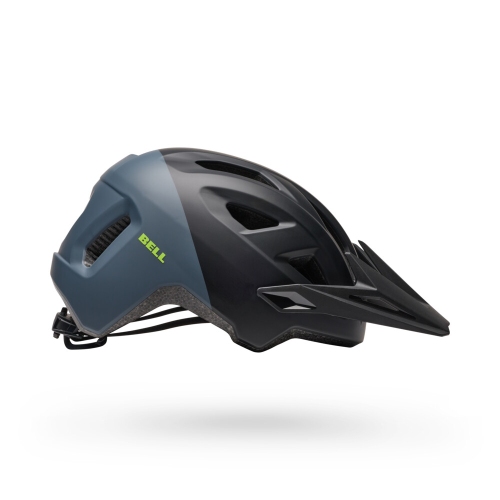
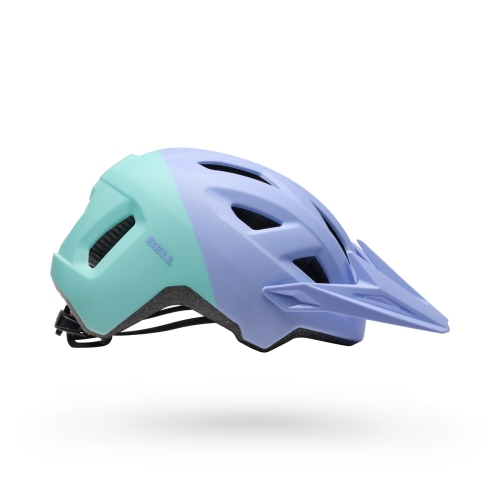
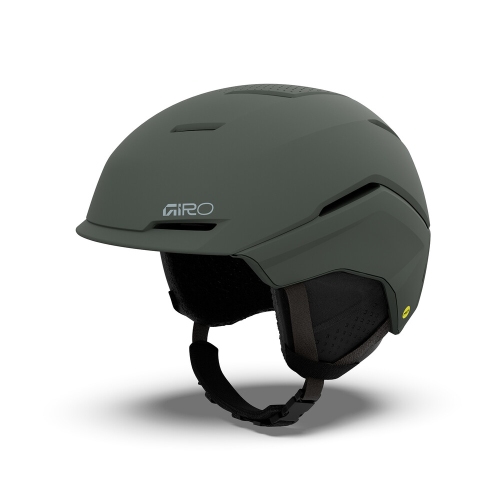
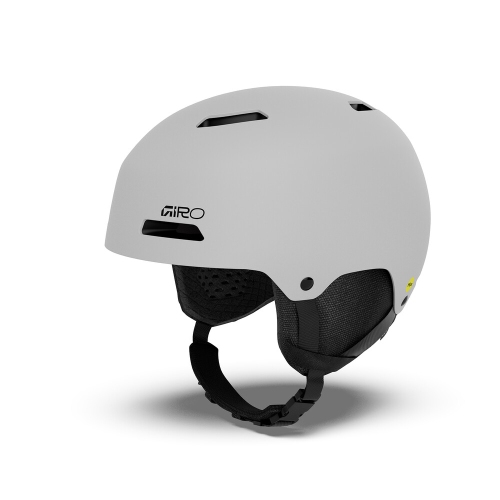
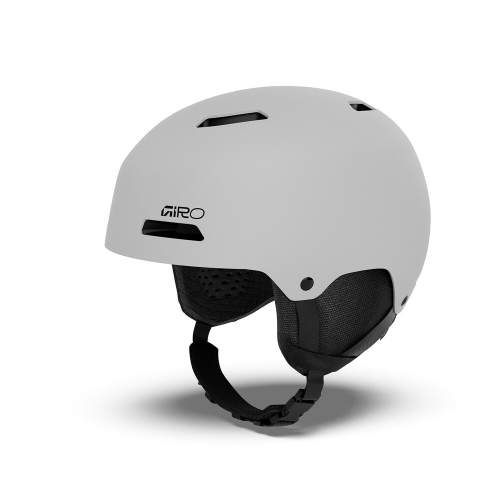
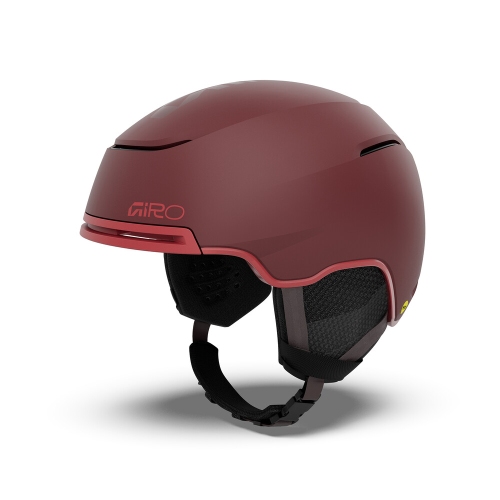
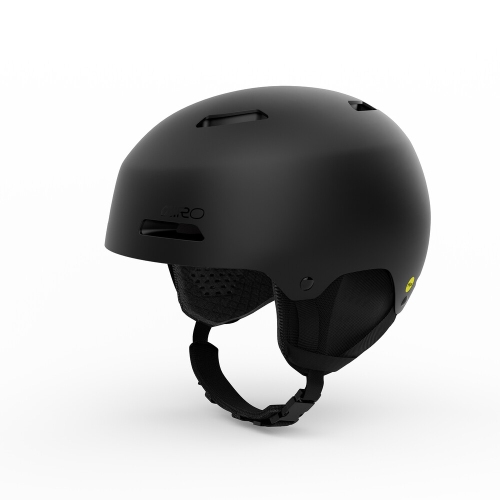

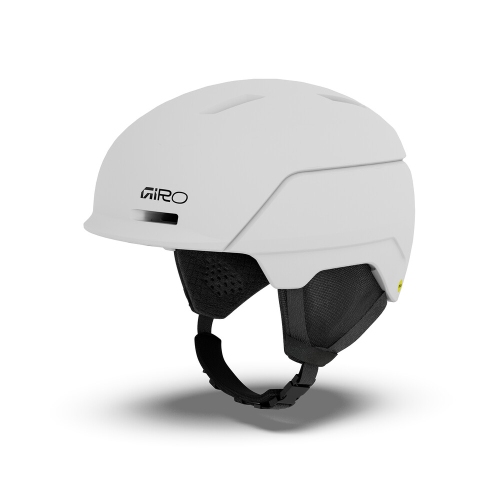
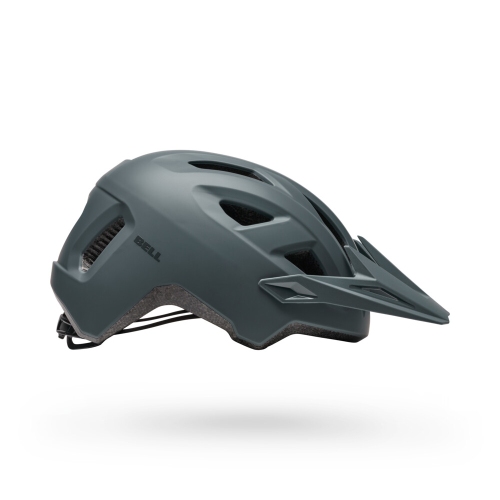
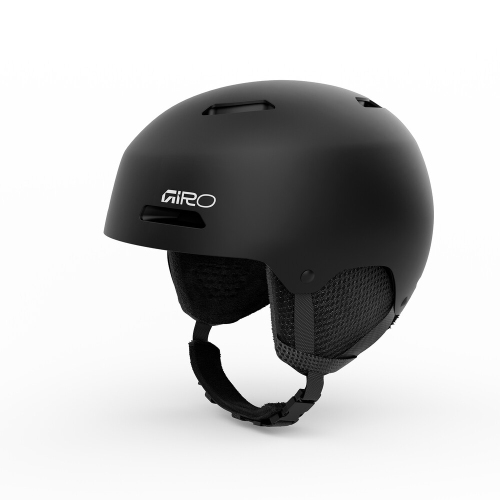
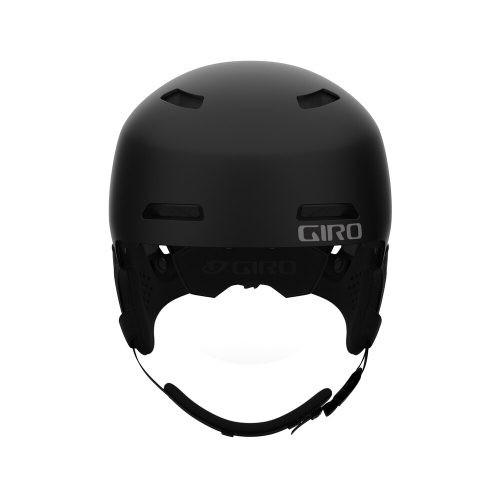
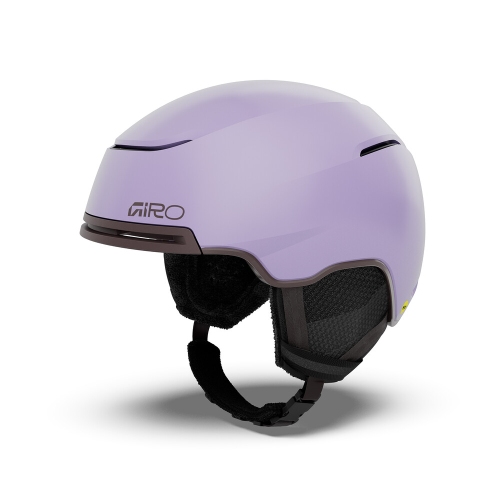
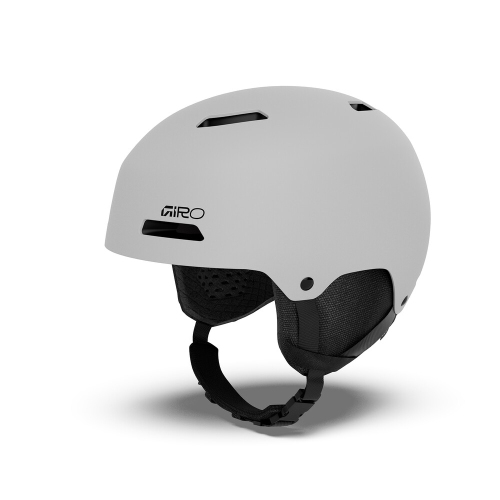
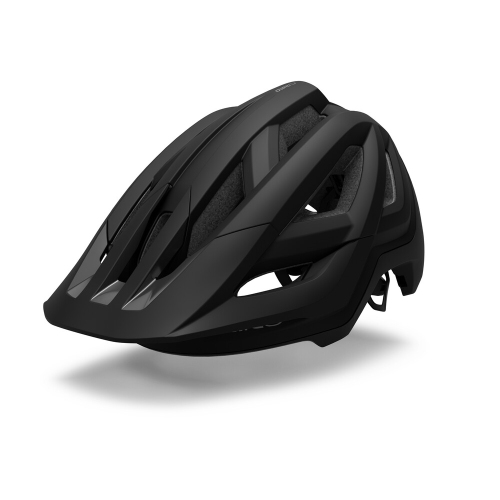
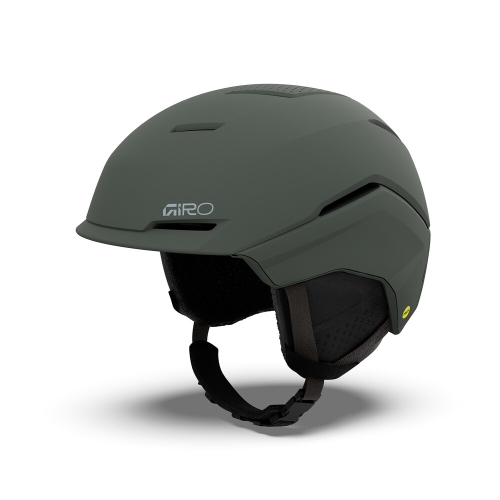
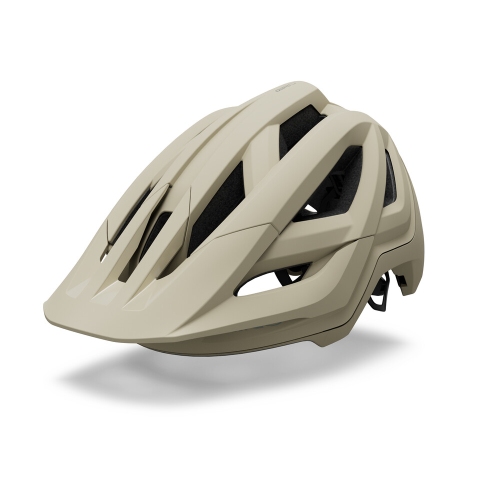
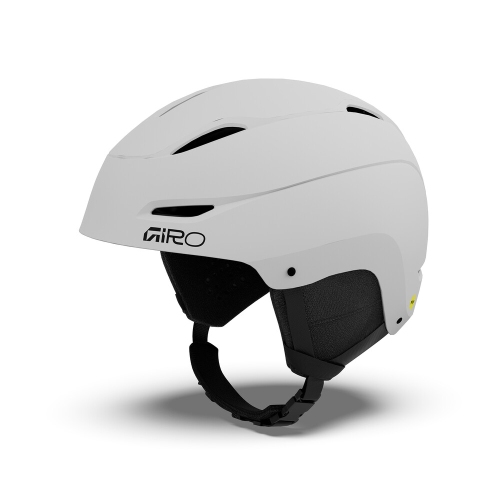
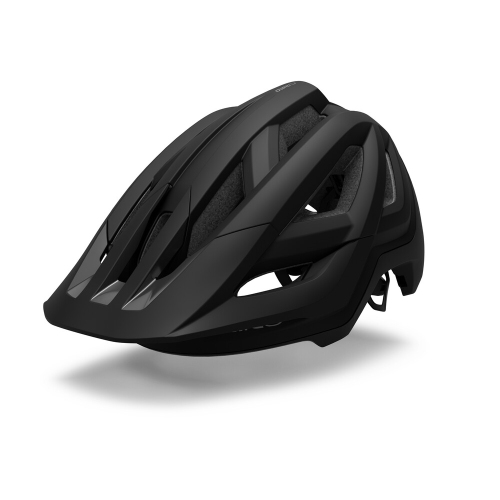
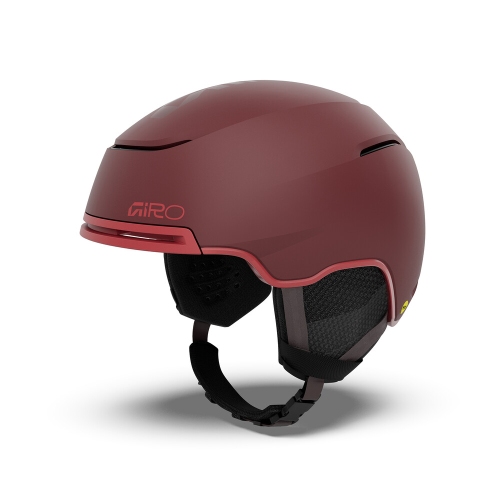
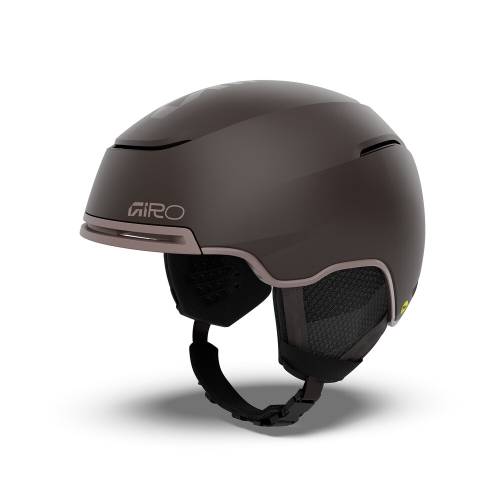
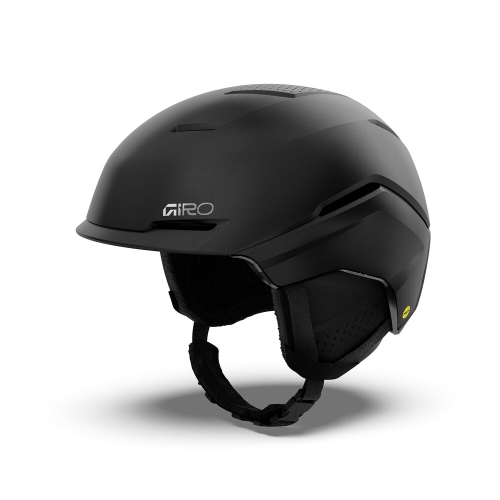
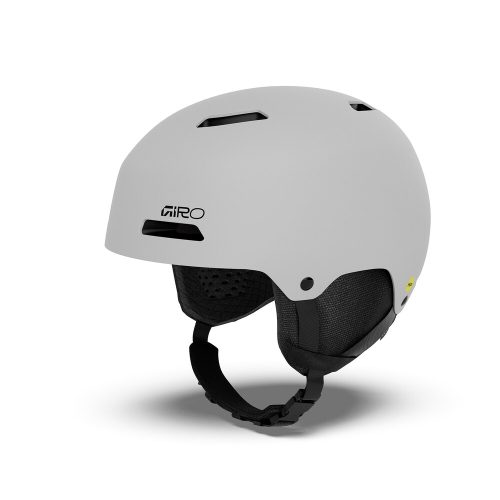
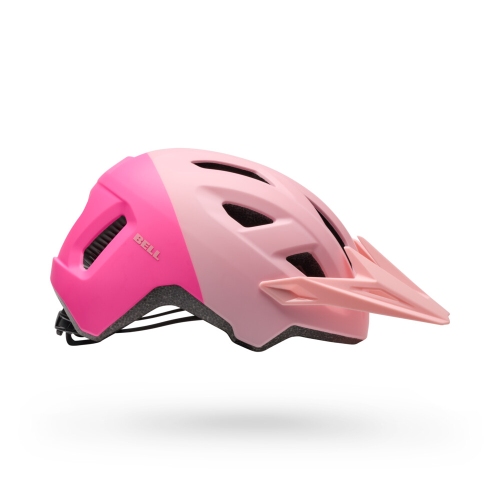
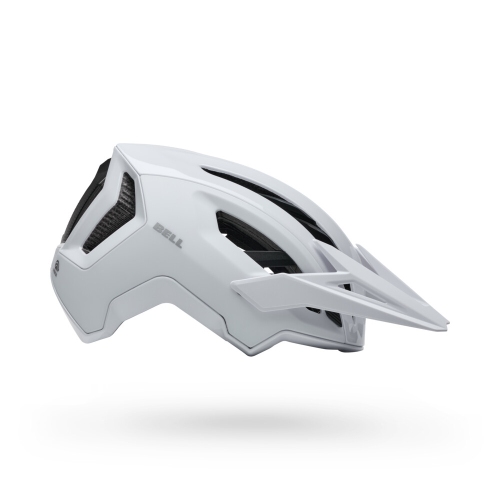
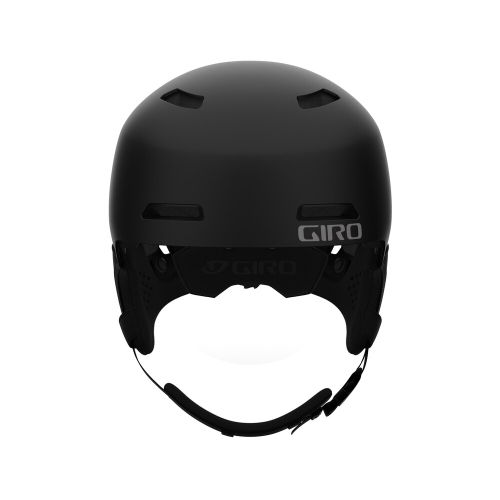
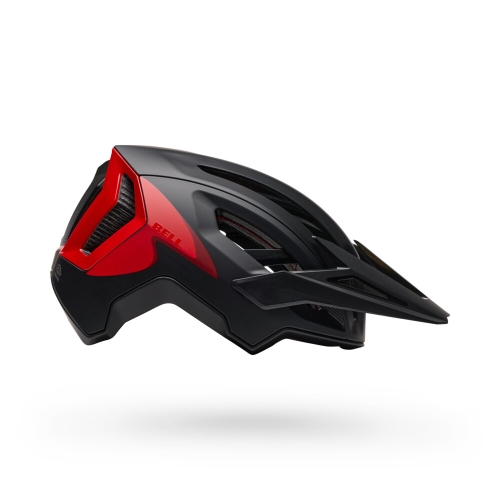
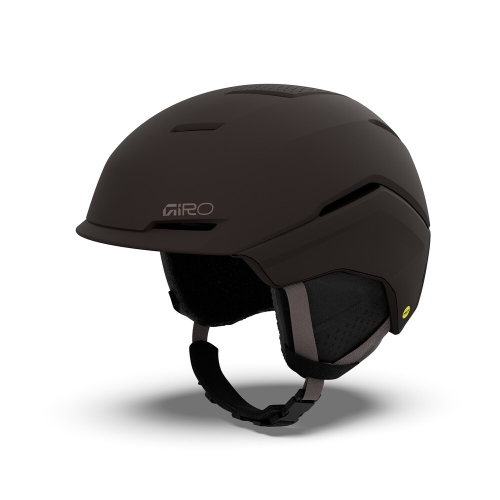
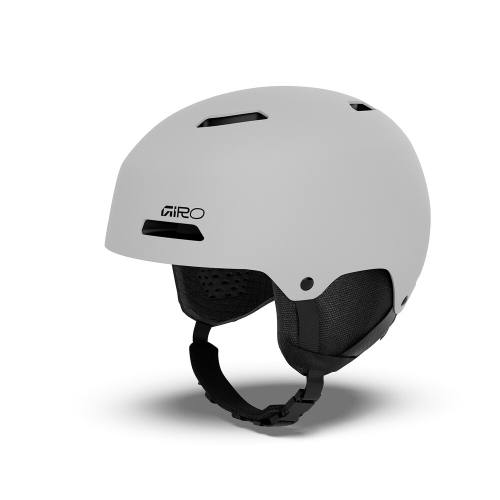
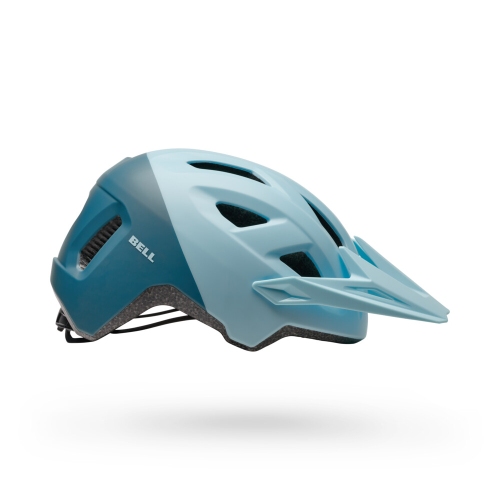
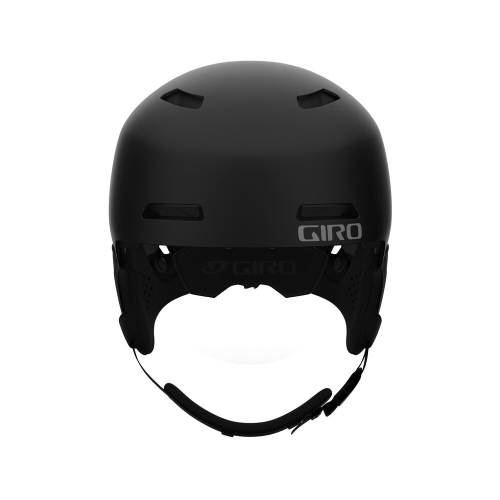
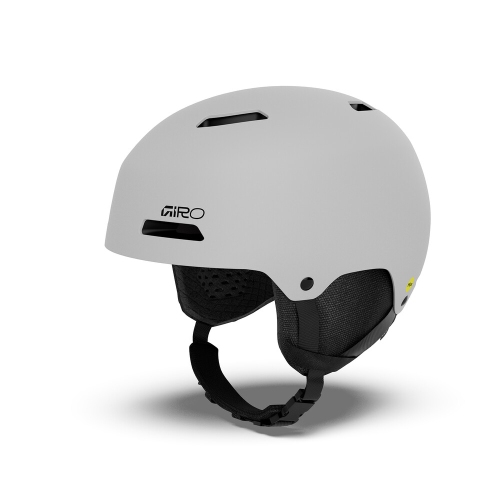
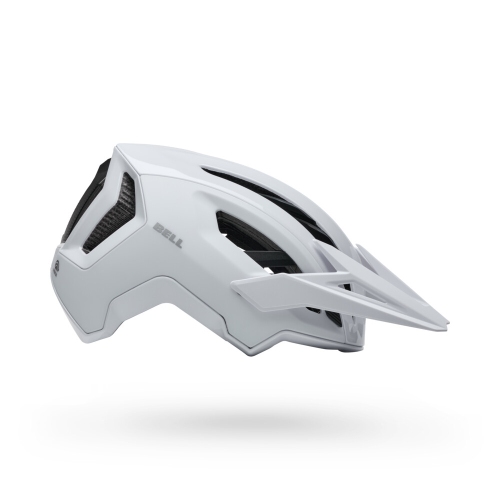
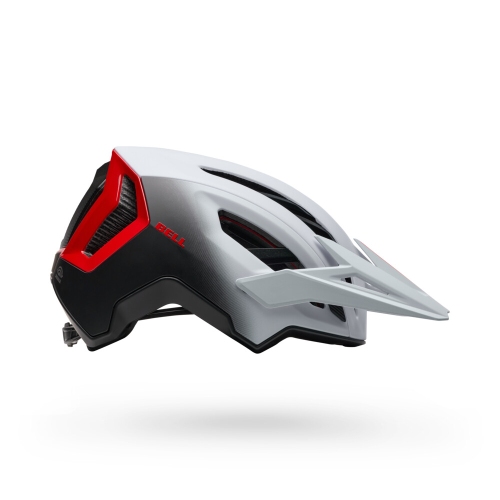
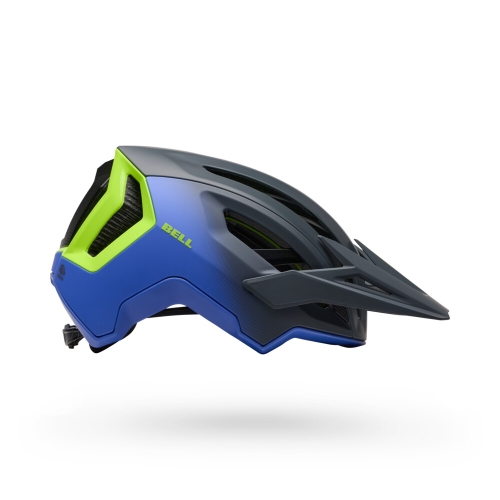
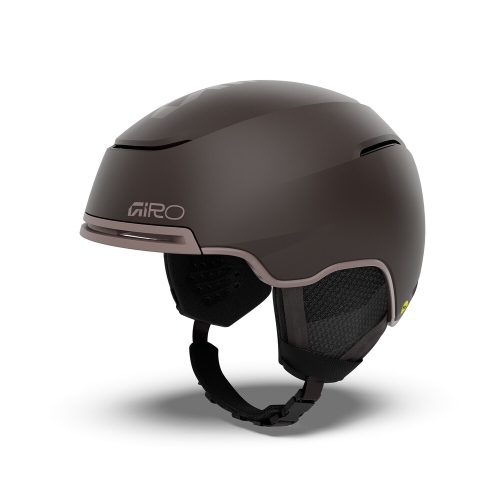
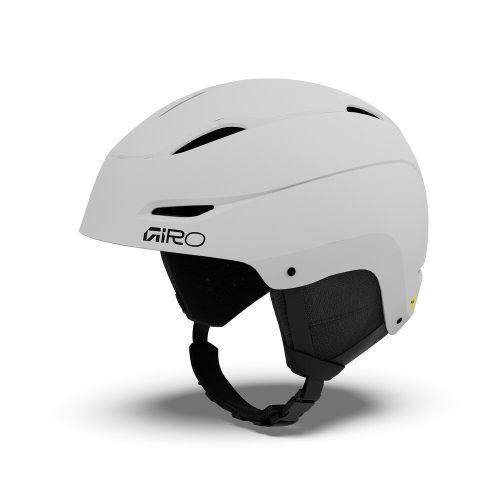
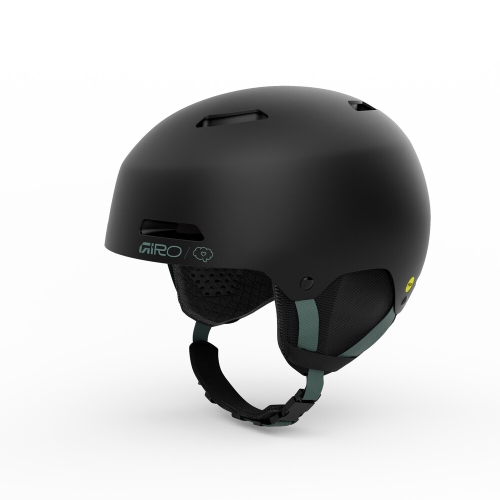
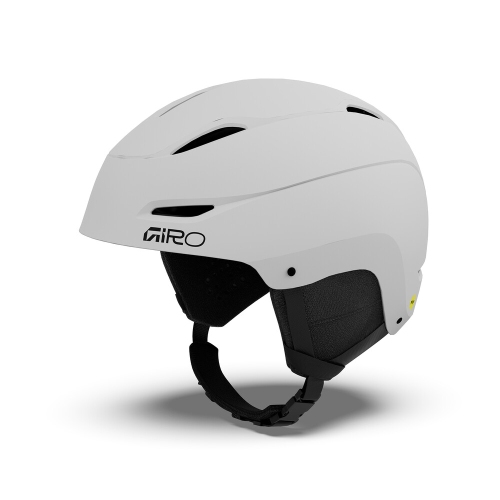
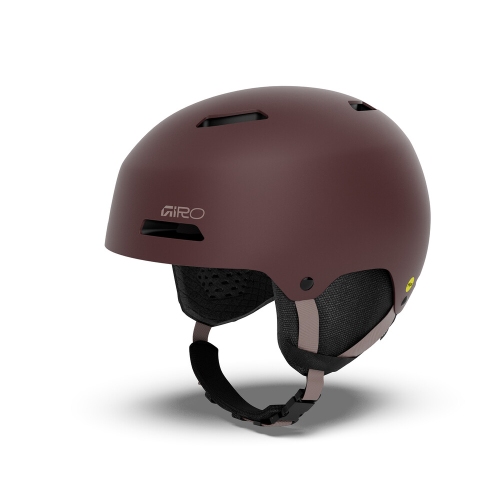
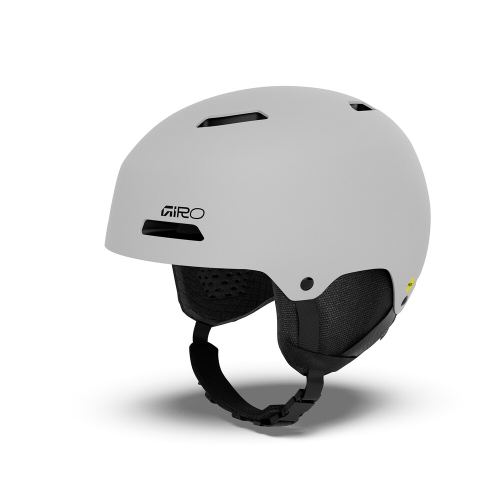
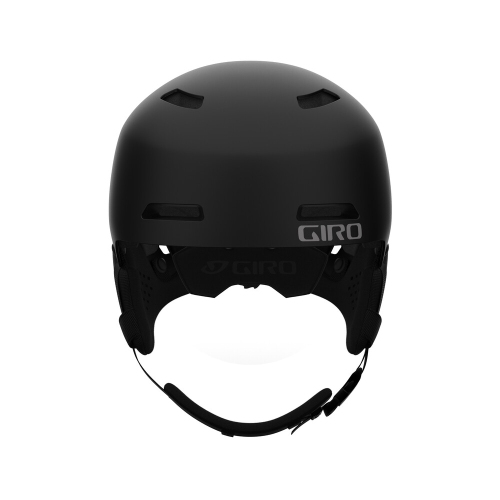
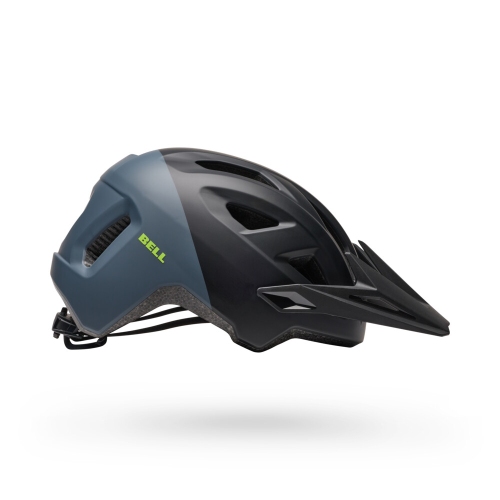
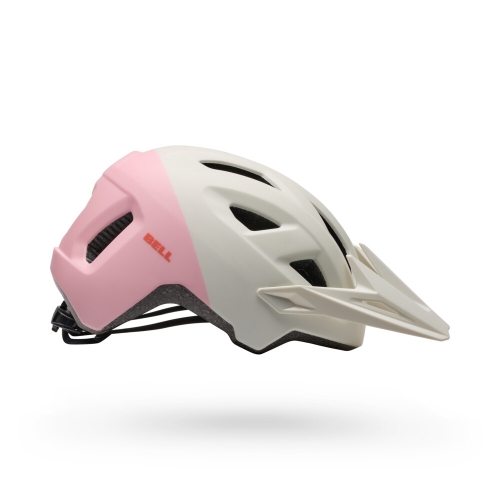
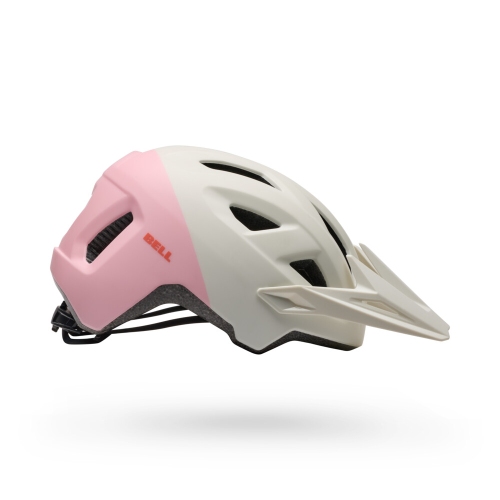
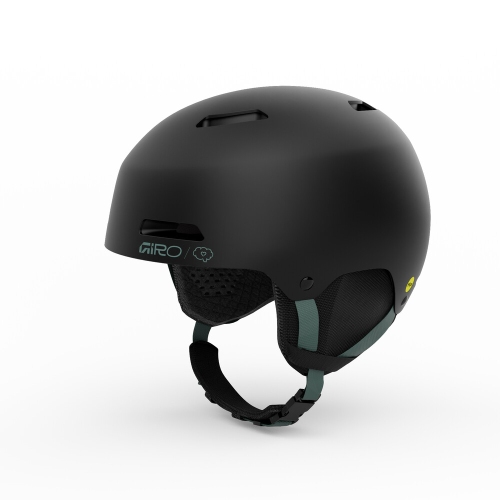
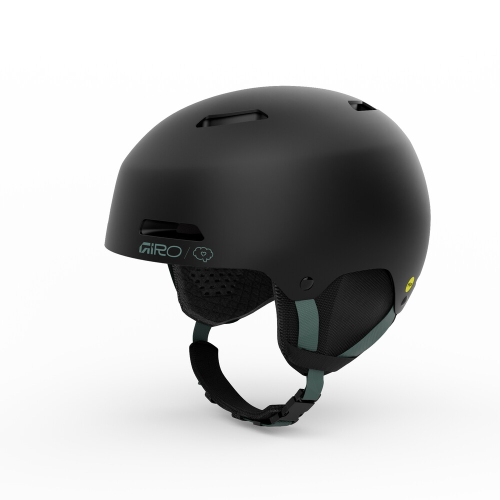
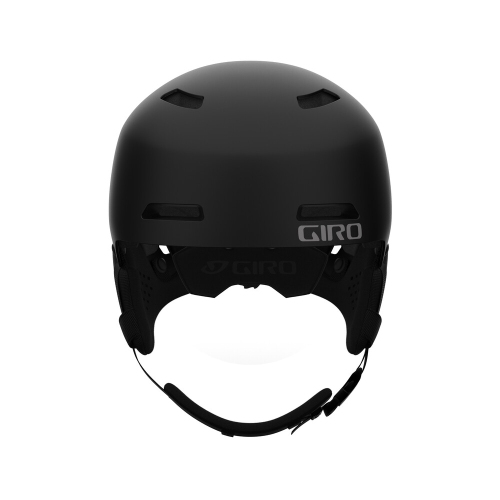
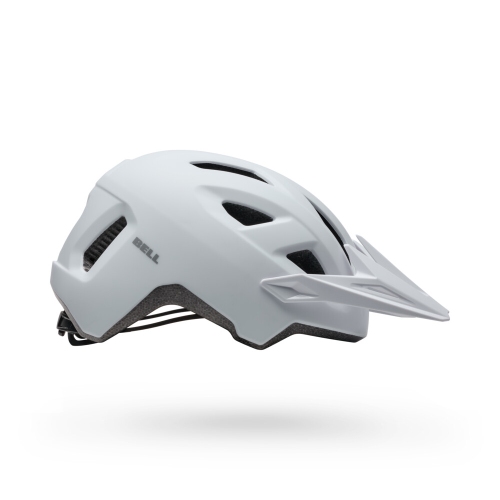
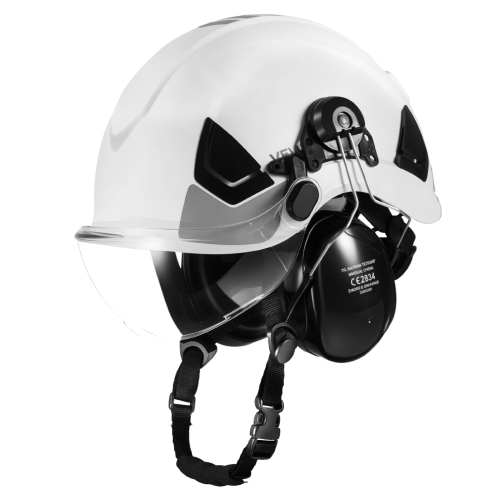

What to know about fit, safety and riding conditions
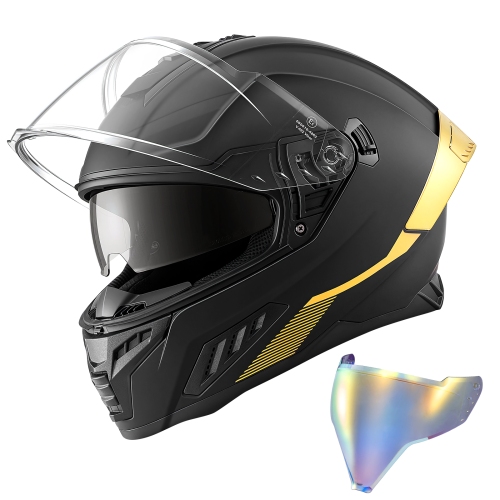
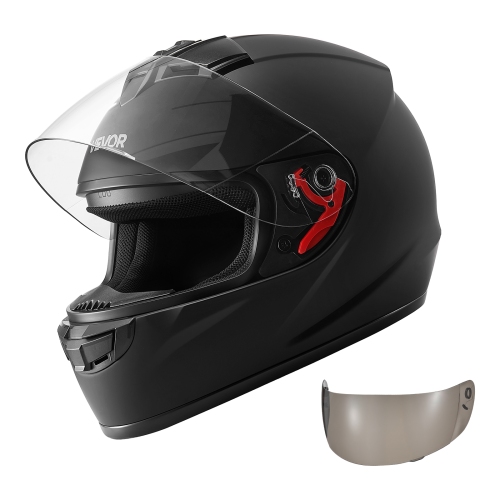
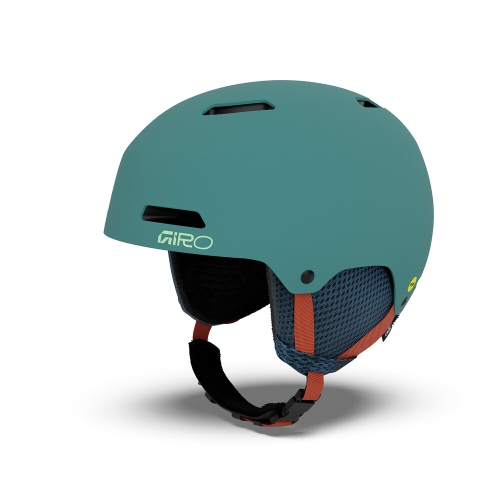
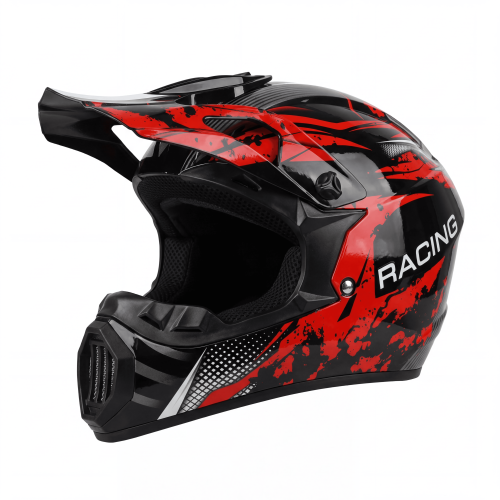
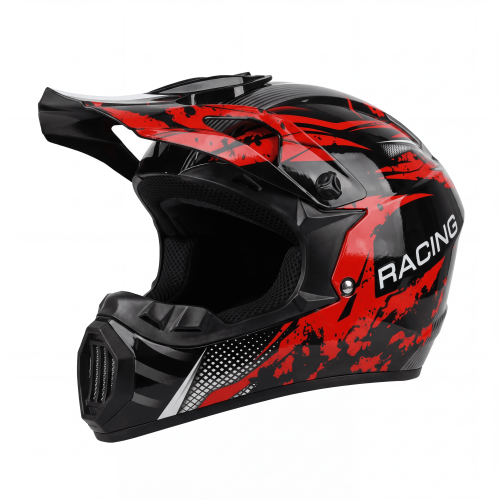
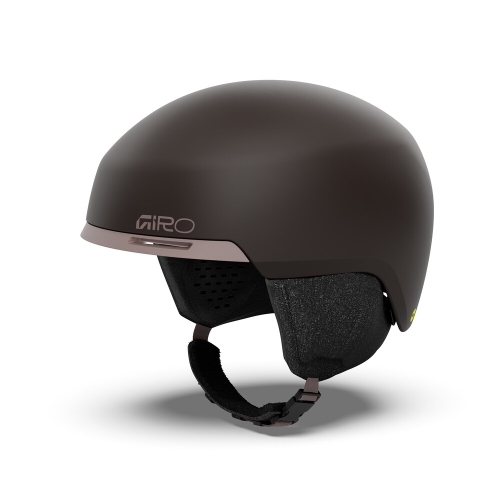
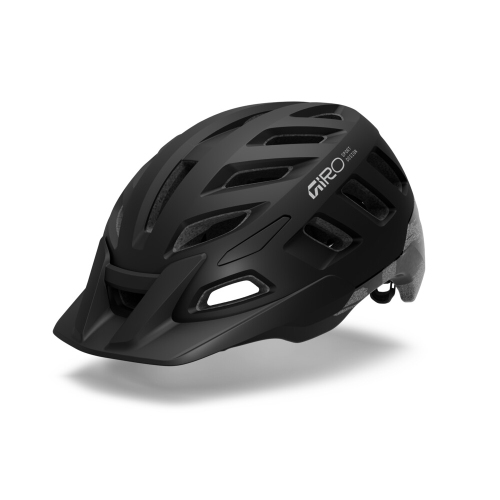
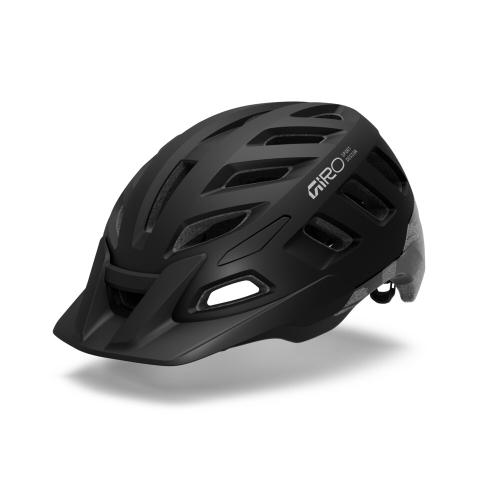
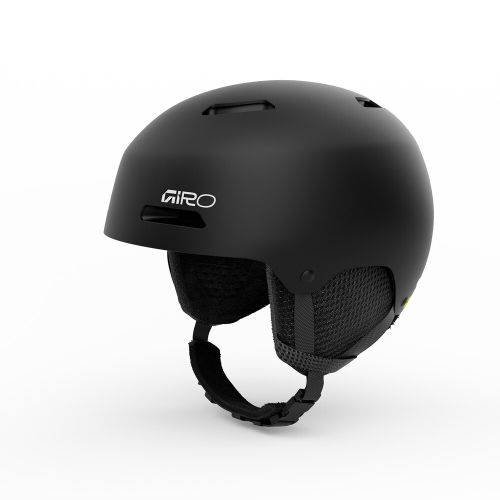
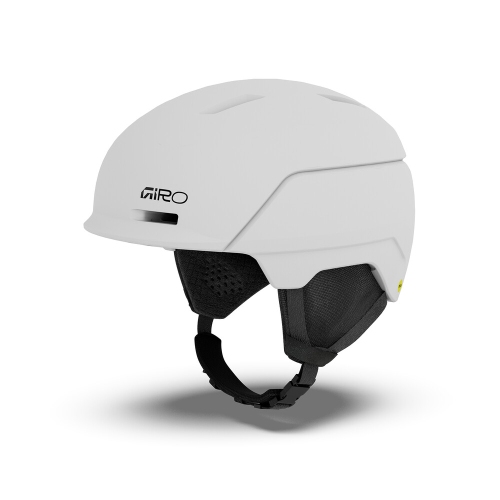
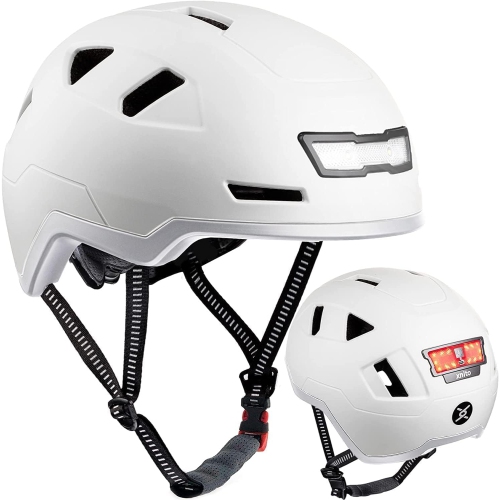
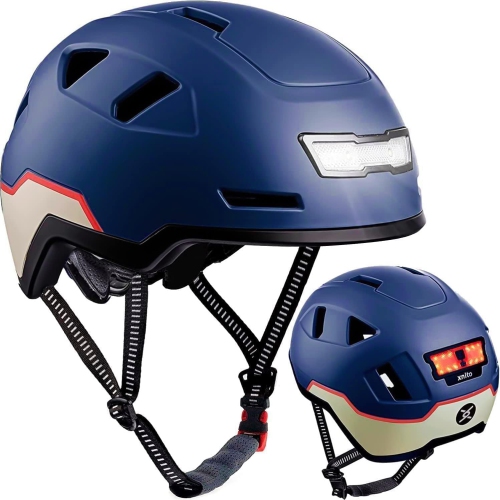
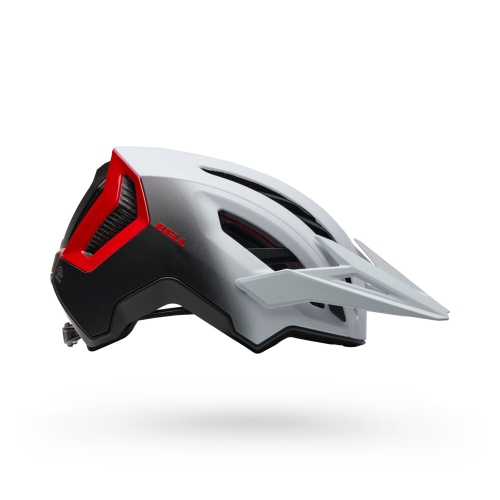
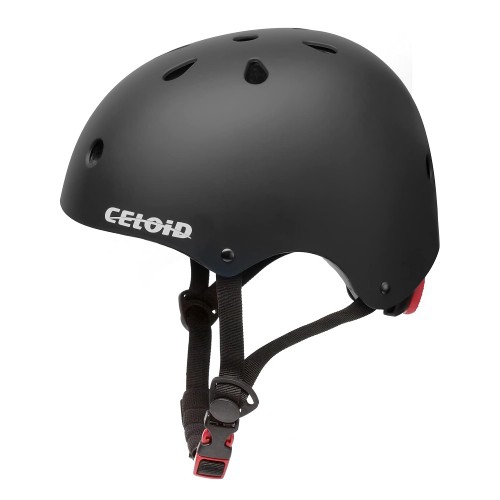
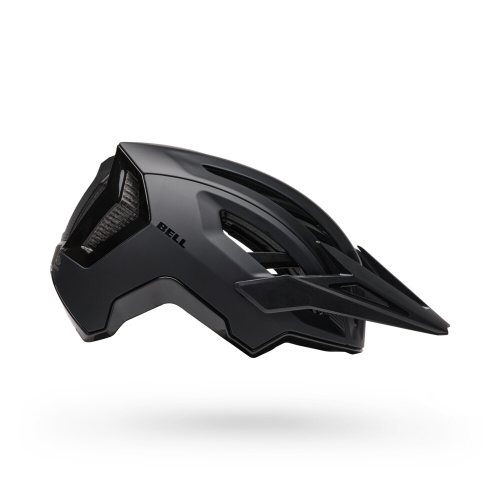
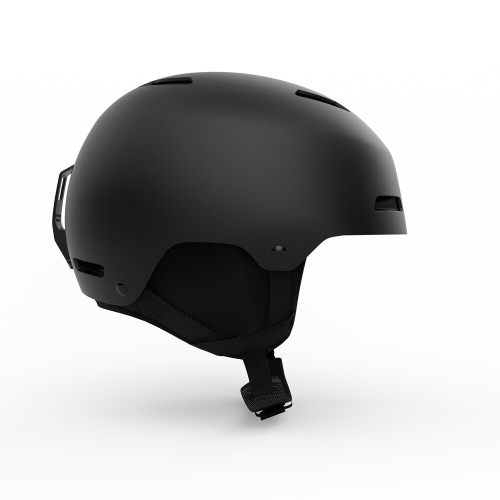
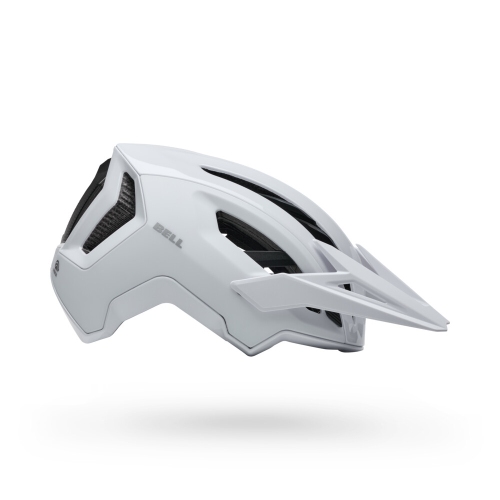
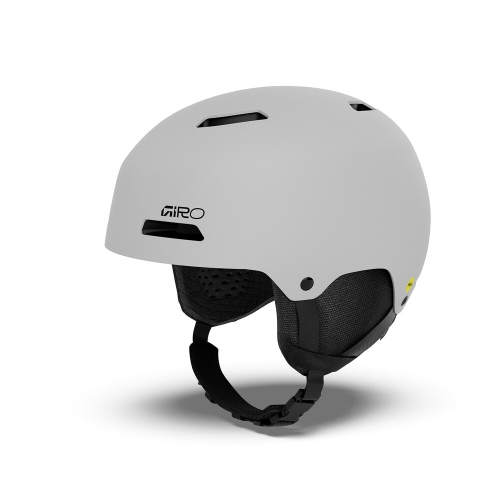
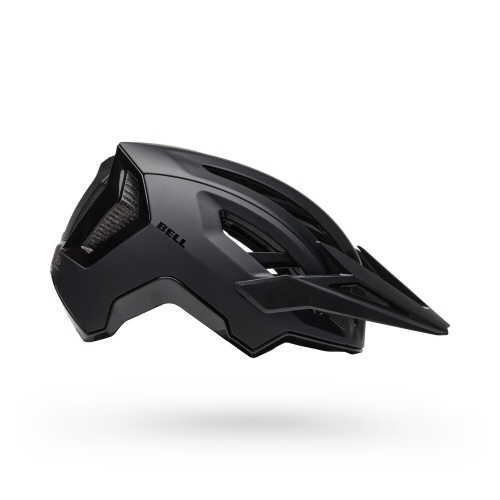
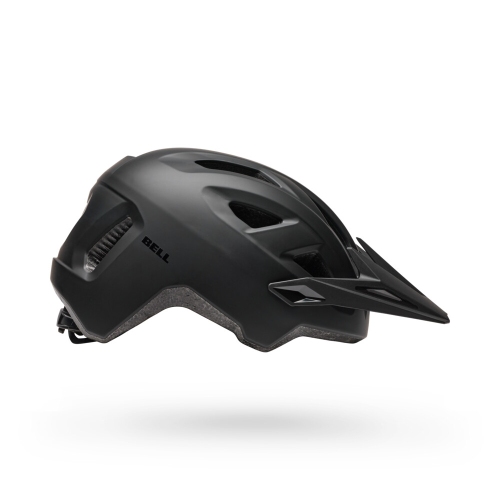
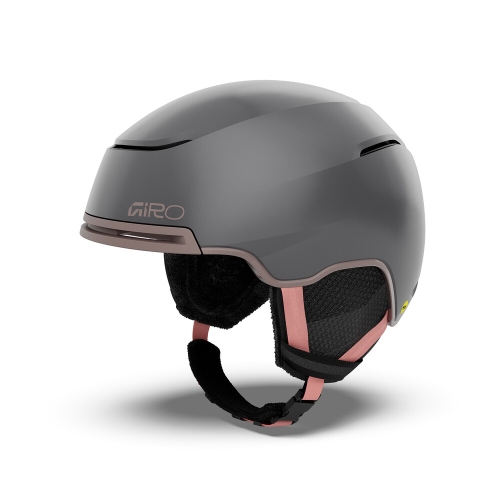
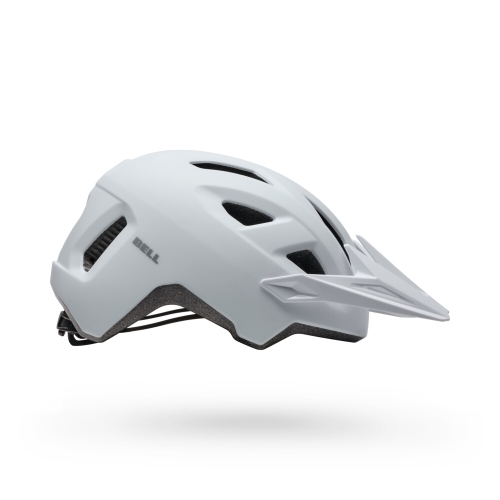
Riding helmets are an important part of preparing for time on a bicycle, scooter, skateboard, recreational vehicle or other ride-on equipment. The right helmet can help provide protection during falls, collisions and unexpected changes in terrain, while also making a rider feel more comfortable and confident. Because different activities involve different speeds, riding positions and types of impact, it is important to select a helmet designed for the activity it will be used for. A helmet intended for cycling may not offer the same coverage or construction as one made for equestrian riding, skating or powersports, so begin by matching the helmet category to the rider’s equipment and routine. Reviewing the manufacturer’s recommended use and safety certification is a useful step before making a purchase. Riders who travel on roads or shared paths may also appreciate features that improve visibility, such as reflective details, bright colours or integrated lighting, especially during the shorter days and lower-light conditions that can occur through the cooler months. For additional options across recreational activities, explore Sports Helmets.
Fit is one of the most important considerations when choosing a riding helmet. A helmet should sit level on the head, with the front edge positioned appropriately above the eyebrows rather than tilted back, and the side straps should form a comfortable, secure shape around the ears. The chin strap should be snug without feeling restrictive, allowing the helmet to stay in place when the rider moves, turns or looks over a shoulder. Many helmets include an adjustment dial, padding system or multiple fit settings to help create a closer fit, but these features cannot compensate for a helmet that is the wrong size or shape. Measure the rider’s head according to the sizing instructions provided, and consider trying the helmet with any hairstyle, head covering or winter layer that will normally be worn underneath. Thick hats can affect how a helmet sits and may interfere with its protective fit, so choose a helmet designed for the intended conditions or use a compatible, low-profile liner where permitted by the manufacturer. Comfort also matters: ventilation can help prevent a hot, clammy feeling during longer rides, while removable padding can make cleaning and adjustment easier. A lightweight design may be especially helpful for children, newer riders or anyone who wears a helmet for extended periods. When purchasing for a child, avoid choosing a larger size for future growth; a properly fitted helmet is more useful than one with extra room that shifts during movement. Parents and caregivers can make helmet use part of the routine by checking the fit before every ride and storing the helmet where it will not be crushed or exposed to unnecessary heat.
Riding helmets can be a thoughtful gift for a child learning to ride, a commuter preparing for regular trips, a recreational rider returning to an activity or an experienced enthusiast updating older equipment. They can also be a practical addition to a larger gift for someone who enjoys exploring neighbourhood paths, practising skills at a local park or spending time at a riding facility. Before gifting one, it helps to know the recipient’s activity, head measurement and preferred riding position, since these details influence the ideal style and fit. Helmets should be inspected regularly for cracked shells, damaged straps, loose hardware, worn padding or other signs of impact. Even when visible damage is not obvious, a helmet involved in a significant collision may need to be replaced because its internal structure can be compromised. Follow the care instructions for cleaning, avoid harsh chemicals and keep the helmet away from prolonged high heat. During early fall and winter, riders should also consider how cooler air, damp conditions, gloves and reduced daylight may affect comfort and visibility. A secure fit, clear sightlines and clothing that does not obstruct the straps can make it easier to remain attentive while riding. Choosing a helmet that suits the activity, fits the rider properly and feels comfortable enough to wear consistently supports safer habits every time the wheels, board or saddle are ready to move.
Top selling and popular products
-
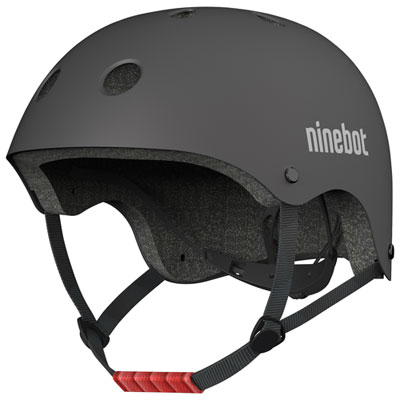 Your price for this item is $69.99
-
 Your price for this item is $19.99
-
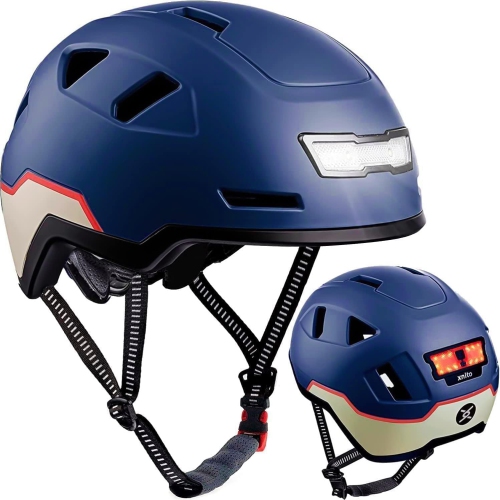 Your price for this item is $169
-
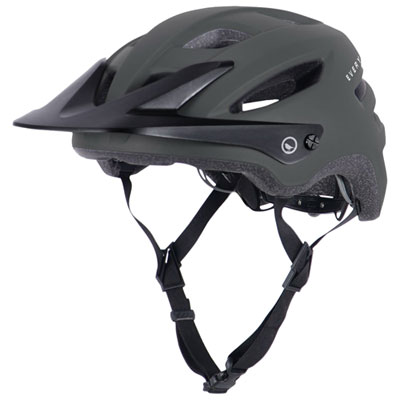 Your price for this item is $39.99
-
 Your price for this item is $199.99
-
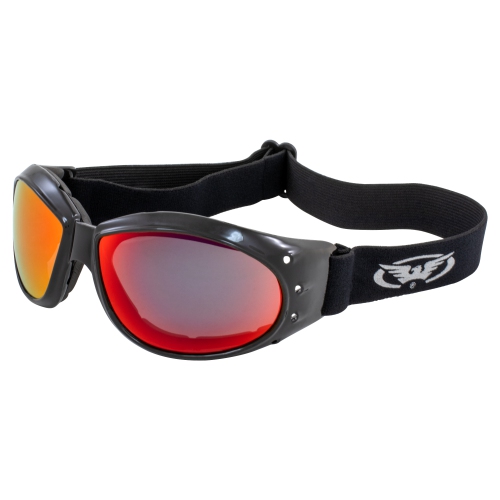 Your price for this item is $35.13
-
 Your price for this item is $169
-
 Your price for this item is $49.99
Discover more categories related to Riding Helmets
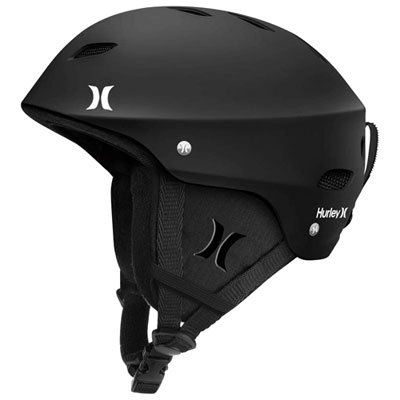

Top Collections:
Pokemon Centers, Best Cameras for Sports Photography, Kindle Devices, Samsung Galaxy Phones, Canon G7X Cameras, Pokémon 30th Celebration Cards, Refurbished Apple Laptops, iPhone 15 Apple, Laptops for Students, Budget Smartphones
Some products may be subject to Environmental Handling Fees
(EHF) depending on your province.
Learn more about EHFs.