Sports Helmets
Whether you're an adrenaline junkie hitting the slopes, a cycling enthusiast exploring scenic routes, or a skateboarding pro perfecting your tricks, protecting your noggin should always be a top priority. At Best Buy, we understand the importance of safety without compromising style and comfort. That's why we offer a wide selection of sports helmets designed to keep you protected during your favorite activities. From sleek and aerodynamic designs to rugged and durable options, our collection of sports helmets has something for everyone. So gear up and stay safe while enjoying your passion for outdoor adventure.
Sort
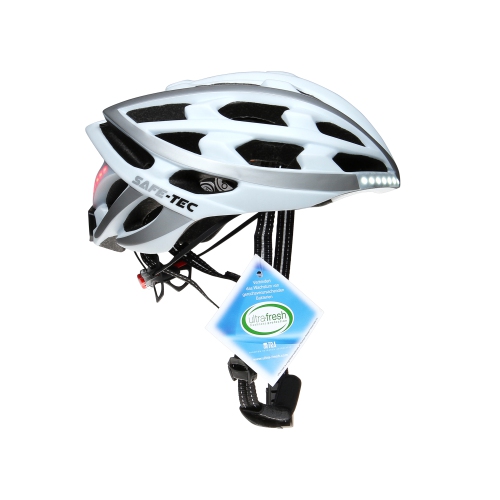
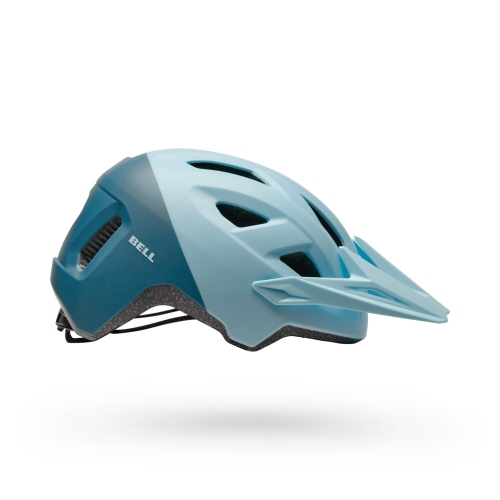
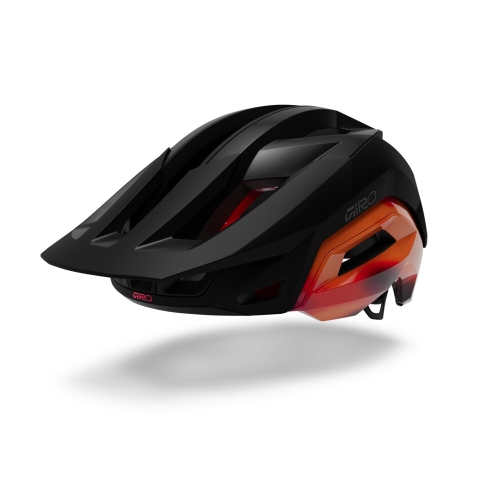
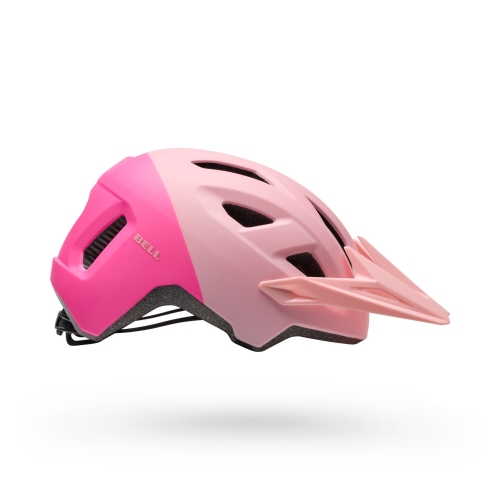
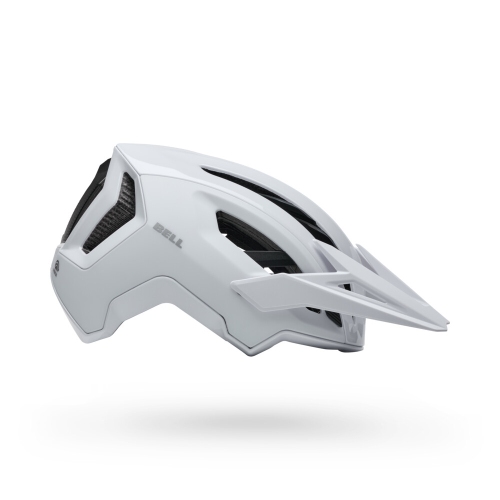
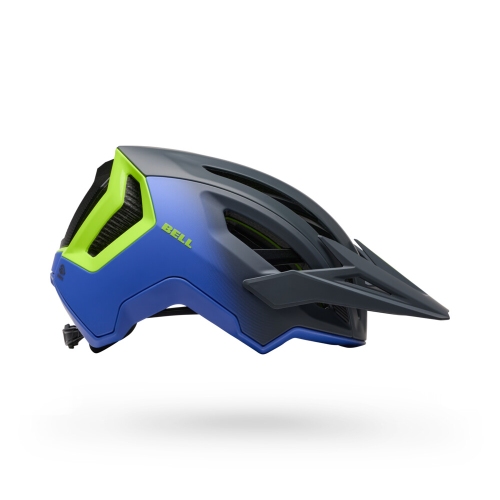
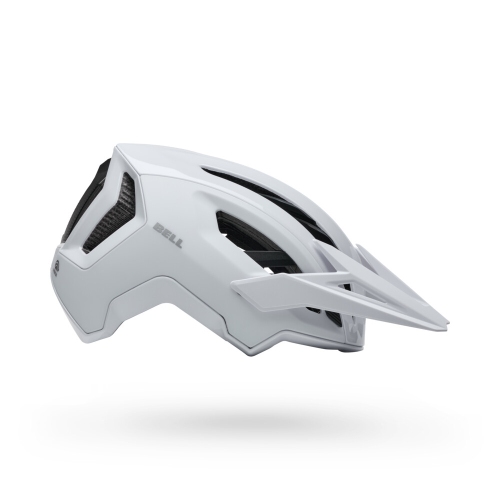
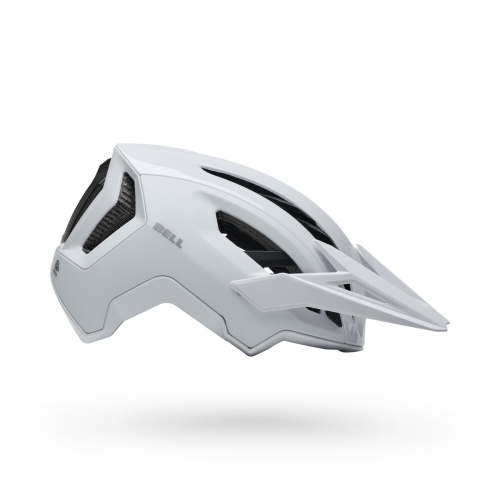
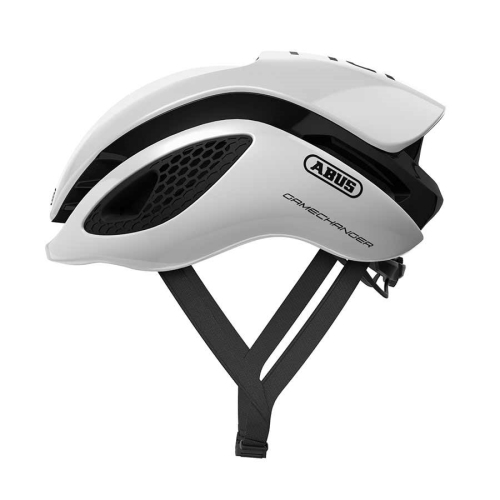
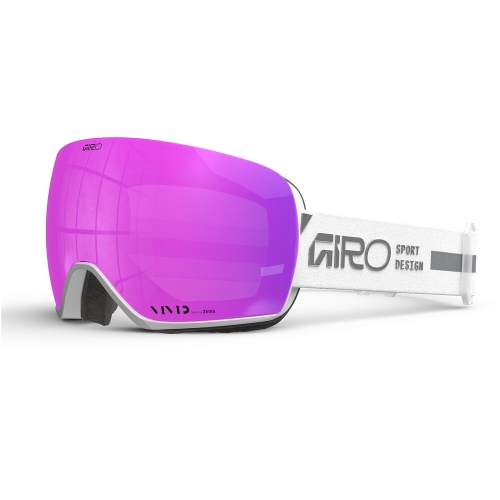
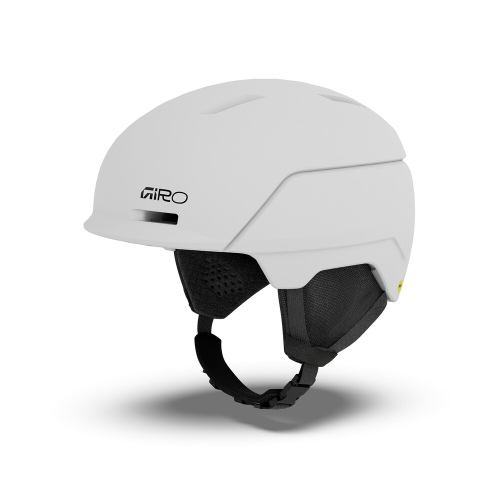
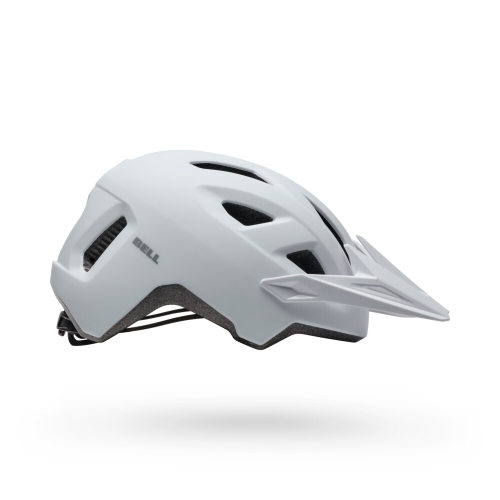

![CCM V08 M Helmet New [Sporting Goods] In Multicolor](https://multimedia.bbycastatic.ca/multimedia/products/500x500/196/19626/19626126.jpeg)
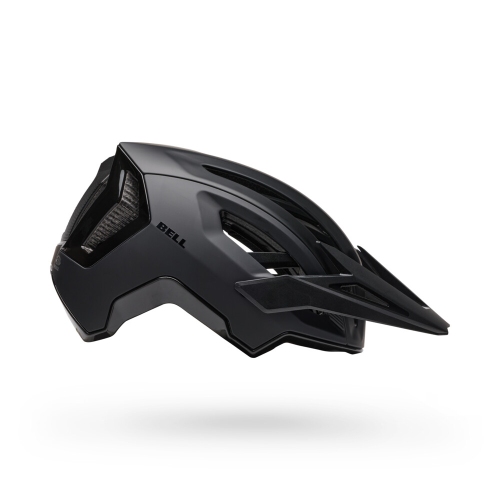
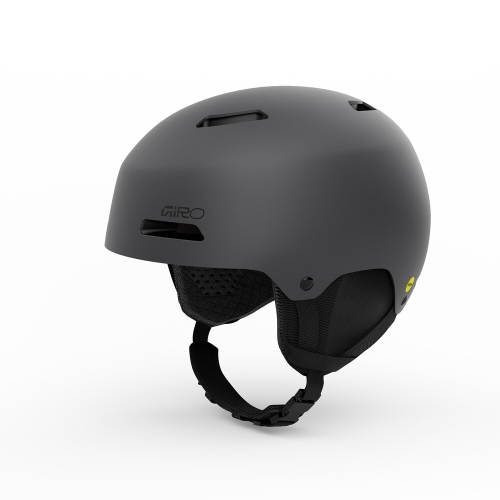
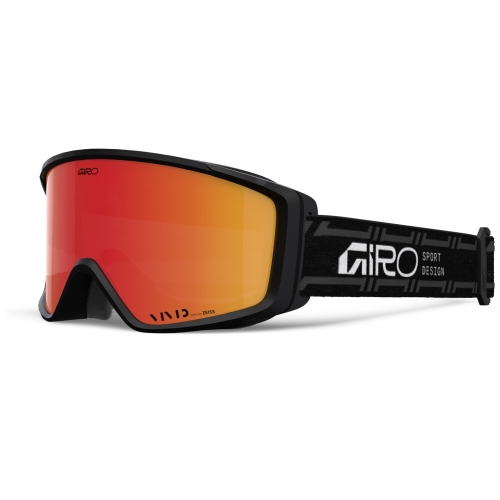
![BAUER 4500 Helmet [Sporting Goods] - Medium / In Black](https://multimedia.bbycastatic.ca/multimedia/products/500x500/179/17942/17942720.jpeg)
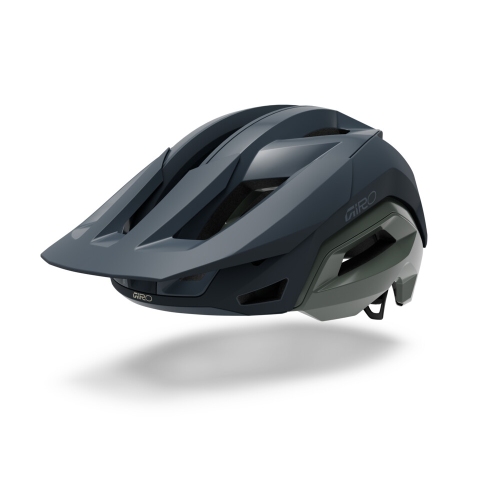
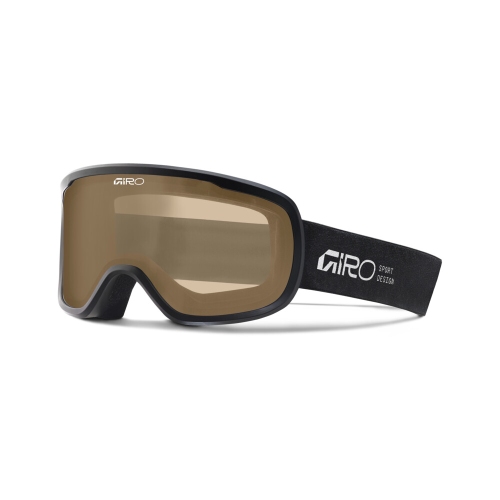
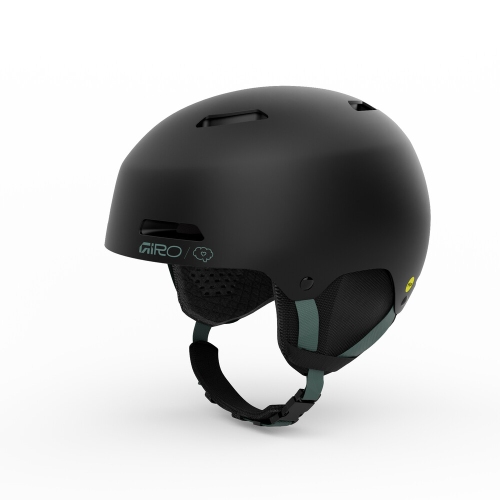
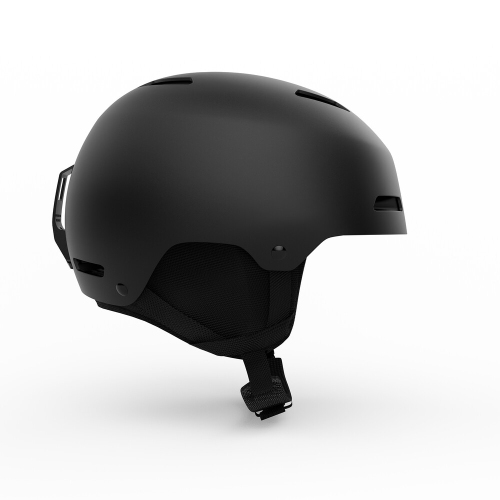
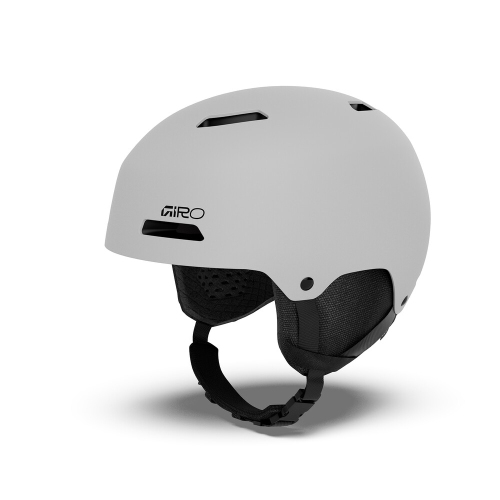
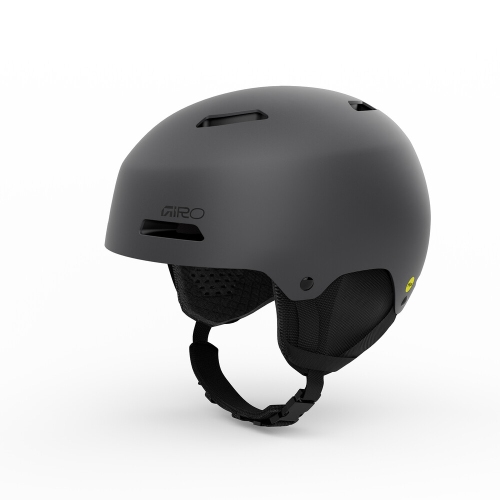
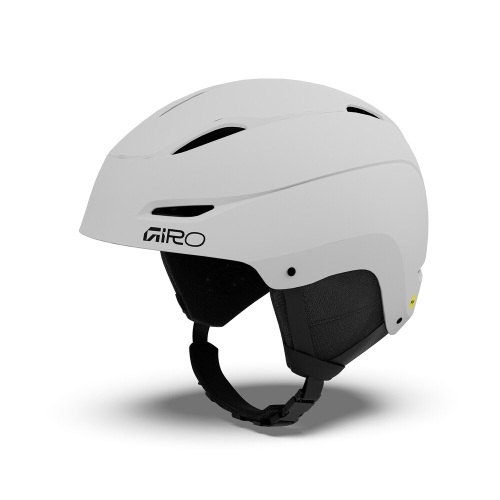
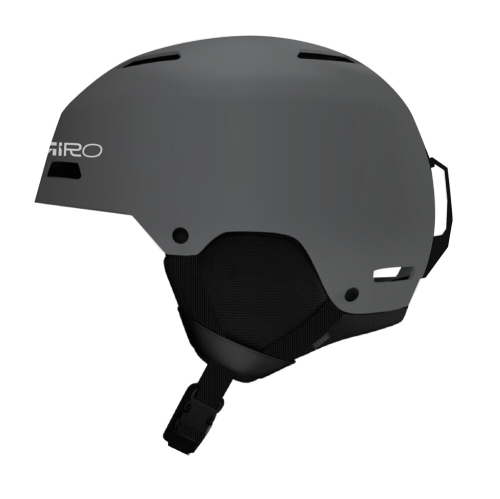
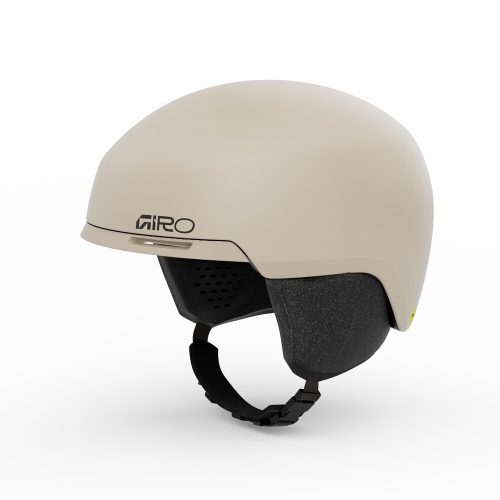
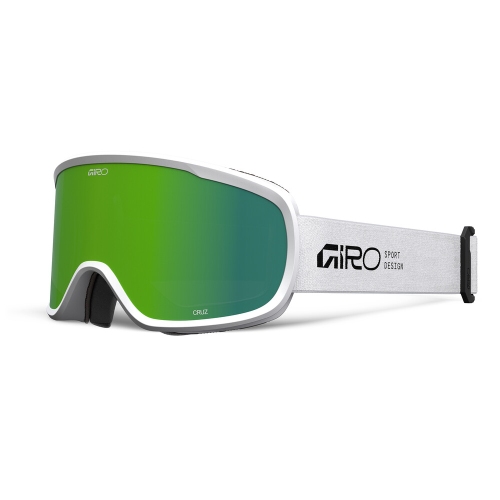
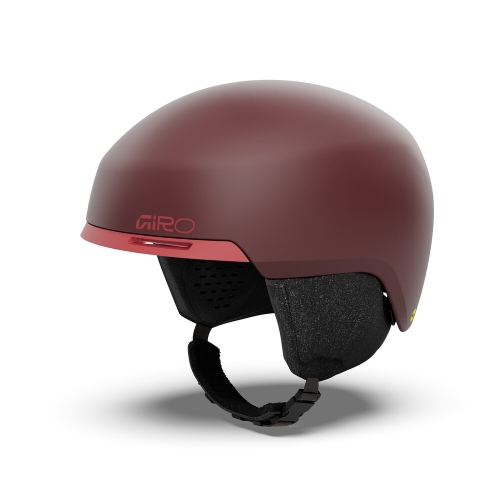
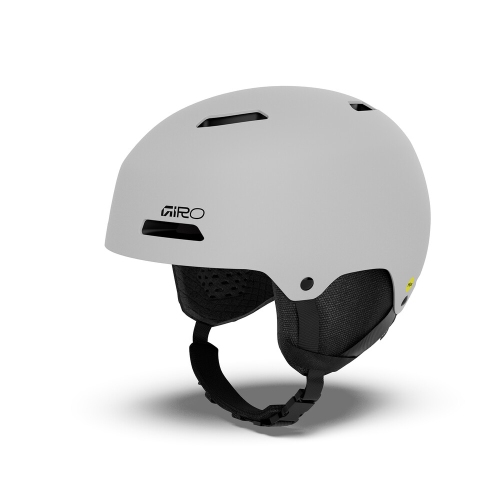
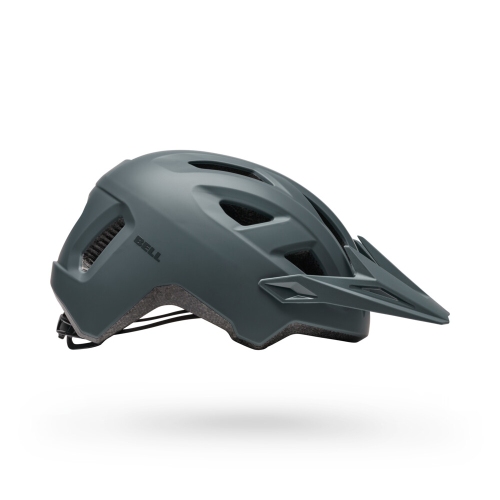
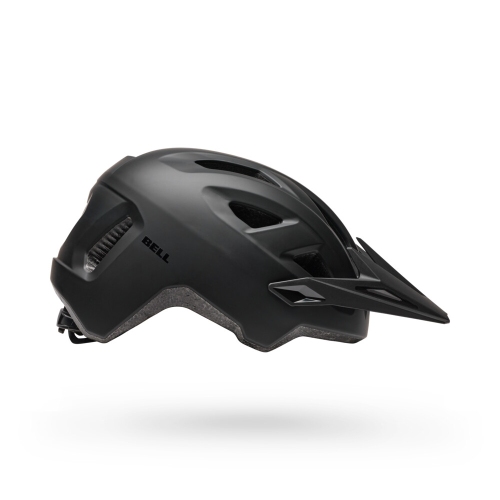
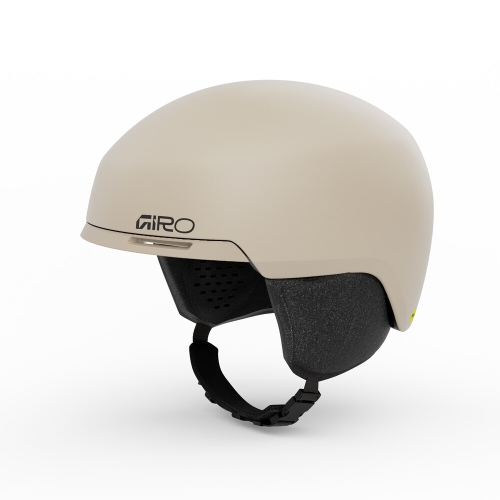
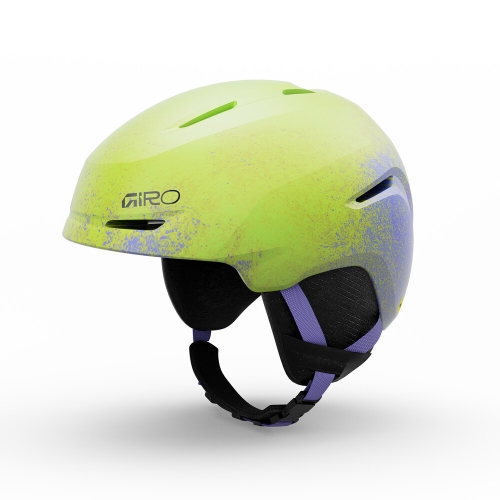
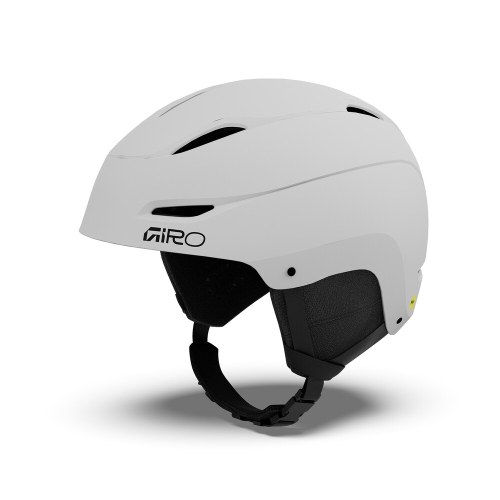
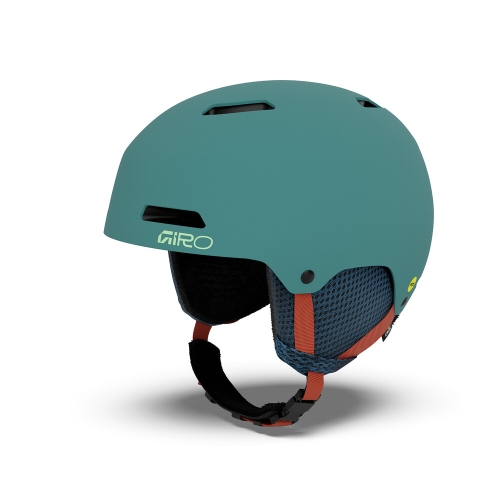
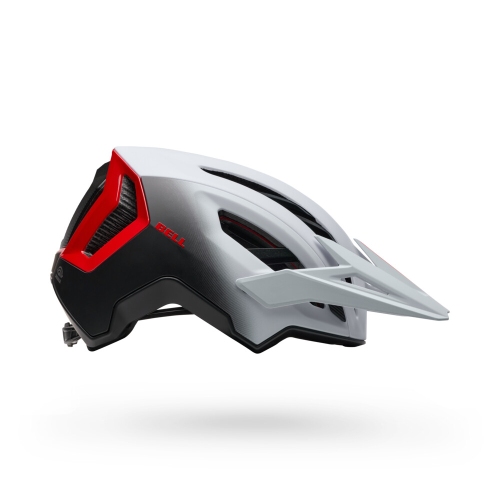
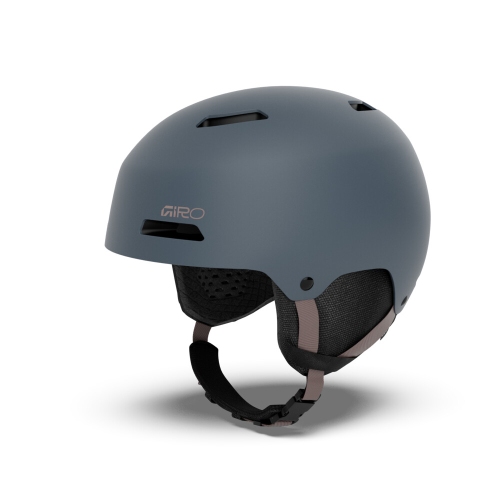
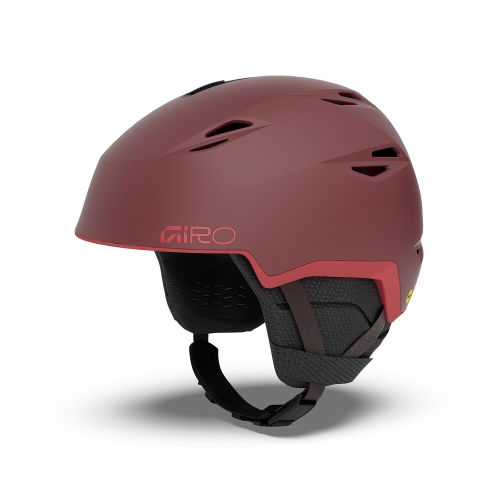
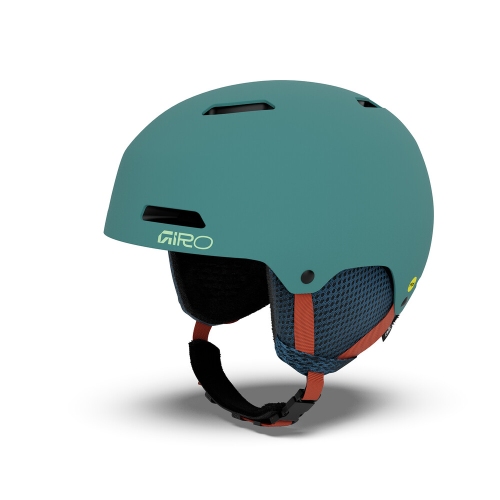
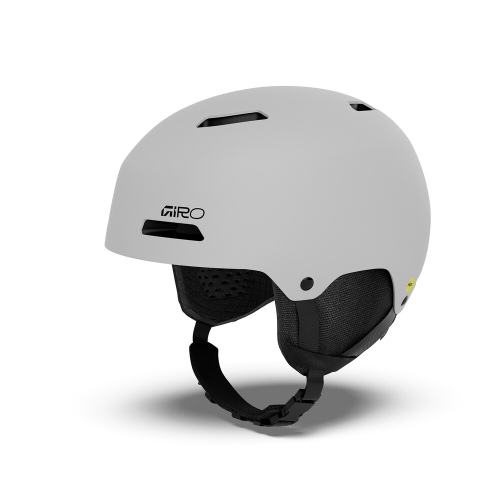
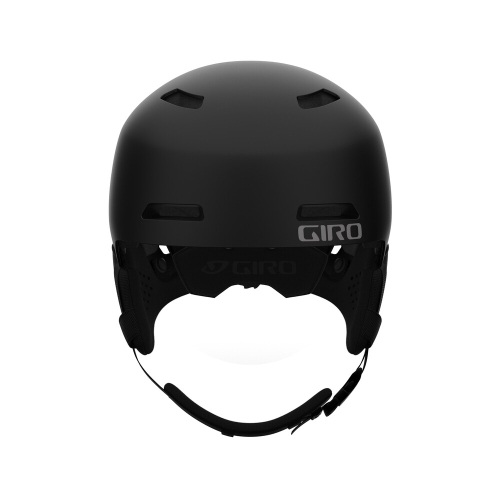
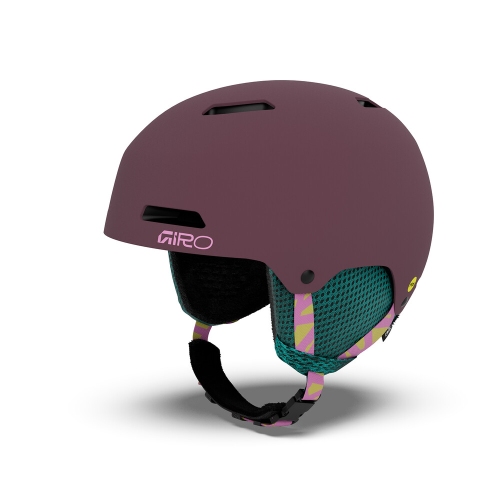
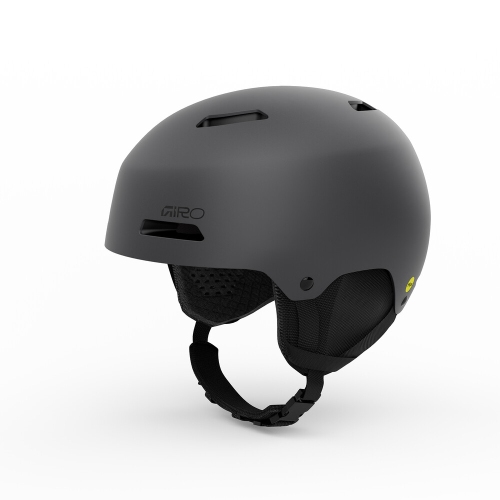
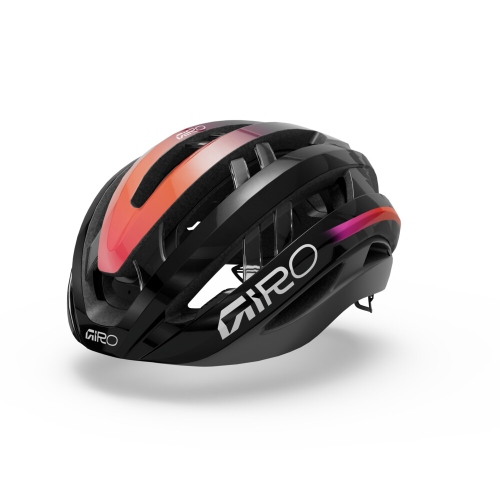
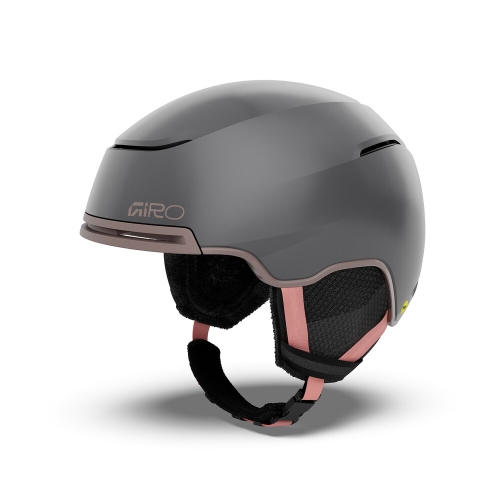
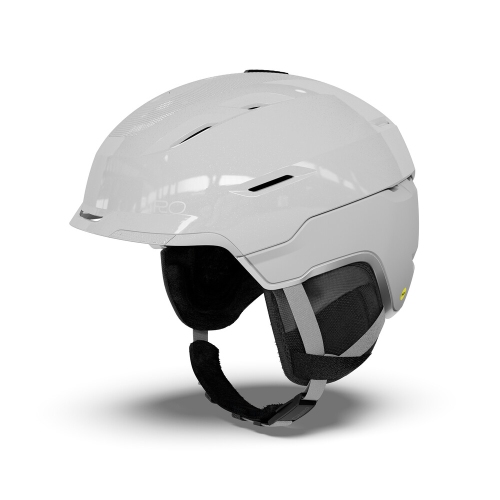
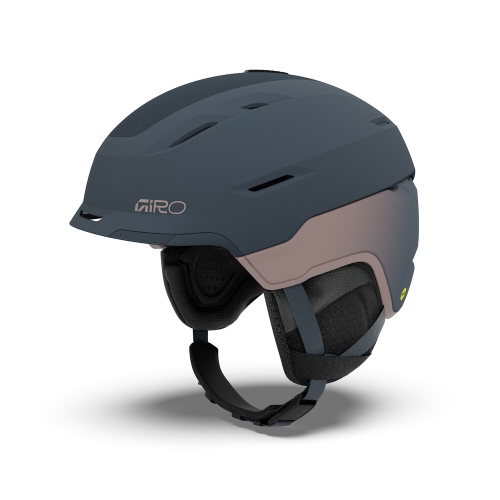
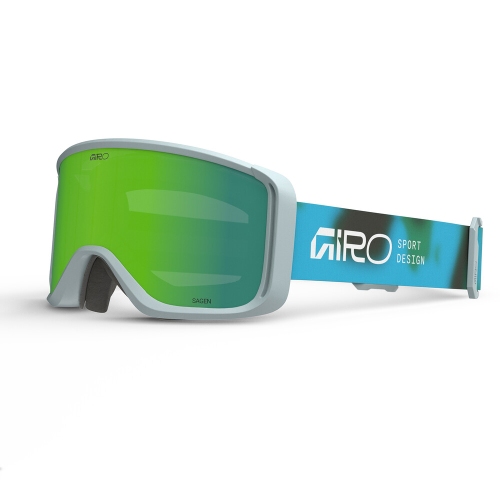
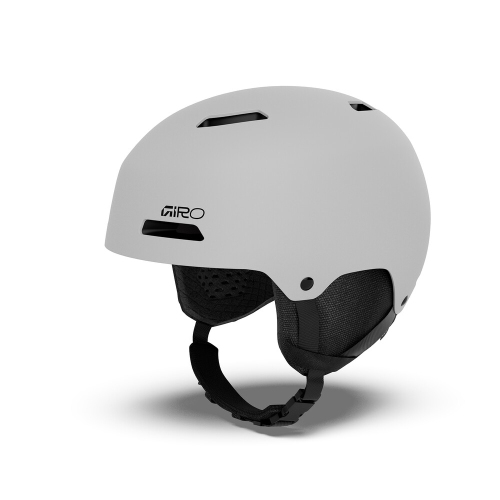
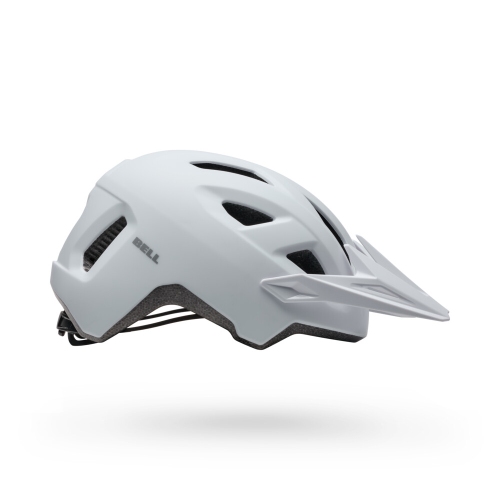
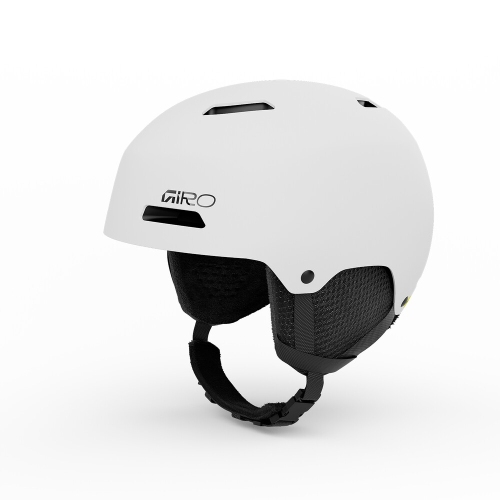
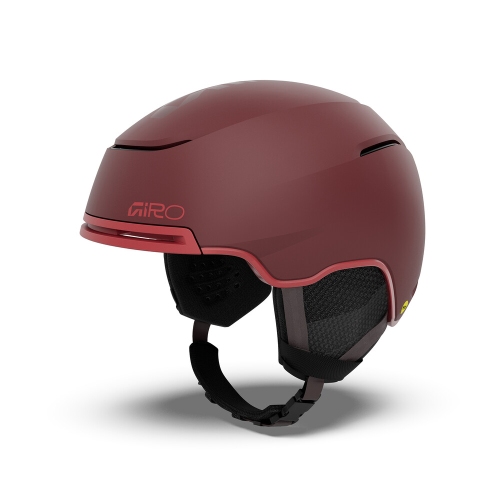
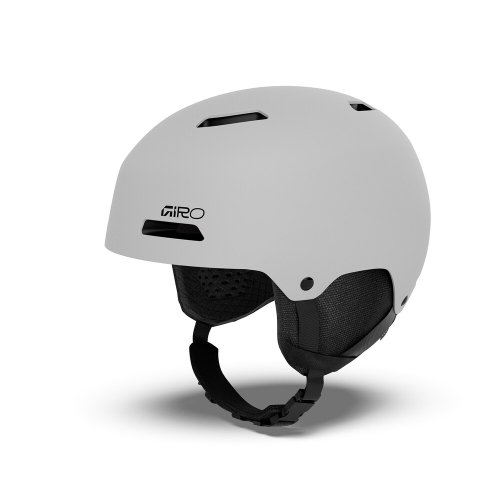
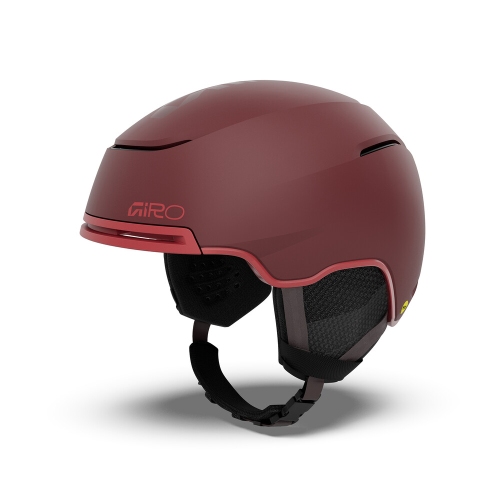
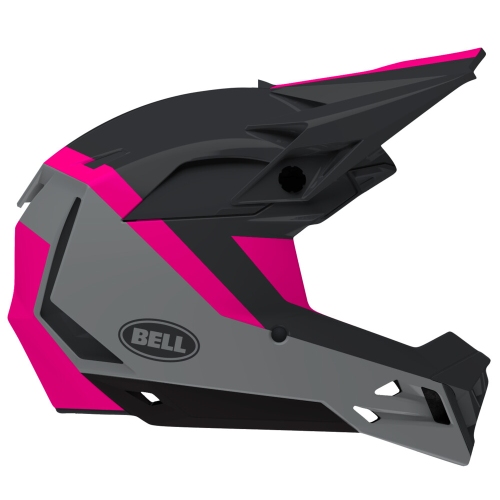
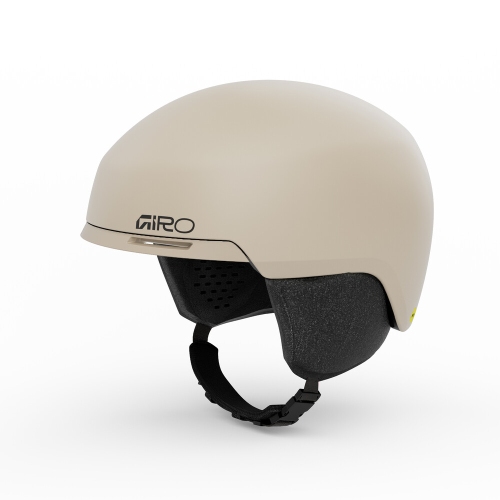
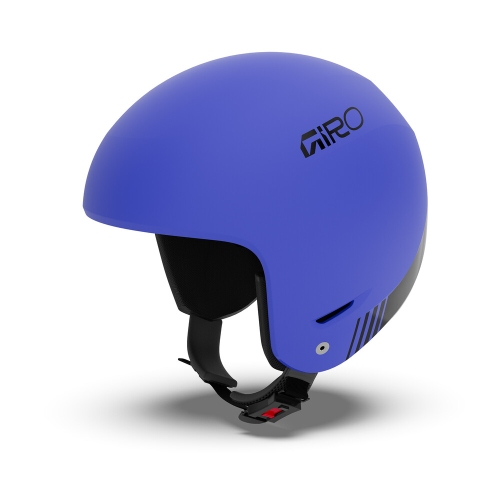
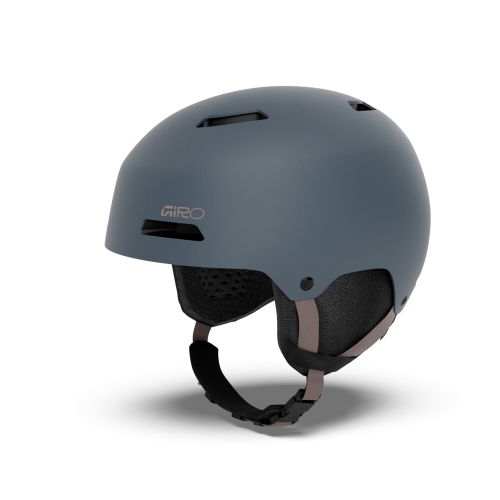
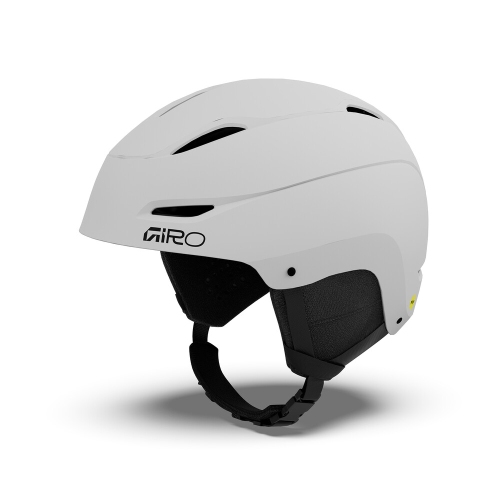
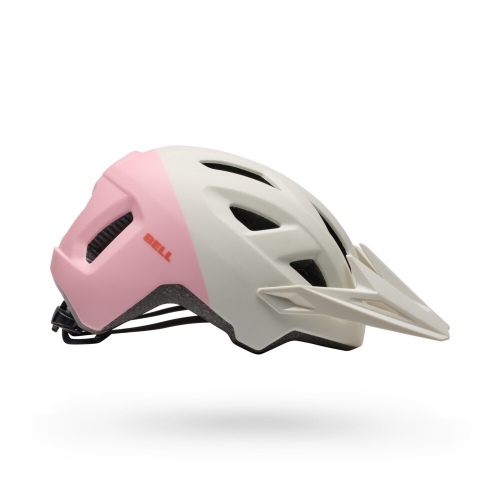
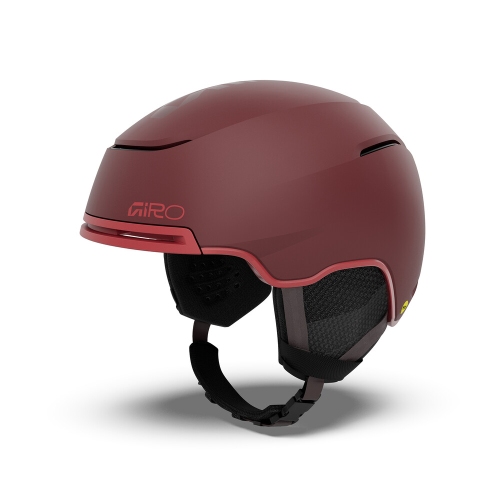
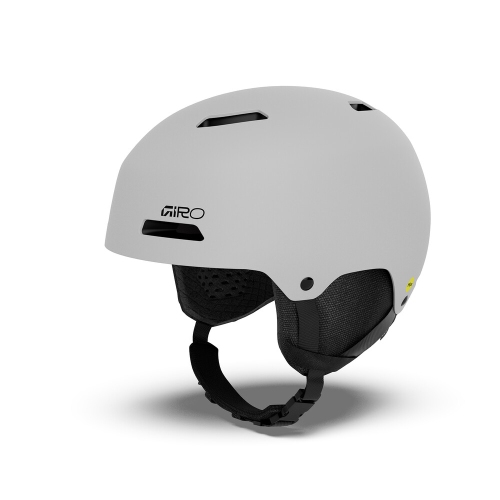
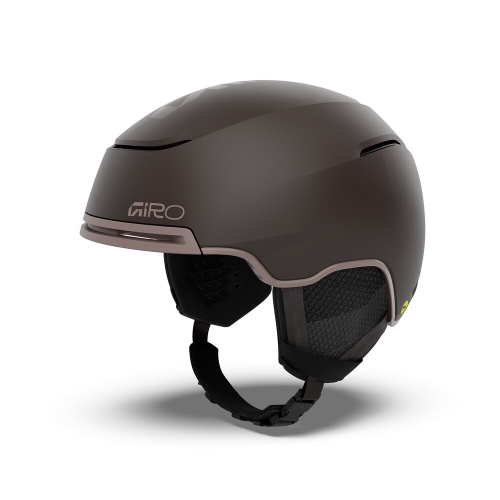
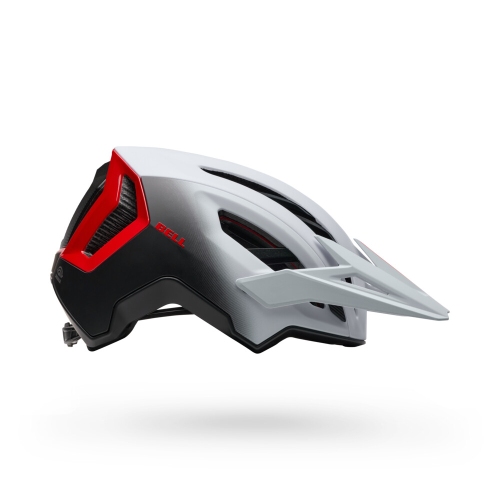
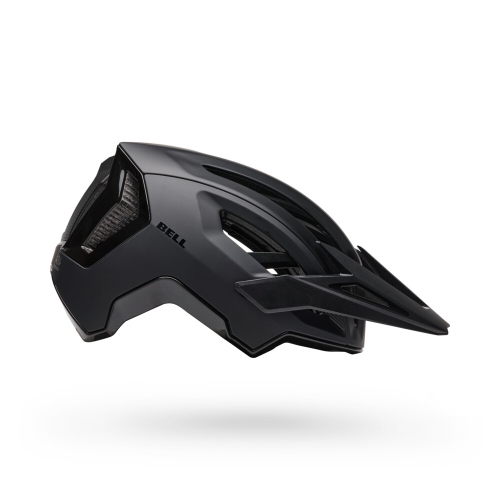
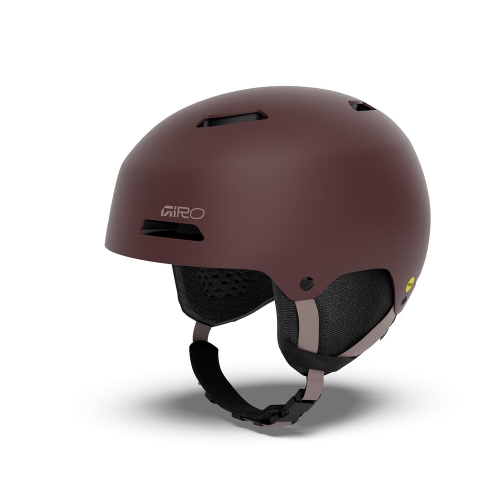
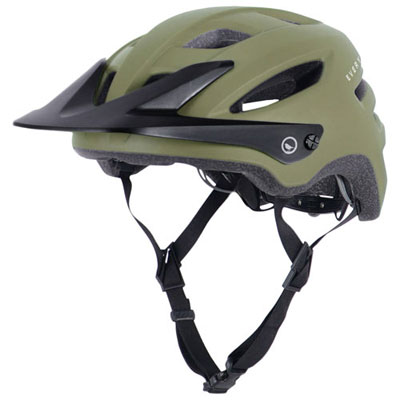
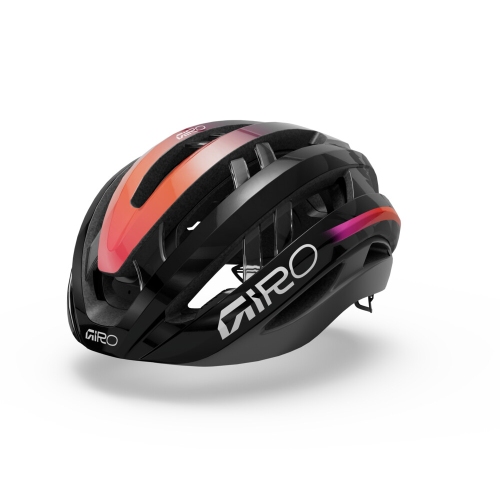
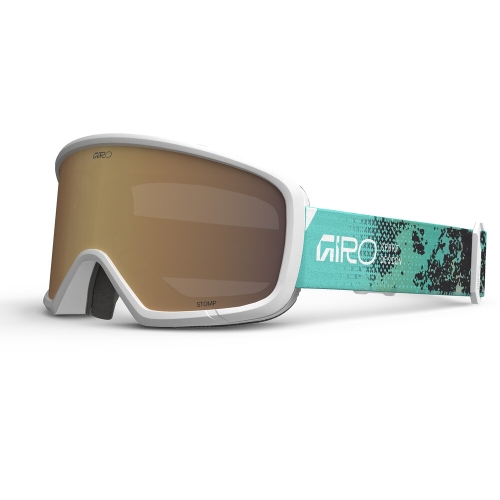
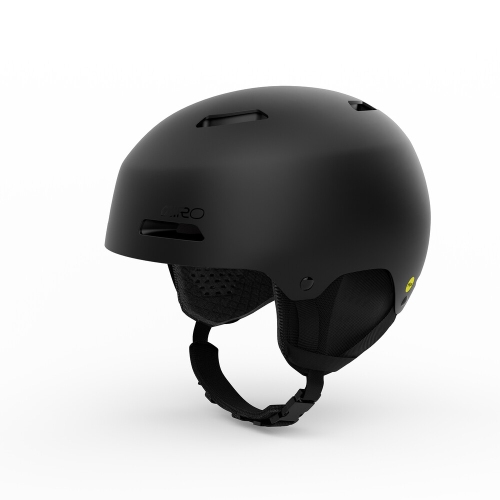
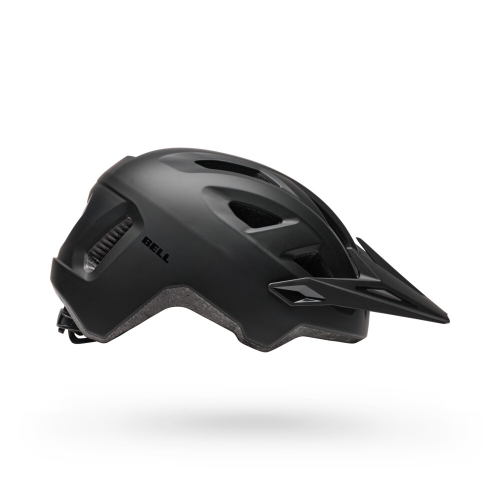
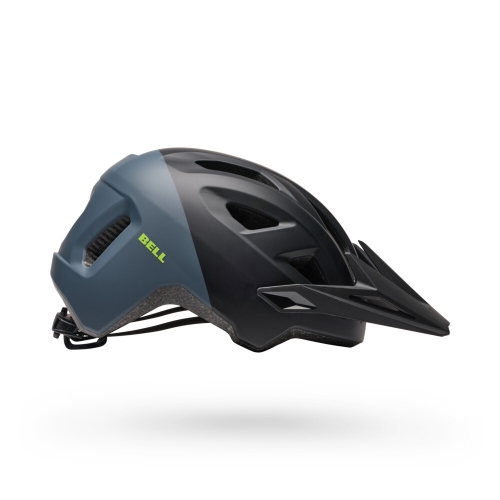
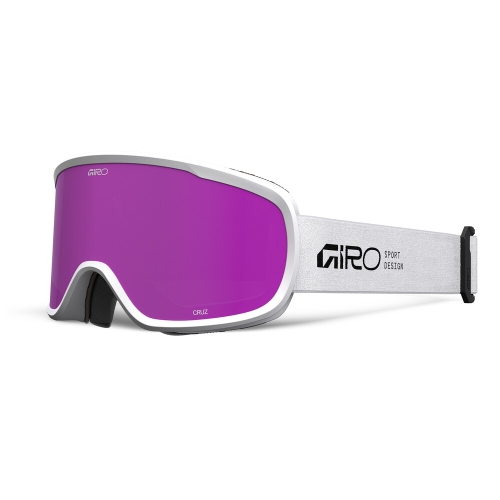
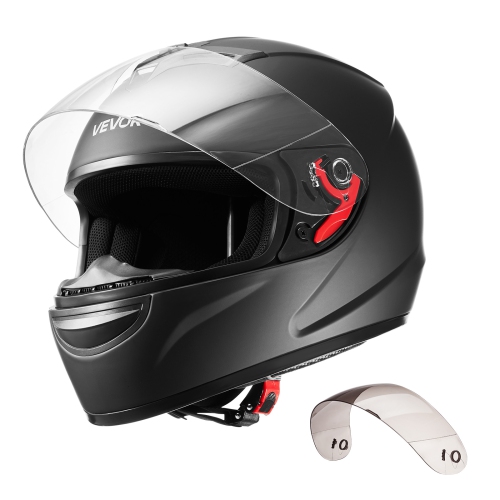
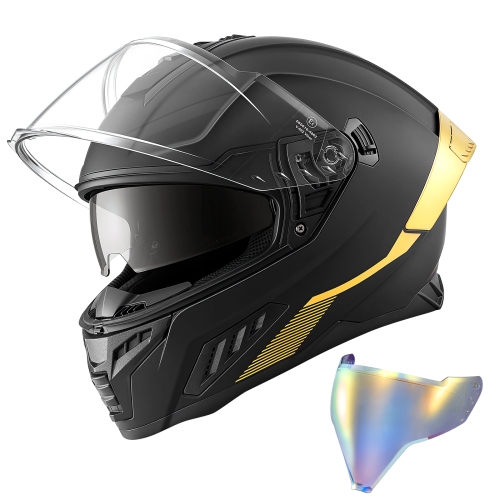
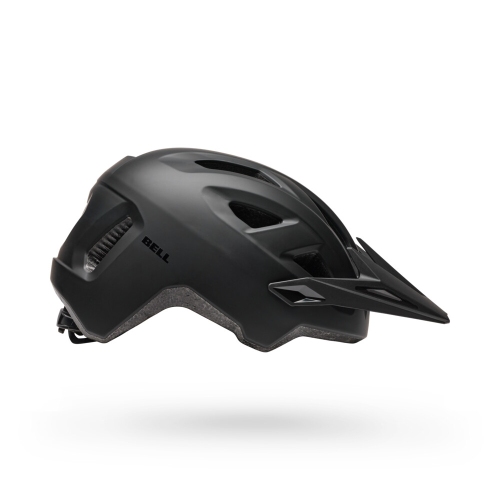
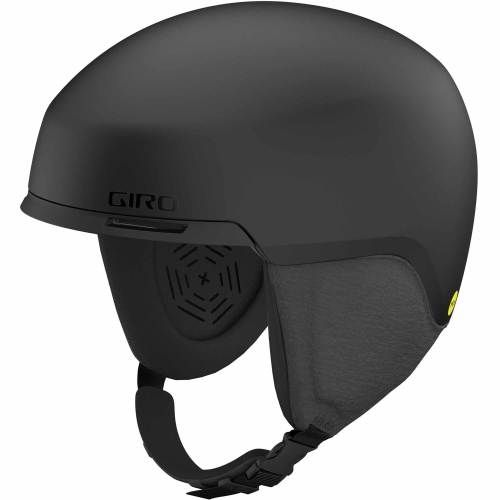
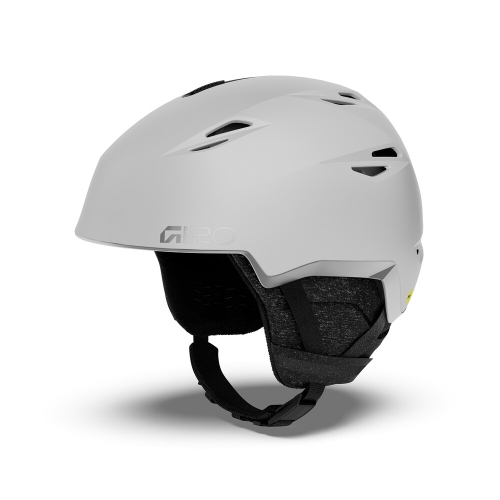
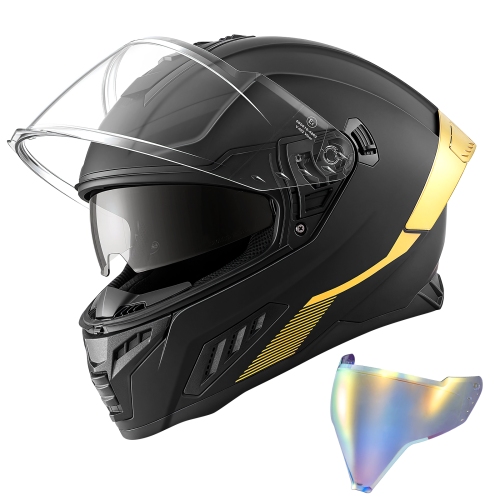
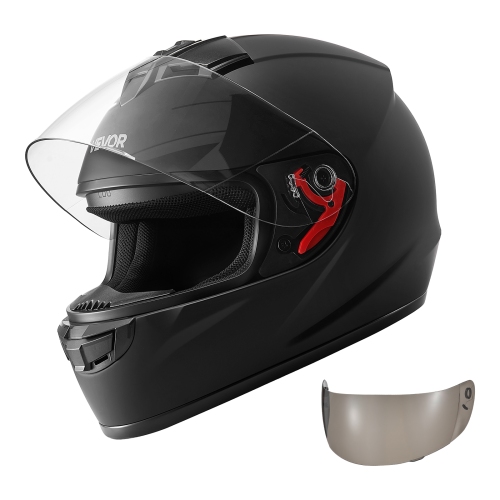
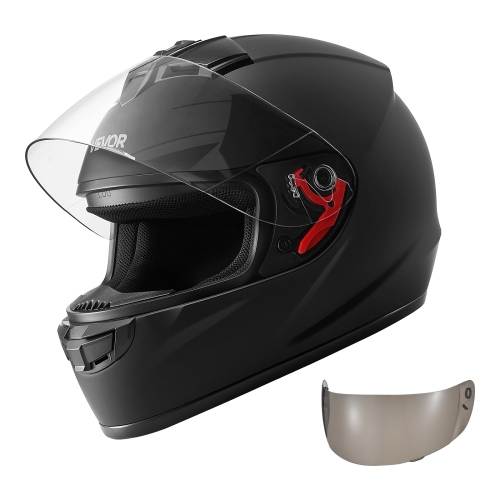
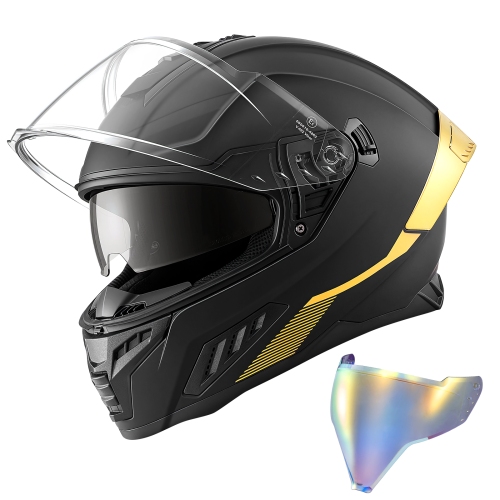
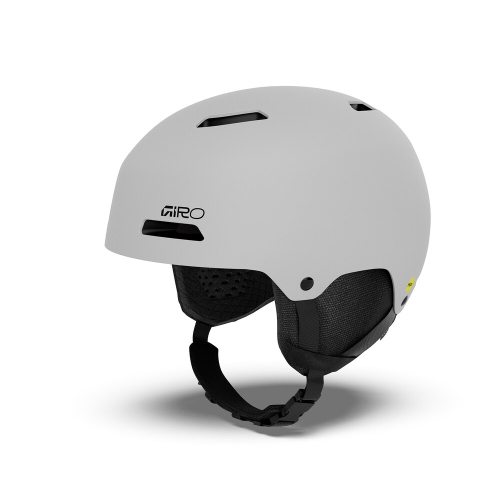
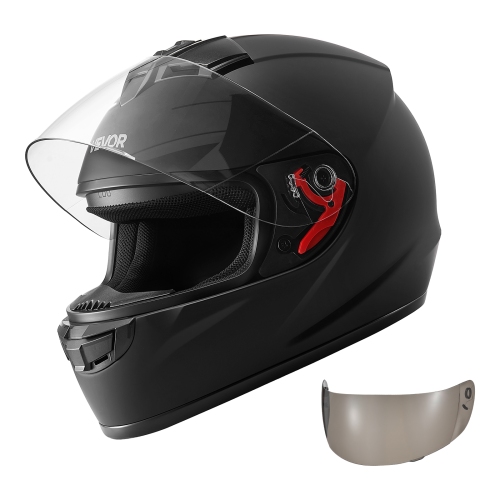
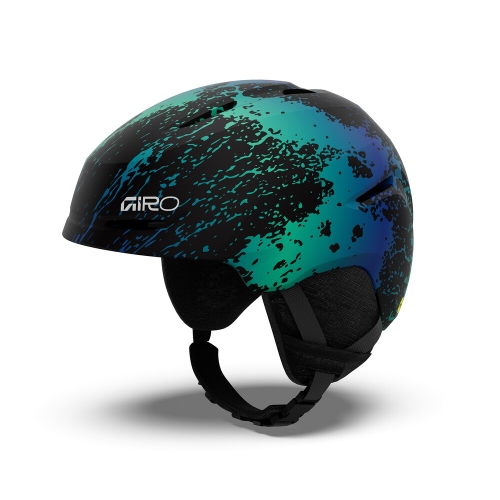
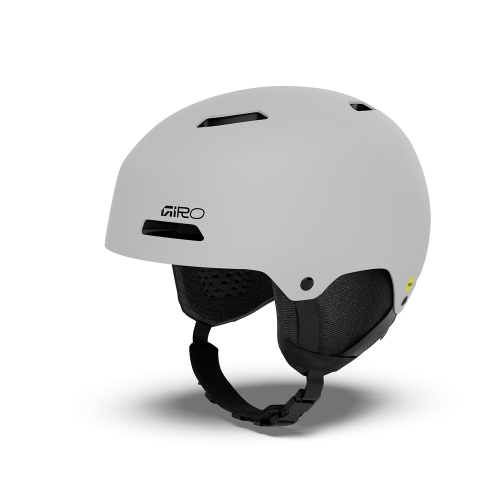
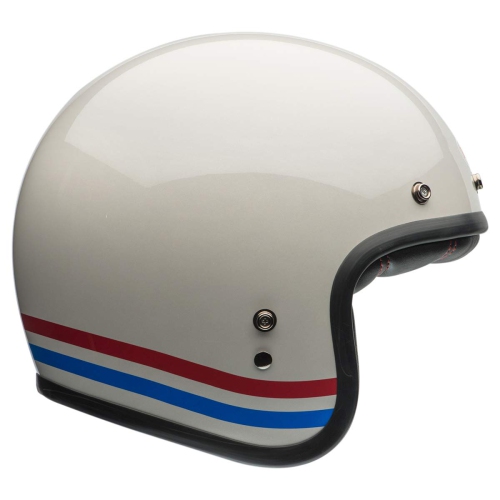
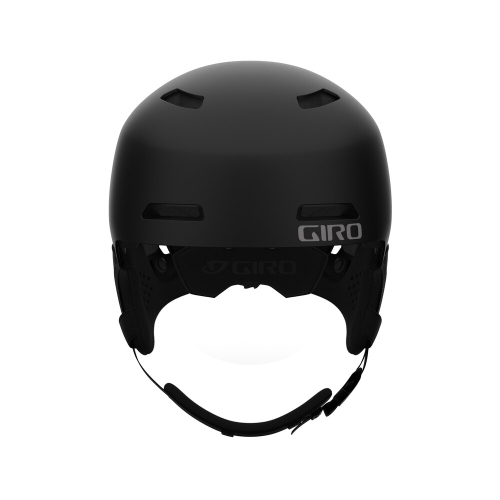
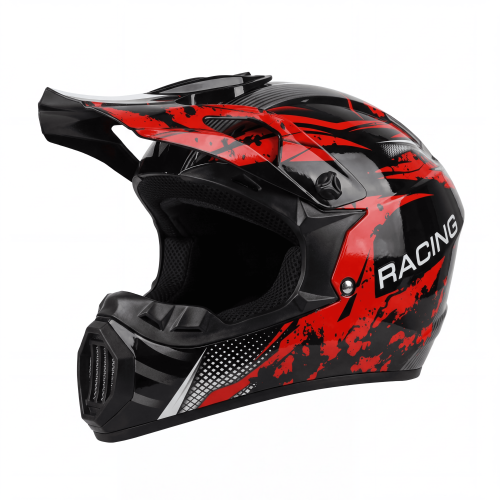
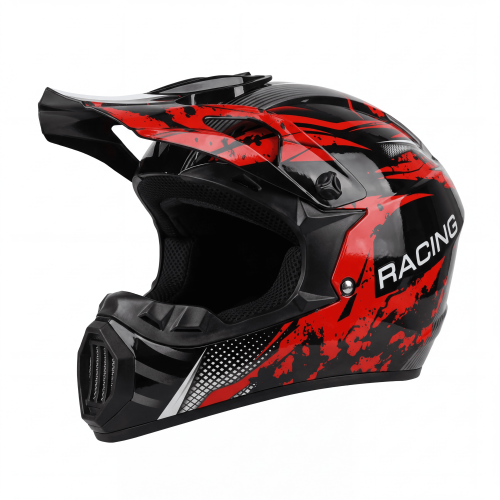
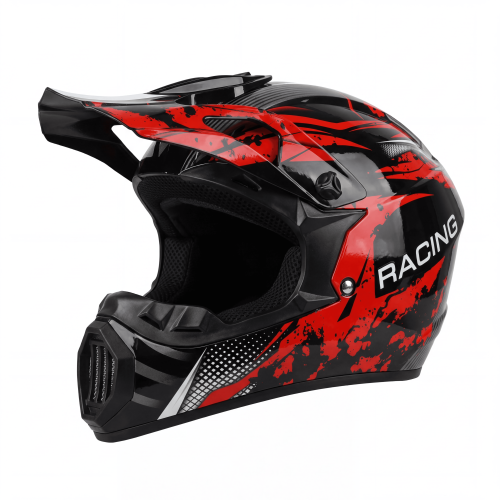
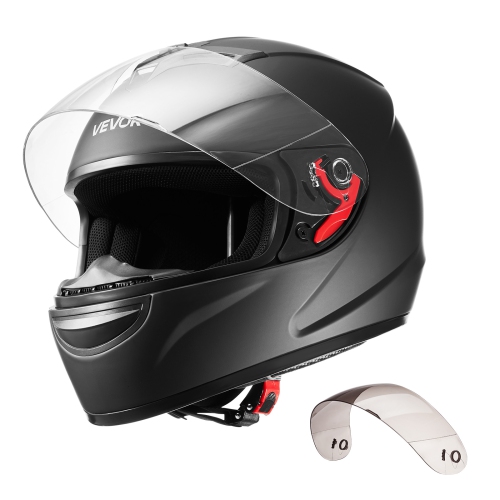
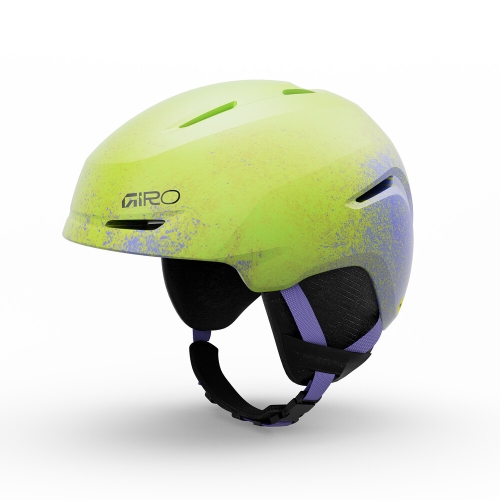
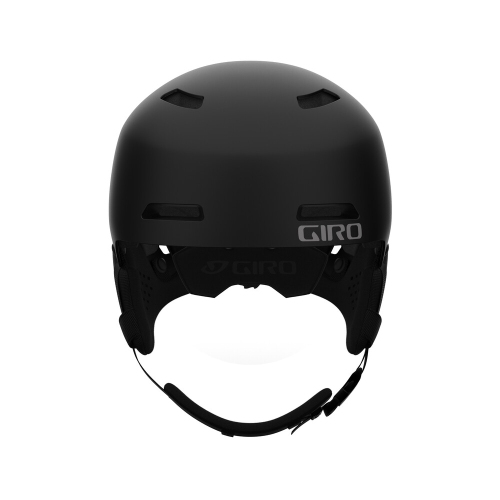
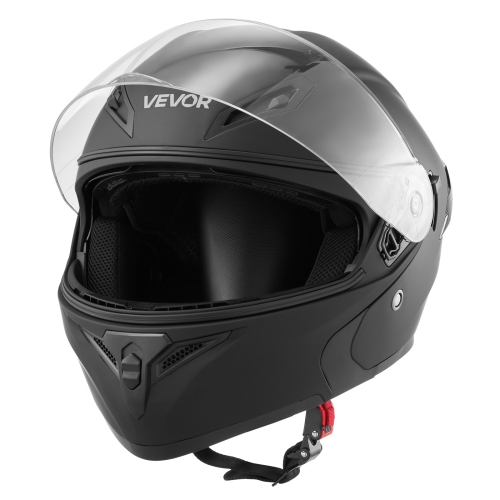
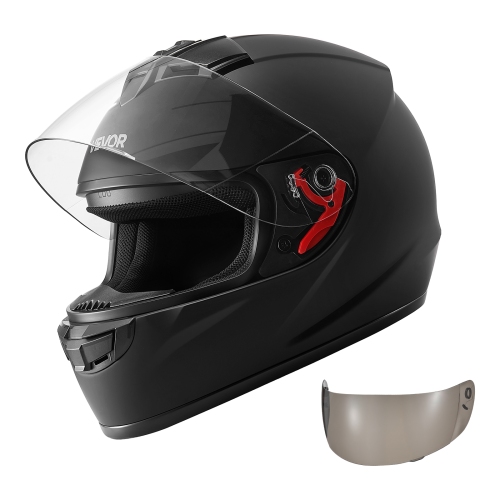
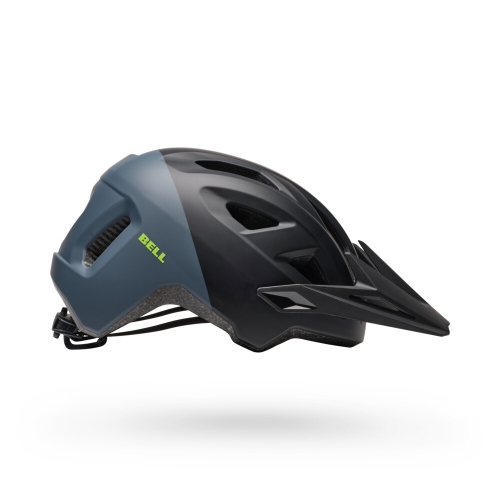
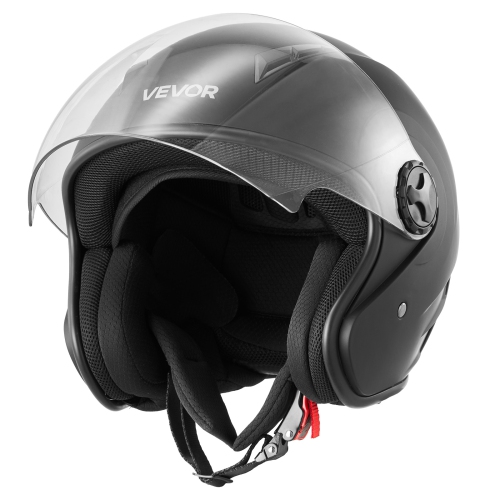
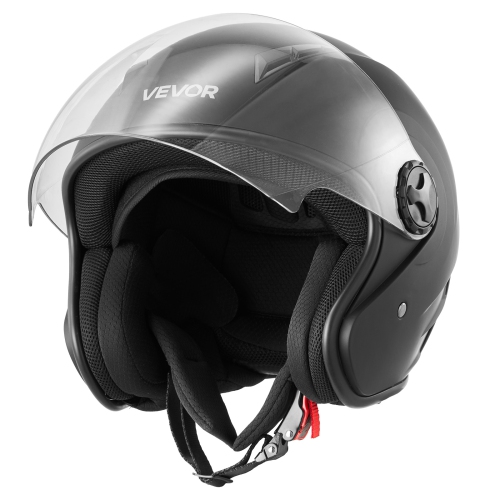
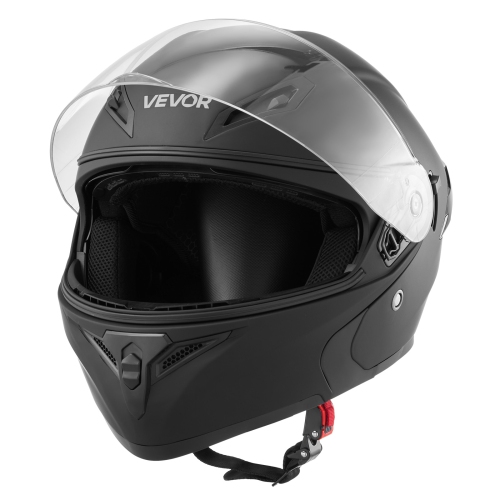
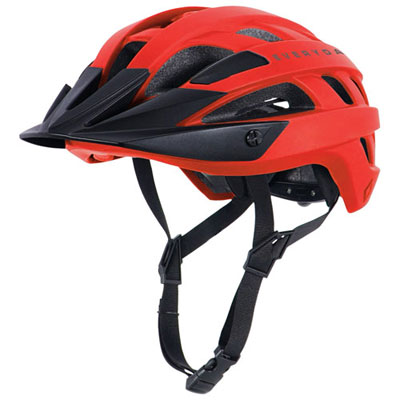
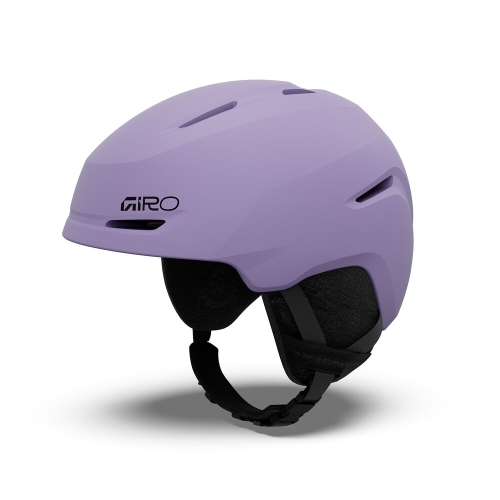
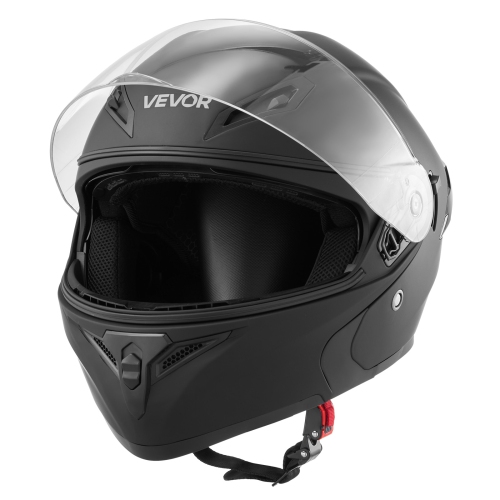
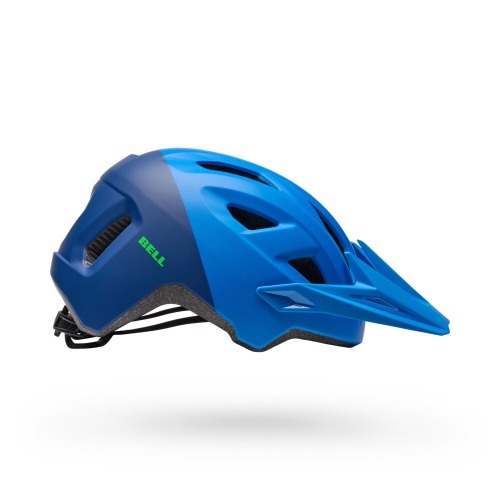
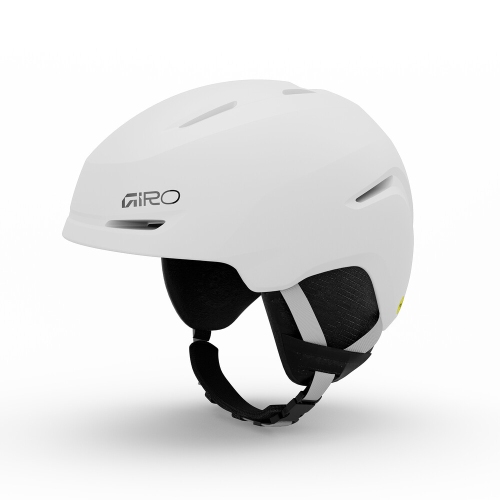
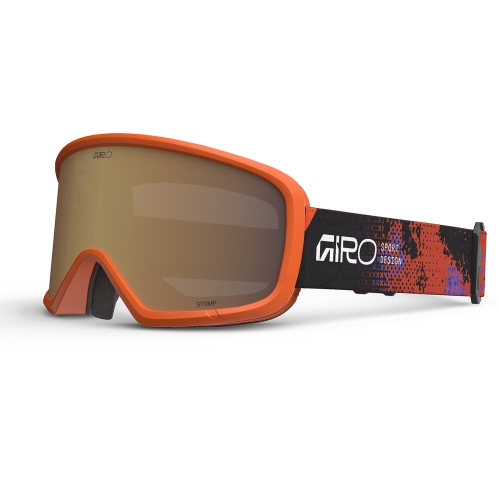
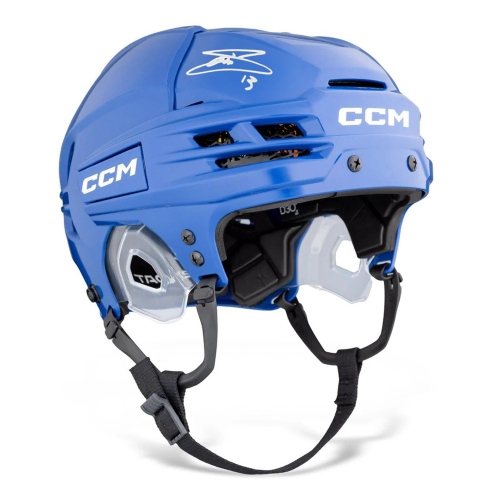
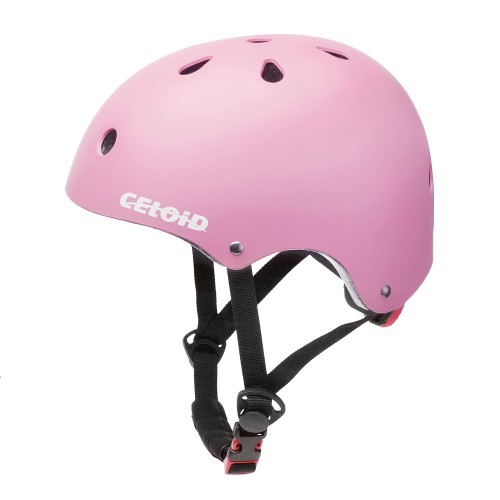
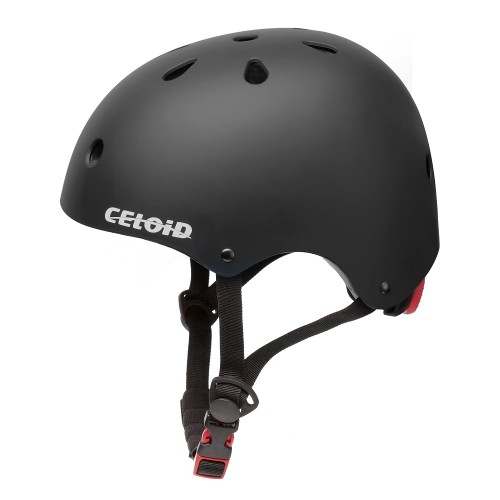
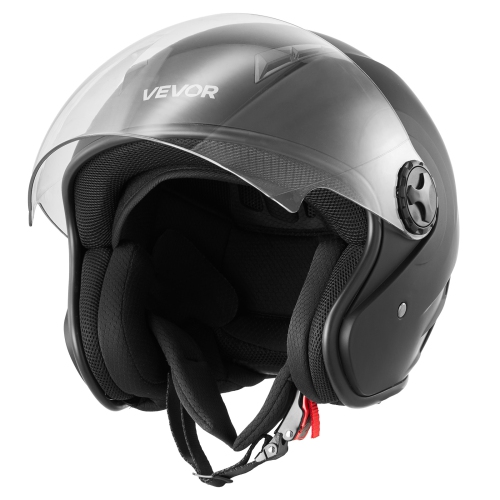
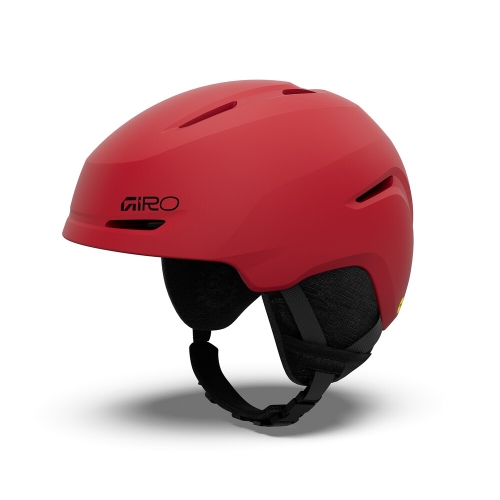
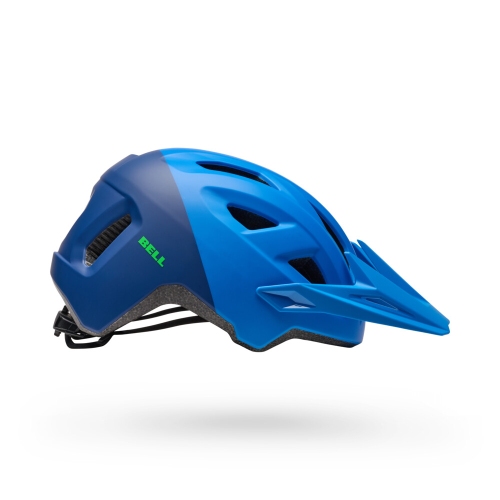
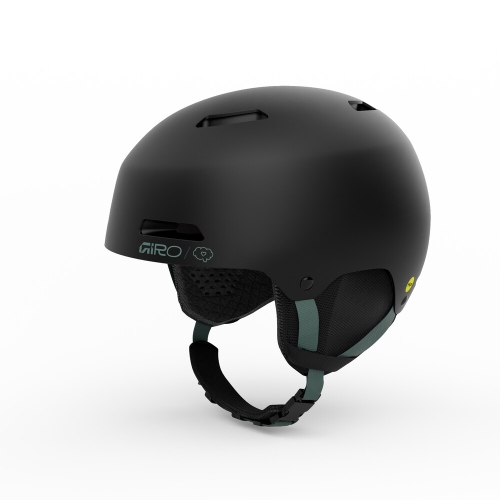
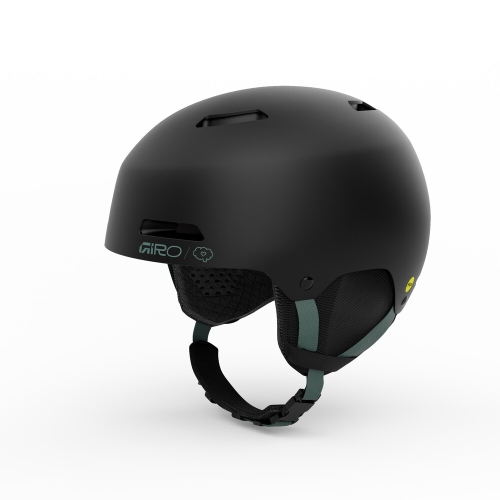
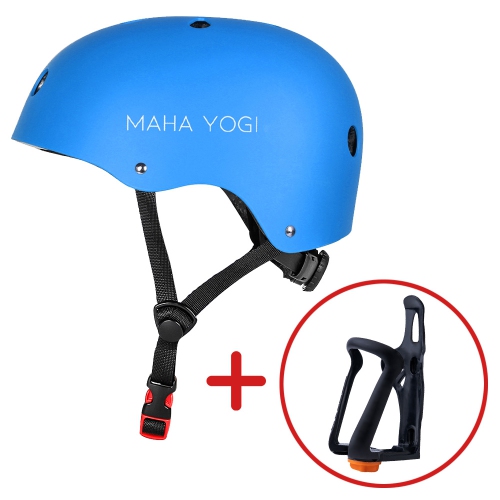
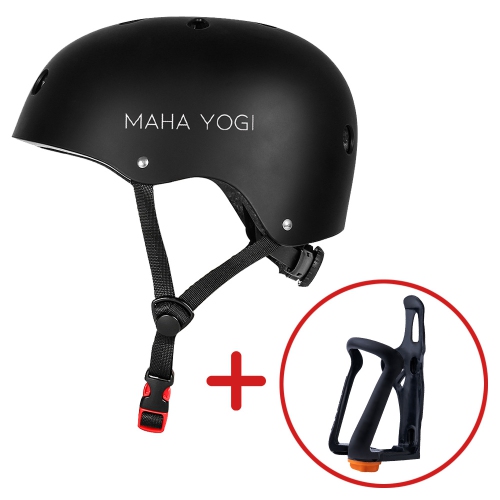
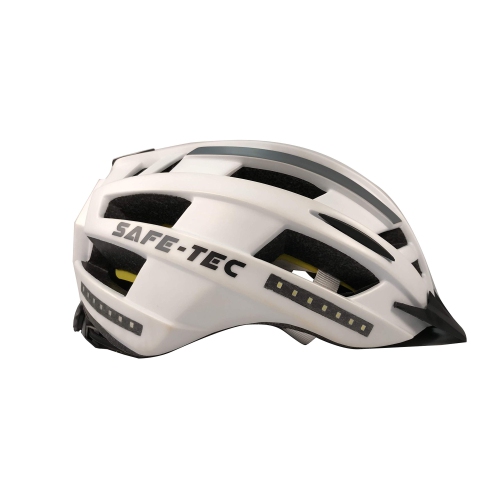
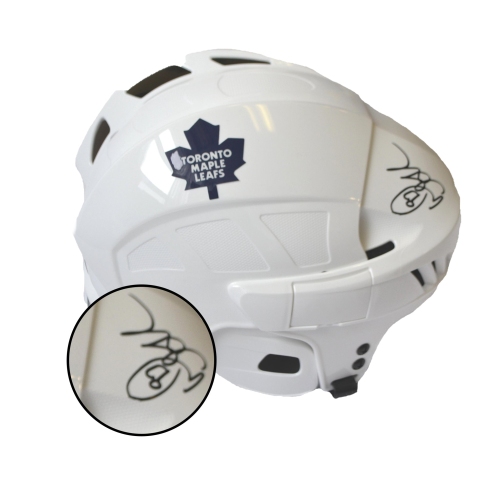
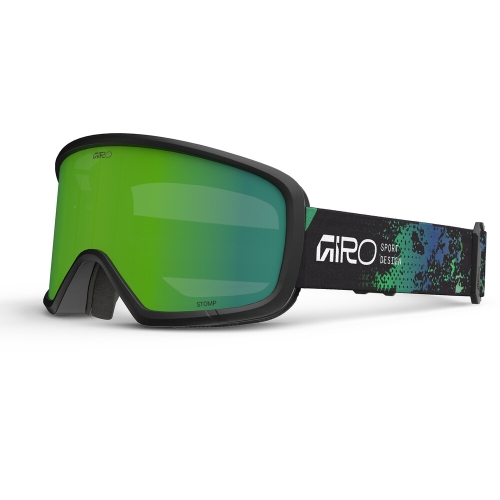

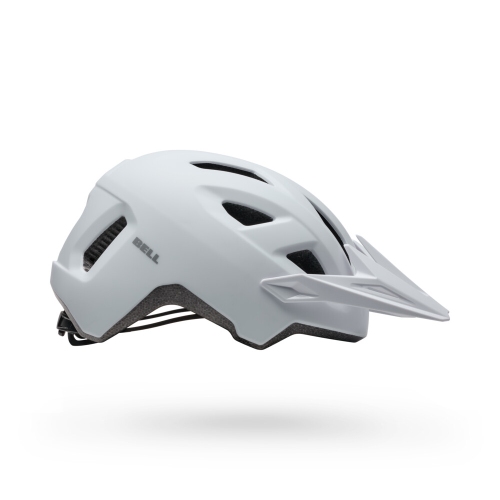
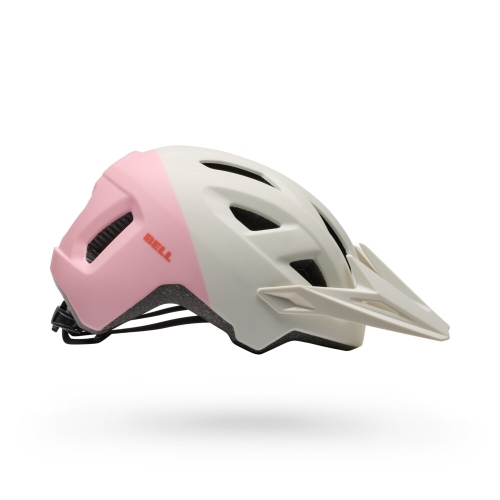
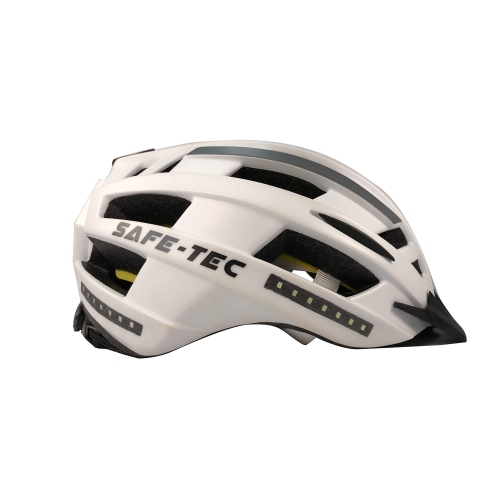
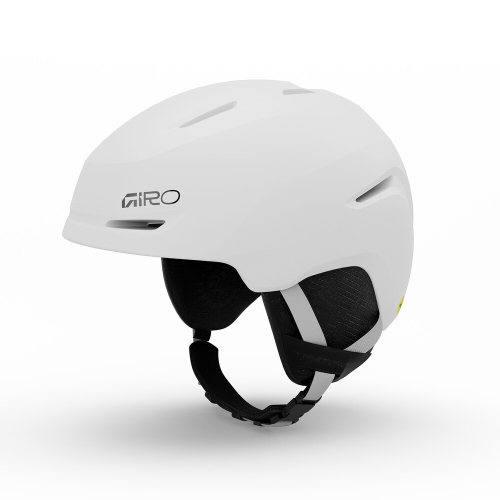
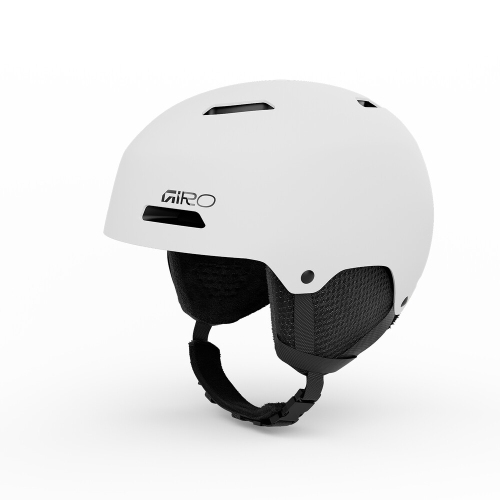
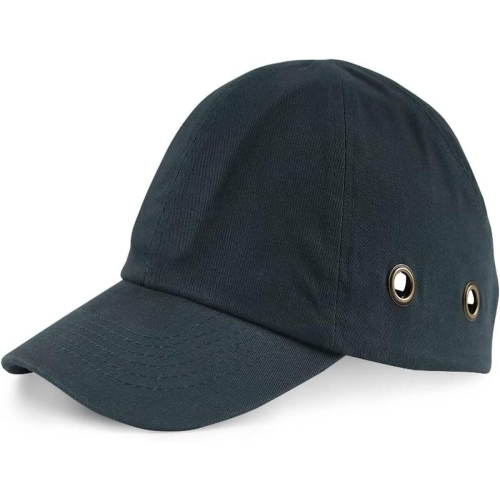

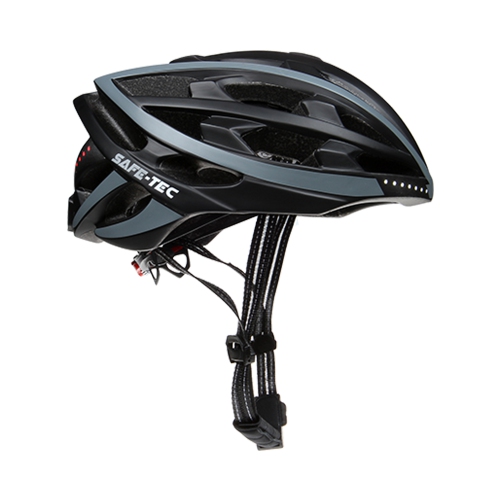


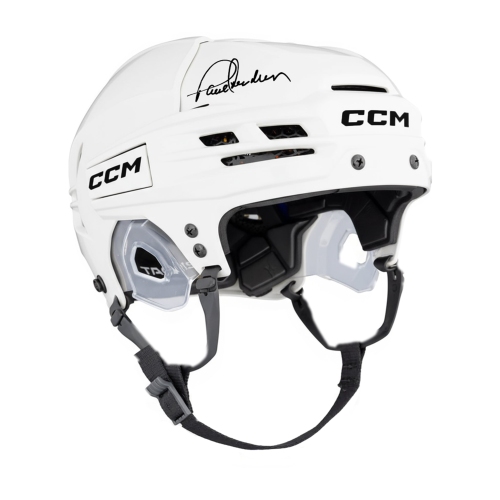
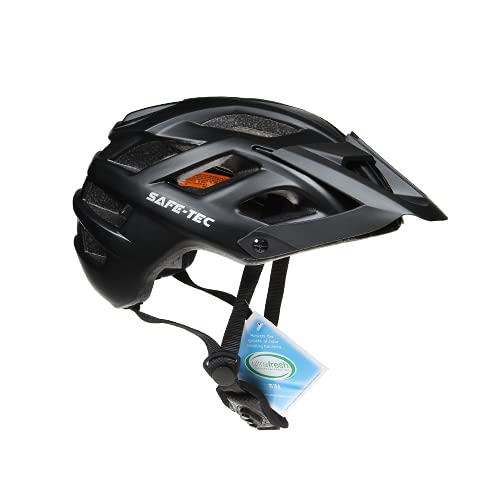
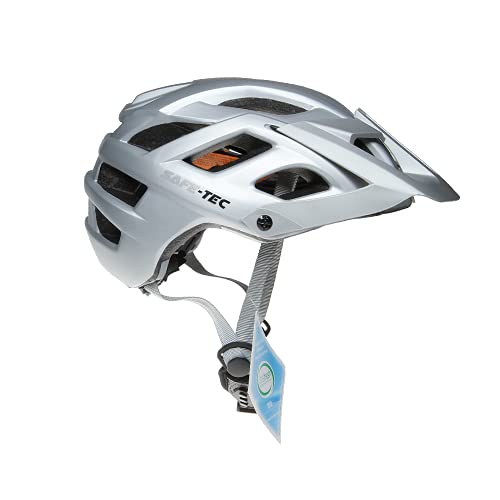
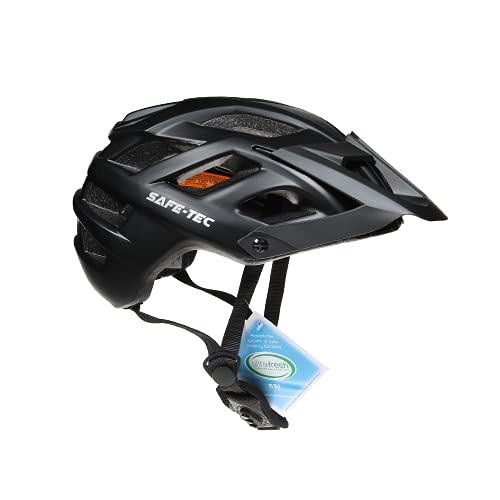
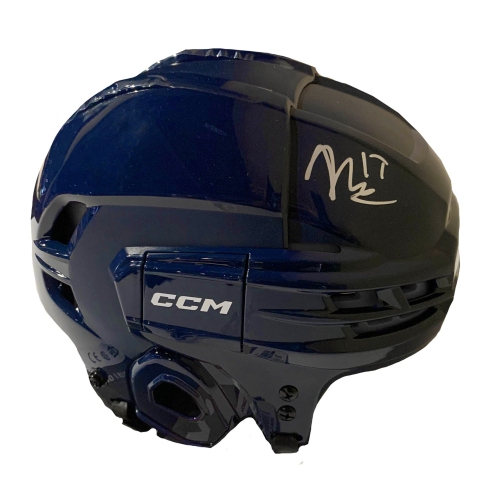
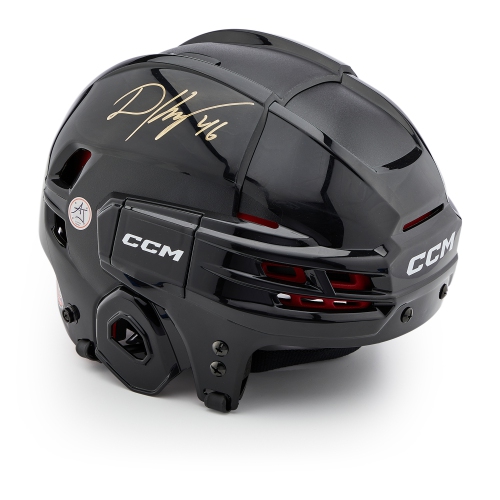
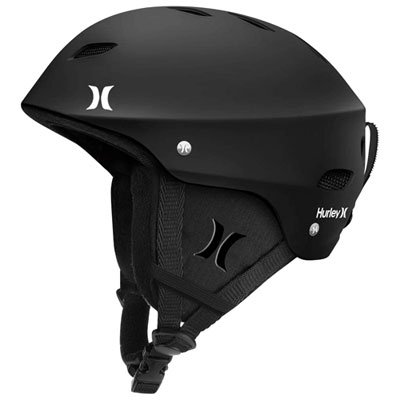
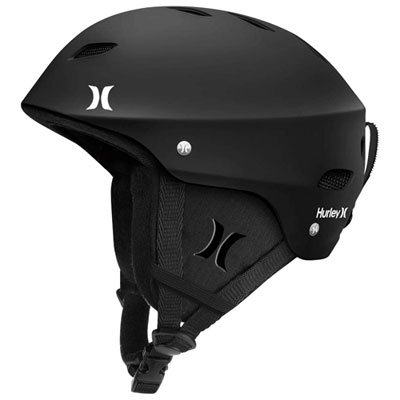
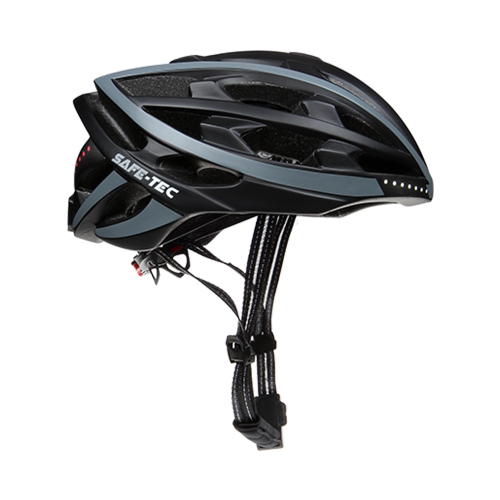
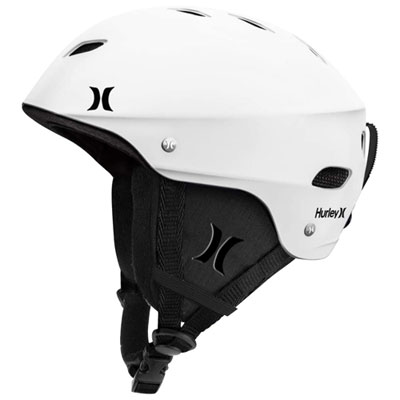
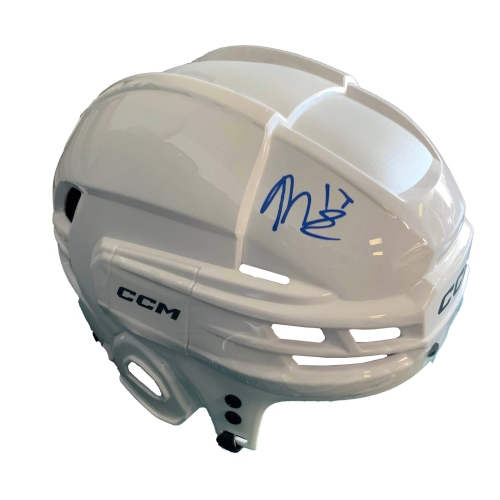
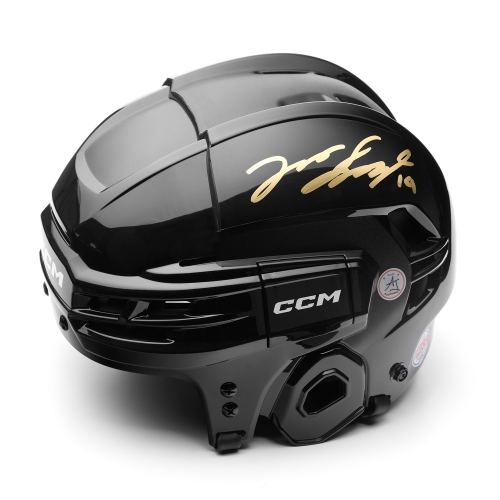
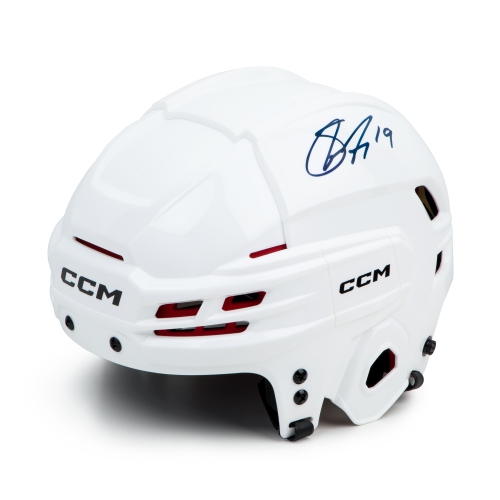
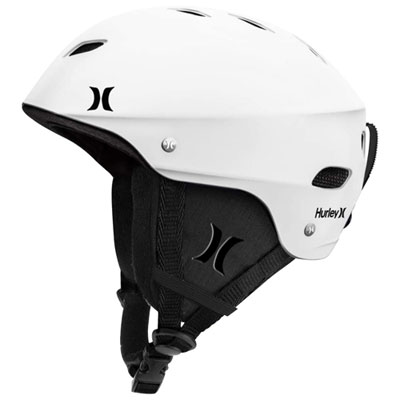

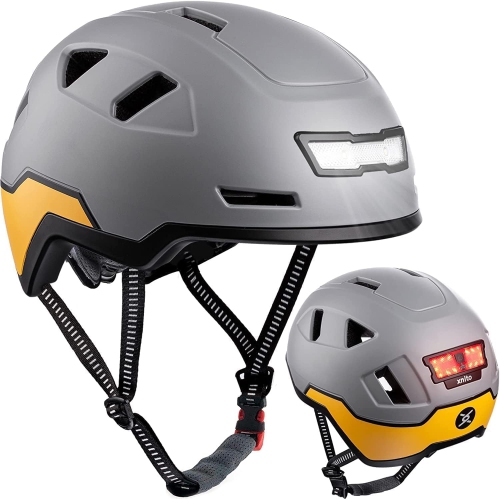
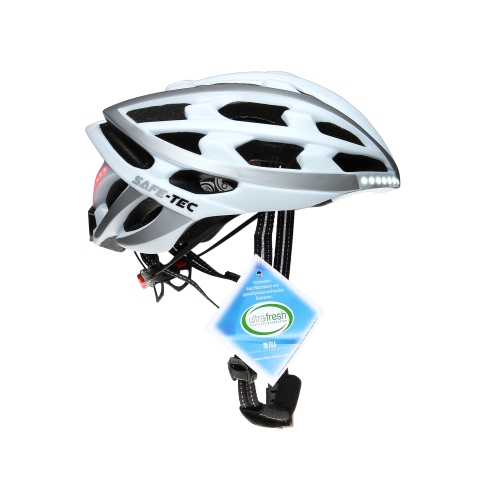
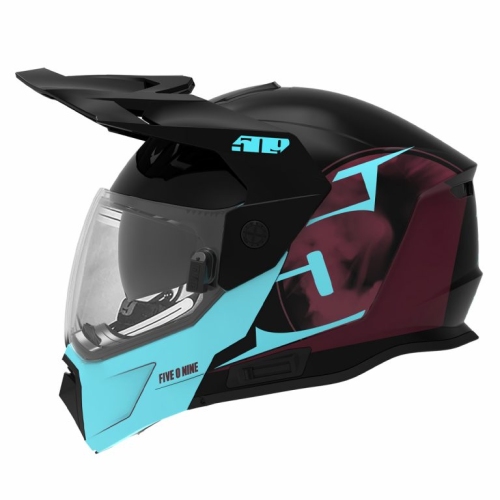
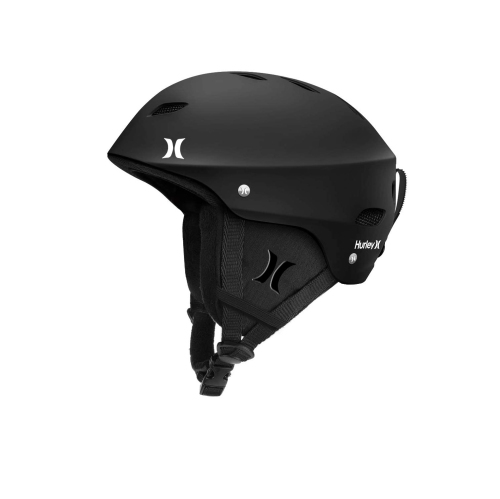
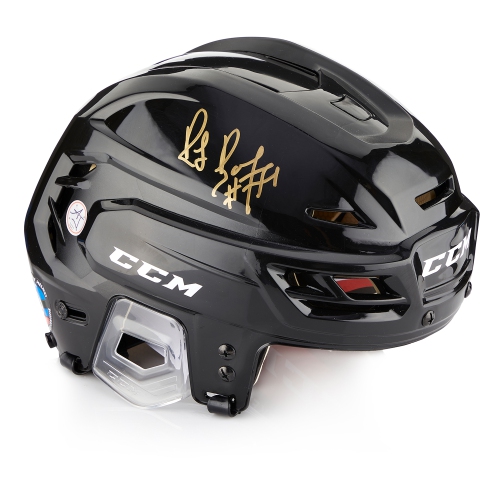

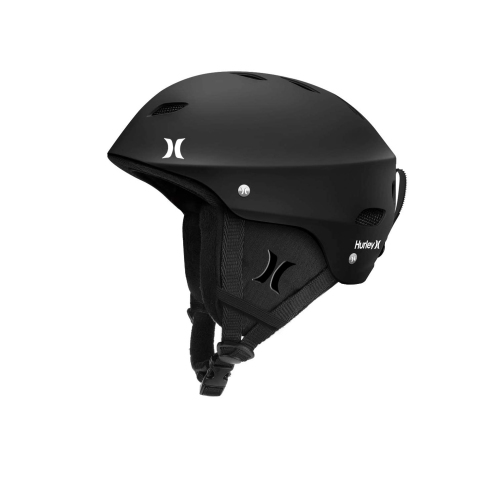
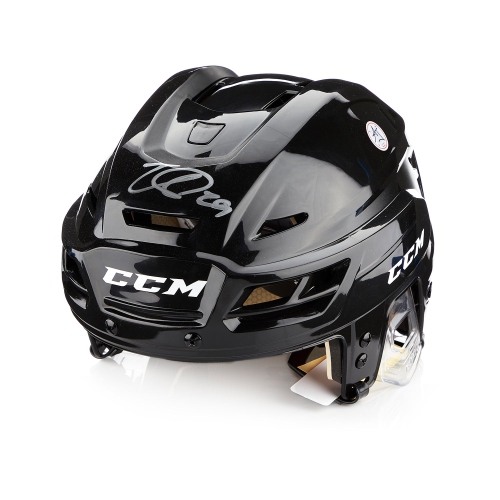
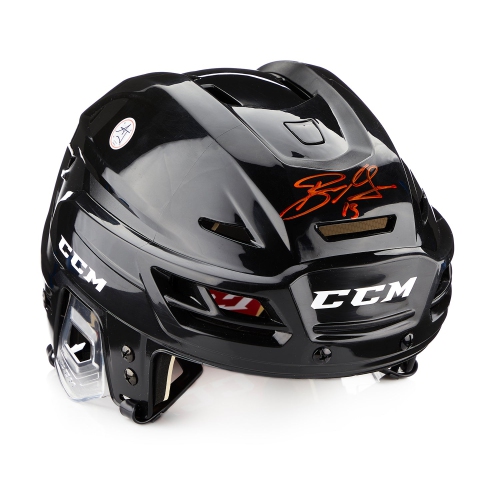
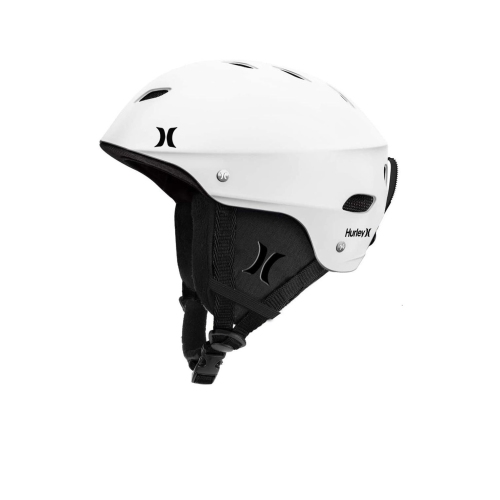
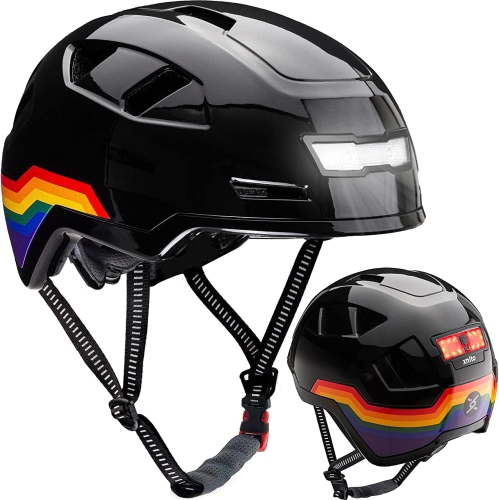
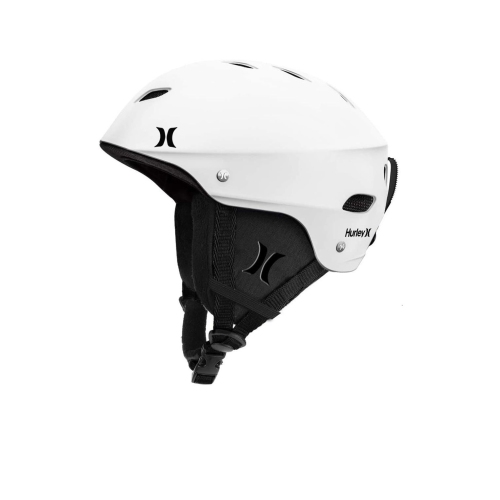

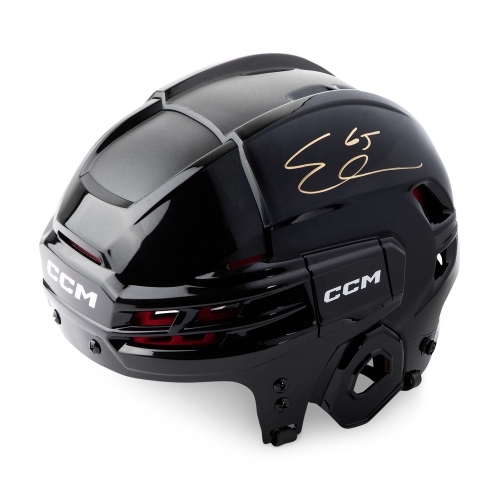
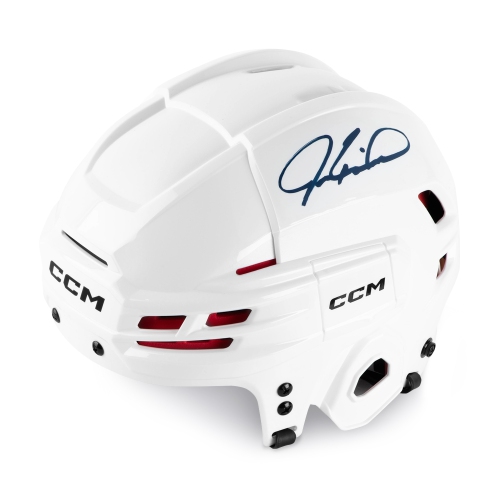
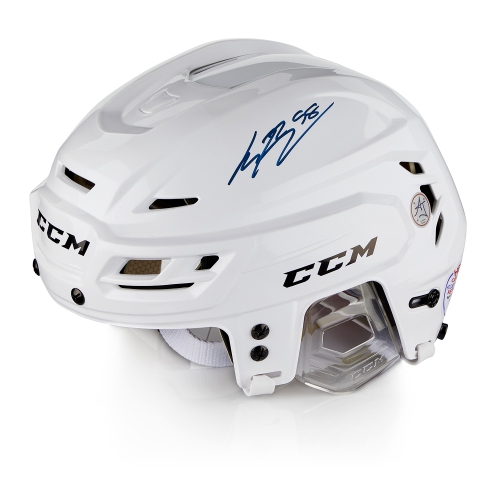

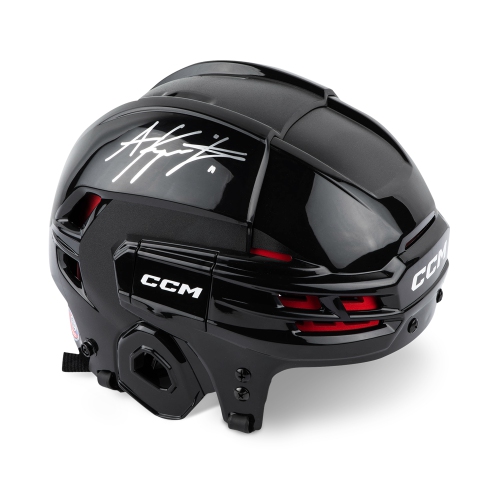
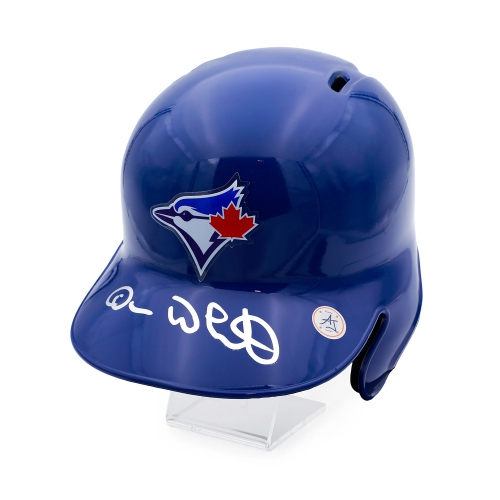
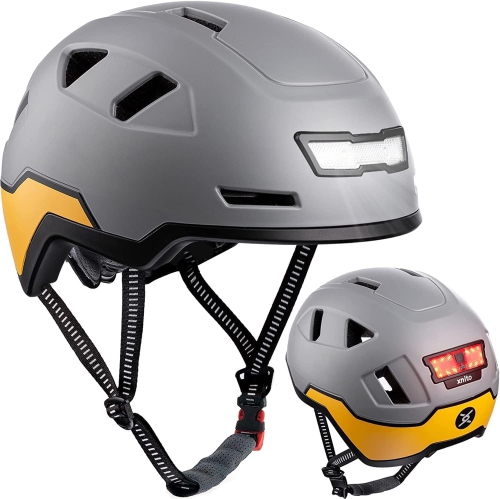
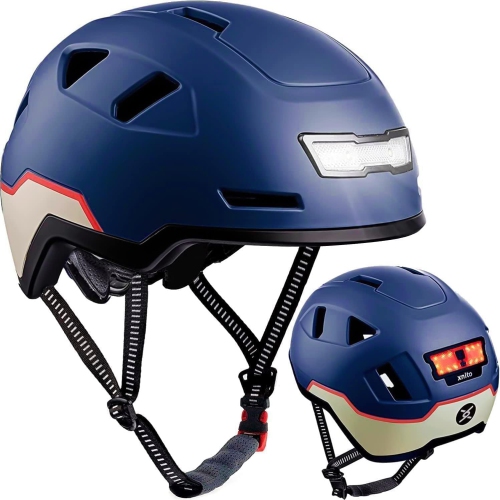
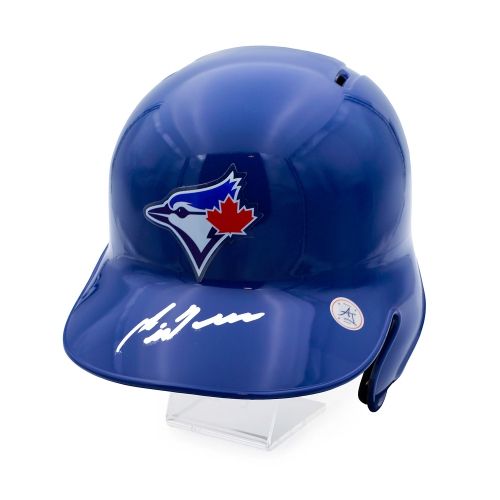
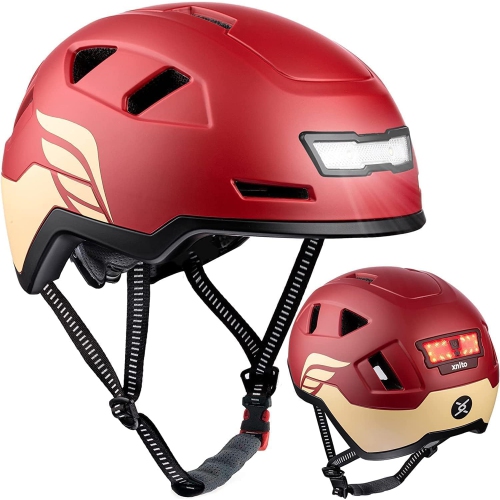
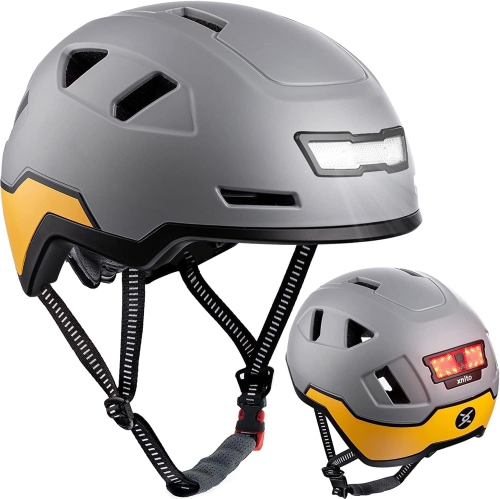

Helmet fit and certification vary across every sport
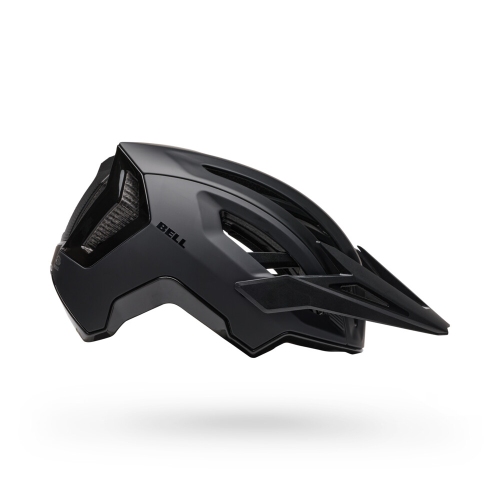
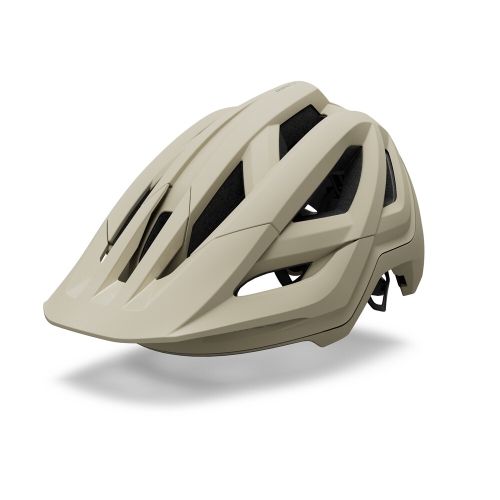
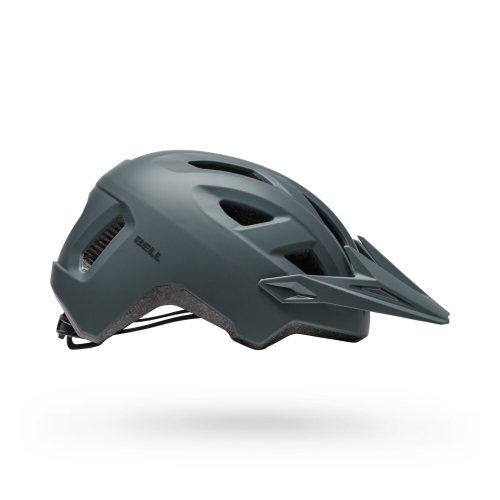
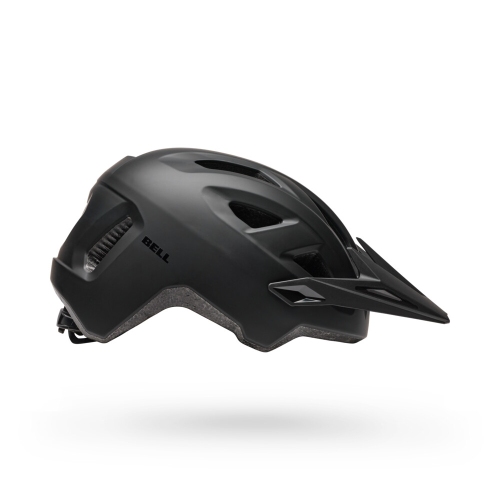
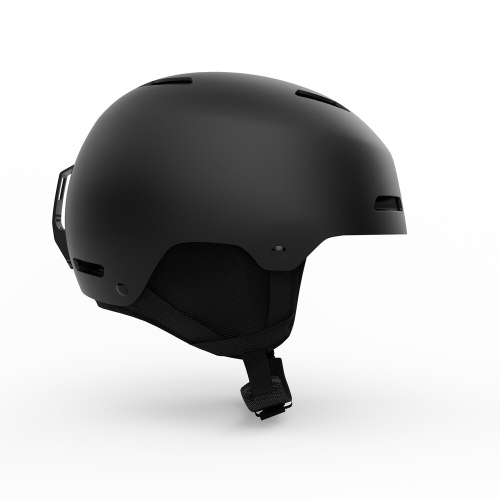
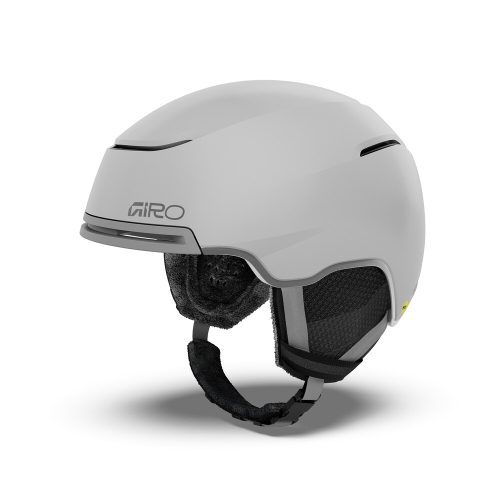
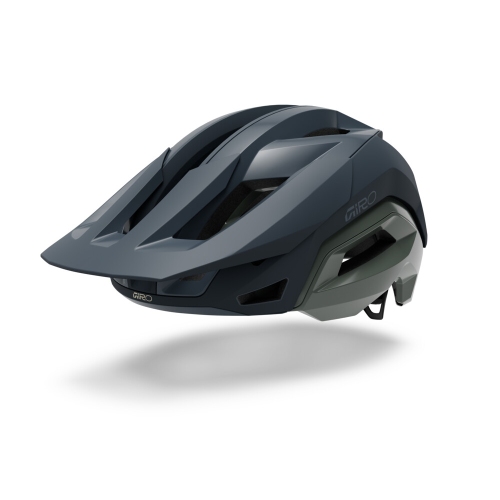
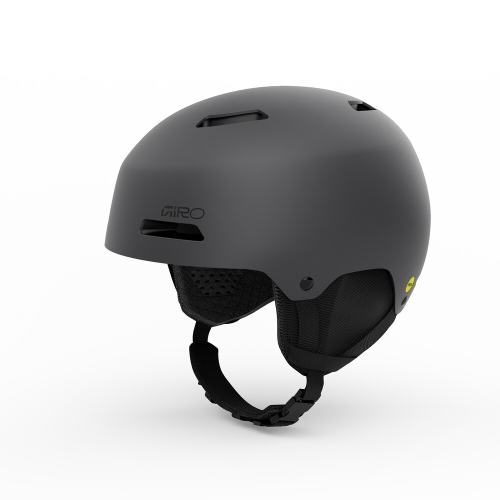
Sports helmets are designed to help protect the head during recreational activities, training and competition, with each style shaped around the movements, surfaces and risks associated with a particular sport. Hockey helmets typically feature a hard outer shell, impact-absorbing liner and adjustable fit system to help provide coverage during fast play, falls and contact near the boards. Cycling helmets are generally lightweight and ventilated, making them comfortable for road rides, commuting, trail outings and casual family excursions. Skateboarding and action-sports helmets often have a rounded profile and durable construction suited to repeated low-height falls, while snow-sports helmets are built to provide warmth, coverage and impact protection in colder conditions. Some helmets are intended for dual-sport or powersports riding and may include a full-face design, visor, shield or secure chin strap for additional coverage. Choosing the right category is the first step: a helmet made for cycling should not be substituted for a hockey, snow, skateboarding or motorcycle helmet, because each type is tested and constructed for different conditions. Consider who will wear it, where it will be used, how often it will be transported and whether the activity involves contact, speed, uneven terrain or changing weather. Helmets can be practical gifts for children beginning a new sport, teens heading to the rink or skate park, adults returning to cycling and active relatives who enjoy outdoor recreation. For younger users, look for a design that is easy to adjust as they learn to put it on independently, while still checking the manufacturer’s sizing guidance and age recommendations. A helmet should feel secure without creating pressure points, and the wearer should be able to move naturally, see clearly and fasten the retention system without difficulty. Features such as removable liners, washable padding, adjustable dials, removable ear coverage, visors and ventilation can make a noticeable difference when a helmet is worn for long practices or changing conditions. For families with more than one activity on the calendar, a dedicated helmet for each sport can help ensure that the fit, coverage and safety features are appropriate every time.
Fit is one of the most important considerations when choosing sports helmets. Begin by measuring the wearer’s head according to the instructions supplied with the helmet, usually around the widest part of the head above the eyebrows and ears. Compare that measurement with the manufacturer’s size range rather than relying only on age or clothing size, since head shapes and sizing systems can vary. When positioned correctly, the front edge should sit level and low enough to protect the forehead without blocking vision. The helmet should remain in place when the wearer gently shakes their head, yet it should not pinch, wobble or leave painful pressure around the temples. Retention straps should lie flat, with the side straps forming a comfortable V beneath or around the ears depending on the helmet style. The chin strap should be snug enough to keep the helmet secure while still allowing normal breathing and comfortable conversation; it should not hang loosely beneath the chin. Children should be checked regularly as they grow, and adults may also need a new size or adjustment after changing hairstyles, adding cold-weather liners or switching between activities. MIPS or similar rotational-impact systems may be available on certain helmets and are designed to address particular impact forces, but they do not replace proper fit, responsible riding habits or the safety requirements of the sport. Look for recognized certification markings relevant to the intended activity, such as standards from CSA, ASTM, CPSC, Snell or other applicable testing organizations. Certification requirements differ by sport and region, so the marking should match the way the helmet will be used. A visor can help reduce glare and protect the eyes from wind, snow or debris, while ventilation can improve comfort during exertion; however, accessories should never interfere with the helmet’s fit or obstruct visibility. For those with smaller head measurements, explore options such as Small Helmets and confirm the listed dimensions before ordering.
A sports helmet is protective equipment, so inspect it before each outing and after any fall, collision or other significant impact. Look for cracks, dents, crushed foam, loose hardware, worn straps, damaged buckles or padding that no longer sits correctly. Even when the outer shell appears intact, the internal impact-absorbing material may have compressed and may not provide the same level of protection again. Follow the manufacturer’s replacement guidance, and replace a helmet after a serious impact or when it has reached the end of its recommended service life; many manufacturers suggest replacing helmets after about five years, although the exact interval depends on the design, storage conditions and frequency of use. Keep helmets away from excessive heat, direct sunlight for long periods and harsh chemicals, and clean them with the methods recommended for the shell and liner. Avoid attaching unapproved stickers, cameras, lights or accessories that could alter the structure or interfere with certification. During the warmer part of the year, breathable vents and removable, washable padding can make rides and practices more pleasant, while cooler-weather users may appreciate ear coverage, compatible liners and room for appropriate headwear without making the helmet too tight. Store each helmet where it will not be crushed under equipment or tossed loosely with skates, tools or sports bags. Before heading to the rink, trail, road, slope or park, make sure the helmet is fastened, properly positioned and free from damage. The right sports helmet should support confident participation without distracting from the activity, whether it is being used for a child’s first lessons, weekend rides with friends, regular training or relaxed outdoor adventures during changing seasons.
Fit is one of the most important considerations when choosing sports helmets. Begin by measuring the wearer’s head according to the instructions supplied with the helmet, usually around the widest part of the head above the eyebrows and ears. Compare that measurement with the manufacturer’s size range rather than relying only on age or clothing size, since head shapes and sizing systems can vary. When positioned correctly, the front edge should sit level and low enough to protect the forehead without blocking vision. The helmet should remain in place when the wearer gently shakes their head, yet it should not pinch, wobble or leave painful pressure around the temples. Retention straps should lie flat, with the side straps forming a comfortable V beneath or around the ears depending on the helmet style. The chin strap should be snug enough to keep the helmet secure while still allowing normal breathing and comfortable conversation; it should not hang loosely beneath the chin. Children should be checked regularly as they grow, and adults may also need a new size or adjustment after changing hairstyles, adding cold-weather liners or switching between activities. MIPS or similar rotational-impact systems may be available on certain helmets and are designed to address particular impact forces, but they do not replace proper fit, responsible riding habits or the safety requirements of the sport. Look for recognized certification markings relevant to the intended activity, such as standards from CSA, ASTM, CPSC, Snell or other applicable testing organizations. Certification requirements differ by sport and region, so the marking should match the way the helmet will be used. A visor can help reduce glare and protect the eyes from wind, snow or debris, while ventilation can improve comfort during exertion; however, accessories should never interfere with the helmet’s fit or obstruct visibility. For those with smaller head measurements, explore options such as Small Helmets and confirm the listed dimensions before ordering.
A sports helmet is protective equipment, so inspect it before each outing and after any fall, collision or other significant impact. Look for cracks, dents, crushed foam, loose hardware, worn straps, damaged buckles or padding that no longer sits correctly. Even when the outer shell appears intact, the internal impact-absorbing material may have compressed and may not provide the same level of protection again. Follow the manufacturer’s replacement guidance, and replace a helmet after a serious impact or when it has reached the end of its recommended service life; many manufacturers suggest replacing helmets after about five years, although the exact interval depends on the design, storage conditions and frequency of use. Keep helmets away from excessive heat, direct sunlight for long periods and harsh chemicals, and clean them with the methods recommended for the shell and liner. Avoid attaching unapproved stickers, cameras, lights or accessories that could alter the structure or interfere with certification. During the warmer part of the year, breathable vents and removable, washable padding can make rides and practices more pleasant, while cooler-weather users may appreciate ear coverage, compatible liners and room for appropriate headwear without making the helmet too tight. Store each helmet where it will not be crushed under equipment or tossed loosely with skates, tools or sports bags. Before heading to the rink, trail, road, slope or park, make sure the helmet is fastened, properly positioned and free from damage. The right sports helmet should support confident participation without distracting from the activity, whether it is being used for a child’s first lessons, weekend rides with friends, regular training or relaxed outdoor adventures during changing seasons.
Top selling and popular products
-
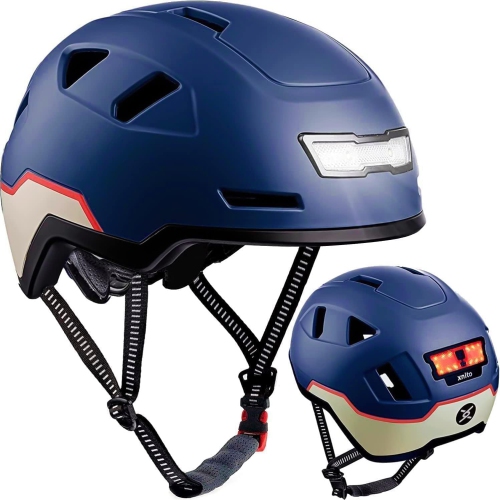
 Your price for this item is $69.99
 -
![UNIVERSAL STUDIOS Pokémon Journeys: Season 23 - Destination: Coronation [DVD] In Multicolor](https://multimedia.bbycastatic.ca/multimedia/products/500x500/181/18197/18197813.jpeg) Your price for this item is $19.99
Your price for this item is $19.99 -
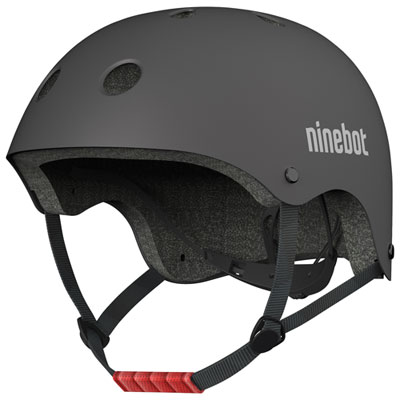
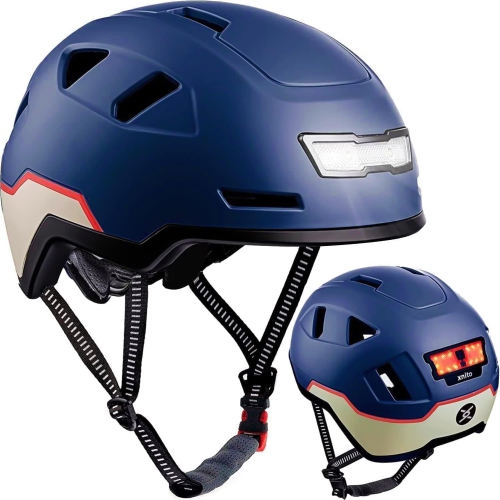 Your price for this item is $169
 -
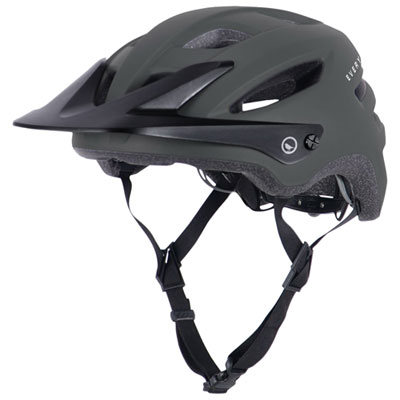 Your price for this item is $39.99
 -
 Your price for this item is $199.99
 -
 Your price for this item is $35.13
 -
 Your price for this item is $49.99
 -
 Your price for this item is $169
Discover more categories related to Sports Helmets
Top Collections:
Pokemon Centers, Best Cameras for Sports Photography, Kindle Devices, Samsung Galaxy Phones, Canon G7X Cameras, Pokémon 30th Celebration Cards, Refurbished Apple Laptops, iPhone 15 Apple, Laptops for Students, Budget Smartphones
Some products may be subject to Environmental Handling Fees
(EHF) depending on your province.
Learn more about EHFs.