Sea Kayaks
Explore the serene beauty of the open waters with our collection of sea kayaks. Whether you're a seasoned paddler looking to conquer challenging coastlines or a beginner seeking tranquility on calm lakes, our range of sea kayaks offers versatility and performance to suit your adventure needs. Crafted with durable materials and ergonomic designs, these sleek vessels provide stability and maneuverability for an unforgettable paddling experience. Dive into the world of sea kayaking and embark on your next aquatic journey with confidence and style.
Sort




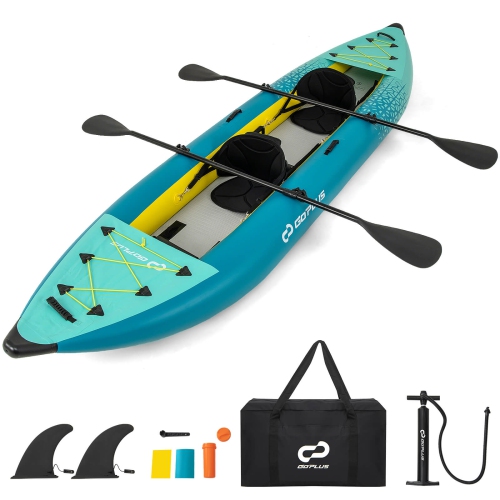
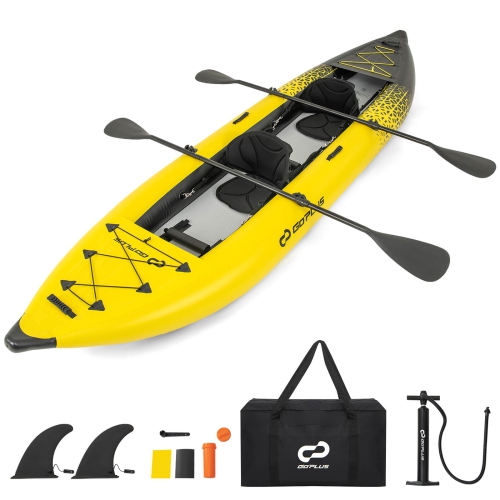
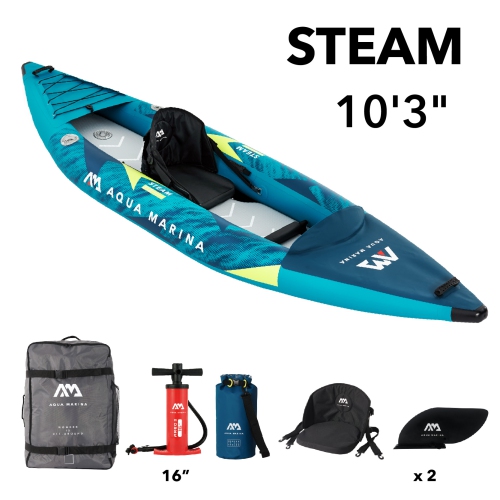

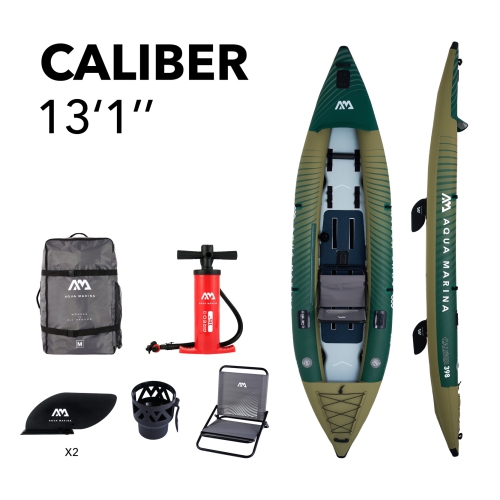







Why hull design matters on longer paddling trips
Sea kayaks are long, streamlined touring kayaks designed for travelling across coastal waters, bays, and large lakes. Their defining features typically include a covered deck, a sit-inside cockpit, internal bulkheads, and storage hatches, with hull shapes that balance efficient forward travel and controlled handling. Many single-person sea kayaks measure approximately 15 to 18 feet long and 21 to 24 inches wide, although shorter touring designs and larger expedition or tandem boats fall outside those ranges. Compared with a short recreational kayak, a sea kayak generally holds its course more easily and covers longer distances with less corrective paddling. That difference becomes noticeable on a crossing between sheltered islands or a shoreline route with several kilometres between landing spots. Length alone does not determine performance: hull width, cross-sectional shape, and rocker—the upward curve of the hull towards the bow and stern—also influence how a boat moves. More rocker generally supports easier turning, while a straighter keel line tends to favour tracking. A wider hull may feel steadier when sitting level, but stability also depends on hull shape, the paddler’s build, and how the boat is loaded. Some narrower designs offer reassuring support when edged, a handling characteristic often described as secondary stability. A retractable skeg can help balance a kayak’s tendency to turn into the wind; a rudder provides directional control through foot-operated pedals. Neither feature replaces paddling technique, and many capable sea kayaks rely on hull design and paddle strokes rather than a rudder. These boats suit paddlers interested in purposeful day trips, longer shoreline outings, and journeys with overnight gear. Touring is a broad category, however, and not every kayak described as a touring boat has the flotation, deck fittings, or handling characteristics appropriate for exposed water. The intended route, manufacturer’s stated use, and paddler’s experience matter more than the category name alone.
Construction plays a large part in a sea kayak’s weight, durability, and ease of ownership. Rotomoulded polyethylene is a tough plastic commonly used for hulls that may encounter pebbled beaches, launch ramps, and repeated everyday handling. It tolerates knocks well, though these boats can be heavier to lift and may develop hull distortion if stored without adequate support. Thermoformed constructions commonly combine an ABS plastic base with an acrylic outer layer, offering a relatively light, rigid hull and a smooth finish. Composite sea kayaks use fabrics such as fibreglass, aramid, or carbon fibre bonded with resin; their exact weight and impact resistance depend on the materials and layup rather than the fibre name alone. A lighter boat can make a meaningful difference when carrying it from a parking area or lifting it onto a vehicle, while a more impact-tolerant hull may better suit frequent rocky landings. No construction makes dragging a loaded kayak over sharp ground a good habit. Fit deserves just as much attention as material. A well-matched cockpit gives enough room for comfortable entry and exit while allowing useful contact at the seat, hips, thigh supports, and footrests. Excess space can make the kayak harder to control through body movement, whereas an overly tight fit can create pressure points or restrict a safe exit. Adjustable footrests and supportive seating help accommodate different leg lengths, but an elevated backrest is not automatically better; it should allow torso rotation and work with the paddler’s personal flotation device and spray skirt. Boat volume should also match the paddler and expected load. A high-volume hull intended for substantial expedition gear may sit differently when carrying a lighter paddler with only a small day bag. Published capacity figures need to account for the combined weight of the paddler, equipment, and supplies, and they should not be treated as an ideal loading target. Tandem sea kayaks add shared paddling space but also bring different lifting, storage, and coordination needs. For a gift, cockpit fit and intended use are particularly personal considerations, so the recipient’s measurements, experience, and preferences are worth confirming before choosing a boat.
Storage and deck details help distinguish a sea kayak built for a short outing from one suited to carrying camping equipment. Bulkheads divide the hull into compartments that provide storage and help limit flooding if the cockpit fills with water, provided the partitions and hatch seals remain intact. Hatch covers are designed to resist water entry, but critical belongings still belong in dry bags rather than relying on the compartment alone. Larger openings make bulky equipment easier to pack, while a smaller day hatch can separate frequently used supplies from overnight gear; access while afloat varies by layout and paddler reach. Balanced loading, with heavier equipment kept low and near the centre of the boat, supports predictable handling. Perimeter deck lines can provide handholds during assisted rescues, while deck bungees secure suitable lightweight gear; the two serve different purposes. A compatible spray skirt helps reduce water entering the cockpit, but it requires a practised wet exit, an accessible release loop, and appropriate instruction before use on open water. A properly fitted personal flotation device, suitable paddle, signalling equipment, and a way to remove cockpit water are important parts of the broader setup, alongside any equipment required by Canadian boating rules. Shoppers comparing bundled options can also browse Kayaks With Paddle, keeping in mind that paddle length, shaft fit, and suitability for touring still need consideration. Ownership extends beyond the launch: a long hull needs a suitable vehicle rack, correctly positioned supports, and secure tie-downs that do not deform the boat. At home, broad supports placed according to the manufacturer’s recommendations help protect its shape. Rinsing away salt and grit, clearing skeg boxes and rudder mechanisms, and checking hatch seals, deck lines, and footrest hardware keep routine wear easier to spot. Hull scratches, loose fittings, and damaged seals deserve attention before the next trip. With suitable fit, thoughtful care, and skills matched to the route, a sea kayak can become a dependable platform for exploring waterways at paddle pace.
Top selling and popular products
-
 Your price for this item is $259.99
-
 Your price for this item is $2647.99
-
 Your price for this item is $331.98
-
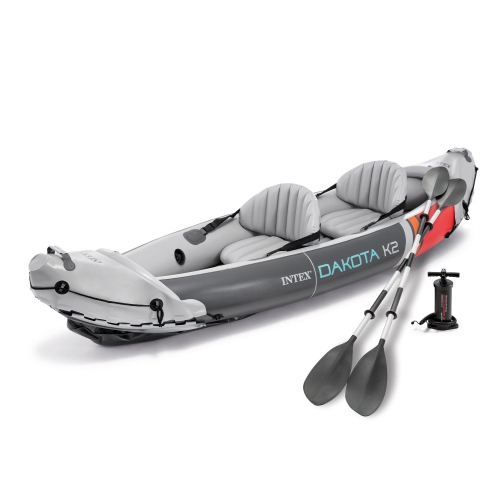 Your price for this item is $381.99
-
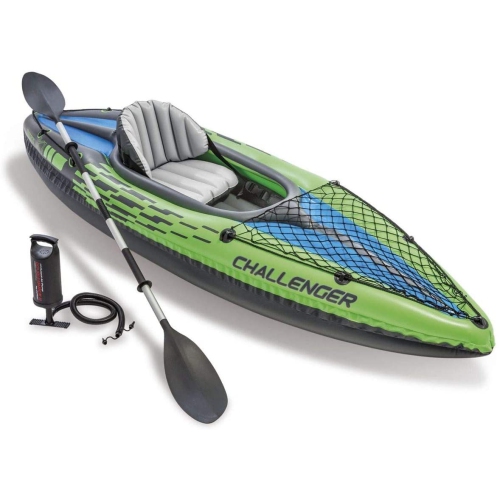 Your price for this item is $219.99
-
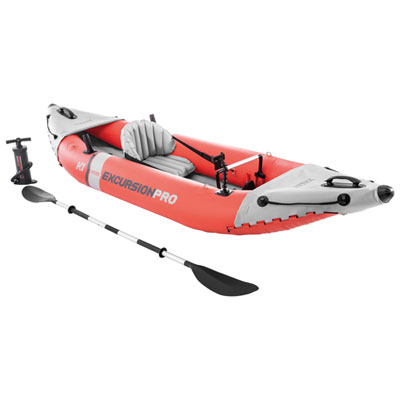 Your price for this item is $235.98
-
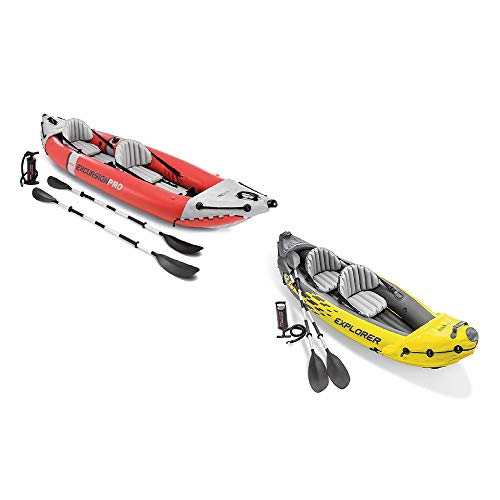 Your price for this item is $933.99
-
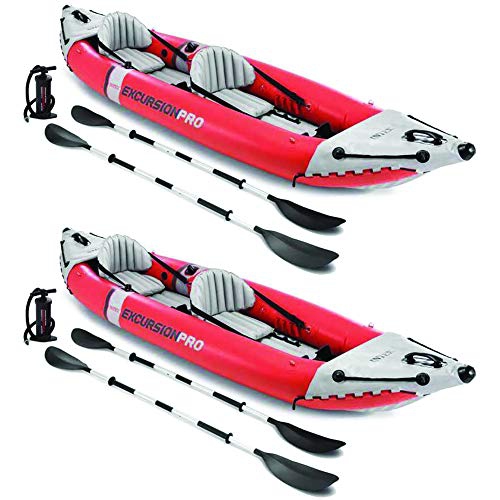 Your price for this item is $1199.99
Discover more categories related to Sea Kayaks


Top Collections:
Pokemon Centers, Best Cameras for Sports Photography, Kindle Devices, Samsung Galaxy Phones, Canon G7X Cameras, Pokémon 30th Celebration Cards, Refurbished Apple Laptops, iPhone 15 Apple, Laptops for Students, Budget Smartphones
Some products may be subject to Environmental Handling Fees
(EHF) depending on your province.
Learn more about EHFs.