Sleds With Steering Wheel
Get ready for an exhilarating winter adventure with sleds equipped with steering wheels! These innovative sleds take sledding to a whole new level, allowing you to effortlessly navigate twists and turns with precision. Whether you're racing down snowy hills or simply enjoying a fun-filled day in the snow, these sleds with steering wheels are sure to provide endless hours of excitement for kids and adults alike.
Sort




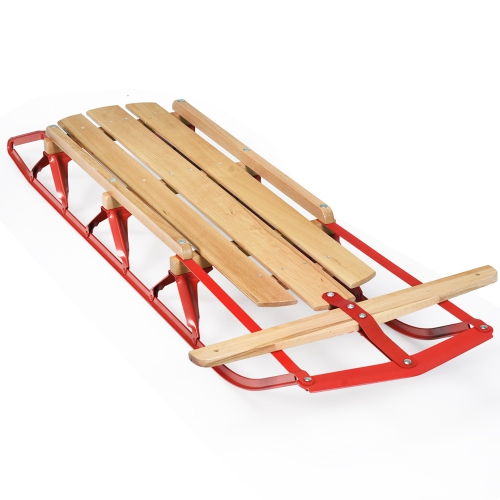

Why sled handling depends on fit and snow conditions
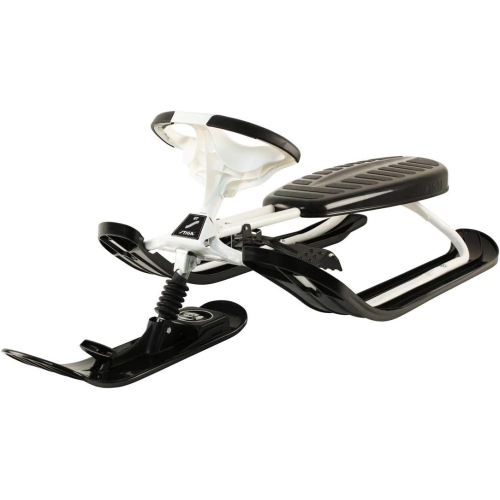
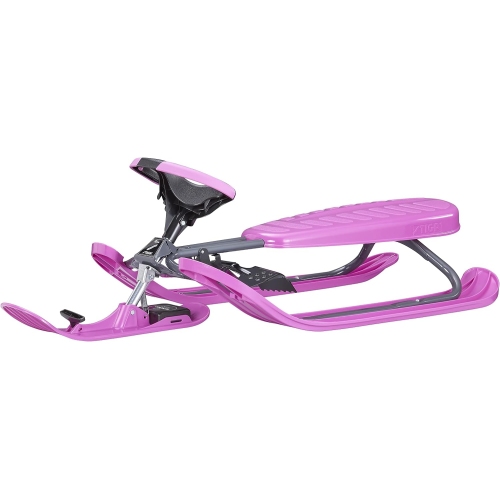
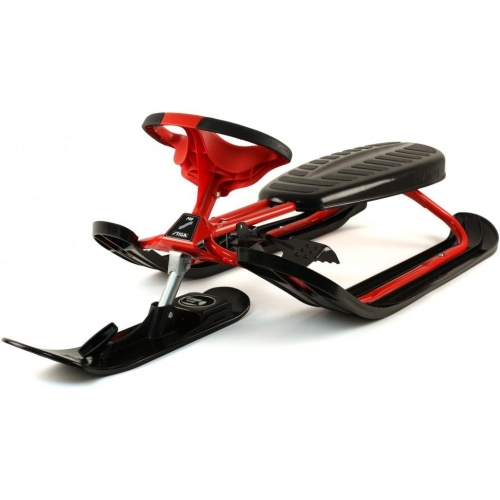
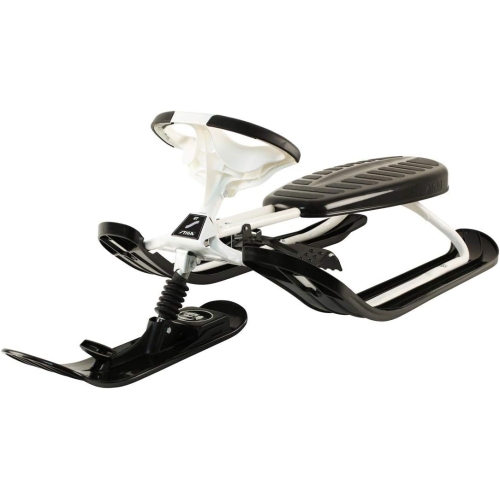
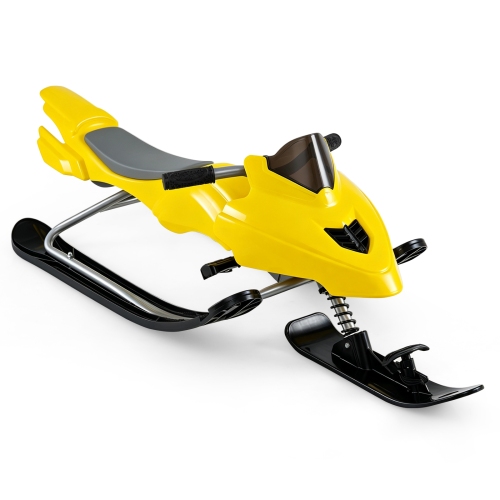
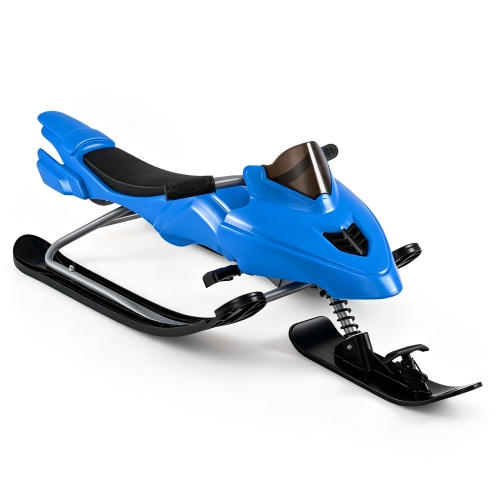
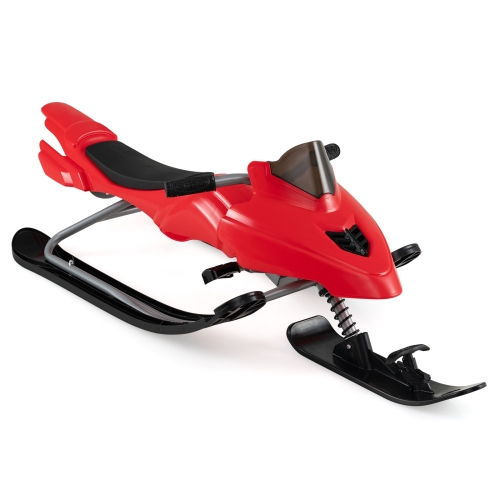
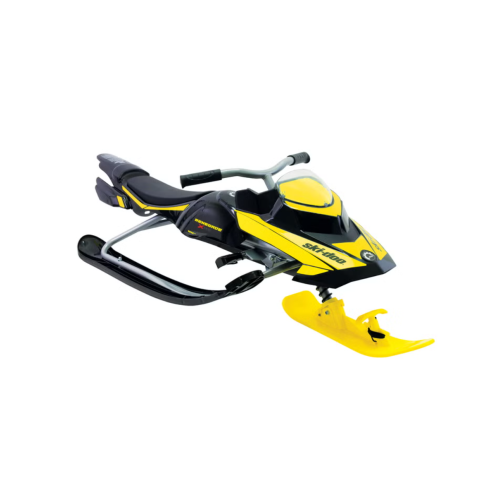
Sleds with steering wheels bring a familiar hands-on feel to a snowy hill, giving riders a way to influence direction rather than relying entirely on shifting their weight. Often called steerable sleds or snow racers, they typically connect a steering wheel to a pivoting front ski or a linked ski assembly beneath the body. Turning the wheel changes the angle of that assembly, helping the sled follow a different path when the snow surface provides enough grip. The result is a style of sledding that appeals to children who enjoy taking the controls, as well as older riders using designs sized and rated for them. Steering does not make a sled behave like a car, however: speed, slope, rider weight, and snow conditions all affect how it responds. A gentle turn on packed snow can feel quite different from the same movement in loose powder, while ice can sharply reduce both steering and braking effectiveness. Within this category, construction ranges from moulded plastic bodies with an integrated seat to raised seats supported by a metal frame and separate skis. Some designs use one steerable front ski and two rear runners; others have paired skis connected through a more complex steering linkage. The number of skis alone does not establish how stable or easy to control a sled will be. The seat position, width, steering geometry, and intended riding conditions all contribute to its handling. These are outdoor snow products, distinct from pretend dashboards and other Steering Wheel Toys used for imaginative play. For families who enjoy getting outside during the colder months, the appeal is straightforward: a defined place to sit, a wheel to hold with mittened hands, and an engaging way to enjoy a suitable neighbourhood sledding hill. The best fit depends on the rider and the terrain, rather than the most elaborate-looking controls.
Materials and proportions make a noticeable difference both on the way down and during the walk back up. Cold-resistant moulded plastic can keep a sled relatively light and provide a broad, easy-to-wipe seating surface, although plastic composition and thickness vary between designs. A steel-framed snow racer may offer a sturdy structure with replaceable components where supported by the manufacturer, but the extra weight can be demanding for a younger child hauling it uphill. Metal parts also need attention after contact with wet snow and road salt. Skis and runners should be suited to the surfaces described by the manufacturer; a design intended for packed snow may drag or sink in deeper, softer snow. Fit deserves just as much attention as construction. A rider should be able to sit in the intended position, hold the steering wheel comfortably, and reach any brake controls without stretching forward or sliding off the seat. Snow pants, a winter jacket, and bulky boots all take up room, so a seat that looks spacious indoors can feel much smaller once a child is dressed for the hill. Manufacturer age guidance and maximum weight capacity are separate checks, and neither should be treated as permission to add another passenger. A long seat is not necessarily designed for two people, and an adult should not share a child’s sled unless its stated passenger rating and load limit allow it. For siblings, differences in height and reach may matter even when both fall within a listed age range. Hand-operated levers and foot-operated brakes also suit different seating layouts, making control placement especially important for smaller riders. Pull ropes and handles can make the return trip easier, but they are for the use specified by the manufacturer, not for towing behind a vehicle. A sled given as a winter birthday or holiday gift is most useful when its size, carrying weight, and control layout match the recipient’s abilities and the places they will actually ride.
Brakes are a useful feature on many steering-wheel sleds, but their design and limits deserve realistic expectations. Depending on the construction, a hand lever or foot pedal may press a braking component into the snow to create resistance. Some use toothed metal parts, while others rely on a different contact shape; their effectiveness depends on the surface and the condition of the mechanism. No brake should be assumed to stop a sled immediately, particularly on a steep slope or icy patch. Steering and braking features are not substitutes for a clear, gentle run with a generous stopping area, away from roads, trees, fences, open water, and other obstacles. Children benefit from close adult supervision and a chance to get familiar with the controls on a small slope before attempting a longer descent. A properly fitted helmet suitable for sledding, secure winter clothing, and tucked-away scarf ends help support a more considered outing. Keeping hands and feet in their intended positions also matters around exposed steering joints and moving brake parts. Durability depends partly on what happens between outings: a quick check for cracked plastic, loose fasteners, bent components, or a steering wheel that binds can reveal damage before the next run. Assembly and adjustments should follow the manufacturer’s directions, including any requirements for checking connections after use. After sledding, brushing away snow and grit, wiping exposed metal, and allowing the sled to dry before storage help keep its parts in good condition. Harsh cleaners, unapproved lubricants, and improvised repairs can affect materials or operation, so care products and replacement parts should be compatible with the design. A dry storage space away from direct heat keeps the sled out of the path of boots, shovels, and garage traffic that could damage a runner or steering linkage. Taken together, comfortable fit, manageable weight, sound construction, and controls the rider can confidently reach make a steering-wheel sled a practical companion for repeated trips up and down the hill.
Top selling and popular products
-
 Your price for this item is $102.99
-
 Your price for this item is $205.99
-
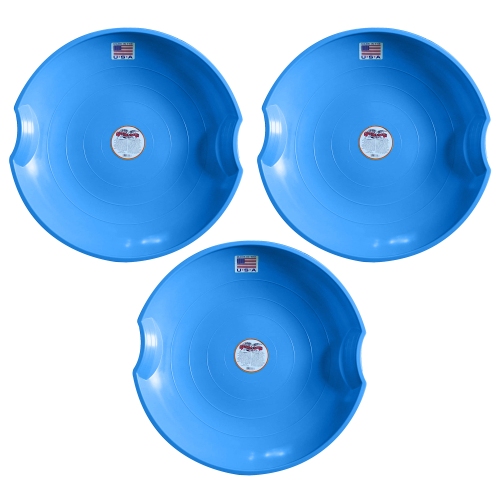 Your price for this item is $305.99
-
 Your price for this item is $109.99
-
 Your price for this item is $129.99
-
 Your price for this item is $249.99
-
 Your price for this item is $89.99
-
 Your price for this item is $49.99
Discover more categories related to Sleds With Steering Wheel
Top Collections:
Pokemon Centers, Best Budget Office Chairs, Kindle Devices, Best Cameras for Sports Photography, Pokémon 30th Celebration Cards, Best Laptops for Writers, Canon G7X Cameras, iPhone 15 Apple, Best Cell Phones Under $300, Apple iPhones 16
Some products may be subject to Environmental Handling Fees
(EHF) depending on your province.
Learn more about EHFs.