Small Helmets
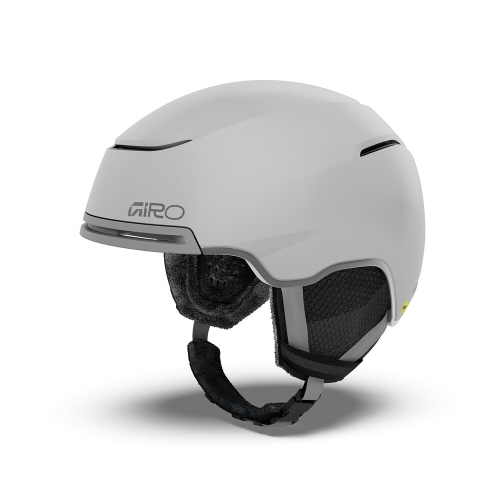
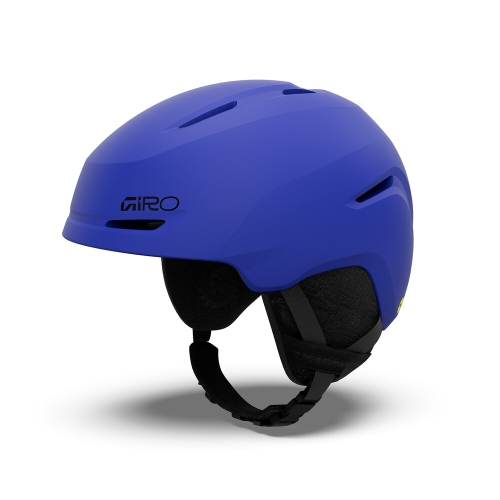
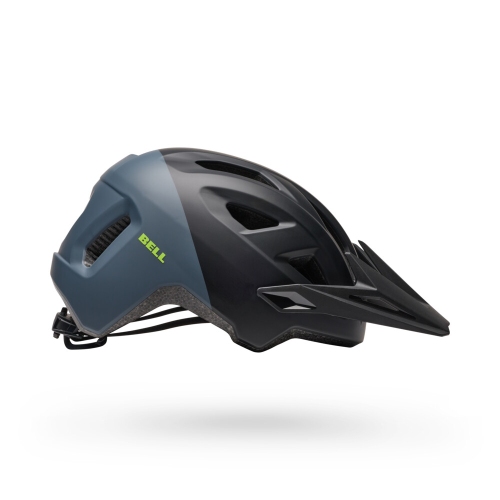
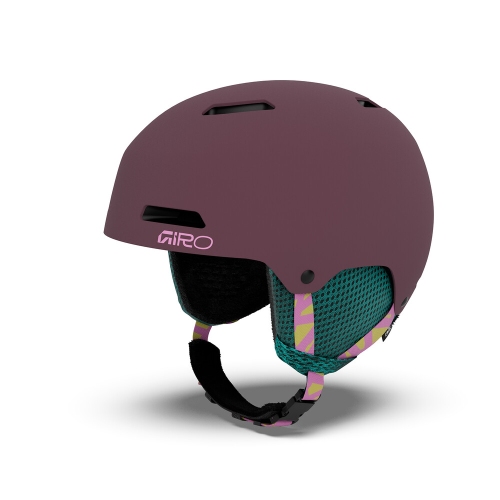
Whether you're a seasoned cyclist or just starting, finding the perfect small helmet is essential for ensuring safety and comfort on the road. At Best Buy, we understand the importance of protecting your head while enjoying your favorite outdoor activities. That's why we offer a wide selection of small helmets designed to fit snugly and provide maximum protection without compromising style. With various sizes, colors, and styles to choose from, our collection of small helmets has something for everyone. Explore our range today and ride with confidence knowing you've made the right choice for your safety.
Sort
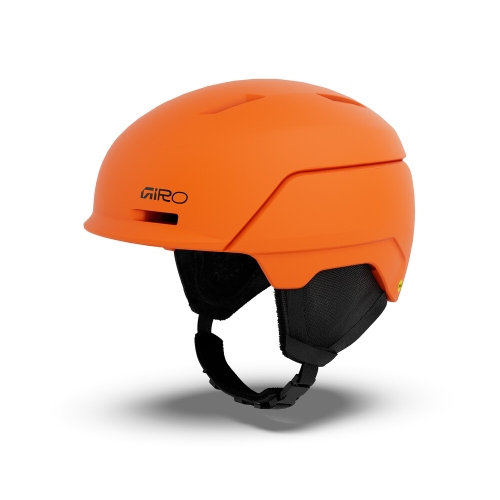
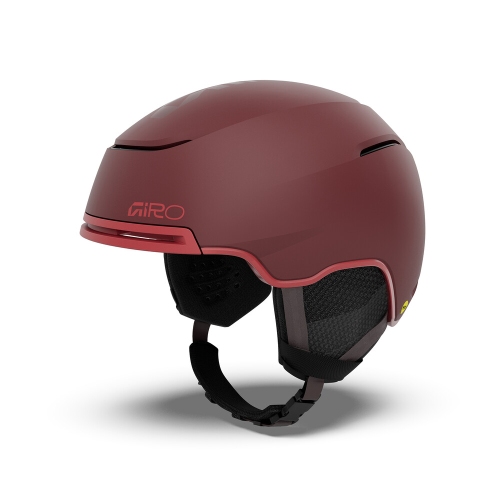
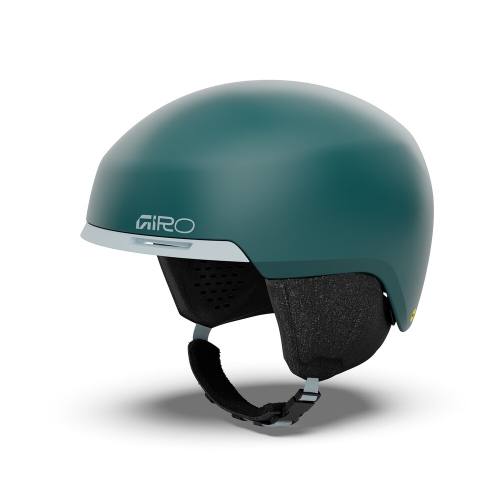
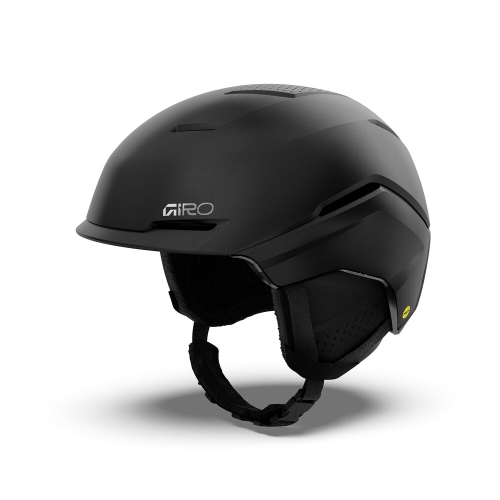

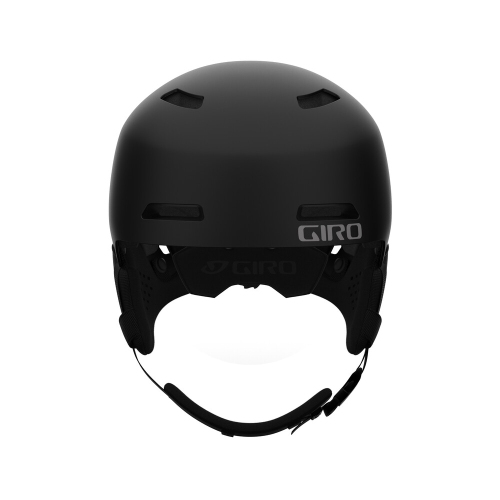
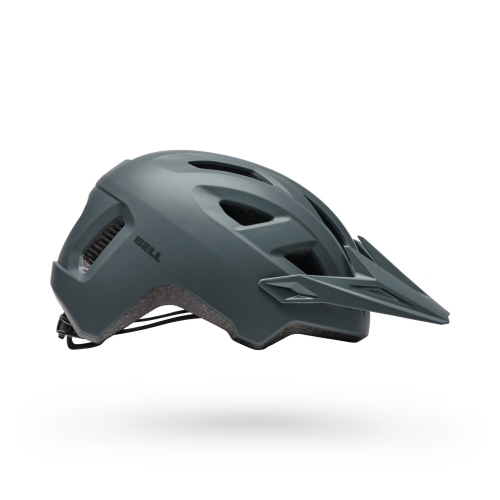
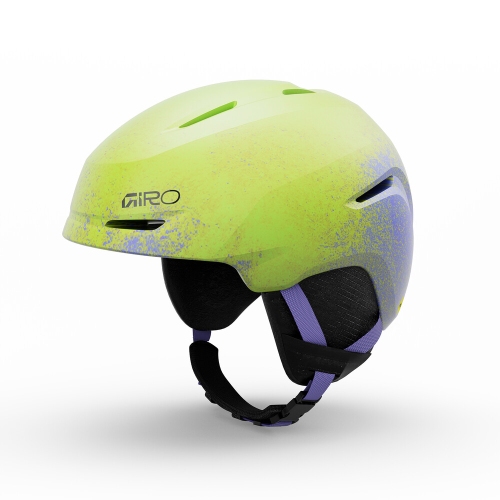
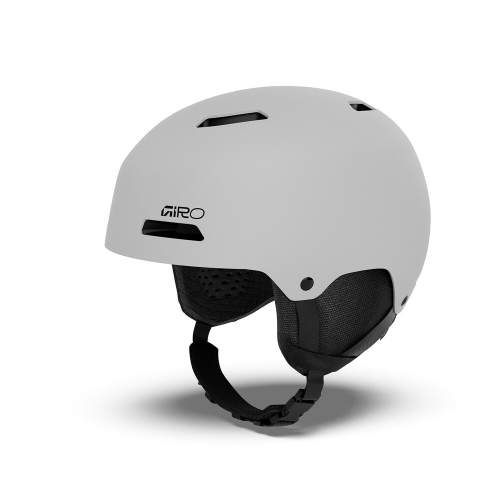
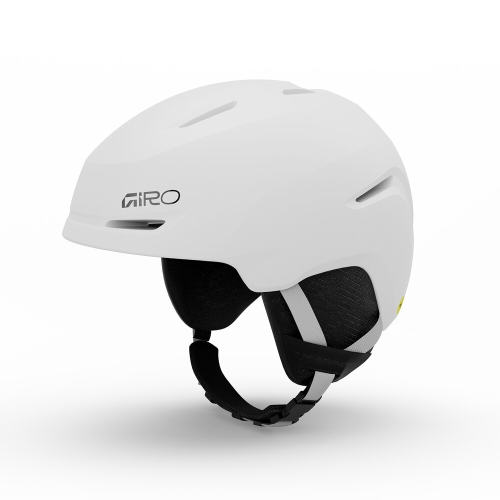
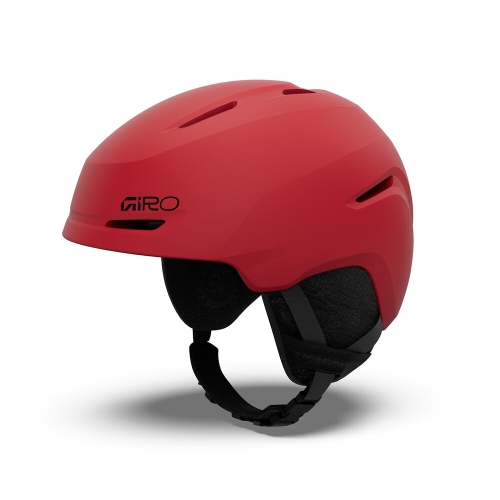
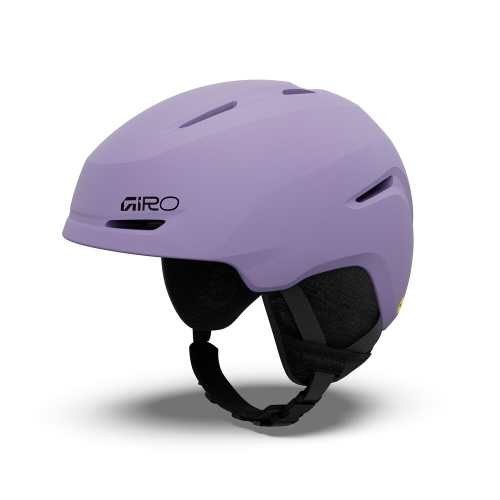
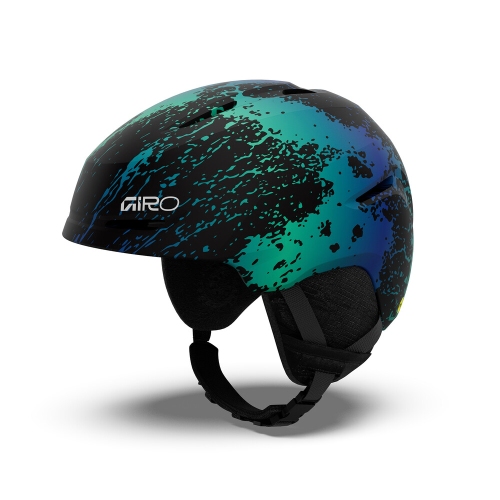
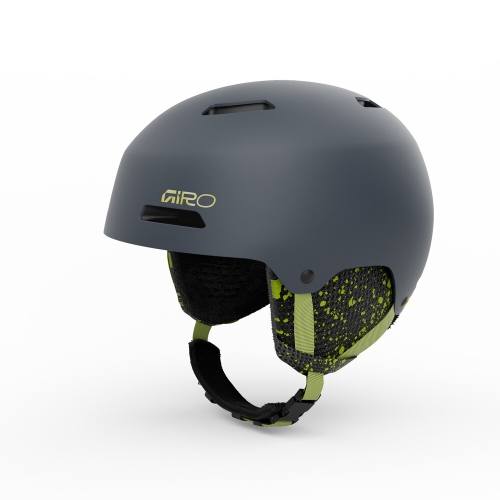
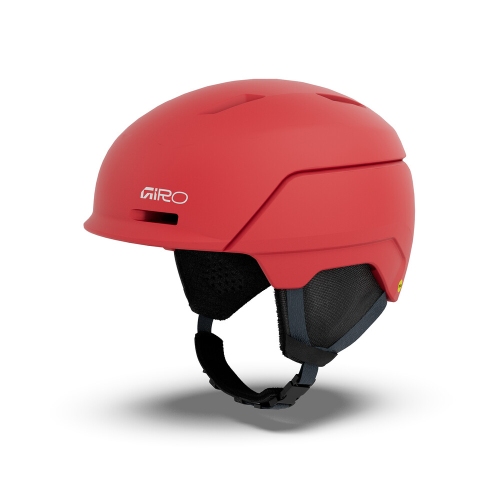
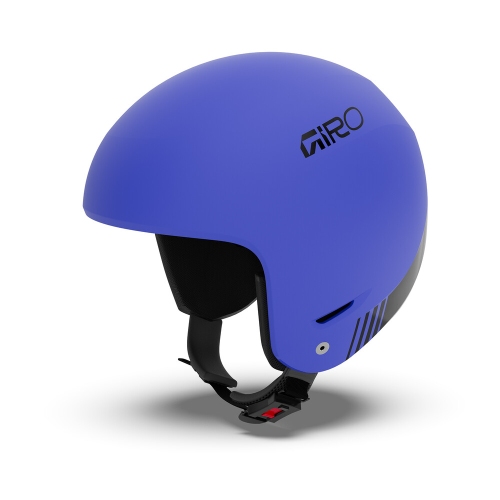
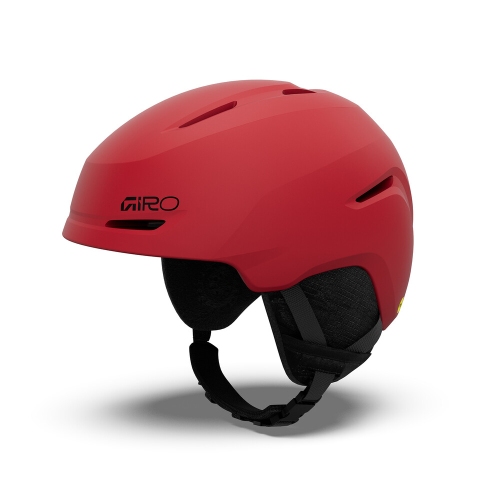
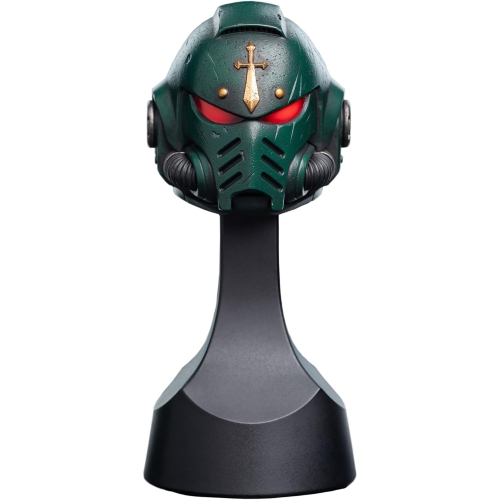
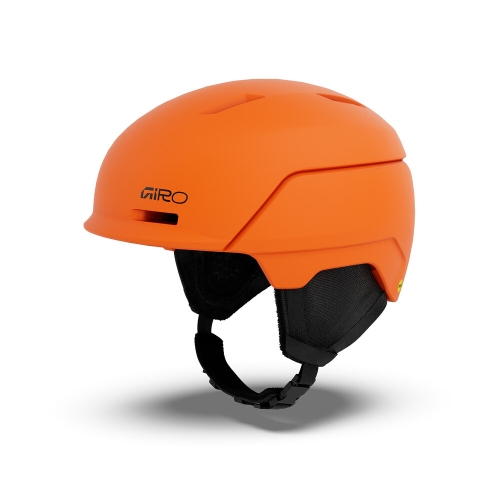
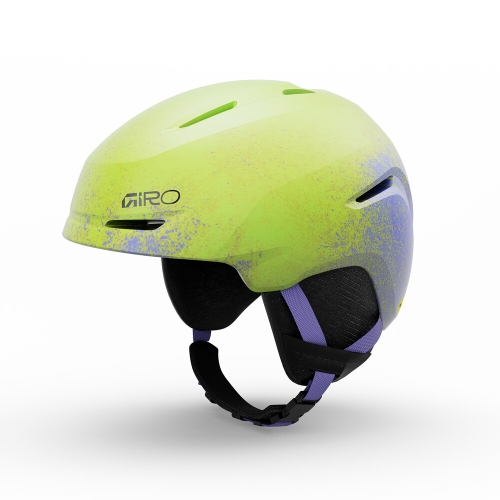
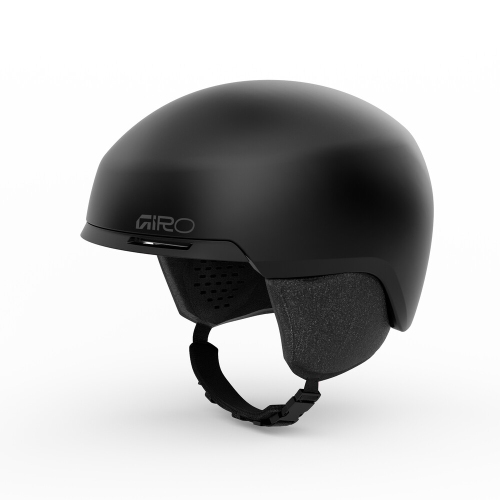
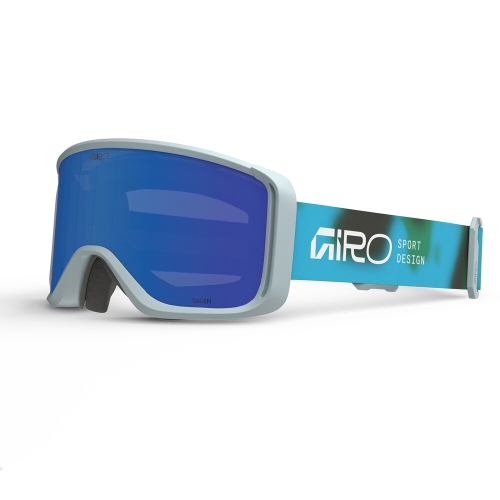
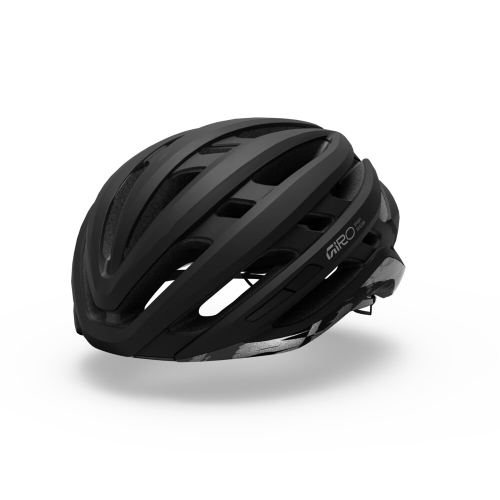
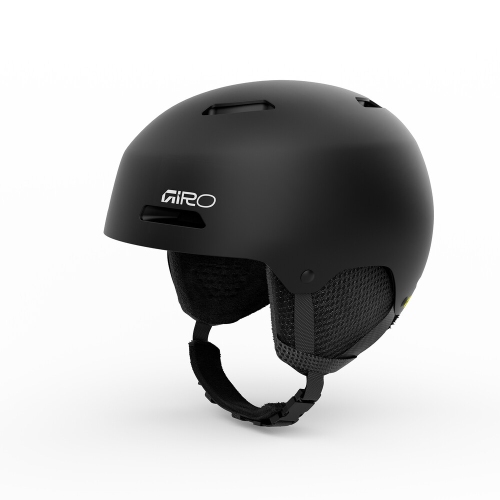
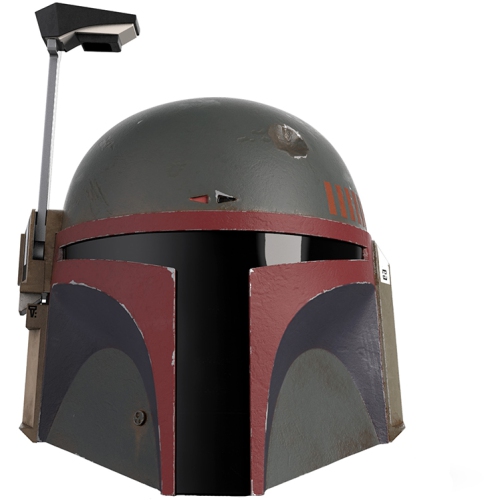
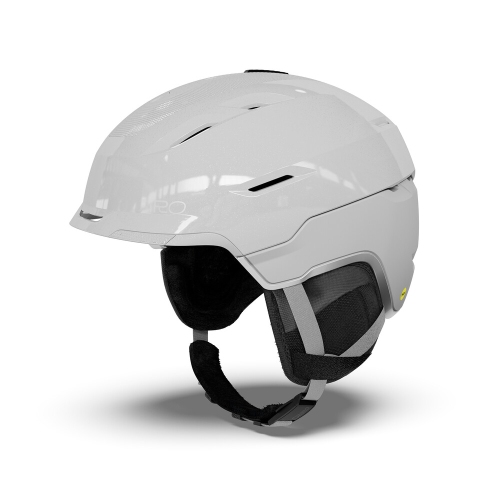
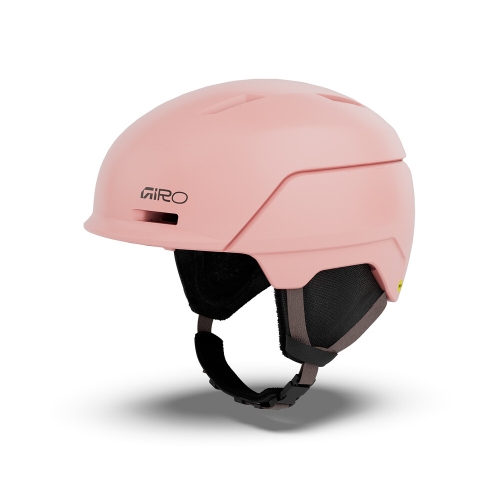
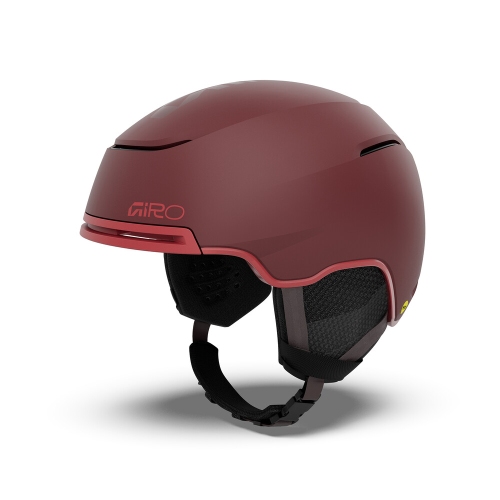

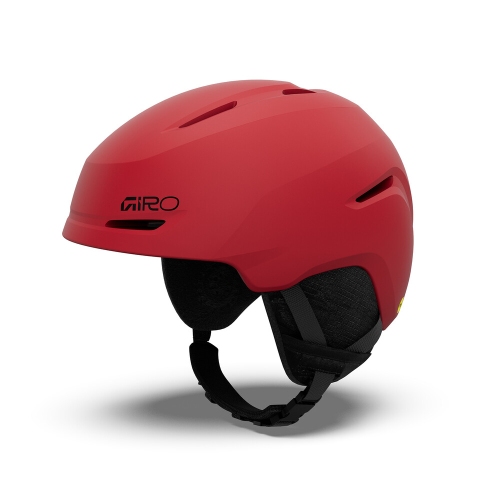
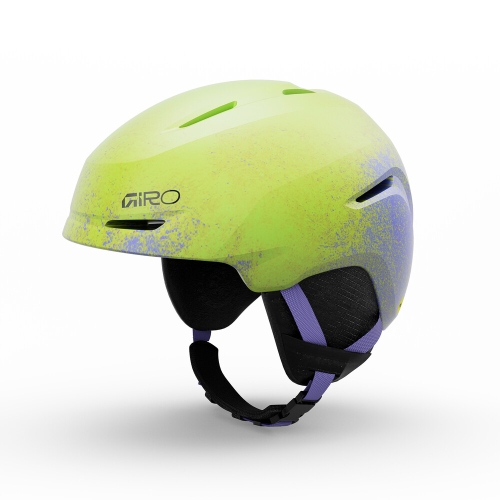
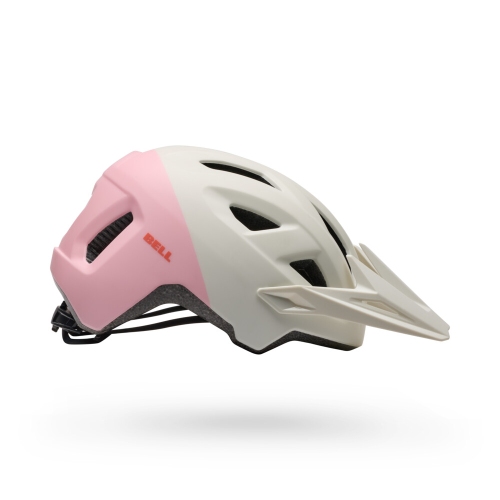
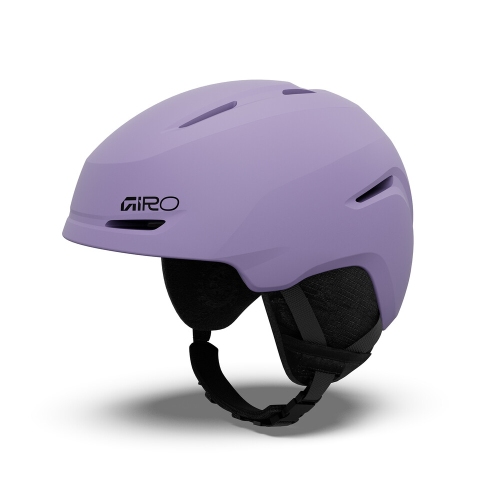

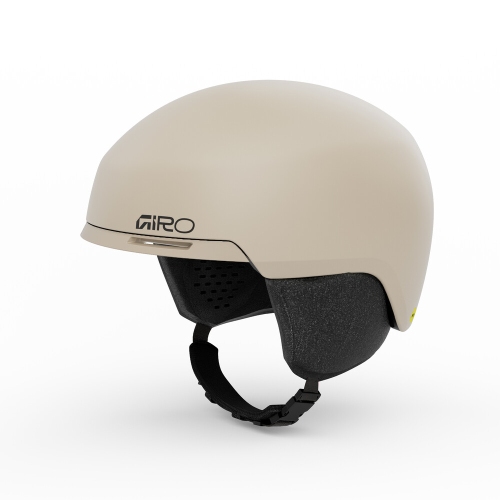

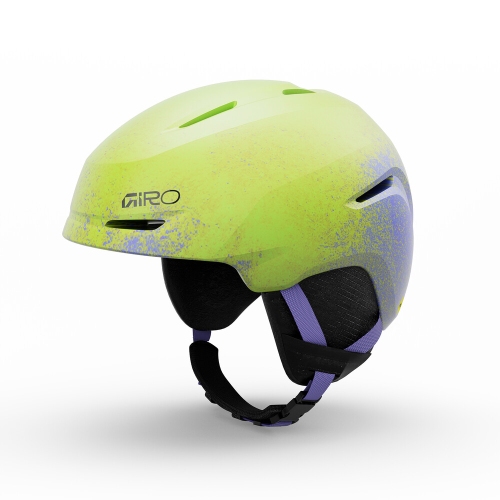
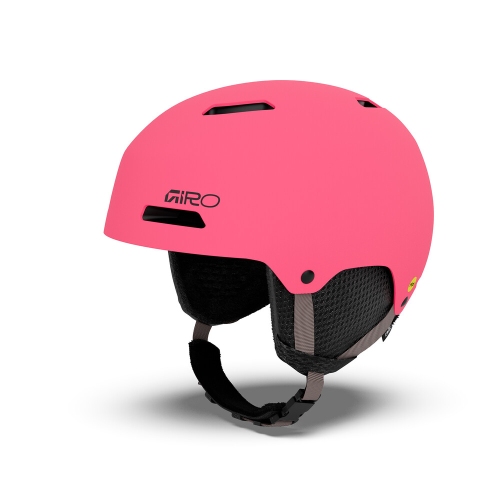

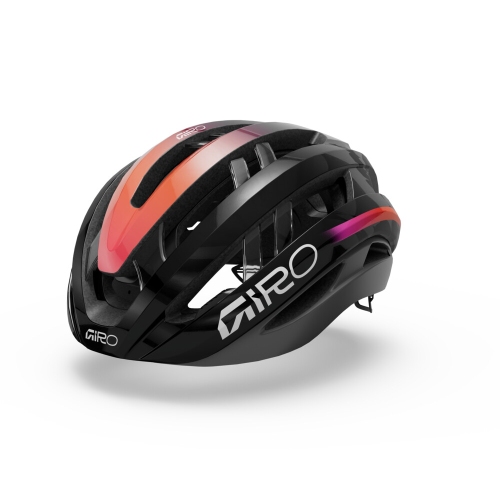


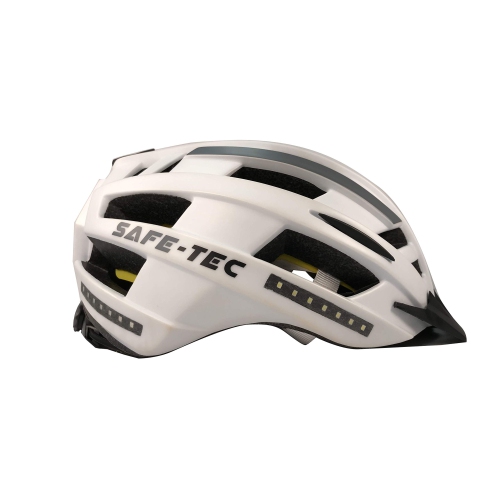


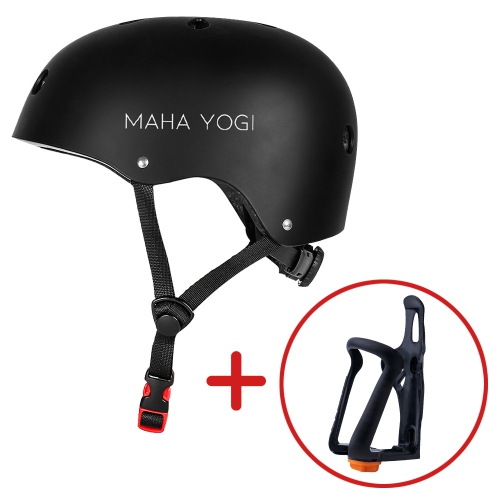

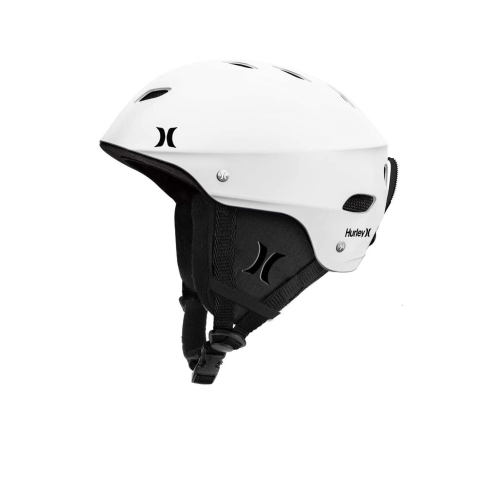

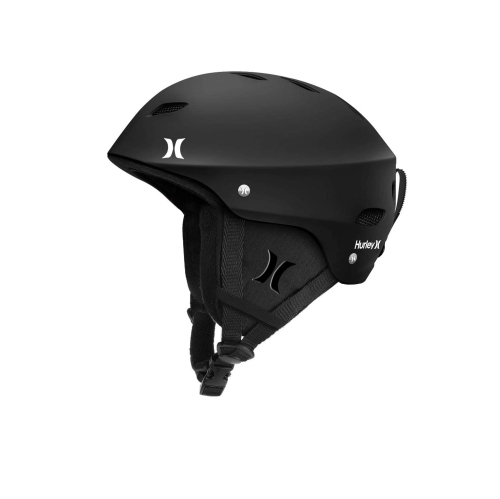







Why helmet fit goes beyond the size label
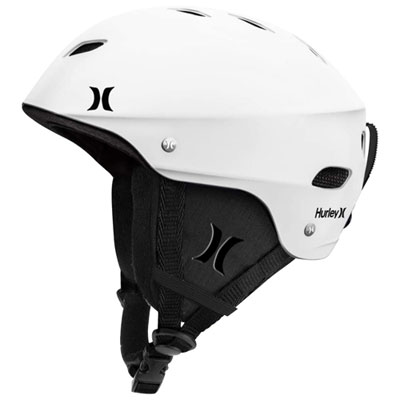
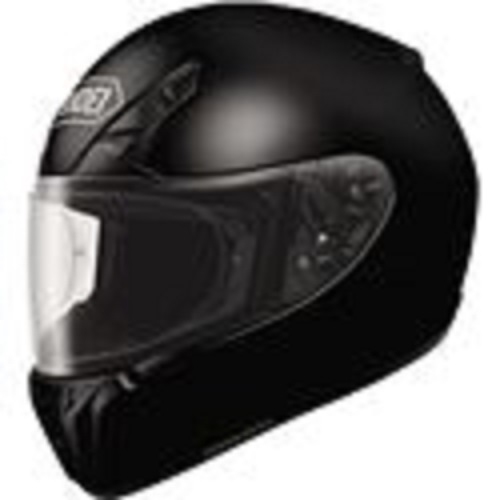
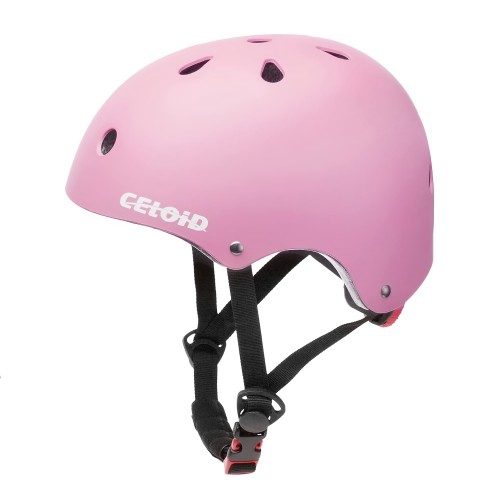
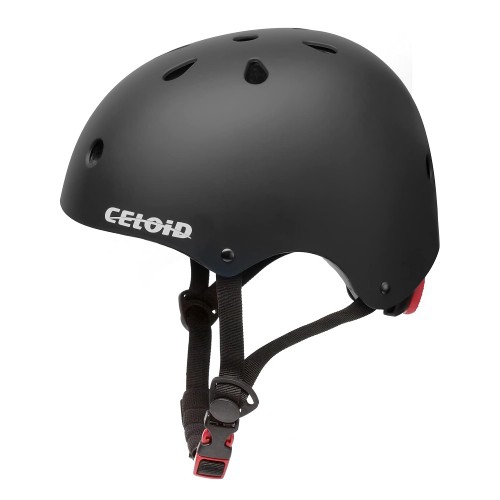
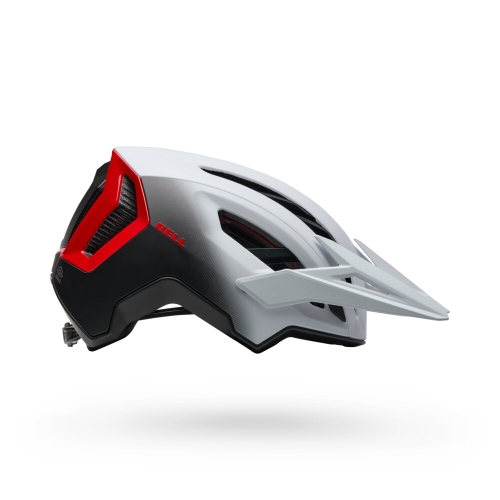
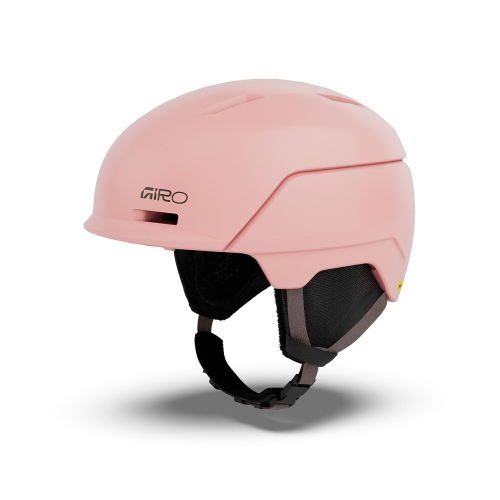
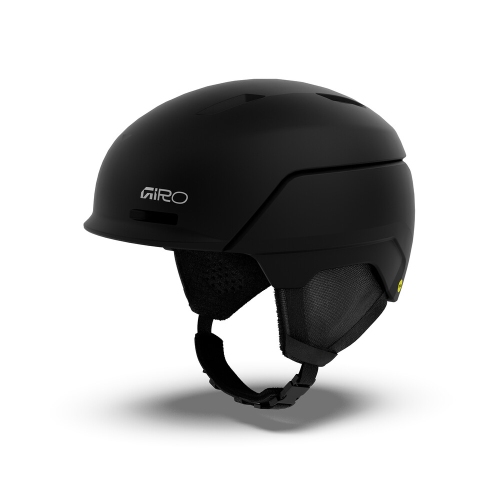
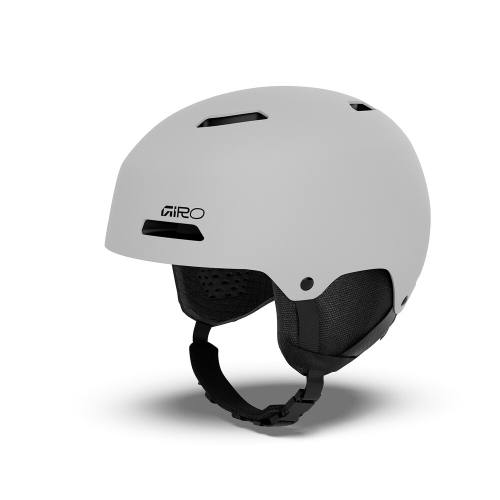
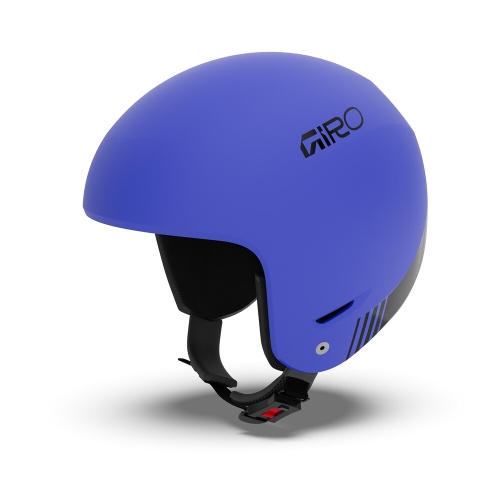
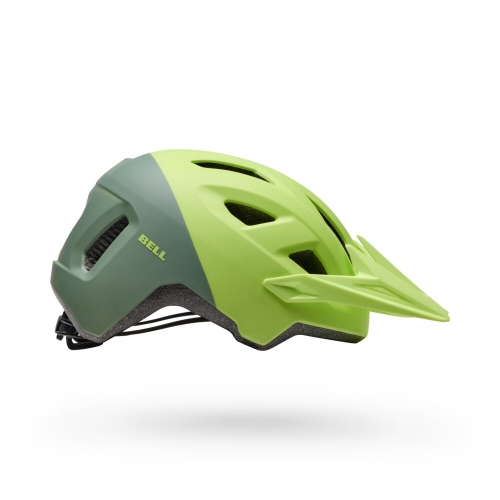
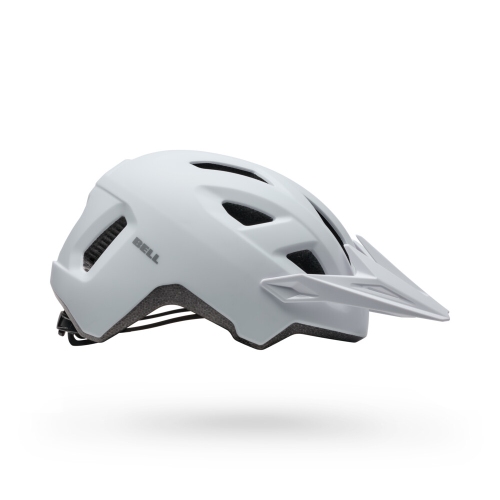
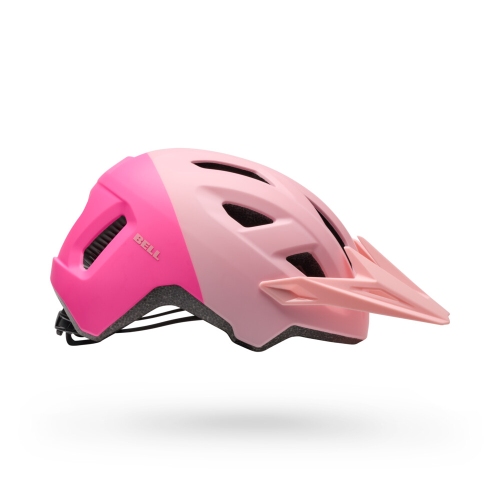
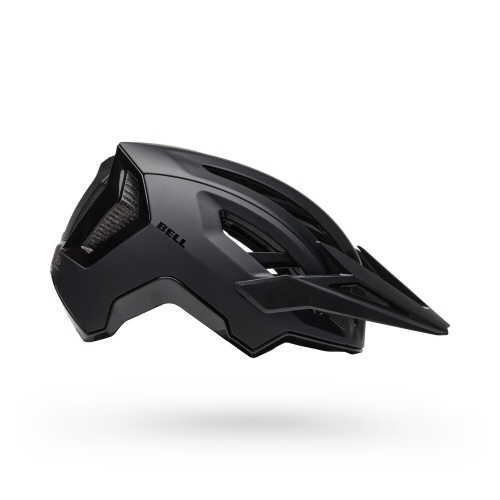
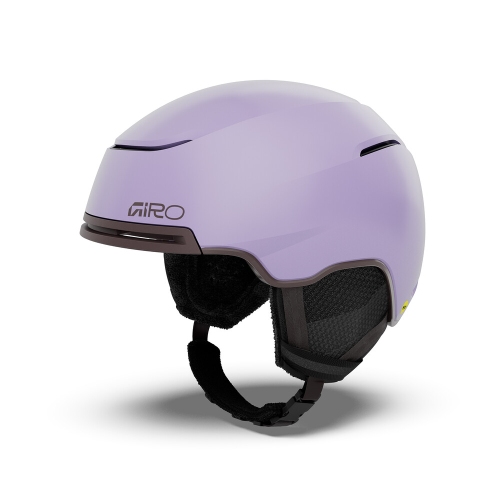
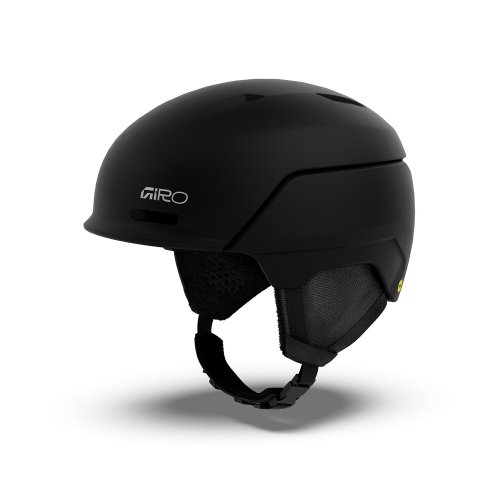
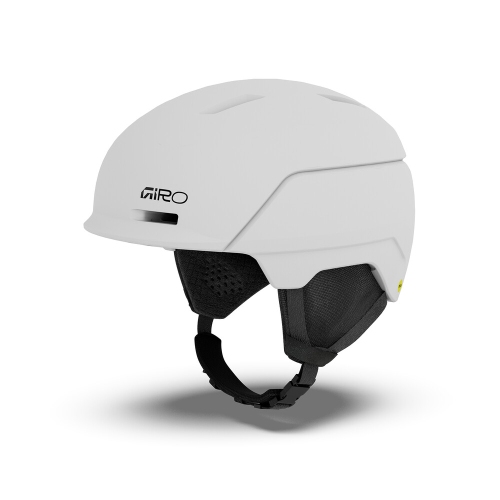
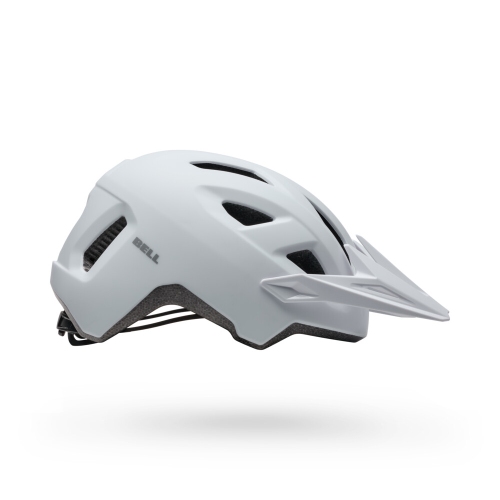
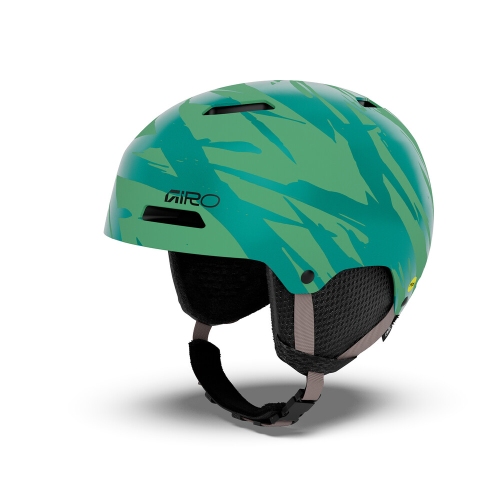
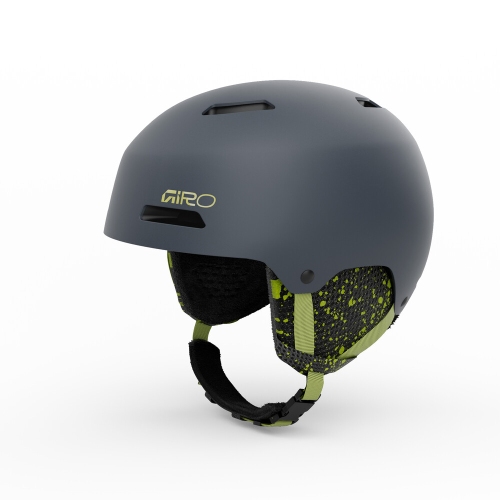
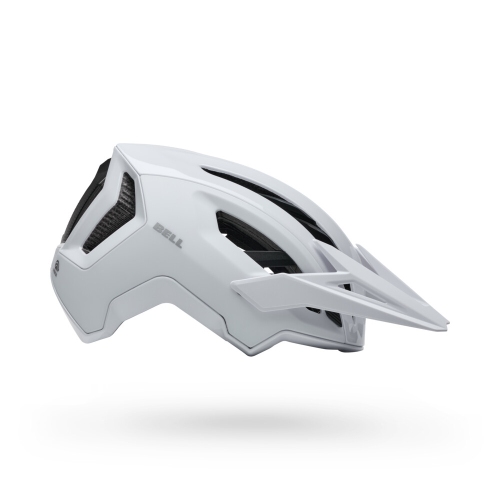
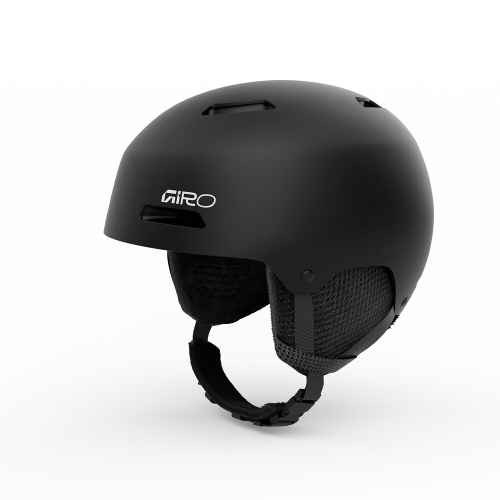
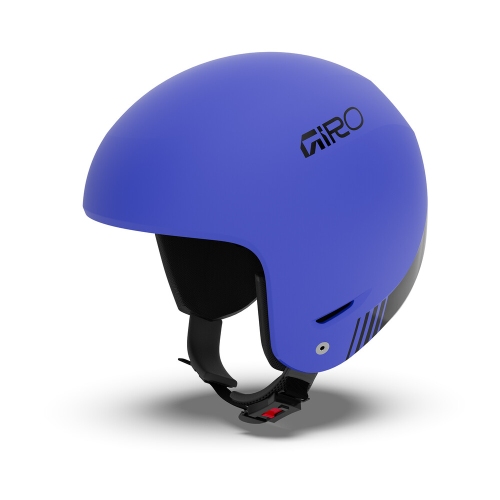
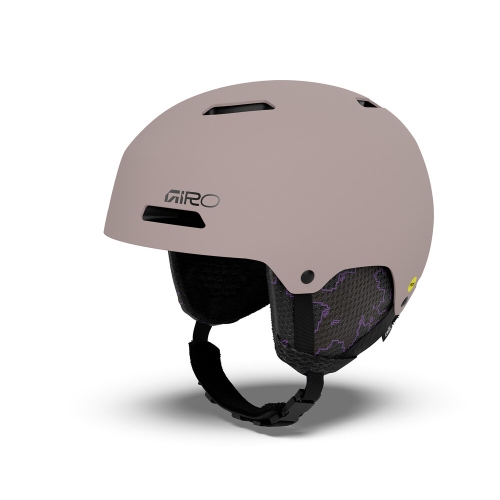
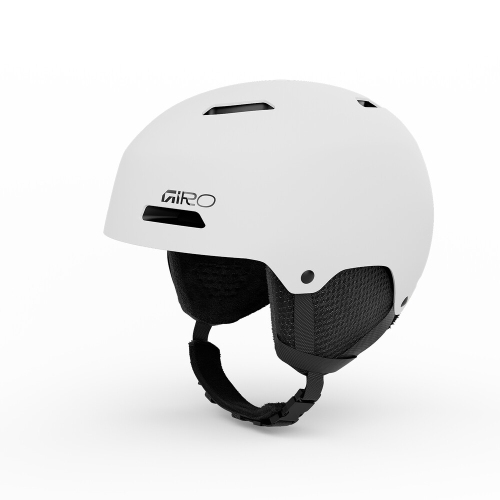
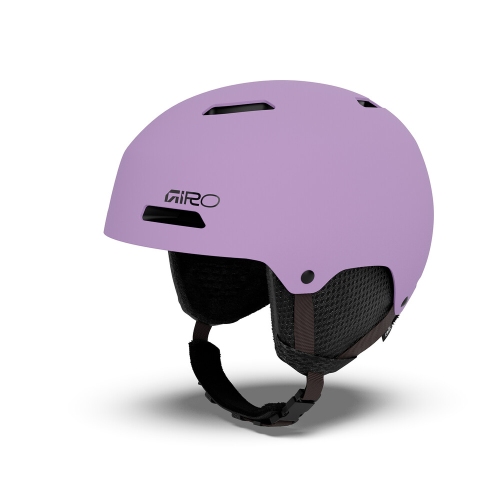
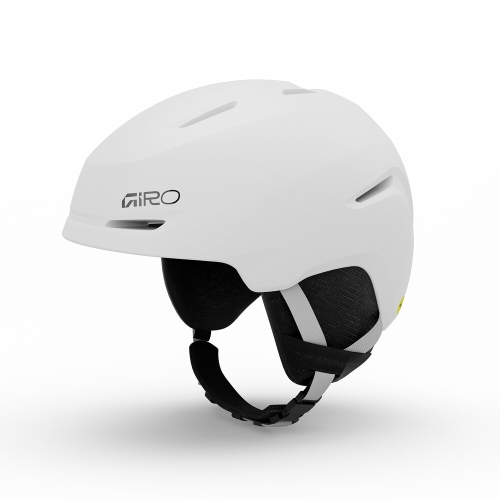
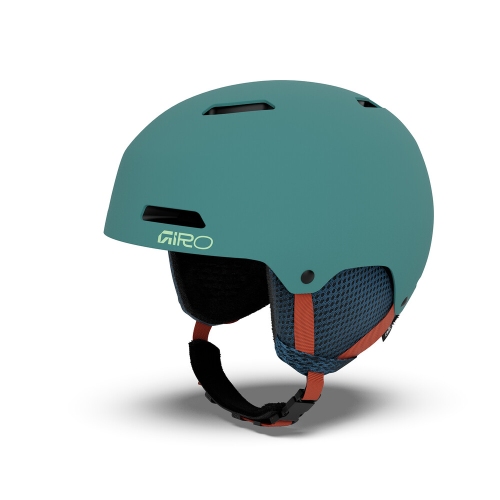
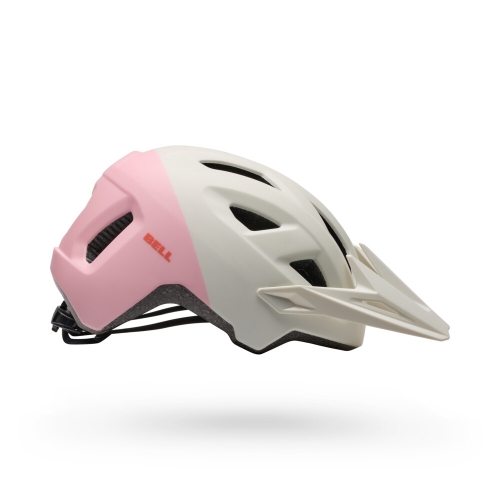
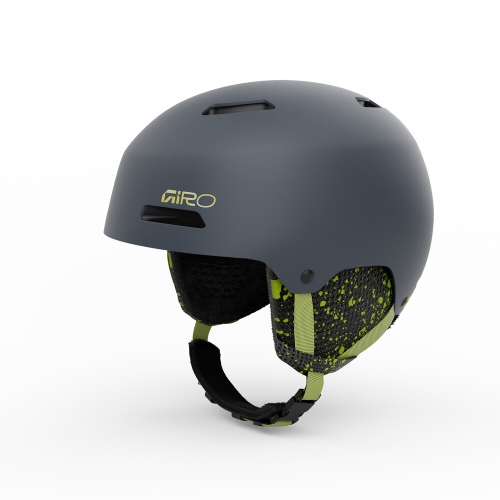
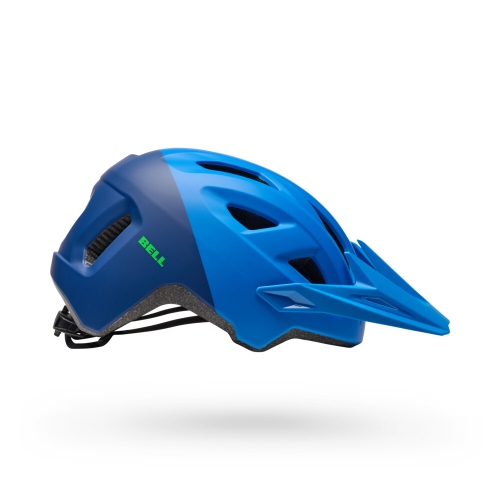
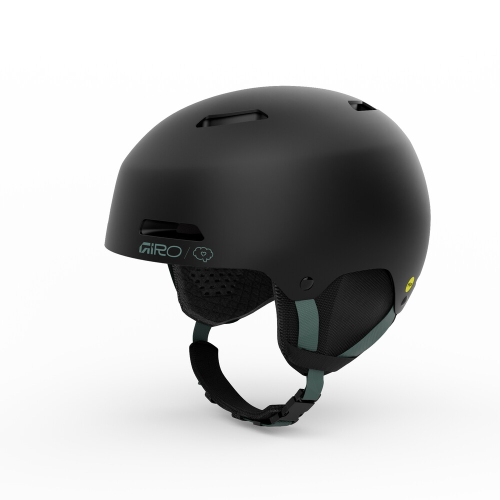
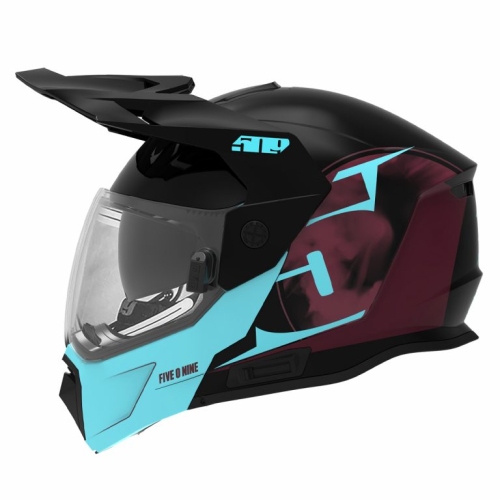
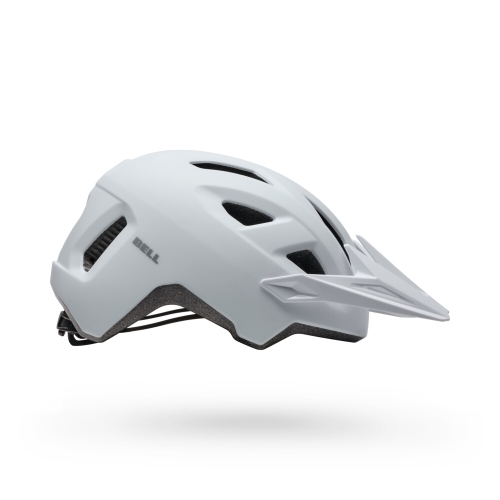
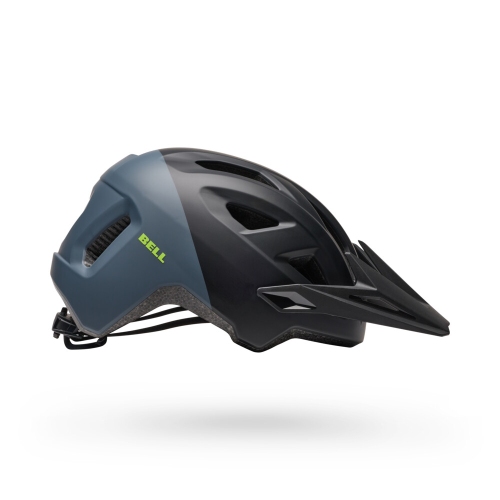
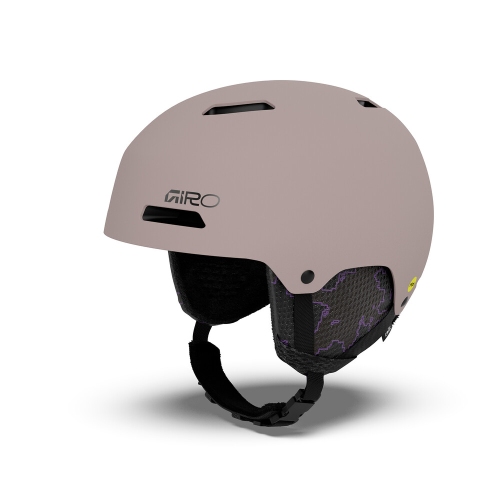
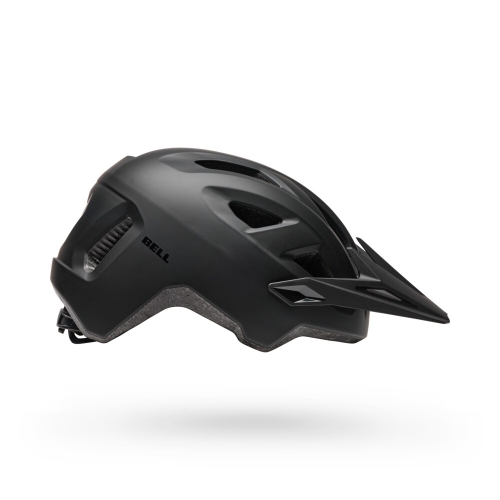
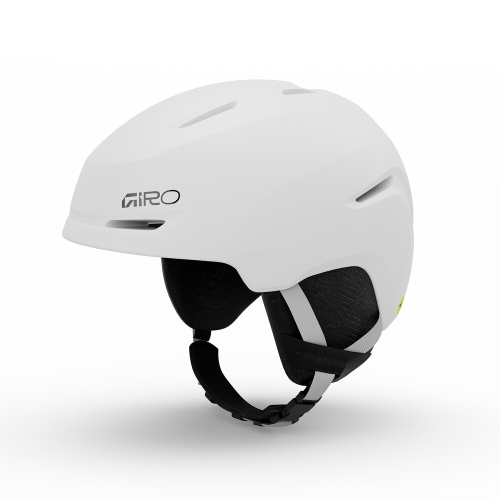
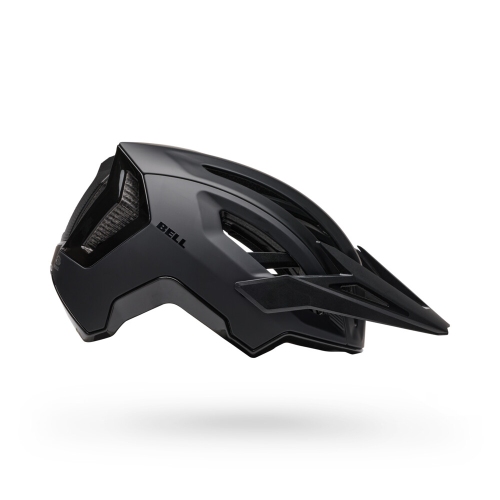
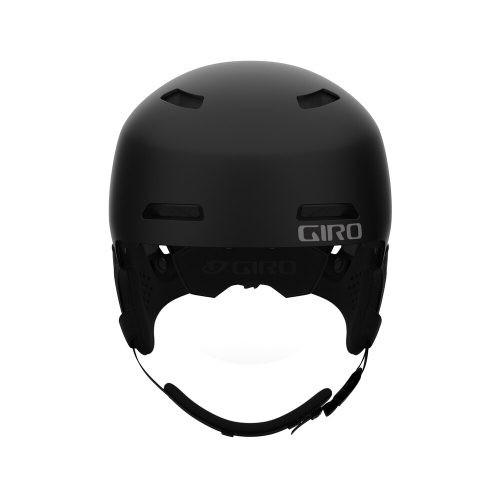
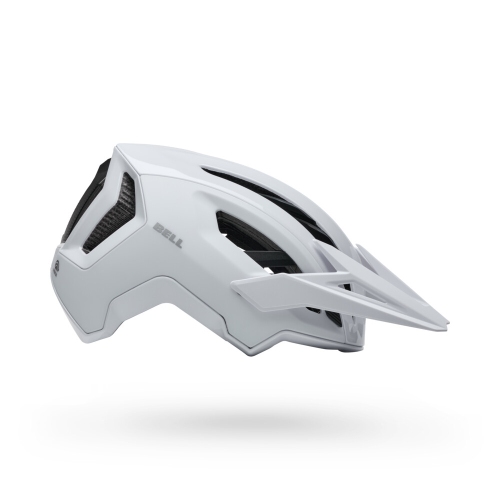
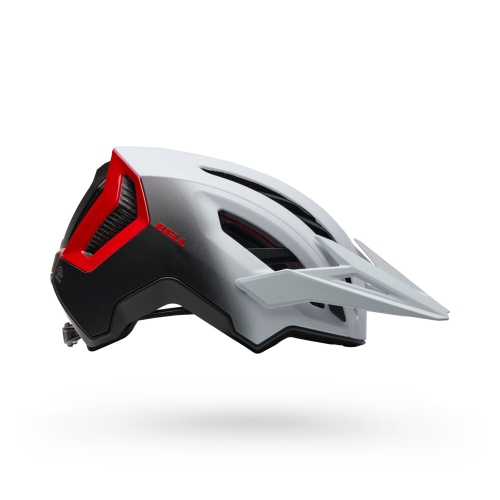
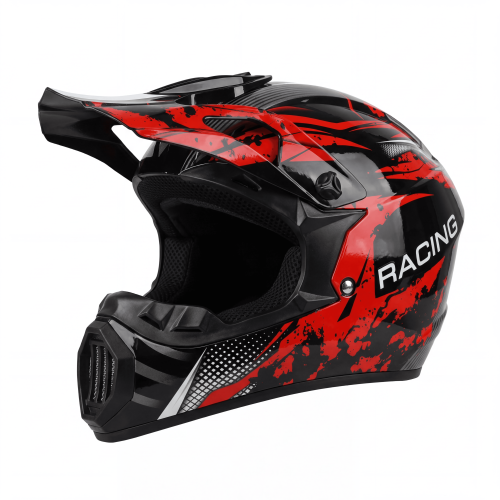
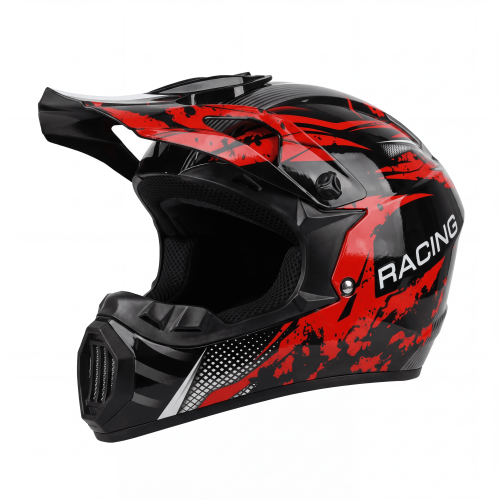
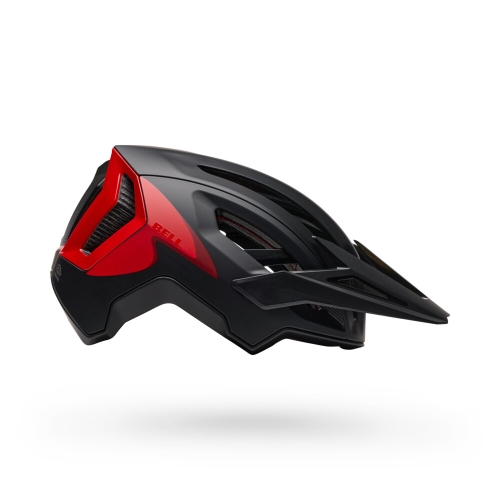
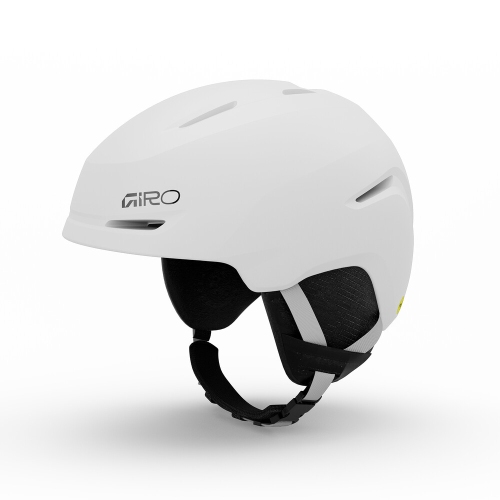
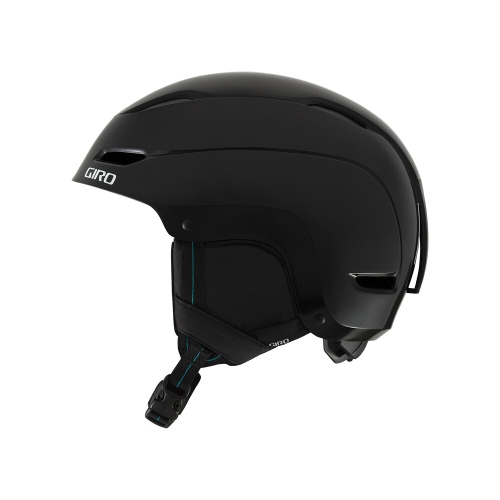
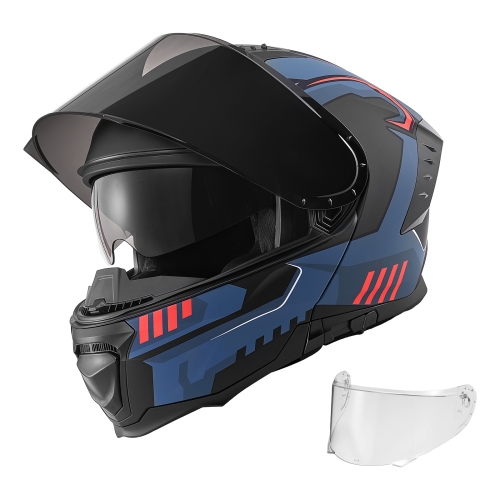
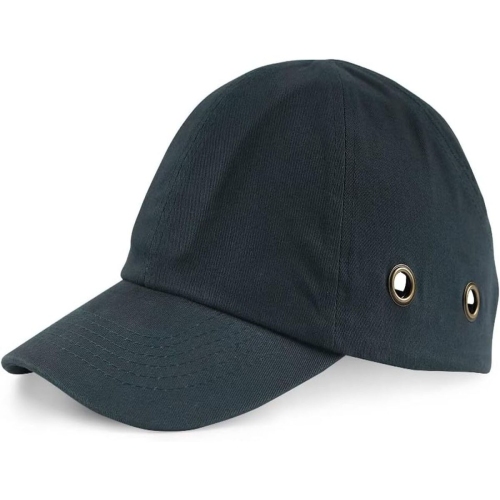
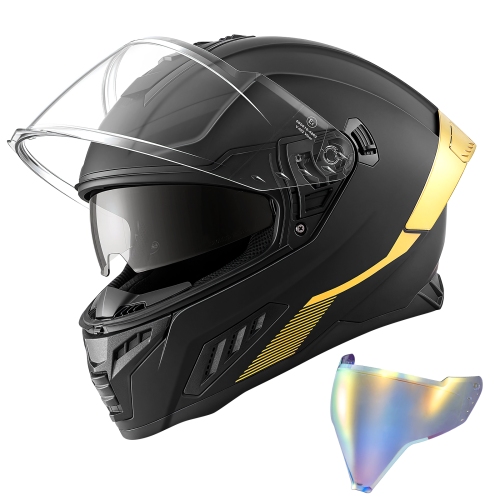
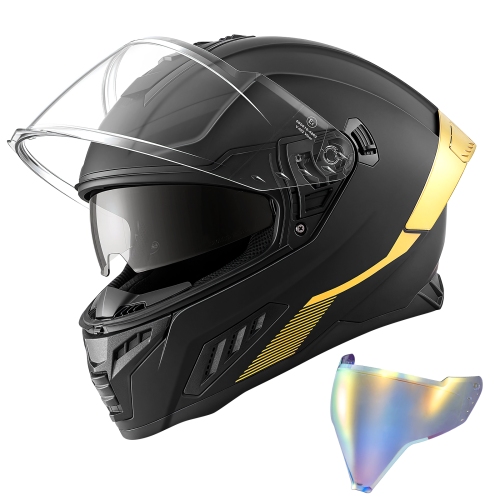
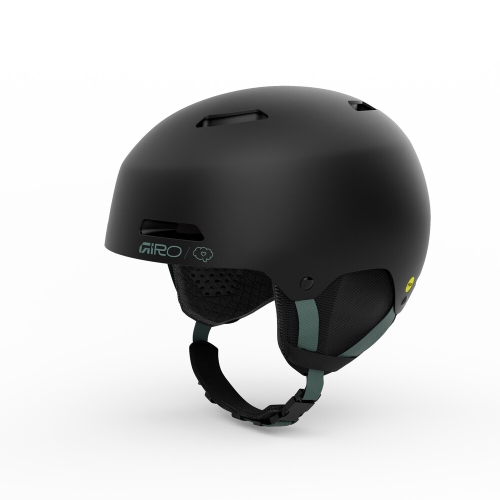
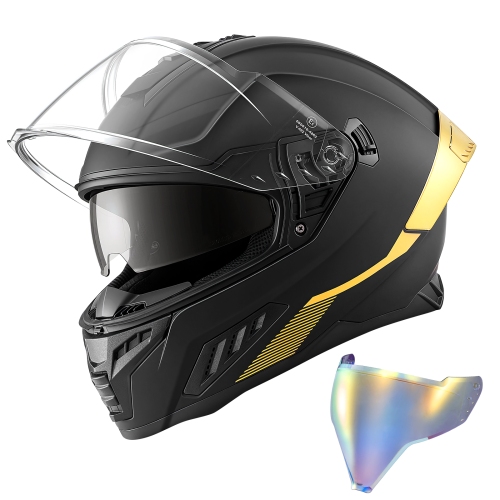
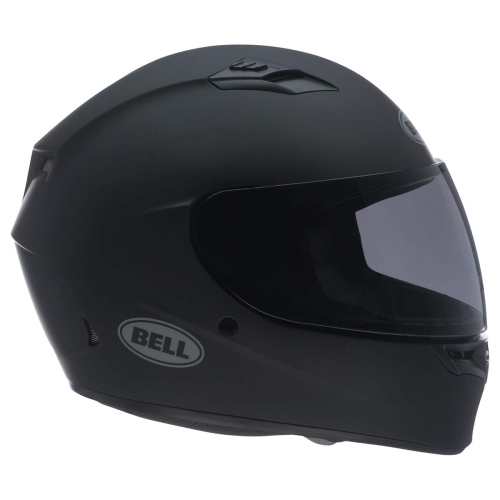
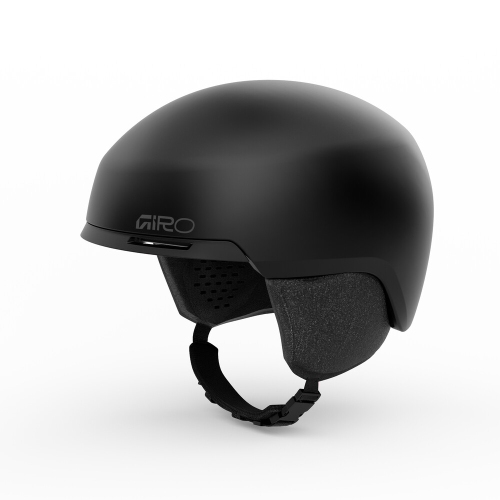
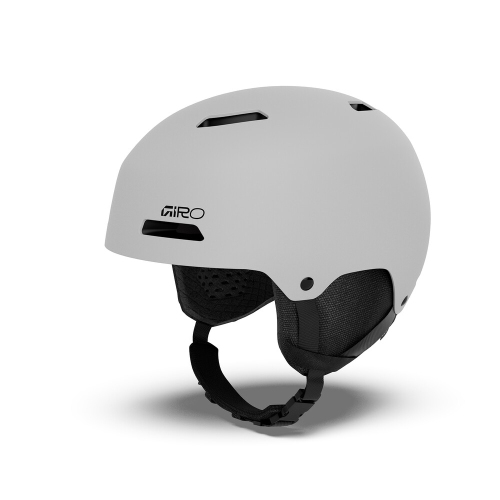
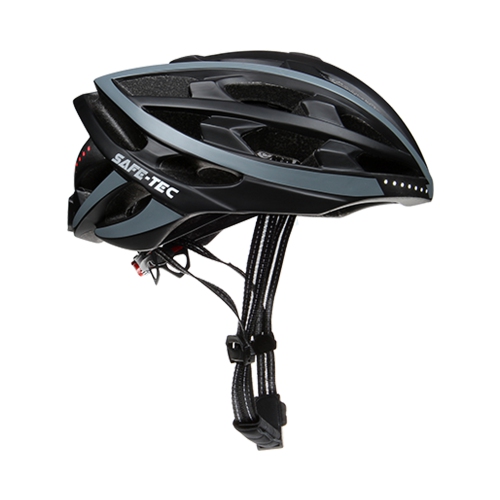
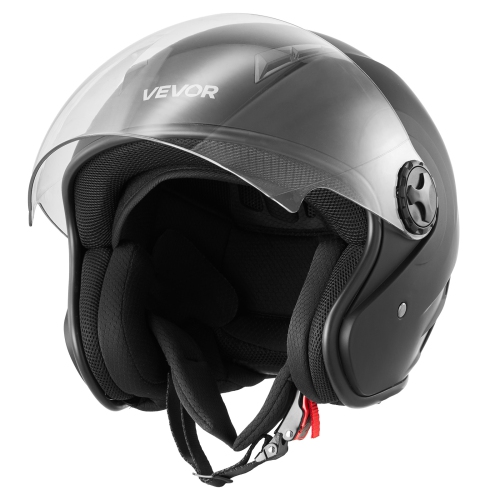
Small helmets are designed for smaller head circumferences, whether the wearer is an adult, a teenager, or a child. The size label is only a starting point: many small bicycle helmets fit head circumferences of approximately 51–56 cm, while an adult small motorcycle helmet often corresponds to 55–56 cm. Some children’s and youth helmets cover ranges around 48–53 cm. These ranges are not universal, and the measurements listed for each helmet take priority over a general size description. A small helmet from one size chart may fit differently from a small in another, particularly when the internal shape is rounder or more oval. Measuring around the widest part of the head, just above the eyebrows and ears, gives a more useful starting point than age, height, or clothing size. A helmet should suit both that measurement and the activity it is intended for. Bicycle helmets, skateboard helmets, motorcycle helmets, and helmets for other sports are not automatically interchangeable, even when their shells look similar. Their coverage, retention systems, and testing requirements can differ substantially. For cycling, certification to a recognized bicycle helmet standard is an important consideration; skateboard use calls for a helmet certified for that activity, including dual certification where both activities are intended. Motorcycle helmets need to meet the applicable legal requirements in the province or territory where they will be used. A full-face design alone does not establish suitability for motorcycling, just as a rounded shell alone does not establish suitability for skateboarding. Small helmets can serve adults with narrower heads, young riders developing their balance, and teenagers whose measurements fall between youth and adult ranges. Choosing between a youth model and an adult small therefore involves more than comparing the letter on the label: the stated fit range, head shape, coverage, and intended use all matter. That distinction is especially useful for families comparing helmets for several riders who may share an activity but need quite different fits.
Construction influences how a small helmet feels during a ride and how it manages the impacts it was designed and tested to address. Common shell materials include polycarbonate and ABS plastic, while some designs use composite materials. Inside, an energy-absorbing liner is paired with comfort padding that helps the helmet sit against the head. Expanded polystyrene foam is common in many helmet types; other liner materials and constructions may appear in helmets designed for different uses. A hard outer shell does not make a helmet indestructible, and thicker padding does not necessarily mean greater protection. The complete design and its relevant certification matter more than appearance alone. Fit should feel secure and even, without a sharp pressure point at the forehead, temples, or back of the head. A bicycle helmet generally sits level and low on the forehead rather than tipped back, with straps positioned according to its instructions. A properly adjusted helmet should not slide freely from side to side or lift away during ordinary head movements. Dial adjustments, where included, help fine-tune the fit within the stated size range, but they cannot reliably turn an oversized helmet into the correct size. Motorcycle helmet fit follows its own design requirements, often including firm contact around the cheeks and crown, so bicycle fit expectations should not be applied unchanged. Vent openings, liner texture, buckle placement, and strap adjustment can make a noticeable difference during everyday use. A buckle that sits awkwardly beneath the jaw or a strap that rubs beside the ear can become distracting over a longer outing. For riders who place particular importance on weight, the Lightweight Helmets selection provides a related category to explore, while correct sizing and activity-specific certification remain essential. Glasses, permitted eyewear, and the wearer’s usual hairstyle can also affect comfort. Trying the helmet with those everyday details in mind helps reveal whether the fit stays comfortable beyond the first few moments.
Care and regular inspection help keep small helmets ready for their intended use, but even a tidy-looking helmet may need replacement after an impact. Many bicycle and motorcycle helmets are designed to absorb energy through changes to the liner that may not be obvious from the outside. After a crash or significant impact, follow the manufacturer’s replacement instructions rather than relying only on visible cracks or dents. Replacement guidance also varies with construction, age, use, and storage, so there is no single service-life rule that applies to every helmet. Between uses, gentle cleaning with materials permitted by the manufacturer helps remove sweat and everyday dirt without exposing the shell, foam, or straps to unsuitable chemicals. Removable pads may have separate washing instructions, and all components should be fully dry before storage. Solvents, unapproved paints, and modifications can damage materials or interfere with the helmet’s intended performance. Storage away from excessive heat, direct sunlight, heavy objects, and chemical exposure helps avoid unnecessary damage. Checking the buckle, straps, adjustment mechanism, shell, and liner also makes it easier to notice wear before the next ride. For children, fit needs attention as they grow: buying a larger helmet to leave room for growth can compromise the secure fit needed from the beginning. An adult with a smaller head may have the opposite challenge, finding that a broadly adjustable helmet still feels bulky or shifts despite tightening. In either case, the right size should feel stable without improvised padding or overtightened straps. As a gift, a small helmet is most practical when the recipient’s head measurement, preferred activity, and comfort needs are known, with a fitting check before use. Children should also remove riding helmets before using playground equipment or climbing, where straps can become caught. Whether the helmet is for a familiar cycling route, skateboarding practice, or motorcycle travel, its usefulness comes from matching the wearer and the activity, then maintaining that fit and condition over time.
Top selling and popular products
-
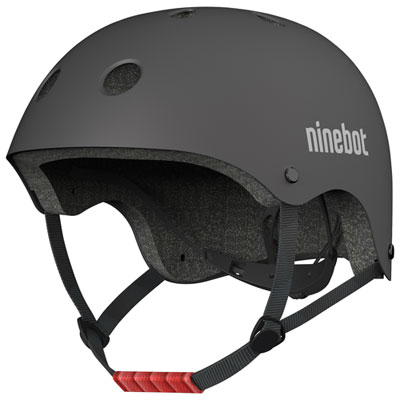 Your price for this item is $69.99
-
 Your price for this item is $19.99
-
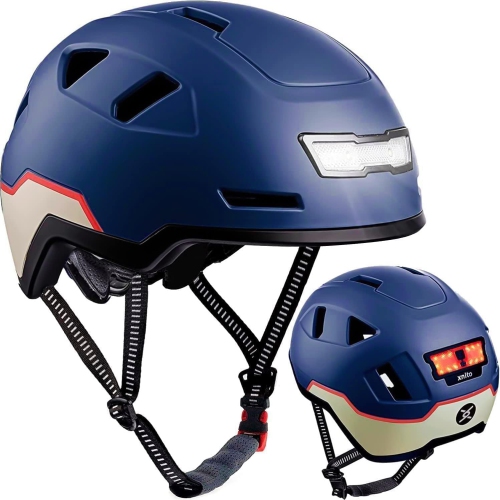 Your price for this item is $169
-
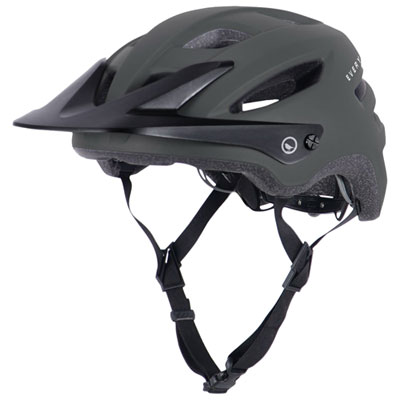 Your price for this item is $39.99
-
 Your price for this item is $199.99
-
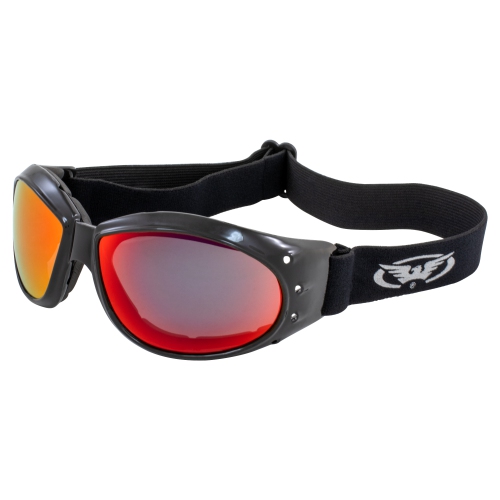 Your price for this item is $35.13
-
 Your price for this item is $49.99
-
 Your price for this item is $169
Discover more categories related to Small Helmets

Top Collections:
Pokemon Centers, Best Cameras for Sports Photography, Kindle Devices, Samsung Galaxy Phones, Canon G7X Cameras, Pokémon 30th Celebration Cards, Refurbished Apple Laptops, iPhone 15 Apple, Laptops for Students, Budget Smartphones
Some products may be subject to Environmental Handling Fees
(EHF) depending on your province.
Learn more about EHFs.