Speed Winches
Sort
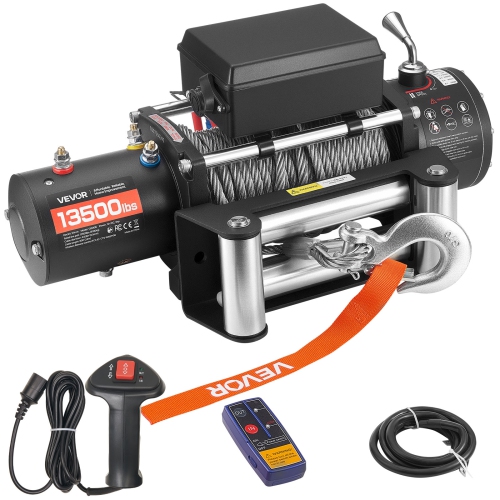
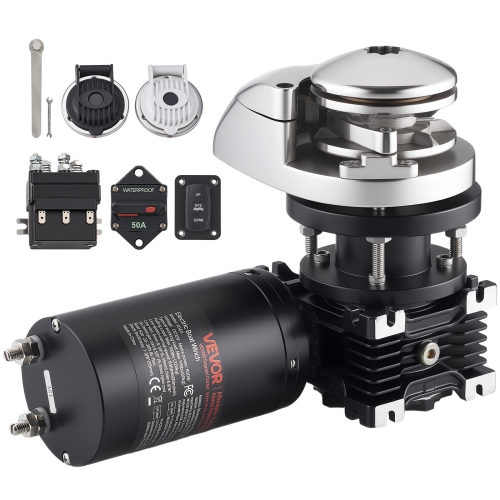
How line speed affects pulling power, setup, and safety
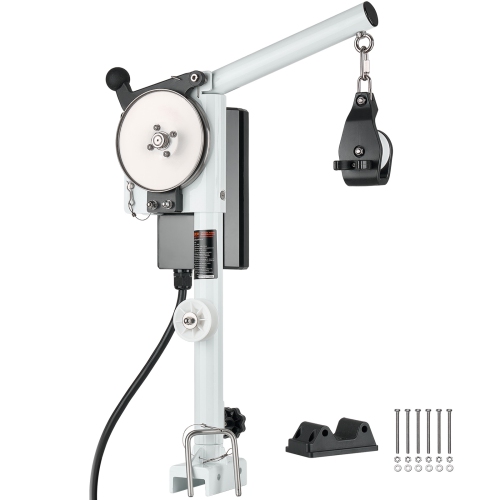
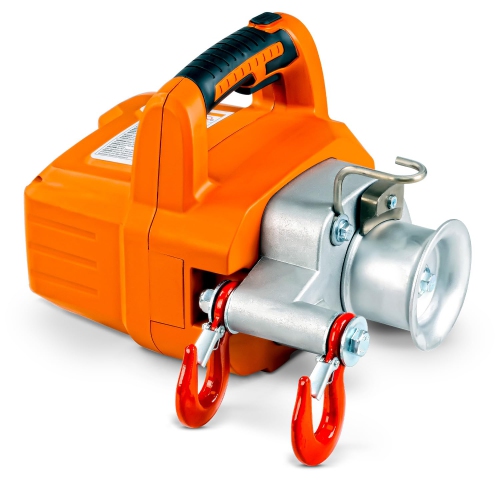
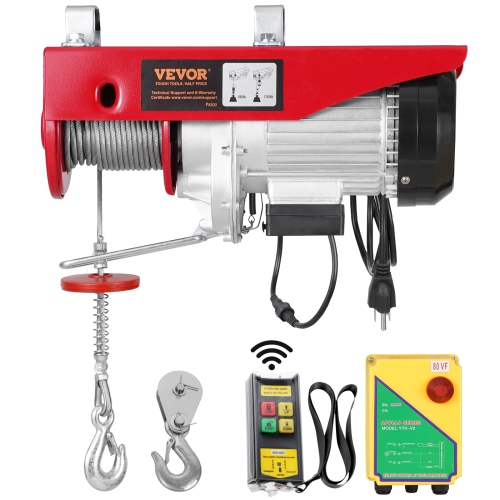
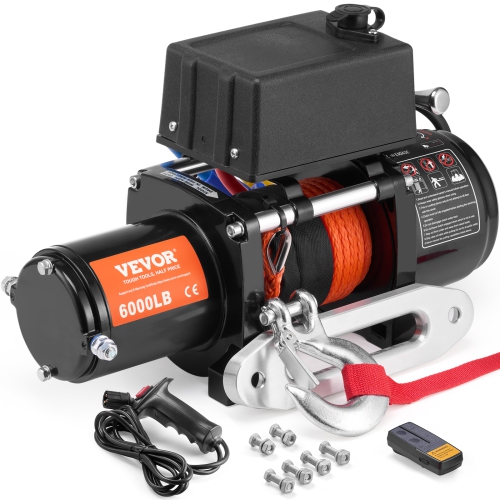
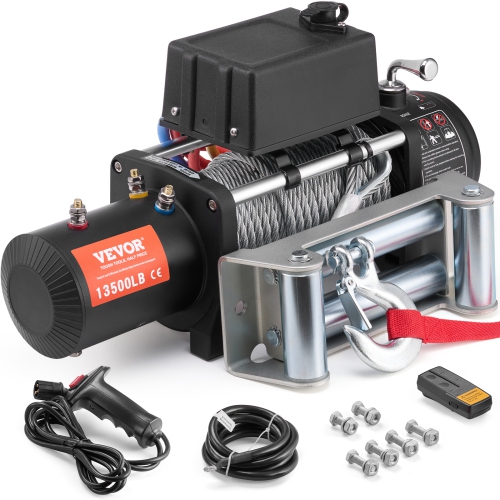
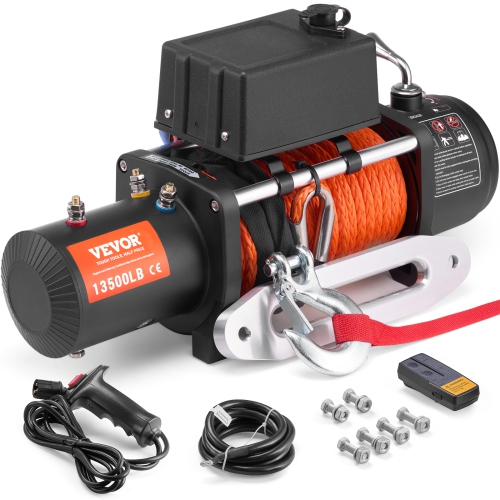
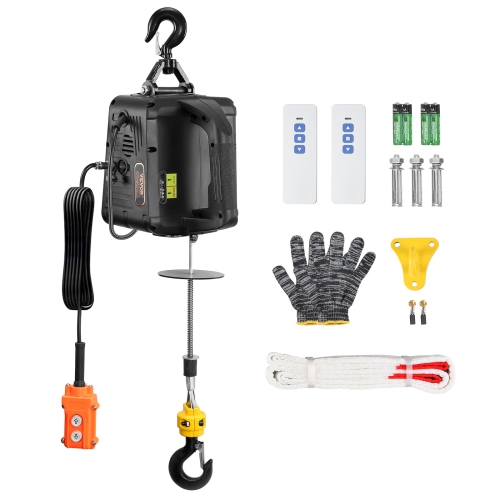
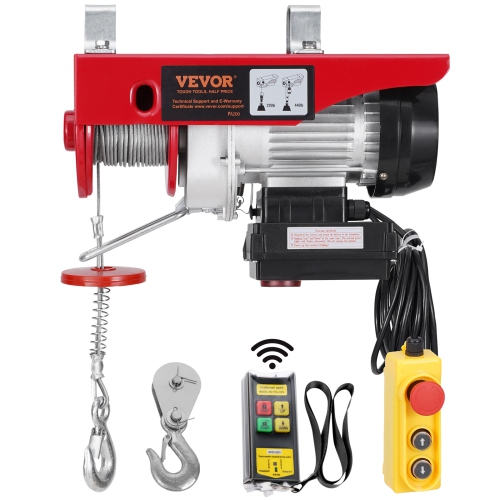
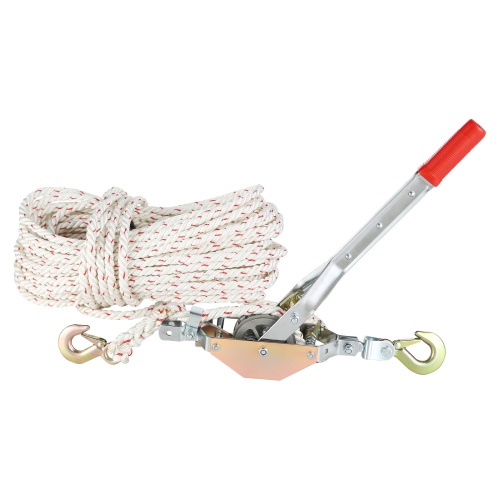
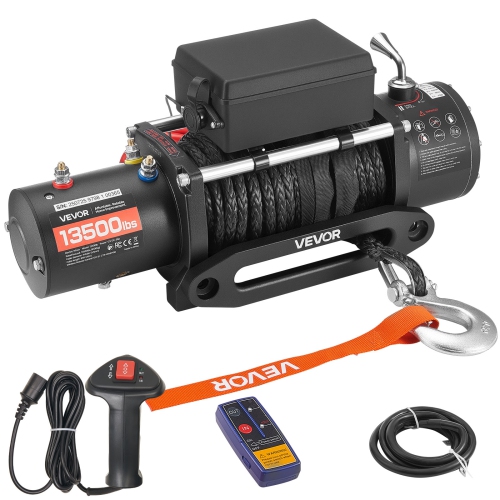
Speed winches are designed for jobs where efficient cable movement matters, whether that means paying out line to reach a stranded vehicle, retrieving a boat, positioning equipment, or winding cable back onto a drum after a pull. Line speed refers to how quickly the rope or cable spools onto the drum, typically measured in feet or metres per minute. A faster retrieval can reduce waiting during vehicle recovery and make repeated positioning tasks more convenient, but speed is only one part of a winch’s performance. Pulling capacity, motor output, gear ratio, drum size, rope type, mounting arrangement, and the weight of the load all influence how a winch performs in real conditions. Many winches move fastest with little or no load, while a heavily loaded line travels more slowly as the motor works harder. The amount of rope already wound around the drum also affects performance: additional layers can increase line speed while reducing the winch’s available pulling force. For that reason, it helps to compare rated capacity and line speed together instead of choosing based on a single specification. A hand-crank winch may suit light-duty trailer work, small boats, utility carts, or occasional positioning jobs, particularly when a two-speed mechanism allows the operator to choose between quicker line retrieval and greater mechanical advantage. Electric winches are often preferred for vehicle recovery, loading equipment, and other applications where a motor can save effort and make operation more consistent. Hydraulic models can be a practical choice for demanding commercial or industrial settings when a compatible hydraulic system is available. Shoppers browsing Heavy Duty Winches may wish to consider whether they need a compact unit for occasional use or a more robust model built for frequent, high-load operation. A useful starting point is the maximum weight that must be moved, followed by the distance of the pull, the available power source, and the mounting location. Vehicle owners should confirm that the winch, mounting plate, battery, wiring, and recovery points are compatible with the vehicle. Trailer and marine users should account for the ramp angle, water exposure, available mounting space, and the weight of the boat or cargo. For workshop or property use, the layout of the area can be just as important as the winch itself; a straight, unobstructed pull generally allows more predictable operation than a line routed around posts, corners, or uneven ground.
Choosing the right speed winch also involves understanding how accessories change the balance between speed, reach, and pulling power. A pulley block or snatch block can redirect the line and, when used in a block-and-tackle arrangement, increase mechanical advantage so the winch can move a heavier load with less strain. The trade-off is a slower pull and more line required for the same distance. A direct 1:1 pull is generally the quickest arrangement, while a doubled line can provide more force at the expense of retrieval speed. Synthetic rope is lightweight and easy to handle, whereas steel cable is valued for its abrasion resistance and familiar performance in demanding environments; either option requires inspection for wear, kinks, fraying, crushing, or other damage. A remote control can help the operator stand clear of the line path, while a fairlead helps guide rope or cable onto the drum. Gloves, rated shackles, tree-safe straps, recovery dampers, and suitable anchor points are important parts of a complete setup rather than optional extras. Every component should have a working load rating appropriate for the task, and the winch should never be used to lift or move people. Keep bystanders away from the cable path, avoid shock loading, and follow the manufacturer’s instructions for duty cycles, electrical connections, braking, and maintenance. Before use, check that the line is evenly wound and that the drum has enough wraps remaining to hold the load securely; relying on the outermost layer alone can reduce grip and pulling capacity. During the cooler months, mud, ice, water, and low temperatures may affect traction, battery performance, and cable handling, so a careful inspection is worthwhile before heading onto a trail, launching a boat, or moving equipment outdoors. Speed winches can be useful gifts for experienced off-road drivers, boat owners, trailer users, property managers, tradespeople, and hobbyists who regularly handle heavy loads, provided the recipient’s vehicle, mounting system, power supply, and intended applications are known. The most suitable choice is the one that offers an appropriate line speed without sacrificing the capacity, control, durability, and safety features needed for the work at hand.
Choosing the right speed winch also involves understanding how accessories change the balance between speed, reach, and pulling power. A pulley block or snatch block can redirect the line and, when used in a block-and-tackle arrangement, increase mechanical advantage so the winch can move a heavier load with less strain. The trade-off is a slower pull and more line required for the same distance. A direct 1:1 pull is generally the quickest arrangement, while a doubled line can provide more force at the expense of retrieval speed. Synthetic rope is lightweight and easy to handle, whereas steel cable is valued for its abrasion resistance and familiar performance in demanding environments; either option requires inspection for wear, kinks, fraying, crushing, or other damage. A remote control can help the operator stand clear of the line path, while a fairlead helps guide rope or cable onto the drum. Gloves, rated shackles, tree-safe straps, recovery dampers, and suitable anchor points are important parts of a complete setup rather than optional extras. Every component should have a working load rating appropriate for the task, and the winch should never be used to lift or move people. Keep bystanders away from the cable path, avoid shock loading, and follow the manufacturer’s instructions for duty cycles, electrical connections, braking, and maintenance. Before use, check that the line is evenly wound and that the drum has enough wraps remaining to hold the load securely; relying on the outermost layer alone can reduce grip and pulling capacity. During the cooler months, mud, ice, water, and low temperatures may affect traction, battery performance, and cable handling, so a careful inspection is worthwhile before heading onto a trail, launching a boat, or moving equipment outdoors. Speed winches can be useful gifts for experienced off-road drivers, boat owners, trailer users, property managers, tradespeople, and hobbyists who regularly handle heavy loads, provided the recipient’s vehicle, mounting system, power supply, and intended applications are known. The most suitable choice is the one that offers an appropriate line speed without sacrificing the capacity, control, durability, and safety features needed for the work at hand.
Top selling and popular products
-
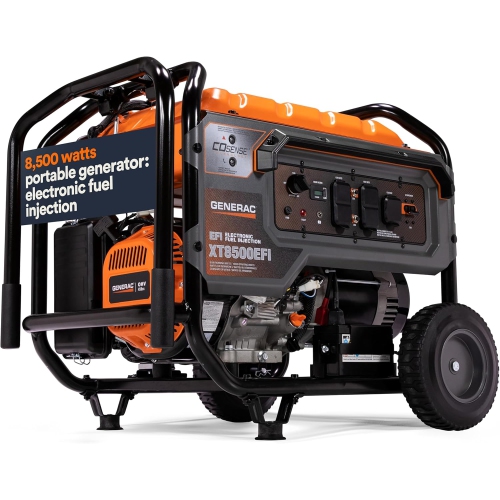 Your price for this item is $3000
 -
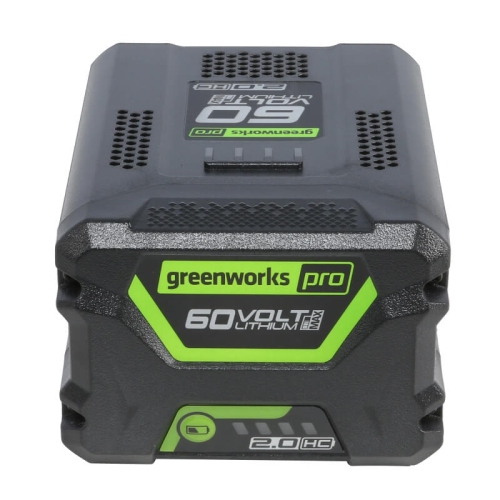 Your price for this item is $124.45
 -
 Your price for this item is $329.99
 -
 Your price for this item is $139.99
 -
 Your price for this item is $264
 -
 Your price for this item is $217.55
 -
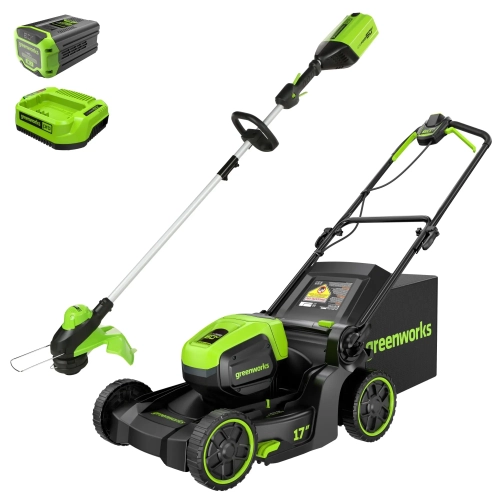 Your price for this item is $739.99
 -
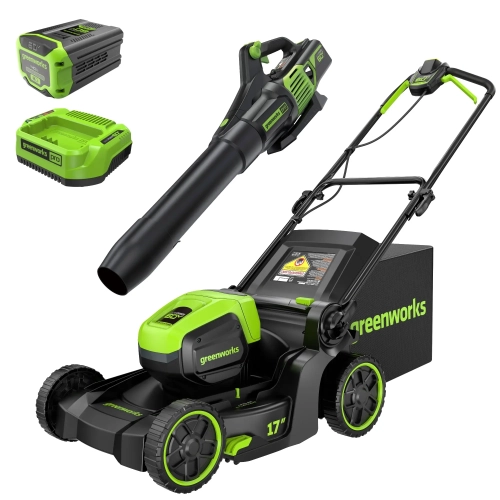 Your price for this item is $599.99
Discover more categories related to Speed Winches
Top Collections:
Pokemon Centers, Kindle Devices, Best Budget Office Chairs, Apple iPhones 16, Best Laptops for Writers, iPhone 15 Apple, Canon G7X Cameras, Refurbished Apple Laptops, Alarm Clock, Motorola Razr Phones
Some products may be subject to Environmental Handling Fees
(EHF) depending on your province.
Learn more about EHFs.