Heavy Duty Winches
When it comes to tackling tough towing tasks, heavy-duty winches are a must-have accessory for any off-road enthusiast or professional in need of reliable pulling power. Designed to handle demanding loads with ease, these rugged winches are built to deliver exceptional performance in challenging conditions. Whether you're navigating through rugged terrain or working on industrial projects, a heavy-duty winch provides the strength and durability needed to get the job done efficiently and safely. Explore our selection of heavy-duty winches to find the perfect solution for your towing needs.
Sort
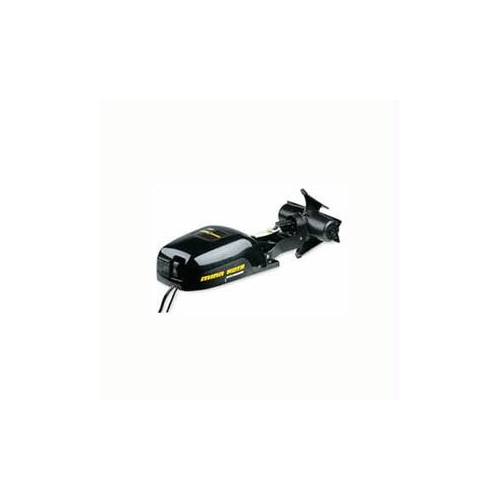
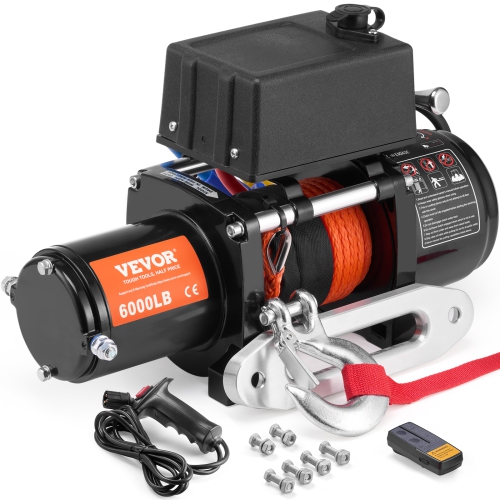
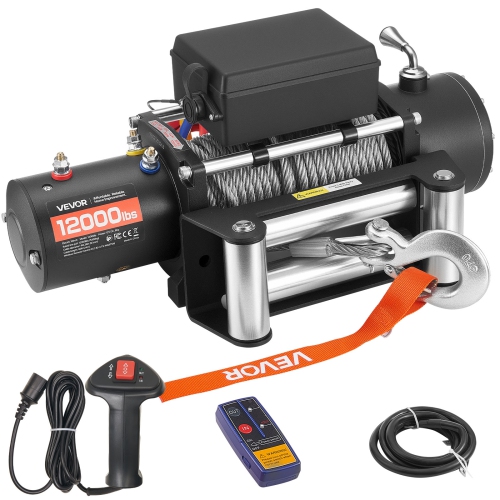
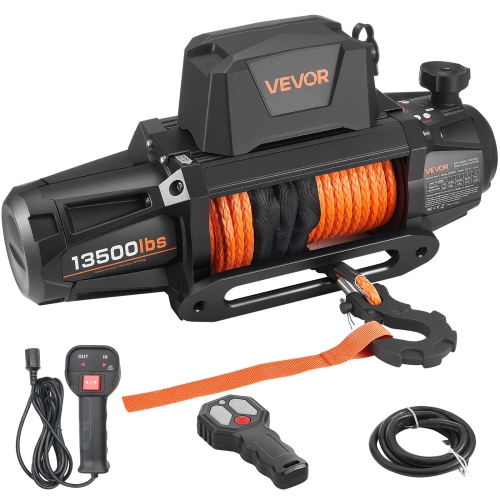
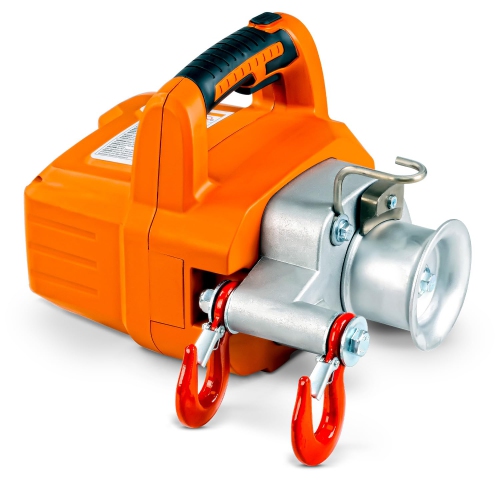
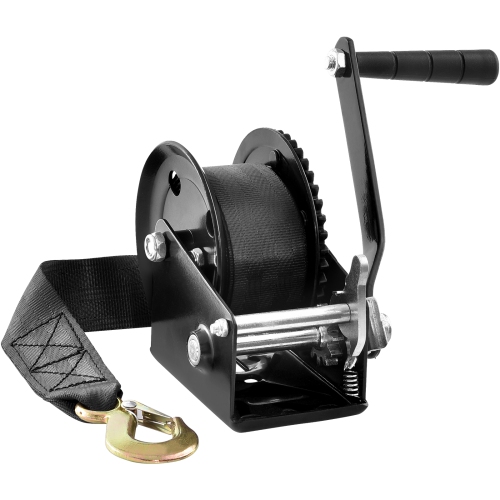
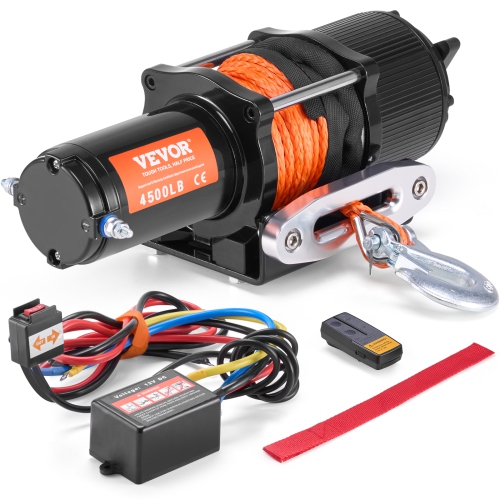
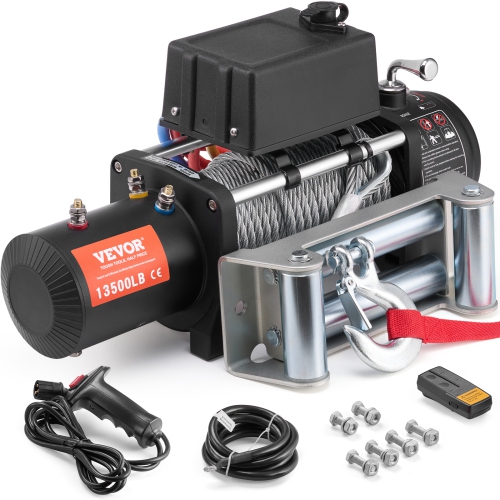
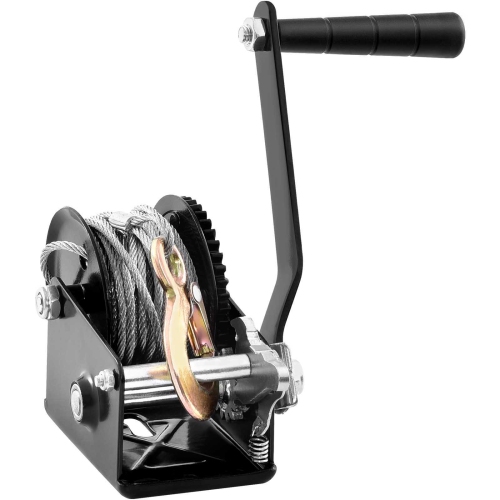
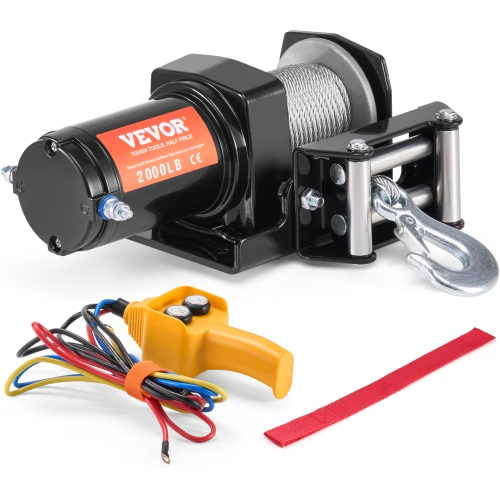
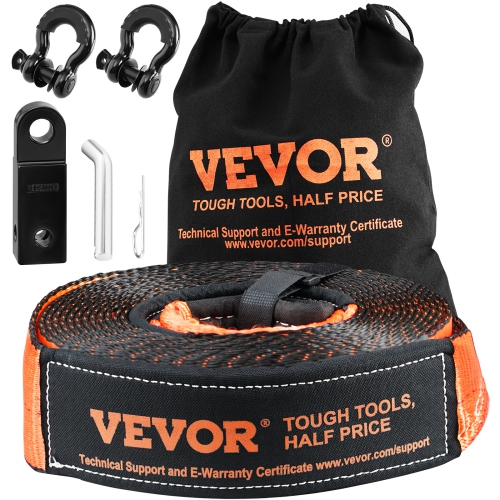
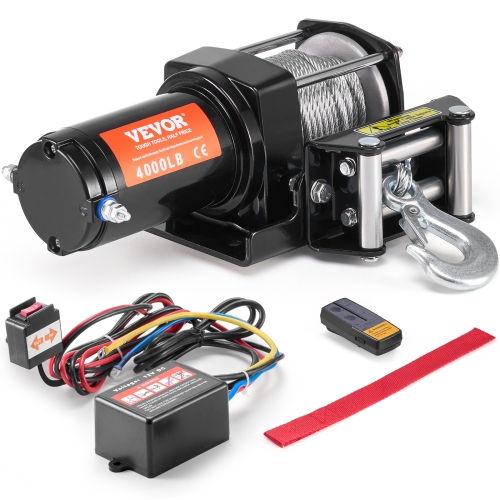
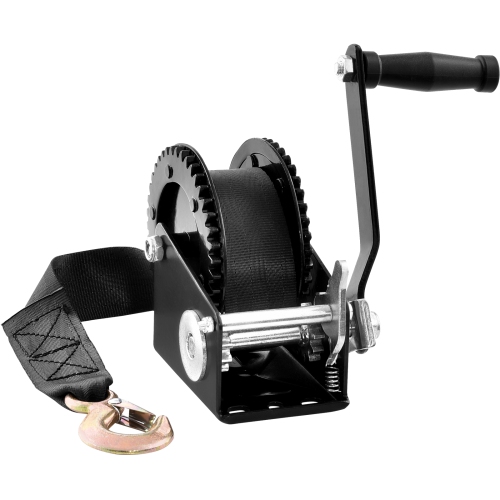
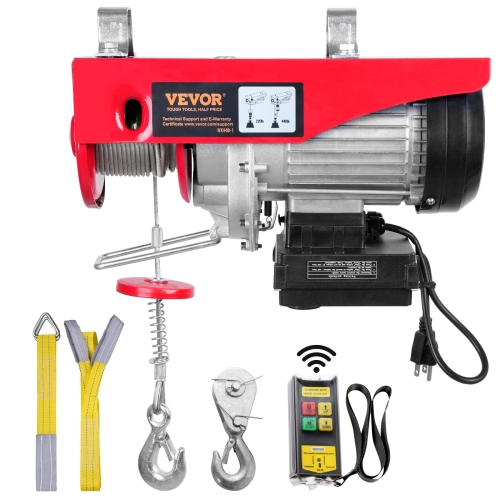
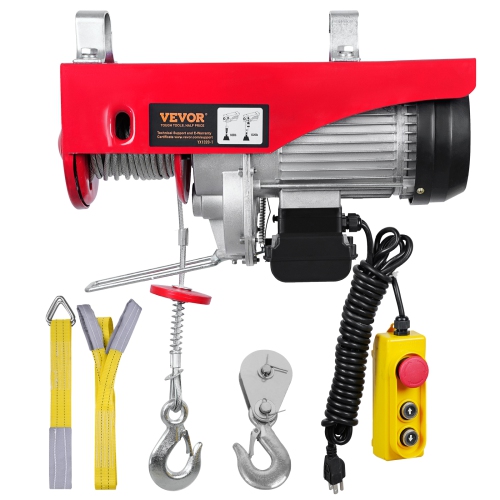
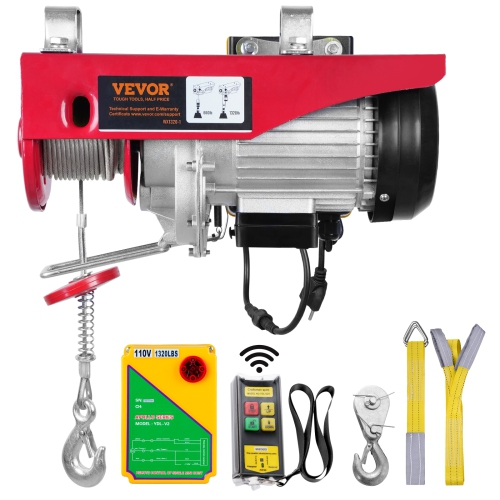
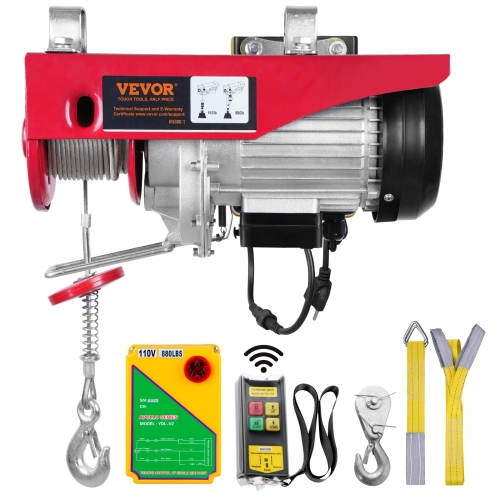
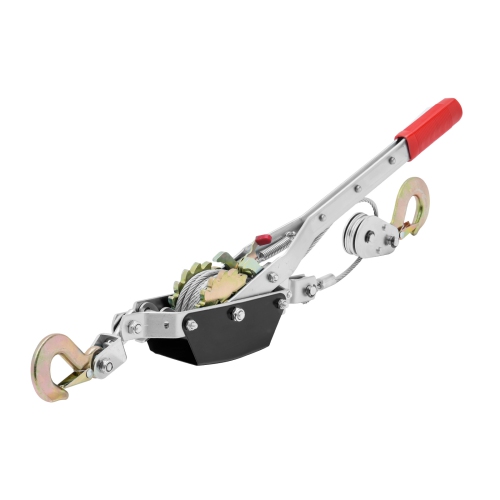
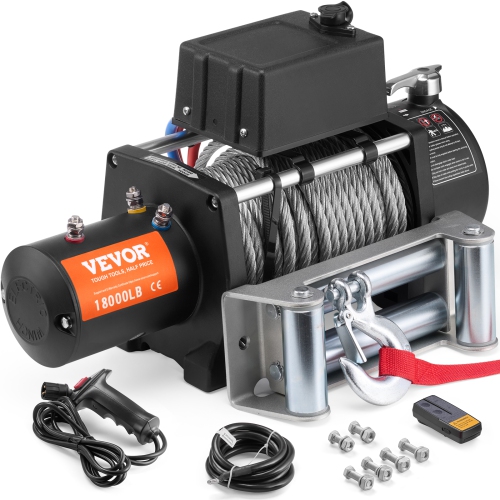
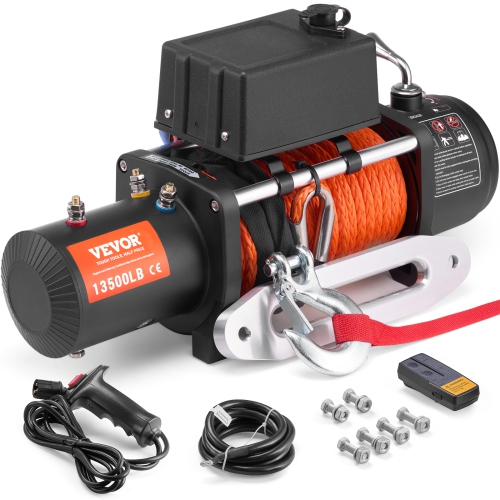
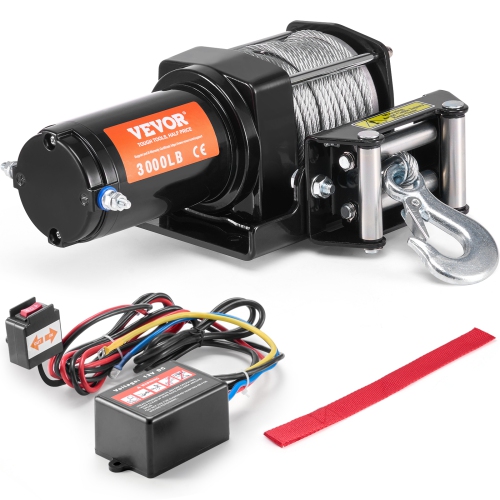
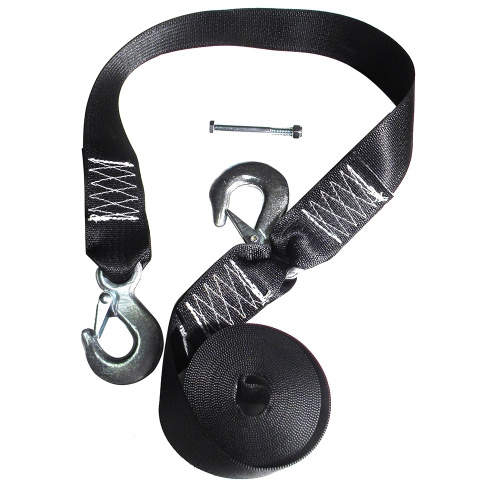
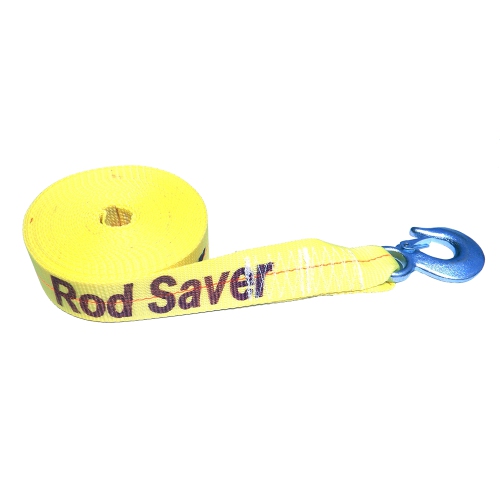
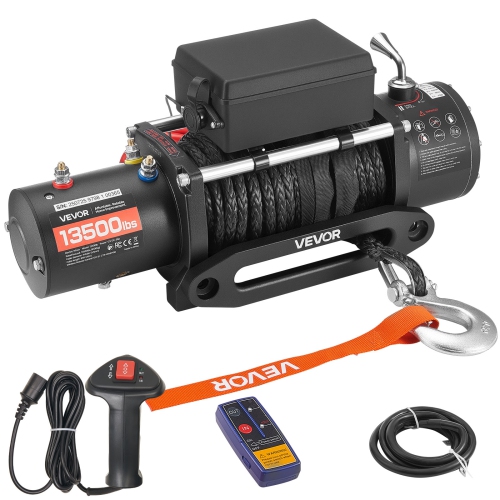
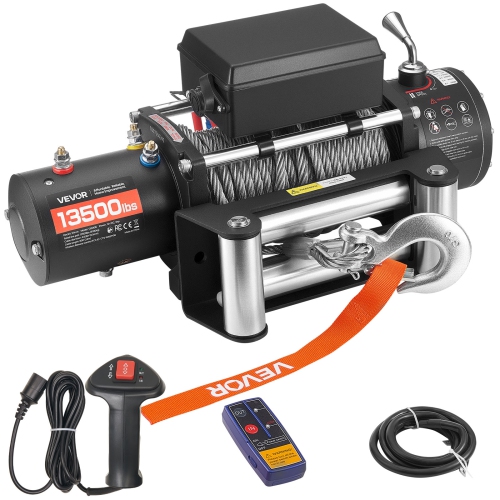
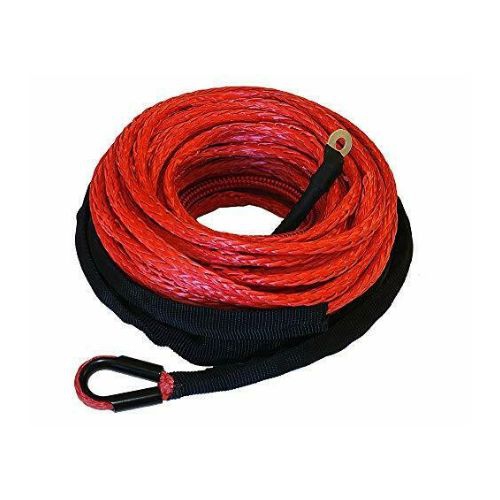
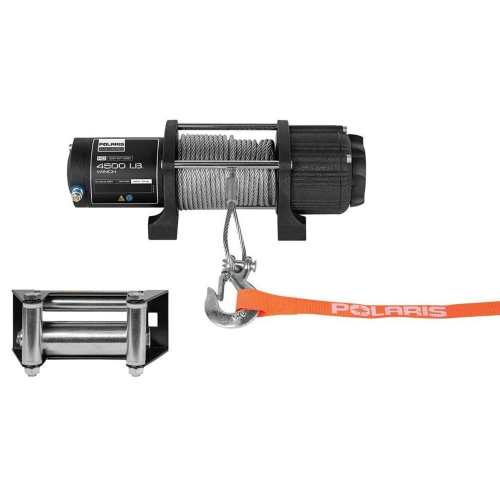
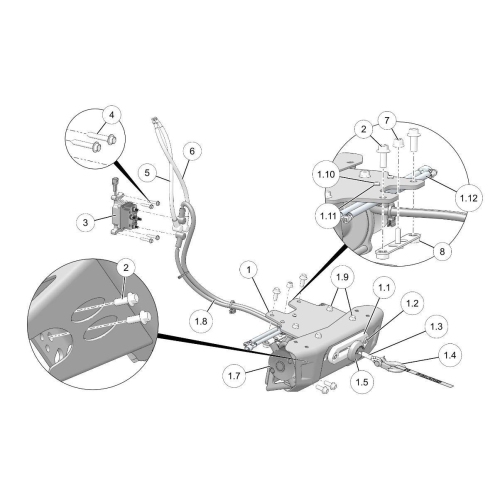
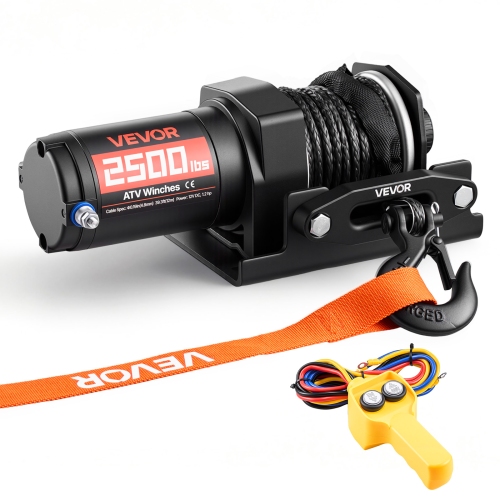
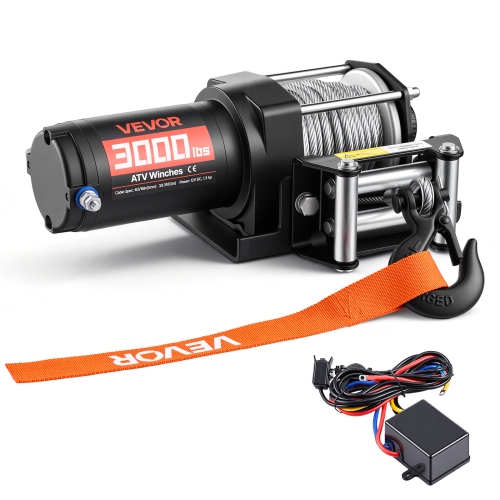
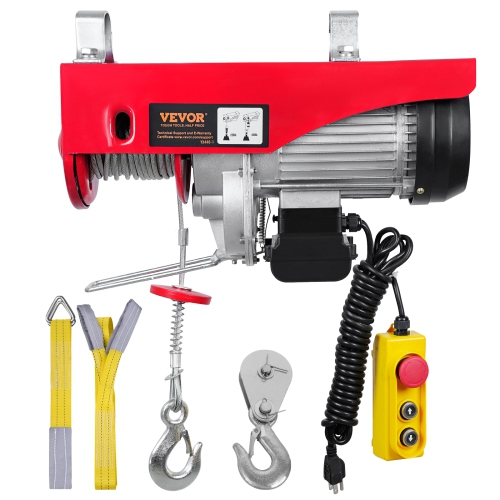
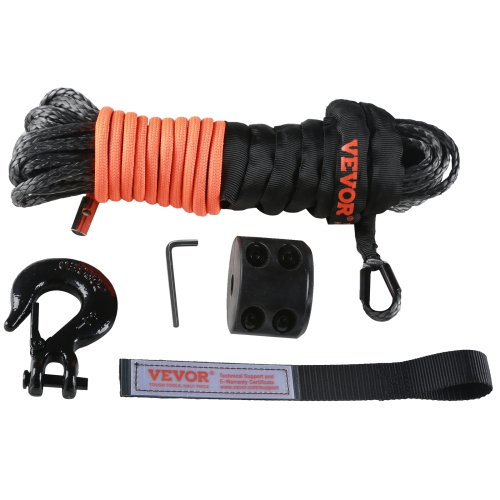

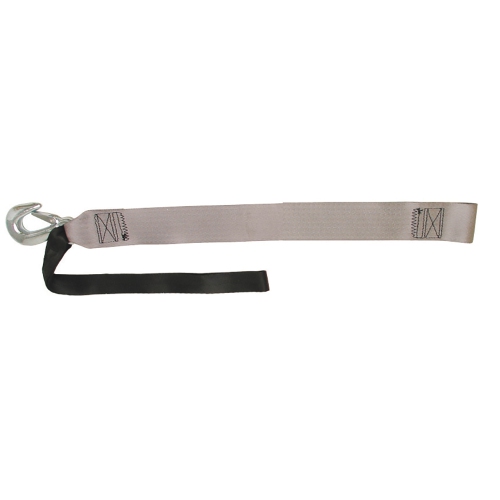
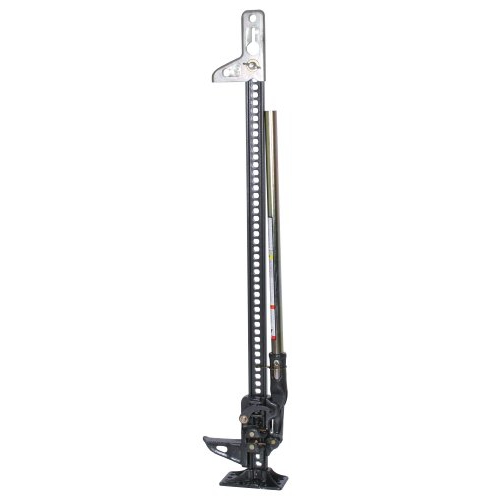
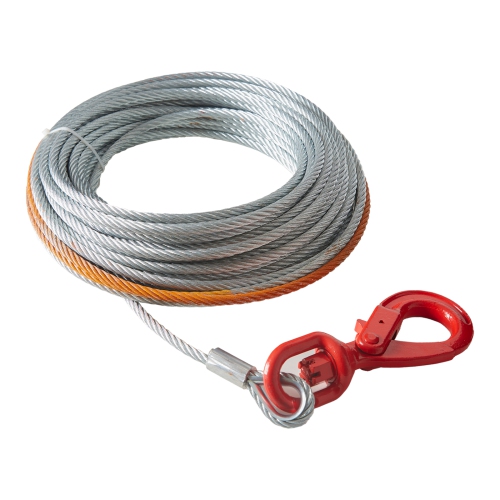

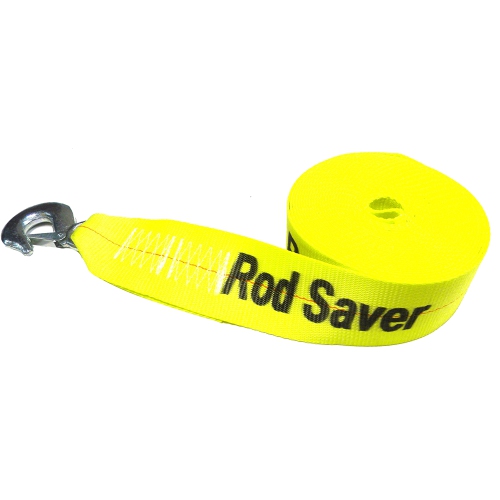
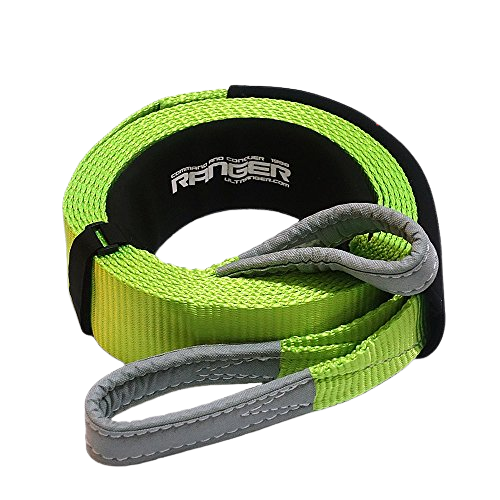
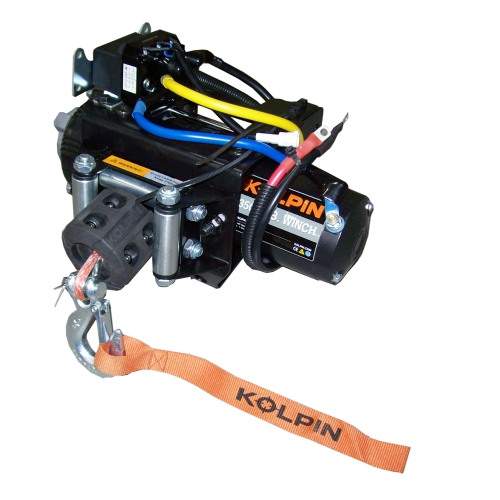
Reliable pulling power for demanding recovery and hauling jobs
Heavy duty winches are designed for demanding recovery, towing, hauling, and equipment-handling jobs where dependable pulling force matters more than compact size. They are commonly used with pickup trucks, off-road vehicles, trailers, utility equipment, farm machinery, and work vehicles that may encounter mud, snow, steep inclines, loose gravel, or uneven ground. A winch can help pull a vehicle out of a rut, move a disabled machine onto a trailer, reposition logs or materials, or assist with controlled loading when the right setup and safety equipment are in place. When comparing options, start with the load you expect to move rather than choosing solely by the highest advertised capacity. For vehicle recovery, a useful rule of thumb is to select a winch rated for at least 1.5 times the vehicle’s fully loaded weight, including passengers, fuel, cargo, tools, and any equipment being carried. A heavier vehicle, deep mud, a steep slope, or a load that cannot roll freely can increase the force required, so additional capacity provides a valuable margin. A winch’s rated pull is usually measured on the first layer of rope wrapped around the drum, and pulling strength decreases as more layers build up. This detail is easy to overlook when comparing specifications, but it can make a noticeable difference during a difficult recovery. Consider the mounting location, bumper or mounting plate compatibility, available electrical power, remote-control range, and the overall weight of the winch before making a selection. For more vehicle-focused options, browse Truck Winches to find equipment suited to pickup and work-truck applications.
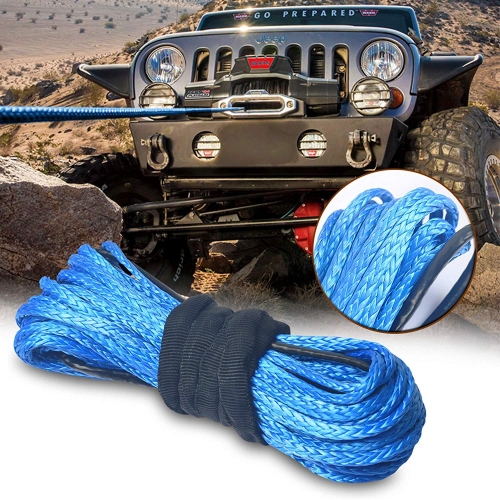
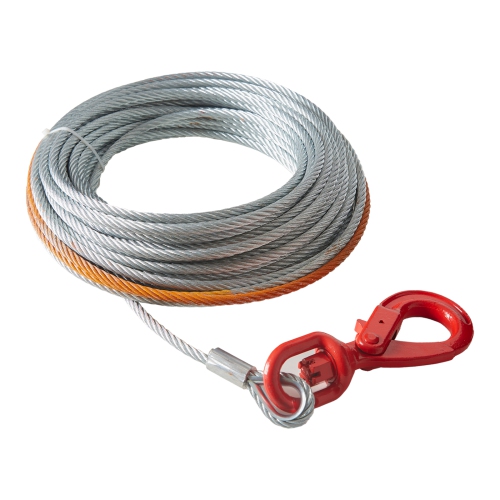
Electric and hydraulic winches each have advantages, and the best choice depends on how the equipment will be used. Electric winches are a practical option for many recreational drivers, property owners, and occasional recovery situations because they can operate from a vehicle battery and are generally straightforward to install. They can deliver strong short-duration pulling power and are useful when a vehicle needs help getting through a muddy trail, snowy driveway, sandy access road, or rocky incline. Look for a high-torque motor, a robust gear train, a dependable braking system, and controls that are easy to operate while standing well clear of the line. A wired remote can offer simple, direct control, while a wireless remote can provide added flexibility when checking the load from a safer position. Hydraulic winches are often chosen for commercial, industrial, forestry, agricultural, and fleet applications where extended or repeated operation is expected. Because they draw power from a hydraulic system rather than relying solely on an electric motor and battery, they can be well suited to continuous-duty work, provided the vehicle or equipment has a compatible hydraulic circuit. Whichever system you choose, pay close attention to rope construction. Steel cable is highly resistant to abrasion and can be a good fit for rugged industrial environments, but it is heavy and should be handled with gloves. Synthetic rope is lighter and easier to manage, making it popular for off-road recovery, although it requires protection from sharp edges, heat, abrasion, and prolonged exposure to damaging conditions. A fairlead should match the rope type, and the winch should include a drum and line arrangement appropriate for the intended load. Weather resistance is also important for equipment mounted outside; sealed components and a water-resistant enclosure can help a winch cope with rain, road spray, dust, and changing conditions, but no rating replaces proper cleaning, drying, inspection, and storage.
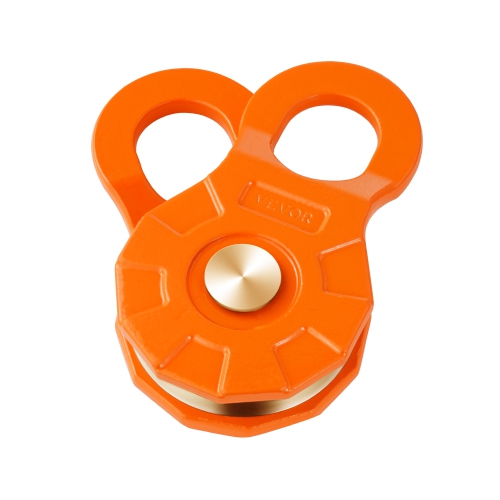
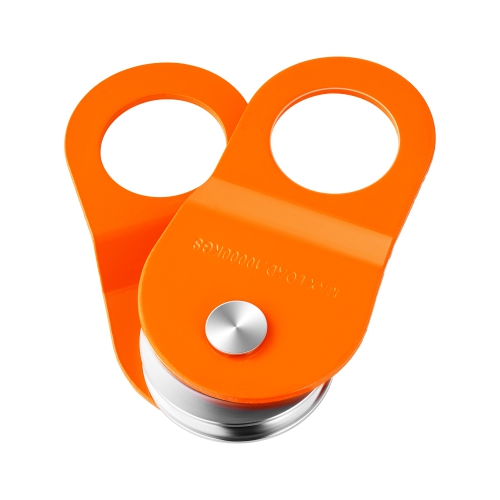
Safe operation depends just as much on technique and accessories as it does on pulling capacity. Before use, inspect the rope or cable for fraying, crushed sections, kinks, corrosion, broken strands, or heat damage, and check the hook, hook latch, fairlead, mounting hardware, remote, and battery connections. Never exceed the rated capacity, use a winch to lift people, or stand in line with a loaded cable or rope. Keep bystanders away from the recovery area, wear sturdy gloves and eye protection, and use a rated tree-saver strap, shackles, snatch block, and dampener when the situation calls for them. A snatch block can redirect the line or increase mechanical advantage, while a tree-saver strap helps protect a suitable anchor point without wrapping a line directly around a tree. Use a solid anchor and keep the pull as straight as possible; side loads can place unnecessary stress on the drum, fairlead, mounting plate, and vehicle. During vehicle recovery, clear loose cargo, engage the appropriate drive setting, release the parking brake when necessary, and use low, steady power instead of abrupt throttle inputs. Allow an electric winch to cool between pulls, particularly in cold weather when batteries may have reduced output. During the cooler months, mud can freeze around a line and road salt can accelerate corrosion, so rinse and dry the equipment after use and inspect it before the next trip. Heavy duty winches can make thoughtful gifts for off-road enthusiasts, farmers, property managers, tradespeople, motorsport participants, and anyone who regularly works with trailers or equipment, but fit and capacity should be confirmed before purchase. The right winch is one that matches the vehicle, mounting system, duty cycle, line type, and real-world workload, giving the user controlled pulling power when a routine trip becomes a challenging recovery.
Electric and hydraulic winches each have advantages, and the best choice depends on how the equipment will be used. Electric winches are a practical option for many recreational drivers, property owners, and occasional recovery situations because they can operate from a vehicle battery and are generally straightforward to install. They can deliver strong short-duration pulling power and are useful when a vehicle needs help getting through a muddy trail, snowy driveway, sandy access road, or rocky incline. Look for a high-torque motor, a robust gear train, a dependable braking system, and controls that are easy to operate while standing well clear of the line. A wired remote can offer simple, direct control, while a wireless remote can provide added flexibility when checking the load from a safer position. Hydraulic winches are often chosen for commercial, industrial, forestry, agricultural, and fleet applications where extended or repeated operation is expected. Because they draw power from a hydraulic system rather than relying solely on an electric motor and battery, they can be well suited to continuous-duty work, provided the vehicle or equipment has a compatible hydraulic circuit. Whichever system you choose, pay close attention to rope construction. Steel cable is highly resistant to abrasion and can be a good fit for rugged industrial environments, but it is heavy and should be handled with gloves. Synthetic rope is lighter and easier to manage, making it popular for off-road recovery, although it requires protection from sharp edges, heat, abrasion, and prolonged exposure to damaging conditions. A fairlead should match the rope type, and the winch should include a drum and line arrangement appropriate for the intended load. Weather resistance is also important for equipment mounted outside; sealed components and a water-resistant enclosure can help a winch cope with rain, road spray, dust, and changing conditions, but no rating replaces proper cleaning, drying, inspection, and storage.
Safe operation depends just as much on technique and accessories as it does on pulling capacity. Before use, inspect the rope or cable for fraying, crushed sections, kinks, corrosion, broken strands, or heat damage, and check the hook, hook latch, fairlead, mounting hardware, remote, and battery connections. Never exceed the rated capacity, use a winch to lift people, or stand in line with a loaded cable or rope. Keep bystanders away from the recovery area, wear sturdy gloves and eye protection, and use a rated tree-saver strap, shackles, snatch block, and dampener when the situation calls for them. A snatch block can redirect the line or increase mechanical advantage, while a tree-saver strap helps protect a suitable anchor point without wrapping a line directly around a tree. Use a solid anchor and keep the pull as straight as possible; side loads can place unnecessary stress on the drum, fairlead, mounting plate, and vehicle. During vehicle recovery, clear loose cargo, engage the appropriate drive setting, release the parking brake when necessary, and use low, steady power instead of abrupt throttle inputs. Allow an electric winch to cool between pulls, particularly in cold weather when batteries may have reduced output. During the cooler months, mud can freeze around a line and road salt can accelerate corrosion, so rinse and dry the equipment after use and inspect it before the next trip. Heavy duty winches can make thoughtful gifts for off-road enthusiasts, farmers, property managers, tradespeople, motorsport participants, and anyone who regularly works with trailers or equipment, but fit and capacity should be confirmed before purchase. The right winch is one that matches the vehicle, mounting system, duty cycle, line type, and real-world workload, giving the user controlled pulling power when a routine trip becomes a challenging recovery.
Top selling and popular products
-
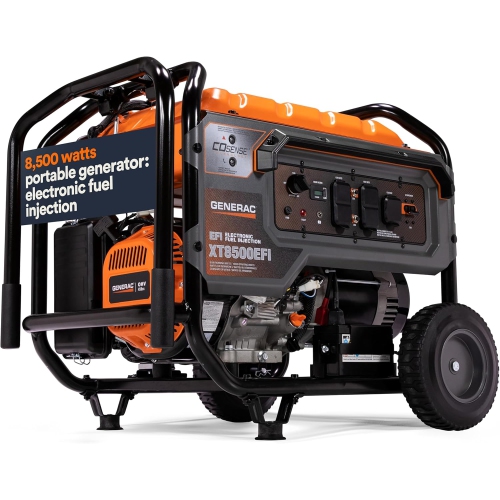 Your price for this item is $3000
 -
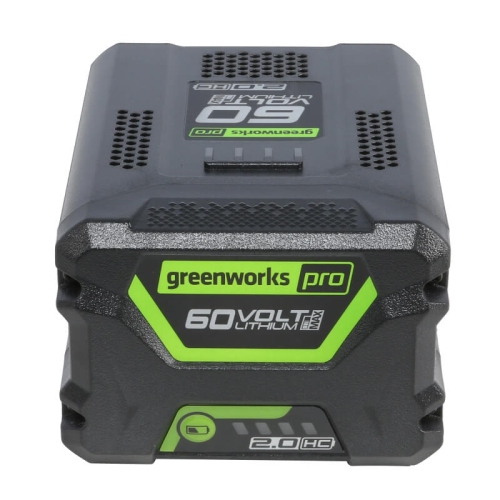 Your price for this item is $124.45
 -
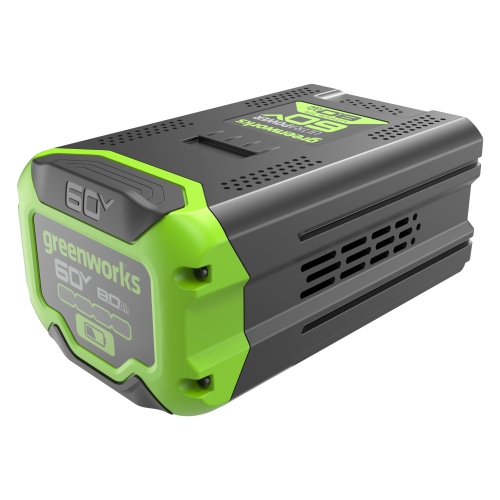 Your price for this item is $329.99
 -
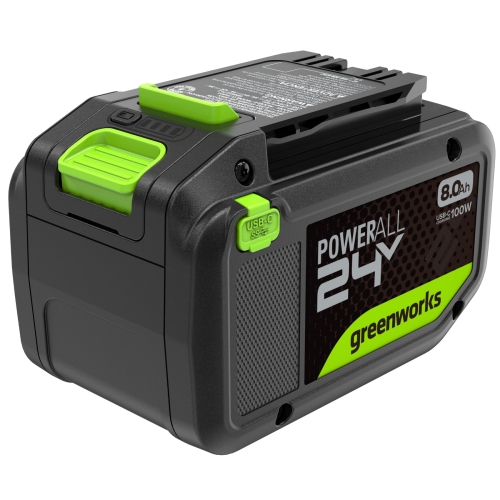 Your price for this item is $139.99
 -
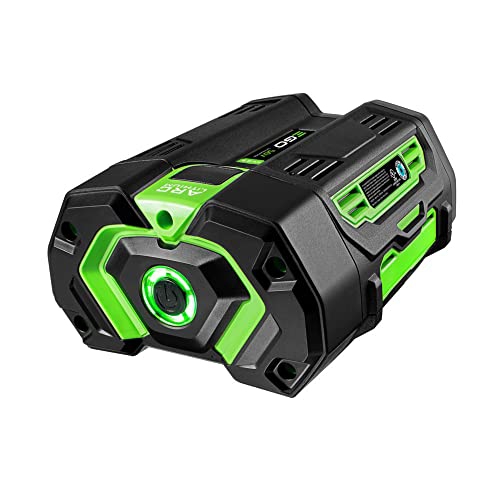 Your price for this item is $264
 -
 Your price for this item is $217.55
 -
 Your price for this item is $739.99
 -
 Your price for this item is $599.99
Discover more categories related to Heavy Duty Winches
Top Collections:
Pokemon Centers, Kindle Devices, Best Budget Office Chairs, Apple iPhones 16, Best Laptops for Writers, iPhone 15 Apple, Canon G7X Cameras, Refurbished Apple Laptops, Alarm Clock, Motorola Razr Phones
Some products may be subject to Environmental Handling Fees
(EHF) depending on your province.
Learn more about EHFs.