Truck Winches
Our comprehensive selection of truck winches is here to help you tackle any off-road adventure or heavy-duty task with ease. Whether you're a seasoned outdoor enthusiast or a professional in need of reliable equipment, we have the perfect winch to meet your needs. From compact and portable options to heavy-duty models designed for extreme pulling power, our range of truck winches offers top-notch performance and durability. Get ready to conquer any terrain and handle tough jobs effortlessly with our wide variety of truck winches.
Sort
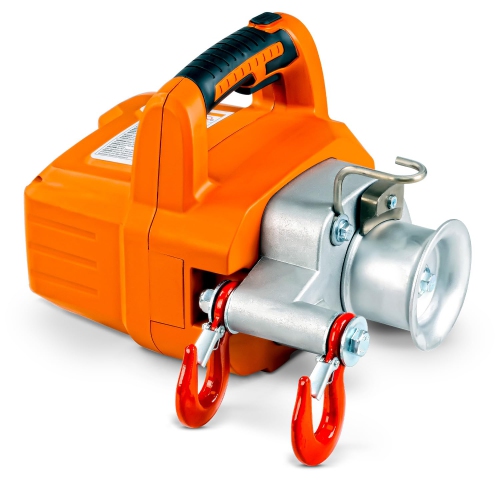
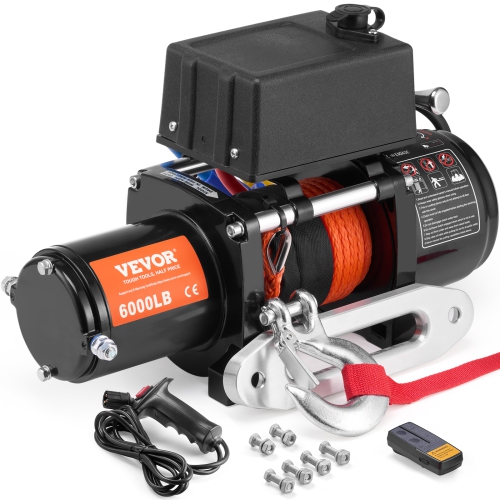
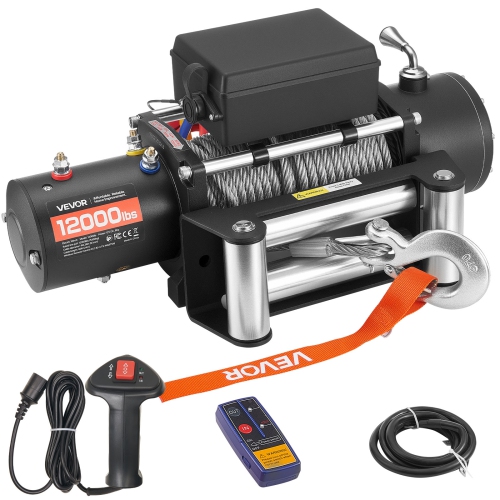
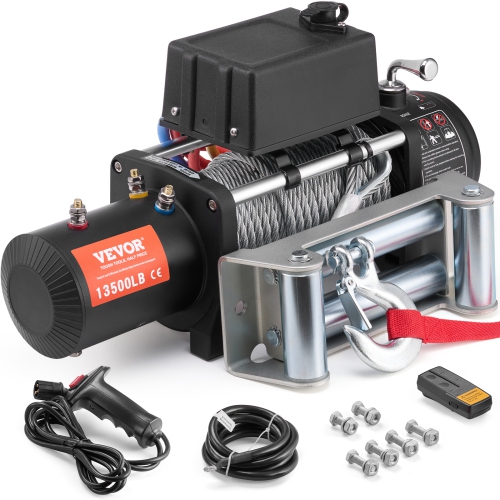
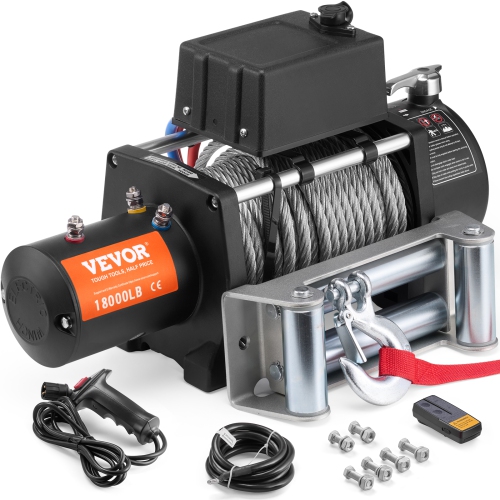
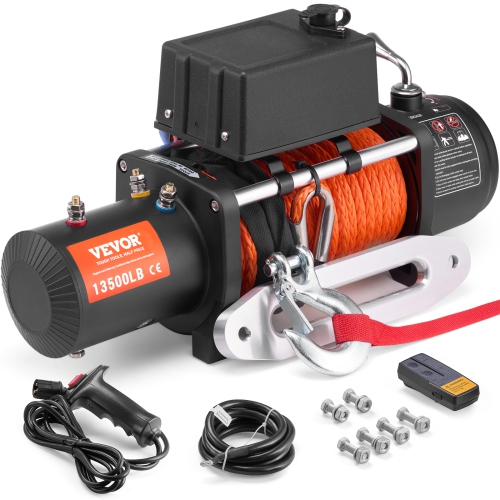
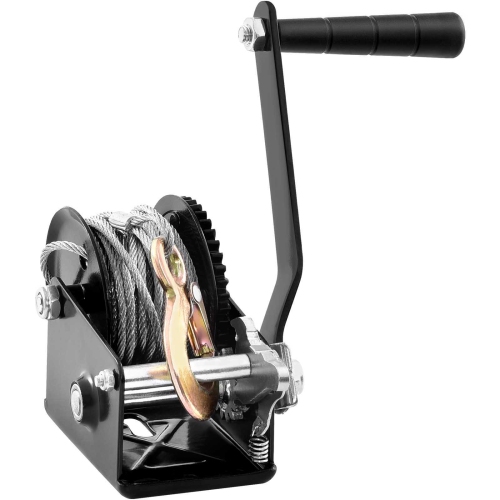
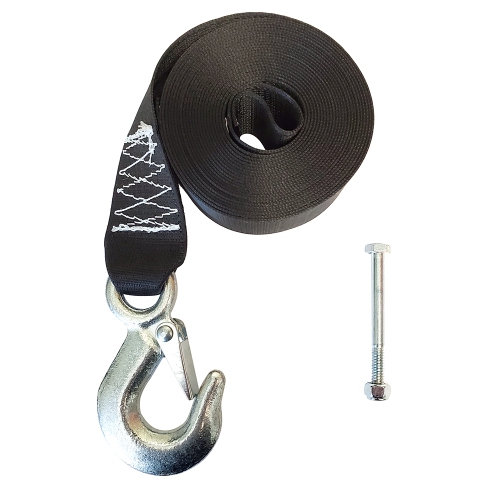
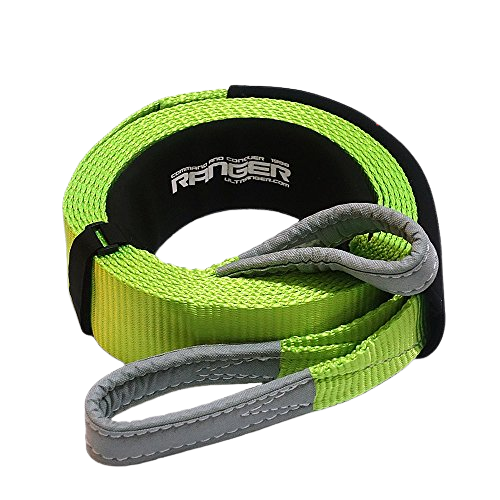
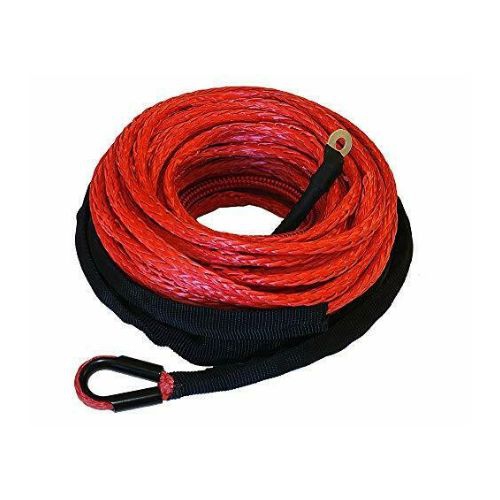
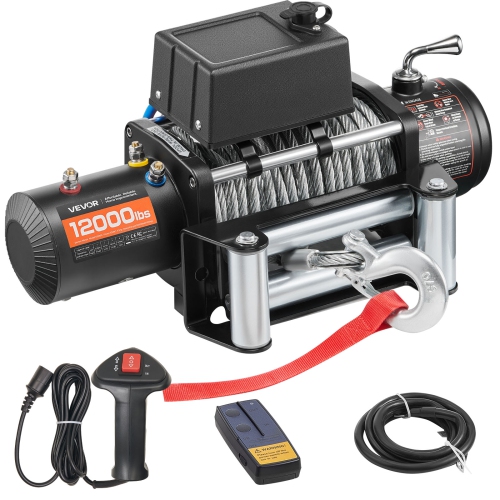
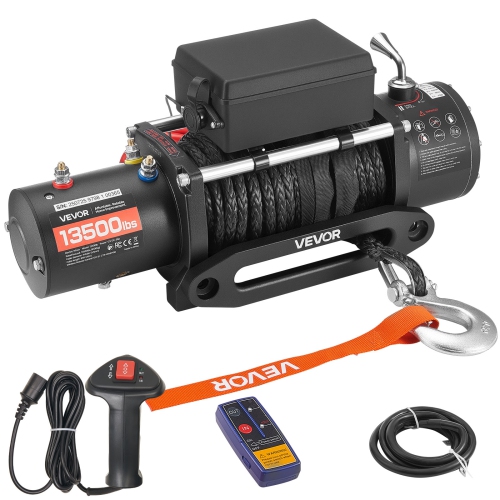



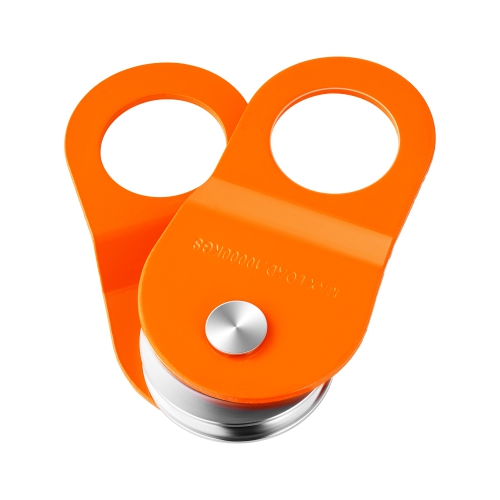
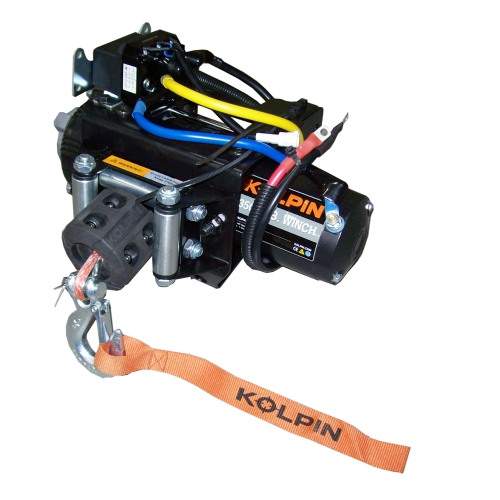
Pulling power matched to your truck and terrain
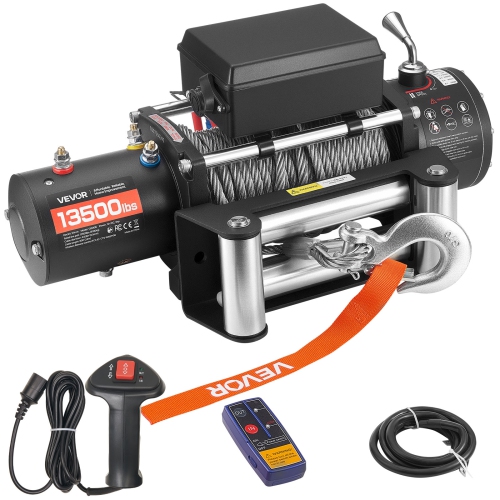
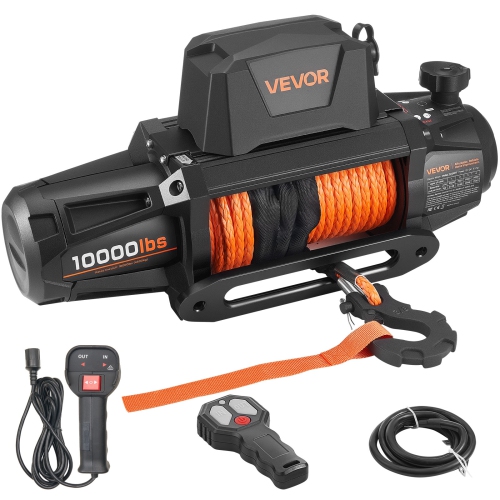
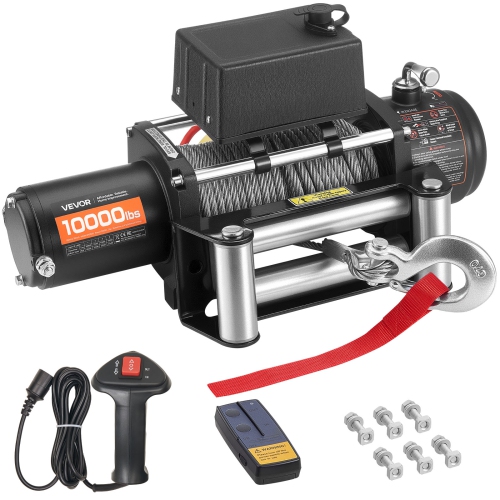
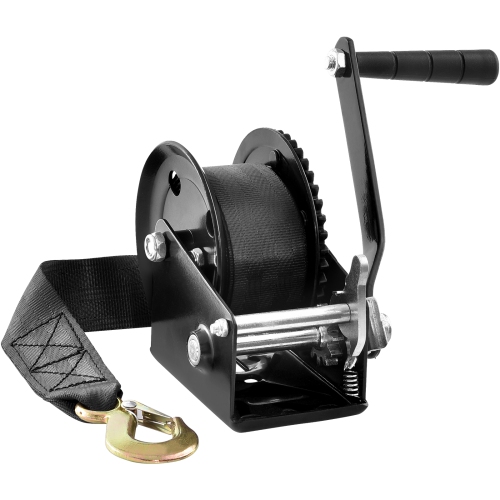
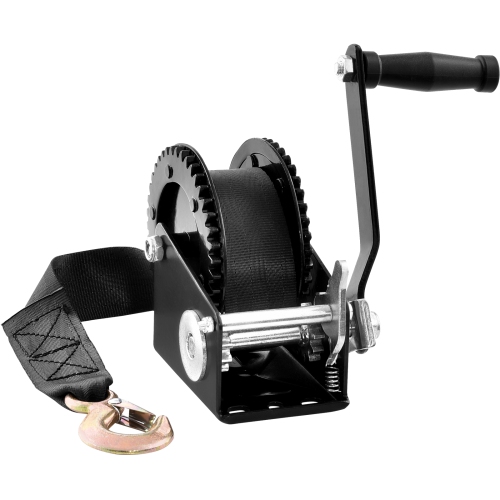
Truck winches provide controlled pulling power when a pickup needs help moving through mud, loose gravel, deep snow, or uneven ground. Mounted to a suitable bumper, frame-mounted cradle, or rated receiver system, a winch draws in a cable or rope around a powered drum, creating a steady pull toward an appropriate anchor point. That makes these products useful for off-road drivers, rural property owners, outdoor enthusiasts, and people whose work takes them beyond paved access roads. A truck carrying tools along a rutted lane has different demands from a lightly loaded pickup travelling a maintained trail, so vehicle weight and intended use are central to choosing a suitable winch. A common starting point is a rated line pull of at least 1.5 times the truck’s total loaded weight, including passengers, fuel, cargo, and fitted accessories. For example, a truck weighing 6,000 lb when loaded would generally call for at least a 9,000 lb winch as an initial sizing reference. That calculation is not a guarantee of sufficient pulling power in every situation: steep slopes, wheels buried in mud, and drag from the underside of a vehicle can substantially increase resistance. Rated pulling capacity is also typically measured on the first layer of line around the drum, with pulling power decreasing as additional layers build up. Mid-size pickups may suit lighter recovery setups, while full-size trucks carrying substantial equipment often need more capacity and a stronger supporting installation. For heavier applications, Heavy Duty Winches offer a related category to consider alongside vehicle-specific mounting requirements. Capacity alone does not establish compatibility; the winch, mount, attachment hardware, and recovery points must work together as a properly rated system. A well-matched setup supports occasional trail use or demanding work without treating the largest capacity figure as the only feature that matters.
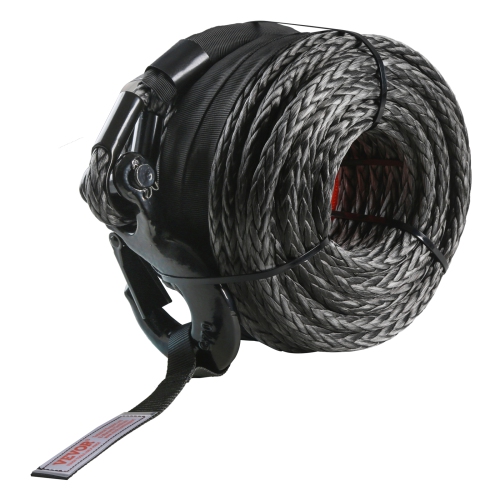
Line material, motor design, and controls influence how a truck winch feels to use and how much care it needs. Steel cable is durable and generally tolerates abrasive contact better than synthetic rope, making it a practical choice where rough surfaces are difficult to avoid. It is also heavier, can develop sharp broken strands, and requires careful inspection for rust, kinks, crushing, and other damage. Synthetic rope reduces weight at the front of the truck and is usually easier to carry out to an anchor point, especially across uneven ground. It stores less energy than steel cable under comparable loading, but a failure involving the rope, hook, mount, or attachment hardware can still cause serious injury. Synthetic fibres need protection from sharp edges, abrasion, excessive heat, and prolonged sunlight exposure. A protective sleeve can help limit wear at contact points, though it does not make an unsuitable routing safe. Fairlead compatibility matters with either material: the fairlead guides the line onto the drum, and its type, finish, and condition should meet the line manufacturer’s requirements. Many truck winches use electric motors connected to the vehicle’s electrical system, commonly at 12 volts, while hydraulic designs require a compatible hydraulic supply. Electric models can draw substantial current under load, making battery condition, cable sizing, secure connections, and the vehicle’s charging system important parts of the installation. Line speed varies with load, and a faster unloaded speed does not necessarily mean better performance during a difficult pull. Gear design, braking performance, and the stated duty cycle also affect operation; extended pulling may require cooling intervals to prevent overheating. A wired pendant provides a direct control connection, while a wireless remote can offer more flexibility in where the operator stands. Neither replaces a clear view of the pull, a safe position away from the tensioned line, or communication with anyone helping nearby. Free-spooling clutches and accessible controls can make setup more manageable when gloves, cold fingers, and slippery footing complicate an otherwise straightforward task.
Physical fit and resistance to the elements are especially important for a winch that stays on a truck through wet roads, grit, and freezing temperatures. Compatibility depends on the vehicle’s make, model, and year, as well as the mounting bolt pattern, available space, drum dimensions, and position of the control box. A bumper that looks substantial is not necessarily designed to carry winching loads, and a receiver installation needs explicit approval for that use rather than an assumption based on towing capacity. Added weight can also affect front axle loading, while a poorly positioned installation may obstruct airflow, lighting, parking sensors, or driver-assistance equipment. Corrosion-resistant finishes and protected electrical connections help support durability, but no finish eliminates the need to remove road salt and inspect exposed components. An IP67 or IP68 rating indicates tested protection against dust and water ingress under specified conditions; it should not be taken as permission for unrestricted submersion or pressure washing. IP68 immersion limits depend on the manufacturer’s stated test conditions, and protection may apply to particular components rather than the entire installed system. After muddy or wet use, cleaning and drying the line according to its material-specific care instructions helps reveal wear that dirt can hide. Steel cable and synthetic rope have different maintenance needs, so cleaning products and lubricants should follow the manufacturer’s directions. Neat, tensioned spooling helps reduce bunching and line damage, while routine checks of mounting bolts, electrical terminals, hooks, and latches support dependable operation. Storage covers can limit exposure when compatible with the installation, provided trapped moisture is allowed to dry. Rated recovery straps, shackles, line dampers, and suitable gloves are useful supporting equipment, but every component must be appropriate for the intended load and method. A tow ball is not a recovery anchor, and a vehicle recovery winch should not be used for overhead lifting unless expressly designed and rated for it. Whether the truck is easing out of a snowy access lane or returning from a muddy trail, a suitable winch combines adequate capacity, sound mounting, manageable controls, and a maintenance routine that keeps wear visible before the next pull.
Line material, motor design, and controls influence how a truck winch feels to use and how much care it needs. Steel cable is durable and generally tolerates abrasive contact better than synthetic rope, making it a practical choice where rough surfaces are difficult to avoid. It is also heavier, can develop sharp broken strands, and requires careful inspection for rust, kinks, crushing, and other damage. Synthetic rope reduces weight at the front of the truck and is usually easier to carry out to an anchor point, especially across uneven ground. It stores less energy than steel cable under comparable loading, but a failure involving the rope, hook, mount, or attachment hardware can still cause serious injury. Synthetic fibres need protection from sharp edges, abrasion, excessive heat, and prolonged sunlight exposure. A protective sleeve can help limit wear at contact points, though it does not make an unsuitable routing safe. Fairlead compatibility matters with either material: the fairlead guides the line onto the drum, and its type, finish, and condition should meet the line manufacturer’s requirements. Many truck winches use electric motors connected to the vehicle’s electrical system, commonly at 12 volts, while hydraulic designs require a compatible hydraulic supply. Electric models can draw substantial current under load, making battery condition, cable sizing, secure connections, and the vehicle’s charging system important parts of the installation. Line speed varies with load, and a faster unloaded speed does not necessarily mean better performance during a difficult pull. Gear design, braking performance, and the stated duty cycle also affect operation; extended pulling may require cooling intervals to prevent overheating. A wired pendant provides a direct control connection, while a wireless remote can offer more flexibility in where the operator stands. Neither replaces a clear view of the pull, a safe position away from the tensioned line, or communication with anyone helping nearby. Free-spooling clutches and accessible controls can make setup more manageable when gloves, cold fingers, and slippery footing complicate an otherwise straightforward task.
Physical fit and resistance to the elements are especially important for a winch that stays on a truck through wet roads, grit, and freezing temperatures. Compatibility depends on the vehicle’s make, model, and year, as well as the mounting bolt pattern, available space, drum dimensions, and position of the control box. A bumper that looks substantial is not necessarily designed to carry winching loads, and a receiver installation needs explicit approval for that use rather than an assumption based on towing capacity. Added weight can also affect front axle loading, while a poorly positioned installation may obstruct airflow, lighting, parking sensors, or driver-assistance equipment. Corrosion-resistant finishes and protected electrical connections help support durability, but no finish eliminates the need to remove road salt and inspect exposed components. An IP67 or IP68 rating indicates tested protection against dust and water ingress under specified conditions; it should not be taken as permission for unrestricted submersion or pressure washing. IP68 immersion limits depend on the manufacturer’s stated test conditions, and protection may apply to particular components rather than the entire installed system. After muddy or wet use, cleaning and drying the line according to its material-specific care instructions helps reveal wear that dirt can hide. Steel cable and synthetic rope have different maintenance needs, so cleaning products and lubricants should follow the manufacturer’s directions. Neat, tensioned spooling helps reduce bunching and line damage, while routine checks of mounting bolts, electrical terminals, hooks, and latches support dependable operation. Storage covers can limit exposure when compatible with the installation, provided trapped moisture is allowed to dry. Rated recovery straps, shackles, line dampers, and suitable gloves are useful supporting equipment, but every component must be appropriate for the intended load and method. A tow ball is not a recovery anchor, and a vehicle recovery winch should not be used for overhead lifting unless expressly designed and rated for it. Whether the truck is easing out of a snowy access lane or returning from a muddy trail, a suitable winch combines adequate capacity, sound mounting, manageable controls, and a maintenance routine that keeps wear visible before the next pull.
Top selling and popular products
-
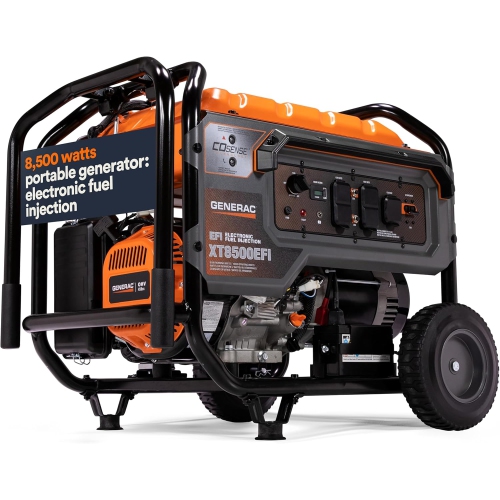 Your price for this item is $3000
 -
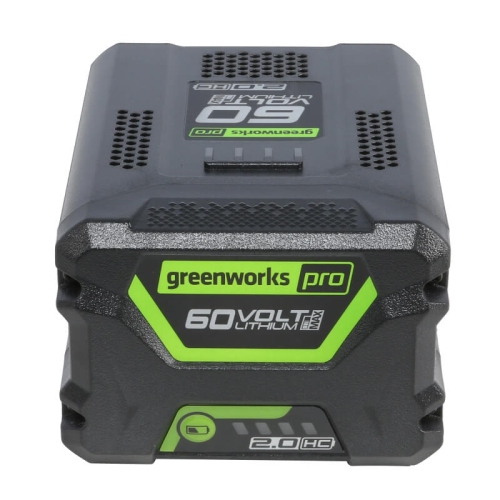 Your price for this item is $124.45
 -
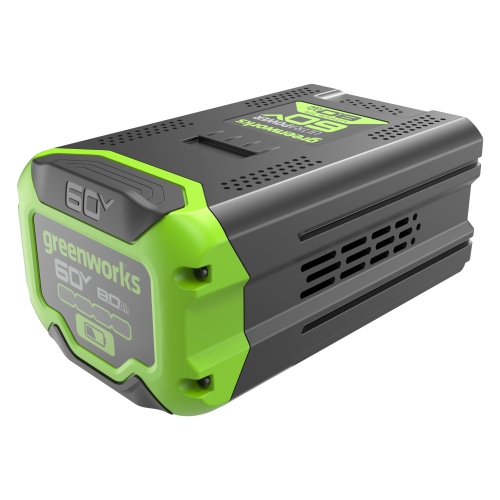 Your price for this item is $329.99
 -
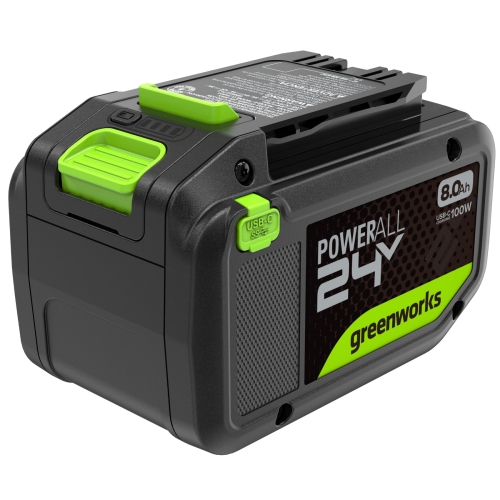 Your price for this item is $139.99
 -
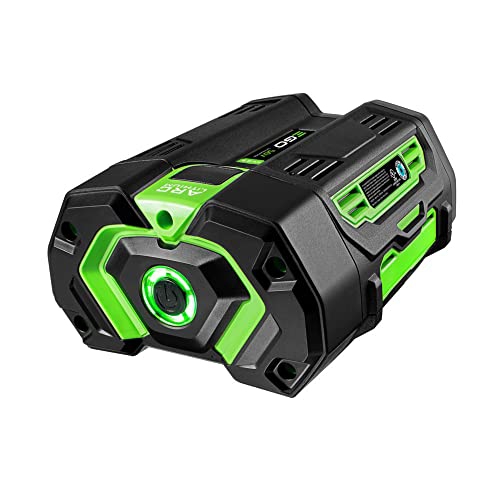 Your price for this item is $264
 -
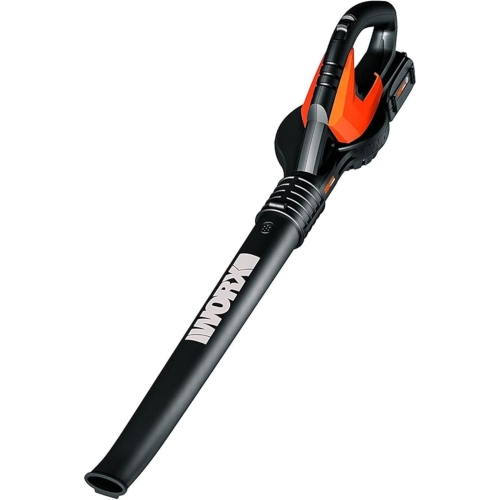 Your price for this item is $217.55
 -
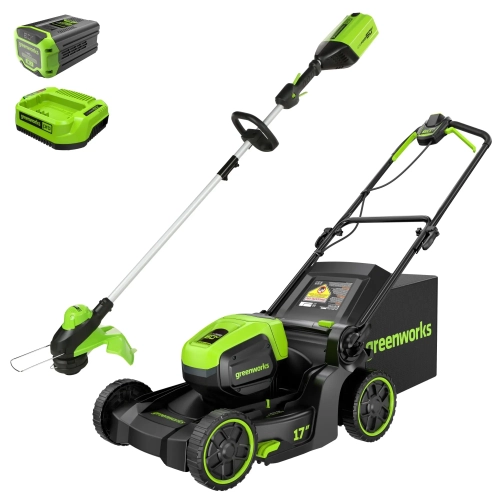 Your price for this item is $739.99
 -
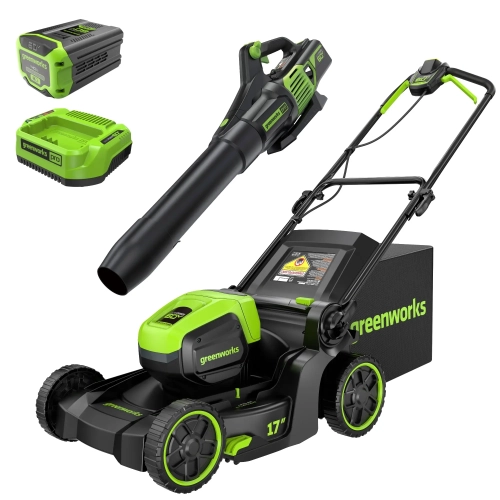 Your price for this item is $599.99
Discover more categories related to Truck Winches
Top Collections:
Pokemon Centers, Kindle Devices, Best Budget Office Chairs, Apple iPhones 16, Best Laptops for Writers, iPhone 15 Apple, Canon G7X Cameras, Refurbished Apple Laptops, Alarm Clock, Motorola Razr Phones
Some products may be subject to Environmental Handling Fees
(EHF) depending on your province.
Learn more about EHFs.