Spotting Scopes for Hunting
Enhance your hunting experience with our wide selection of spotting scopes, designed to bring your target closer than ever before. Whether you're a seasoned hunter or just starting out, these powerful optical devices are essential for spotting games from a distance, allowing you to track their movements and make accurate shots. With advanced features and high-quality construction, our spotting scopes are built to withstand rugged outdoor conditions while delivering exceptional clarity and brightness.
Sort
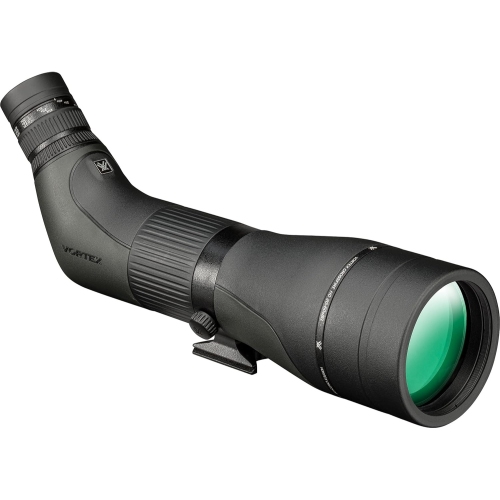
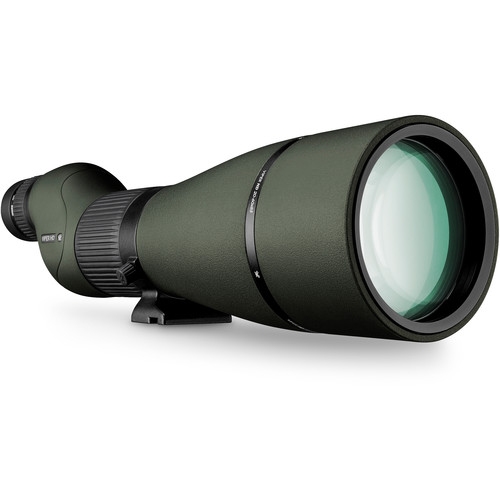
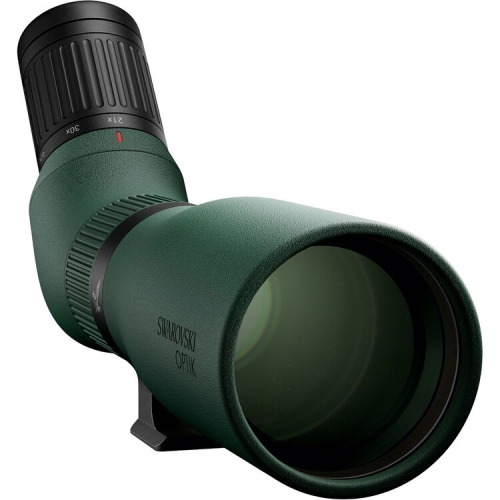
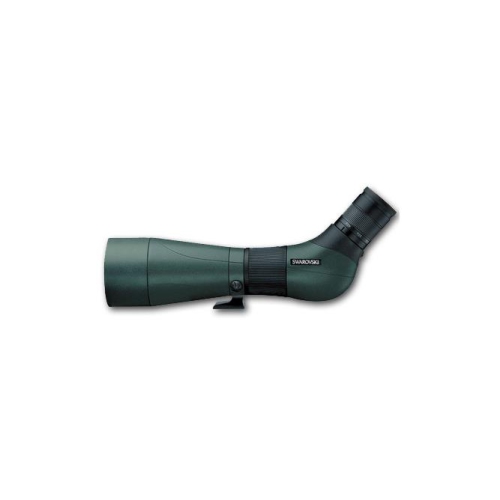
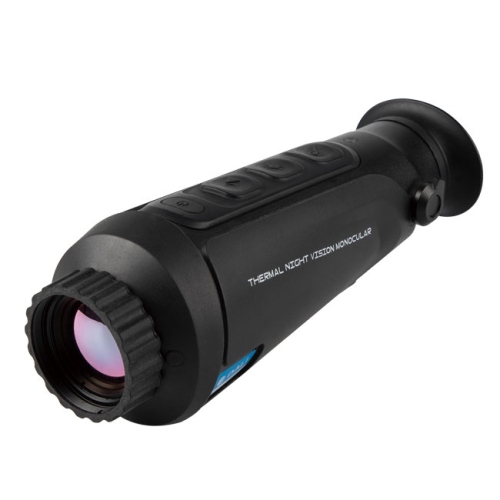
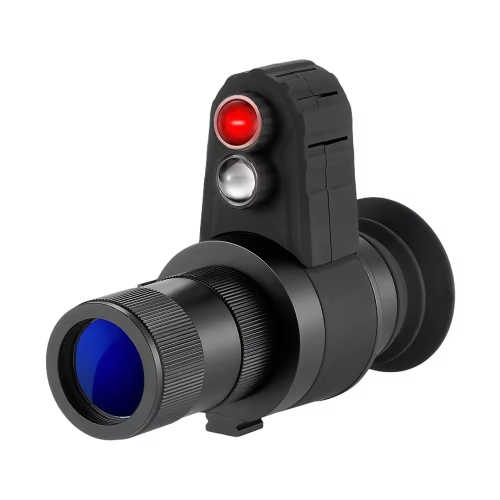


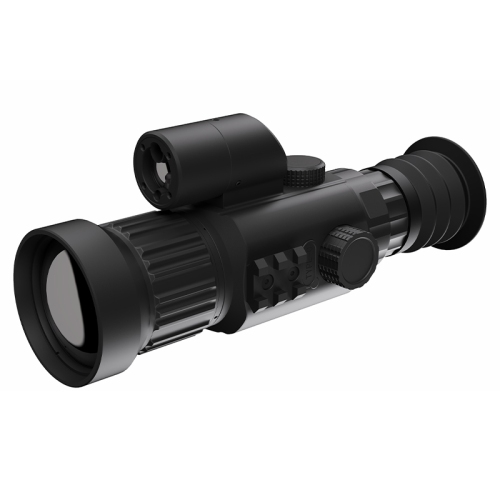
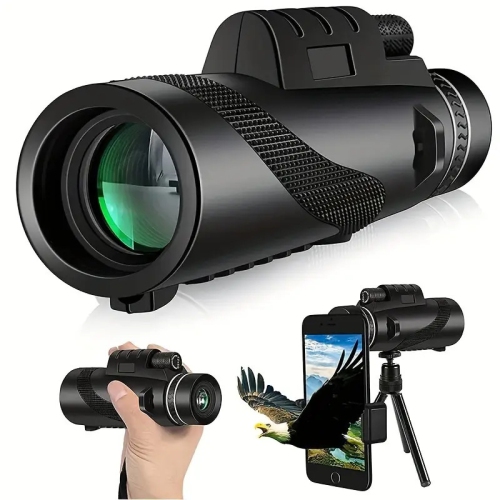

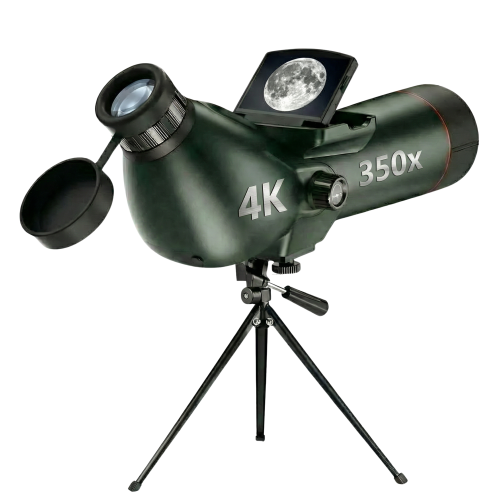
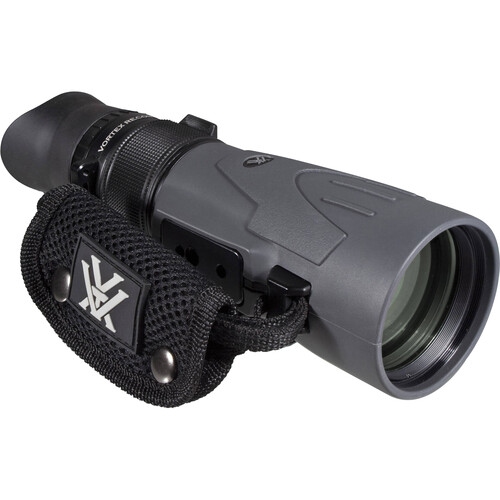
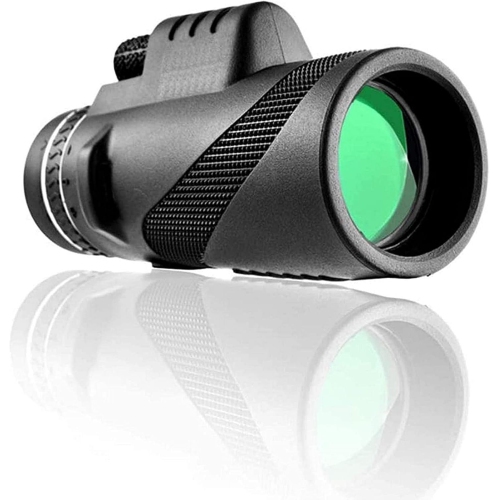
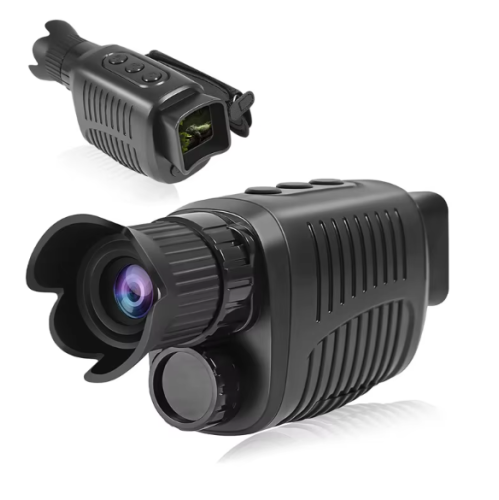
Why a clearer view takes more than magnification
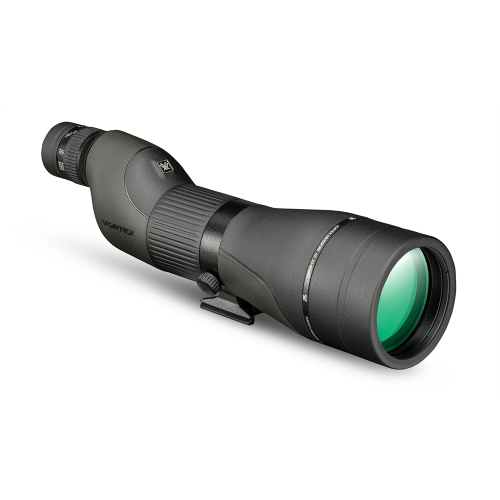
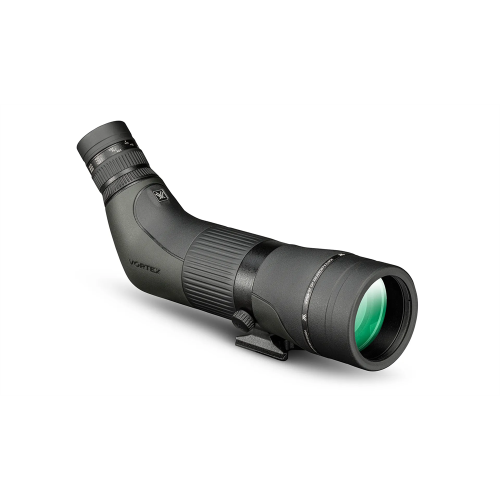
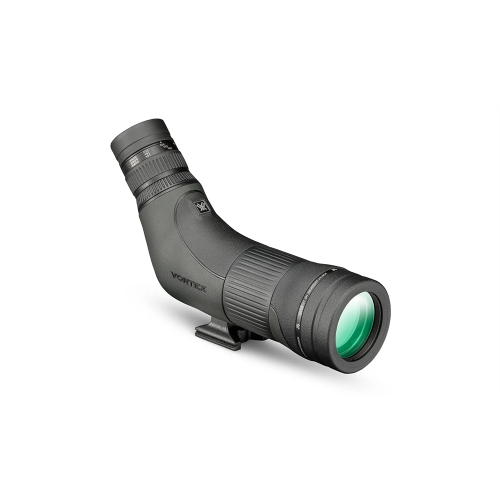
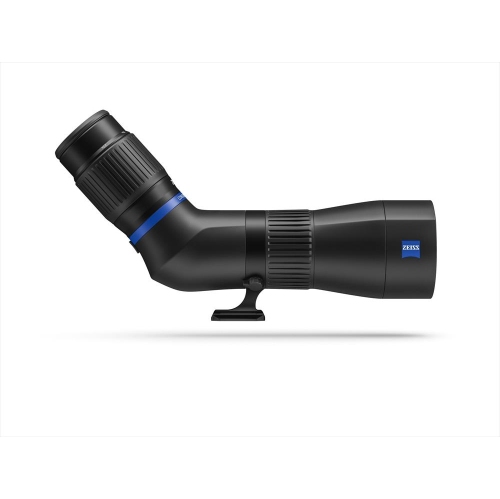
Spotting scopes for hunting provide a magnified view of distant wildlife and terrain, helping hunters study details that can be difficult to distinguish through binoculars alone. Binoculars are useful for scanning a broad hillside or following movement across a clearing; a spotting scope is better suited to a closer look from a steady position. The most suitable hunting spotting scope balances optical clarity, magnification, objective lens diameter, and carrying weight with the way it will be used. For someone travelling on foot with a loaded pack, compact designs with objective lenses around 50–56 mm can keep bulk manageable. Larger scopes, often with objectives around 65–85 mm or more, offer greater light-gathering potential but require more room and a sturdier support. That trade-off matters when comparing a scope carried along a long trail with one used mainly from an established observation point. Magnification ranges such as 15–45x and 20–60x provide flexibility rather than a single fixed view. Lower settings show more of the surrounding terrain, making it easier to locate an animal and keep it in view, while higher settings can reveal finer details when visibility and stability allow. Maximum magnification is not automatically the most useful setting: enlarging an image also makes vibration and optical limitations more noticeable. A clear, steady view at moderate power can be more informative than a shaky image at full zoom. Objective diameter and magnification also work together to determine exit pupil, the diameter of the light beam reaching the eye. On a 60 mm scope, for example, 20x magnification produces a 3 mm exit pupil, while 60x produces a 1 mm exit pupil. The smaller exit pupil generally makes eye placement less forgiving and can make the view appear dimmer in low light. For hunting use, a scope should therefore be considered as a complete optical system, not simply by the largest number printed on its body.
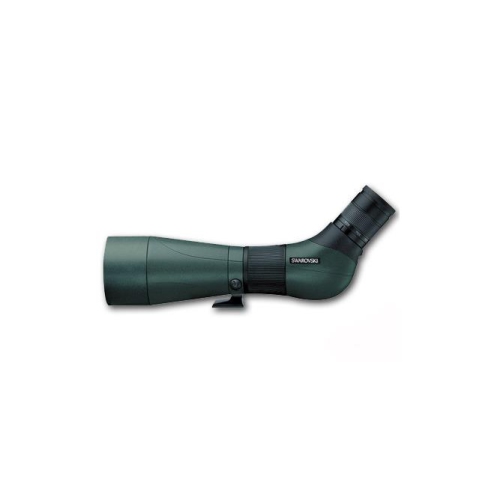
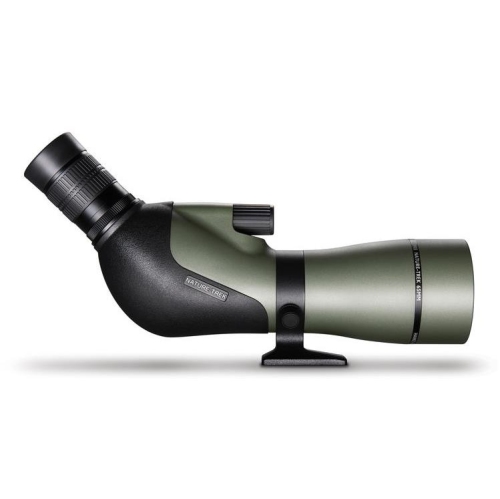
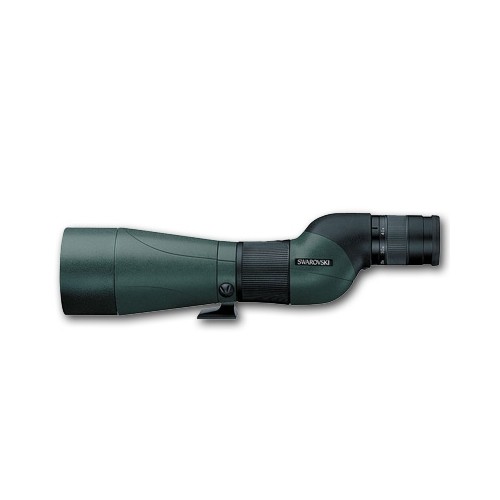
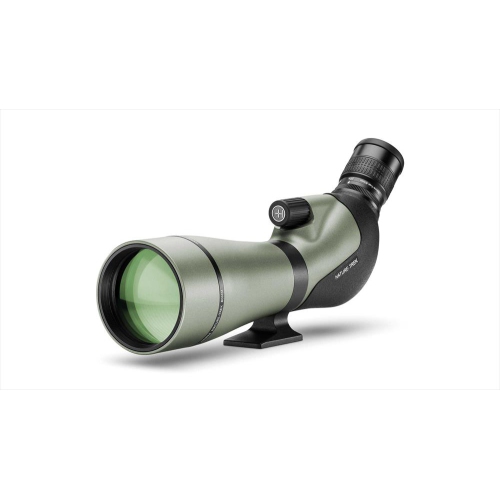
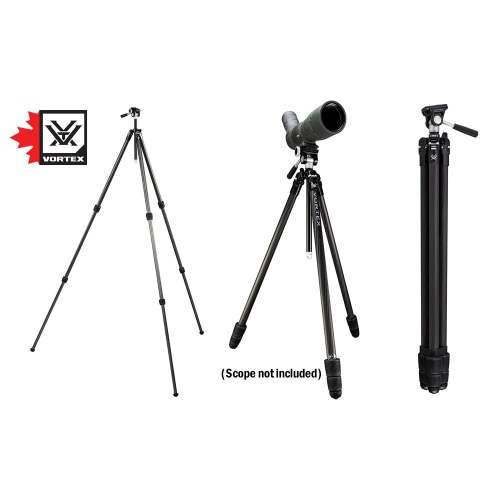
Optical quality influences how clearly a spotting scope separates fine features, such as an antler against tangled branches or an animal’s outline near a rocky slope. Extra-low dispersion glass, commonly labelled ED, can reduce colour fringing around high-contrast edges. The term HD is also widely used, although its meaning varies between manufacturers and is not a universal performance standard. Lens coatings matter alongside glass composition: effective anti-reflective coatings improve light transmission and help control glare, while the quality of the prisms and overall optical design contributes to contrast and sharpness. Fully multi-coated optics generally have multiple anti-reflective layers on all air-to-glass surfaces. A larger objective alone does not guarantee a clearer view than a smaller scope with better optics. Comfortable viewing is equally important during extended observation. Angled spotting scopes allow the user to look down into the eyepiece and can work well with a lower tripod position or when several people of different heights share the same setup. Straight spotting scopes offer a more direct sightline that some users find easier for locating wildlife, particularly when switching between binoculars and the scope. Neither shape is universally better; the practical difference is how it fits the viewing position. Eye relief is especially relevant for anyone who wears glasses, since sufficient distance between the eye and eyepiece helps preserve the full field of view. Adjustable eyecups can make positioning more comfortable, but usable eye relief may change through the zoom range. Focus controls deserve similar attention. A broad focus ring can be easy to find by touch, while separate coarse and fine controls allow larger adjustments followed by small refinements. Tripod compatibility, mounting-foot design, and balance affect the experience as much as the eyepiece does. A support rated for the scope’s weight, paired with a head that moves smoothly and locks securely, helps keep the image settled without making every adjustment feel like a struggle.
Construction and pack fit shape how well a hunting spotting scope holds up to regular use. Magnesium alloy bodies can offer a useful balance of strength and weight, while aluminium and composite housings provide other combinations of rigidity and portability. Rubber armour adds grip and a measure of protection against minor knocks, though it does not make precision optics immune to impact. Waterproof construction and sealed internal components are useful safeguards against moisture; any stated waterproof rating should be checked for its specific limits. Nitrogen- or argon-purged designs help prevent internal fogging, but they do not stop moisture from forming on exposed lens surfaces. Recessed objectives and extendable lens shades can help shield the front element and reduce stray light. A padded carrying case protects the scope in transit, while a stay-on cover can add protection without requiring the entire cover to be removed for viewing. Packed size should include the eyepiece and cover, not just the main body, and the weight of the tripod belongs in the carrying calculation too. For a hunter moving between observation points, accessible lens caps and a secure pack compartment may be more practical than an elaborate setup that takes several minutes to assemble. Care is straightforward but important: remove loose grit with a blower or soft lens brush before using an optical cleaning cloth, and use cleaning fluid intended for coated lenses when needed. Wiping dust across the glass or using household cleaners can damage delicate surfaces and coatings. Let a damp scope and its case dry before storage, keep protective caps in place when appropriate, and avoid leaving the instrument loose among hard gear. These scopes can also suit wildlife watchers who enjoy studying distant animals without approaching them, and spotting scopes for bird watching offer a related way to explore viewing designs for detailed observation. As a gift for a hunter, the most useful scope is one that complements their existing tripod, preferred eyepiece style, and willingness to carry extra weight. Thoughtful attention to those everyday details helps turn impressive optical specifications into equipment that is comfortable to carry, simple to set up, and satisfying to use.
Top selling and popular products
-
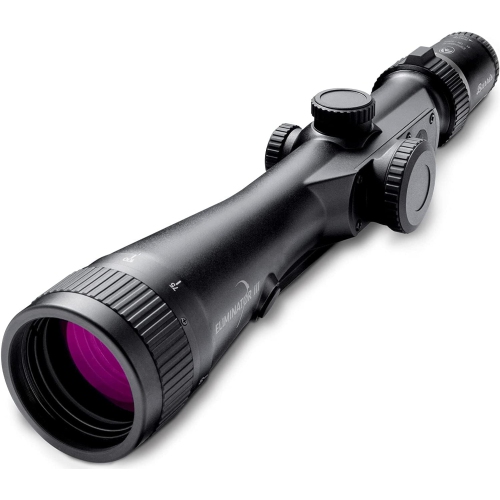 Your price for this item is $2564.05
-
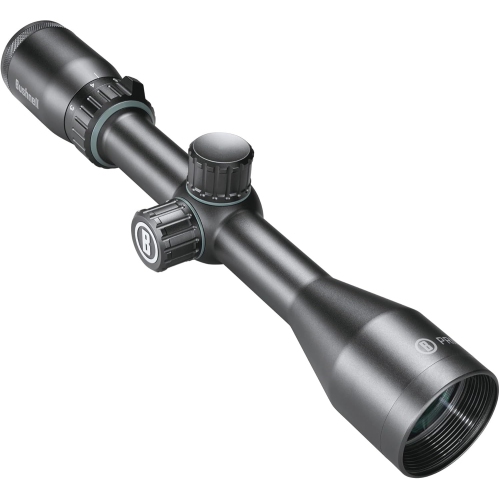 Your price for this item is $149.99
-
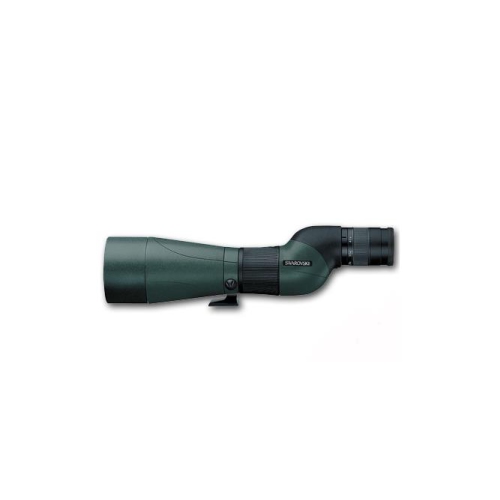 Your price for this item is $5718
-
 Your price for this item is $427.99
-
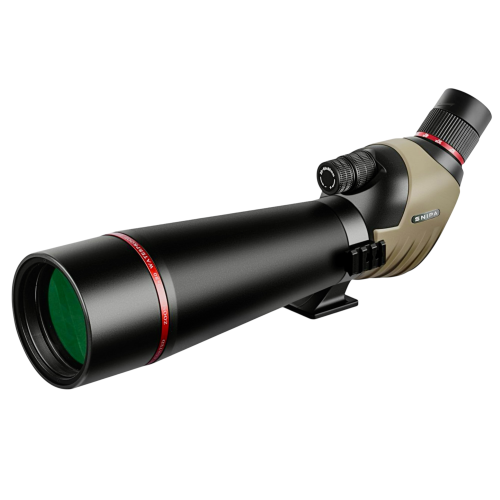 Your price for this item is $384
-
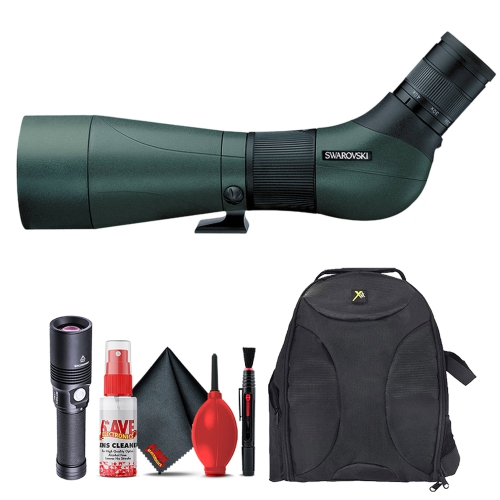 Your price for this item is $3364.95
-
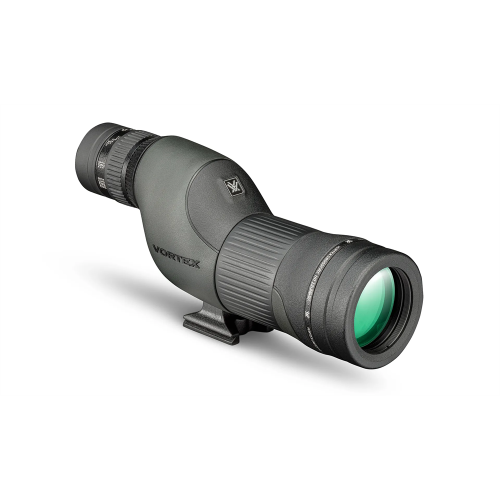 Your price for this item is $319
-
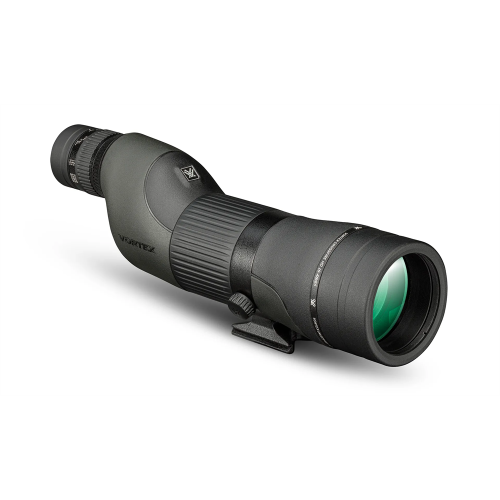 Your price for this item is $399
Discover more categories related to Spotting Scopes for Hunting
Top Collections:
Pokemon Centers, Best Cameras for Sports Photography, Kindle Devices, Samsung Galaxy Phones, Canon G7X Cameras, Pokémon 30th Celebration Cards, Refurbished Apple Laptops, iPhone 15 Apple, Laptops for Students, Budget Smartphones
Some products may be subject to Environmental Handling Fees
(EHF) depending on your province.
Learn more about EHFs.