Long Range Spotting Scopes
When it comes to long-range observation and precision targeting, nothing beats the power and clarity of a high-quality spotting scope. Whether you're an avid birdwatcher, a passionate hunter, or a nature enthusiast looking to explore the great outdoors, a long-range spotting scope is an essential tool for bringing distant subjects into sharp focus. With their impressive magnification capabilities and superior optics, these scopes offer exceptional clarity and detail, allowing you to see every intricate detail from afar. Discover the world of long-range observation with our wide selection of spotting scopes designed to meet the demands of outdoor enthusiasts like you.
Sort
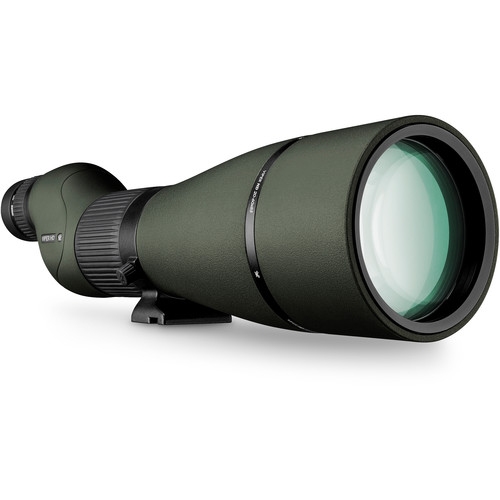
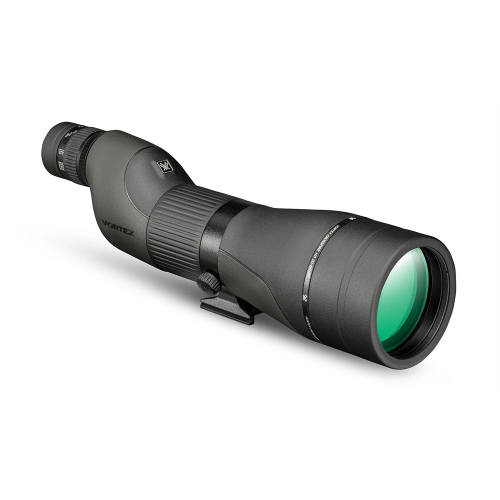
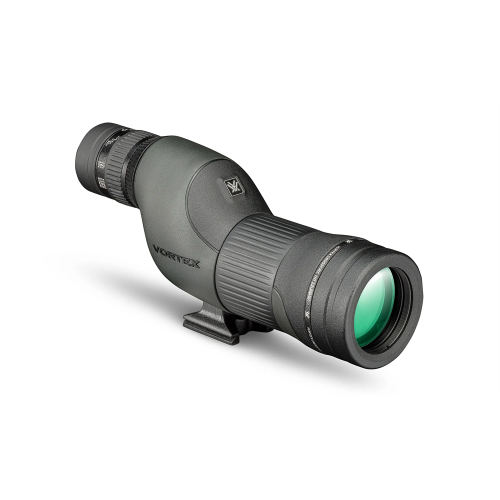
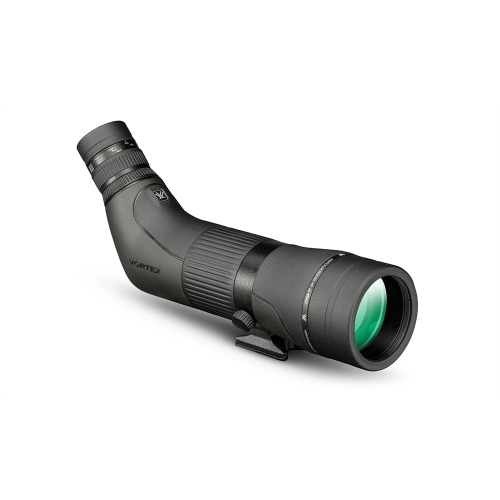
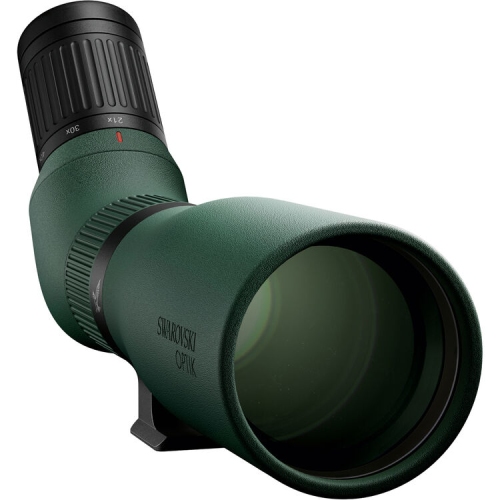
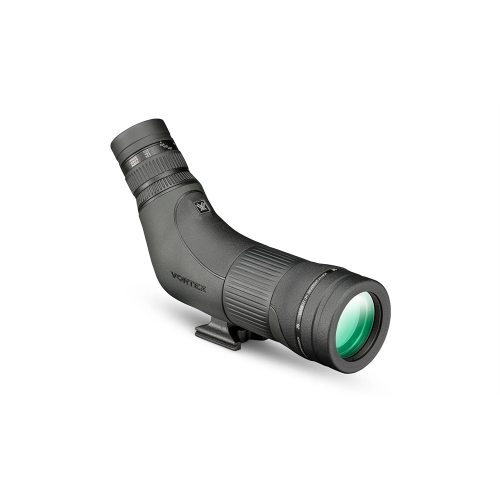
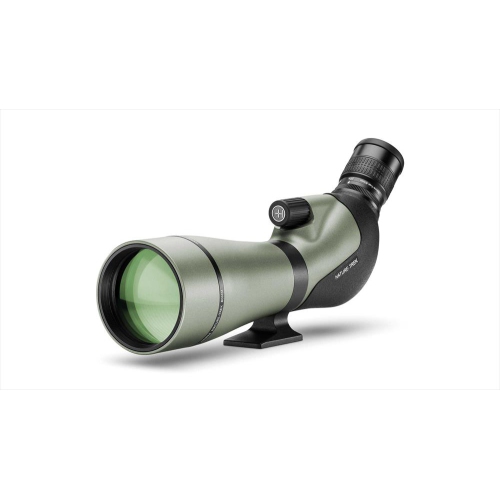
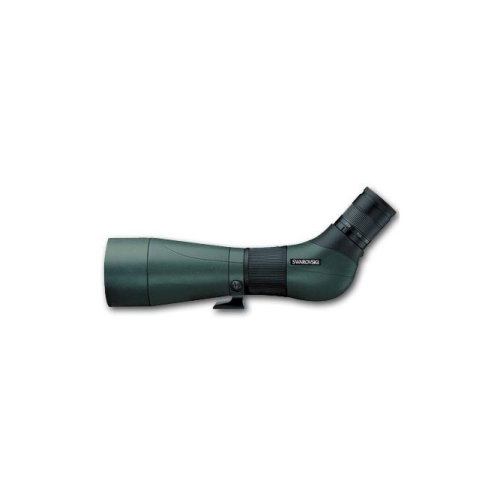
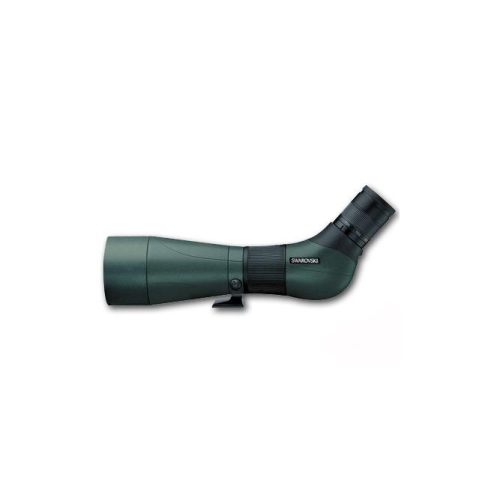
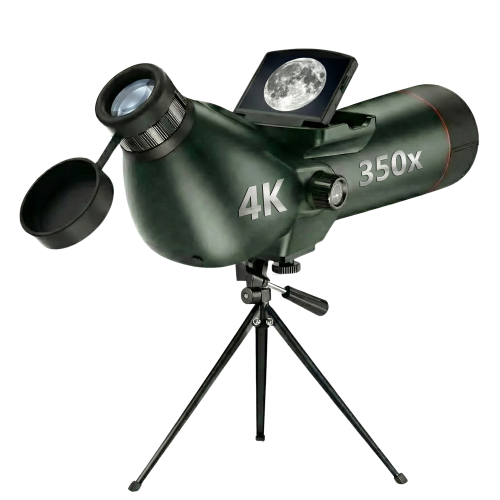
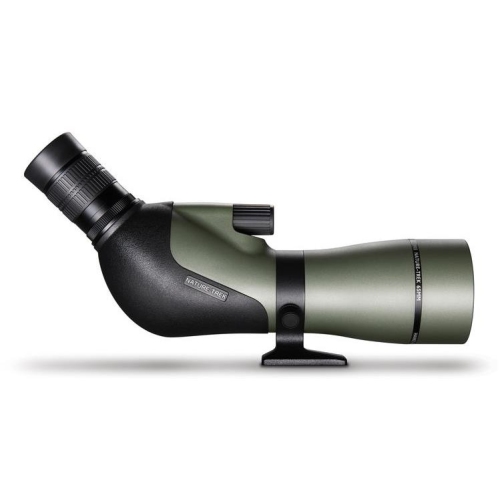
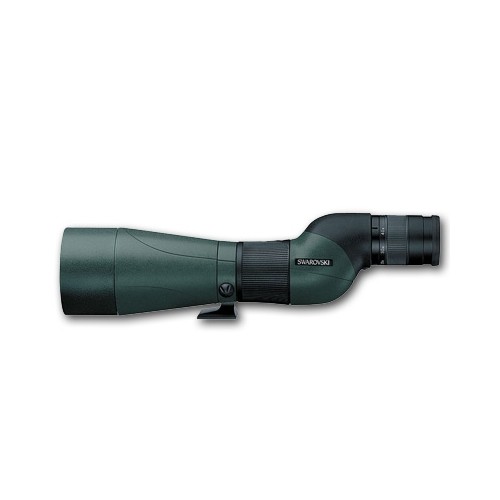
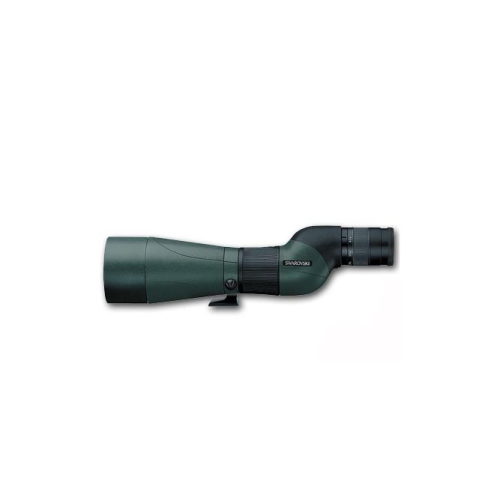
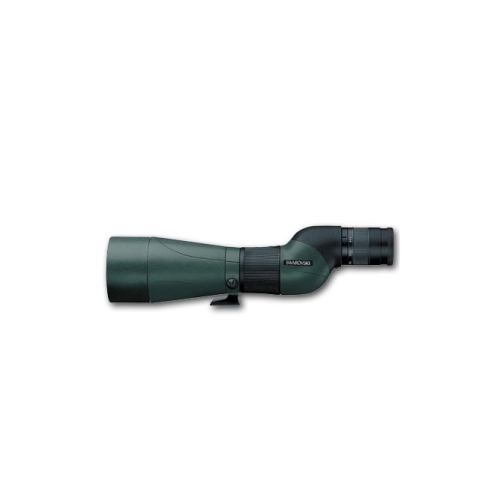
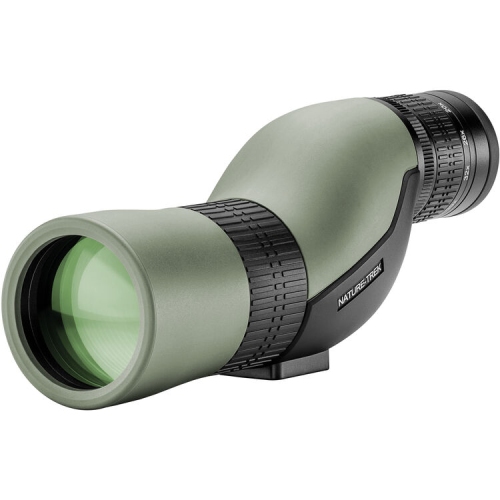
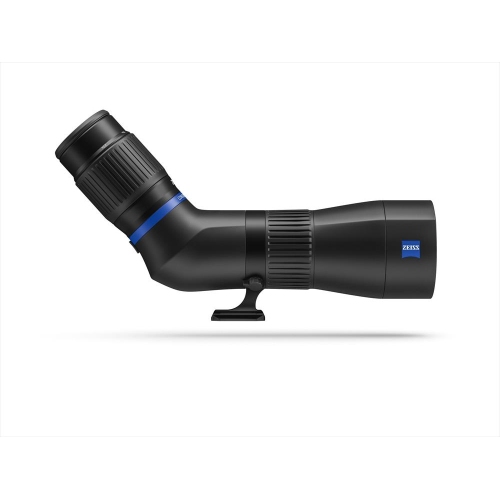
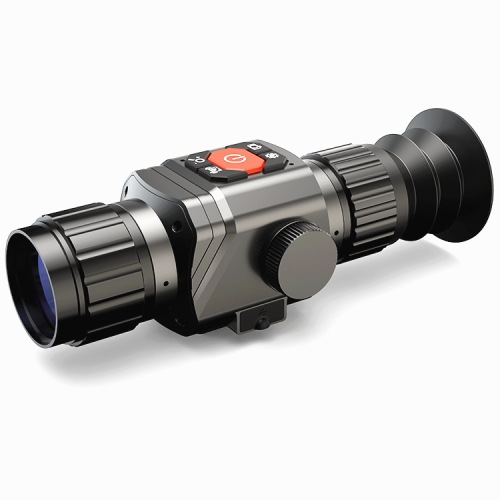
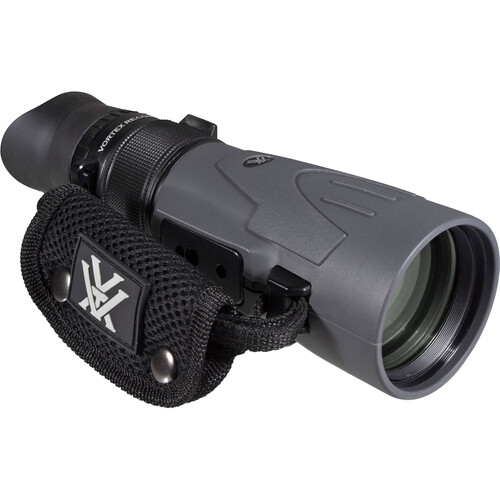
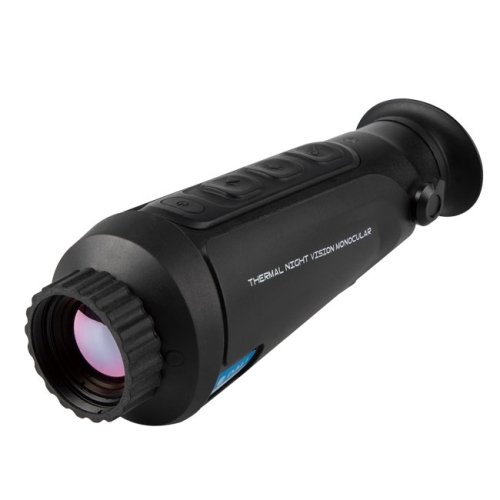
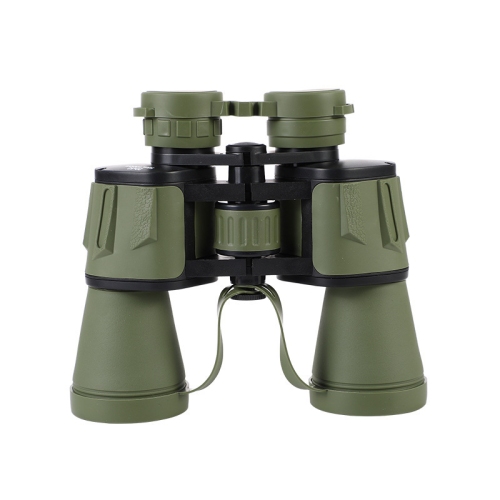
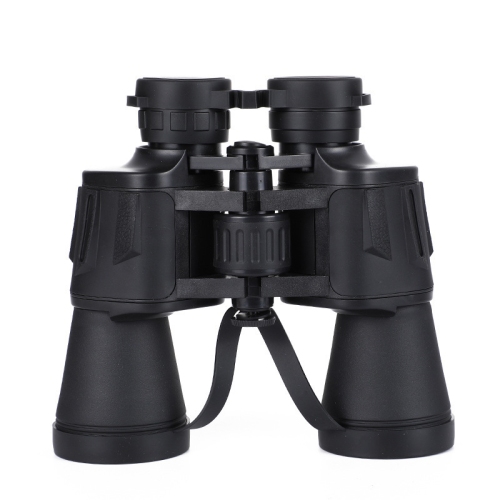
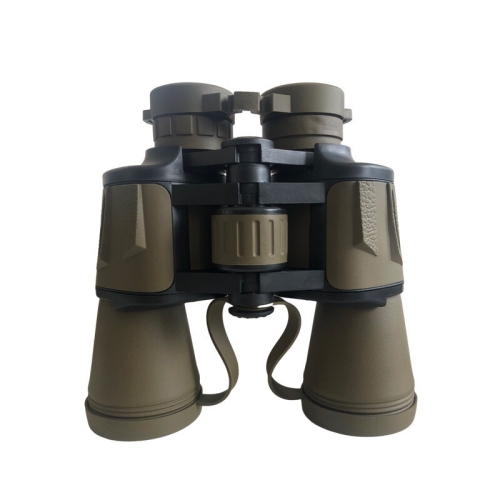
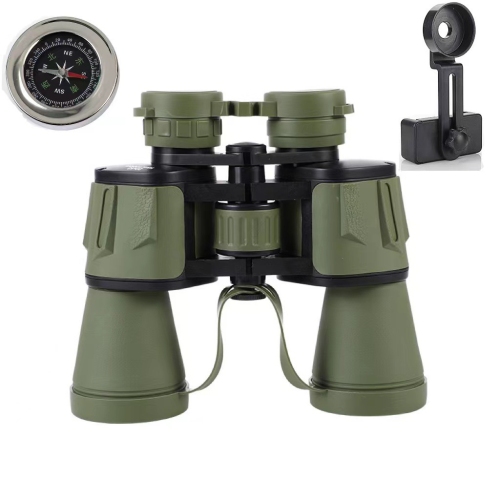
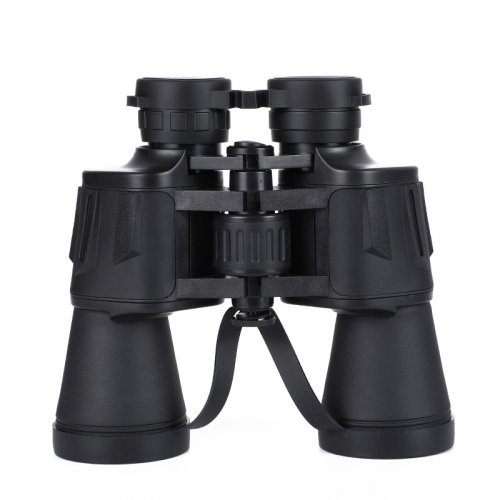
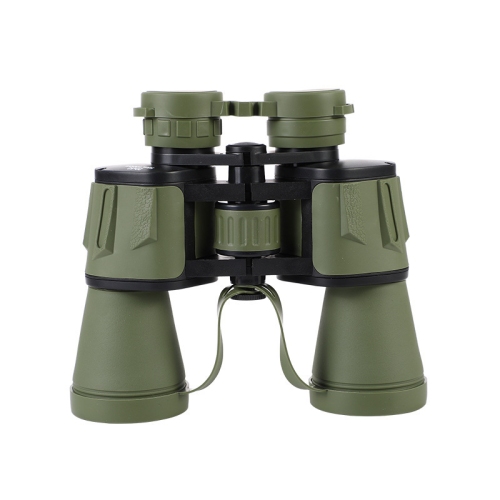
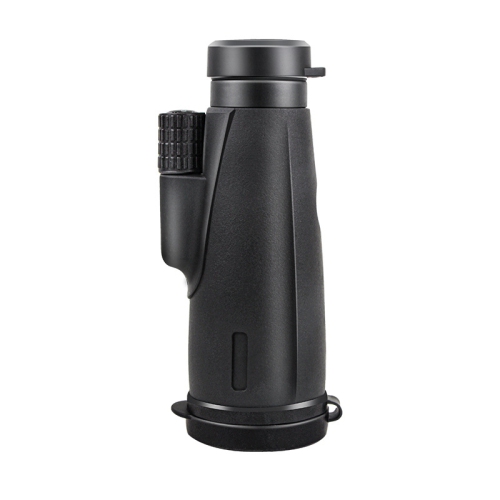
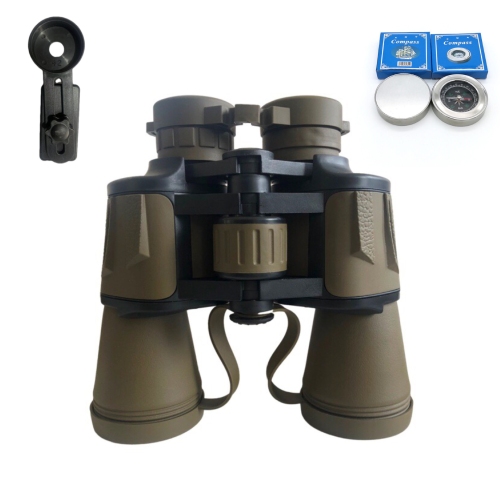
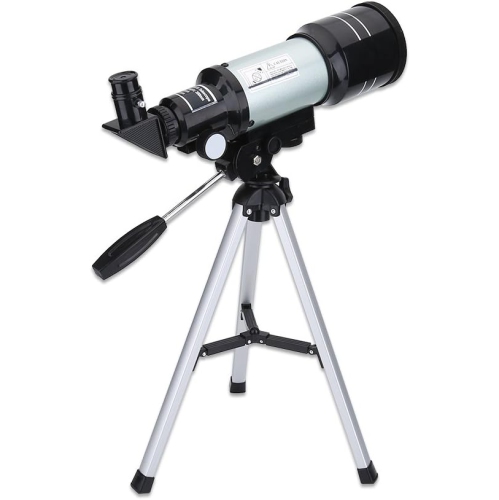
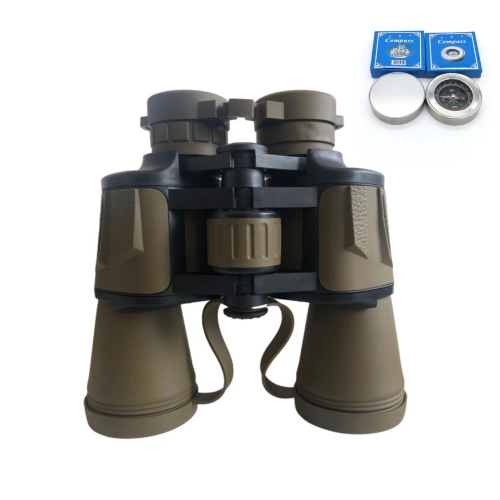
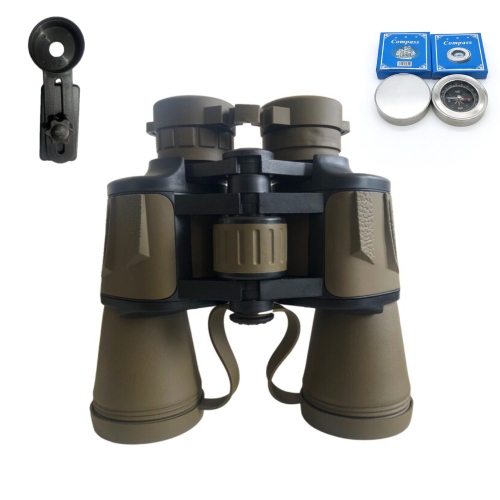
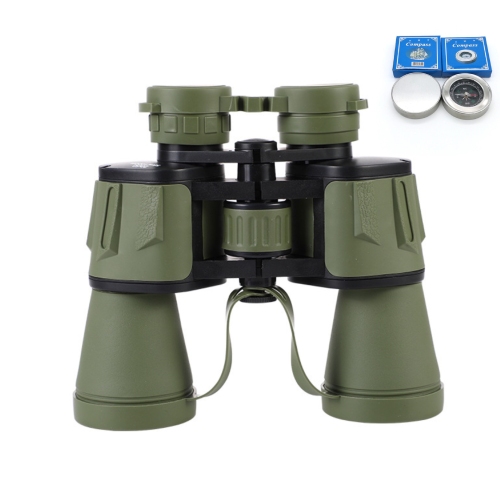
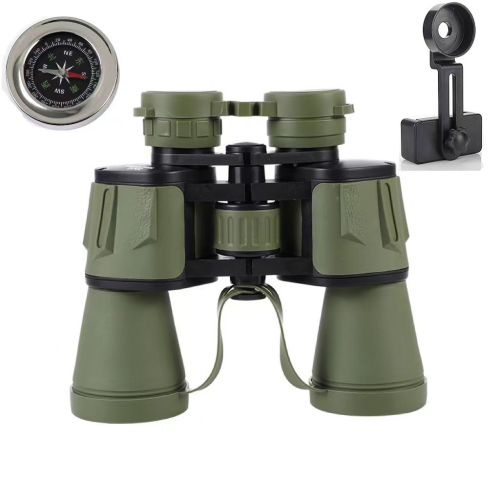

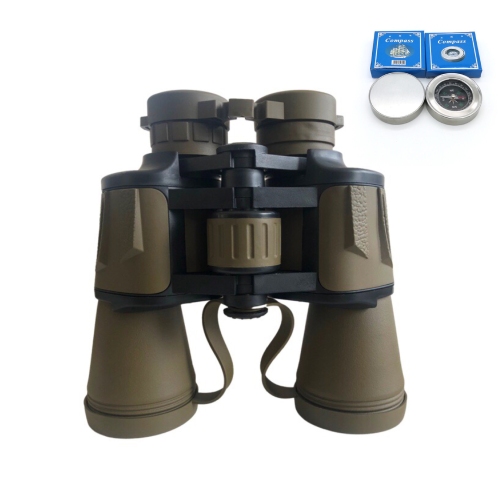
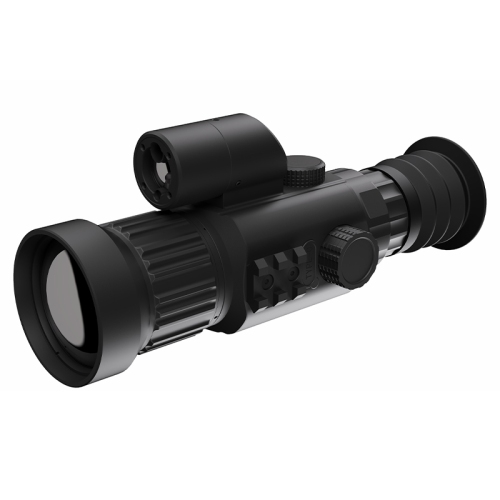
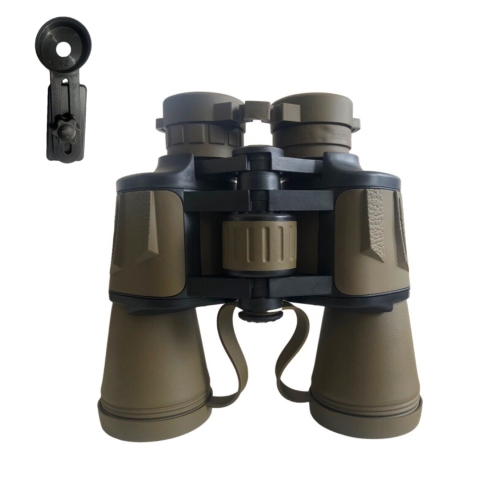
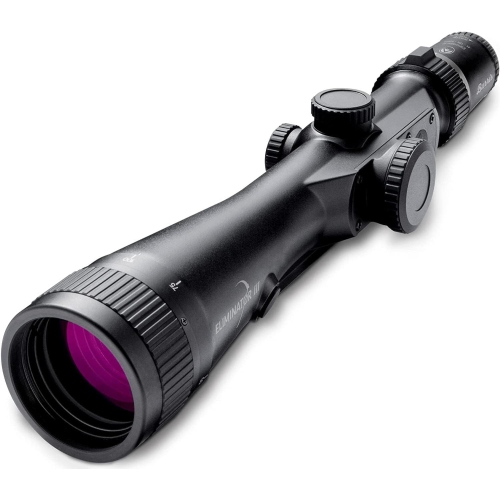
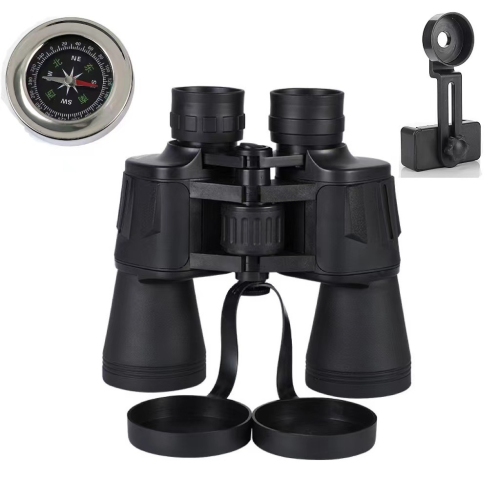
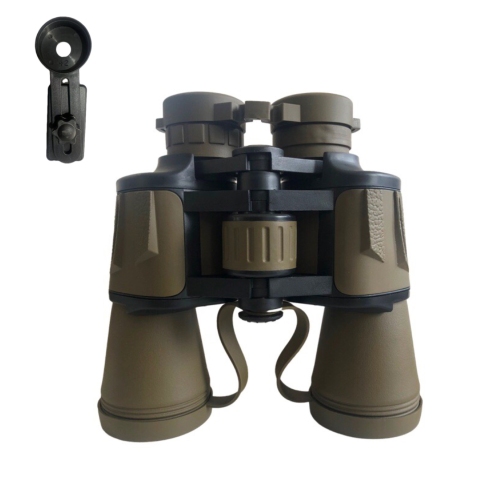
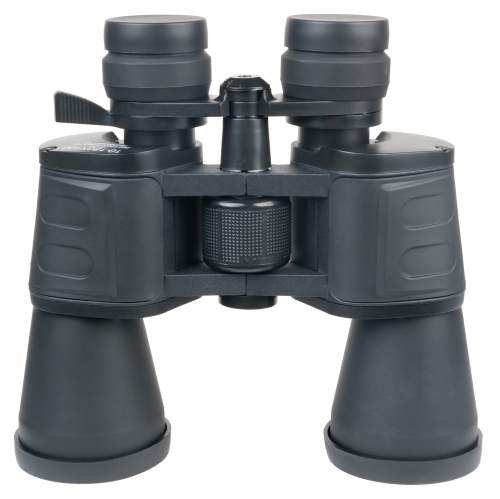
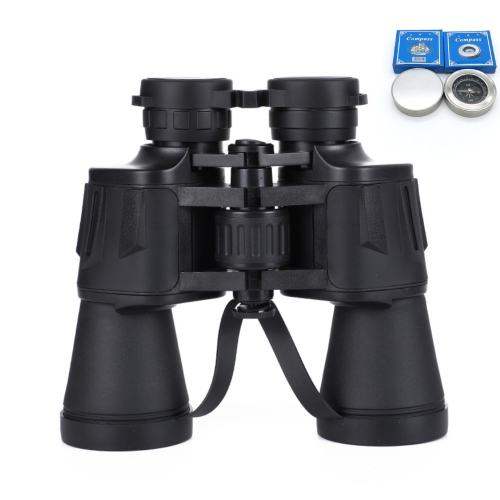
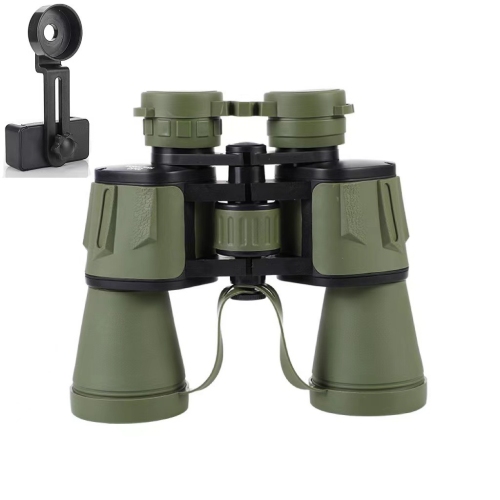
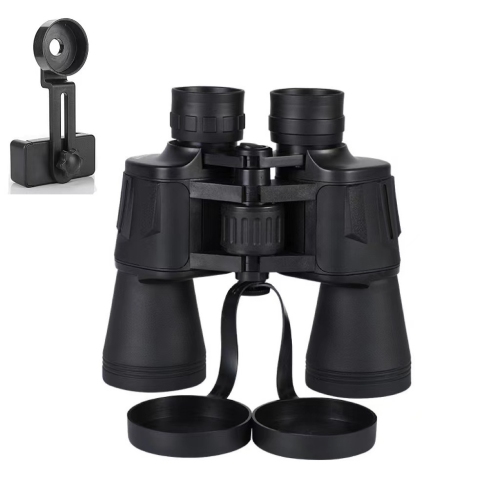
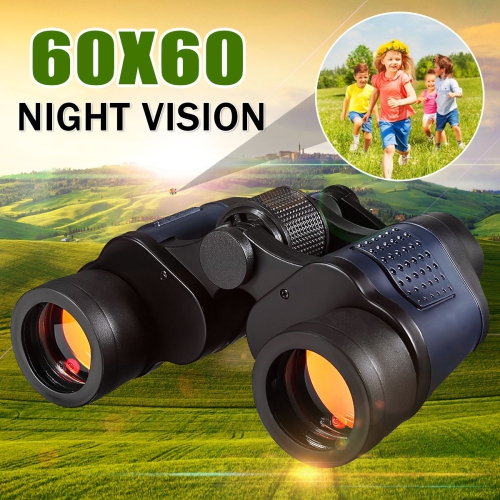
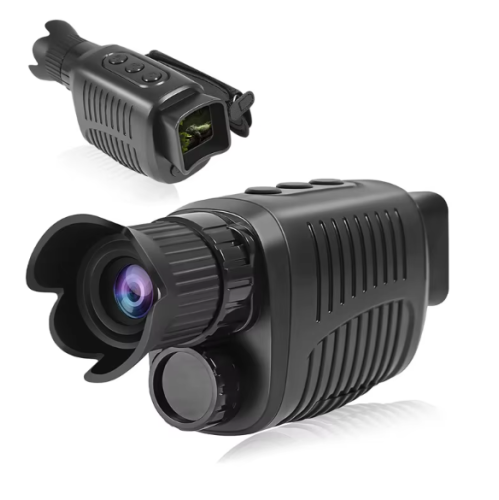
Powerful optics reveal fine details beyond 1,000 yards
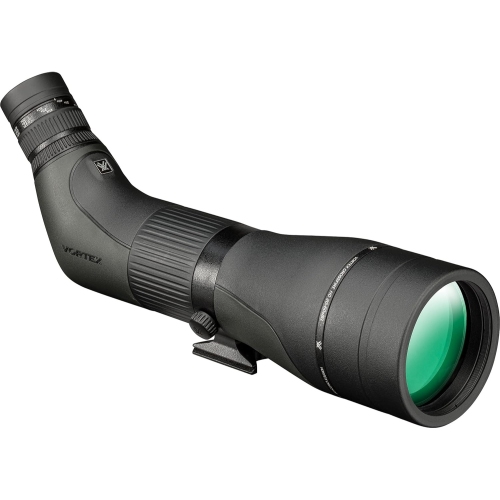
Long range spotting scopes are a trusted companion for outdoor enthusiasts who demand precision and clarity across vast distances—whether they’re scanning a distant ridgeline for elusive wildlife, tracking the flight of rare birds, or reading bullet impacts at a remote shooting range. These scopes are designed with powerful magnification, often ranging from 20x up to 80x or higher, and feature large objective lenses, typically 80mm or even larger, to capture as much light as possible for crisp, clear images. This combination of high magnification and substantial glass makes long range spotting scopes a top choice for anyone who needs to resolve fine details at 1,000 yards or beyond, where lesser optics would struggle to deliver a sharp view. The clarity and field resolution offered by these scopes make them invaluable for seasoned hunters glassing for game in open country, competitive marksmen zeroing in on distant targets, and dedicated birders hoping to distinguish subtle plumage patterns from afar.
Choosing the right long range spotting scope is a matter of balancing priorities such as optical performance, portability, and comfort during extended observation sessions. Many users appreciate apochromatic (APO) or extra-low dispersion (ED) glass, which helps minimize colour fringing and mirage distortion at extreme distances, providing a true-to-life view even in challenging light conditions. Body orientation is another important consideration: angled scopes are often preferred for shared viewing and for glassing uphill or across rolling terrain, while straight-bodied models make it easier to acquire targets quickly, especially when following fast-moving subjects. The weight and size of the scope can also play a role, particularly for those who plan to carry their gear deep into the field or up rugged trails. For anyone who values both performance and convenience, it’s worth considering how the scope will pair with a sturdy tripod and whether it fits comfortably in your pack. These practical considerations help ensure that the scope you choose will match your intended use, whether you’re setting up at a shooting bench, watching wildlife from a hide, or hiking into the backcountry.
Long range spotting scopes also make thoughtful gifts for anyone passionate about the outdoors. They are well-suited for hunters preparing for the fall season, birdwatchers enjoying the changing migrations as the weather shifts, or hobbyists who appreciate the art of long-distance observation. A high-quality scope can open up new perspectives, revealing hidden details in familiar landscapes and turning a simple day outside into a memorable adventure. If your interests are focused on hunting, you can explore more specialized options and expert advice by visiting the Spotting Scopes for Hunting page. No matter your passion or experience level, investing in a reliable long range spotting scope can transform your time outdoors, offering the satisfaction of seeing the world in greater detail and with newfound appreciation.
Choosing the right long range spotting scope is a matter of balancing priorities such as optical performance, portability, and comfort during extended observation sessions. Many users appreciate apochromatic (APO) or extra-low dispersion (ED) glass, which helps minimize colour fringing and mirage distortion at extreme distances, providing a true-to-life view even in challenging light conditions. Body orientation is another important consideration: angled scopes are often preferred for shared viewing and for glassing uphill or across rolling terrain, while straight-bodied models make it easier to acquire targets quickly, especially when following fast-moving subjects. The weight and size of the scope can also play a role, particularly for those who plan to carry their gear deep into the field or up rugged trails. For anyone who values both performance and convenience, it’s worth considering how the scope will pair with a sturdy tripod and whether it fits comfortably in your pack. These practical considerations help ensure that the scope you choose will match your intended use, whether you’re setting up at a shooting bench, watching wildlife from a hide, or hiking into the backcountry.
Long range spotting scopes also make thoughtful gifts for anyone passionate about the outdoors. They are well-suited for hunters preparing for the fall season, birdwatchers enjoying the changing migrations as the weather shifts, or hobbyists who appreciate the art of long-distance observation. A high-quality scope can open up new perspectives, revealing hidden details in familiar landscapes and turning a simple day outside into a memorable adventure. If your interests are focused on hunting, you can explore more specialized options and expert advice by visiting the Spotting Scopes for Hunting page. No matter your passion or experience level, investing in a reliable long range spotting scope can transform your time outdoors, offering the satisfaction of seeing the world in greater detail and with newfound appreciation.
Top selling and popular products
-
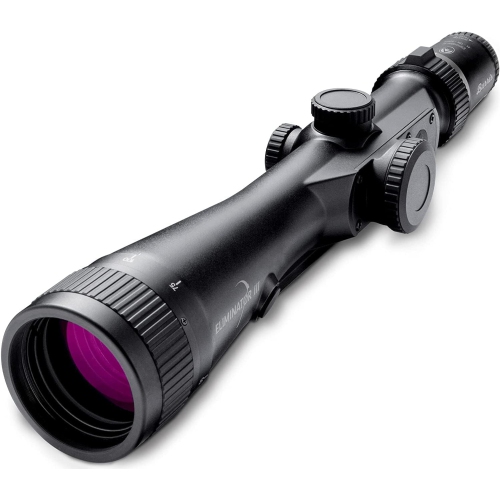 Your price for this item is $2564.05
 -
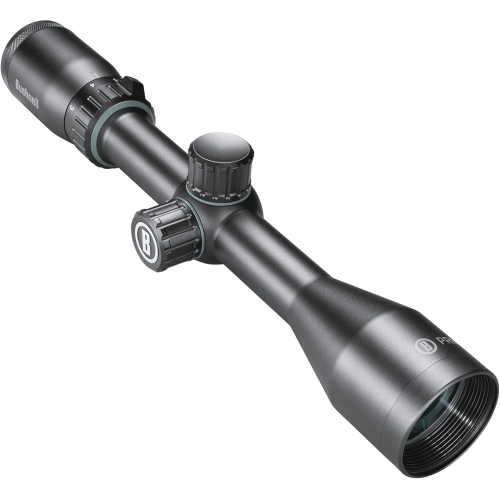 Your price for this item is $149.99
 -
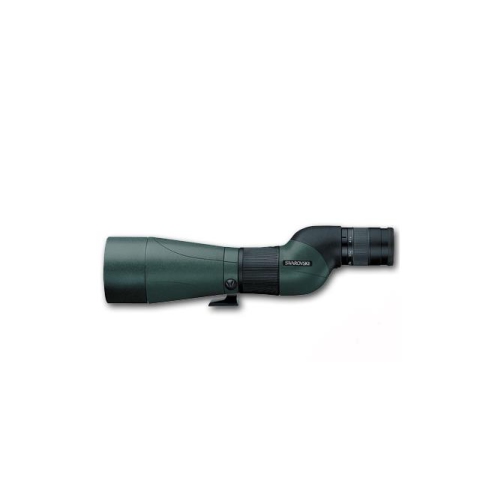 Your price for this item is $5718
 -
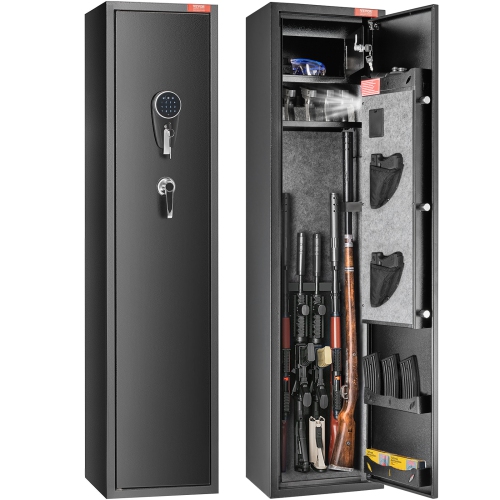 Your price for this item is $427.99
 -
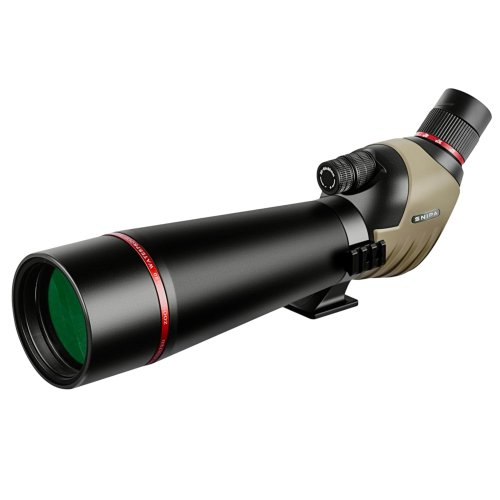 Your price for this item is $384
 -
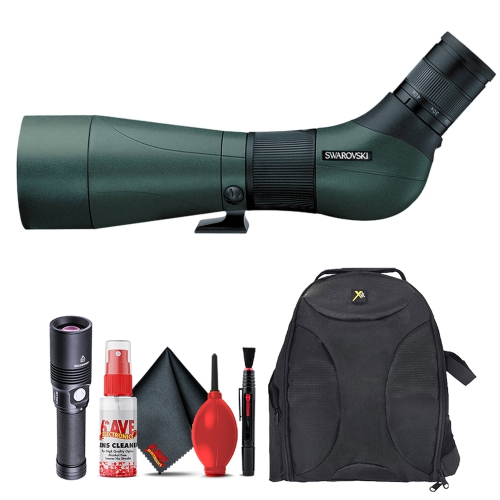 Your price for this item is $3364.95
 -
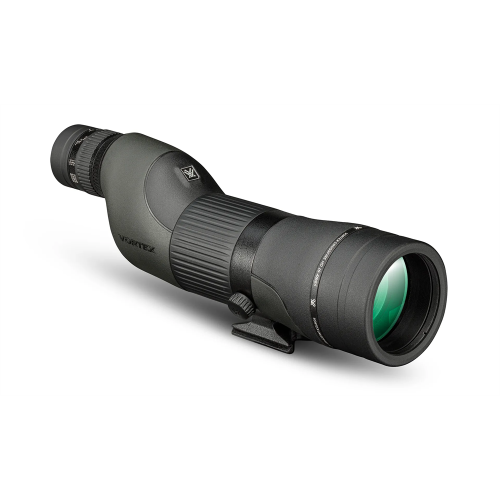 Your price for this item is $399
 -
 Your price for this item is $469
Discover more categories related to Long Range Spotting Scopes
Top Collections:
Pokemon Centers, Best Cameras for Sports Photography, Kindle Devices, Samsung Galaxy Phones, Canon G7X Cameras, Pokémon 30th Celebration Cards, Refurbished Apple Laptops, iPhone 15 Apple, Laptops for Students, Budget Smartphones
Some products may be subject to Environmental Handling Fees
(EHF) depending on your province.
Learn more about EHFs.